Freestanding Gas Stoves
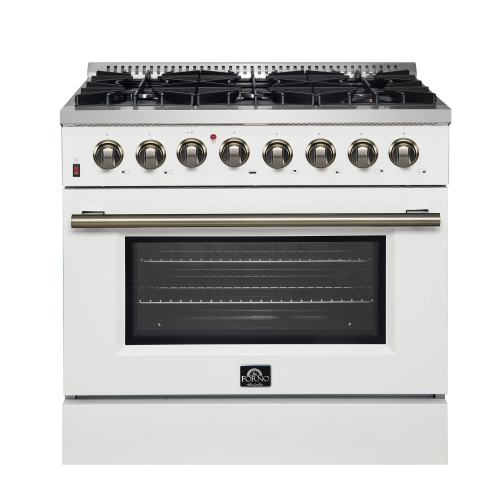
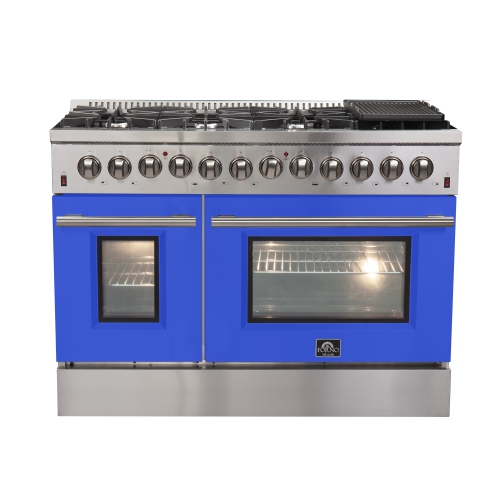
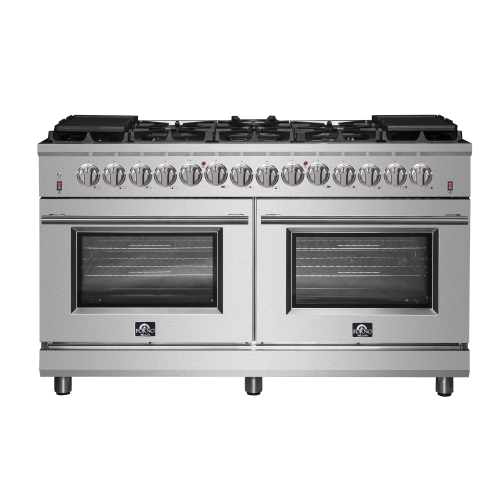
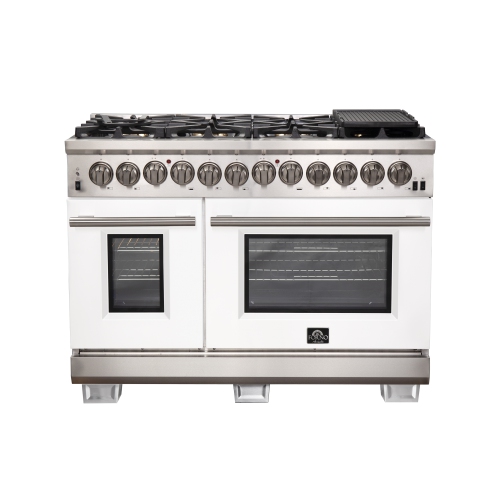
Upgrade your home heating with our selection of freestanding gas stoves. Designed to bring warmth and style to any space, these gas stoves offer the perfect combination of functionality and aesthetics. Whether you're looking to create a cozy ambiance in your living room or add a touch of elegance to your cabin retreat, our range of freestanding gas stoves will help you transform your space into a warm and inviting haven. With their efficient heating capabilities and sleek designs, these gas stoves are the ideal choice for those seeking both comfort and beauty in their homes.
Sort
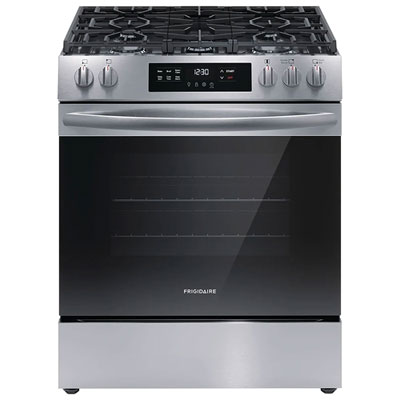
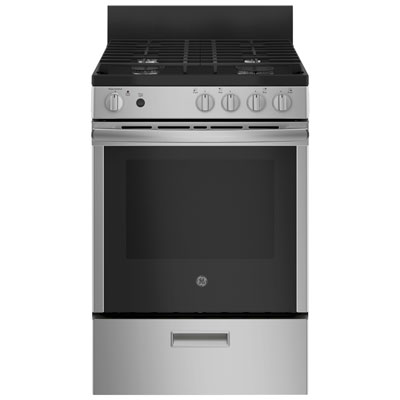
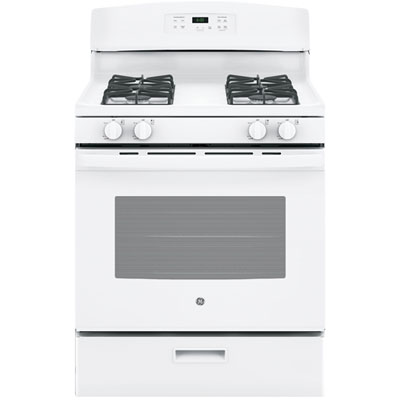
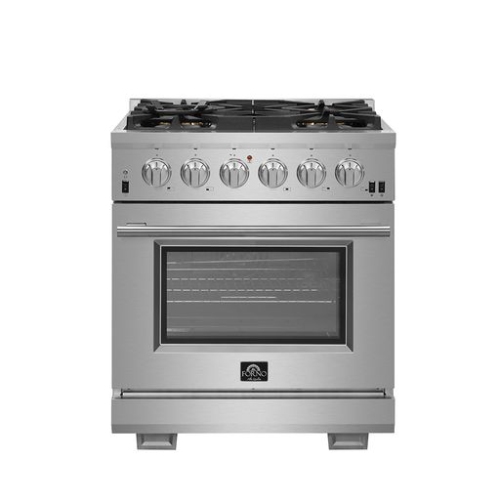
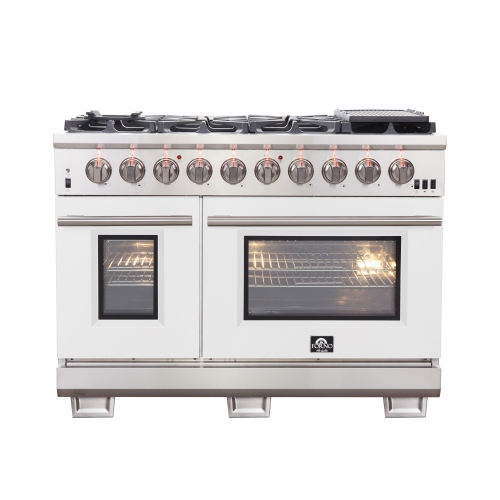
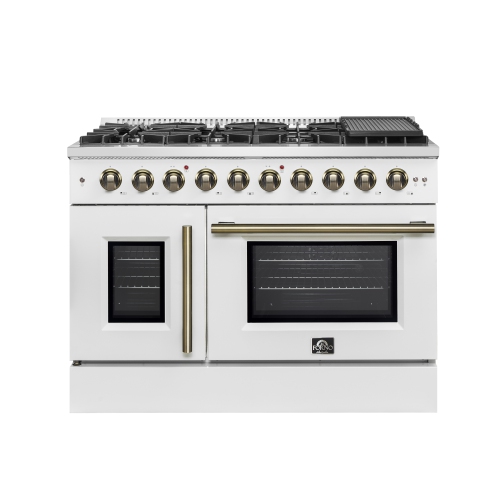
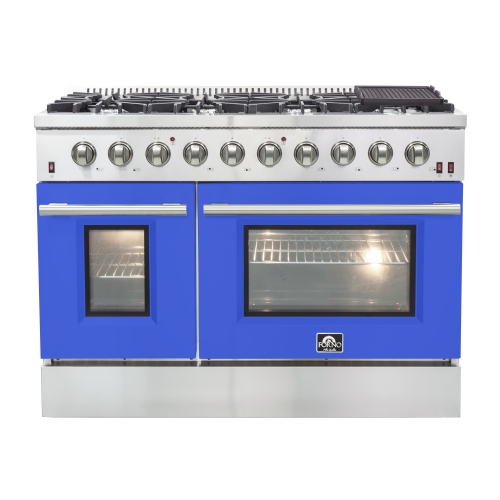
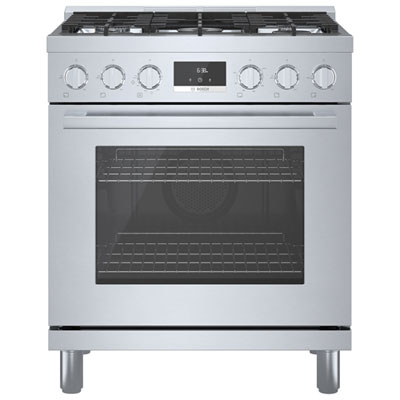







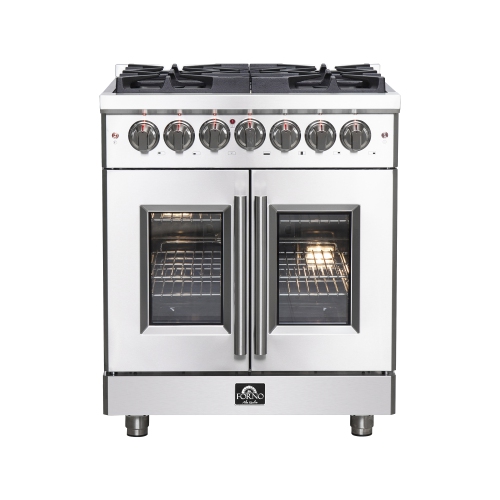
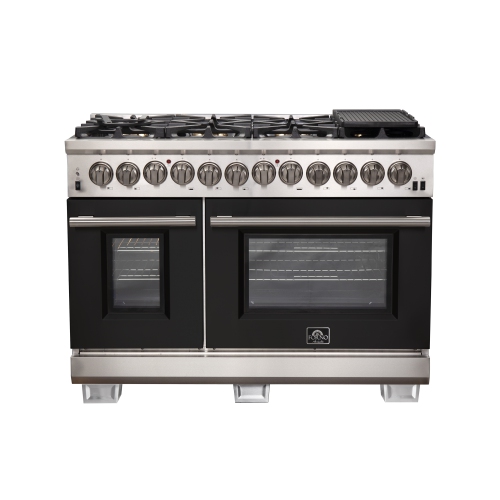
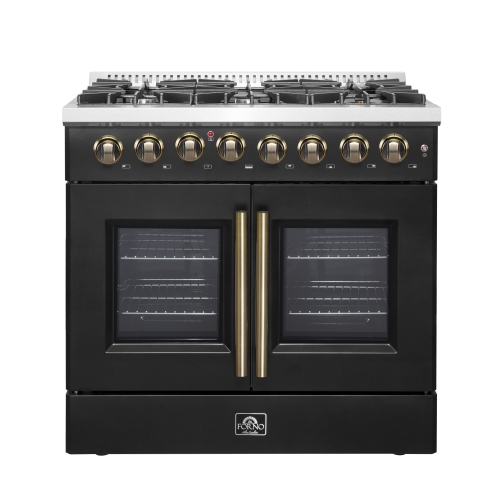
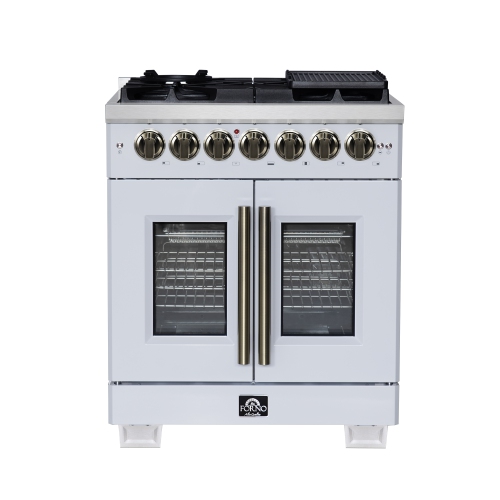
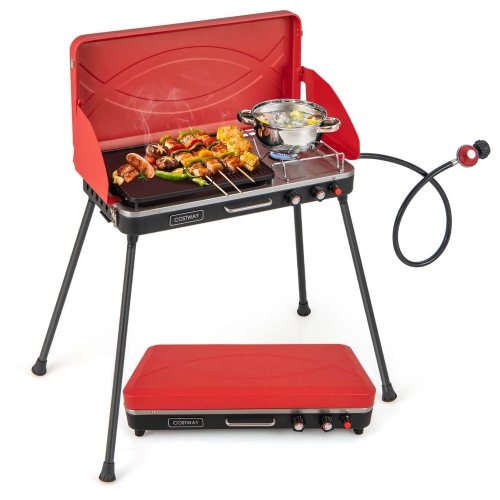
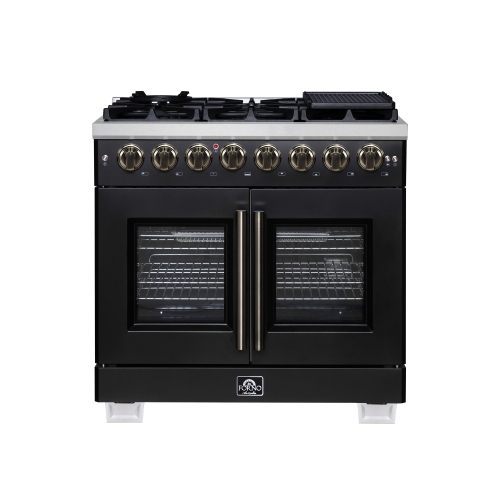
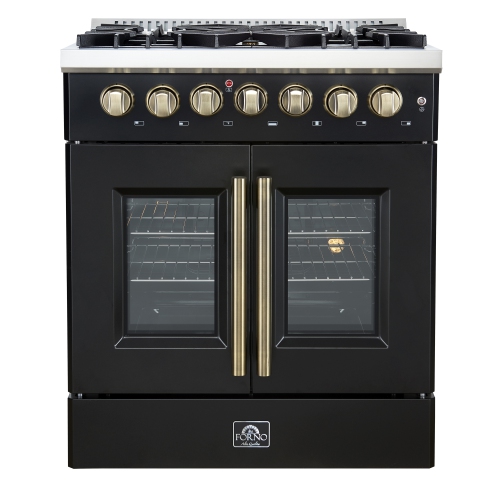
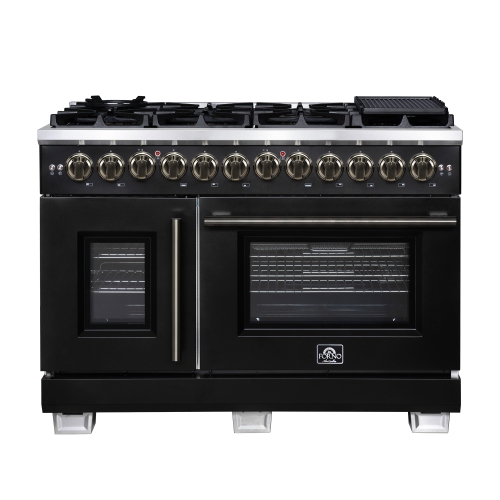

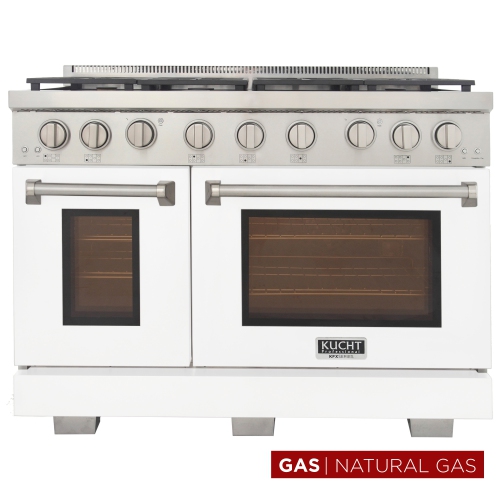
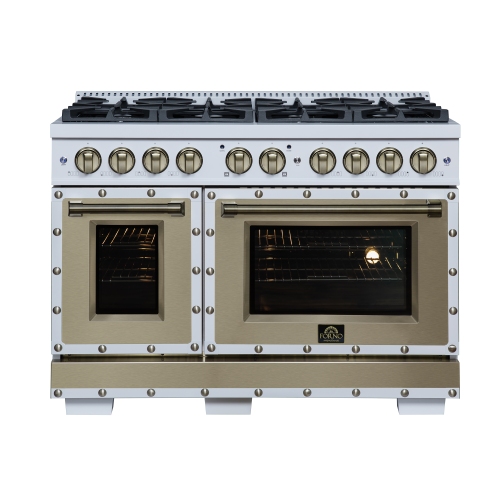
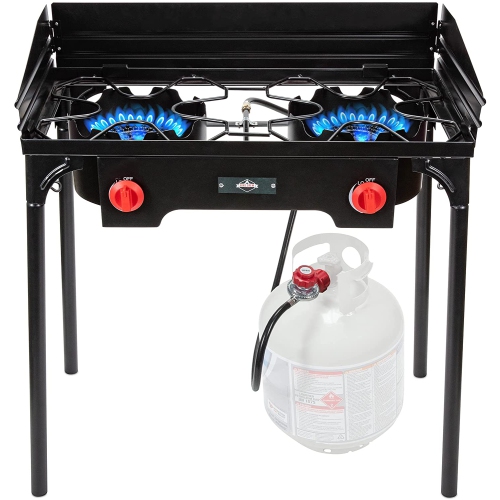
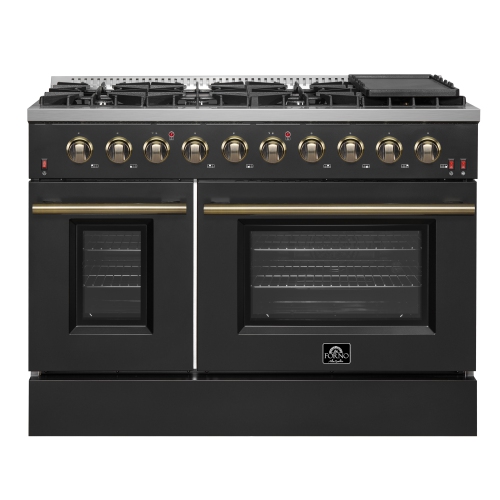

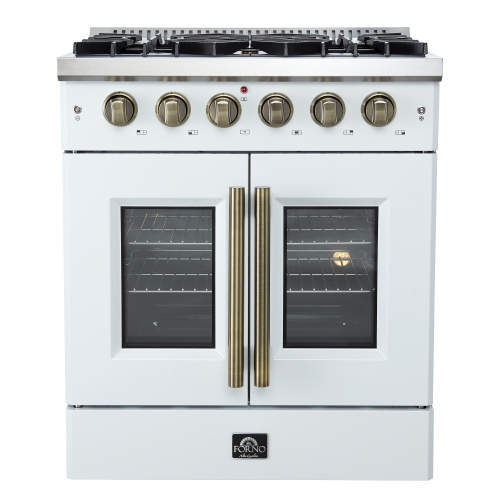
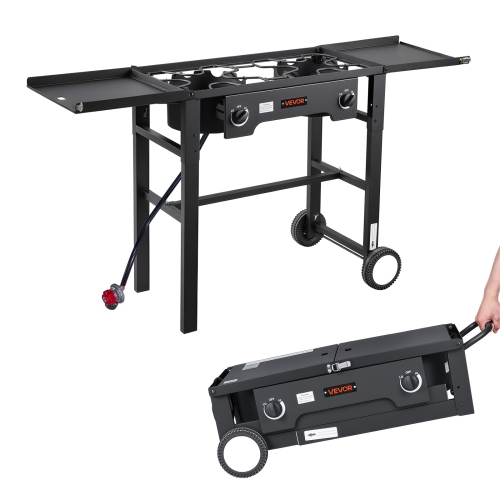
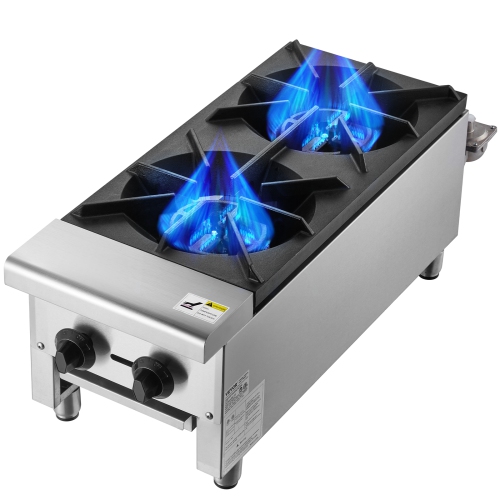
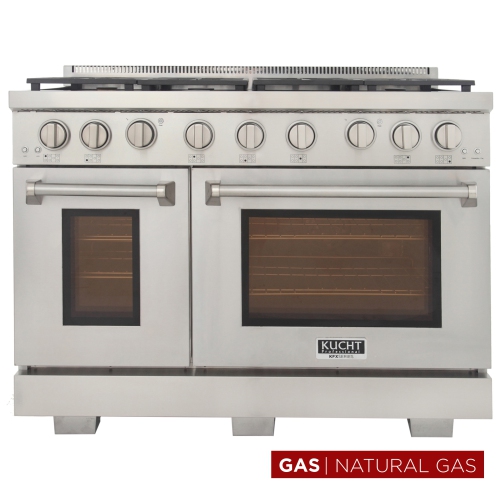
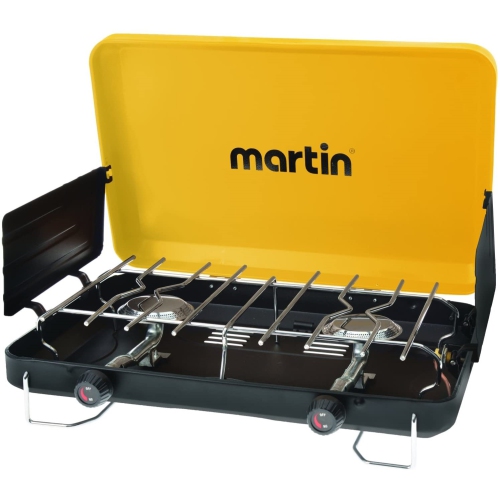
A good kitchen fit goes beyond stove width
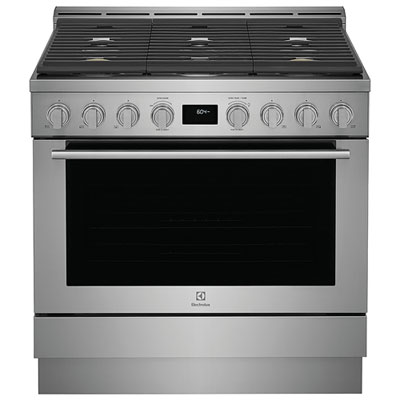
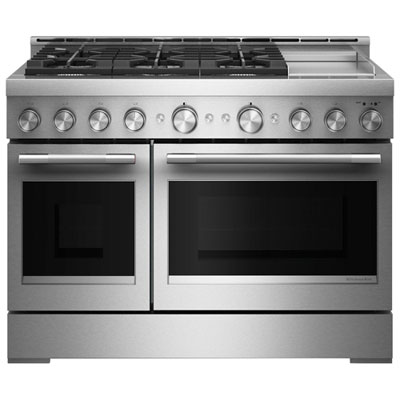
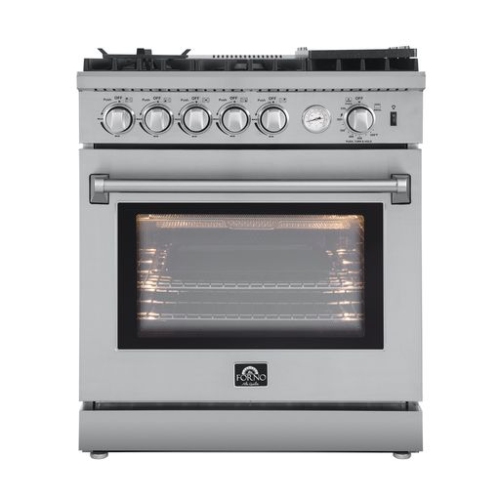
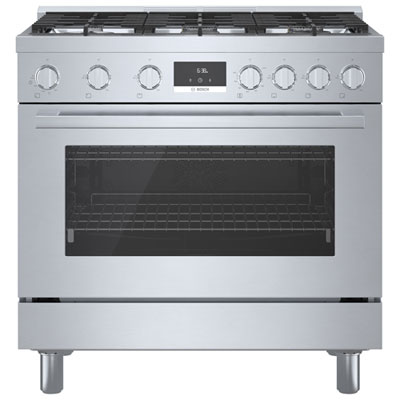
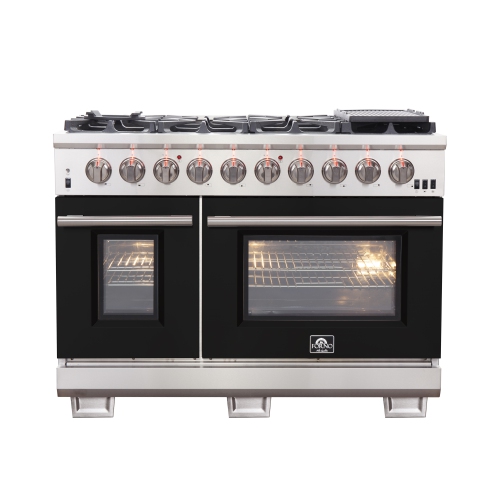
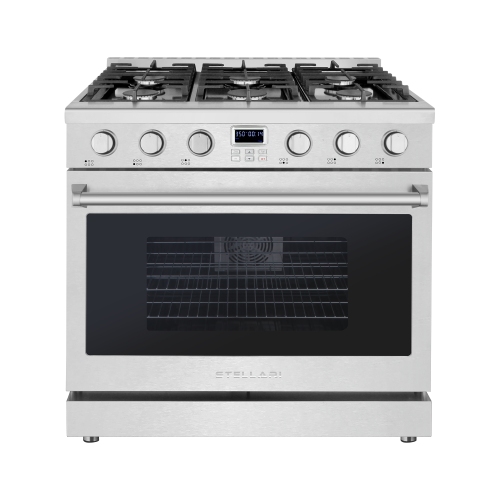
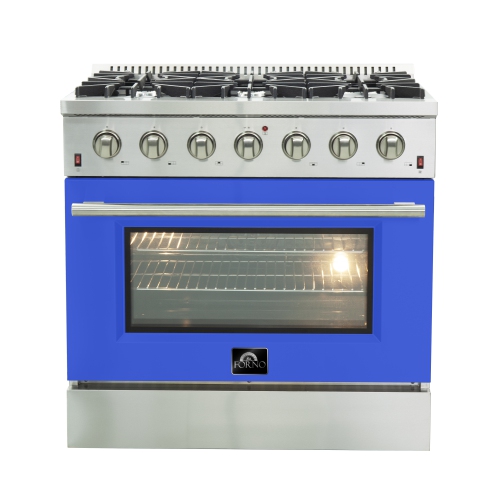
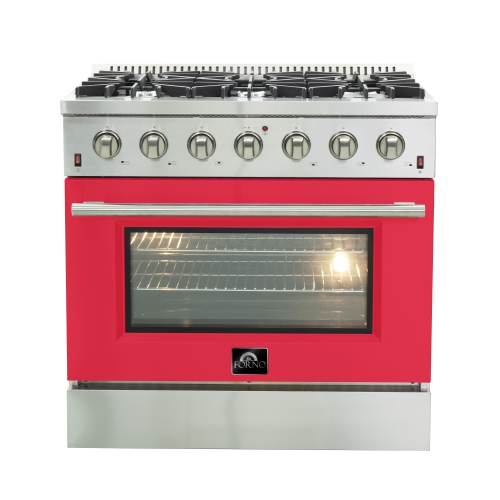
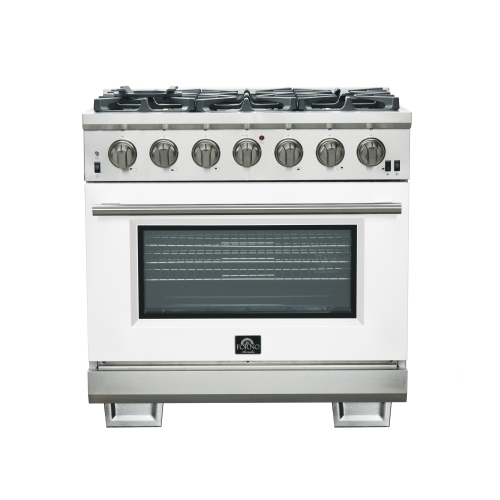
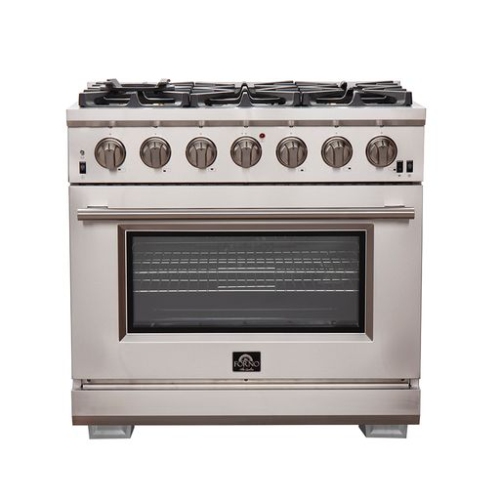
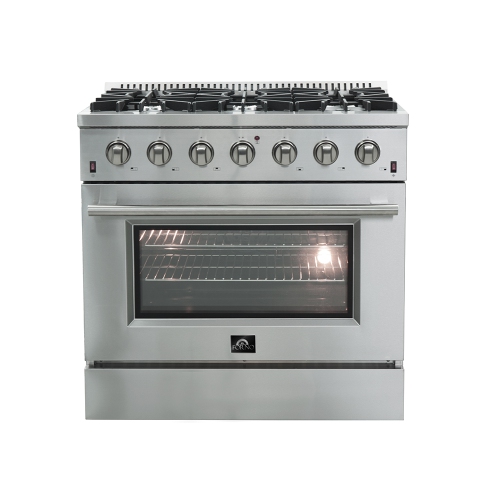
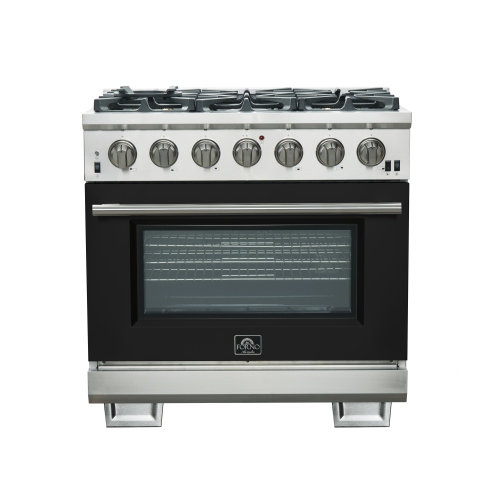
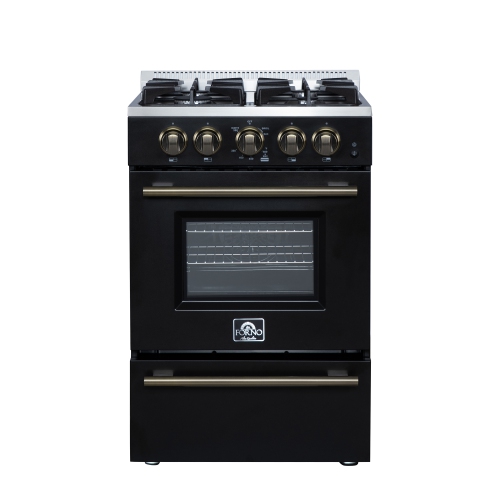
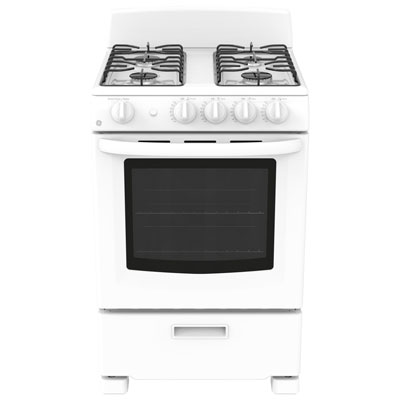
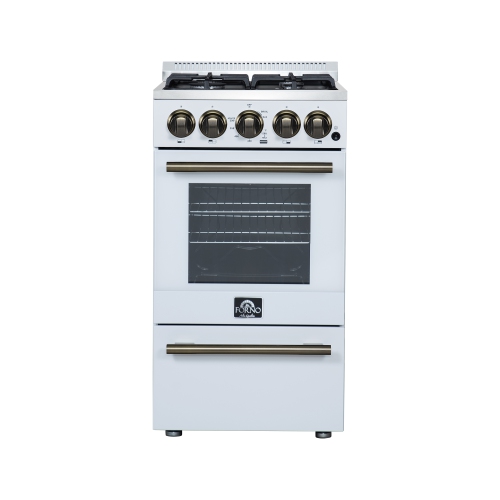
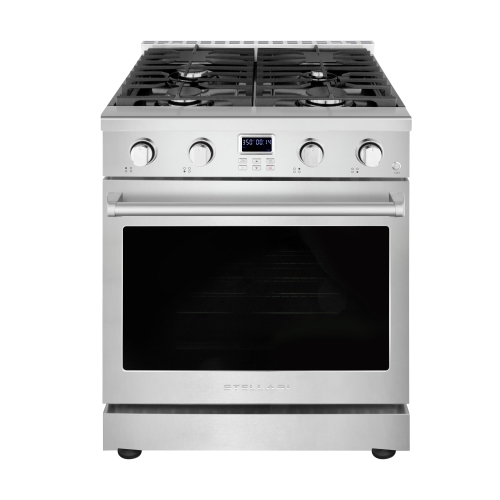
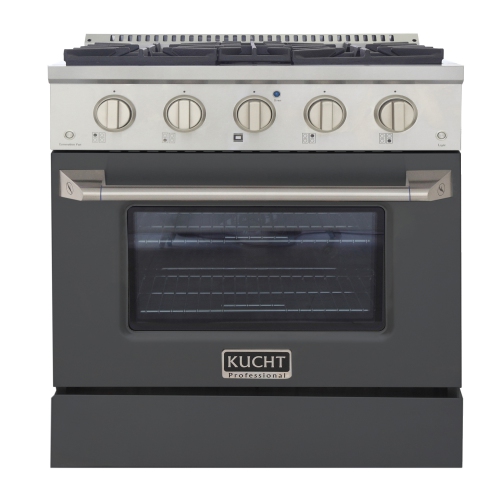
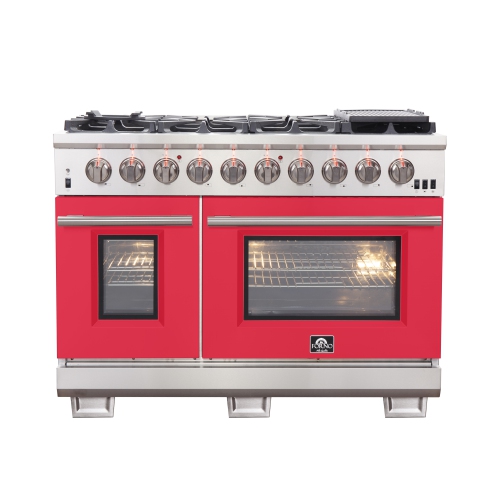
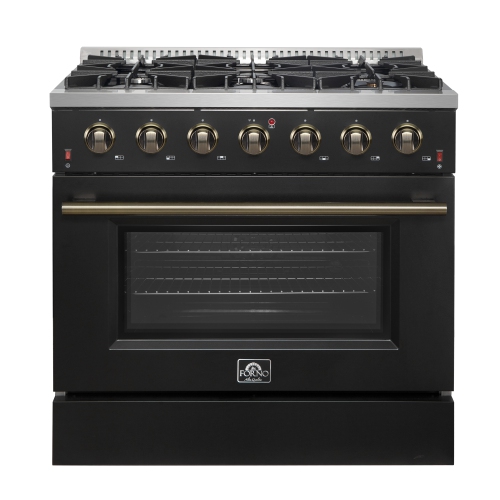
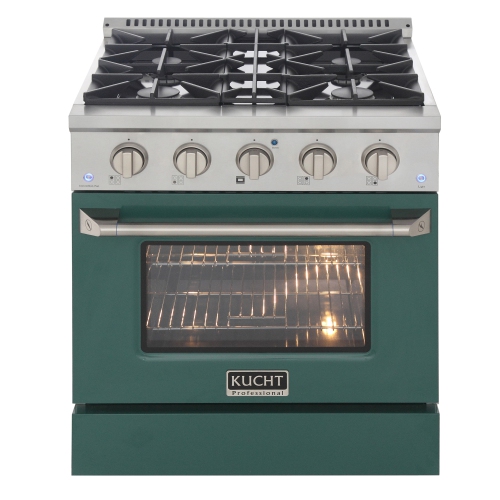
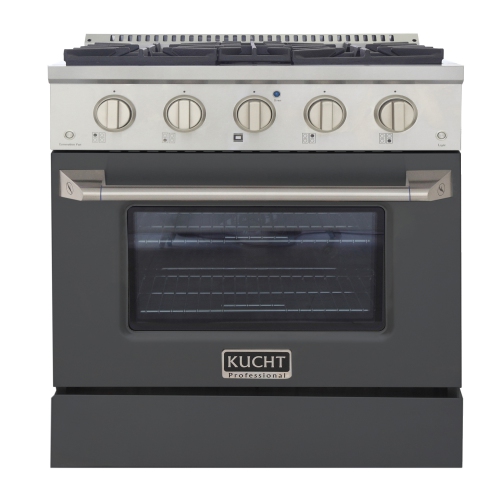
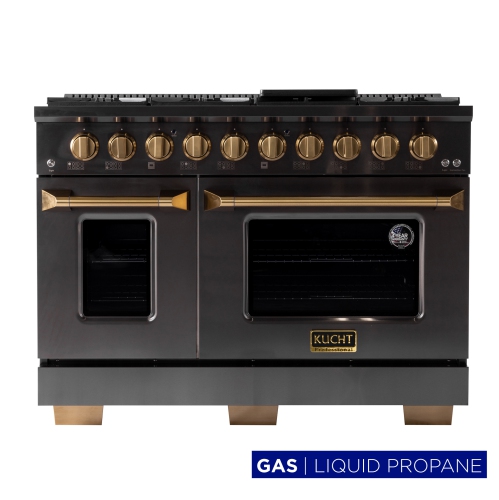
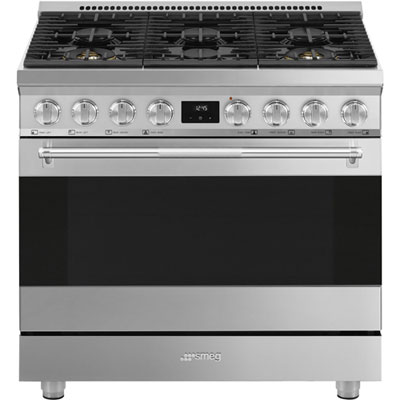
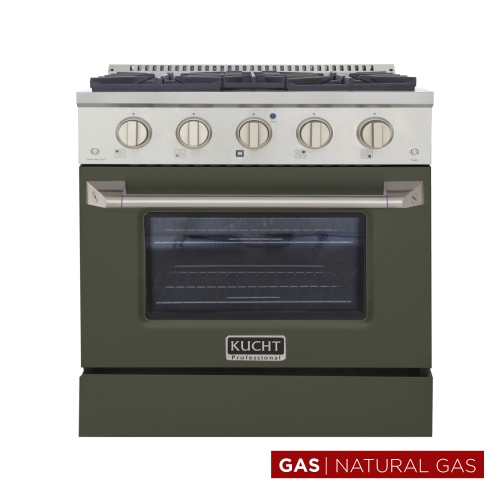
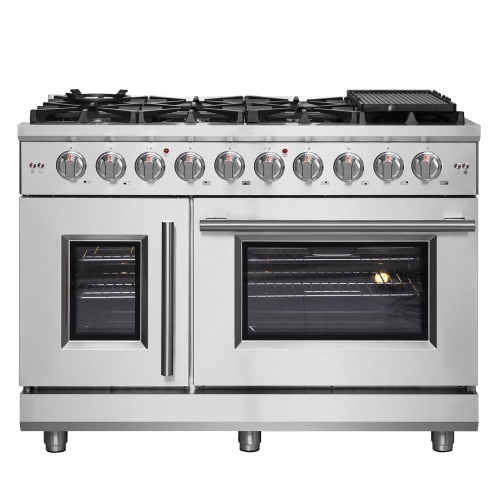
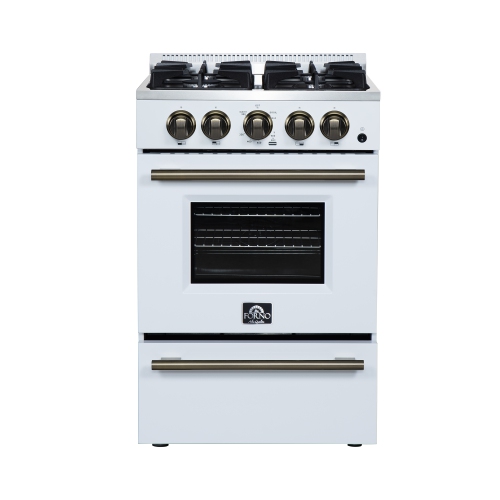
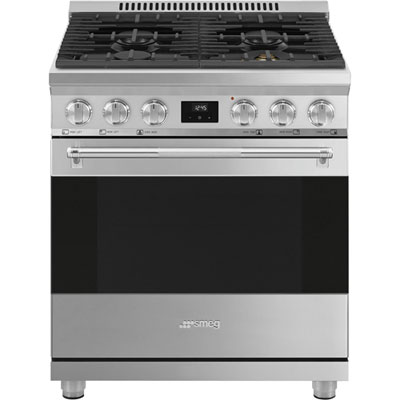
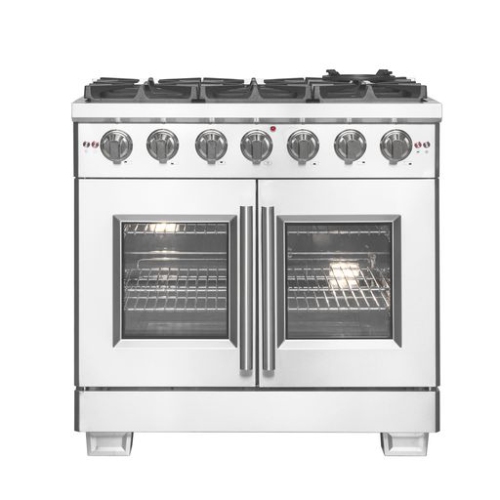
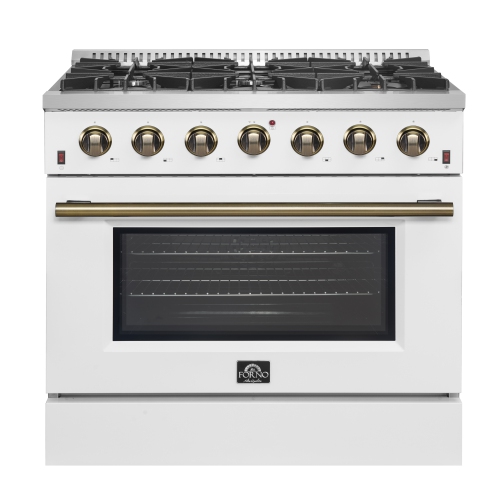
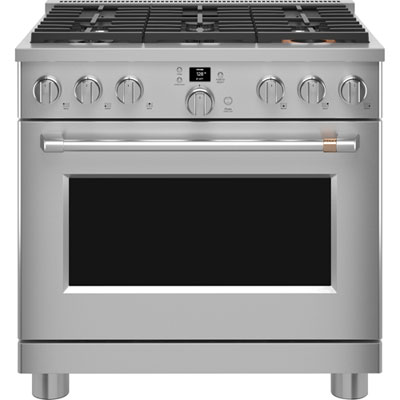
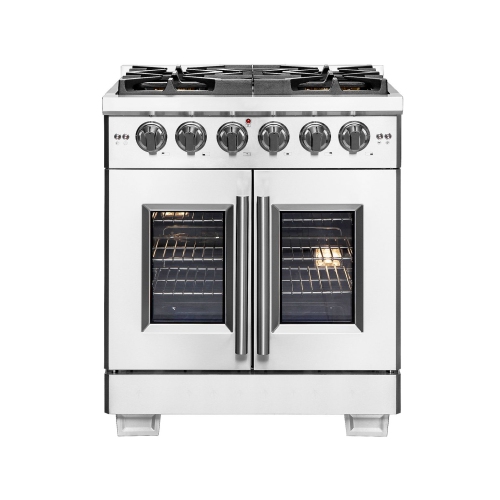
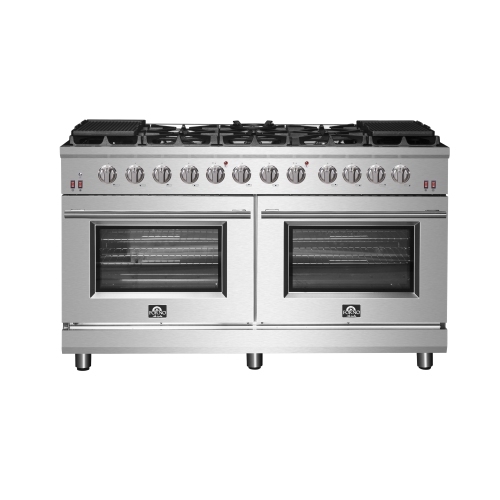
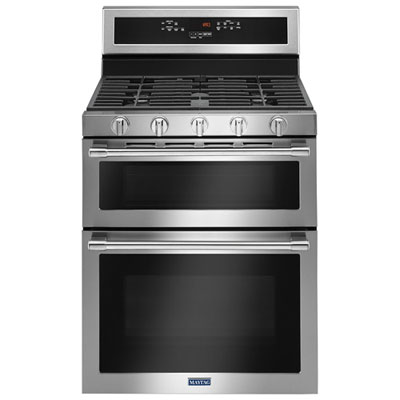
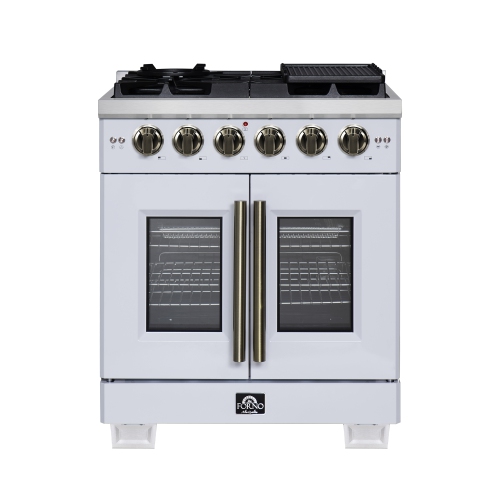
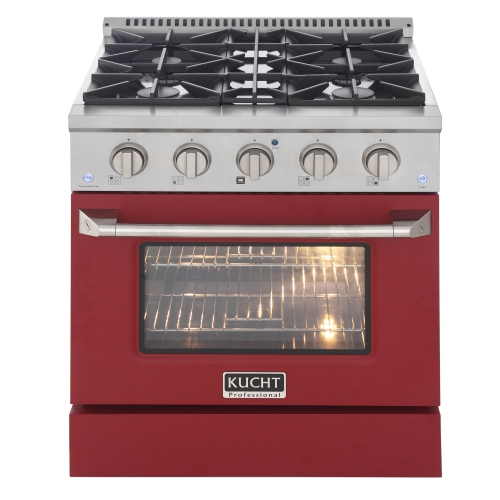
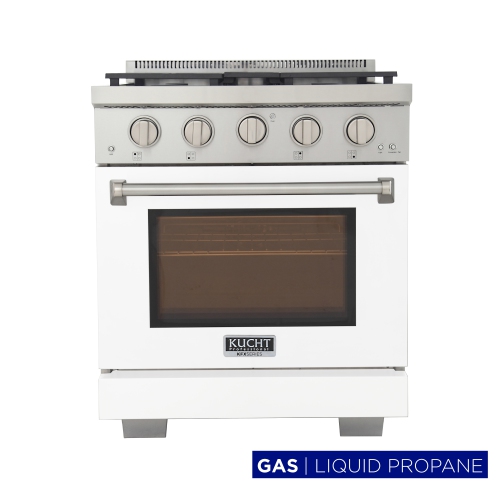
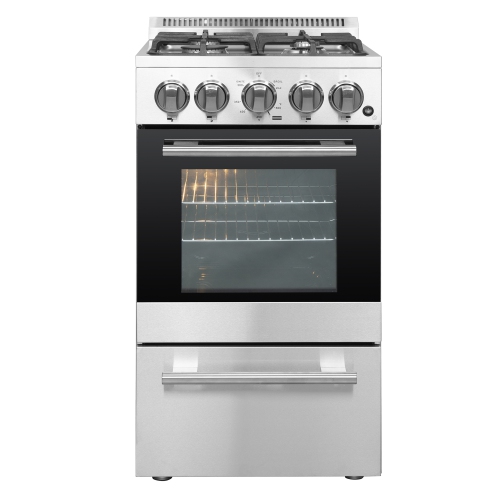
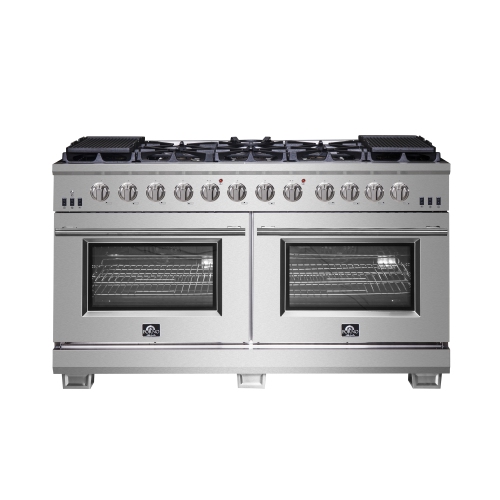
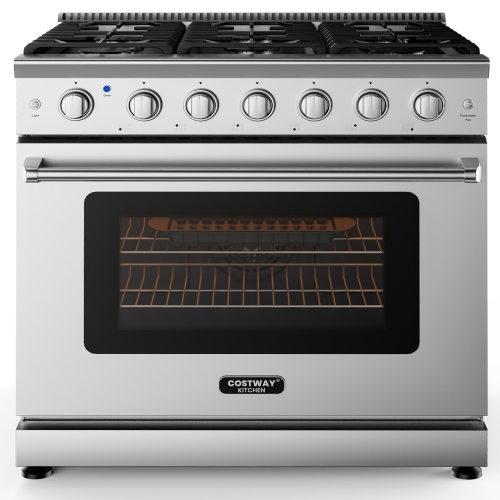
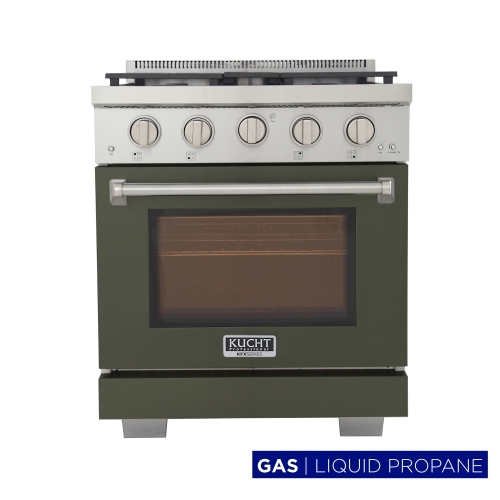
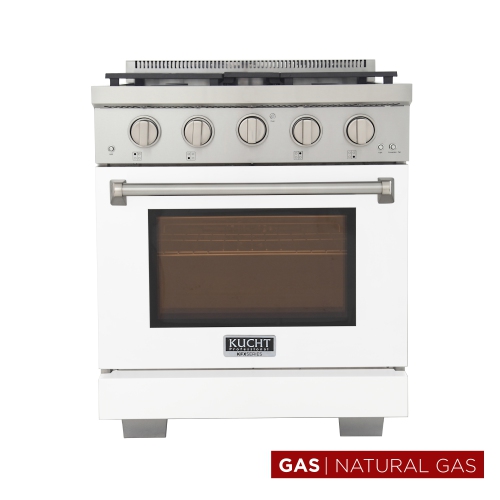
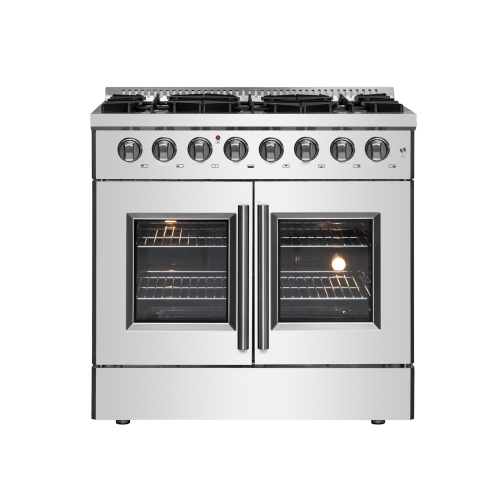
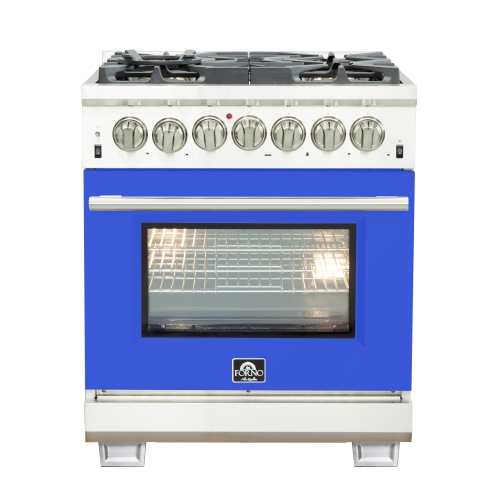
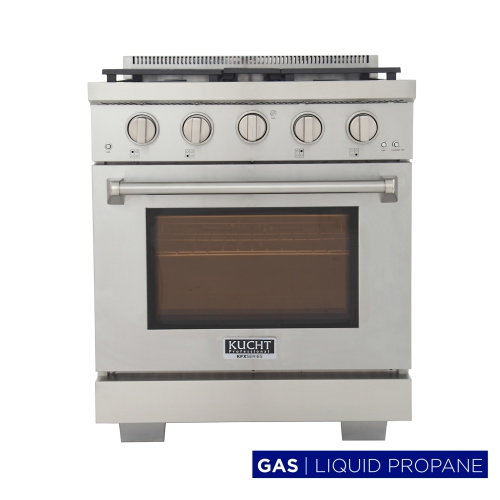
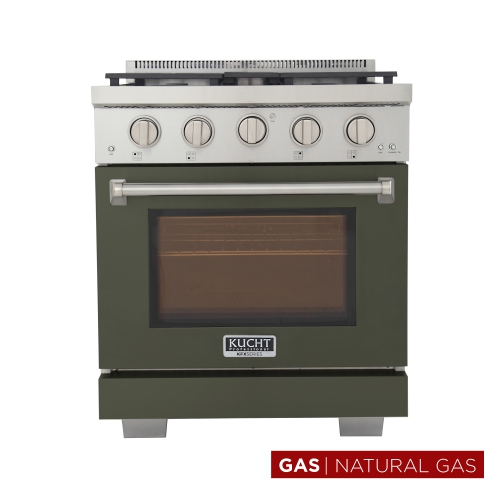
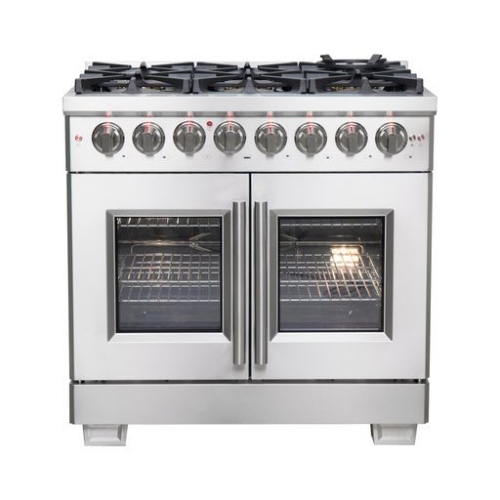
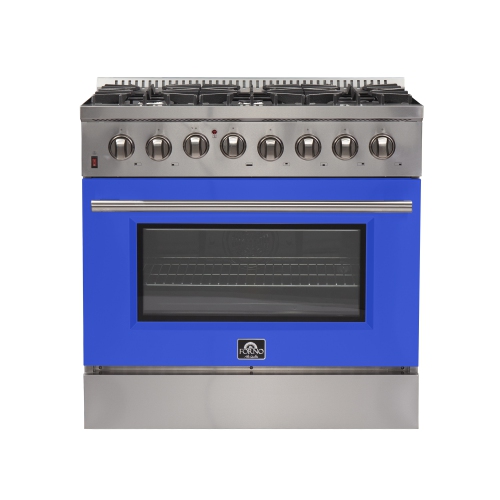
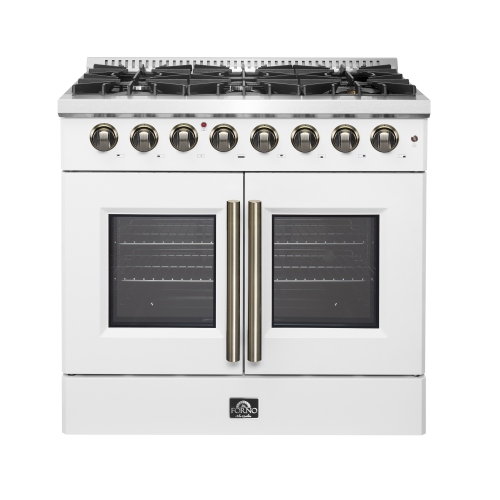
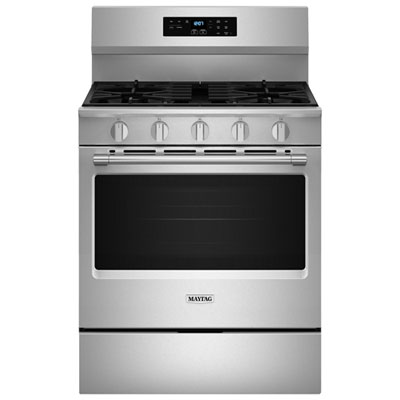
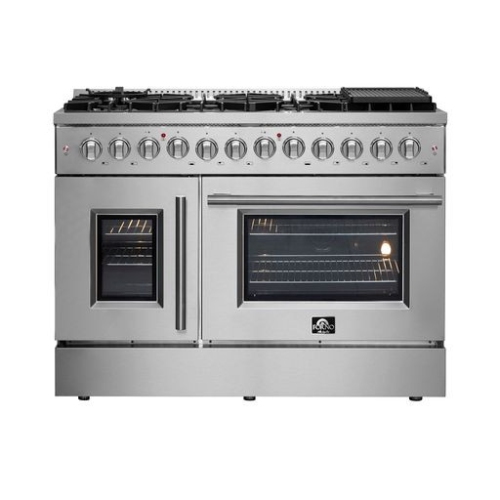
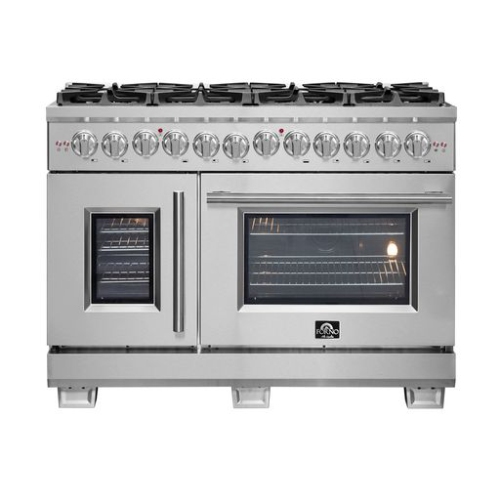
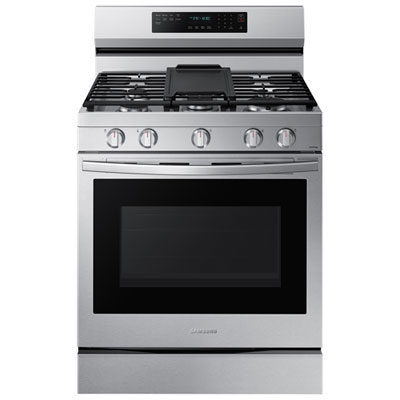
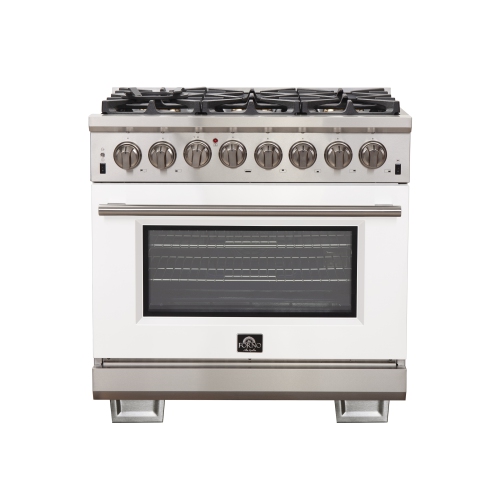
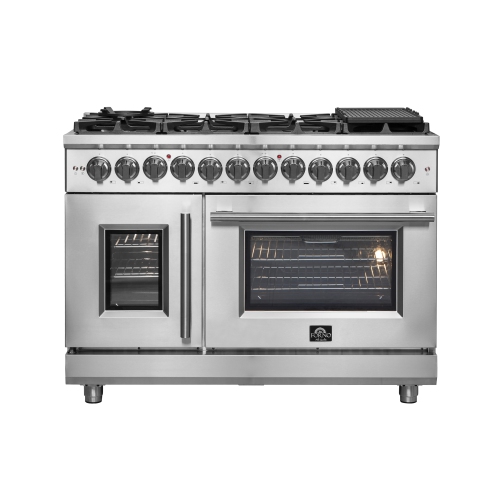
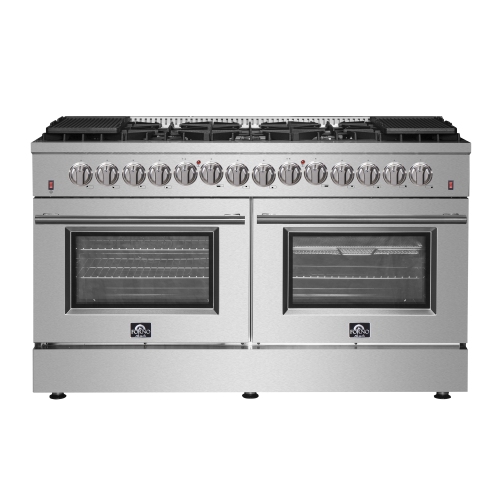
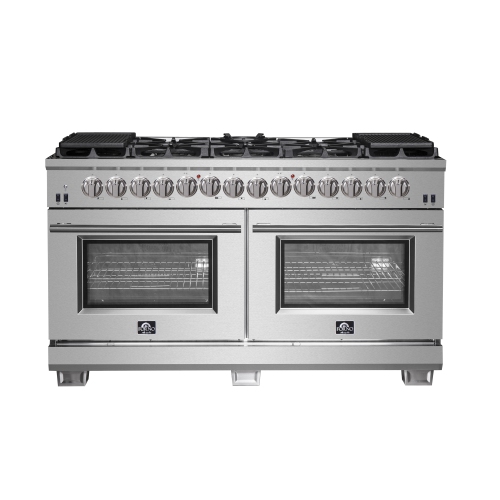
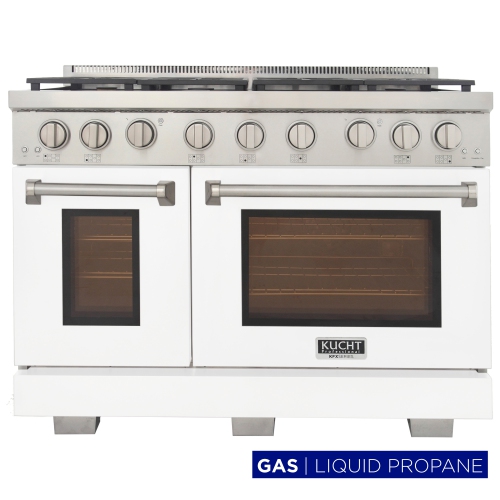
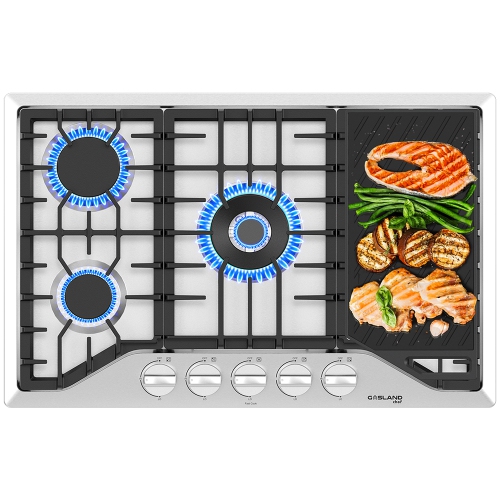
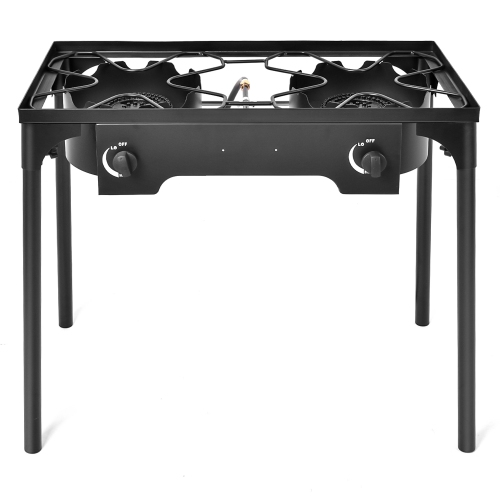
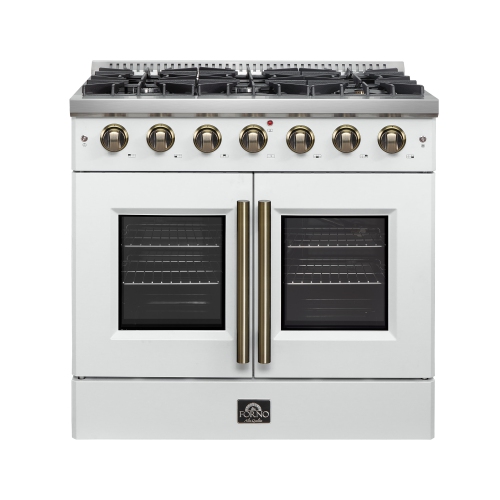
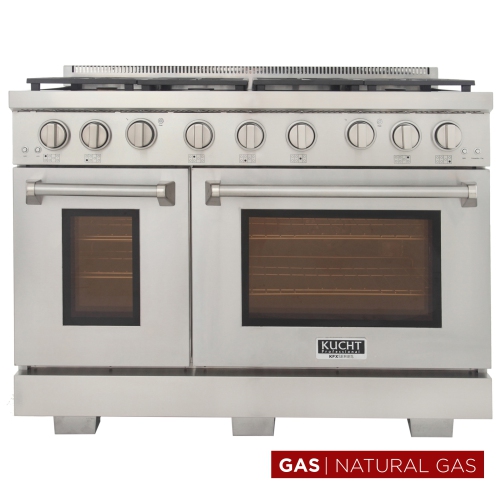
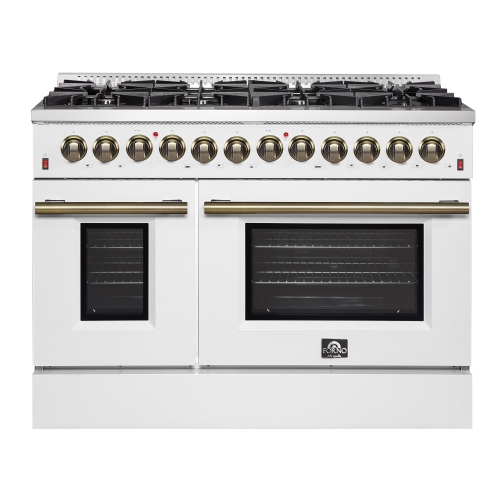
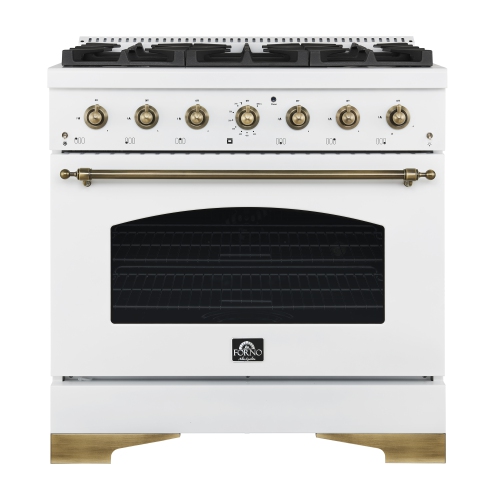
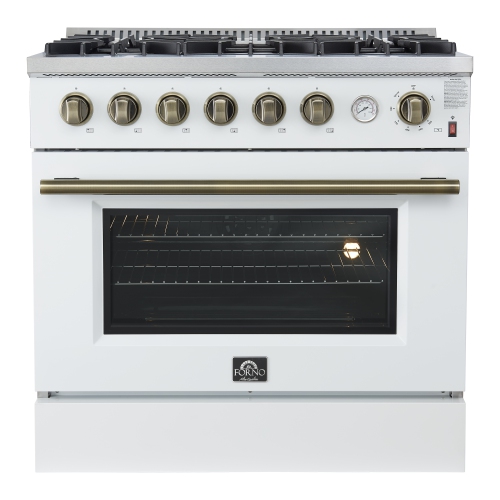
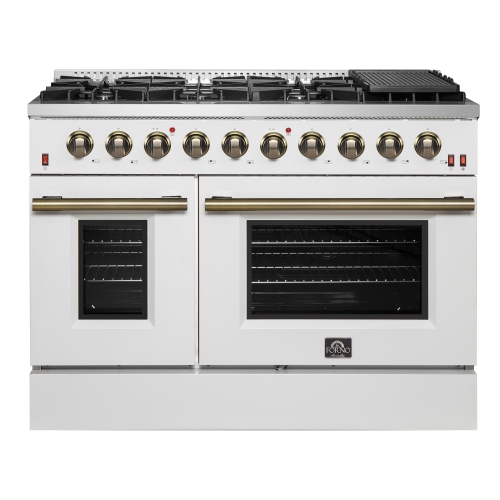
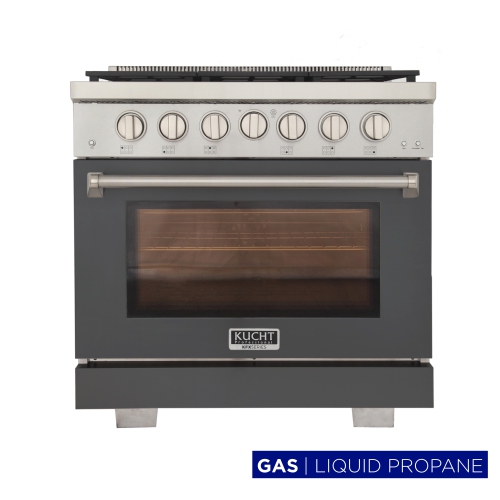
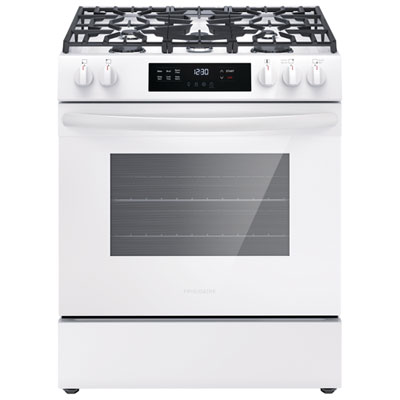
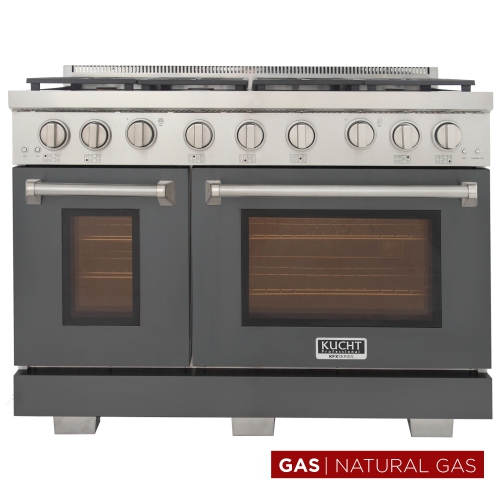
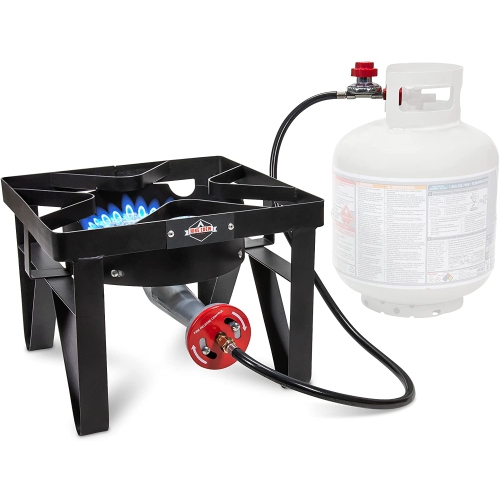
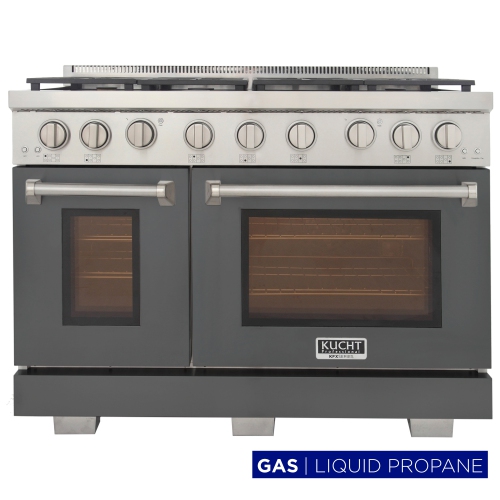
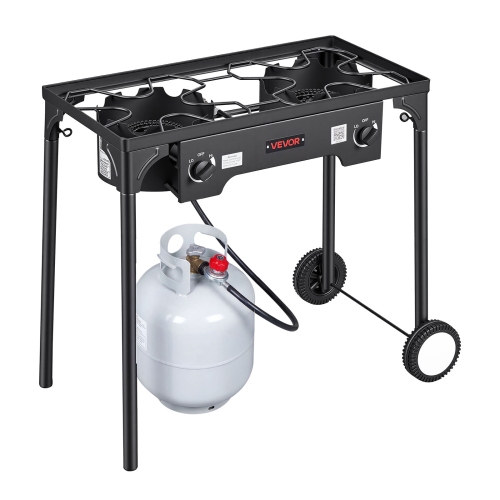
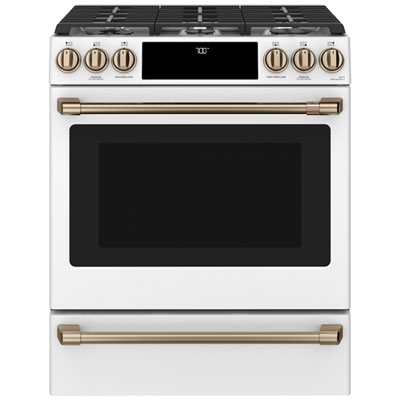
Freestanding gas stoves combine a gas cooktop and an oven in one appliance, making them a practical choice for kitchens where everyday cooking includes both stovetop meals and baking. Often called freestanding gas ranges, they typically have finished sides and can sit between cabinets or at the end of a cabinet run, provided the installation meets the manufacturer’s requirements. Common sizes include 30-inch and 36-inch widths, but the complete fit also depends on depth, height, handle projection, and the space needed to open the oven door. A kitchen opening that looks wide enough may still need extra clearance beside a wall or room behind the appliance for the gas connection. Freestanding designs may have controls on a raised rear panel or at the front, so the location of a backsplash, nearby drawers, and frequently used countertop space all influence how the range fits into a kitchen. A rear control panel keeps the display above the cooking surface, while front controls can be easier to reach without leaning over pots. Either arrangement still requires attention to safe operation, particularly in homes with young children. Natural gas is common in homes with an existing gas line; propane installations require a compatible appliance and any manufacturer-approved conversion completed by a qualified professional. The oven fuel also matters: a gas range generally has a gas oven, while a dual-fuel range pairs gas burners with an electric oven and can have different electrical requirements. Many gas ranges still need an electrical connection for ignition, lighting, displays, or fans. Proper ventilation, specified clearances, a suitable gas supply, and an installed anti-tip bracket are essential parts of the setup. Qualified installation helps ensure the appliance is connected and secured correctly, whether it replaces an older range or becomes part of a kitchen renovation.
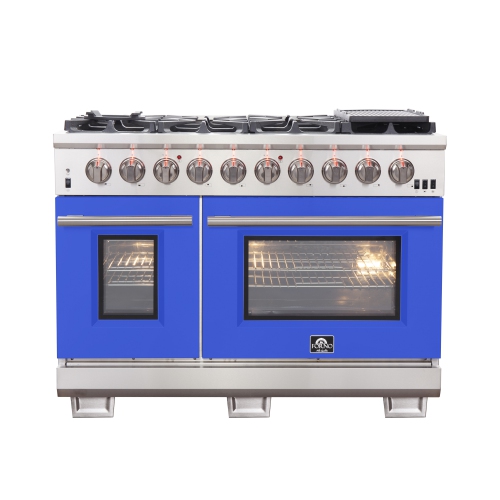
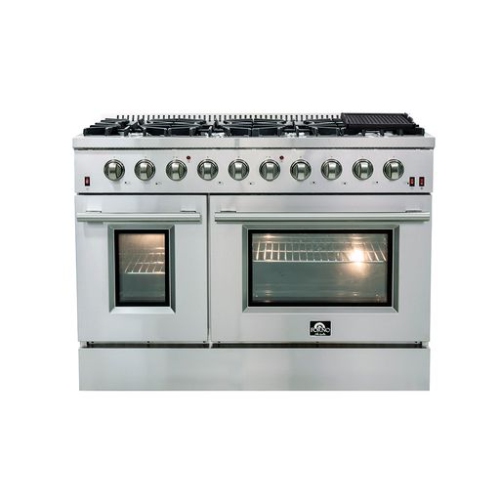
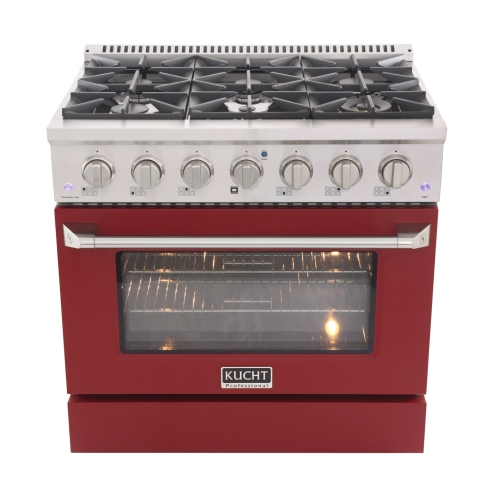
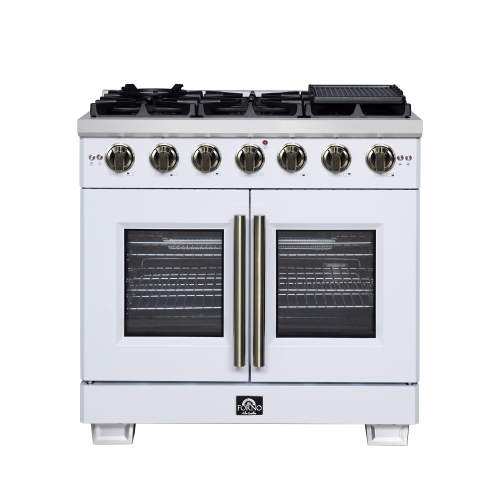
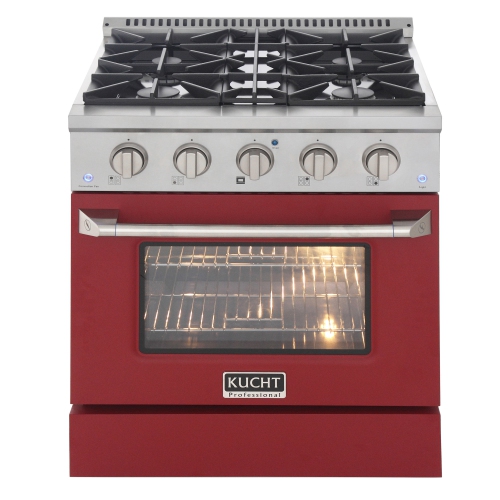
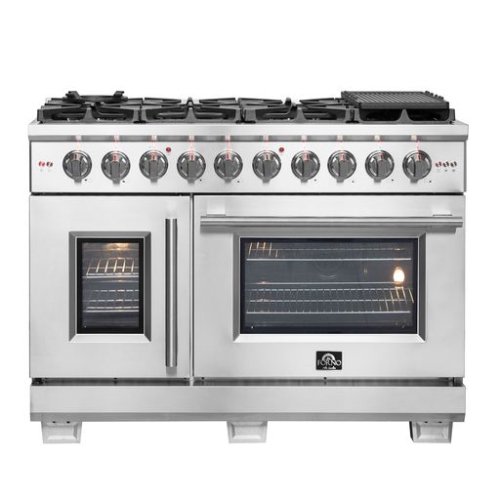
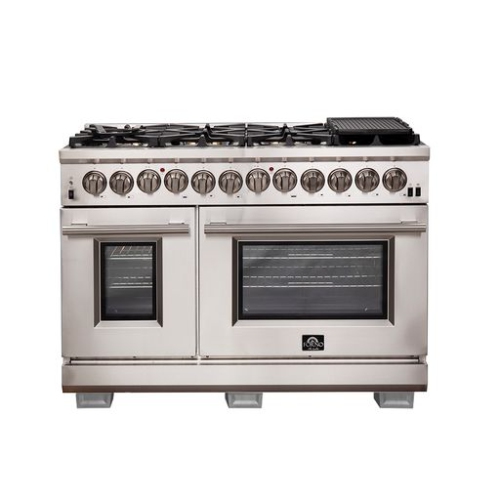
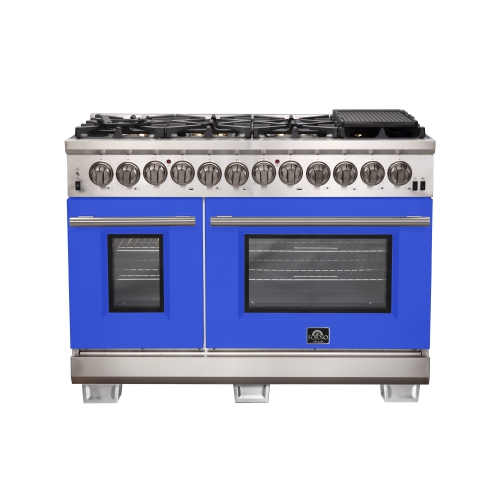
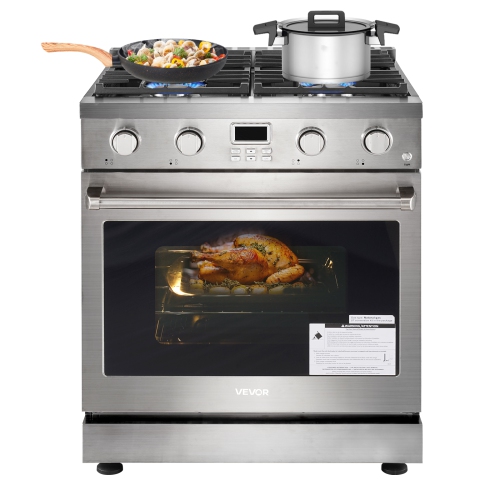
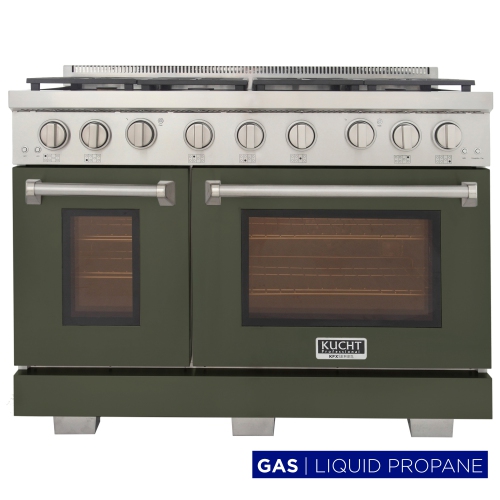
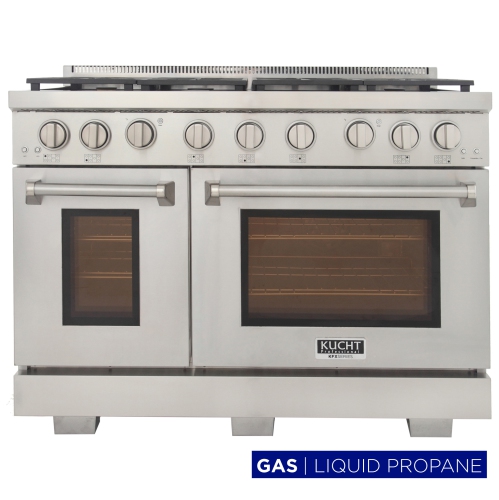
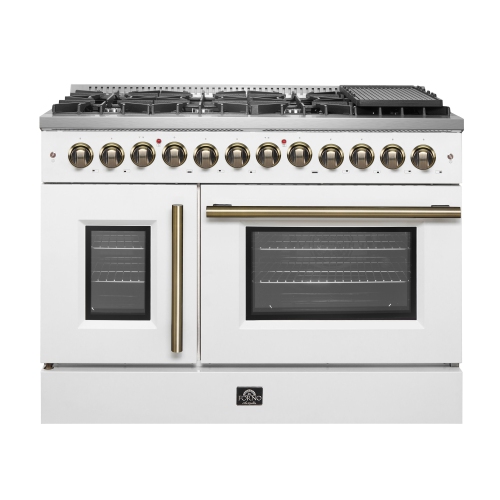
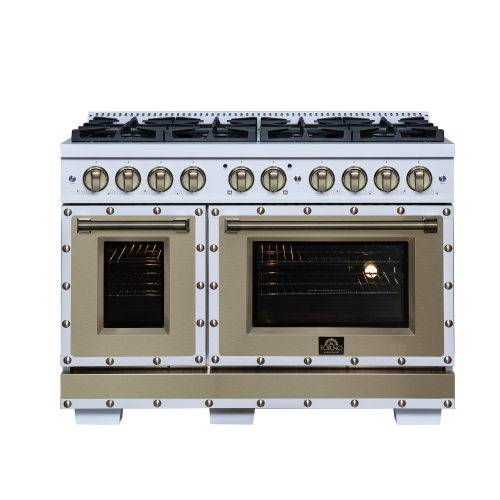
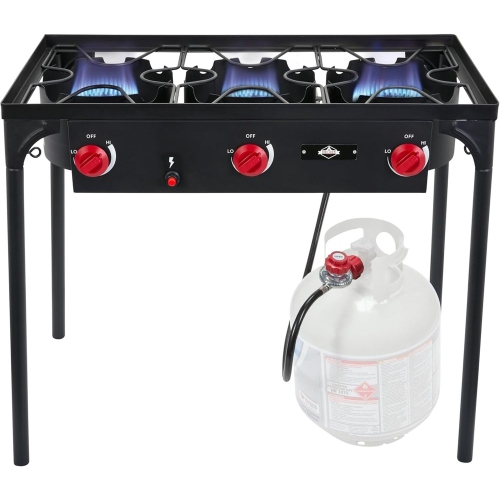
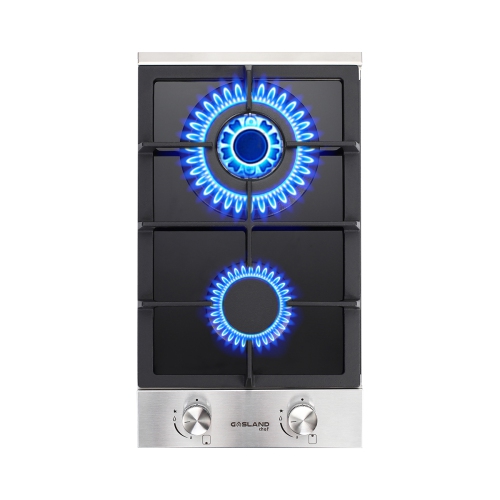
The appeal of gas cooking starts with a visible flame and responsive adjustment of heat at the burner. That control suits cooks moving between a lively boil for pasta, a steady simmer for soup, and gentle heat for a sauce. Burner output is measured in British thermal units per hour, often presented as a BTU rating in appliance specifications. Higher-output burners can help heat large pots, while a dedicated simmer burner is useful for more delicate tasks; maximum output alone does not describe how well a cooktop handles everyday meals. Four-, five-, and six-burner layouts offer different amounts of flexibility, but spacing is just as important as burner count. A stockpot and a broad frying pan need enough room to sit securely beside each other without crowding the controls. Continuous cast-iron grates can make it easier to move cookware between burners without lifting it clear of the cooking surface. Some layouts include an oval centre burner intended for compatible elongated cookware or a griddle, useful for pancakes, toasted sandwiches, or several portions at once. Oven space deserves similar attention. Many full-size gas ranges have capacities around 5 to 6 cubic feet, although usable rack dimensions and positions matter more than the capacity figure when fitting a roasting pan or two baking sheets. Convection models circulate heated air with a fan and can support more even results when used according to the cooking instructions. Air fry functions, where included, use moving hot air and suitable cookware to help crisp food, but results still depend on portion size, spacing, and preparation. A large oven window, clear interior lighting, and racks that slide smoothly can make checking a casserole or lifting out a heavy roasting pan less awkward. For someone who regularly prepares several dishes together, the combination of burner layout, oven capacity, and rack flexibility often matters more than a long list of cooking modes.
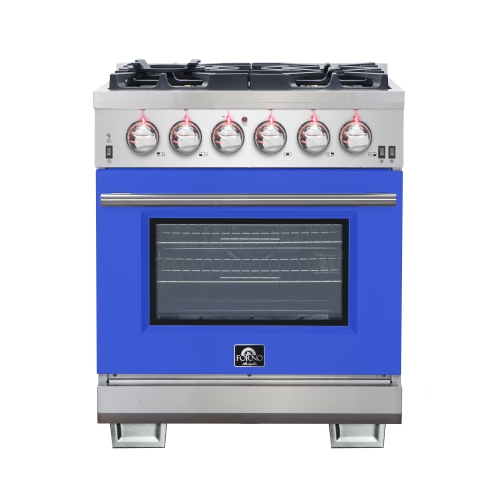
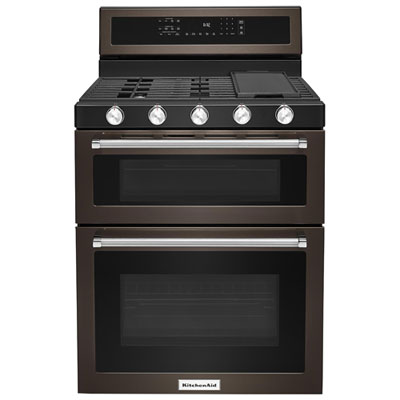
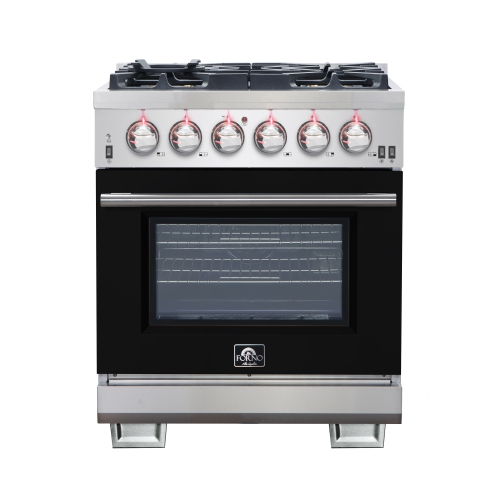
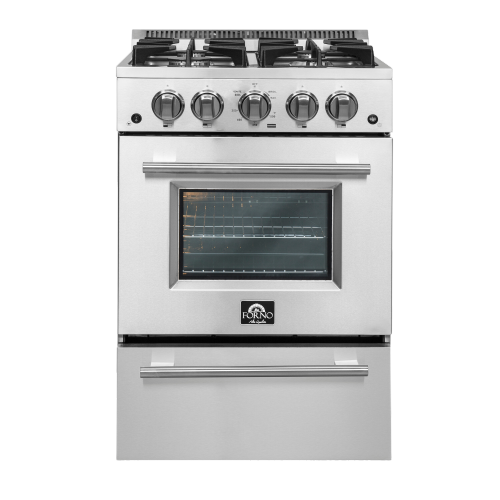
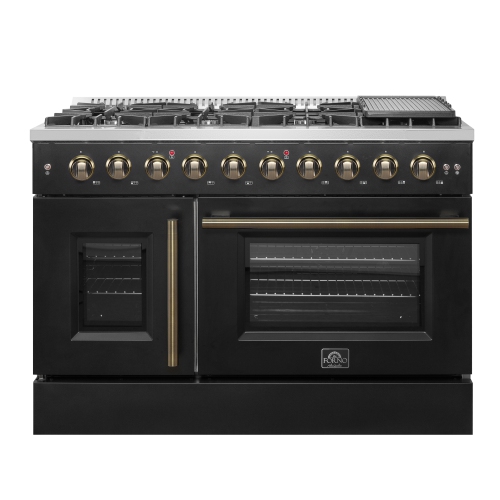
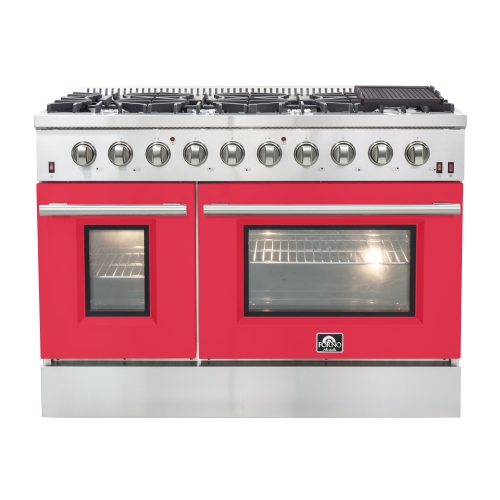
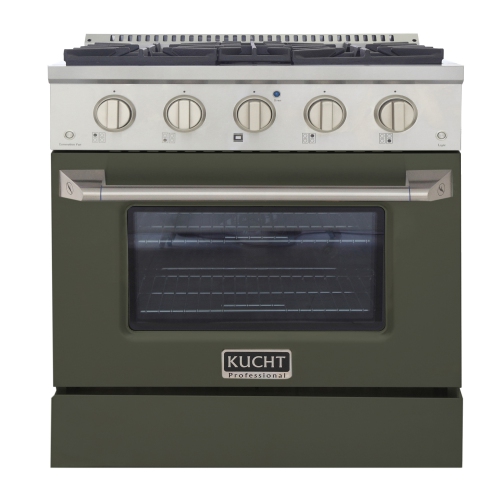
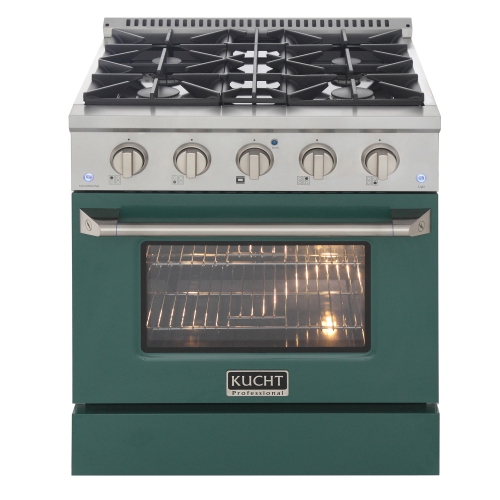
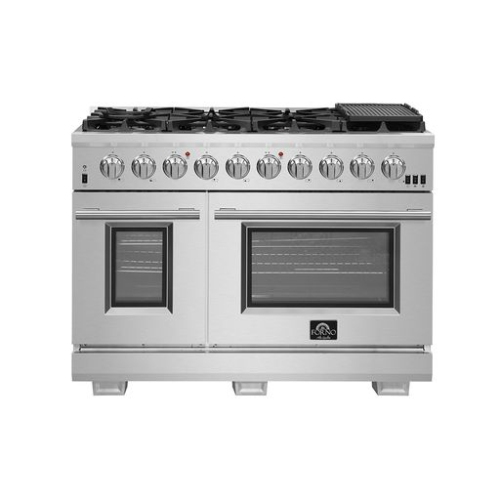
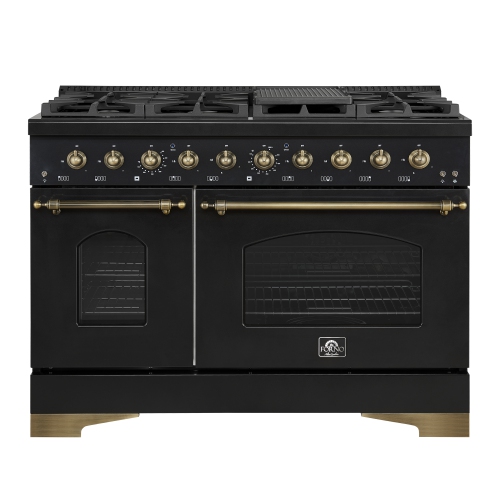
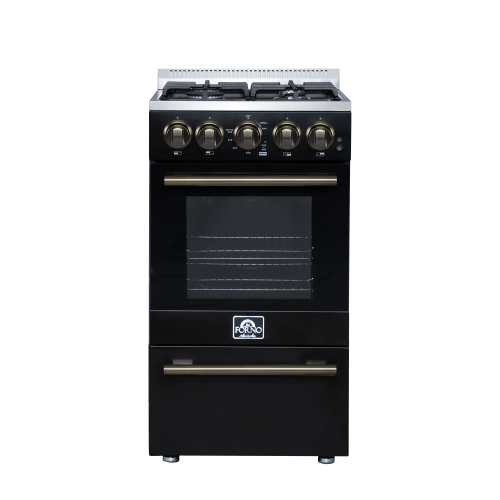
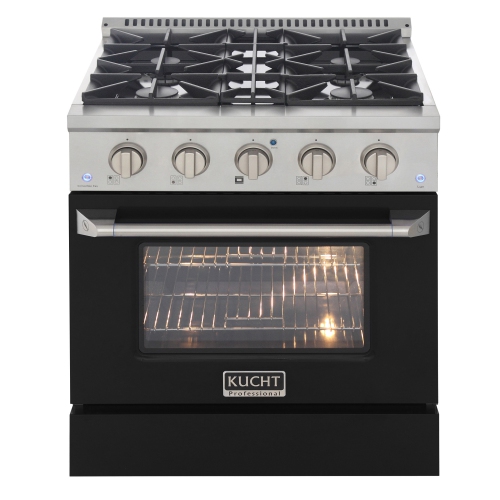
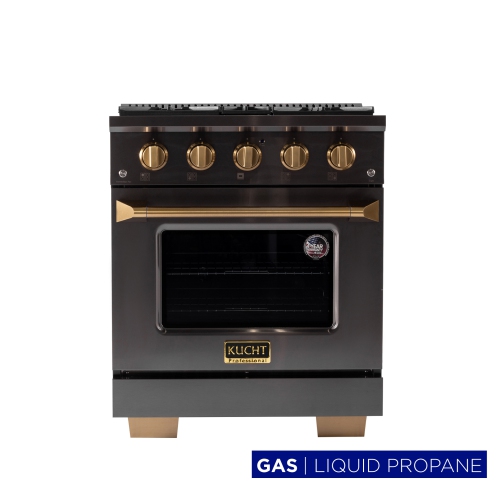
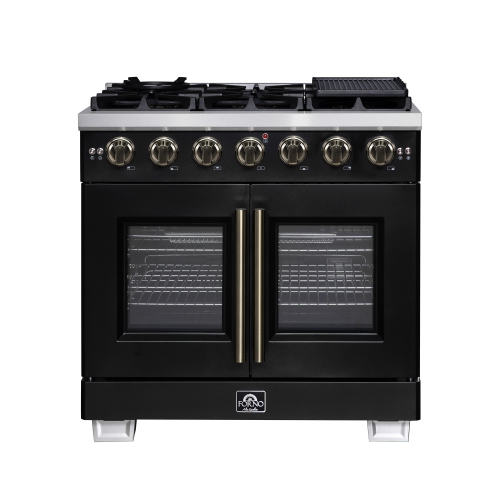
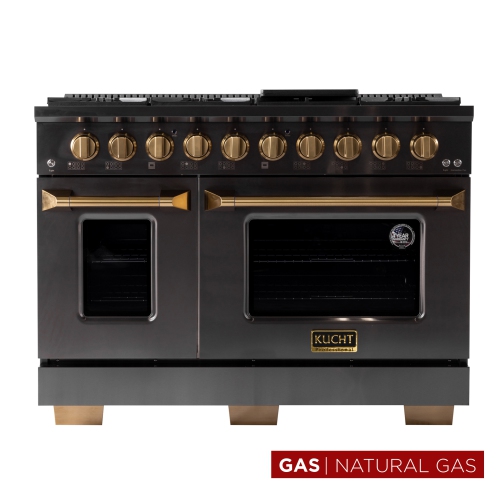
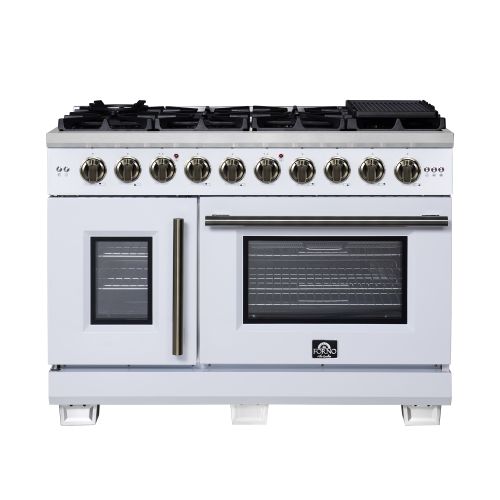
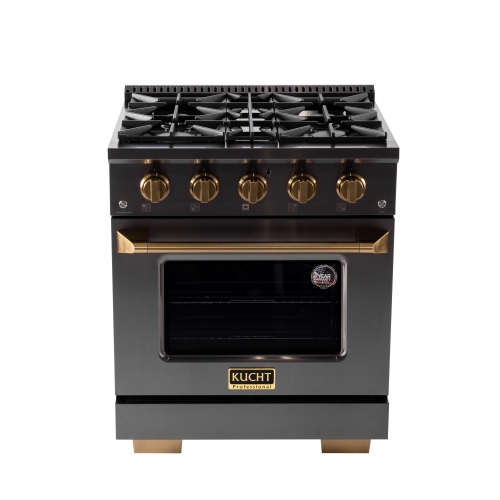
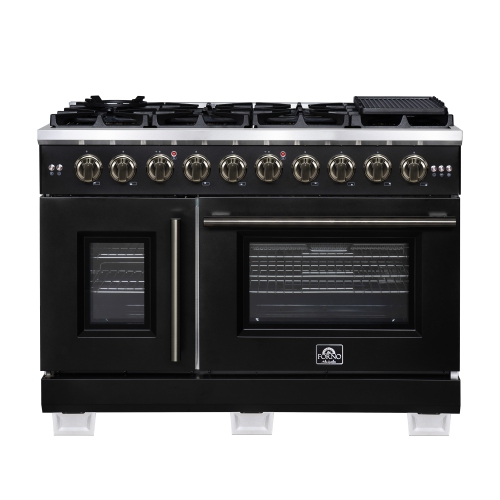
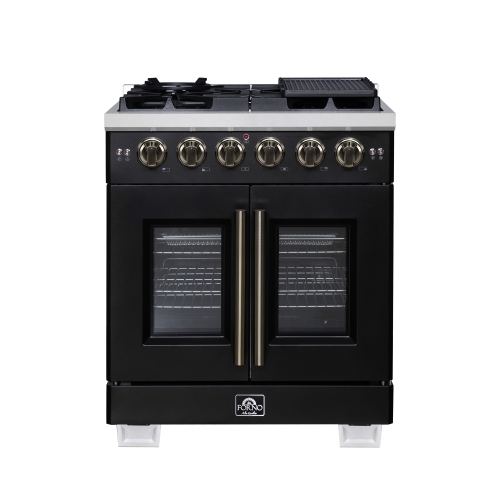
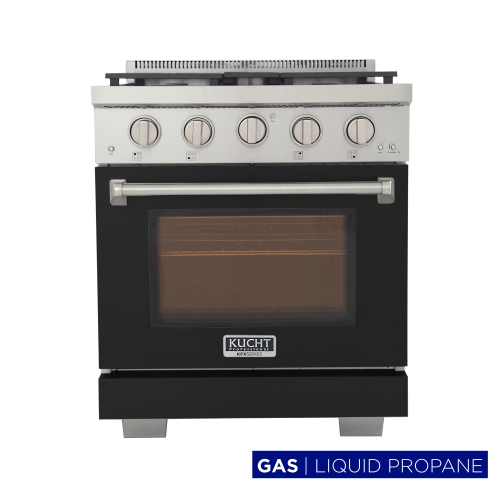
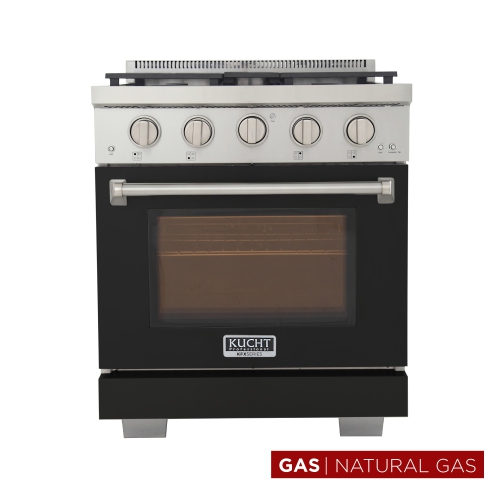
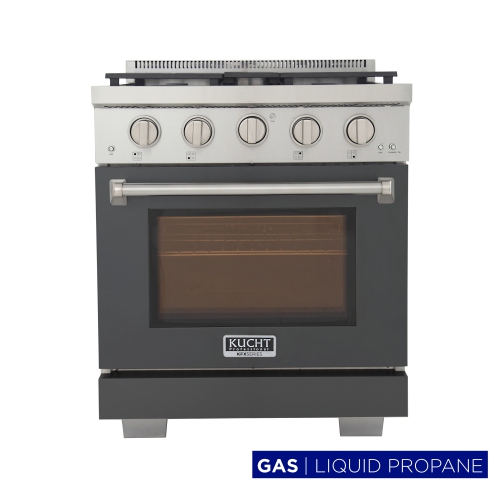
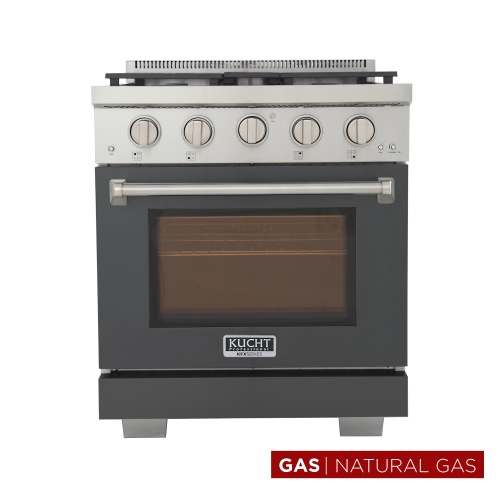
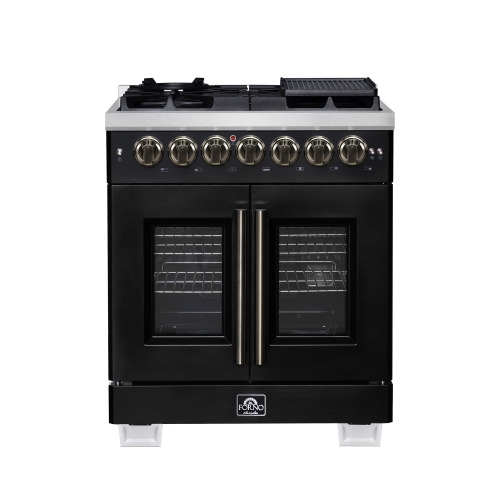
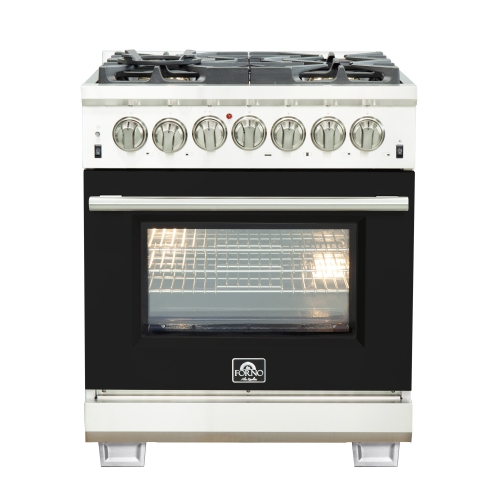
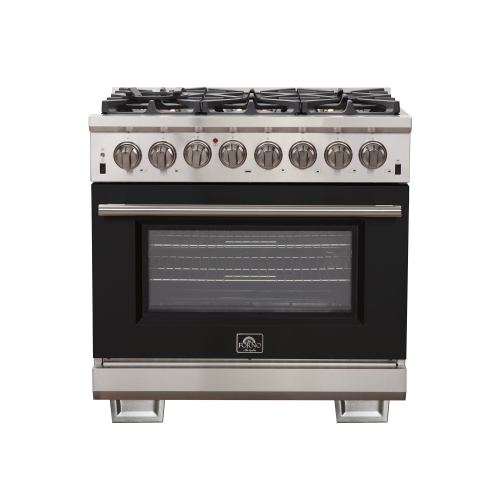
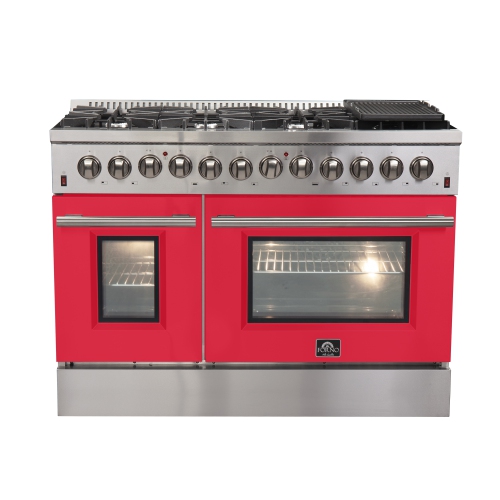
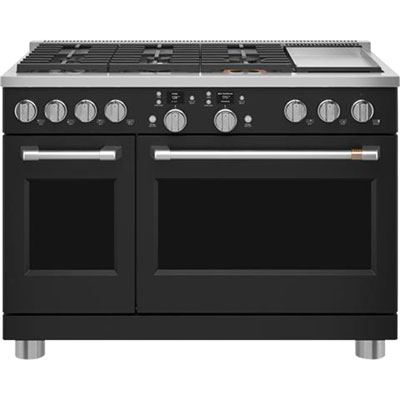
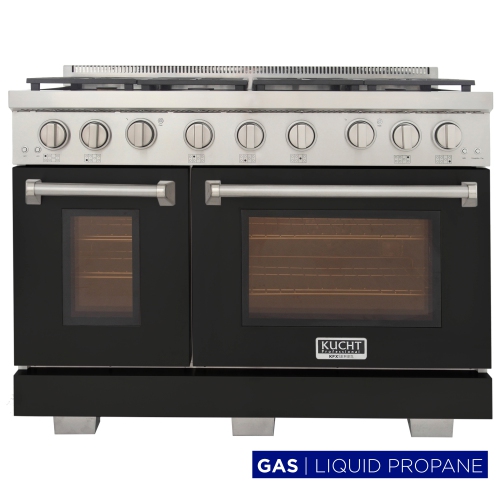
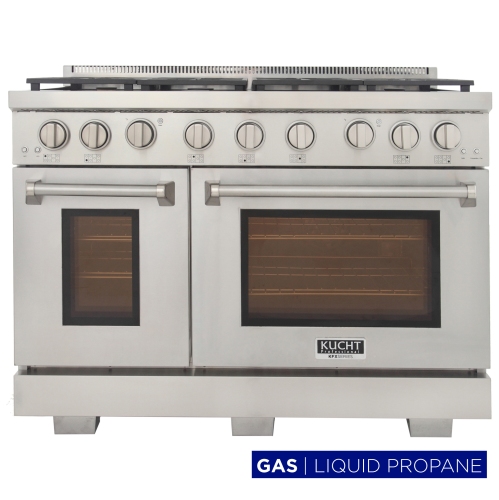
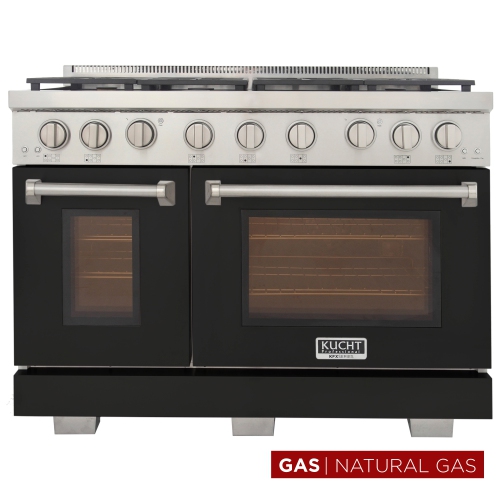
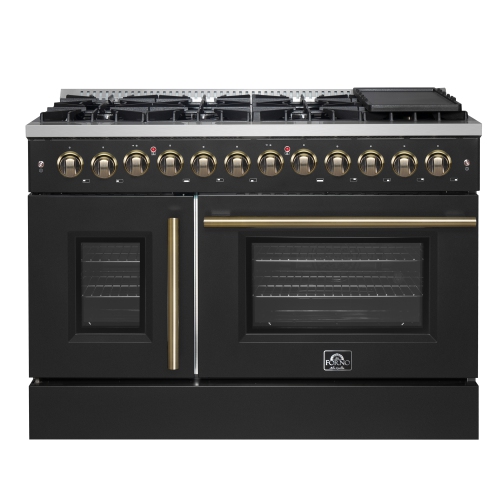
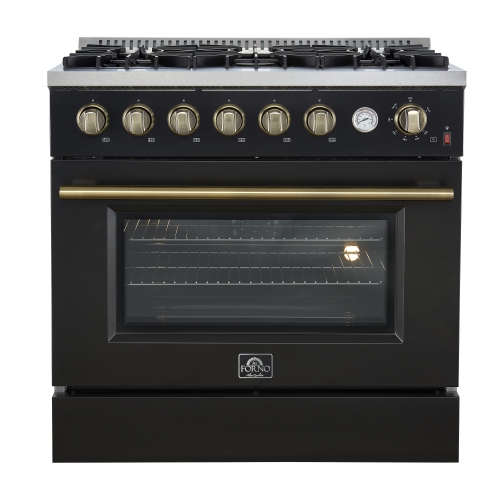
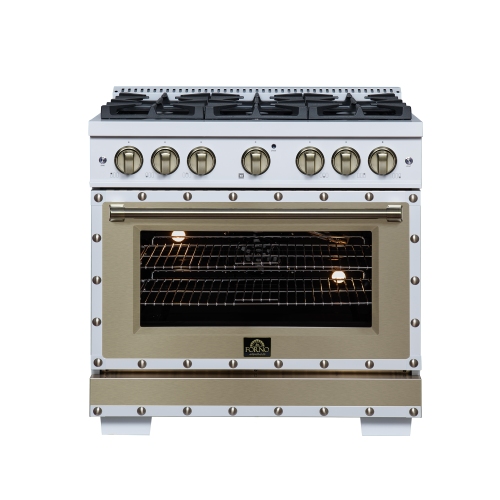
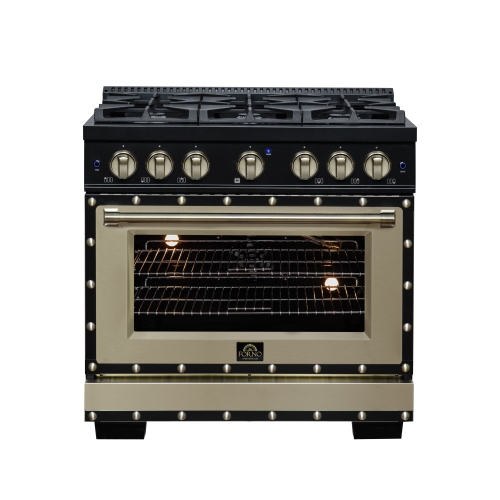
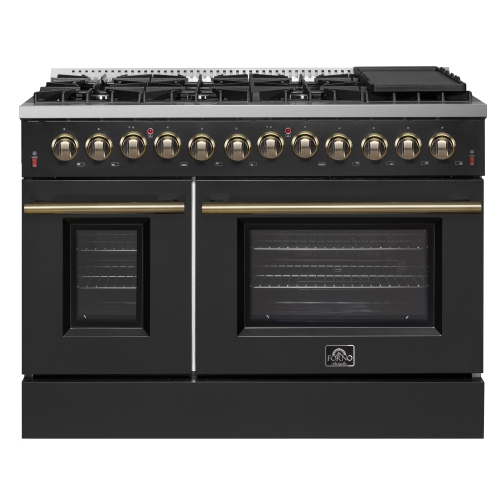
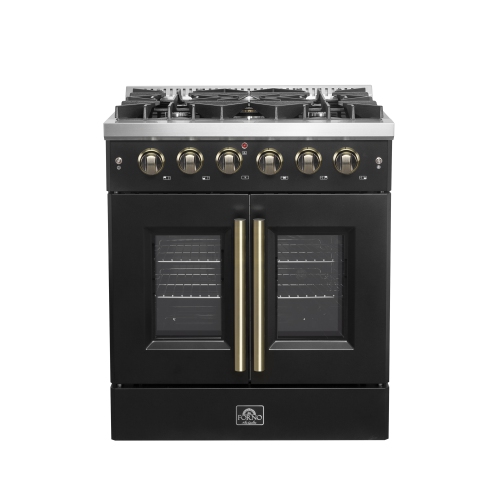
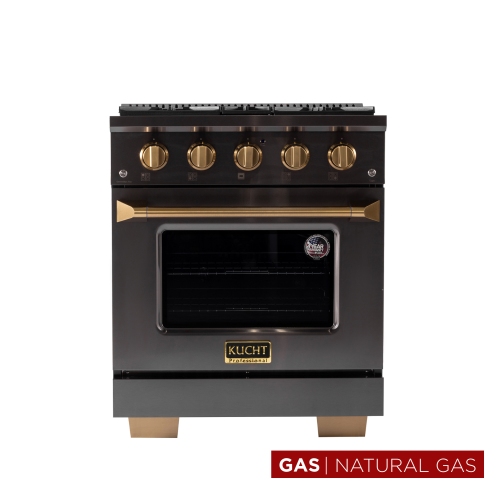
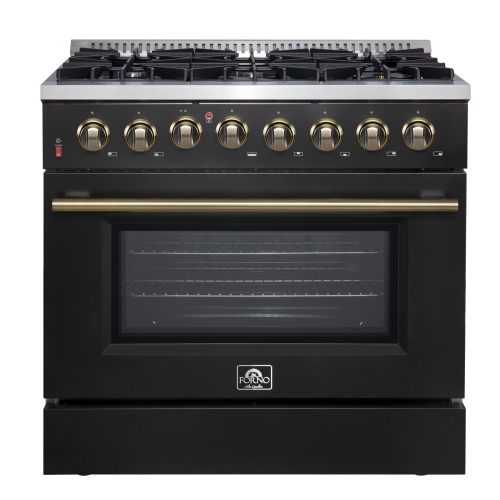
Materials and construction shape how a freestanding gas stove looks, feels, and holds up to repeated use. Stainless steel is a familiar choice for kitchens with matching appliances, while black finishes can create either a coordinated look or a clear contrast with lighter cabinetry. Black Freestanding Gas Ovens suit kitchens where a darker appliance finish is part of the overall design. Gloss, texture, handle shape, and control-panel styling can affect the appearance as much as colour, especially when the range stands at the end of a cabinet run with one side visible. On the cooking surface, enamelled panels and removable burner caps make routine care more manageable, while substantial grates provide a stable base for suitable cookware. Sealed burners help keep spills from reaching the area below the cooktop, but they do not eliminate the need to clean around burner heads and ignition components. Spills are generally easier to address after the surface has cooled and before residue becomes firmly baked on. Removable parts should be cleaned and dried as directed before being returned to their correct positions; damp or incorrectly seated burner caps can interfere with ignition. Abrasive pads and harsh cleaners may damage finishes, and heavy grates are best lifted rather than dragged across adjacent surfaces. Oven cleaning varies by design, with manual-clean, steam-clean, and high-heat self-cleaning options each having their own instructions and limits. Accessible edges, removable racks, and an easy-to-read control panel can make a noticeable difference over years of cooking and cleaning. For households that cook most days, a well-matched range provides room for familiar routines: a pot simmering while vegetables cook alongside it, bread baking on a separate rack, or a larger pan reserved for shared meals. Durable materials, a workable layout, and manageable care help that appliance remain a useful part of the kitchen.
Top selling and popular products
-
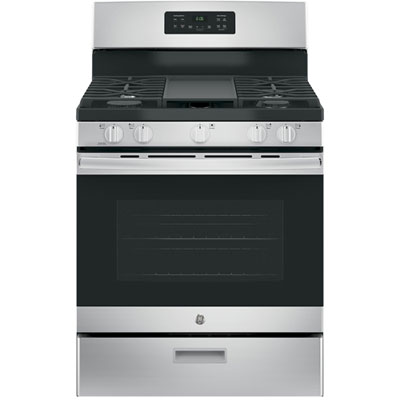 Your price for this item is $849.99
-
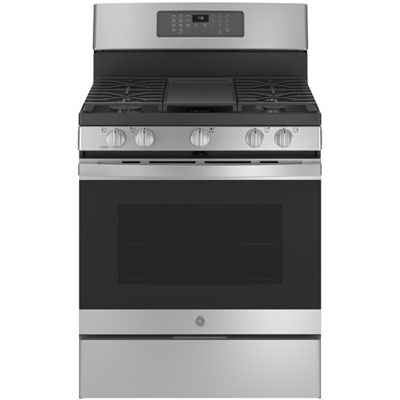 Your price for this item is $1099.99
-
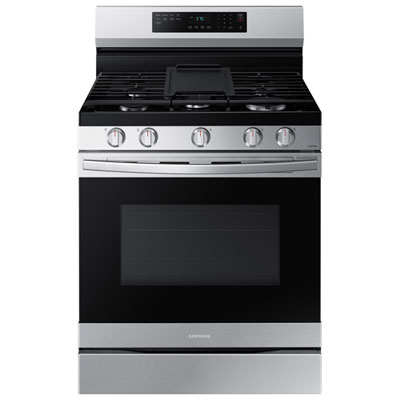 Your price for this item is $1395.99
-
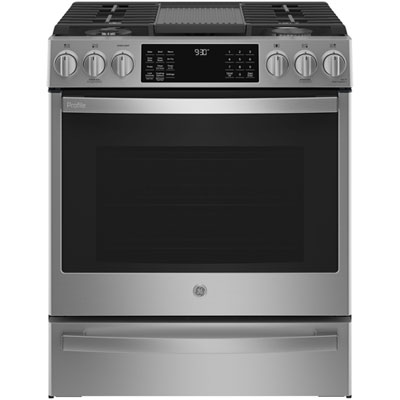 Your price for this item is $1799.99
-
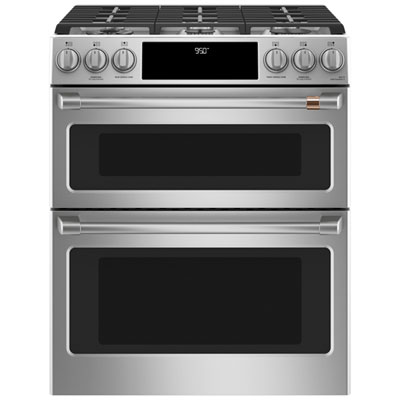 Your price for this item is $3599.99
-
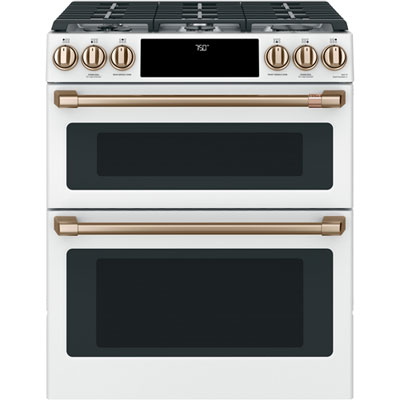 Your price for this item is $3499.99
-
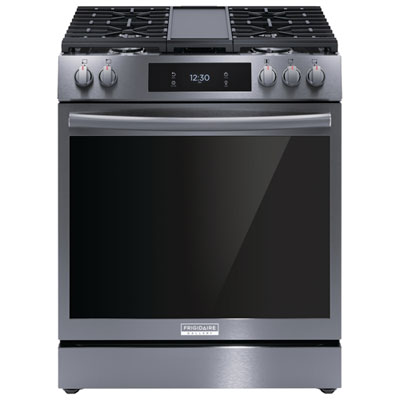 Your price for this item is $2099.99
-
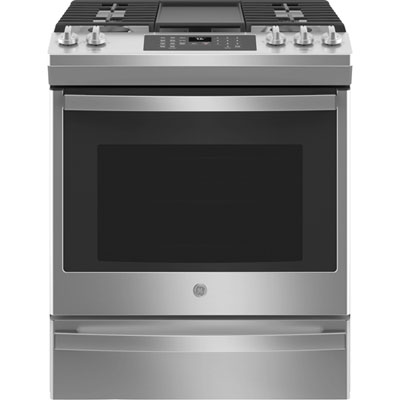 Your price for this item is $1299.99
Discover more categories related to Freestanding Gas Stoves

Top Collections:
Best Black Friday Deals This Year, Best Black Friday Deals On Electronics, Kindle Devices, Pokemon Centers, Best Black Friday Deals On Apple Products, Best Cameras for Sports Photography, Dyson Airwrap, Pokémon 30th Celebration Cards, Apple iPhone 17 Pro, Canon G7X Cameras
Some products may be subject to Environmental Handling Fees
(EHF) depending on your province.
Learn more about EHFs.