Fridge Organization
The refrigerator is one of the most important appliances in your kitchen. It's where you store all your groceries, and it's where you keep the leftovers from cooking dinner the previous night. So it's worth taking a moment to consider how to best organize your refrigerator. Here are some great options for fridge organization.
Sort
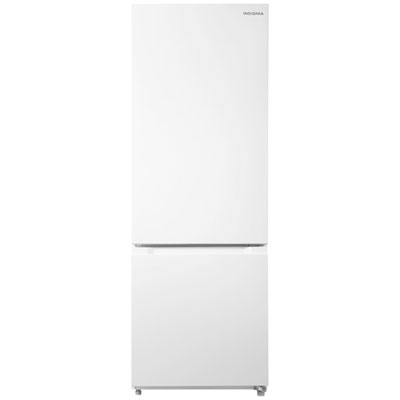
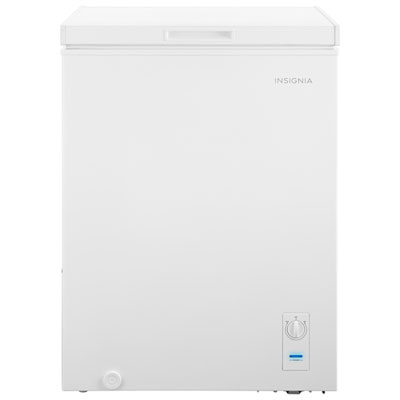
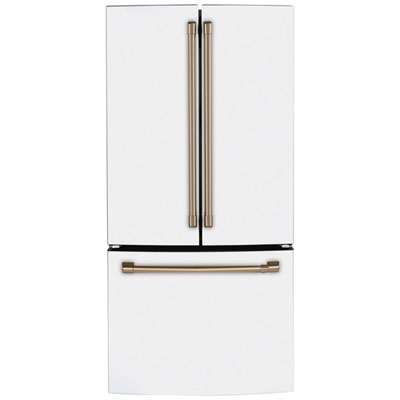
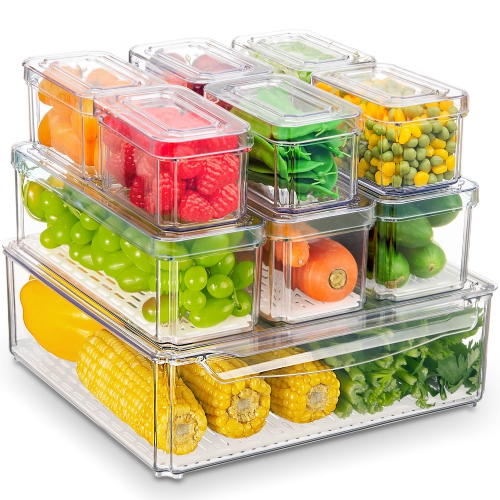
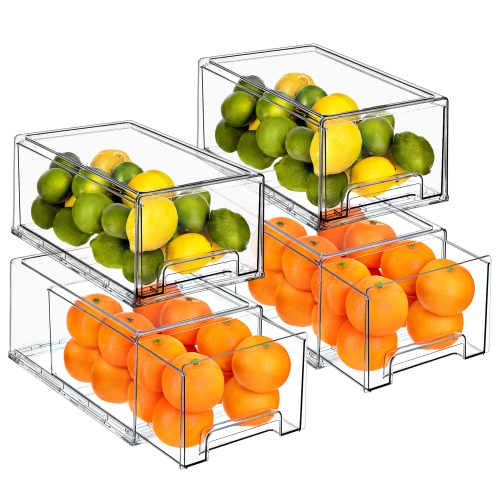
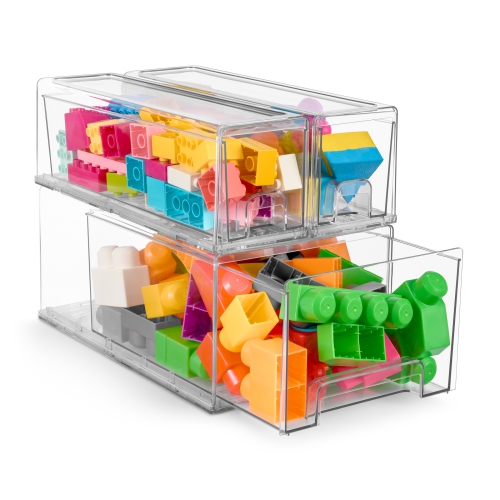
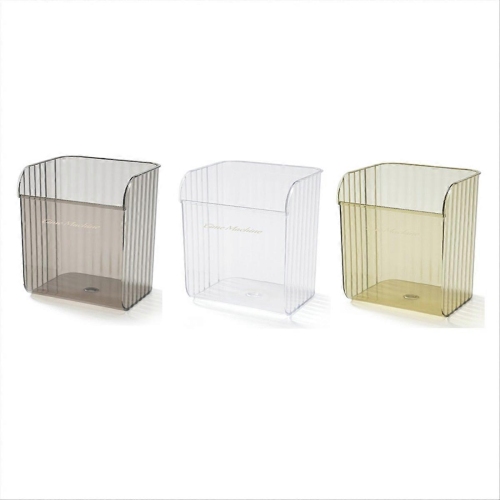
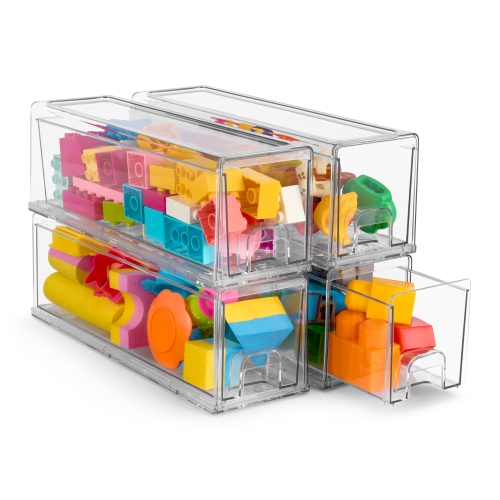

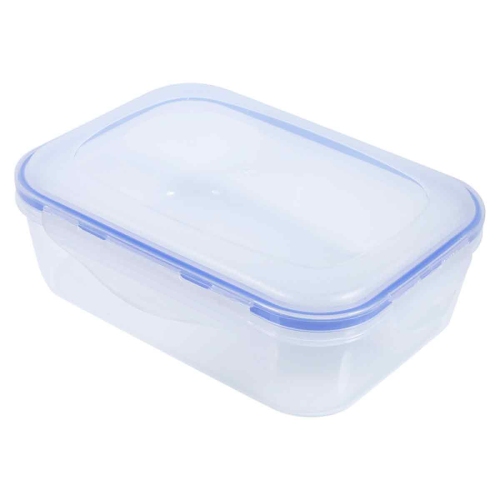
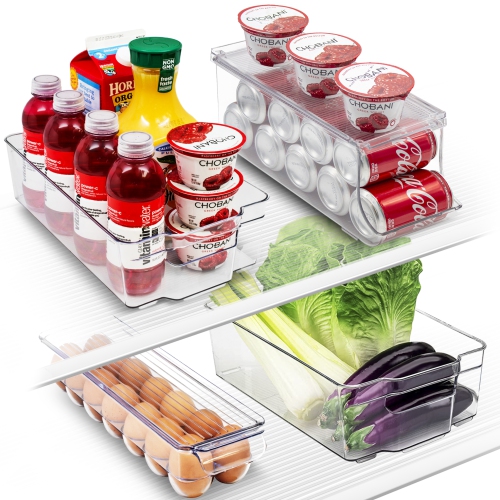
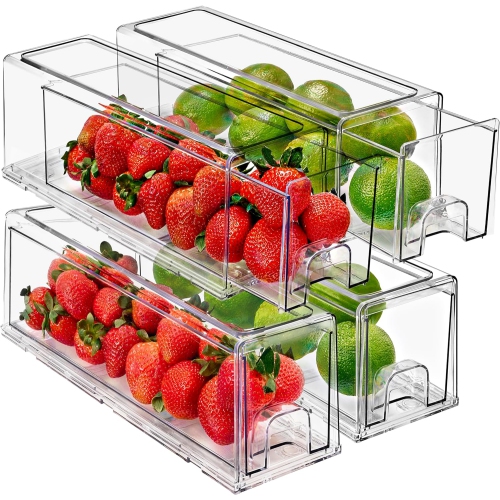
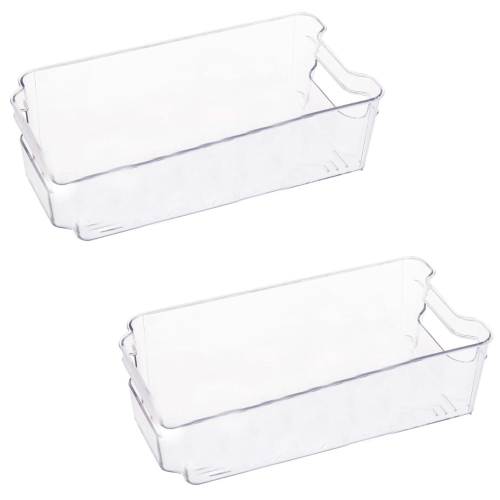

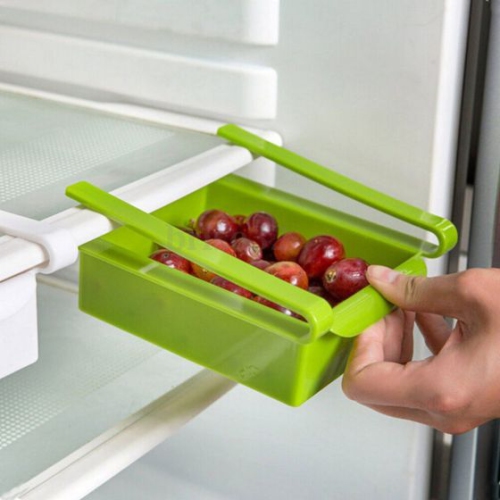
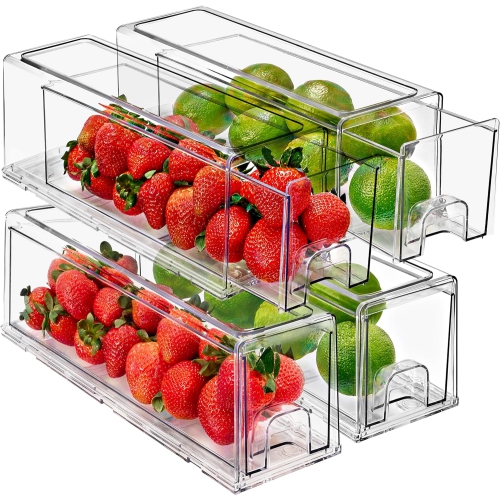
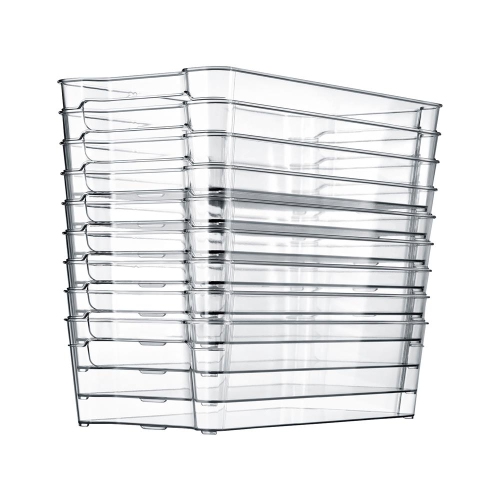
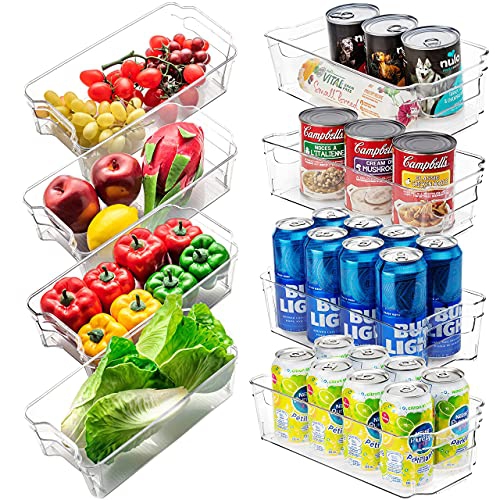
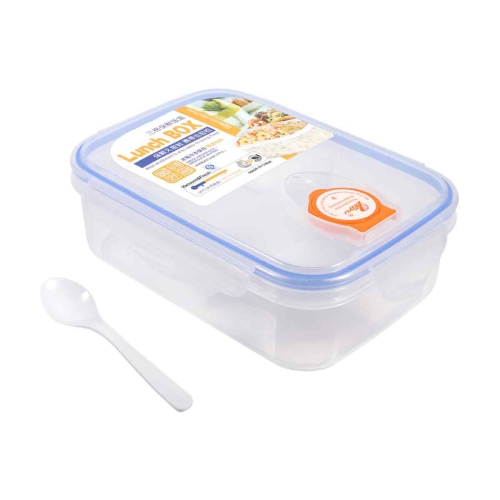
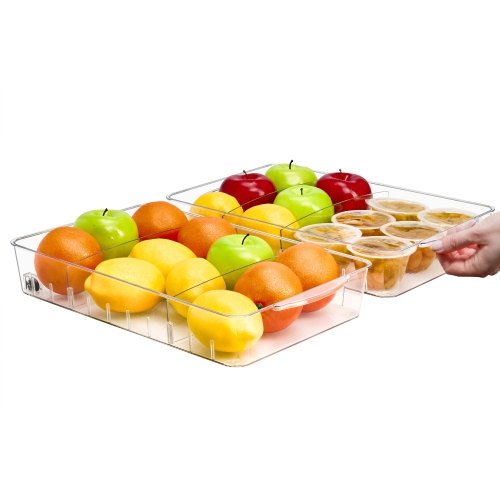
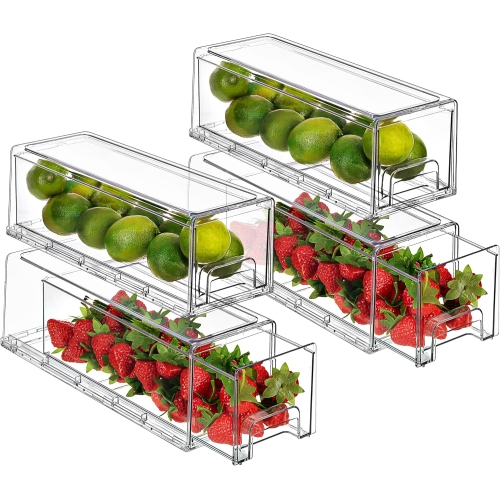
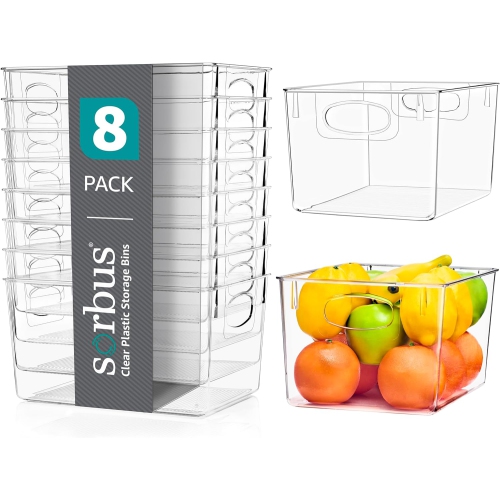
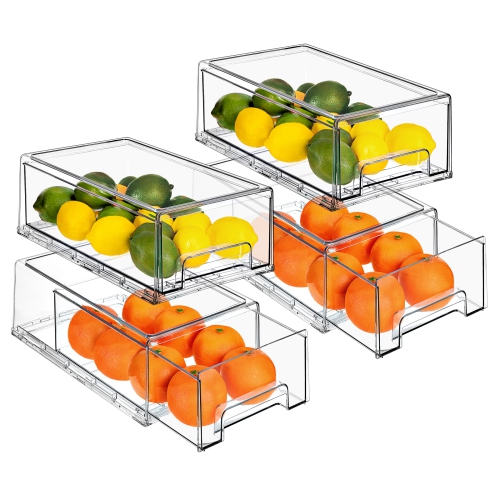
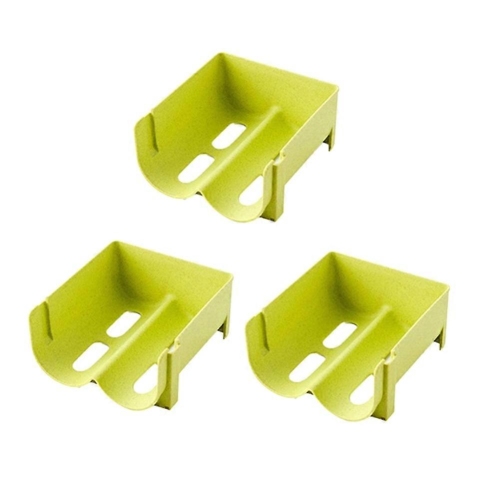
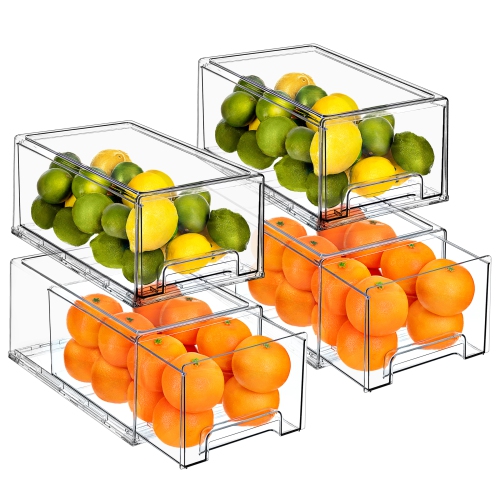
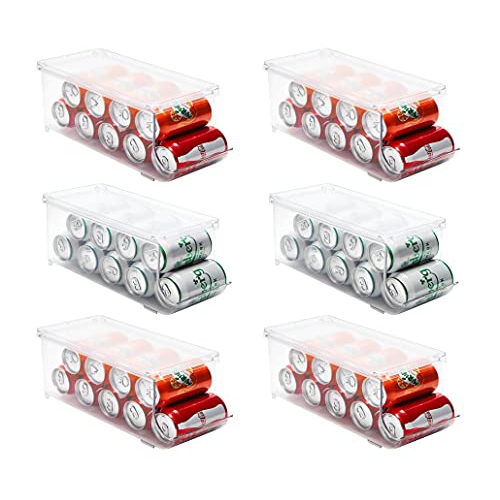
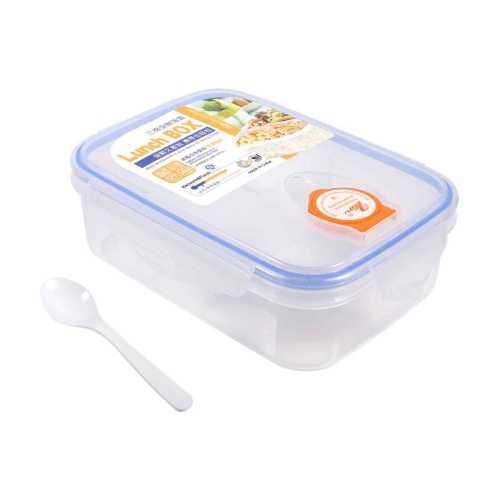
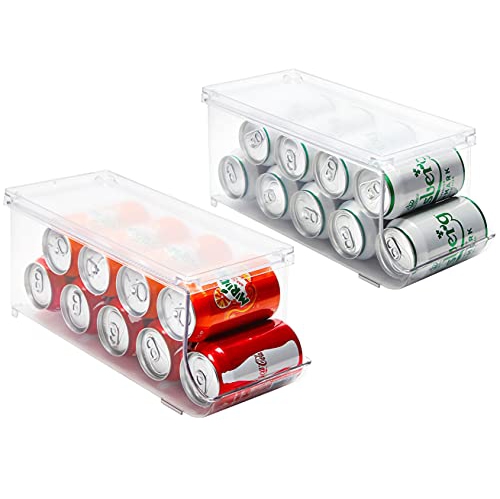
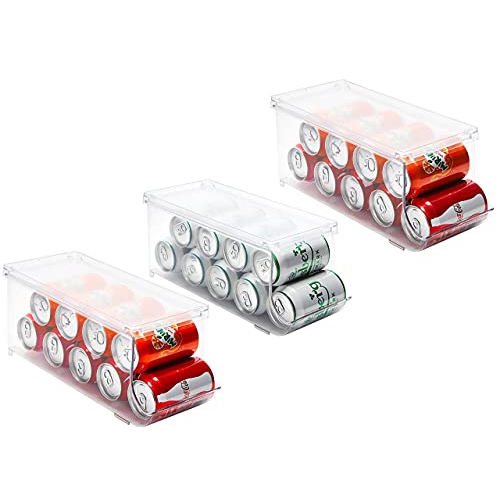
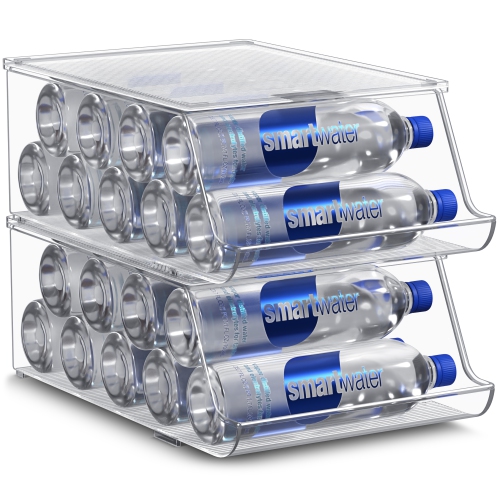

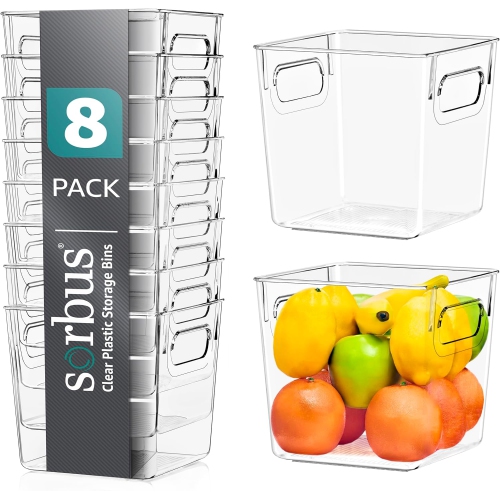
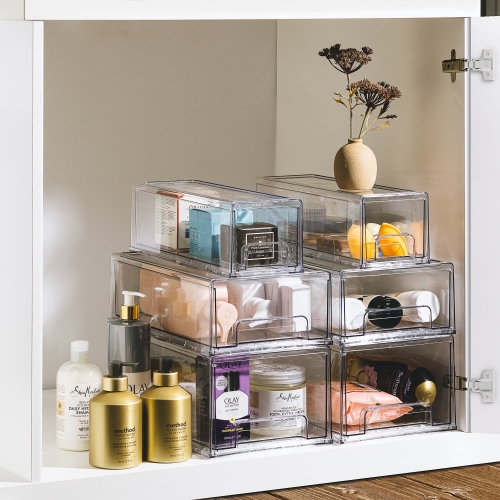
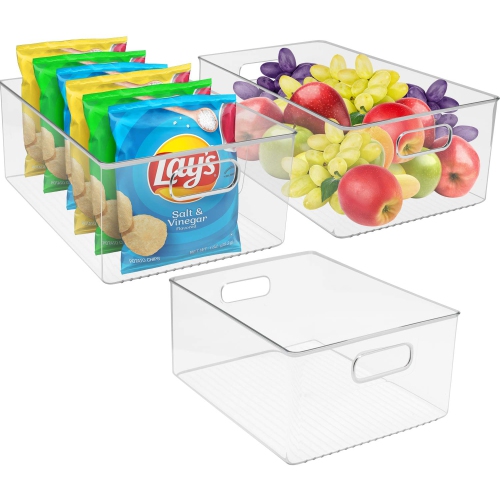
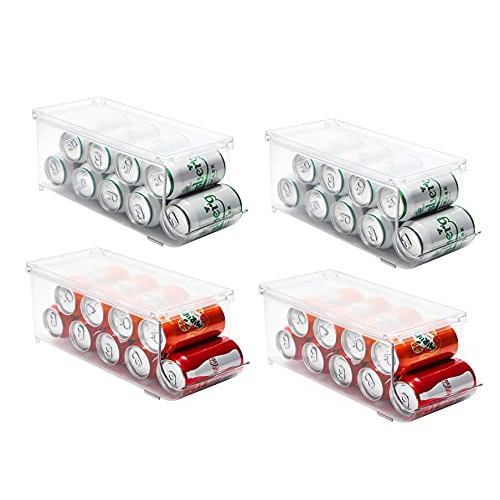
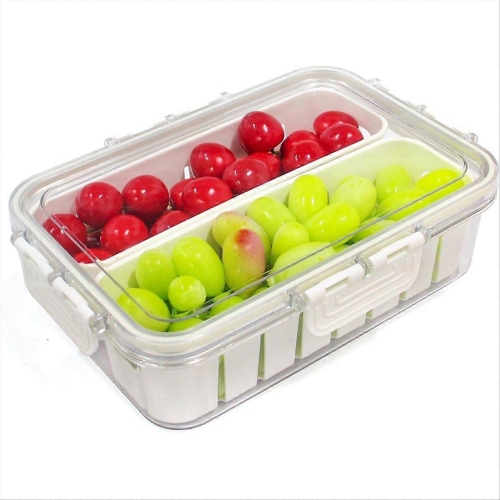
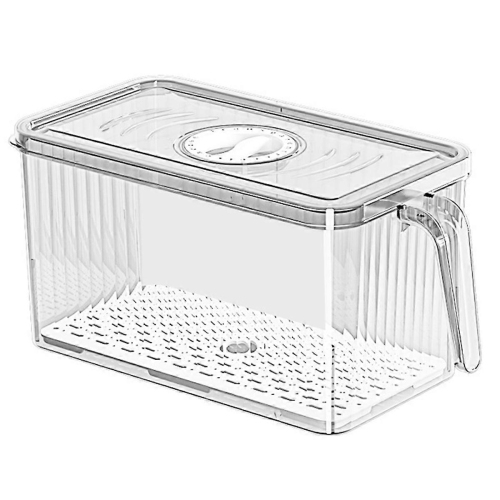
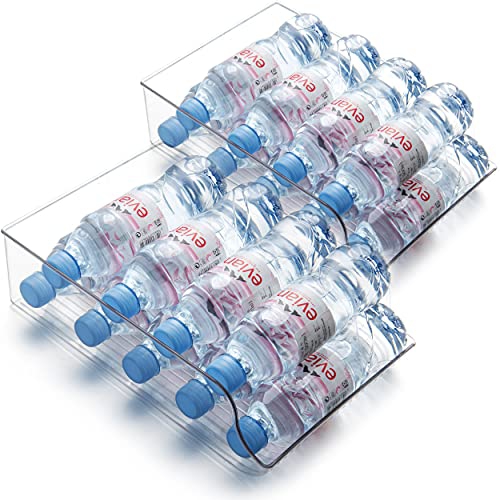
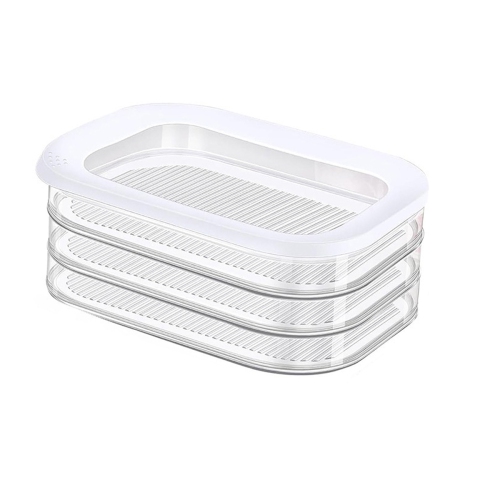
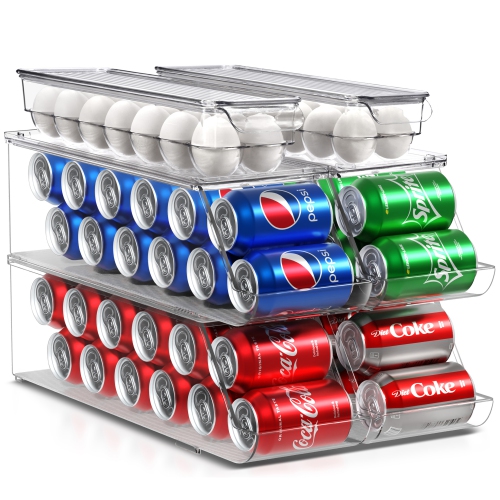
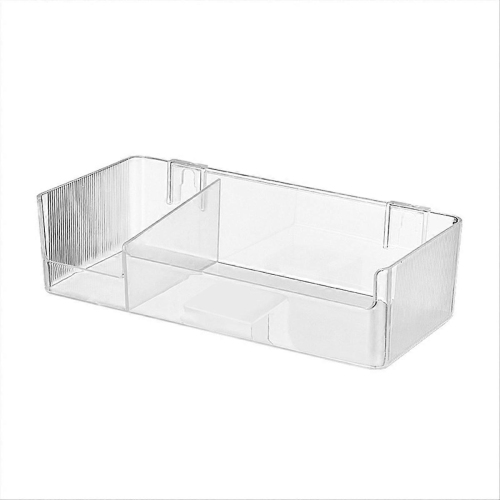
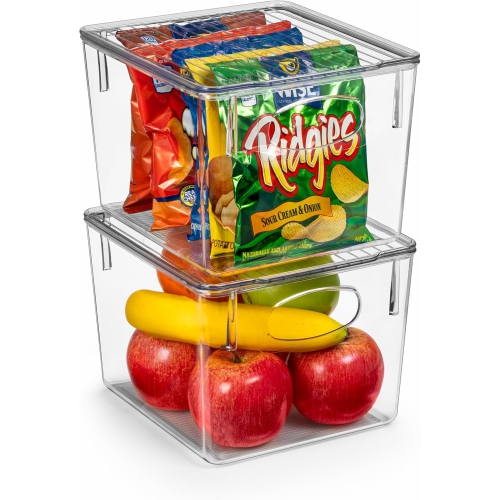
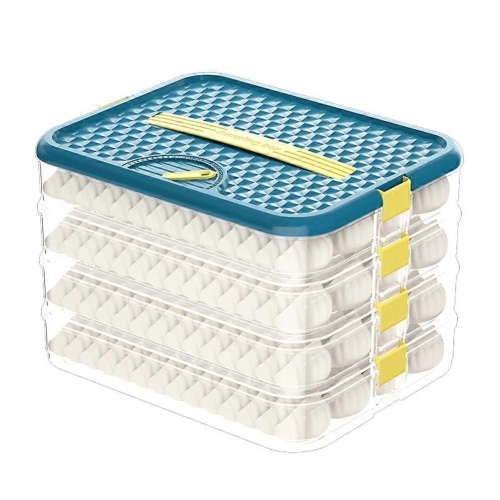
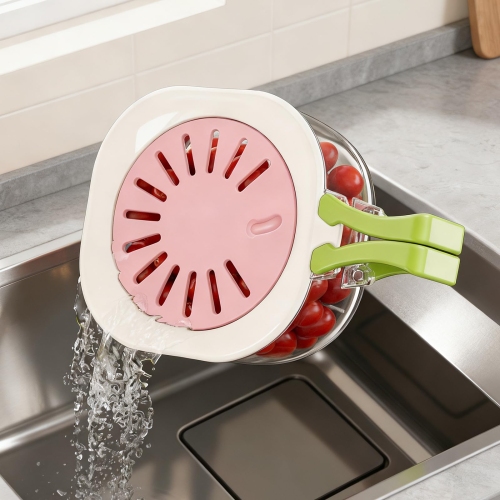
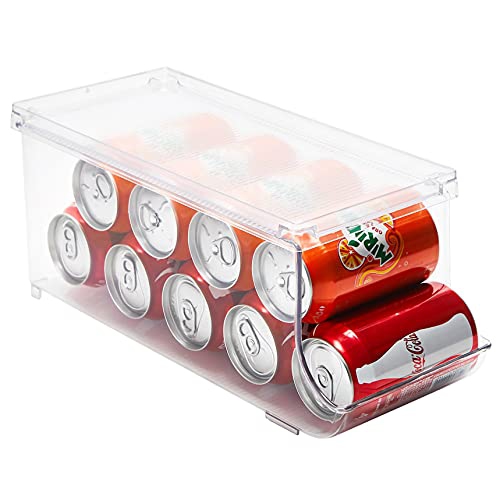
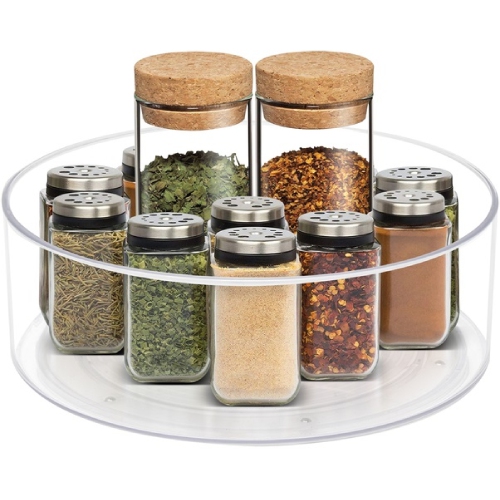
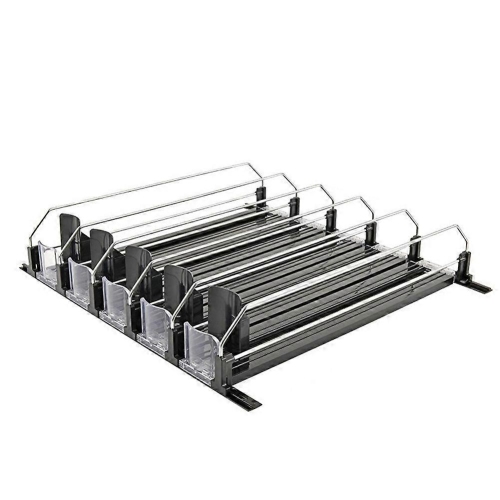

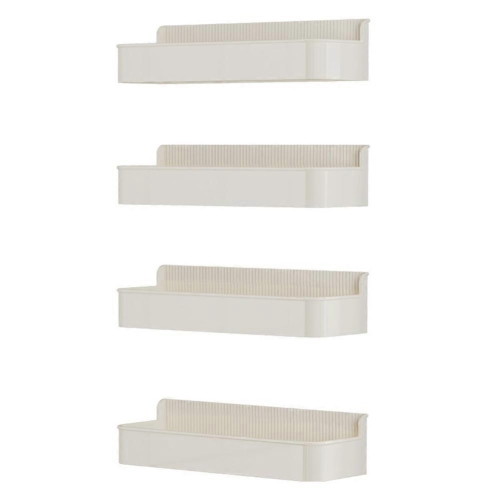
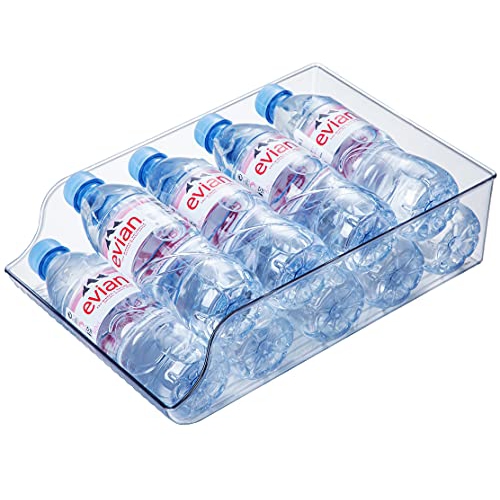
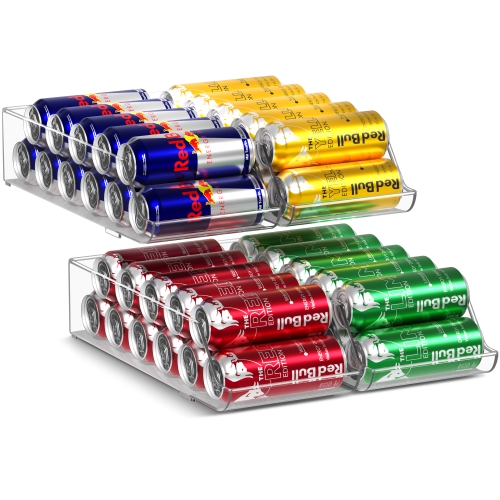
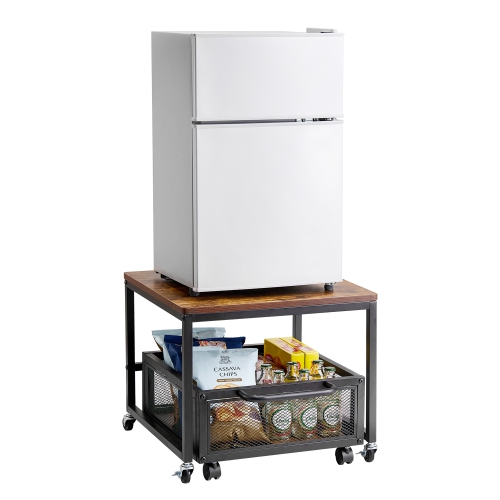
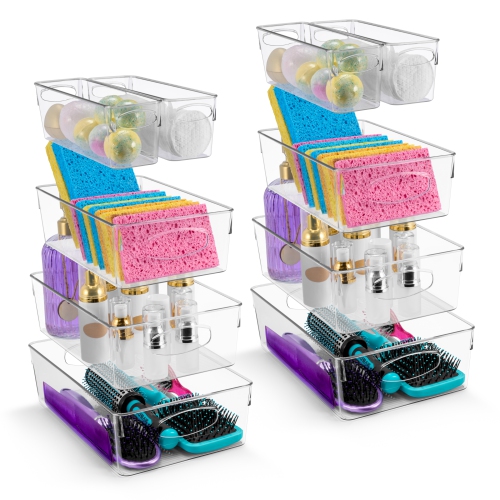
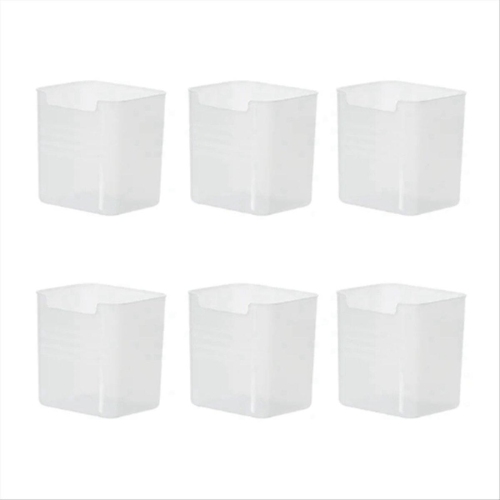

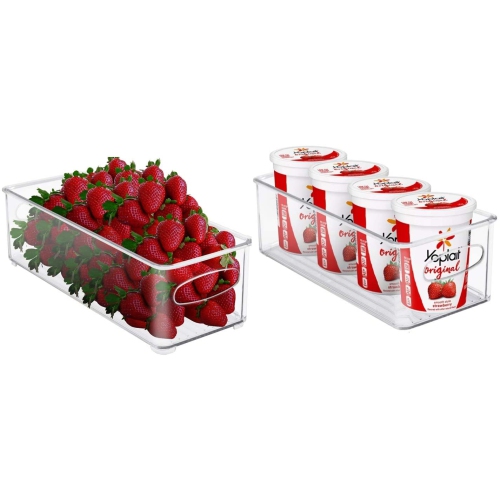
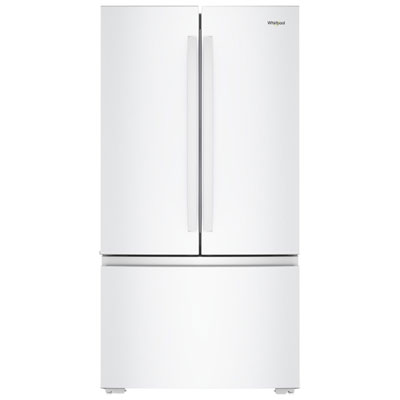
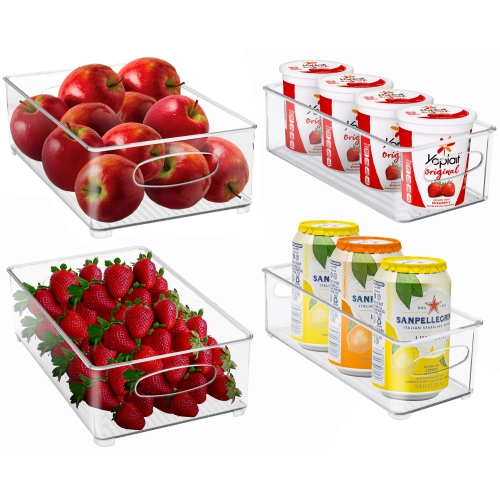
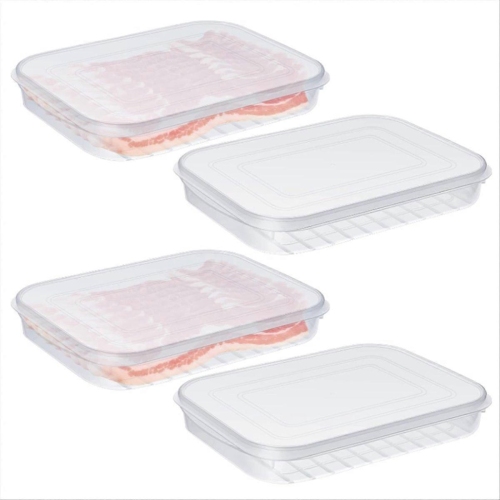
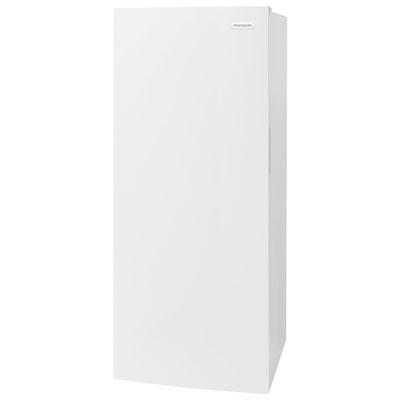
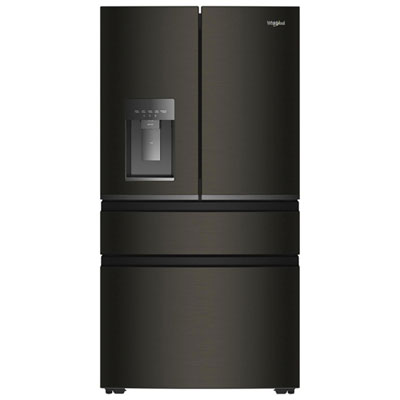
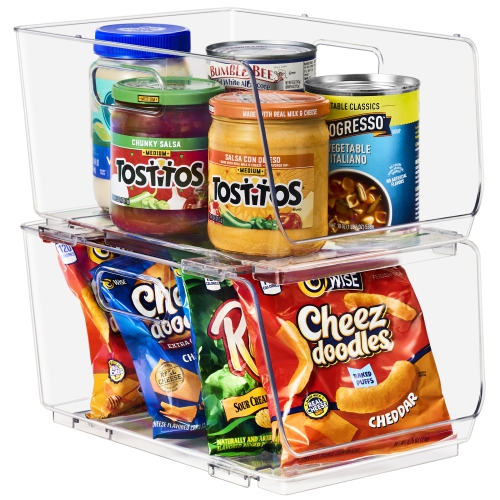

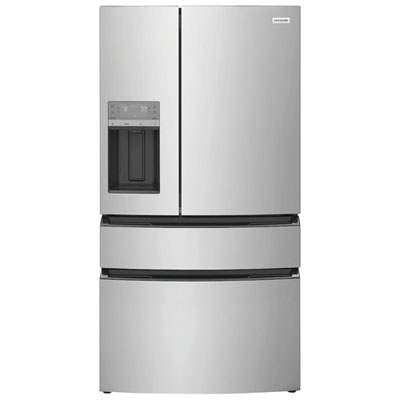
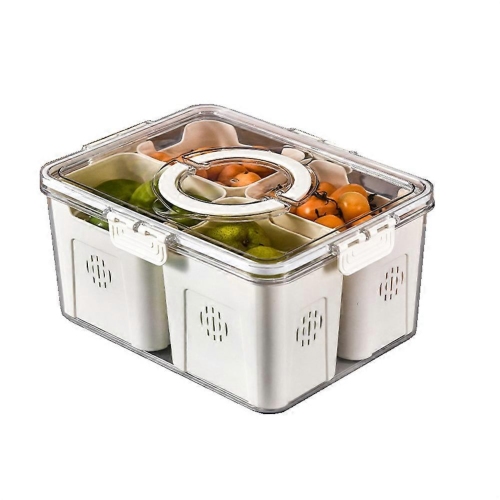
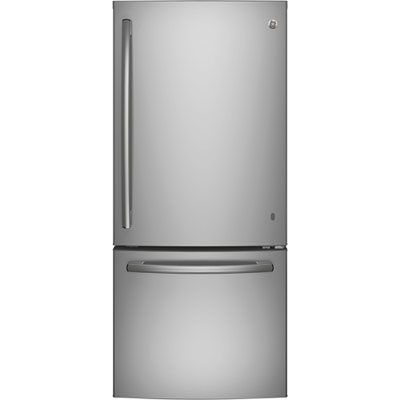
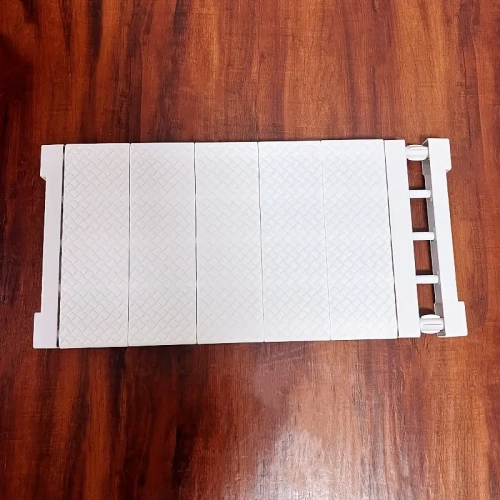
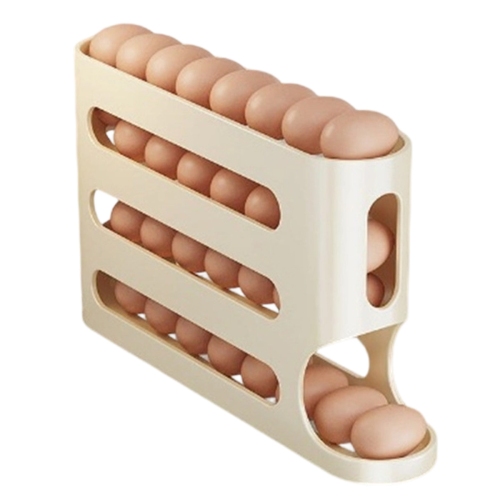
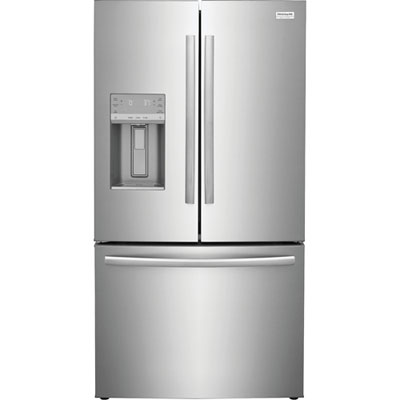
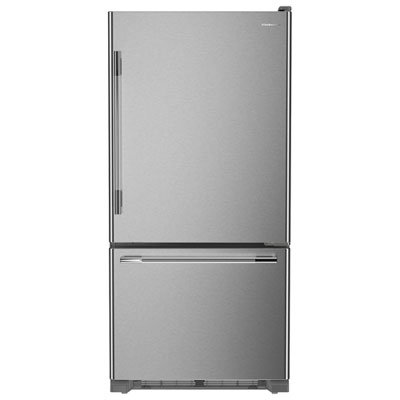
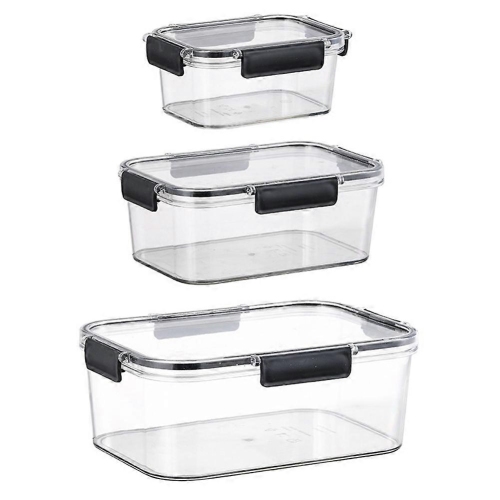
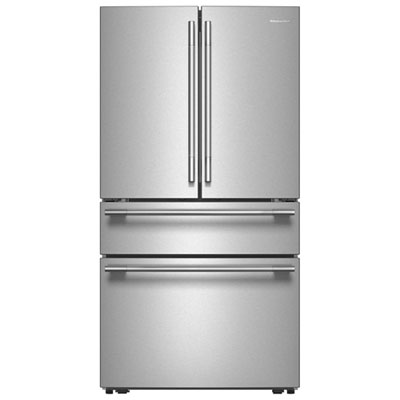
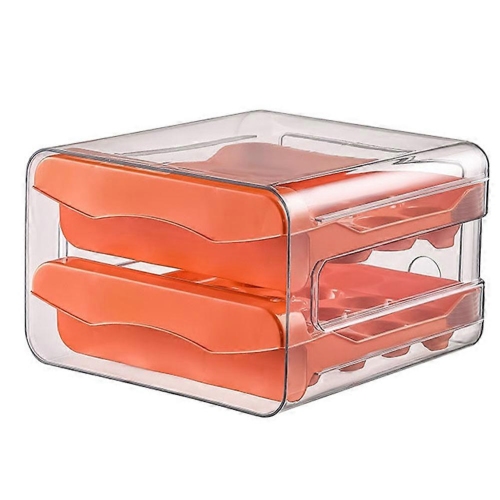
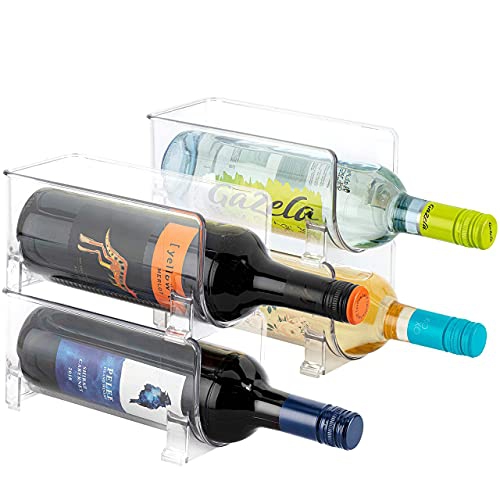

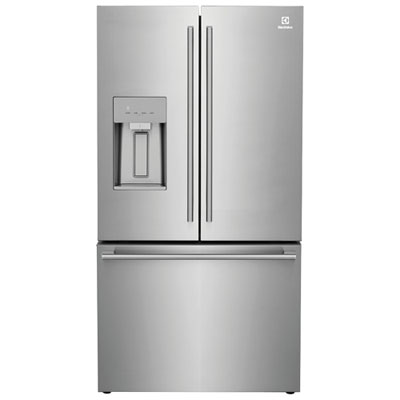
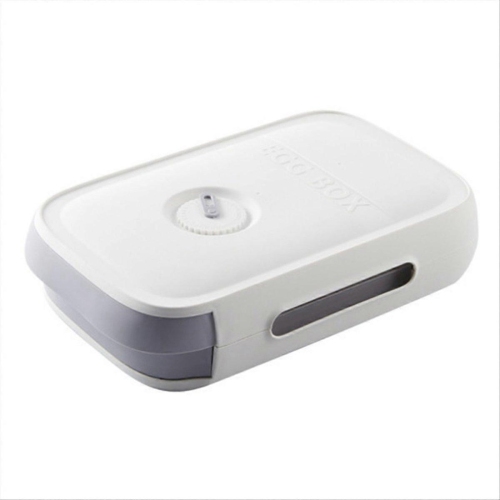
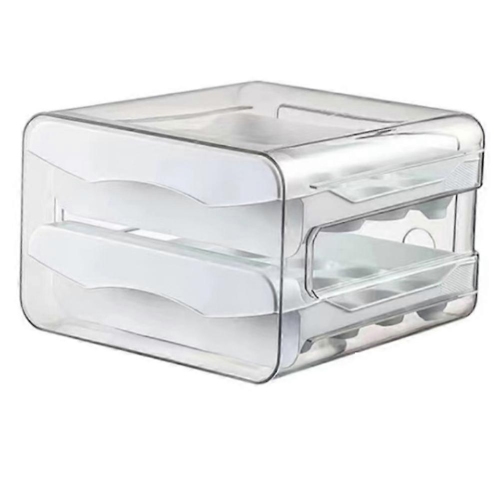
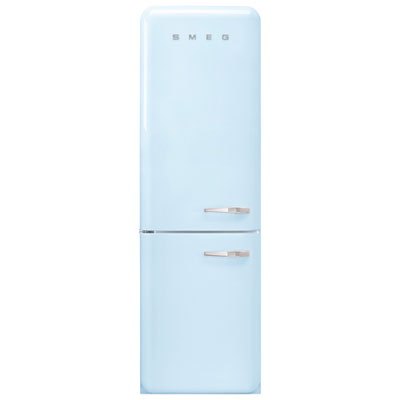
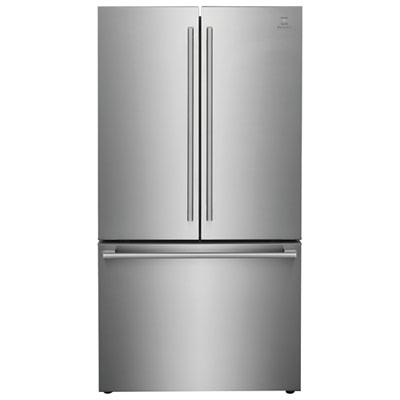
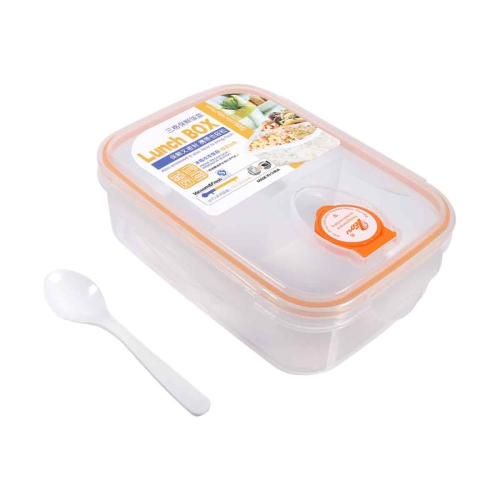
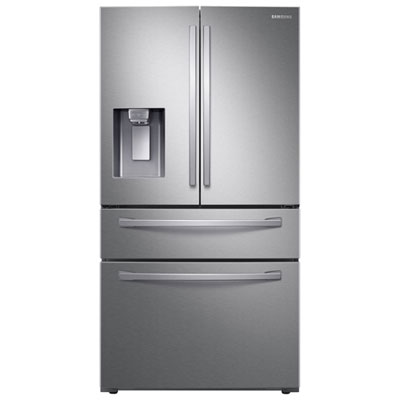
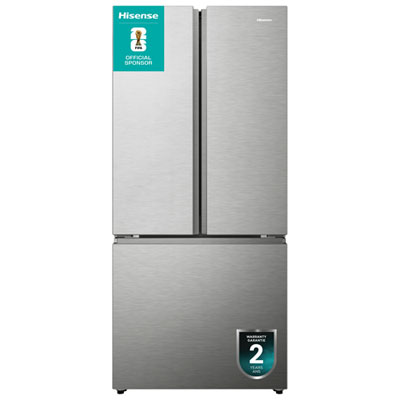

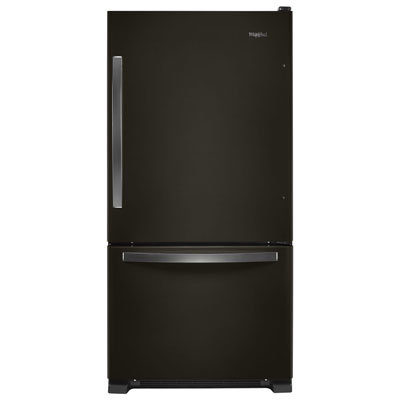
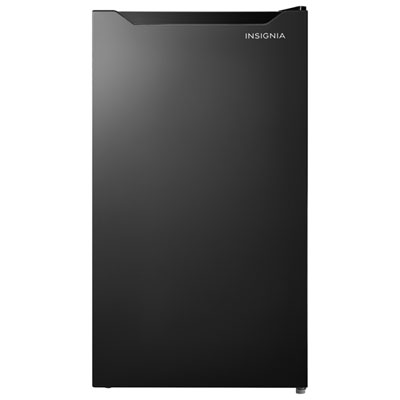
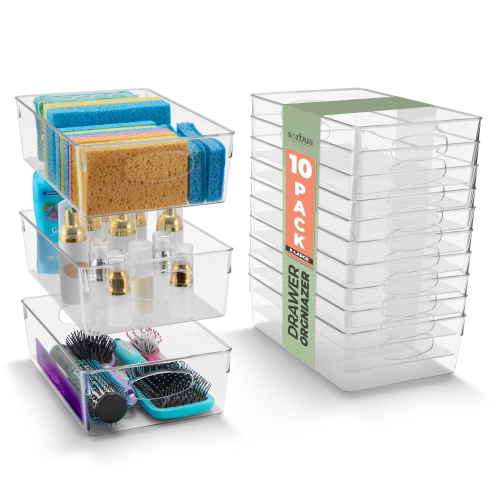
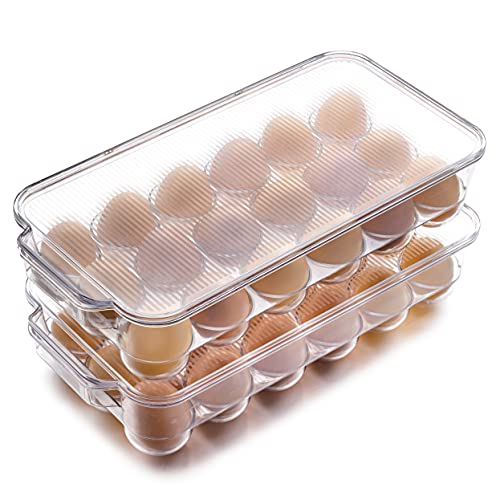
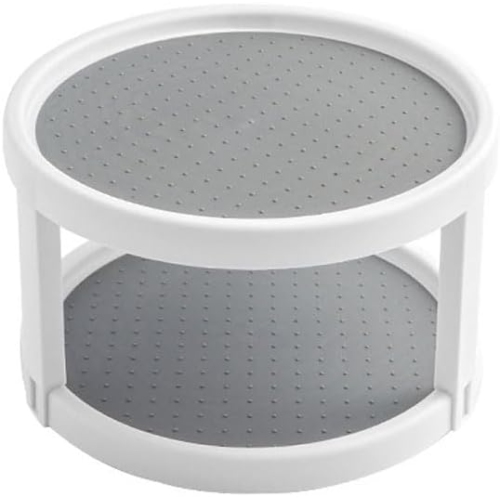
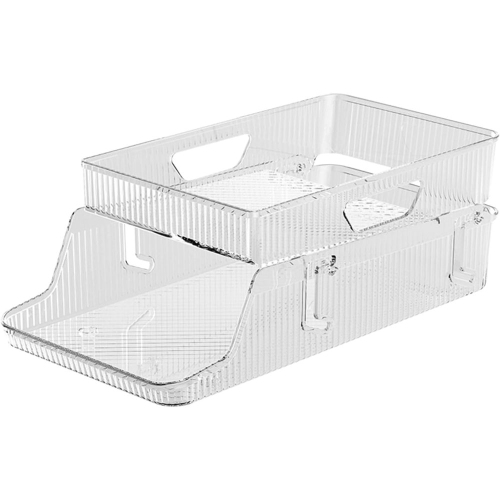
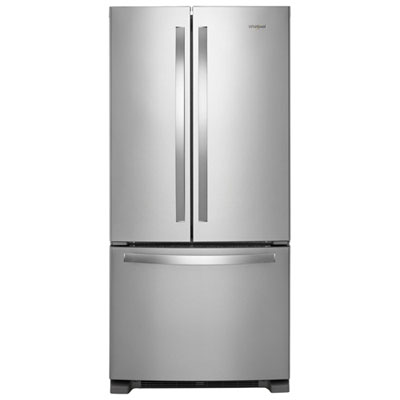
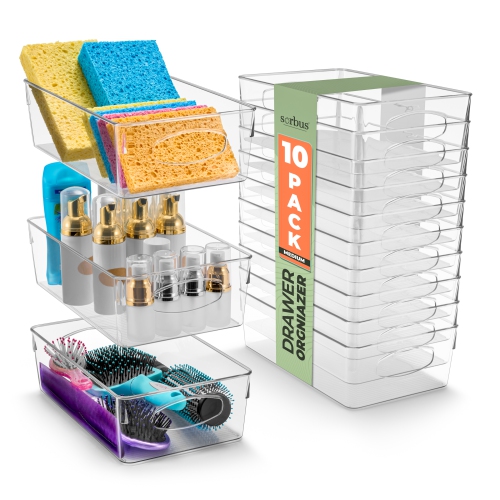
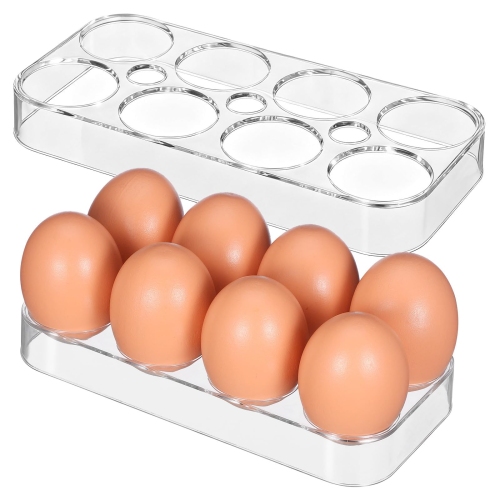
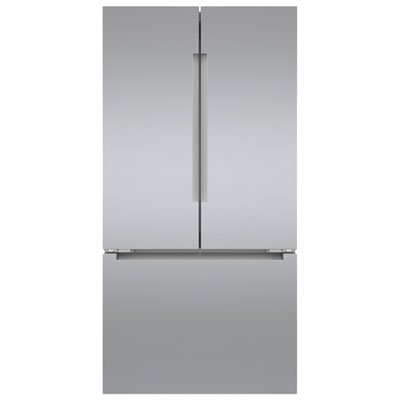
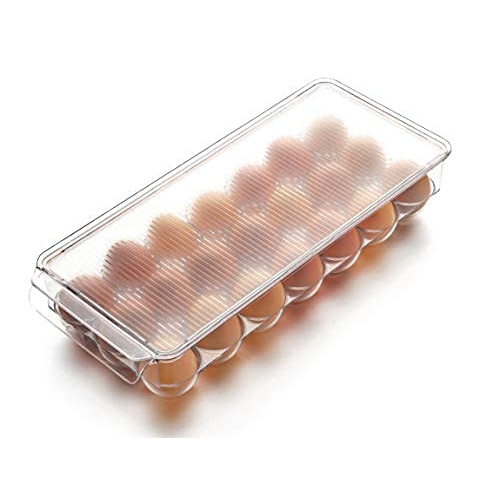
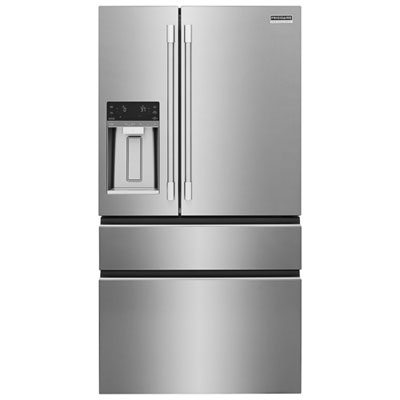
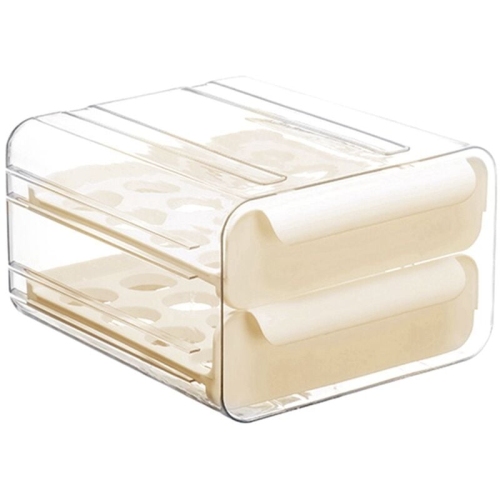
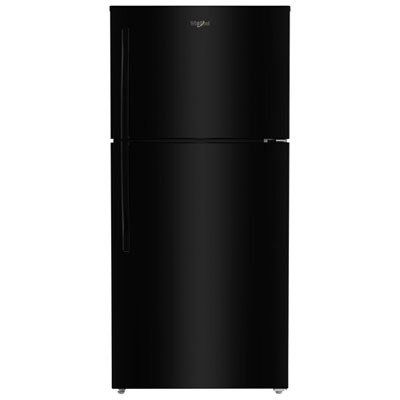
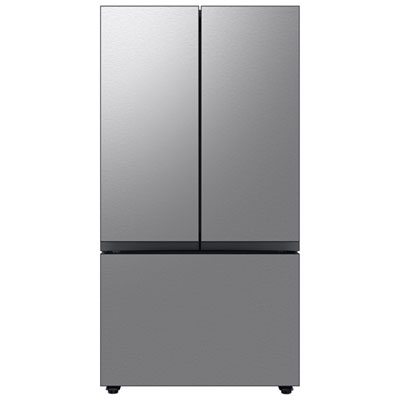

Practical zones for a clearer, more usable refrigerator
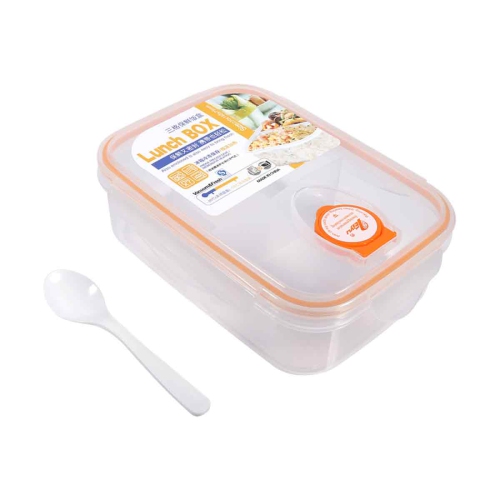
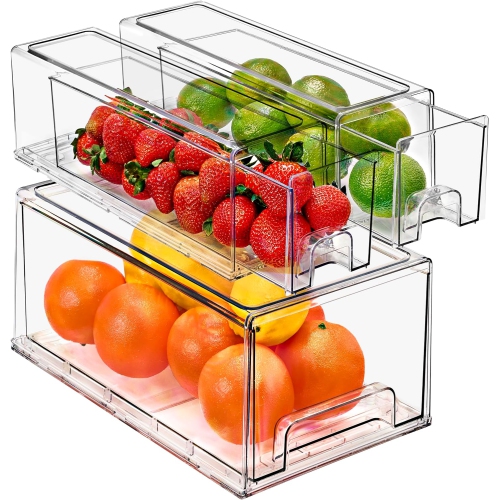
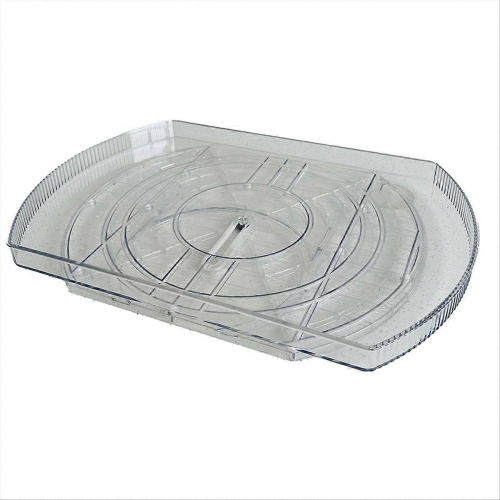
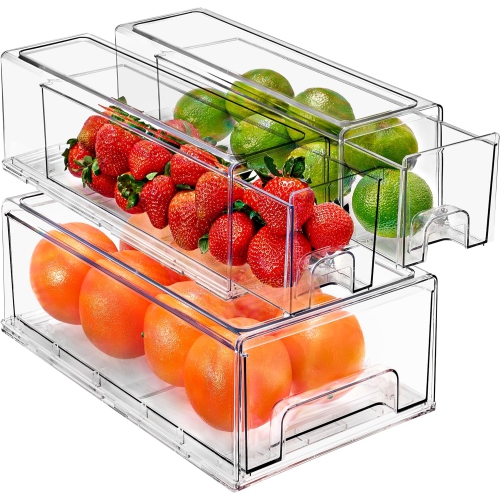
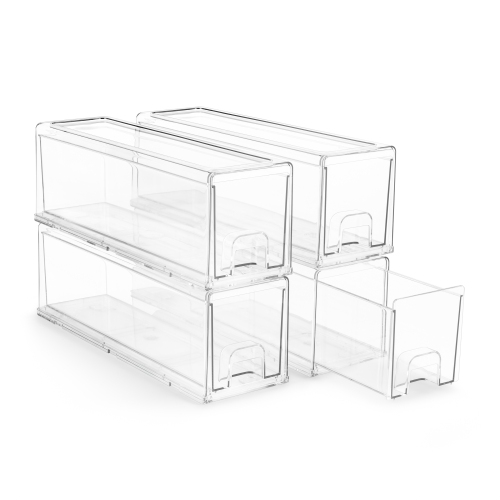
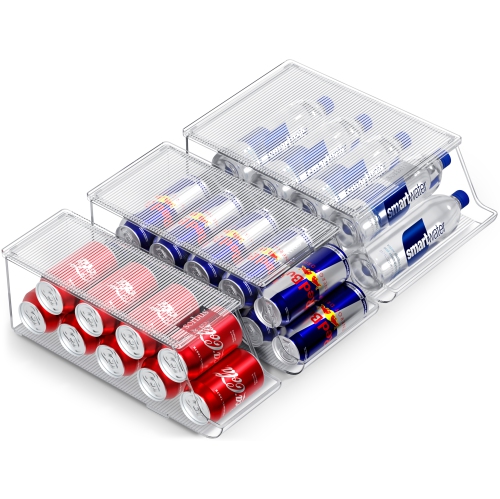
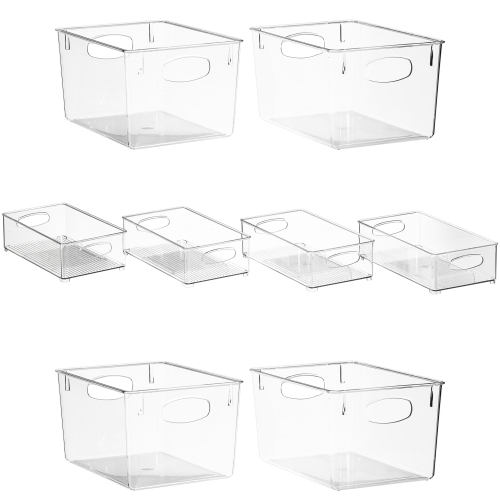
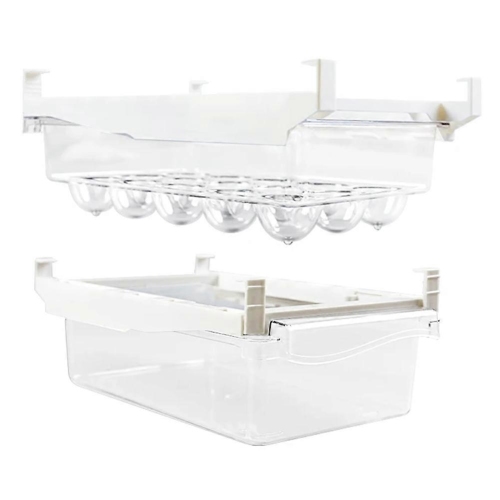
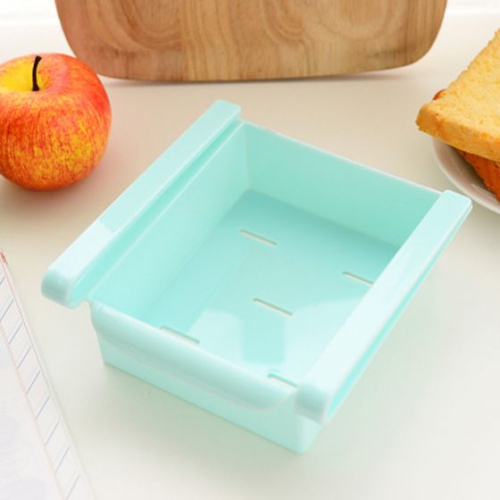
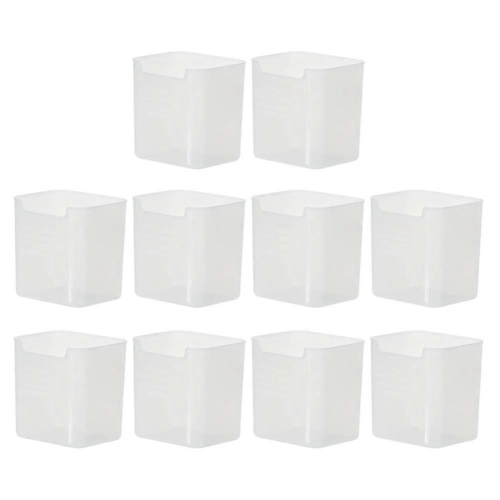
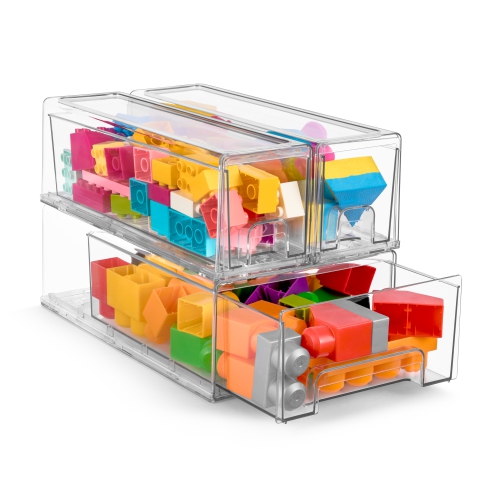
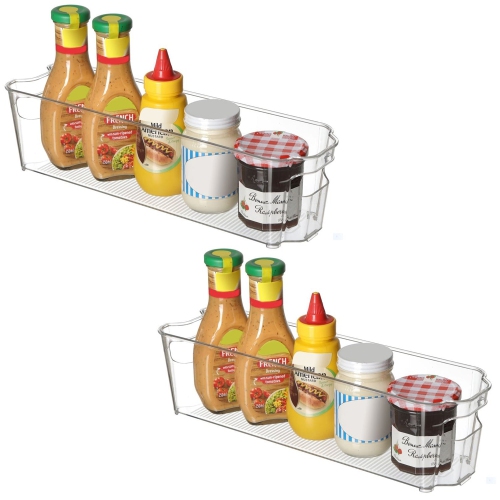
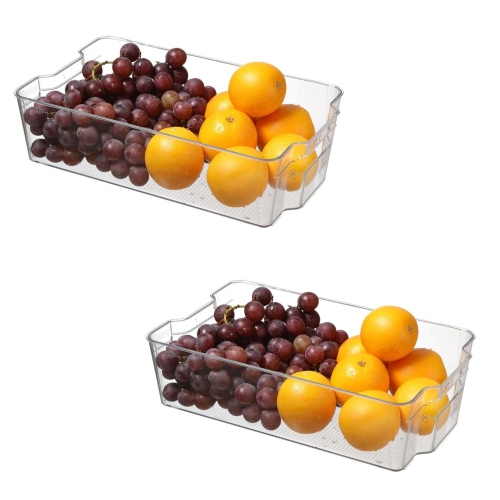
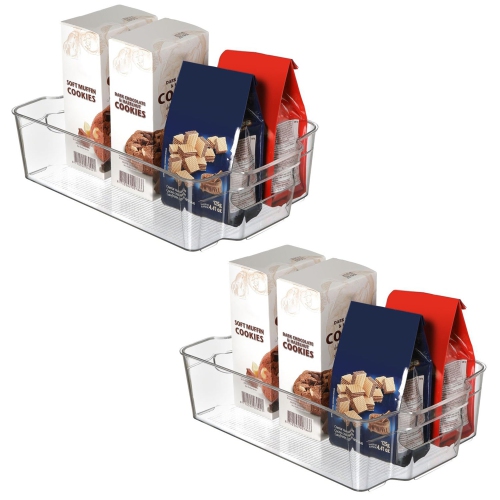
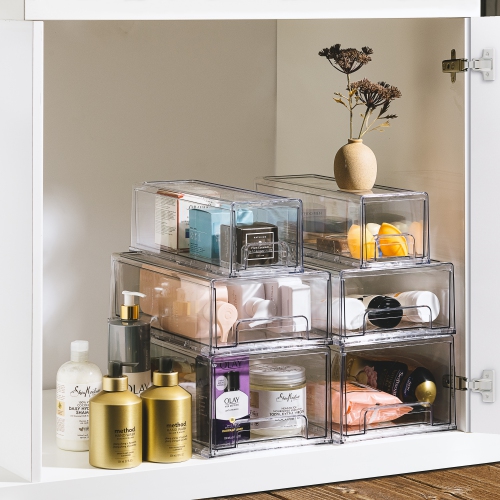
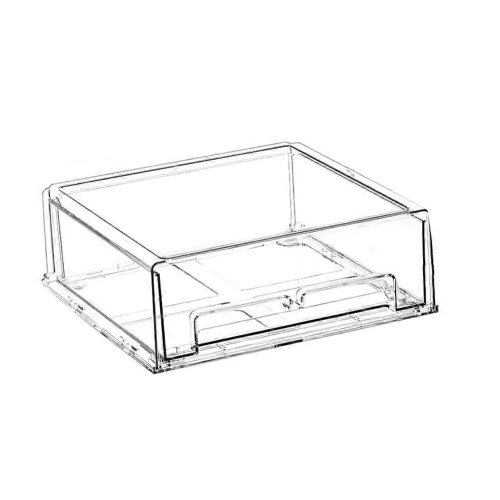
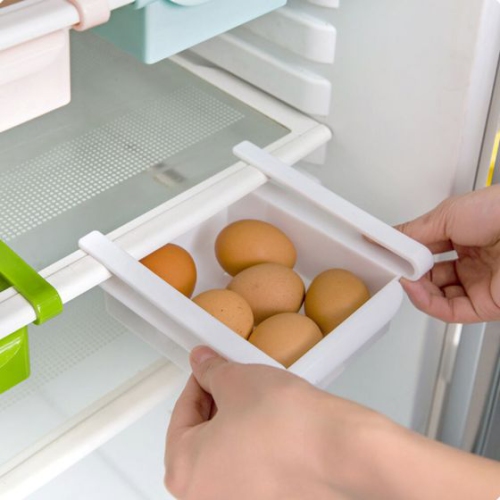
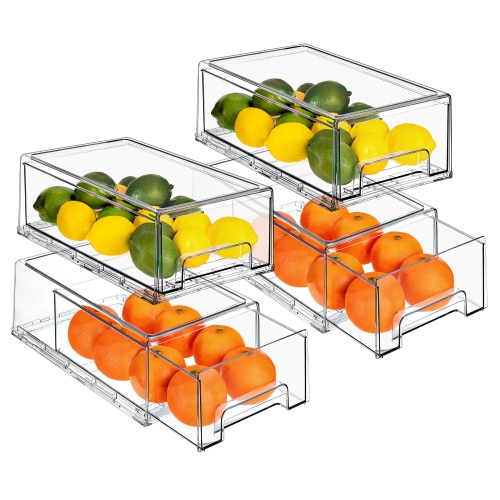
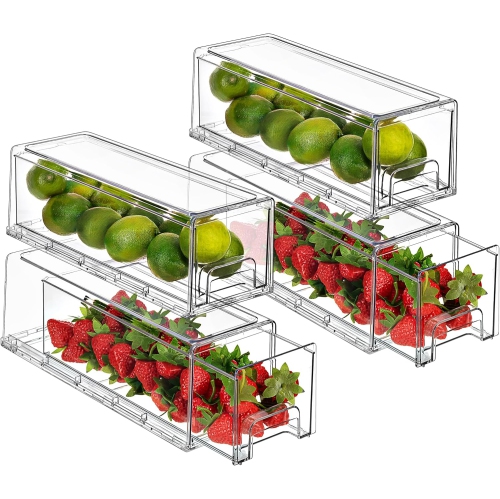
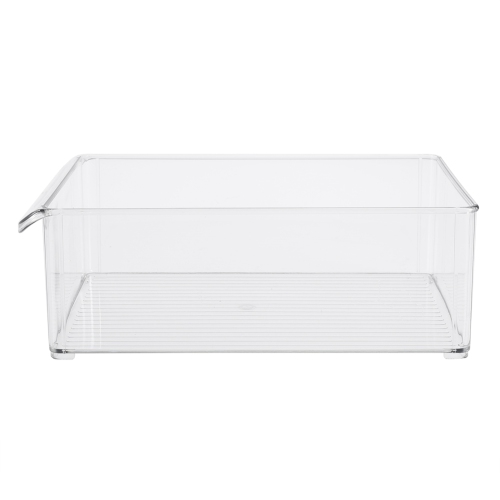
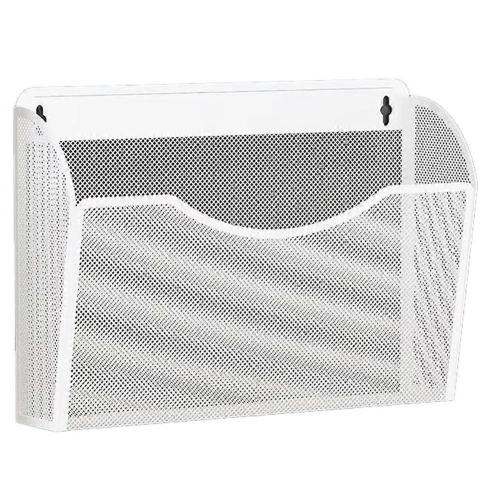
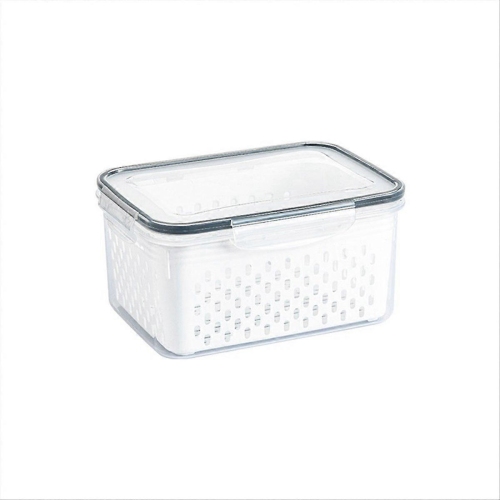
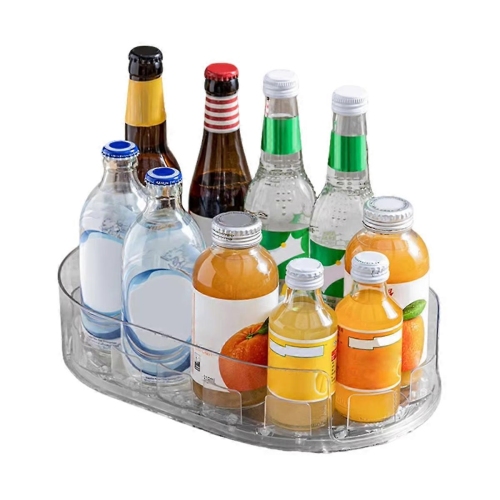
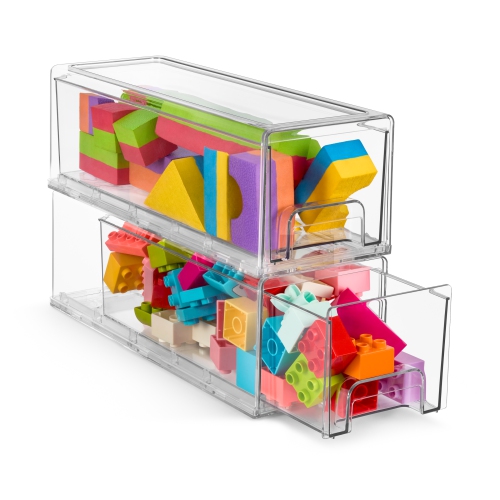
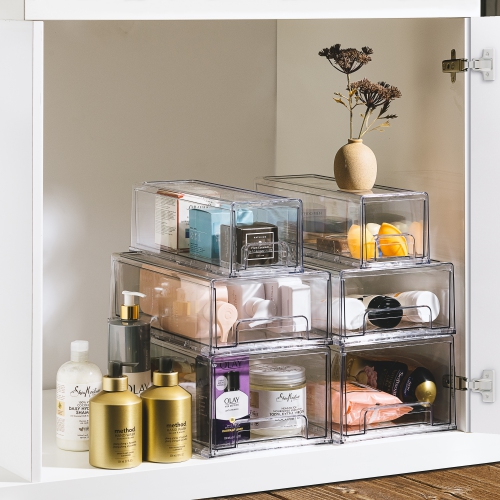
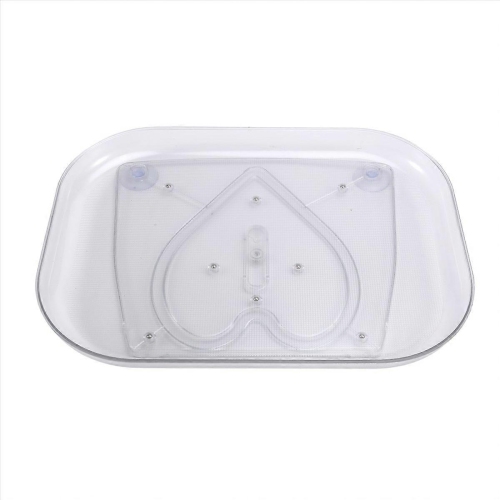
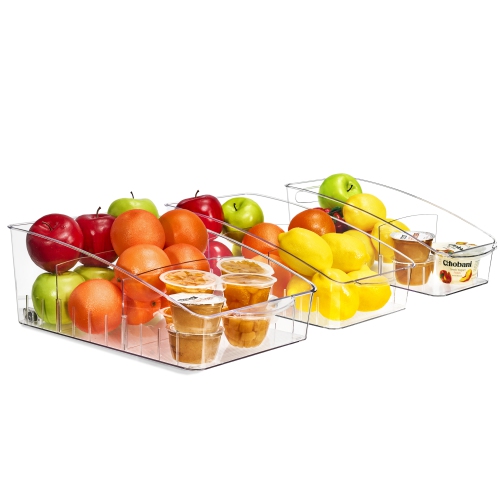
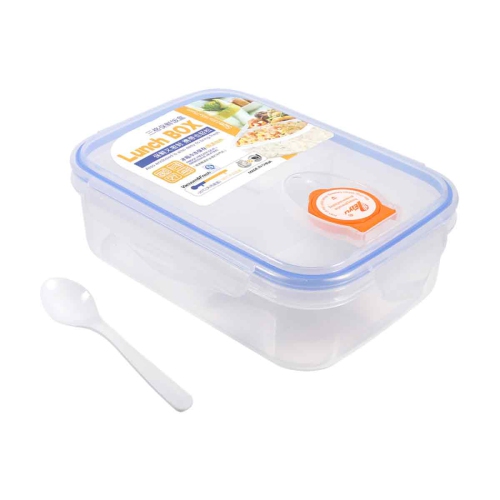
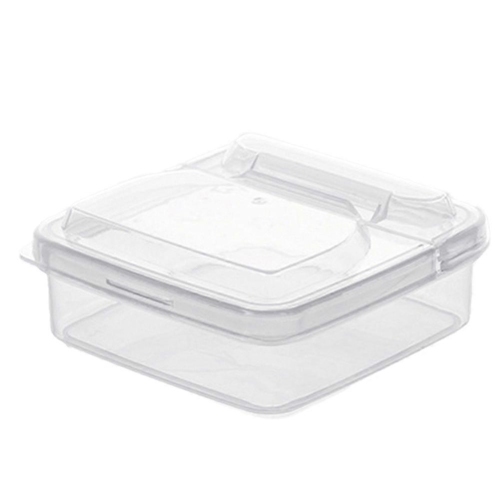
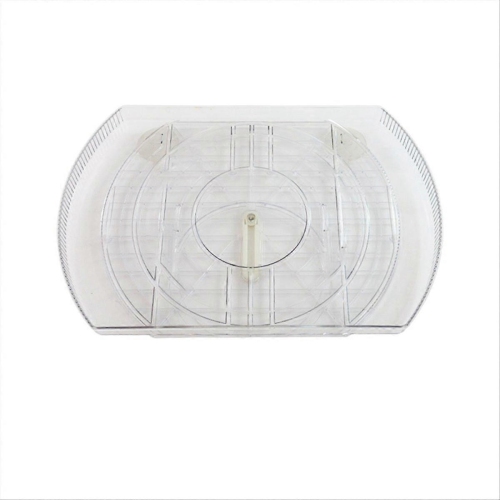
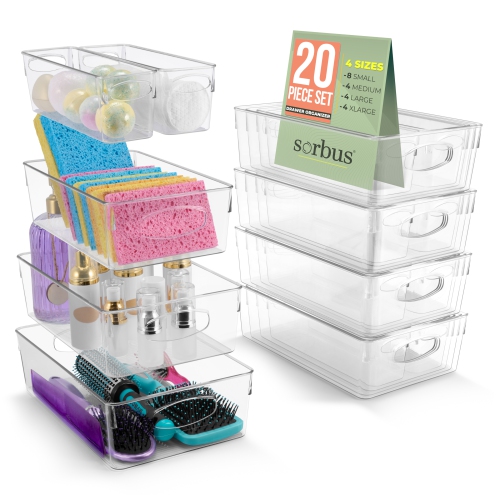
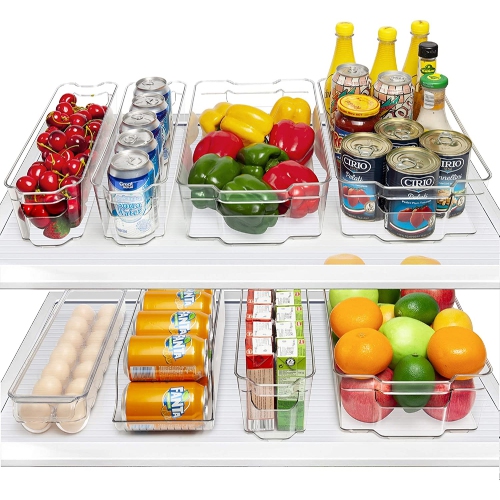
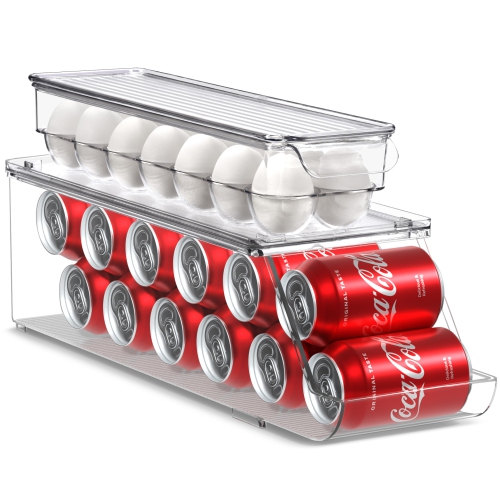
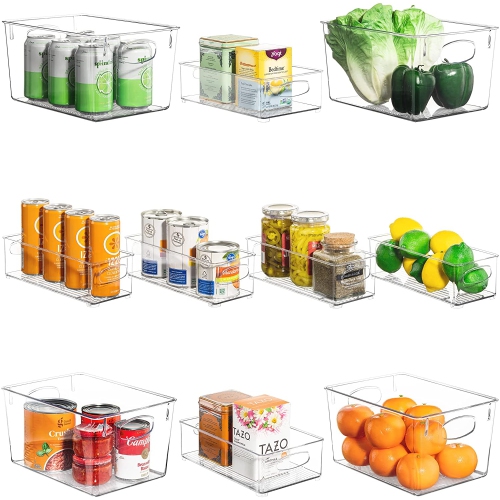
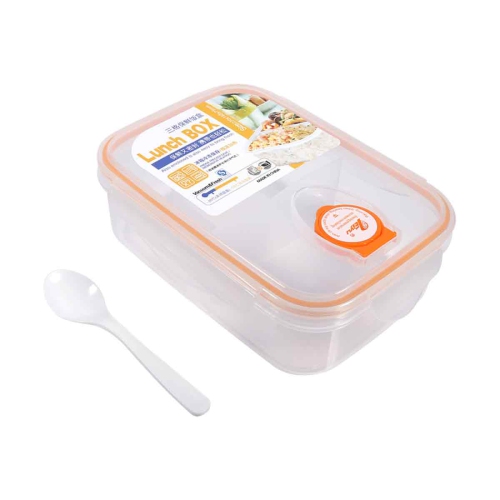
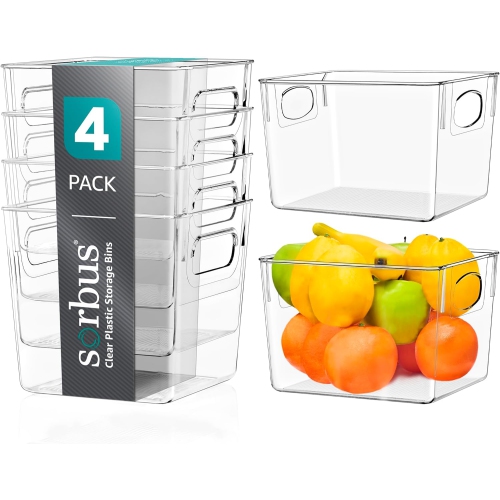
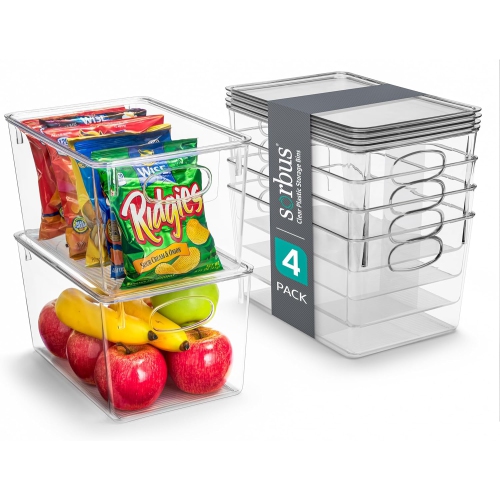
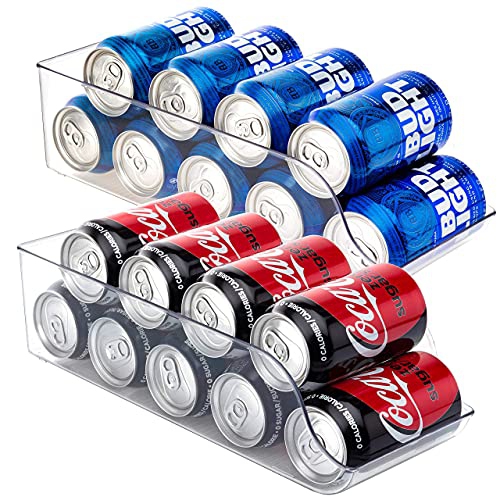
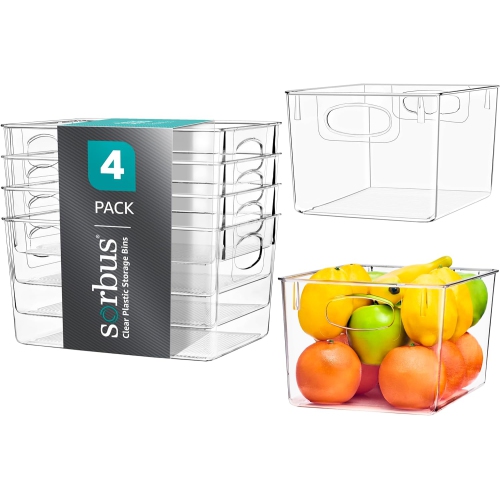
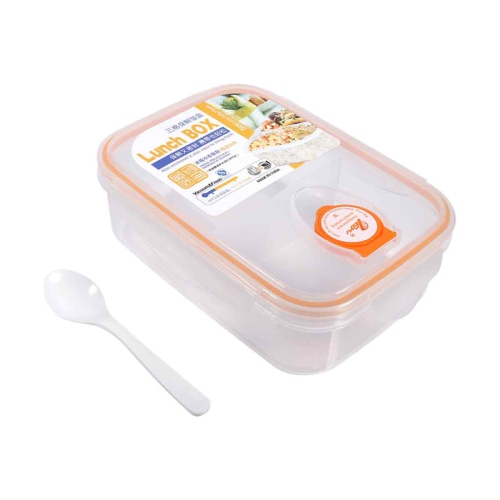
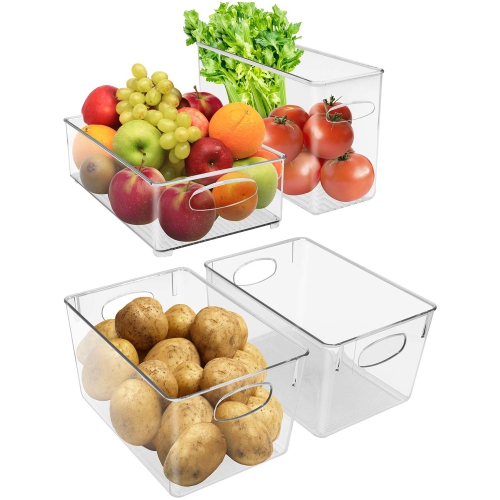
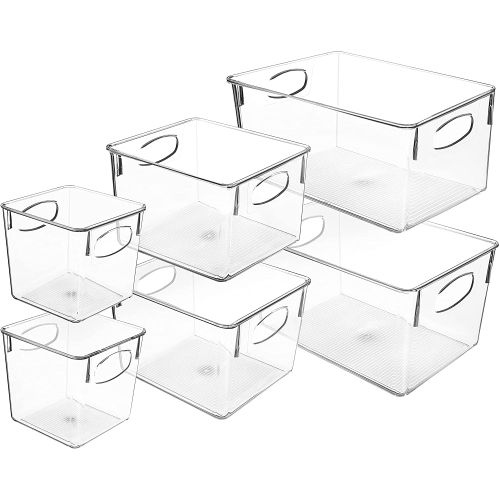
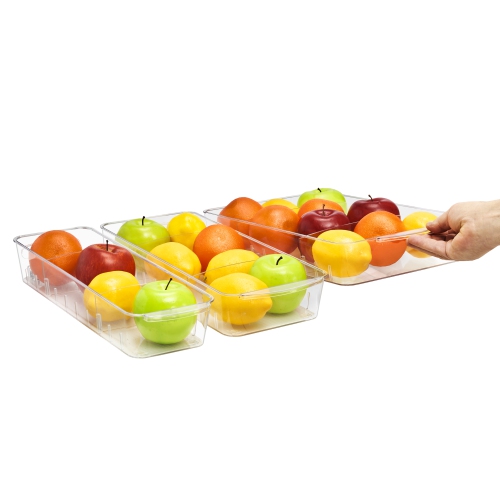
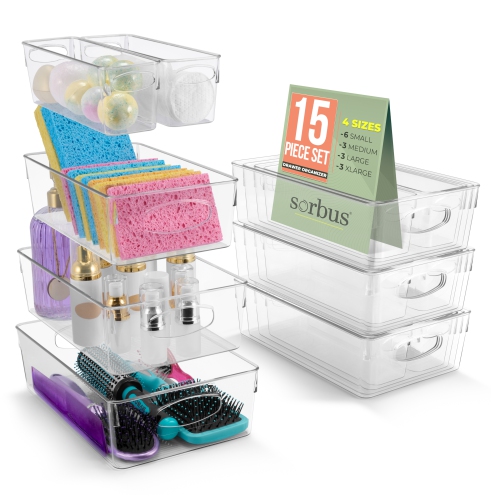
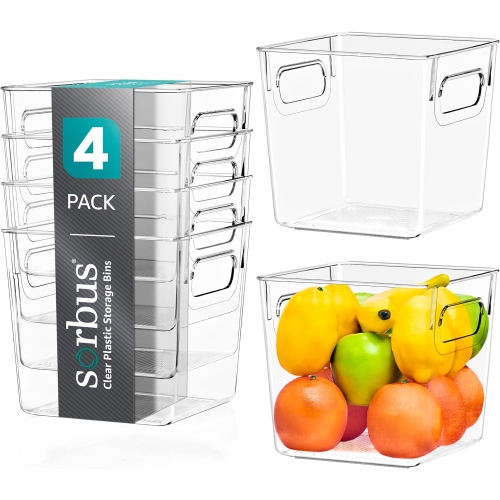
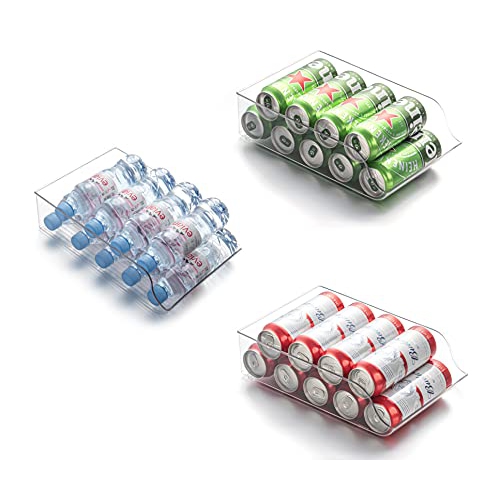
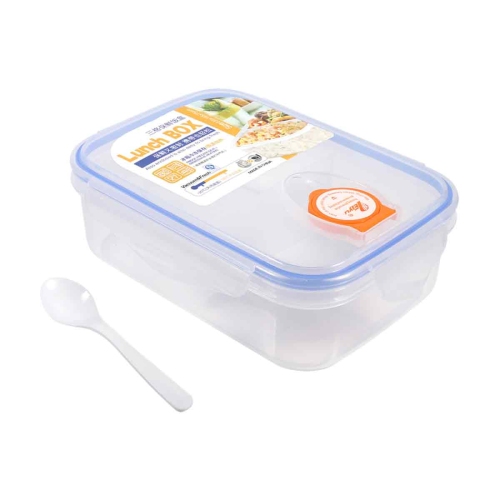
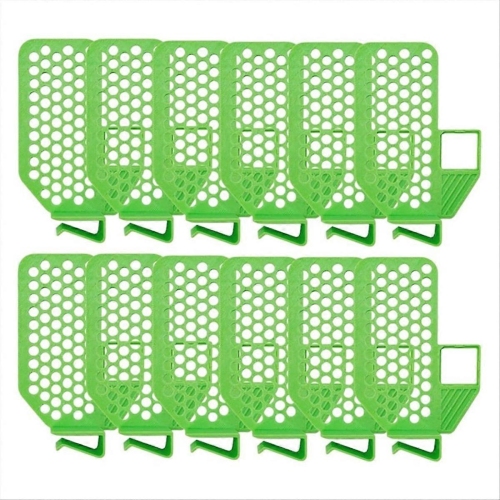
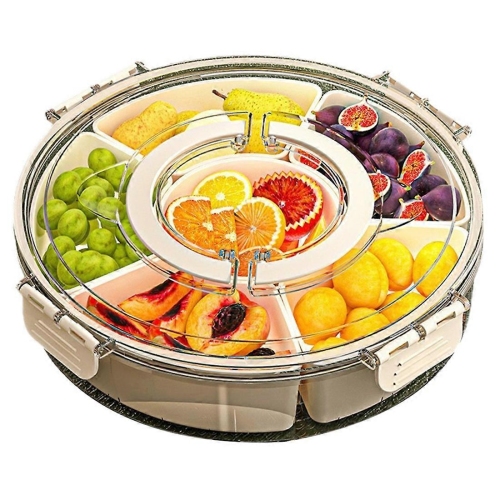
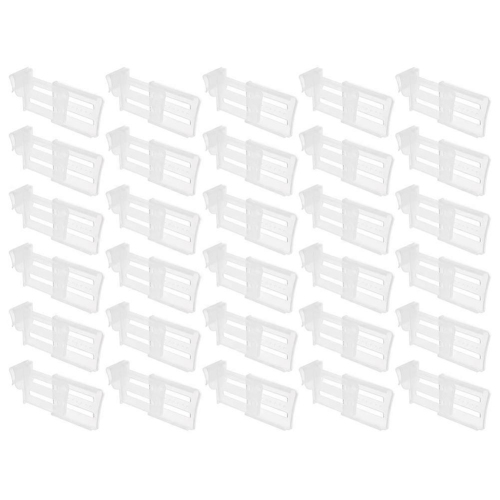
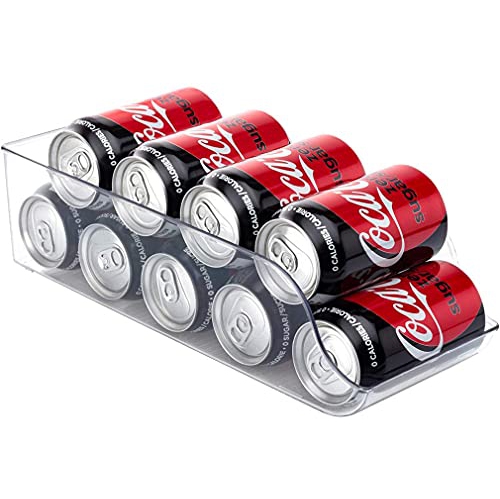
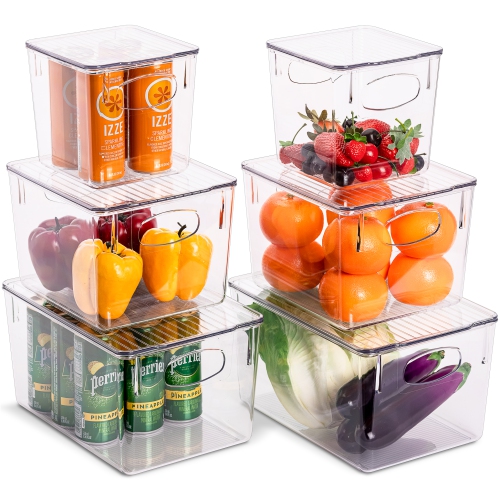
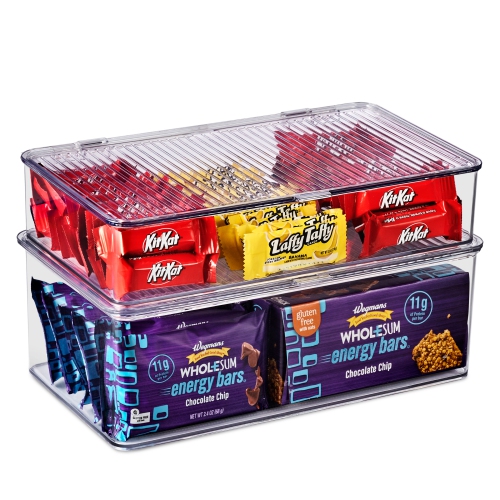
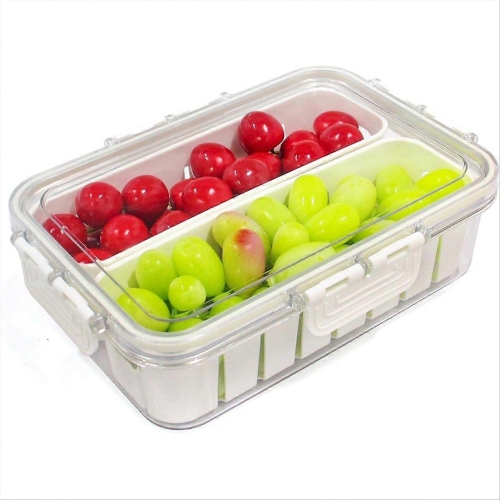
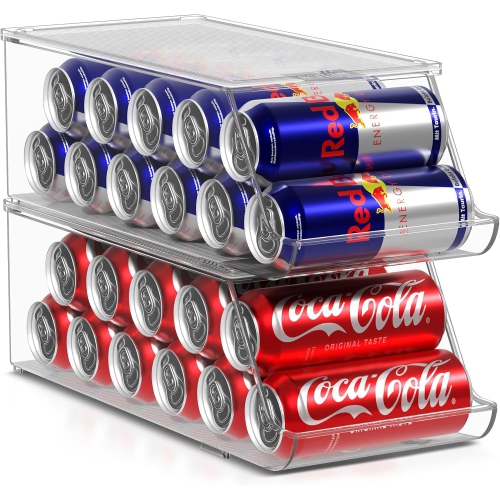
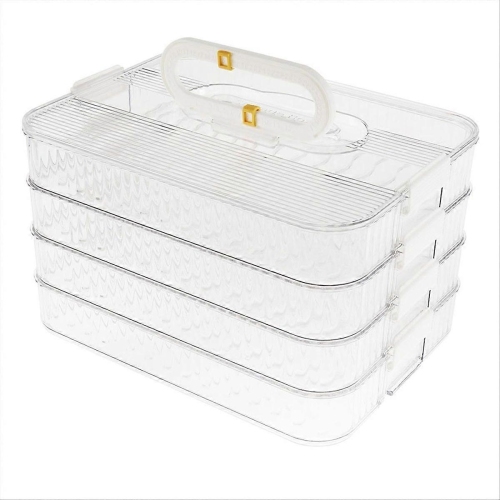
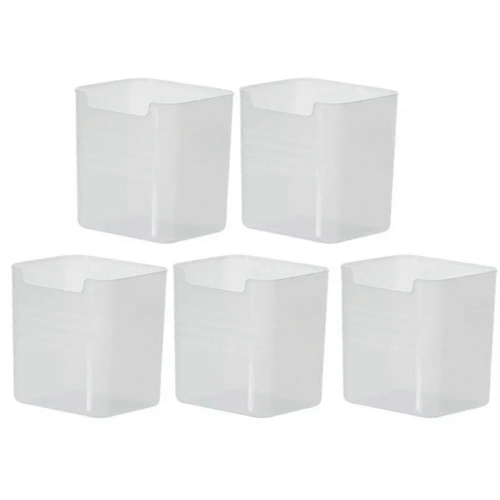
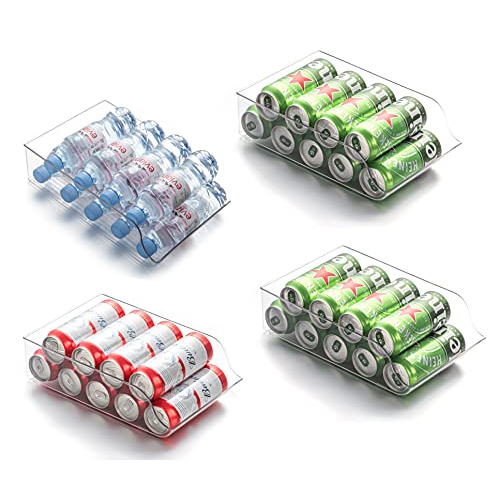
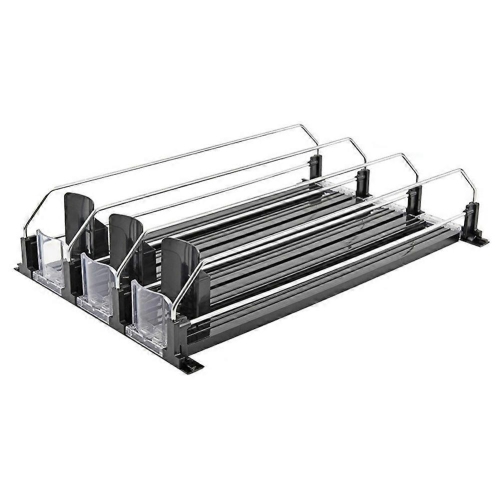
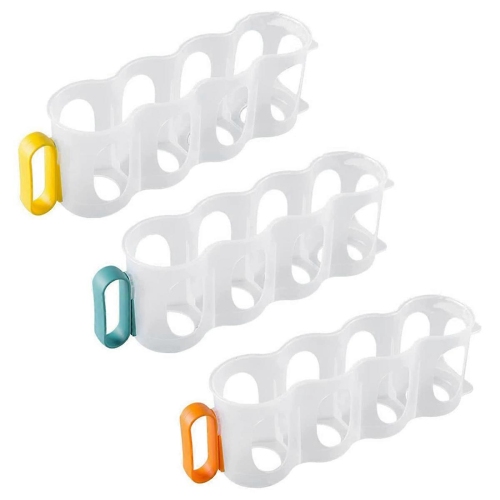
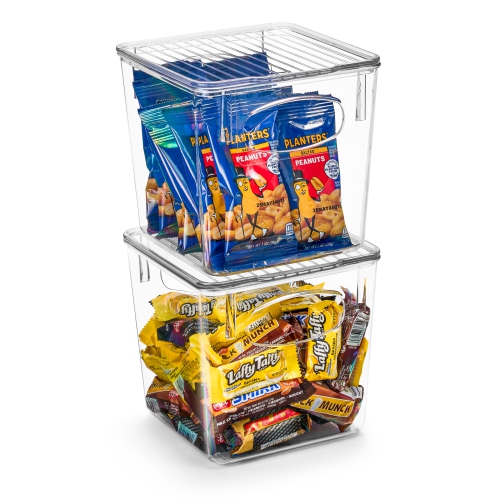
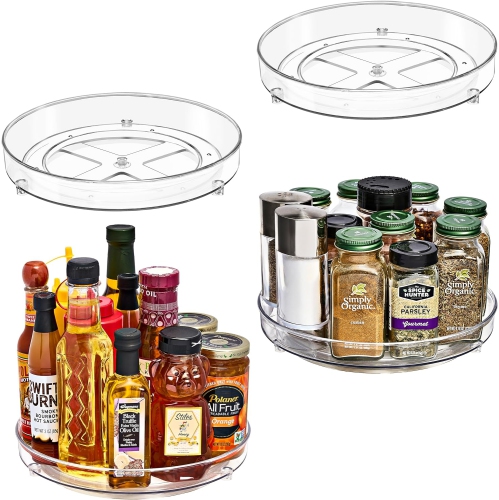
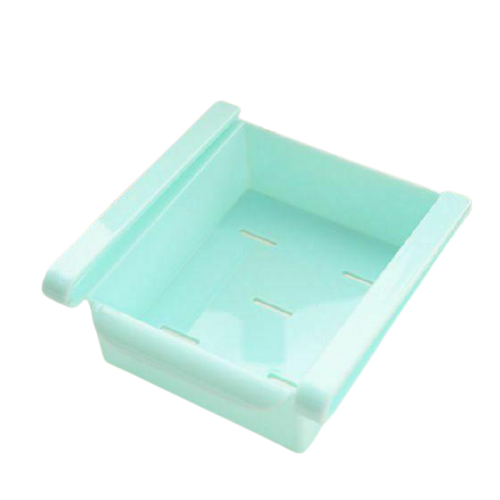
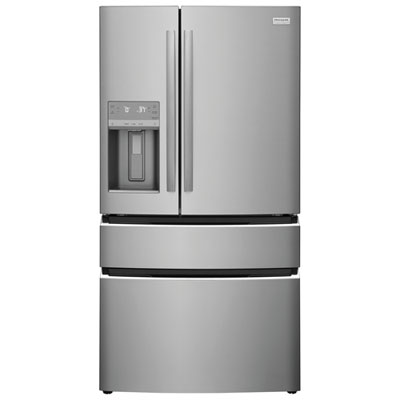
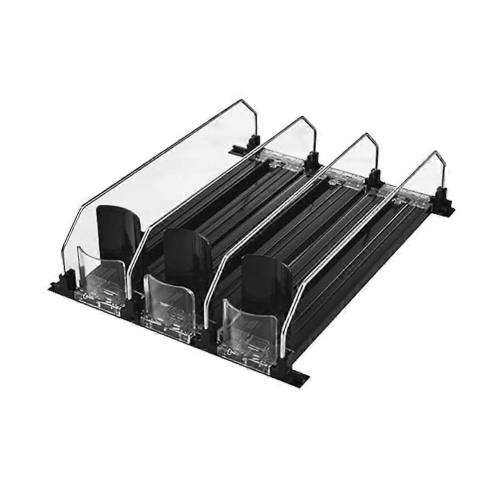
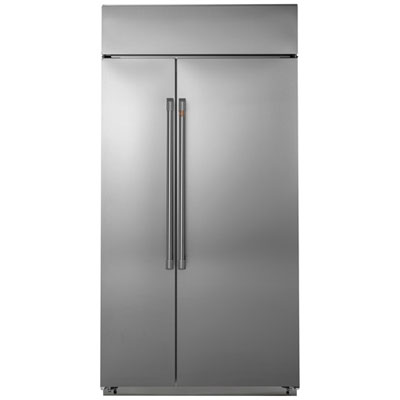
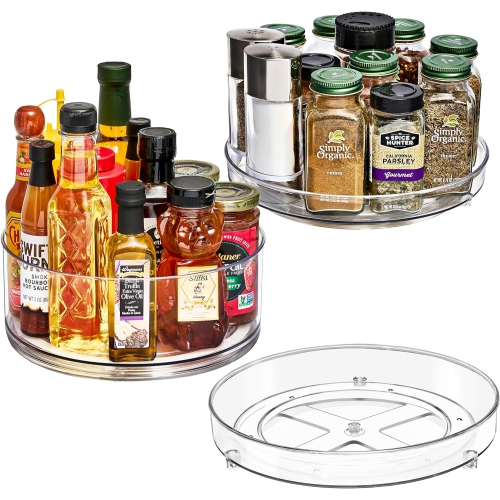
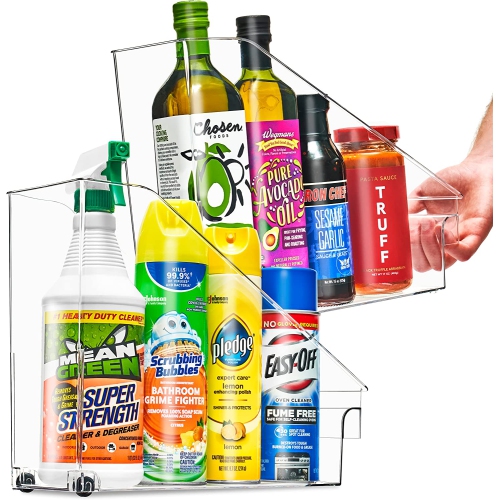
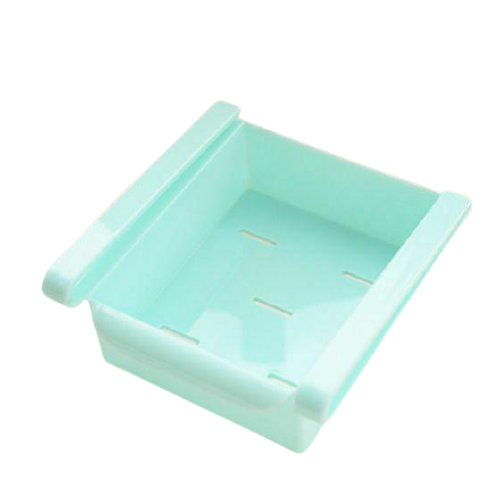
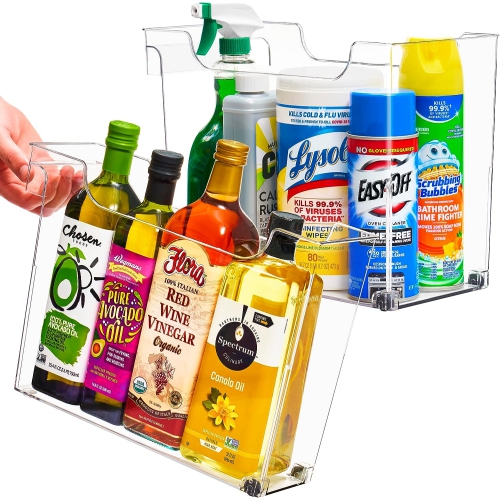
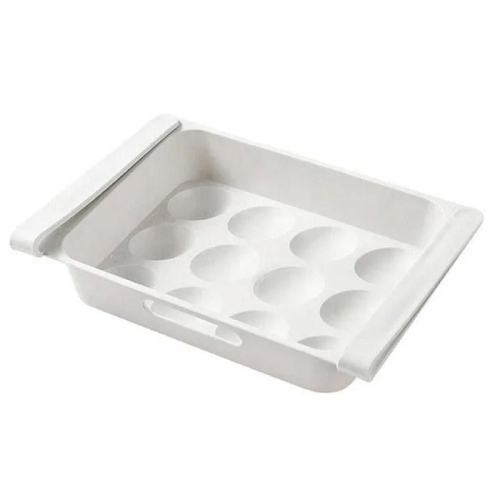
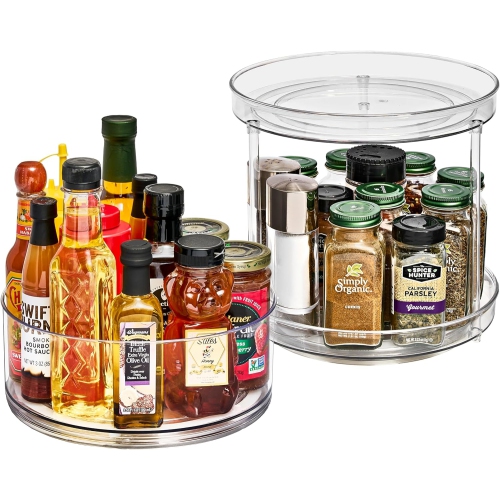
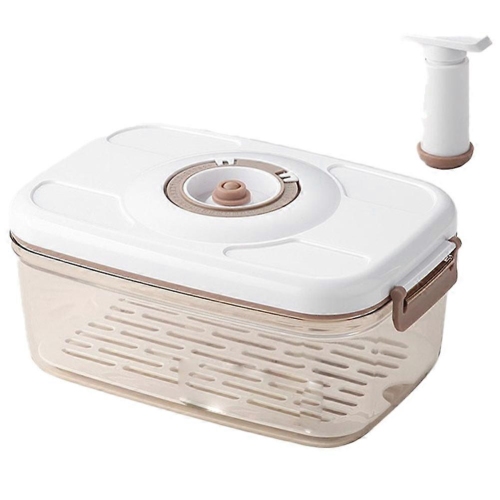
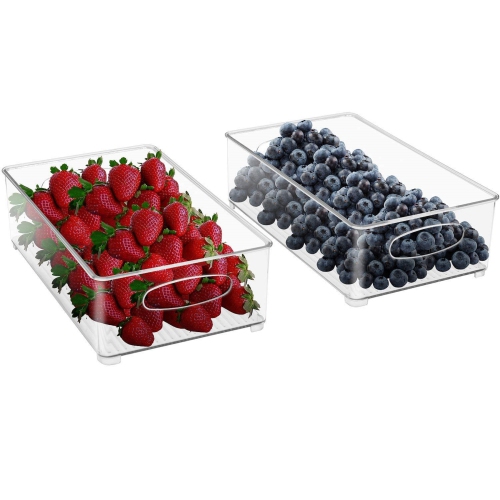
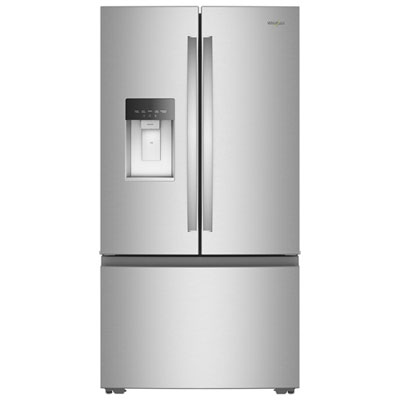
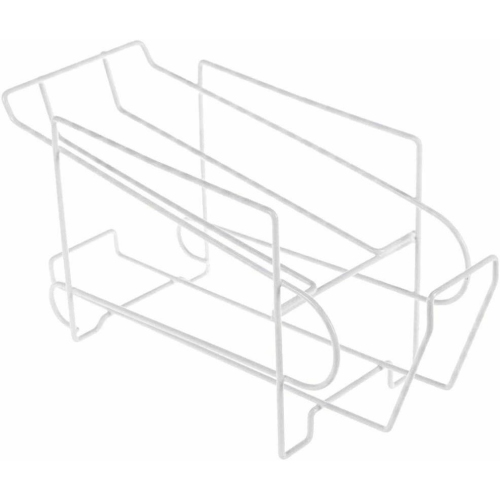
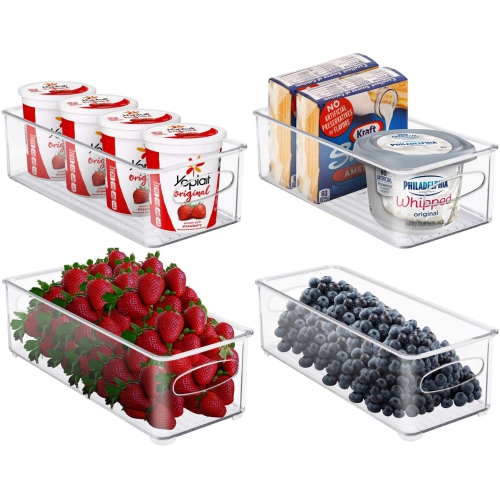
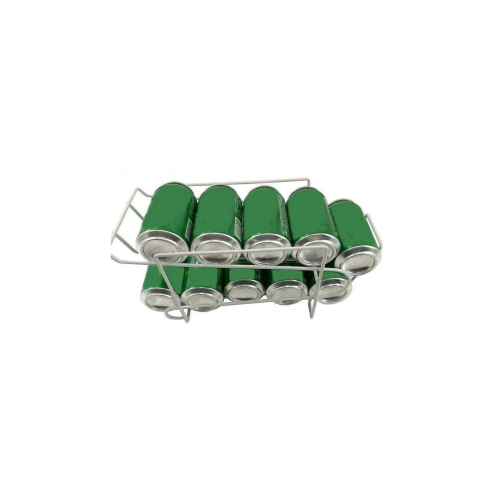
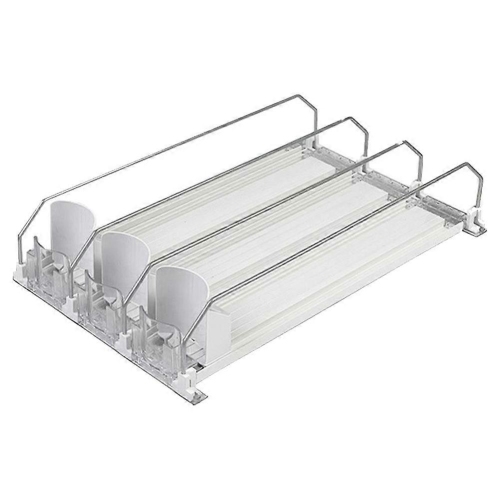
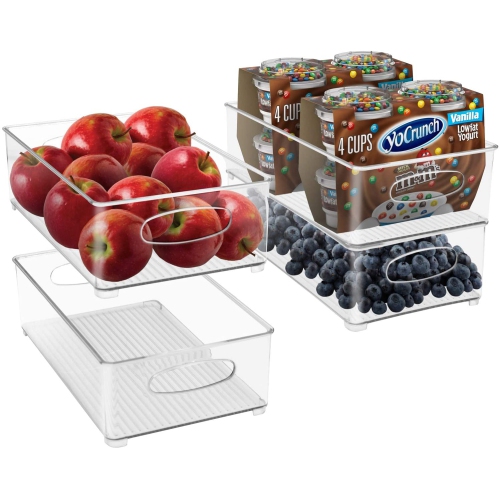
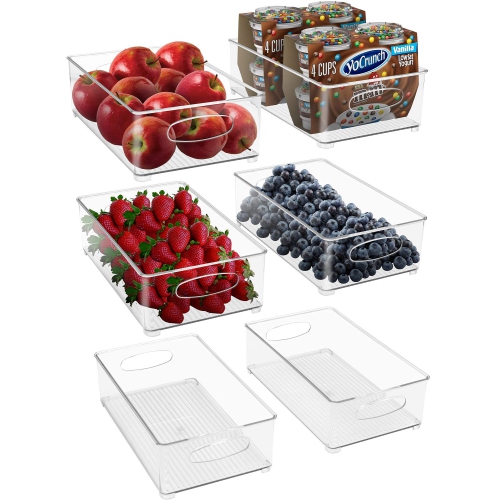
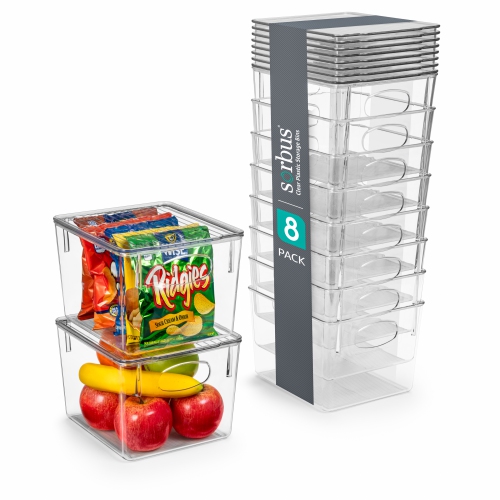
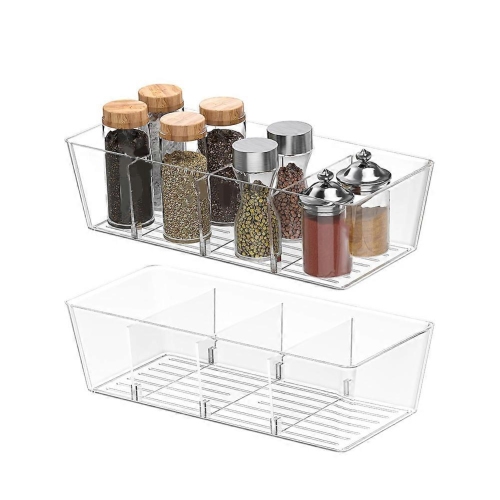
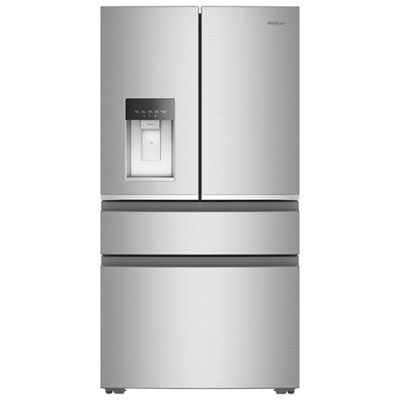
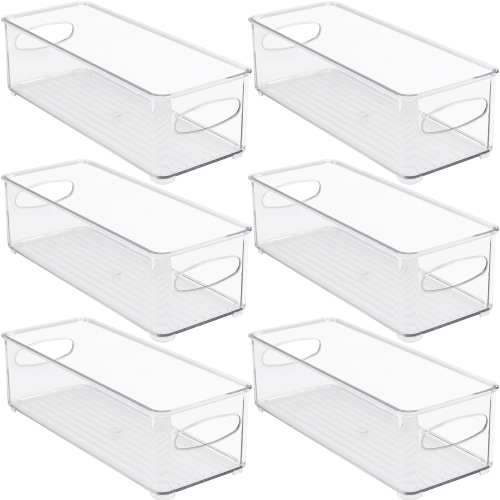
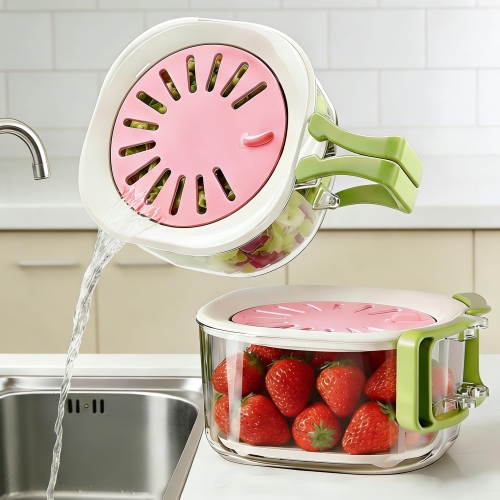
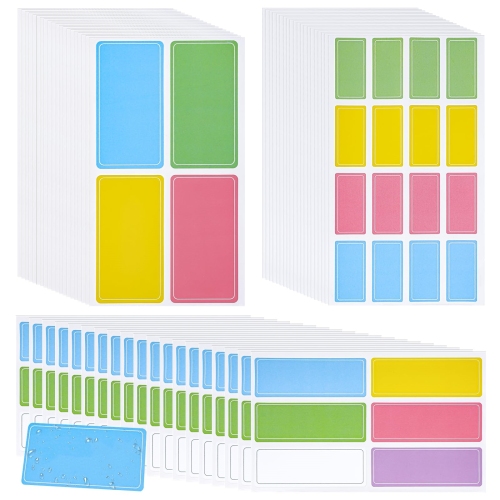
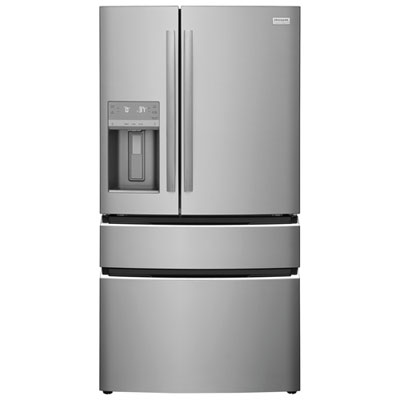
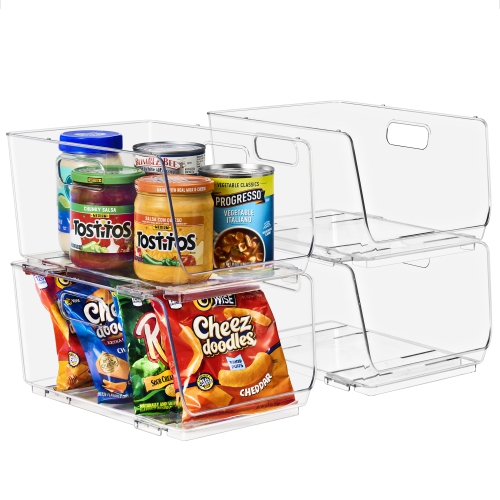
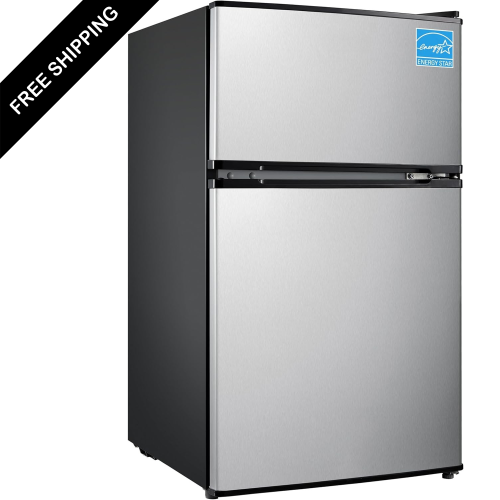
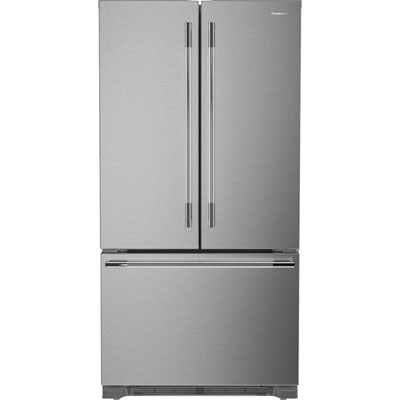
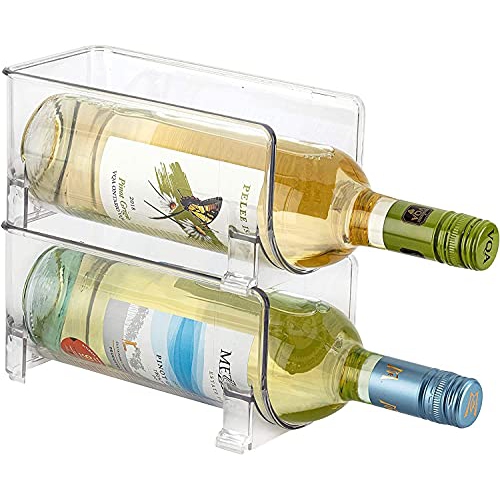
Fridge organization products can make it easier to see what is inside your refrigerator, keep similar items together, and use each shelf, drawer, and door bin more effectively. A well-arranged fridge often begins with simple zones: place ready-to-eat foods, drinks, leftovers, and snacks on the upper shelves; keep dairy, eggs, and prepared ingredients in the middle; and reserve the bottom shelf for raw meat, poultry, and fish. Raw items should be kept in a sealed container or on a plate or tray to catch leaks, with enough separation from foods that are ready to eat. Crisper drawers are useful for fruits and vegetables, and many households find it helpful to keep these categories separate where the refrigerator’s drawer settings allow. Try to keep drawers around two-thirds full so cool air can move around the contents, while avoiding a tightly packed refrigerator overall. The door is generally the warmest area, making it well suited to condiments, dressings, jams, pickles, sauces, and juices. Milk and eggs are often better stored on an interior shelf where temperatures are steadier, rather than in the door. Clear, modular storage bins can group small items such as cheese portions, sauce packets, yoghurt cups, lunch snacks, or opened packages, while shallow trays can keep frequently used ingredients together without requiring a search through the entire fridge. A lazy Susan-style turntable can make jars and bottles easier to reach, particularly in a deep corner, and stackable containers can make use of vertical space on shelves with extra height. Look for shapes and sizes that suit the interior dimensions of the refrigerator, including the width of its shelves, the height beneath drawers, and the clearance needed for the door to close properly. Transparent or open-front designs make contents easy to identify, while handles can be useful when a bin needs to be pulled forward for cleaning. Containers with secure lids are helpful for leftovers and prepared ingredients, especially when they can be stacked neatly and labelled with the contents and opening date. Before purchasing, consider whether the refrigerator is a French door, side-by-side, top-freezer, or bottom-freezer model, since each layout creates different storage priorities. A narrow bin may work well in a side-by-side fridge, while a broader tray can suit a spacious French door shelf. Adjustable dividers are practical for households with changing routines, from school lunches and quick breakfasts to larger quantities of ingredients during the cooler months.
Fridge organization is especially useful for busy households, shared kitchens, families with children, meal-prep enthusiasts, and anyone who prefers a clear view of everyday ingredients. A dedicated snack bin can give children an easy-to-reach selection while keeping small packages from spreading across the shelves. A breakfast zone can bring together yoghurt, fruit, spreads, and prepared ingredients, while a lunch zone can hold sliced vegetables, cheese, deli items, and ready-to-pack portions. For someone who cooks regularly, separate bins for fresh herbs, baking ingredients, sauces, or meal components can create a smoother preparation routine. These storage solutions can also be thoughtful gifts for new homeowners, students setting up a first kitchen, families moving into a larger refrigerator, or hosts who regularly prepare food for guests. The most effective system is one that matches the way a household actually shops and eats. Place older items at the front and newer items behind them, then use labels to identify leftovers and prepared foods at a glance. A quick check before grocery shopping can help maintain the arrangement and prevent forgotten containers from being pushed to the back. It is also worth leaving a little space between items so cool air can circulate, rather than filling every opening simply because storage is available. Heavy containers should sit securely on sturdy shelves, and glass should be positioned where it is less likely to be knocked over when another item is removed. Follow the refrigerator manufacturer’s guidance for shelf placement, drawer settings, cleaning, and temperature, since layouts and controls vary. Organization products should be easy to remove and wash, with smooth surfaces that do not trap crumbs or spills. A simple arrangement can make a noticeable difference during warm weather, when chilled drinks and fresh ingredients may be used frequently, as well as during cooler months when soups, baking ingredients, prepared meals, and seasonal produce take up more room. For storage beyond the refrigerator, complementary Pantry Organization Shelves can help create a consistent system across the kitchen, keeping dry goods in their own clearly defined area. With practical zones, visible containers, and enough room for air to circulate, fridge organization products can help turn a crowded interior into a kitchen space that feels easier to use from one meal to the next.
Fridge organization is especially useful for busy households, shared kitchens, families with children, meal-prep enthusiasts, and anyone who prefers a clear view of everyday ingredients. A dedicated snack bin can give children an easy-to-reach selection while keeping small packages from spreading across the shelves. A breakfast zone can bring together yoghurt, fruit, spreads, and prepared ingredients, while a lunch zone can hold sliced vegetables, cheese, deli items, and ready-to-pack portions. For someone who cooks regularly, separate bins for fresh herbs, baking ingredients, sauces, or meal components can create a smoother preparation routine. These storage solutions can also be thoughtful gifts for new homeowners, students setting up a first kitchen, families moving into a larger refrigerator, or hosts who regularly prepare food for guests. The most effective system is one that matches the way a household actually shops and eats. Place older items at the front and newer items behind them, then use labels to identify leftovers and prepared foods at a glance. A quick check before grocery shopping can help maintain the arrangement and prevent forgotten containers from being pushed to the back. It is also worth leaving a little space between items so cool air can circulate, rather than filling every opening simply because storage is available. Heavy containers should sit securely on sturdy shelves, and glass should be positioned where it is less likely to be knocked over when another item is removed. Follow the refrigerator manufacturer’s guidance for shelf placement, drawer settings, cleaning, and temperature, since layouts and controls vary. Organization products should be easy to remove and wash, with smooth surfaces that do not trap crumbs or spills. A simple arrangement can make a noticeable difference during warm weather, when chilled drinks and fresh ingredients may be used frequently, as well as during cooler months when soups, baking ingredients, prepared meals, and seasonal produce take up more room. For storage beyond the refrigerator, complementary Pantry Organization Shelves can help create a consistent system across the kitchen, keeping dry goods in their own clearly defined area. With practical zones, visible containers, and enough room for air to circulate, fridge organization products can help turn a crowded interior into a kitchen space that feels easier to use from one meal to the next.
Top selling and popular products
-
 Your price for this item is $5.99
 -
 Your price for this item is $9.99
 -
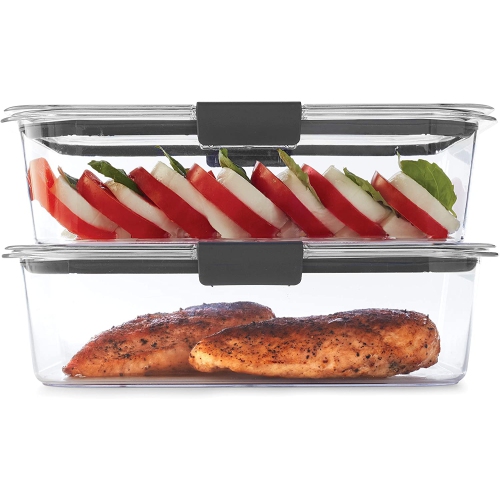 Your price for this item is $108.25
 -
 Your price for this item is $7.99
 -
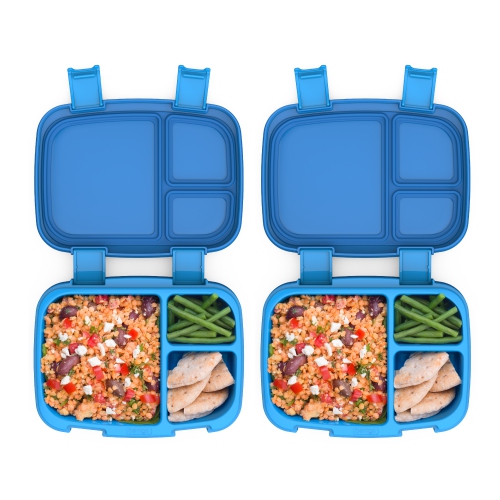 Your price for this item is $59.99
 -
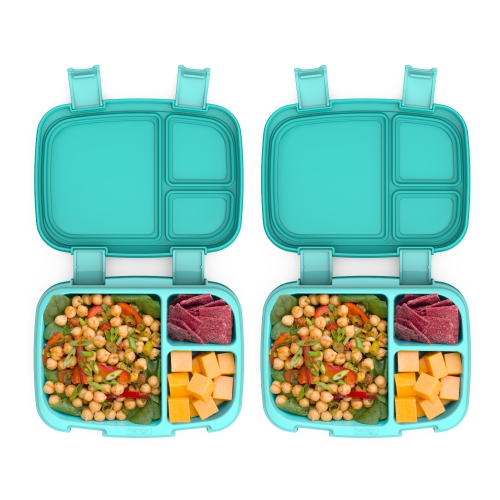 Your price for this item is $59.99
 -
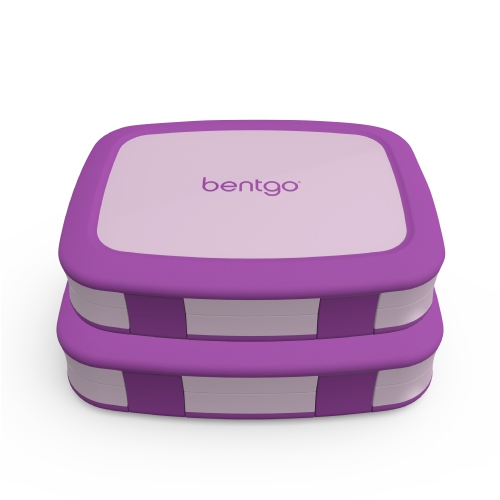 Your price for this item is $49.99
 -
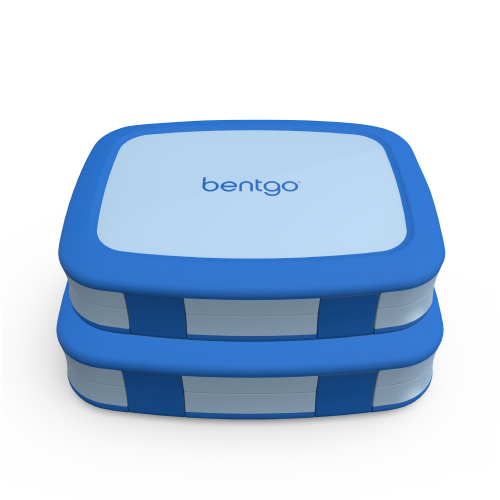 Your price for this item is $49.99
Discover more categories related to Fridge Organization
Top Collections:
Pokemon Centers, Best Cameras for Sports Photography, Kindle Devices, Samsung Galaxy Phones, Canon G7X Cameras, Pokémon 30th Celebration Cards, Refurbished Apple Laptops, iPhone 15 Apple, Laptops for Students, Budget Smartphones
Some products may be subject to Environmental Handling Fees
(EHF) depending on your province.
Learn more about EHFs.