Garage Cooling Fans
Garage Cooling Fans are essential for maintaining comfort and airflow while you work or relax in your garage space. Whether you're tackling DIY projects, working on your car, or simply looking for a cooler environment, these fans provide an effective solution to help keep temperatures in check. Explore a wide selection of Garage Cooling Fans designed to suit various garage sizes and layouts, making it easy to find the right option for your needs. Enjoy improved air circulation and create a more enjoyable atmosphere in your garage with the right cooling fan.
Sort
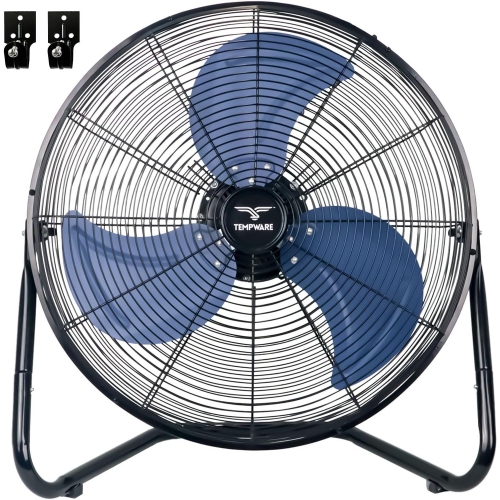
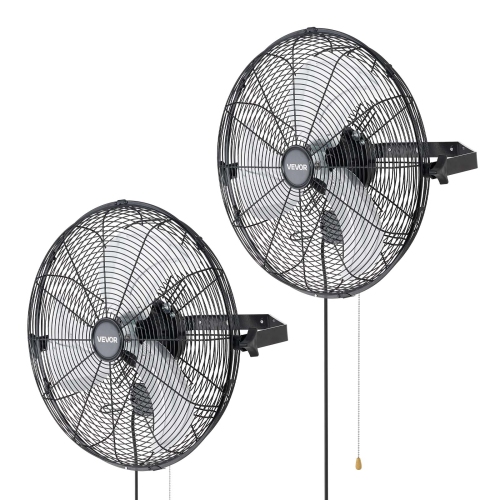
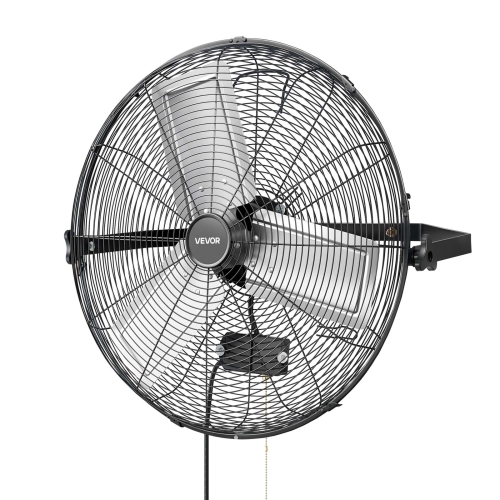
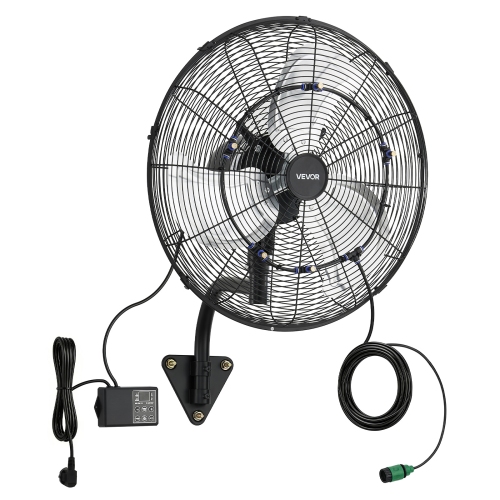

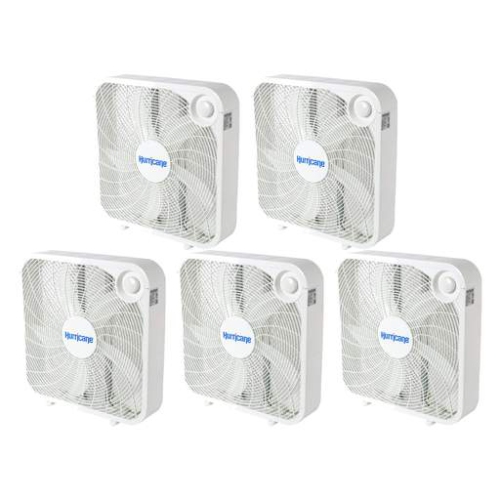
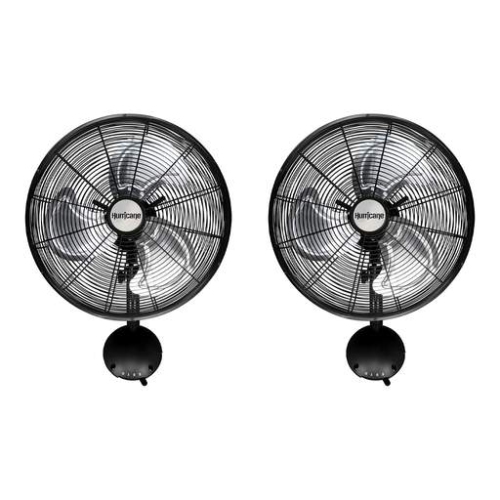
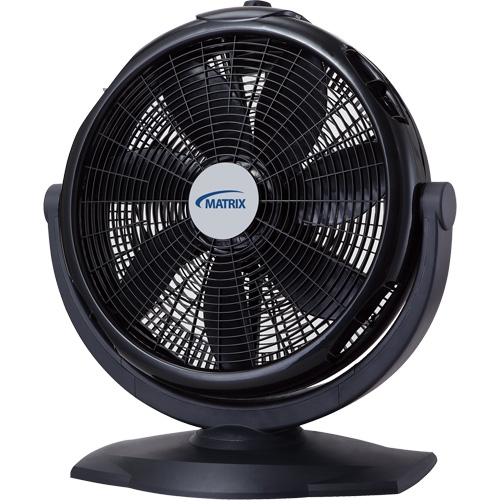
Garage comfort depends on more than fan size
Garage cooling fans help move air through spaces used for repairs, hobbies, exercise, and everyday storage. The right fit depends on the garage’s floor area, ceiling height, layout, and whether the goal is airflow around a work area or ventilation that exchanges indoor air with outdoor air. A circulating fan creates a breeze across a workbench, exercise mat, or open floor, helping people feel cooler without lowering the air temperature itself. An exhaust fan serves a different purpose: when properly installed with an adequate path for replacement air, it moves indoor air outside. These functions are worth distinguishing in a garage where shelving, parked vehicles, and overhead storage can interrupt airflow. A fan aimed at a clear work area may provide more noticeable comfort than one blowing directly into a cabinet or the side of a vehicle. Airflow ratings, commonly expressed in cubic feet per minute, or CFM, describe the volume of air a fan moves under specified conditions. Higher airflow can be useful in larger spaces, but the rating alone does not show how evenly air will reach every corner. Fan placement, adjustable tilt, speed settings, and oscillation also affect how the breeze feels where someone is standing or sitting. A broad airflow pattern can suit a shared workspace, while a more concentrated stream may suit a single repair bench. Multiple speed settings offer flexibility when a strong breeze would scatter sanding sheets, stir up loose debris, or disturb a detailed painting project. Blade diameter is another consideration, although a larger fan is not automatically the better match for a narrow garage with limited clearance. The useful balance is enough air movement for the occupied area, a practical location for the fan, and controls that are easy to reach without stepping around tools or stored equipment. A garage divided into separate work zones may also have different airflow needs from an open space of the same overall size.
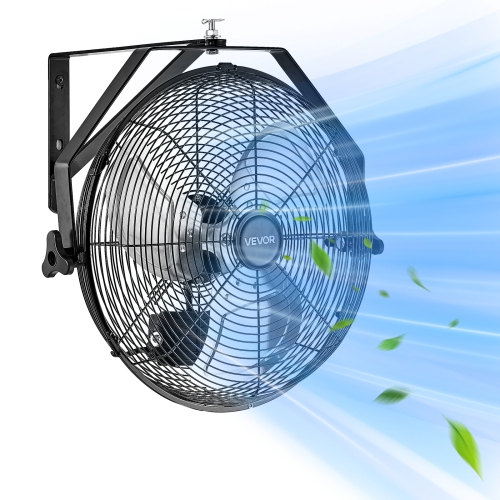
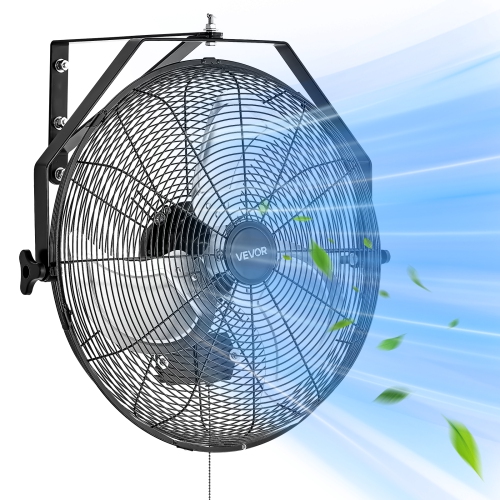
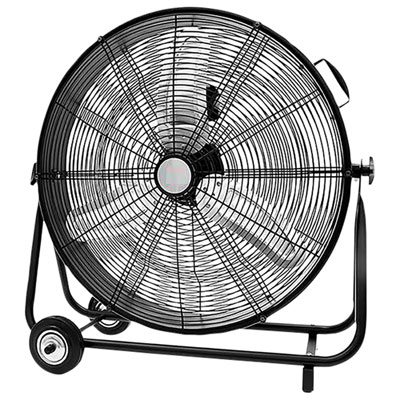
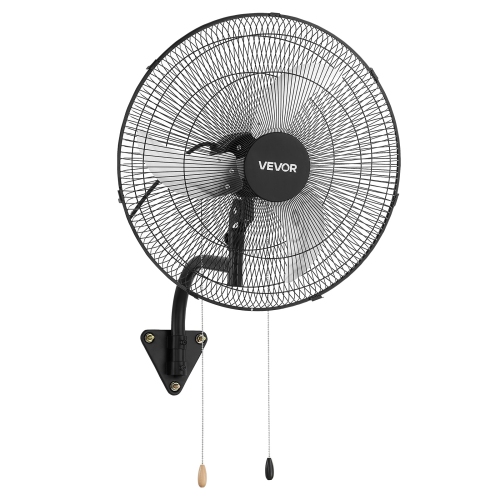
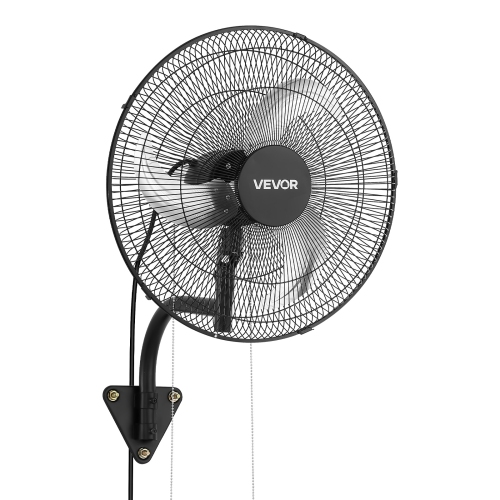
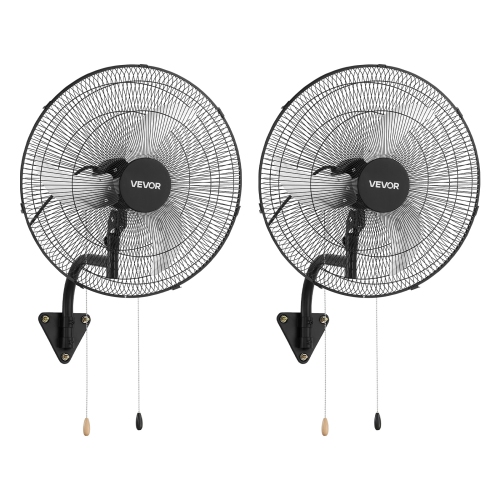
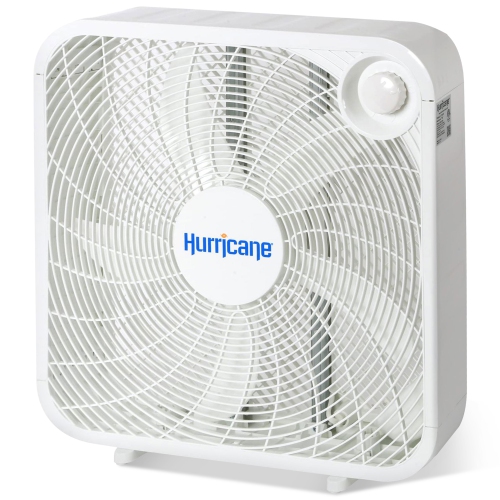
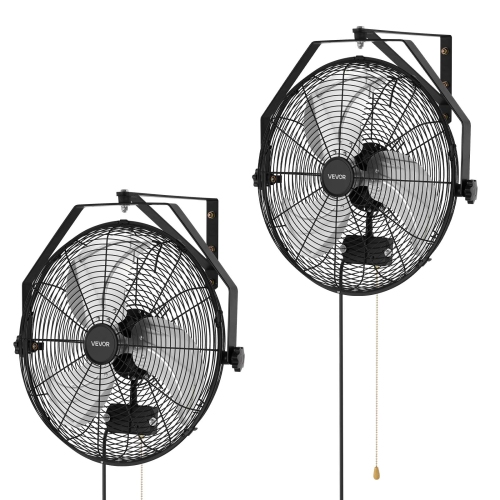
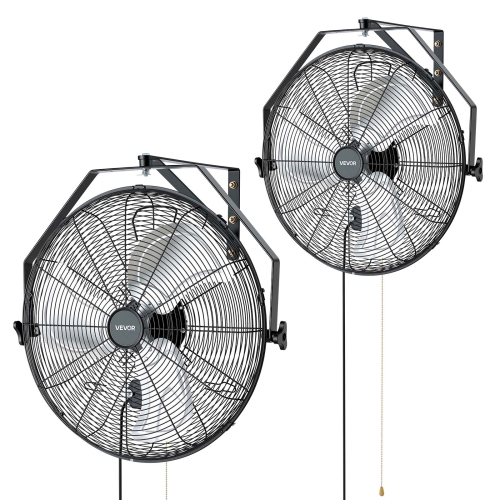
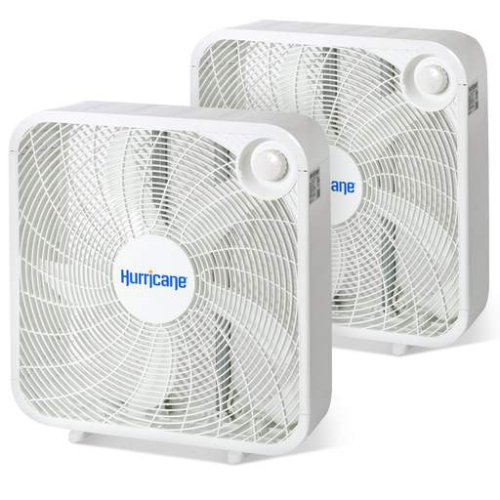
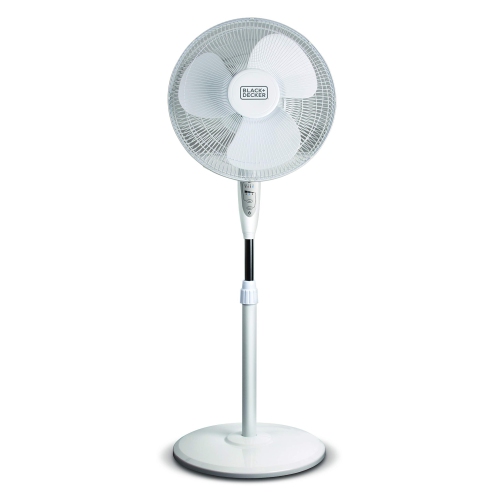
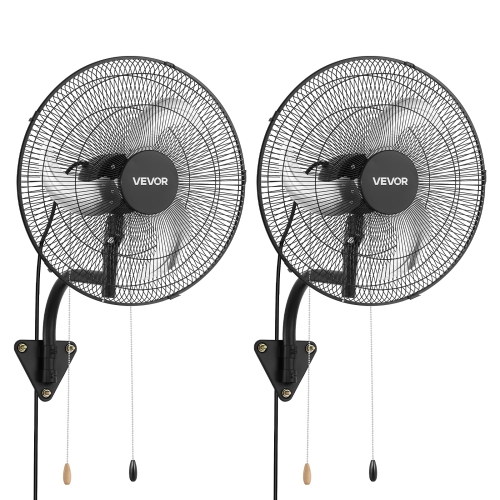
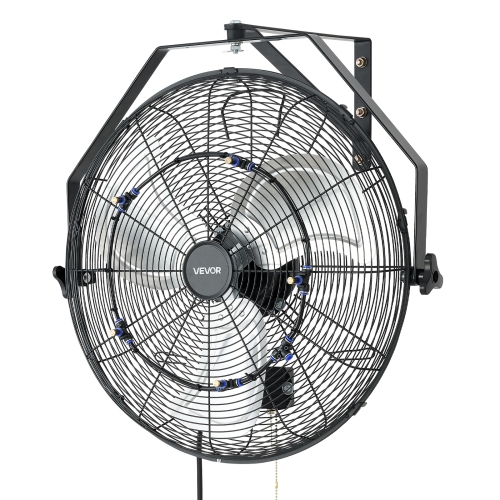
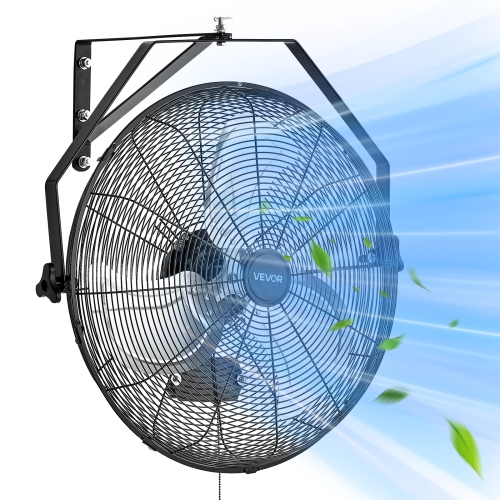
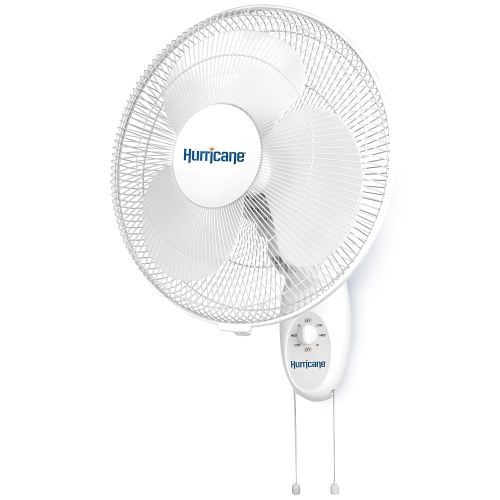
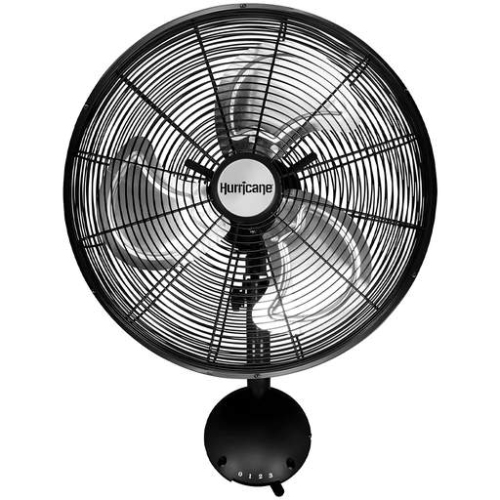
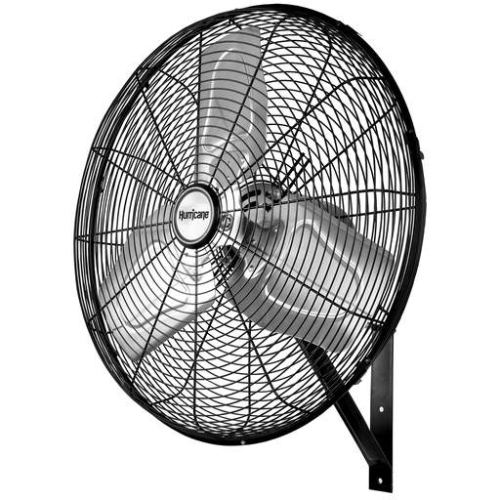
Different garage fan formats make use of different parts of the room. Floor fans can sit near an open work area and direct air upward, while pedestal fans raise the airflow above low obstacles. Wall-mounted fans keep the floor clear, which can be helpful beside a busy workbench or along a narrow route between storage shelves. Ceiling-mounted fans use overhead space, provided their position allows safe clearance from garage door tracks, open doors, lighting, and stored items. Mounting suitability depends on the supporting structure and the installation requirements, not simply on finding an unused patch of wall or ceiling. Portable designs are useful when the workspace changes from bicycle maintenance to a home workout or a weekend woodworking project. Carry handles, a stable base, and wheels with a secure locking mechanism can make repositioning easier where those features are included. The fan’s overall dimensions matter as much as its blade size, especially when it needs to fit beneath a bench or remain outside a vehicle’s parking path. Construction also influences everyday handling and care. Metal housings and guards can feel substantial in a busy workshop, while plastic components may reduce weight and resist rust. Neither material alone establishes durability; secure joints, a stable frame, accessible cleaning points, and an appropriate rating for the intended location are equally important. A protective grille helps limit contact with moving blades, but it does not make a fan suitable for unsupervised use around children or pets. Power arrangements deserve similar attention. A cord needs a route that avoids foot traffic, sharp edges, hot surfaces, and moving garage doors. Battery-powered designs allow more freedom of placement, though operating time depends on the battery and selected speed. Plug-in designs need a suitable outlet within reach. Indoor-only fans should remain protected from rain, splashes, and other conditions outside their stated use, even when positioned near an open garage door.
Comfort in a garage also depends on sound, ease of adjustment, and how the fan fits into the activities taking place around it. Strong airflow can be welcome during physical work, but a loud motor or persistent vibration may become distracting during a conversation, a video call, or a careful repair. For spaces where sound is an important consideration, Quiet Cooling Fans provide a related category to explore. Published sound ratings are most useful when the operating speed and measurement conditions are clear; a low-speed figure does not describe how a fan will sound at its highest setting. Placement matters too, since a loose shelf or uneven surface can amplify vibration. Straightforward controls, clearly marked settings, and an adjustable head can make everyday use more convenient, particularly when the fan sits beside a bench rather than within easy reach of a chair. Regular cleaning helps keep dust from building up on the grille and blades. Cleaning should follow the manufacturer’s directions, with the fan disconnected from power and any removable parts fully dry before reassembly. Water should never be directed into the motor or electrical controls. A damaged cord, cracked blade, loose guard, or unusual vibration is a reason to stop using the fan until the issue is properly addressed. Garage use also calls for a clear distinction between comfort airflow and hazard control. An ordinary circulating fan is not a substitute for dust collection, suitable extraction equipment, or ventilation required for paints, solvents, and other chemicals. It should not be assumed safe for areas containing flammable vapours or combustible dust. A fan and an open garage door do not make it safe to run a vehicle, generator, or other fuel-burning equipment indoors. For everyday tasks, garage cooling fans are most useful when their airflow, construction, placement, and maintenance requirements match the space and the people using it.
Top selling and popular products
-
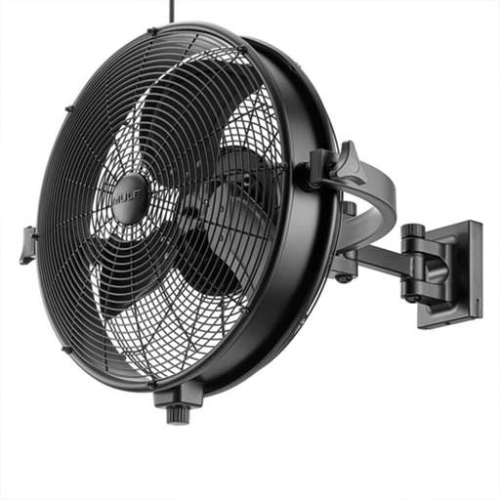 Your price for this item is $564.99
-
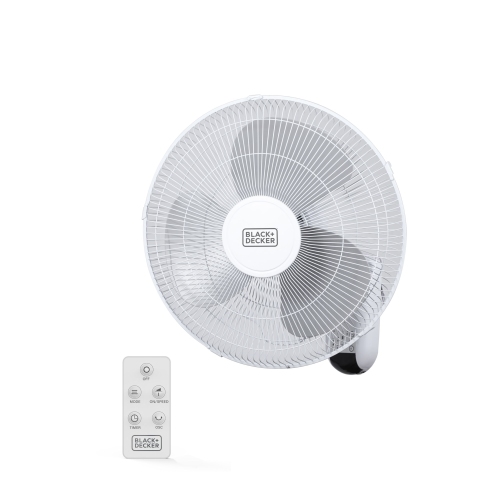 Your price for this item is $72.99
-
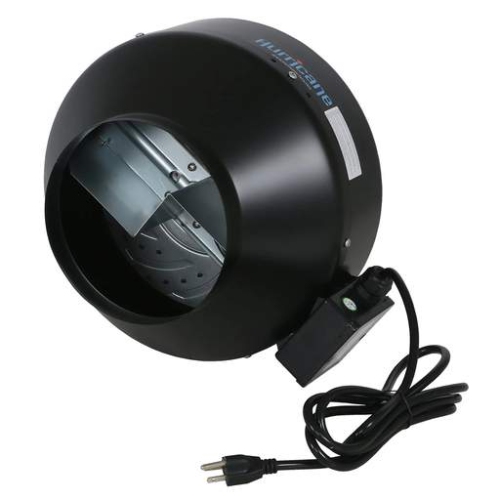 Your price for this item is $192.99
-
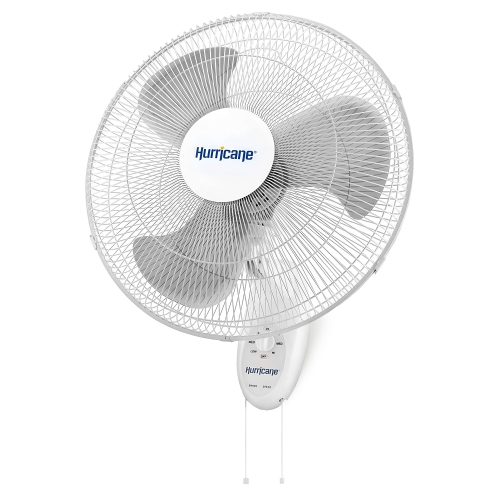 Your price for this item is $112.99
-
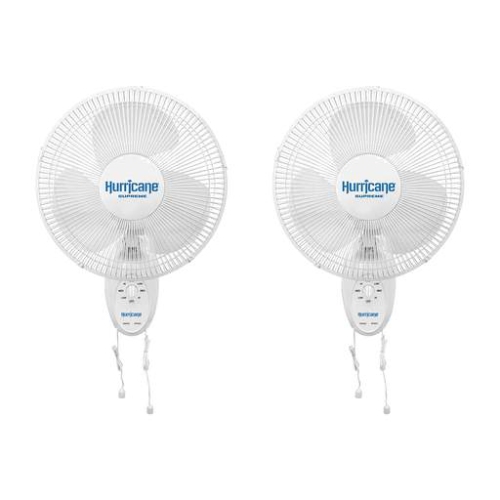 Your price for this item is $197.99
-
 Your price for this item is $111.99
-
 Your price for this item is $202.99
-
 Your price for this item is $234.99
Discover more categories related to Garage Cooling Fans
Top Collections:
Best Black Friday Deals This Year, Best Black Friday Deals On Electronics, Kindle Devices, Pokemon Centers, Best Black Friday Deals On Apple Products, Best Cameras for Sports Photography, Dyson Airwrap, Pokémon 30th Celebration Cards, Apple iPhone 17 Pro, Canon G7X Cameras
Some products may be subject to Environmental Handling Fees
(EHF) depending on your province.
Learn more about EHFs.