Garage Heaters
Stay warm and comfortable in your garage with this selection of high-quality garage heaters. Whether you need to tackle chilly winter days or create a cozy workspace year-round, these garage heaters are the perfect solution to keep your space at the optimal temperature. With various heating capacities and features available, you can find the ideal garage heater to meet your specific needs. Say goodbye to shivering while working on projects or spending time in your garage – enhance your comfort with a reliable garage heater today.
Sort


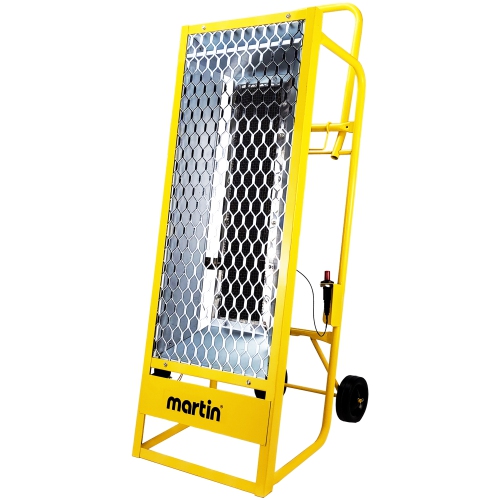
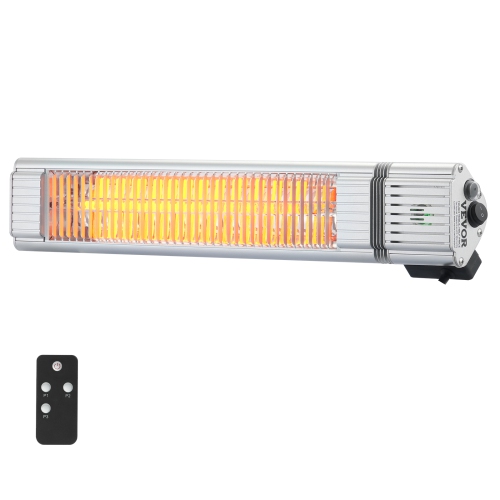

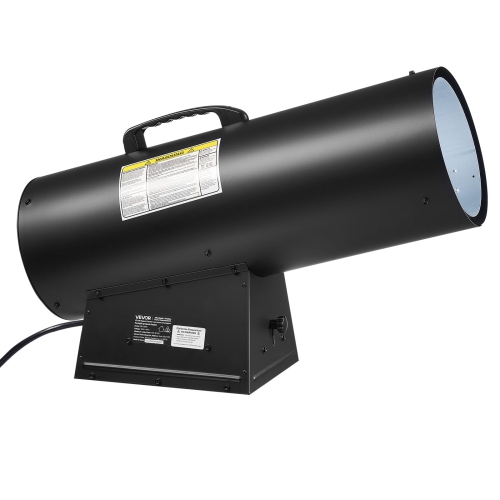
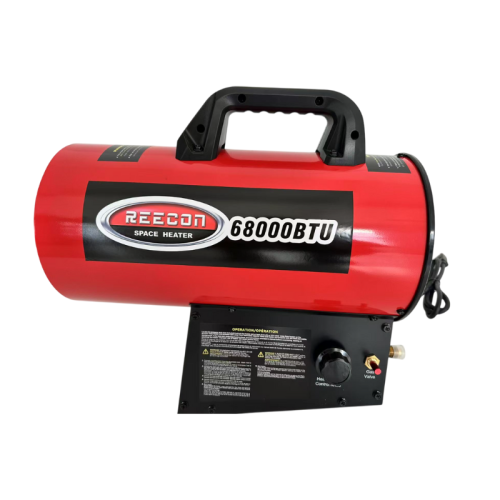

A warmer garage starts with the right heating approach
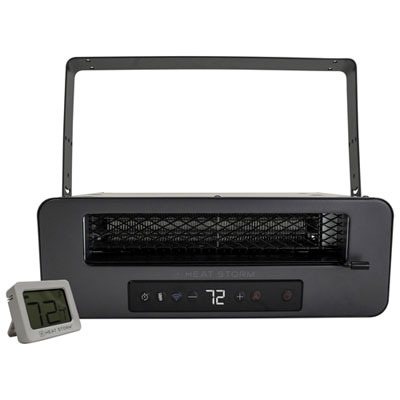
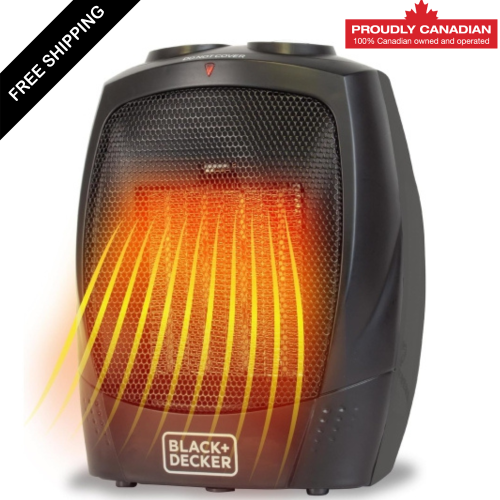
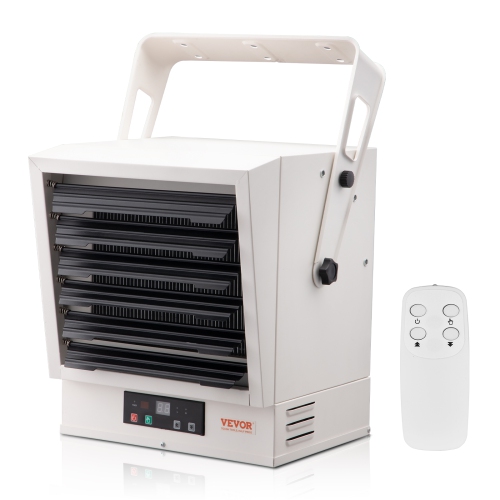
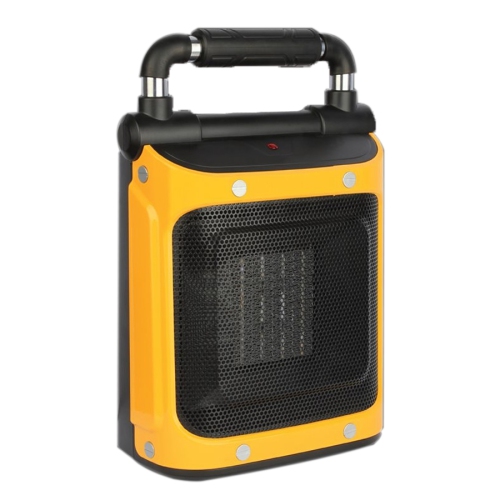
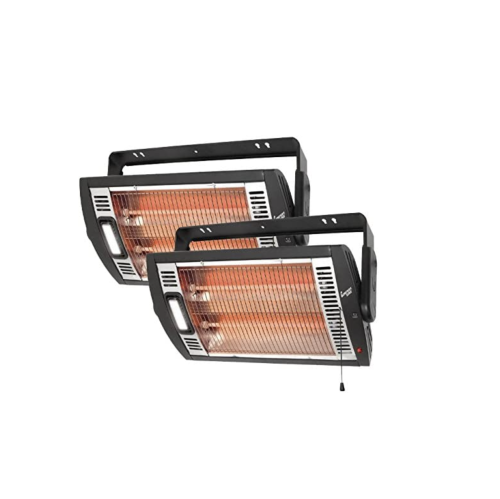
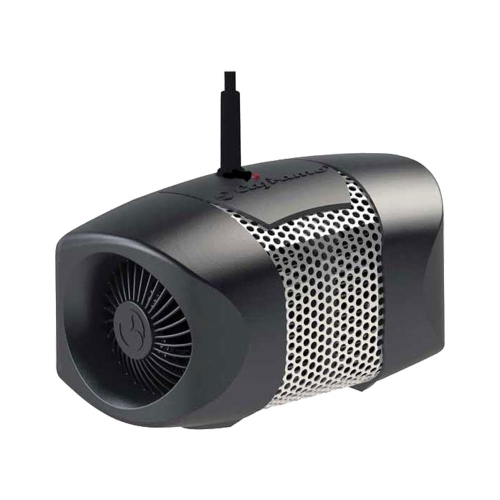
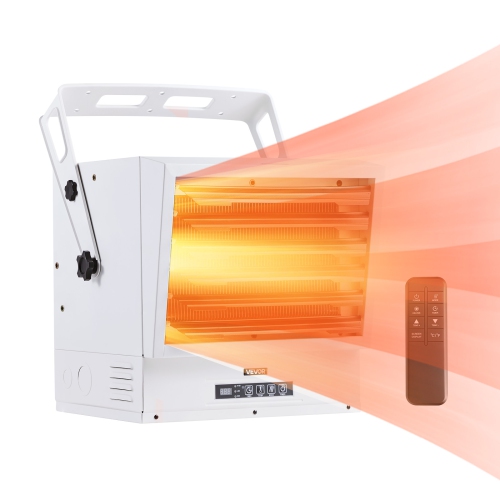
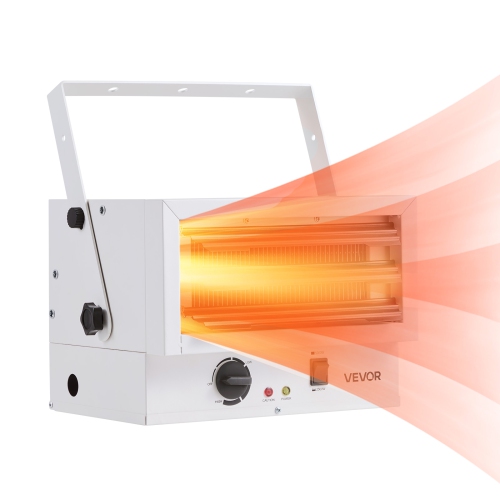
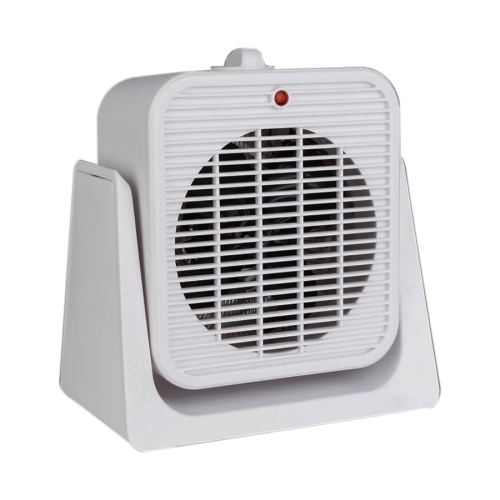
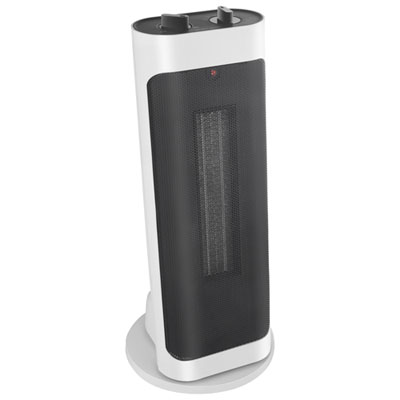
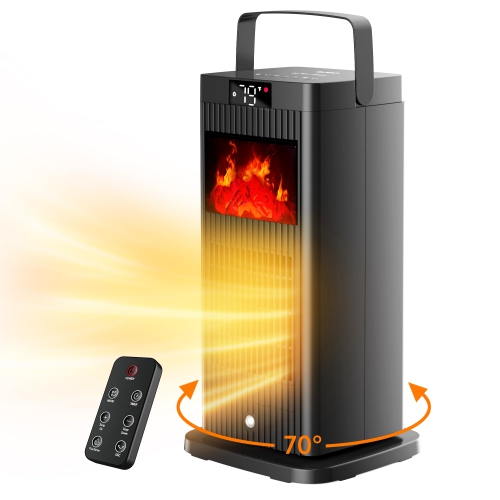
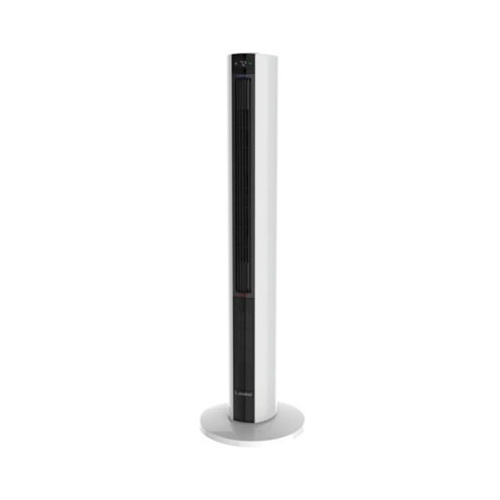
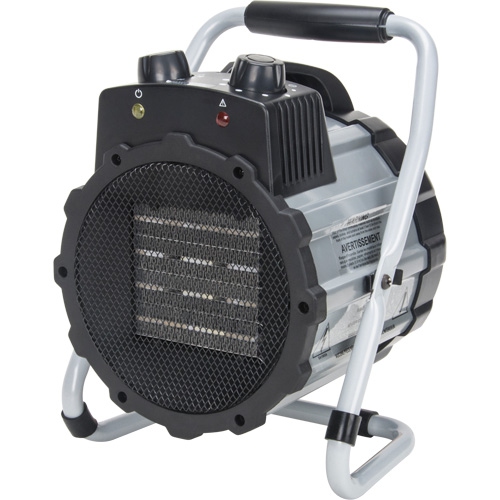
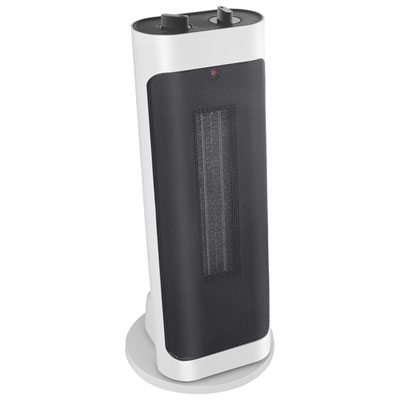
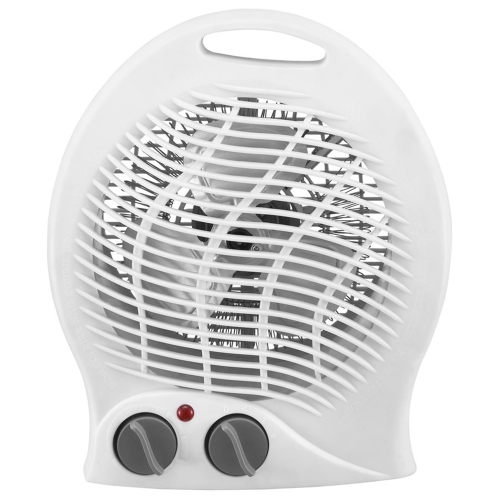
Garage heaters can make an attached or detached garage far more comfortable during the cooler months, whether the space is used for parking, storage, repairs, hobbies, exercise, or weekend projects. A warm garage also helps tools feel easier to handle, keeps work surfaces from becoming uncomfortably cold, and makes it possible to spend more time on detailed tasks without constantly heading indoors to warm up. The right heater depends largely on the size and condition of the space. A compact 120-volt electric heater may suit a small, insulated garage or a single work area, while a larger two-car garage may benefit from a higher-output electric unit connected to a 240-volt circuit. Electric fan-forced heaters warm the air and can distribute heat throughout the room, making them a practical choice for enclosed workshops and garages with reasonable insulation. Many can be mounted on a wall or ceiling to keep valuable floor space clear, and adjustable louvers can help direct warmth toward a workbench, vehicle bay, or frequently used area. A wall-mounted option can be especially useful when floor space is limited; explore Wall Heaters for additional ways to add heat without creating an obstacle around vehicles, shelving, or tool cabinets. When choosing an electric garage heater, consider the available circuit, the location of the outlet or wiring, the heater’s mounting requirements, and whether the unit has a thermostat, timer, fan-speed control, or overheat protection. A model that can maintain a consistent temperature is often more comfortable than one that simply produces intense bursts of heat.
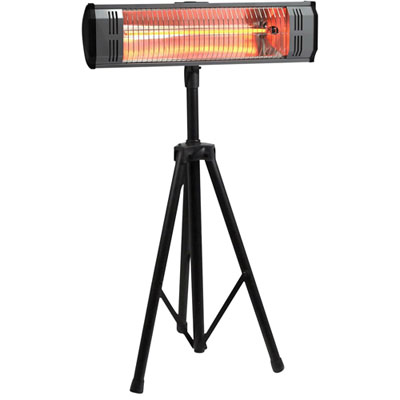
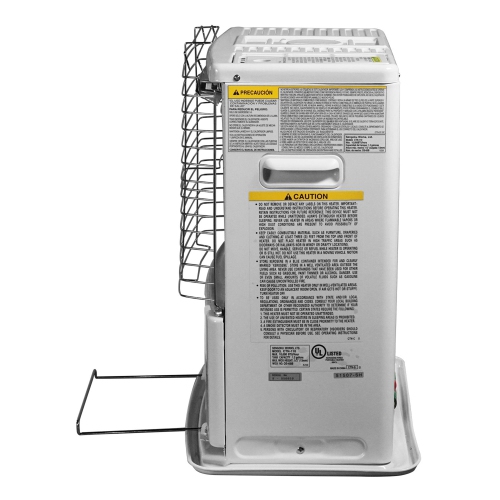
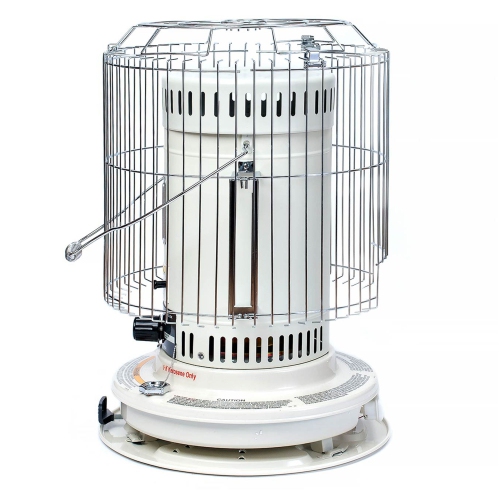
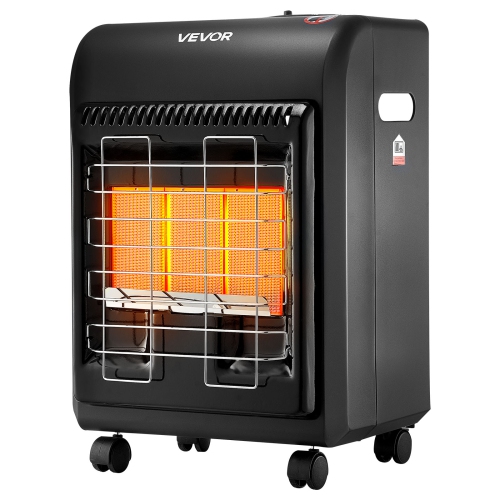
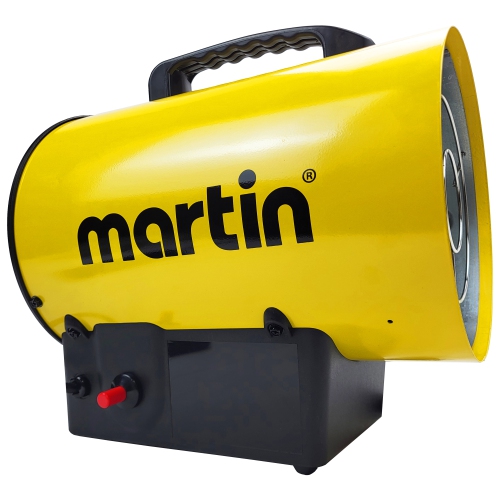
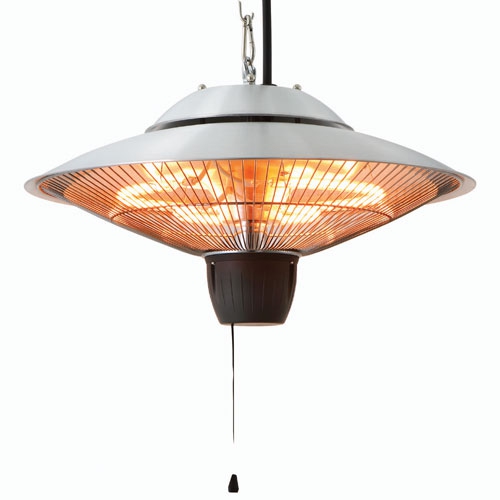
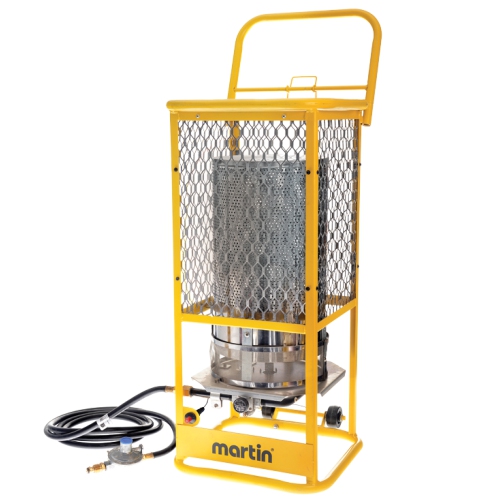
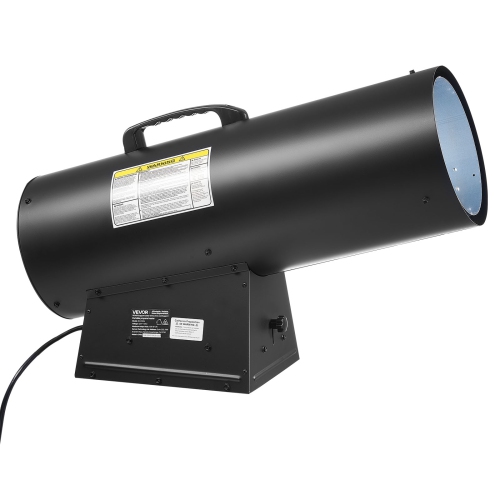
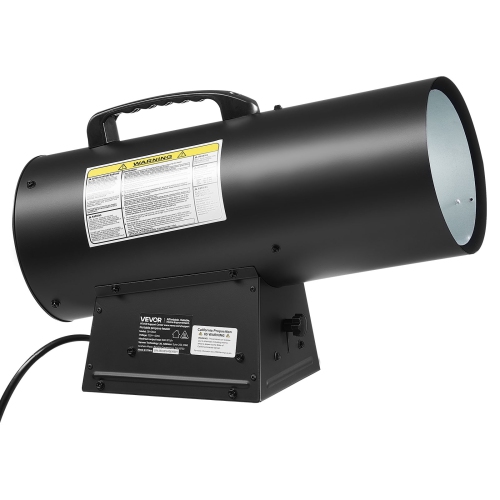
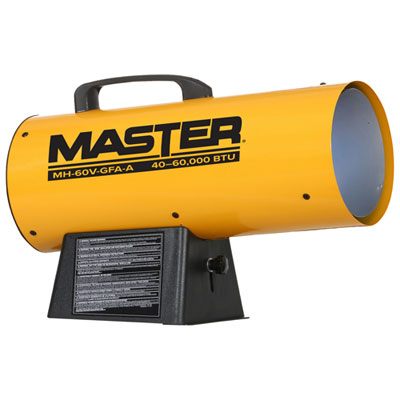
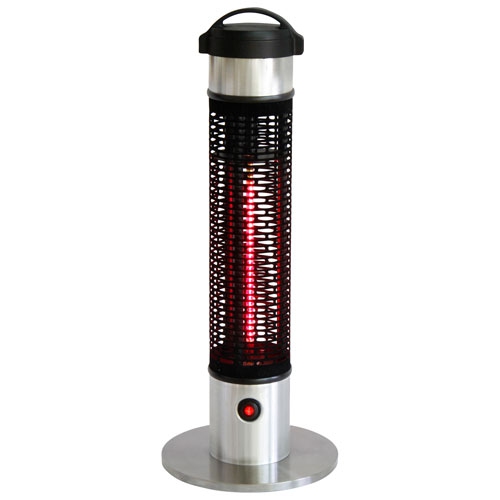
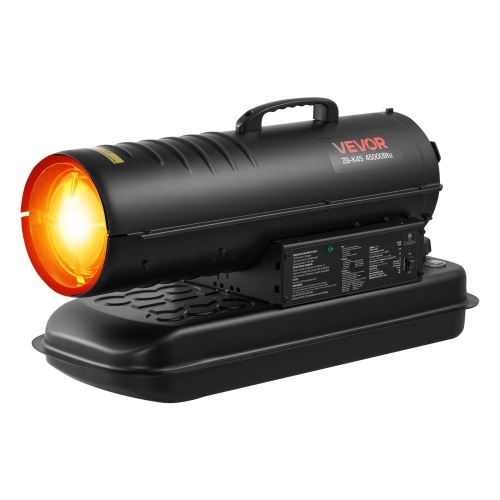
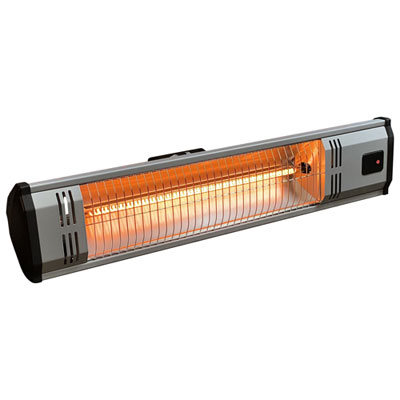
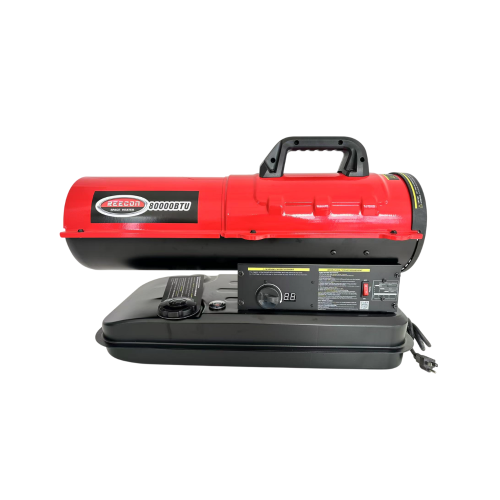
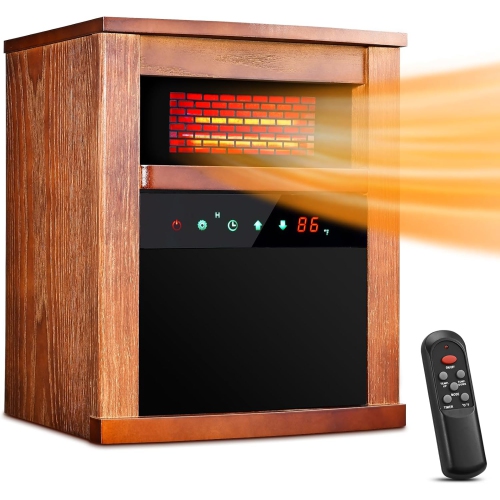
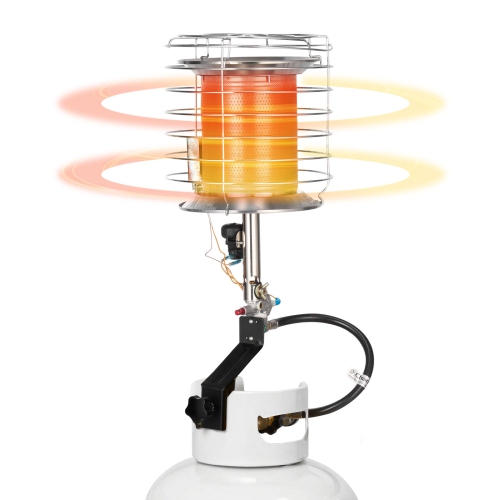
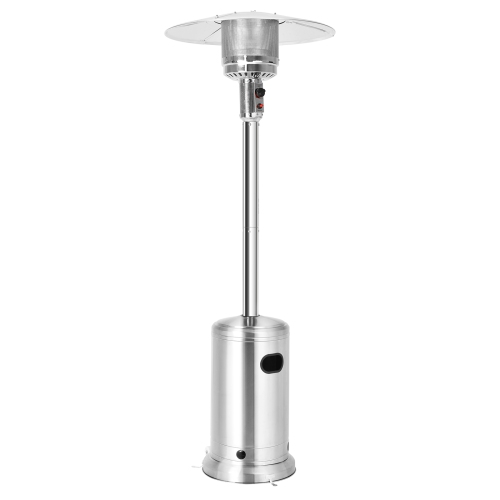
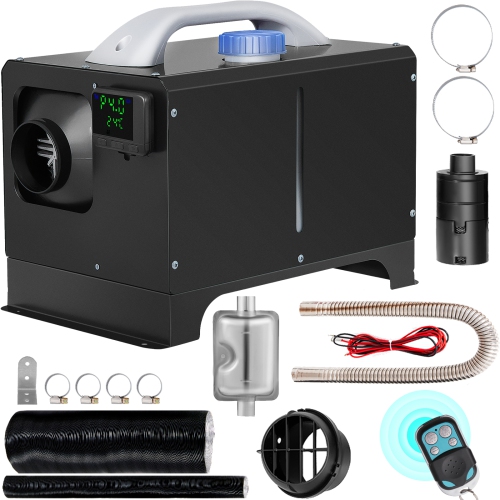
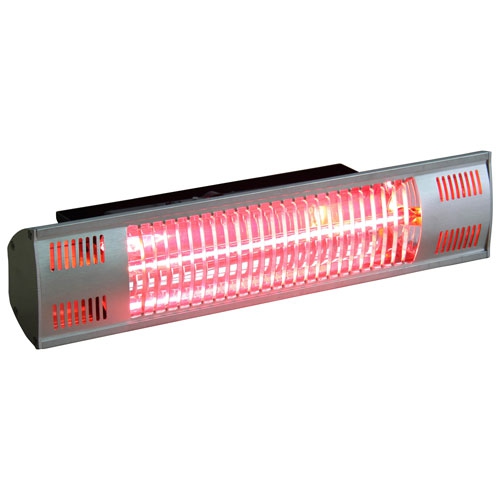
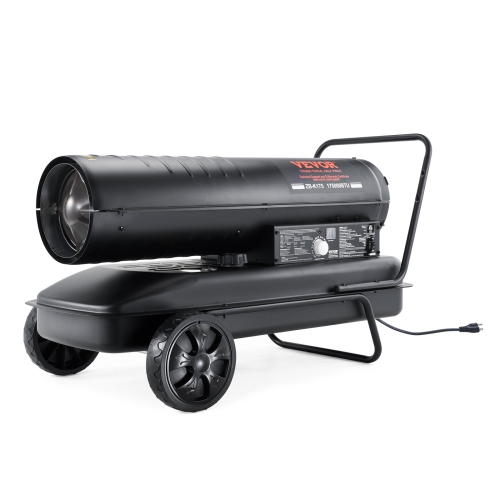
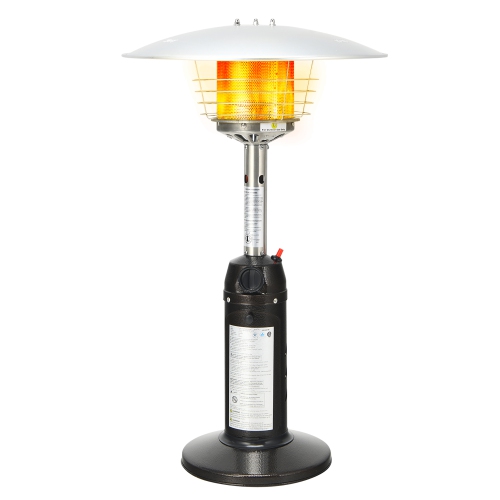
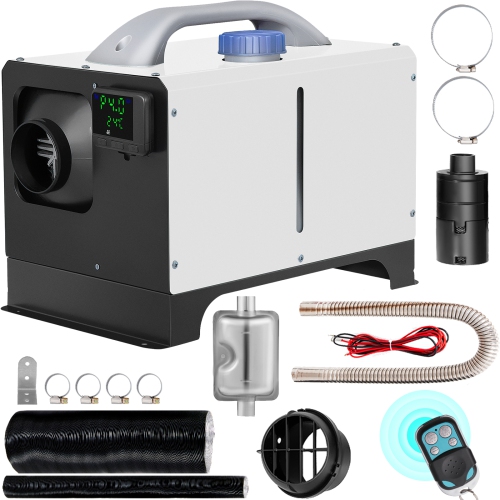
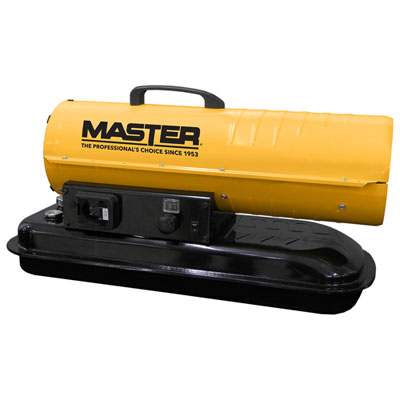
Different heating methods suit different garage conditions. Infrared or radiant garage heaters warm people, tools, vehicles, and other objects directly rather than relying entirely on heated air. That makes radiant heat useful in a drafty garage, a partially insulated workshop, or a space where only one person or one work area needs to feel warmer. It can feel similar to standing in a patch of sunlight on a cool afternoon: the surrounding air may still be crisp, but the warmth reaches you quickly. Electric infrared heaters are also helpful for occasional use because they can provide focused comfort without requiring the whole garage to reach the same temperature. Propane heaters, including portable radiant and forced-air styles, are another option when fast, powerful heat is needed or when a suitable high-voltage electrical circuit is not available. Forced-air propane heaters can raise the temperature quickly in a large workshop, while compact radiant units can provide nearby warmth for short tasks. Propane equipment must only be used in accordance with the manufacturer’s instructions and in spaces with the required ventilation. Combustion heaters can produce carbon monoxide, so they should never be operated in an enclosed garage without proper airflow, and they should not be used near flammable vapours, fuel, paint, solvents, dust, or stored materials that could ignite. Carbon monoxide detectors, stable placement, clearances around the heater, and regular inspection of hoses, connections, plugs, and guards are important parts of safe operation. Electric heaters do not produce combustion fumes, but they still require careful positioning away from cardboard, fabric, sawdust, aerosol cans, and other combustible items. A heater should sit or mount on a solid, level surface, with its intake and output vents kept unobstructed.
Before selecting a garage heater, estimate the area that needs to be warmed and look closely at insulation, ceiling height, doors, windows, and air leakage. An insulated garage with a sealed door retains heat more effectively than an uninsulated structure with gaps around the door or walls, so two garages of the same size may need very different heat outputs. A heater that is too small may run continuously without creating comfortable conditions, while one that is oversized may cycle frequently and create uneven temperatures. Placement matters as well: ceiling or wall mounting can improve air circulation and protect the unit from accidental bumps, while portable models provide flexibility when the work area changes. Check whether professional installation is recommended, particularly for hardwired electric heaters, 240-volt equipment, gas connections, permanent venting, or ceiling-mounted units. It is also worth considering operating noise, thermostat accuracy, remote controls, portability, storage between uses, and the amount of clearance required from walls and overhead surfaces. People who spend long hours restoring vehicles, building furniture, repairing bicycles, maintaining outdoor equipment, or practising in a home gym may appreciate a heater that delivers steady, even warmth rather than a short blast. Garage heaters can also be a thoughtful gift for a homeowner, hobbyist, new workshop owner, or anyone who has turned an underused garage into a practical creative space. As the weather warms and cools through changing seasons, a dependable heater can extend the useful hours of that space while helping make everyday projects feel more inviting. Always follow local electrical and building requirements, use the correct power source, and review the manufacturer’s safety instructions before installation and operation.
Different heating methods suit different garage conditions. Infrared or radiant garage heaters warm people, tools, vehicles, and other objects directly rather than relying entirely on heated air. That makes radiant heat useful in a drafty garage, a partially insulated workshop, or a space where only one person or one work area needs to feel warmer. It can feel similar to standing in a patch of sunlight on a cool afternoon: the surrounding air may still be crisp, but the warmth reaches you quickly. Electric infrared heaters are also helpful for occasional use because they can provide focused comfort without requiring the whole garage to reach the same temperature. Propane heaters, including portable radiant and forced-air styles, are another option when fast, powerful heat is needed or when a suitable high-voltage electrical circuit is not available. Forced-air propane heaters can raise the temperature quickly in a large workshop, while compact radiant units can provide nearby warmth for short tasks. Propane equipment must only be used in accordance with the manufacturer’s instructions and in spaces with the required ventilation. Combustion heaters can produce carbon monoxide, so they should never be operated in an enclosed garage without proper airflow, and they should not be used near flammable vapours, fuel, paint, solvents, dust, or stored materials that could ignite. Carbon monoxide detectors, stable placement, clearances around the heater, and regular inspection of hoses, connections, plugs, and guards are important parts of safe operation. Electric heaters do not produce combustion fumes, but they still require careful positioning away from cardboard, fabric, sawdust, aerosol cans, and other combustible items. A heater should sit or mount on a solid, level surface, with its intake and output vents kept unobstructed.
Before selecting a garage heater, estimate the area that needs to be warmed and look closely at insulation, ceiling height, doors, windows, and air leakage. An insulated garage with a sealed door retains heat more effectively than an uninsulated structure with gaps around the door or walls, so two garages of the same size may need very different heat outputs. A heater that is too small may run continuously without creating comfortable conditions, while one that is oversized may cycle frequently and create uneven temperatures. Placement matters as well: ceiling or wall mounting can improve air circulation and protect the unit from accidental bumps, while portable models provide flexibility when the work area changes. Check whether professional installation is recommended, particularly for hardwired electric heaters, 240-volt equipment, gas connections, permanent venting, or ceiling-mounted units. It is also worth considering operating noise, thermostat accuracy, remote controls, portability, storage between uses, and the amount of clearance required from walls and overhead surfaces. People who spend long hours restoring vehicles, building furniture, repairing bicycles, maintaining outdoor equipment, or practising in a home gym may appreciate a heater that delivers steady, even warmth rather than a short blast. Garage heaters can also be a thoughtful gift for a homeowner, hobbyist, new workshop owner, or anyone who has turned an underused garage into a practical creative space. As the weather warms and cools through changing seasons, a dependable heater can extend the useful hours of that space while helping make everyday projects feel more inviting. Always follow local electrical and building requirements, use the correct power source, and review the manufacturer’s safety instructions before installation and operation.
Top selling and popular products
-
 Your price for this item is $179.99
 -
 Your price for this item is $549.99
 -
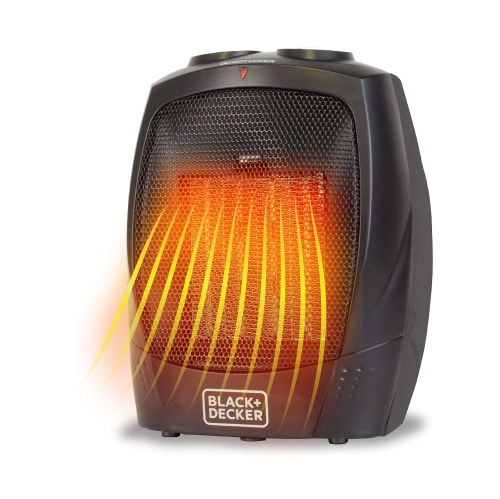 Your price for this item is $41.99
 -
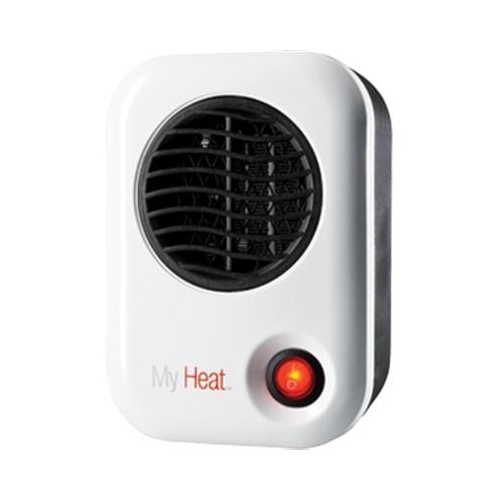 Your price for this item is $100.99
 -
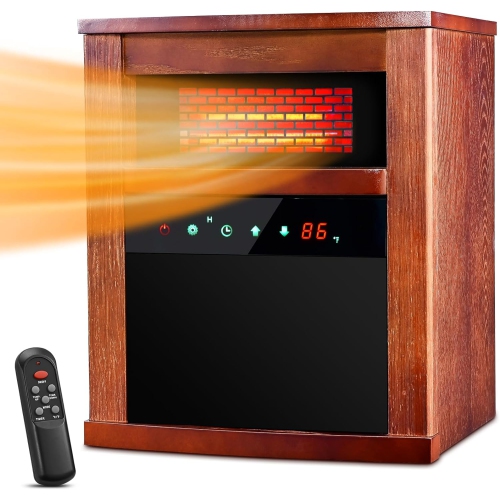 Your price for this item is $219.95
 -
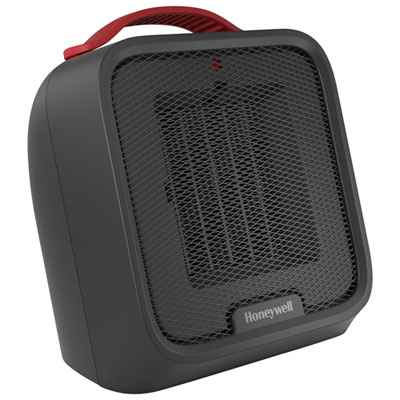 Your price for this item is $64.98
 -
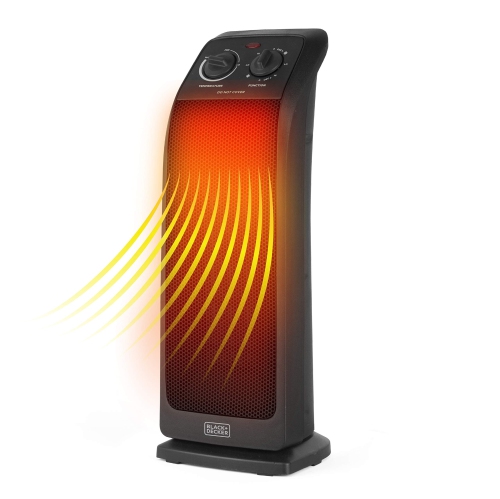 Your price for this item is $68.99
 -
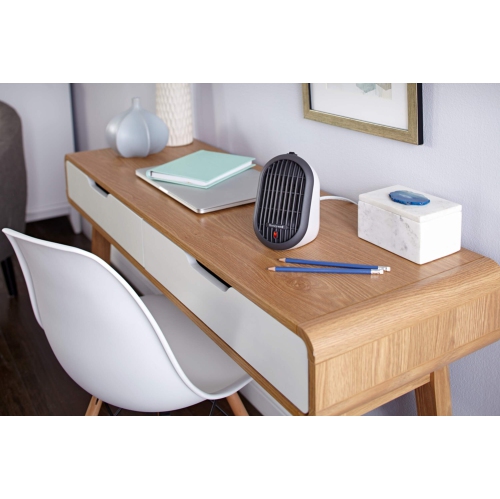 Your price for this item is $50
Discover more categories related to Garage Heaters
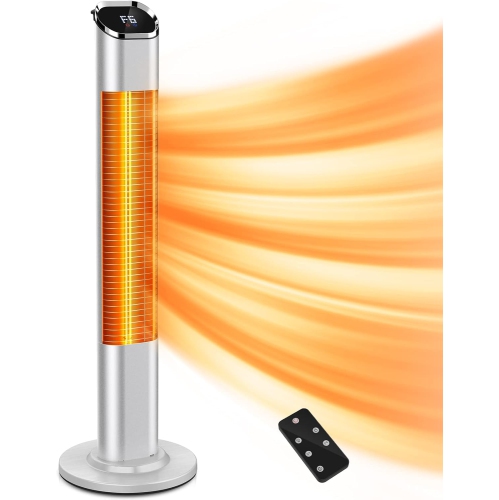
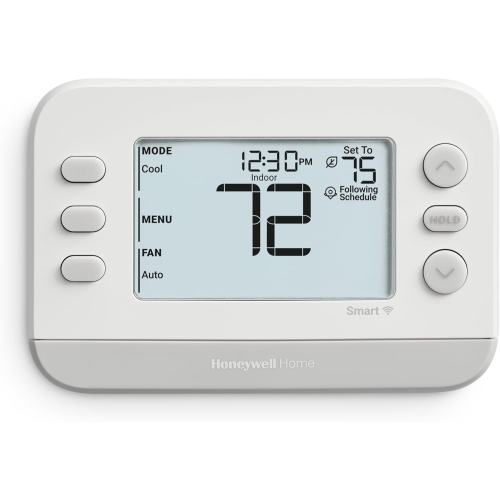
Top Collections:
Pokemon Centers, Kindle Devices, Best Budget Office Chairs, Apple iPhones 16, Best Laptops for Writers, iPhone 15 Apple, Canon G7X Cameras, Refurbished Apple Laptops, Alarm Clock, Motorola Razr Phones
Some products may be subject to Environmental Handling Fees
(EHF) depending on your province.
Learn more about EHFs.