Large Space Heaters for Garage
If you're looking for a way to keep your garage warm and cozy during the cold months, you might consider buying a large space heater. These heaters are designed to provide supplemental heating for large areas and can be used in a home as well as in commercial settings. Here are some of the best large space heaters for garage available today.
Sort
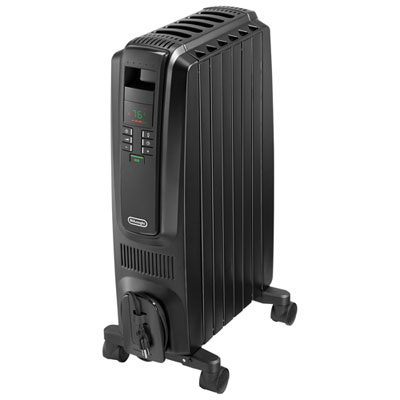
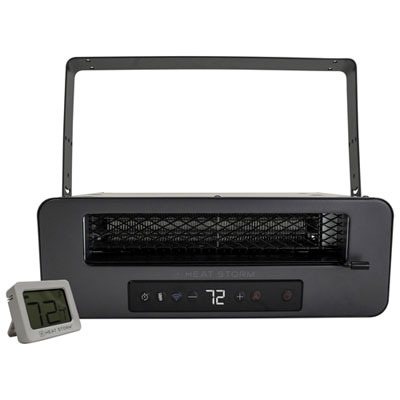
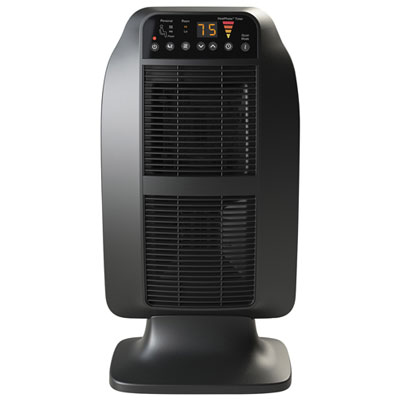
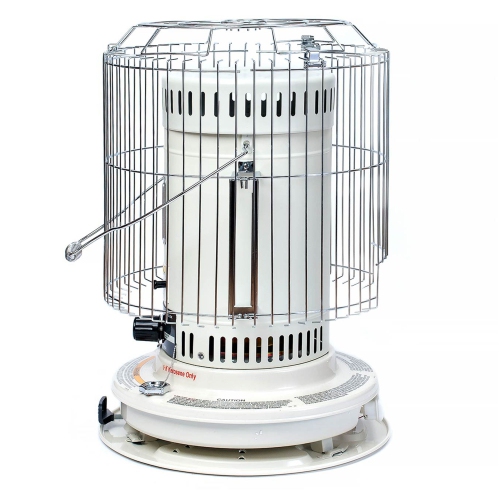
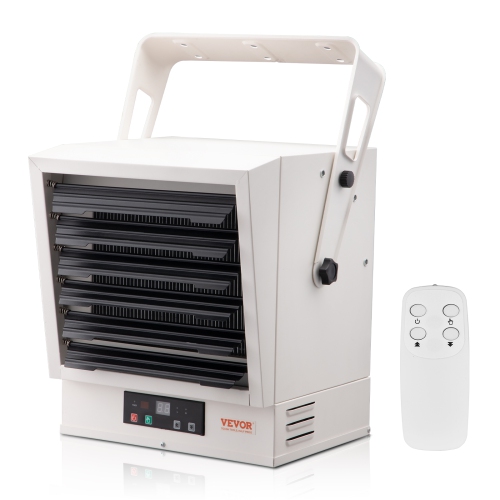

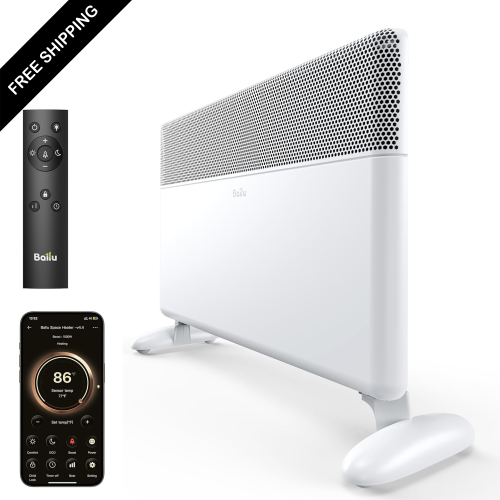
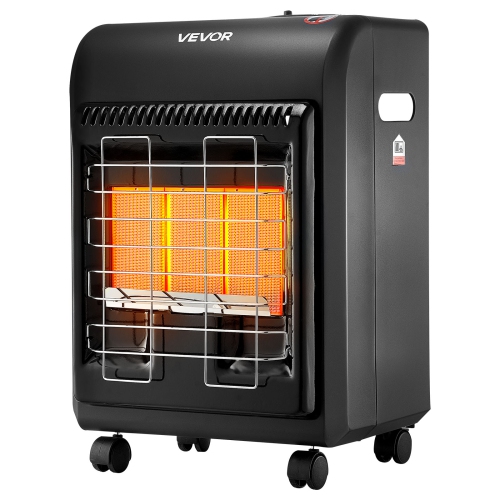


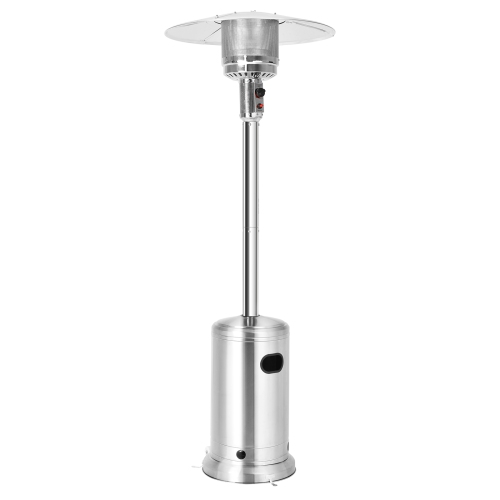
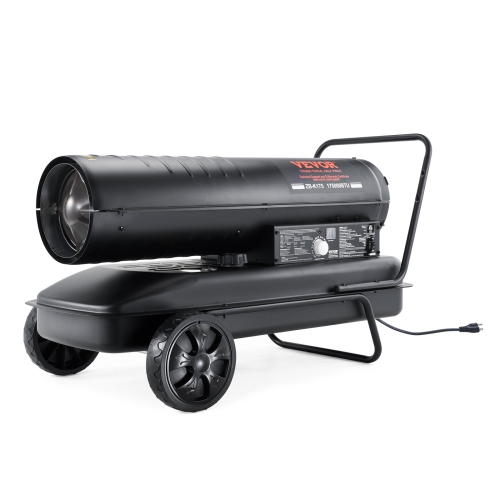
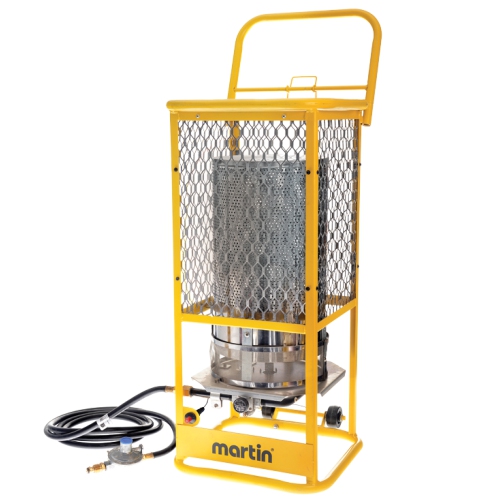
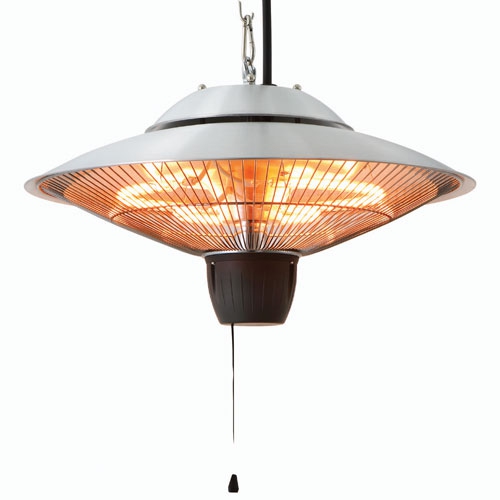
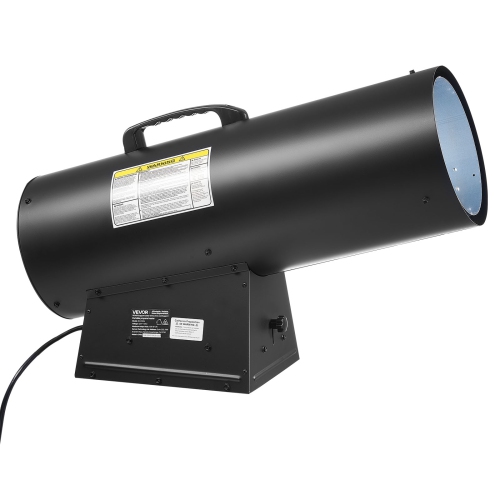

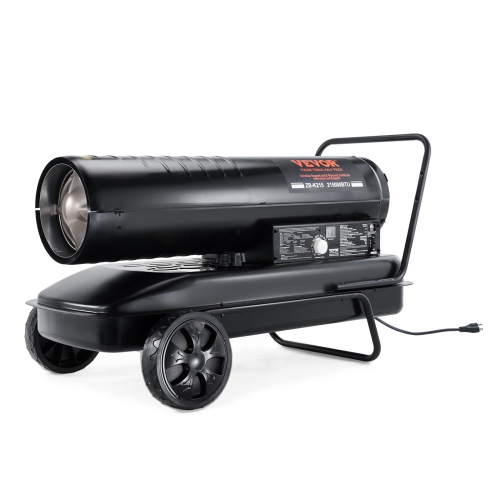
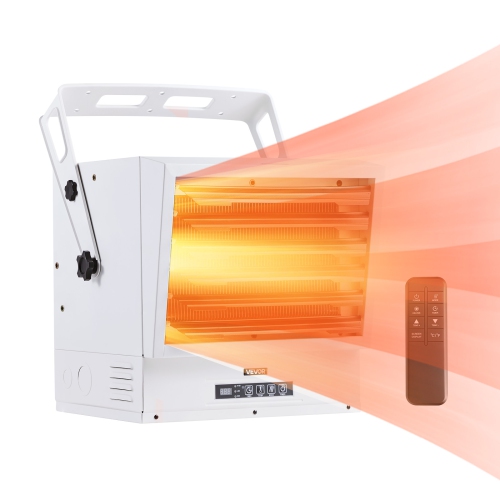
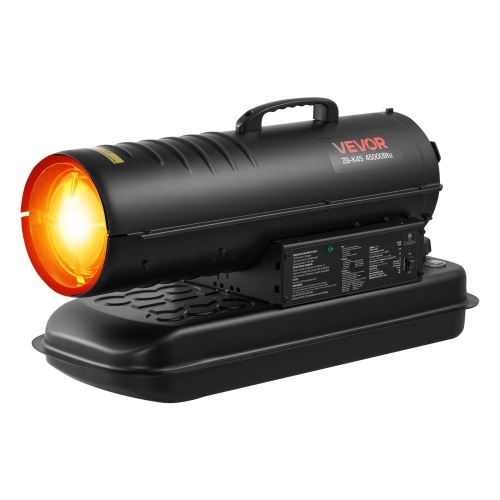
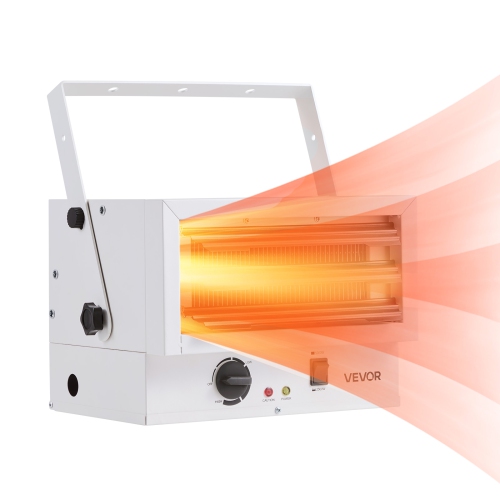
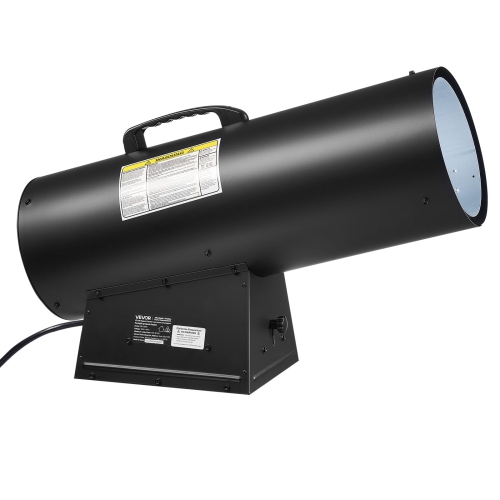
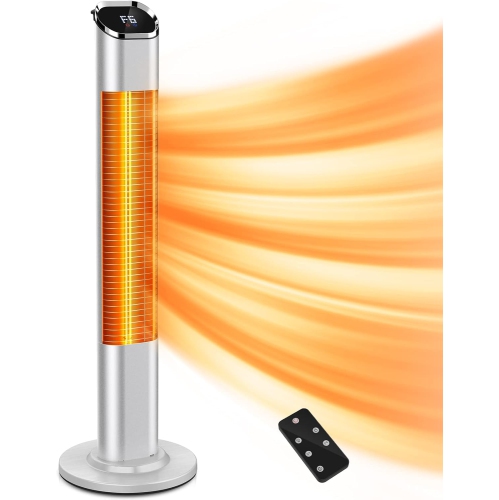
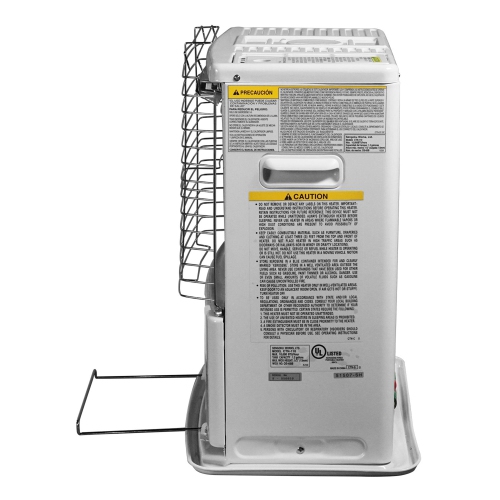
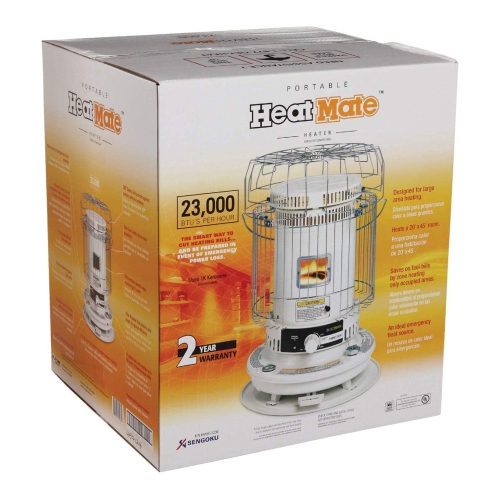
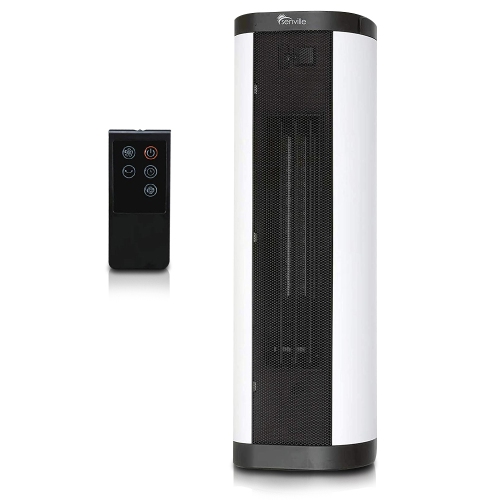
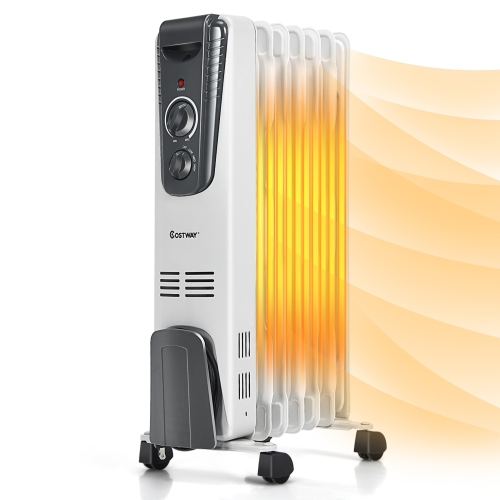
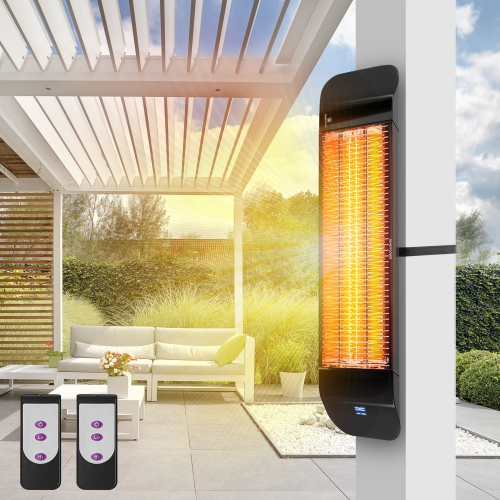
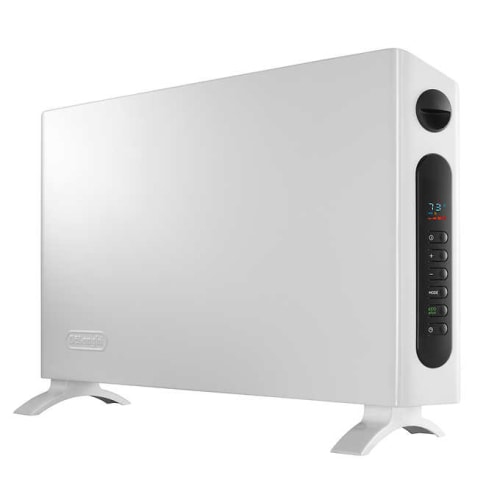
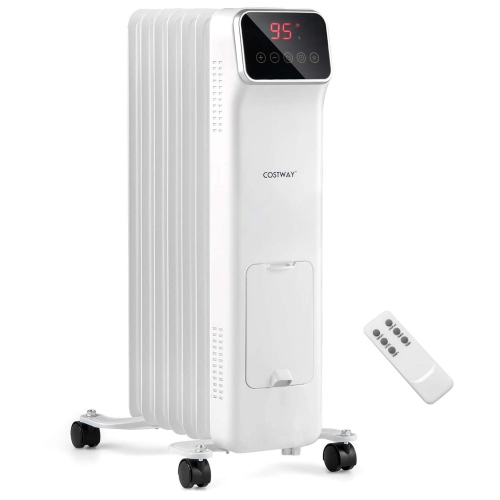
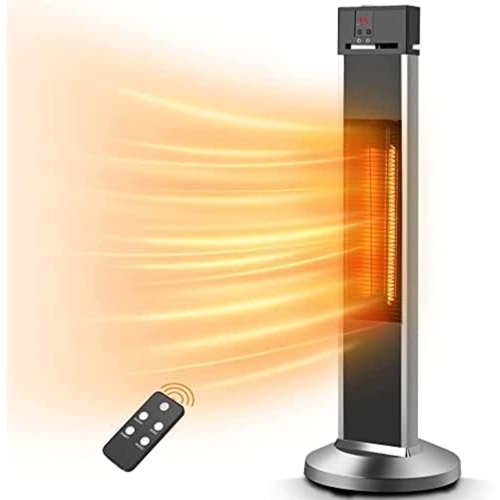
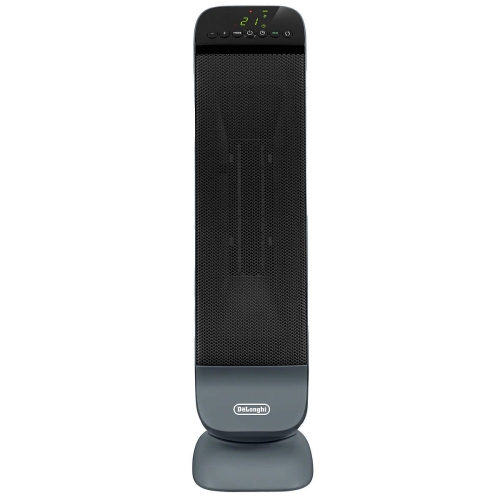
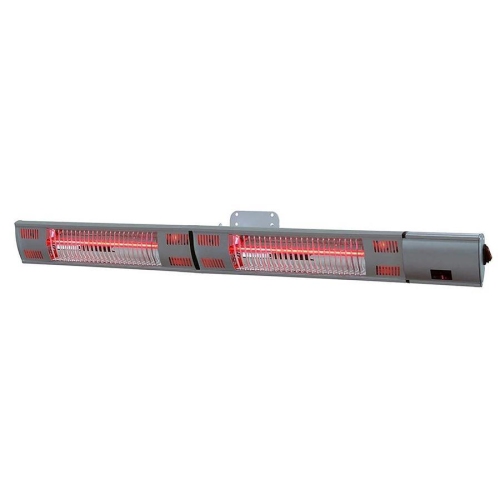
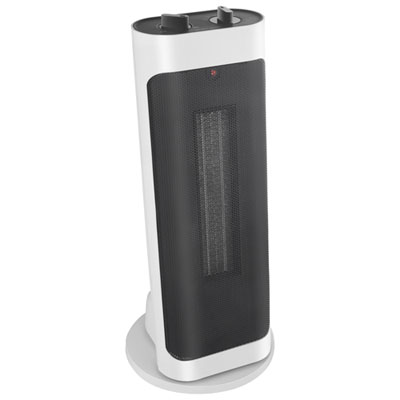
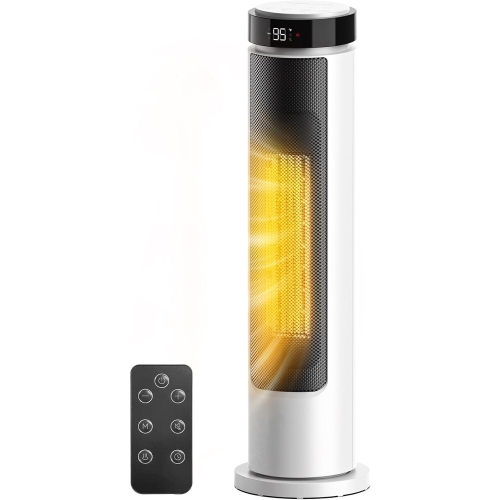
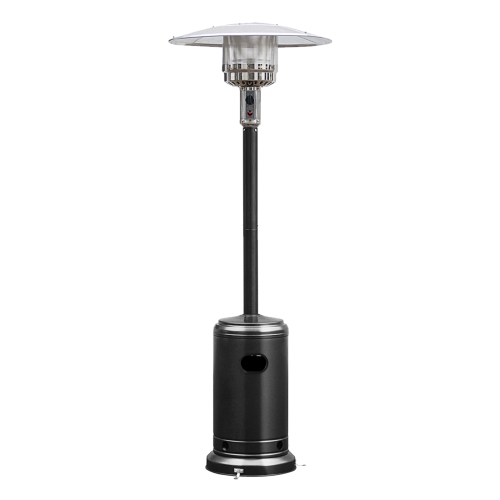
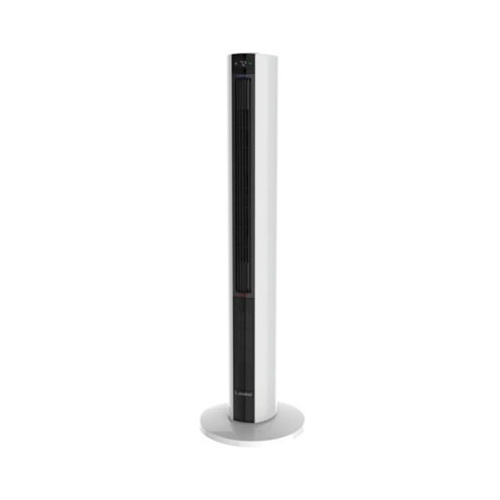
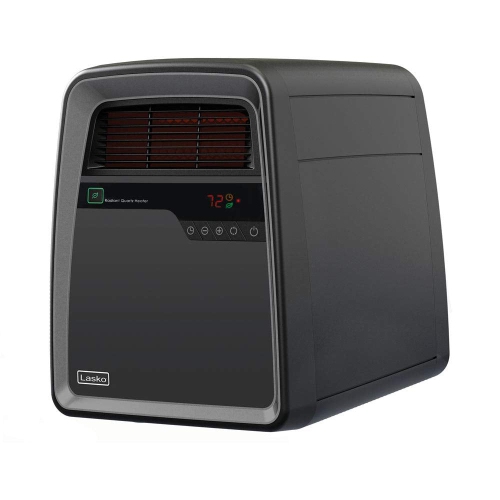
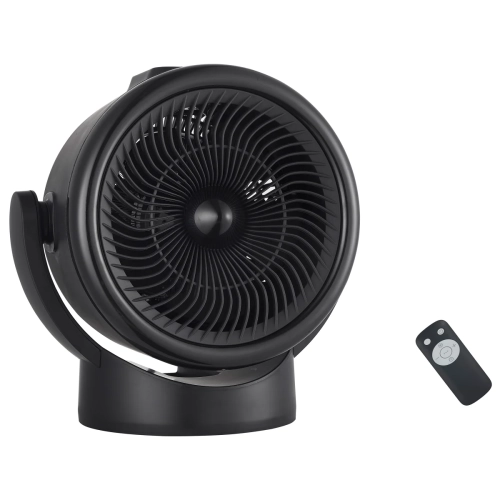
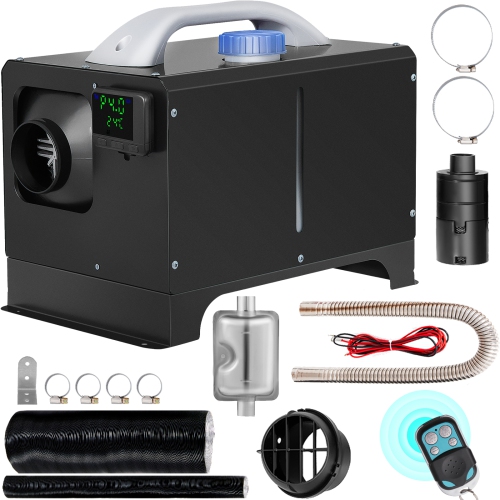
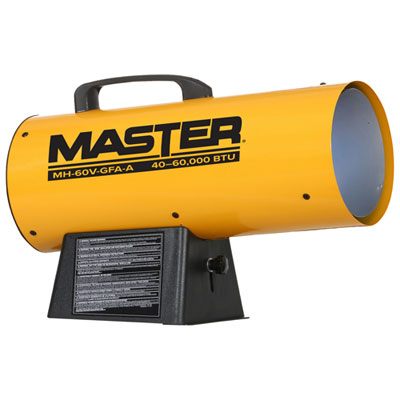

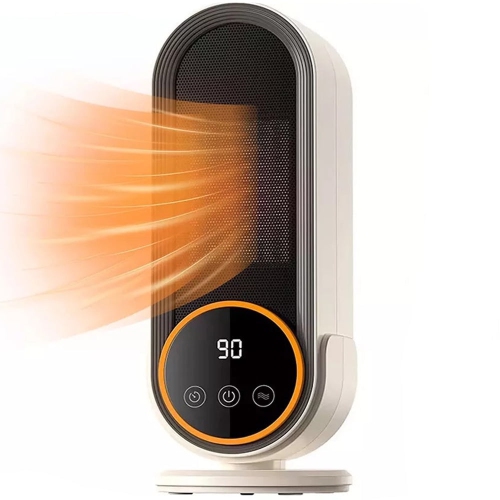
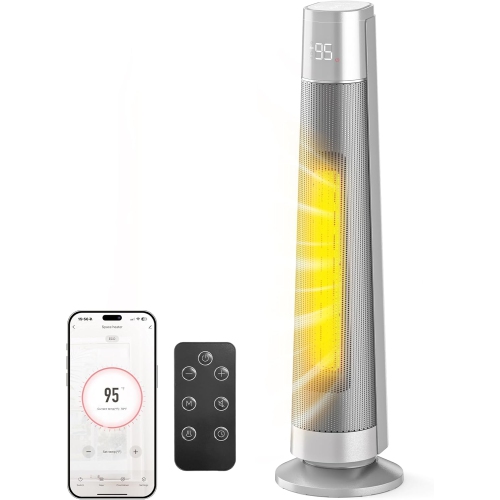
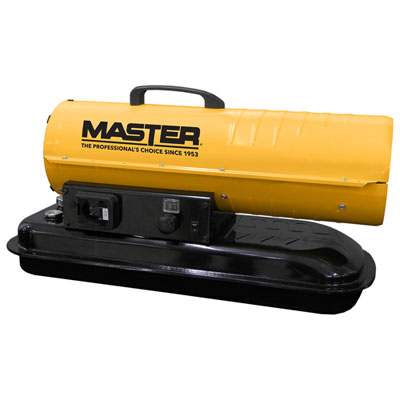
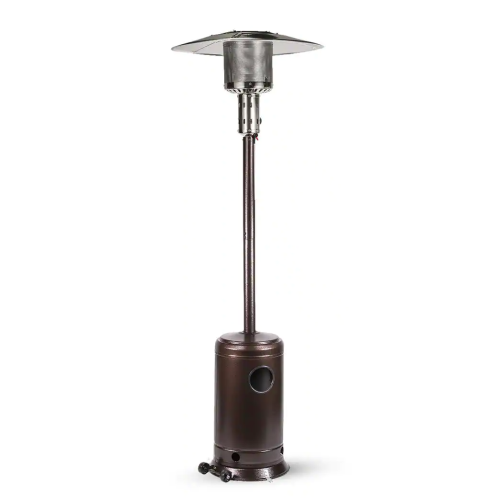
Safe installation and proper sizing improve garage comfort
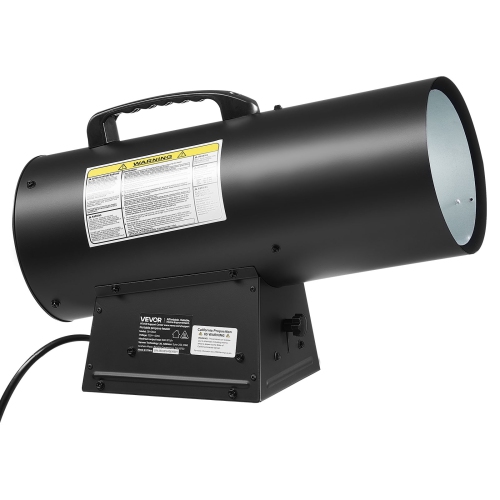
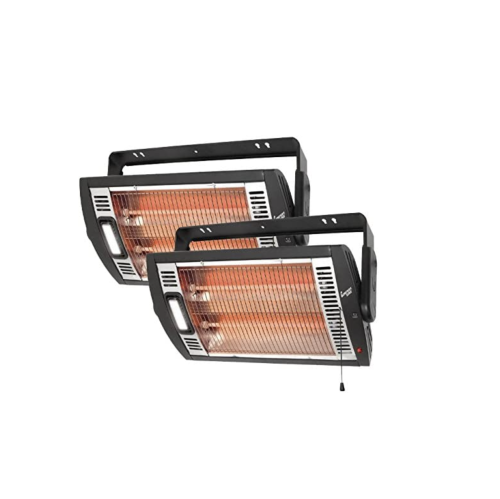
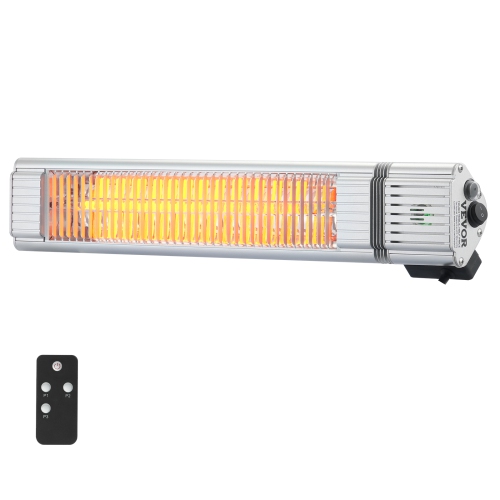
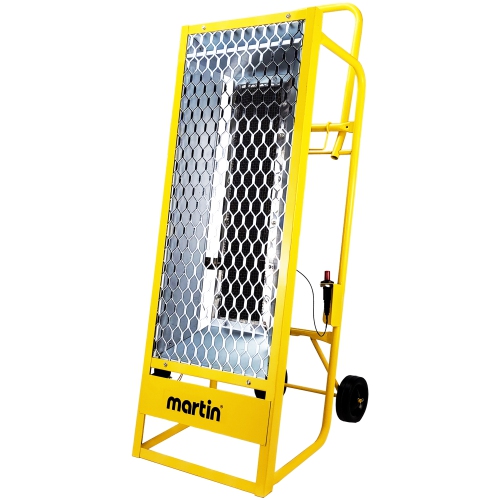
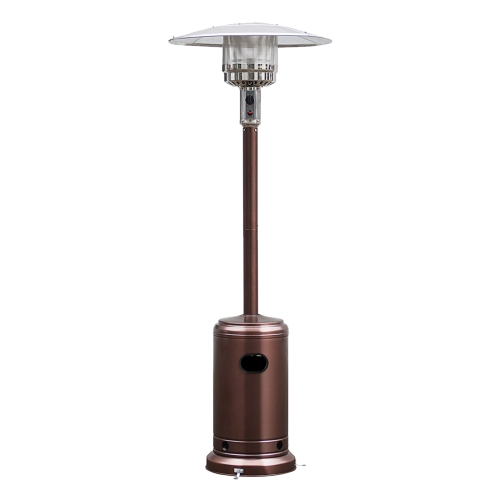
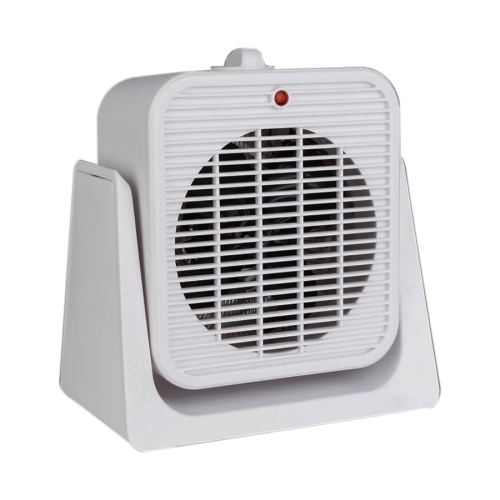
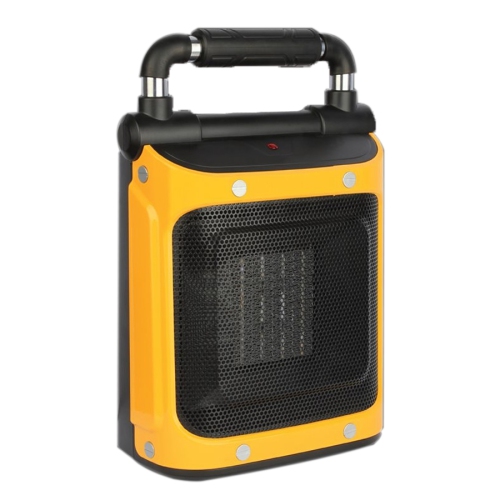
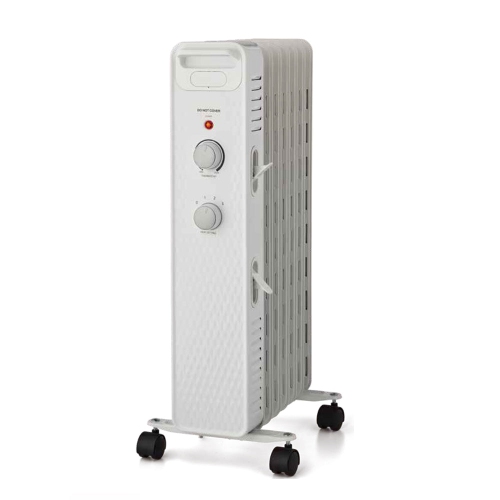
Large space heaters for a garage can make a cold, unfinished workspace far more comfortable for vehicle maintenance, woodworking, home repairs, exercise equipment or weekend projects. The right choice depends on more than the size of the garage: consider insulation, ceiling height, door openings, local winter temperatures, available fuel, electrical service and whether you want a fixed installation or portable heat. A two-car garage with insulated walls and a well-sealed door may need a very different heater from a high-ceiling workshop with exposed framing and frequent air movement. Measure the approximate square footage and note areas where heat may escape, including overhead doors, windows and gaps around entry doors. As a general starting point, fuel-burning heaters are often evaluated at roughly 30 to 50 BTUs per square foot, with the lower end better suited to insulated spaces and the higher end more appropriate for draughty or lightly insulated areas. This is only a sizing guide, not a replacement for the manufacturer’s specifications or advice from a qualified heating professional. An oversized heater may cycle on and off more often than expected, while an undersized unit can run continuously without bringing the room to a comfortable temperature. Look for adjustable heat settings, a thermostat or temperature control, and a fan designed to distribute warm air throughout the space rather than leaving one area hot and another chilly. A ceiling- or wall-mounted design can keep the floor clear for vehicles, tool chests and storage, while a portable unit can be repositioned near a workbench, home gym or project area when your routine changes.
Large garages are commonly heated with natural gas, propane, electric or liquid-fuel equipment, and each option has different installation and operating requirements. Gas-fired unit heaters are often chosen for permanent whole-garage heating because they can deliver substantial output and circulate warmth across a broad area. They require an appropriate fuel connection, clearance around the unit and proper venting through an exterior wall or roof; installation should be completed according to local codes by a qualified professional. Many models also need a standard electrical connection for the blower, controls or ignition system. Electric garage heaters offer a convenient option where gas service is unavailable or where you prefer heat without combustion in the room. High-output models may require a dedicated 240-volt circuit and hardwiring, so confirm the electrical capacity of the garage before purchase and arrange professional installation when necessary. Browse Electric Garage Heaters for options designed around different spaces and electrical setups. Portable propane, kerosene and diesel forced-air heaters can raise the temperature quickly in workshops, construction areas and larger utility spaces, but they require careful attention to ventilation, fuel storage and clearance. Combustion appliances can produce carbon monoxide and add moisture to the air, so they must be used only in locations and conditions approved by the manufacturer. Never operate a fuel-burning heater in a closed garage, near flammable vapours, or beside paint, solvents, fuel cans, sawdust or other combustible materials. Keep working carbon monoxide alarms in appropriate areas, maintain clear space around air intakes and exhaust outlets, and allow the heater to cool before refuelling or moving it. For any heater, check the required distance from walls, ceilings, vehicles and stored materials, and avoid using extension cords unless the instructions specifically permit one with the correct rating.
The best heater is one that fits the way your garage is used, not simply the one with the highest output. Someone who spends long evenings restoring a car may value steady thermostat-controlled warmth, quiet operation and a ceiling-mounted design that leaves room for a lift or workbench. A homeowner who uses the garage for seasonal storage may prefer a portable heater that can be brought out when the weather turns cooler and put away when the space returns to storage duty. For a home gym, stable temperature control and even airflow can make early-morning workouts more comfortable, while a hobbyist working with hand tools may appreciate directional heat near a bench instead of heating the entire building. These heaters can also be practical gifts for a new homeowner, a maker, a mechanic or anyone setting up a workshop, provided the recipient has the correct fuel source, electrical service and installation space. Before choosing, check the heater’s rated coverage, BTU or wattage, voltage, amperage, fuel type, mounting hardware and control features. Compare the actual ceiling height and insulation level with the stated coverage rather than relying on garage size alone. Look for automatic shutoff protection, overheat protection, a sturdy housing and a stable base on portable models. Keep the garage door closed while heating whenever safe and practical, seal obvious draughts, and avoid blocking the flow of warm air with shelving or stacked boxes. During the cooler months, a properly selected large space heater can take the edge off a concrete floor, warm a broad work area and help make a garage feel like a useful extension of the home. With careful sizing, suitable installation and regular checks of vents, filters, cords and connections, it can provide dependable comfort for projects, workouts and everyday tasks.
Large garages are commonly heated with natural gas, propane, electric or liquid-fuel equipment, and each option has different installation and operating requirements. Gas-fired unit heaters are often chosen for permanent whole-garage heating because they can deliver substantial output and circulate warmth across a broad area. They require an appropriate fuel connection, clearance around the unit and proper venting through an exterior wall or roof; installation should be completed according to local codes by a qualified professional. Many models also need a standard electrical connection for the blower, controls or ignition system. Electric garage heaters offer a convenient option where gas service is unavailable or where you prefer heat without combustion in the room. High-output models may require a dedicated 240-volt circuit and hardwiring, so confirm the electrical capacity of the garage before purchase and arrange professional installation when necessary. Browse Electric Garage Heaters for options designed around different spaces and electrical setups. Portable propane, kerosene and diesel forced-air heaters can raise the temperature quickly in workshops, construction areas and larger utility spaces, but they require careful attention to ventilation, fuel storage and clearance. Combustion appliances can produce carbon monoxide and add moisture to the air, so they must be used only in locations and conditions approved by the manufacturer. Never operate a fuel-burning heater in a closed garage, near flammable vapours, or beside paint, solvents, fuel cans, sawdust or other combustible materials. Keep working carbon monoxide alarms in appropriate areas, maintain clear space around air intakes and exhaust outlets, and allow the heater to cool before refuelling or moving it. For any heater, check the required distance from walls, ceilings, vehicles and stored materials, and avoid using extension cords unless the instructions specifically permit one with the correct rating.
The best heater is one that fits the way your garage is used, not simply the one with the highest output. Someone who spends long evenings restoring a car may value steady thermostat-controlled warmth, quiet operation and a ceiling-mounted design that leaves room for a lift or workbench. A homeowner who uses the garage for seasonal storage may prefer a portable heater that can be brought out when the weather turns cooler and put away when the space returns to storage duty. For a home gym, stable temperature control and even airflow can make early-morning workouts more comfortable, while a hobbyist working with hand tools may appreciate directional heat near a bench instead of heating the entire building. These heaters can also be practical gifts for a new homeowner, a maker, a mechanic or anyone setting up a workshop, provided the recipient has the correct fuel source, electrical service and installation space. Before choosing, check the heater’s rated coverage, BTU or wattage, voltage, amperage, fuel type, mounting hardware and control features. Compare the actual ceiling height and insulation level with the stated coverage rather than relying on garage size alone. Look for automatic shutoff protection, overheat protection, a sturdy housing and a stable base on portable models. Keep the garage door closed while heating whenever safe and practical, seal obvious draughts, and avoid blocking the flow of warm air with shelving or stacked boxes. During the cooler months, a properly selected large space heater can take the edge off a concrete floor, warm a broad work area and help make a garage feel like a useful extension of the home. With careful sizing, suitable installation and regular checks of vents, filters, cords and connections, it can provide dependable comfort for projects, workouts and everyday tasks.
Top selling and popular products
-
 Your price for this item is $179.99
 -
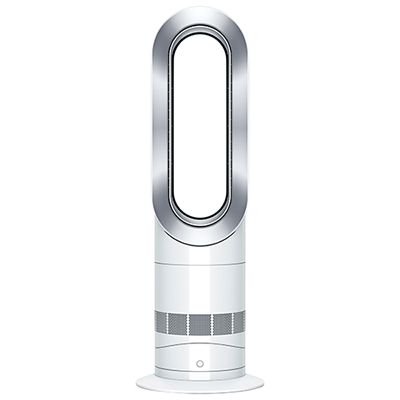 Your price for this item is $549.99
 -
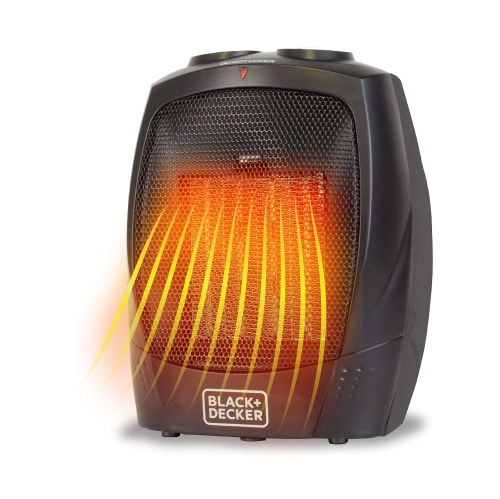 Your price for this item is $41.99
 -
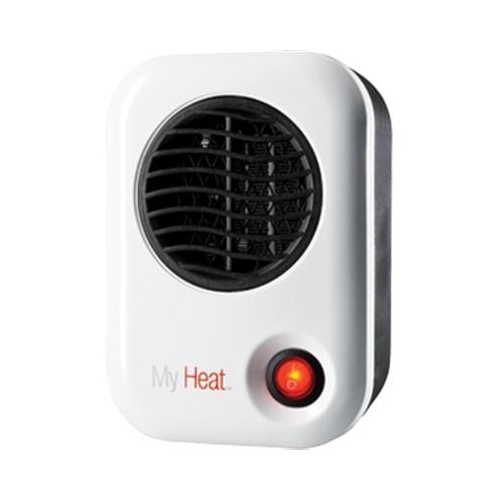 Your price for this item is $100.99
 -
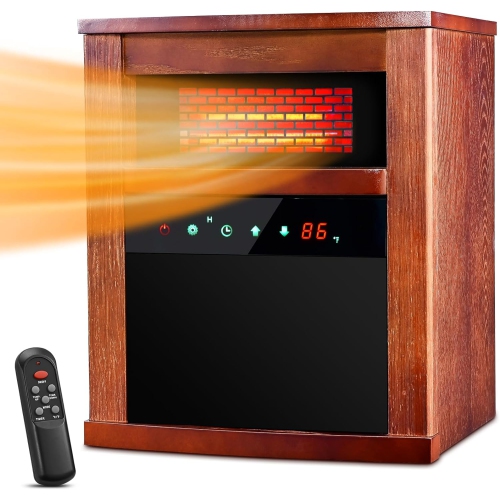 Your price for this item is $219.95
 -
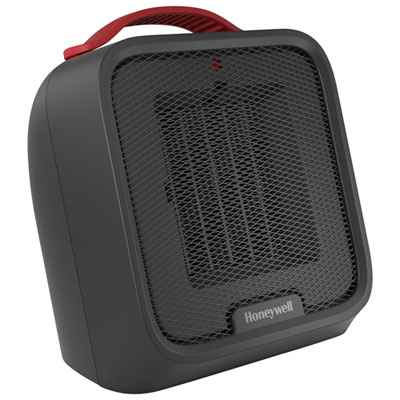 Your price for this item is $64.98
 -
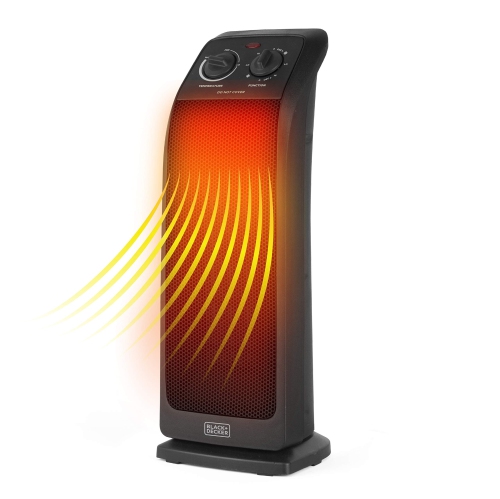 Your price for this item is $68.99
 -
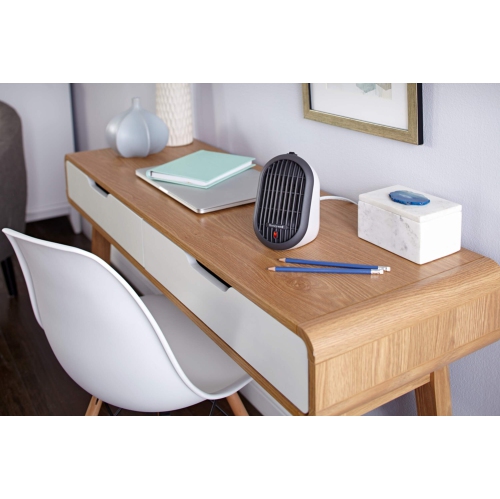 Your price for this item is $50
Discover more categories related to Large Space Heaters for Garage
Top Collections:
Pokemon Centers, Kindle Devices, Best Budget Office Chairs, Apple iPhones 16, Best Laptops for Writers, iPhone 15 Apple, Canon G7X Cameras, Refurbished Apple Laptops, Alarm Clock, Motorola Razr Phones
Some products may be subject to Environmental Handling Fees
(EHF) depending on your province.
Learn more about EHFs.