Garage Thermostats
Garage Thermostats offer a convenient way to help maintain optimal temperatures in your garage throughout the year. Whether you're looking to protect your vehicles, store temperature-sensitive items, or create a comfortable workspace, these devices can help you achieve consistent climate control. Explore a wide selection of Garage Thermostats designed to fit various garage sizes and heating or cooling systems, making it easier to manage your environment with precision. Find the right solution to keep your garage comfortable and functional no matter the season.
Sort
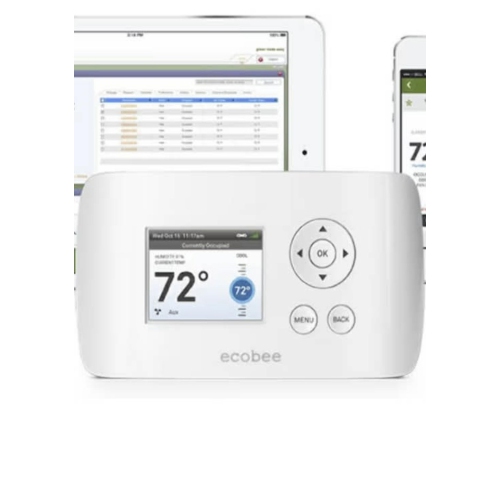
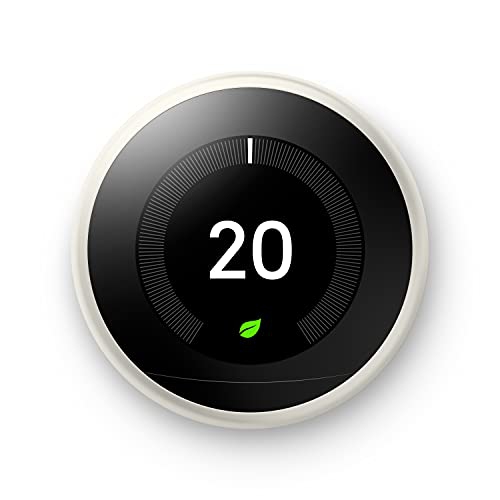



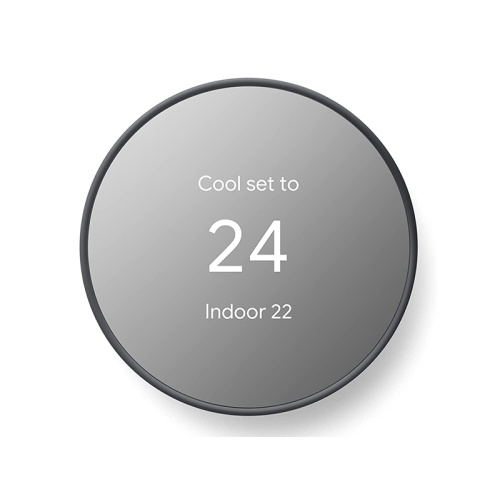
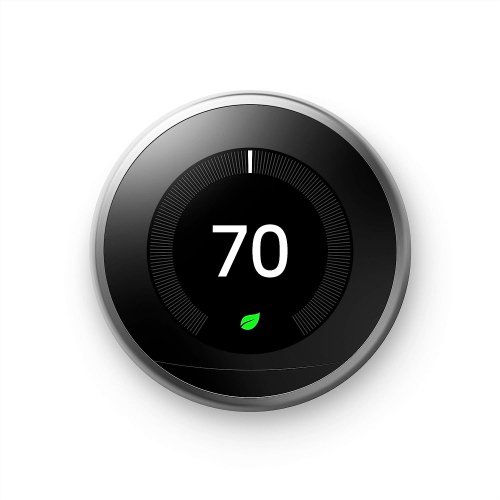
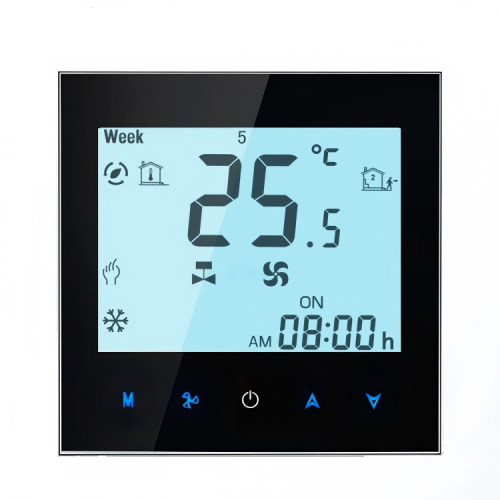
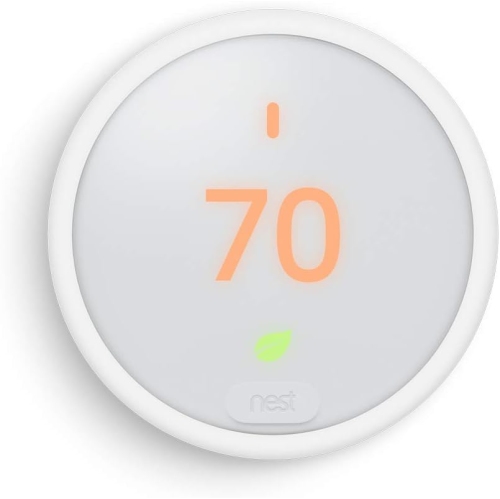
Why matching wires doesn’t guarantee heater compatibility
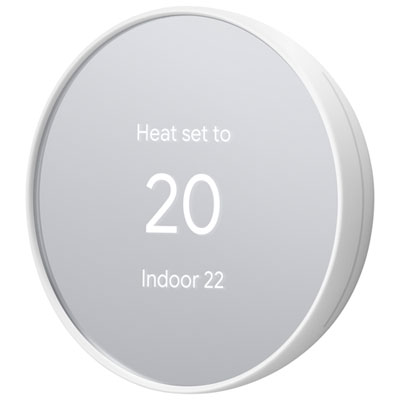
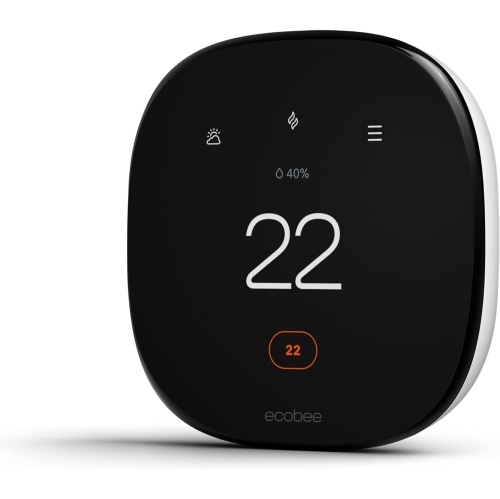
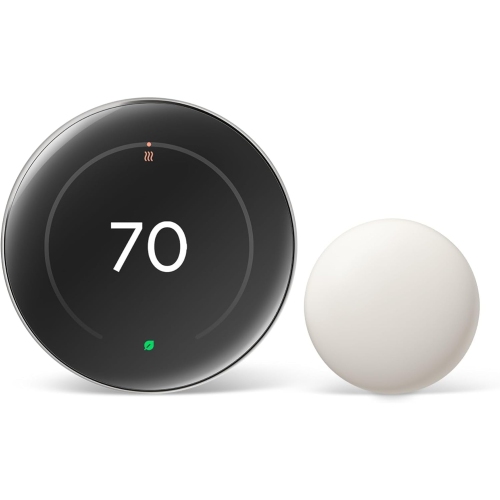
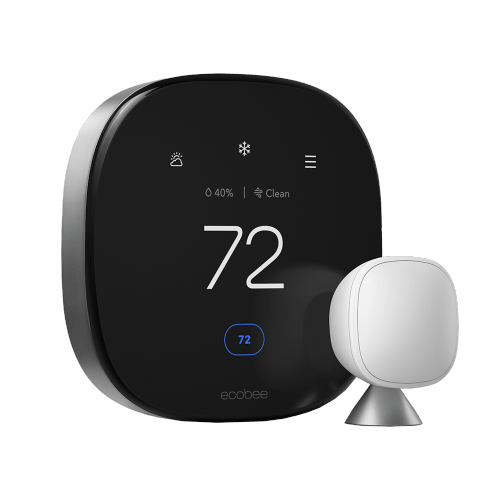
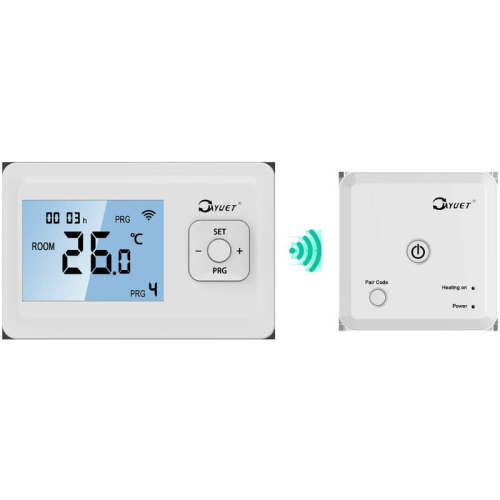
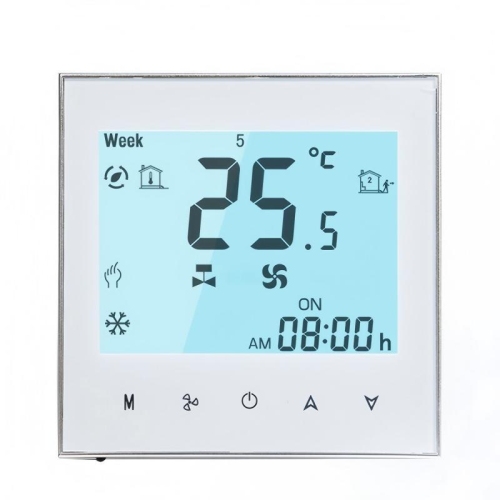
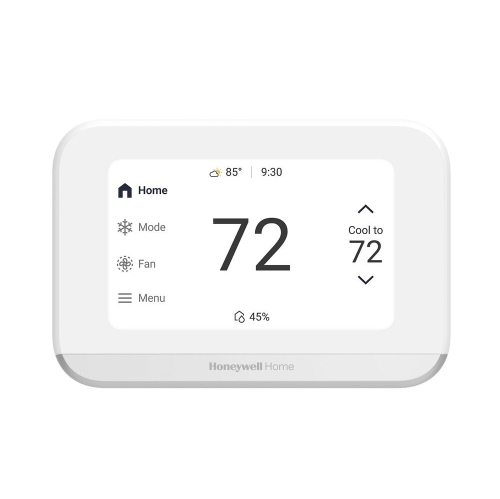
Garage thermostats control compatible heating systems to help maintain a set temperature in a garage, workshop, or attached utility space. The right thermostat must match the heater’s voltage, control requirements, and electrical load, with a temperature range suited to either comfortable working conditions or low-temperature freeze protection. These distinctions matter because garage heaters do not all use the same controls. A gas-fired unit heater may use a low-voltage thermostat, while electric baseboard or fan-forced heating may require a line-voltage thermostat or a separate control arrangement. Some heating systems use millivolt controls, and radiant equipment can have its own compatibility requirements. Similar-looking wiring or matching terminal letters alone do not confirm that two components will work together. Compatibility depends on the specifications for both the heater and the thermostat, including any relays, transformers, or control panels between them. For line-voltage installations, the thermostat also needs an appropriate rating for the circuit voltage, heater type, and total connected load. Installation by a qualified professional helps ensure that the wiring and controls meet applicable requirements. Beyond electrical compatibility, a garage thermostat’s minimum setpoint deserves attention. A control designed mainly for living areas may not offer the lower settings wanted for a garage that only needs a modest amount of heat. The adjustable temperature range and the permitted operating temperature are separate specifications: one describes the settings available, while the other describes the conditions in which the thermostat can function as intended. A low setpoint does not necessarily mean the device is suitable for installation in a deeply cold, unheated space. For an attached garage used for parking, occasional repairs, or tool storage, these details help distinguish controls intended for basic background heat from those better suited to a regularly occupied workspace. The thermostat cannot compensate for an undersized heater, substantial drafts, or a garage door that stays open for extended periods. Its role is to control the connected heating equipment, not to guarantee uniform warmth throughout the building.
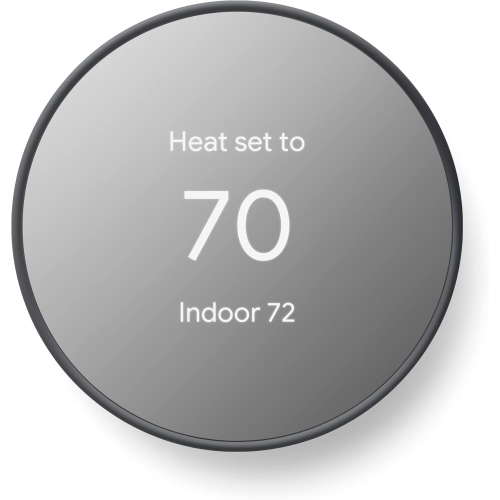
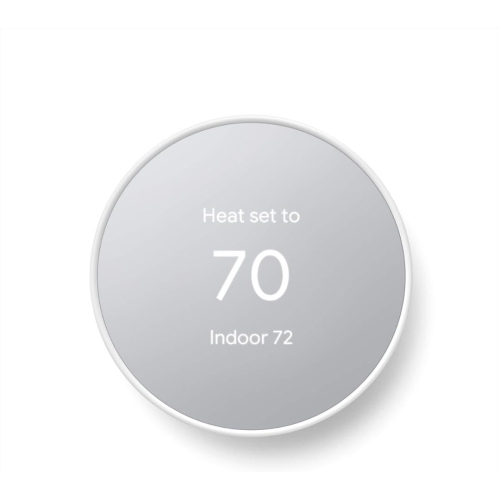
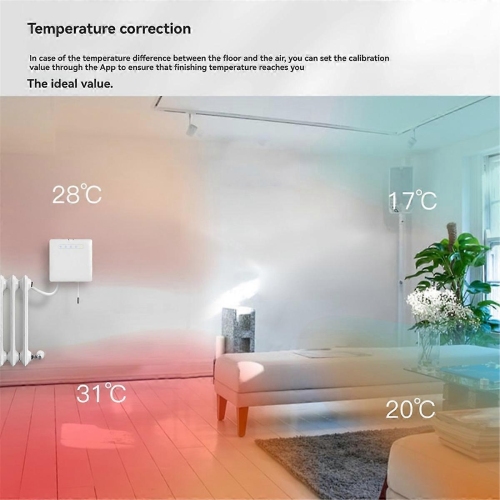
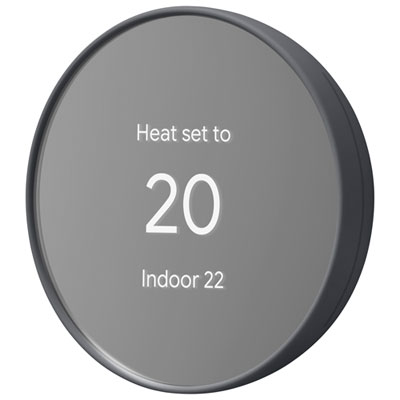
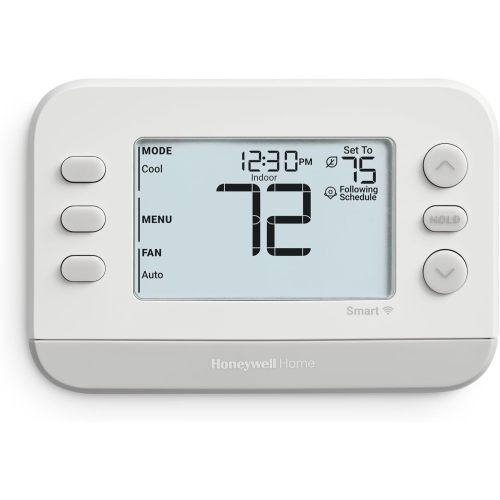
Everyday usability becomes especially noticeable in a garage, where hands may be gloved, lighting may be uneven, and the thermostat may sit beside a workbench rather than in a hallway. Large temperature markings, a readable display, and straightforward buttons or a dial can make routine adjustments easier. A backlit screen can be useful away from overhead lighting, while clear indicators help distinguish the measured room temperature from the selected setting. Mechanical controls offer a simple interface, while electronic controls may provide more detailed adjustments, scheduling, or status information, depending on their design. The temperature differential, sometimes called the swing, determines how far the temperature can move around the setpoint before the heating response changes. A narrower differential may mean more frequent heating cycles; an appropriate setting depends on the heater and the behaviour of the space. Concrete floors, exterior walls, and stored materials can remain cold after the air near the thermostat has warmed, so a comfortable workshop involves more than a display reading. Mounting location also affects how accurately the control represents the occupied area. Direct sunlight, a heater’s discharge, drafts around an overhead door, and warmth from nearby equipment can all distort the reading. Placement should follow the manufacturer’s instructions, with any remote sensor positioned for its intended purpose. Garage use also makes enclosure materials and care worth considering. Durable plastic or metal housings may suit different installations, but neither material by itself establishes resistance to dust, moisture, or impact. Published ratings matter more than appearance, particularly in a detached garage or a space exposed to condensation. Routine care generally involves keeping the exterior and accessible sensor openings free of accumulated dust, following the specified cleaning method, and avoiding sprays directed at the control. Controls should remain accessible rather than hidden behind shelving, coats, or stacked storage bins. Battery-powered units also need battery checks and replacement according to their instructions, especially before the space will be left unattended.
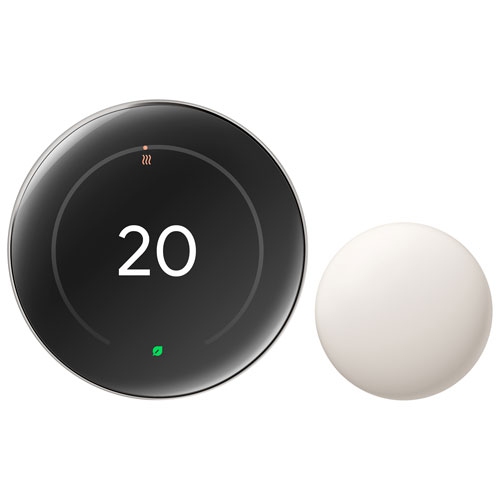
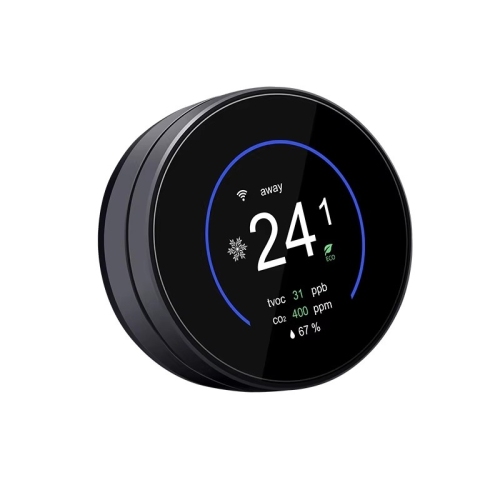
Programmable and connected garage thermostats offer different ways to manage spaces that are not occupied all day. A workshop used on predictable evenings may benefit from a schedule that raises the setpoint ahead of planned use, while a garage used irregularly may be better served by simple manual adjustments or compatible remote control. Wi-Fi features can allow temperature checks and setting changes from a phone, but their usefulness depends on reliable network coverage where the thermostat is installed. A detached garage with a weak signal may not support the same experience as a room close to the household router. Smart controls also have power requirements: some low-voltage thermostats need a common wire or an approved power accessory, and they are not direct replacements for line-voltage controls. App support, remote sensors, low-temperature alerts, and behaviour after a power interruption vary, so these capabilities should be confirmed rather than assumed. An alert can provide useful notice of a temperature drop, but it cannot keep the heater running through a loss of power or fuel. Basic heating control may continue without an internet connection on some designs, while remote access and notifications may be interrupted. Where plumbing or temperature-sensitive belongings are involved, a thermostat should be only one part of a broader protection plan; temperatures near pipes or exterior corners can differ from the reading at the wall control. Compatible Thermostat Accessories may support installation, sensing, or power needs where the thermostat manufacturer permits them. Accessories need to match the control system rather than merely fit the mounting space. Whether the garage serves as a woodworking area, a place for bicycle maintenance, or everyday vehicle parking, suitable controls bring the heating system closer to the way the space is actually used. Clear operation, verified compatibility, an appropriate temperature range, and a housing suited to the installation are practical foundations for dependable garage temperature control.
Top selling and popular products
-
 Your price for this item is $179.99
-
 Your price for this item is $249.99
-
 Your price for this item is $329.99
-
 Your price for this item is $198.98
-
 Your price for this item is $229.99
-
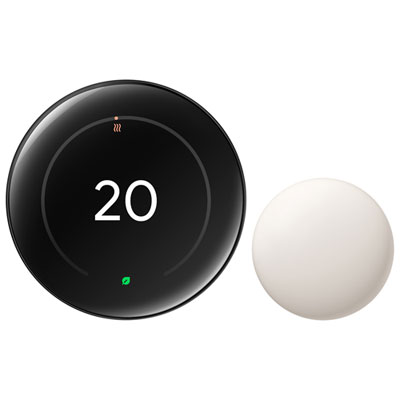 Your price for this item is $379.99
-
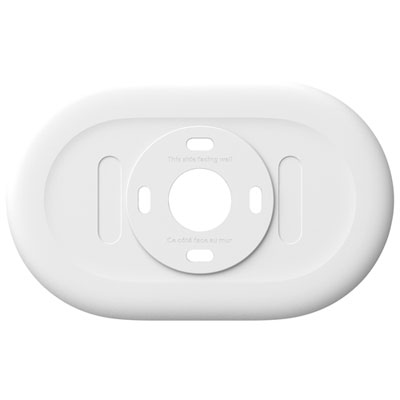 Your price for this item is $19.99
-
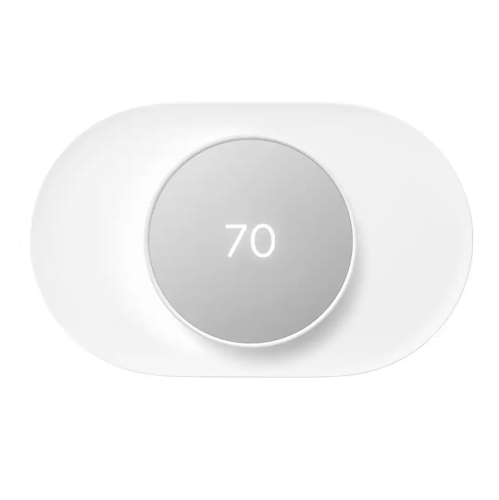 Your price for this item is $18.98
Discover more categories related to Garage Thermostats
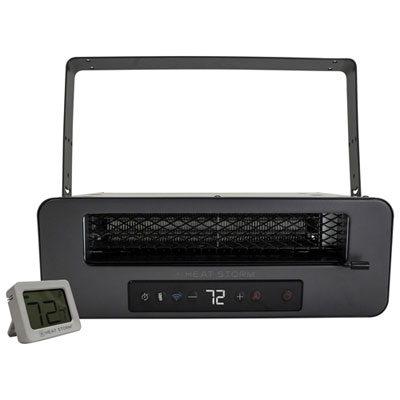

Top Collections:
Best Black Friday Deals This Year, Best Black Friday Deals On Electronics, Kindle Devices, Pokemon Centers, Best Black Friday Deals On Apple Products, Best Cameras for Sports Photography, Dyson Airwrap, Pokémon 30th Celebration Cards, Apple iPhone 17 Pro, Canon G7X Cameras
Some products may be subject to Environmental Handling Fees
(EHF) depending on your province.
Learn more about EHFs.