Gas Ranges With Griddle
Upgrade your kitchen with a Gas Range With Griddle, designed to bring versatility and convenience to your cooking routine. Perfect for preparing everything from breakfast favorites to family dinners, these ranges offer ample space for multiple dishes at once. Whether you’re a home chef or just love cooking for friends and family, a Gas Range With Griddle provides the flexibility you need to make every meal memorable. Explore a variety of options to find the ideal fit for your culinary needs and kitchen layout.
Sort
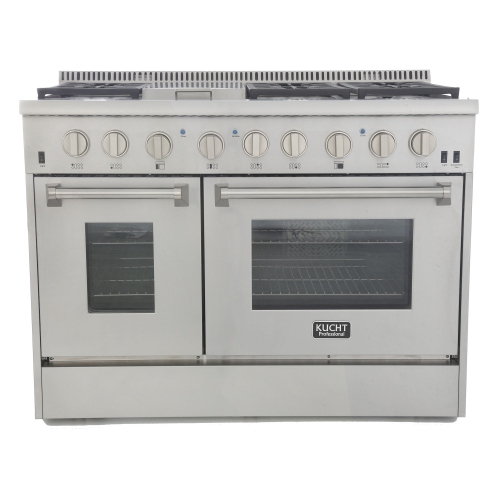

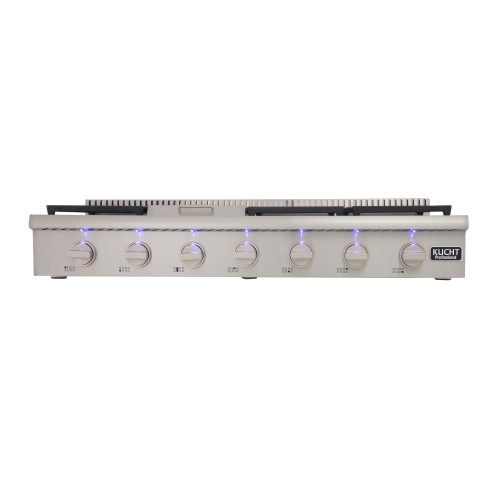
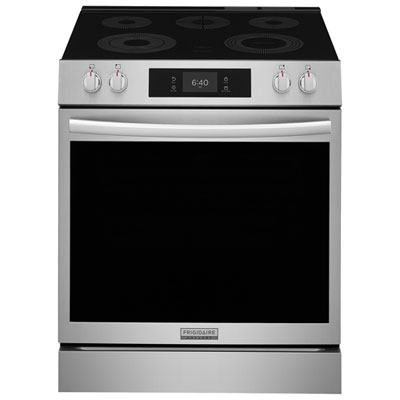
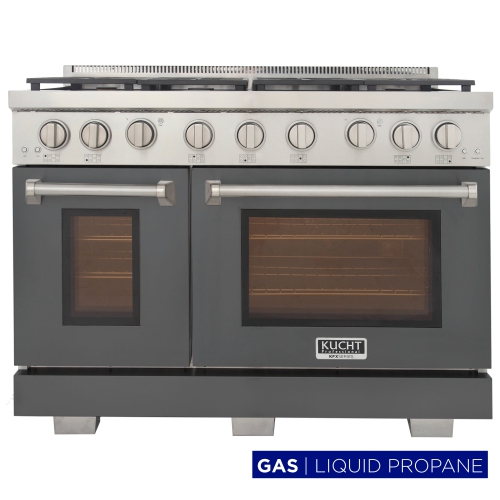

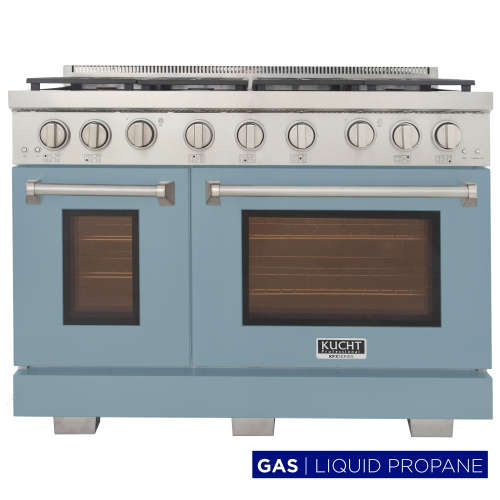
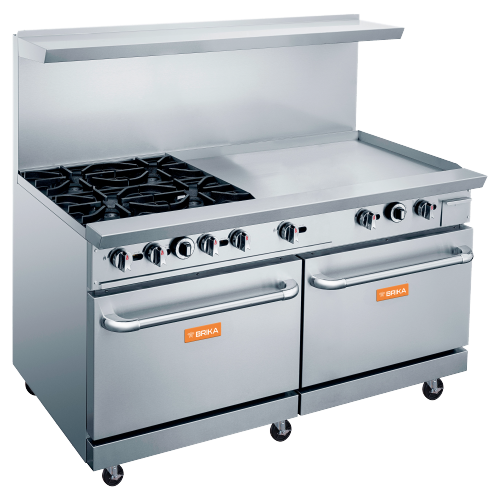
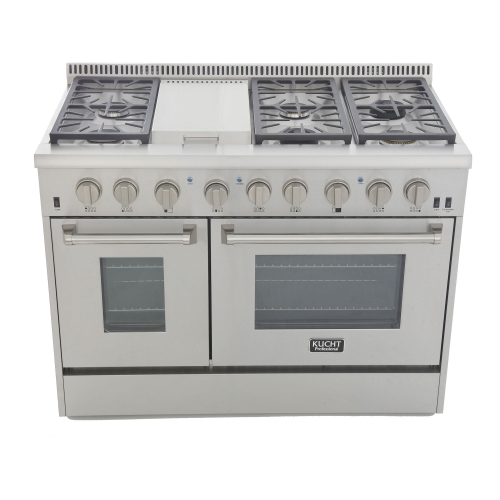
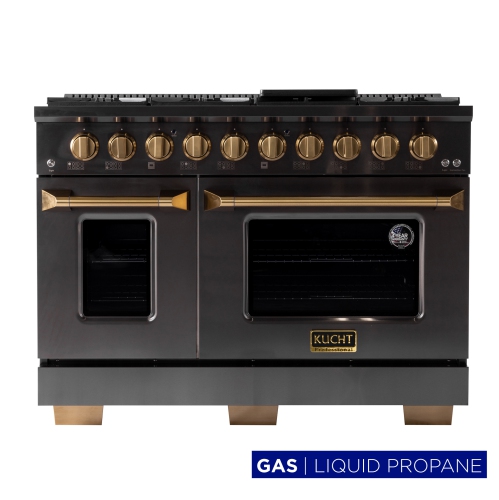
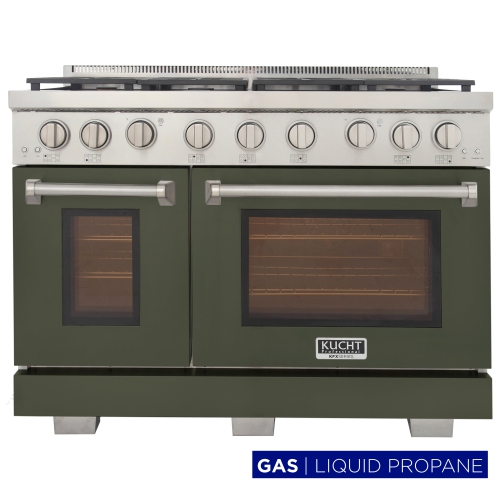

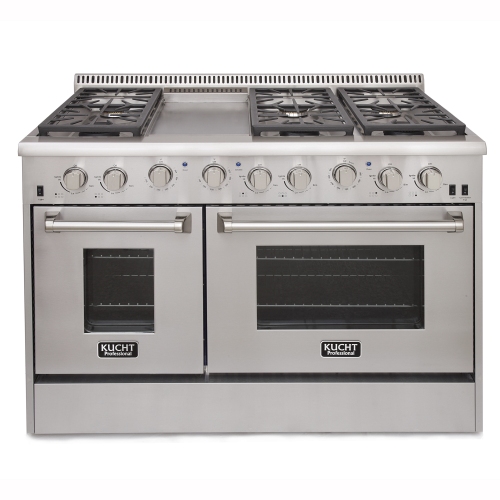
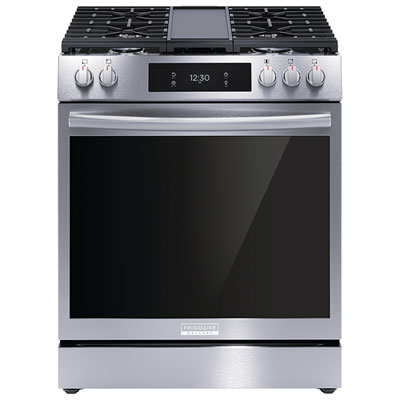
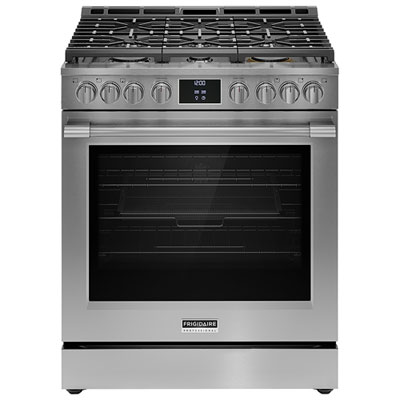
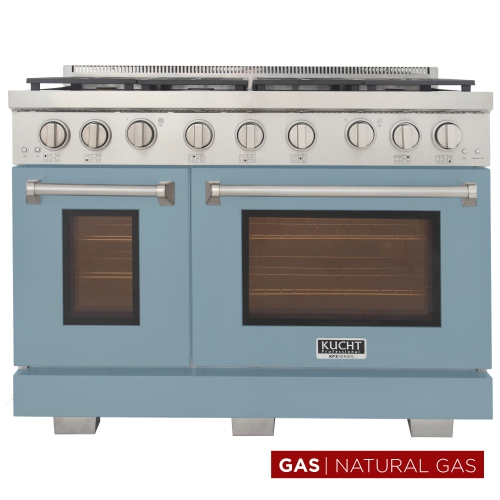
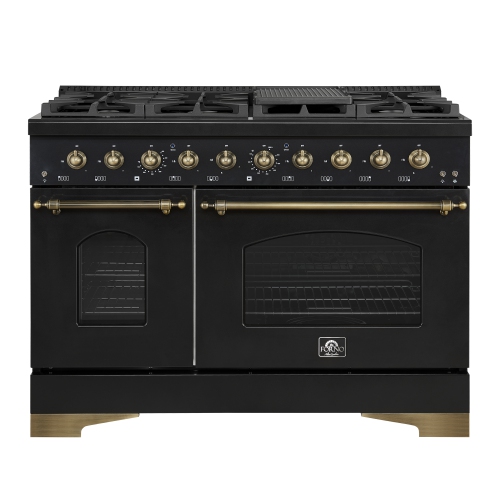
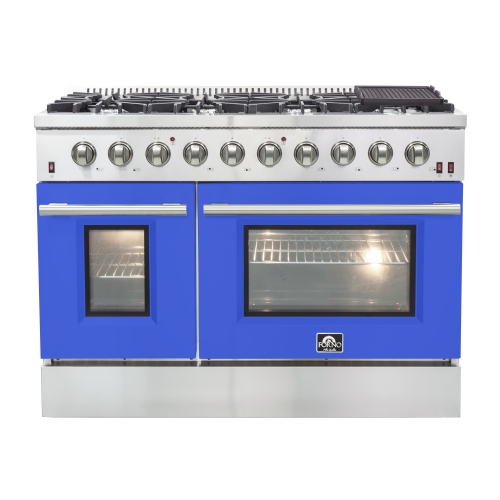
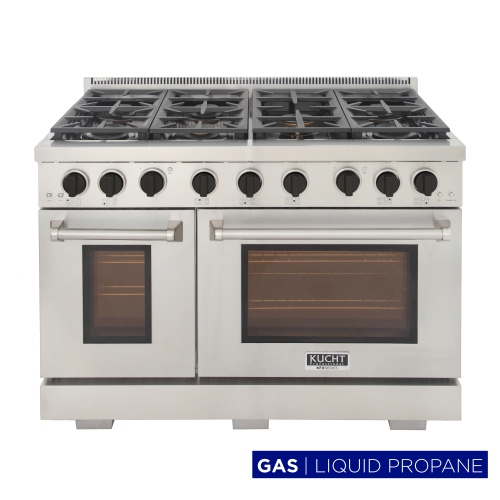
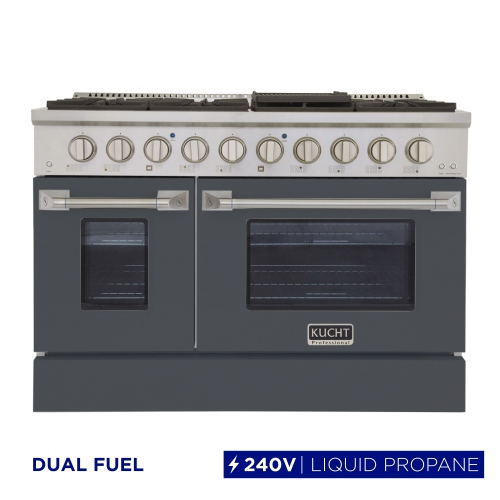
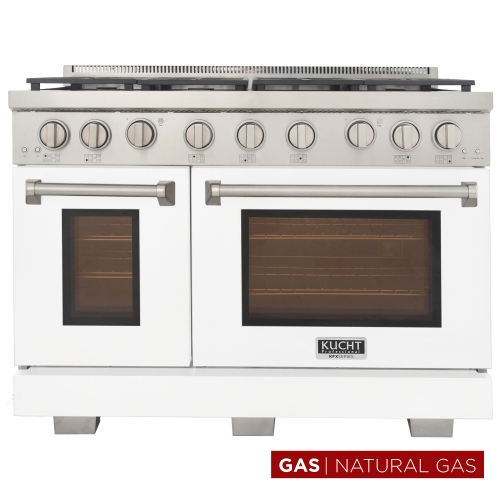
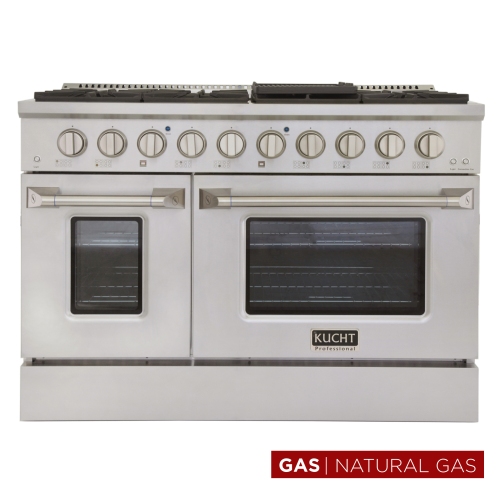
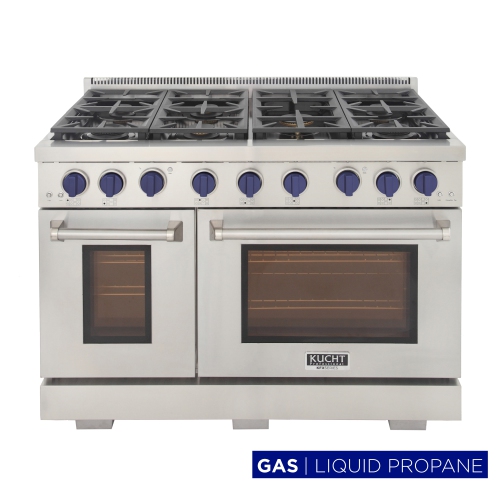
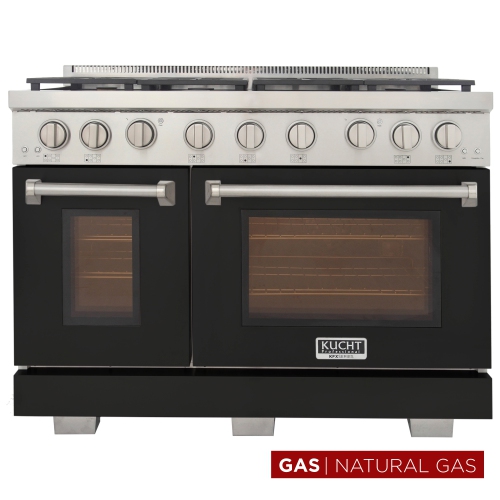
More room for breakfast without juggling frying pans
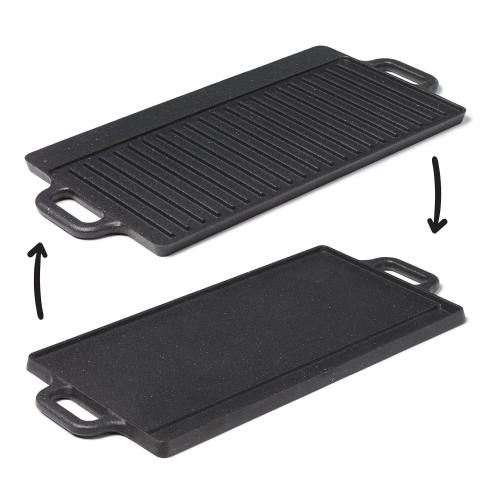
Gas ranges with griddle combine a gas cooktop and an oven with a broad, flat cooking surface for foods that are awkward to prepare on an open grate. The griddle may be built into the cooktop or supplied as a removable plate that sits over a designated burner. That extra surface makes room for a row of pancakes, several grilled cheese sandwiches, or smashed burgers without juggling multiple frying pans. It also suits foods such as tortillas, sliced vegetables, and French toast, where direct contact with a flat surface helps develop browning. For households that regularly prepare breakfast for several people, the appeal is practical: eggs can cook on the griddle while a saucepan occupies another burner and potatoes roast in the oven below. The layout matters as much as the presence of a griddle. A centre griddle can leave the side burners accessible, but its width and position determine how comfortably large pots fit beside it. An elongated burner can spread heat along a matching plate, although evenness still depends on the burner design, griddle material, and preheating. Some removable plates offer a smooth side and a ridged side, giving the cooking surface different uses without adding another appliance to the counter. Others are smooth only, with a shallow rim or grease channel to help contain cooking fats. A griddle is not necessarily intended to cover several burners or fit every range, so a purpose-designed plate offers a more predictable match than an accessory selected by width alone. The cooking style overlaps with Gas Griddles, while a range brings flat-top cooking, conventional burners, and oven space together in one appliance. It is a useful arrangement for home cooks who want to move between a simmering pot, a hot flat cooking surface, and a baking dish within the same cooking area.
Griddle materials influence both everyday use and upkeep. Cast iron holds heat well and provides a substantial cooking surface, making it useful for searing and preparing several portions in succession. It is also heavy, and uncoated cast iron generally needs thorough drying and seasoning according to the manufacturer's directions. Porcelain-enamelled cast iron has a coated surface with different care requirements, while non-stick griddles can make delicate foods easier to lift and turn. Non-stick surfaces need suitable utensils and cleaning tools to protect the coating; metal spatulas and abrasive pads may damage them. Removable designs make it easier to reach the area beneath the plate, but their weight and dimensions affect how comfortably they can be carried to the sink. A built-in griddle keeps the surface in place, with cleaning access and grease collection shaped by its particular design. Beyond the griddle itself, range dimensions need to suit the kitchen rather than simply match the width of the old appliance. Common 30-inch and wider configurations can differ in depth, handle projection, cooktop height, and the space needed for an open oven door. A freestanding range typically has finished sides, while a slide-in design is intended to sit closely between cabinets; the exact installation requirements still depend on the appliance. Rear controls and front controls also change the appearance and how the cooktop is reached during use. The location of the gas connection, electrical outlet, and nearby drawers can affect installation, especially when replacing a range with a different layout. Gas type is another essential distinction: compatibility with natural gas or propane, and any permitted conversion, must follow the appliance specifications. A qualified installer can address the connection, required clearances, and anti-tip bracket. Suitable ventilation is part of the overall setup, particularly for households that frequently sear meat or cook several dishes at once. These fit details help the griddle remain a useful cooking feature rather than a compromise elsewhere in the kitchen.
The oven deserves as much attention as the cooktop because a gas range with a griddle still handles everything from a single tray of muffins to a large casserole. Oven capacity figures provide a starting point, but usable rack positions and interior dimensions have a more direct bearing on whether a favourite roasting pan or two baking sheets fit comfortably. Convection, where included, uses a fan to circulate heated air and can be helpful for certain roasting and baking tasks, with cooking times and settings adjusted as directed. Some ranges pair a gas cooktop with an electric oven in a dual-fuel configuration, which has different electrical requirements from a typical gas-oven range. Broiler location, oven lighting, window size, and the feel of the racks also contribute to everyday convenience. On the cooktop, a powerful burner can be useful for bringing a large pot to the boil, while a controlled low flame matters for sauces and gentle simmering. Those functions need to work alongside the griddle, not merely add to a feature list. For a household making pasta sauce while toasting sandwiches, clearance between cookware and easy-to-reach controls may matter more than an extra cooking mode. Long-term satisfaction also depends on manageable cleaning. Grease channels and collection trays need regular attention, and spills around burners are easier to address once the appliance has cooled and before residue builds up. Burner ports should be kept clear using the manufacturer's recommended method, with caps returned to their correct positions after cleaning. Griddles should not be assumed dishwasher-safe, and a hot plate should not be plunged into cold water. Gentle cleaning, appropriate utensils, and care suited to each finish help protect cooking surfaces over time. For busy families, enthusiastic breakfast cooks, and households that regularly cook several dishes together, the right combination of griddle space, burner access, oven capacity, and straightforward maintenance can make a gas range a dependable centre of daily meal preparation.
Top selling and popular products
-
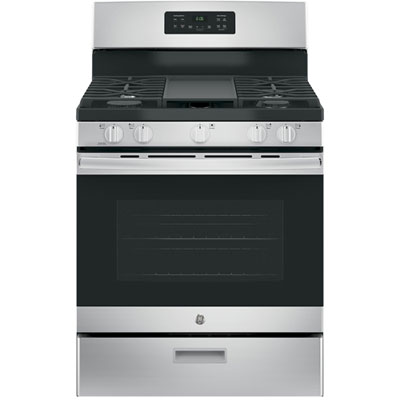 Your price for this item is $849.99
-
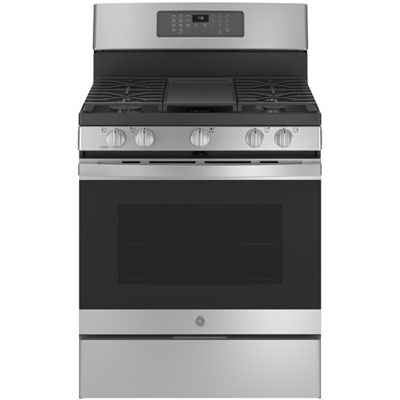 Your price for this item is $1099.99
-
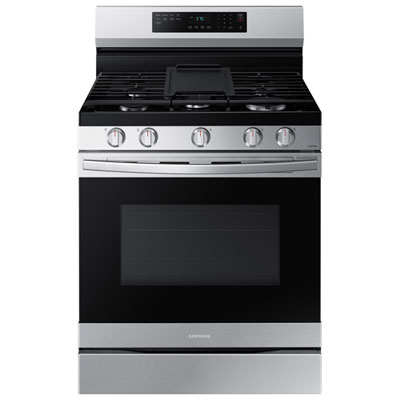 Your price for this item is $1395.99
-
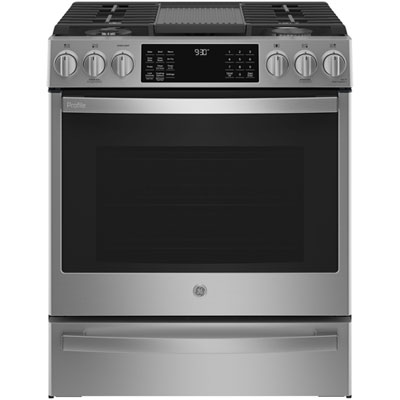 Your price for this item is $1799.99
-
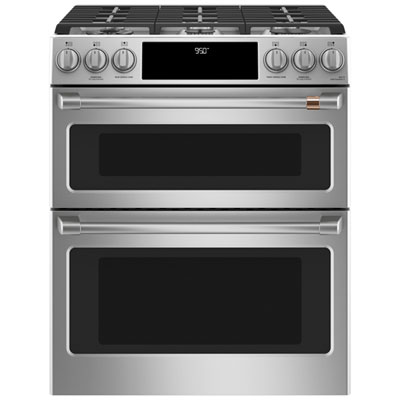 Your price for this item is $3599.99
-
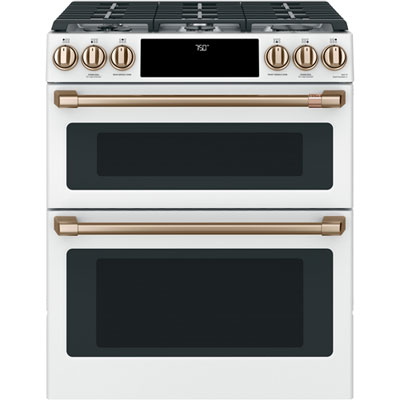 Your price for this item is $3499.99
-
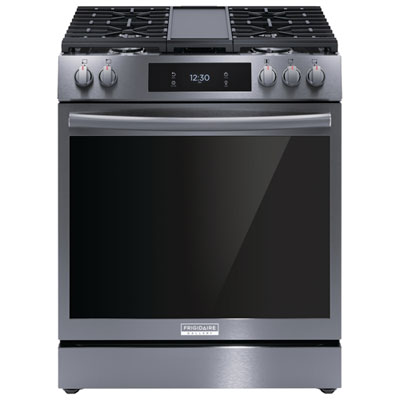 Your price for this item is $2099.99
-
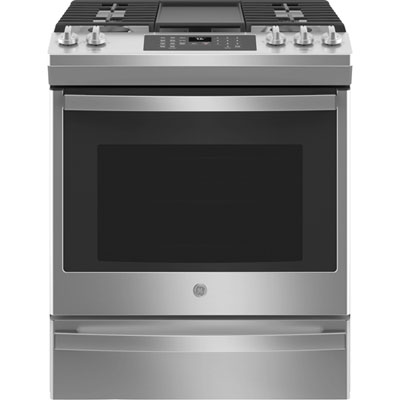 Your price for this item is $1299.99
Discover more categories related to Gas Ranges With Griddle
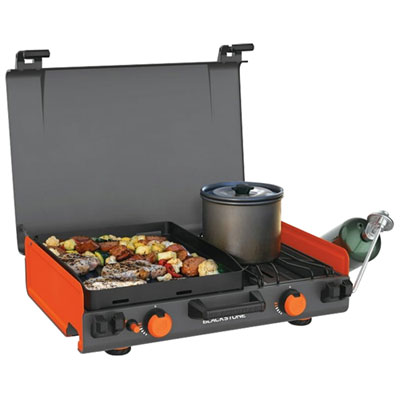
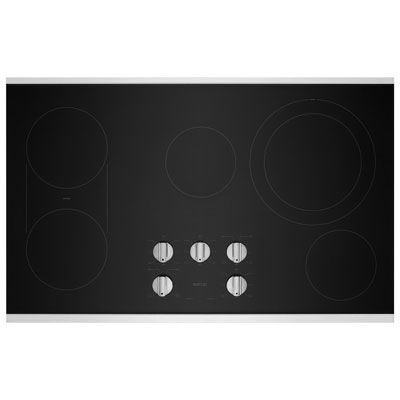
Top Collections:
Best Black Friday Deals This Year, Best Black Friday Deals On Electronics, Kindle Devices, Pokemon Centers, Best Black Friday Deals On Apple Products, Best Cameras for Sports Photography, Dyson Airwrap, Pokémon 30th Celebration Cards, Apple iPhone 17 Pro, Canon G7X Cameras
Some products may be subject to Environmental Handling Fees
(EHF) depending on your province.
Learn more about EHFs.