Gas Griddles
Elevate your outdoor cooking experience with a gas griddle, the perfect addition for backyard gatherings, family meals, and weekend brunches. Designed for versatility and convenience, gas griddles make it easy to prepare a variety of dishes with even heat distribution and quick setup. Whether you're grilling breakfast favorites or sizzling up dinner classics, finding the right gas griddle ensures delicious results every time you fire it up. Explore a range of options to suit your space and cooking style, and get ready to enjoy effortless meals outdoors.
Sort
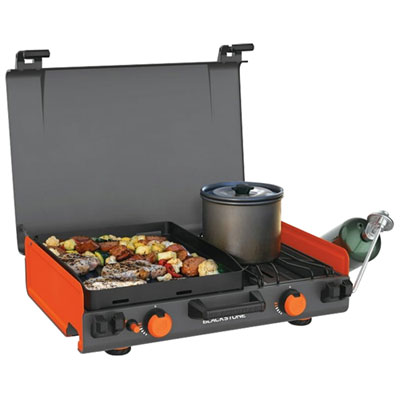
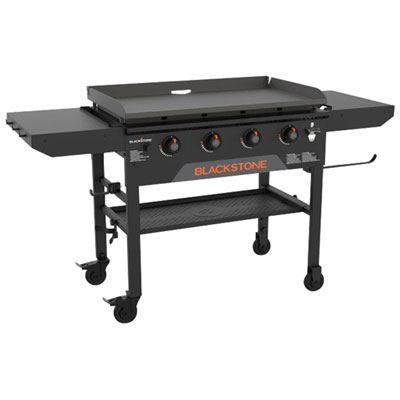
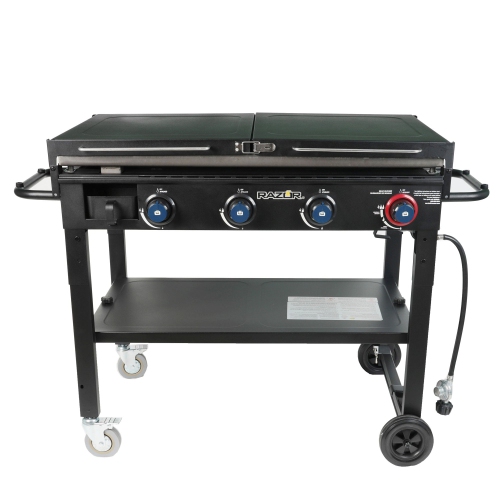
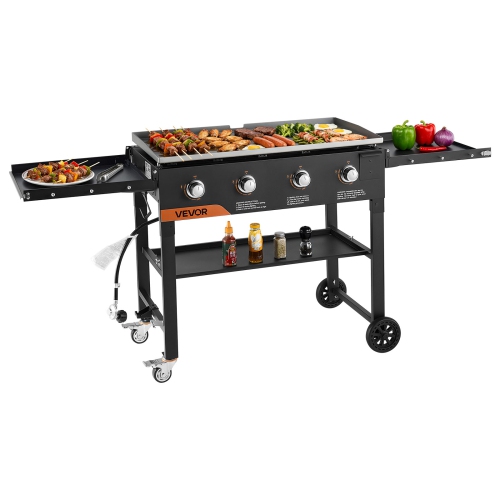
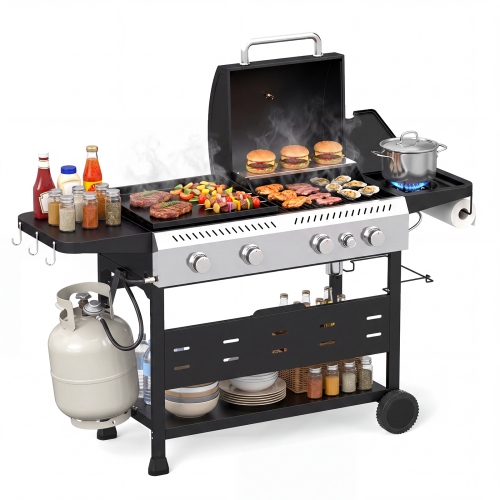
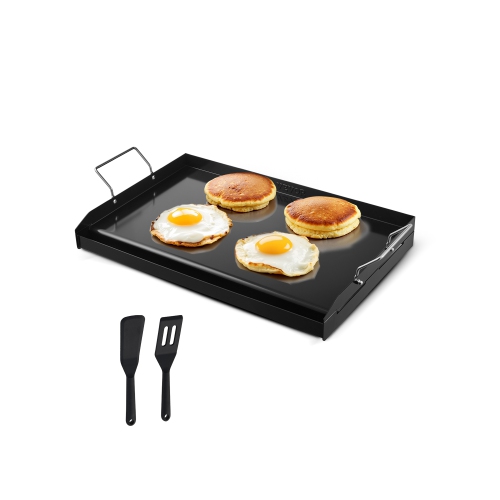
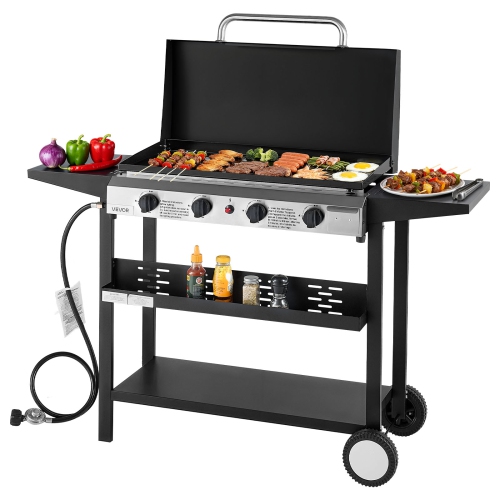

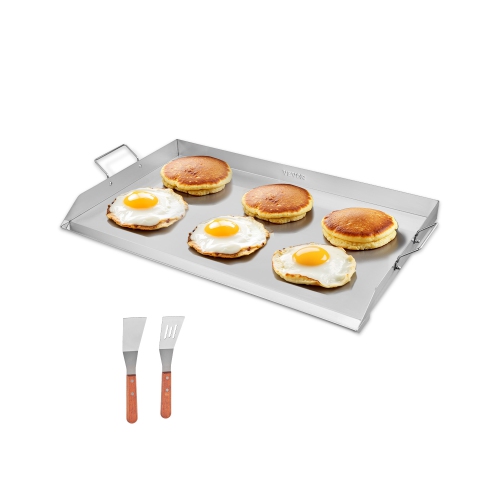
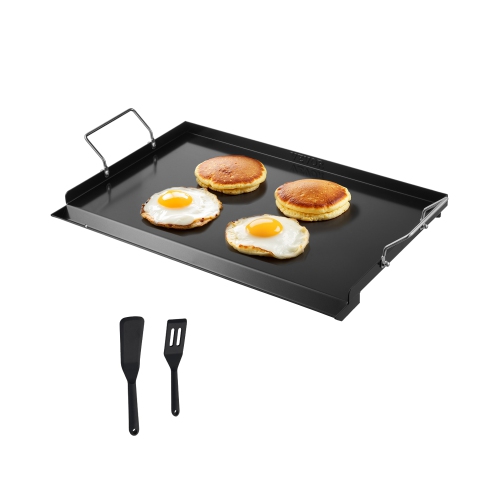
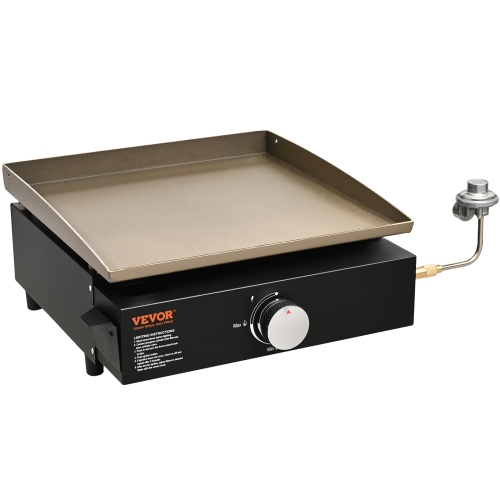
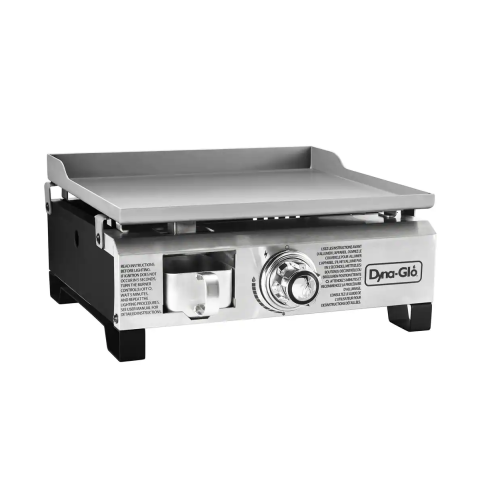
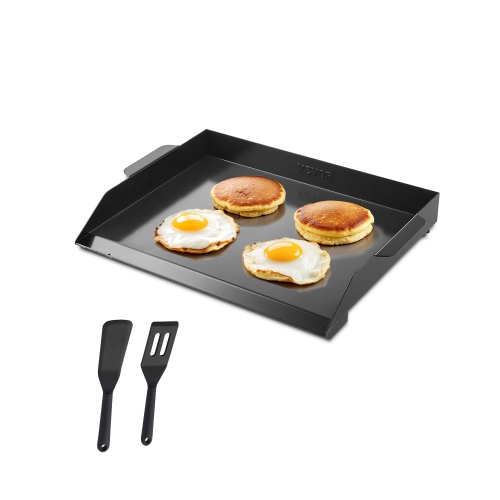
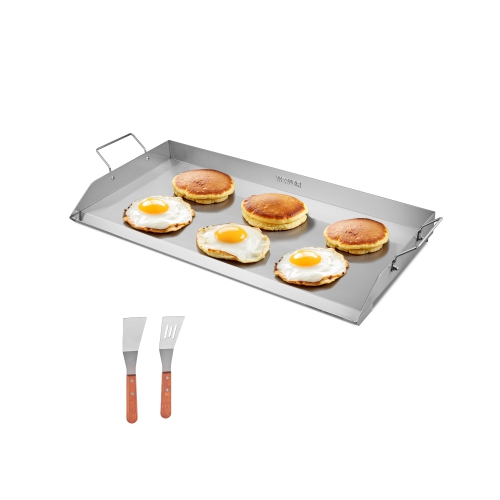
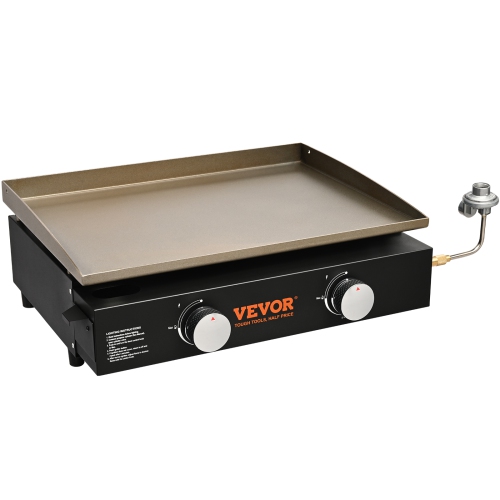
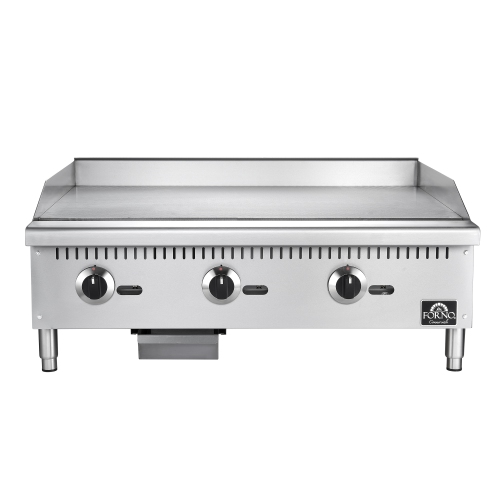
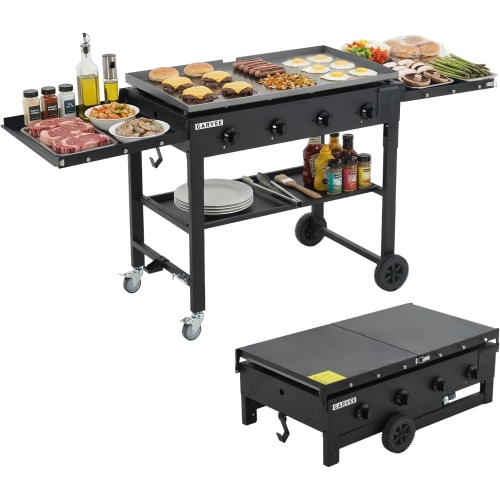
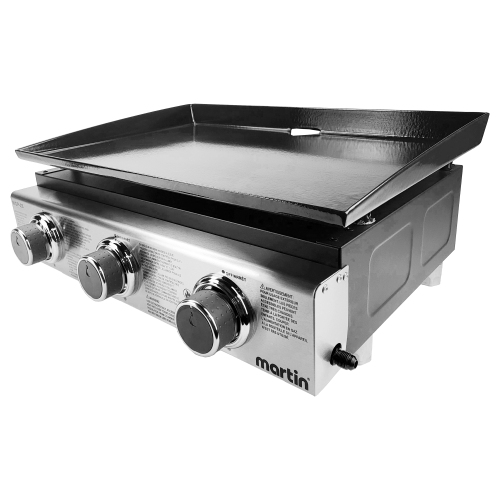
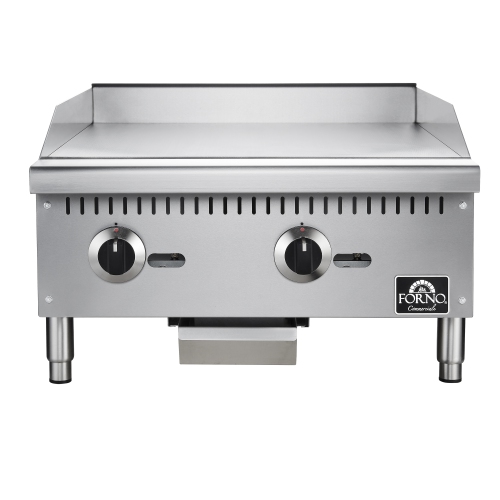
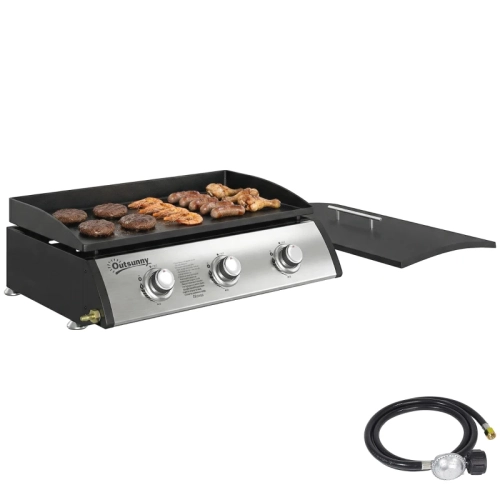
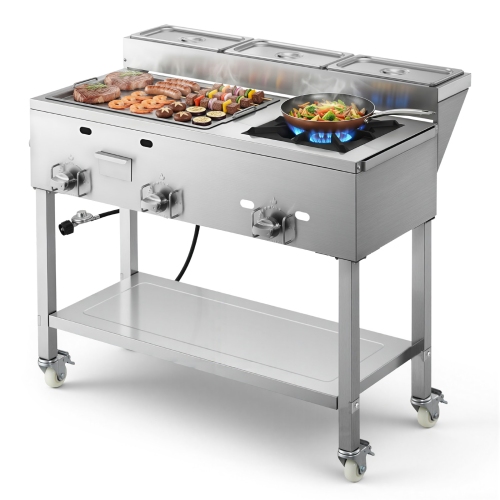
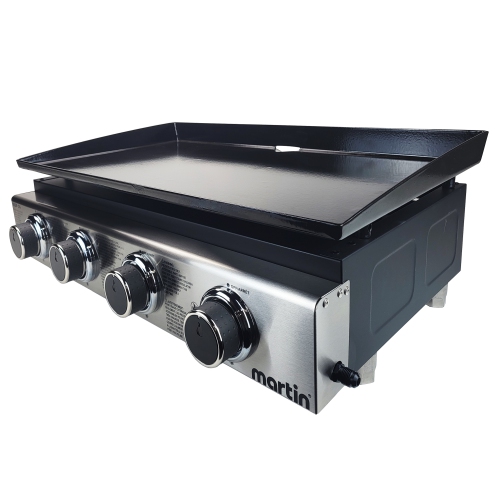
One flat cooking surface for more than breakfast
Gas griddles use propane or natural gas burners beneath a solid, flat cooking plate, creating a broad surface for searing, sautéing, and cooking foods that would slip through traditional grill grates. The appeal is easy to picture: burgers sizzling beside sliced onions, pancakes browning while eggs cook nearby, or chopped vegetables sharing space with strips of chicken for fajitas. Unlike an open-grate barbecue, a griddle keeps small ingredients on the cooking surface and allows a spatula to move freely beneath delicate foods. There are no grill marks, but good contact between food and a properly heated plate can produce an evenly browned crust. A light coating of cooking oil helps with browning and release, while raised edges help contain food as it is turned or tossed. This makes gas griddles useful for more than a large breakfast. Toasted sandwiches, fried rice, quesadillas, seafood, and thinly sliced potatoes all suit this style of cooking. For households that enjoy preparing several parts of a meal together, independently controlled burners can create different heat zones across the plate. One section can handle searing while another cooks vegetables more gently, although heat will still travel through the metal between zones. Burner count matters most when considered alongside the size and layout of the cooking surface; more burners do not automatically mean better results. Similarly, an advertised BTU rating describes burner heat input rather than guaranteeing even heat or stronger browning. Plate thickness, burner placement, heat retention, and preheating all influence performance. A thicker plate generally holds heat more steadily when food is added, while a thinner plate tends to respond more quickly to adjustments. Enough clear space around ingredients also matters. A crowded surface traps moisture and encourages steaming, whereas a little room between portions helps develop colour. For regular family meals or a table full of guests, usable cooking area is often more meaningful than the overall width of the appliance.
Gas griddle construction affects everything from everyday handling to long-term care. Carbon steel cooking plates are valued for heat retention and the seasoned cooking surface they can develop with appropriate use and maintenance. Cast iron also holds heat well, though its weight can make lifting and cleaning more demanding. Both materials need protection from lingering moisture to help prevent rust. Stainless steel offers corrosion resistance and a different care routine, but it is not automatically non-stick or completely rustproof. Food release still depends on suitable heat, cooking fat, and technique. The frame, shelves, wheels, and fasteners deserve attention alongside the cooking plate, especially on a freestanding griddle that will be moved between a cooking position and storage. A stable base and secure wheel locks help keep the appliance steady when a spatula is pressed beneath a burger or a loaded tray is set on a shelf. Side shelves provide landing space for clean utensils and serving dishes, but their size should be considered as part of the appliance’s full footprint. Clearance for a lid, access to the fuel connection, and room to reach the grease container can make a substantial difference in a compact outdoor cooking area. Cooking surfaces described by width alone do not tell the whole story; depth and total usable area determine how comfortably several portions fit. A smaller tabletop gas griddle suits cooks who value a compact setup, provided it rests on a stable, heat-safe surface approved for that appliance. Larger freestanding designs offer a more permanent cooking station for households that regularly prepare multiple dishes together. Portable models can also suit camping trips where gas cooking is permitted, although weight, cooled-down storage space, and fuel transport requirements remain practical considerations. Grease management is another important detail: a well-positioned drain and accessible collection tray make it easier to handle the drippings from bacon, burgers, and other fatty foods without awkwardly reaching around the cooking station.
Fuel type helps determine how a gas griddle fits into a home’s cooking setup. Propane models use a compatible cylinder and offer flexibility in placement within the manufacturer’s safety requirements, while natural gas models require an appropriate fixed gas connection. The two fuels are not interchangeable. Conversion is suitable only when the manufacturer explicitly permits it and specifies the correct components, with gas-line work handled by a qualified professional as required. Outdoor gas griddles must remain outdoors, never inside a home, garage, tent, or other enclosed space. Required clearances from walls, overhead structures, and combustible materials are part of choosing a suitable location, not simply a detail to address after setup. For indoor cooking, gas ranges with a griddle bring a related cooking surface into a kitchen appliance designed for that setting, with installation and ventilation requirements of their own. Everyday griddle ownership also involves a manageable care routine. Food residue and collected grease need regular removal according to the appliance instructions, and cleaning tools should suit the plate’s material and finish. Excessive force, harsh abrasives, or sudden cooling with large amounts of water can damage some surfaces. Carbon steel and cast iron plates generally benefit from thorough drying and a light protective layer of suitable cooking oil, following the manufacturer’s seasoning directions. A seasoned surface may darken and become less uniform in colour with use; that appearance differs from flaking residue or active rust that needs attention. A fitted cover helps protect a fully cooled appliance between uses, while the cooking plate should be clean and dry before covering. For someone who enjoys hosting casual meals, experimenting with diner-style breakfasts, or taking charge of family burger nights, a gas griddle can make a thoughtful gift when the cooking space, fuel connection, and willingness to maintain the surface are already understood.
Top selling and popular products
-
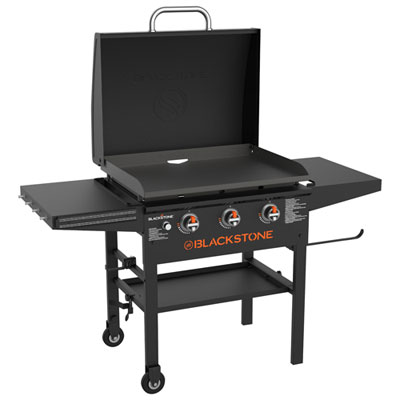 Your price for this item is $619.99
-
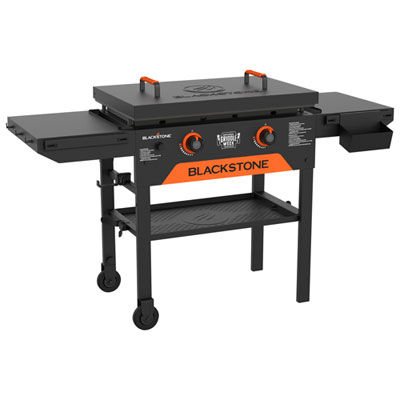 Your price for this item is $599.99
-
 Your price for this item is $272.98
-
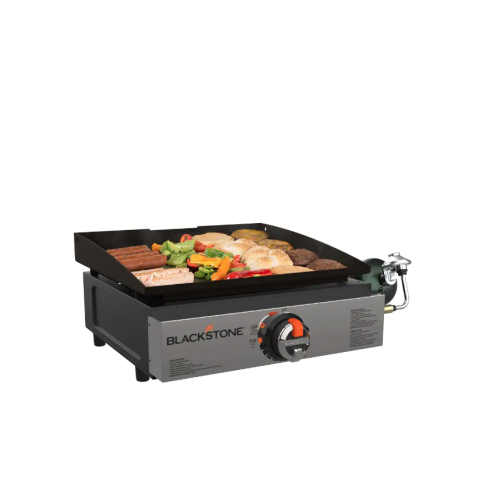 Your price for this item is $317.89
-
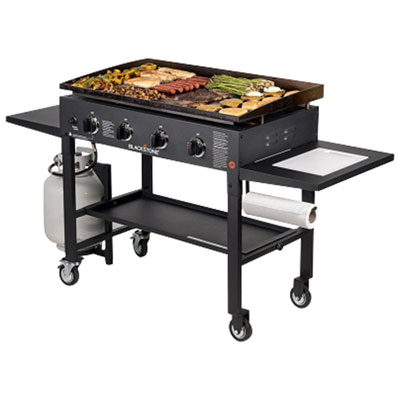 Your price for this item is $639.99
-
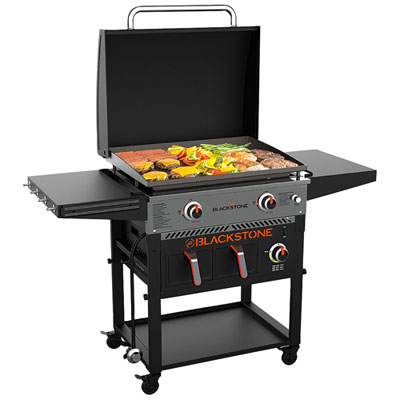 Your price for this item is $913.99
-
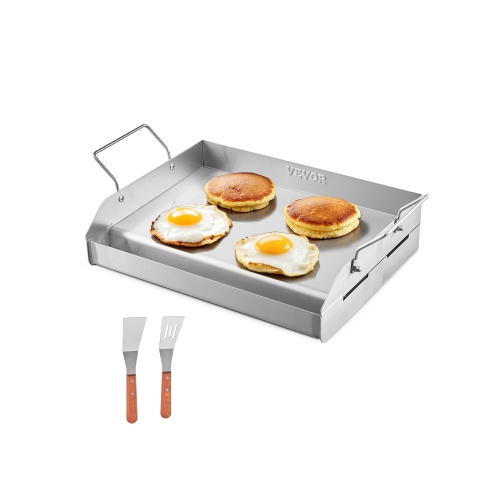 Your price for this item is $80.9
-
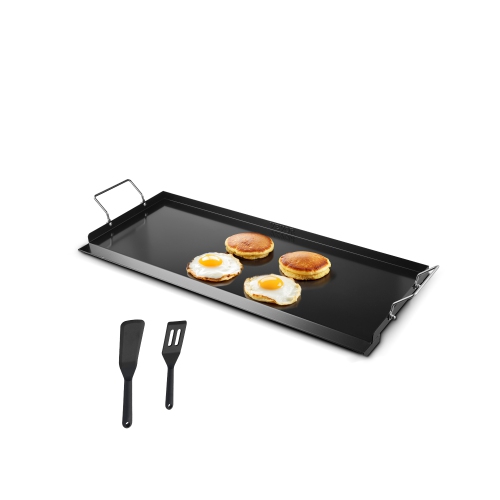 Your price for this item is $65.38
Discover more categories related to Gas Griddles
Top Collections:
Best Black Friday Deals This Year, Best Black Friday Deals On Electronics, Kindle Devices, Pokemon Centers, Best Black Friday Deals On Apple Products, Best Cameras for Sports Photography, Dyson Airwrap, Pokémon 30th Celebration Cards, Apple iPhone 17 Pro, Canon G7X Cameras
Some products may be subject to Environmental Handling Fees
(EHF) depending on your province.
Learn more about EHFs.