Heavy Duty Canister Vacuum Cleaners
The best canister vacuum cleaners are the ones that can handle your whole house cleaning needs. They have enough power to pick up pet hair, dirt, and crumbs from hardwood floors; they're lightweight enough for you to carry them up and down stairs; and they're compact enough to store in a closet when you're not using them.
Sort











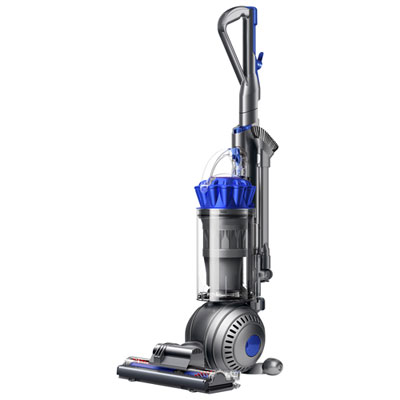


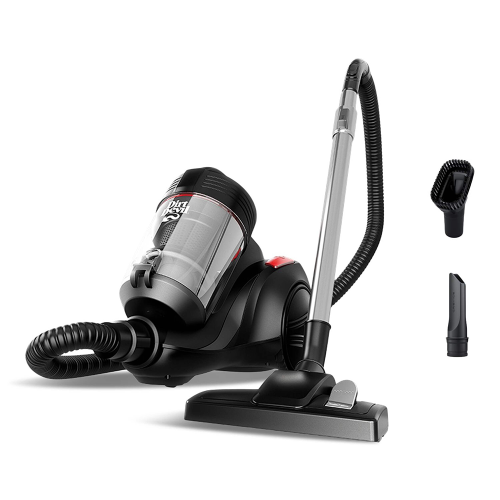
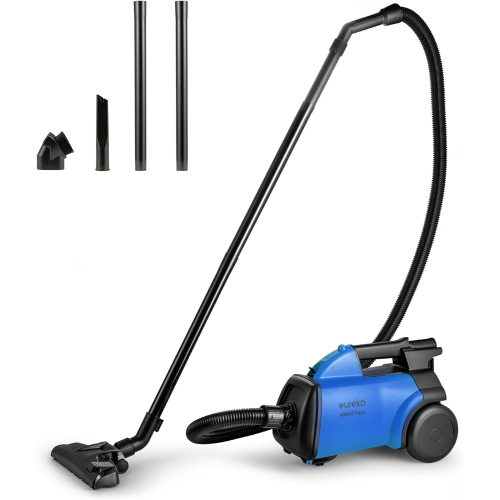
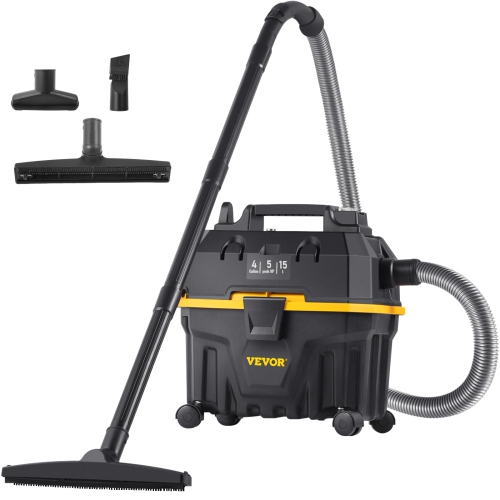

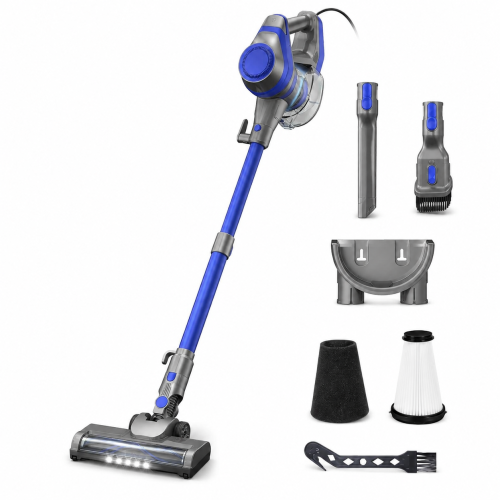


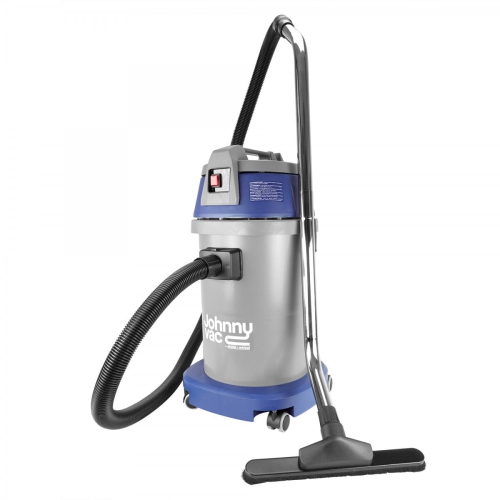
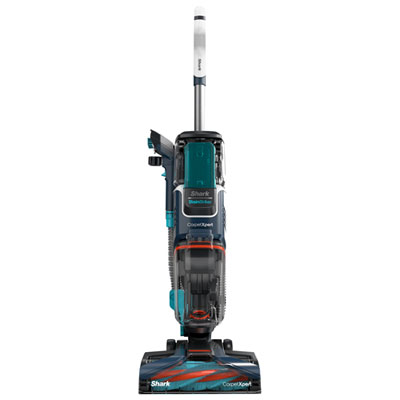
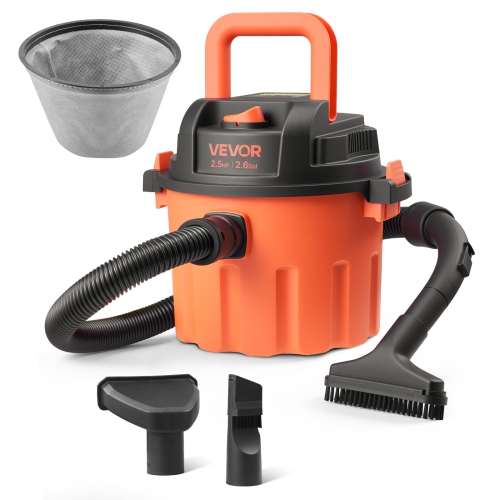

Why thorough cleaning takes more than motor power
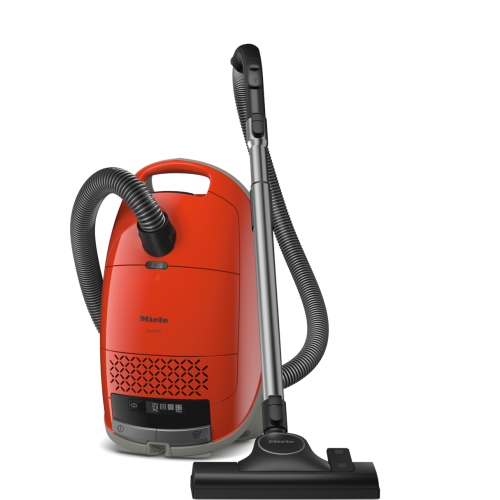
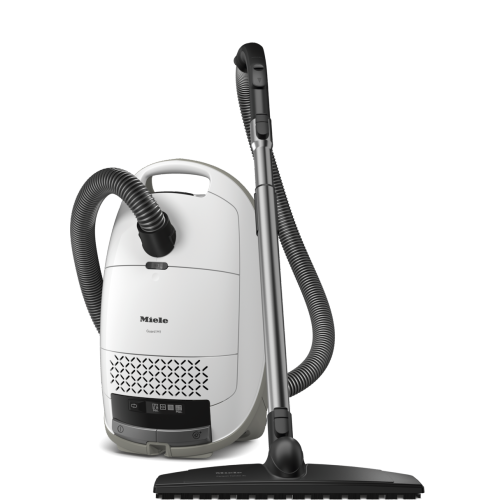
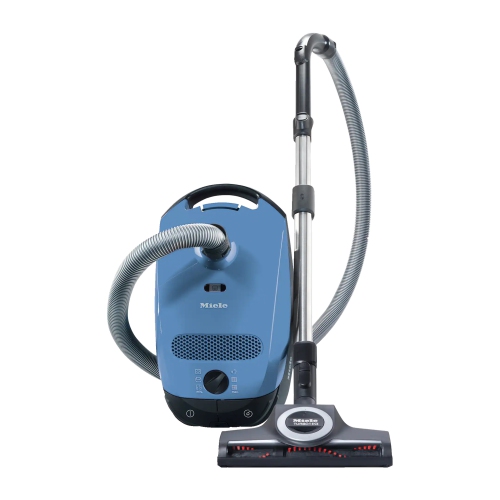
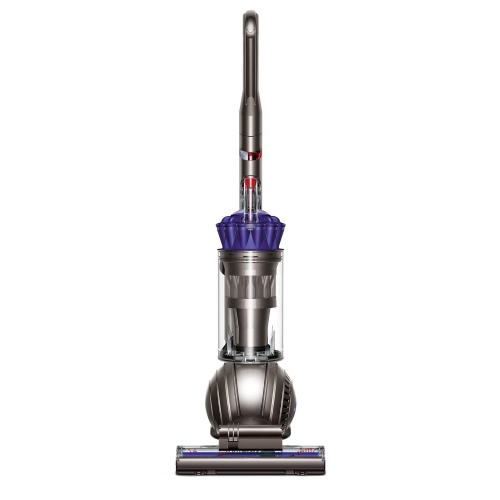
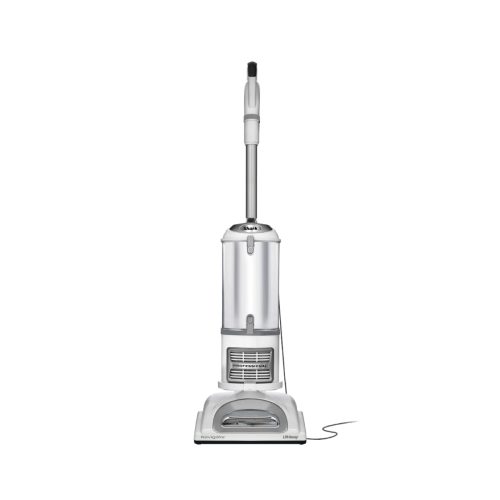
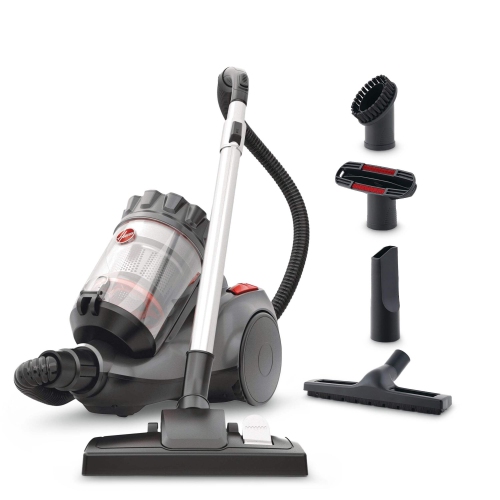
Heavy-duty canister vacuum cleaners are built for demanding cleaning routines, combining a separate wheeled body with a flexible hose and wand to reach floors, edges, upholstery, and awkward spaces. This layout keeps much of the machine’s weight on the floor rather than in the handle, making it practical for cleaning beneath dining tables, along shelving, and around furniture legs. Compared with compact machines intended for quick pickups, models designed for heavier use often emphasize sturdy construction, greater dust capacity, and components suited to repeated handling. They can be a good fit for busy households with pets, larger homes, and workplaces where carpets and hard floors need frequent attention. Commercial use still depends on the machine’s intended application and warranty terms; a powerful household vacuum is not automatically suitable for a professional cleaning schedule. The meaning of heavy-duty also extends beyond motor wattage. Effective pickup depends on airflow, suction at the cleaning head, filtration, and how well the nozzle matches the surface. A powered brush head helps loosen hair and embedded debris from compatible carpets, while a dedicated hard-floor tool can collect loose grit without a rotating brush scattering it across the room. Adjustable suction is useful when the same vacuum moves from a hallway runner to curtains or upholstered seating. Brush-roll controls and height adjustment, where included, help accommodate different floor coverings, though delicate rugs and specialty flooring may require particular tools or settings. A canister that moves easily across thresholds, follows without tipping, and reaches beneath low furniture can make a noticeable difference during longer cleaning sessions. For homes with several floor types, the most useful combination is often a capable motor, well-matched attachments, and straightforward controls rather than a single impressive power specification. The result is a machine suited to regular, thorough cleaning, whether the task involves pet hair caught along a sofa edge or tracked-in grit beneath an office desk.
Construction and handling matter when a vacuum is pulled around corners, lifted between levels, and stored after frequent use. Heavy-duty canister bodies may use steel, stainless steel, or impact-resistant plastic, with each material offering a different balance of weight and resistance to everyday knocks. Metal construction alone does not establish durability: hose flexibility, secure attachment joints, wheel quality, and the strength of the handle also affect how a machine holds up. A reinforced hose can be helpful around furniture, while a telescopic metal wand allows the working length to suit the person cleaning and the area being reached. Larger wheels generally handle transitions more easily than small casters, and protective bumpers can reduce scuffs when the canister brushes against baseboards. Capacity is another practical distinction. A larger bag or dust container can mean fewer interruptions during extensive cleaning, although it also adds bulk and may increase the weight carried when full. Stated container volume is not always the same as usable debris capacity, so the bag size or fill limit provides important context. Bagged systems contain debris in a removable bag, and bags with closing tabs can help limit dust release during disposal. Bagless designs use a reusable container but still require careful emptying and filter maintenance. Neither format eliminates upkeep. A long cord and hose can reduce the need to move between outlets, but extra reach is most helpful when the hose remains manageable and the cord stores neatly. In a multi-level home, a comfortable carry handle and a manageable overall weight may matter more than maximum capacity. On stairs, secure placement is essential; the hose should not pull a canister off a step or landing. Storage deserves attention as well, since the body, wand, floor head, and accessory tools all need space. Onboard tool compartments or secure attachment clips can keep a crevice tool and upholstery nozzle close at hand without leaving loose pieces behind in a cupboard.
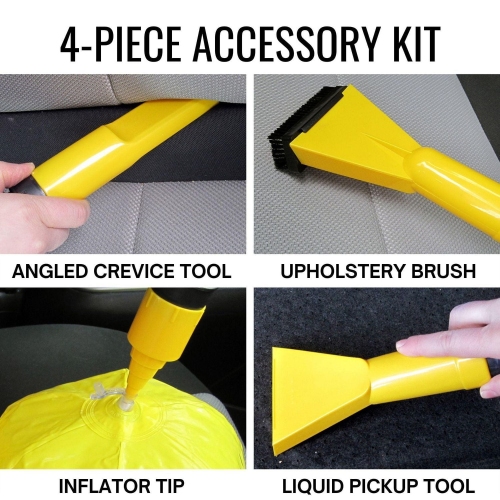
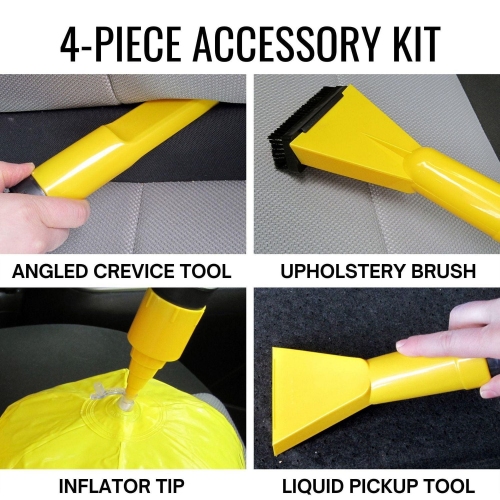
Filtration, attachment design, and routine care help determine how consistently a heavy-duty canister vacuum performs over time. Fine dust can escape through poorly sealed connections even when the filter itself is efficient, which makes the complete air path important. HEPA filtration is designed to capture very small airborne particles passing through the filter, while a sealed filtration system helps direct collected air through the intended filters rather than around them. For households where fine dust, pollen, or pet dander is a concern, canister vacuum cleaners with HEPA filters offer a related category to explore, with filter specifications and sealing varying by model. Filtration does not replace regular cleaning, and no vacuum can guarantee relief from allergy symptoms. Practical attachment choices are just as important for everyday results. A narrow crevice tool reaches the seam between a baseboard and carpet, an upholstery tool works across fabric seating, and a soft dusting brush handles suitable shelves and trim. Motorized upholstery attachments can help lift pet hair from compatible fabrics, but loose threads, fringe, and delicate coverings need care around rotating brushes. Strong suction should not be confused with permission to collect any material. Ordinary dry canister vacuums are not designed for liquids, hot ash, hazardous dust, or renovation debris unless expressly rated for those tasks; wet pickup requires a machine designed for wet use. Even a rugged commercial canister may be intended only for routine dry cleaning. Consistent care includes checking the hose for blockages, removing wrapped hair from brush rolls, replacing full bags, and servicing filters at the stated intervals. Washable filters need to dry completely before refitting, and filters not labelled washable should not be rinsed. Switching off and unplugging the machine before clearing the brush or hose helps make maintenance safer. Accessible replacement bags, filters, belts, and brush components support continued use, particularly where the vacuum handles frequent, lengthy cleaning sessions. With suitable tools and regular attention, a well-built canister can provide dependable cleaning across a varied routine without making every task feel like a struggle.
Top selling and popular products
-
 Your price for this item is $239.99
-
 Your price for this item is $168.04
-
 Your price for this item is $499.99
-
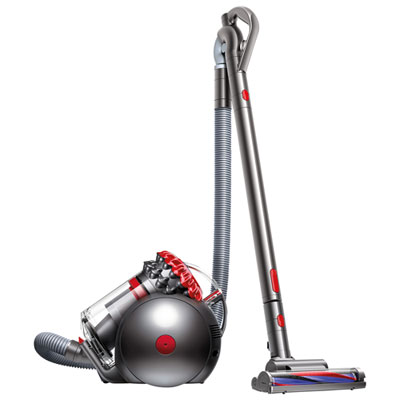 Your price for this item is $699.99
-
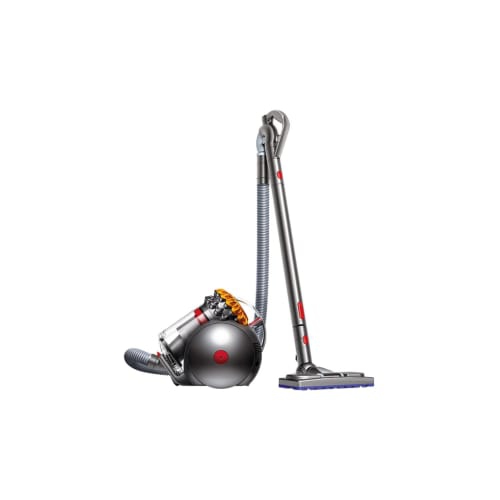 Your price for this item is $749
-
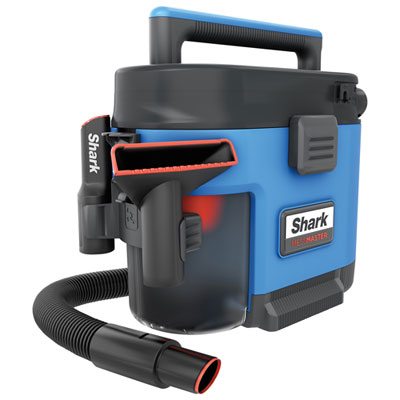 Your price for this item is $129.99
-
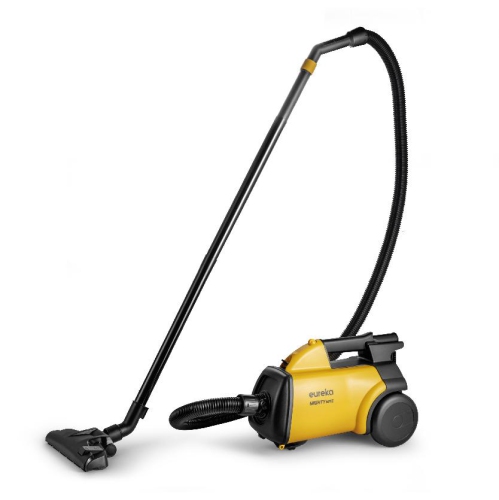 Your price for this item is $90
-
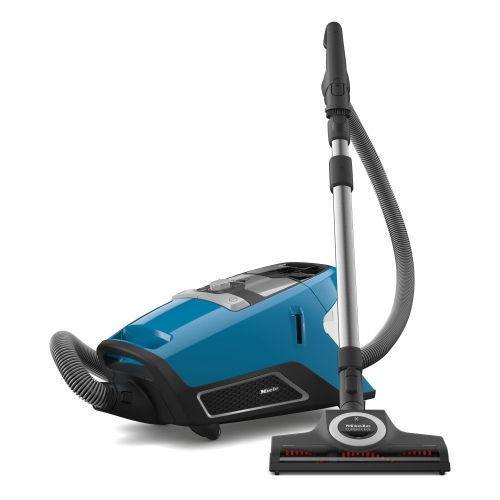 Your price for this item is $799.99
Discover more categories related to Heavy Duty Canister Vacuum Cleaners

Top Collections:
Pokemon Centers, Kindle Devices, Best Cameras for Sports Photography, Pokémon 30th Celebration Cards, Canon G7X Cameras, Samsung Galaxy Phones, iPhone 15 Apple, Best Black Friday Deals On Electronics, Jackery Power Stations, Solar Generators for Home
Some products may be subject to Environmental Handling Fees
(EHF) depending on your province.
Learn more about EHFs.