High End Canister Vacuums
A canister vacuum is a versatile machine that can be used for everything from cleaning your home to cleaning your car. It's also one of the most popular types of vacuum cleaners on the market, and there are many options available. If you're in the market for a new canister vacuum, here are some of the best options available.
Sort



































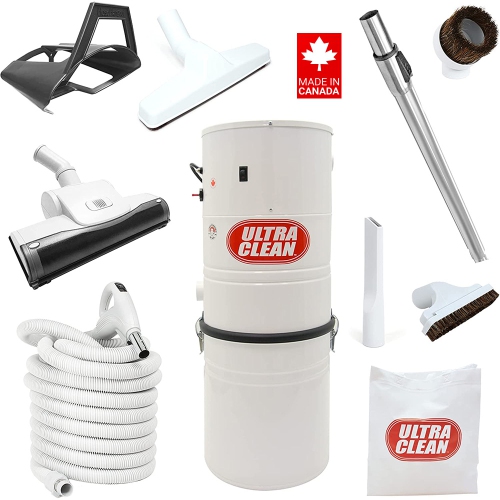
Why better cleaning takes more than strong suction
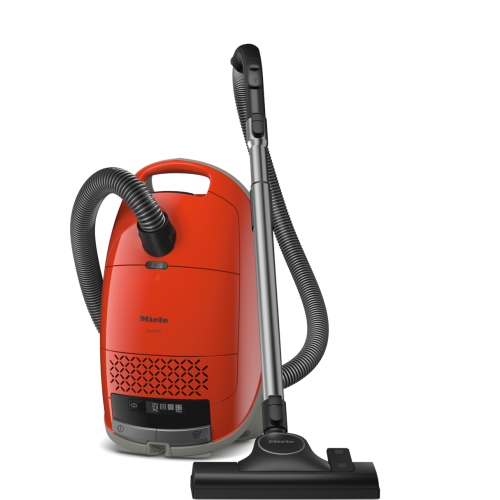
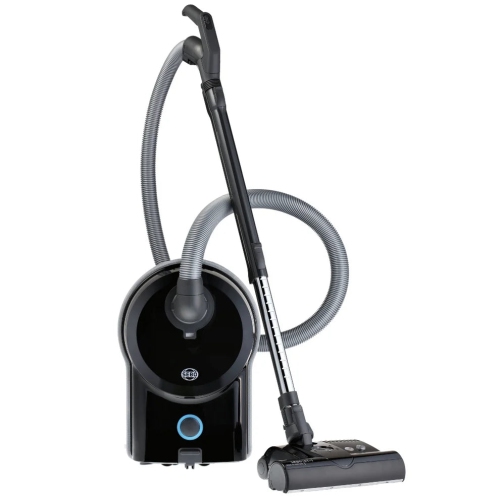
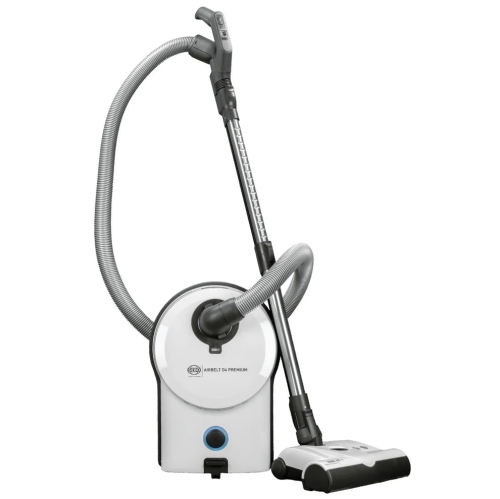
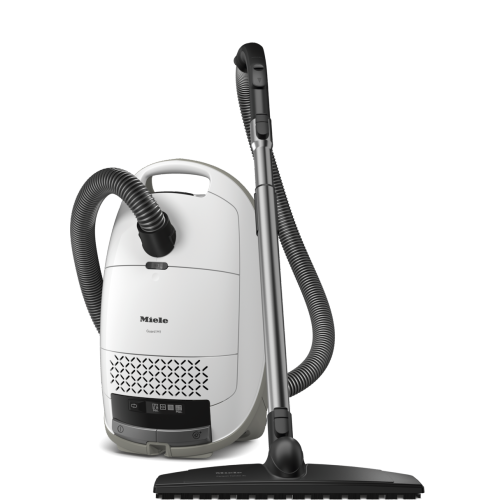
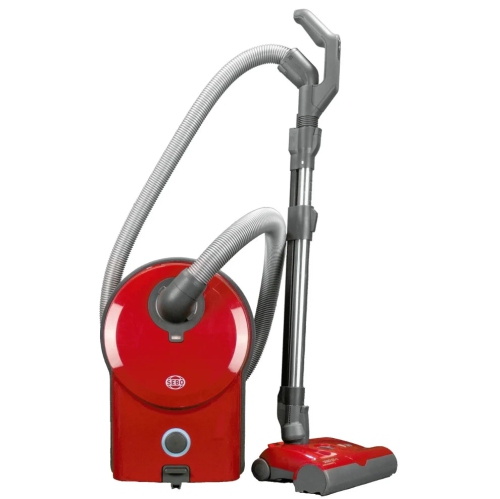
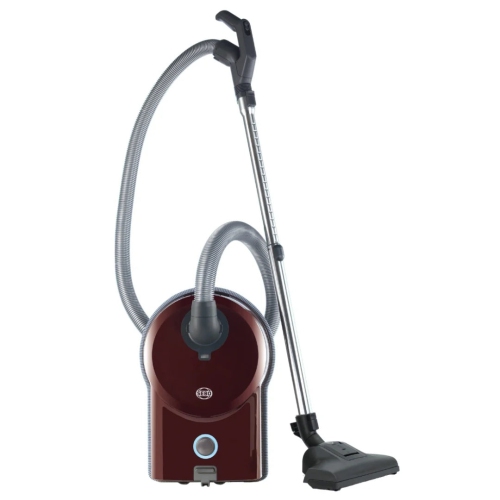
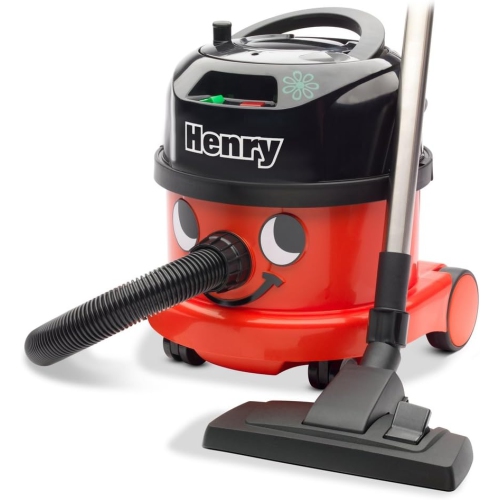
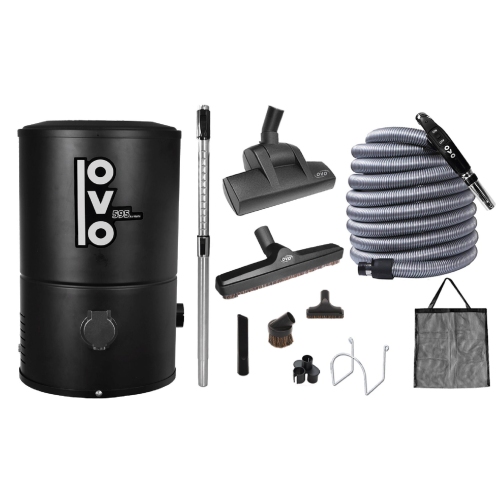
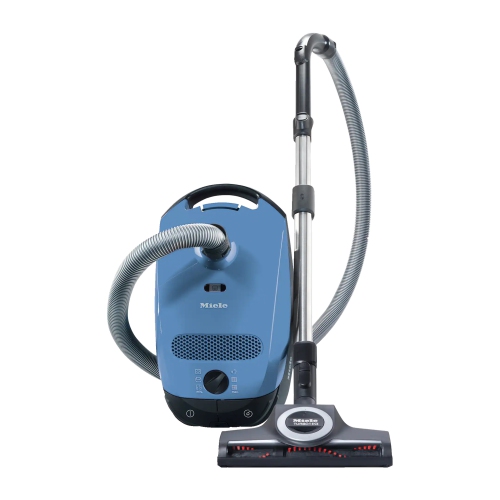
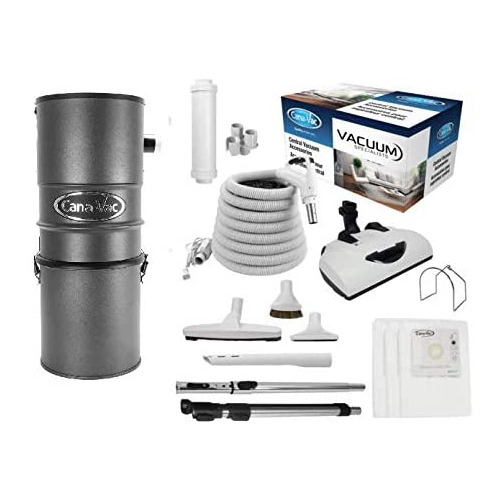
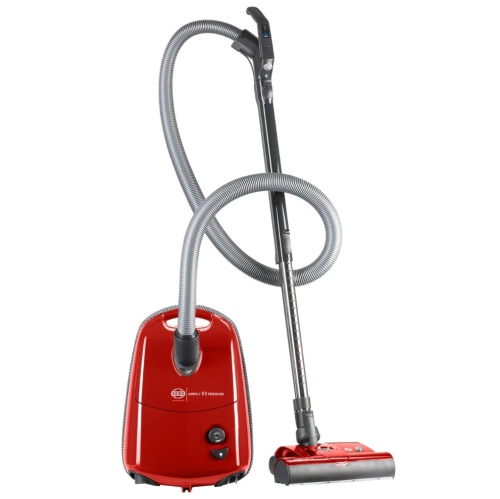
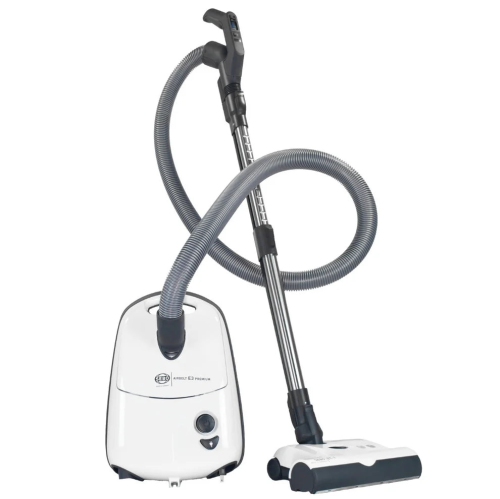
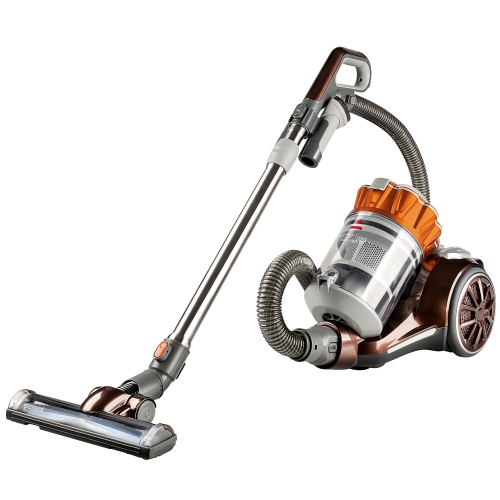
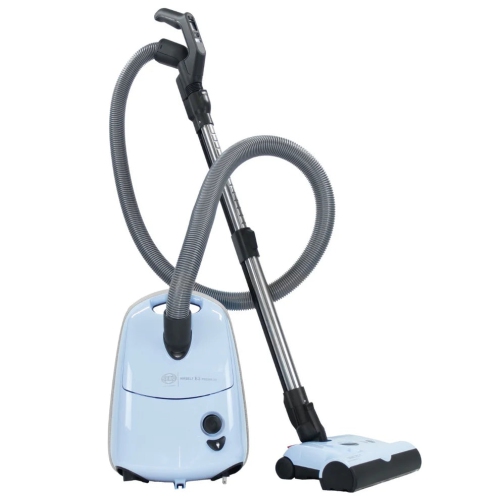
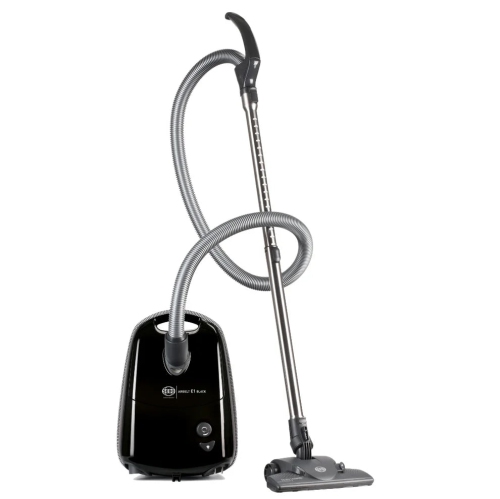
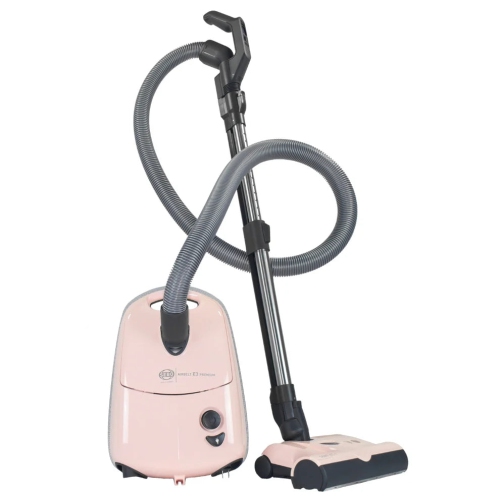
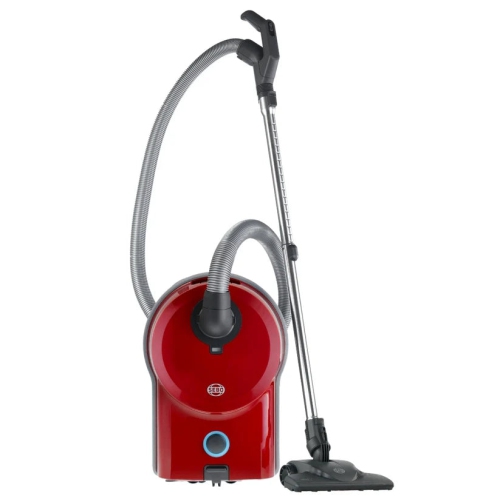
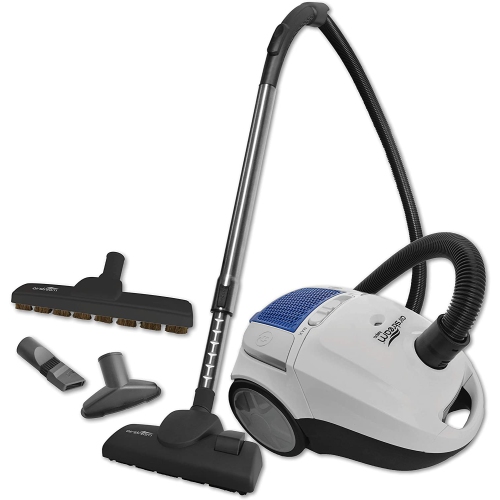
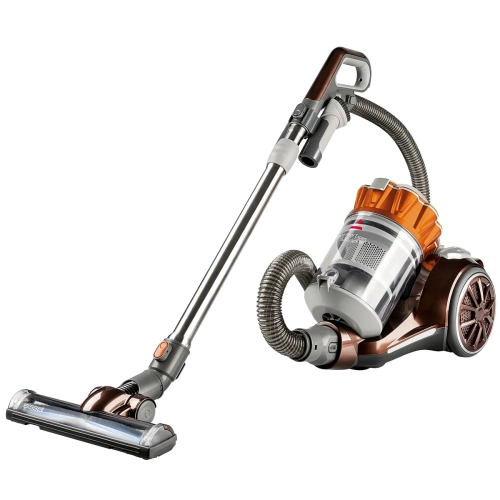
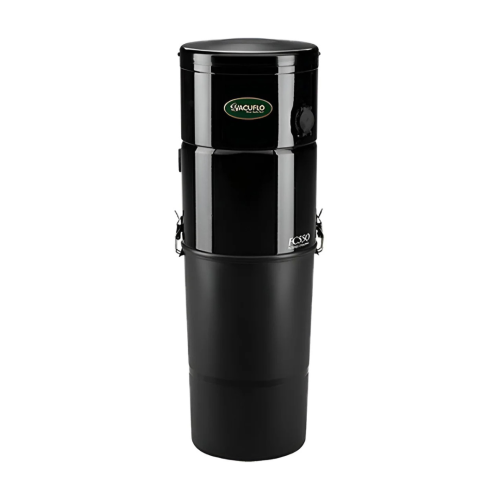
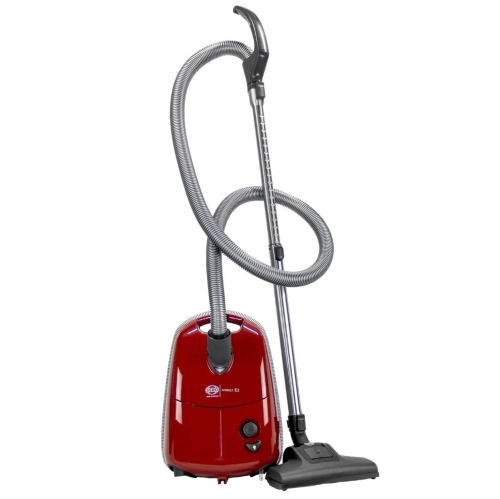
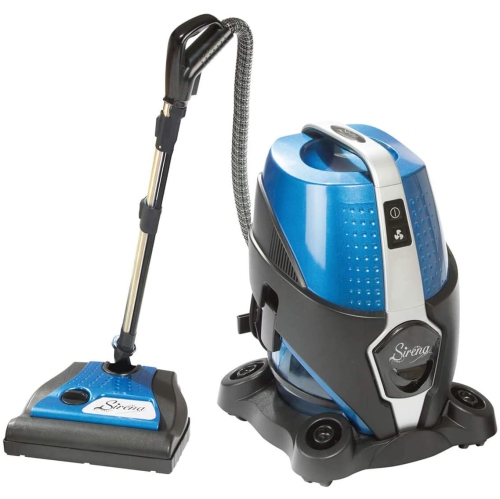
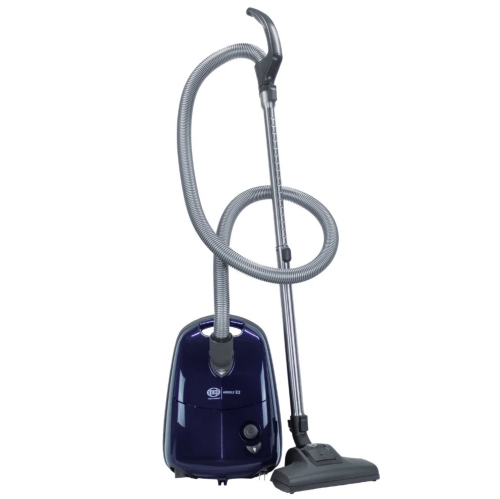
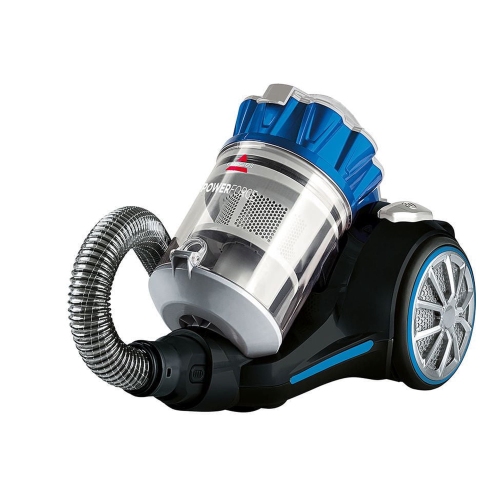
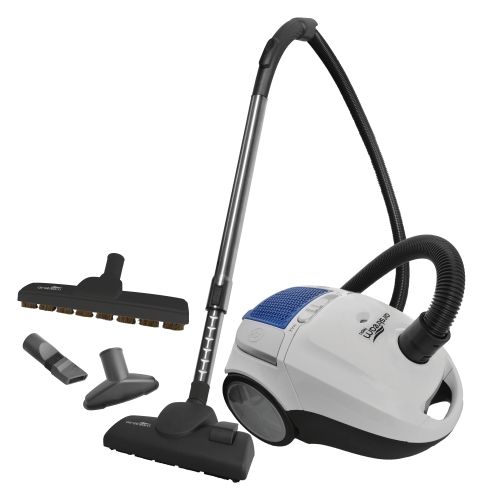
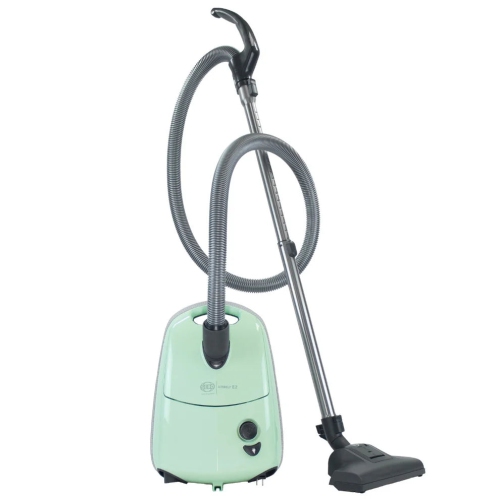
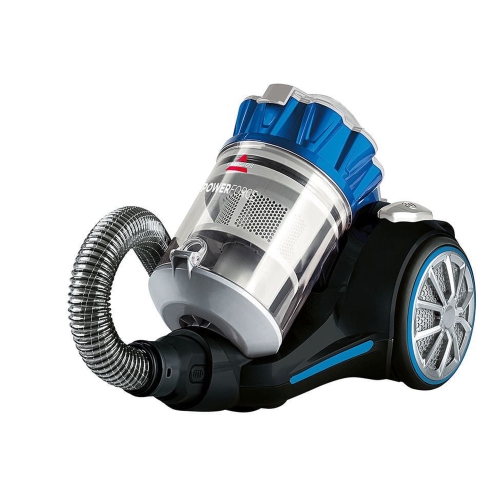
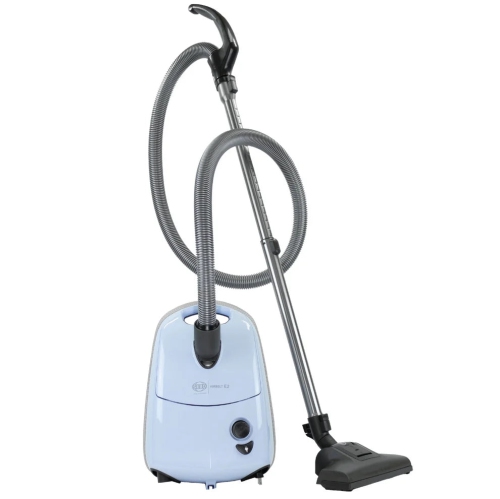
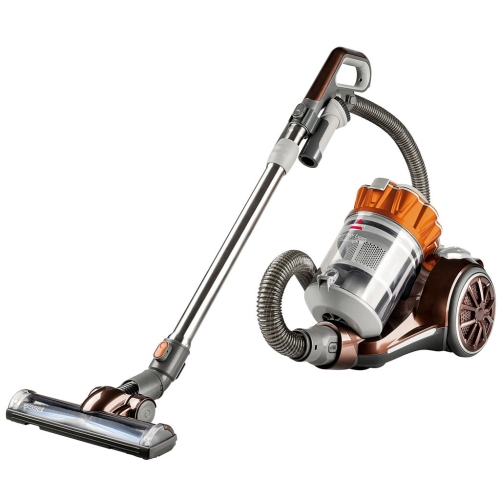
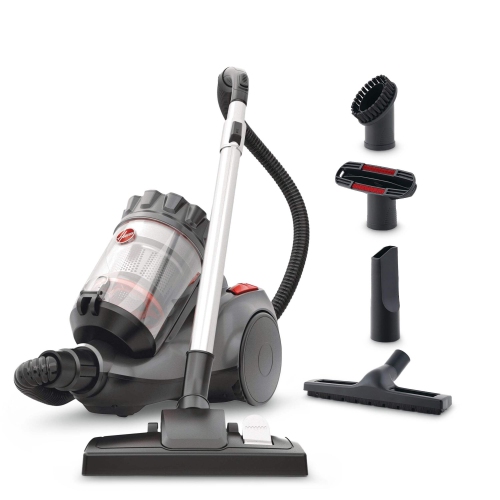
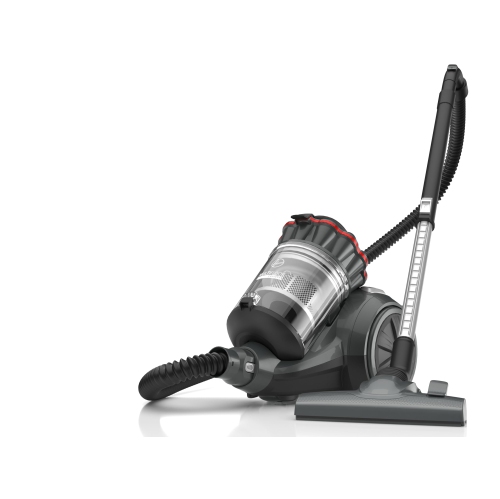
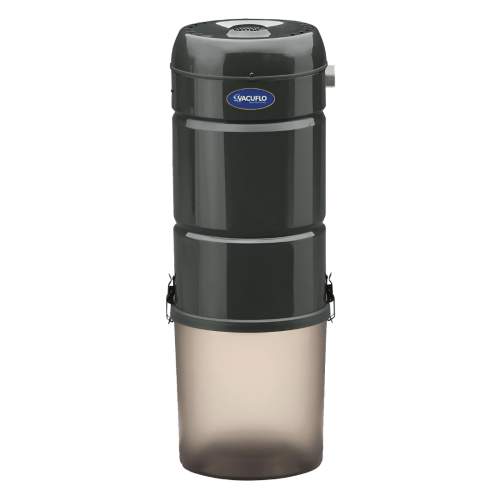
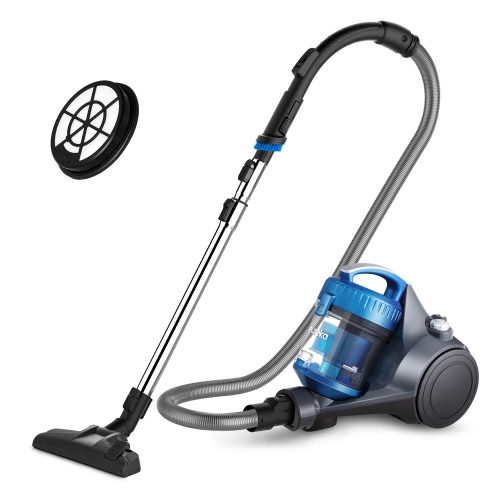
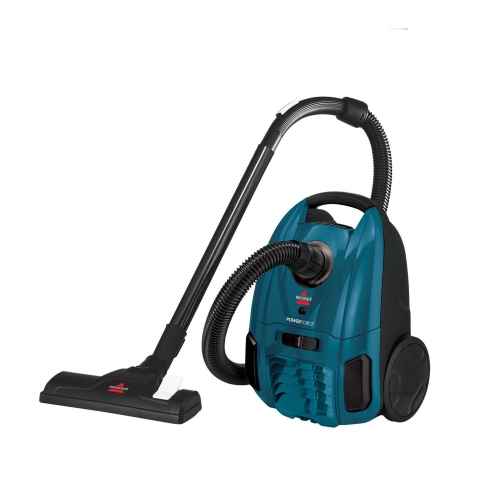
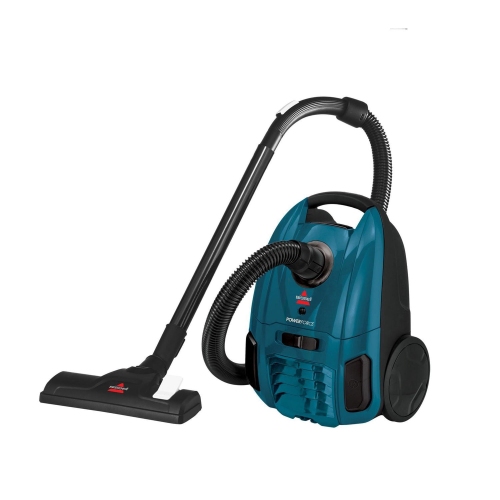
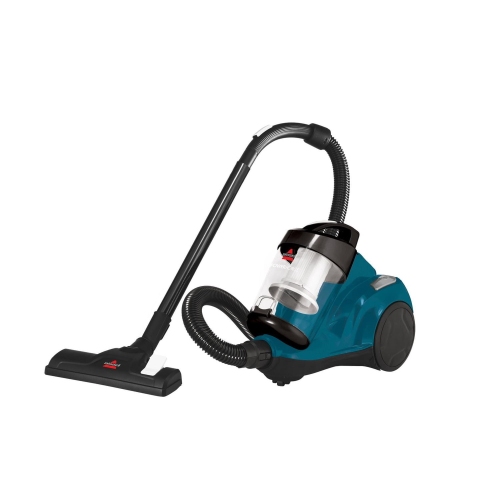
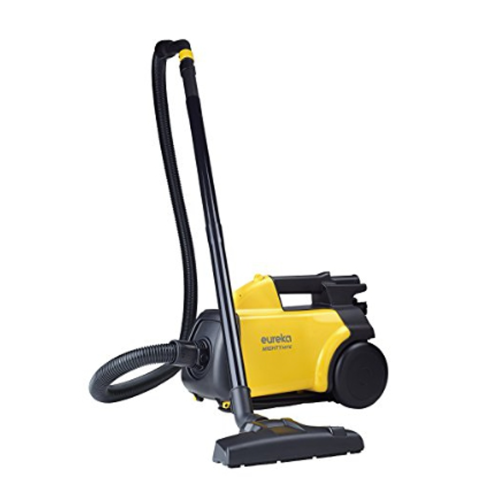
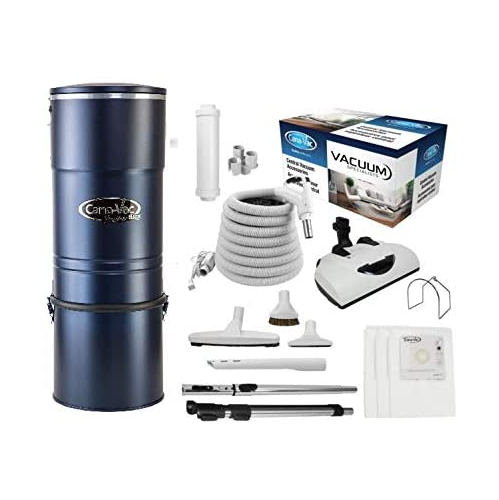
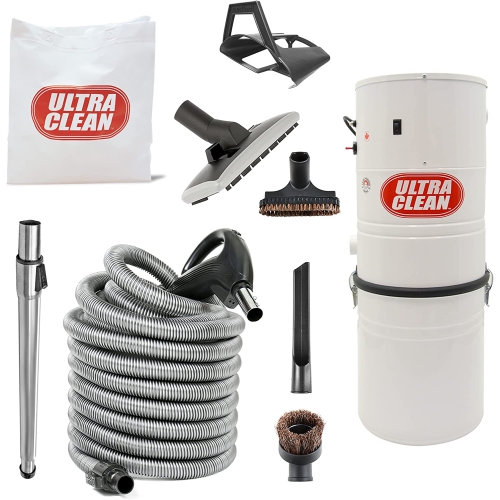
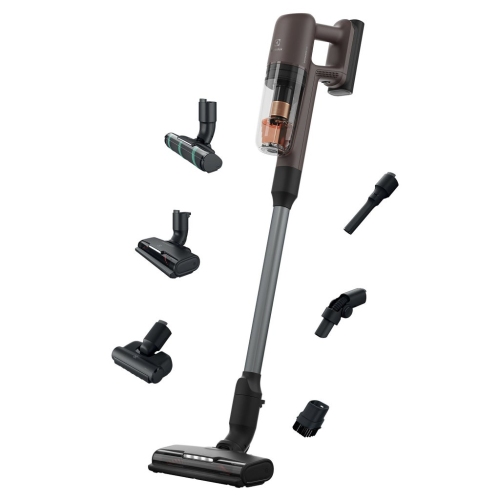
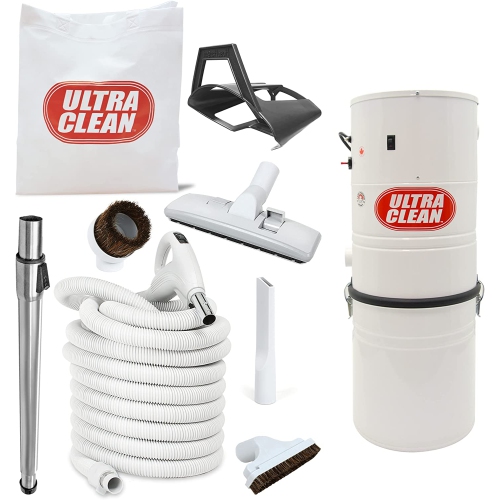
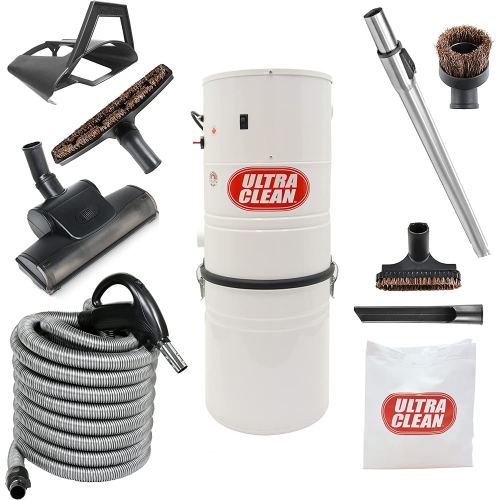
High-end canister vacuums pair a separate wheeled motor unit with a flexible hose, wand, and interchangeable cleaning heads, giving them the versatility to move between floors, furniture, and hard-to-reach corners. Their appeal lies in the balance of effective dirt pickup, controlled handling, filtration, and construction designed for repeated use. With the motor travelling behind rather than sitting on the handle, the wand can reach beneath a bed frame or along a bookshelf without requiring the entire machine to be lifted. That layout suits homes with a mix of hardwood, tile, area rugs, and fitted carpet, although the floor head matters as much as the canister itself. A suction-only head with soft bristles is generally intended for hard flooring, while a powered brush head agitates carpet fibres to loosen embedded dust, hair, and grit. Air-driven turbine brushes can serve some rugs and carpets, but their performance depends on airflow and the type of surface being cleaned. Dense carpet, delicate wool rugs, and loosely woven runners each call for different settings and attachment choices. Adjustable suction helps keep a lightweight rug from lifting into the nozzle and allows gentler cleaning around curtains and upholstery when their care instructions permit vacuuming. Brush-roll shutoff, head-height adjustment, and an articulated neck can make transitions between surfaces easier, depending on the design. For homes where soft flooring takes priority, Best Canister Vacuums for Carpet brings the focus to carpet-cleaning needs. Strong suction alone does not establish cleaning quality: airflow through the hose, the seal at the floor head, brush action, and a clear path into the bag or bin all contribute. A head that glides steadily across the surface is more useful than one that clamps down so tightly it becomes difficult to push. The most suitable high-end canister vacuum is therefore one whose attachments and controls match the surfaces it will clean most often, rather than simply the one with the highest stated motor wattage.
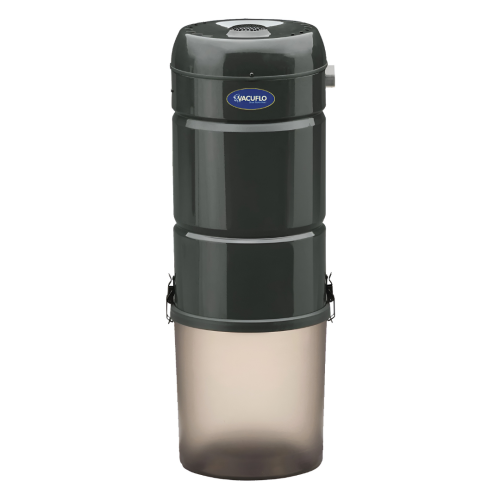
Filtration and dust containment are another important part of what distinguishes premium canister vacuums. A HEPA filter is designed to capture very fine airborne particles passing through it, but the filter specification does not tell the whole story. A sealed filtration system is designed to direct air through the intended filters rather than allowing it to escape through gaps around the housing. These are separate features, and neither should be assumed from the other. Households with pets, frequent dust buildup, or people sensitive to airborne particles may place particular value on well-contained dust collection, while recognizing that a vacuum does not replace broader household cleaning or medical advice. Bagged and bagless designs offer different handling routines. A bagged canister collects debris in a removable bag, and a closing collar or flap can help limit contact with dust during disposal. It still needs the correct replacement bags and properly maintained filters to work as intended. A bagless canister collects dirt in a reusable bin, making accumulated debris visible, but emptying and cleaning that bin can release dust and requires care. Neither format eliminates maintenance, and washable components should only be rinsed when the manufacturer permits it. Materials and fit also affect the ownership experience. Metal telescopic wands, firmly seated hose connections, secure attachment locks, and a housing that feels rigid at its seams are useful details to examine. Durable plastics can keep the body manageable without making every part heavy, while bumpers and smooth-running wheels help the canister move around chair legs and door frames. Soft wheels and clean brush strips may help reduce marking on hard floors, though trapped grit can still scratch a delicate finish. Pet owners also benefit from attachment designs that allow wrapped hair to be removed without an awkward struggle. Easy access to the brush roll, clear filter placement, and connections that release without excessive force make routine upkeep less of a chore. Those practical details often matter more over years of use than a long list of accessories that rarely leave the cupboard.
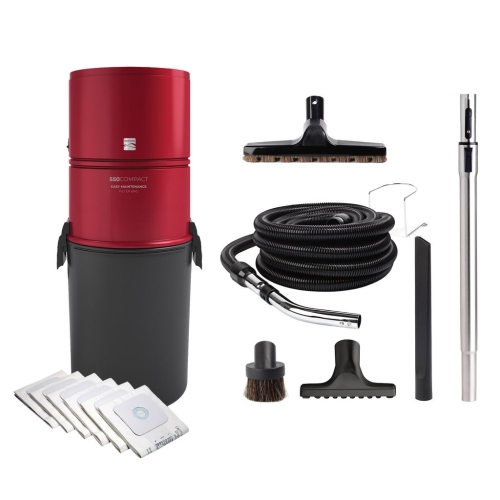
Everyday comfort becomes especially noticeable during a full-home clean. The total cleaning reach includes the power cord, hose, and wand, so cord length alone does not describe how far a canister vacuum can travel from an outlet. A generous reach can reduce interruptions in an open living space, while a compact body may be easier to steer through an apartment with closely spaced furniture. Carrying weight matters on stairs, and a balanced handle can make moving the canister between levels more manageable. The body should rest securely on a suitable surface during stair cleaning rather than hang from the hose or sit where it could roll. Wand adjustment helps accommodate different users and can reduce the need to stoop when cleaning beneath a dining table or along a hallway. Controls within easy reach, clearly marked suction settings, automatic cord rewind, and a parking position for the wand all contribute to smoother handling. Sound is worth considering too, particularly in shared homes, although quieter operation does not by itself prove stronger pickup. Accessories are most useful when they solve familiar tasks: a crevice tool reaches the narrow space beside a sofa cushion, an upholstery nozzle covers fabric seating, and a soft dusting brush loosens dust from suitable trim and shelving. Onboard storage keeps small tools close at hand, while larger powered heads may need separate cupboard space. Long-term care centres on keeping airflow unobstructed. Bags and bins should be emptied or replaced at the indicated fill level, hoses checked for blockages, and brush rolls cleared of hair and thread. Filters need cleaning or replacement according to their individual instructions; any component approved for washing must dry fully before being refitted. Ordinary dry canister vacuums should not collect liquids, hot ash, or renovation debris unless expressly rated for those tasks. Access to compatible consumables, replacement attachments, repair support, and clear warranty terms can strengthen their long-term usefulness. For people maintaining varied flooring, furnished rooms, and regularly used living spaces, a well-matched premium canister vacuum offers flexible cleaning without forcing every surface into the same routine.
Top selling and popular products
-
 Your price for this item is $239.99
-
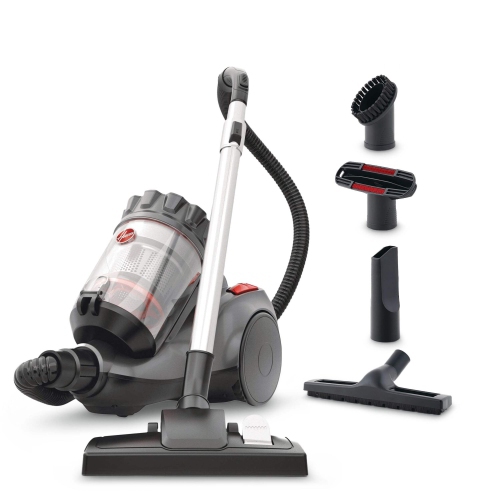 Your price for this item is $168.04
-
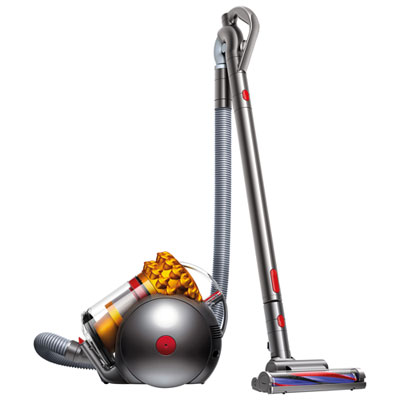 Your price for this item is $499.99
-
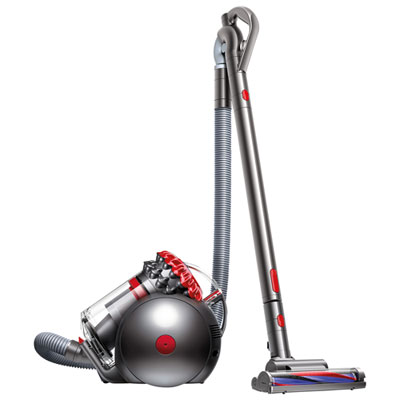 Your price for this item is $699.99
-
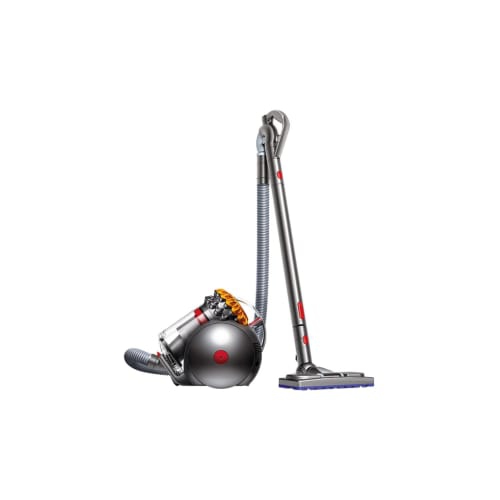 Your price for this item is $749
-
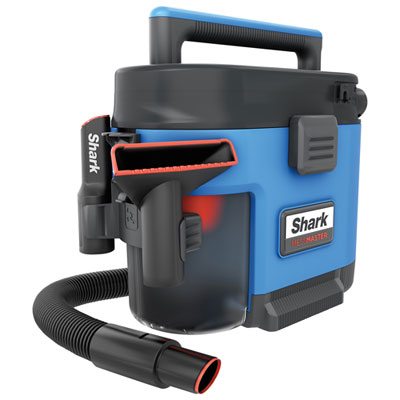 Your price for this item is $129.99
-
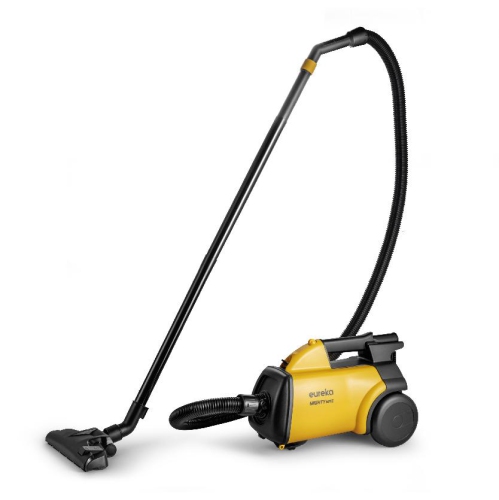 Your price for this item is $90
-
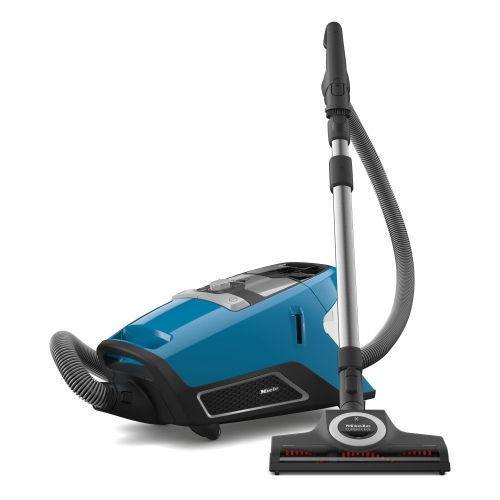 Your price for this item is $799.99
Discover more categories related to High End Canister Vacuums
Top Collections:
Pokemon Centers, Kindle Devices, Best Cameras for Sports Photography, Pokémon 30th Celebration Cards, Canon G7X Cameras, Samsung Galaxy Phones, iPhone 15 Apple, Best Black Friday Deals On Electronics, Jackery Power Stations, Solar Generators for Home
Some products may be subject to Environmental Handling Fees
(EHF) depending on your province.
Learn more about EHFs.