High Performance Kitchen Range Hoods
High Performance Kitchen Range Hoods are essential for any modern cooking space, offering both style and functionality to enhance your kitchen experience. Designed to keep your kitchen fresh and comfortable, these range hoods efficiently handle smoke, odors, and steam produced during meal preparation. With a variety of designs and finishes available, it's easy to find the perfect match for your kitchen décor. Discover the ideal High Performance Kitchen Range Hoods to elevate both the look and performance of your culinary workspace.
Sort

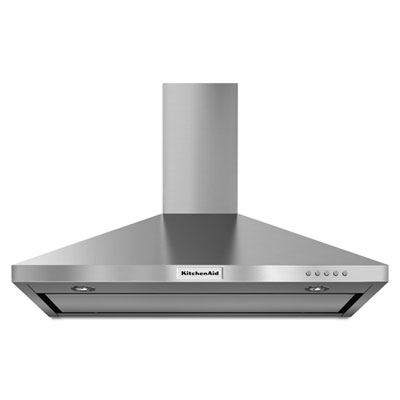
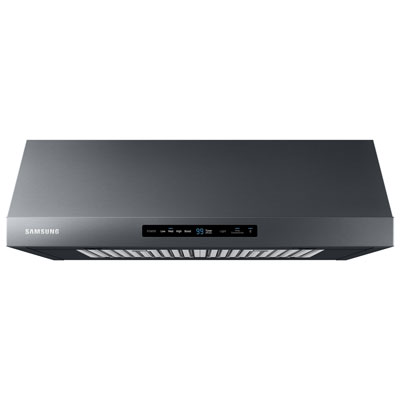
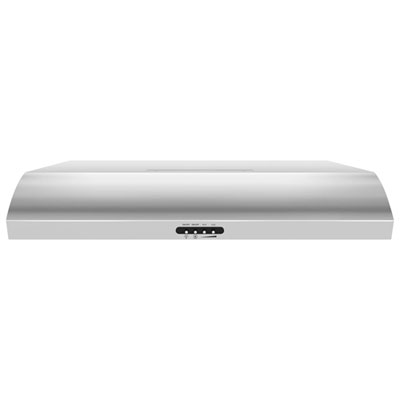
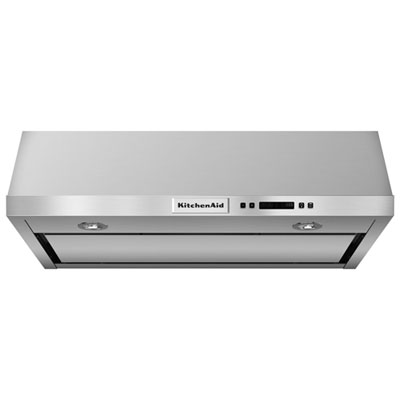


Effective kitchen ventilation takes more than motor power
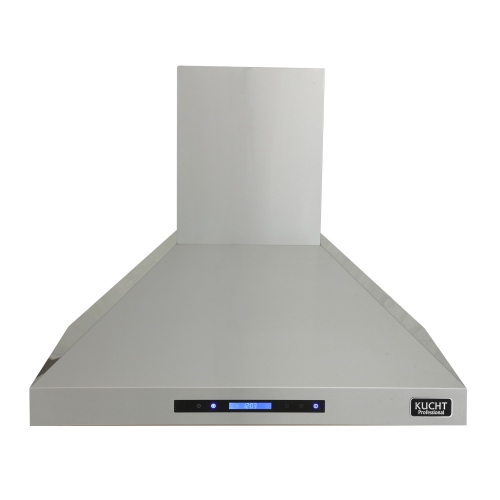
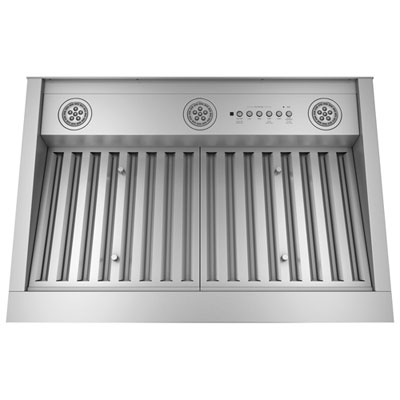
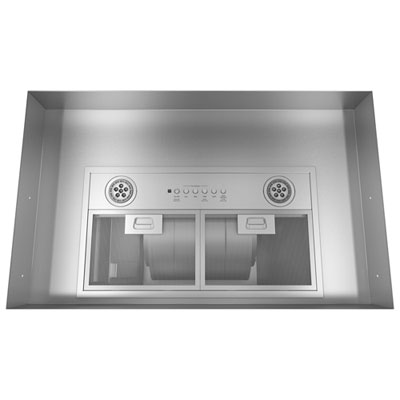
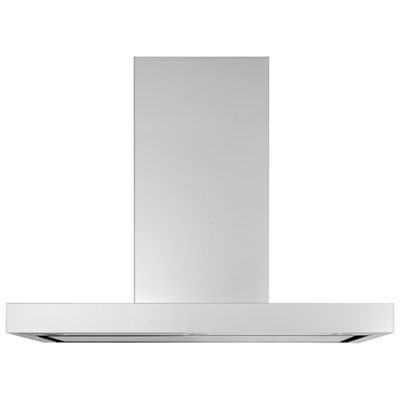
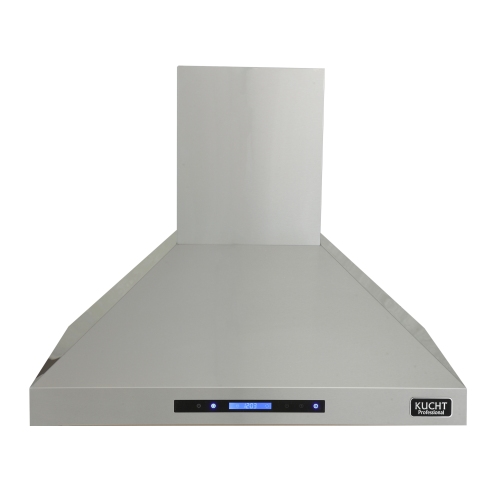
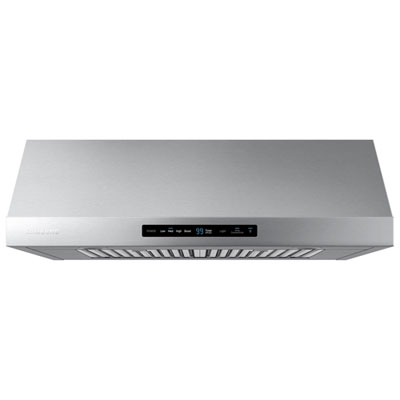
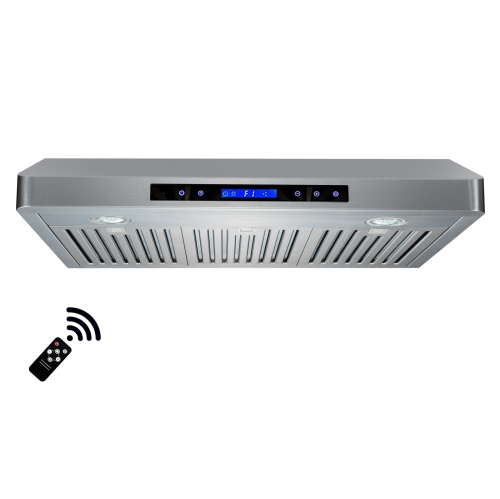
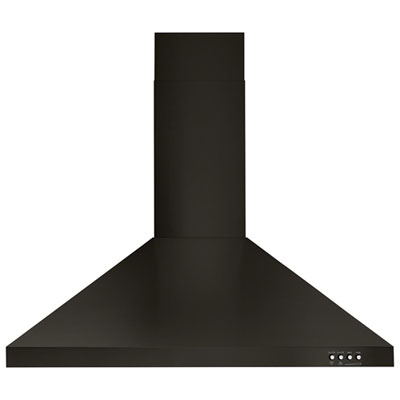
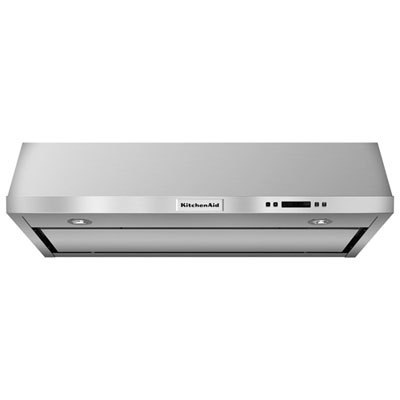
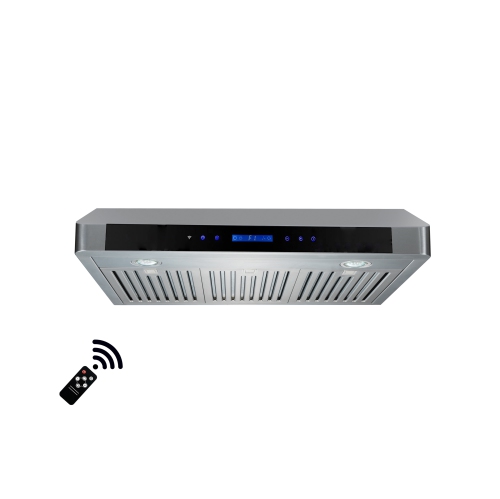
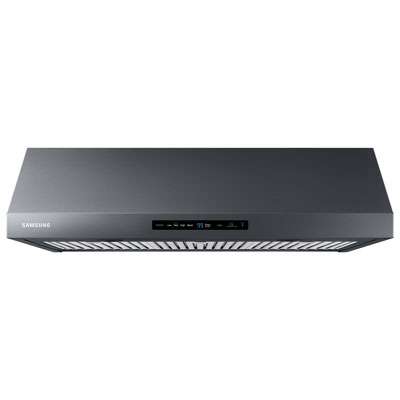
High-performance kitchen range hoods provide focused ventilation for kitchens where frying, searing, boiling, and frequent meal preparation produce substantial smoke, steam, grease, and cooking odours. Their performance depends on more than motor power: airflow capacity, capture area, filter design, and the path air takes through the ductwork all affect how effectively a hood clears the cooking surface. Airflow is measured in cubic feet per minute, or CFM, with higher ratings indicating a greater volume of air moved under specified test conditions. Some powerful range hoods offer airflow ratings around 800 to 950 CFM, although that range is not a universal requirement or definition of high performance. The appropriate capacity depends on the cooking appliance, the cooking habits of the household, and the installation requirements. A cook who regularly browns meat in a cast-iron pan or prepares several dishes at once has different ventilation needs from someone who mainly reheats meals or simmers a single pot. A generous capture area helps collect rising cooking emissions before they spread beyond the range, while multiple fan speeds let the airflow match the task. Lower settings can handle gentle simmering, with higher settings reserved for more demanding cooking. Ducted hoods discharge captured air outdoors and are generally better suited to substantial smoke and moisture loads. Recirculating configurations pass air through grease and odour filters before returning it to the room; they do not remove moisture or combustion gases in the same way as outdoor exhaust. Convertible designs support either arrangement when fitted with the required components, but their suitability still depends on the kitchen and the appliance beneath them. In an open-plan home, effective capture can help limit lingering food smells around nearby seating and dining areas. For households that cook often, the most useful high-performance range hood is one that balances strong extraction with practical coverage, manageable sound, and controls that are comfortable to use every day.
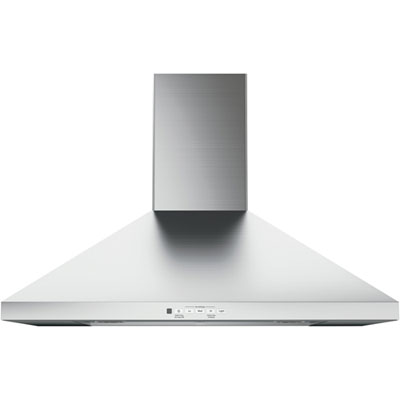
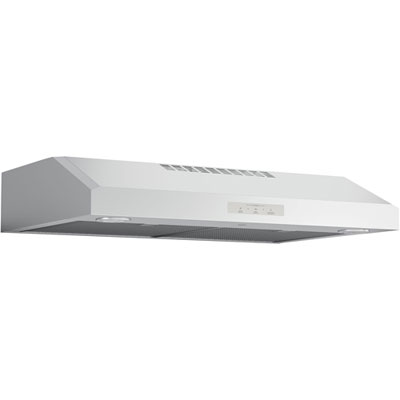
Fit starts with the relationship between the hood and the cooking surface, not simply the space left between cabinets. Common widths include 30-inch and 36-inch formats, with wider designs suited to larger cooking appliances where specified. A hood should meet the cooking appliance manufacturer’s coverage requirements, and its depth matters as well as its width: a shallow canopy may provide less coverage over front burners. Under-cabinet range hoods tuck beneath existing cabinetry, wall-mounted chimney hoods create a visible focal point above a range, and island hoods hang over cooking surfaces without a wall behind them. Built-in inserts offer another approach, placing the ventilation components inside a compatible custom enclosure. Each format has different clearance, support, and duct-routing needs. Mounting height must follow the hood and cooking appliance instructions, since placing a hood too high can reduce capture, while mounting it too low can create clearance or safety concerns. Duct size and routing also have a direct effect on results. Long runs, tight turns, and undersized ducts can restrict airflow and increase noise, so a high CFM rating alone cannot compensate for a poorly matched installation. An exterior discharge point, suitable duct materials, and any necessary electrical work should be planned with a qualified installer. Higher-capacity exhaust systems may also require make-up air under applicable local building codes, helping replace the air exhausted from the home. This is particularly important where strong extraction could affect fuel-burning appliances. Sound deserves equal attention, especially when the kitchen opens onto a living room or a space used for calls and homework. Noise ratings may be expressed in sones or decibels, and comparisons are most meaningful when made at similar operating speeds and test conditions. A hood that remains comfortable to run throughout cooking can be more useful in practice than one whose highest setting is rarely used. Accessible controls, clearly marked speed settings, and effective task lighting make that everyday operation easier, whether the cook is checking the colour of sautéed onions or watching several saucepans.
Materials and maintenance shape how well a high-performance kitchen range hood holds up to repeated use. Stainless steel is a common choice because it is durable and generally straightforward to wipe clean, while finish quality and construction influence how the exterior handles fingerprints, grease splashes, and routine care. Some designs use 304-grade stainless steel, valued for its corrosion resistance, though any finish benefits from cleaning methods approved by the manufacturer. Smooth surfaces and accessible filter releases help keep regular upkeep manageable. Baffle filters use shaped metal channels to separate grease from moving air, while mesh filters trap grease within layers of fine material; both need cleaning at the intervals specified for the hood and the household’s cooking frequency. Dishwasher-safe filters can simplify that work, but only when the manufacturer explicitly permits dishwasher cleaning. Charcoal filters used for recirculation typically need periodic replacement unless they are specifically designed for another maintenance method. Keeping filters clean helps maintain airflow and reduces accumulated grease, making easy filter access a practical feature rather than a minor detail. After a session of frying fish or cooking with aromatic spices, a delayed shut-off function can keep ventilation running for a set period without requiring another trip to the controls. Depending on the design, electronic displays, filter reminders, automatic sensors, or connected functions may add further convenience. For households interested in app-based operation or compatible connected-appliance features, Smart Kitchen Range Hoods offer another way to explore those capabilities, with functions varying by model. Lighting also contributes to everyday usefulness: well-positioned lights should illuminate the cooking area without leaving front burners in shadow, and accessible replacement parts can matter over years of ownership. Beyond appearance, solid controls, a secure installation, and clear access for cleaning support lasting satisfaction. Whether the kitchen serves an enthusiastic home cook, a busy family preparing meals in batches, or a household that enjoys entertaining, effective ventilation works best as a well-matched part of the cooking space. Strong extraction, sensible proportions, and straightforward care help keep the focus on the meal rather than the smoke and grease it leaves behind.
Fit starts with the relationship between the hood and the cooking surface, not simply the space left between cabinets. Common widths include 30-inch and 36-inch formats, with wider designs suited to larger cooking appliances where specified. A hood should meet the cooking appliance manufacturer’s coverage requirements, and its depth matters as well as its width: a shallow canopy may provide less coverage over front burners. Under-cabinet range hoods tuck beneath existing cabinetry, wall-mounted chimney hoods create a visible focal point above a range, and island hoods hang over cooking surfaces without a wall behind them. Built-in inserts offer another approach, placing the ventilation components inside a compatible custom enclosure. Each format has different clearance, support, and duct-routing needs. Mounting height must follow the hood and cooking appliance instructions, since placing a hood too high can reduce capture, while mounting it too low can create clearance or safety concerns. Duct size and routing also have a direct effect on results. Long runs, tight turns, and undersized ducts can restrict airflow and increase noise, so a high CFM rating alone cannot compensate for a poorly matched installation. An exterior discharge point, suitable duct materials, and any necessary electrical work should be planned with a qualified installer. Higher-capacity exhaust systems may also require make-up air under applicable local building codes, helping replace the air exhausted from the home. This is particularly important where strong extraction could affect fuel-burning appliances. Sound deserves equal attention, especially when the kitchen opens onto a living room or a space used for calls and homework. Noise ratings may be expressed in sones or decibels, and comparisons are most meaningful when made at similar operating speeds and test conditions. A hood that remains comfortable to run throughout cooking can be more useful in practice than one whose highest setting is rarely used. Accessible controls, clearly marked speed settings, and effective task lighting make that everyday operation easier, whether the cook is checking the colour of sautéed onions or watching several saucepans.
Materials and maintenance shape how well a high-performance kitchen range hood holds up to repeated use. Stainless steel is a common choice because it is durable and generally straightforward to wipe clean, while finish quality and construction influence how the exterior handles fingerprints, grease splashes, and routine care. Some designs use 304-grade stainless steel, valued for its corrosion resistance, though any finish benefits from cleaning methods approved by the manufacturer. Smooth surfaces and accessible filter releases help keep regular upkeep manageable. Baffle filters use shaped metal channels to separate grease from moving air, while mesh filters trap grease within layers of fine material; both need cleaning at the intervals specified for the hood and the household’s cooking frequency. Dishwasher-safe filters can simplify that work, but only when the manufacturer explicitly permits dishwasher cleaning. Charcoal filters used for recirculation typically need periodic replacement unless they are specifically designed for another maintenance method. Keeping filters clean helps maintain airflow and reduces accumulated grease, making easy filter access a practical feature rather than a minor detail. After a session of frying fish or cooking with aromatic spices, a delayed shut-off function can keep ventilation running for a set period without requiring another trip to the controls. Depending on the design, electronic displays, filter reminders, automatic sensors, or connected functions may add further convenience. For households interested in app-based operation or compatible connected-appliance features, Smart Kitchen Range Hoods offer another way to explore those capabilities, with functions varying by model. Lighting also contributes to everyday usefulness: well-positioned lights should illuminate the cooking area without leaving front burners in shadow, and accessible replacement parts can matter over years of ownership. Beyond appearance, solid controls, a secure installation, and clear access for cleaning support lasting satisfaction. Whether the kitchen serves an enthusiastic home cook, a busy family preparing meals in batches, or a household that enjoys entertaining, effective ventilation works best as a well-matched part of the cooking space. Strong extraction, sensible proportions, and straightforward care help keep the focus on the meal rather than the smoke and grease it leaves behind.
Top selling and popular products
-
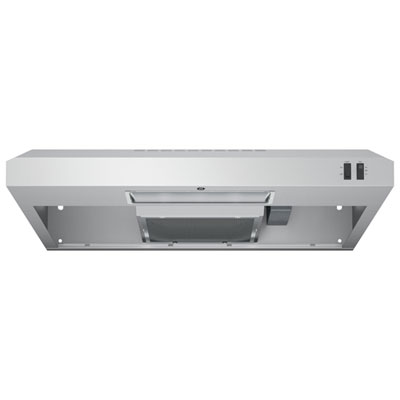 Your price for this item is $249.99
 -
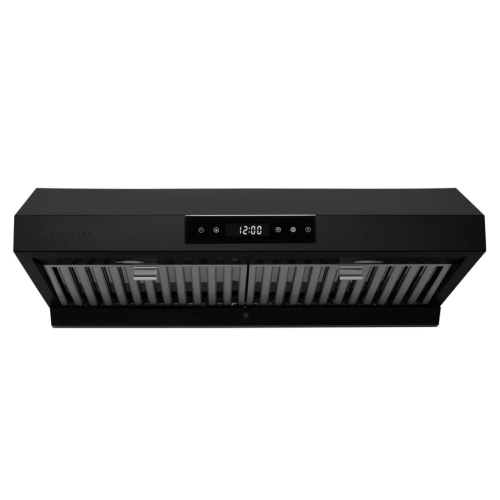 Your price for this item is $598.49
 -
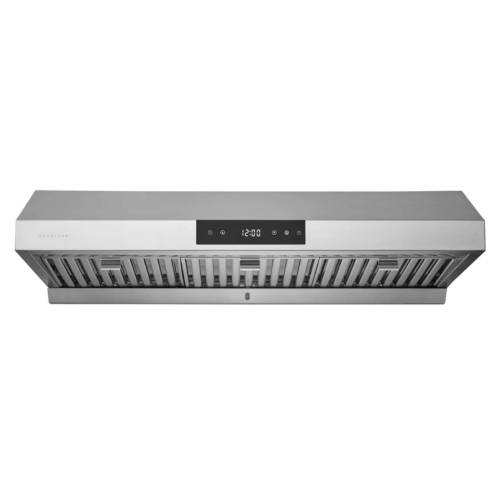 Your price for this item is $645.99
 -
 Your price for this item is $645.99
 -
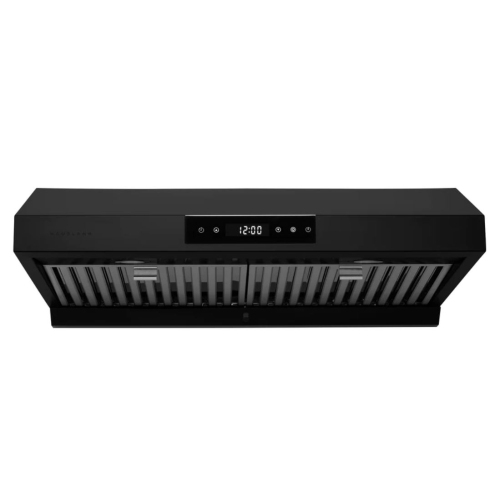 Your price for this item is $645.99
 -
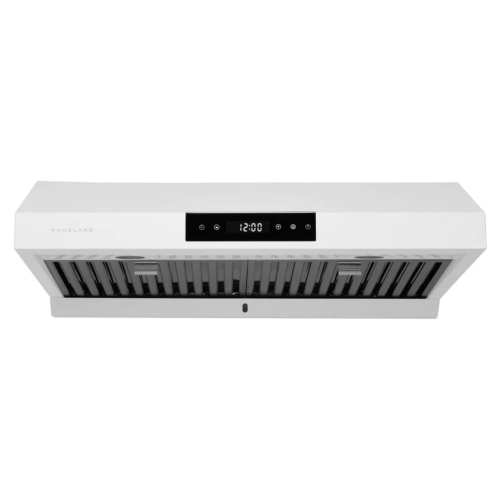 Your price for this item is $598.49
 -
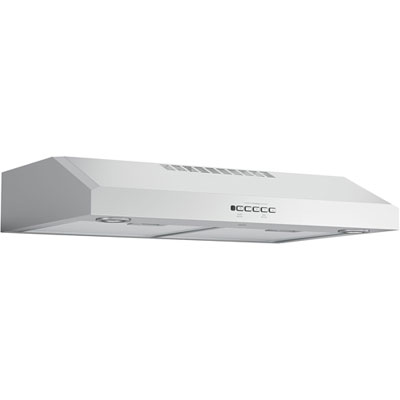 Your price for this item is $449.99
 -
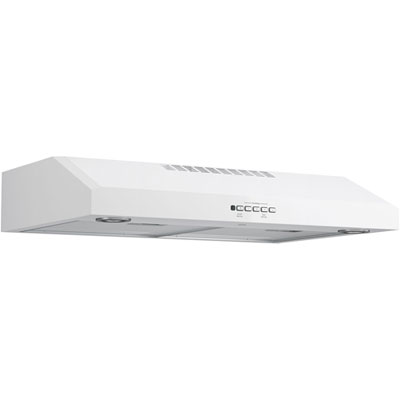 Your price for this item is $399.99
Discover more categories related to High Performance Kitchen Range Hoods
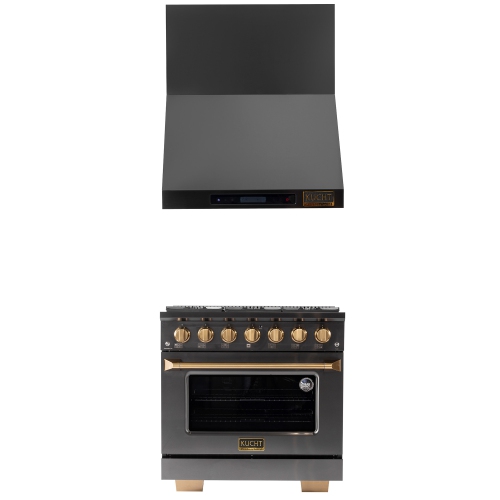
Top Collections:
Pokemon Centers, Kindle Devices, Best Budget Office Chairs, Apple iPhones 16, Best Laptops for Writers, iPhone 15 Apple, Canon G7X Cameras, Refurbished Apple Laptops, Alarm Clock, Motorola Razr Phones
Some products may be subject to Environmental Handling Fees
(EHF) depending on your province.
Learn more about EHFs.