Professional Style Range Hoods
Professional Style Range Hoods bring a sleek, modern touch to any kitchen while helping you maintain a fresh cooking environment. Designed to complement high-performance appliances, these range hoods offer both style and functionality for home chefs seeking a professional look. Explore a wide selection of Professional Style Range Hoods to find the perfect match for your kitchen’s design and ventilation needs.
Sort
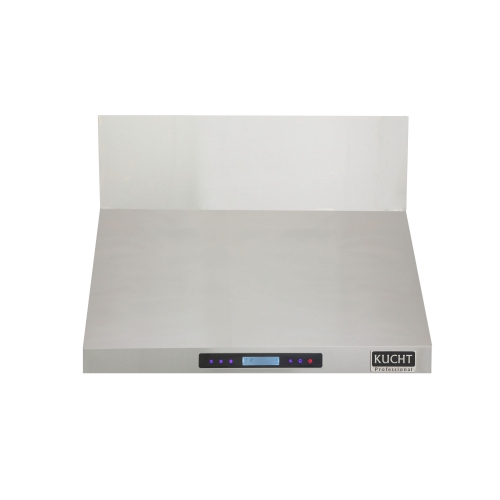
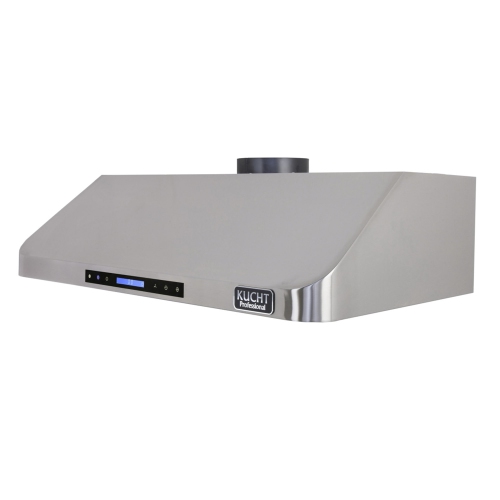
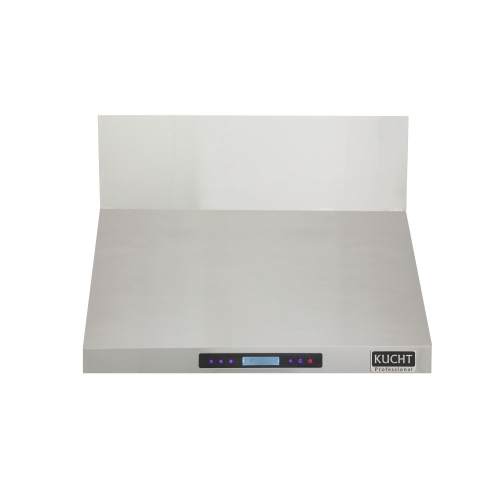
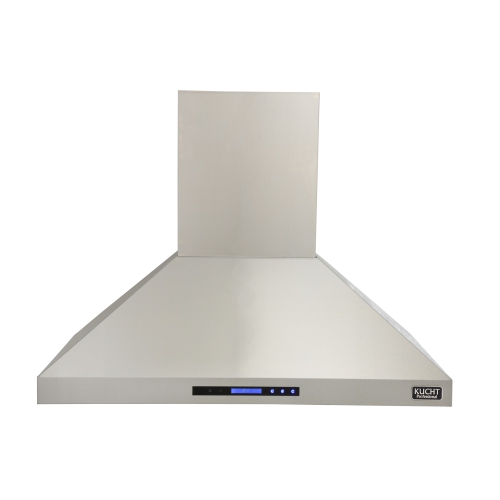
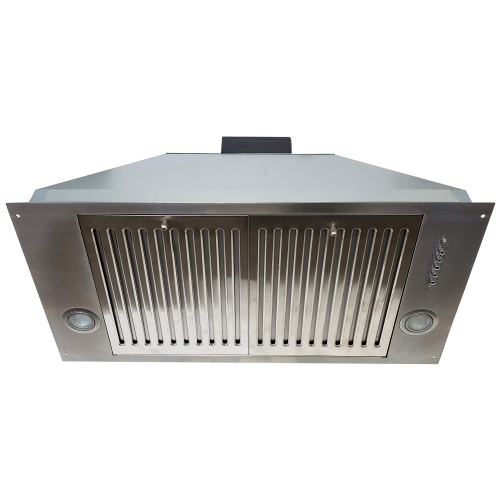
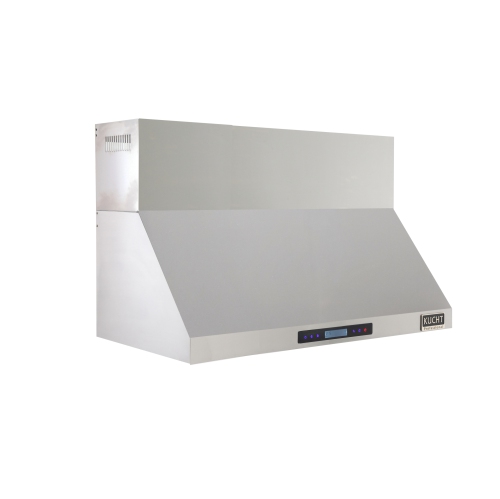
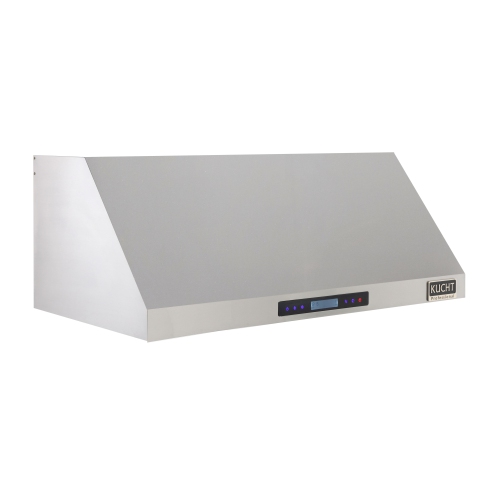
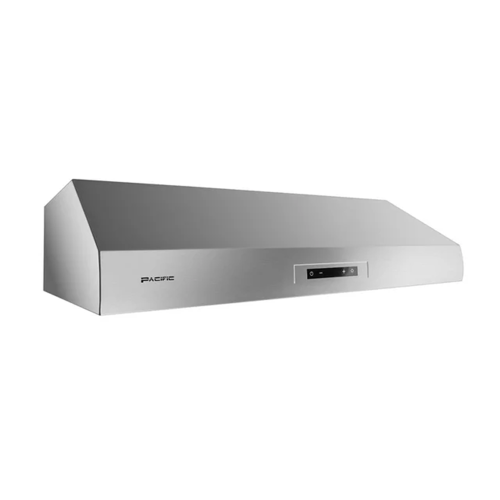

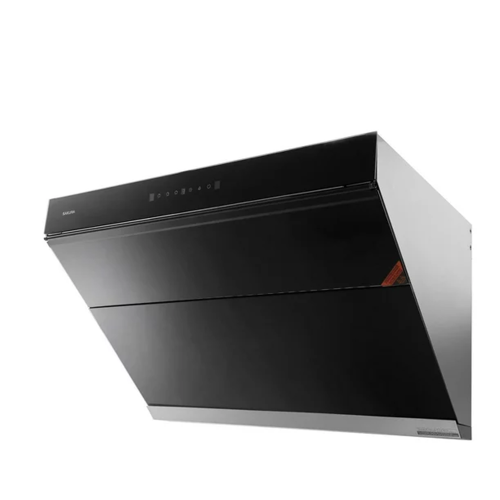
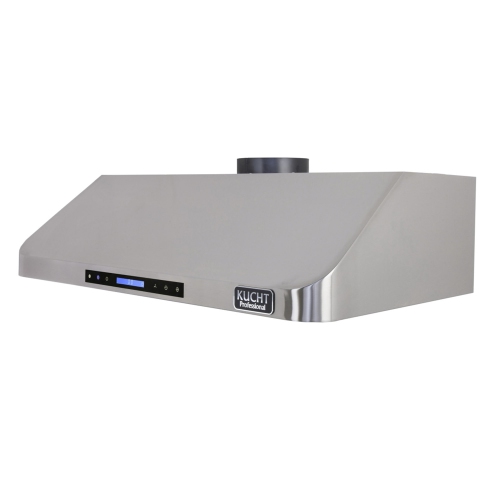
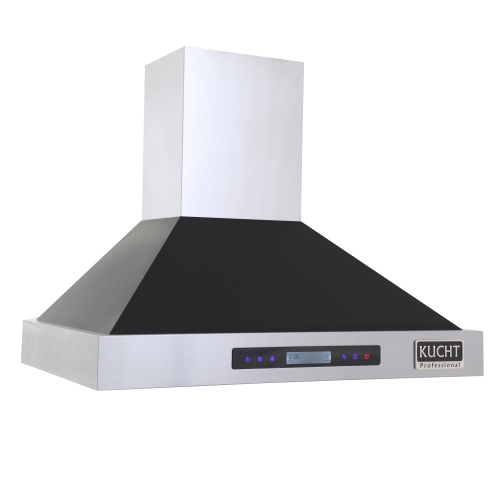
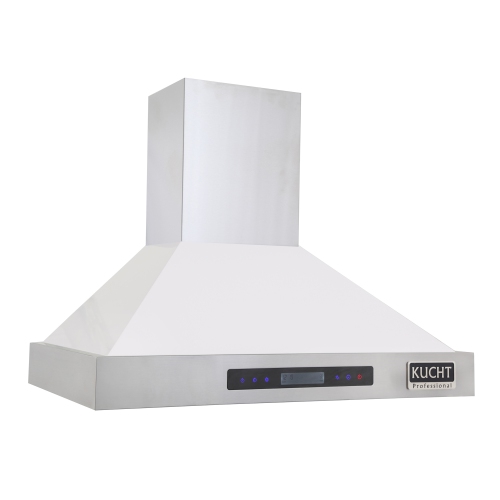
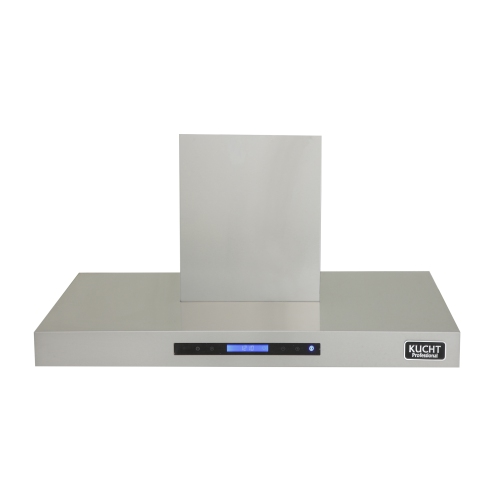
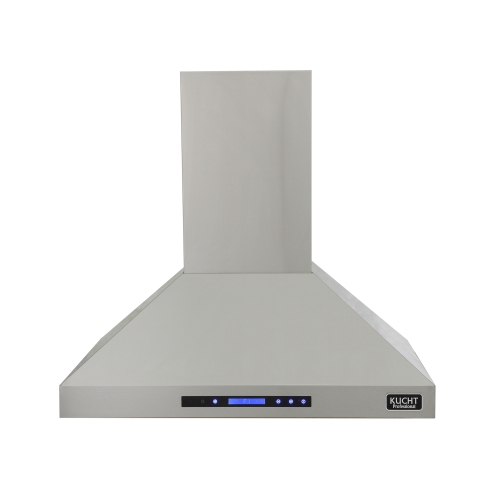
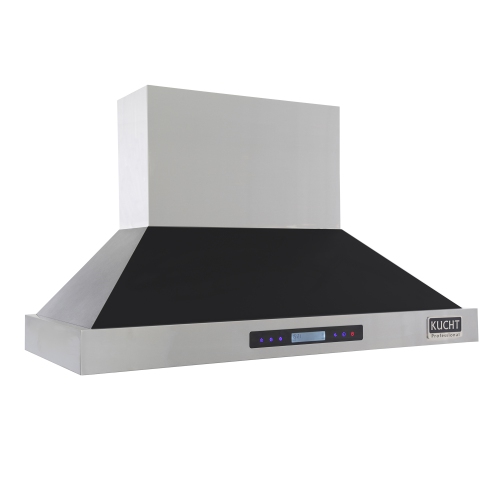
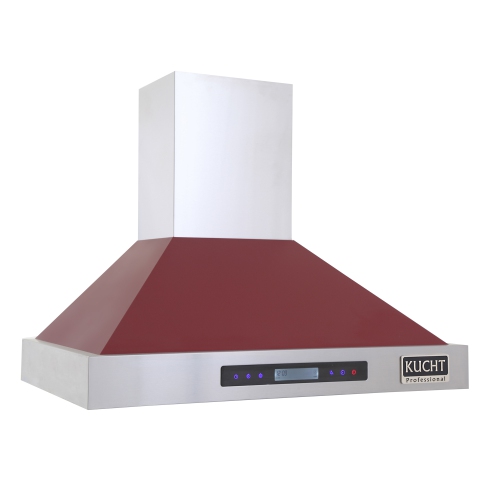
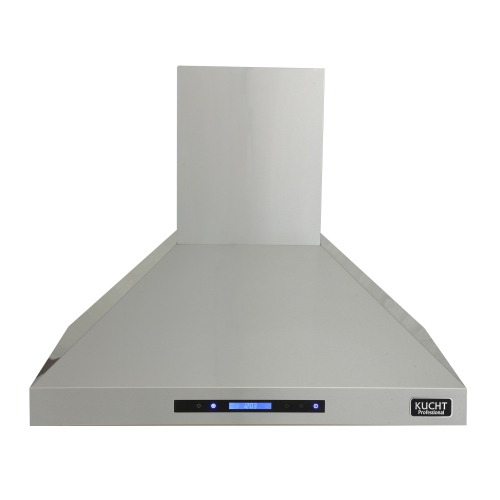
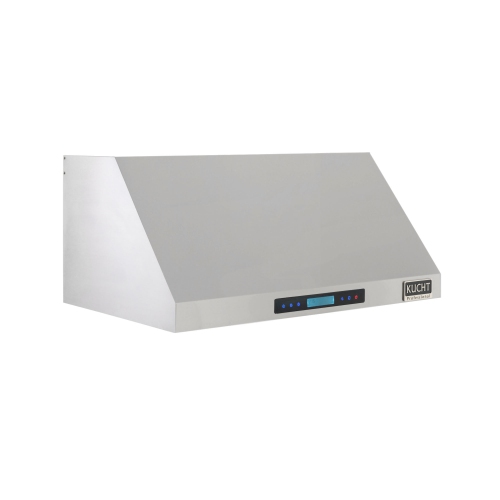
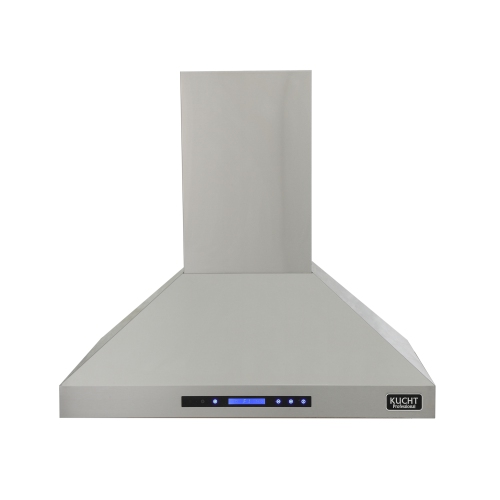
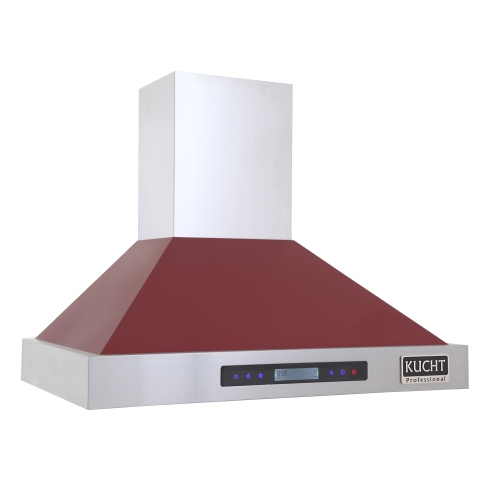
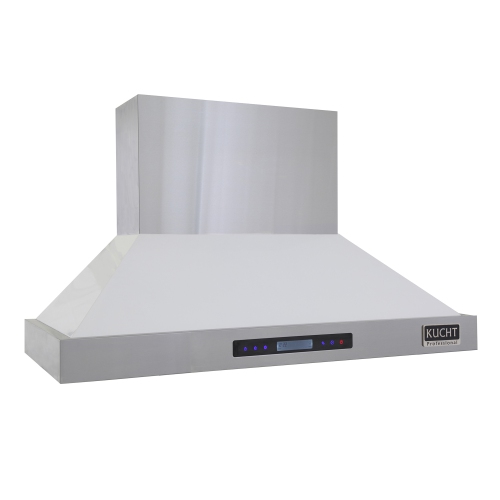
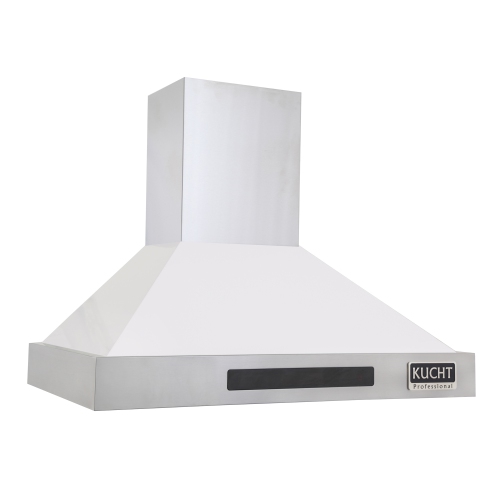
What matters beyond a bold stainless steel canopy
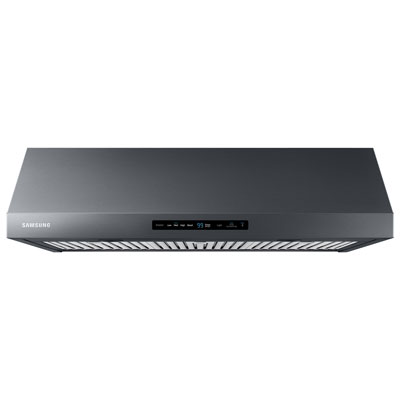
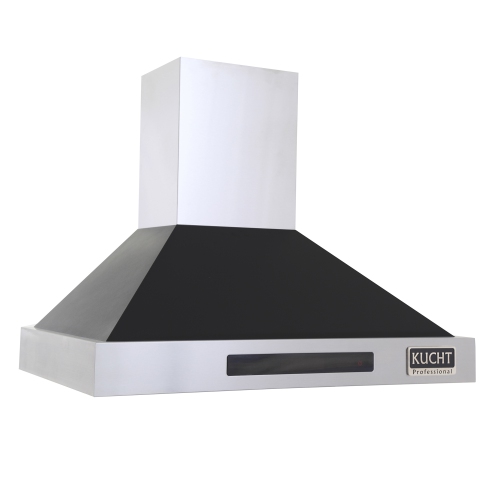
Professional-style range hoods combine a substantial, commercial-inspired appearance with ventilation designed for demanding home cooking. Common features include a deep canopy, stainless steel construction, multiple fan speeds, and baffle filters that help separate grease from the air passing through the hood. Their purpose is practical as well as visual: capturing cooking smoke, grease, steam, and odours near the cooktop before they spread through the kitchen. The professional-style designation generally describes the design and intended cooking experience, rather than certification for use in a commercial kitchen. These hoods suit enthusiastic home cooks, households that prepare several dishes at once, and anyone planning a kitchen around a prominent range or cooktop. Searing a steak, stir-frying vegetables, or browning onions can produce a concentrated plume of cooking exhaust, making canopy coverage and effective capture especially relevant. A substantial hood can also give a cooking area a clear focal point, balancing the proportions of a wide range, substantial cabinetry, or a full-height backsplash. Stainless steel is a familiar choice because it offers a durable, corrosion-resistant surface with an appearance that complements many kitchen appliances. Brushed finishes soften reflections, while other finishes can create contrast with surrounding cabinets and hardware. Construction details matter alongside appearance: neatly finished edges, secure filter fittings, and accessible controls contribute to a hood that feels solid in everyday use. Professional-style designs include wall-mounted canopies, island hoods suspended above an open cooking area, and inserts fitted inside custom cabinetry or a decorative enclosure. Each arrangement creates a different visual effect and has its own installation requirements. A wall-mounted hood can frame a tiled backsplash, while an insert keeps the ventilation equipment less prominent within a carefully planned surround. The right proportions depend on the cooking surface, surrounding cabinetry, ceiling height, and the amount of space needed for comfortable access to pots and pans.
Ventilation performance depends on more than the highest airflow number. Airflow is commonly expressed in cubic feet per minute, or CFM, which describes the volume of air a fan moves under stated conditions. Higher airflow can be useful for cooking that produces substantial smoke or grease, but effective capture also depends on canopy width, depth, mounting height, and duct design. A hood positioned too high or paired with a shallow capture area may allow cooking exhaust to escape before it reaches the filters. Width should be considered in relation to the cooking surface and the manufacturer's installation requirements; a hood that looks balanced above the range still needs suitable coverage of the burners below. Gas and electric cooking appliances can have different clearance requirements, so the correct mounting position comes from the specifications for both the hood and the cooking appliance. Ducted hoods carry captured exhaust outdoors through a dedicated duct route. Duct diameter, bends, total length, and the exterior termination all influence how well the installed system performs. A short, appropriately sized route with fewer turns generally places less resistance on airflow than a long, restrictive path. Recirculating configurations, where supported, pass air through grease and odour filters before returning it to the room; they do not discharge cooking moisture or combustion by-products outdoors. This distinction is important when comparing ventilation arrangements for a renovation or an existing kitchen. Higher-capacity exhaust systems may also require make-up air to replace the air removed from the home, depending on local building requirements and the installation. Qualified installation helps address ducting, electrical connections, clearances, and potential interactions with fuel-burning appliances. Sound deserves equal attention, particularly in kitchens connected to dining or living spaces. Noise ratings are most useful when compared at similar fan settings and under comparable test conditions. Multiple speeds allow ventilation to match the task, from a gently simmering saucepan to several active burners, without relying on maximum power for every meal. Some designs support remote or in-line blowers, although compatibility and the complete duct arrangement determine whether those options suit a particular space.
Everyday usability often comes down to details that are easy to overlook beside a bold stainless steel canopy. Clearly marked controls, accessible speed settings, and well-positioned task lighting make a difference when several pans are on the go. Lighting should illuminate the cooking surface without leaving the front burners in shadow or creating distracting glare across a glossy backsplash. Depending on the design, features such as delayed shutoff or filter reminders can make routine operation more convenient. An accessible control panel is especially useful when reaching past a tall stockpot, while removable filters simplify care after frequent frying or sautéing. Baffle filters use shaped channels to change the direction of moving air and help collect grease; mesh filters capture grease through layers of fine material. Both need regular cleaning to maintain airflow and prevent heavy grease buildup. Some removable filters are dishwasher-safe, while others require handwashing according to the manufacturer's directions. Recirculating systems also need attention to their odour filters, which generally require replacement unless specifically designed for cleaning or regeneration. Exterior care is usually straightforward when spills and grease marks are addressed regularly with suitable cleaning products and a soft cloth. On stainless steel, wiping with the grain helps maintain a consistent finish, while abrasive pads and unsuitable chemicals can leave scratches or discolouration. Ease of access matters over time, including how readily filters release, whether grease collection areas can be reached, and how lighting components are serviced. Professional-style models sit within the broader category of High Performance Kitchen Range Hoods, with a particular emphasis on substantial proportions and a commercial-inspired finish. For households that cook frequently, the most useful combination brings together suitable capture coverage, practical fan settings, manageable sound, and surfaces that are straightforward to maintain. Those qualities support both ambitious cooking projects and ordinary evening meals, whether the task involves tending a large pot of sauce or quickly pan-frying dinner. A well-matched hood complements the kitchen's design while providing ventilation suited to the cooking that actually happens beneath it.
Top selling and popular products
-
 Your price for this item is $566.99
-
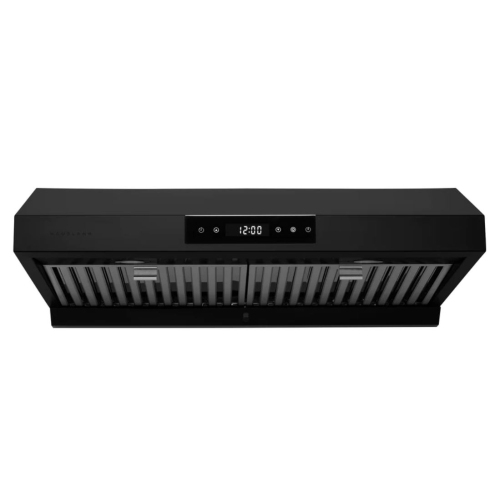 Your price for this item is $611.99
-
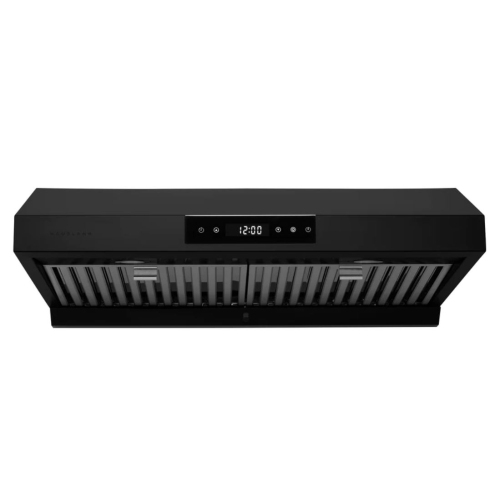 Your price for this item is $566.99
-
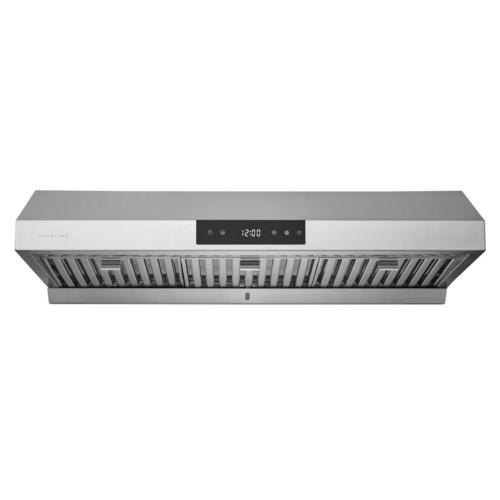 Your price for this item is $611.99
-
 Your price for this item is $611.99
-
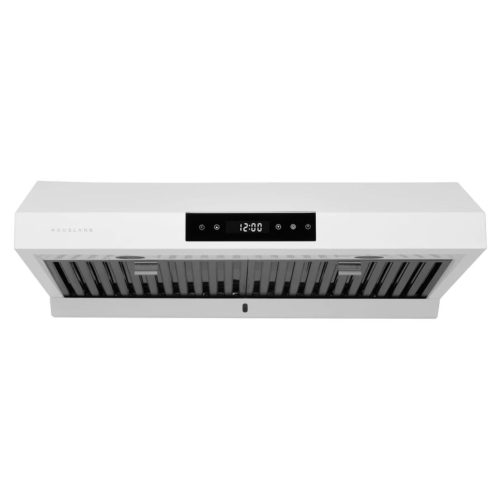 Your price for this item is $566.99
-
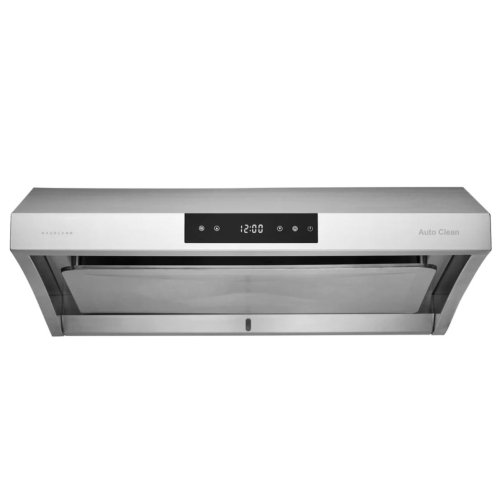 Your price for this item is $701.99
-
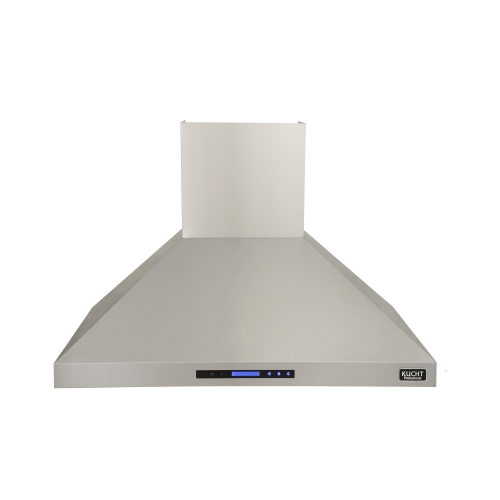 Your price for this item is $2455
Discover more categories related to Professional Style Range Hoods
Top Collections:
Best Black Friday Deals This Year, Best Black Friday Deals On Electronics, Kindle Devices, Pokemon Centers, Best Black Friday Deals On Apple Products, Best Cameras for Sports Photography, Dyson Airwrap, Pokémon 30th Celebration Cards, Apple iPhone 17 Pro, Canon G7X Cameras
Some products may be subject to Environmental Handling Fees
(EHF) depending on your province.
Learn more about EHFs.