Ice Box Freezers
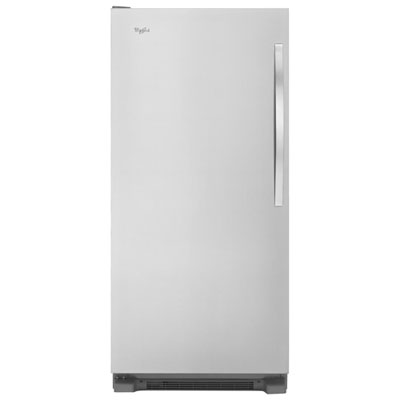
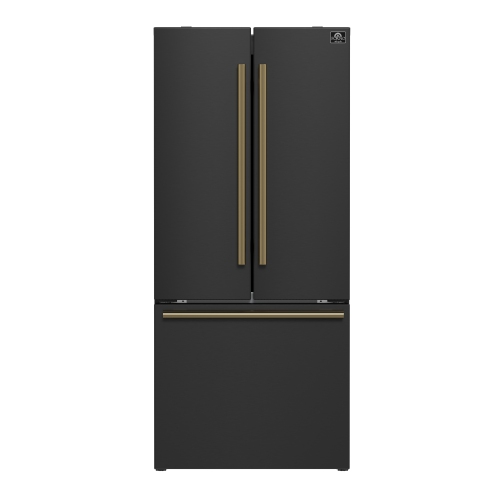
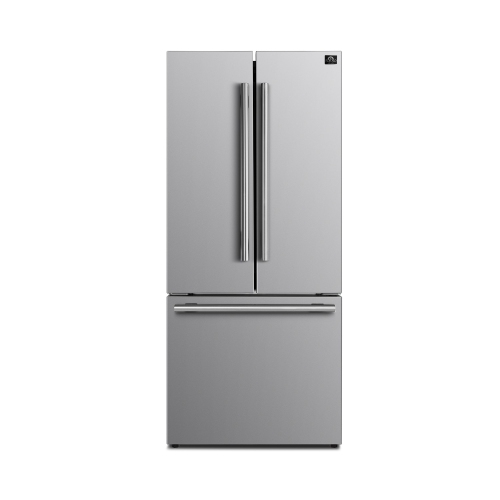
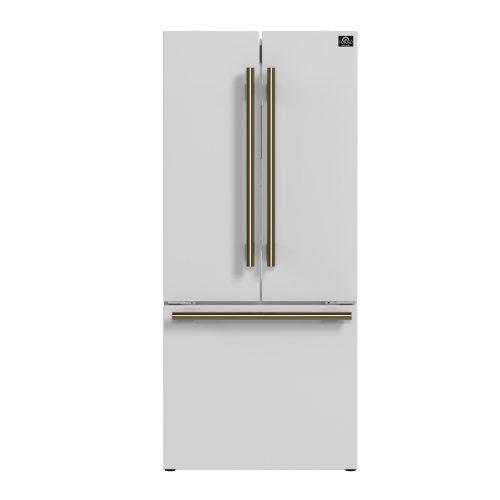
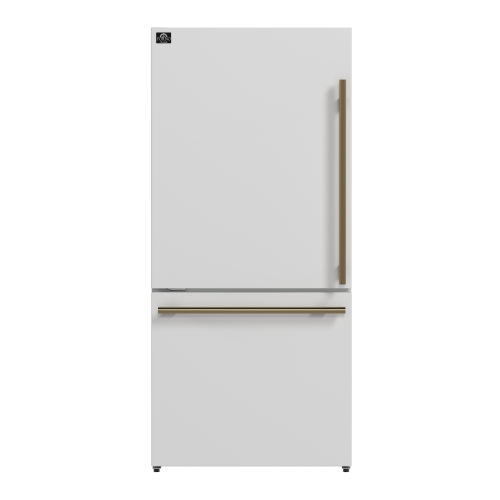
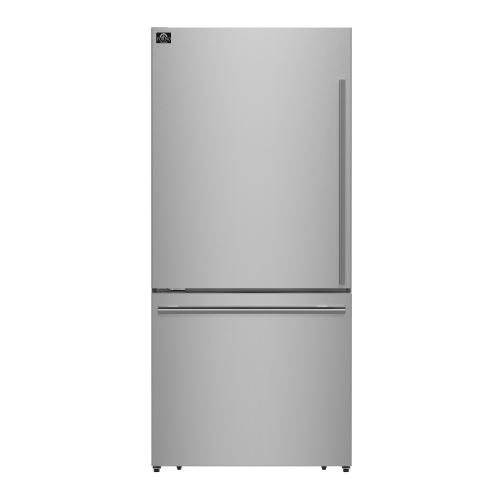
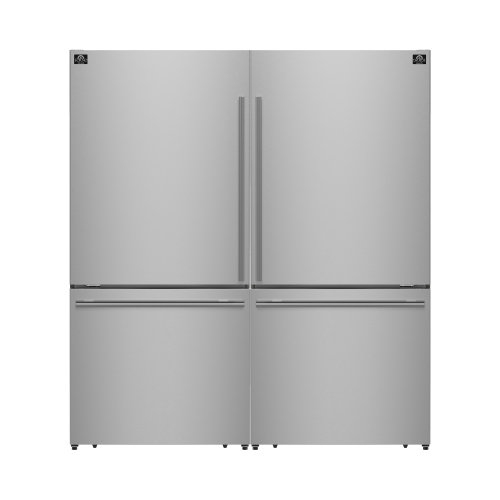
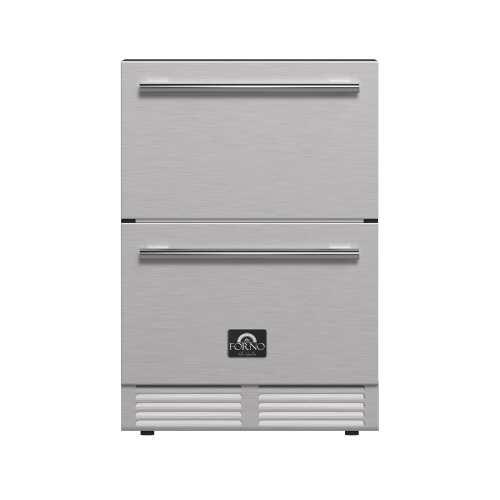
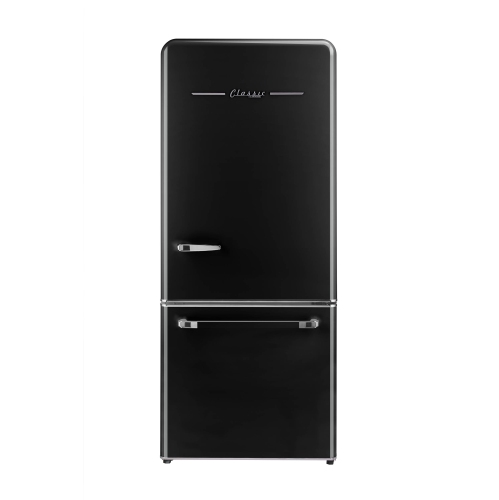
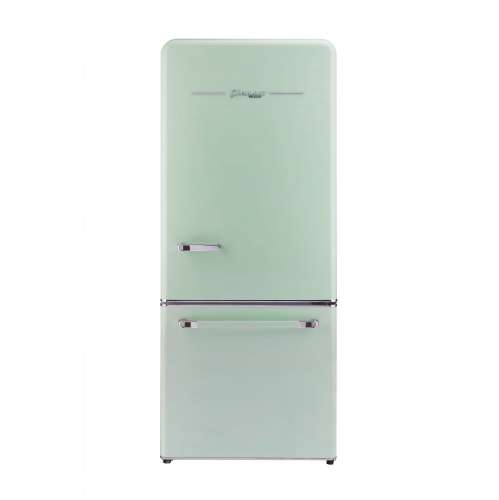
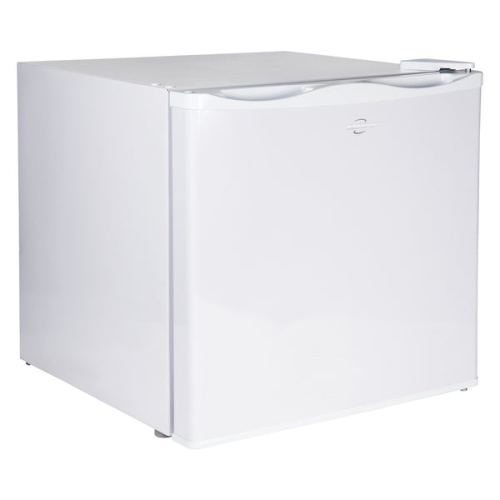
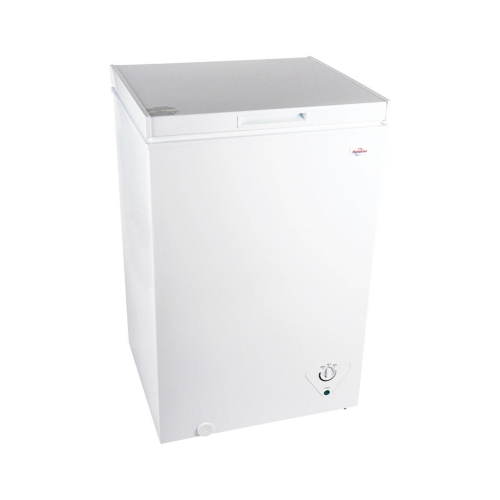
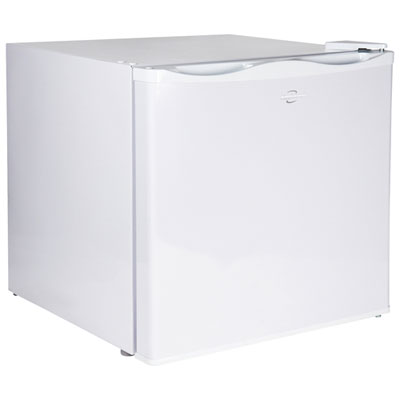
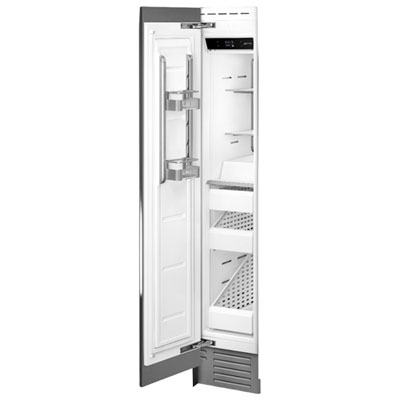
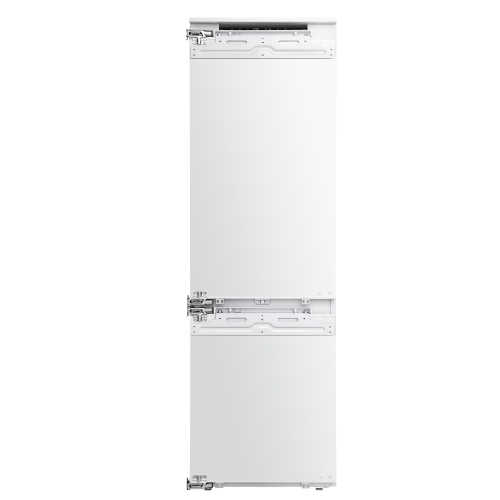
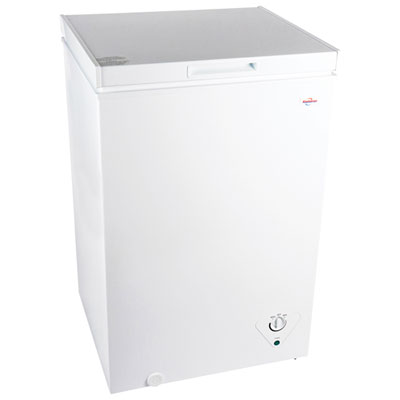
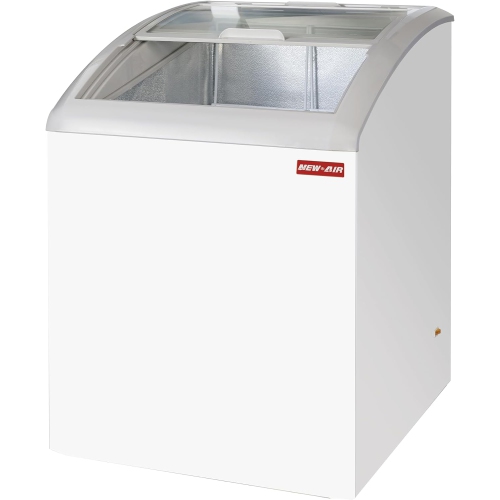
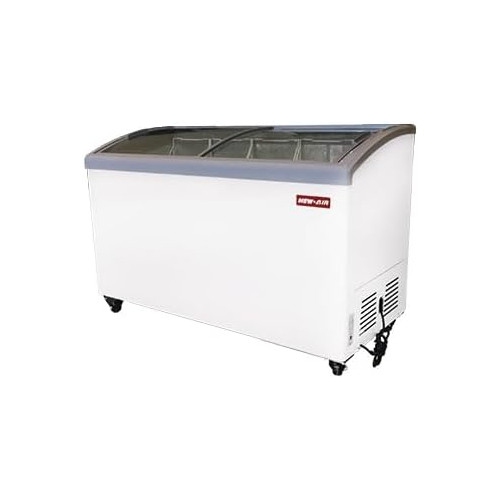
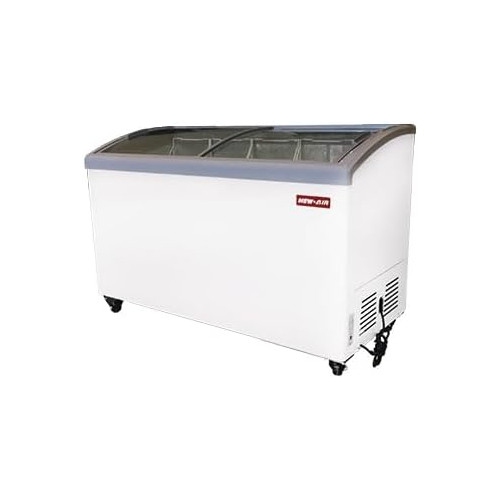
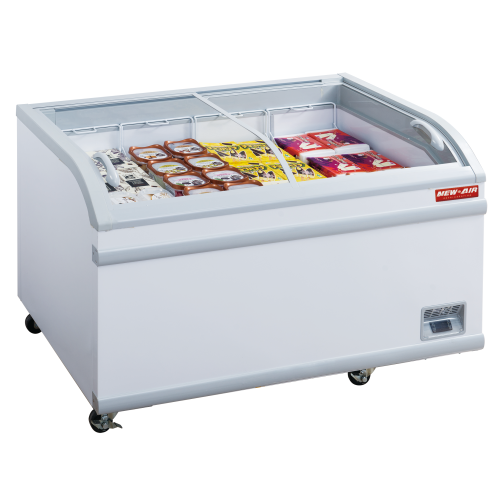
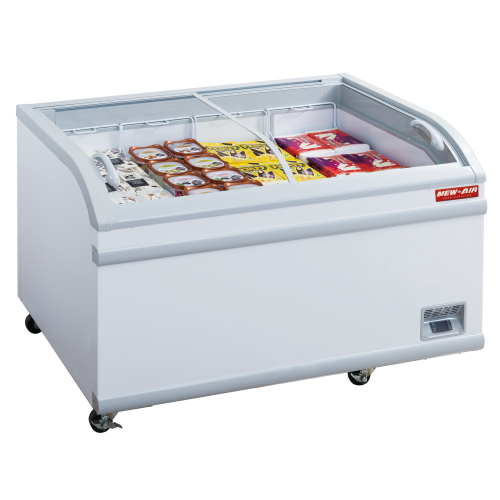
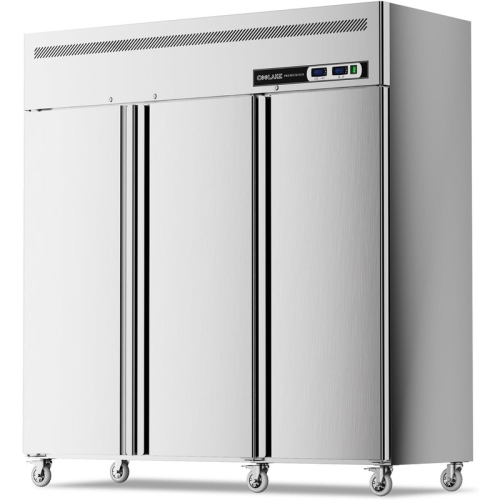
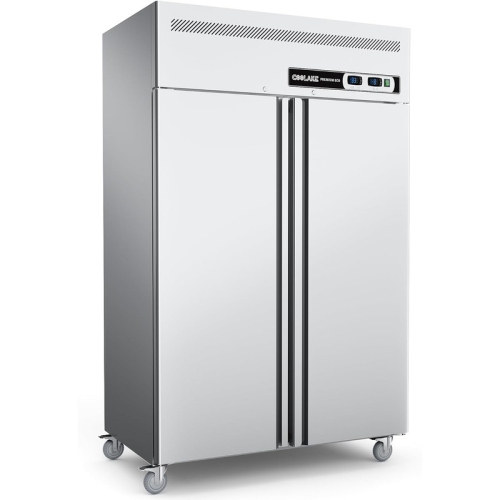
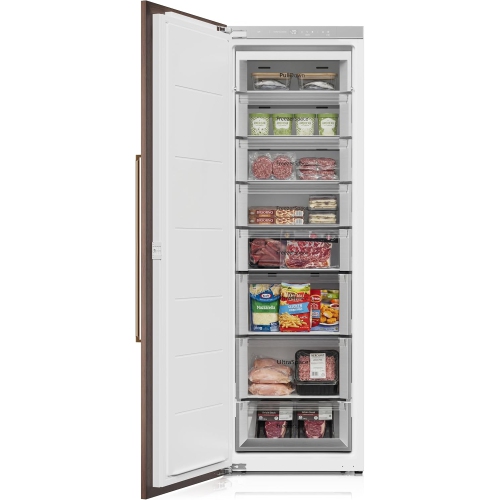
An ice box freezer is a refrigerator with an interior that is designed to maintain a temperature below freezing. This is useful for storing food items that require cold storage, such as meats, cheeses, fish, poultry, vegetables, fruits, ice, and other food items. Here are some of our favorites.
Sort

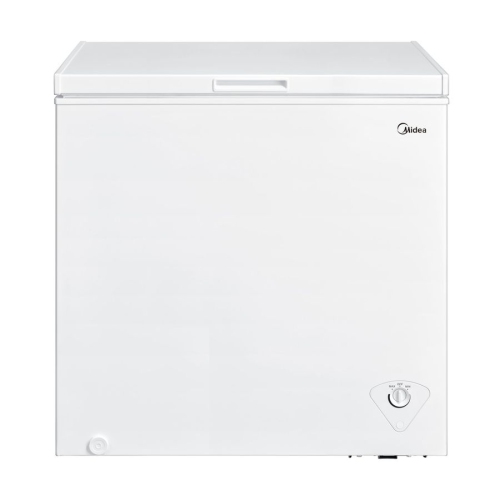
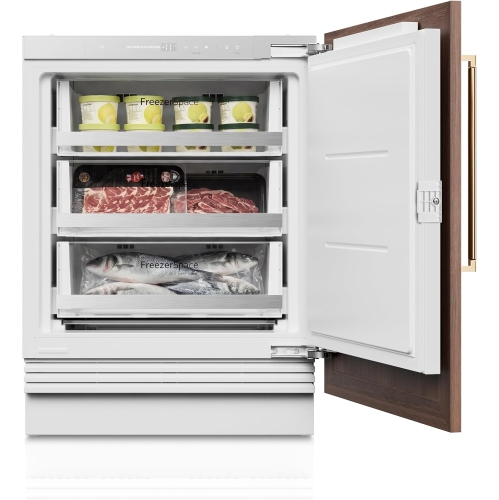
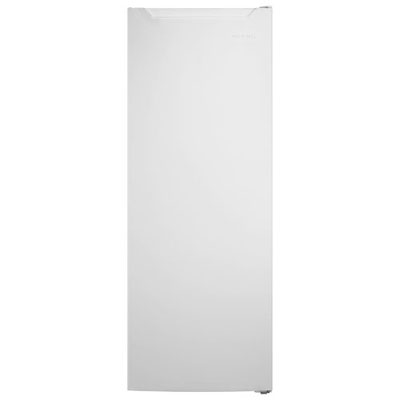
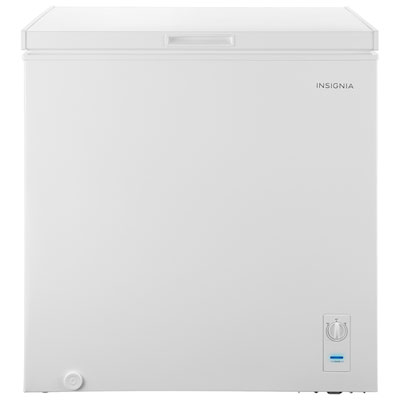
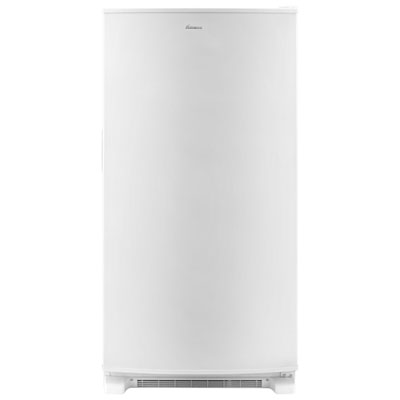
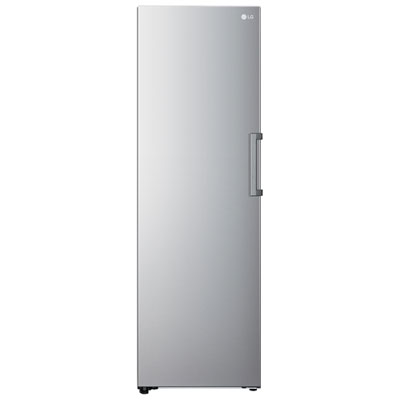
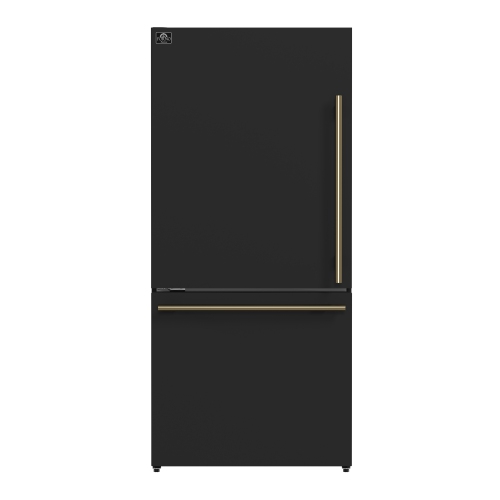
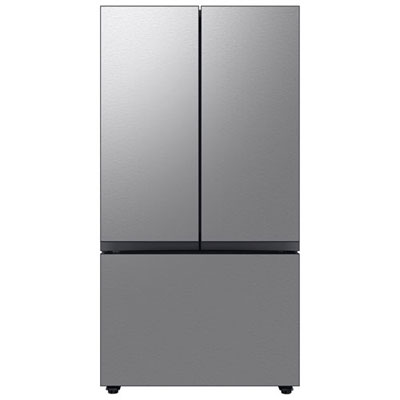
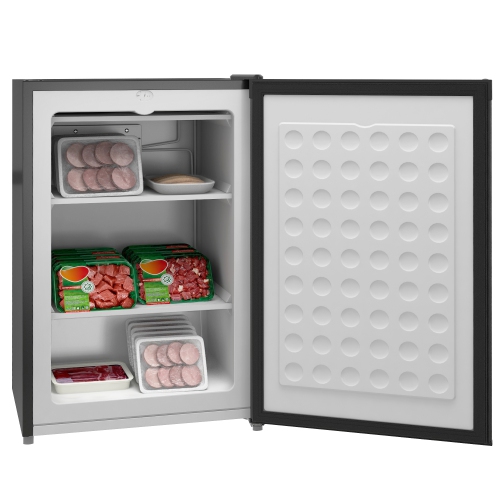
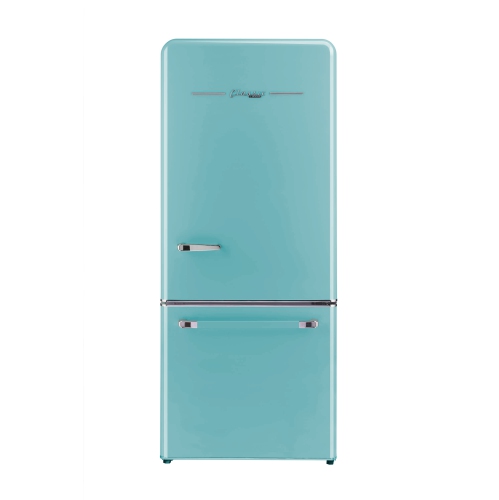
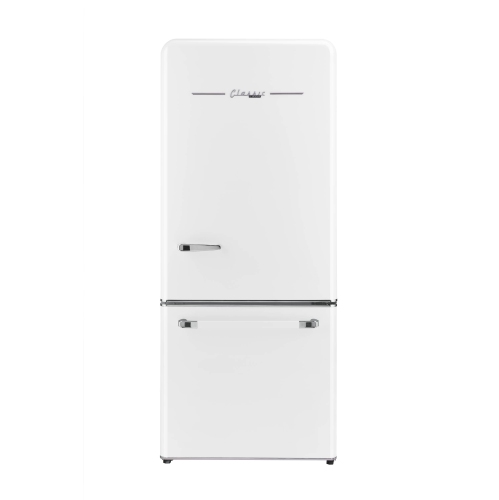
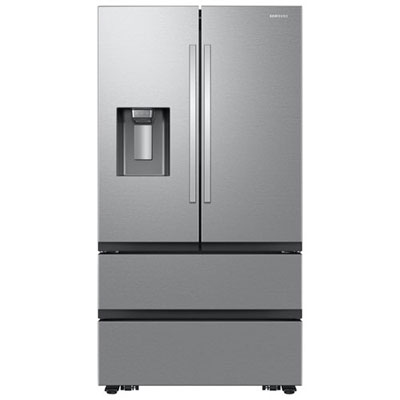
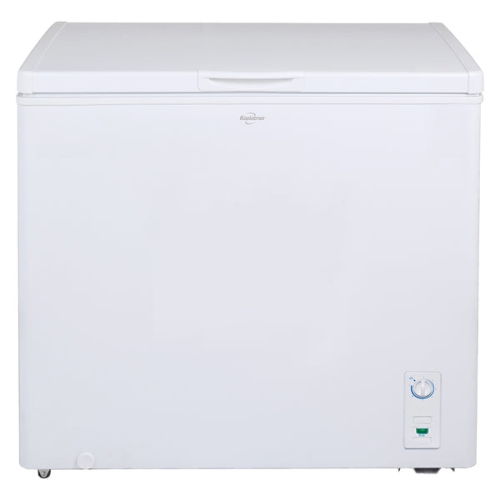
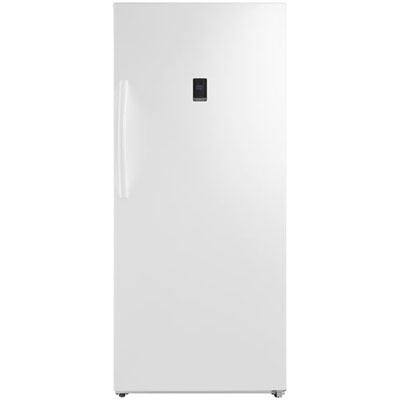
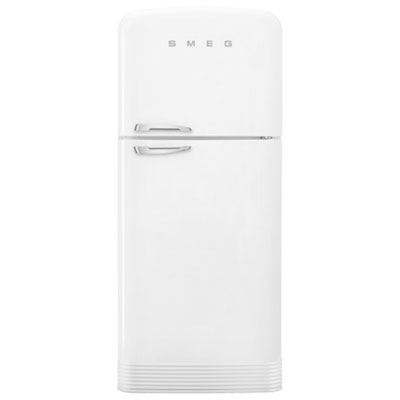
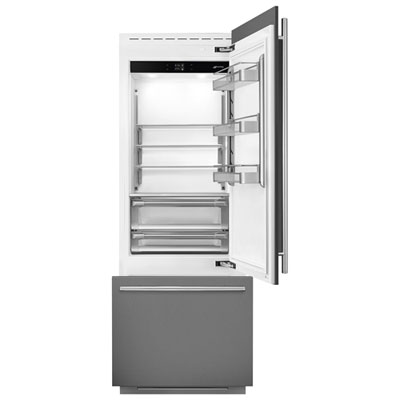
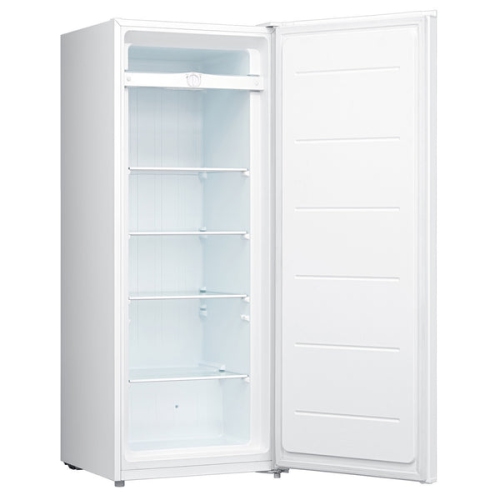
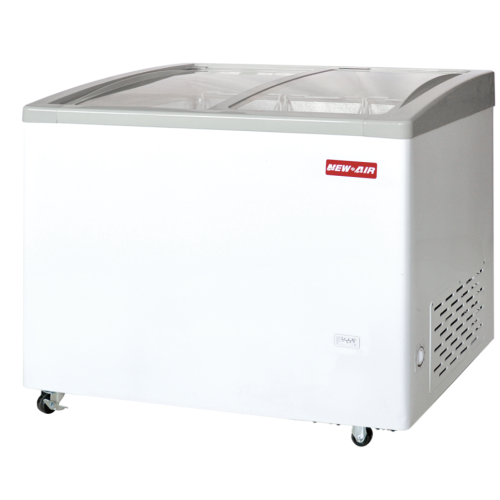

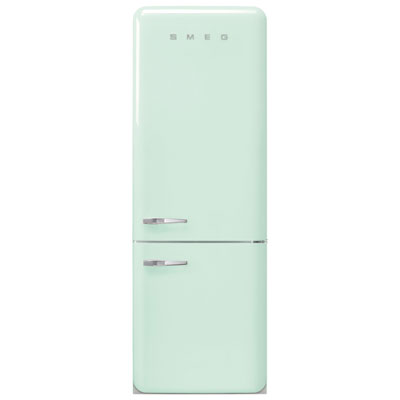
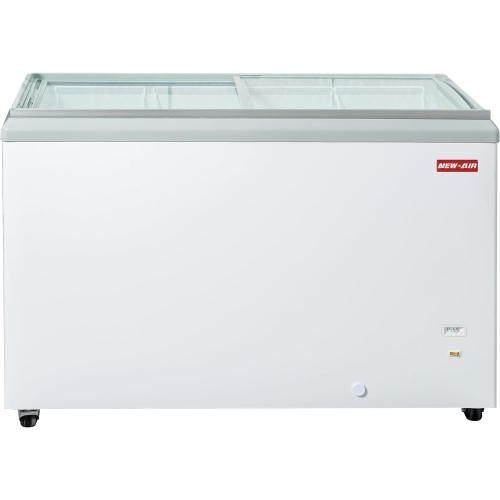
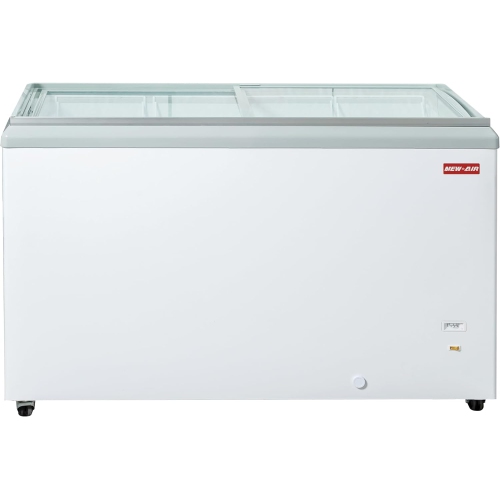
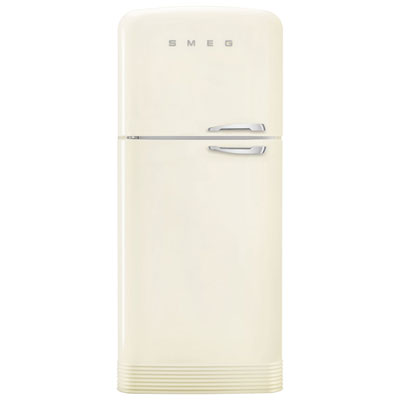
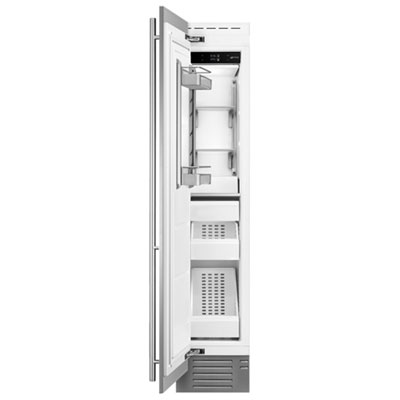
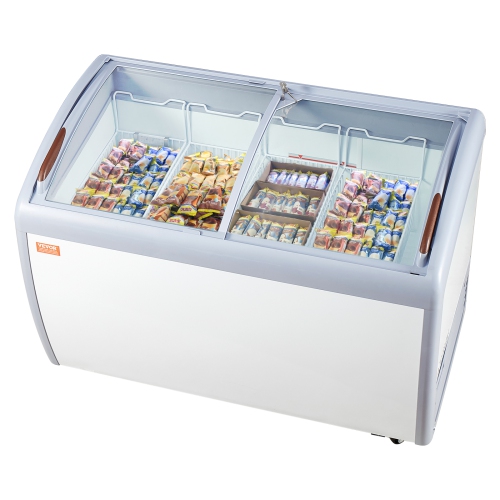
Portable cooling or bulk storage for home and travel
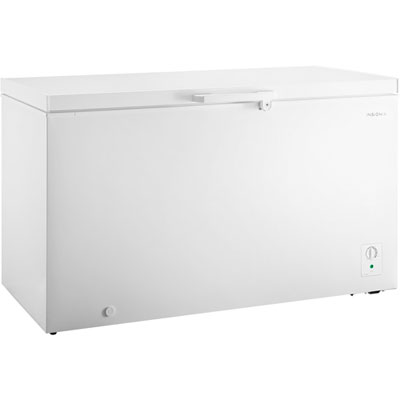
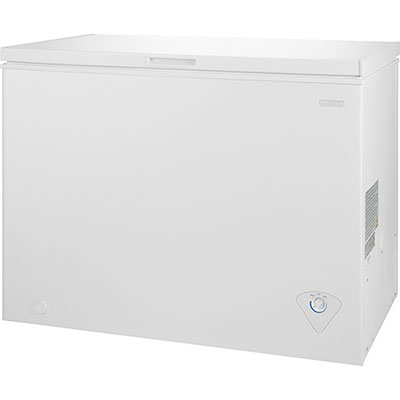
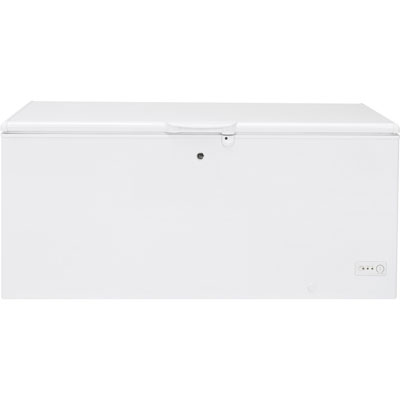
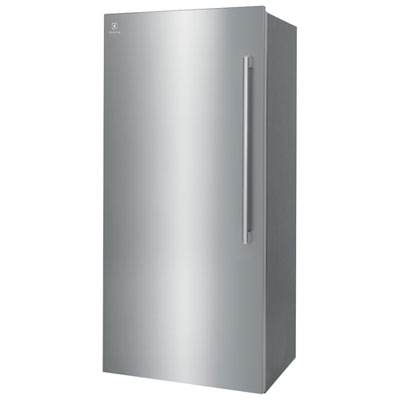
“Ice box freezers” can describe several types of cooling equipment, from the wooden ice boxes used before household refrigeration became common to modern portable fridge-freezers and larger chest freezers designed for home, garage, commercial, or outdoor use. Traditional ice boxes relied on a block of ice placed in an upper compartment, allowing cold air to move downward and keep food cool. While original antique ice boxes are now mainly collected as vintage furniture or displayed as historical décor, the name is still used informally for many practical cooling solutions. Today, shoppers searching for an ice box freezer may be comparing a compact electric cooler for road trips, a freezer with room for bulk food storage, or a rugged ice storage unit for a business that sells packaged ice. Understanding the intended use is the best place to start. A portable model can be useful for camping, fishing, tailgating, long drives, cottage weekends, and emergency food storage, while a chest-style freezer is better suited to keeping larger quantities of meat, frozen meals, baking ingredients, or seasonal produce organized at home. For a broader look at comparable home appliances, explore Electric Freezers. Each type offers a different balance of capacity, portability, temperature control, and power requirements, so a freezer that fits neatly in a vehicle may not have the interior space or long-term design needed for a busy household. Likewise, a deep chest freezer may be ideal in a basement or garage but impractical for a campsite or small kitchen.
Capacity is one of the most important details to compare. Portable ice box freezers are often measured in litres, with smaller interiors suited to drinks, snacks, bait, medication, or a few days of food, while larger versions can hold supplies for a family road trip or extended stay away from home. A chest freezer is usually measured in cubic feet, and its horizontal design provides generous storage for oversized packages that may be difficult to fit in an upright freezer. Before choosing a size, consider the space available around the unit as well as the interior dimensions. A freezer needs room for ventilation, opening the lid or door, and moving air around it. In a garage, measure doorways, stairwells, and the final placement area; a freezer that fits on paper can be surprisingly difficult to manoeuvre around a tight corner. Organization matters just as much as capacity. Removable baskets, dividers, interior lighting, adjustable shelves, and drain plugs can make everyday use much easier, especially when smaller items tend to disappear beneath larger packages. For portable use, look for sturdy handles, durable corners, secure latches, and a design that can withstand being loaded into a vehicle repeatedly. Built-in handles or wheels are helpful when the unit is full, since frozen food, ice, and drinks become heavy quickly. A drain or easy-clean interior is another practical feature after a spilled drink, melted ice, or a weekend outdoors. For food storage, check the temperature range and controls, and consider whether the unit is intended to freeze, refrigerate, or perform both functions. Some portable electric models can operate as a refrigerator, freezer, and ice maker, giving travellers more flexibility when fresh food and frozen storage are needed in the same compact appliance.
Power options should also match the way the ice box freezer will be used. A home chest freezer generally connects to a standard household outlet, whereas a portable unit may work with a vehicle connection, a household plug, a rechargeable battery, or more than one power source. If the freezer will be used in a car, confirm that the cable length and connection type are suitable for the vehicle, and think about how long food must remain cold when the engine is off. Battery compatibility, charging time, and backup power can be especially important during travel, at a cottage, or during a power interruption. Insulation and a well-sealed lid help a freezer hold its temperature, but placement still matters. Keep portable units out of direct sunlight where possible, and allow ventilation around powered components. A chest freezer is usually most convenient when placed on a level surface with enough clearance to open the lid fully. For households that buy groceries in bulk, having a dedicated freezer can make it easier to prepare meals ahead, store larger cuts of meat, or keep extra frozen food available during the cooler months. For outdoor vendors and convenience settings, a heavy-duty ice freezer may be designed to hold packaged ice where customers can see and access it, making durability, temperature consistency, and easy cleaning particularly important. Portable ice box freezers can also make thoughtful gifts for campers, anglers, cottage owners, frequent travellers, and hosts who enjoy outdoor gatherings. They are useful for keeping refreshments cold beside a picnic table, preserving a catch after a day on the water, or carrying frozen food between home and a destination without relying on a traditional cooler alone. Whether the goal is reliable food storage, portable cold space, or a convenient place to keep bags of ice, comparing capacity, dimensions, controls, power supply, insulation, and organization features will help match the ice box freezer to the way it will be used.
Capacity is one of the most important details to compare. Portable ice box freezers are often measured in litres, with smaller interiors suited to drinks, snacks, bait, medication, or a few days of food, while larger versions can hold supplies for a family road trip or extended stay away from home. A chest freezer is usually measured in cubic feet, and its horizontal design provides generous storage for oversized packages that may be difficult to fit in an upright freezer. Before choosing a size, consider the space available around the unit as well as the interior dimensions. A freezer needs room for ventilation, opening the lid or door, and moving air around it. In a garage, measure doorways, stairwells, and the final placement area; a freezer that fits on paper can be surprisingly difficult to manoeuvre around a tight corner. Organization matters just as much as capacity. Removable baskets, dividers, interior lighting, adjustable shelves, and drain plugs can make everyday use much easier, especially when smaller items tend to disappear beneath larger packages. For portable use, look for sturdy handles, durable corners, secure latches, and a design that can withstand being loaded into a vehicle repeatedly. Built-in handles or wheels are helpful when the unit is full, since frozen food, ice, and drinks become heavy quickly. A drain or easy-clean interior is another practical feature after a spilled drink, melted ice, or a weekend outdoors. For food storage, check the temperature range and controls, and consider whether the unit is intended to freeze, refrigerate, or perform both functions. Some portable electric models can operate as a refrigerator, freezer, and ice maker, giving travellers more flexibility when fresh food and frozen storage are needed in the same compact appliance.
Power options should also match the way the ice box freezer will be used. A home chest freezer generally connects to a standard household outlet, whereas a portable unit may work with a vehicle connection, a household plug, a rechargeable battery, or more than one power source. If the freezer will be used in a car, confirm that the cable length and connection type are suitable for the vehicle, and think about how long food must remain cold when the engine is off. Battery compatibility, charging time, and backup power can be especially important during travel, at a cottage, or during a power interruption. Insulation and a well-sealed lid help a freezer hold its temperature, but placement still matters. Keep portable units out of direct sunlight where possible, and allow ventilation around powered components. A chest freezer is usually most convenient when placed on a level surface with enough clearance to open the lid fully. For households that buy groceries in bulk, having a dedicated freezer can make it easier to prepare meals ahead, store larger cuts of meat, or keep extra frozen food available during the cooler months. For outdoor vendors and convenience settings, a heavy-duty ice freezer may be designed to hold packaged ice where customers can see and access it, making durability, temperature consistency, and easy cleaning particularly important. Portable ice box freezers can also make thoughtful gifts for campers, anglers, cottage owners, frequent travellers, and hosts who enjoy outdoor gatherings. They are useful for keeping refreshments cold beside a picnic table, preserving a catch after a day on the water, or carrying frozen food between home and a destination without relying on a traditional cooler alone. Whether the goal is reliable food storage, portable cold space, or a convenient place to keep bags of ice, comparing capacity, dimensions, controls, power supply, insulation, and organization features will help match the ice box freezer to the way it will be used.
Top selling and popular products
-
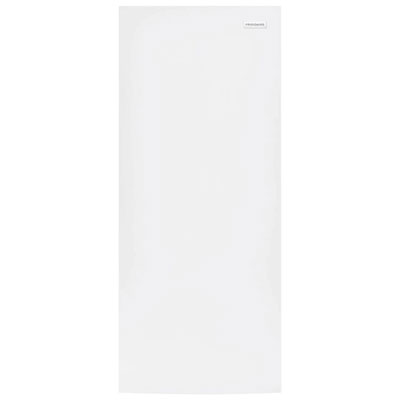 Your price for this item is $747.99
 -
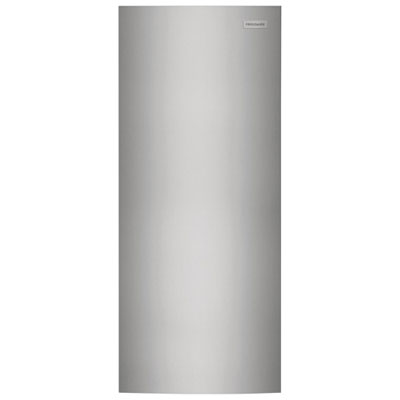 Your price for this item is $892.99
 -
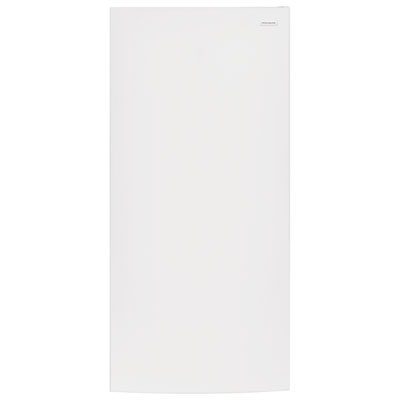 Your price for this item is $1299.99
 -
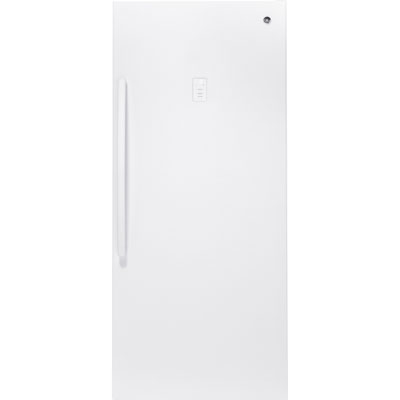 Your price for this item is $2149.99
 -
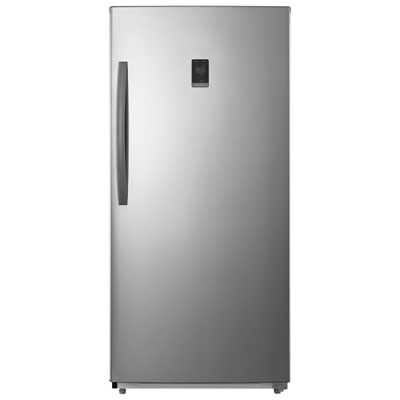 Your price for this item is $749.99
 -
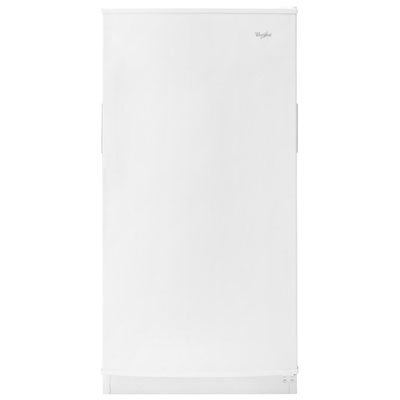 Your price for this item is $1299.99
 -
 Your price for this item is $1449.99
 -
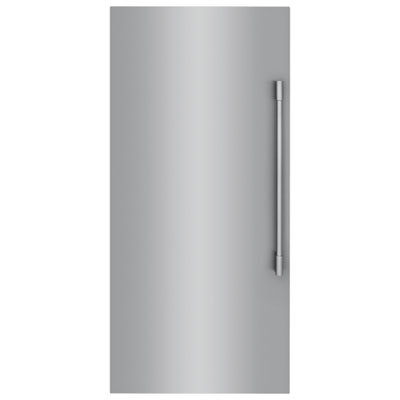 Your price for this item is $3699.99
Discover more categories related to Ice Box Freezers
Top Collections:
Pokemon Centers, Kindle Devices, Best Budget Office Chairs, Apple iPhones 16, Best Laptops for Writers, iPhone 15 Apple, Canon G7X Cameras, Refurbished Apple Laptops, Alarm Clock, Motorola Razr Phones
Some products may be subject to Environmental Handling Fees
(EHF) depending on your province.
Learn more about EHFs.