Industrial Air Circulation Fans
Industrial Air Circulation Fans are essential for maintaining optimal airflow in large spaces such as warehouses, workshops, and commercial facilities. Designed to help create a more comfortable and productive environment, these fans are suitable for a variety of demanding applications. Whether you need to enhance ventilation or keep air moving in expansive areas, Industrial Air Circulation Fans offer reliable performance to meet your needs. Explore a range of options to find the right solution for your workspace.
Sort
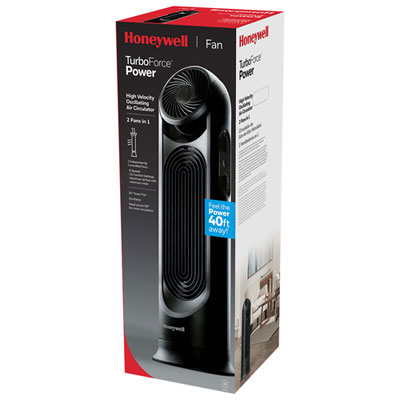
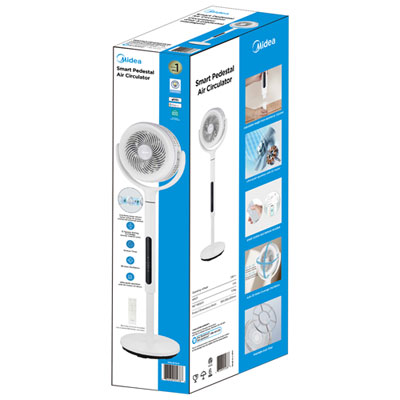
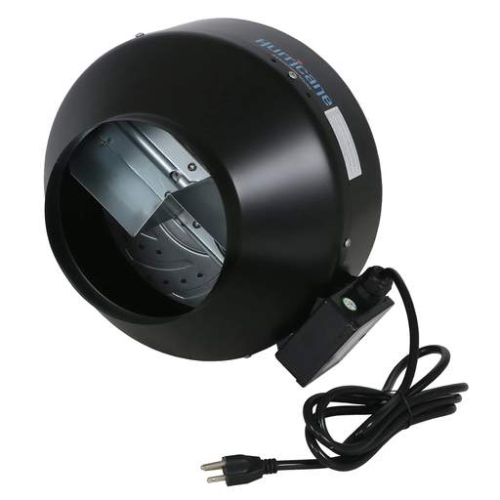
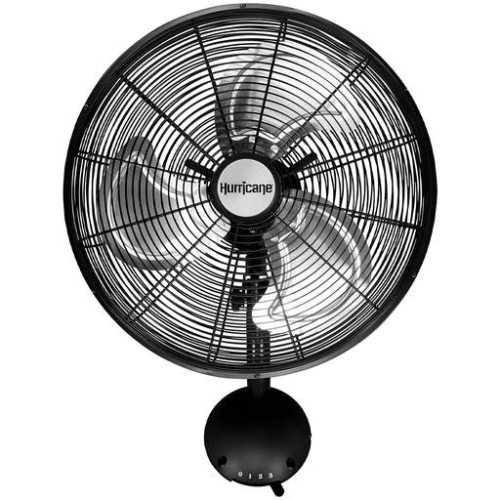
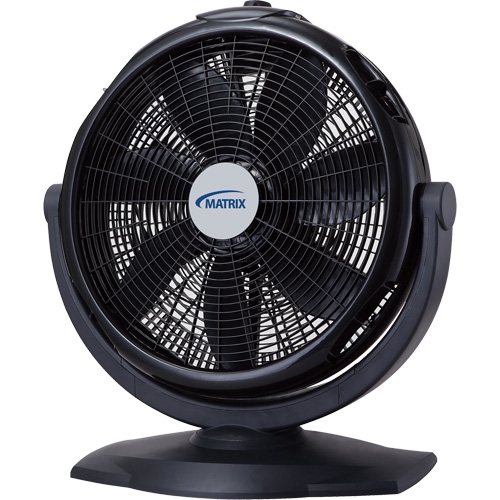
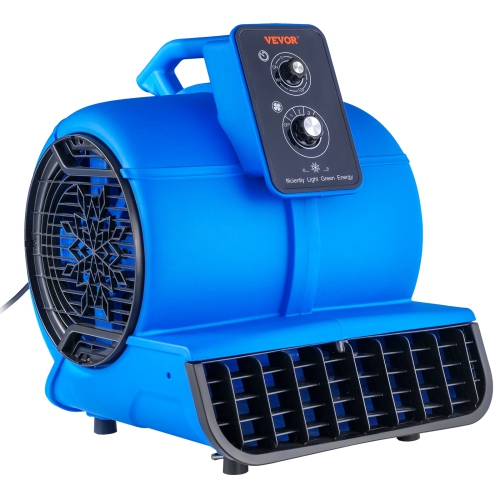
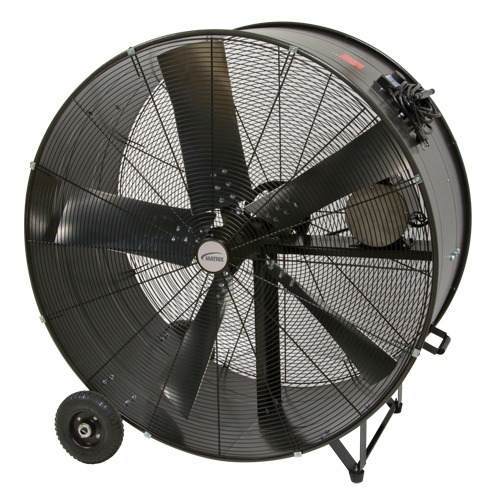
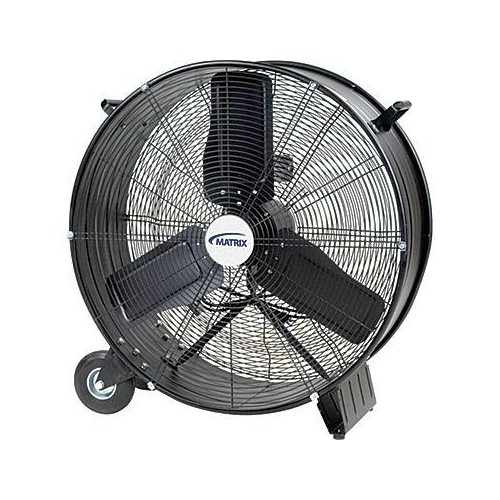
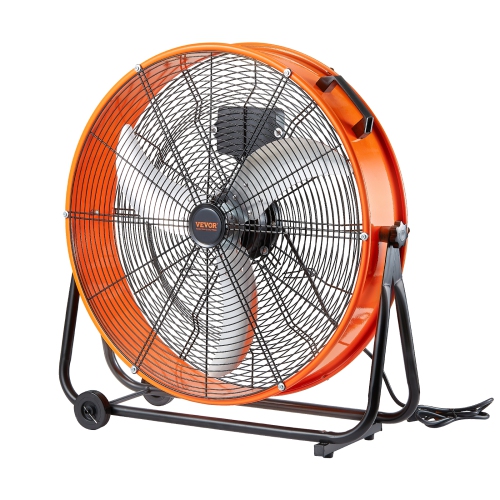
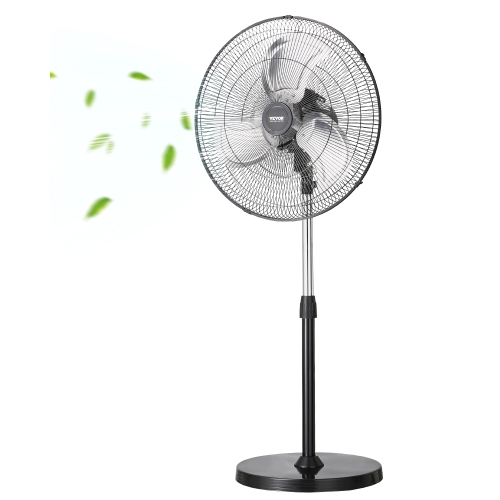
Powerful airflow for large spaces and demanding work areas
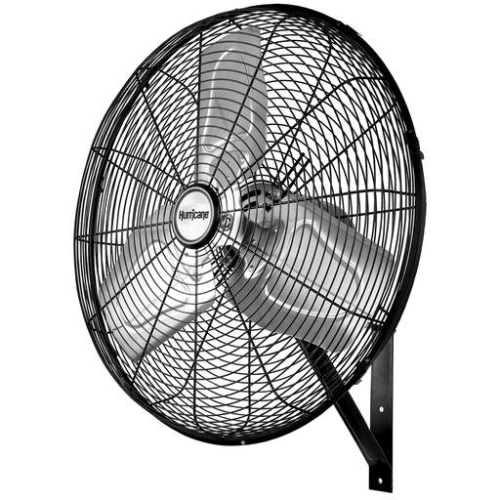
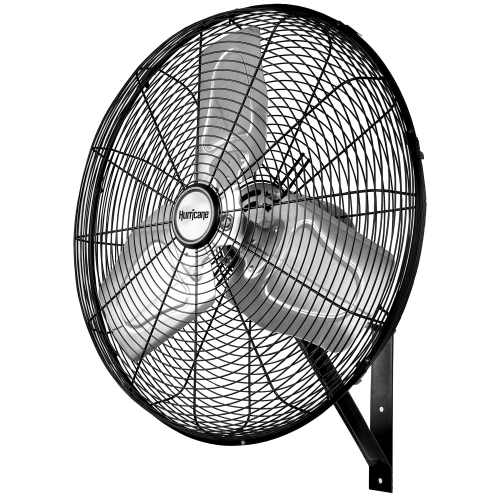
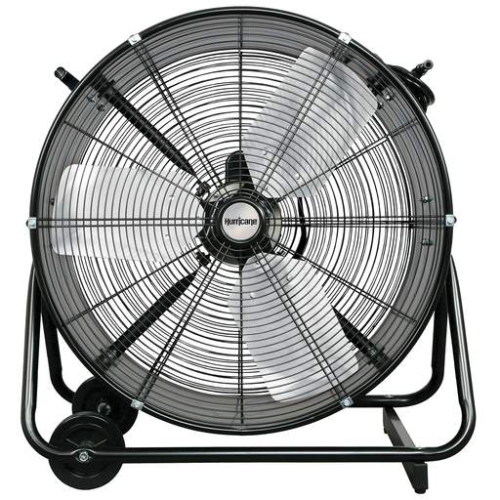
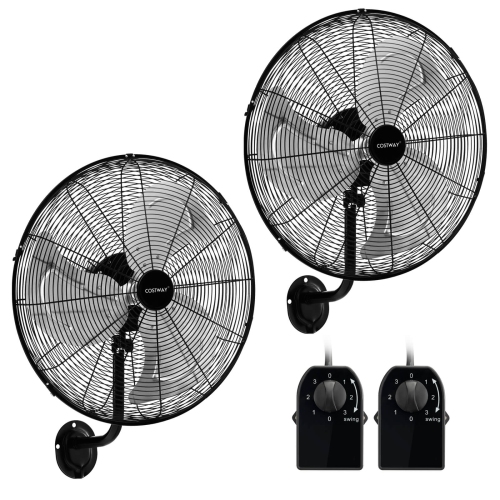
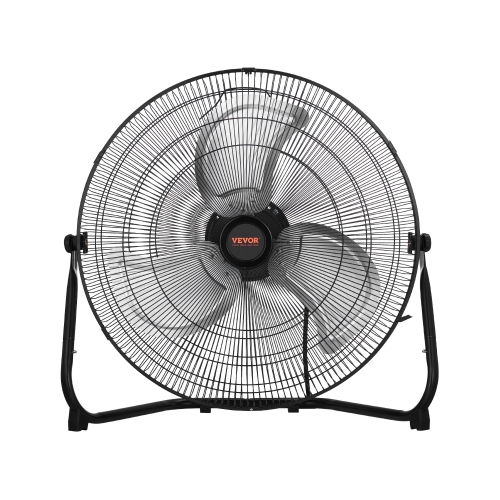
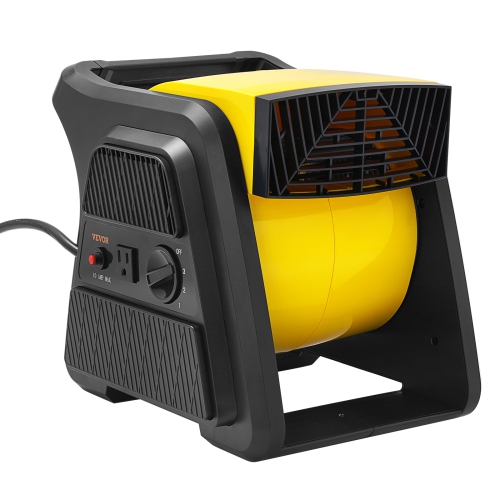
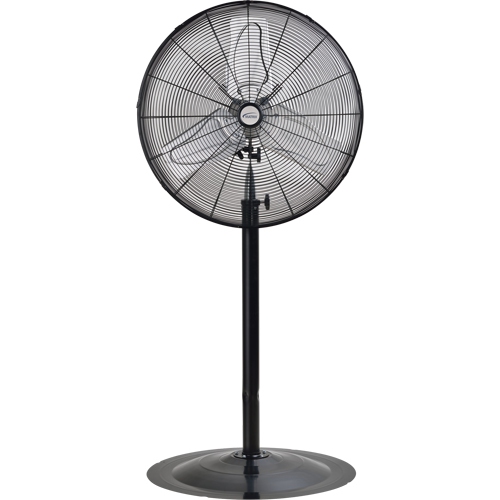
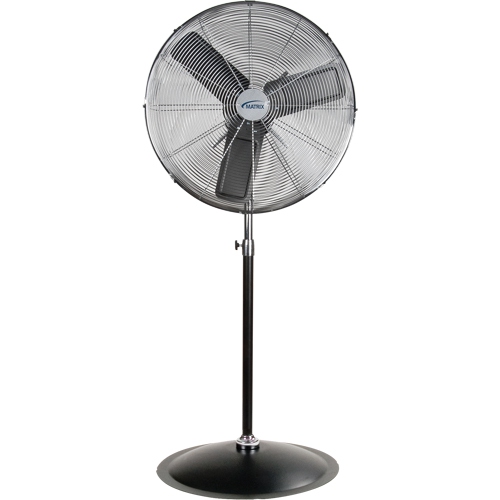
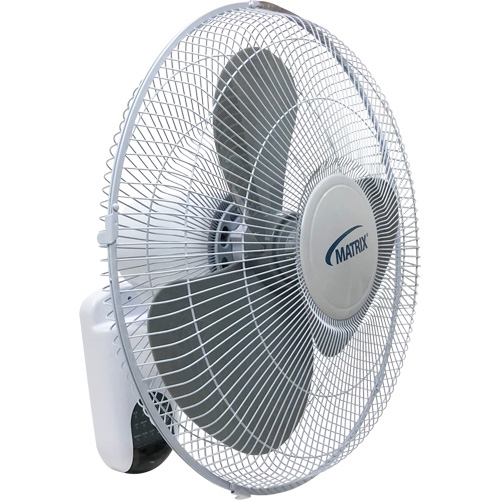
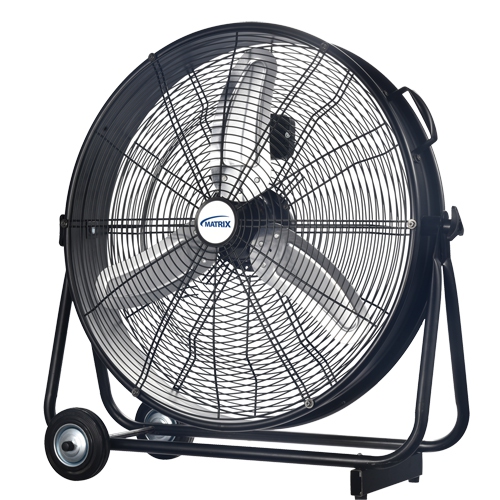
Industrial air circulation fans are designed to move substantial volumes of air through large, busy spaces where a standard household fan may not provide enough reach or airflow. They are commonly used in warehouses, workshops, garages, loading areas, production floors, retail back rooms, fitness facilities, agricultural buildings, and other commercial settings where air can become warm, stale, or unevenly distributed. Rather than simply cooling the person standing directly in front of the fan, these units help keep air moving across a wider area, reducing stagnant pockets and improving comfort around workstations, storage zones, and activity areas. During the cooler months, they can also help distribute heated air that naturally rises toward high ceilings, making temperatures feel more consistent from floor to ceiling. Industrial air circulation fans are available in several formats, including portable floor fans, pedestal fans, barrel fans, wall-mounted fans, and ceiling-mounted models. A portable fan can be directed toward a particular workstation or moved between rooms as needs change, while a wall or ceiling mount can provide dependable circulation without taking up valuable floor space. Wheeled designs are especially practical in workshops and warehouses, where layouts may change throughout the day and equipment needs to be repositioned quickly. For a large open area, a high-velocity barrel fan can push air across a considerable distance, while a pedestal fan may be better suited to directing airflow at a precise height. When selecting a fan, consider the size and layout of the space, the height of the ceiling, the number of people nearby, and whether the main goal is cooling workers, clearing warm or stale air, helping floors dry, or balancing temperatures throughout the room.
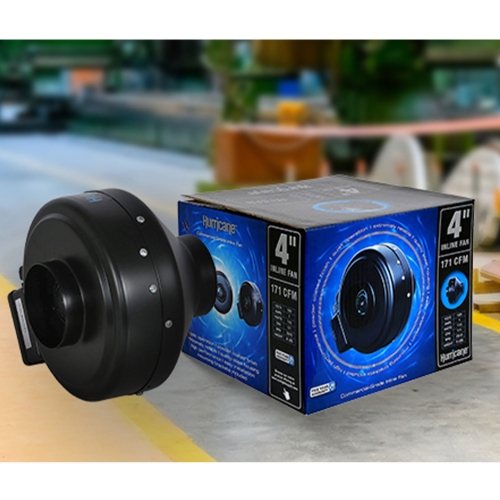
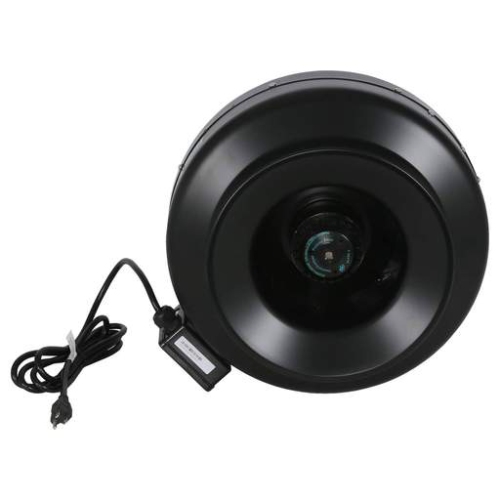
One of the most useful specifications to compare is CFM, or cubic feet per minute. This measurement indicates the volume of air a fan can move in one minute, making it a helpful starting point when comparing models intended for different spaces. A higher CFM rating is generally appropriate for larger rooms, high ceilings, open warehouse aisles, or areas where air needs to travel farther. However, maximum airflow is not the only factor that matters. Fan placement, the direction of the air stream, the shape of the room, and obstacles such as shelving or machinery all affect real-world performance. A compact floor fan with a focused stream may be more useful beside a repair bench than a much larger unit that spreads air too broadly. Likewise, a wall-mounted fan can be a good choice where walkways must remain clear, while a pedestal fan offers height adjustment for changing work areas. Look for adjustable speed settings, tilt adjustment, sturdy guards, and controls that are easy to reach while wearing work gloves. Noise level is also worth considering in offices, studios, classrooms, reception areas, or gyms, where constant mechanical sound can become distracting. In dusty workshops, garages, and industrial spaces, check the motor and housing specifications carefully. Locations exposed to dust, moisture, or occasional splashes may require a more protective motor design and a housing that is suited to the conditions. Fans should always be placed on a stable surface or securely mounted according to the manufacturer’s instructions, with enough clearance around the intake and exhaust areas for unrestricted airflow. Keep cords away from walkways, inspect guards and plugs regularly, and avoid using a fan in a wet area unless it is specifically rated for that type of use. For spaces where people train, stretch, or work at a steady pace, browse Industrial Fans for Gyms to find options suited to active facilities.
The right industrial fan can become a quietly essential part of a daily routine. In a warehouse, it may help take the edge off the heat near a loading door while keeping air moving along an aisle. In a workshop, it can direct a steady breeze across a workbench without scattering papers or loose materials throughout the room. In a garage, a portable unit can be rolled into position for detail work, maintenance, or cleanup, then stored against a wall when the space needs to be cleared. Fitness studios and training rooms may use circulation fans to keep air moving during busy sessions, while retail and commercial spaces may benefit from fixed models that maintain consistent airflow without interfering with customers or staff. These fans can also be useful gifts for someone setting up a home workshop, renovating a garage, opening a small studio, or outfitting a new work area, particularly when practical equipment is more welcome than decorative accessories. Before purchasing, measure the available floor or wall space and note the distance between the fan and the area where airflow is needed. Think about whether the unit will stay in one place or move frequently, and choose a base, wheels, handle, or mounting style that matches that routine. A fan intended for occasional use may prioritise portability and simple controls, while a busy commercial space may benefit from durable construction, multiple speed settings, and a design that can operate reliably for extended periods. During the transition between warmer and cooler conditions, adjustable air circulation can make a large room feel more comfortable without requiring every workstation to have its own fan. With the right CFM rating, mounting style, protection features, and placement, an industrial air circulation fan can help create a more comfortable and functional space for work, exercise, storage, and everyday projects.
One of the most useful specifications to compare is CFM, or cubic feet per minute. This measurement indicates the volume of air a fan can move in one minute, making it a helpful starting point when comparing models intended for different spaces. A higher CFM rating is generally appropriate for larger rooms, high ceilings, open warehouse aisles, or areas where air needs to travel farther. However, maximum airflow is not the only factor that matters. Fan placement, the direction of the air stream, the shape of the room, and obstacles such as shelving or machinery all affect real-world performance. A compact floor fan with a focused stream may be more useful beside a repair bench than a much larger unit that spreads air too broadly. Likewise, a wall-mounted fan can be a good choice where walkways must remain clear, while a pedestal fan offers height adjustment for changing work areas. Look for adjustable speed settings, tilt adjustment, sturdy guards, and controls that are easy to reach while wearing work gloves. Noise level is also worth considering in offices, studios, classrooms, reception areas, or gyms, where constant mechanical sound can become distracting. In dusty workshops, garages, and industrial spaces, check the motor and housing specifications carefully. Locations exposed to dust, moisture, or occasional splashes may require a more protective motor design and a housing that is suited to the conditions. Fans should always be placed on a stable surface or securely mounted according to the manufacturer’s instructions, with enough clearance around the intake and exhaust areas for unrestricted airflow. Keep cords away from walkways, inspect guards and plugs regularly, and avoid using a fan in a wet area unless it is specifically rated for that type of use. For spaces where people train, stretch, or work at a steady pace, browse Industrial Fans for Gyms to find options suited to active facilities.
The right industrial fan can become a quietly essential part of a daily routine. In a warehouse, it may help take the edge off the heat near a loading door while keeping air moving along an aisle. In a workshop, it can direct a steady breeze across a workbench without scattering papers or loose materials throughout the room. In a garage, a portable unit can be rolled into position for detail work, maintenance, or cleanup, then stored against a wall when the space needs to be cleared. Fitness studios and training rooms may use circulation fans to keep air moving during busy sessions, while retail and commercial spaces may benefit from fixed models that maintain consistent airflow without interfering with customers or staff. These fans can also be useful gifts for someone setting up a home workshop, renovating a garage, opening a small studio, or outfitting a new work area, particularly when practical equipment is more welcome than decorative accessories. Before purchasing, measure the available floor or wall space and note the distance between the fan and the area where airflow is needed. Think about whether the unit will stay in one place or move frequently, and choose a base, wheels, handle, or mounting style that matches that routine. A fan intended for occasional use may prioritise portability and simple controls, while a busy commercial space may benefit from durable construction, multiple speed settings, and a design that can operate reliably for extended periods. During the transition between warmer and cooler conditions, adjustable air circulation can make a large room feel more comfortable without requiring every workstation to have its own fan. With the right CFM rating, mounting style, protection features, and placement, an industrial air circulation fan can help create a more comfortable and functional space for work, exercise, storage, and everyday projects.
Top selling and popular products
-
 Your price for this item is $176.99
 -
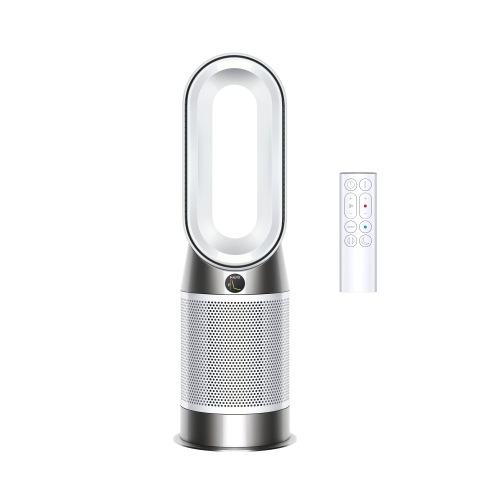 Your price for this item is $349.99
 -
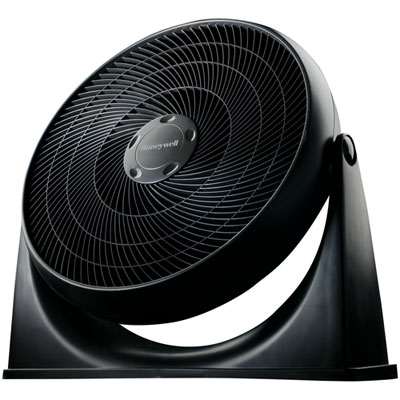 Your price for this item is $89.99
 -
 Your price for this item is $446.99
 -
 Your price for this item is $84.99
 -
 Your price for this item is $209.99
 -
 Your price for this item is $89.99
 -
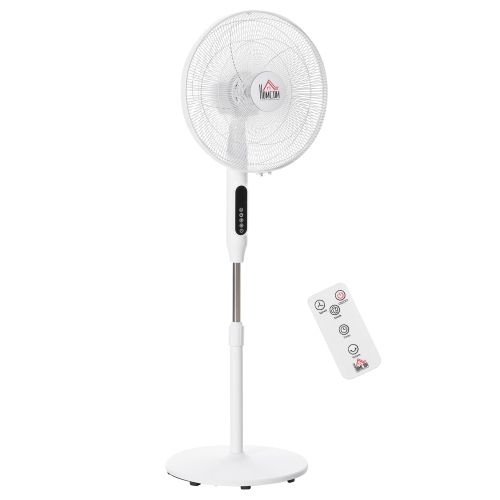 Your price for this item is $89.99
Discover more categories related to Industrial Air Circulation Fans
Top Collections:
Pokemon Centers, Kindle Devices, Best Budget Office Chairs, Apple iPhones 16, Best Laptops for Writers, iPhone 15 Apple, Canon G7X Cameras, Refurbished Apple Laptops, Alarm Clock, Motorola Razr Phones
Some products may be subject to Environmental Handling Fees
(EHF) depending on your province.
Learn more about EHFs.