Industrial Fans
When it comes to keeping a large workspace or industrial setting cool and well-ventilated, industrial fans are essential equipment that can make a significant difference. These powerful fans are designed to provide high-performance airflow, helping to circulate air efficiently and maintain comfortable working conditions. Whether you need to cool down a warehouse, workshop, or any other industrial space, investing in the right industrial fan can enhance air quality, improve employee comfort, and increase productivity. Explore our selection of industrial fans to find the perfect solution for your cooling needs.
Sort




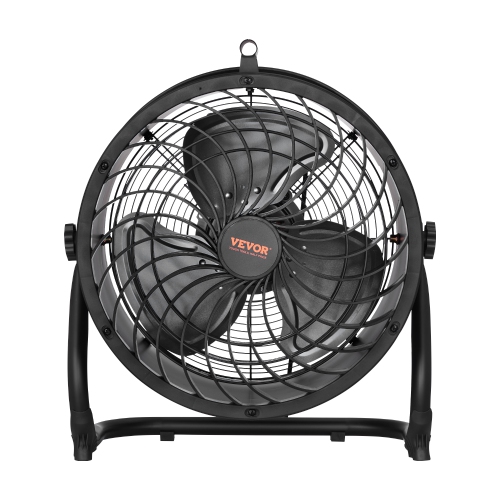
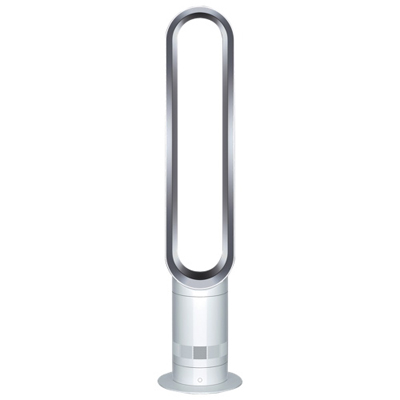
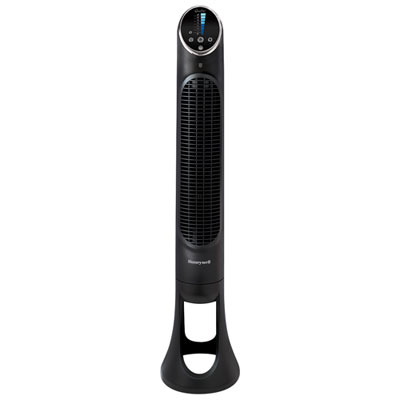
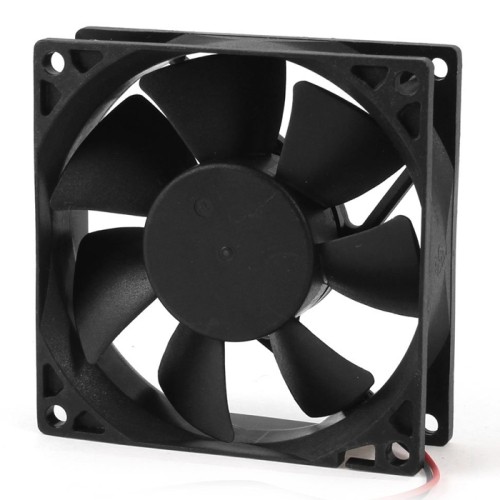


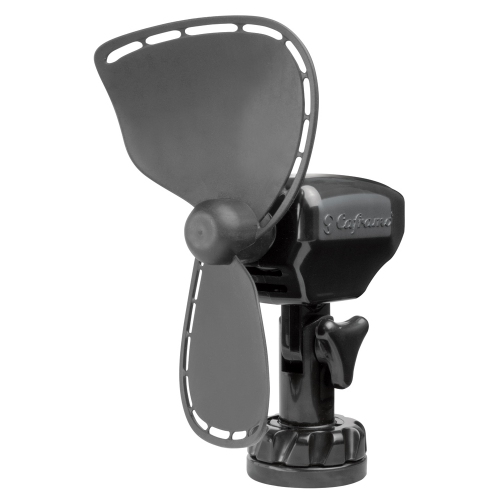
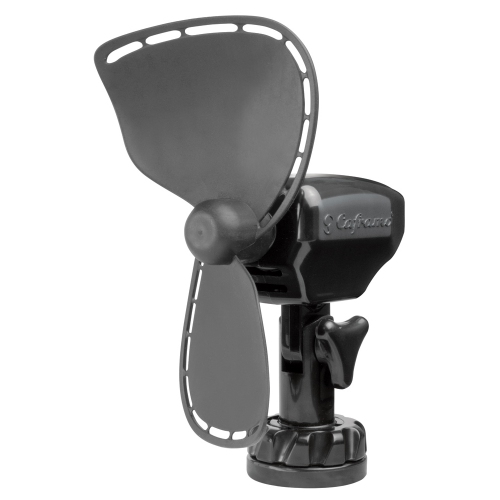
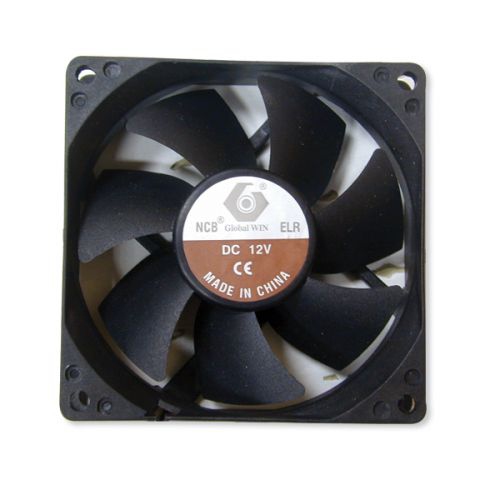
Heavy-duty airflow for workspaces beyond a household fan’s reach
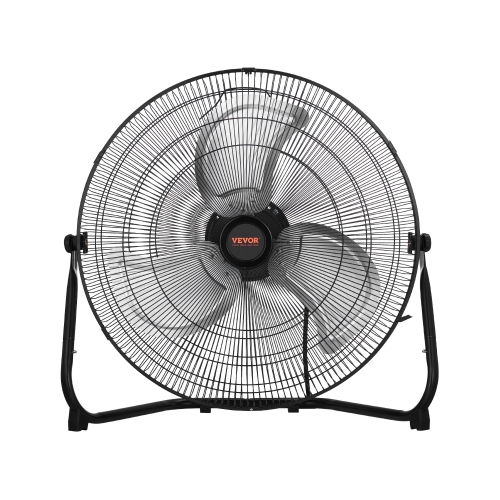
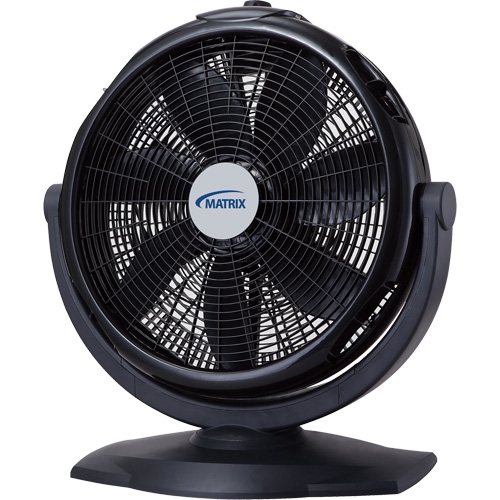
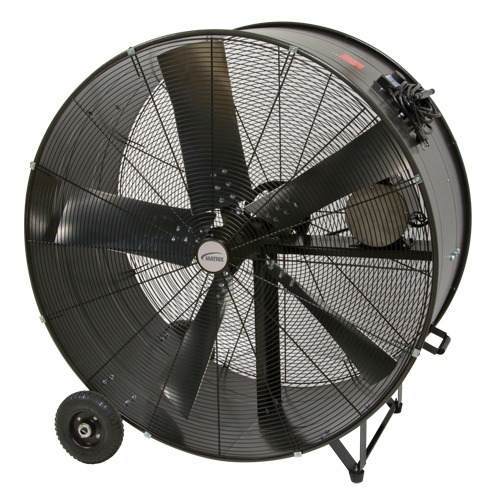
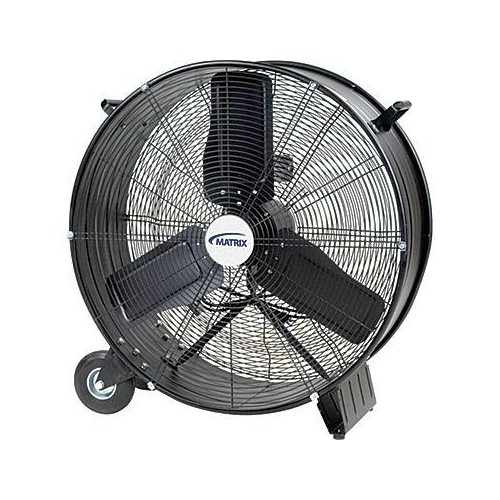
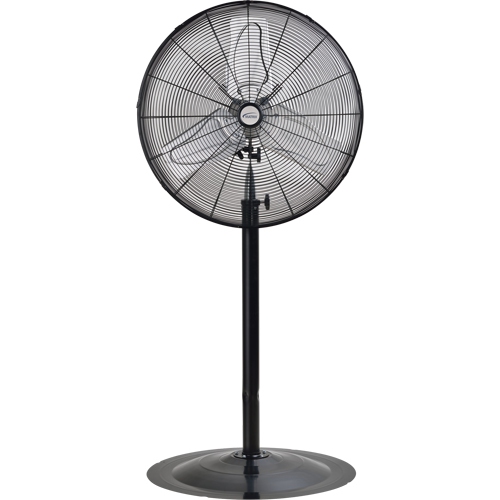
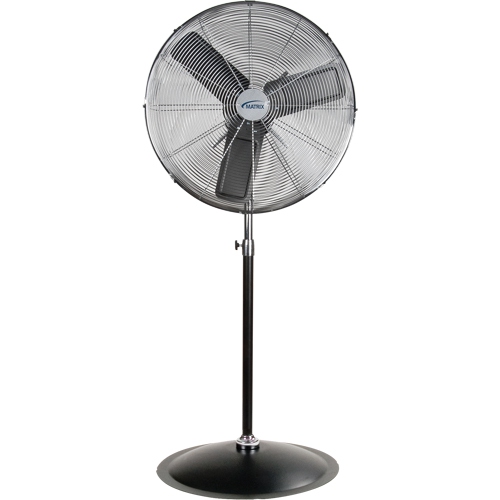
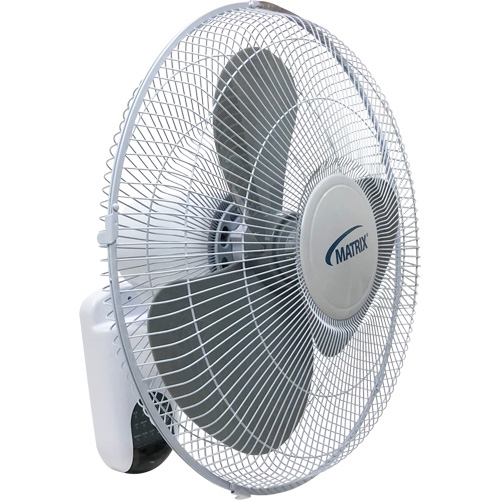
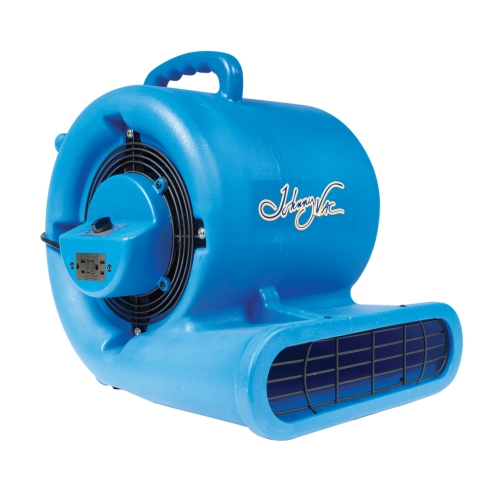
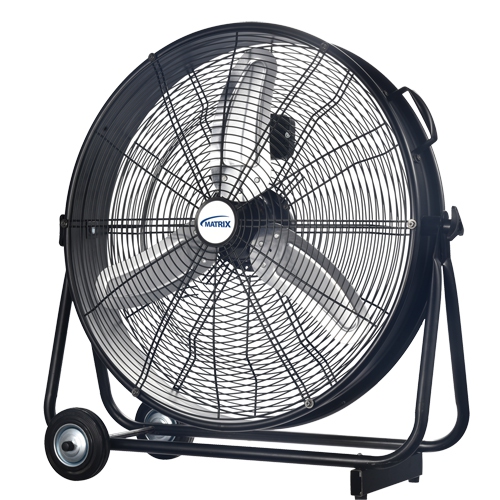
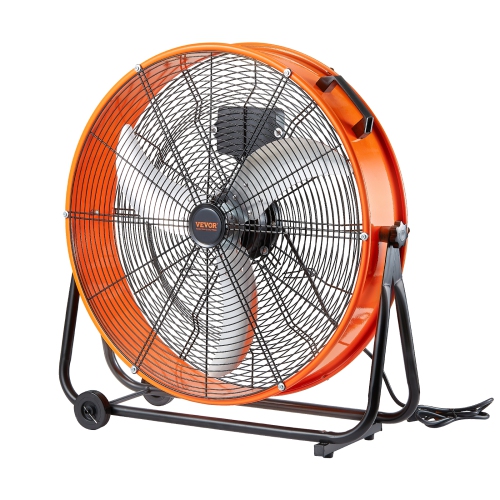
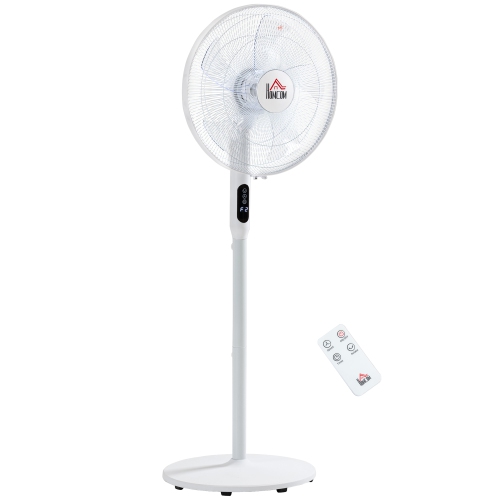
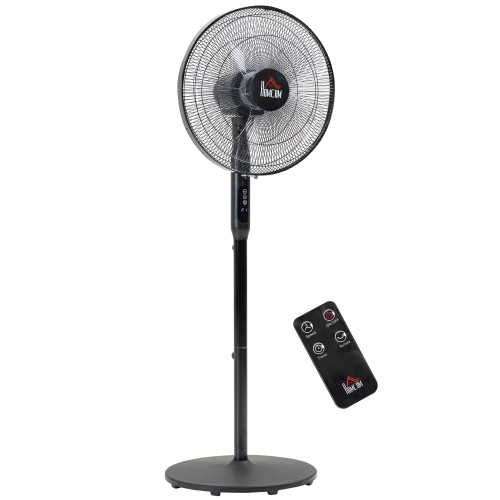
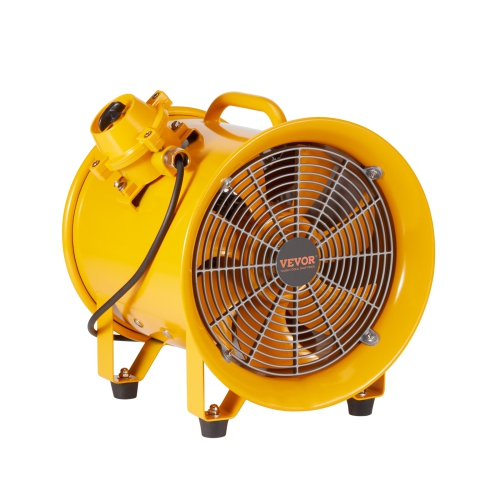
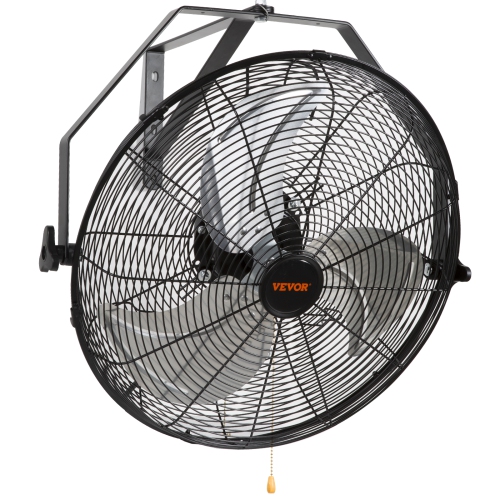
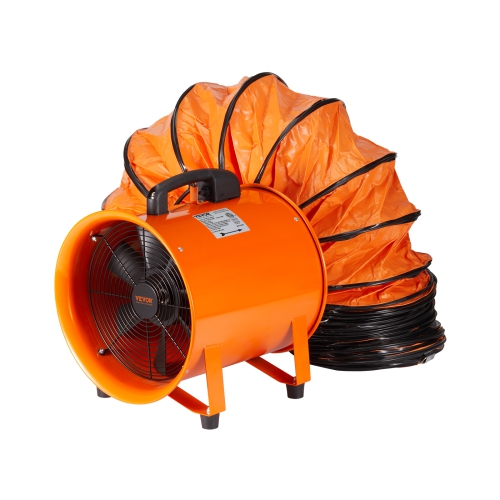
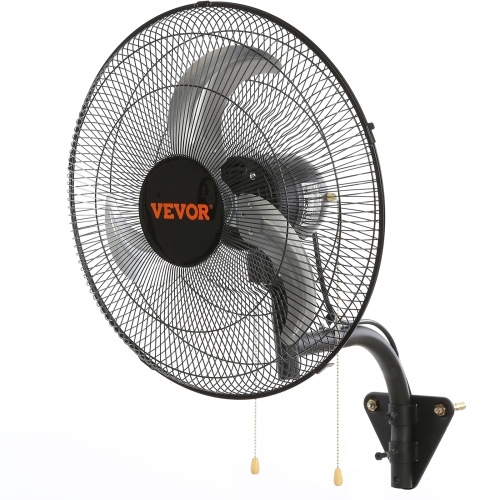
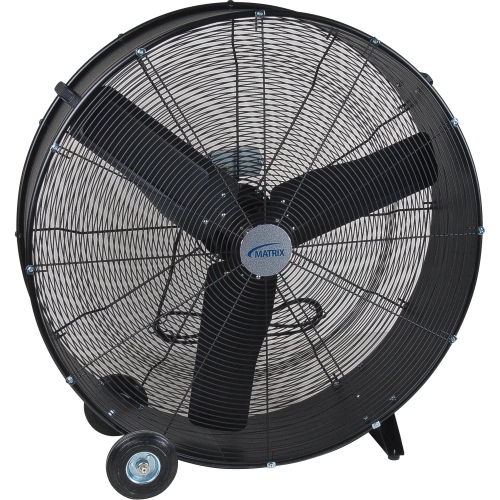
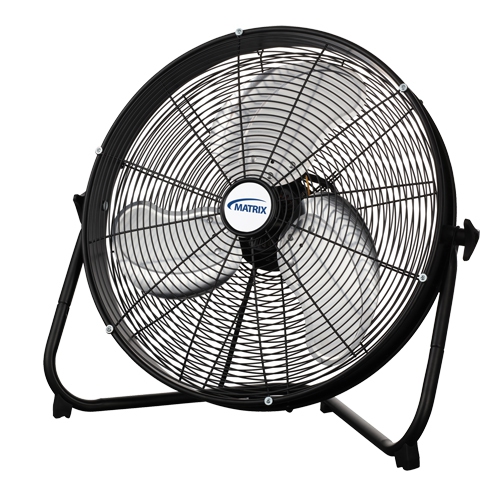
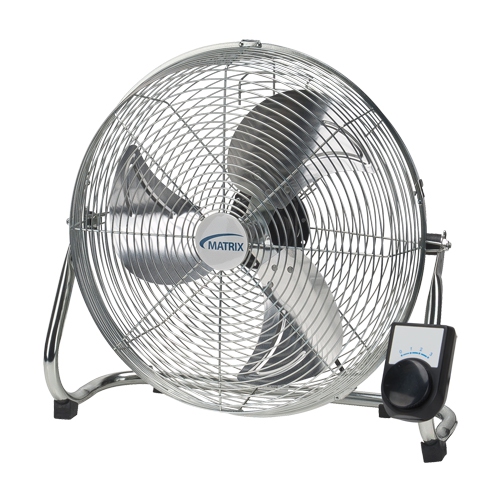
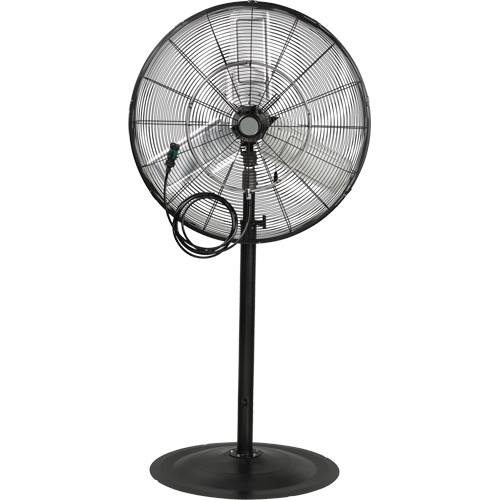
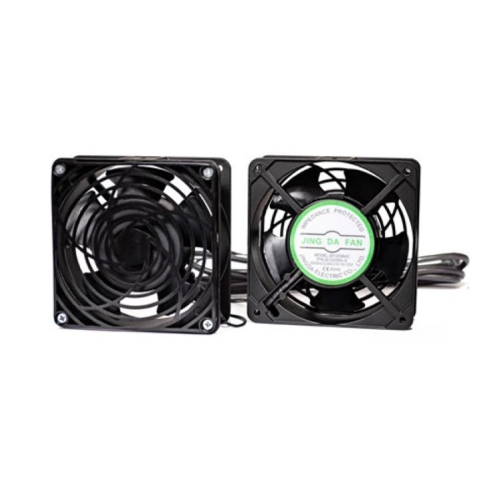
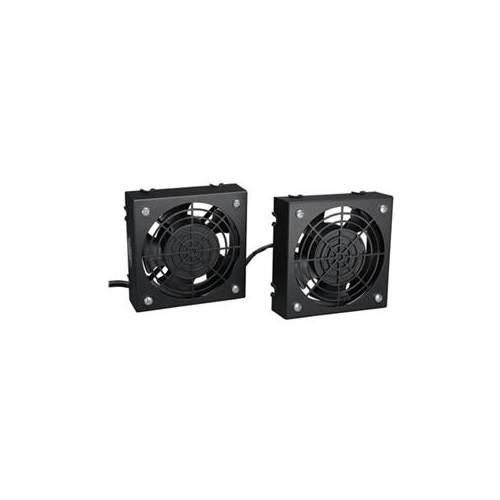
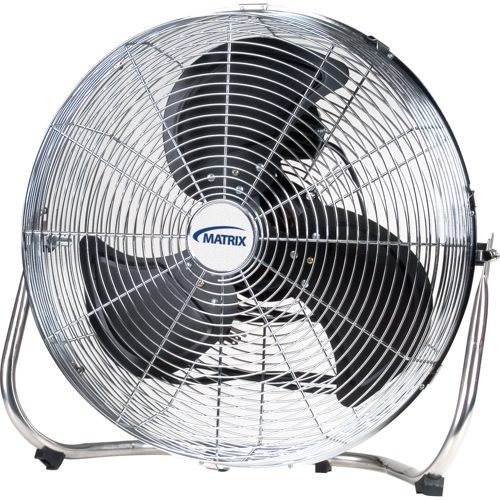
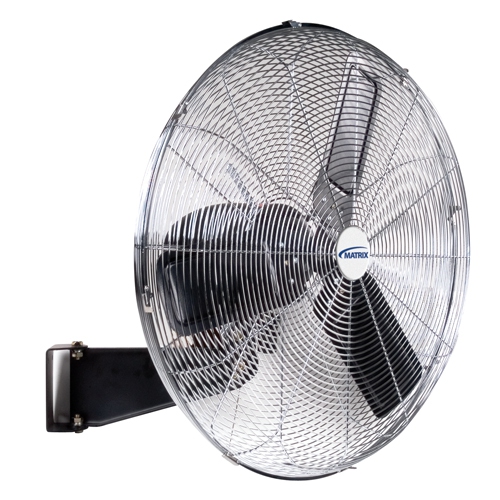
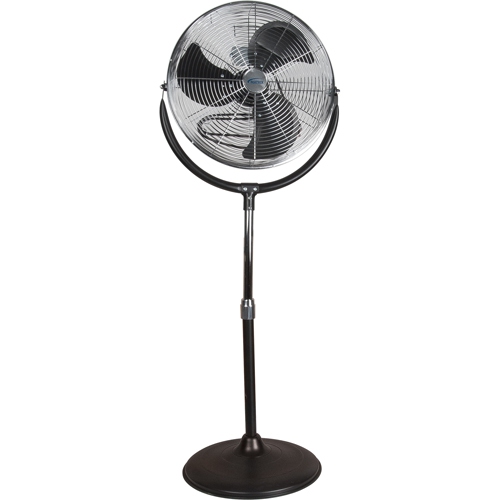
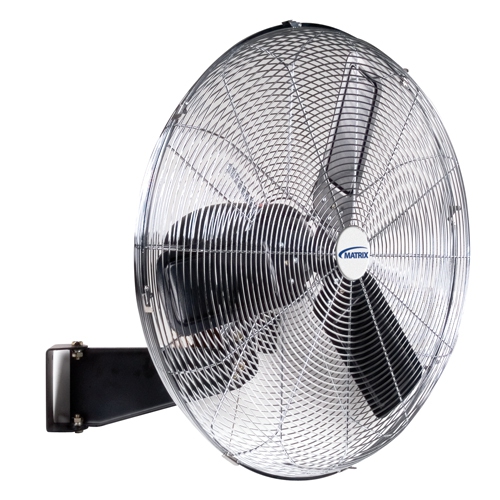
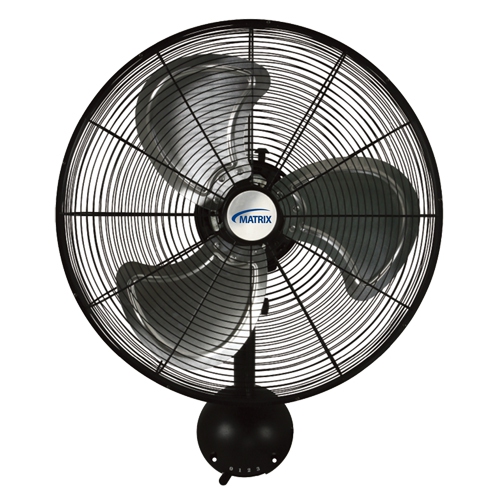
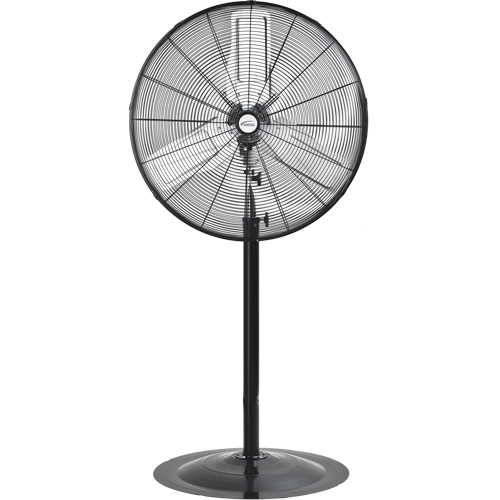
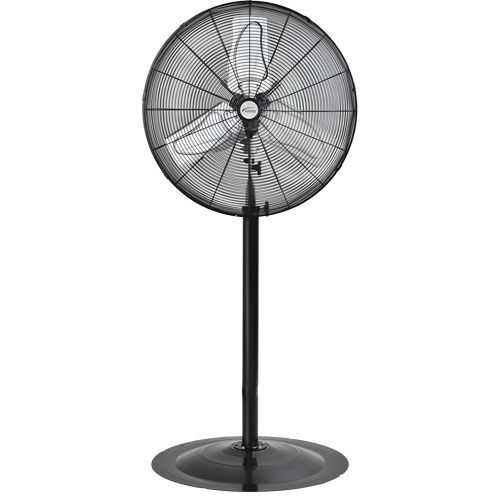
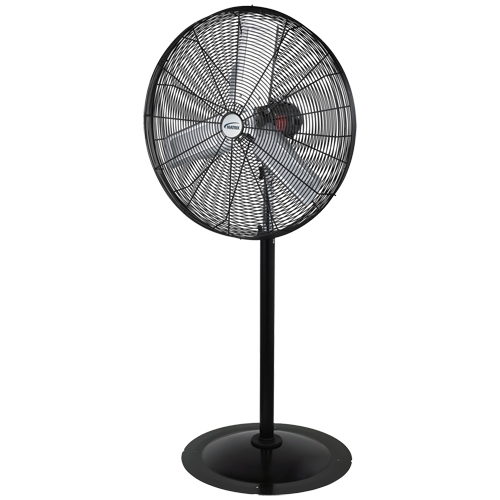
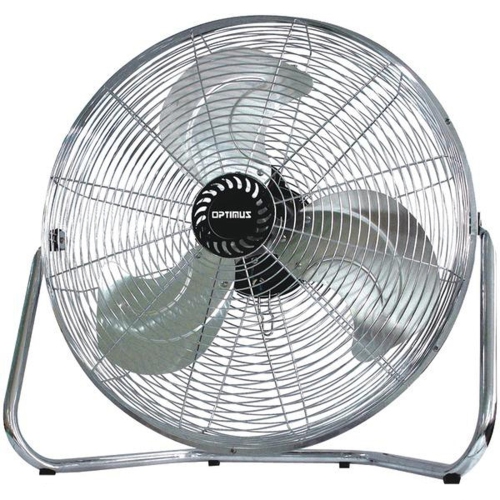
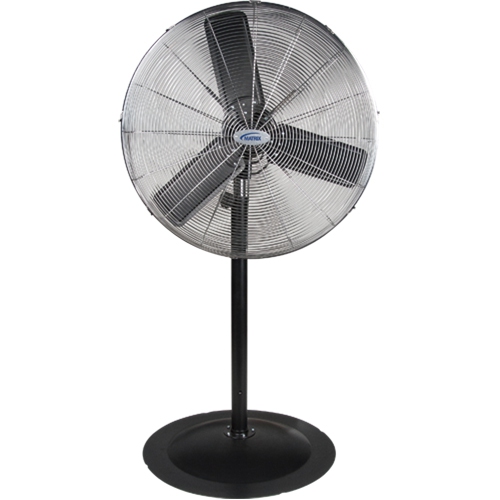
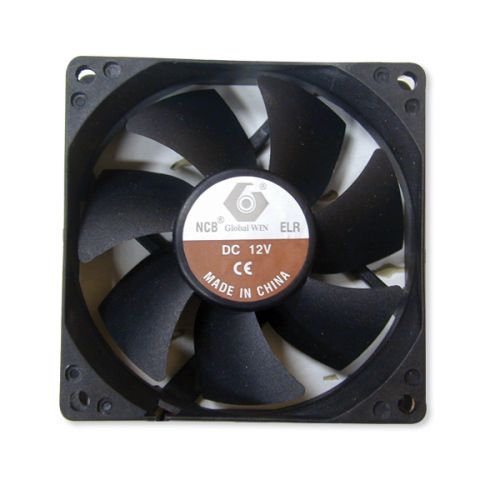
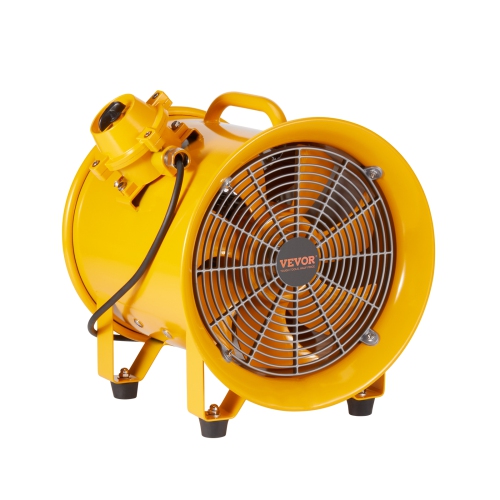
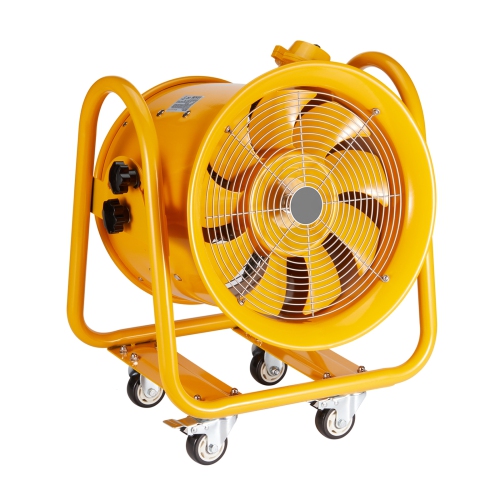
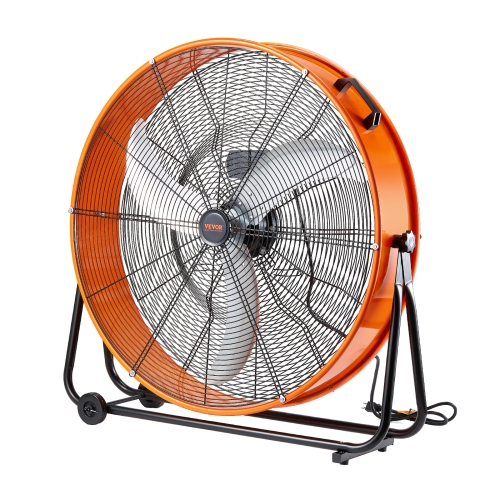
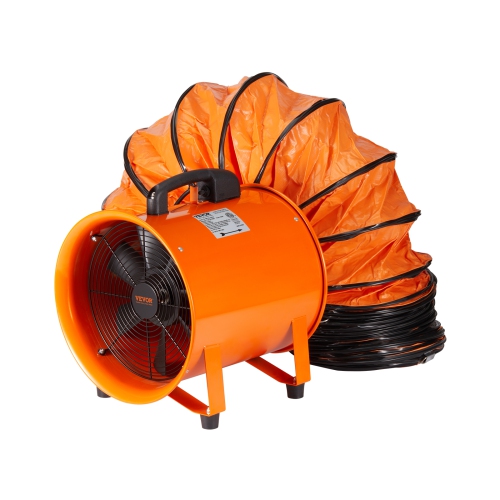
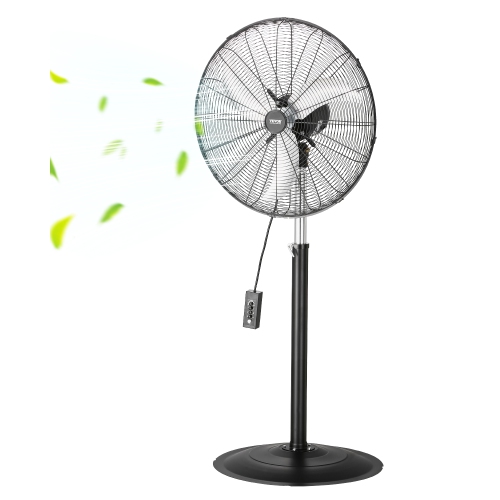
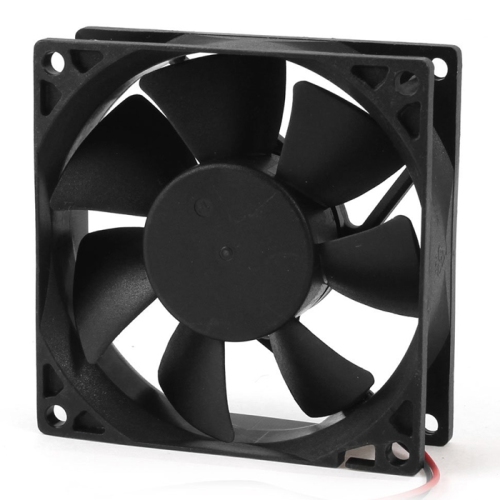
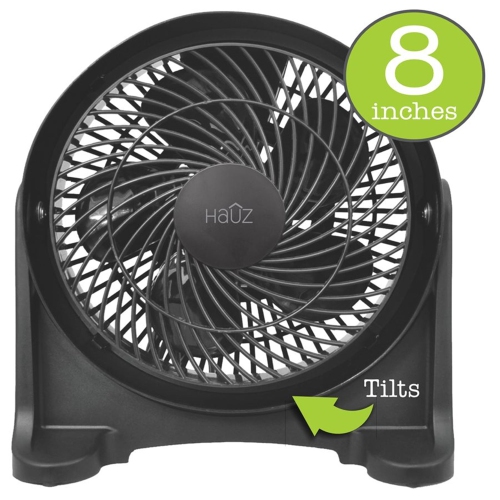
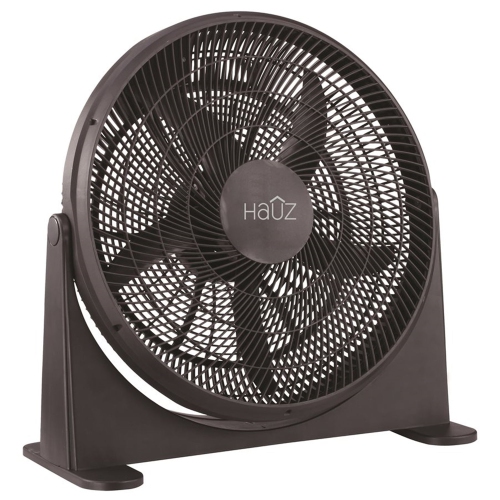
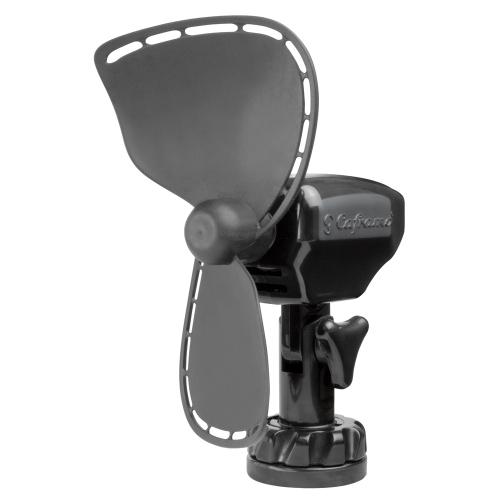
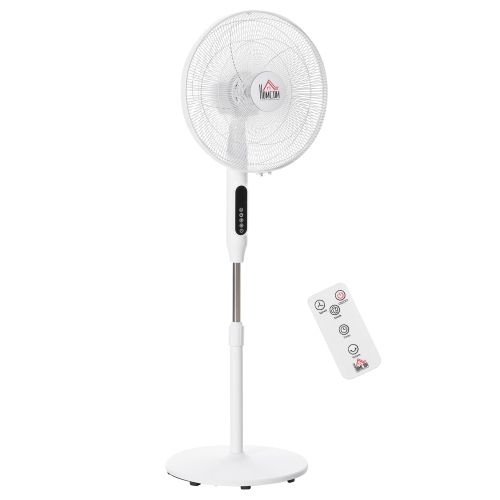
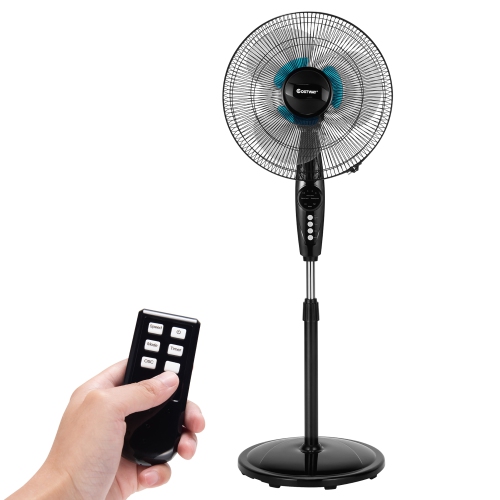
Industrial fans deliver heavy-duty air circulation for warehouses, workshops, commercial facilities, and other large workspaces. Their purpose is to move air where people work, equipment operates, and ordinary household fans may not provide enough reach or coverage. Although air movement can help people feel cooler, a circulation fan does not lower room temperature in the same way as an air conditioner. Ventilation also requires a path for fresh air to enter and stale air to leave; simply moving air within a closed room does not create that exchange. Different industrial fan designs serve distinct purposes. Floor fans direct airflow from a low position and can fit beside workstations or beneath open shelving when clearances allow. Pedestal fans raise the airflow above floor-level obstacles, making them useful beside packing benches, repair bays, and assembly areas. Adjustable height and a tilting head help position the air stream, while oscillation spreads it across a wider area rather than keeping it aimed at one point. For workspaces that benefit from elevated, adjustable airflow, industrial pedestal fans offer a practical alternative to low-profile floor designs. Drum fans use a barrel-shaped housing and large blades to move substantial volumes of air across open floor plans, with wheeled designs making relocation more manageable. Wall-mounted and column-mounted fans leave the floor clear, an advantage along busy aisles or around benches with limited standing room. Ceiling-mounted industrial fans cover spaces from overhead, and high-volume, low-speed designs use large blades turning slowly to circulate air across broad areas. Each format suits a different layout: a focused air stream can serve a single repair station, while wider circulation may better suit a shared production area. Workshop owners, facility managers, tradespeople, and maintenance teams often choose among these formats according to the tasks being performed and the space available for safe placement.
Airflow capacity, reach, and placement determine how well an industrial fan fits its intended use. Airflow is commonly expressed in cubic feet per minute, or CFM, which describes the volume of air moved under stated test conditions. A higher CFM figure generally indicates greater air volume, but that number alone does not describe how air will travel around racks, partitions, machinery, or stored materials. Blade diameter, housing design, speed settings, and the distance between the fan and the work area also affect the result. A long, open warehouse aisle presents a different challenge from a compact workshop divided by tool cabinets. In the aisle, a drum fan may provide useful directional airflow over a longer distance; at a bench, a smaller adjustable fan can offer more control without disturbing paperwork or lightweight packaging. Multiple speed settings make it easier to match airflow to the task instead of running at full output throughout the day. Noise deserves similar attention, particularly where staff need to speak with customers, communicate across a bench, or hear equipment alerts. Where sound ratings are provided, comparisons are most meaningful when the measurement distance and operating speed are similar. Physical fit extends beyond the width of the fan housing. Pedestal bases need stable floor space, oscillating heads need room to sweep, and tilted fans require clearance around both the intake and outlet. Overhead units need suitable structural support and appropriate separation from lighting, sprinkler systems, storage racks, and other fixtures. Wall-mounted designs also depend on secure attachment to a suitable supporting surface. Power requirements matter just as much as dimensions: voltage, current draw, plug type, and circuit capacity must suit the installation. Cord length influences placement, but a cord stretched across a walkway introduces a trip hazard. A well-matched fan brings airflow to the working area without blocking an exit, narrowing a travel route, or interfering with daily tasks. For fixed installations, professional assessment can help establish suitable mounting and electrical arrangements.
Construction and maintenance play a large part in the durability of industrial fans, especially when they run for extended periods or move between work areas. Steel housings and guards can withstand routine handling, while protective finishes help resist surface wear and corrosion under conditions the fan is designed to tolerate. Aluminium blades are common in heavy-duty designs, though blade material alone does not determine airflow, noise, or service life. The motor, bearings, frame, fasteners, and overall balance all contribute to reliable operation. A broad base supports stability, and securely fitted guards help limit accidental contact with moving blades. On portable models, sturdy handles and appropriately sized wheels make a difference when crossing joints in a concrete floor or moving around stored equipment. Locking castors, where fitted, help keep the fan in its intended position during operation. Motor protection and duty ratings should match the expected workload; an industrial appearance does not automatically mean a fan is designed for continuous use, wet locations, or heavy airborne contamination. Indoor equipment is not necessarily suitable for outdoor use, and even a sheltered loading area can expose a fan to moisture or debris beyond its rating. Spaces containing flammable vapours or combustible dust require equipment specifically approved for those hazards, not an ordinary circulation fan. Likewise, general-purpose fans are not substitutes for local exhaust systems that capture welding fumes, wood dust, or other airborne contaminants at their source. Strong airflow can spread settled dust rather than remove it. Routine care helps preserve performance: dust accumulation on guards and blades can restrict airflow, contribute to imbalance, and make operation noisier. Cleaning methods should follow the manufacturer’s directions, with power disconnected before maintenance and moisture kept away from electrical components unless the equipment expressly permits washing. Periodic checks of cords, guards, mounting hardware, and wheels can reveal wear before it affects everyday use. With a design suited to the space, appropriate installation, and regular care, an industrial fan can provide dependable air movement without getting in the way of the work around it.
Airflow capacity, reach, and placement determine how well an industrial fan fits its intended use. Airflow is commonly expressed in cubic feet per minute, or CFM, which describes the volume of air moved under stated test conditions. A higher CFM figure generally indicates greater air volume, but that number alone does not describe how air will travel around racks, partitions, machinery, or stored materials. Blade diameter, housing design, speed settings, and the distance between the fan and the work area also affect the result. A long, open warehouse aisle presents a different challenge from a compact workshop divided by tool cabinets. In the aisle, a drum fan may provide useful directional airflow over a longer distance; at a bench, a smaller adjustable fan can offer more control without disturbing paperwork or lightweight packaging. Multiple speed settings make it easier to match airflow to the task instead of running at full output throughout the day. Noise deserves similar attention, particularly where staff need to speak with customers, communicate across a bench, or hear equipment alerts. Where sound ratings are provided, comparisons are most meaningful when the measurement distance and operating speed are similar. Physical fit extends beyond the width of the fan housing. Pedestal bases need stable floor space, oscillating heads need room to sweep, and tilted fans require clearance around both the intake and outlet. Overhead units need suitable structural support and appropriate separation from lighting, sprinkler systems, storage racks, and other fixtures. Wall-mounted designs also depend on secure attachment to a suitable supporting surface. Power requirements matter just as much as dimensions: voltage, current draw, plug type, and circuit capacity must suit the installation. Cord length influences placement, but a cord stretched across a walkway introduces a trip hazard. A well-matched fan brings airflow to the working area without blocking an exit, narrowing a travel route, or interfering with daily tasks. For fixed installations, professional assessment can help establish suitable mounting and electrical arrangements.
Construction and maintenance play a large part in the durability of industrial fans, especially when they run for extended periods or move between work areas. Steel housings and guards can withstand routine handling, while protective finishes help resist surface wear and corrosion under conditions the fan is designed to tolerate. Aluminium blades are common in heavy-duty designs, though blade material alone does not determine airflow, noise, or service life. The motor, bearings, frame, fasteners, and overall balance all contribute to reliable operation. A broad base supports stability, and securely fitted guards help limit accidental contact with moving blades. On portable models, sturdy handles and appropriately sized wheels make a difference when crossing joints in a concrete floor or moving around stored equipment. Locking castors, where fitted, help keep the fan in its intended position during operation. Motor protection and duty ratings should match the expected workload; an industrial appearance does not automatically mean a fan is designed for continuous use, wet locations, or heavy airborne contamination. Indoor equipment is not necessarily suitable for outdoor use, and even a sheltered loading area can expose a fan to moisture or debris beyond its rating. Spaces containing flammable vapours or combustible dust require equipment specifically approved for those hazards, not an ordinary circulation fan. Likewise, general-purpose fans are not substitutes for local exhaust systems that capture welding fumes, wood dust, or other airborne contaminants at their source. Strong airflow can spread settled dust rather than remove it. Routine care helps preserve performance: dust accumulation on guards and blades can restrict airflow, contribute to imbalance, and make operation noisier. Cleaning methods should follow the manufacturer’s directions, with power disconnected before maintenance and moisture kept away from electrical components unless the equipment expressly permits washing. Periodic checks of cords, guards, mounting hardware, and wheels can reveal wear before it affects everyday use. With a design suited to the space, appropriate installation, and regular care, an industrial fan can provide dependable air movement without getting in the way of the work around it.
Top selling and popular products
-
 Your price for this item is $176.99
 -
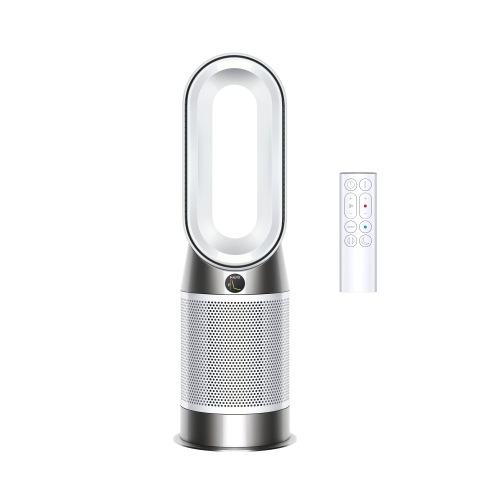 Your price for this item is $349.99
 -
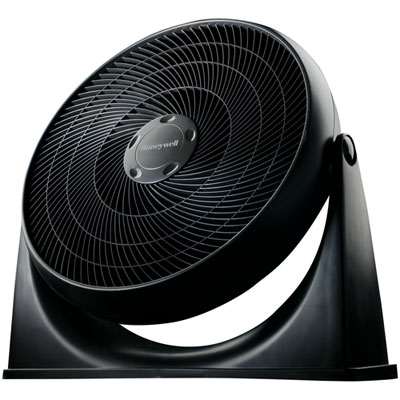 Your price for this item is $89.99
 -
 Your price for this item is $446.99
 -
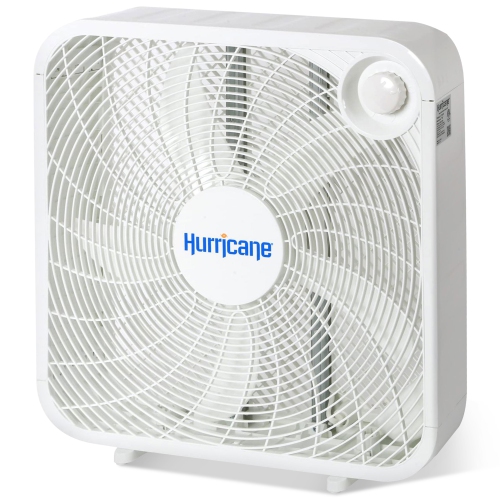 Your price for this item is $84.99
 -
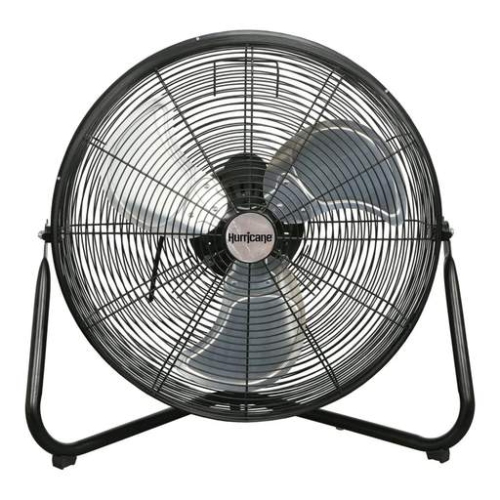 Your price for this item is $209.99
 -
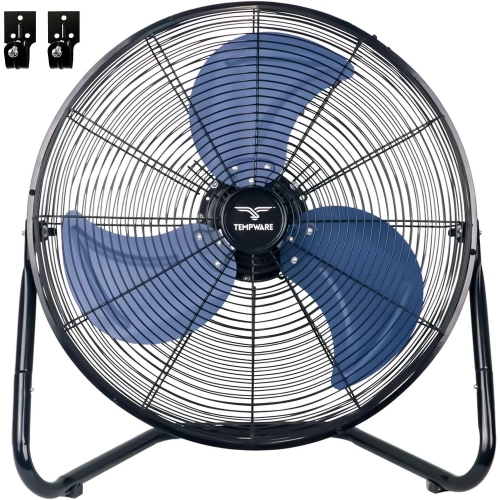 Your price for this item is $89.99
 -
 Your price for this item is $89.99
Discover more categories related to Industrial Fans
Top Collections:
Pokemon Centers, Kindle Devices, Best Budget Office Chairs, Apple iPhones 16, Best Laptops for Writers, iPhone 15 Apple, Canon G7X Cameras, Refurbished Apple Laptops, Alarm Clock, Motorola Razr Phones
Some products may be subject to Environmental Handling Fees
(EHF) depending on your province.
Learn more about EHFs.