LG Washer and Dryer Combos
Upgrade your laundry routine with an LG washer and dryer combo, designed to streamline your washing and drying process in one convenient unit. Perfect for homes with limited space or anyone looking for added convenience, these combos offer a seamless solution for handling everyday laundry needs. Explore a range of options to find the right fit for your household, all while enjoying the trusted performance and modern design that LG is known for. Discover how an LG washer and dryer combo can make laundry day more efficient and effortless.
Sort
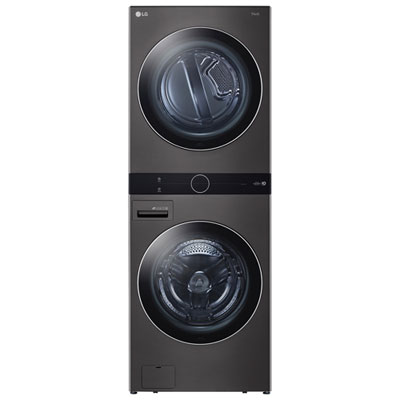
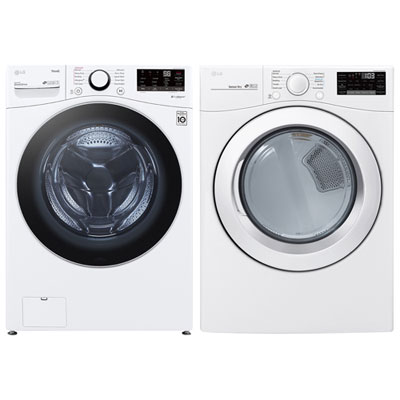
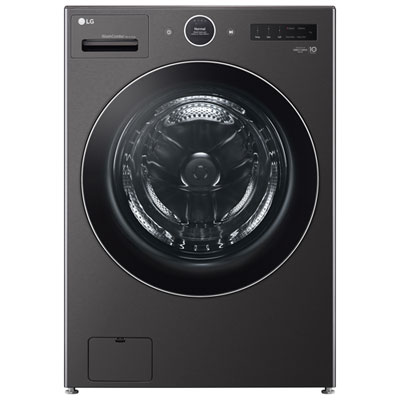
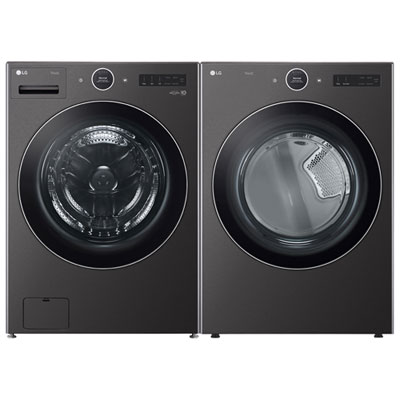
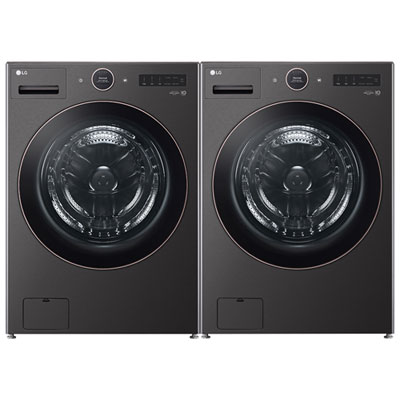
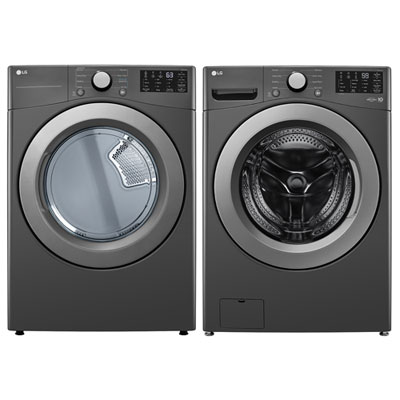
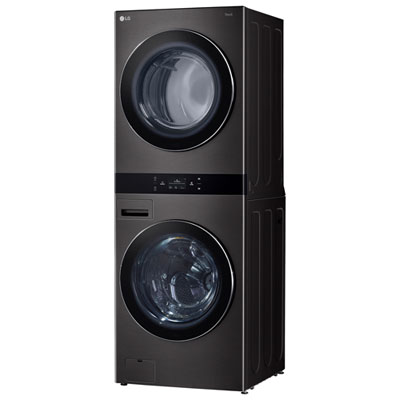
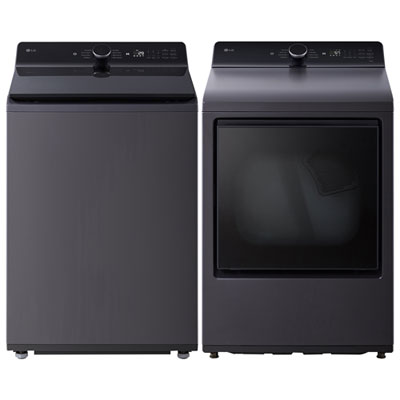
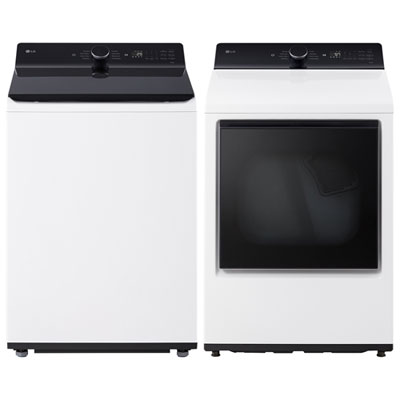
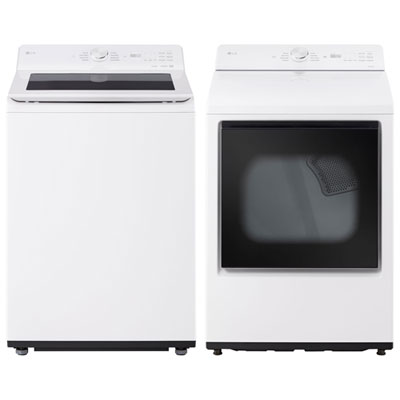
How drum layout shapes your daily laundry routine
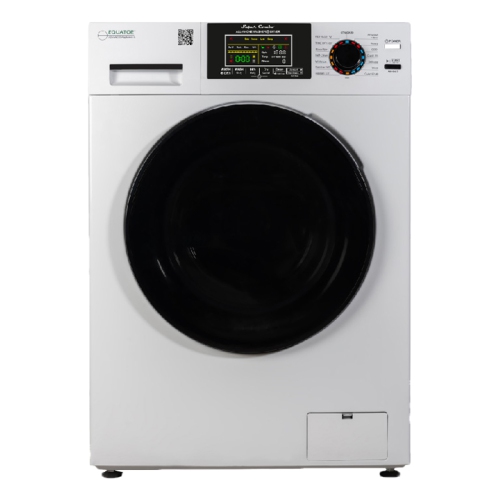
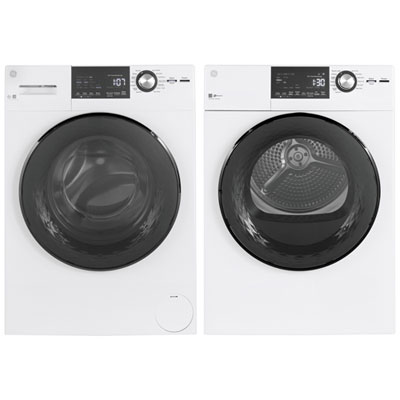
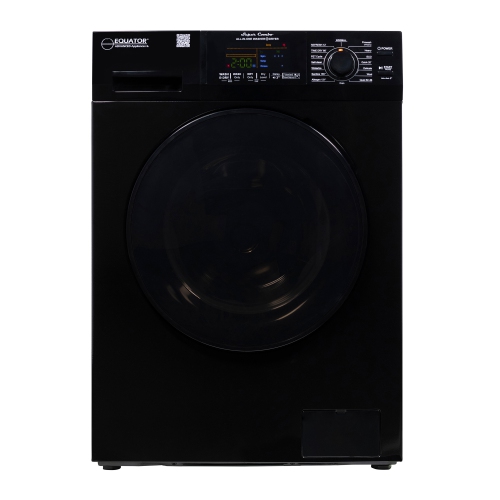
Washer and dryer combos bring washing and drying into a coordinated laundry setup, but the term can describe two different layouts. An all-in-one washer-dryer washes and dries clothing in a single drum, so a suitable load can move from washing to drying without being transferred between appliances. A vertical laundry centre combines a separate washer and dryer within one integrated structure, usually with the washer below the dryer. Both layouts make use of a single appliance footprint, but they support different laundry routines. A single-drum combination suits households that value fewer handling steps, particularly when moving wet towels or bedding between machines is inconvenient. A separate-drum layout allows one load to wash while another dries, which can make a noticeable difference for families processing school clothes, bath towels and sheets in succession. Capacity deserves attention beyond the number on a specification sheet. Clothing needs room to tumble, and a load that fits comfortably for washing may need to be reduced for drying, depending on the appliance’s rated capacities. Bulky bedding also requires enough space to move freely rather than forming a tight bundle. Compact dimensions can be useful in a condominium, apartment or smaller laundry room, while larger drums may better accommodate frequent household loads. Front-loading designs provide access through the front of the appliance, with door clearance and loading height shaping how comfortable the setup feels in daily use. Smooth stainless steel drums are common and provide a durable washing surface, although zippers, loose coins and other hard objects can still cause damage. Exterior finishes range from lighter painted surfaces to darker metallic looks, making it possible to coordinate laundry appliances with cabinetry and nearby fixtures. The most useful combination of size, layout and finish is one that accommodates the household’s actual loads without crowding the room or making routine tasks awkward.
Installation requirements distinguish washer-dryer combinations just as much as their appearance. Many all-in-one machines use ventless drying, but ventless does not mean every appliance uses the same drying technology. Heat pump systems move heat through a closed circuit, while other ventless designs use a different condensation process to remove moisture from clothing. Electrical requirements also vary, so an existing wall outlet should not be assumed suitable without checking the appliance specifications. Water supply, drainage, circuit requirements and any required clearances remain important even when no exterior dryer duct is needed. A vertical laundry centre may have a vented electric dryer, a gas dryer or a ventless drying system, depending on its design. Vented dryers need an appropriate exhaust route, while gas connections require suitable infrastructure and qualified installation. The complete installation footprint includes hoses, connections and door movement, not just the cabinet’s published width and depth. A narrow laundry closet can appear large enough until the appliance door meets a shelf, or the room door prevents someone from comfortably reaching inside. Delivery access matters as well, particularly along stairways, through tight turns or inside buildings with elevator restrictions. A level, structurally suitable floor and correct installation help limit unnecessary movement during high-speed spinning. Controls positioned near the centre of an integrated vertical unit may be easier to reach than controls at the top of a conventional stacked pair, though individual reach and visibility still matter. Wash cycles, spin settings and drying controls can then be considered in relation to everyday fabrics. Sensor-based drying may help adjust operation to the moisture detected in a load, while selected appliances offer steam functions, specialized wash programs or automatic adjustments. Wi-Fi features on compatible appliances may provide cycle notifications and remote monitoring through an associated app; supported functions vary. When comparing these layouts with Maytag Washer Dryer Combos, useful points of comparison include drum arrangement, installation needs, usable capacity and access to everyday controls.
Fabric care and routine upkeep have a direct effect on how a washer-dryer combination performs over time. Everyday cotton clothing, athletic wear, towels and delicate garments do not necessarily belong in the same wash-and-dry cycle. Garment labels remain the best reference for washing temperature and whether tumble drying is appropriate, especially for wool, structured clothing, waterproof fabrics and pieces with decorative trim. An all-in-one appliance does not make every fabric suitable for automatic drying; some loads still need a wash-only setting followed by air drying. Mixed loads can also dry unevenly when lightweight shirts share the drum with thick towels. Keeping similar fabrics together gives the drying system a more consistent load to work with and makes it easier to avoid leaving lighter pieces tumbling longer than necessary. Detergent type and quantity matter, too. Machines designed for high-efficiency detergent need the appropriate formula, and adding extra detergent can leave residue rather than improve cleaning. Door seals, detergent dispensers and accessible filters need the care described in the owner’s manual. Where fitted, lint filters and drain pump filters have different purposes and may have different cleaning schedules. Heat pump appliances may also have additional maintenance requirements for their filtration or heat-exchange components. These details are worth understanding because a convenient single-drum layout still needs regular attention to lint and moisture. Accessible surfaces can be wiped with suitable cleaning products, while abrasive pads and harsh chemicals may damage finishes or seals. Keeping pockets clear and avoiding overloaded drums also helps protect clothing and appliance components. For households with children, control locks can help prevent unintended setting changes, although appliance doors and laundry supplies still need appropriate supervision. Whether the routine involves a few carefully sorted loads or a steady rotation of uniforms, bedding and towels, a well-matched washer-dryer combination supports the way laundry actually moves through the home: from the hamper to the drum, then back to drawers, wardrobes and linen shelves.
Top selling and popular products
-
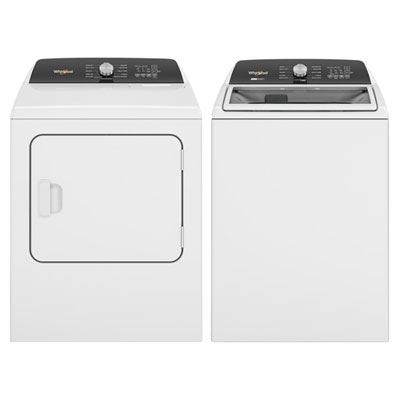 Your price for this item is $1799.98
-
 Your price for this item is $1999.98
-
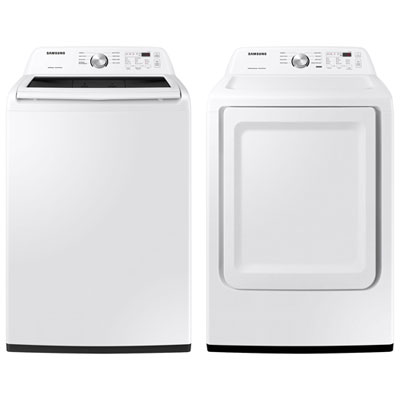 Your price for this item is $1499.98
-
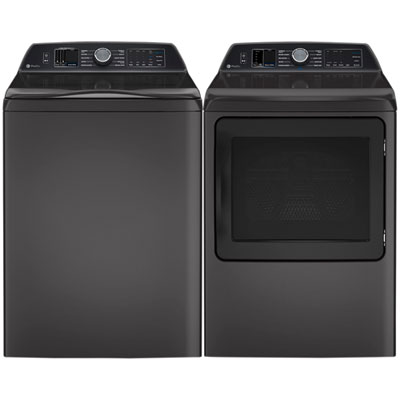 Your price for this item is $2249.98
-
 Your price for this item is $1599.98
-
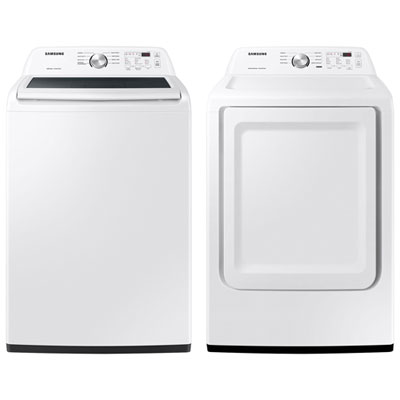 Your price for this item is $1495.98
-
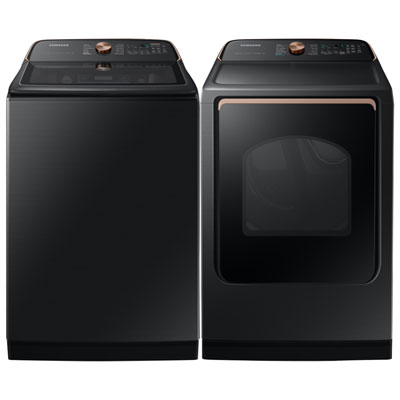 Your price for this item is $2595.98
-
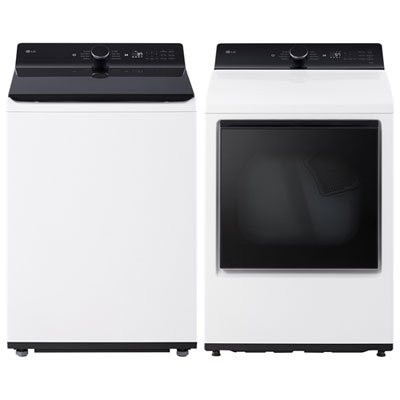 Your price for this item is $1999.98
Discover more categories related to LG Washer and Dryer Combos
Top Collections:
Best Black Friday Deals This Year, Best Black Friday Deals On Electronics, Kindle Devices, Pokemon Centers, Best Black Friday Deals On Apple Products, Best Cameras for Sports Photography, Dyson Airwrap, Pokémon 30th Celebration Cards, Apple iPhone 17 Pro, Canon G7X Cameras
Some products may be subject to Environmental Handling Fees
(EHF) depending on your province.
Learn more about EHFs.