Integrated Fridges
If you're looking to cut down on your energy bill, an integrated fridge can help. These units are designed to be as small and efficient as possible, while still providing the functionality you need. Here are some of the best options available.
Sort
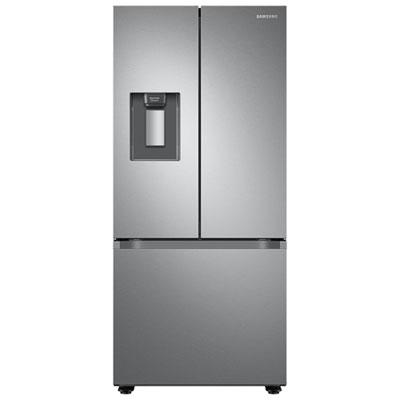
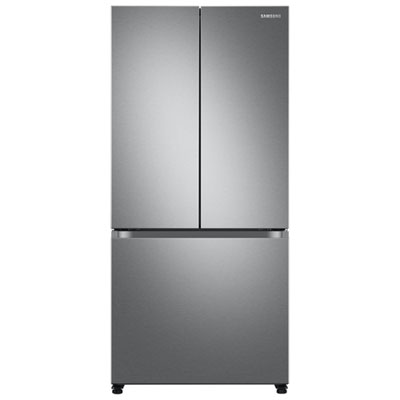
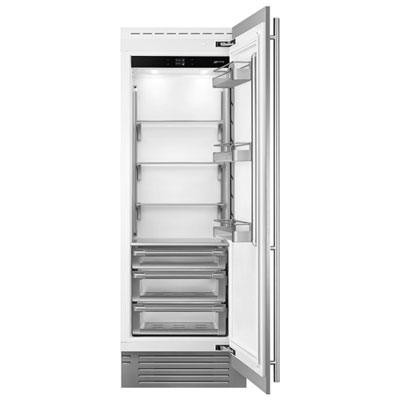
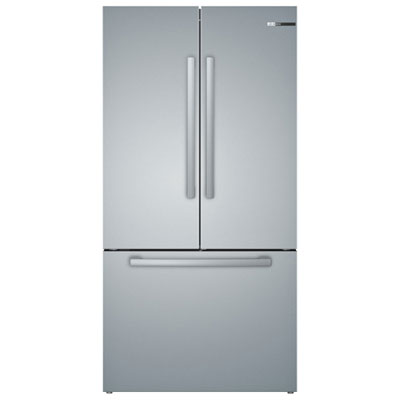
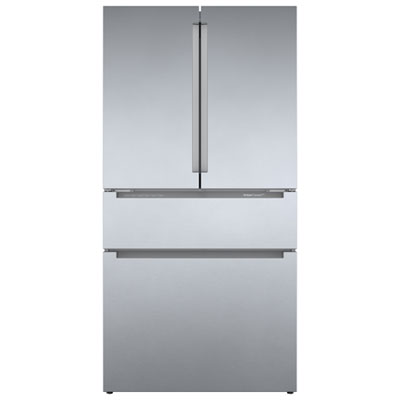
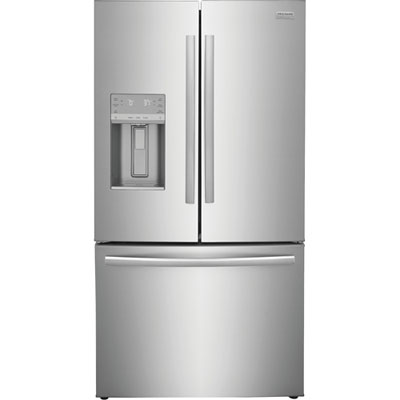

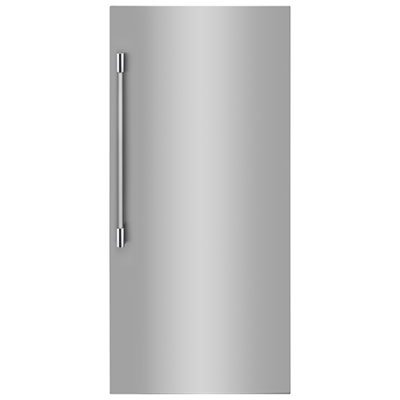
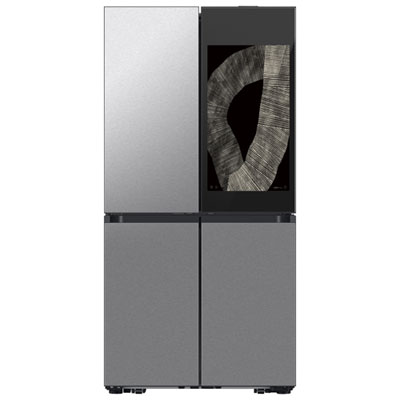


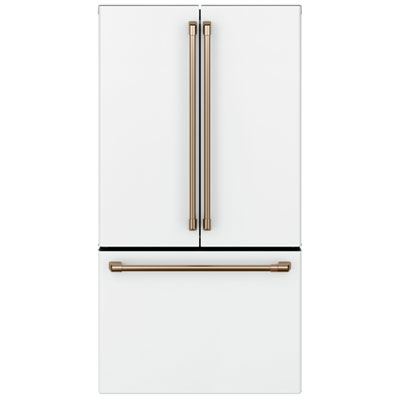
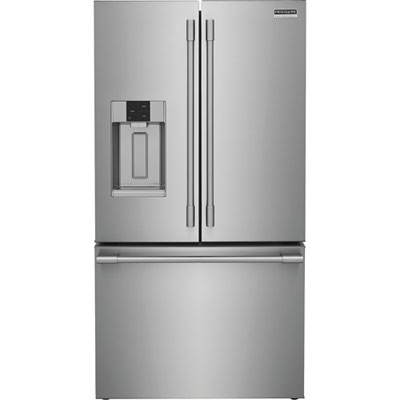
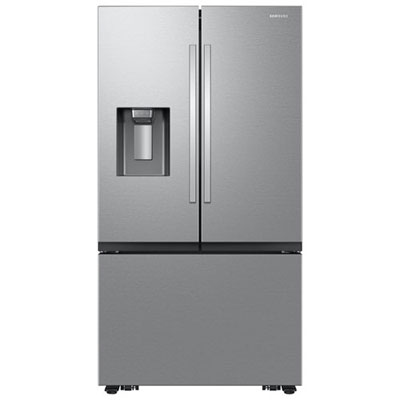
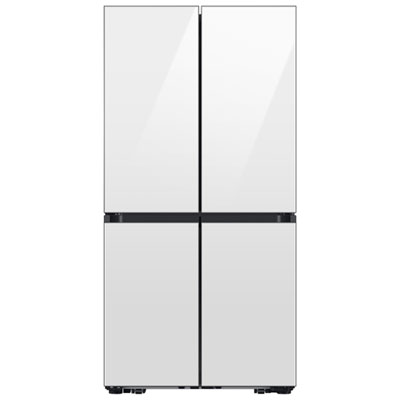
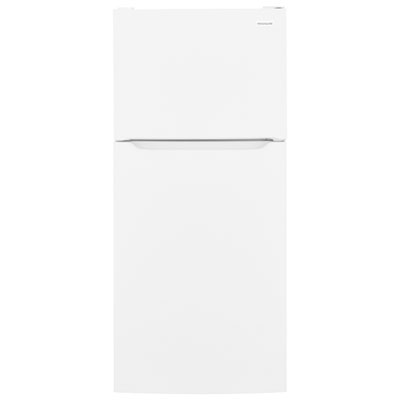
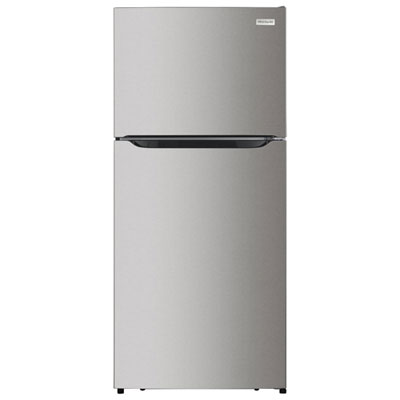
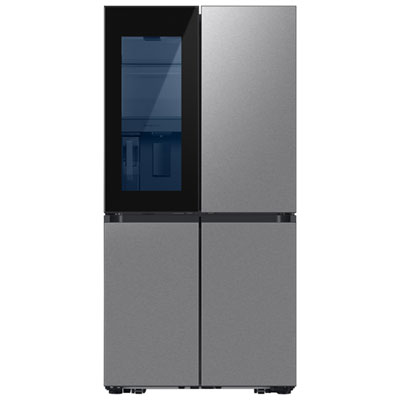
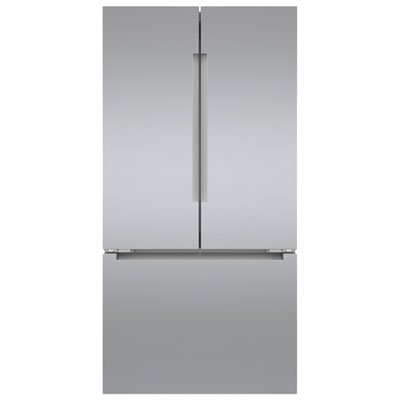
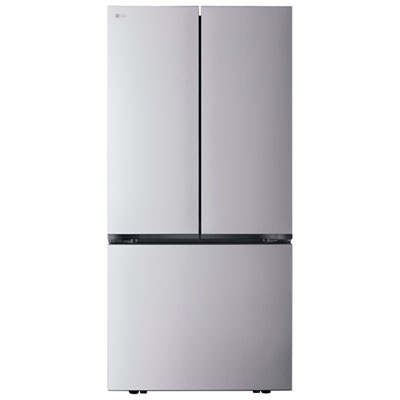
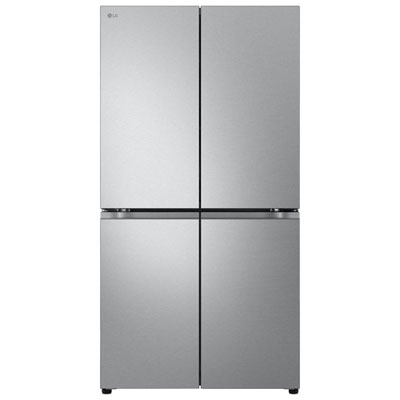
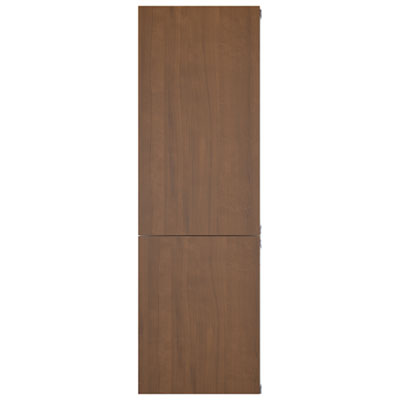
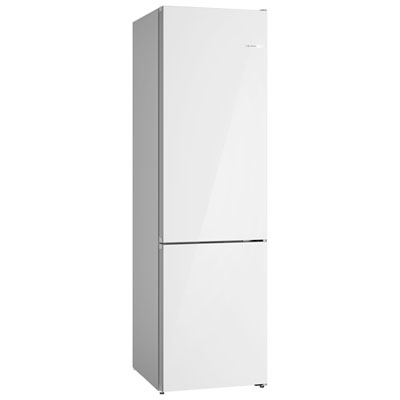
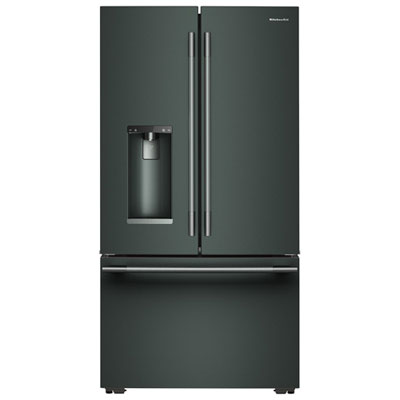
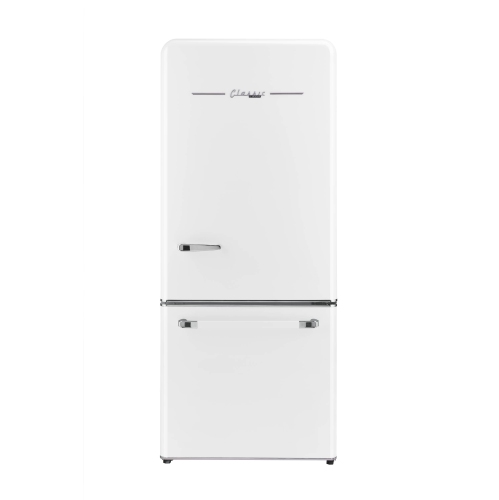
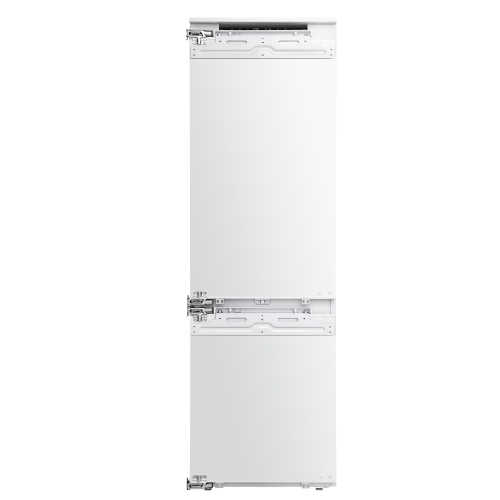
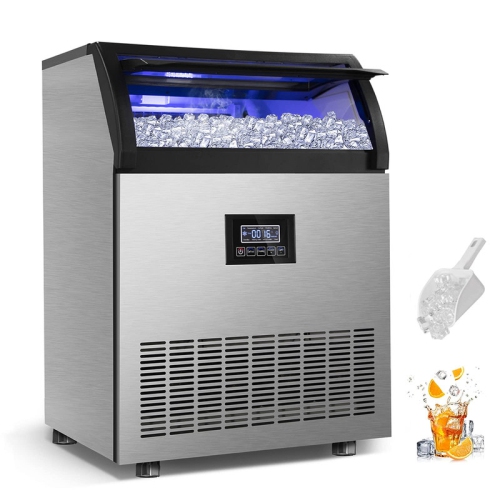
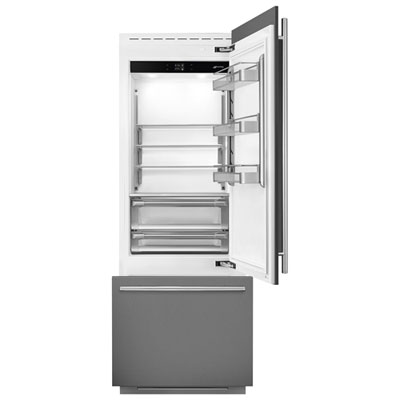
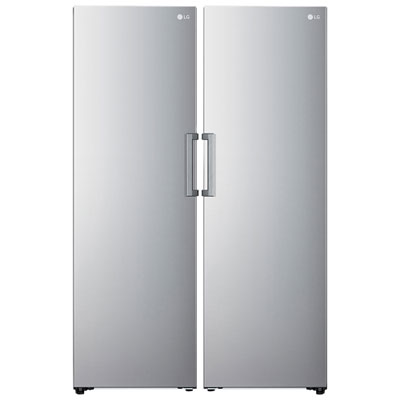
How concealed refrigeration fits into your kitchen cabinetry
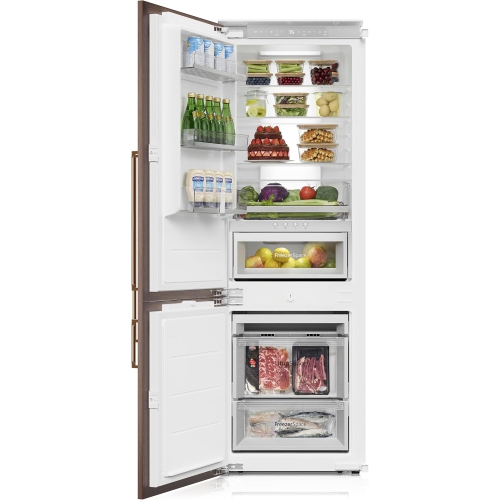
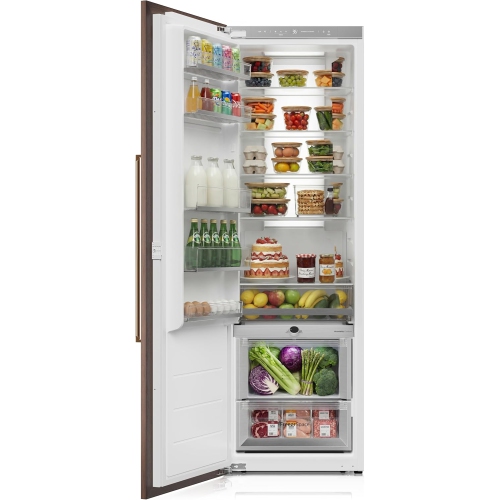
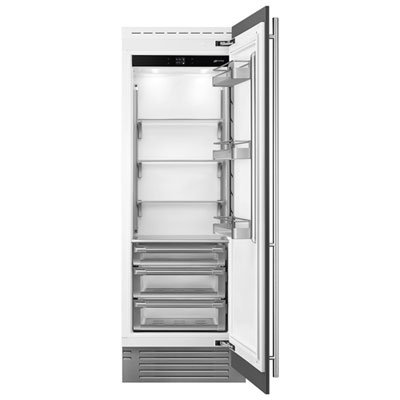
Integrated fridges are refrigerators designed to sit within kitchen cabinetry, usually behind matching furniture panels that conceal the appliance doors. With the correct cabinet opening, panel dimensions, and hinge clearances, the fridge can align with surrounding cupboards for a flush, continuous appearance. This makes integrated refrigeration a natural fit for kitchens where uninterrupted cabinet lines matter, particularly open-plan spaces in which the kitchen is visible from the dining or living area. The term differs from counter-depth, which generally describes a shallower fridge with an exposed appliance front, and from built-in, a broader category that can include visible stainless steel doors. Panel-ready means a refrigerator accepts a custom front, but it does not automatically mean every installation will sit completely flush; the appliance specifications and cabinetry design determine the finished result. Within the range of integrated refrigerators, configurations can include full-height fridge columns, fridge-freezer combinations, and compact undercounter designs. A separate fridge column paired with a compatible freezer column offers flexibility in how fresh and frozen food storage is arranged, while a combined unit keeps both functions within one cabinet opening. Undercounter refrigeration can suit a smaller kitchen or provide additional food storage near a preparation area, provided the appliance is intended for that use. Dimensions vary considerably: some full-height designs are around 84 inches tall, while other formats fit different cabinet heights. Width alone is not enough to establish suitability, since usable capacity also depends on insulation, interior layout, and the space needed for installation. Compared with deeper freestanding fridges, integrated designs often provide less storage depth, although capacity varies by configuration. For households planning a kitchen renovation, the appeal is the ability to make essential food storage feel like part of the room’s architecture rather than a separate appliance. Matching panels and handles can carry the same colour, finish, and proportions across the kitchen, whether the cabinetry is flat-fronted, painted, or detailed with traditional profiles.
The interior of an integrated fridge has just as much influence on everyday satisfaction as its concealed exterior. A household that shops for several days at a time may need generous produce drawers, room for milk containers, and shelves that accommodate stacked food containers without hiding everything at the back. Someone who cooks frequently may value a wide shelf for a roasting dish or a large bowl, while a smaller household may prefer a compact layout that keeps ingredients easy to see. Published capacity is useful, but the arrangement of shelves, bins, and drawers determines how comfortably familiar groceries will fit. Adjustable shelving can make space for tall bottles or a covered cake, and divided storage helps keep delicate berries separate from heavier vegetables. Where fitted, humidity-adjustable drawers provide different storage conditions for produce, while dedicated compartments with adjustable temperature settings can offer added flexibility for suitable foods. Consistent cooling and unobstructed airflow support food storage, so a fridge should have enough usable space to avoid tightly packing groceries against interior vents. Glass shelves, often made from tempered glass, provide a firm surface for containers; shelves with raised edges may help contain small spills. Removable door bins and accessible drawers make routine cleaning easier, though their permitted loads and cleaning methods vary. Interior lighting is another practical detail, particularly in a deep drawer or a fully loaded compartment where smaller jars can disappear behind taller containers. Freezer arrangements deserve equal attention in combination units: drawer divisions, ice-making equipment, and access to frozen meals all affect usable space. Internal water dispensers and ice makers are options on some designs, but they require suitable connections and ongoing maintenance. Operating sound also matters in an open-plan home, where compressor or ice-making noise may carry into a seating area. Door alarms, adjustable controls, and connected features can add convenience where included, but shelf access, comfortable door movement, and a layout suited to everyday meals remain central to how well the fridge serves the household.
A successful integrated fridge installation depends on coordinating the appliance with the cabinetry rather than treating it as a simple replacement for any refrigerator of similar width. The cabinet opening needs the specified height, width, depth, and ventilation space, along with a level supporting surface and access to the required electrical connection. Water-connected features also need an appropriate supply and an accessible shut-off arrangement. Ventilation paths must remain clear even when the appliance is concealed, and the manufacturer’s requirements determine where air enters and leaves the installation. Custom door panels have their own thickness, weight, and attachment limits; a panel that is too heavy or incorrectly positioned can affect hinge operation and door closure. Painted wood, veneered board, and other cabinetry materials may be suitable when they meet those requirements, with finish durability and resistance to everyday kitchen moisture also worth considering. Panels, handles, and fitting components are not necessarily included with the appliance, so their specifications form part of the installation plan. Door swing needs particular attention beside a wall, island, or adjacent cabinet handle. A fridge door may open far enough to reach a shelf yet still need additional clearance for a drawer to slide out fully. Professional installation helps bring these details together, including secure fixing, panel alignment, and any required anti-tip measures. Once installed, regular care protects both the refrigeration system and the furniture finish. Spills are easier to remove before they dry, and mild cleaning products suited to each surface help avoid damage to shelves, seals, and cabinet fronts. Door gaskets should remain clean and free of trapped packaging so they can seal properly. Accessible ventilation areas need cleaning as directed, and water filters require replacement according to the appliance instructions. Heavy decorative panels should never be used to support leaning or hanging weight. Over time, dependable hinges, intact seals, clear airflow, and access for servicing all contribute to lasting performance. Together, these details allow integrated refrigeration to deliver a quiet visual presence without sacrificing the practical food storage a working kitchen needs.
The interior of an integrated fridge has just as much influence on everyday satisfaction as its concealed exterior. A household that shops for several days at a time may need generous produce drawers, room for milk containers, and shelves that accommodate stacked food containers without hiding everything at the back. Someone who cooks frequently may value a wide shelf for a roasting dish or a large bowl, while a smaller household may prefer a compact layout that keeps ingredients easy to see. Published capacity is useful, but the arrangement of shelves, bins, and drawers determines how comfortably familiar groceries will fit. Adjustable shelving can make space for tall bottles or a covered cake, and divided storage helps keep delicate berries separate from heavier vegetables. Where fitted, humidity-adjustable drawers provide different storage conditions for produce, while dedicated compartments with adjustable temperature settings can offer added flexibility for suitable foods. Consistent cooling and unobstructed airflow support food storage, so a fridge should have enough usable space to avoid tightly packing groceries against interior vents. Glass shelves, often made from tempered glass, provide a firm surface for containers; shelves with raised edges may help contain small spills. Removable door bins and accessible drawers make routine cleaning easier, though their permitted loads and cleaning methods vary. Interior lighting is another practical detail, particularly in a deep drawer or a fully loaded compartment where smaller jars can disappear behind taller containers. Freezer arrangements deserve equal attention in combination units: drawer divisions, ice-making equipment, and access to frozen meals all affect usable space. Internal water dispensers and ice makers are options on some designs, but they require suitable connections and ongoing maintenance. Operating sound also matters in an open-plan home, where compressor or ice-making noise may carry into a seating area. Door alarms, adjustable controls, and connected features can add convenience where included, but shelf access, comfortable door movement, and a layout suited to everyday meals remain central to how well the fridge serves the household.
A successful integrated fridge installation depends on coordinating the appliance with the cabinetry rather than treating it as a simple replacement for any refrigerator of similar width. The cabinet opening needs the specified height, width, depth, and ventilation space, along with a level supporting surface and access to the required electrical connection. Water-connected features also need an appropriate supply and an accessible shut-off arrangement. Ventilation paths must remain clear even when the appliance is concealed, and the manufacturer’s requirements determine where air enters and leaves the installation. Custom door panels have their own thickness, weight, and attachment limits; a panel that is too heavy or incorrectly positioned can affect hinge operation and door closure. Painted wood, veneered board, and other cabinetry materials may be suitable when they meet those requirements, with finish durability and resistance to everyday kitchen moisture also worth considering. Panels, handles, and fitting components are not necessarily included with the appliance, so their specifications form part of the installation plan. Door swing needs particular attention beside a wall, island, or adjacent cabinet handle. A fridge door may open far enough to reach a shelf yet still need additional clearance for a drawer to slide out fully. Professional installation helps bring these details together, including secure fixing, panel alignment, and any required anti-tip measures. Once installed, regular care protects both the refrigeration system and the furniture finish. Spills are easier to remove before they dry, and mild cleaning products suited to each surface help avoid damage to shelves, seals, and cabinet fronts. Door gaskets should remain clean and free of trapped packaging so they can seal properly. Accessible ventilation areas need cleaning as directed, and water filters require replacement according to the appliance instructions. Heavy decorative panels should never be used to support leaning or hanging weight. Over time, dependable hinges, intact seals, clear airflow, and access for servicing all contribute to lasting performance. Together, these details allow integrated refrigeration to deliver a quiet visual presence without sacrificing the practical food storage a working kitchen needs.
Top selling and popular products
-
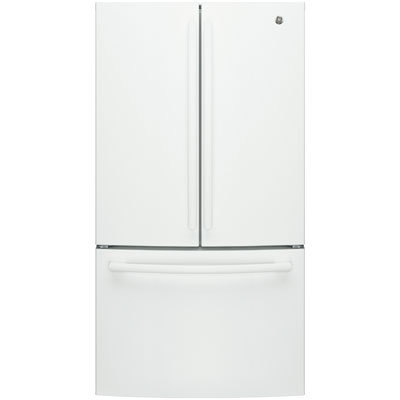 Your price for this item is $3299.99
 -
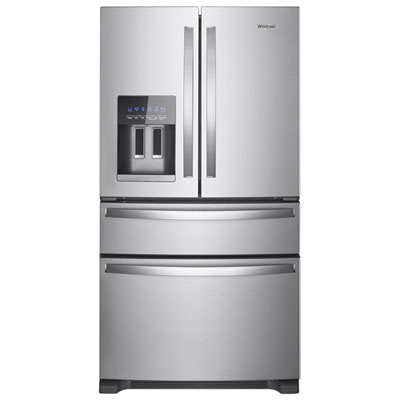 Your price for this item is $2999.99
 -
 Your price for this item is $2899.99
 -
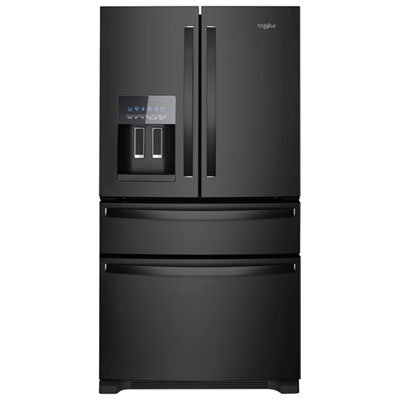 Your price for this item is $2949.99
 -
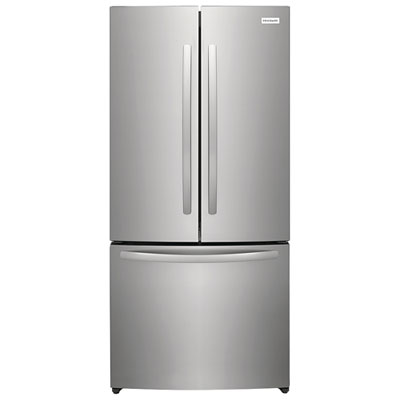 Your price for this item is $1599.99
 -
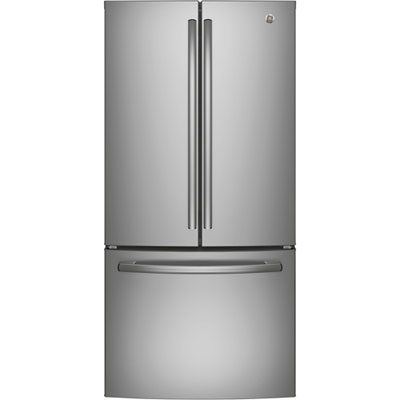 Your price for this item is $2399.99
 -
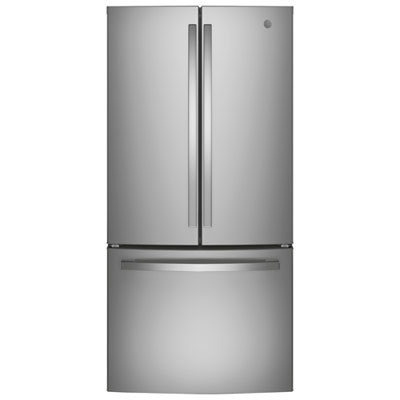 Your price for this item is $2499.99
 -
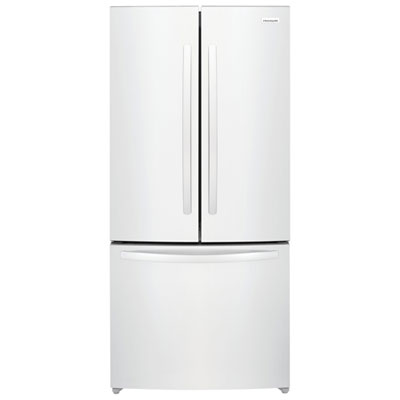 Your price for this item is $1949.99
Discover more categories related to Integrated Fridges
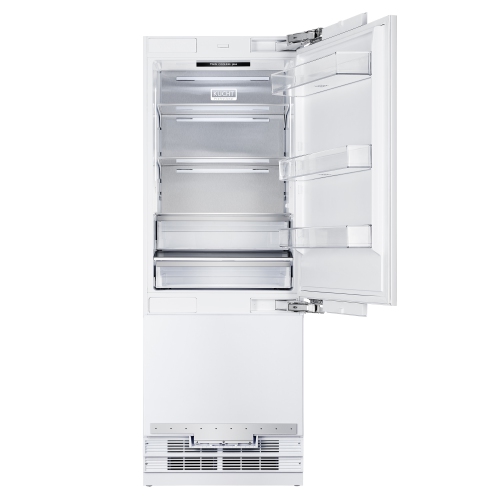
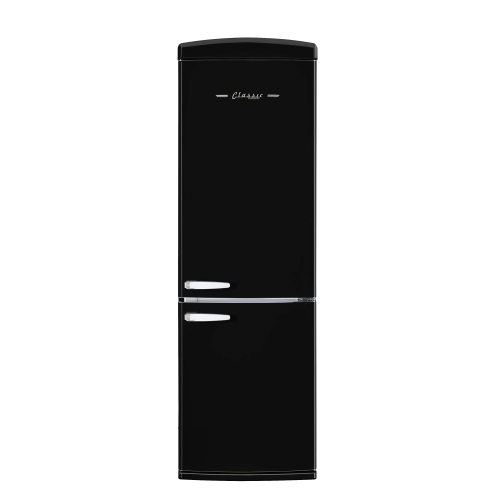
Top Collections:
Pokemon Centers, Kindle Devices, Best Budget Office Chairs, Apple iPhones 16, Best Laptops for Writers, iPhone 15 Apple, Canon G7X Cameras, Refurbished Apple Laptops, Alarm Clock, Motorola Razr Phones
Some products may be subject to Environmental Handling Fees
(EHF) depending on your province.
Learn more about EHFs.