Island Range Hoods for High Ceilings
Island Range Hoods for High Ceilings bring both style and functionality to modern kitchens with open layouts. Designed to complement spacious environments, these range hoods offer an ideal solution for effective ventilation above your kitchen island. Whether you’re updating your culinary space or completing a new build, explore a wide selection of Island Range Hoods for High Ceilings to find the perfect match for your home’s design and layout needs.
Sort
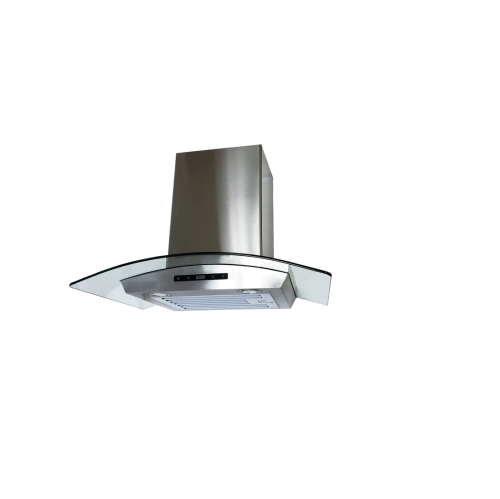
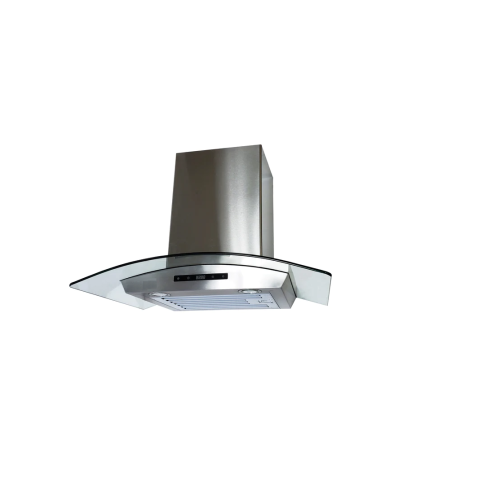
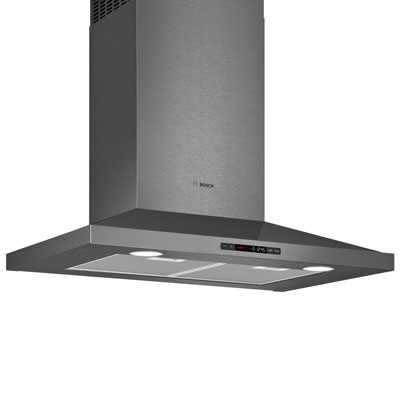
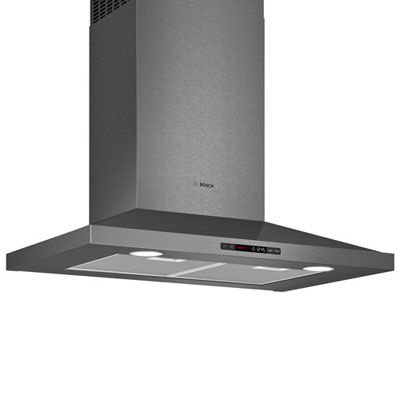

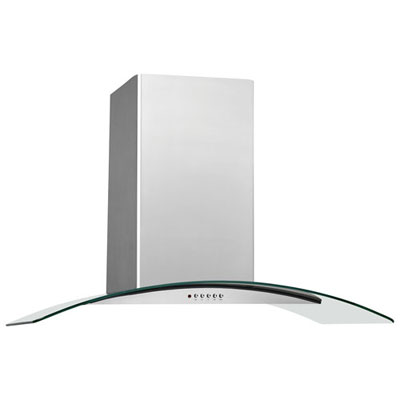
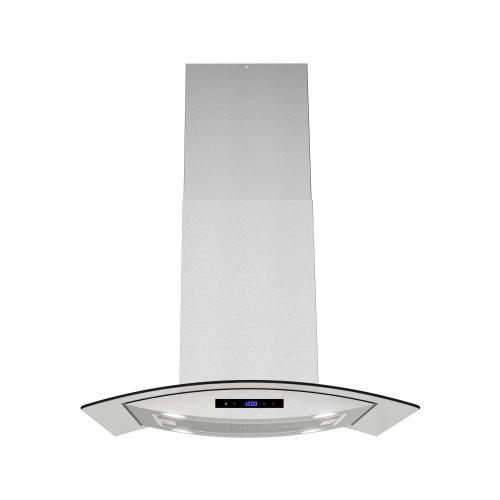
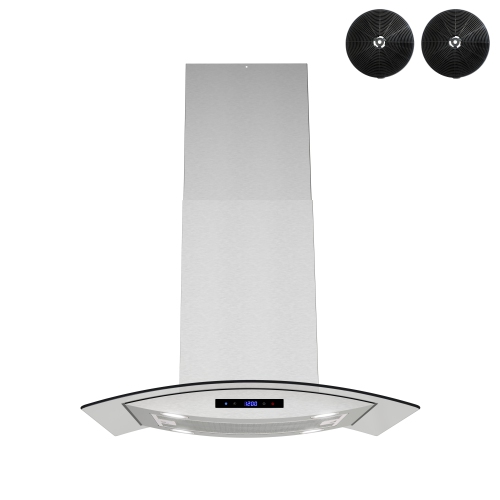
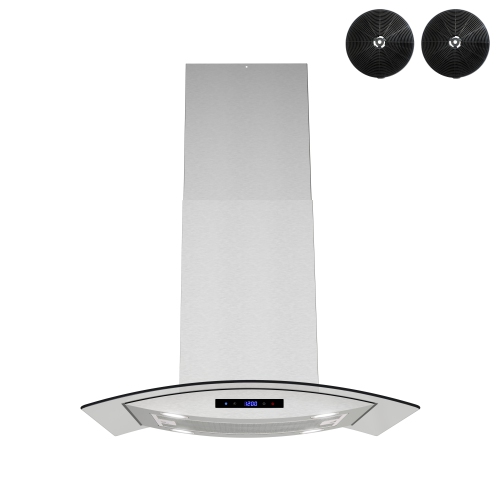
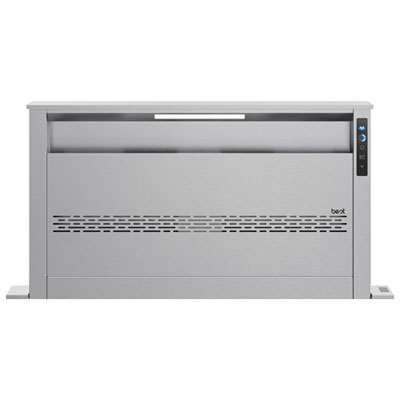
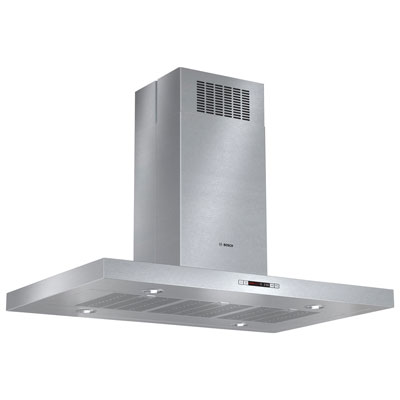

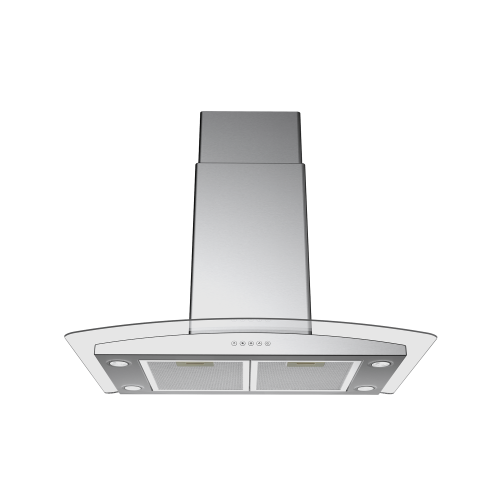
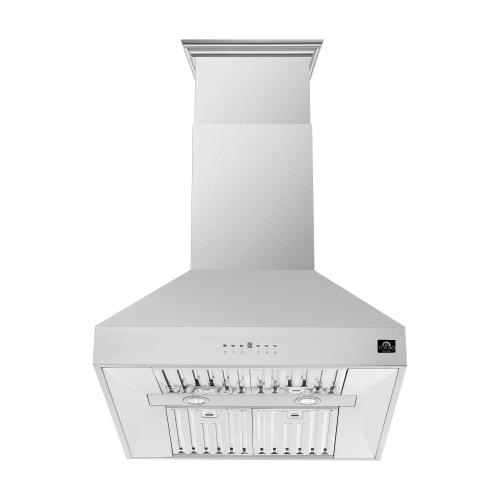
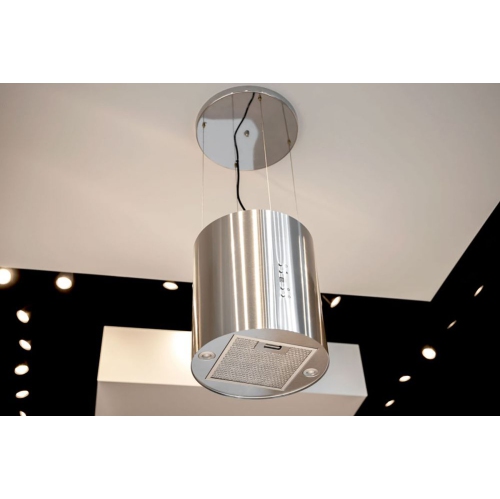
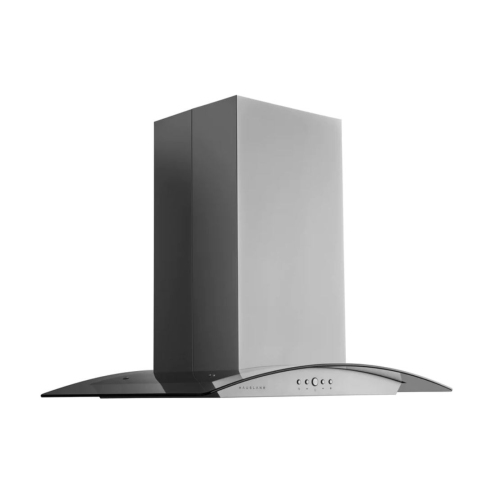
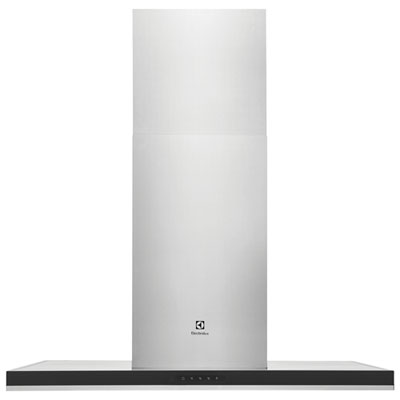
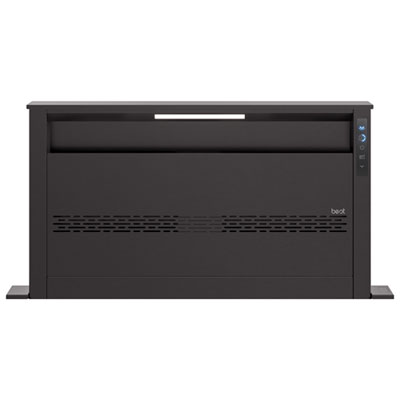
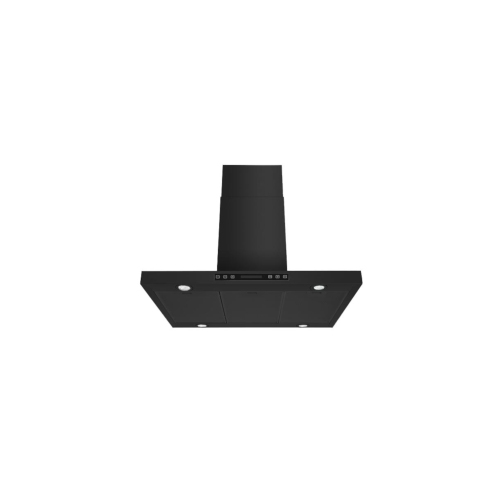

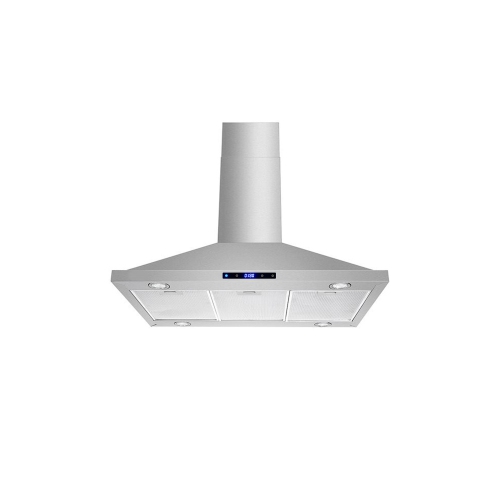
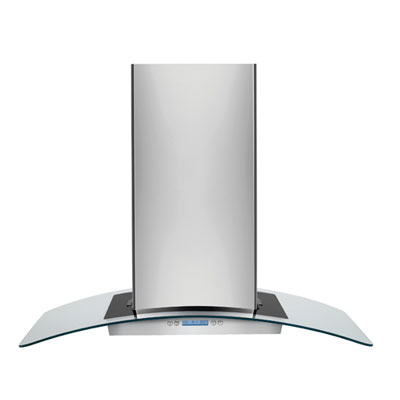
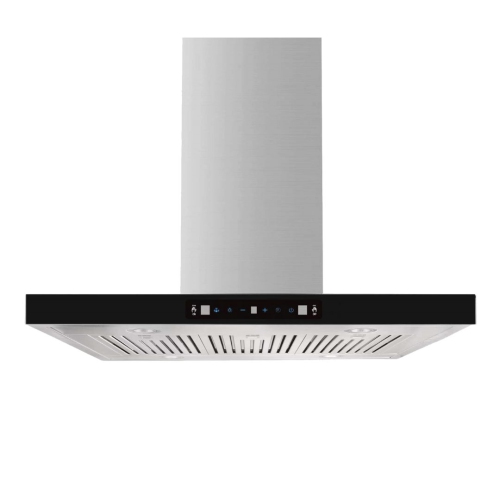
Effective island ventilation takes more than a tall chimney
Island range hoods for high ceilings bring ventilation directly above a cooking surface that sits away from the kitchen walls. Suspended over an island, the hood helps capture rising smoke, airborne grease, and cooking odours while forming a visible centrepiece in an open-concept room. A tall ceiling makes the chimney length and mounting arrangement especially important, but it does not mean the canopy should sit farther above the cooktop. The distance between the cooking surface and the bottom of the hood must meet the installation requirements for both the hood and the cooking appliance. Keeping that relationship correct helps the canopy intercept cooking vapours before they spread towards seating, cabinetry, and adjoining living areas. A hood intended for an 8- or 9-foot ceiling is not automatically suitable for a 10- or 12-foot ceiling; taller rooms may require a manufacturer-approved chimney extension and compatible mounting components. The decorative chimney cover, internal support assembly, and ventilation duct serve different purposes, so a longer cover alone does not establish that the complete installation will fit. Ceiling height, countertop height, specified clearance, and the hood’s adjustable dimensions all contribute to the required fit. Canopy width matters, too: the hood generally needs to be at least as wide as the cooking surface, and a wider capture area may be appropriate for an exposed island when supported by the manufacturer’s recommendations. Without a wall behind the cooktop, steam from a pasta pot or smoke from a hot frying pan can drift sideways more easily. Nearby supply vents, ceiling fans, and frequently opened doors can affect that movement. For homeowners planning a kitchen renovation, the most useful match is therefore a hood with the right reach, capture area, and installation compatibility—not simply the tallest chimney. Sloped or vaulted ceilings add another consideration, as they may require an approved adapter or a professionally designed mounting solution. The suspended assembly also needs suitable structural support rather than attachment to drywall alone.
Ventilation type and airflow shape how an island hood performs during everyday cooking. A ducted island range hood exhausts captured air outdoors through a dedicated duct, carrying cooking moisture and odours out of the kitchen along with filtered airborne grease. A convertible hood may also support a recirculating installation when fitted with the specified filters and components. In that arrangement, grease filters catch grease particles and activated carbon filters help reduce some odours before air returns to the room. Recirculation does not exhaust cooking moisture or combustion gases outdoors, so it should not be treated as equivalent to an exterior-vented system. For high ceilings, the intended duct route deserves as much attention as the visible chimney: a long run, several elbows, or an unsuitable duct diameter can restrict airflow and increase noise. Smooth metal ducting sized to the hood’s requirements, with a practical route to an exterior termination, supports the performance the appliance was designed to deliver. Airflow is commonly expressed in cubic feet per minute, or CFM, but ceiling height alone does not determine the right rating. Cooktop width, fuel type, heat output, cooking habits, canopy coverage, and duct resistance all influence the choice. A household that frequently stir-fries, sears meat, or uses several burners together has different demands from one that mainly reheats meals and simmers covered pots. A higher CFM figure is not a substitute for correct positioning or properly sized ductwork. Higher-capacity exhaust systems may also trigger make-up air requirements under applicable building rules, particularly where exhaust could affect fuel-burning appliances. A qualified installer can assess those requirements alongside the room’s layout and exterior venting options. Sound ratings are worth comparing where equivalent test information is provided, especially when the island faces a dining table or television area. Multiple fan speeds offer flexibility between quieter everyday ventilation and stronger extraction for more demanding cooking, without making maximum speed the only useful setting.
Materials, proportions, and access to everyday features influence how comfortably a high-ceiling island hood fits into the kitchen over time. Stainless steel is a familiar choice for its durability and compatibility with many appliances, although fingerprints and cooking residue can remain visible on broad surfaces. Painted metal finishes create a different visual effect, while glass canopies provide a lighter-looking outline but may show grease splashes and need more frequent wiping. A large chimney can emphasize the room’s height; a narrower profile may feel less dominant above an island used for both meal preparation and casual seating. Comparing Island Range Hoods by canopy shape, finish, and control placement helps clarify those visual and practical differences. The view from surrounding rooms matters because an island installation is visible from several directions rather than only from the front. Controls should remain comfortable to reach at the approved mounting height, and built-in lighting should illuminate the cooking surface without leaving the rear burners in shadow. Where provided, dimming or separate light settings can make the hood useful for both detailed food preparation and softer kitchen lighting. Removable grease filters simplify routine care, but dishwasher cleaning is appropriate only when the manufacturer permits it. Other filters may need washing by hand, and carbon filters require replacement or maintenance according to their specified design. Smooth surfaces, accessible filter releases, and clearly arranged controls make these recurring tasks less awkward. Stainless steel generally benefits from a soft cloth and a suitable cleaner applied with the grain; abrasive pads and harsh chemicals can damage finishes. Glass and painted surfaces also need cleaners approved for their materials. In a tall room, accessible service components are particularly valuable, since reaching higher sections of the chimney may require professional assistance. For frequent cooks and households that gather around the island, a well-matched hood combines effective capture, manageable sound, useful lighting, and straightforward care while maintaining the clearances and support its installation requires.
Top selling and popular products
-
 Your price for this item is $566.99
-
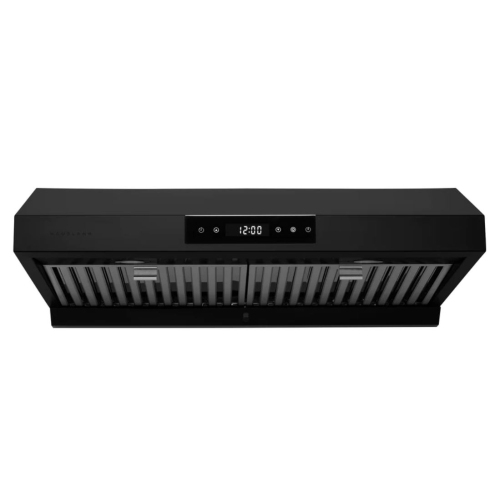 Your price for this item is $611.99
-
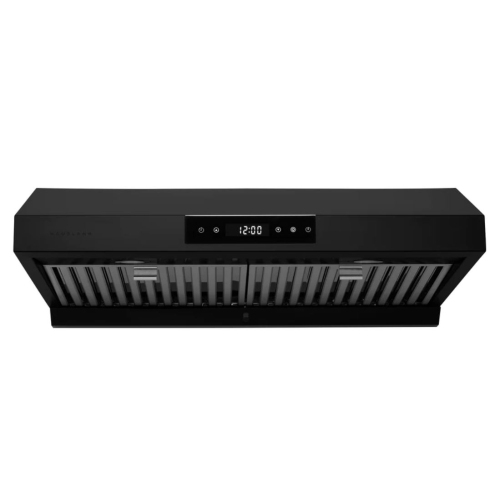 Your price for this item is $566.99
-
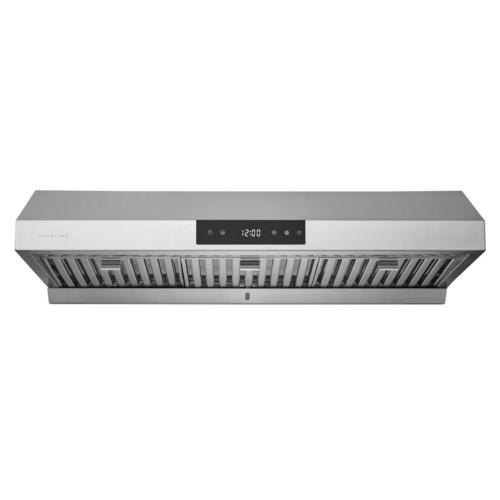 Your price for this item is $611.99
-
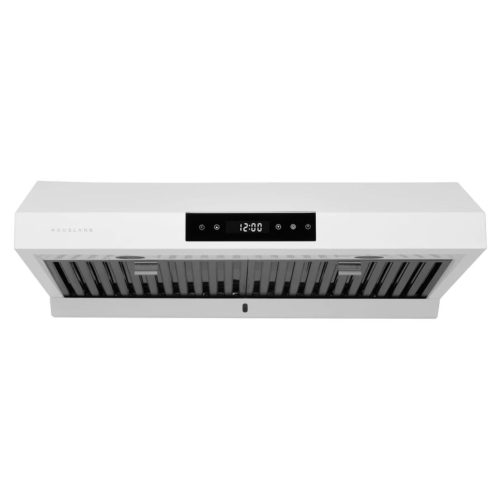 Your price for this item is $566.99
-
 Your price for this item is $611.99
-
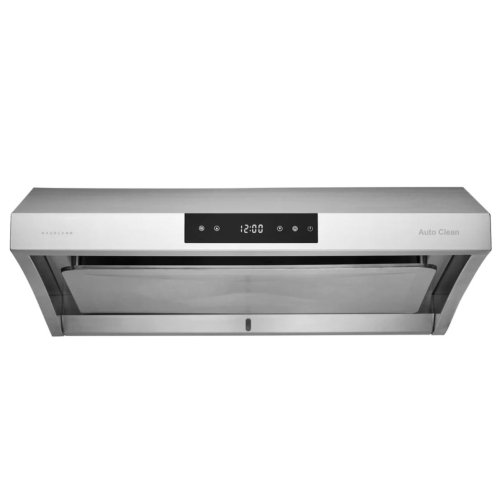 Your price for this item is $701.99
-
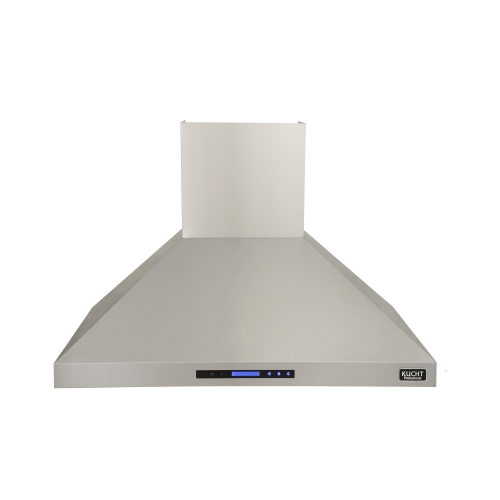 Your price for this item is $2455
Discover more categories related to Island Range Hoods for High Ceilings
Top Collections:
Best Black Friday Deals This Year, Best Black Friday Deals On Electronics, Kindle Devices, Pokemon Centers, Best Black Friday Deals On Apple Products, Best Cameras for Sports Photography, Dyson Airwrap, Pokémon 30th Celebration Cards, Apple iPhone 17 Pro, Canon G7X Cameras
Some products may be subject to Environmental Handling Fees
(EHF) depending on your province.
Learn more about EHFs.