Island Range Hoods
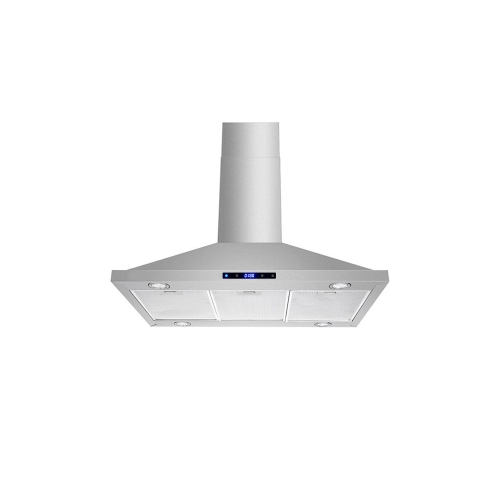
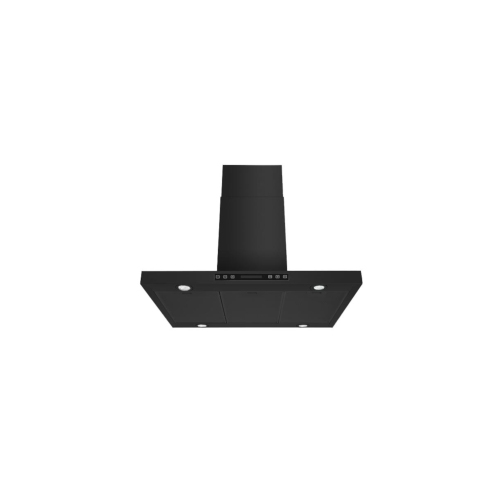
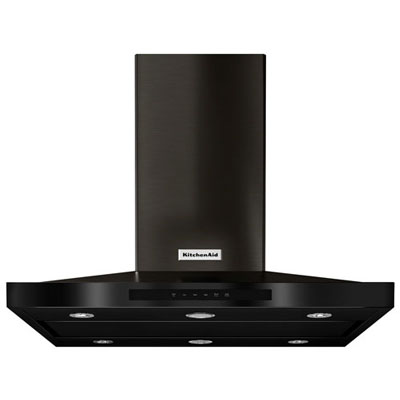
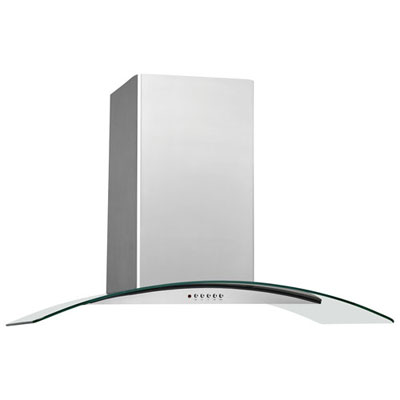
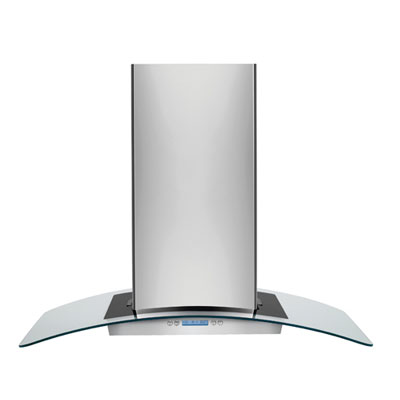
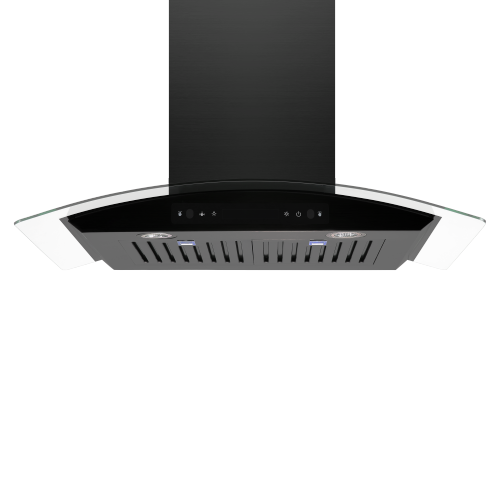
The range hood is a kitchen's most important ventilation system. It keeps the air in your kitchen free of smoke, steam, and odors that would otherwise linger and spread throughout your home. These island range hoods will also look good and be easy to clean. Here are some excellent island range hoods for you.
Sort

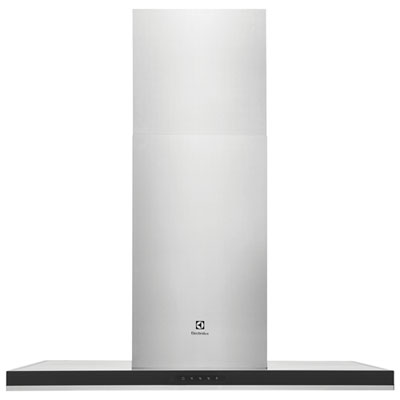
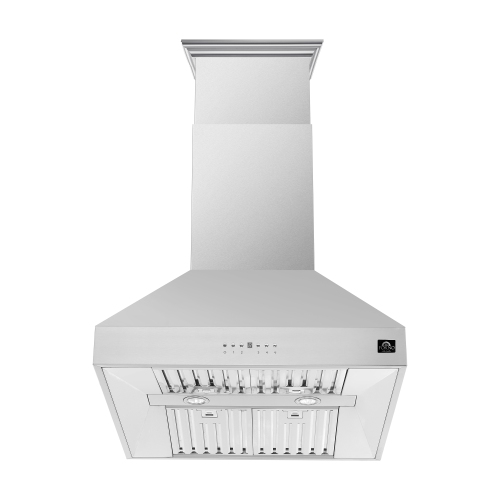
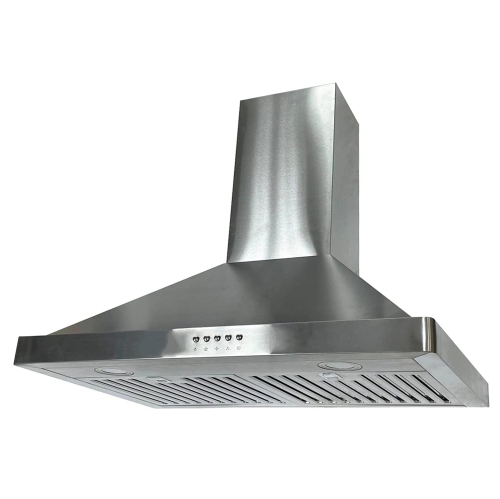
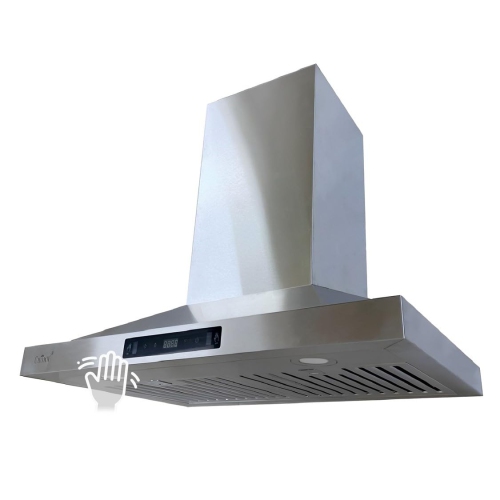





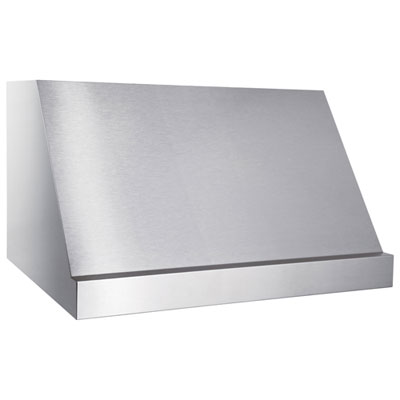
What to know about sizing, airflow and installation
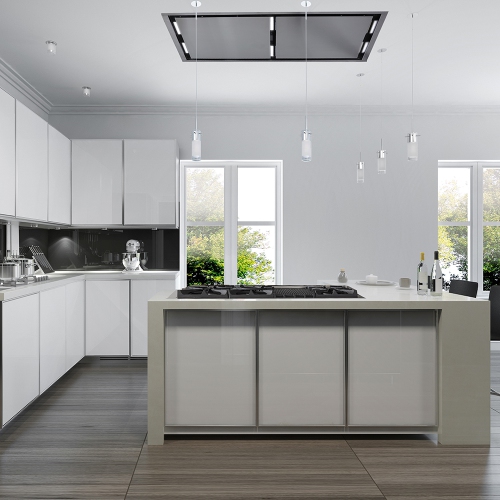
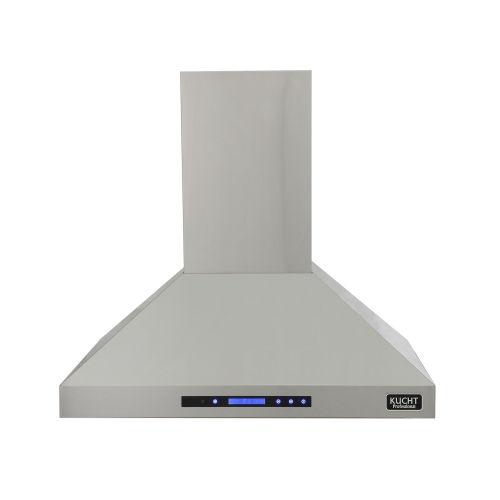
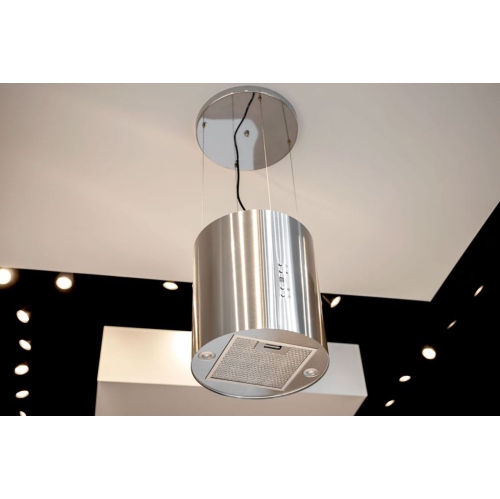
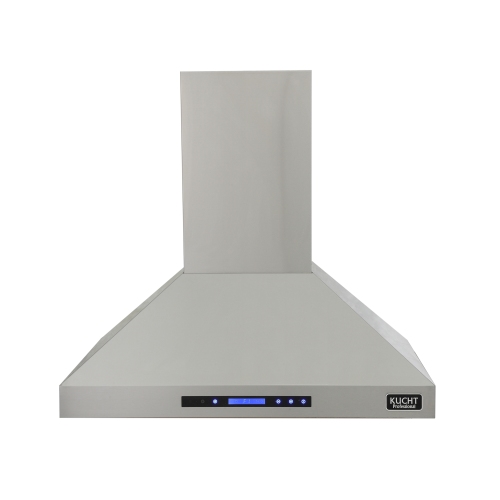
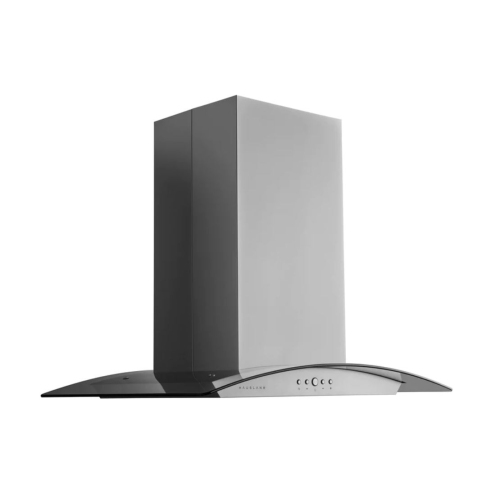
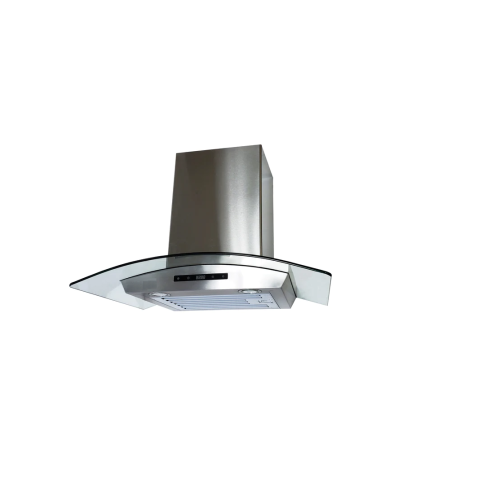
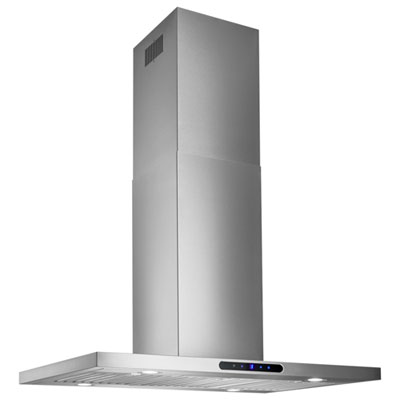
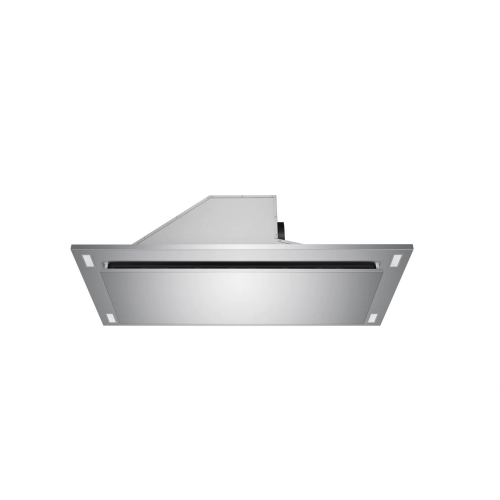
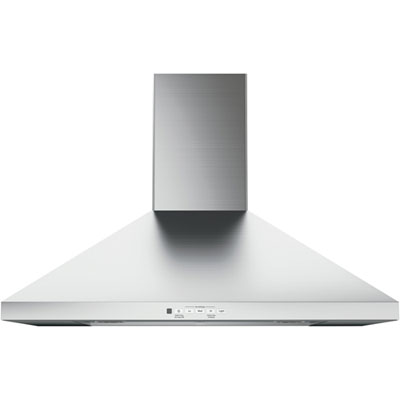
Island range hoods are designed for kitchens where the cooktop or range sits beneath the ceiling rather than against a wall. Suspended above the cooking surface, they help capture steam, smoke, cooking odours and airborne grease before these travel through an open-concept room. This makes them especially useful in kitchens with a central island that serves as both a preparation area and a gathering place. During the cooler months, when windows may stay closed and family meals often involve roasting, simmering or high-heat cooking, an effective hood can help keep the air feeling fresher and the surrounding surfaces cleaner. Island range hoods also contribute to the visual balance of a kitchen, acting as a central feature above the island while providing practical ventilation. They may suit homeowners planning a full kitchen renovation, people replacing an older ventilation system, or anyone adding a freestanding cooktop to a newly designed space. They can also be a thoughtful housewarming gift for someone moving into a custom home or completing a kitchen remodel, although the recipient will need to confirm measurements, electrical requirements and installation plans before choosing a model. Unlike a wall-mounted hood, an island hood cannot rely on a nearby wall for support, so secure ceiling framing or a properly built support structure is essential. Installation may require access above the ceiling, a dedicated electrical connection and a clear plan for routing ductwork through the ceiling, attic or roof. Checking local building requirements and arranging professional installation can help ensure that the hood is mounted safely and operates as intended.
Sizing is one of the most important considerations when comparing island range hoods. In general, the hood should be at least as wide as the cooktop, and choosing a hood that extends approximately 6 inch beyond the cooking surface can improve coverage, particularly when steam and heat spread outward from larger pots and pans. Common widths include 30-inch, 36-inch and 42-inch options, but the right choice depends on the cooktop dimensions, the available ceiling space and the overall proportions of the kitchen. Mounting height matters as well. Many installations place the bottom of the hood approximately 30 to 36 inch above the cooking surface, though the manufacturer’s instructions and local requirements should always take priority. A hood mounted too high may not capture rising vapour effectively, while one mounted too low can interfere with cooking or require more frequent cleaning. Fan power is measured in cubic feet per minute, or CFM. For many electric cooktops, a range around 300 to 600 CFM may provide suitable everyday ventilation, while gas cooktops, wok cooking, griddle use and frequent high-heat preparation may call for stronger airflow in the range of 700 to 1,200 CFM. More power is not automatically better: a high-CFM hood may require make-up air, create additional noise or exceed the needs of a smaller kitchen. Consider the type of cooking you do most often, including frying, searing, boiling and baking, as well as the size of the room and whether it opens into a dining or living area. A quieter hood can be more comfortable in a social kitchen, especially when conversations, music or television are part of the cooking experience. Features such as multiple fan speeds, bright task lighting, washable filters, delayed shutoff and easy-to-clean surfaces can also make daily use more convenient.
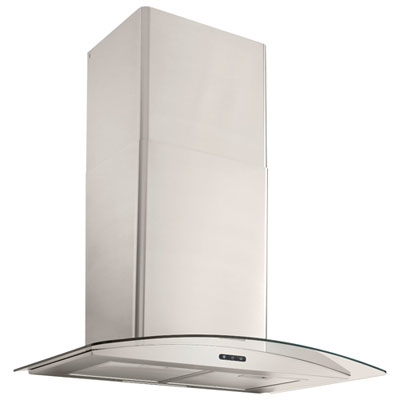
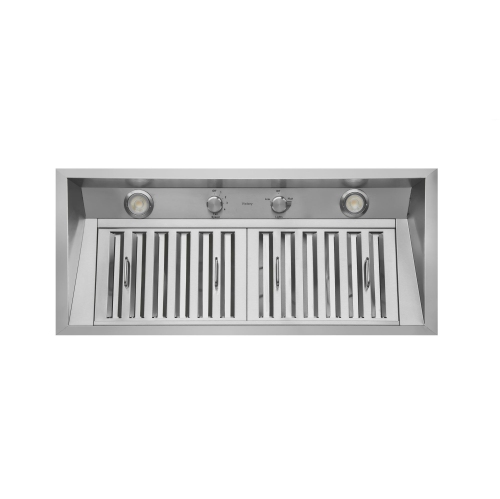
The choice between ducted and ductless ventilation should be made before installation begins. Ducted island range hoods send air outside through a properly sized ventilation path, usually routed through the ceiling and then through a wall or roof. This approach is often preferred for kitchens where strong smoke, steam and odours are produced, but it may involve more planning, ceiling access and construction work. Ductless, or recirculating, models draw air through filters and return it to the room. They can be suitable when exterior venting is not possible, such as in certain condos or finished spaces, but they require regular charcoal filter replacement and may not remove heat and moisture as effectively as a ducted system. Before selecting a hood, confirm whether the kitchen has an existing duct route, whether the ceiling can support the unit and whether the electrical supply matches the installation requirements. Filter access is worth considering too; a filter that can be removed easily is more likely to receive the regular cleaning needed to maintain airflow. Stainless steel and glass surfaces can provide a polished look over a modern island, while simpler profiles may blend into a more traditional kitchen design. If an island installation is not the right fit for the room, an insert hood offers another way to build ventilation into custom cabinetry; explore Insert Range Hoods for options intended for cabinet or custom enclosure installations. Whether you are preparing a quick breakfast as the weather warms, simmering soup during cooler evenings or hosting friends around the island, the best island range hood will match the cooktop width, suit the cooking style, fit the kitchen’s ventilation plan and provide controls that feel natural to use.
Sizing is one of the most important considerations when comparing island range hoods. In general, the hood should be at least as wide as the cooktop, and choosing a hood that extends approximately 6 inch beyond the cooking surface can improve coverage, particularly when steam and heat spread outward from larger pots and pans. Common widths include 30-inch, 36-inch and 42-inch options, but the right choice depends on the cooktop dimensions, the available ceiling space and the overall proportions of the kitchen. Mounting height matters as well. Many installations place the bottom of the hood approximately 30 to 36 inch above the cooking surface, though the manufacturer’s instructions and local requirements should always take priority. A hood mounted too high may not capture rising vapour effectively, while one mounted too low can interfere with cooking or require more frequent cleaning. Fan power is measured in cubic feet per minute, or CFM. For many electric cooktops, a range around 300 to 600 CFM may provide suitable everyday ventilation, while gas cooktops, wok cooking, griddle use and frequent high-heat preparation may call for stronger airflow in the range of 700 to 1,200 CFM. More power is not automatically better: a high-CFM hood may require make-up air, create additional noise or exceed the needs of a smaller kitchen. Consider the type of cooking you do most often, including frying, searing, boiling and baking, as well as the size of the room and whether it opens into a dining or living area. A quieter hood can be more comfortable in a social kitchen, especially when conversations, music or television are part of the cooking experience. Features such as multiple fan speeds, bright task lighting, washable filters, delayed shutoff and easy-to-clean surfaces can also make daily use more convenient.
The choice between ducted and ductless ventilation should be made before installation begins. Ducted island range hoods send air outside through a properly sized ventilation path, usually routed through the ceiling and then through a wall or roof. This approach is often preferred for kitchens where strong smoke, steam and odours are produced, but it may involve more planning, ceiling access and construction work. Ductless, or recirculating, models draw air through filters and return it to the room. They can be suitable when exterior venting is not possible, such as in certain condos or finished spaces, but they require regular charcoal filter replacement and may not remove heat and moisture as effectively as a ducted system. Before selecting a hood, confirm whether the kitchen has an existing duct route, whether the ceiling can support the unit and whether the electrical supply matches the installation requirements. Filter access is worth considering too; a filter that can be removed easily is more likely to receive the regular cleaning needed to maintain airflow. Stainless steel and glass surfaces can provide a polished look over a modern island, while simpler profiles may blend into a more traditional kitchen design. If an island installation is not the right fit for the room, an insert hood offers another way to build ventilation into custom cabinetry; explore Insert Range Hoods for options intended for cabinet or custom enclosure installations. Whether you are preparing a quick breakfast as the weather warms, simmering soup during cooler evenings or hosting friends around the island, the best island range hood will match the cooktop width, suit the cooking style, fit the kitchen’s ventilation plan and provide controls that feel natural to use.
Top selling and popular products
-
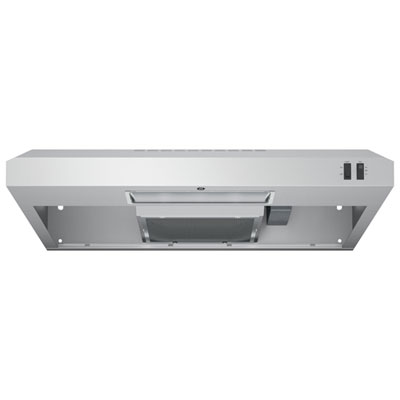 Your price for this item is $249.99
 -
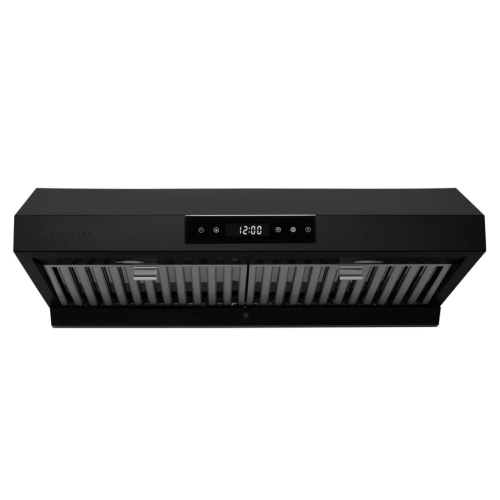 Your price for this item is $598.49
 -
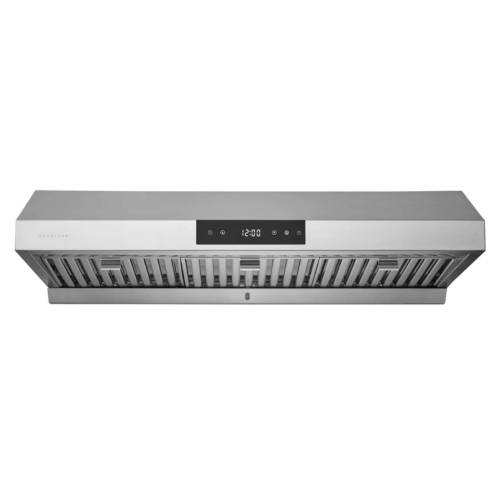 Your price for this item is $645.99
 -
 Your price for this item is $645.99
 -
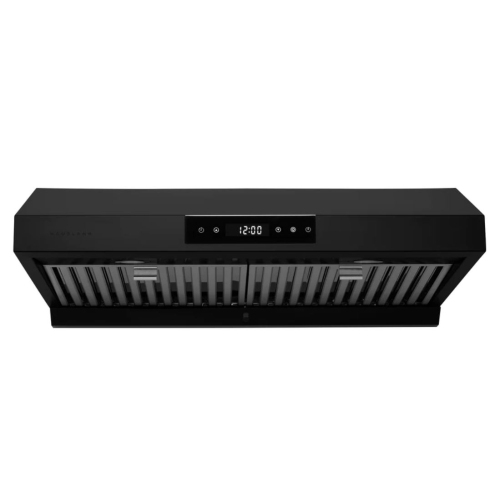 Your price for this item is $645.99
 -
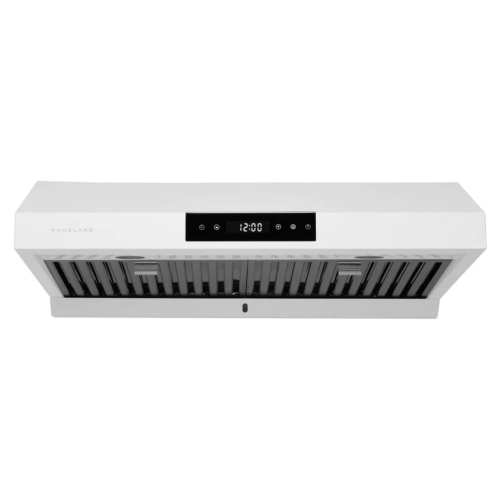 Your price for this item is $598.49
 -
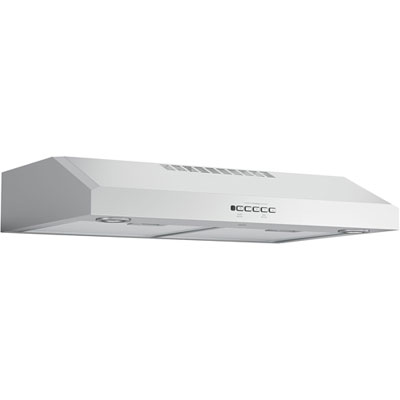 Your price for this item is $449.99
 -
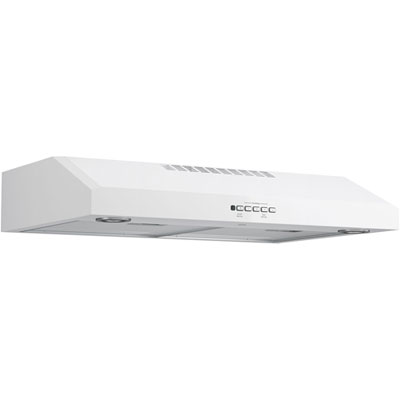 Your price for this item is $399.99
Discover more categories related to Island Range Hoods
Top Collections:
Pokemon Centers, Kindle Devices, Best Budget Office Chairs, Apple iPhones 16, Best Laptops for Writers, iPhone 15 Apple, Canon G7X Cameras, Refurbished Apple Laptops, Alarm Clock, Motorola Razr Phones
Some products may be subject to Environmental Handling Fees
(EHF) depending on your province.
Learn more about EHFs.