Quiet Island Range Hoods
Quiet Island Range Hoods are the ideal addition to any modern kitchen, offering a sleek solution for maintaining a comfortable cooking environment. Designed to complement open-concept spaces, these range hoods help keep your kitchen atmosphere fresh and inviting. Explore a variety of styles and finishes to find the perfect match for your home’s décor. Whether you’re updating your current setup or completing a brand-new kitchen, Quiet Island Range Hoods provide both elegance and functionality for everyday use.
Sort
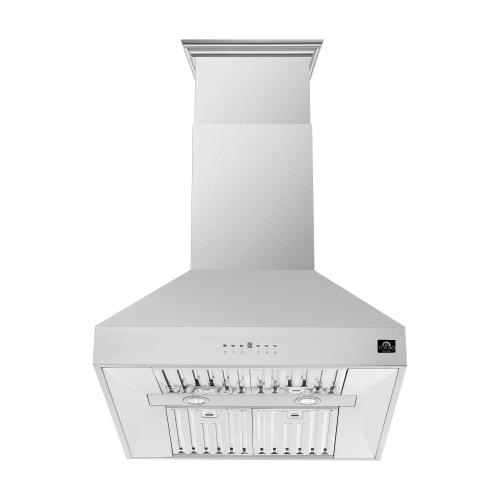
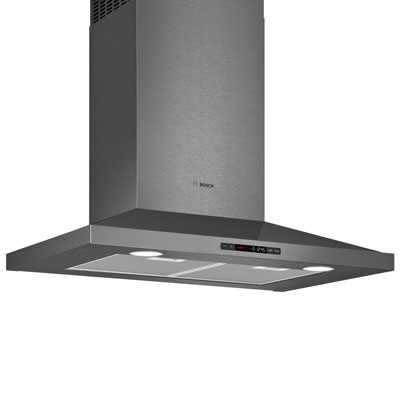
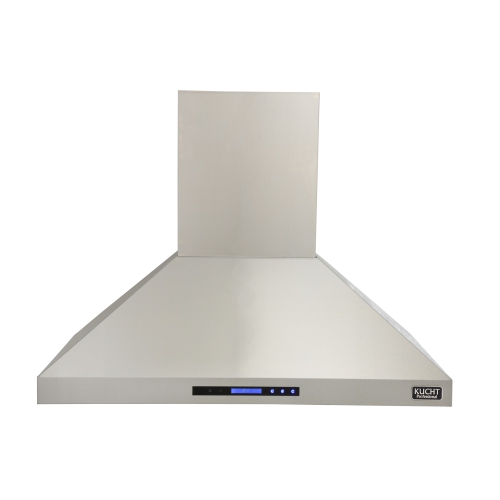
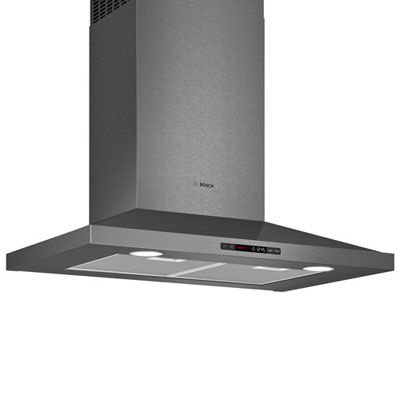


Why airflow matters as much as fan noise
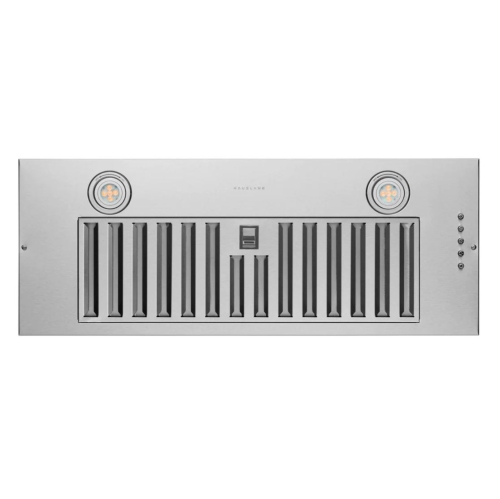
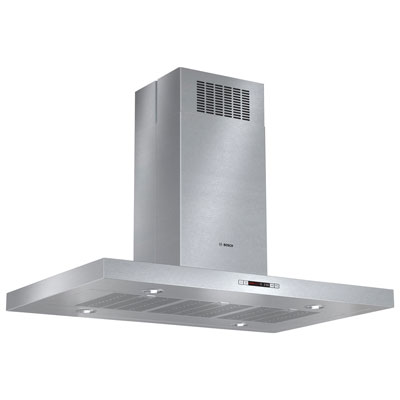
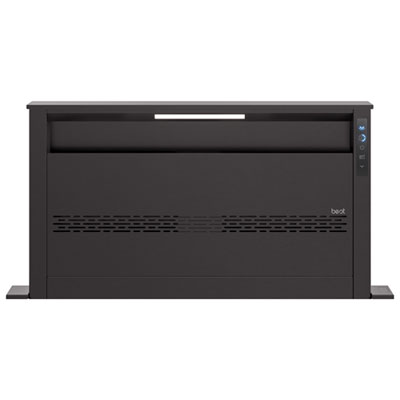
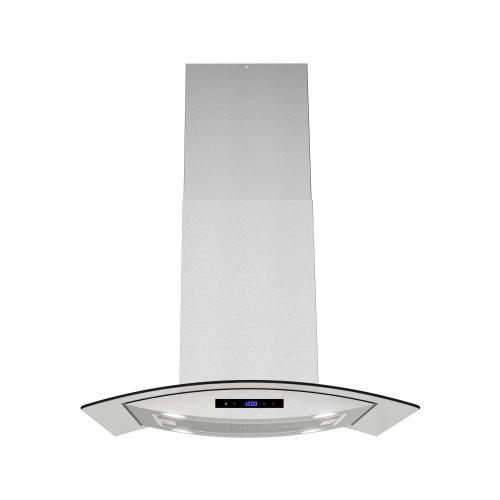
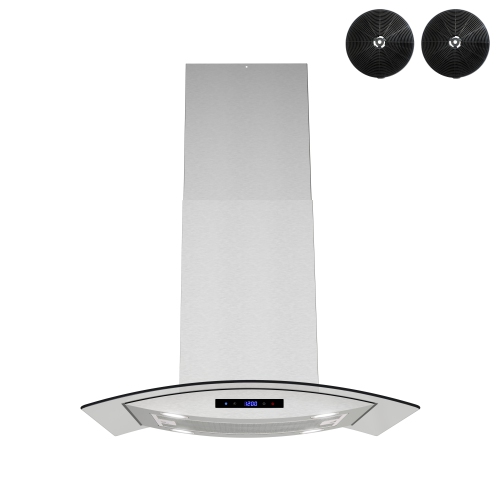
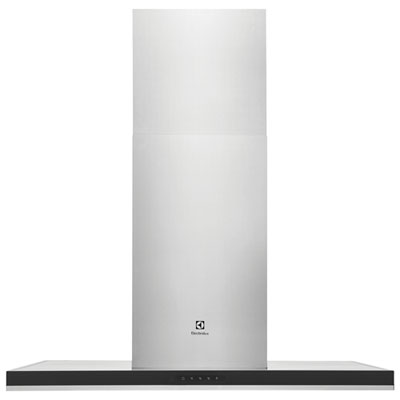
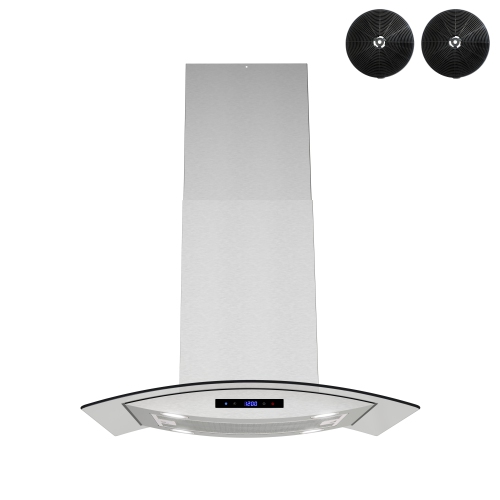
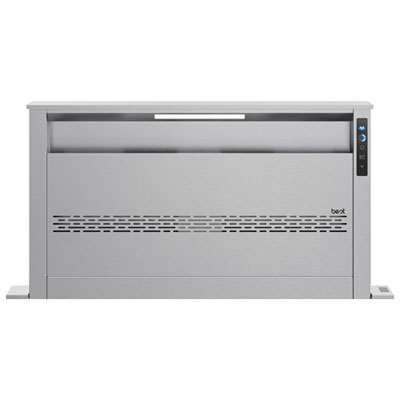
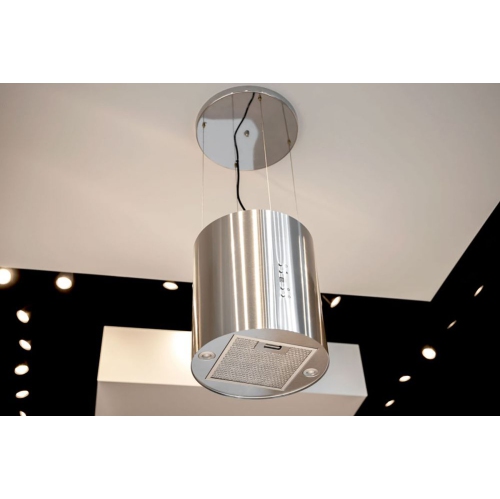
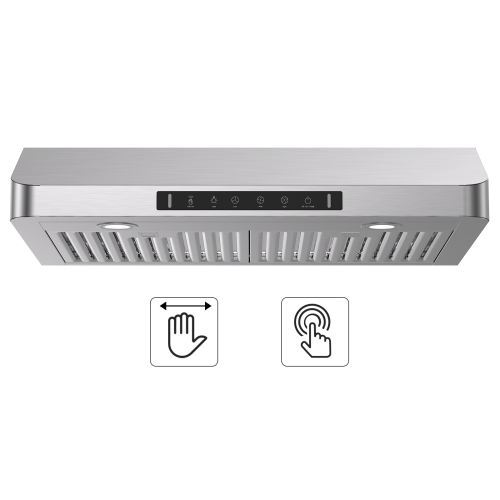
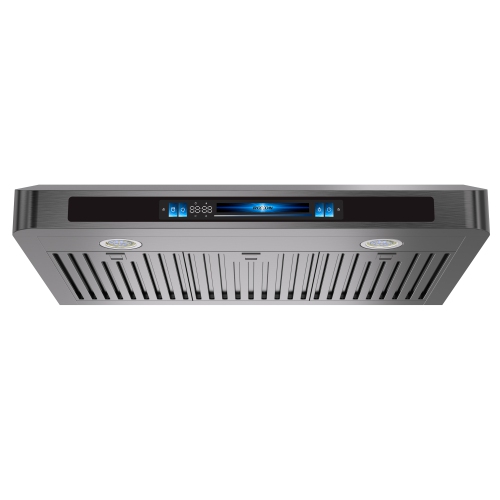
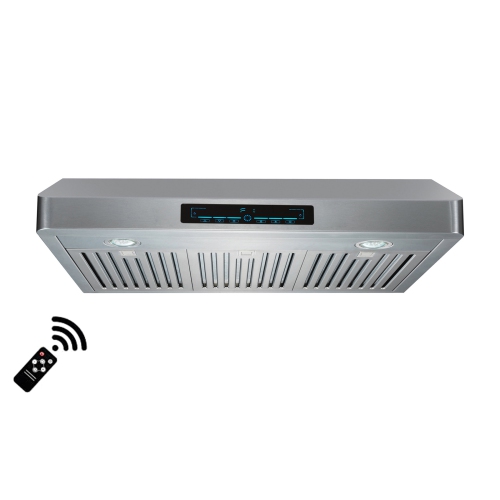
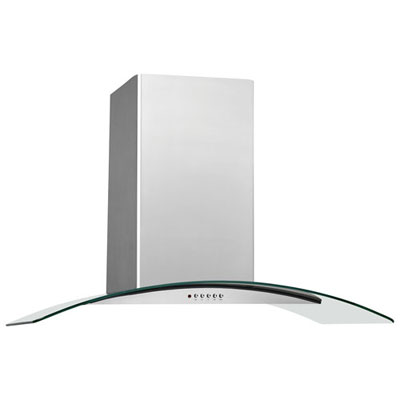
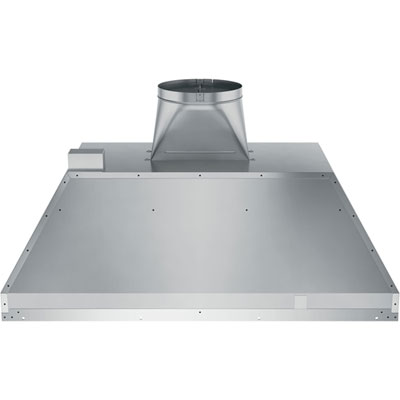
Quiet island range hoods provide overhead ventilation for cooktops installed in kitchen islands, helping capture cooking smoke, airborne grease and odours while keeping fan noise manageable. Their ceiling-mounted design suits kitchens without a wall directly behind the cooking surface, including open-concept layouts where meal preparation shares space with conversation, television or homework. Quiet operation is especially useful when someone is simmering a sauce while others sit at the island, or when the kitchen opens directly into a dining area. Some models report noise levels around 40 to 45 decibels on a low setting, but sound ratings vary by fan speed, installation and measurement method. A low-speed figure does not describe how a hood sounds at its highest extraction setting. Manufacturers may express sound in decibels or sones; comparing ratings measured under similar conditions gives a more meaningful picture than treating those scales as interchangeable. Airflow, usually stated in cubic feet per minute, or CFM, describes a different part of performance: how much air the hood can move. A quiet island range hood balances suitable extraction with a sound level that works for the room and the way meals are prepared. Gentle ventilation may be enough for light steaming or a small saucepan, while browning meat, stir-frying or using several burners can call for a higher setting. Multiple fan speeds make that adjustment possible without running the blower at full power throughout every meal. Noise also has a character beyond its stated rating. A steady rush of air can be less intrusive than rattling, vibration or a sharp motor tone, making construction and installation important parts of everyday comfort. Quiet does not mean silent, particularly during high-output cooking, and a powerful maximum airflow rating alone does not establish how effectively or quietly a hood will perform above a particular island. The most useful specifications describe both airflow and sound at the settings likely to see regular use, rather than highlighting only the lowest noise figure or the highest extraction capacity.
An island installation places different demands on a range hood than a wall-backed cooking area. Air can move across the cooking surface from several directions, so the canopy’s dimensions, its position over the burners and the mounting height all affect capture. A canopy that is too small or mounted outside the specified height range may allow steam and cooking fumes to spread before they reach the filters. Width, depth and the manufacturer’s recommended coverage matter alongside the nominal cooktop size. Ceiling height is another practical consideration because the chimney or suspension assembly must fit the room while maintaining the required clearance above the cooking surface. That clearance depends on the hood, the cooking appliance and applicable installation requirements, rather than one universal measurement. Ceiling-mounted hoods also need suitable structural support; the visible ceiling finish alone is not a mounting structure. In kitchens with an outdoor exhaust route, Ducted Island Range Hoods carry extracted air outside rather than returning it to the room. Duct size and layout influence both airflow and noise. Properly sized, smooth ductwork with a short, direct route generally presents less resistance than a narrow run with numerous tight bends. Unnecessary restrictions can make a blower work harder and leave more sound in the kitchen without delivering the expected extraction. Where outdoor venting is not possible, compatible recirculating configurations pass air through grease and odour filters before returning it indoors. They do not remove cooking moisture from the home in the same way as an outdoor-vented installation, and they require the appropriate filters for the intended setup. Some hood designs support remote or inline blowers that move motor noise farther from the cooking area, although airflow through the hood remains audible. Those arrangements depend on model compatibility and the space available for the duct route. Electrical connections, vent termination and any required make-up air provisions are installation details for a qualified professional to assess, particularly with higher-capacity ventilation or fuel-burning appliances in the home.
Materials, controls and maintenance shape how a quiet island range hood feels to use long after installation. Stainless steel is common because it tolerates normal kitchen use and offers a clean-lined finish that coordinates with many appliances. Glass canopies create a lighter visual profile above an island, though fingerprints and grease droplets may be more noticeable on exposed surfaces. Painted finishes offer another look, with care requirements that depend on the coating. Since an island hood is visible from multiple sides, the finish around the chimney, canopy edges and underside contributes to its appearance throughout the room. Integrated lighting illuminates the cooking surface without relying entirely on ceiling fixtures, and the position of the lights affects how clearly cookware and food can be seen beneath the canopy. Brightness options, dimming and replaceable lighting components vary by design. Accessible controls are useful when a pan needs attention, while clearly marked fan settings make routine adjustments straightforward. A delayed shut-off feature, where included, lets ventilation continue for a set period after cooking finishes. Washable metal grease filters are another important everyday detail: they collect residue that would otherwise build up inside the hood, and regular cleaning helps maintain airflow. Some filters are dishwasher-safe, while others need handwashing according to the manufacturer’s care directions. Charcoal odour filters used in recirculating setups usually require replacement unless specifically designed for cleaning and reuse. Residue on the canopy and around filter edges is easier to manage with regular wiping than after it has hardened through repeated cooking. Soft cloths and approved, non-abrasive cleaners help protect the finish; stainless steel surfaces generally benefit from wiping with the grain. Securely seated filters and properly fitted panels also help prevent avoidable rattles. For households that cook frequently, entertain around the island or simply prefer a less intrusive kitchen soundtrack, these practical details make a difference. A well-fitted hood with suitable airflow, usable lower speeds and accessible maintenance points supports everyday cooking without making ventilation the centre of attention.
Top selling and popular products
-
 Your price for this item is $566.99
-
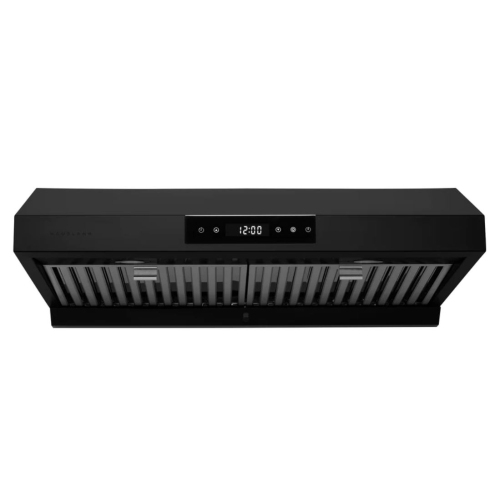 Your price for this item is $611.99
-
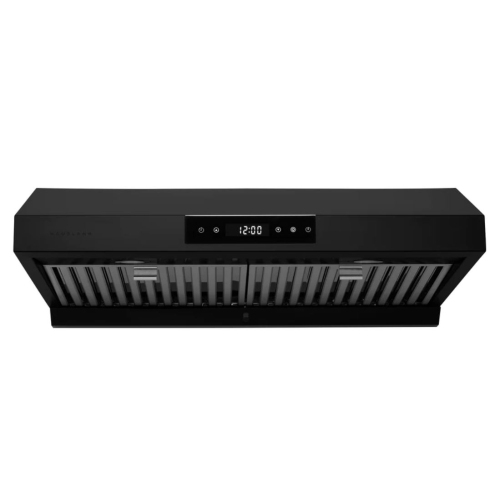 Your price for this item is $566.99
-
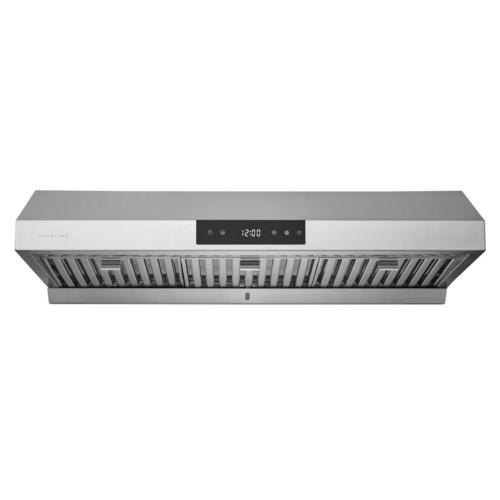 Your price for this item is $611.99
-
 Your price for this item is $611.99
-
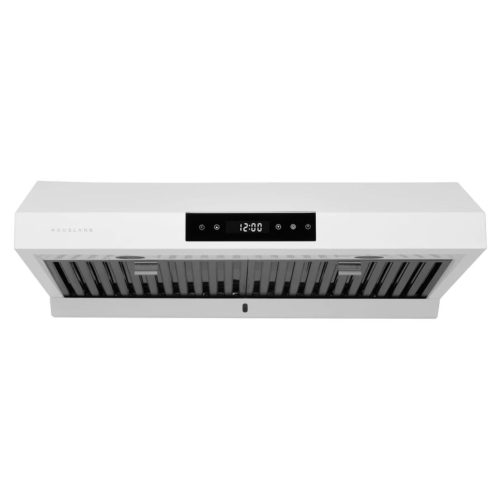 Your price for this item is $566.99
-
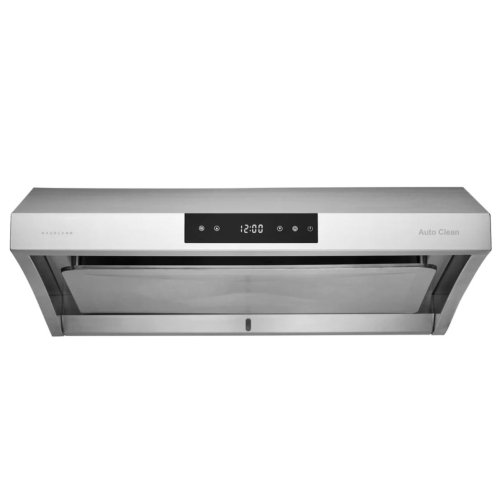 Your price for this item is $701.99
-
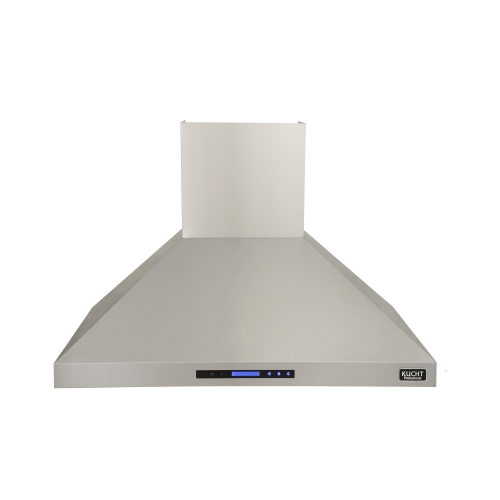 Your price for this item is $2455
Discover more categories related to Quiet Island Range Hoods
Top Collections:
Best Black Friday Deals This Year, Best Black Friday Deals On Electronics, Kindle Devices, Pokemon Centers, Best Black Friday Deals On Apple Products, Best Cameras for Sports Photography, Dyson Airwrap, Pokémon 30th Celebration Cards, Apple iPhone 17 Pro, Canon G7X Cameras
Some products may be subject to Environmental Handling Fees
(EHF) depending on your province.
Learn more about EHFs.