Kitchen Dishwashers
Looking to upgrade your kitchen with a reliable and efficient dishwasher? Look no further! Our collection of kitchen dishwashers offers the perfect solution for keeping your dishes sparkling clean with minimal effort. Whether you're a busy parent juggling family meals or a culinary enthusiast who loves hosting dinner parties, our range of dishwashers is designed to meet your unique needs. From sleek and modern designs to advanced features that save you time and energy, you'll find the perfect dishwasher to fit seamlessly into your kitchen. Say goodbye to hand-washing dishes and hello to convenience and cleanliness with our selection of top-notch kitchen dishwashers.
Sort


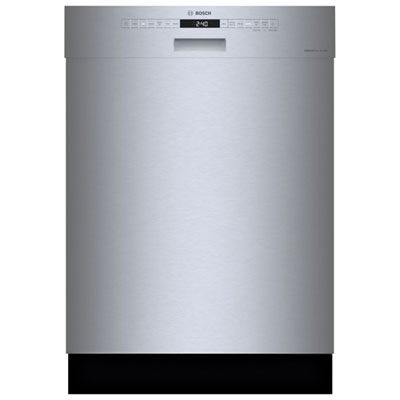
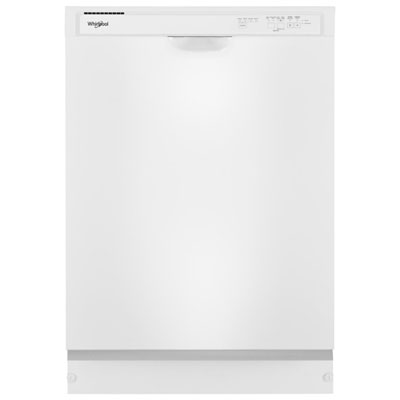
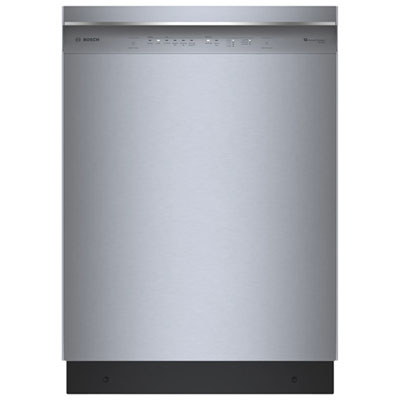
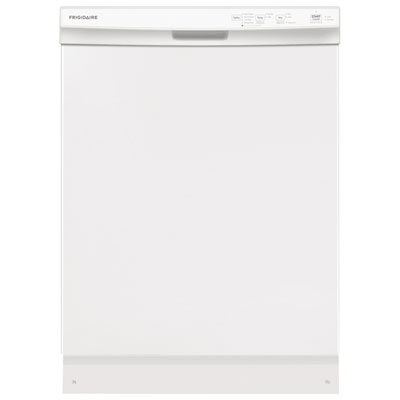

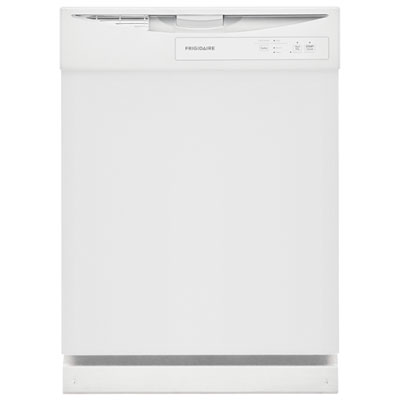

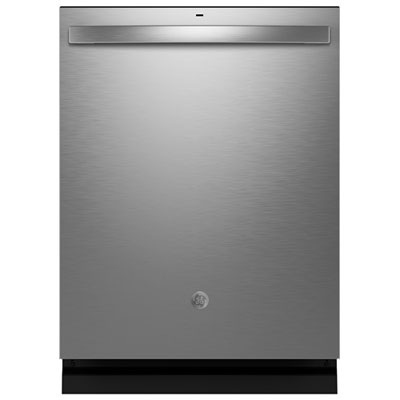
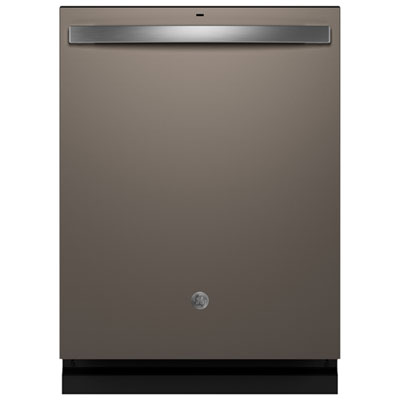
The right dishwasher fit goes beyond cabinet dimensions
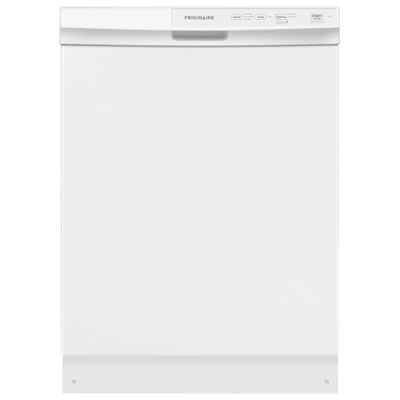
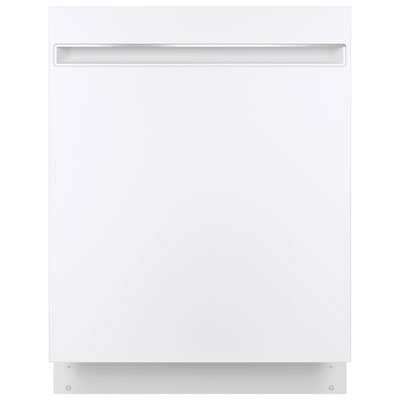
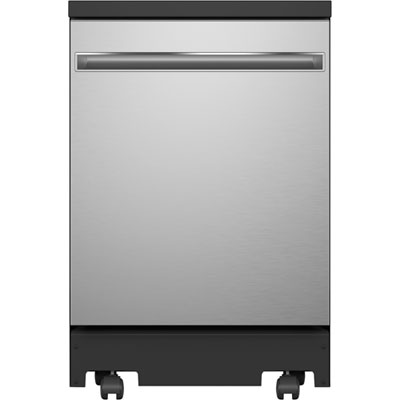
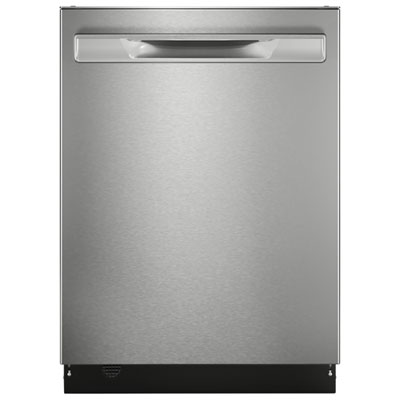
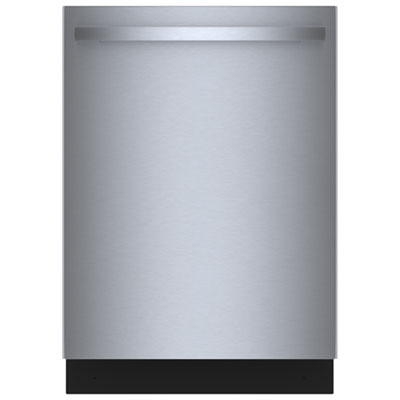
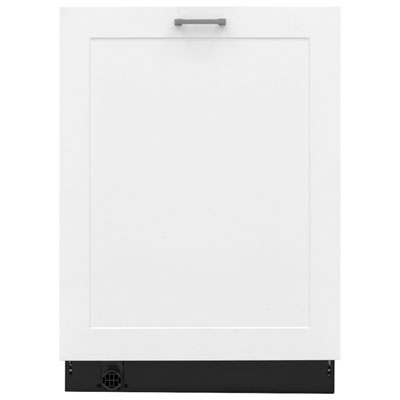
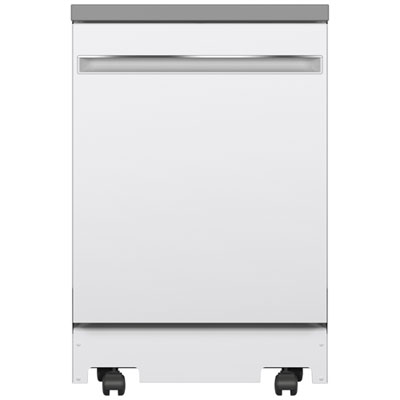
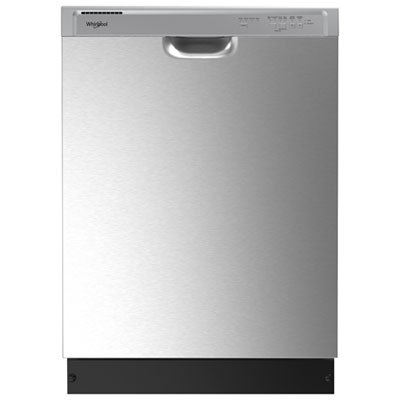
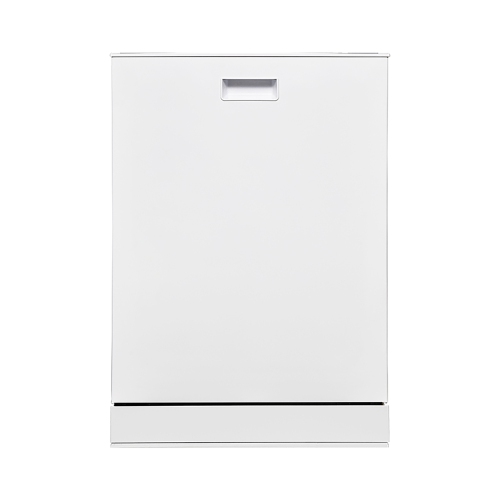
Kitchen dishwashers bring together reliable cleaning, practical drying options, and flexible racks to handle everything from breakfast bowls to the dishes left after a family dinner. The right fit depends as much on the kitchen layout and everyday cooking habits as it does on capacity. Built-in dishwashers sit beneath the counter and connect to the home’s plumbing, creating a permanent place for washing dishes without occupying the sink. Many full-size models are designed for an opening approximately 24 inches wide, while narrower designs can suit smaller layouts. Exact appliance dimensions, required clearances, and installation specifications still matter: flooring height, nearby cabinet handles, and the space needed to open the door can all affect the fit. A door that opens across a narrow walkway may interrupt movement between the sink and stove, even when the appliance fits neatly beneath the counter. For kitchens with limited cabinet space, Small Dishwashers include formats worth considering alongside the dimensions and connection requirements of the space. Portable dishwashers can be moved into position for use, while countertop designs occupy worktop space and may connect to a compatible faucet or use a fillable tank, depending on the model. These formats have different capacities and setup requirements, so faucet compatibility, drainage, electrical connections, and clearance beneath upper cabinets are important details. Exterior finishes also contribute to how a dishwasher sits within the room. Stainless steel can coordinate with other appliances, while white, black, and panel-ready designs offer different ways to complement cabinetry. Panel-ready dishwashers require a suitable decorative panel and hardware rather than arriving with a finished cabinet front. Recessed handles, bar handles, and controls placed along the top edge each change the appearance and accessibility of the appliance. For households replacing an older dishwasher, matching the existing opening is only part of the picture; the water supply, drain arrangement, and electrical setup also need to meet the new appliance’s installation requirements.
Inside a dishwasher, rack design often makes a more noticeable difference than the stated place-setting capacity. A household that mainly uses mugs, cereal bowls, and dinner plates has different loading needs from one that regularly washes mixing bowls, serving platters, and deep cookware. Adjustable upper racks can create room for taller pieces below, while fold-down tines make it easier to accommodate wide bowls or awkwardly shaped dishes. Some racks can only be adjusted while empty, so the adjustment mechanism is worth considering alongside the range of positions. A third rack provides a separate area for cutlery and small utensils, although its shape and depth determine whether it also accommodates shallow cups or larger serving tools. Cutlery baskets remain useful for keeping everyday utensils contained, and removable sections can make unloading more convenient. Good loading leaves room for water to reach soiled surfaces and allows spray arms to rotate without catching a pan handle or tall plate. Nesting spoons together or stacking bowls tightly can prevent thorough cleaning, even in a capable machine. Wash programmes offer different approaches to everyday soil, dried-on food, and delicate loads. Sensor-based cycles adjust parts of the wash according to detected conditions, while heavier cycles are intended for more demanding cleaning when the cookware is dishwasher-safe. A quick cycle may suit lightly soiled dishes but can have different drying results or load limits from a normal programme. Sanitizing options have their own operating requirements and are not a substitute for checking whether individual dishes can tolerate the selected cycle. Interior materials are another consideration. Stainless steel tubs generally resist staining and retain heat that can support drying, while plastic tubs have different heat-retention characteristics. Neither material removes the need for sensible loading and regular care. Large food scraps belong in the waste bin before loading; whether further rinsing is needed depends on the appliance and detergent instructions. Detergent formulated for automatic dishwashers is essential, since ordinary hand dishwashing liquid can produce excessive foam. Dispenser access also matters: a large tray placed directly in front of it can interfere with detergent release.
Drying performance, sound level, and upkeep shape the experience long after installation. Dishwashers may use retained heat, a heating element, fan-assisted drying, an automatic door-opening feature, or a combination of methods. Each approach works differently, and lightweight plastic containers can retain droplets even when ceramic plates and glassware feel dry. Recessed bases on mugs and containers can also collect water, making their loading angle important. Rinse aid helps water spread and drain from surfaces rather than forming droplets, and it can support drying even when the detergent already contains additional cleaning ingredients. Local water hardness affects spotting and mineral buildup; some dishwashers have a built-in water softener with specific requirements for dishwasher salt and settings. Sound ratings are useful in kitchens that open onto a living room or dining area. A lower decibel rating generally indicates quieter operation, though installation, surrounding cabinetry, and the type of load can influence the sound heard in the room. A model rated in the low 40 dBA range may be less noticeable during conversation than one with a higher rating, but quiet operation does not mean complete silence. Visible status lights or floor-projected indicators can help show when a discreetly running machine is active. Straightforward maintenance supports consistent results: removable filters need cleaning at the intervals specified by the manufacturer, spray-arm openings should remain clear, and door seals benefit from a gentle wipe to remove trapped residue. Dishwasher cleaning products should be used only as directed and should suit the appliance. Dishware needs attention too, since uncoated cast iron, some wooden utensils, delicate decorations, and certain metals may require handwashing. Manufacturer care labels are the best reference for individual pieces. For frequent cooks, flexible space for cookware may matter most; for a smaller household, a manageable load size and convenient daily operation may take priority. In a shared home, easy-to-understand controls and accessible racks can be especially useful. A well-matched kitchen dishwasher accommodates the dishes people actually use, fits the available space, and makes the routine of loading, washing, and putting everything away more straightforward.
Top selling and popular products
-
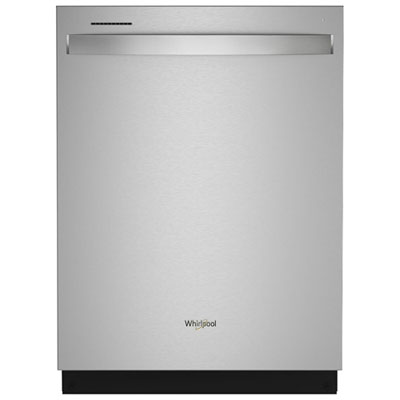 Your price for this item is $849.99
-
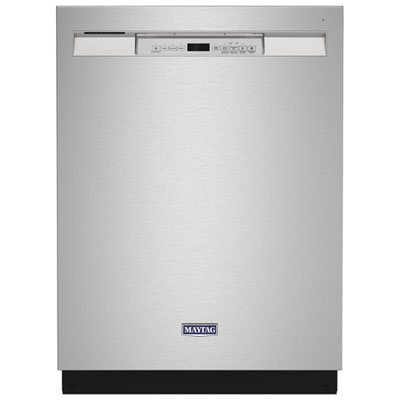 Your price for this item is $849.99
-
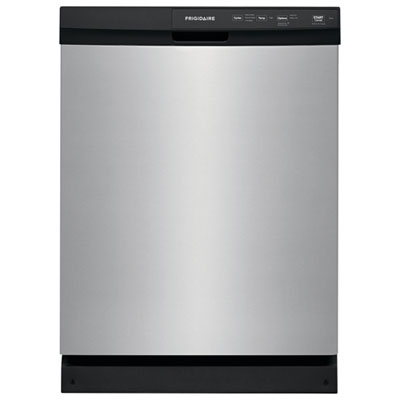 Your price for this item is $479.99
-
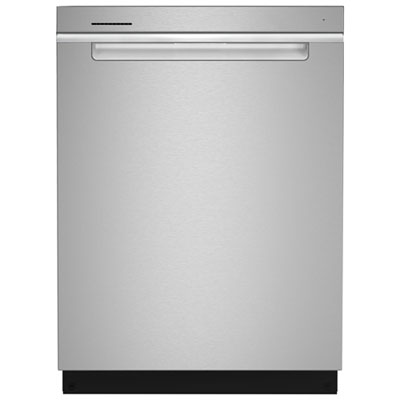 Your price for this item is $849.99
-
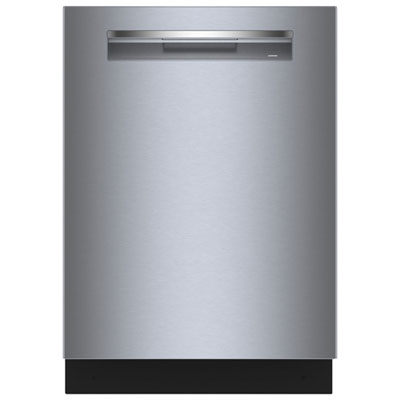 Your price for this item is $2449.99
-
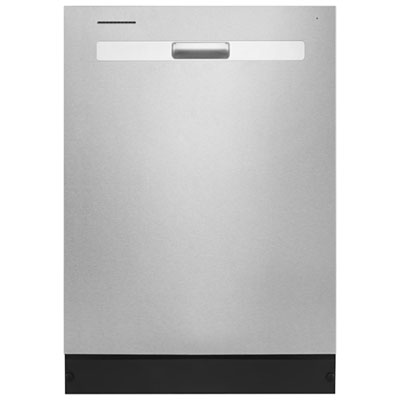 Your price for this item is $699.99
-
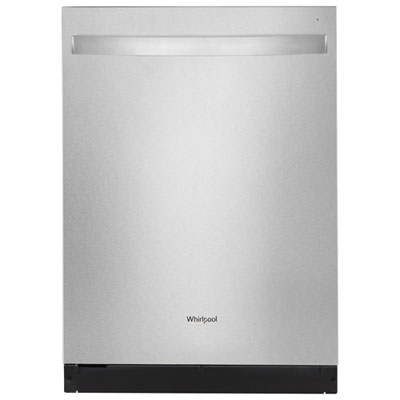 Your price for this item is $749.99
-
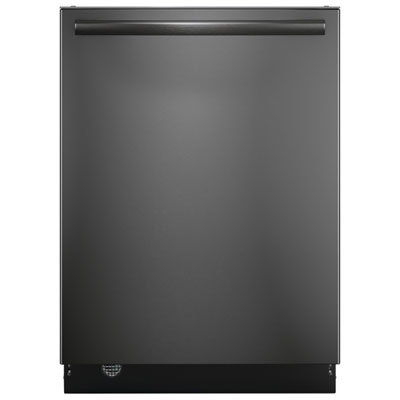 Your price for this item is $949.99
Discover more categories related to Kitchen Dishwashers

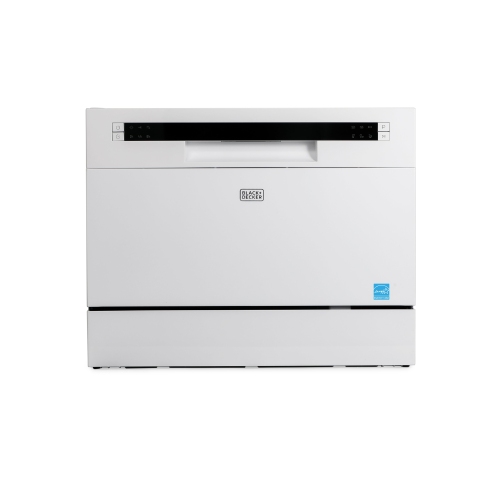
Top Collections:
Best Black Friday Deals This Year, Best Black Friday Deals On Electronics, Kindle Devices, Pokemon Centers, Best Black Friday Deals On Apple Products, Best Cameras for Sports Photography, Dyson Airwrap, Pokémon 30th Celebration Cards, Apple iPhone 17 Pro, Canon G7X Cameras
Some products may be subject to Environmental Handling Fees
(EHF) depending on your province.
Learn more about EHFs.