Mini Dishwashers
Mini Dishwashers offer a convenient solution for saving space while keeping your kitchen tidy and efficient. Perfect for apartments, offices, or smaller households, these compact appliances fit seamlessly into limited spaces without sacrificing performance. With a variety of styles and capacities available, finding the right Mini Dishwasher to suit your needs is simple. Explore options that are easy to install and designed to make everyday cleanup effortless. Discover how Mini Dishwashers can bring added convenience to any kitchen setup.
Sort
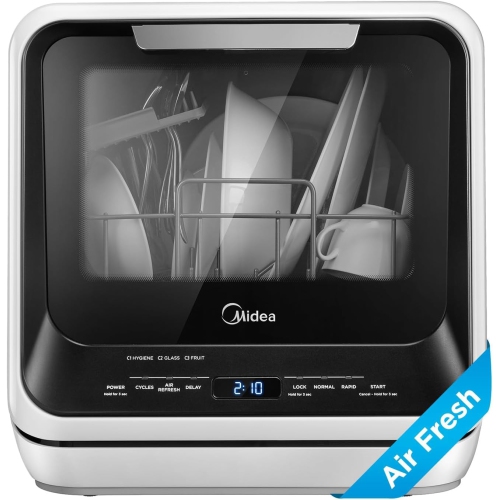
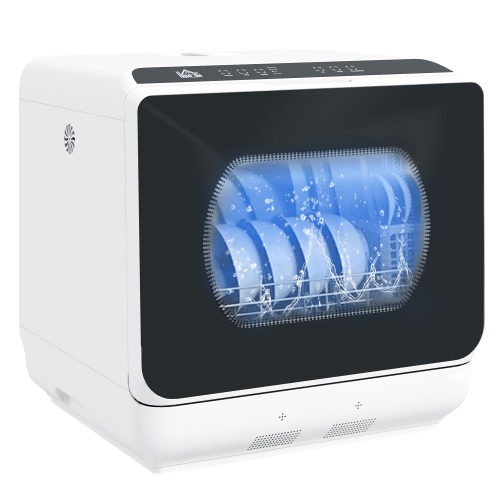
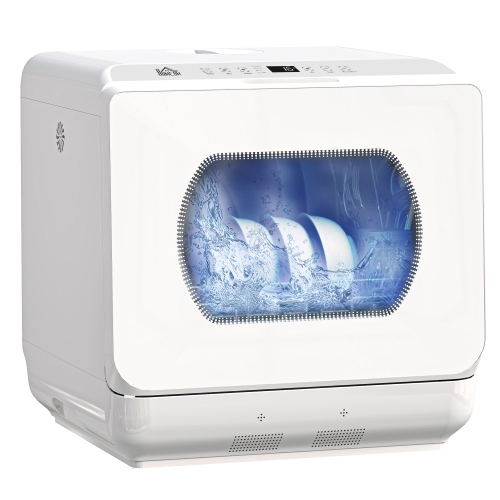
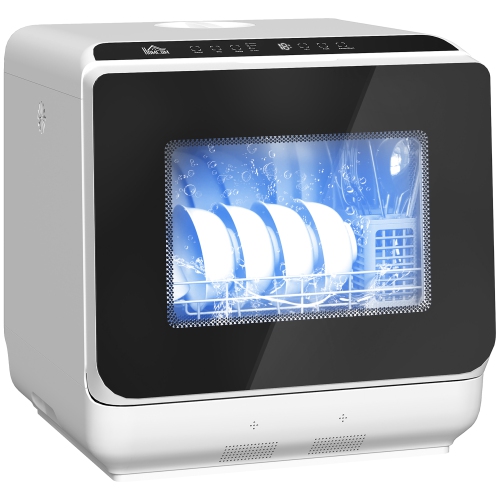
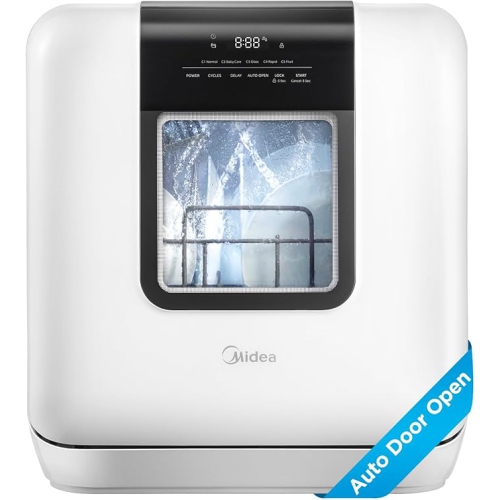
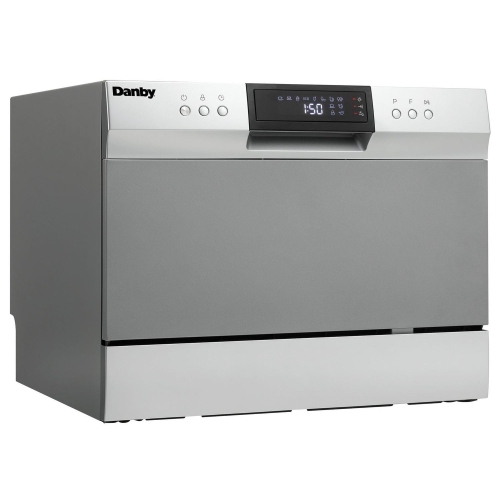
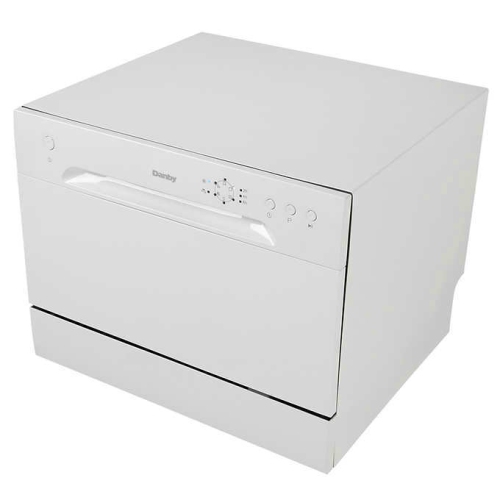
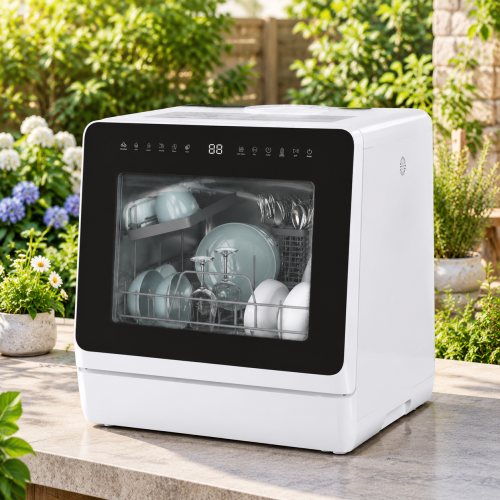


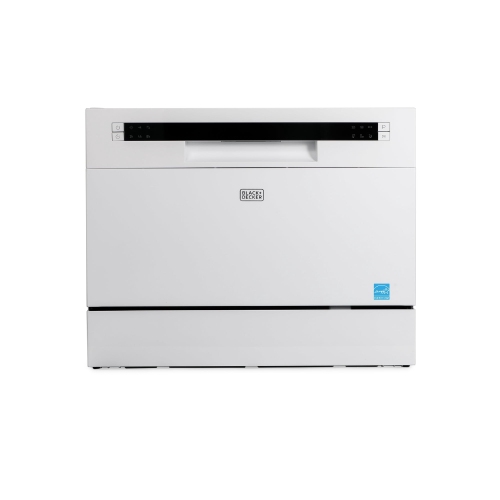
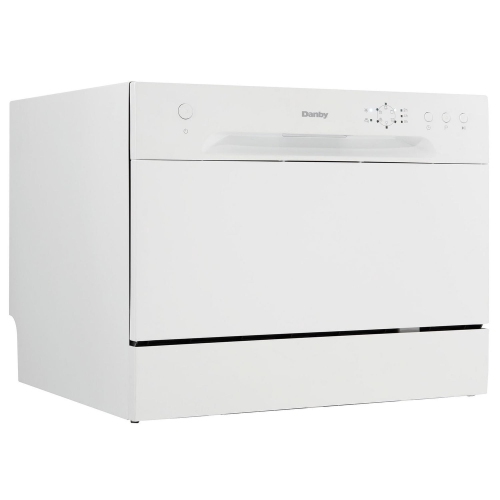
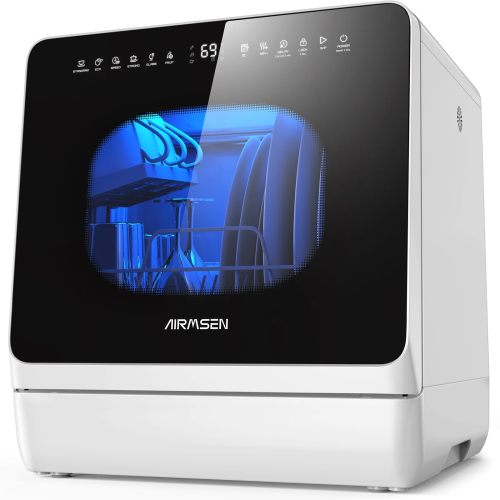
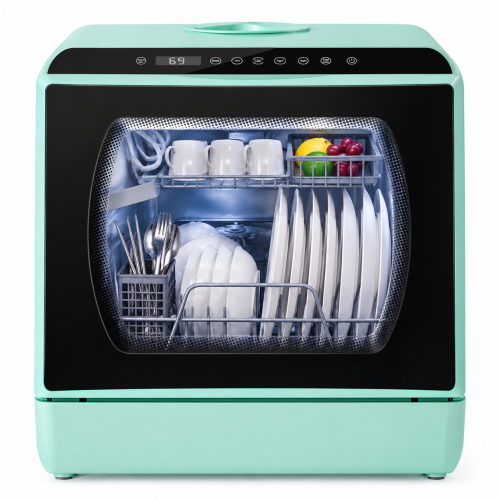
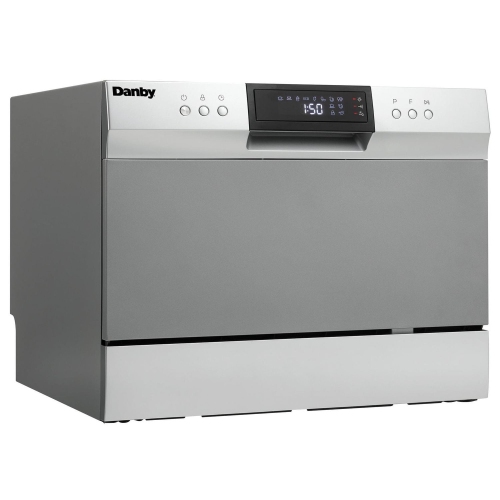
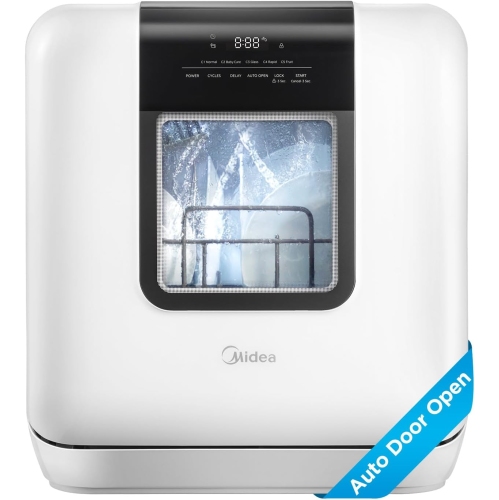
How countertop space and water hookups shape everyday use
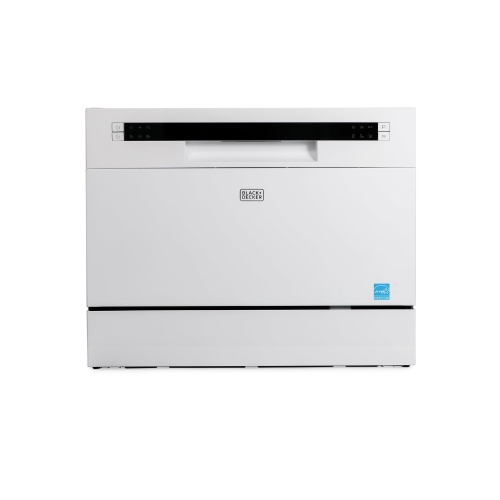
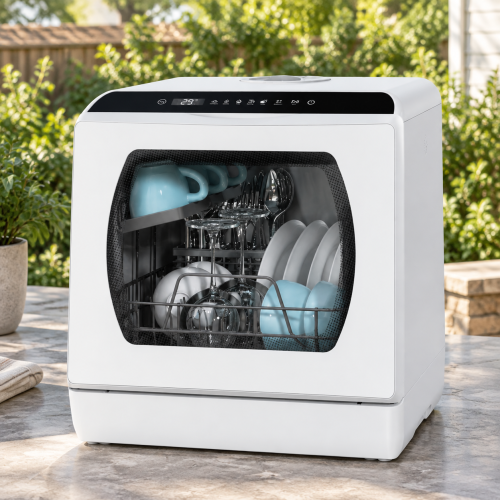
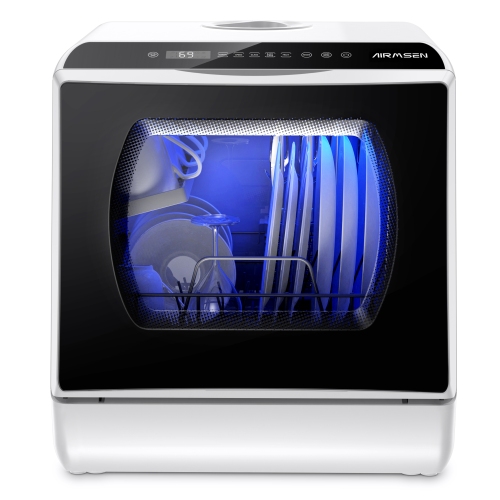
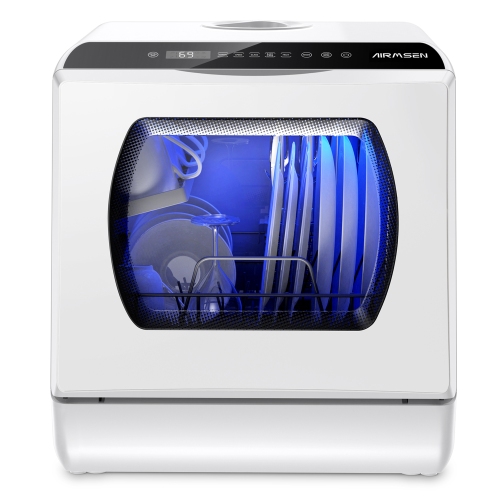
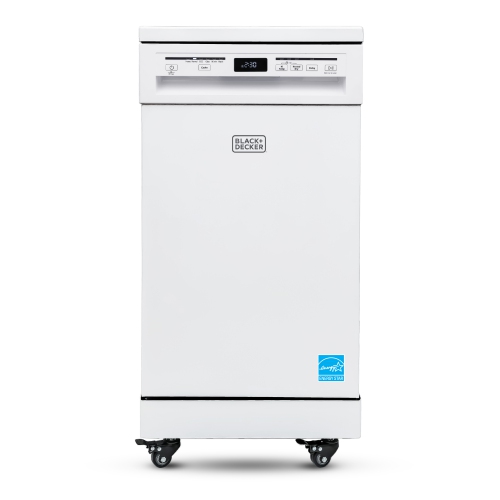
Mini dishwashers are compact appliances for washing small loads of dishes in places where a full-size dishwasher would take up too much room. Many sit on a kitchen countertop, and portable designs can suit spaces without a dedicated dishwasher connection. The main difference between models is how they take in water. A mini dishwasher with a built-in tank is filled by hand and doesn’t need a permanent water supply connection. A faucet-connect model draws water through a hose attached to a compatible tap, usually with an adapter. Some models offer both options. A tank can be useful in a rental with a pull-down faucet that won’t accept the supplied fitting, while a faucet hookup saves the step of pouring water into the tank before each load. Either way, the used water has to go somewhere: even a model with a built-in tank typically needs a drain hose that can be secured at a sink or another drain location permitted by the manufacturer. That makes the route to the sink just as important as the open space on the countertop. In a studio apartment, a mini dishwasher might handle breakfast bowls, coffee mugs and the containers packed for lunch without a day’s worth of dishes piling up in the sink. In a shared kitchen, it can make more sense for one person’s dishes than for everyone’s cookware at once. A dorm or RV can also be a fit where appliances are permitted and the setup provides a stable, level surface, a suitable electrical outlet and a secure way to drain the machine. The portable label doesn’t necessarily mean an appliance is light enough to lift in and out of a cupboard every day. A spot where it can stay in place, with the fill opening or faucet connection within easy reach, often makes it more practical for everyday use.
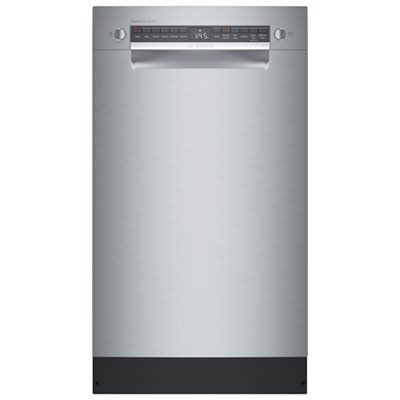
A countertop footprint tells only part of the story. A mini dishwasher needs room for the door to open fully, the rack to slide out and the hoses to curve behind it without kinking. Upper cabinets can get in the way of pouring water into a top-fill tank, even when the appliance itself fits below them. Near a sink, it’s worth picturing what happens when the door is open and someone needs to reach the tap or walk past with a cutting board. Interior fit matters just as much. Place-setting capacity gives a general sense of load size, but it doesn’t tell the whole story for someone who eats from wide dinner plates, uses tall travel mugs or cooks with a deep mixing bowl. Checking the largest plate diameter the rack can hold and looking at the spacing between the tines can say more about daily use than the capacity figure alone. A rack that holds two wide bowls without stacking them may be more useful than one that holds several small plates but leaves no clear path for water to reach a favourite bowl. A saucepan may fit on its own while leaving little room for anything else. For a kitchen with room beneath the countertop but limited height, Short Dishwashers are another option. A lower overall height serves a different purpose than a small countertop footprint, so the better fit depends on where the appliance will go. Inside mini dishwashers, tubs and racks may use stainless steel, dishwasher-grade plastic or a combination of materials. A stainless steel interior offers a smooth, non-porous surface, while a plastic tub can help keep the appliance lighter. In either case, a sturdy rack that slides easily under a load, a door that closes squarely and a filter that is easy to reach are useful details on an appliance that may run frequently.
The way a mini dishwasher is loaded can make a noticeable difference in how dishes come out. Bowls angled toward the spray leave fewer places for water to collect, and spoons spaced apart in the cutlery basket won’t shield one another. Lightweight dishwasher-safe container lids need a secure spot so they don’t shift and block the spray arm. A quick scrape removes larger scraps before loading, and automatic dishwasher detergent belongs in the dispenser rather than ordinary dish soap, which can create too many suds. It’s also normal to keep washing some things by hand. Wooden utensils, cast iron and anything not marked dishwasher-safe are better kept out, and a large baking sheet may not fit even if the rest of dinner’s dishes do. Cycle options vary: a shorter wash may suit lightly soiled cups and plates, while dishes with dried-on food may need a longer cycle. Drying performance can differ by material, too. Ceramic dinnerware may come out dry while droplets still cling to the rim of a plastic lunch container. In an open-plan apartment, where the countertop may be a few steps from a desk or sofa, the sound of the wash and drain cycles can be as noticeable in daily use as the length of the program. Routine care is simpler when the filter can be lifted out without fuss and the door seal is easy to wipe. Rinsing the filter as directed helps keep food debris from circulating, and checking the spray openings and drain hose can help catch a blockage or kink. Where tap water leaves mineral deposits, the manufacturer’s instructions can explain how to remove the buildup without damaging the interior. For a household that washes a handful of dishes at a time, the most useful fit is often the one that takes the bowls, plates and containers already in daily rotation while leaving enough countertop space to make the next meal.
Top selling and popular products
-
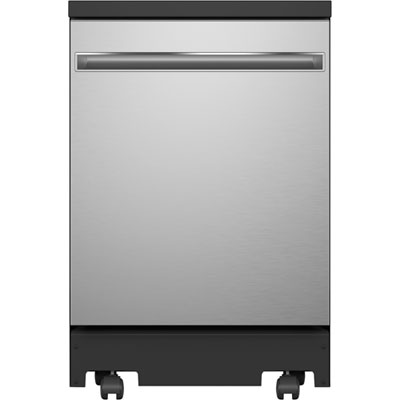 Your price for this item is $849.99
-
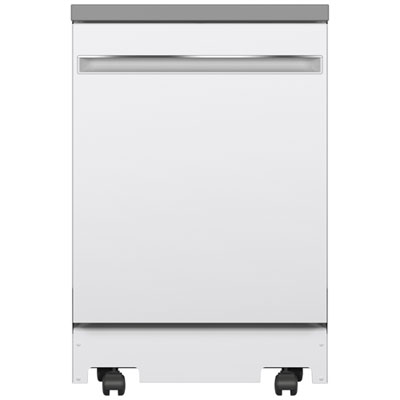 Your price for this item is $799.99
-
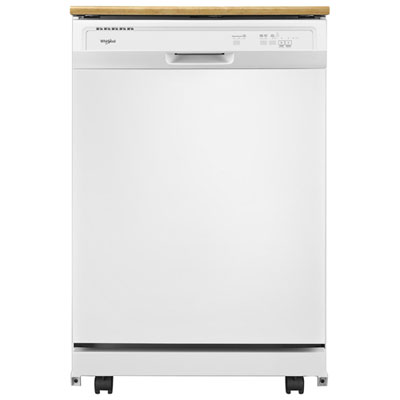 Your price for this item is $1099.99
-
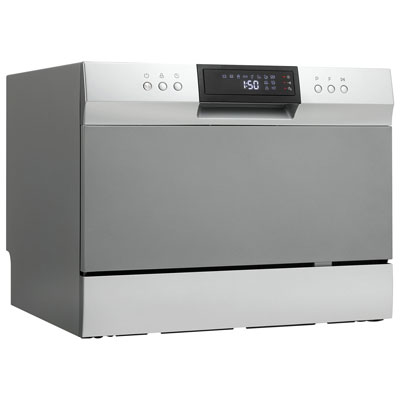 Your price for this item is $369.99
-
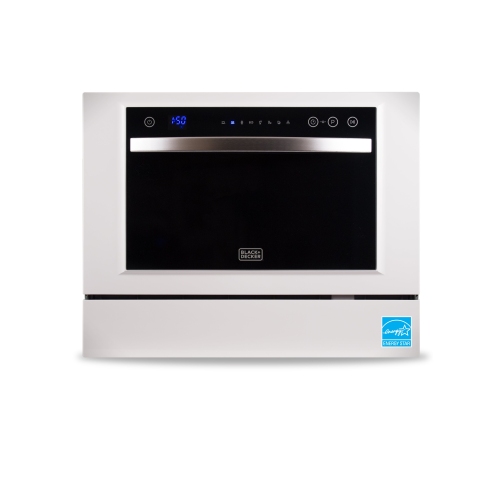 Your price for this item is $431.99
-
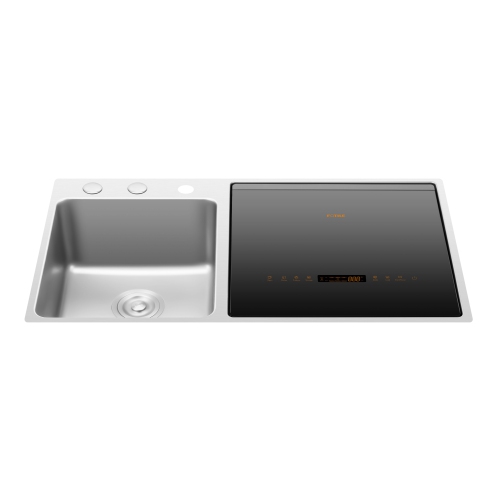 Your price for this item is $2099
-
 Your price for this item is $676.19
-
 Your price for this item is $5499
Discover more categories related to Mini Dishwashers

Top Collections:
Best Black Friday Deals This Year, Best Black Friday Deals On Electronics, Kindle Devices, Pokemon Centers, Best Black Friday Deals On Apple Products, Best Cameras for Sports Photography, Dyson Airwrap, Pokémon 30th Celebration Cards, Apple iPhone 17 Pro, Canon G7X Cameras
Some products may be subject to Environmental Handling Fees
(EHF) depending on your province.
Learn more about EHFs.