Safe Dishwashers
Safe Dishwashers offer a reliable solution for keeping your kitchenware sparkling clean while providing peace of mind for daily use. Designed with families and busy households in mind, these dishwashers help ensure that plates, glasses, and utensils are thoroughly cleaned after every meal. Discover a range of Safe Dishwashers that combine convenience and ease of use to make cleanup effortless, so you can spend more time enjoying your home and less time worrying about the dishes.
Sort

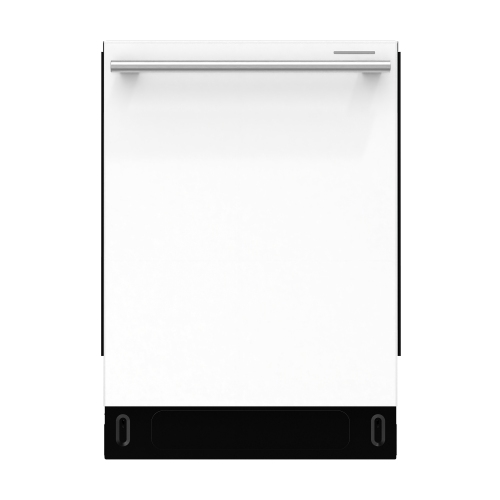

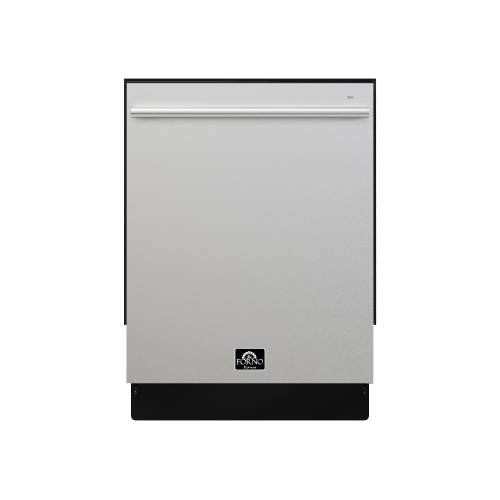
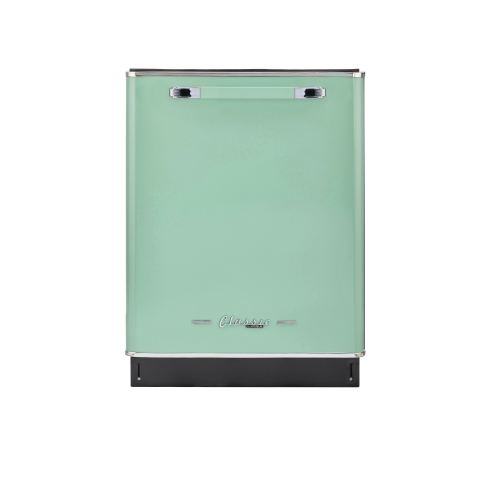
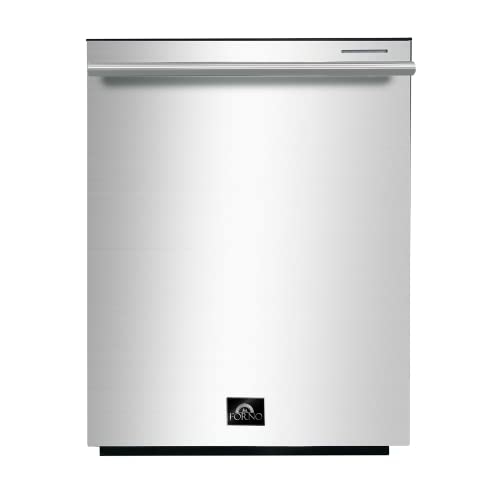
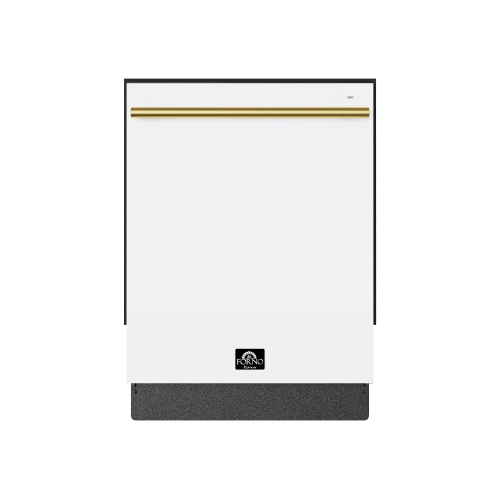

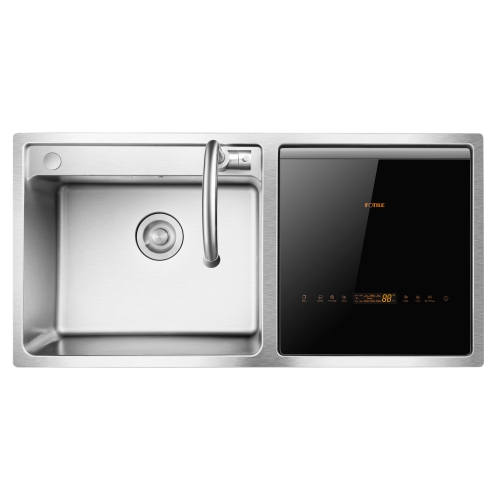
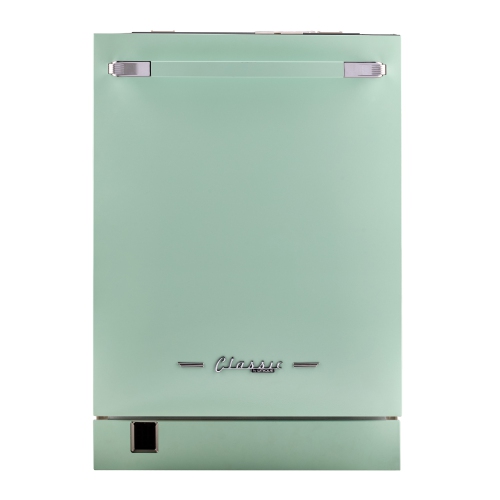
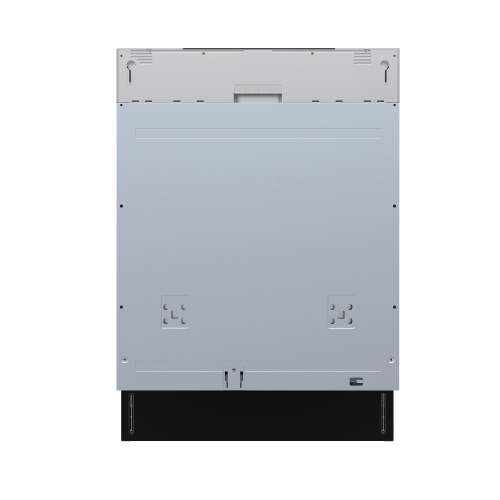
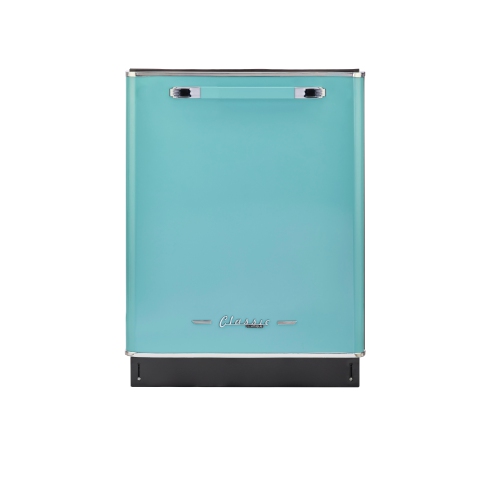
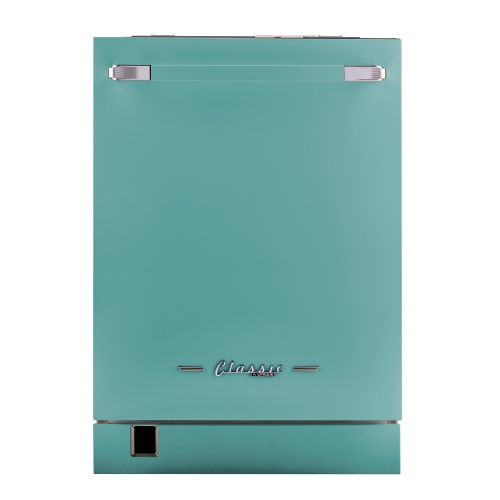
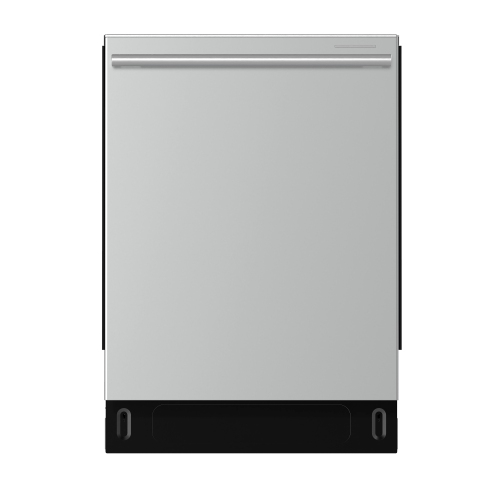
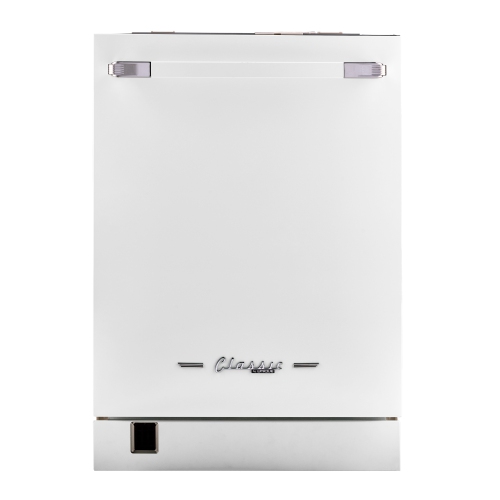
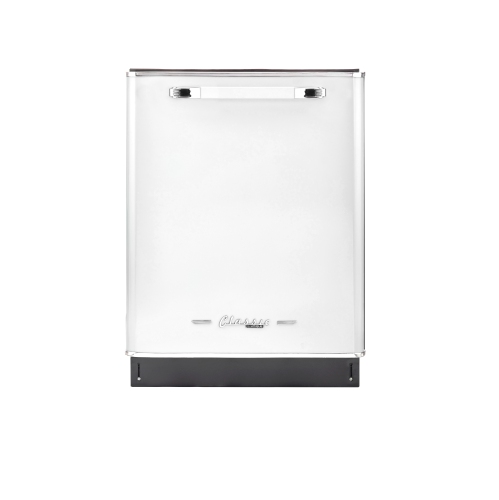
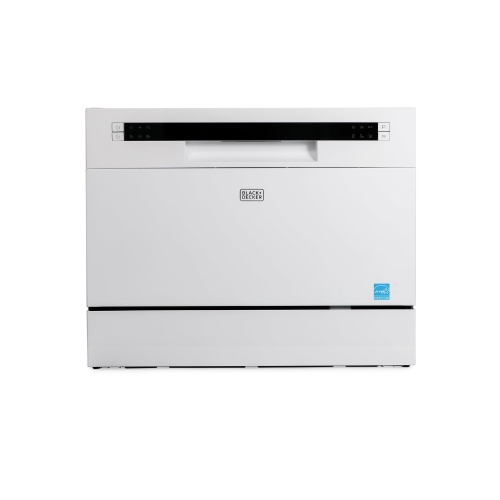
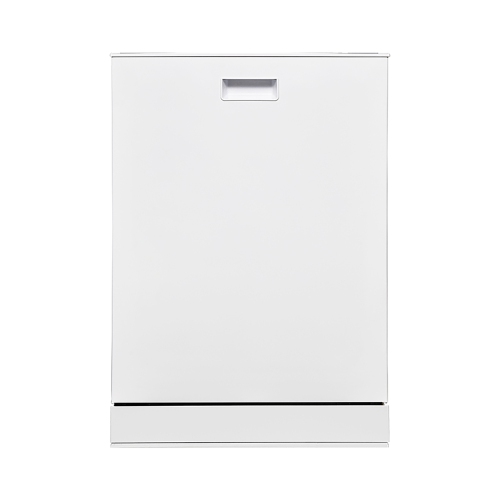

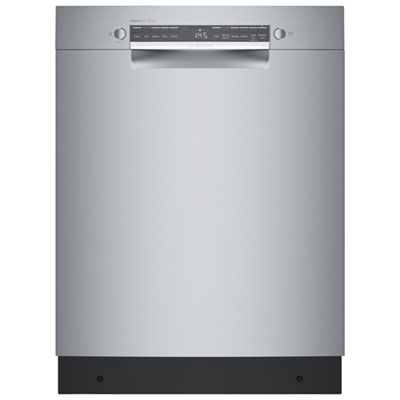
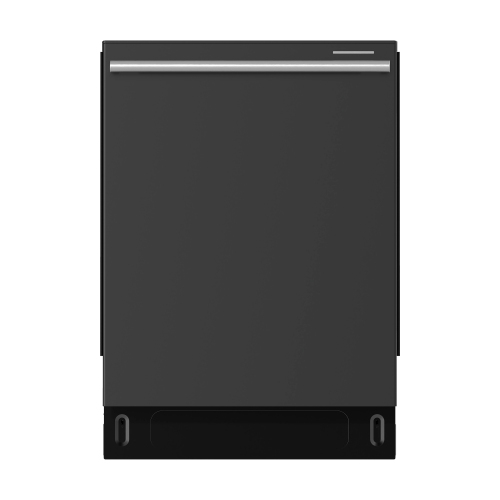


Dishwasher safety goes beyond the stainless steel tub
Safe dishwashers bring together suitable materials, dependable water and electrical connections, protective features, and thoughtful design for everyday kitchen use. Stainless steel interiors, intact rack coatings, leak protection, and control locks are useful considerations, although no single material or feature makes an appliance risk-free. A stainless steel tub offers resistance to corrosion and stands up well to repeated hot wash cycles, while its smooth surface is relatively straightforward to keep clean. The tub is only part of the construction, however: spray arms, seals, detergent dispensers, filters, and rack components may use different materials. For shoppers concerned about material composition, manufacturer documentation provides a stronger basis for comparison than broad descriptions such as “non-toxic.” Claims about BPA- or phthalate-free components are most useful when they identify which parts they cover, rather than leaving the impression that every internal component has the same composition. Plastic tubs can also be suitable for dishwasher use, so appearance alone is not a reliable measure of safety. Nylon-coated racks help cushion dishes and separate them from the underlying metal, but the coating needs to remain intact. Cracks, peeling, and exposed rack tips can affect durability and may require an approved repair or replacement part. Rounded rack edges, stable supports, and adjustable sections also make a difference when loading a heavy casserole dish beside delicate glasses. A well-supported load is less likely to shift, chip, or interfere with a moving spray arm. Households that regularly wash tall drinkware or large serving dishes may find flexible rack spacing especially useful, while a cutlery tray can provide separation for smaller utensils. Capacity is about usable space as much as the stated number of place settings: a rack layout that suits everyday dishes can reduce crowding and awkward placement. The most relevant materials and features are those supported by clear specifications and matched to the way the household cooks, serves, and cleans up.
Fit and installation are equally important to dishwasher safety, particularly when an appliance sits beside cabinetry, flooring, and electrical connections. A built-in dishwasher needs an opening that accommodates its stated width, depth, height, and installation clearances, including any space required for hoses and fittings. Measurements taken from the finished floor are especially helpful where tile or other flooring has changed the available clearance beneath a counter. Kitchens with a lower counter opening may call for Short Dishwashers, provided the specified height and levelling range suit the space. Door movement matters too: an open dishwasher should not prevent access to an essential walkway or strike a nearby cupboard handle. Secure mounting and correct levelling help keep the appliance stable as racks slide forward, while properly routed supply and drain hoses support reliable operation. Installation requirements differ between hardwired and plug-in designs, so electrical connections need to follow the manufacturer’s directions and applicable local requirements. Electrical safety certification recognized in Canada is another useful detail to confirm in the documentation. Where installation involves plumbing or electrical work beyond a straightforward connection, qualified installation helps address requirements that are easy to overlook behind the cabinetry. Leak-related features deserve a closer look because their functions vary. A sensor may detect water in a base tray, while a separate shut-off system may stop the incoming water supply; an alert alone does not necessarily provide both functions. Accessible shut-off connections also matter if servicing becomes necessary. For families with young children, a control lock can help prevent unintended button presses, but it should not be assumed to physically lock the door. Clear controls, readable indicators, and handles that are comfortable to grip can make daily operation easier for a range of users. These practical details matter in shared kitchens, where different household members may load dishes, start cycles, or unload the appliance.
Everyday use and care help preserve the protective features built into a dishwasher. A suitable cycle should match both the soil level and the care instructions for the dishes being washed. A sanitizing option can be useful for compatible dishes, but it does not mean every cycle sanitizes, and sanitizing is not the same as sterilizing. Where a dishwasher has a certified sanitizing cycle, the stated result depends on the specified settings and operating conditions. Drinkware, food containers, and cooking utensils still need to be labelled suitable for dishwasher cleaning; an appliance’s cycle options cannot make an unsuitable material safe to wash. Some finishes, adhesives, wooden components, and delicate decorations can deteriorate under repeated washing. Loading also affects performance and handling safety. Cups and bowls need enough space for spray to reach their surfaces and for water to drain, while tall pieces should not obstruct the spray arms or detergent dispenser. Sharp utensils require particular attention to the rack design and the appliance’s loading instructions so that reaching into the dishwasher does not expose someone to an upward-facing blade. Dishwasher detergent belongs in its designated dispenser and should be stored securely, especially in homes with children or pets. Hand dishwashing liquid is not a substitute, because excessive suds can interfere with operation and escape onto the floor. Filters, door seals, and spray openings benefit from cleaning at the intervals described in the manual, using methods and cleaning products approved for the appliance. This helps address trapped food, residue, and blocked water flow without damaging internal surfaces. Dishes and interior parts may remain hot after a cycle, so allowing an appropriate cooling period makes unloading more comfortable. For busy families, couples, and people living alone, a dishwasher that matches everyday load sizes and has understandable controls can make these routines simpler. Durable construction, accessible maintenance points, and clearly documented safety features support confident use throughout the appliance’s working life.
Top selling and popular products
-
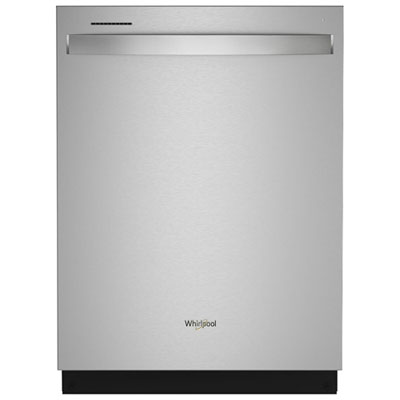 Your price for this item is $849.99
-
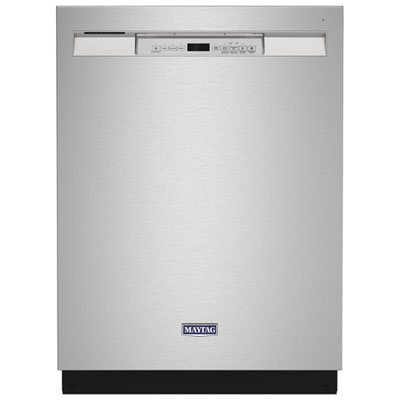 Your price for this item is $849.99
-
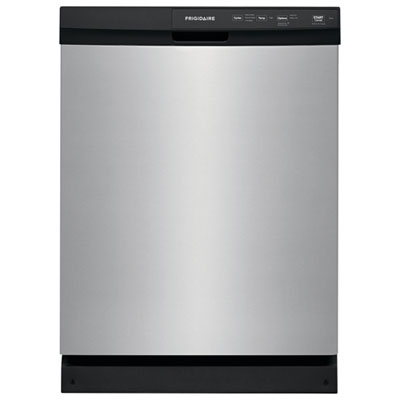 Your price for this item is $479.99
-
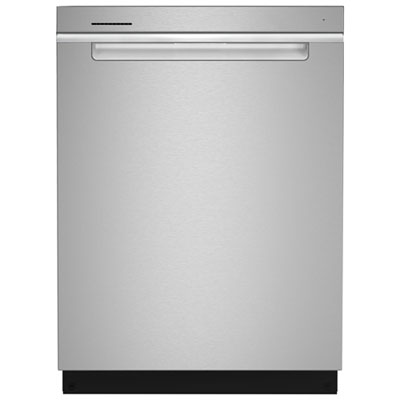 Your price for this item is $849.99
-
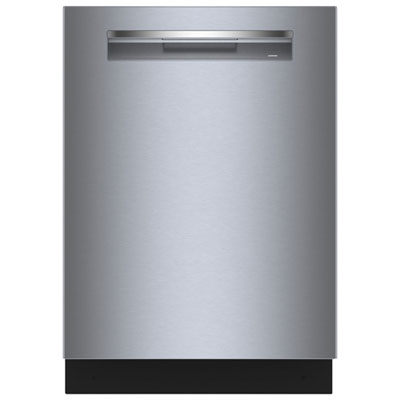 Your price for this item is $2449.99
-
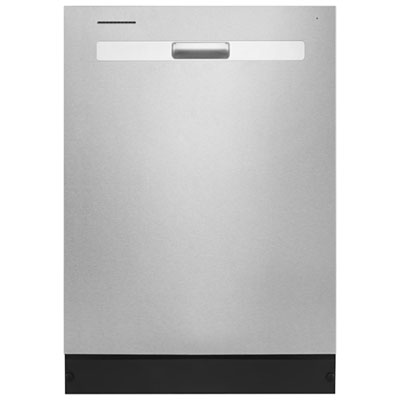 Your price for this item is $699.99
-
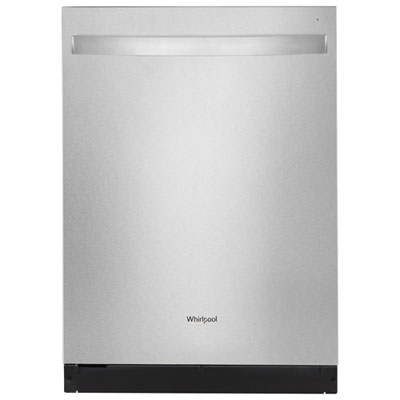 Your price for this item is $749.99
-
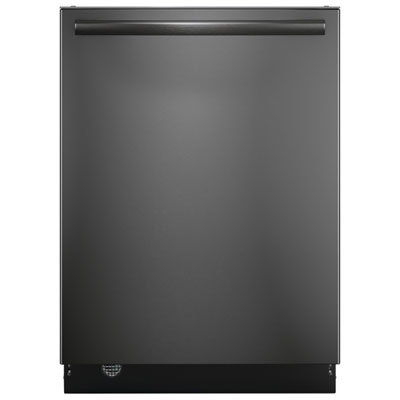 Your price for this item is $949.99
Discover more categories related to Safe Dishwashers

Top Collections:
Best Black Friday Deals This Year, Best Black Friday Deals On Electronics, Kindle Devices, Pokemon Centers, Best Black Friday Deals On Apple Products, Best Cameras for Sports Photography, Dyson Airwrap, Pokémon 30th Celebration Cards, Apple iPhone 17 Pro, Canon G7X Cameras
Some products may be subject to Environmental Handling Fees
(EHF) depending on your province.
Learn more about EHFs.