Kitchen Grills
Looking to elevate your outdoor cooking game? Our selection of kitchen grills offers a variety of options to suit almost every grilling enthusiast's needs. From compact portable grills perfect for picnics and camping trips to large, high-performance models ideal for backyard barbecues, we have something for almost everyone. Whether you prefer the simplicity of a charcoal grill or the convenience of a gas grill, we've got you covered. Get ready to fire up the grill and impress your friends and family with delicious meals cooked to perfection.
Sort







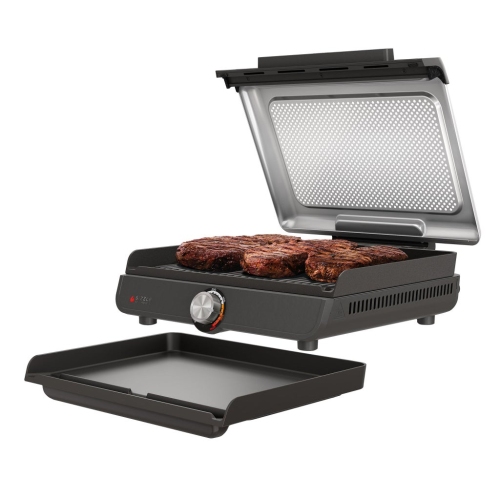


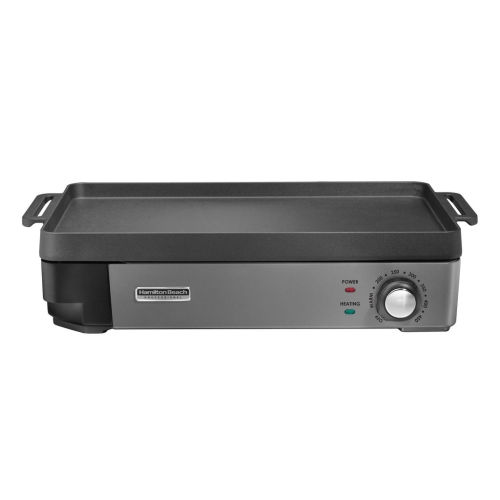
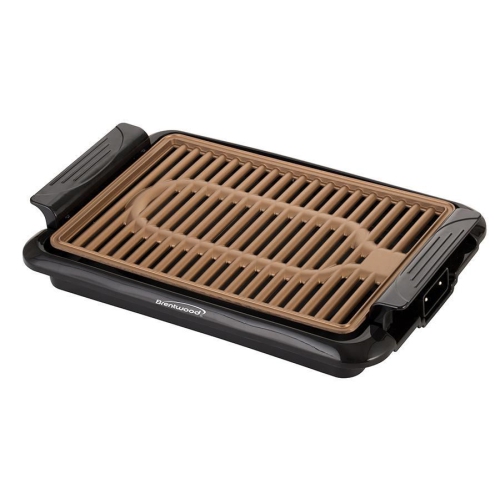
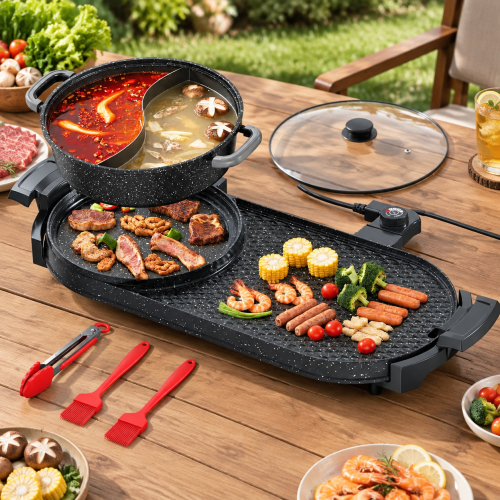
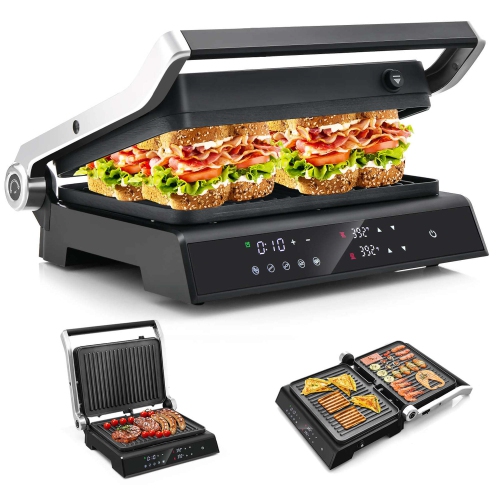
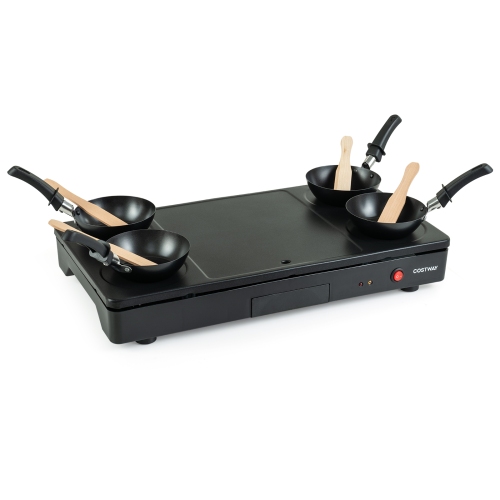


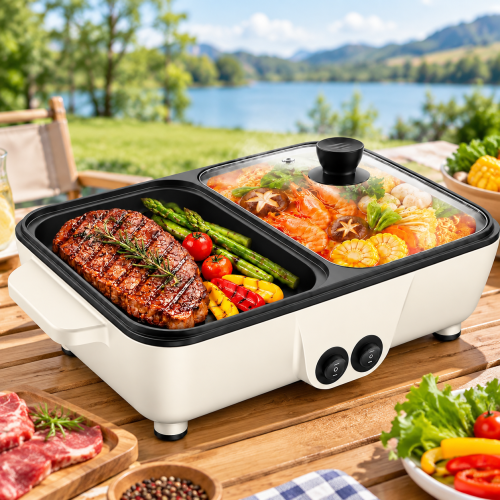
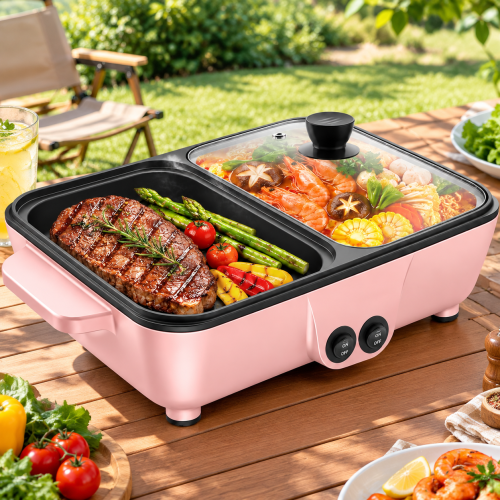








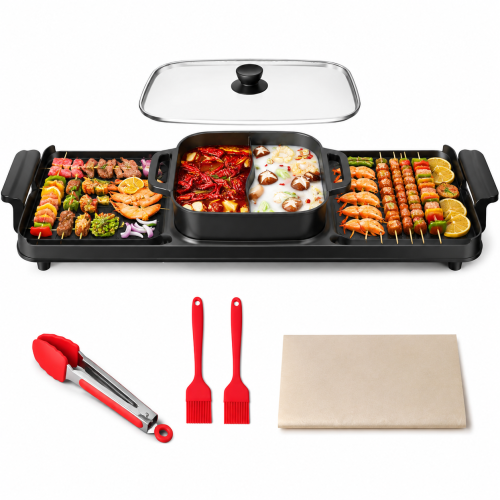
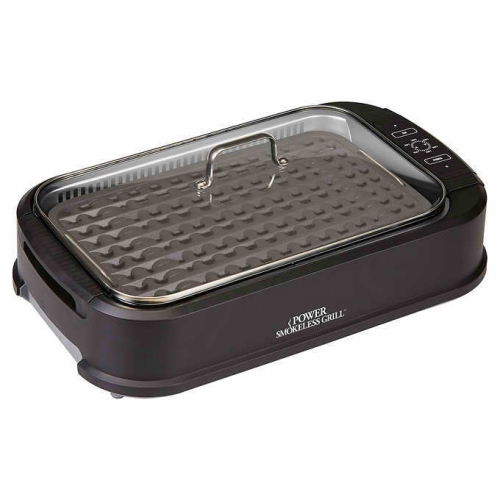
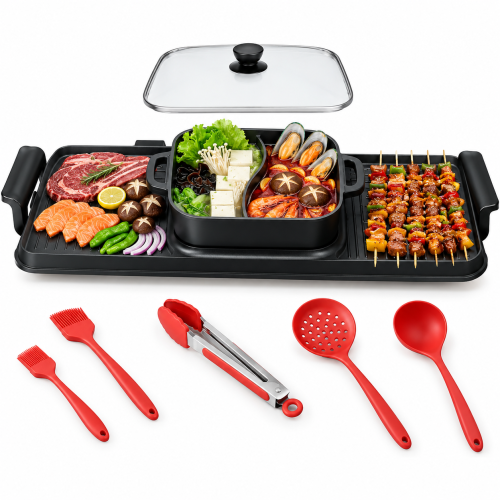
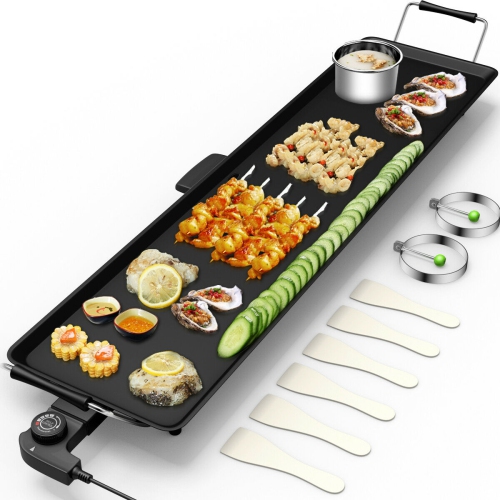
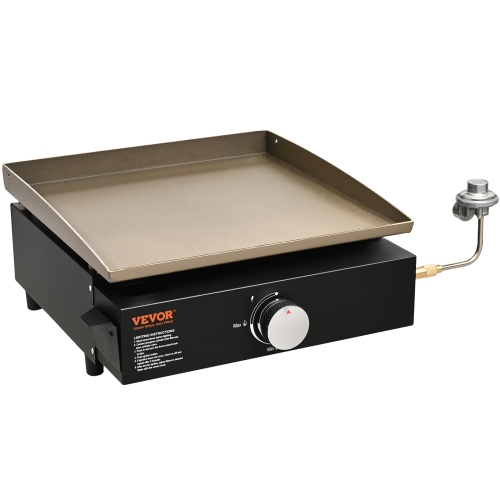
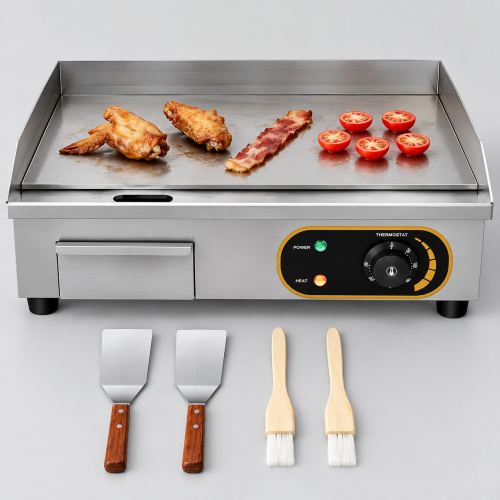


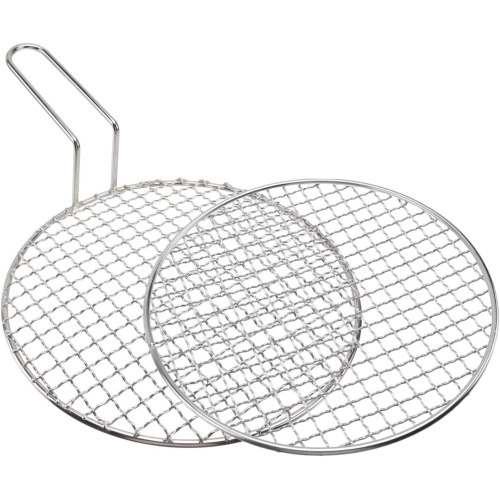
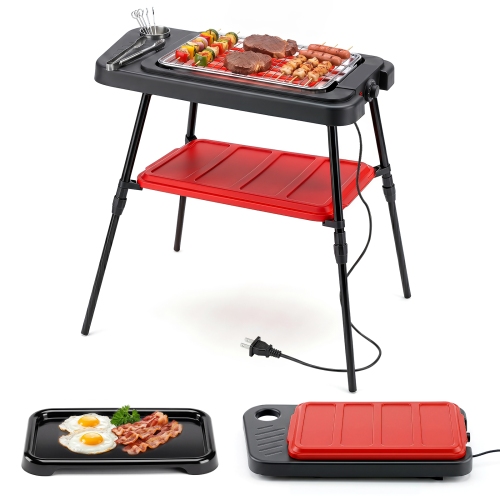



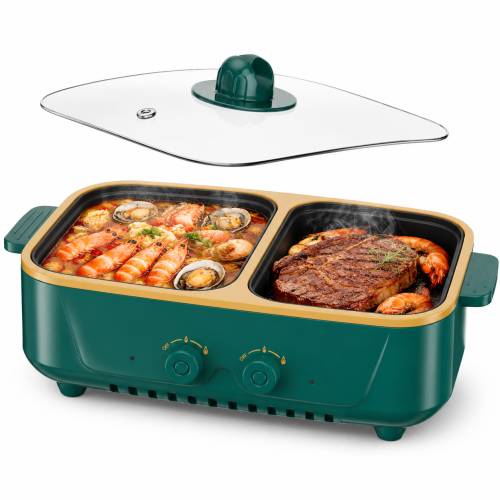
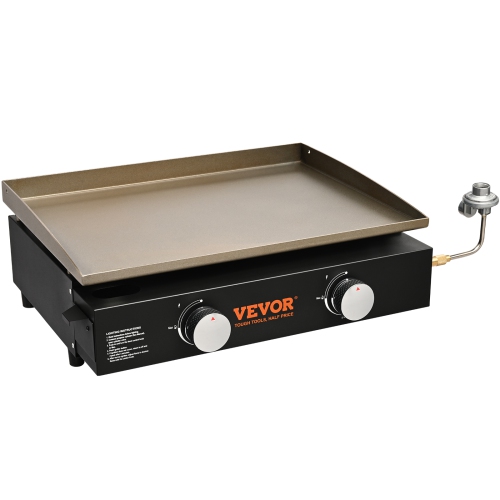

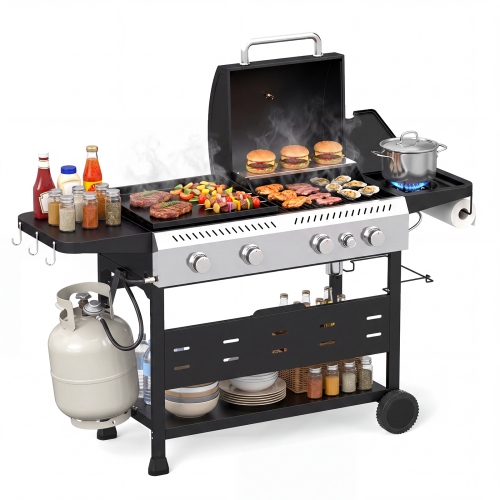
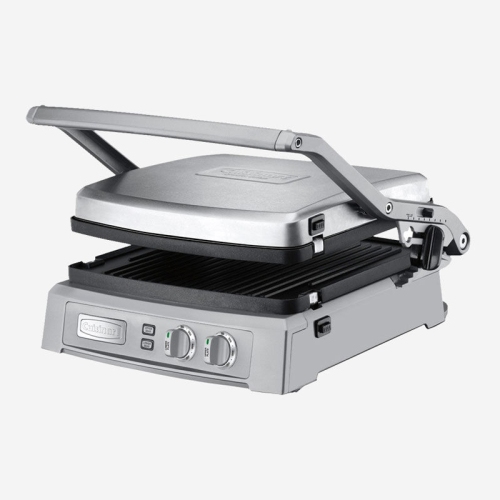


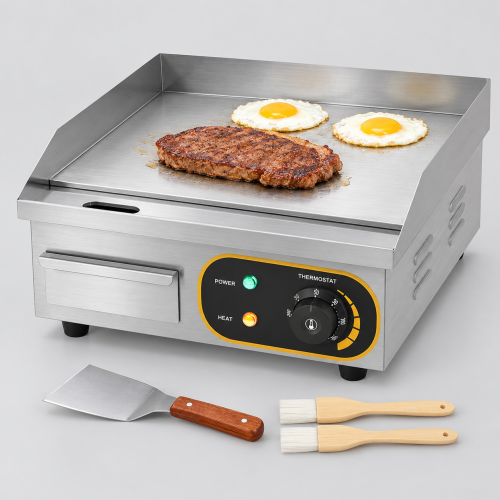
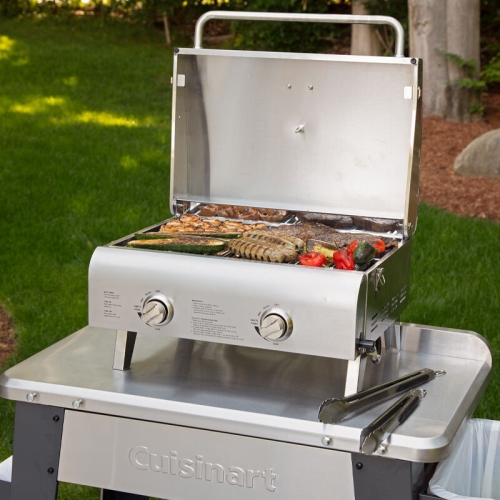
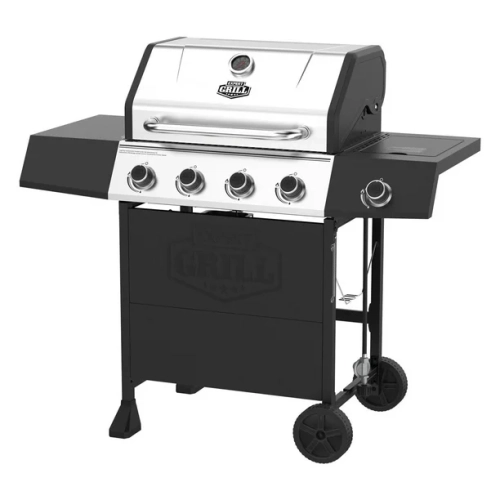


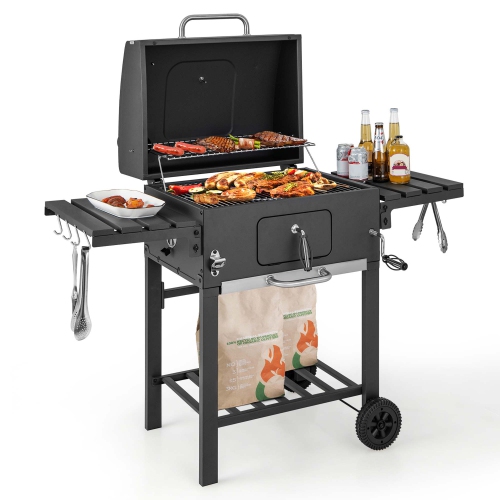

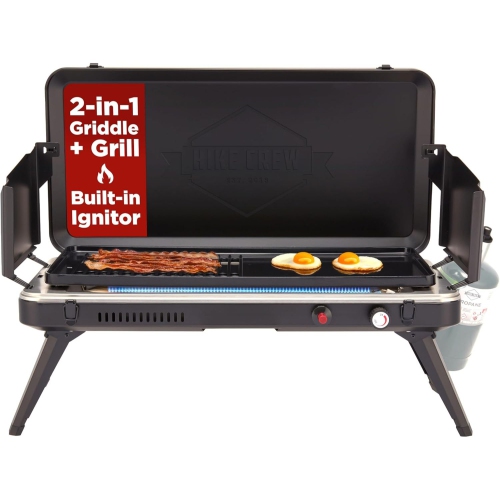


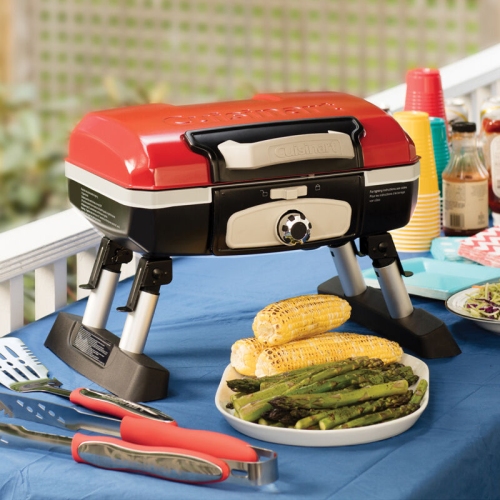



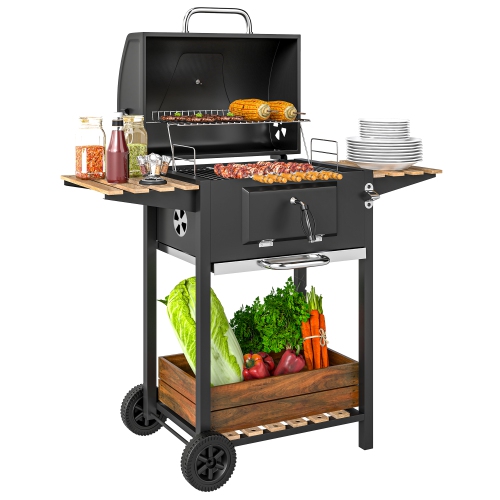
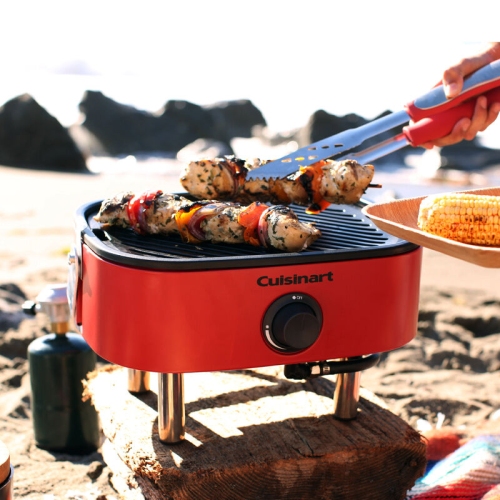
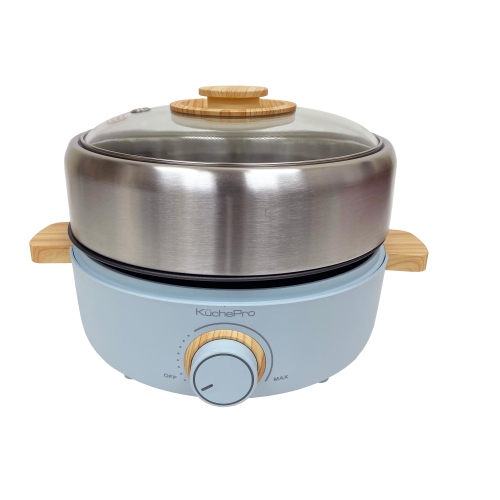


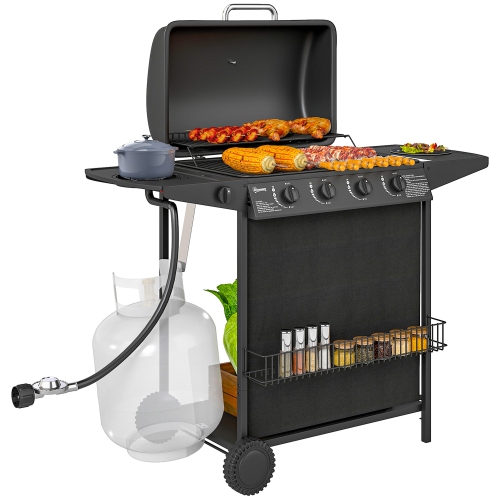
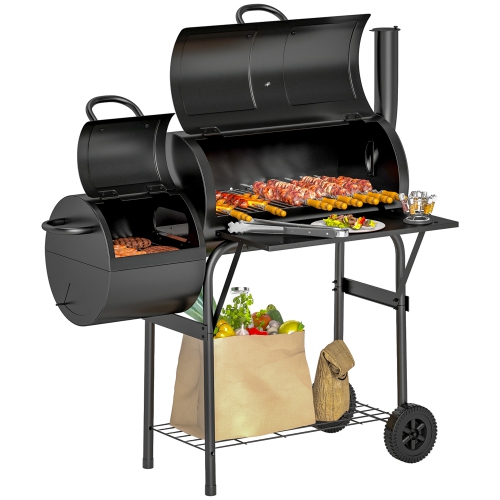
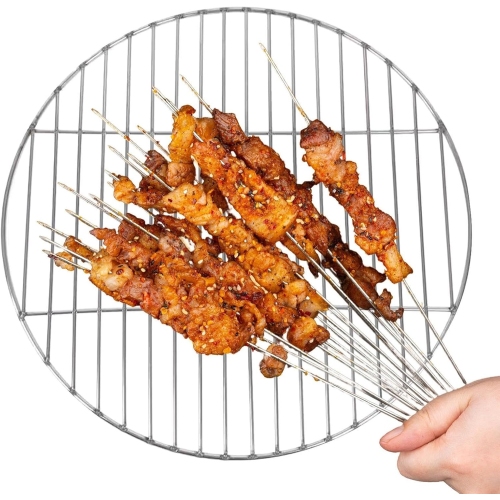
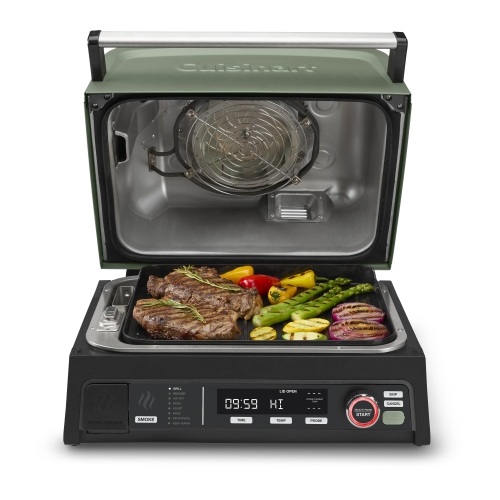
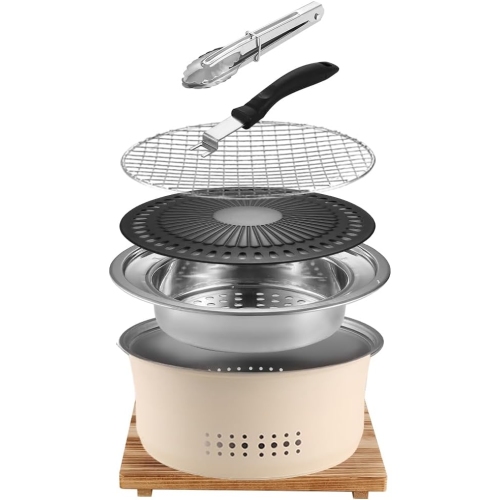
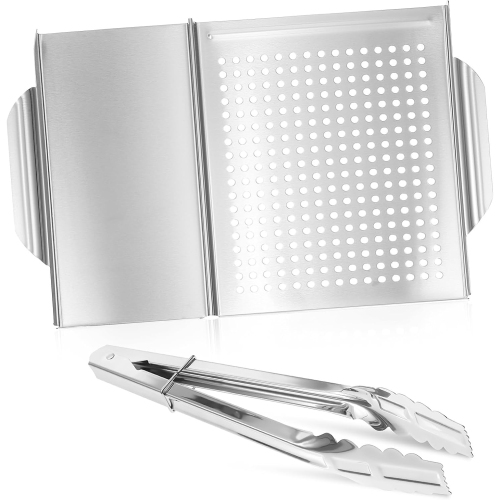






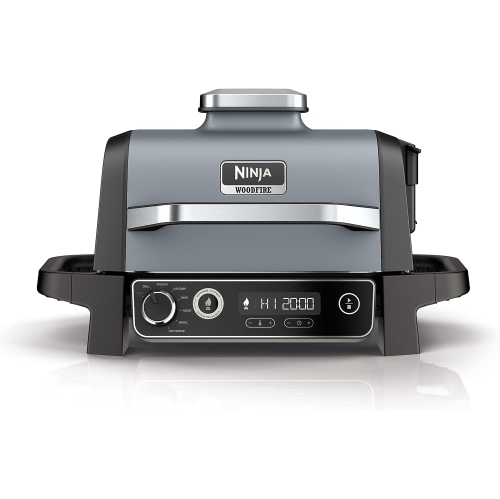


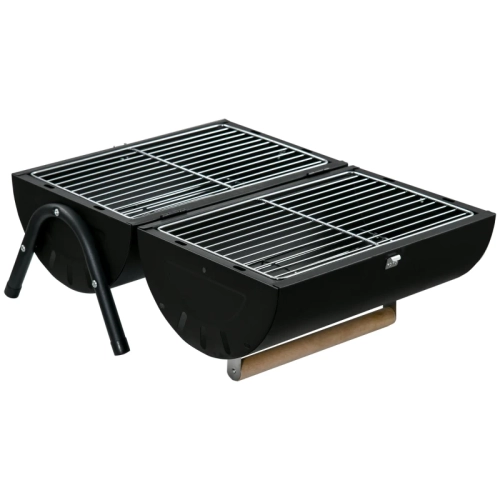
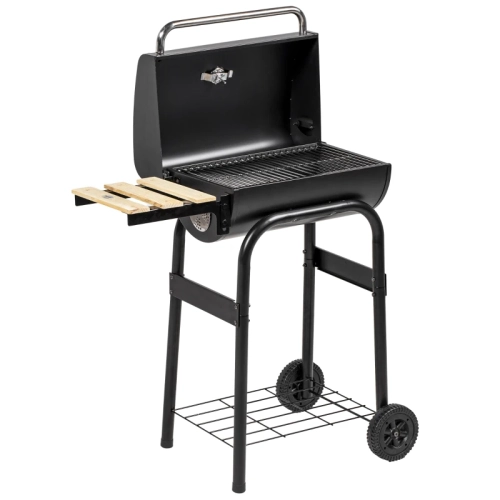


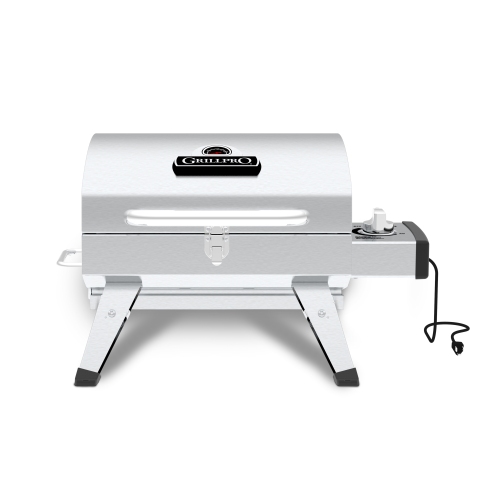

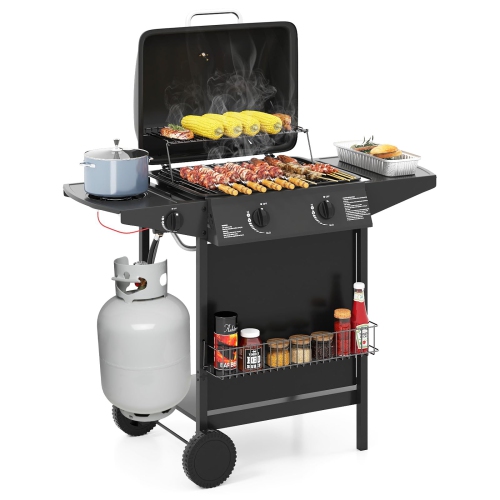


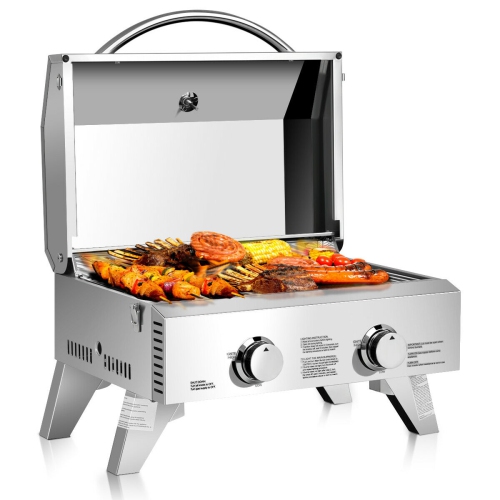
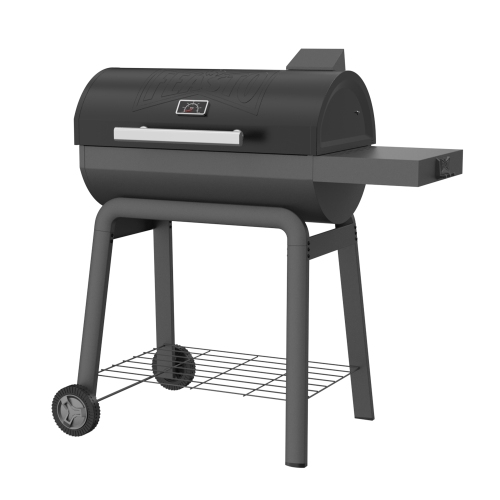
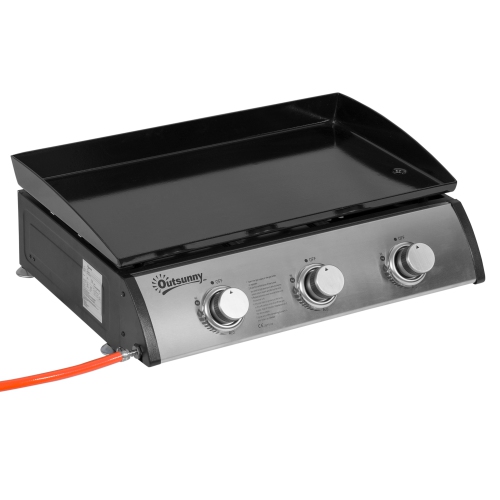


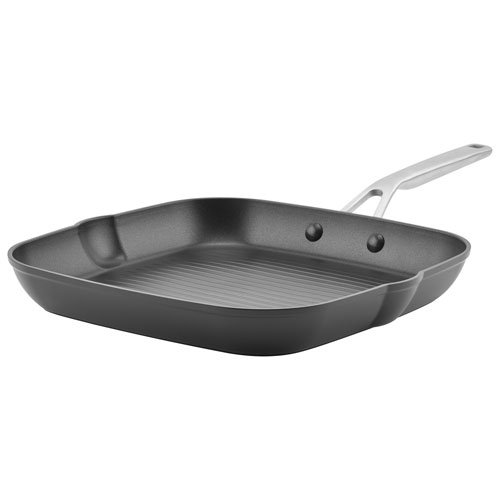

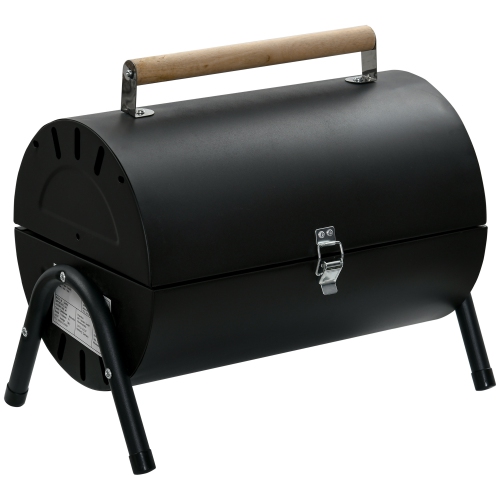
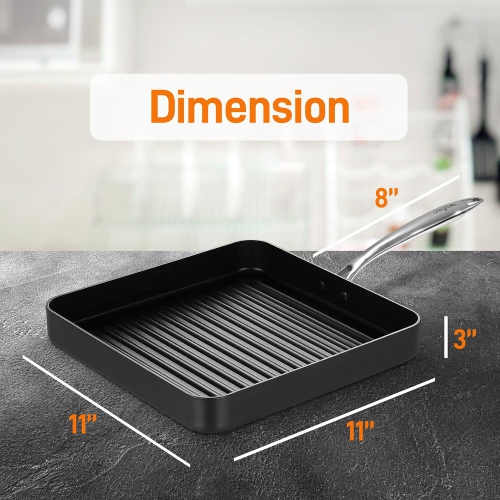
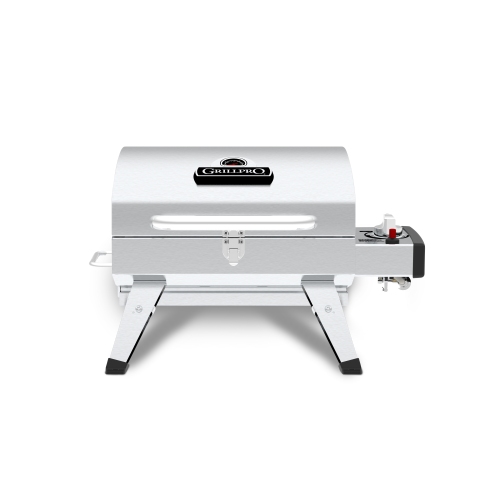
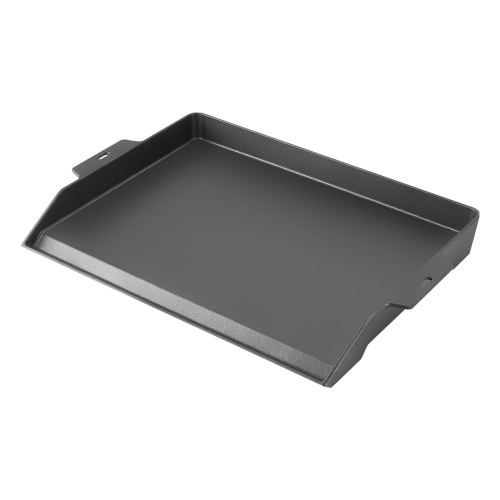


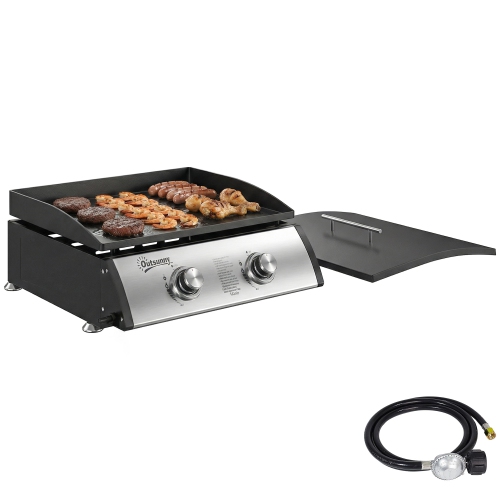
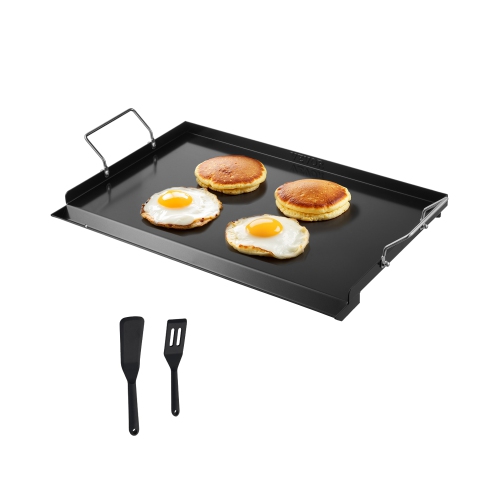
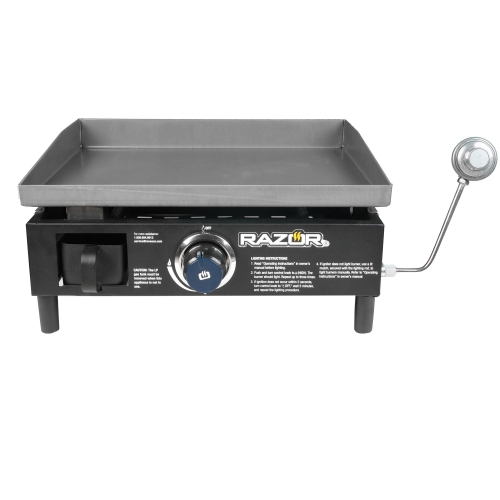
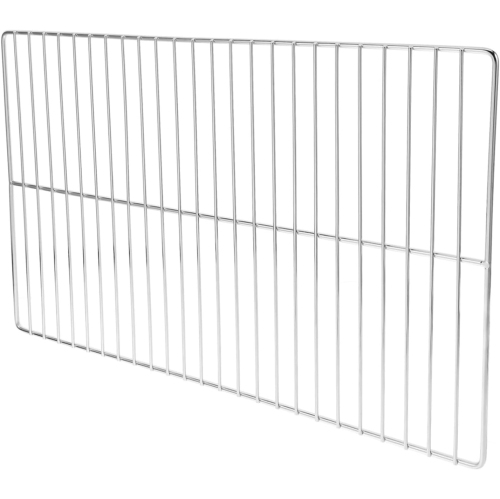
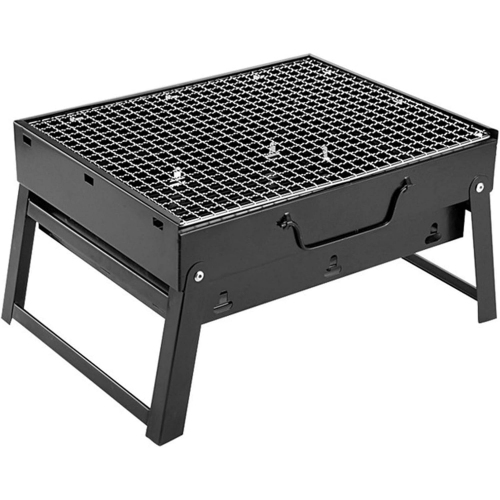
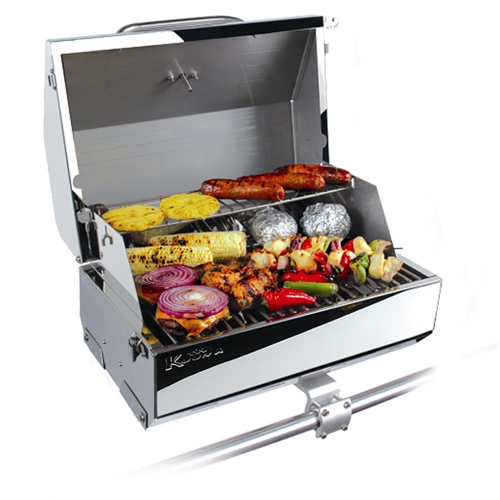
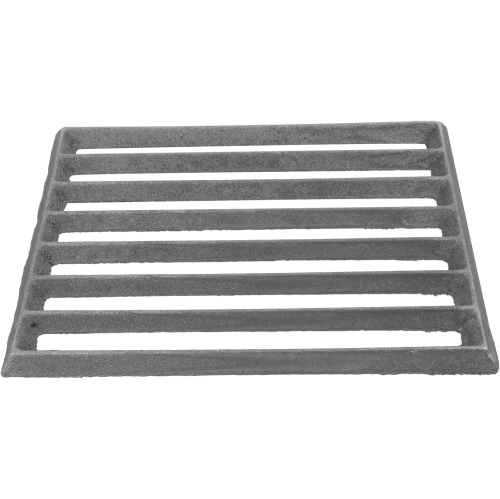
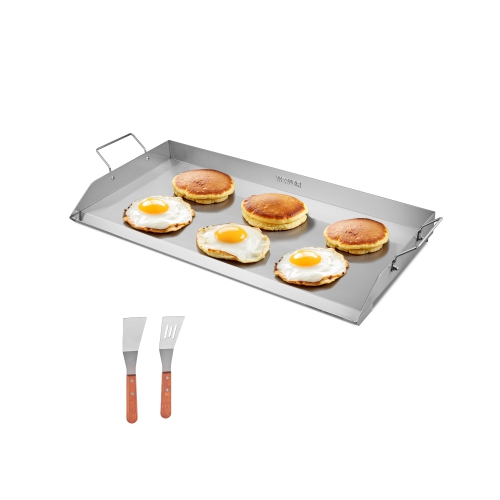
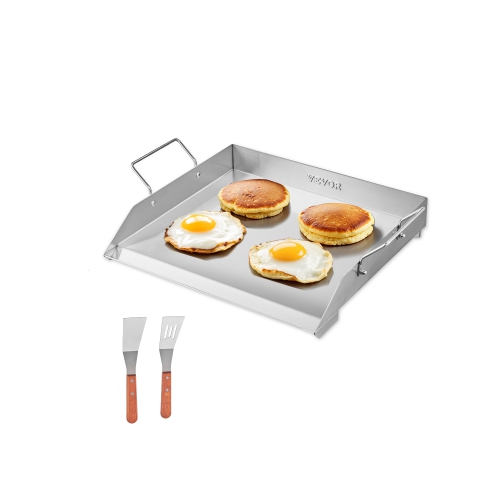


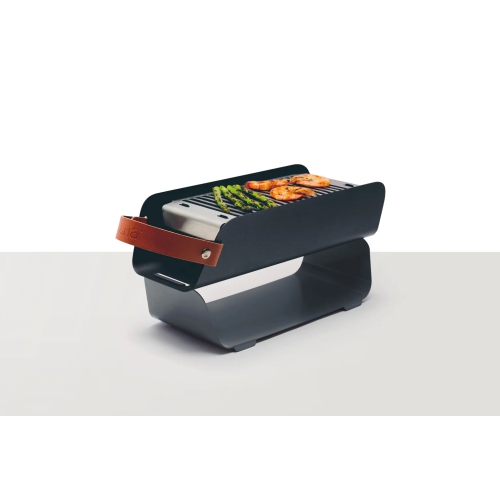

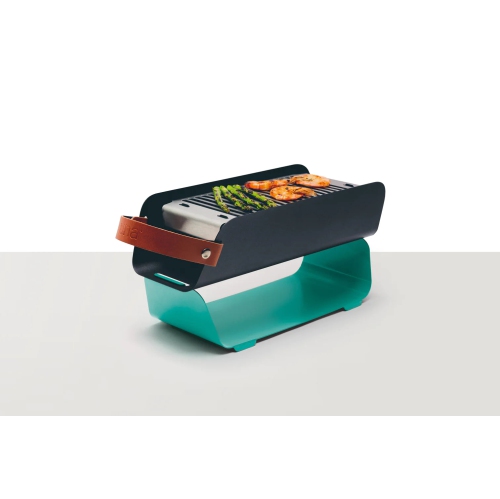





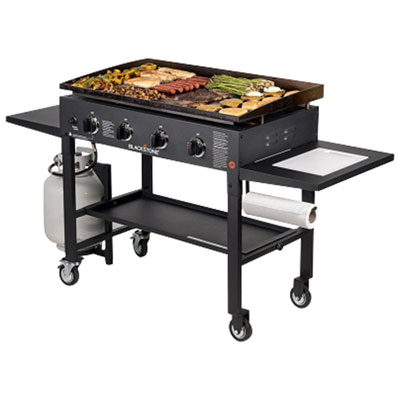
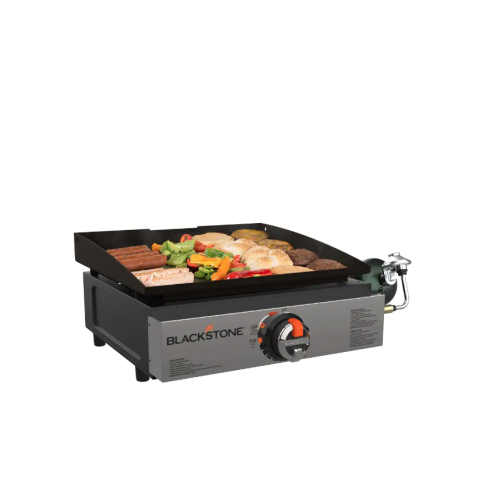



Grilled meals without a backyard setup
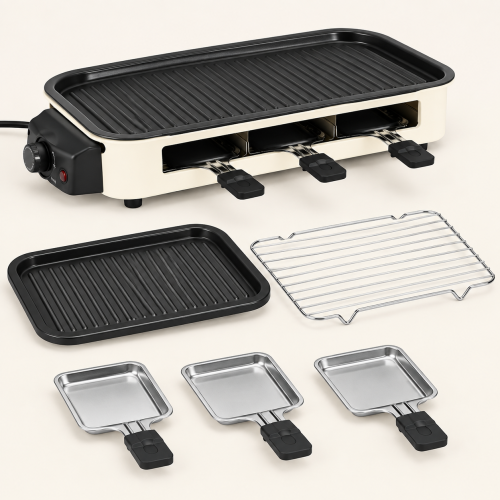
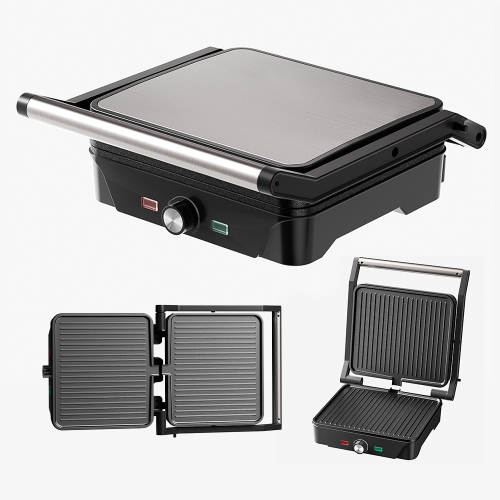
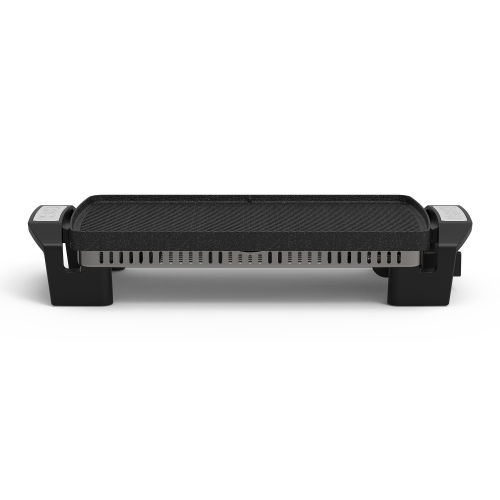
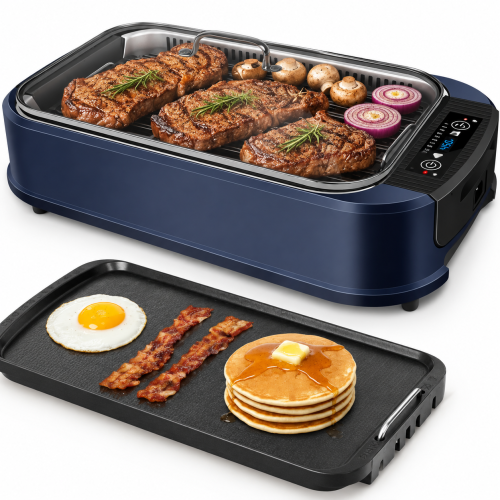
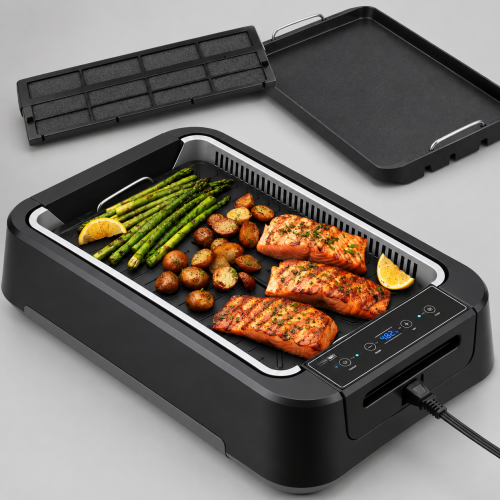
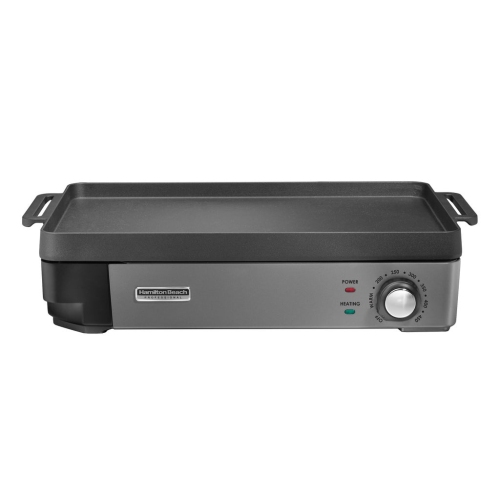
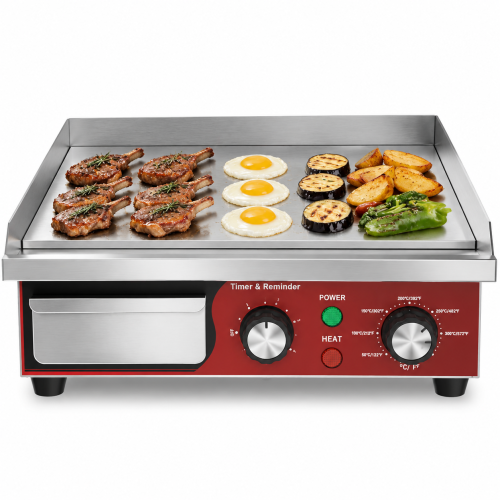
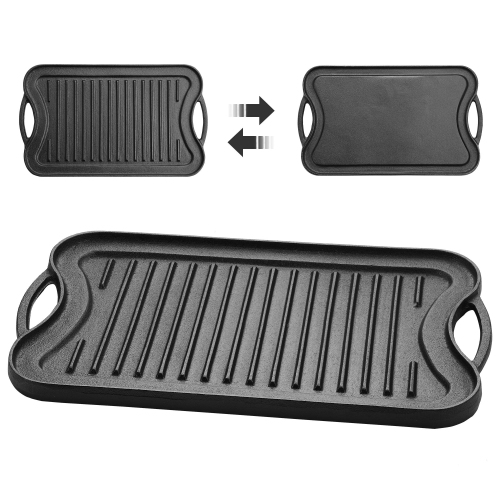
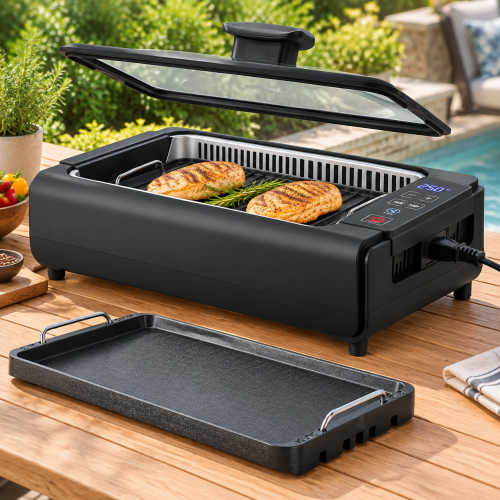
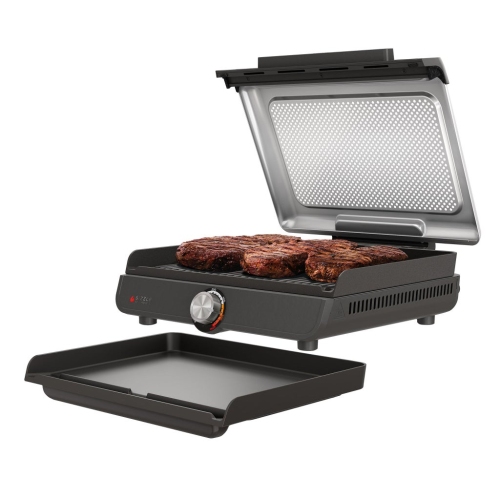
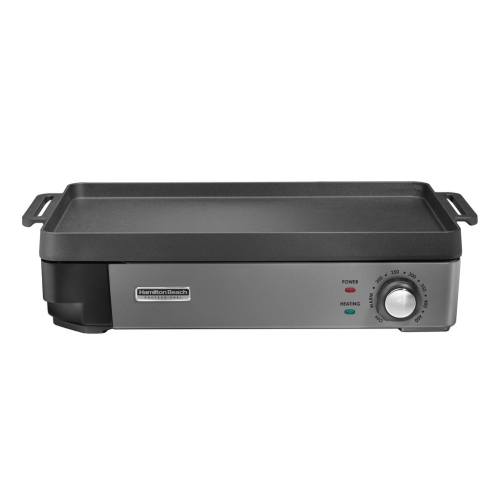
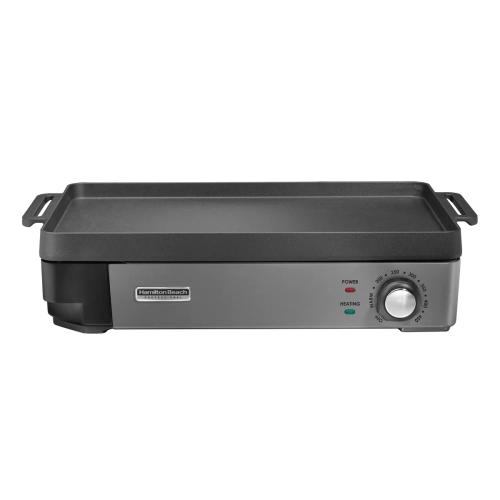
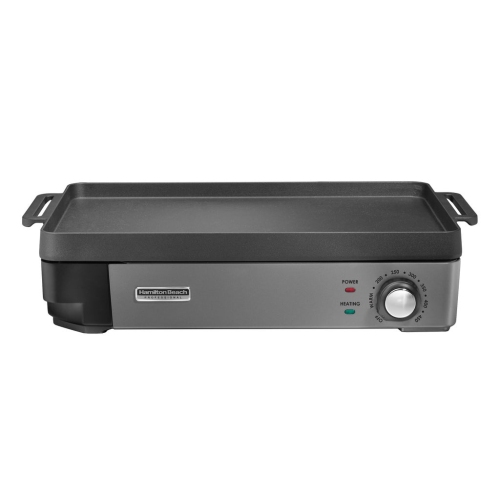
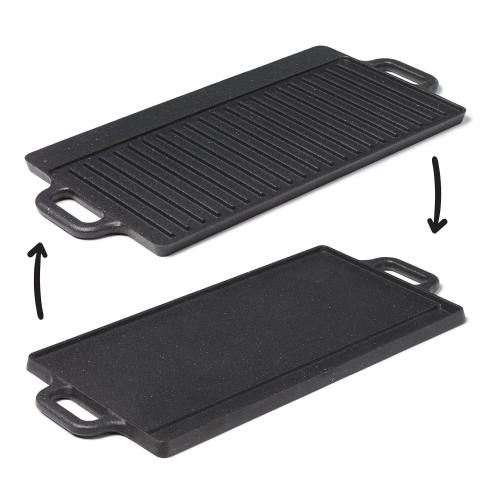
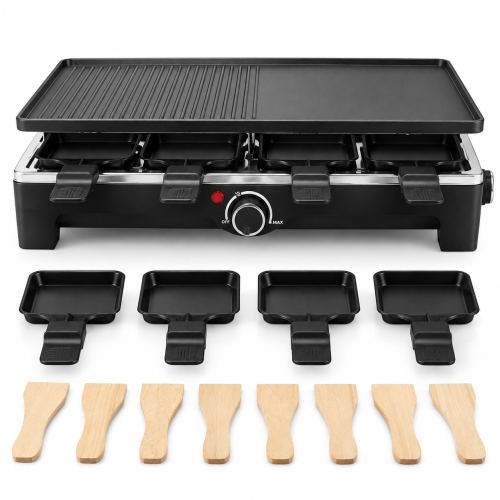
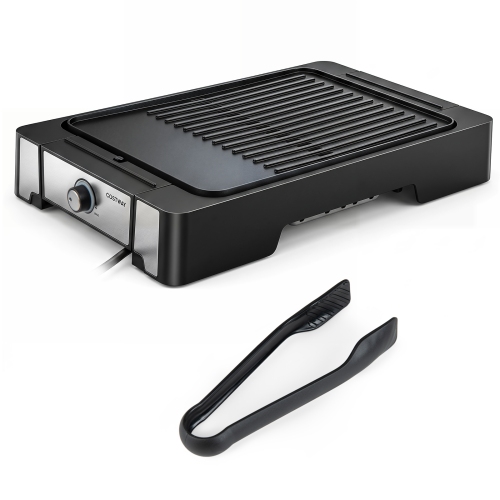
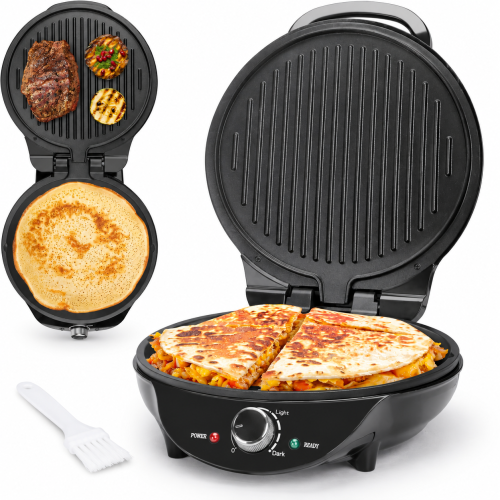
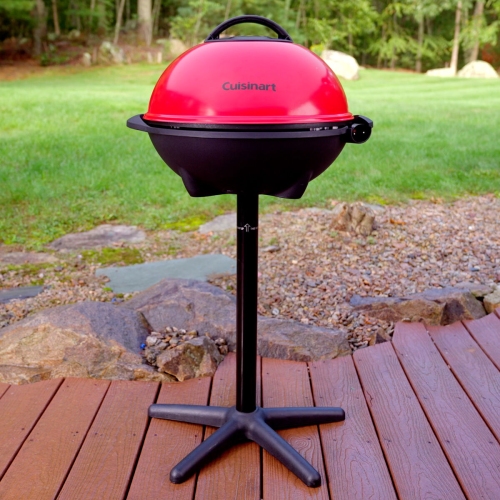
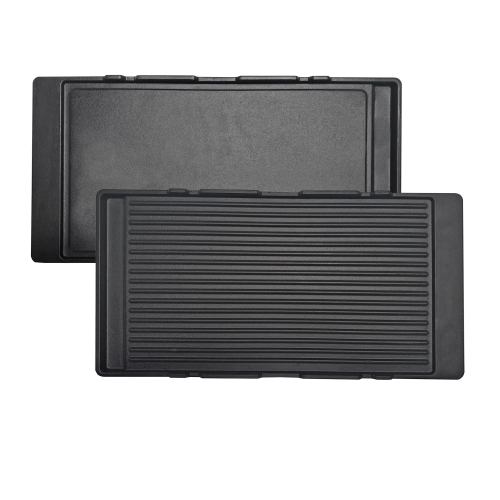
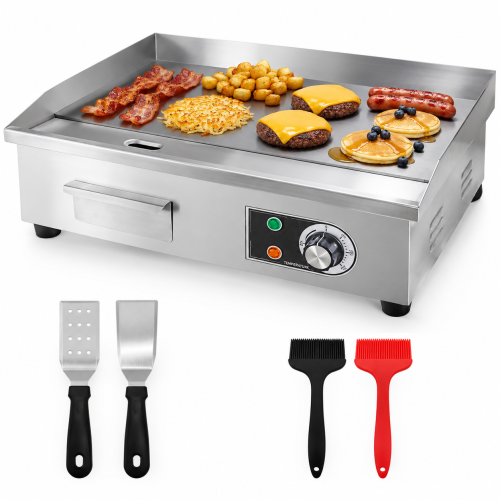
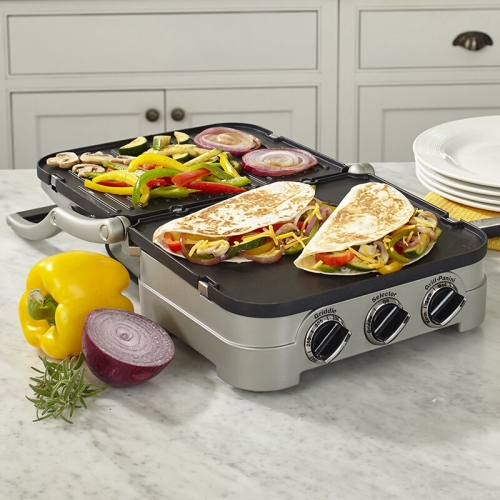
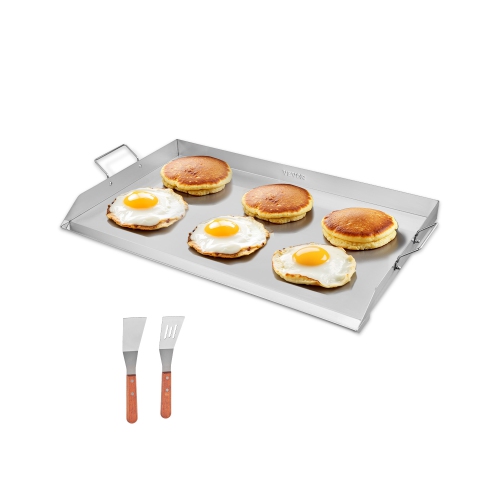
Kitchen grills are indoor cooking appliances that use heated plates or grates to cook foods such as burgers, chicken, vegetables, sandwiches, and breakfast favourites on a kitchen counter. Most countertop grills are electric, providing direct heat without the gas or charcoal used by many outdoor barbecues. Their appeal is straightforward: a compact cooking surface, convenient controls, and the ability to prepare a grilled meal without a backyard setup. Contact grills cook food between an upper and lower plate, making them particularly useful for toasted paninis, burger patties, and boneless cuts of meat. Open grills have a single exposed cooking surface, giving more room to turn skewers, move vegetables around, or cook foods of different thicknesses together. Some designs open flat to create a larger cooking area, while others have interchangeable or reversible plates that combine ridged grilling with a smooth griddle surface. A flat plate suits pancakes, eggs, and French toast; raised ridges leave grill marks and can help direct cooking juices towards a collection tray. The right format depends on the meals being prepared as much as the size of the household. A sandwich-focused kitchen may benefit from a floating hinge that accommodates thick bread without compressing the filling too much, while a household preparing several portions at once may place greater value on a broad cooking surface. An adjustable upper plate can also be useful for delicate foods, provided the appliance supports that position. Indoor-rated electric grills belong in a different category from fuel-burning outdoor equipment: charcoal and propane grills must never be used indoors. Even an electric kitchen grill needs the clearances and ventilation specified by its manufacturer. Designs described as smokeless may reduce smoke through features such as drip management, but they do not guarantee smoke-free cooking, especially when fatty foods, excess oil, or food residue meet a hot plate.
Size, construction, and temperature control all influence how comfortably a kitchen grill fits into everyday cooking. The appliance’s outside dimensions tell only part of the story; usable plate space determines whether dinner cooks in one batch or several. A grill that holds two sandwiches may be a practical fit for one or two people, while a wider surface can make shared meals easier to coordinate. Counter space also needs to accommodate the open lid, any side handles, and access to the drip tray. In a smaller kitchen, the storage footprint matters just as much as the working footprint, and upright storage is suitable only when the design allows it. Plate material and finish affect both cooking and upkeep. Non-stick surfaces help release foods such as fish and melted cheese, but they need utensils and cleaning methods that protect the coating. Metal housings can offer a sturdy feel, although exterior appearance alone does not establish heating performance or long-term durability. Secure hinges, stable feet, well-fitted plates, and accessible controls are useful details to assess alongside the cooking surface. Adjustable temperature settings provide more flexibility than a single fixed setting, particularly when alternating between thick sandwiches, tender vegetables, and foods that benefit from stronger browning. Separate controls for different cooking zones can help when preparing two foods with different needs, where that feature is included. A ready indicator shows when the appliance has reached its set condition, but it does not confirm that food is cooked through. Preheating and leaving space between portions help food brown rather than sit in pooled moisture. Removable plates can simplify washing, and a drip tray that slides out without awkward lifting makes routine cleanup less cumbersome. Dishwasher suitability varies by component, so care directions matter even when plates appear easy to remove. Handles and controls should also be comfortable to reach without placing hands over a hot cooking surface.
Everyday meal habits often reveal which kitchen grill features will earn their place on the counter. For a quick lunch, a contact grill can toast the outside of a sandwich while warming the filling, with a floating lid helping accommodate a substantial stack of bread, cheese, and vegetables. For dinner, an open cooking surface gives space to arrange sliced peppers, mushrooms, and protein separately, although raw meat and ready-to-eat foods still need careful handling and separate utensils. Firm vegetables benefit from even slicing so that pieces cook at a similar pace; thick cuts of meat need enough time for the centre to reach a safe internal temperature without relying on surface colour alone. A food thermometer is the reliable way to check doneness, following Canadian food-safety guidance for the food being cooked. Marinades and sauces containing sugar can darken quickly, so controlled heat and prompt removal of cooked-on residue help keep flavours clean. Grease collection also deserves attention: a tray should be positioned correctly before cooking and emptied safely after cooling. For lasting performance, the grill needs to cool and be unplugged before cleaning, with the electrical base kept out of water. Soft cleaning tools help protect coated plates, while dried food is better loosened using the manufacturer’s recommended method than scraped away with a sharp utensil. Storage is easier when plates are fully dry, the cord is secured without strain, and nothing heavy presses against the lid. Kitchen grills can make thoughtful gifts for people setting up a first home, sandwich enthusiasts, or home cooks who enjoy a dedicated appliance for smaller meals, provided the recipient has suitable counter space and expects to use it. For cooking in an appropriate outdoor space rather than on a kitchen counter, Home Barbecue Grills covers a different style of setup. Matching the grill’s format, capacity, and care requirements to familiar meals helps make it a useful part of the kitchen rather than an appliance that stays tucked away.
Top selling and popular products
-
 Your price for this item is $70.92
-
 Your price for this item is $39.99
-
 Your price for this item is $99.99
-
 Your price for this item is $69.99
-
 Your price for this item is $109.99
-
 Your price for this item is $79.99
-
 Your price for this item is $97.89
-
 Your price for this item is $272.98
Discover more categories related to Kitchen Grills
Top Collections:
Best Black Friday Deals This Year, Best Black Friday Deals On Electronics, Kindle Devices, Pokemon Centers, Best Black Friday Deals On Apple Products, Best Cameras for Sports Photography, Dyson Airwrap, Pokémon 30th Celebration Cards, Apple iPhone 17 Pro, Canon G7X Cameras
Some products may be subject to Environmental Handling Fees
(EHF) depending on your province.
Learn more about EHFs.