Kitchen Island Hoods
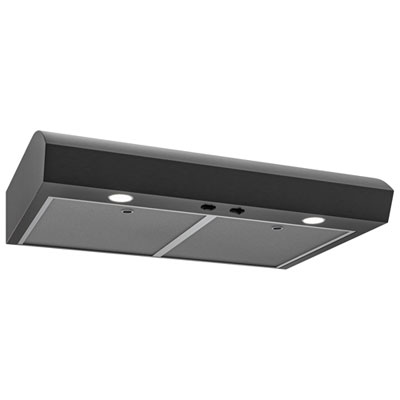
A kitchen island hood is a type of ventilator that is designed to fit over an electric range or gas cooktop. It is designed to direct smoke, steam, and fumes up and away from the cooktop. Kitchen island hoods are often used in conjunction with a ventilator fan to remove smoke and fumes from the kitchen while cooking. Check out these kitchen island hoods to find the perfect one for your home.
Sort



What to know about fit, airflow and kitchen comfort
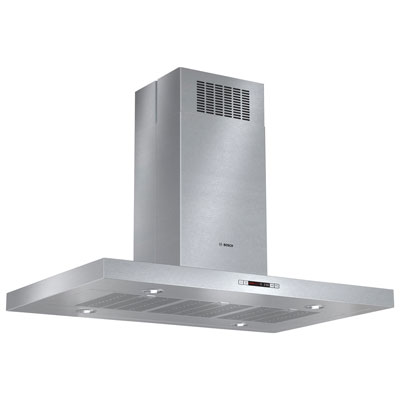
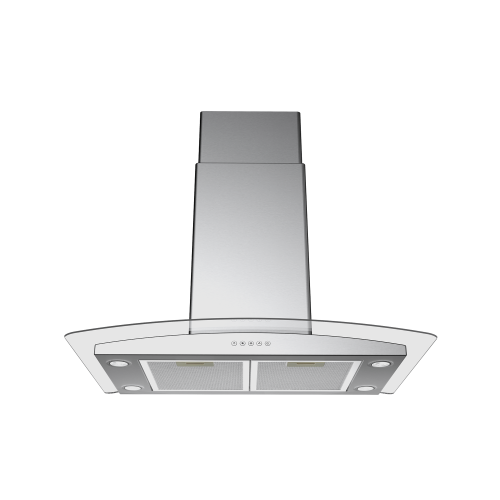
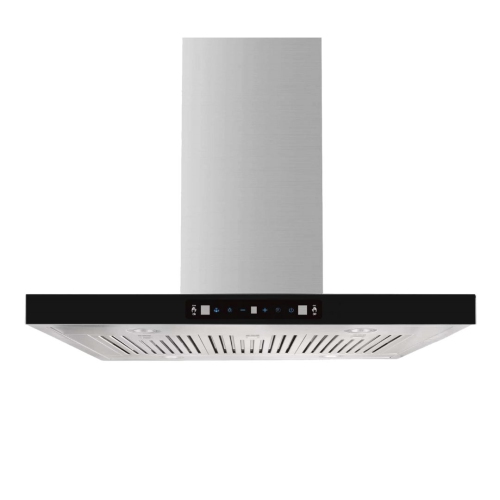
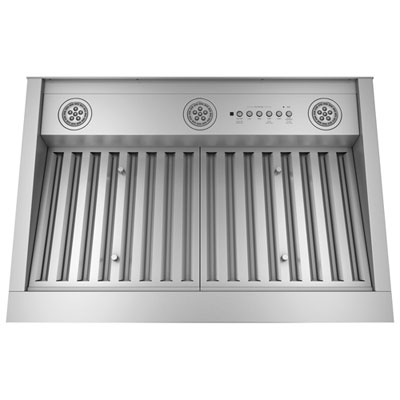
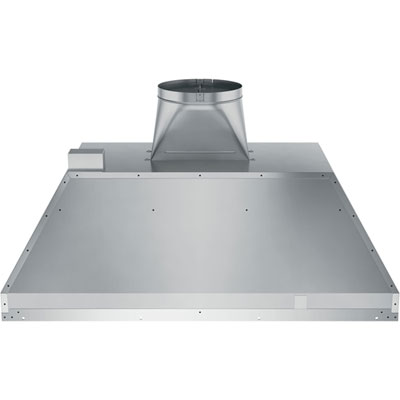
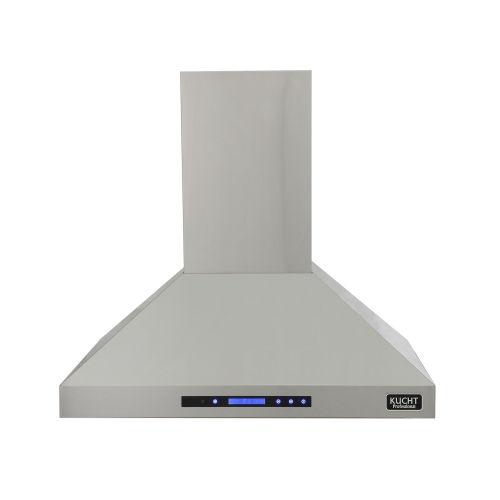
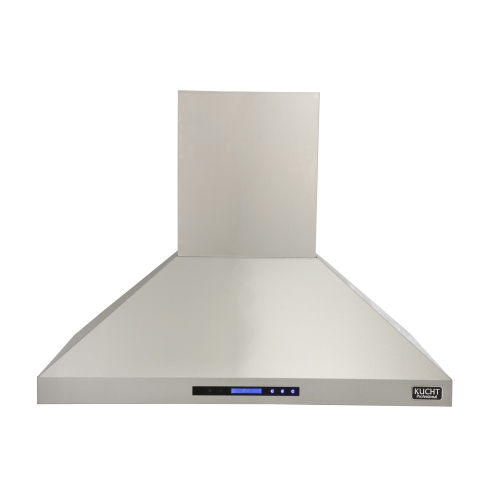
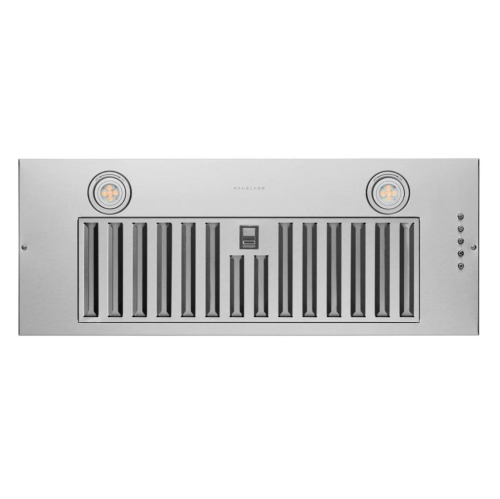
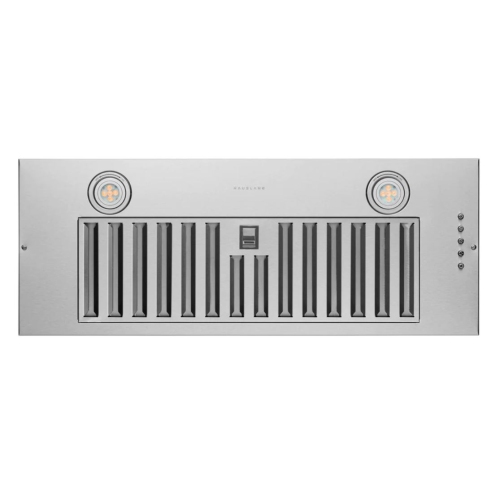
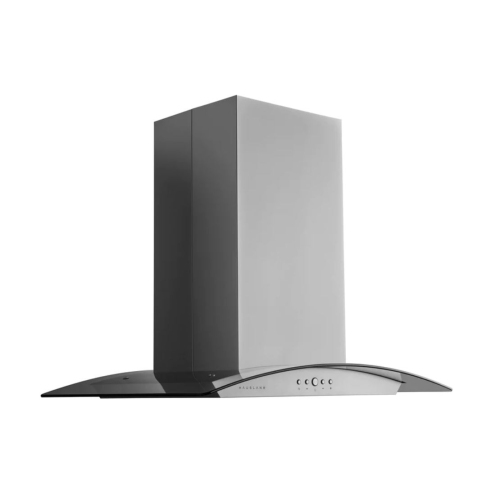
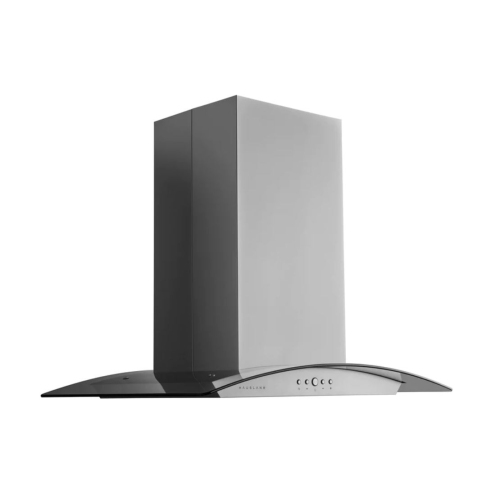
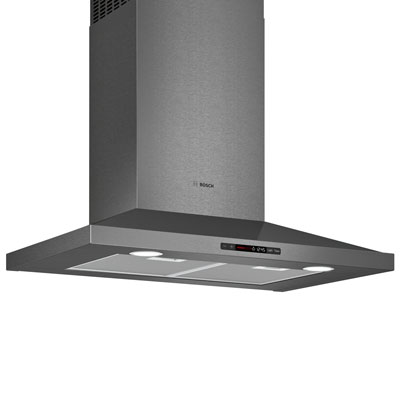
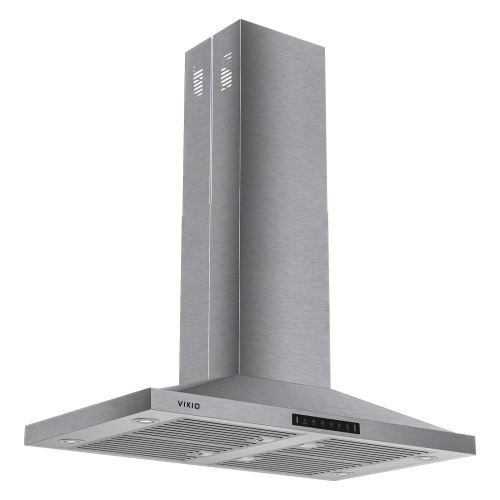
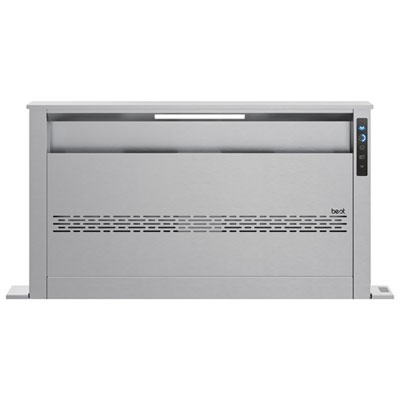
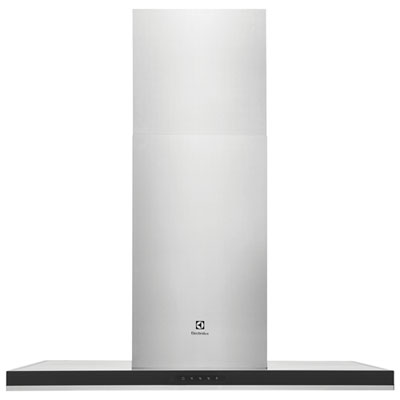
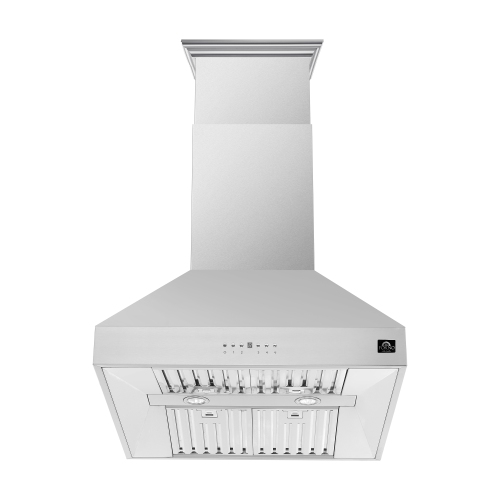
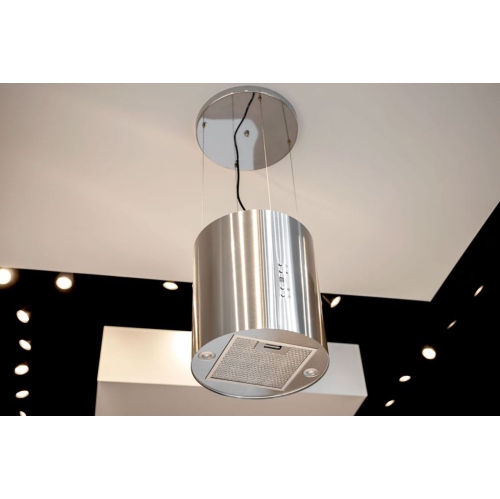
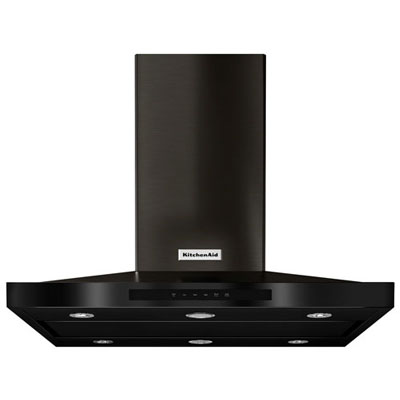
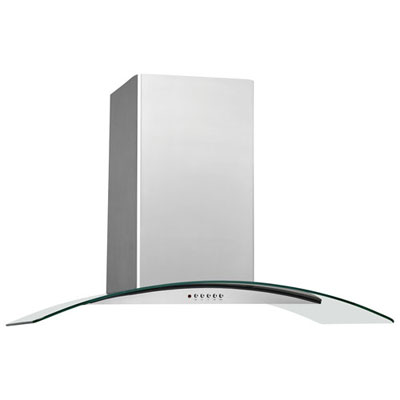
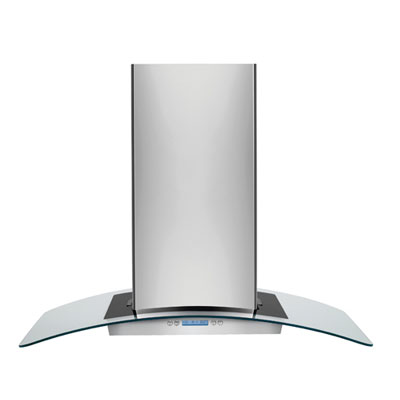
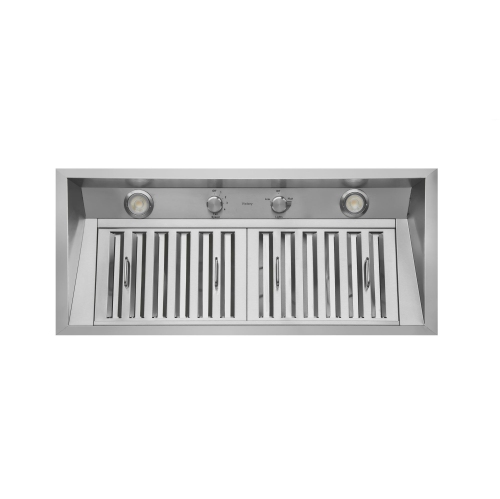
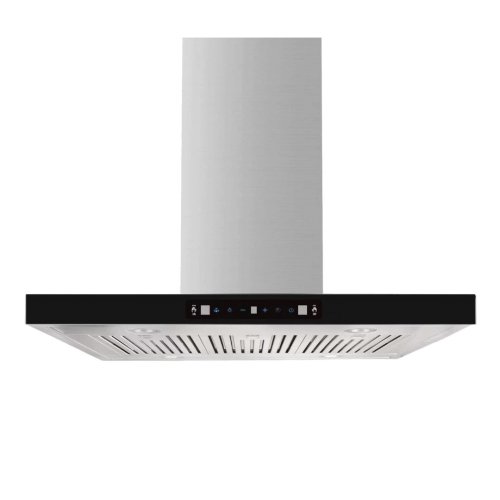
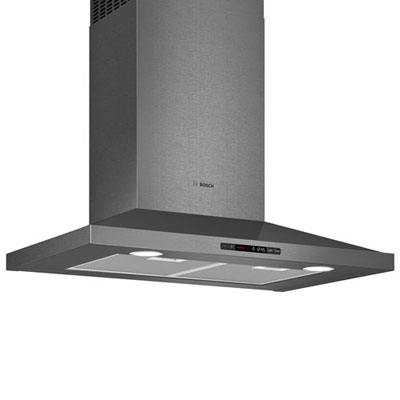
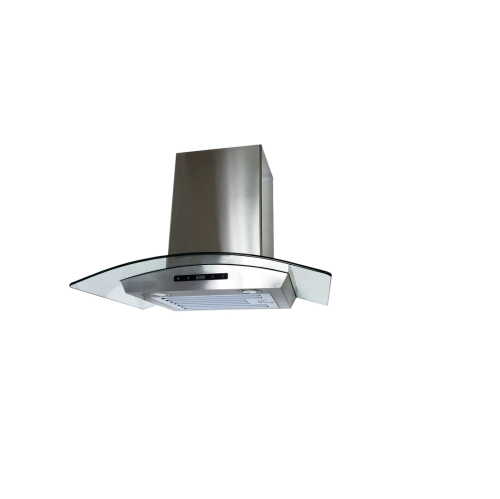
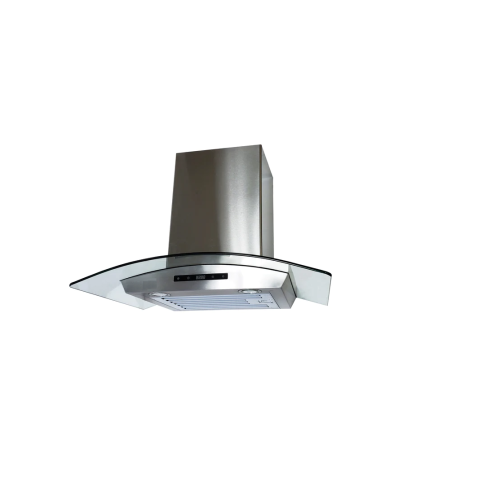
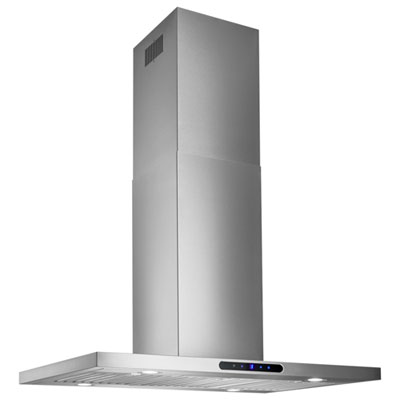
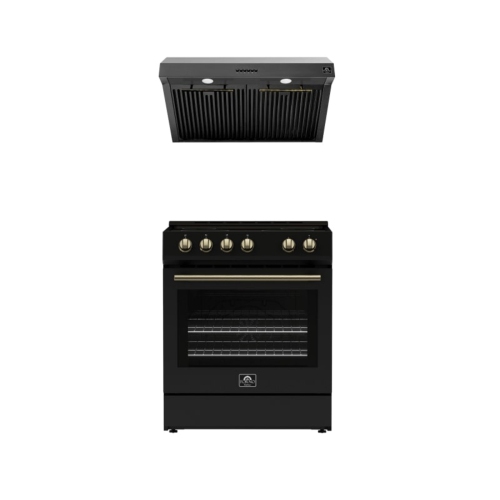
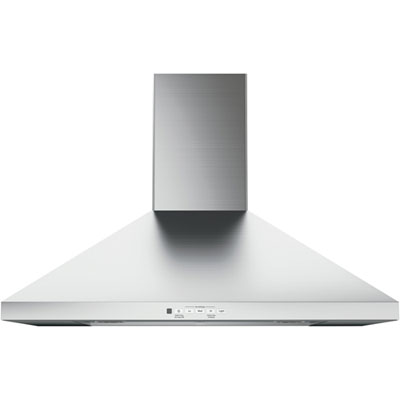
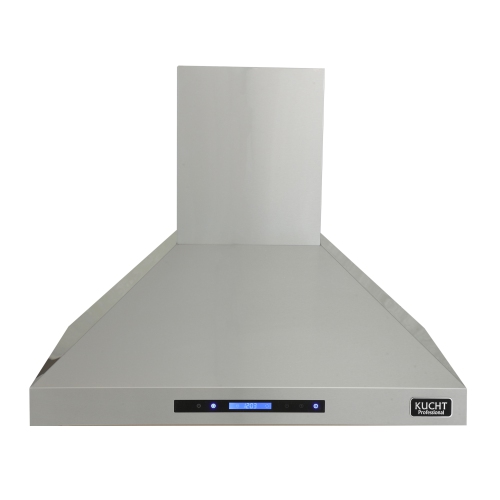
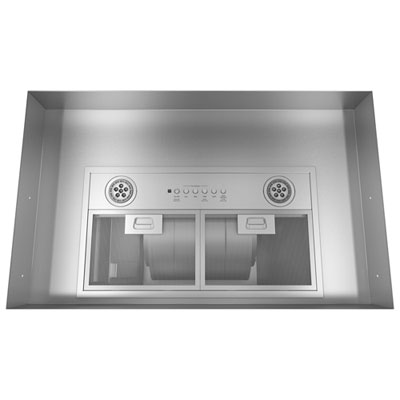
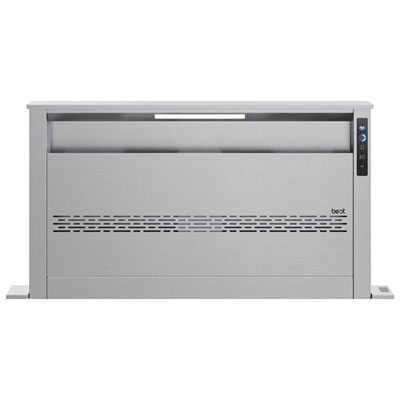
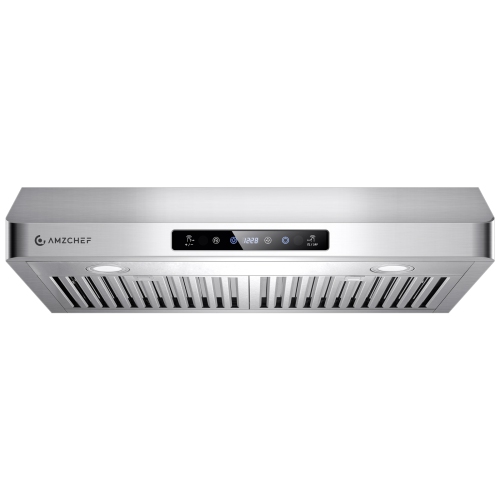
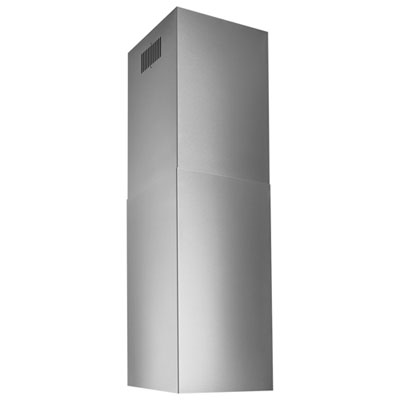
Kitchen island hoods are designed to bring ventilation directly over a cooking surface positioned away from the wall, making them both a practical appliance and a visible part of the kitchen’s overall design. They help capture smoke, steam, grease and cooking odours before they spread through an open-concept space, which can be especially useful when the kitchen flows into a dining area, living room or family room. An island hood can make a noticeable difference during everyday cooking, from simmering sauces and boiling pasta to searing steak or preparing meals in a large wok or stockpot. When choosing one, begin by measuring the cooktop or range and the available ceiling height. The hood should generally be at least as wide as the cooking surface, while a slightly wider model may provide additional coverage. Clearance above the cooktop is also important, as the recommended distance can vary depending on the hood design, the type of cooking appliance and the manufacturer’s installation instructions. Homeowners with tall ceilings may need an extension or chimney section to achieve the right fit, while kitchens with a lower ceiling should be checked carefully for adequate space. It is also worth considering the visual effect from every angle, since an island hood is visible from across the room rather than tucked against a backsplash. A streamlined stainless steel finish can complement contemporary appliances, while a darker finish can create contrast against light cabinetry and countertops. For a more dramatic kitchen centrepiece, explore Black Stainless Island Hoods as part of the planning process. The best choice will balance appearance with useful coverage, comfortable operation and a size that feels proportionate to the island.
Ventilation requirements are among the most important details to review before purchasing a kitchen island hood. Ducted models exhaust air outdoors through a properly installed vent, while recirculating or ductless configurations draw air through filters before returning it to the room. The right configuration depends on the existing kitchen layout, the location of ceiling joists, the availability of exterior ducting and local installation requirements. If a renovation is underway, it is helpful to plan the hood, duct path and electrical connection before cabinets, drywall or ceiling finishes are completed. If the kitchen is already finished, a recirculating setup may offer greater flexibility, although it still requires regular filter care and may not remove heat and moisture in the same way as an outdoor-vented system. Airflow is commonly listed in cubic feet per minute, or CFM, but a higher number is not automatically the best fit for every home. The ideal level depends on the cooking surface, the types of meals prepared, the duct length and the number of bends in the vent path. A hood that is too powerful for the space or ductwork may be louder than expected, while one with insufficient airflow may struggle with heavy cooking. Noise ratings can help compare models, especially for households where people chat, watch television or help with homework near the kitchen. Look for multiple fan speeds so the hood can run quietly for light cooking and provide stronger ventilation when needed. Controls may include push buttons, sliders or touch-sensitive panels, and some designs include a timer that keeps the fan running after cooking to clear lingering vapour. Lighting is another practical feature: bright, well-placed lights can illuminate the cooktop, improve visibility when checking browning or simmering, and reduce shadows cast by upper cabinetry. Filter design matters as well. Removable metal filters are convenient for routine cleaning, while dishwasher-safe components can simplify maintenance when grease builds up after frequent cooking.
A kitchen island hood can be a useful addition for homeowners completing a full kitchen renovation, updating an older cooking area or creating a more functional space for entertaining. It may also be a thoughtful housewarming gift when the recipient is settling into a new home, although the purchase should be coordinated with the kitchen dimensions and installation plan rather than chosen as a surprise. For someone who enjoys hosting, reliable ventilation helps keep the room more comfortable while several dishes are prepared at once, especially during gatherings that move between the island, dining table and living area. During the cooler months, when windows may stay closed and kitchens often become a gathering place, effective ventilation can help reduce the heavy feeling that comes from steam and strong aromas lingering indoors. As the weather warms, it can also help manage heat produced by the cooktop without relying entirely on open windows. Before ordering, confirm the hood’s width, depth, height range, ventilation type, electrical requirements and compatibility with the existing range or cooktop. Check whether ductwork, a ceiling support structure, a chimney extension or professional installation will be needed, and make sure the installation location leaves enough room for cabinet doors, lighting and comfortable movement around the island. Regular care will help preserve performance: wipe the exterior with an appropriate cleaner, clean filters according to the instructions and avoid allowing grease to accumulate around the intake. It is also wise to consider how the hood will look beside other appliances and finishes, since an island-mounted design naturally draws attention. With the right dimensions, ventilation approach, airflow range, sound level, lighting and finish, a kitchen island hood can support everyday meals while helping the cooking area feel cleaner, more comfortable and better integrated with the rest of the home.
Ventilation requirements are among the most important details to review before purchasing a kitchen island hood. Ducted models exhaust air outdoors through a properly installed vent, while recirculating or ductless configurations draw air through filters before returning it to the room. The right configuration depends on the existing kitchen layout, the location of ceiling joists, the availability of exterior ducting and local installation requirements. If a renovation is underway, it is helpful to plan the hood, duct path and electrical connection before cabinets, drywall or ceiling finishes are completed. If the kitchen is already finished, a recirculating setup may offer greater flexibility, although it still requires regular filter care and may not remove heat and moisture in the same way as an outdoor-vented system. Airflow is commonly listed in cubic feet per minute, or CFM, but a higher number is not automatically the best fit for every home. The ideal level depends on the cooking surface, the types of meals prepared, the duct length and the number of bends in the vent path. A hood that is too powerful for the space or ductwork may be louder than expected, while one with insufficient airflow may struggle with heavy cooking. Noise ratings can help compare models, especially for households where people chat, watch television or help with homework near the kitchen. Look for multiple fan speeds so the hood can run quietly for light cooking and provide stronger ventilation when needed. Controls may include push buttons, sliders or touch-sensitive panels, and some designs include a timer that keeps the fan running after cooking to clear lingering vapour. Lighting is another practical feature: bright, well-placed lights can illuminate the cooktop, improve visibility when checking browning or simmering, and reduce shadows cast by upper cabinetry. Filter design matters as well. Removable metal filters are convenient for routine cleaning, while dishwasher-safe components can simplify maintenance when grease builds up after frequent cooking.
A kitchen island hood can be a useful addition for homeowners completing a full kitchen renovation, updating an older cooking area or creating a more functional space for entertaining. It may also be a thoughtful housewarming gift when the recipient is settling into a new home, although the purchase should be coordinated with the kitchen dimensions and installation plan rather than chosen as a surprise. For someone who enjoys hosting, reliable ventilation helps keep the room more comfortable while several dishes are prepared at once, especially during gatherings that move between the island, dining table and living area. During the cooler months, when windows may stay closed and kitchens often become a gathering place, effective ventilation can help reduce the heavy feeling that comes from steam and strong aromas lingering indoors. As the weather warms, it can also help manage heat produced by the cooktop without relying entirely on open windows. Before ordering, confirm the hood’s width, depth, height range, ventilation type, electrical requirements and compatibility with the existing range or cooktop. Check whether ductwork, a ceiling support structure, a chimney extension or professional installation will be needed, and make sure the installation location leaves enough room for cabinet doors, lighting and comfortable movement around the island. Regular care will help preserve performance: wipe the exterior with an appropriate cleaner, clean filters according to the instructions and avoid allowing grease to accumulate around the intake. It is also wise to consider how the hood will look beside other appliances and finishes, since an island-mounted design naturally draws attention. With the right dimensions, ventilation approach, airflow range, sound level, lighting and finish, a kitchen island hood can support everyday meals while helping the cooking area feel cleaner, more comfortable and better integrated with the rest of the home.
Top selling and popular products
-
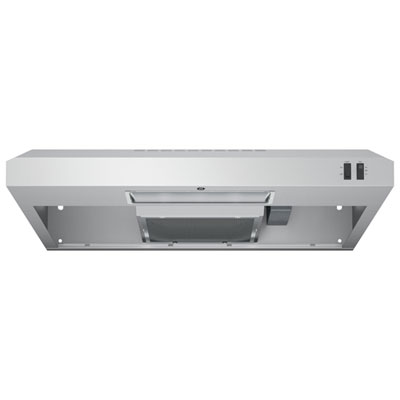 Your price for this item is $249.99
 -
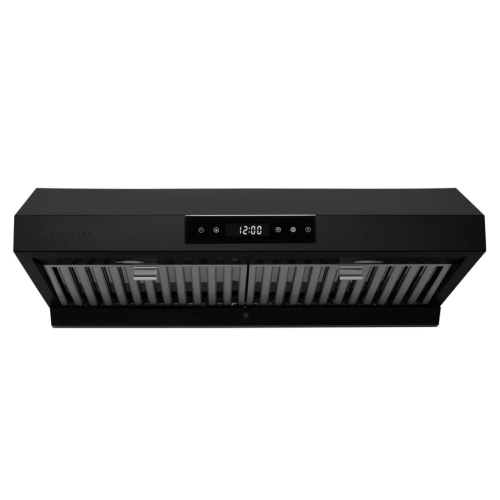 Your price for this item is $598.49
 -
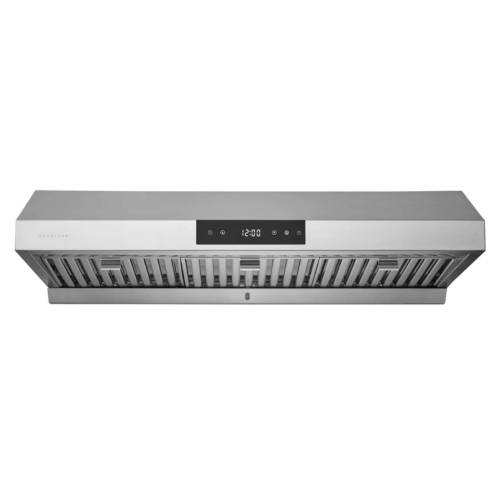 Your price for this item is $645.99
 -
 Your price for this item is $645.99
 -
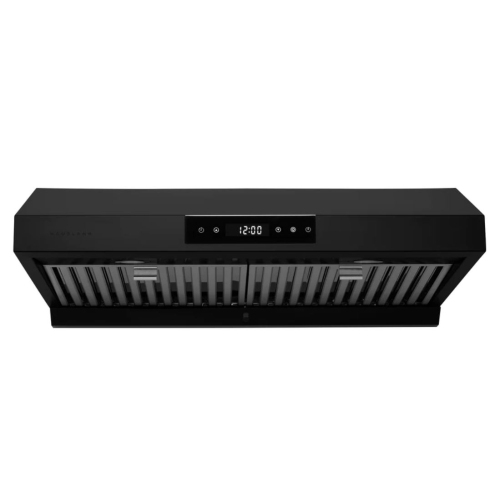 Your price for this item is $645.99
 -
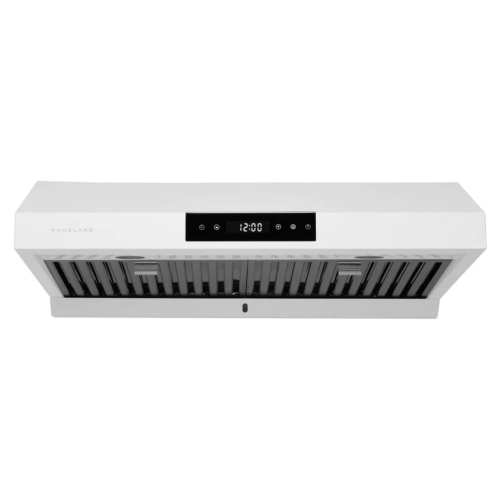 Your price for this item is $598.49
 -
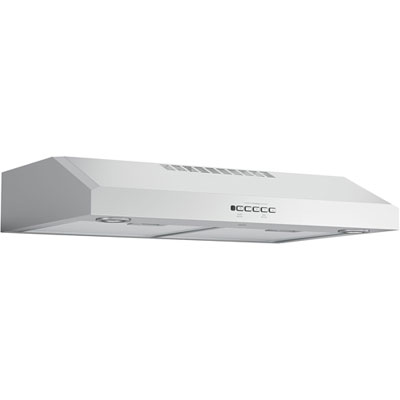 Your price for this item is $449.99
 -
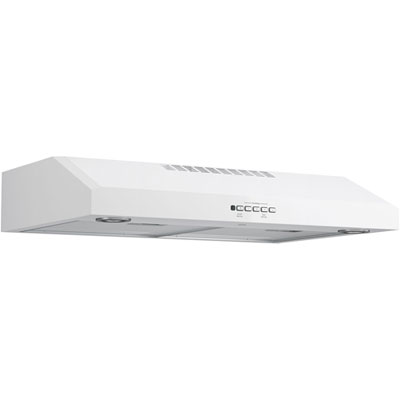 Your price for this item is $399.99
Discover more categories related to Kitchen Island Hoods
Top Collections:
Pokemon Centers, Kindle Devices, Best Budget Office Chairs, Apple iPhones 16, Best Laptops for Writers, iPhone 15 Apple, Canon G7X Cameras, Refurbished Apple Laptops, Alarm Clock, Motorola Razr Phones
Some products may be subject to Environmental Handling Fees
(EHF) depending on your province.
Learn more about EHFs.