Island Mount Range hoods
A range hood is a must-have for almost any kitchen. It's the first line of defense against grease fires and smoke, as well as a convenient way to keep your kitchen air clean and fresh. Island-mounted range hoods are a popular choice for kitchens that feature an island or peninsula, as they add a unique visual element to the room. Here are some great options.
Sort
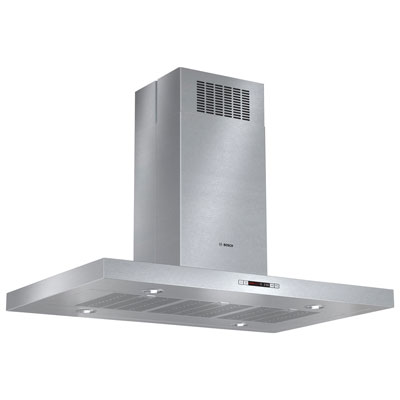
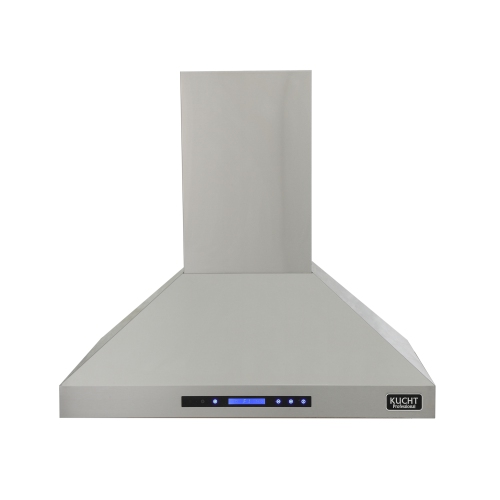
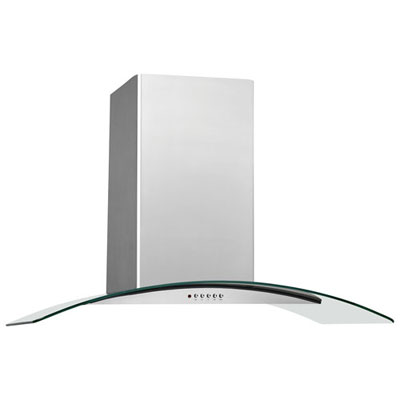
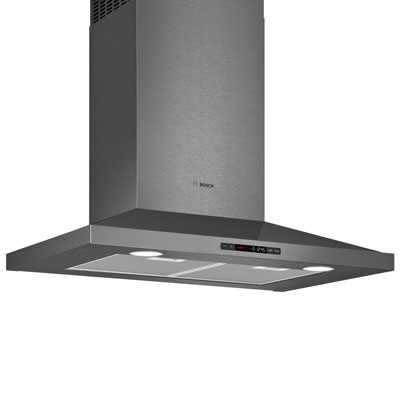
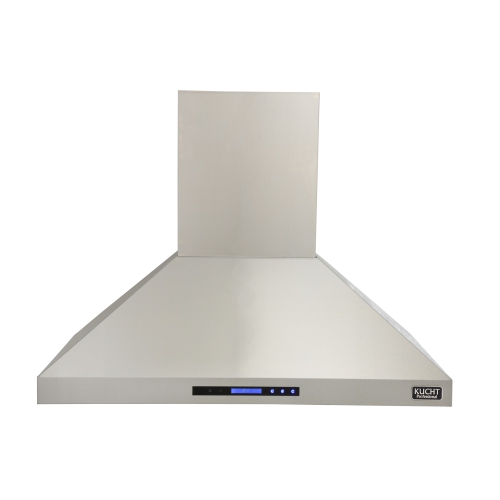
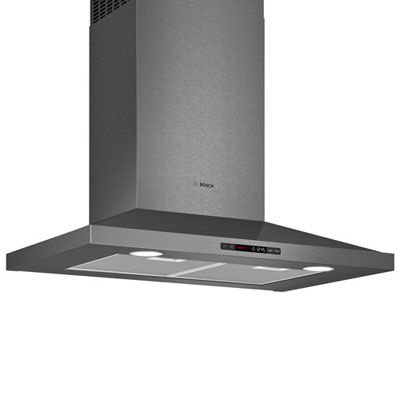
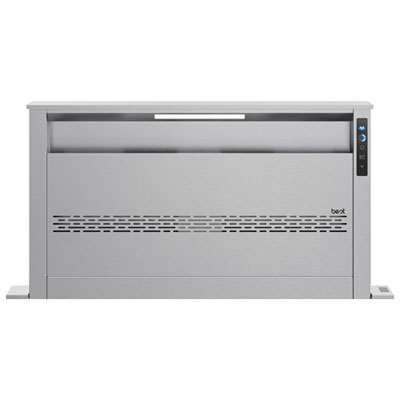
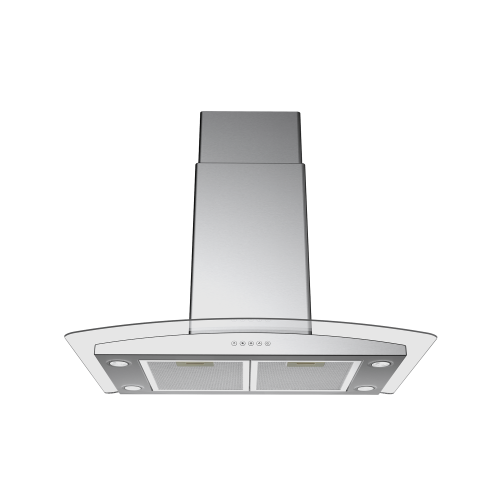

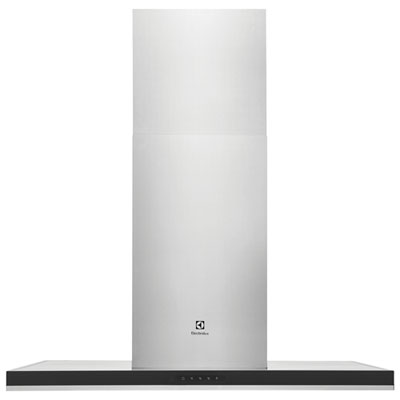
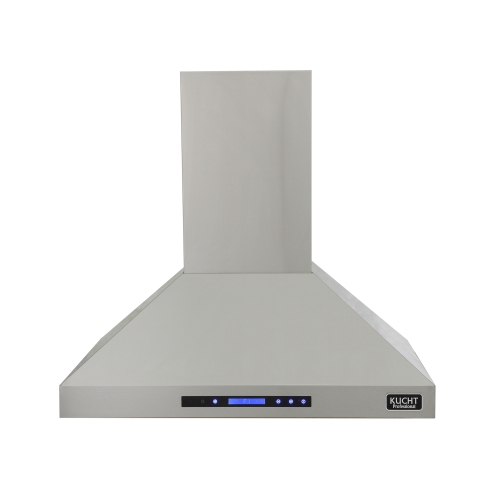
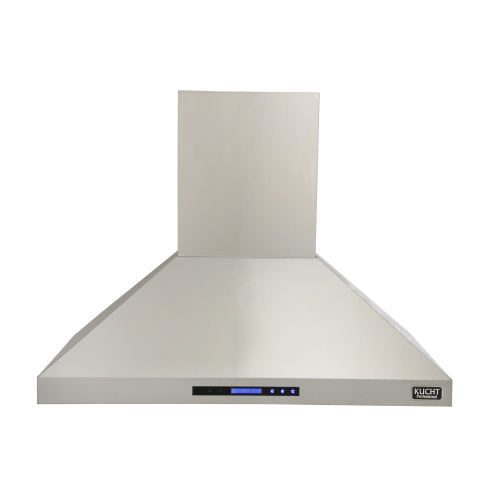
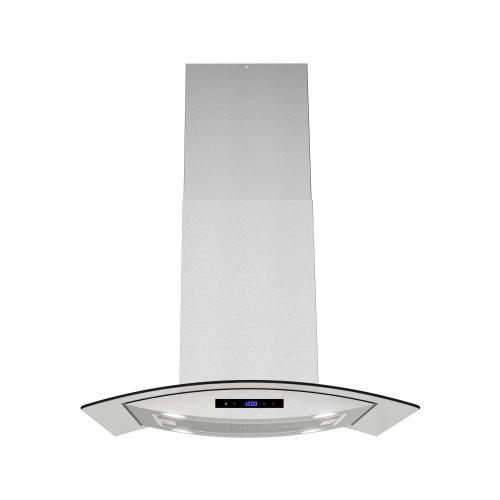

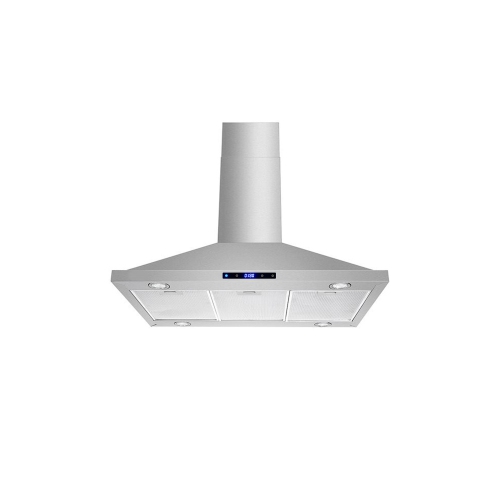

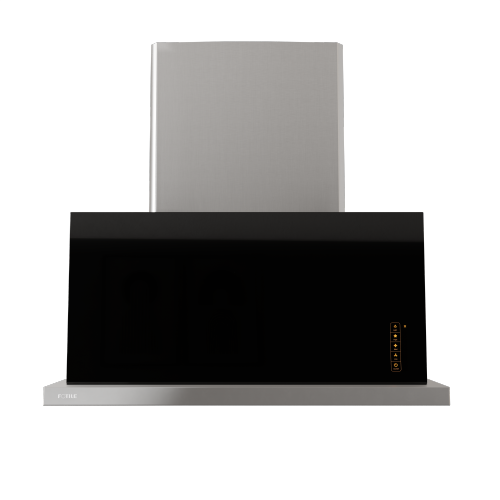
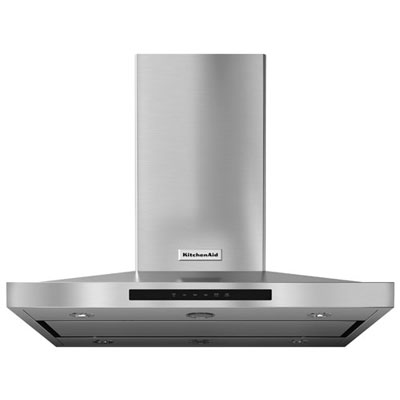
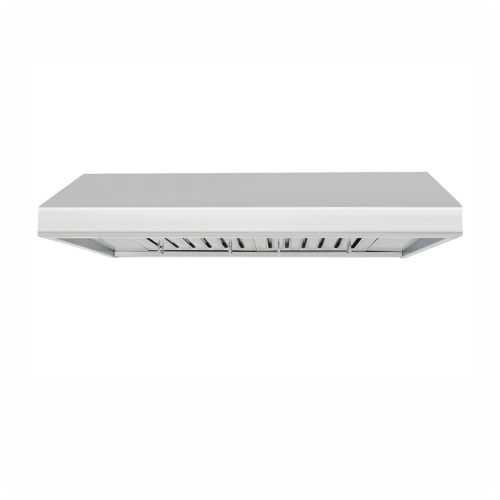

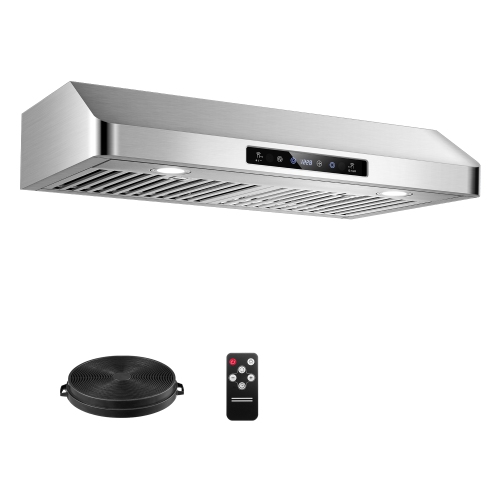
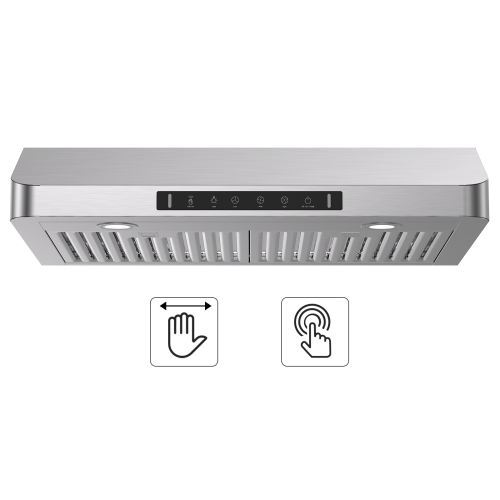
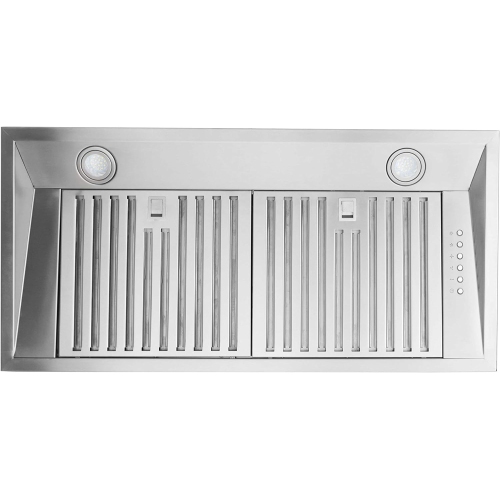
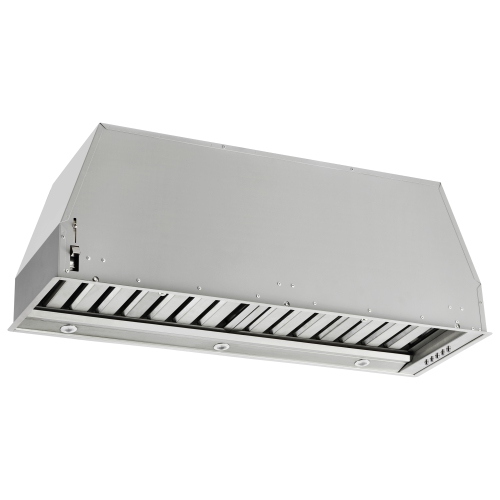
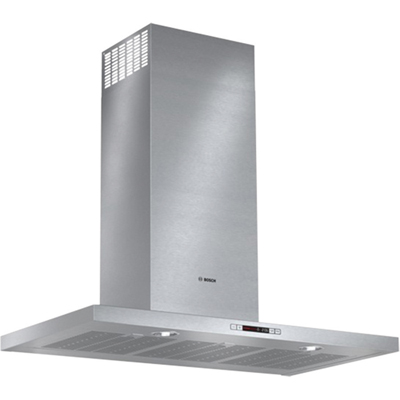
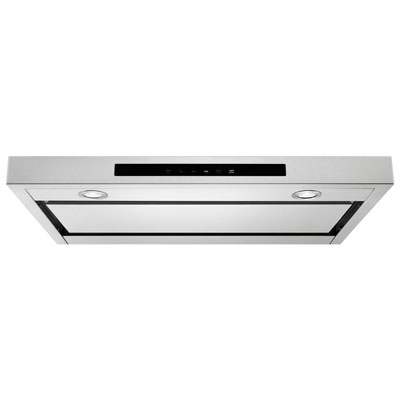
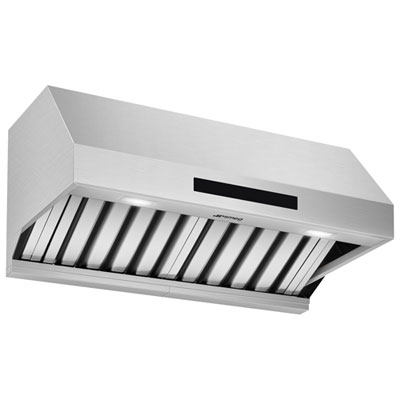
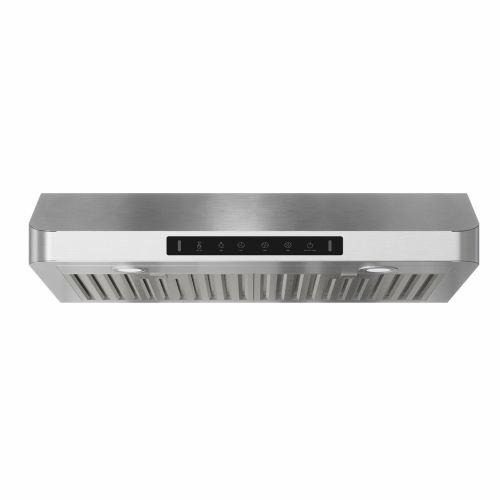
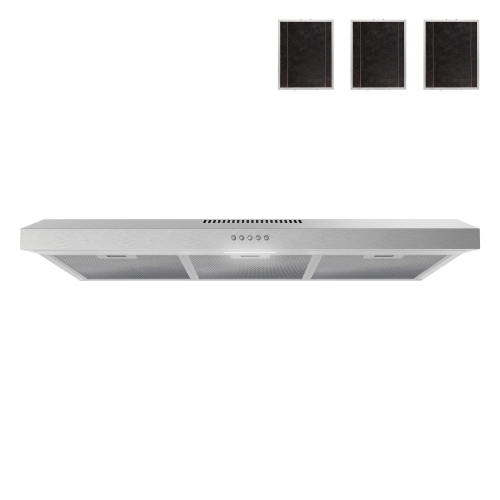
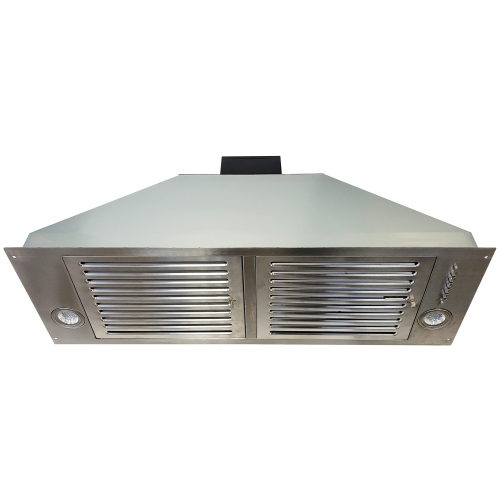
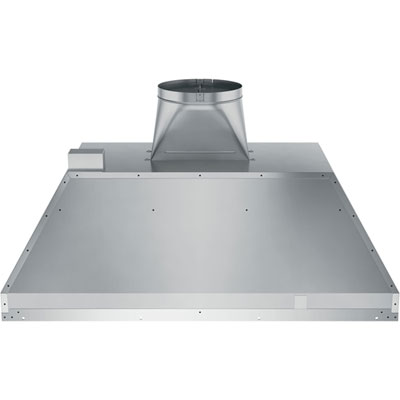
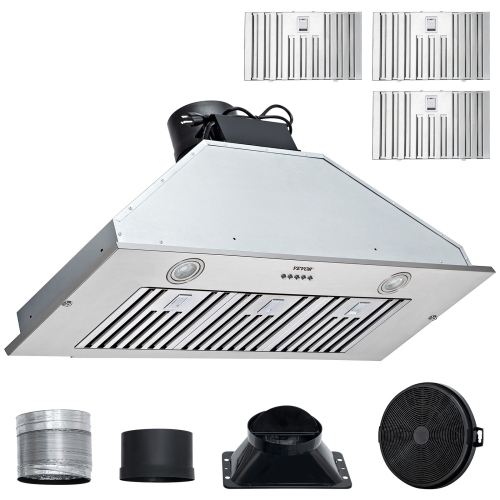
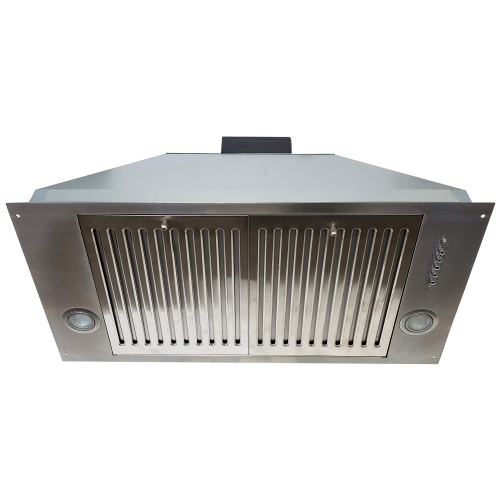
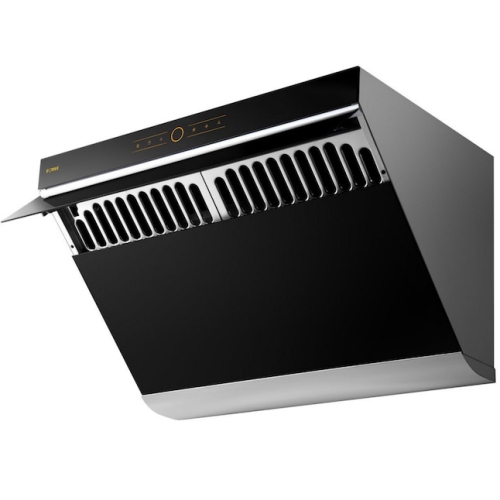
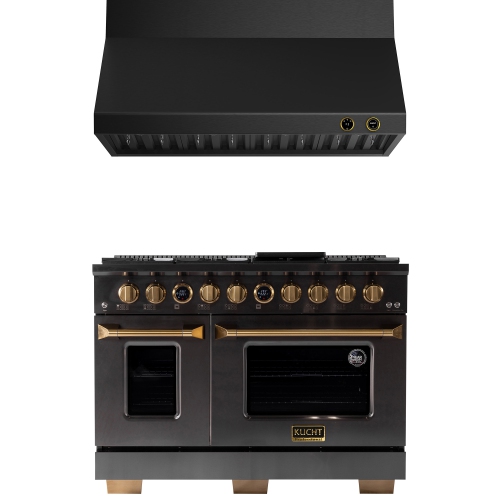
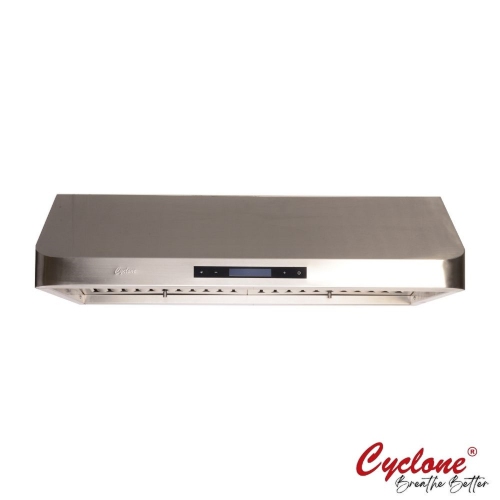
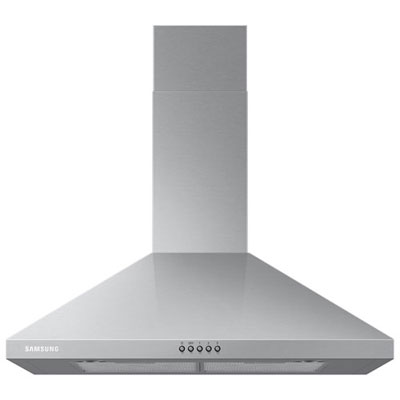
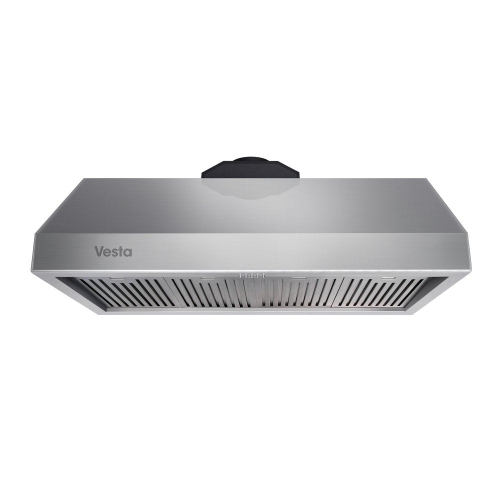
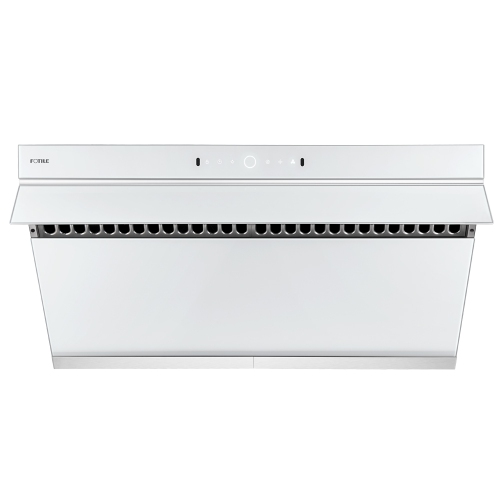
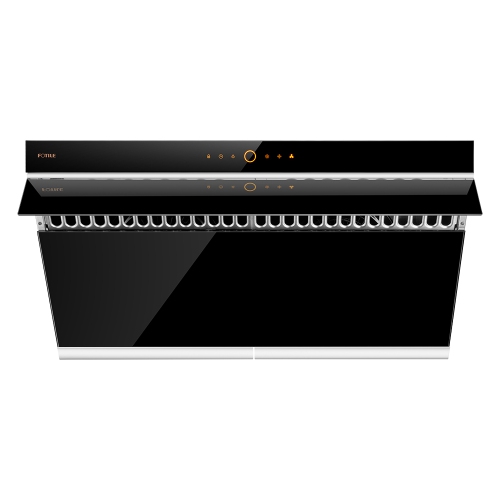
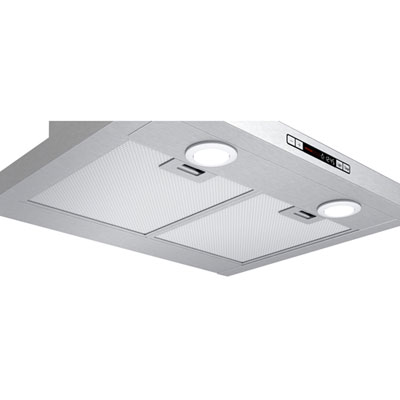
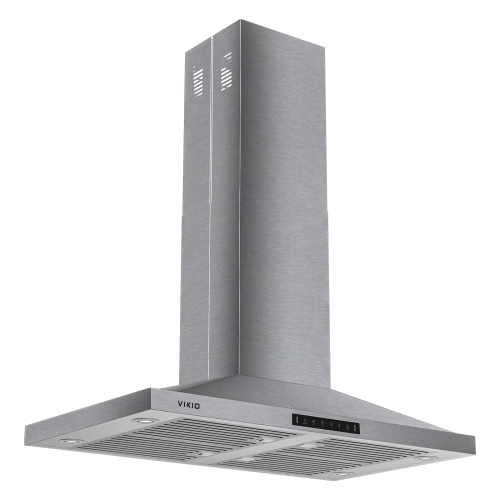
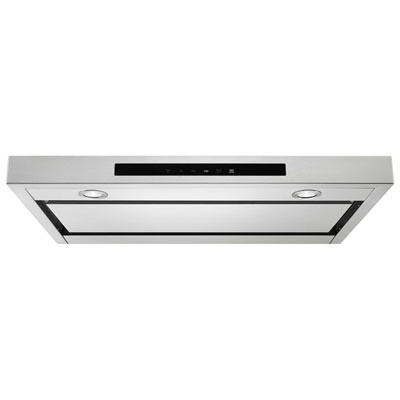
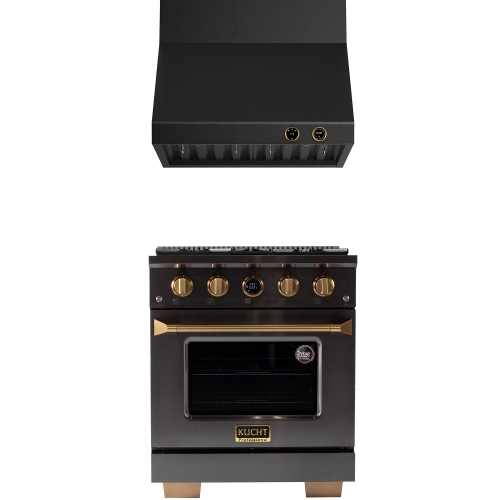
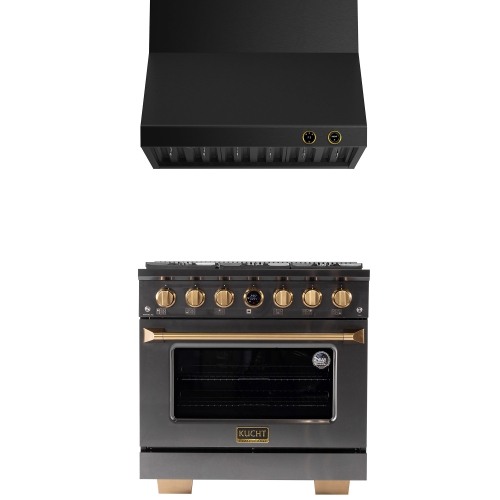
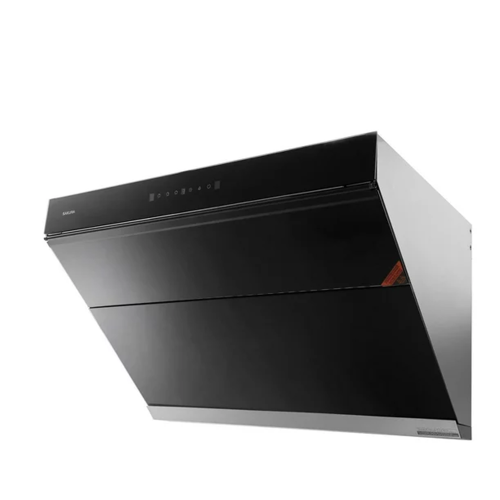

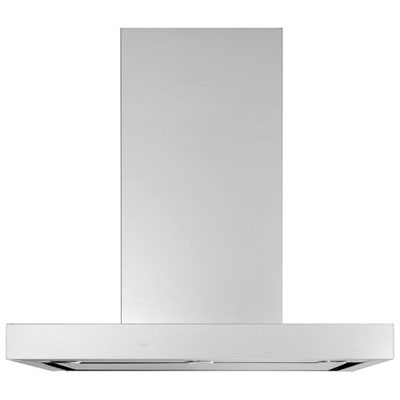
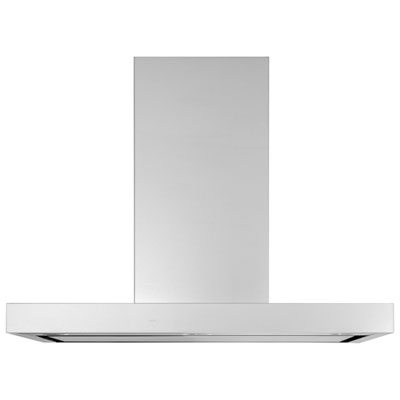
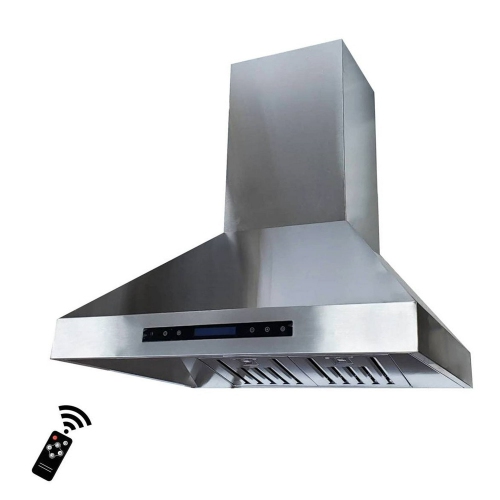
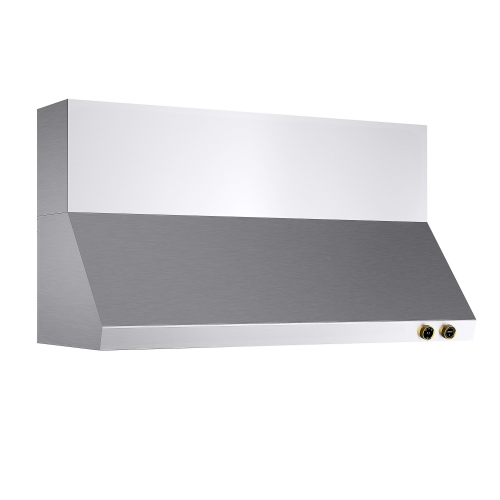
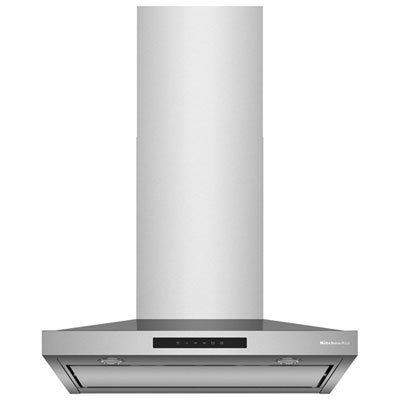
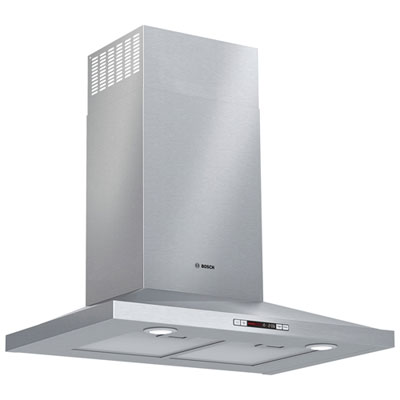
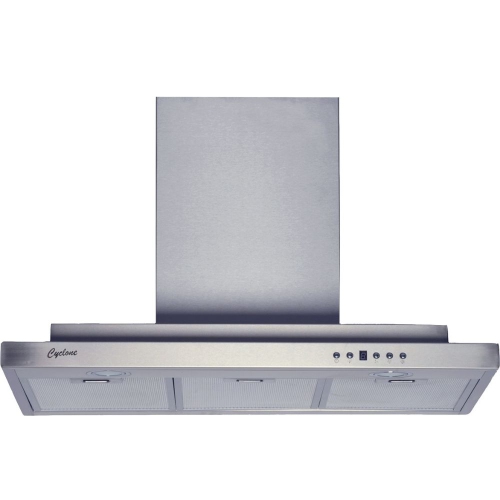
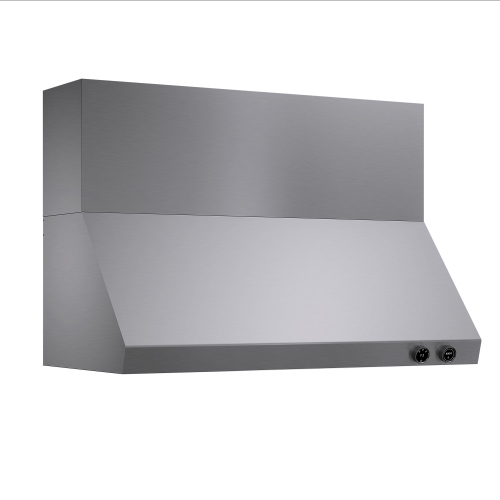
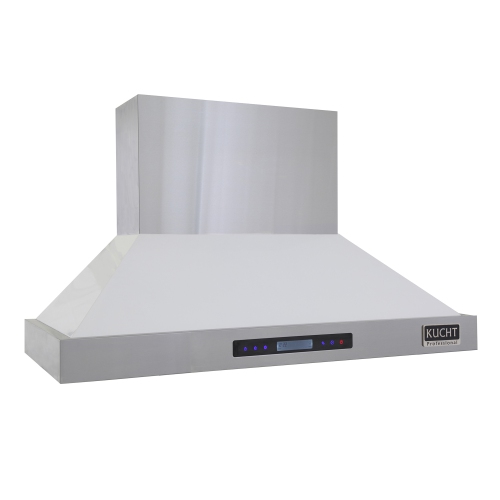
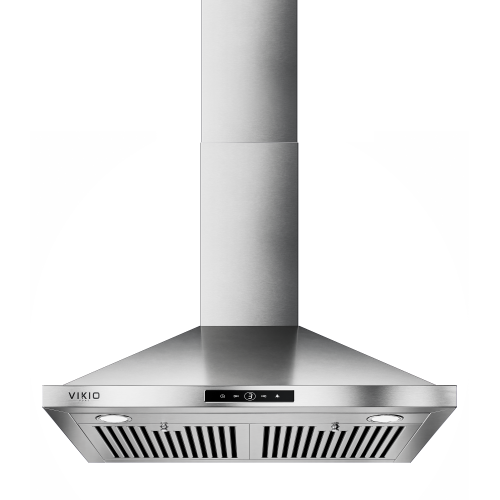
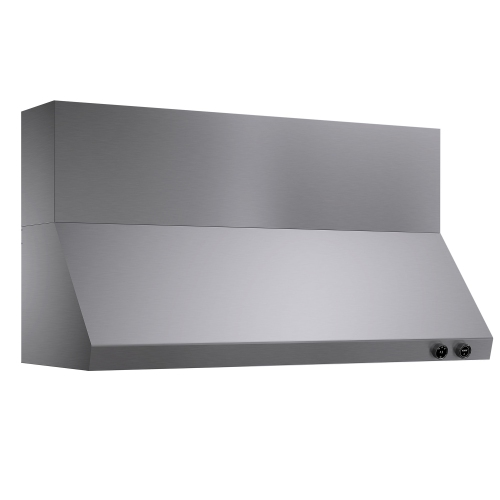
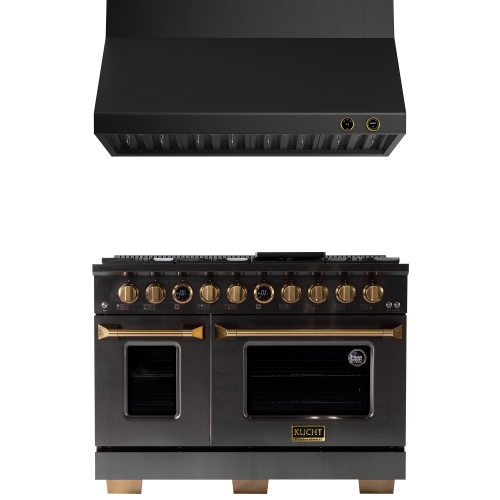
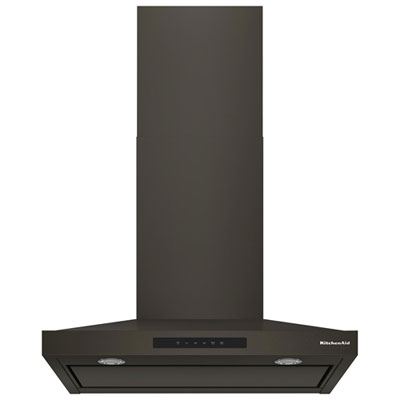
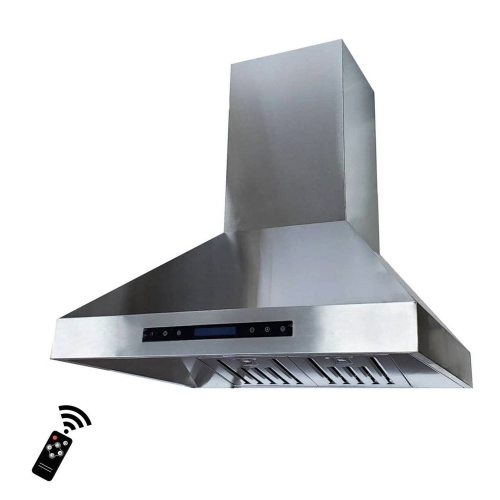
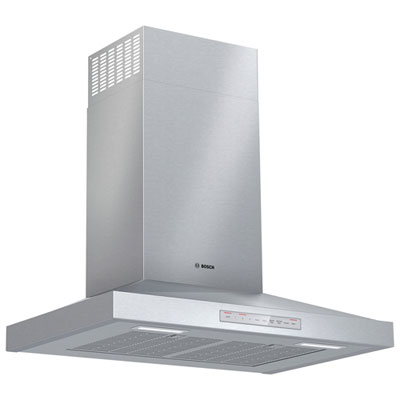
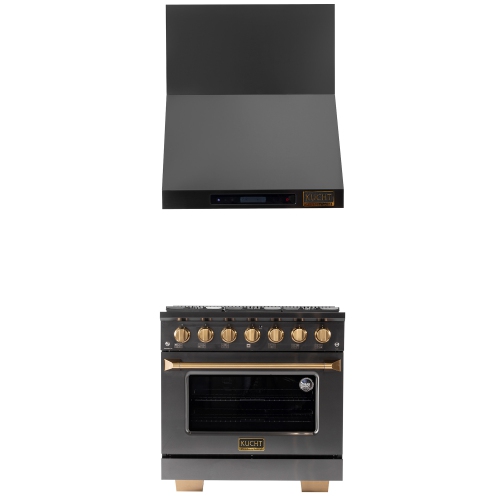
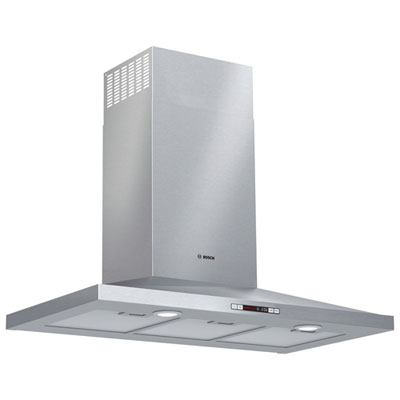
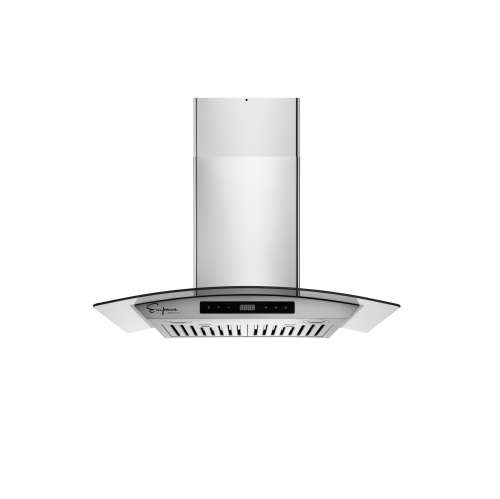

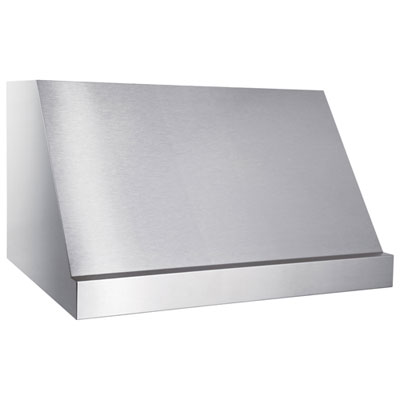
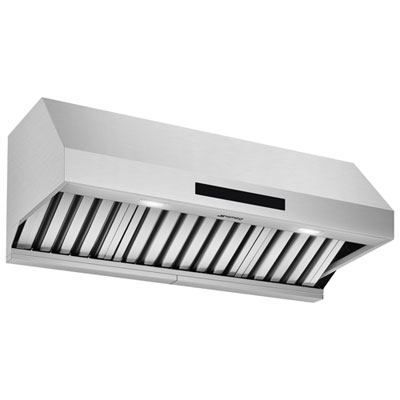

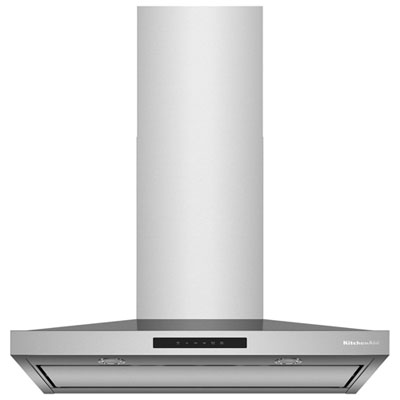
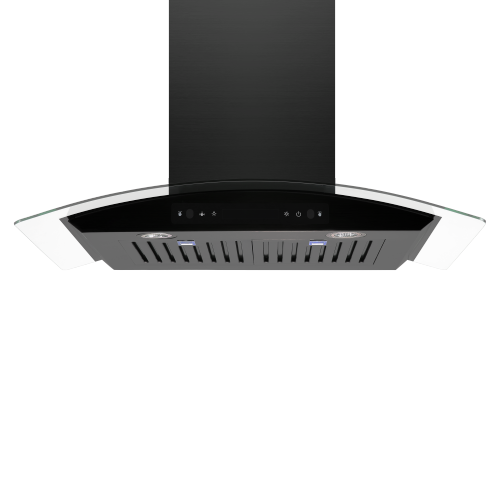
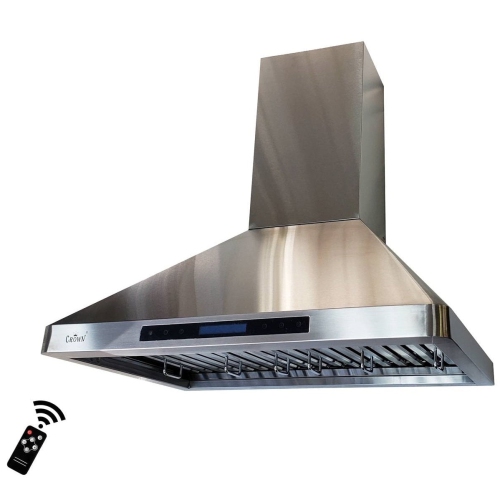
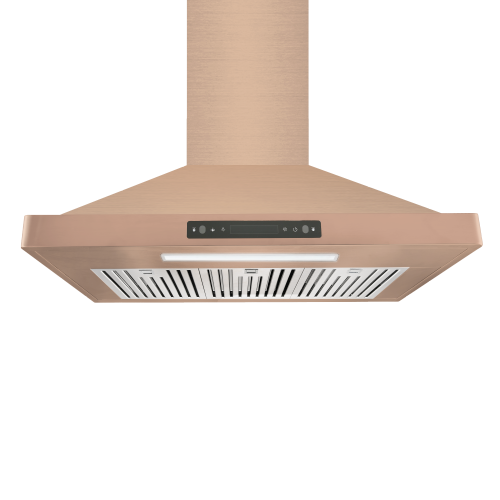
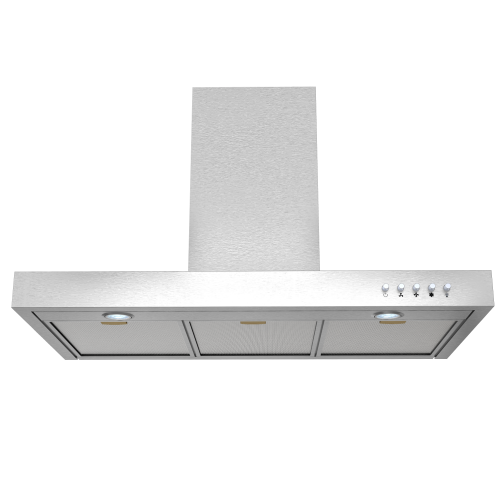
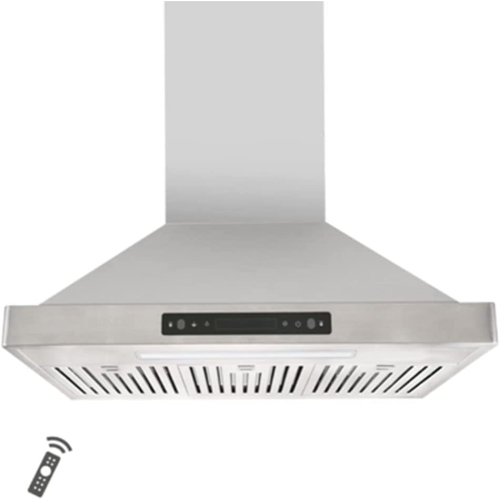
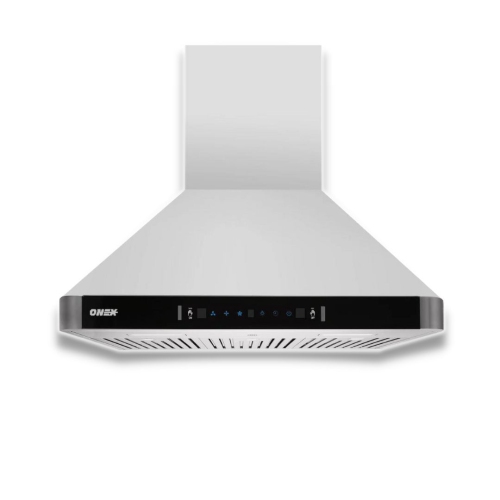
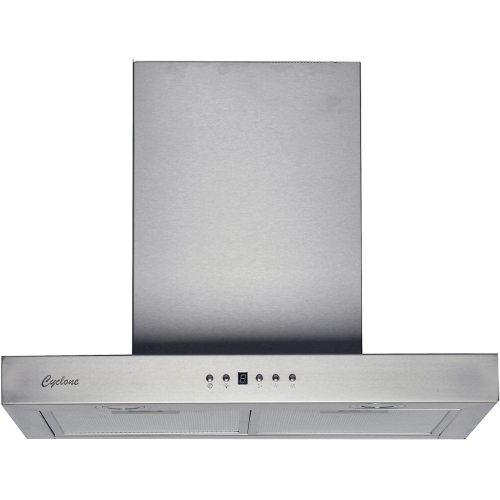
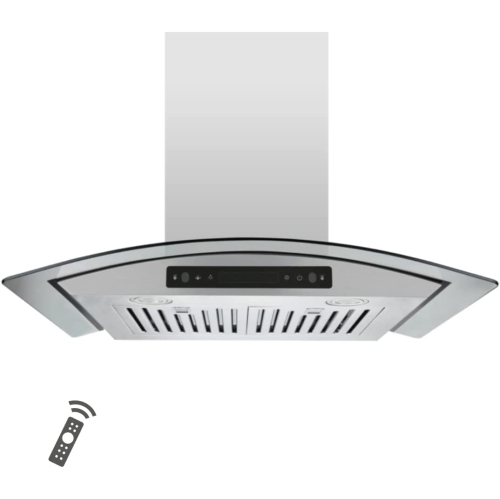
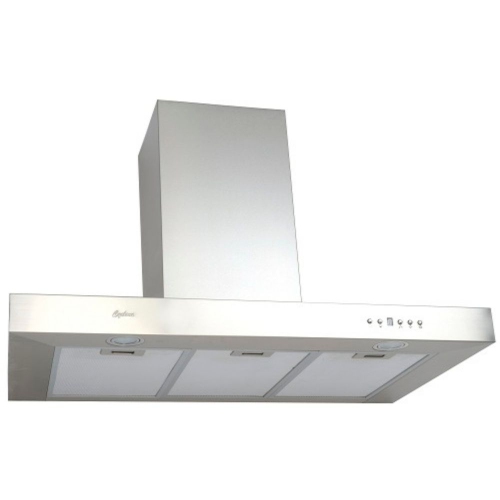
Why hood placement matters in an open kitchen
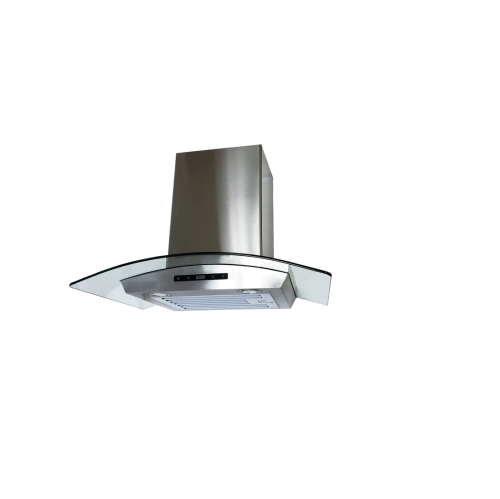
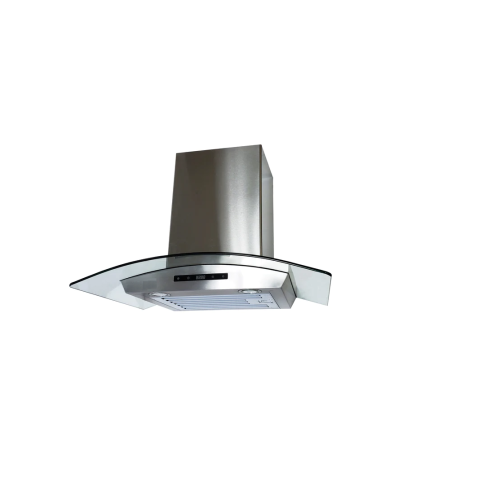
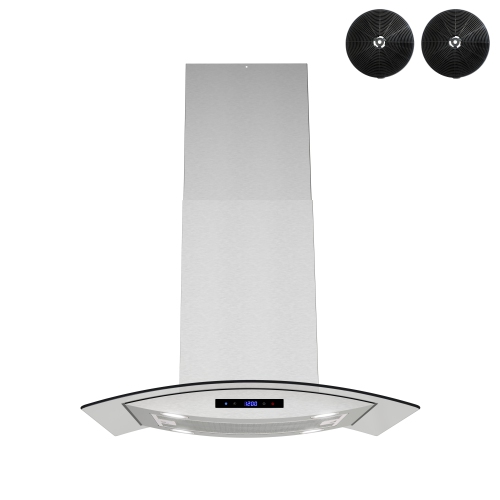
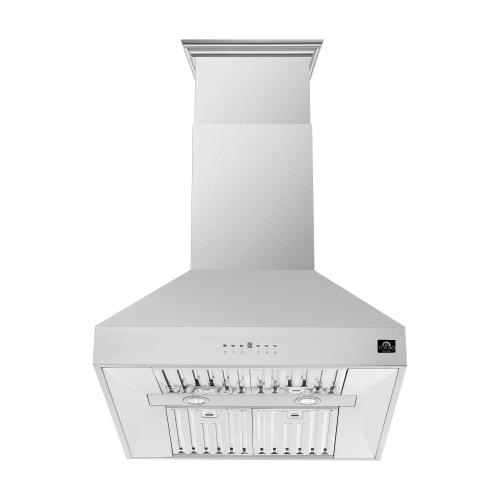
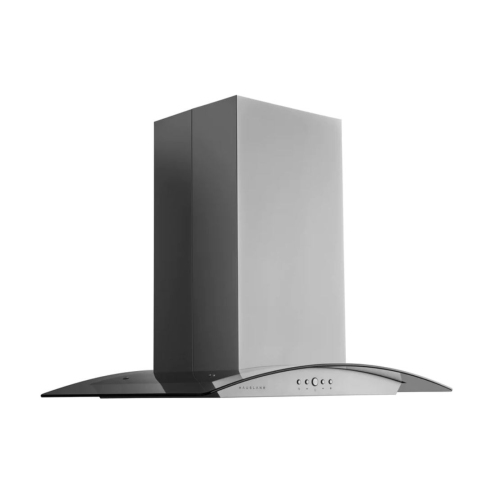
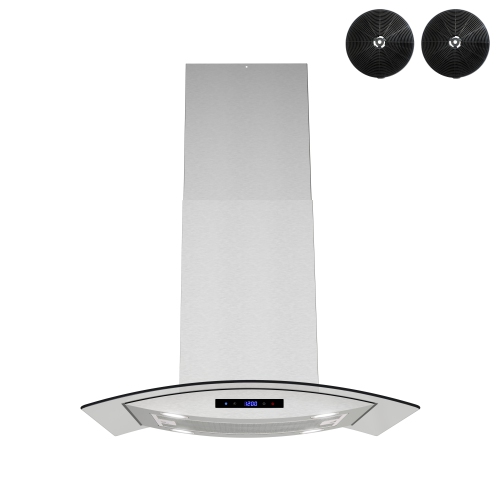
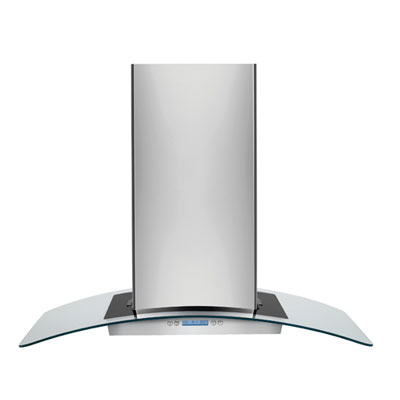
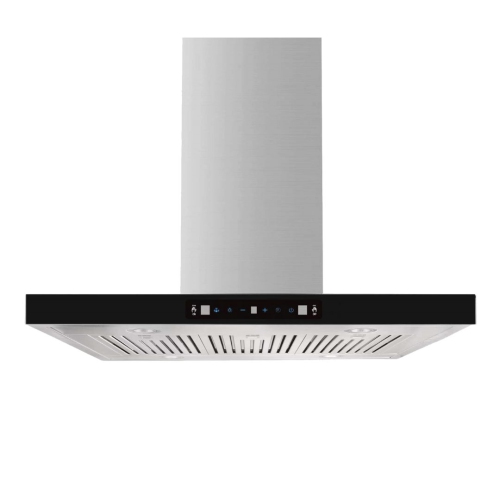
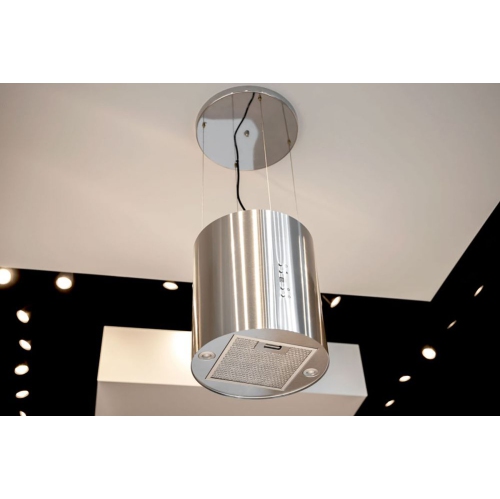
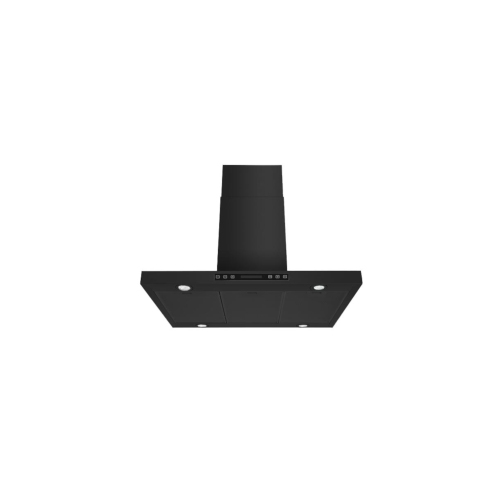
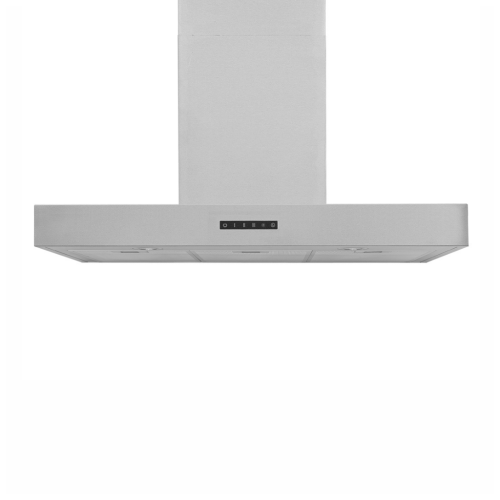
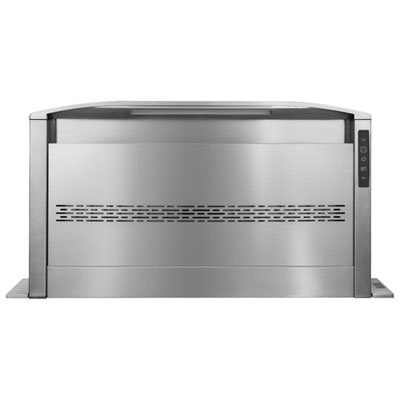
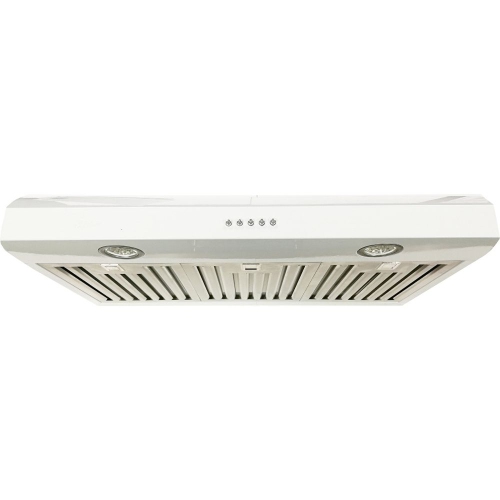
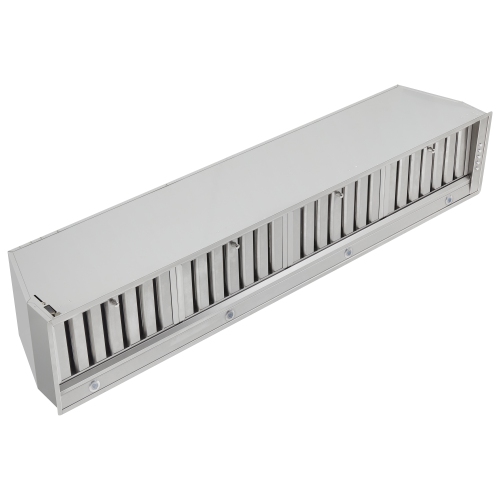
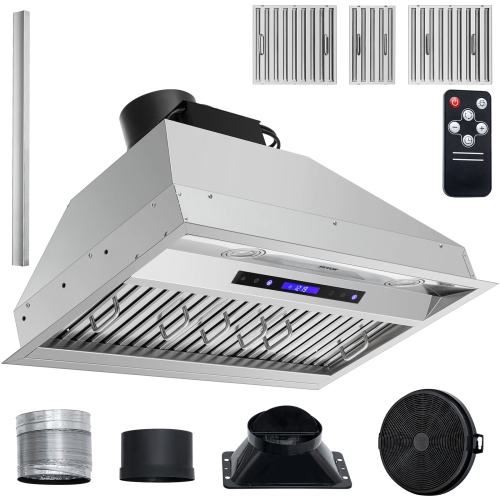
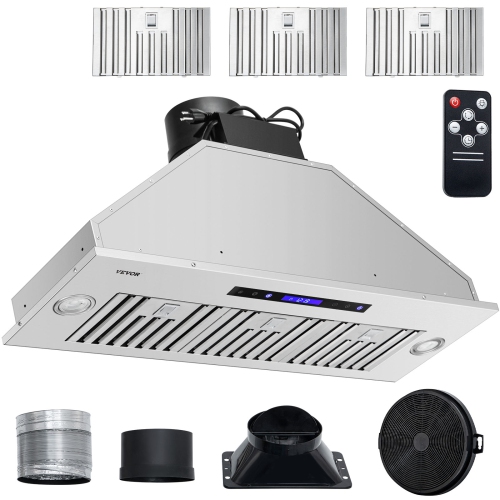
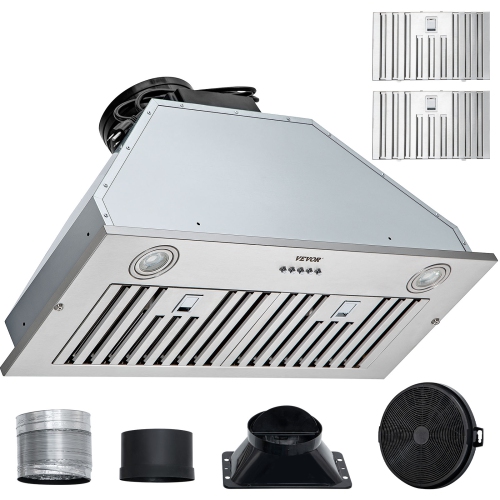
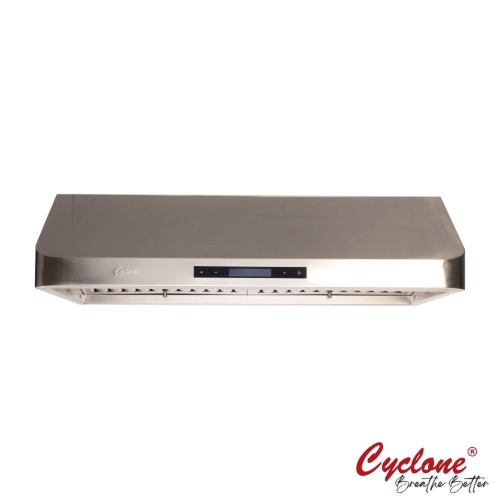
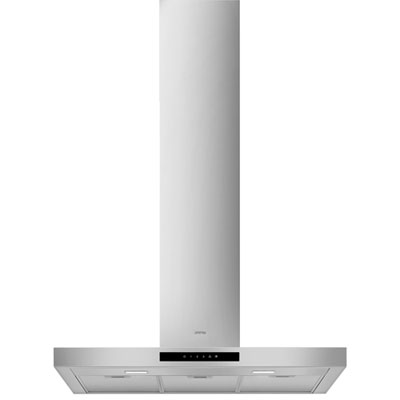
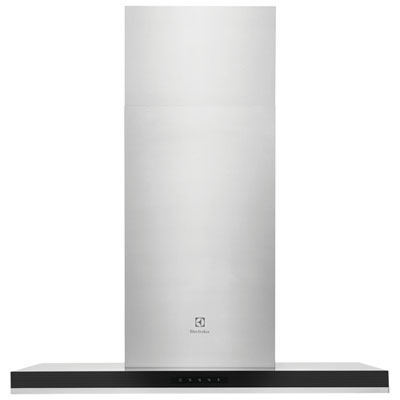
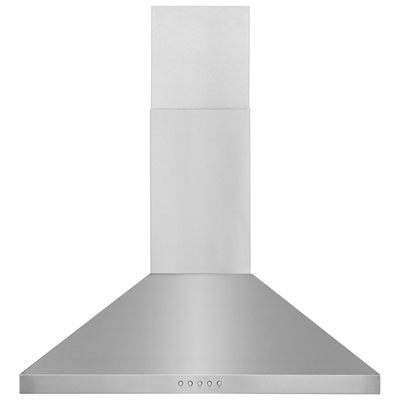
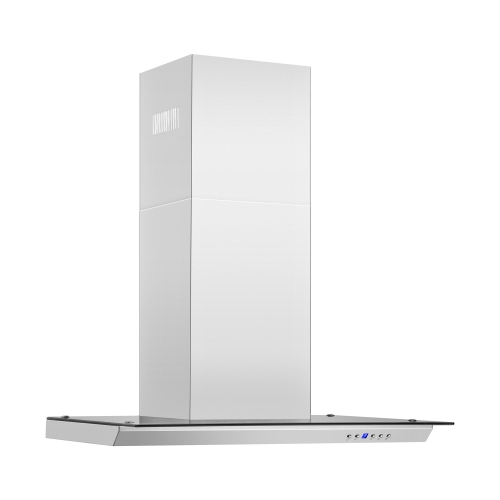
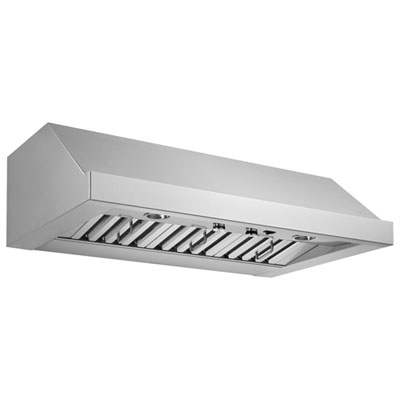
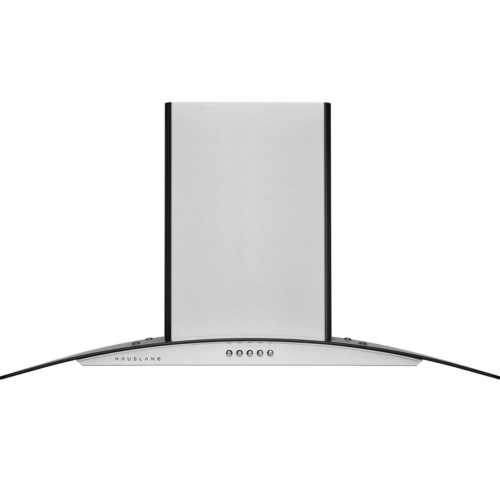
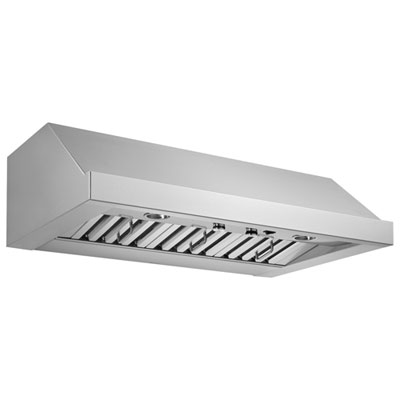
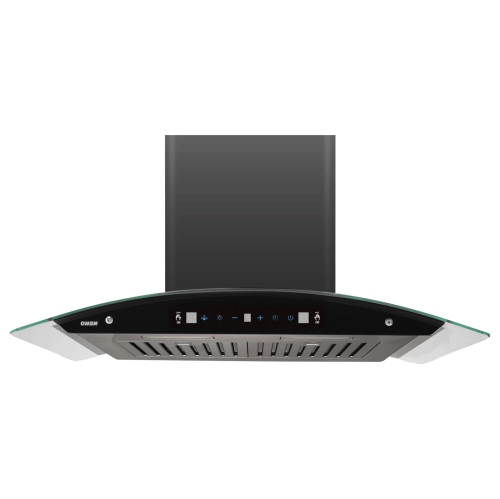
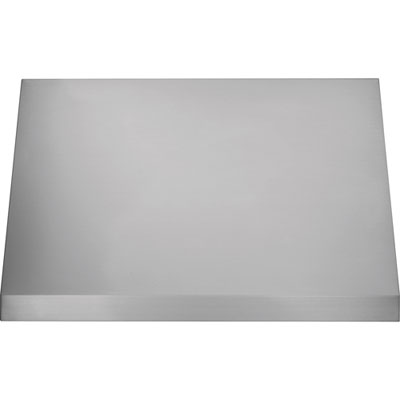
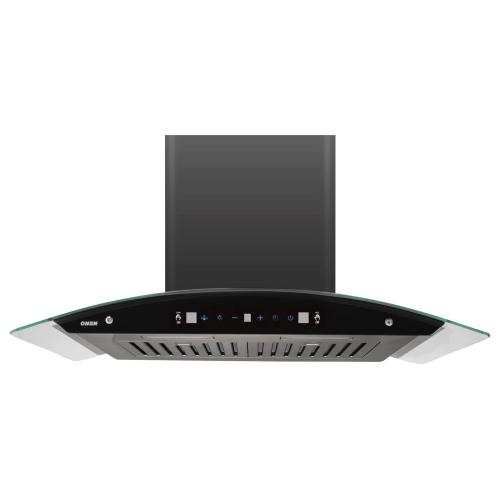
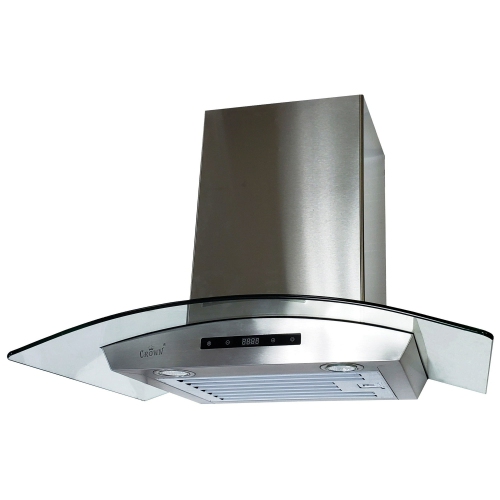
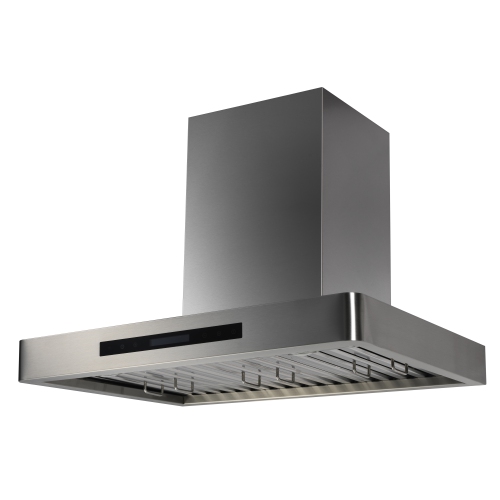
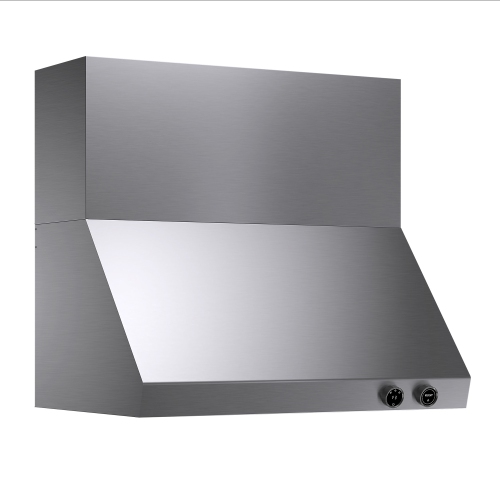
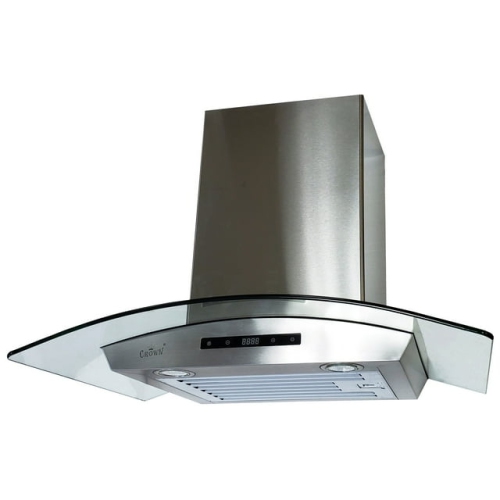
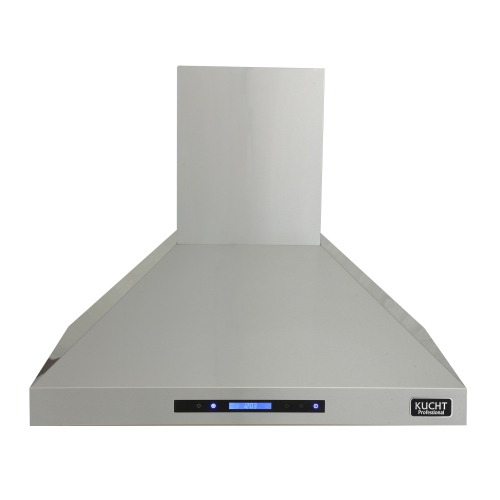
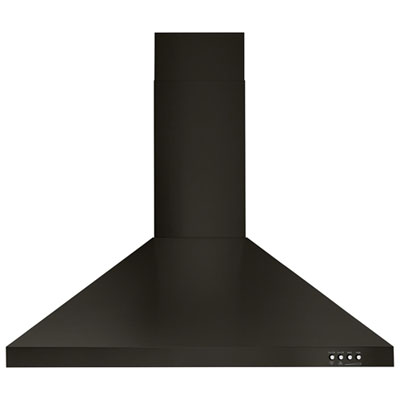
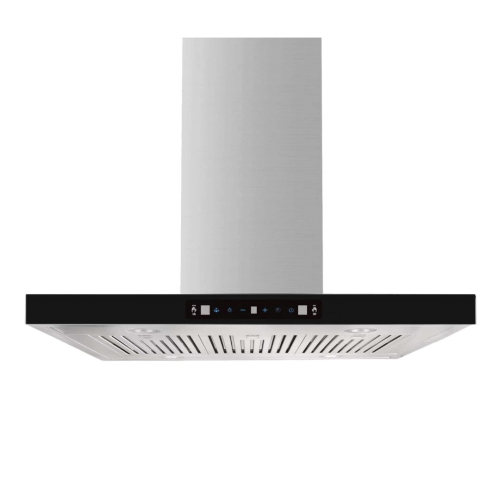
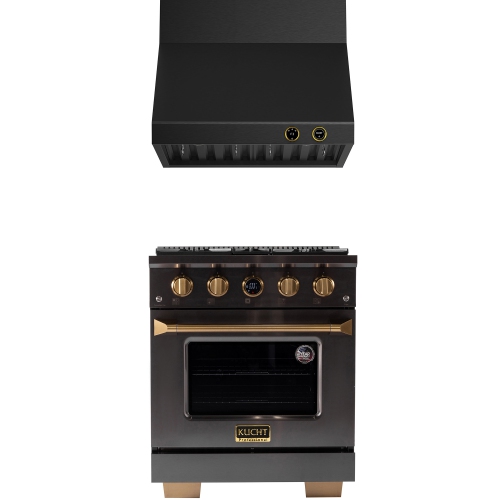
Island mount range hoods are ceiling-mounted kitchen ventilation appliances positioned directly above a cooktop or range on an island. Unlike a wall-mounted hood, an island hood hangs over a cooking surface with open space around it, helping capture rising smoke, grease and odours before they spread through the room. That placement makes it a practical fit for kitchens where cooking, conversation and dining share one open layout. It also means the hood is visible from several angles, so its shape and finish become part of the room rather than a detail tucked beneath cabinetry. Straight-sided stainless steel designs create a substantial overhead focal point, while curved glass can give the canopy a lighter appearance. The right physical fit depends on more than whether the hood looks balanced above the island. Common widths include 30-inch and 36-inch sizes, but the hood should be at least as wide as the cooking surface, with any additional coverage determined by the appliance manufacturers’ recommendations and the kitchen layout. Because an island has no surrounding wall to help contain cooking plumes, canopy coverage and positioning are especially important. The hood should sit centred over the cooking surface, not simply over the island countertop, which may extend well beyond the burners. Ceiling height, the hood’s adjustment range and the required clearance above the cooktop all affect whether a design will fit. Placing a hood too far above the burners can reduce capture performance, while mounting it too low can interfere with cooking and violate clearance requirements. The ceiling connection also needs suitable structural support; a heavy suspended hood cannot rely on drywall alone. For renovations, the planned location needs to account for duct routing, electrical connections and access for servicing. A qualified installer can confirm the mounting arrangement, required clearances and applicable local requirements before cabinetry, lighting or ceiling finishes limit the options.
Ventilation performance depends on how the hood captures cooking emissions as well as how much air its fan can move. Airflow is measured in cubic feet per minute, usually shortened to CFM, but a higher maximum rating does not automatically mean a better match for every kitchen. Cooking habits, cooktop type, burner output, canopy design and duct resistance all influence the result. A household that regularly sears meat, stir-fries vegetables or uses several burners at once has different ventilation demands from one that mainly simmers sauces and reheats meals. Electric and induction cooking still produce steam, airborne grease and food odours, even without a gas flame. Ducted island range hoods carry captured air outdoors through a dedicated duct, removing moisture along with cooking emissions. The route may pass through the ceiling and exit through an exterior wall or roof, depending on the building and installation requirements; it should not discharge into an attic or another enclosed space. Proper duct sizing and a short, direct route with few bends help the blower perform as intended. Ductless island range hoods, also called recirculating hoods, pass air through grease filters and compatible charcoal or carbon filters before returning it to the kitchen. This arrangement can suit some spaces where an outdoor duct route is impractical, but it does not remove moisture or replace outdoor exhaust where that is required. Not every hood supports both arrangements, and a convertible design may need a separate recirculation kit. Filter access matters in either configuration, particularly above a deep island where reaching the underside can be awkward. Local requirements may also call for make-up air when an exhaust system moves substantial amounts of air outdoors. This is especially important in homes with fuel-burning appliances, where ventilation needs to be assessed as part of the home’s overall air balance rather than treated as an isolated appliance choice.
Everyday comfort comes down to details that are easy to appreciate during a full meal’s preparation: enough light to see whether onions are golden, controls that respond without repeated tapping, and fan speeds that suit both gentle simmering and smoky searing. Sound matters in an open kitchen, particularly when the island also serves as a homework spot or a place to talk while dinner cooks. Quiet Island Range Hoods are especially relevant to these shared spaces, although sound ratings are most useful when compared at similar operating speeds and under comparable test conditions. Ratings may be expressed in sones or decibels, and a low-speed figure should not be mistaken for the sound level at maximum airflow. Duct layout, secure mounting and proper installation can also influence the noise heard in the room. Materials and maintenance deserve the same attention as fan performance. Stainless steel is widely used for its durability and clean appearance, though fingerprints and cooking splashes remain visible without regular wiping. Glass canopies add visual openness but show grease on both their upper and lower surfaces. Painted finishes need cleaning methods suited to their coating, while abrasive pads and harsh cleaners can damage many surfaces. A soft cloth and the manufacturer’s recommended cleaner help preserve the finish; stainless steel generally benefits from wiping along the grain. Metal mesh or baffle grease filters need regular cleaning, with dishwasher use appropriate only when the manufacturer permits it. Charcoal filters generally require replacement rather than washing unless they are specifically designed to be cleaned. Accessible filters, replaceable lighting components and clear maintenance instructions make routine care more manageable over time. Running the fan before cooking begins and leaving it on briefly afterwards can help capture lingering emissions. For frequent cooks, busy families and households that entertain around an island, a well-fitted hood supports a kitchen that feels more comfortable to cook in without letting ventilation equipment dominate the room.
Top selling and popular products
-
 Your price for this item is $566.99
-
 Your price for this item is $611.99
-
 Your price for this item is $566.99
-
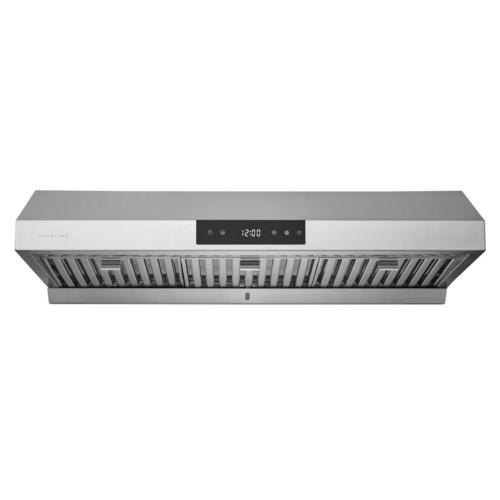 Your price for this item is $611.99
-
 Your price for this item is $611.99
-
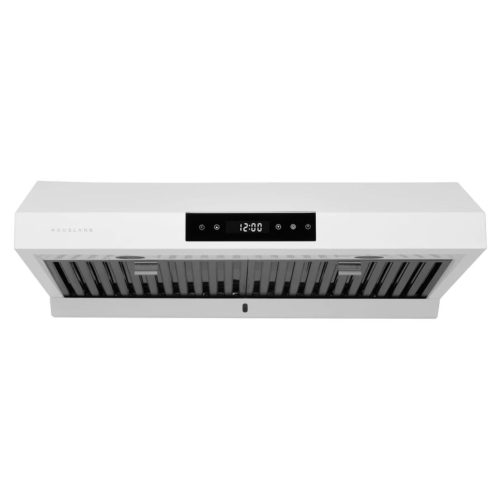 Your price for this item is $566.99
-
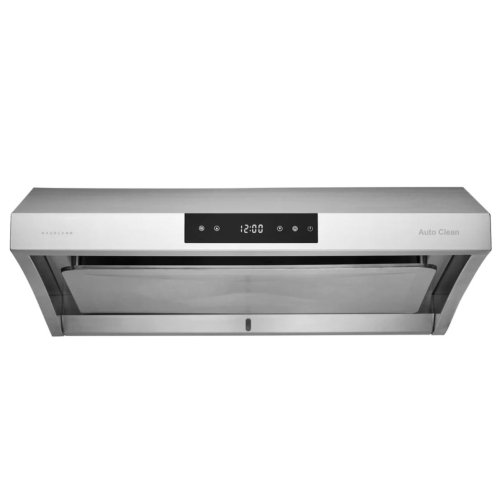 Your price for this item is $701.99
-
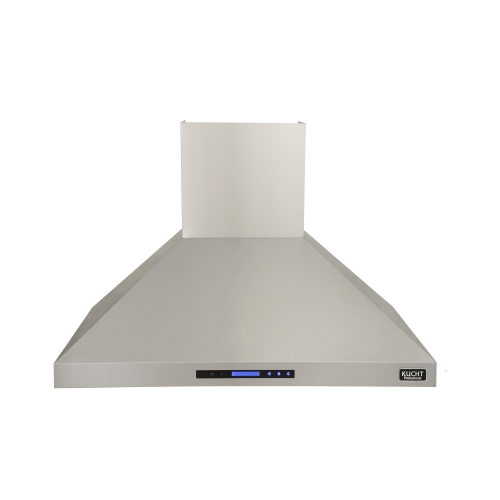 Your price for this item is $2455
Discover more categories related to Island Mount Range hoods
Top Collections:
Best Black Friday Deals This Year, Best Black Friday Deals On Electronics, Kindle Devices, Pokemon Centers, Best Black Friday Deals On Apple Products, Best Cameras for Sports Photography, Dyson Airwrap, Pokémon 30th Celebration Cards, Apple iPhone 17 Pro, Canon G7X Cameras
Some products may be subject to Environmental Handling Fees
(EHF) depending on your province.
Learn more about EHFs.