LG French Doors
Discover the perfect blend of style and functionality with French door refrigerators. These sleek appliances are designed to enhance any kitchen while offering ample storage space and innovative features. With their double-door design, they provide easy access to fresh food and beverages, making meal prep a breeze. Whether you're hosting a dinner party or simply stocking up on groceries, these refrigerators offer versatile solutions to keep your ingredients organized and fresh. Explore options that combine energy efficiency with cutting-edge technology, ensuring your kitchen remains both stylish and efficient.
Sort














How fridge layout shapes kitchen fit and everyday storage
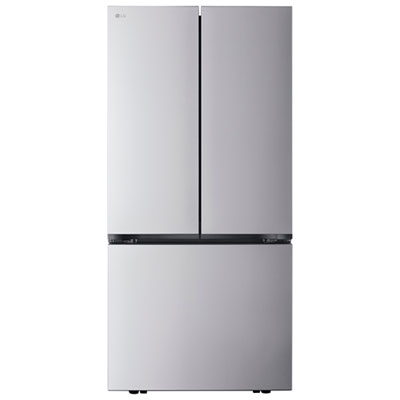
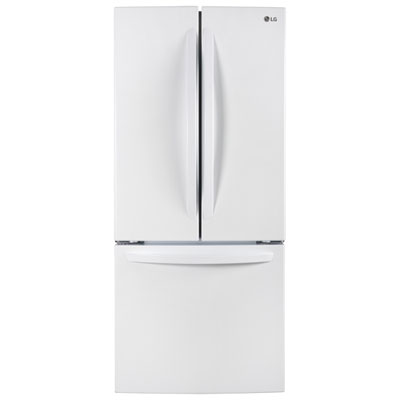
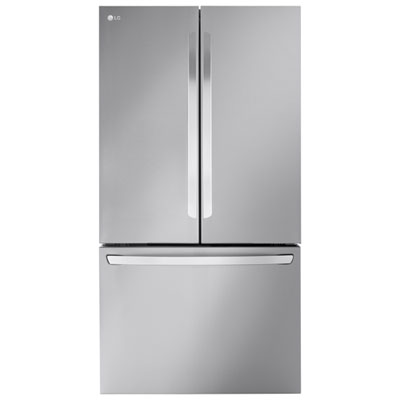
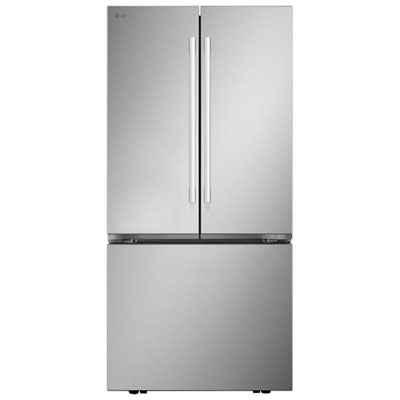
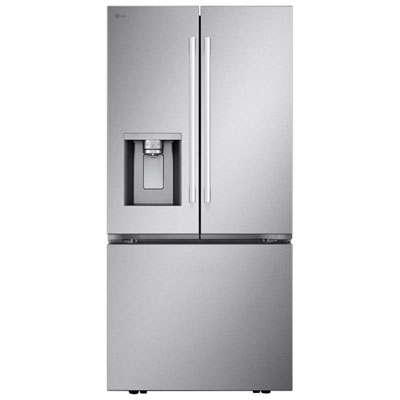
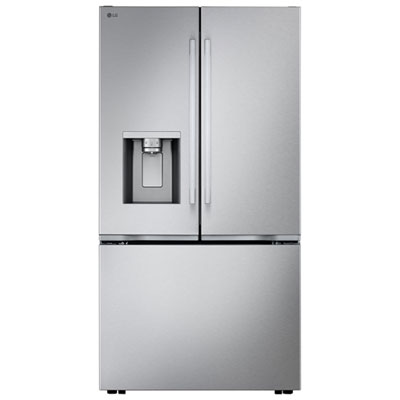
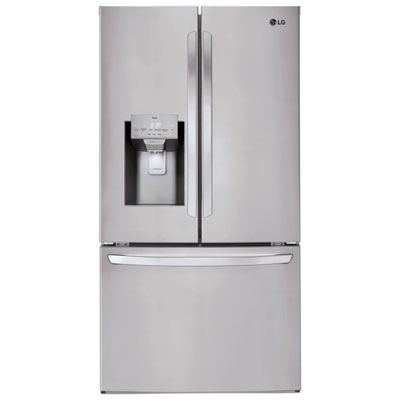
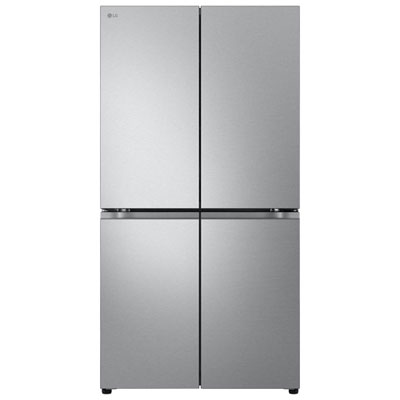
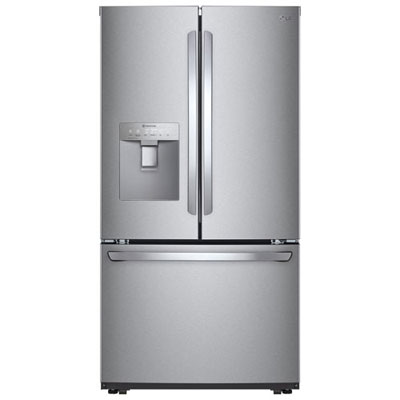
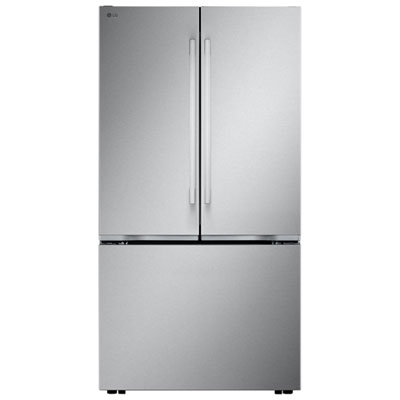
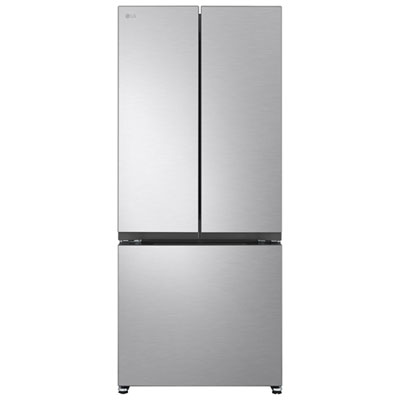
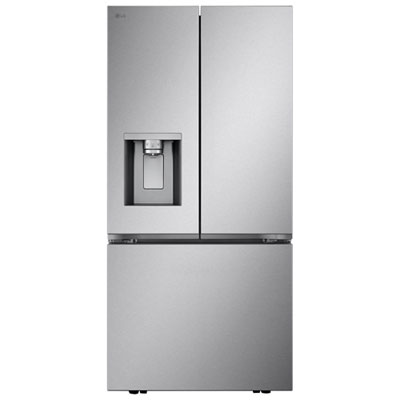
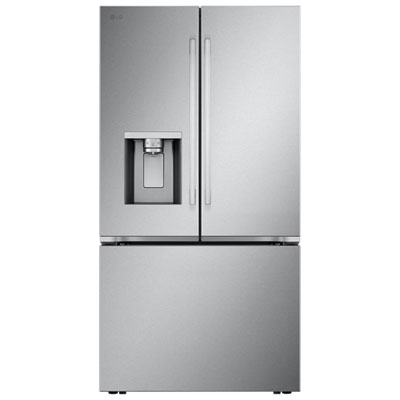
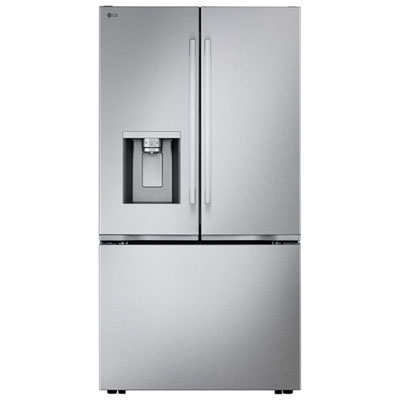
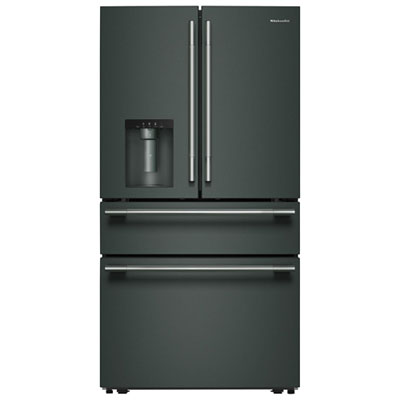
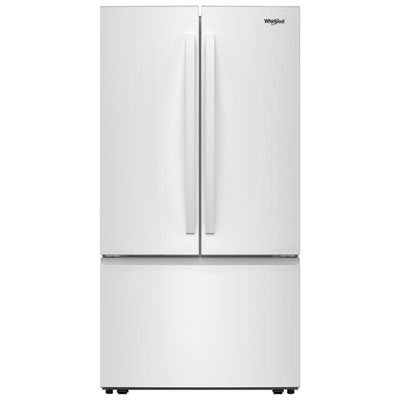
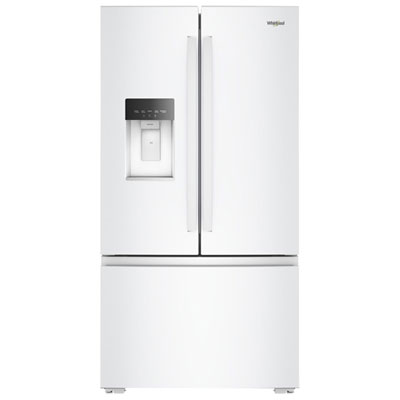
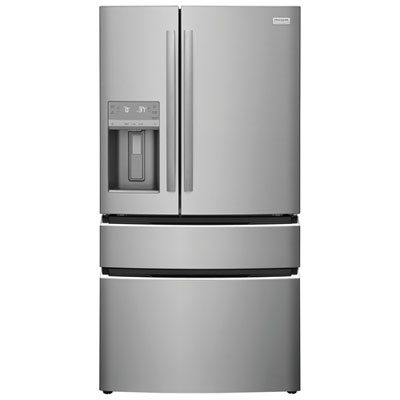
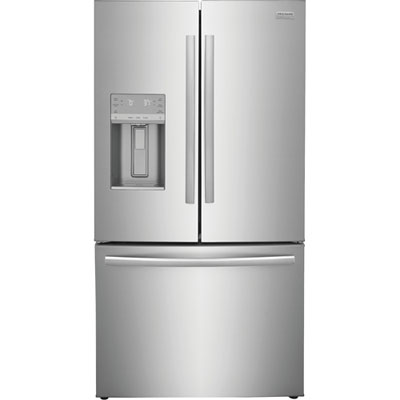
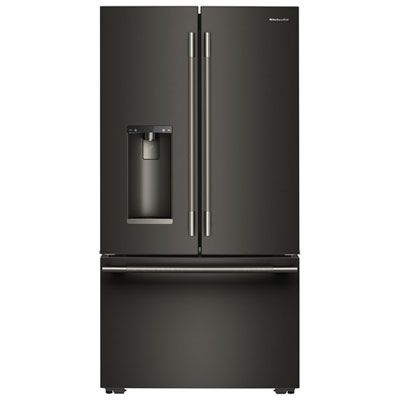
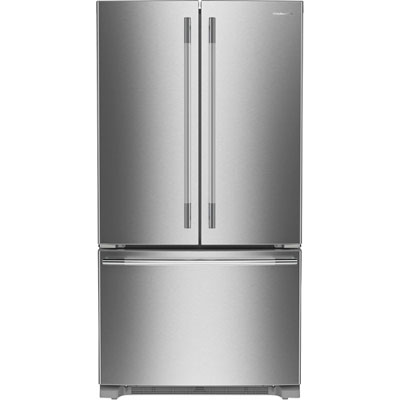
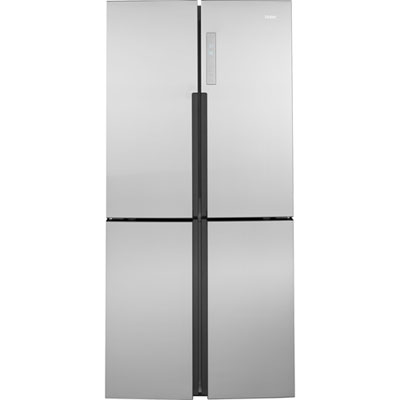
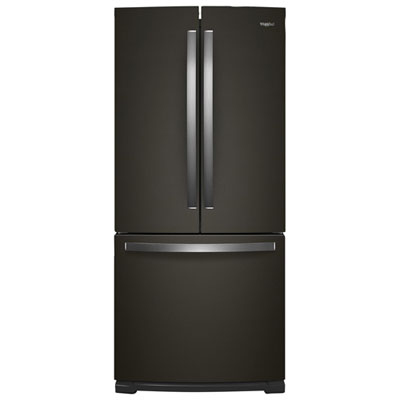
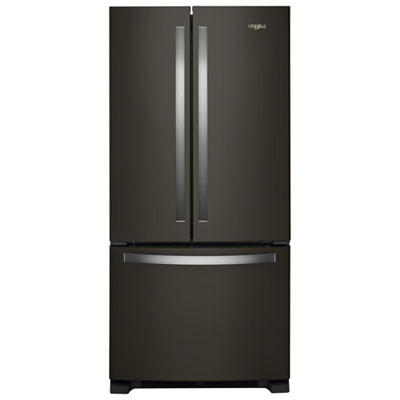
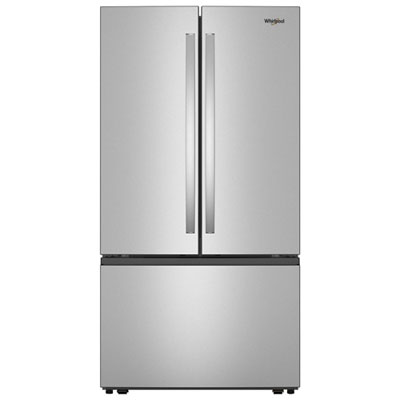
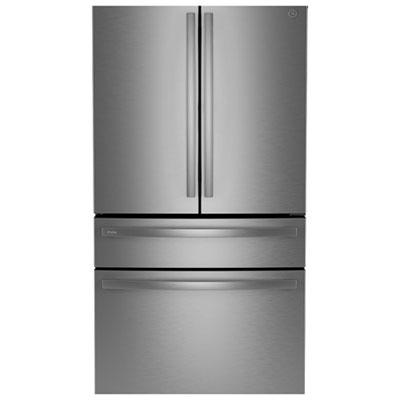
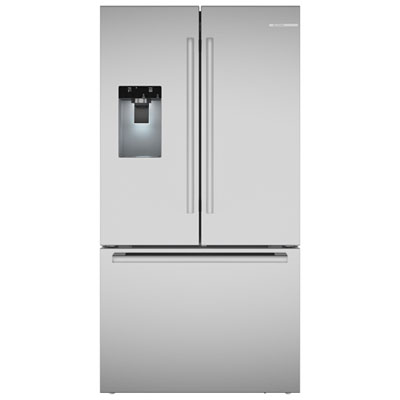
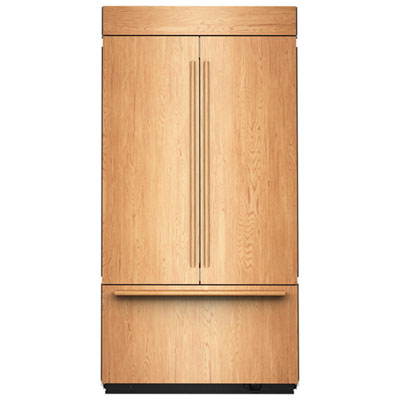
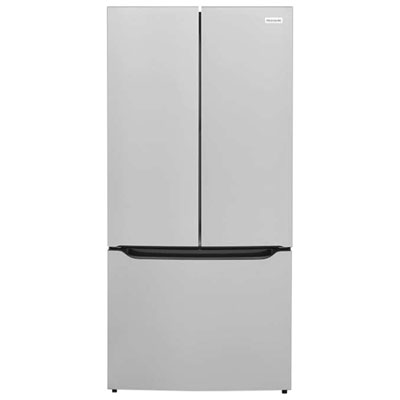
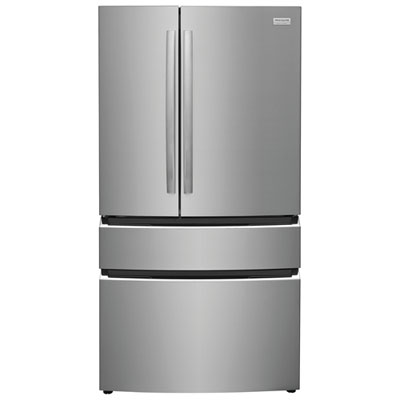
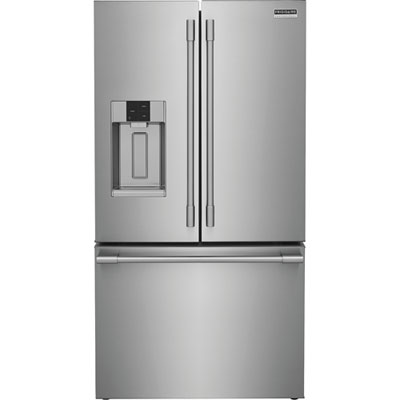
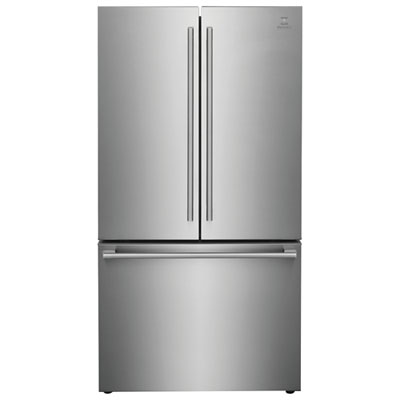
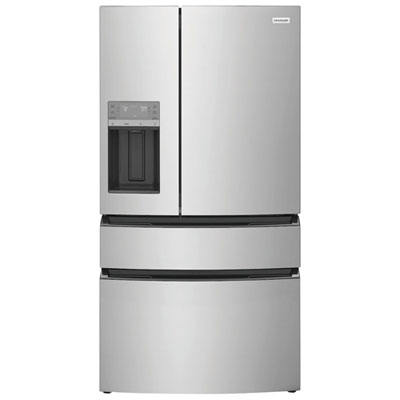
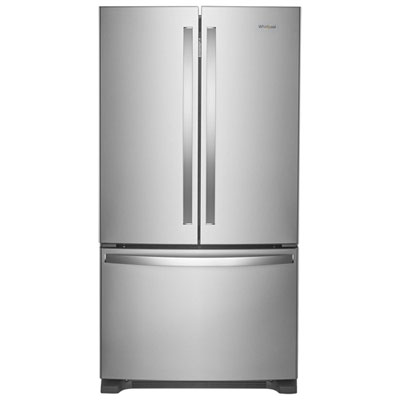
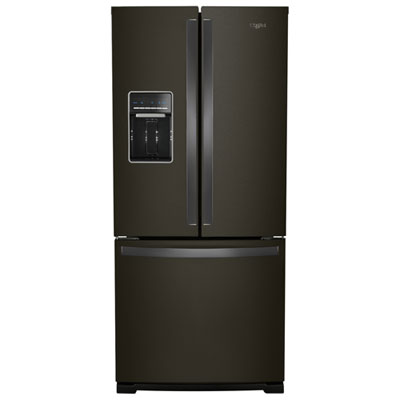
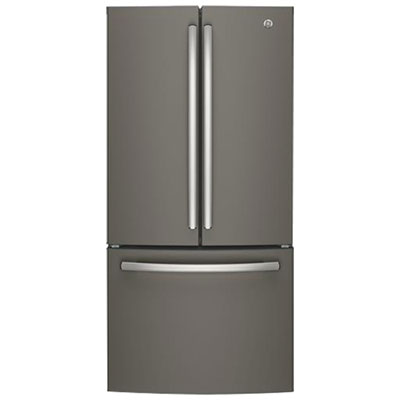
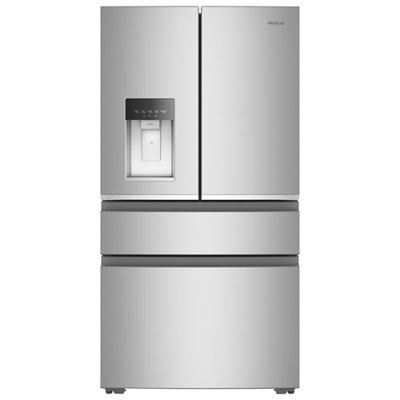
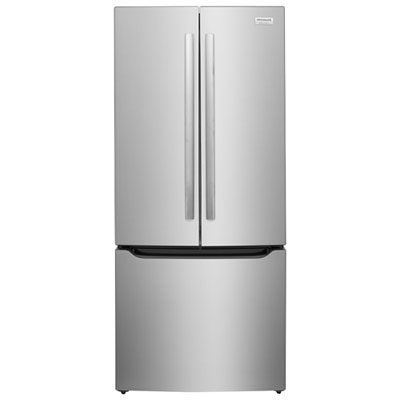
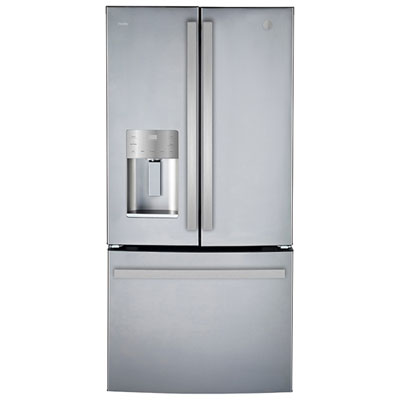
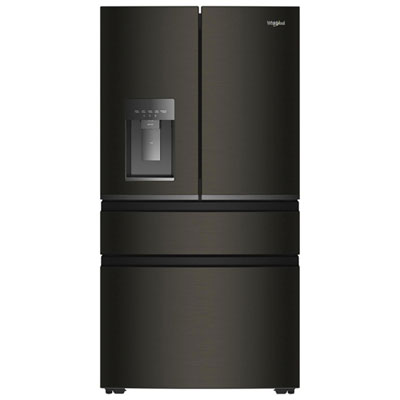
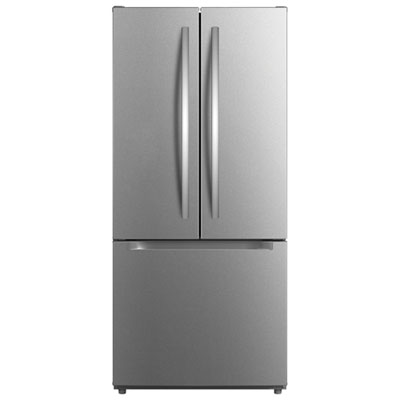
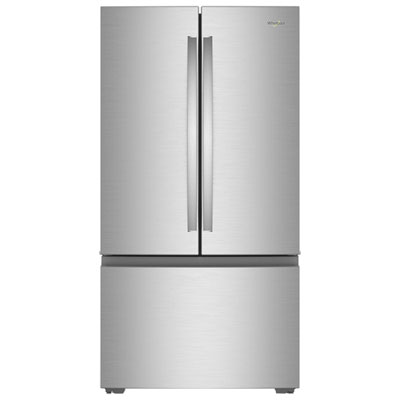
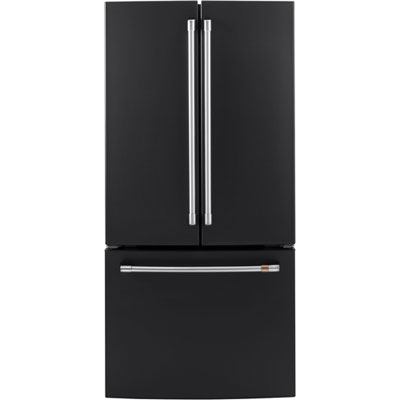
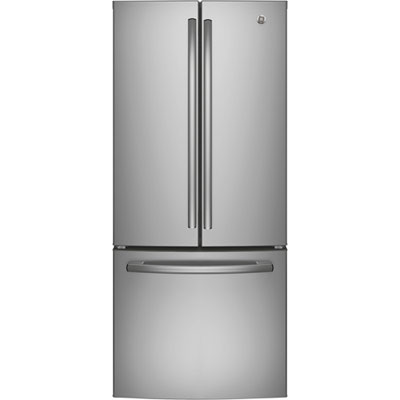
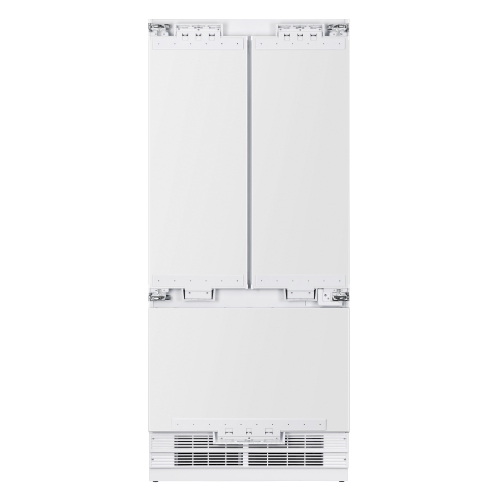
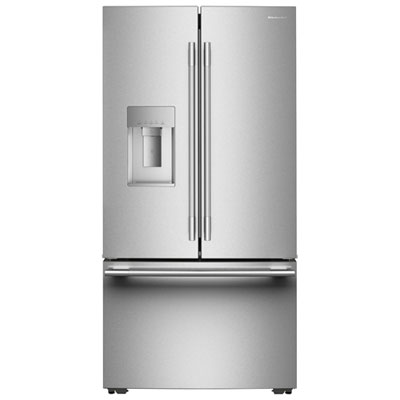
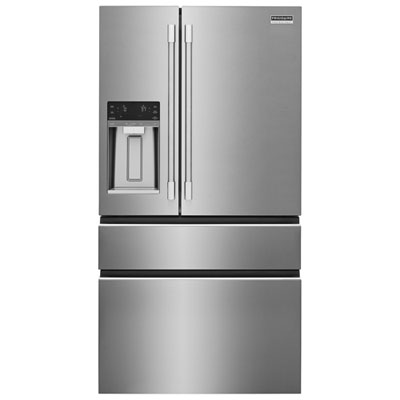
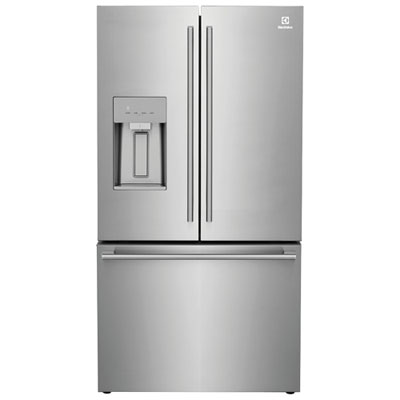
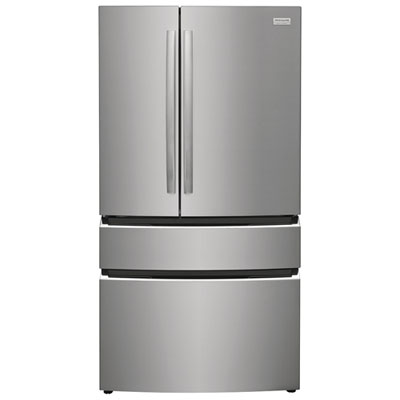
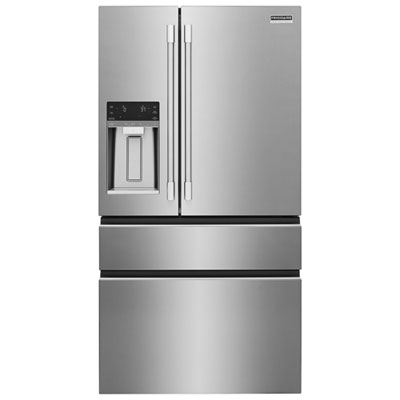
French door refrigerators pair two side-by-side fresh-food doors with a freezer below, bringing frequently used ingredients closer to eye level while leaving room for wide dishes and serving trays. This layout suits everything from a compact household that cooks most evenings to a busy family juggling packed lunches, meal preparation, and groceries for several people. Common widths include 30, 33, and 36 inches, with both standard-depth and counter-depth designs offering different ways to balance storage and kitchen fit. Standard-depth refrigerators generally extend farther beyond surrounding cabinetry and can provide more interior space. Counter-depth designs have shallower cabinets that sit closer to the depth of adjacent countertops, although doors and handles may still project into the room. Neither description replaces the actual measurements: height, width, depth, and required clearances all contribute to how comfortably a refrigerator fits. A tall cabinet above the opening, a wall beside a door hinge, or an island across the aisle can affect installation and everyday access. French doors typically need less forward clearance than a single full-width refrigerator door, but sufficient opening space is still important for pulling out drawers and removing shelves. The lower freezer drawer also needs an unobstructed path when extended. Delivery access matters just as much as the kitchen opening, particularly in homes with narrow entrances, tight stairways, or sharp turns between rooms. Interior capacity, usually expressed in cubic feet, is another useful comparison, though the number alone does not describe how well groceries will fit. A household that stores large platters may value an uninterrupted shelf more than extra door bins, while someone who freezes prepared meals may prefer a larger lower compartment. The most practical configuration brings together suitable exterior dimensions, accessible storage, and enough room for the foods that regularly come home from the grocery store. Leaving the manufacturer’s specified ventilation space around the cabinet remains important, even when a close-fitting installation looks more streamlined.
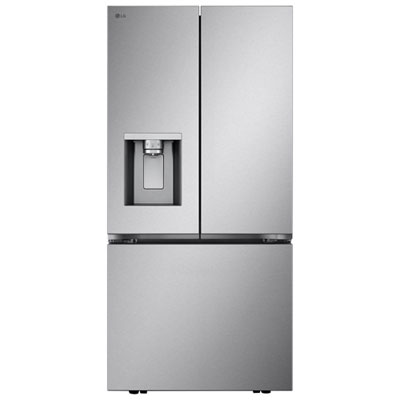
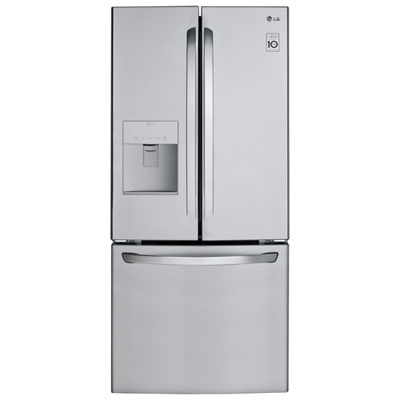
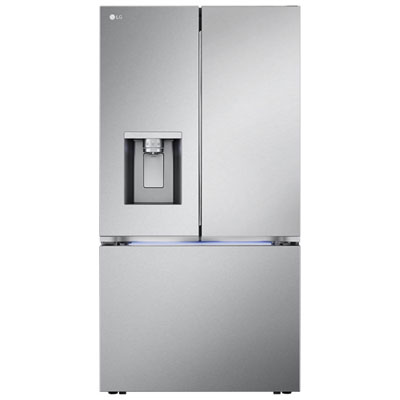
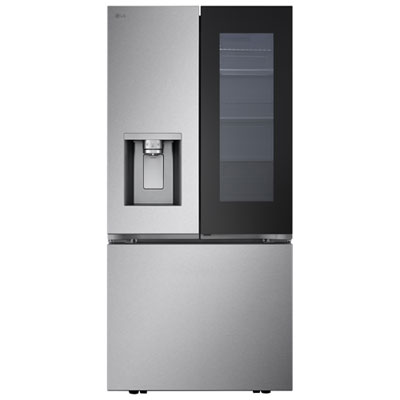
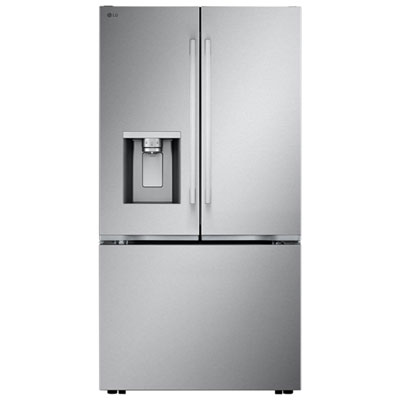
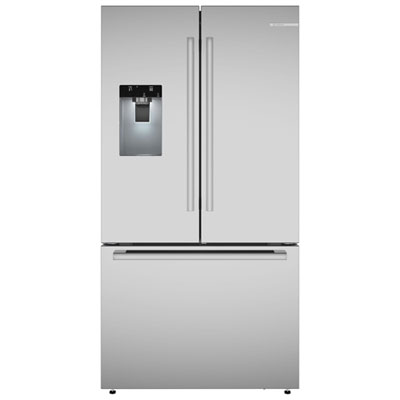
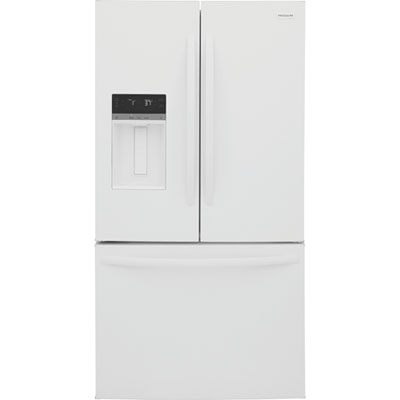
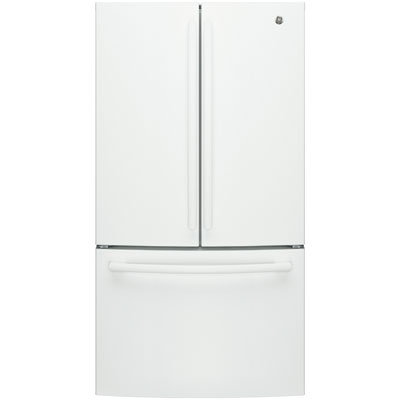
Inside a French door refrigerator, the details of the shelving and drawers often make the greatest difference to daily use. Adjustable shelves can create space for a tall pitcher without sacrificing an entire level, while split or folding shelves offer flexibility when groceries vary from one trip to the next. Wide drawers can accommodate deli foods or a shallow tray, and humidity-controlled crispers help separate produce with different storage needs. Clear bins make it easier to spot ingredients before they disappear behind newer groceries. Door storage is useful for condiments and other foods suited to that location, but bin depth and adjustment options vary. In the freezer, sliding baskets and divided compartments can keep smaller packages from getting buried beneath larger containers. Some layouts add a separate middle drawer with selectable settings, providing another way to organize foods within the appliance’s stated storage limits. Convenience features also deserve a close look because they affect both space and maintenance. An external water and ice dispenser provides access without opening the main compartment, while an internal dispenser leaves the front more uninterrupted. Ice-making equipment occupies some usable room, and systems connected to a household water supply require suitable plumbing and any specified filter replacements. Viewing panels and separate access compartments, where included, offer other ways to reach or check frequently used contents. Wi-Fi connectivity may support notifications or setting adjustments through a compatible app, with functions depending on the appliance and connection. Exterior finishes bring another practical consideration into the kitchen. Stainless steel offers a metallic appearance that coordinates with many appliances, while fingerprint-resistant treatments can make everyday marks less noticeable without eliminating cleaning. For kitchens with pale cabinetry or a preference for a brighter appliance finish, White French Door Refrigerators offer a related direction to explore. Handle shape, surface texture, and the visibility of touch controls also influence how the refrigerator looks and feels in use, especially when it occupies a prominent position beside an open living or dining area.
Long-term satisfaction depends on how comfortably the refrigerator supports ordinary routines, not simply how many features appear on its specification sheet. Someone who prepares several meals at once may appreciate shelves that hold stacked containers with enough clearance to lift each one out. A household that frequently shares cooking duties may benefit from distinct storage zones, making breakfast ingredients, snacks, and dinner components easy to locate without rearranging the whole compartment. For people who find deep shelves difficult to reach, accessible drawer handles, smooth-gliding baskets, and clearly visible controls can matter more than maximum capacity. Interior lighting is worth considering for the same reason: good visibility helps reveal what is tucked into corners or behind a tall container. Sound is another factor in open-plan homes, where normal compressor, fan, water-fill, and ice-release noises may carry into nearby seating areas. Published sound information, when provided, should be considered alongside the room’s layout rather than treated as a promise of silence. Care is generally straightforward, but materials and finishes need appropriate treatment. Removable shelves and bins make spills easier to manage; glass shelves should be allowed to adjust gradually before washing rather than exposed to a sudden change between cold and hot water. Soft cloths and manufacturer-approved cleaners help protect exterior coatings, while abrasive pads can damage surfaces. Door gaskets benefit from regular gentle cleaning so crumbs and sticky residue do not interfere with their seal. Keeping food clear of interior air vents supports circulation, and avoiding overcrowded drawers helps their runners move freely. Water filters, dispenser trays, and accessible maintenance areas should receive attention at the intervals described in the appliance’s instructions. A level installation helps doors and drawers operate as intended, while careful loading reduces unnecessary strain on shelves and bins. These everyday details contribute to a refrigerator that remains convenient through grocery runs, shared meals, and quieter nights at home, with storage arranged around the household rather than the household continually working around its storage.
Top selling and popular products
-
 Your price for this item is $1799.99
-
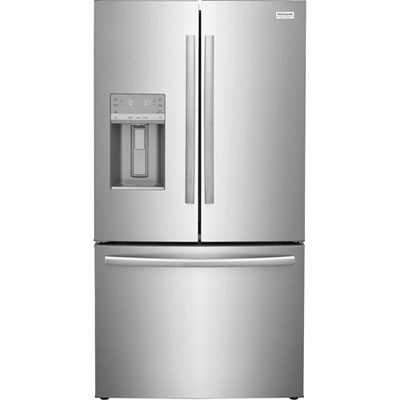 Your price for this item is $2499.99
-
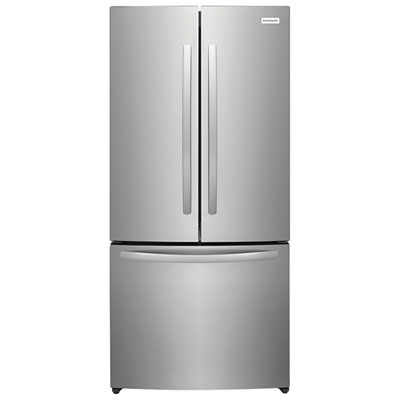 Your price for this item is $1599.99
-
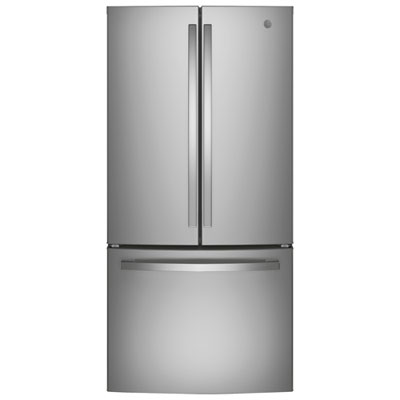 Your price for this item is $1749.99
-
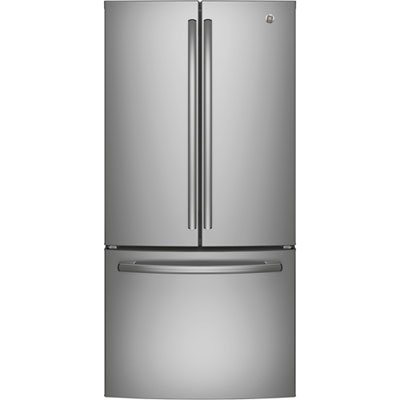 Your price for this item is $1599.99
-
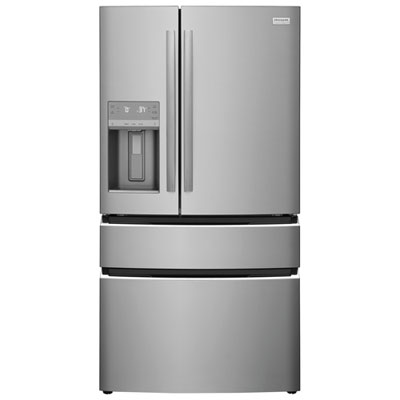 Your price for this item is $2799.99
-
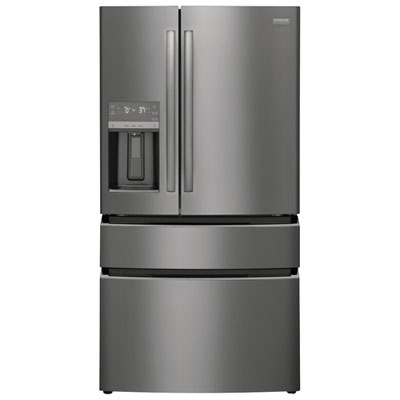 Your price for this item is $2899.99
-
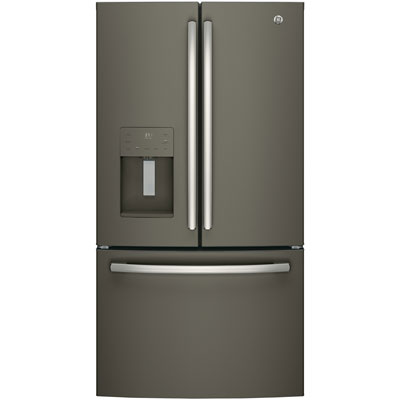 Your price for this item is $2149.99
Discover more categories related to LG French Doors


Top Collections:
Pokemon Centers, Best Black Friday Deals This Year, Best Black Friday Deals On Electronics, Kindle Devices, Best Budget Office Chairs, Best Black Friday Deals On Apple Products, Best Cameras for Sports Photography, Pokémon 30th Celebration Cards, Dyson Airwrap, Canon G7X Cameras
Some products may be subject to Environmental Handling Fees
(EHF) depending on your province.
Learn more about EHFs.