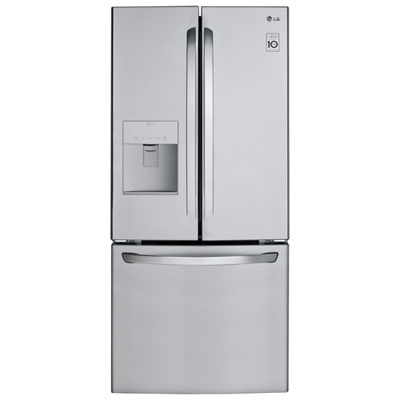
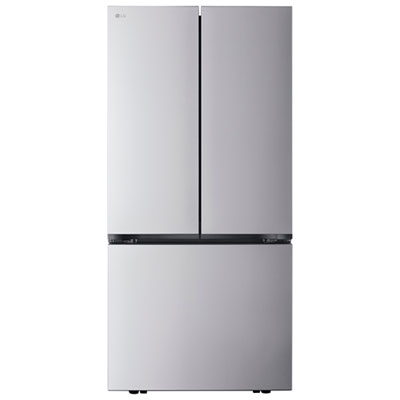
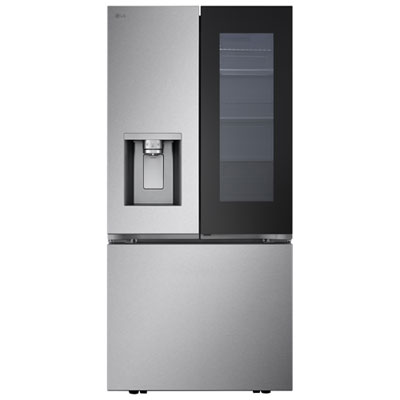
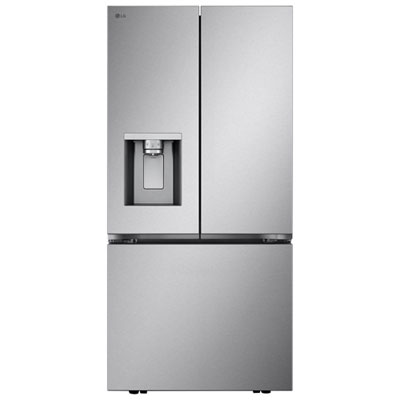
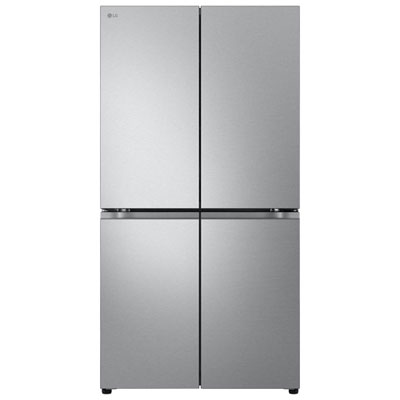
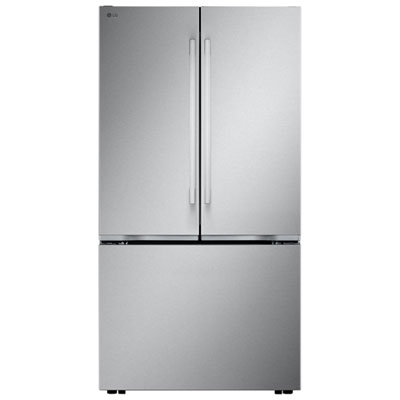
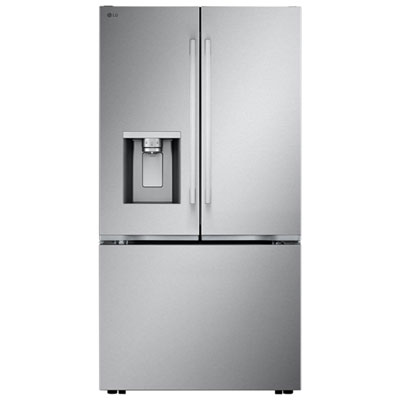
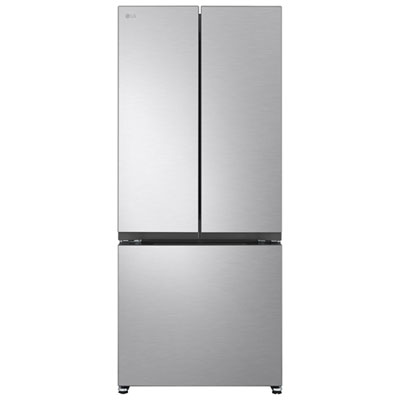
LG French Door Bottom Freezer Fridges

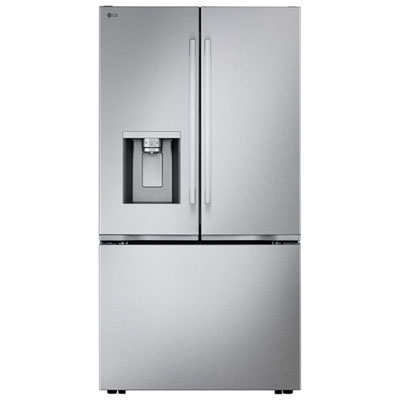
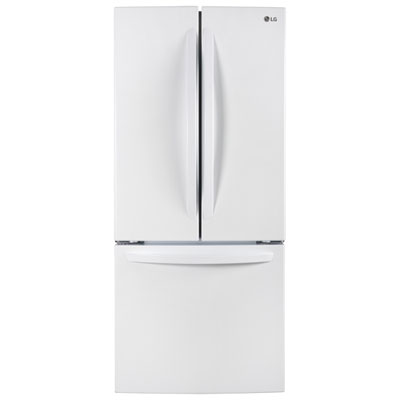
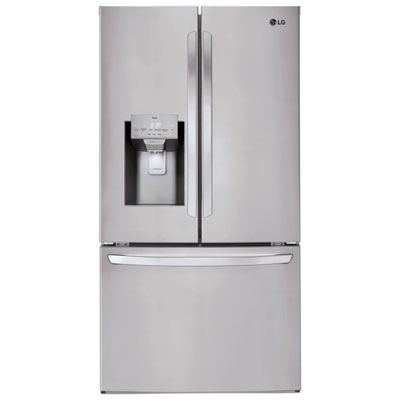
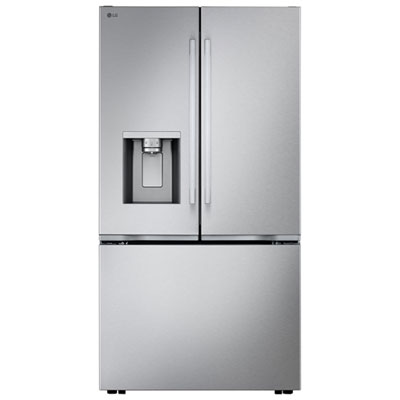
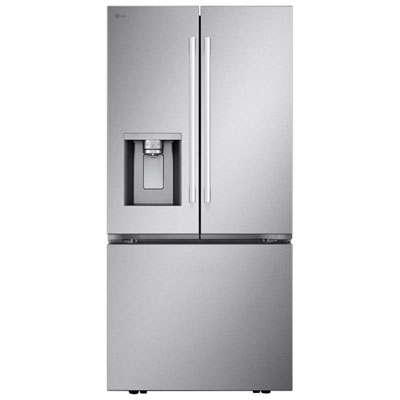
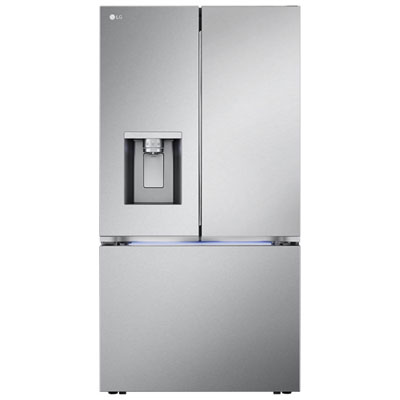
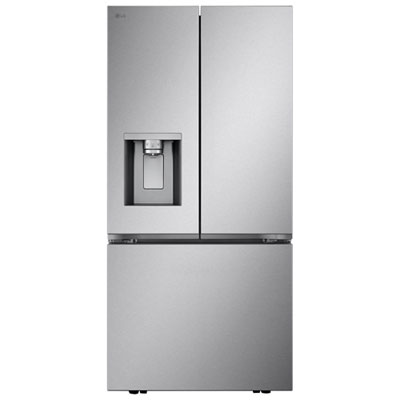
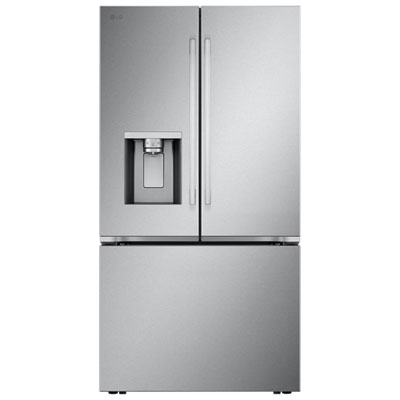
Shop LG French door bottom freezer fridges with two upper refrigerator doors and frozen storage below. Compare dimensions, storage capacity and door clearance to find a fridge that fits your kitchen layout and everyday grocery needs.
Sort

Fresh food within reach and room for everyday routines

French door bottom freezer fridges bring frequently used fresh food to a comfortable height, with two side-by-side doors opening onto a broad refrigerator compartment and frozen storage below. The layout suits kitchens where groceries move quickly from shopping bags to shelves, lunch containers need a regular home, and a wide serving dish sometimes has to fit beside the everyday essentials. Within the LG French Doors collection, this combination of accessible fresh-food storage and a lower freezer supports a range of household routines. A couple who cook most evenings may value room for produce and prepared ingredients, while a larger household may need clearly separated spaces for drinks, snacks, leftovers, and lunch supplies. Wide shelves can accommodate a casserole dish or a cake carrier more comfortably than a narrow fresh-food compartment, although the usable space depends on the interior arrangement. Adjustable shelves, where included, make room for taller containers without permanently giving up an entire shelf level. Some layouts have sliding or folding shelf sections that create space for a pitcher while leaving a neighbouring section usable. Door bins help keep smaller containers visible, and dedicated drawers separate delicate produce from bulkier groceries. Humidity controls, where provided, offer another way to tailor drawer storage to different types of produce. A full-width drawer can be useful for cheese, packaged deli foods, or a platter waiting to be served, though its position may mean opening both refrigerator doors for access. The lower freezer often uses pull-out storage, with baskets or dividers that help separate bread, vegetables, and batch-cooked meals. That arrangement keeps frozen food together without placing the fresh-food compartment below eye level. Its practicality depends as much on visibility and organization as on overall size: a shallow upper freezer tray can keep smaller packages from disappearing beneath larger bags, while deeper storage can hold bulkier frozen foods.

Fit involves more than matching a fridge’s listed width to the gap between kitchen cabinets. Height, cabinet depth, handle projection, ventilation clearances, and door movement all contribute to how comfortably the appliance sits in the room. A counter-depth design generally has a shallower cabinet than a standard-depth fridge, creating a closer alignment with surrounding cabinetry, but the doors and handles may still extend beyond the countertop. Standard-depth designs can offer more interior room, with a larger footprint extending farther into the kitchen. Neither arrangement is automatically the better fit; the useful balance depends on the walkway, nearby work surfaces, household storage needs, and the position of the kitchen island. French doors have a narrower individual swing than a single full-width refrigerator door, which can be helpful in a busy passage, but they still need enough clearance to open as intended. A wall on one side may limit access to a door bin or prevent an interior drawer from coming out fully. The freezer drawer also needs clear space in front, particularly when someone is standing at it or lifting out a larger package. Handles on adjacent cabinets and the open door of a dishwasher can affect these everyday movements. Delivery access matters too, from the building entrance and lift to stairway turns and the kitchen doorway. Listed capacity provides a useful starting point for comparing storage, but shelves, drawers, ice-making equipment, and door bins determine how that volume works in practice. Households that freeze portions ahead may benefit from a different refrigerator-to-freezer balance than those buying mostly fresh ingredients. For designs with a plumbed dispenser or ice maker, a suitable water connection and accessible shut-off valve become part of the installation requirements. A level floor and the manufacturer’s specified clearances support proper positioning, door alignment, and unobstructed operation. Together, these details help distinguish a fridge that simply fits the opening from one that feels comfortable to use every day.

Materials, finishes, and smaller conveniences shape the experience long after installation. Stainless steel and other available finishes can coordinate with nearby appliances, while the appearance of handles and door surfaces influences whether the fridge blends into the cabinetry or becomes a visual focal point. Fingerprint-resistant finishes can reduce visible marks from frequent handling, but they still need appropriate cleaning and are not a substitute for careful use. Smooth exterior surfaces, accessible handles, and removable interior components can make routine upkeep less awkward. Tempered glass shelves provide a firm surface for containers and help contain small spills where raised edges are included, while shelf supports, drawer runners, and door bins all have specified loading limits. Heavy bottles are best stored only in spaces designed to support them, rather than crowded into a narrow bin. For cleaning, the manufacturer’s care directions take priority, especially for coated finishes and removable glass. A soft cloth and an approved mild cleaner generally suit regular wiping, while abrasive pads can damage surfaces. Removable shelves should be allowed to adjust gradually before washing rather than being exposed to a sudden change from cold to hot water. Door seals also deserve attention, since crumbs and sticky residue can interfere with a clean closing surface. Inside, covered leftovers and sealed containers help contain spills and odours, and raw meat belongs in leakproof packaging that keeps juices away from other food. Water and ice features add convenience for households that use them often, with filter replacement and cleaning forming part of their ongoing care. Depending on the design, Wi-Fi connectivity may provide compatible app functions or appliance notifications, while door alerts can draw attention to an opening left ajar. These extras are most useful when they match established habits. For some households, a straightforward interior with easy-to-reach shelves matters more than additional controls; for others, flexible compartments and convenient dispensing make a noticeable difference. A well-suited French door bottom freezer fridge brings those practical details together in a layout that supports daily cooking, shared grocery storage, and the simple task of finding what is needed without rearranging an entire shelf.

FAQ

Some products may be subject to Environmental Handling Fees (EHF) depending on your province. Learn more about EHFs.