Matte Black Range Hoods
A matte black finish is a classic, traditional look that will fit in well with almost any kitchen's design. A range hood is a must-have for almost any kitchen. It keeps your cooking area clear of steam, smoke, and odors that would otherwise linger and spread throughout the house. The best range hoods are easy to install, quiet enough to run without disturbing your dinner guests, and stylish enough to fit in with any decor.
Sort


Low-sheen style meets practical kitchen ventilation
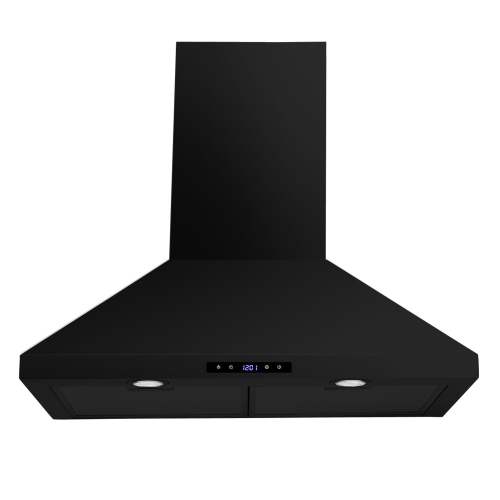
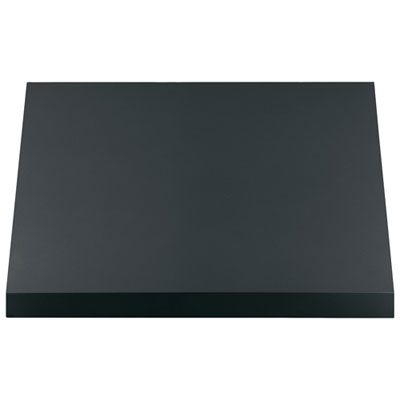
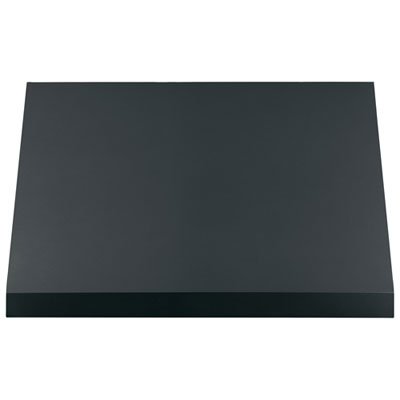
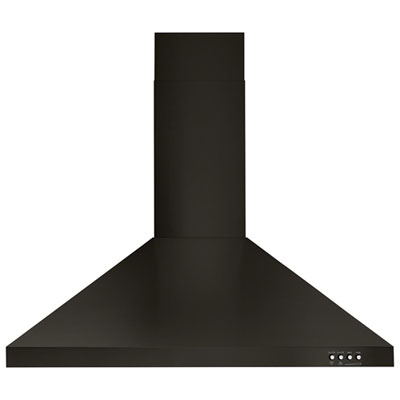
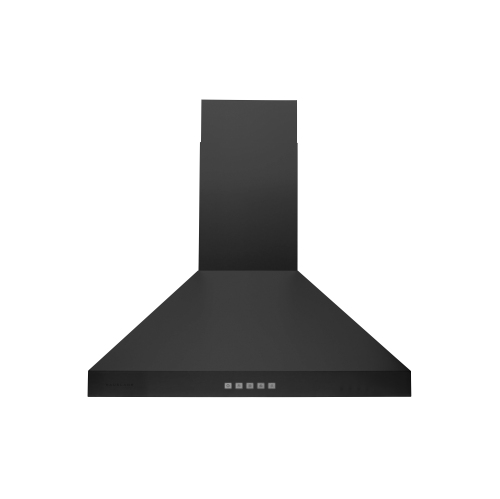
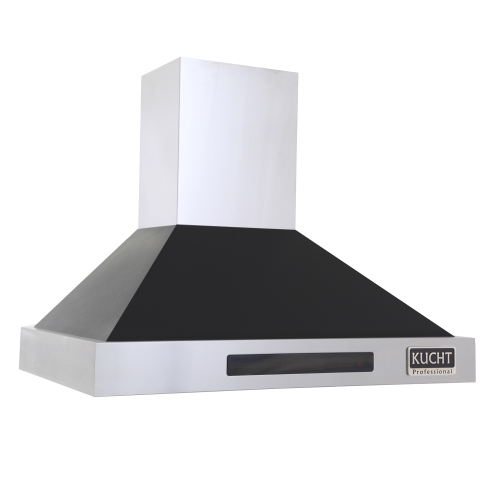
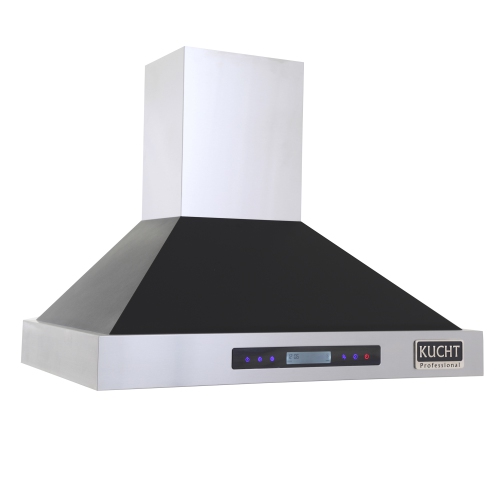
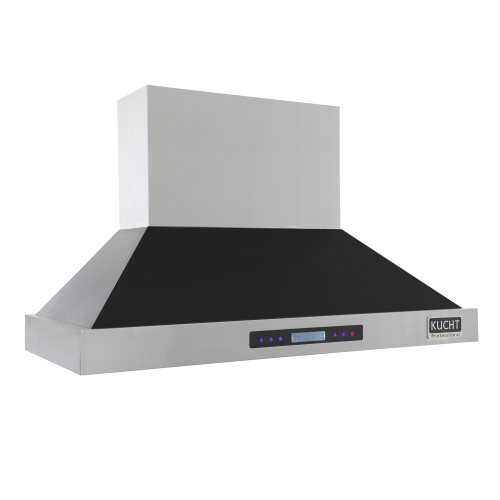
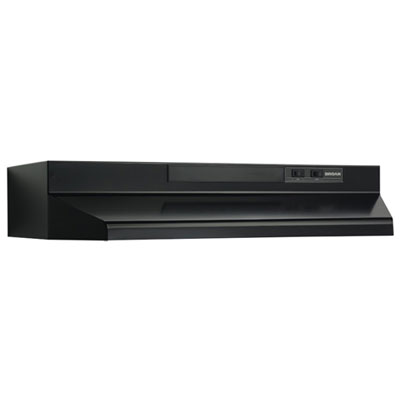
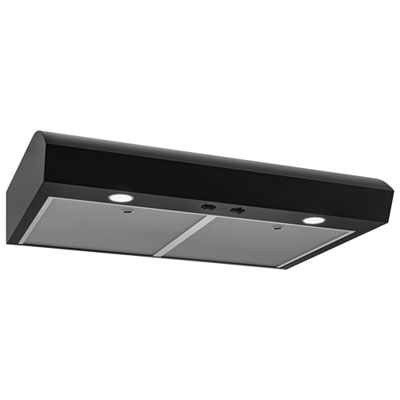
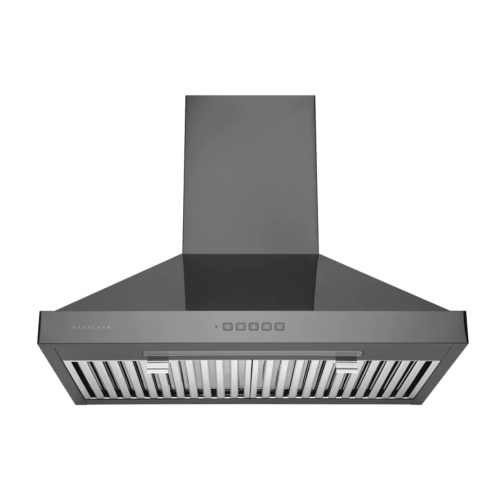
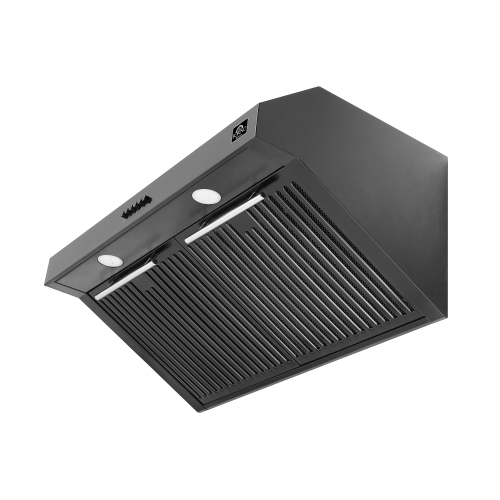
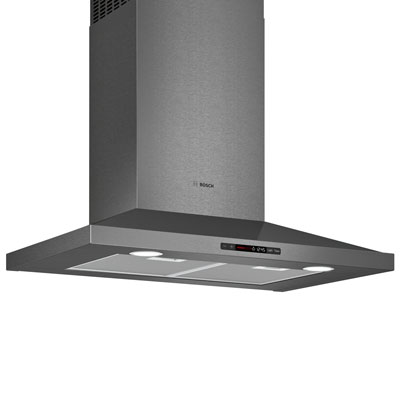
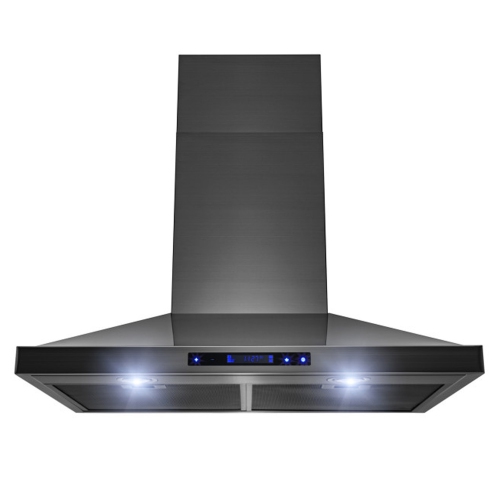
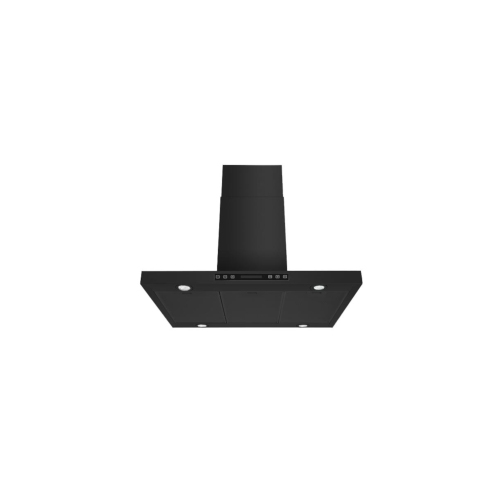
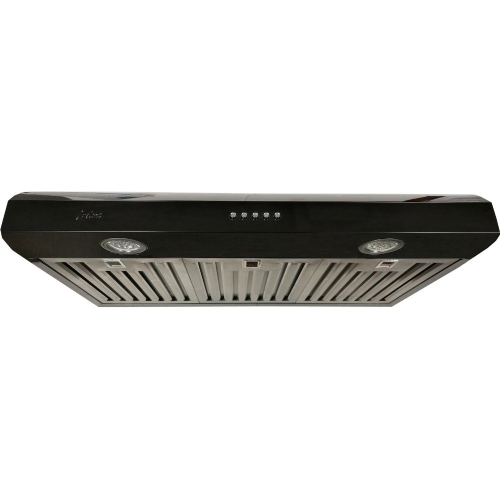
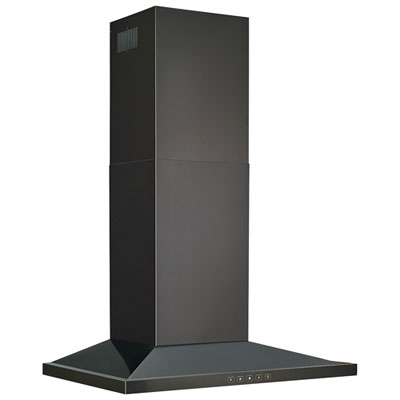
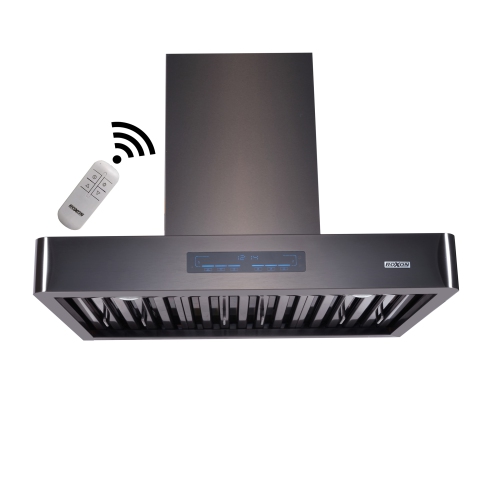
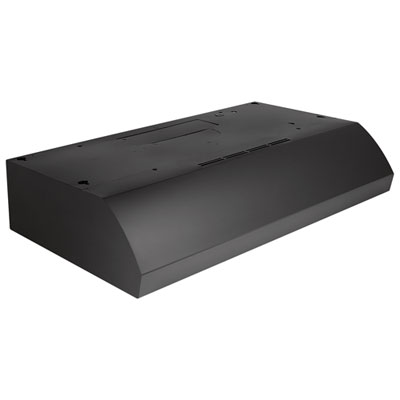
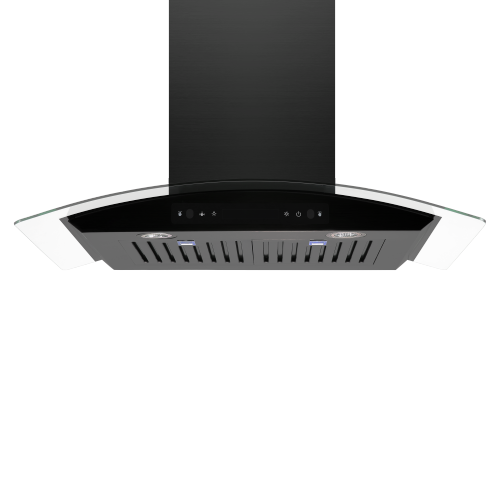
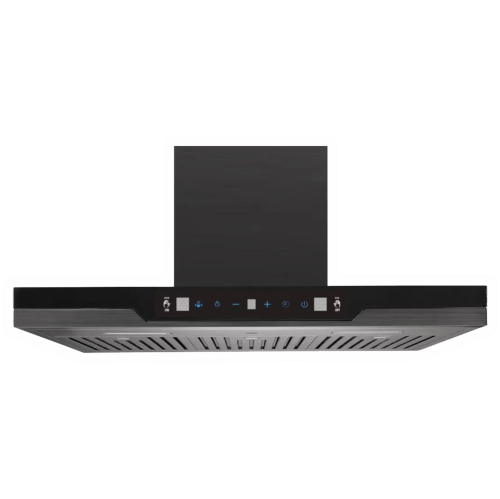
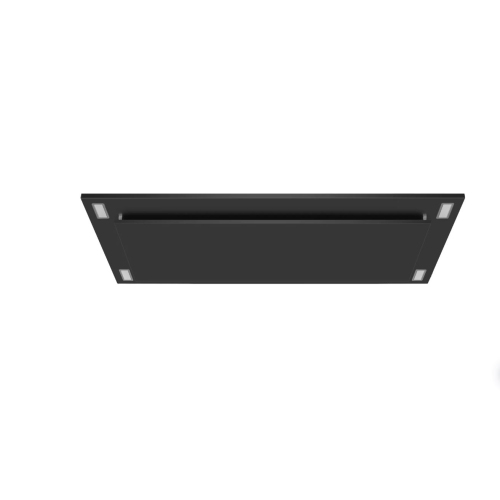
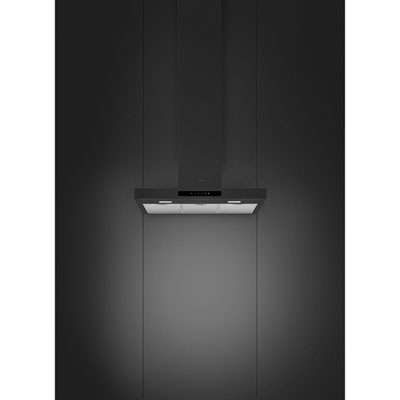
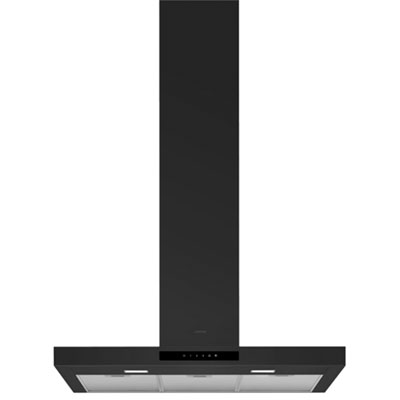
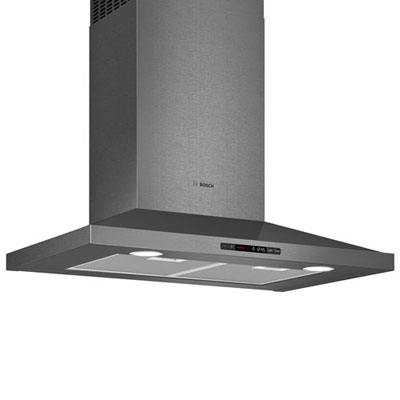
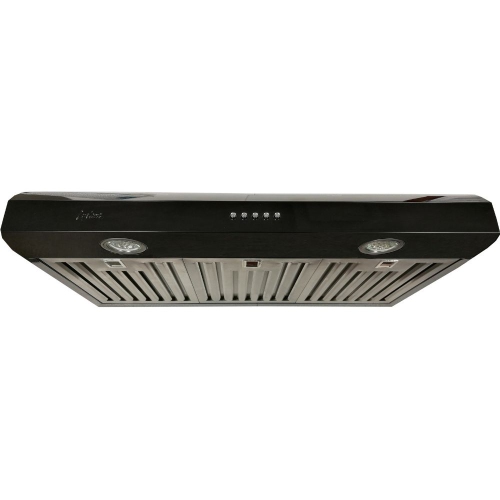
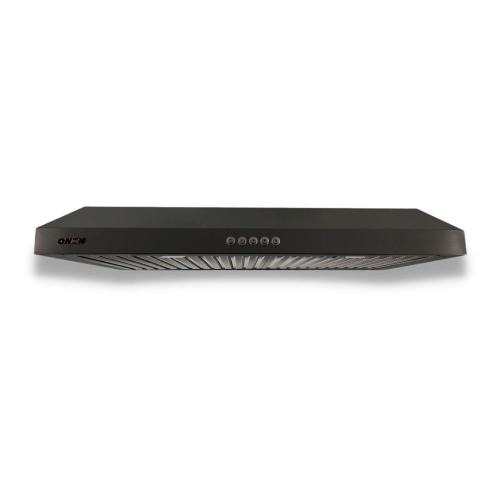
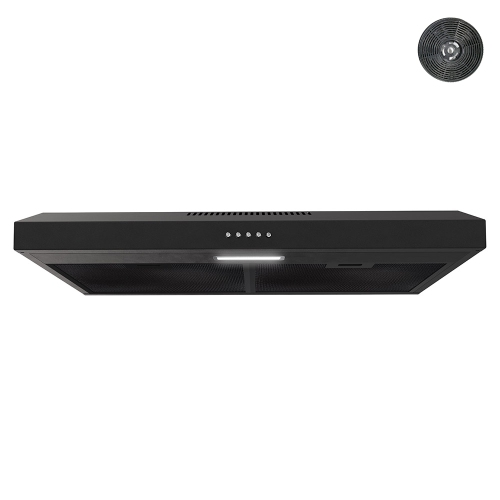
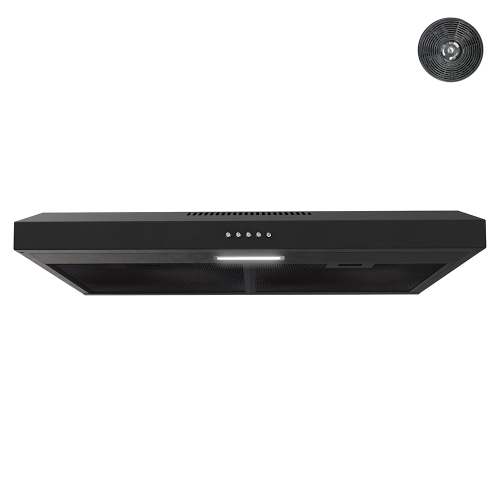
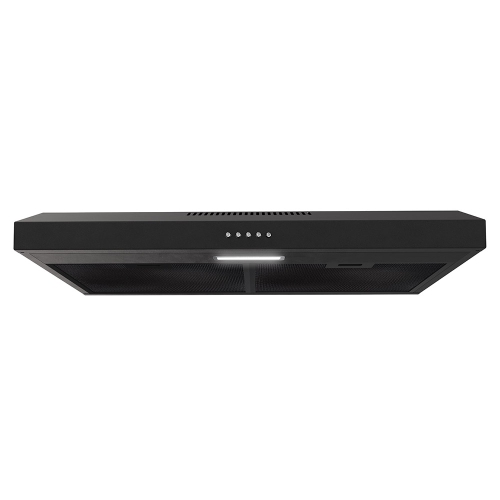
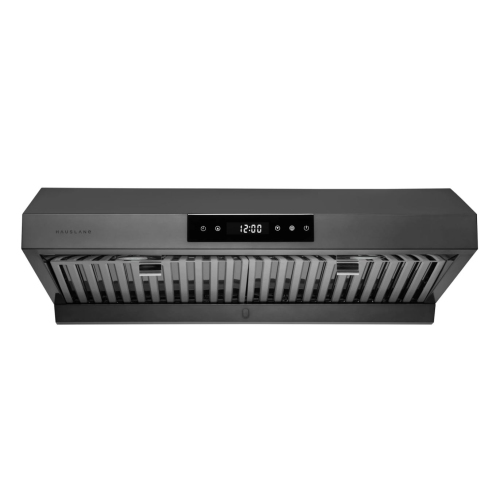
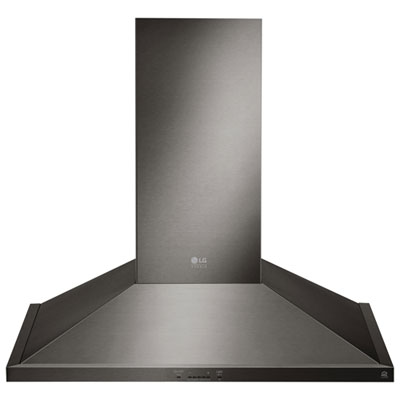
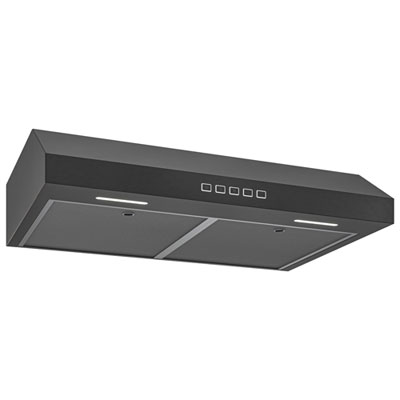
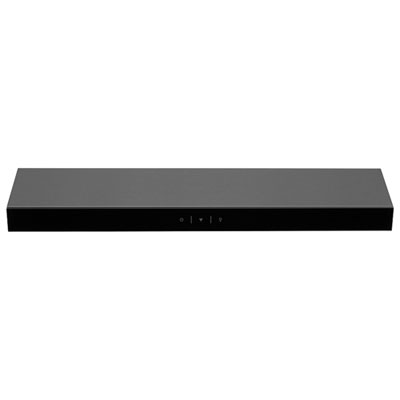
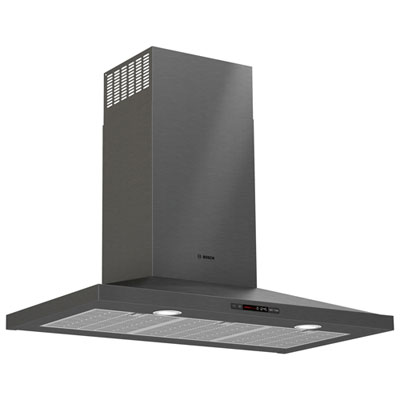
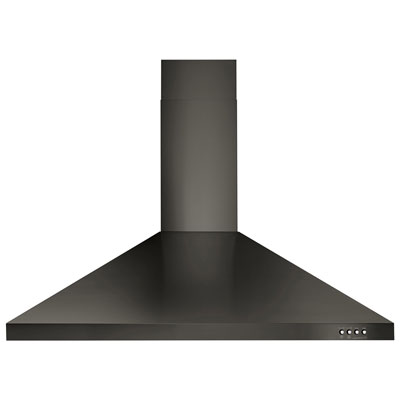
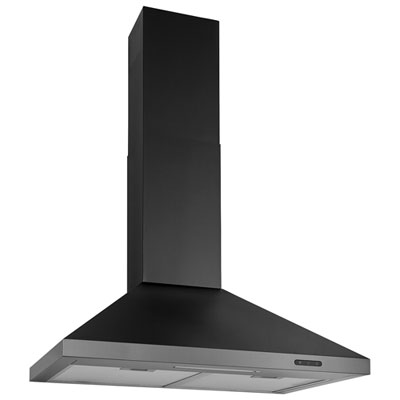
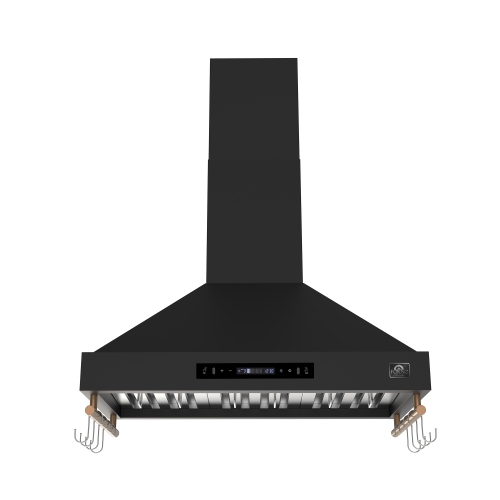
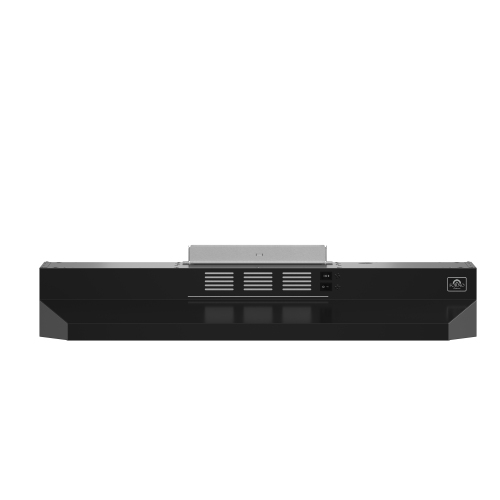
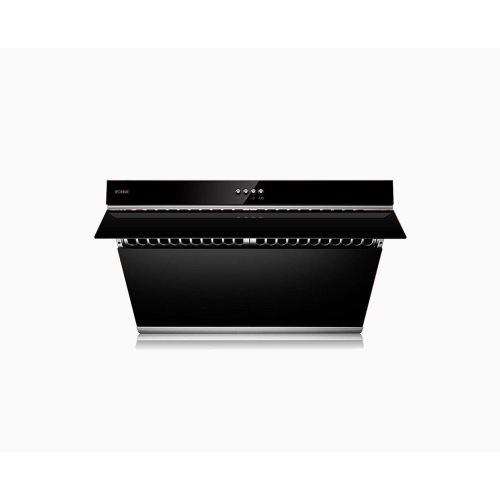
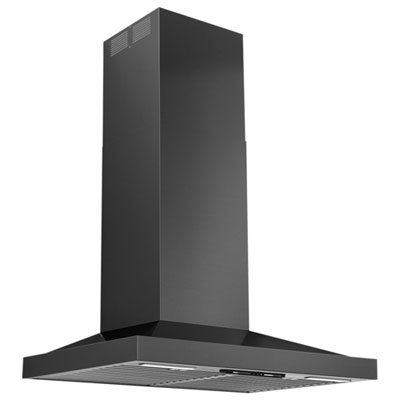
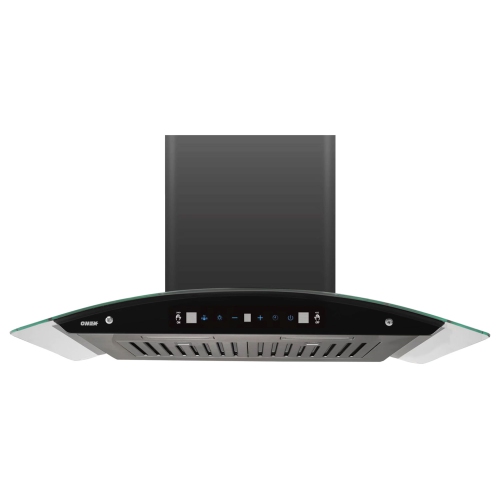
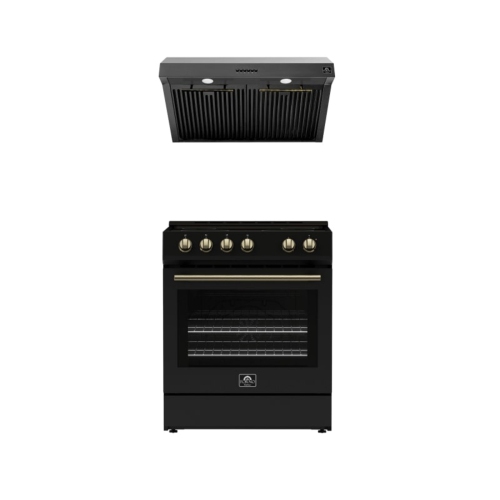
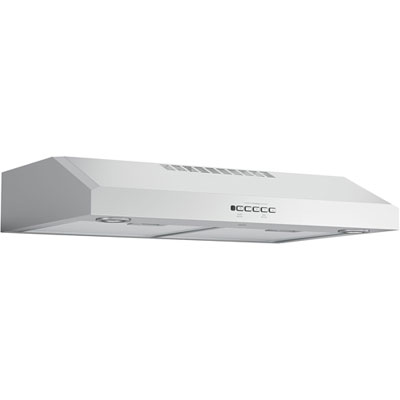
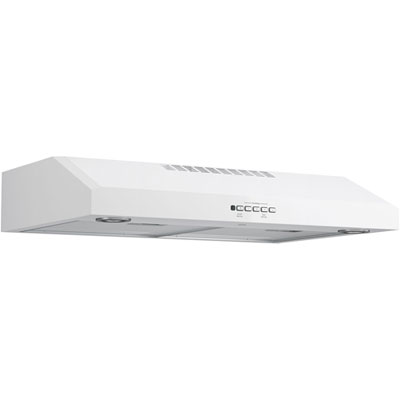
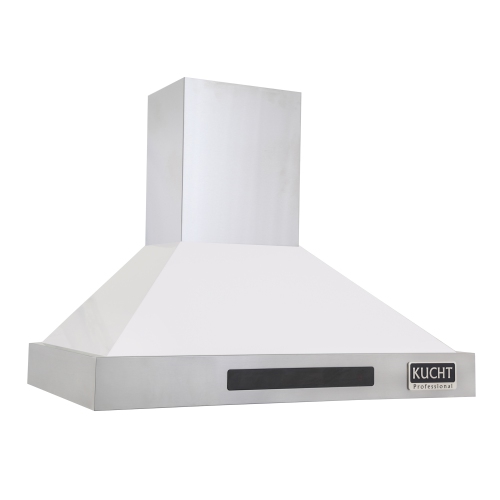
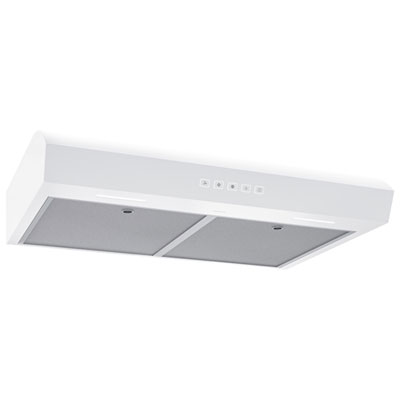
Matte black range hoods combine kitchen ventilation with a low-sheen finish that gives the cooking area a defined focal point. Unlike a glossy surface, matte black reflects less light, creating a softer appearance beside bright backsplashes, pale cabinetry, and polished countertops. It also pairs naturally with wood grain, dark cabinet hardware, and black appliances without requiring every surface in the kitchen to have the same texture. The finish describes the exterior appearance rather than the ventilation system: matte black range hoods can have different mounting styles, fan capacities, filter designs, and installation requirements. Under-cabinet range hoods sit beneath overhead cupboards and suit layouts where cabinet storage remains above the cooking area. Wall-mount range hoods attach to the wall over a range or cooktop, often with an exposed chimney cover that carries the black finish upward. Island range hoods suspend from the ceiling above an island cooking surface, making their proportions and appearance from multiple angles especially important. A slim hood can keep a compact kitchen from feeling crowded, while a broader canopy can balance a larger cooking area. Common widths include 30-inch and 36-inch formats, but the right fit depends on the cooking appliance, surrounding cabinetry, and installation instructions. Hood width should generally match or exceed the cooking surface width, subject to the appliance manufacturers’ requirements. Canopy depth also matters because a hood that extends appropriately over the cooking area is better positioned to capture rising fumes from front burners. In an open-plan kitchen, a matte finish can provide contrast without adding another highly reflective surface near pendant lights or windows. For a wider look at this colour across different exterior finishes, Black Range Hoods offers a related category to explore. Whether the setting is a compact condo kitchen or a spacious family cooking area, the most useful choice brings the finish, physical dimensions, and ventilation requirements together rather than treating appearance as the only consideration.
The main purpose of a range hood is to capture cooking fumes, grease, and odours near their source, but how that air is handled depends on the installation. Ducted range hoods discharge air outdoors through a suitable duct system, helping remove cooking moisture and airborne contaminants from the kitchen. Ductless, or recirculating, range hoods pass air through grease filters and odour-reducing filters before returning it to the room. They do not vent moisture outdoors and are not equivalent to an exterior exhaust system. Convertible range hoods can support either arrangement when installed with the required components; charcoal filters or a recirculation kit may be separate requirements. This distinction is particularly relevant in condos and other homes where exterior venting may be restricted. Fan airflow is commonly expressed in cubic feet per minute, or CFM, but a higher number alone does not guarantee better results. Capture area, mounting height, duct diameter, duct length, and the number of bends all affect performance. Someone who frequently sears meat, stir-fries vegetables, or cooks on several burners at once may have different ventilation needs from someone who mainly simmers soups and reheats prepared meals. The cooking appliance manufacturer’s ventilation specifications provide an important starting point, especially for higher-output gas cooking surfaces. Local requirements may also call for make-up air with certain exhaust installations, so professional assessment can be worthwhile before replacing a hood with a more powerful model. Noise deserves equal attention in kitchens connected to dining or living areas. Where sound ratings are provided, compare them at similar fan speeds; a maximum-airflow figure and a low-speed noise figure describe different operating conditions. Multiple fan speeds allow airflow to suit the task, while accessible controls make adjustments easier with a pan on the stove. Integrated lighting helps illuminate food and cookware, and some designs offer adjustable brightness. Mounting clearance, ceiling height, chimney-cover adjustment, electrical supply, and the existing duct route should all be checked against the installation manual. These practical details determine whether a matte black range hood fits the kitchen as well as it fits the visual scheme.
Materials, filter construction, and everyday care influence how a matte black range hood holds up around cooking grease and frequent cleaning. The black surface may be a coating over steel or another metal, so the underlying material and finish specifications are worth reviewing rather than assuming that all matte surfaces behave alike. A low-sheen finish can make some reflections and marks less noticeable, but it is not automatically fingerprint-proof or scratch-resistant. Dust may show across the upper canopy, and fine grease droplets can leave uneven patches around the front edge and controls. A soft cloth dampened with warm water and a small amount of mild dish soap is a common starting point for exterior cleaning, provided the manufacturer permits it. Following with a clean damp cloth and drying gently can help prevent residue from changing the appearance of the finish. Abrasive pads, scouring powders, and harsh cleaners can damage coatings; even a stubborn splash is better softened and lifted carefully than scrubbed aggressively. Grease filters need separate attention because residue can restrict airflow over time. Mesh filters catch grease in layers of fine material, while baffle filters use shaped passages to separate grease from the moving air. Some metal filters are dishwasher-safe, but cleaning methods and frequency should follow the manual and reflect how often the kitchen is used. Charcoal odour filters in recirculating installations generally require periodic replacement unless specifically designed for another maintenance method. Easy-to-remove filters and accessible replacement parts make that routine less cumbersome. For households that cook daily, a quick exterior wipe after the hood has cooled can keep small splashes from turning into a larger cleaning job. Starting the fan before cooking and allowing it to run briefly afterwards, as directed by the manufacturer, can also improve capture during normal use. A well-fitted matte black range hood ultimately earns its place through both appearance and function: a calm, dark finish above the stove, useful light over the cooking surface, and ventilation suited to the meals prepared beneath it.
The main purpose of a range hood is to capture cooking fumes, grease, and odours near their source, but how that air is handled depends on the installation. Ducted range hoods discharge air outdoors through a suitable duct system, helping remove cooking moisture and airborne contaminants from the kitchen. Ductless, or recirculating, range hoods pass air through grease filters and odour-reducing filters before returning it to the room. They do not vent moisture outdoors and are not equivalent to an exterior exhaust system. Convertible range hoods can support either arrangement when installed with the required components; charcoal filters or a recirculation kit may be separate requirements. This distinction is particularly relevant in condos and other homes where exterior venting may be restricted. Fan airflow is commonly expressed in cubic feet per minute, or CFM, but a higher number alone does not guarantee better results. Capture area, mounting height, duct diameter, duct length, and the number of bends all affect performance. Someone who frequently sears meat, stir-fries vegetables, or cooks on several burners at once may have different ventilation needs from someone who mainly simmers soups and reheats prepared meals. The cooking appliance manufacturer’s ventilation specifications provide an important starting point, especially for higher-output gas cooking surfaces. Local requirements may also call for make-up air with certain exhaust installations, so professional assessment can be worthwhile before replacing a hood with a more powerful model. Noise deserves equal attention in kitchens connected to dining or living areas. Where sound ratings are provided, compare them at similar fan speeds; a maximum-airflow figure and a low-speed noise figure describe different operating conditions. Multiple fan speeds allow airflow to suit the task, while accessible controls make adjustments easier with a pan on the stove. Integrated lighting helps illuminate food and cookware, and some designs offer adjustable brightness. Mounting clearance, ceiling height, chimney-cover adjustment, electrical supply, and the existing duct route should all be checked against the installation manual. These practical details determine whether a matte black range hood fits the kitchen as well as it fits the visual scheme.
Materials, filter construction, and everyday care influence how a matte black range hood holds up around cooking grease and frequent cleaning. The black surface may be a coating over steel or another metal, so the underlying material and finish specifications are worth reviewing rather than assuming that all matte surfaces behave alike. A low-sheen finish can make some reflections and marks less noticeable, but it is not automatically fingerprint-proof or scratch-resistant. Dust may show across the upper canopy, and fine grease droplets can leave uneven patches around the front edge and controls. A soft cloth dampened with warm water and a small amount of mild dish soap is a common starting point for exterior cleaning, provided the manufacturer permits it. Following with a clean damp cloth and drying gently can help prevent residue from changing the appearance of the finish. Abrasive pads, scouring powders, and harsh cleaners can damage coatings; even a stubborn splash is better softened and lifted carefully than scrubbed aggressively. Grease filters need separate attention because residue can restrict airflow over time. Mesh filters catch grease in layers of fine material, while baffle filters use shaped passages to separate grease from the moving air. Some metal filters are dishwasher-safe, but cleaning methods and frequency should follow the manual and reflect how often the kitchen is used. Charcoal odour filters in recirculating installations generally require periodic replacement unless specifically designed for another maintenance method. Easy-to-remove filters and accessible replacement parts make that routine less cumbersome. For households that cook daily, a quick exterior wipe after the hood has cooled can keep small splashes from turning into a larger cleaning job. Starting the fan before cooking and allowing it to run briefly afterwards, as directed by the manufacturer, can also improve capture during normal use. A well-fitted matte black range hood ultimately earns its place through both appearance and function: a calm, dark finish above the stove, useful light over the cooking surface, and ventilation suited to the meals prepared beneath it.
Top selling and popular products
-
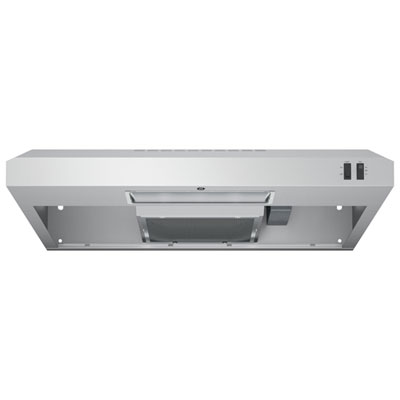 Your price for this item is $249.99
 -
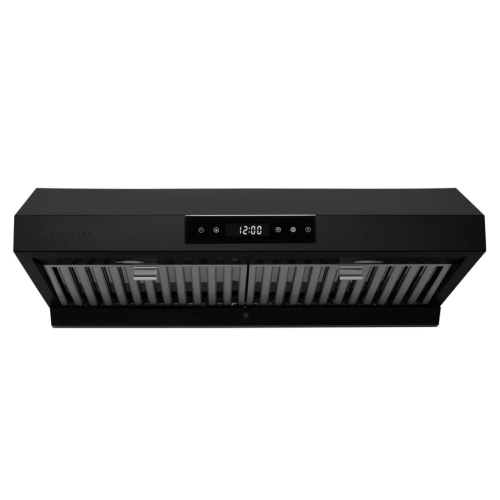 Your price for this item is $598.49
 -
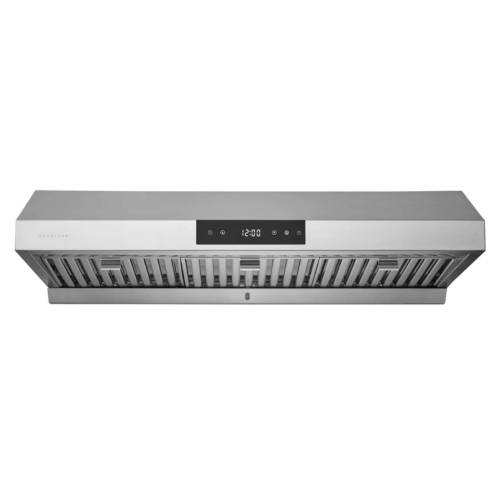 Your price for this item is $645.99
 -
 Your price for this item is $645.99
 -
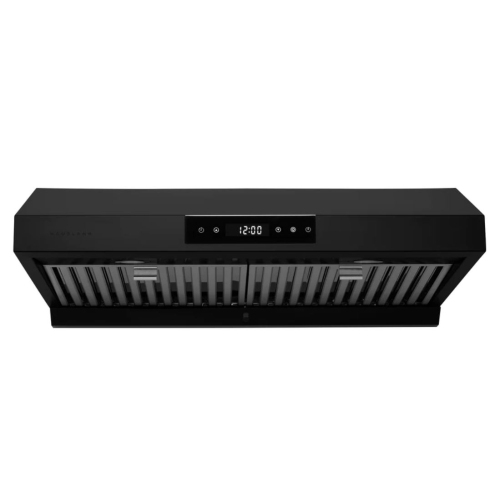 Your price for this item is $645.99
 -
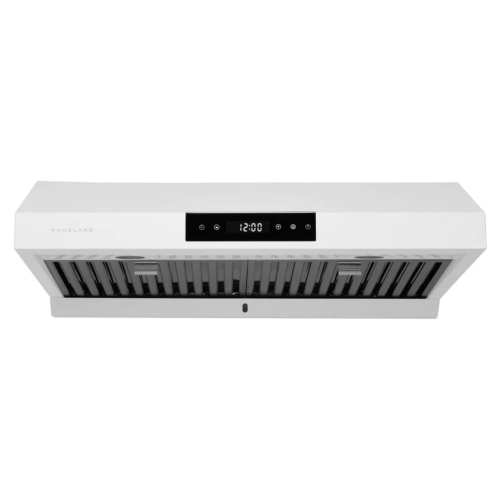 Your price for this item is $598.49
 -
 Your price for this item is $449.99
 -
 Your price for this item is $399.99
Discover more categories related to Matte Black Range Hoods
Top Collections:
Pokemon Centers, Kindle Devices, Best Budget Office Chairs, Apple iPhones 16, Best Laptops for Writers, iPhone 15 Apple, Canon G7X Cameras, Refurbished Apple Laptops, Alarm Clock, Motorola Razr Phones
Some products may be subject to Environmental Handling Fees
(EHF) depending on your province.
Learn more about EHFs.