Matte White Range Hoods
A range hood is one of the major components of your kitchen's design, and it's also one of the most important. The right one can help you save money on energy bills, prevent smoke from filling your home, and even keep your family safe. These matte white finishes on these range hoods look great in almost any kitchen. It's also easy to clean and maintain. Here are some of our favorites.
Sort
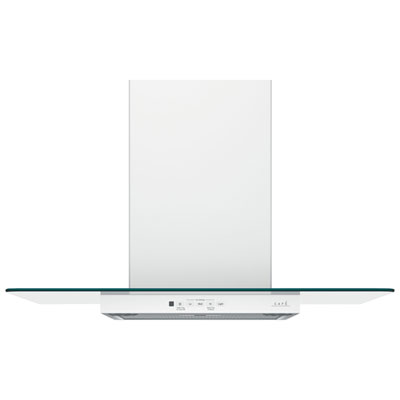

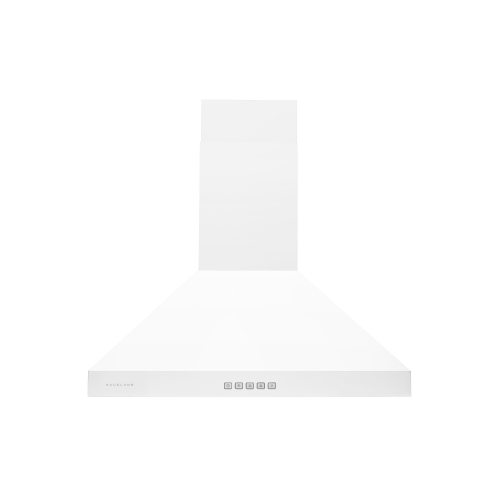
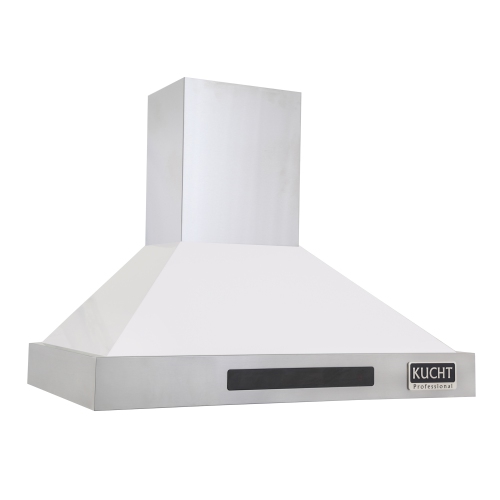
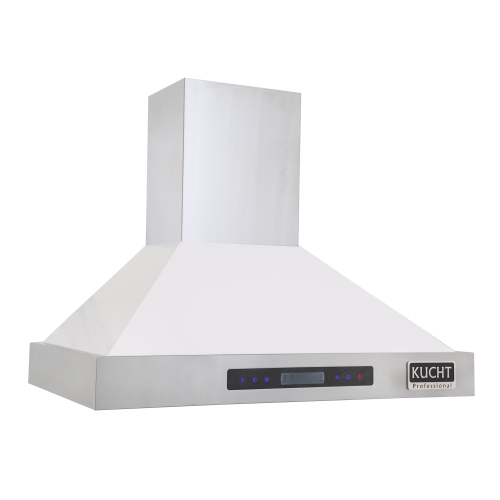
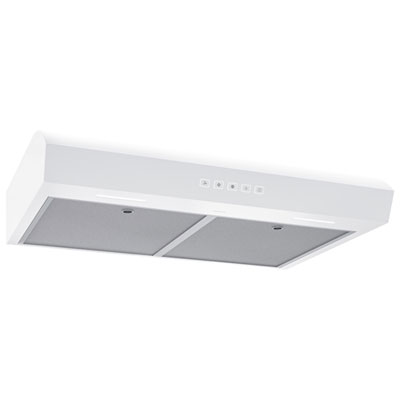
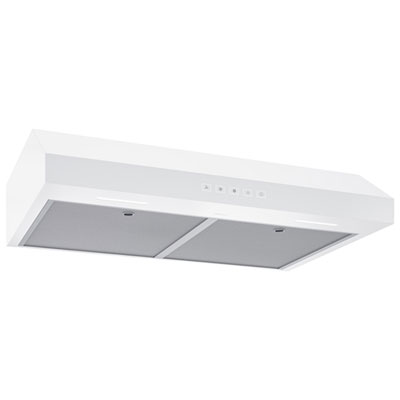
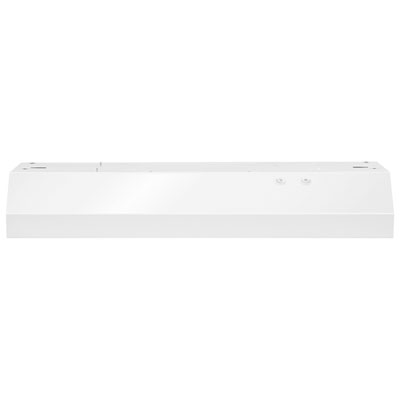
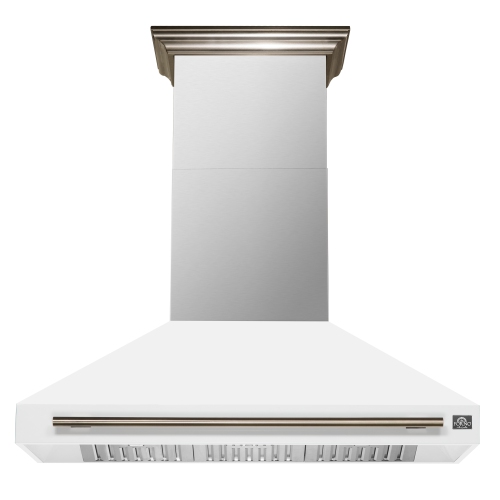
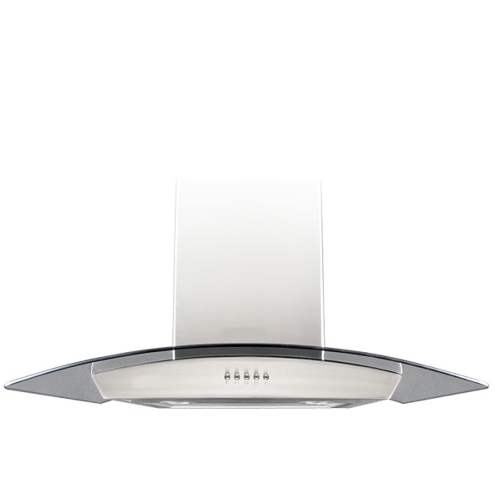
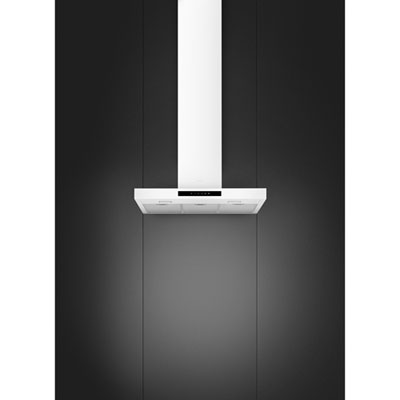
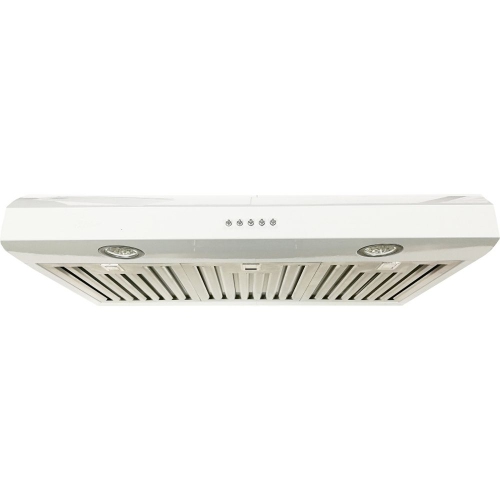
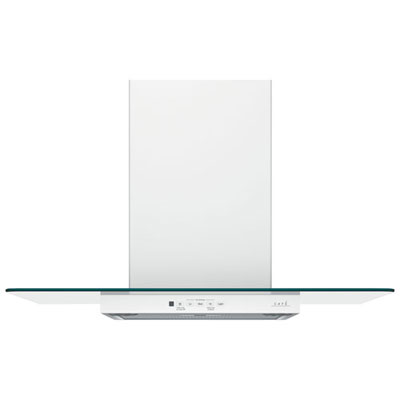
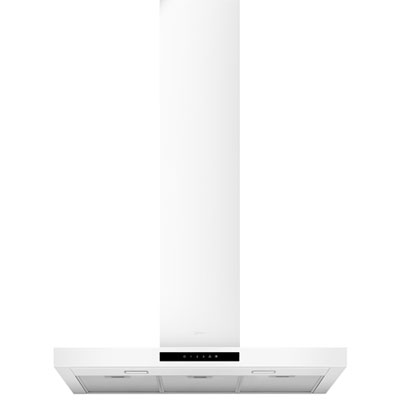
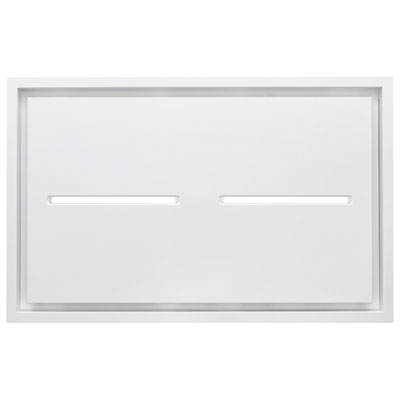
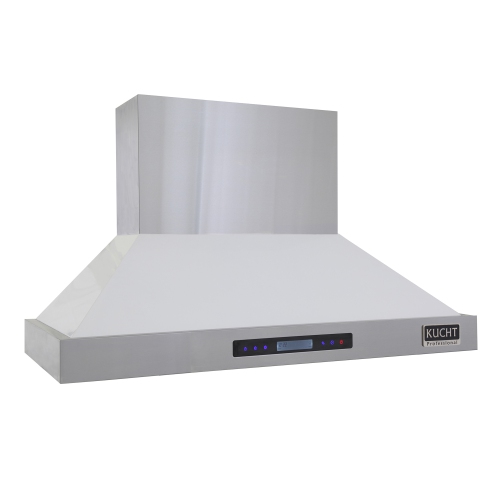
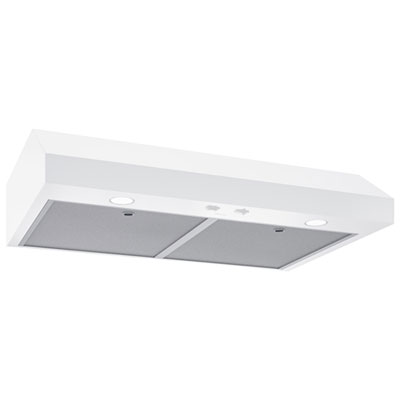
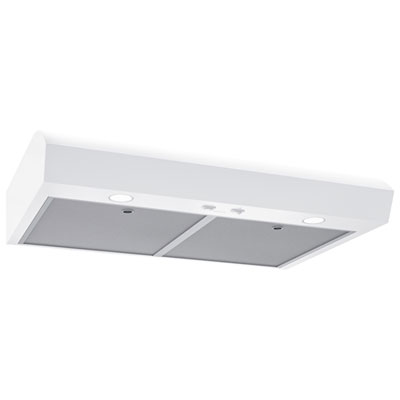
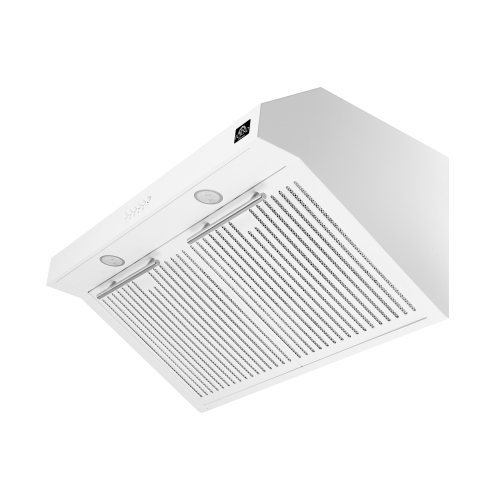
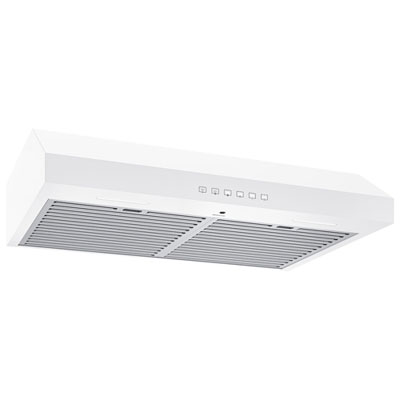
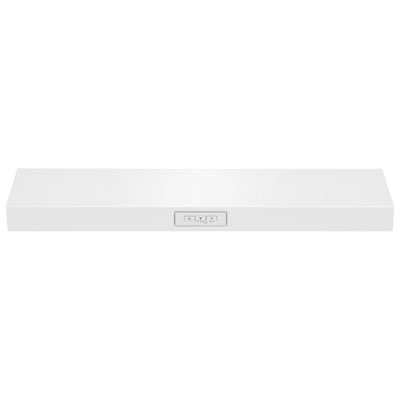
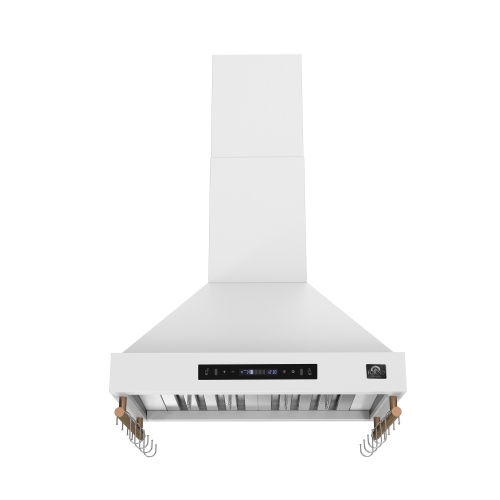
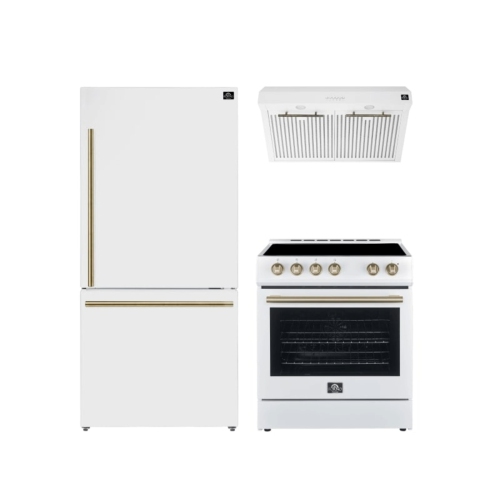
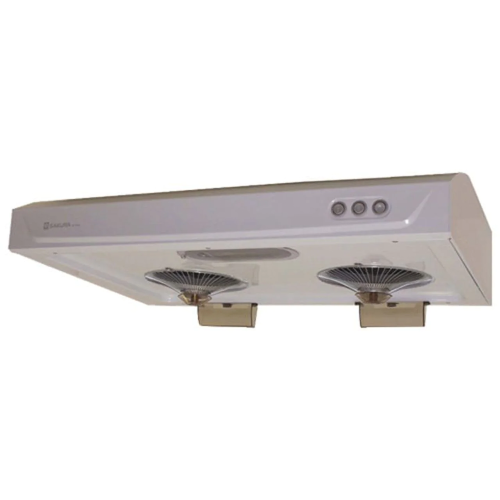
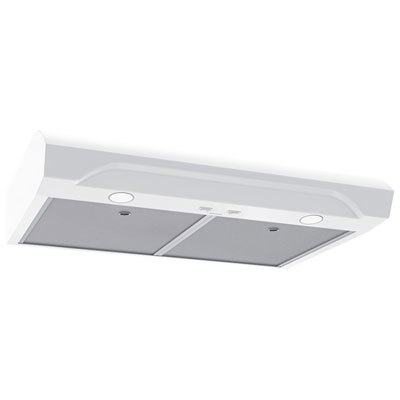
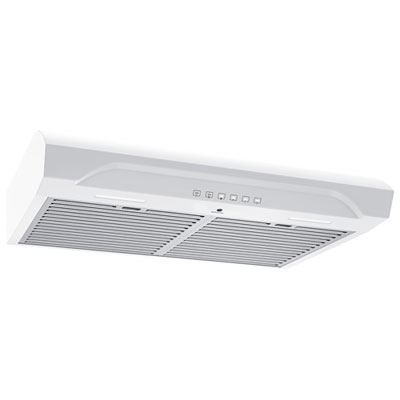
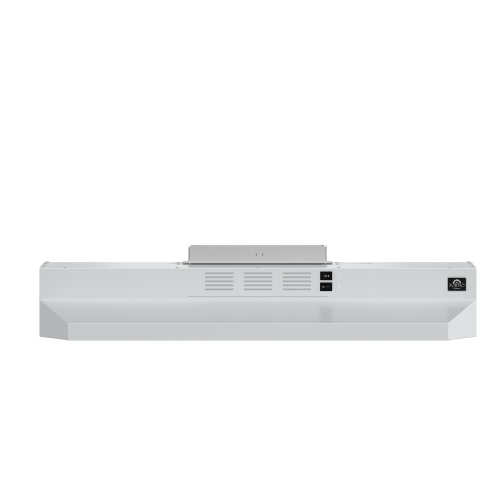
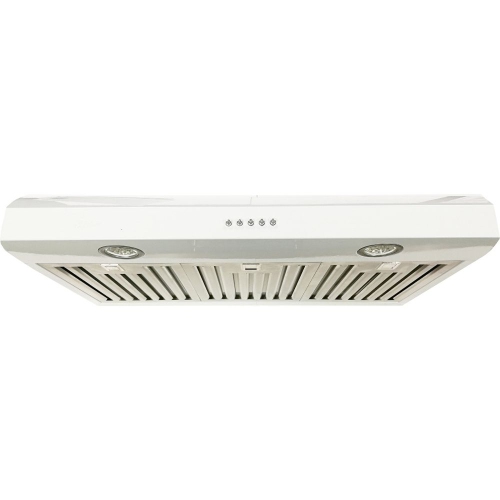
Kitchen ventilation with a softer visual presence
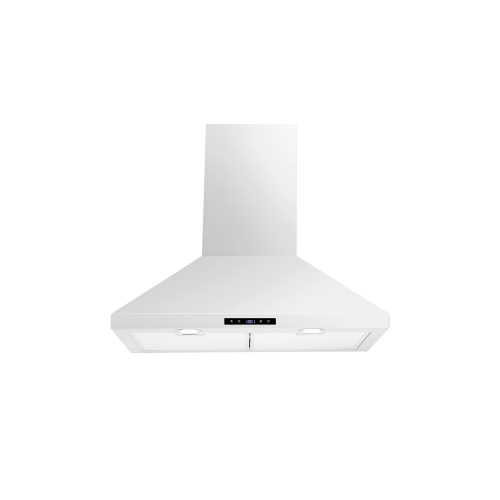
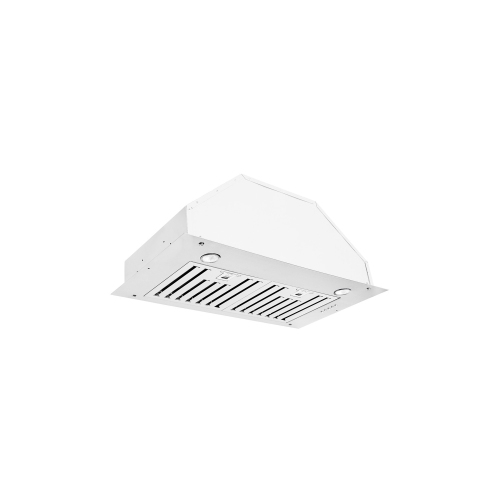
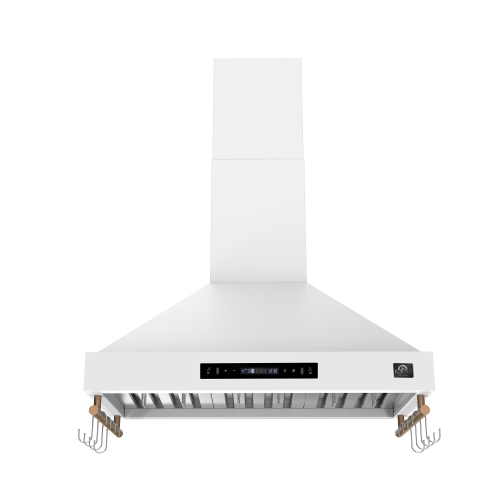
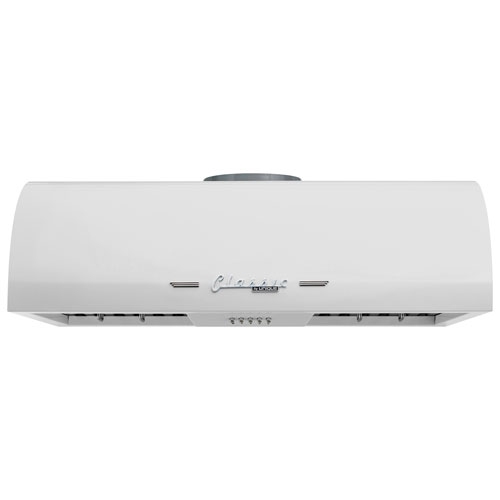
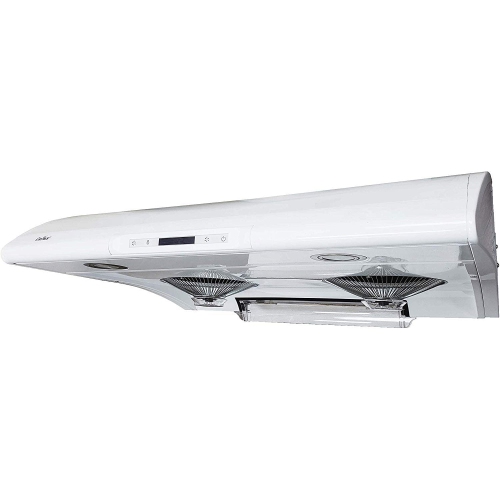
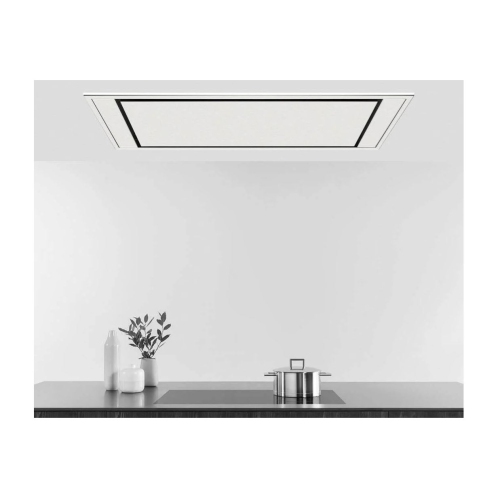
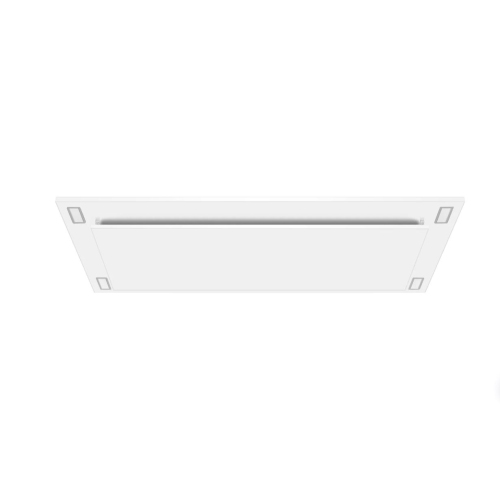
Matte white range hoods combine kitchen ventilation with a soft, low-sheen finish that reflects less light than a glossy surface. Positioned above a range or cooktop, they help capture cooking grease and airborne particles, while their ability to remove odours and moisture depends on the ventilation setup. The appeal is both practical and visual: a matte white hood can blend into pale cabinetry, provide a gentle contrast against dark cupboards, or sit comfortably beside wood shelves and a patterned backsplash. Unlike a polished metal canopy, its muted surface does not create strong reflections under ceiling lights. That makes it an appealing focal point for kitchens with clean lines, layered textures, or a quieter colour palette. White finishes can have warm or cool undertones, so the relationship between the hood, cabinet doors, wall paint, and nearby appliances matters more than the colour name alone. Matte describes the sheen rather than the underlying material; construction may include painted or powder-coated metal, with stainless steel components around filters, controls, or trim. The quality of the coating, panel construction, and assembly all contribute to how well the hood stands up to regular cleaning and daily use. A matte finish may make some marks less noticeable, but it is not automatically resistant to fingerprints, cooking splatter, or stains. For a broader look at this colour family, White Range Hoods include designs that suit different cabinet arrangements and kitchen styles. Within the matte white category, wall-mounted chimney hoods create a visible feature above the cooking area, while under-cabinet designs keep the profile closer to the surrounding cupboards. Island hoods serve cooktops away from a wall and need suitable overhead support. These different formats let the finish work in anything from a compact cooking space to a larger kitchen where the range forms the centre of the layout.
Fit involves more than finding enough room for the canopy. Common widths such as 30-inch and 36-inch need to be considered alongside the cooking surface width, hood depth, cabinet clearances, and required mounting height. A hood generally needs to be at least as wide as the cooking surface, subject to the appliance manufacturers’ installation requirements, and sufficient depth helps it capture rising vapour from front burners. Too little coverage can let steam and grease drift past the canopy even when the fan has a high airflow rating. Ceiling height also affects chimney-style installations, since the decorative cover must accommodate the distance between the hood and ceiling. For ventilation performance, cubic feet per minute, or CFM, expresses airflow rather than motor power alone. The appropriate capacity depends on the cooking appliance, cooking habits, hood placement, and duct layout; a kitchen used mainly for simmering and reheating has different demands from one where searing and stir-frying are frequent. Higher airflow is not a substitute for proper capture area or correctly installed ductwork. Ducted range hoods discharge captured air outdoors and can carry away cooking moisture and odours along with airborne grease. Ductless installations pass air through grease and odour filters before returning it to the room, so they do not remove moisture in the same way. Convertible hoods support different configurations, but recirculation may require a separate kit or compatible charcoal filters. The existing duct route, permitted exterior outlet, electrical connection, and any building restrictions can determine which installation is suitable. Smooth, correctly sized ductwork with fewer bends helps limit airflow losses and unnecessary noise. Manufacturer instructions and local building requirements also matter, particularly where a higher-capacity exhaust system may require make-up air. In a condo, approval for alterations to shared walls or ventilation systems may be necessary. Checking these details before installation helps ensure that a matte white range hood is as well matched to the kitchen’s infrastructure as it is to its cabinetry.
Everyday usability becomes especially noticeable when several pans are on the stove at once. Multiple fan speeds allow ventilation to suit the task, from a gently simmering saucepan to a skillet releasing a burst of steam. Sound ratings, often expressed in sones or decibels, are useful when compared at similar operating speeds and under comparable test conditions. This matters in open-plan homes, where cooking happens within earshot of conversation or television. Built-in lighting improves visibility over the cooking surface; its placement, brightness, and colour appearance affect how clearly food can be seen in a deep pot or at the back of the range. Accessible controls and a clear view of the settings are valuable for frequent cooks and households where several people share meal preparation. Starting the fan before cooking and allowing it to run briefly afterwards, in line with the operating instructions, helps manage lingering cooking emissions. Regular care supports both performance and appearance. Metal mesh filters trap grease across layers of screening, while baffle filters direct airflow through shaped channels that separate grease from the passing air. Either design needs cleaning at the interval recommended by the manufacturer, with more frequent attention when frying is common. Some removable filters are dishwasher-safe, but that should be confirmed rather than assumed, and filters should be dry before refitting. Charcoal odour filters used for recirculation usually need periodic replacement unless they are specifically designed to be cleaned or regenerated. On the exterior, a soft cloth and an approved mild cleaner help lift splatter without damaging the matte coating. Abrasive pads, harsh chemicals, and vigorous polishing can scratch the surface or leave uneven sheen, so care instructions deserve attention. Accessible replacement filters, secure fittings, and easy-to-remove grease collection components can make long-term upkeep less cumbersome. For home cooks refreshing a kitchen or completing a renovation, a well-fitted matte white range hood offers a restrained visual finish alongside the ventilation, task lighting, and practical maintenance features that support daily cooking.
Fit involves more than finding enough room for the canopy. Common widths such as 30-inch and 36-inch need to be considered alongside the cooking surface width, hood depth, cabinet clearances, and required mounting height. A hood generally needs to be at least as wide as the cooking surface, subject to the appliance manufacturers’ installation requirements, and sufficient depth helps it capture rising vapour from front burners. Too little coverage can let steam and grease drift past the canopy even when the fan has a high airflow rating. Ceiling height also affects chimney-style installations, since the decorative cover must accommodate the distance between the hood and ceiling. For ventilation performance, cubic feet per minute, or CFM, expresses airflow rather than motor power alone. The appropriate capacity depends on the cooking appliance, cooking habits, hood placement, and duct layout; a kitchen used mainly for simmering and reheating has different demands from one where searing and stir-frying are frequent. Higher airflow is not a substitute for proper capture area or correctly installed ductwork. Ducted range hoods discharge captured air outdoors and can carry away cooking moisture and odours along with airborne grease. Ductless installations pass air through grease and odour filters before returning it to the room, so they do not remove moisture in the same way. Convertible hoods support different configurations, but recirculation may require a separate kit or compatible charcoal filters. The existing duct route, permitted exterior outlet, electrical connection, and any building restrictions can determine which installation is suitable. Smooth, correctly sized ductwork with fewer bends helps limit airflow losses and unnecessary noise. Manufacturer instructions and local building requirements also matter, particularly where a higher-capacity exhaust system may require make-up air. In a condo, approval for alterations to shared walls or ventilation systems may be necessary. Checking these details before installation helps ensure that a matte white range hood is as well matched to the kitchen’s infrastructure as it is to its cabinetry.
Everyday usability becomes especially noticeable when several pans are on the stove at once. Multiple fan speeds allow ventilation to suit the task, from a gently simmering saucepan to a skillet releasing a burst of steam. Sound ratings, often expressed in sones or decibels, are useful when compared at similar operating speeds and under comparable test conditions. This matters in open-plan homes, where cooking happens within earshot of conversation or television. Built-in lighting improves visibility over the cooking surface; its placement, brightness, and colour appearance affect how clearly food can be seen in a deep pot or at the back of the range. Accessible controls and a clear view of the settings are valuable for frequent cooks and households where several people share meal preparation. Starting the fan before cooking and allowing it to run briefly afterwards, in line with the operating instructions, helps manage lingering cooking emissions. Regular care supports both performance and appearance. Metal mesh filters trap grease across layers of screening, while baffle filters direct airflow through shaped channels that separate grease from the passing air. Either design needs cleaning at the interval recommended by the manufacturer, with more frequent attention when frying is common. Some removable filters are dishwasher-safe, but that should be confirmed rather than assumed, and filters should be dry before refitting. Charcoal odour filters used for recirculation usually need periodic replacement unless they are specifically designed to be cleaned or regenerated. On the exterior, a soft cloth and an approved mild cleaner help lift splatter without damaging the matte coating. Abrasive pads, harsh chemicals, and vigorous polishing can scratch the surface or leave uneven sheen, so care instructions deserve attention. Accessible replacement filters, secure fittings, and easy-to-remove grease collection components can make long-term upkeep less cumbersome. For home cooks refreshing a kitchen or completing a renovation, a well-fitted matte white range hood offers a restrained visual finish alongside the ventilation, task lighting, and practical maintenance features that support daily cooking.
Top selling and popular products
-
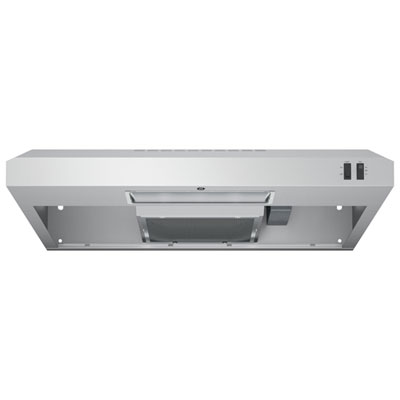 Your price for this item is $249.99
 -
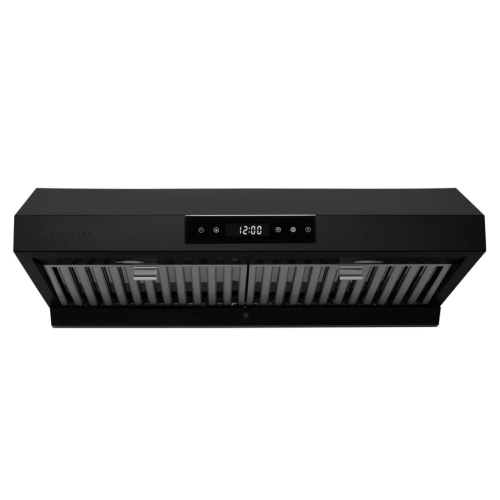 Your price for this item is $598.49
 -
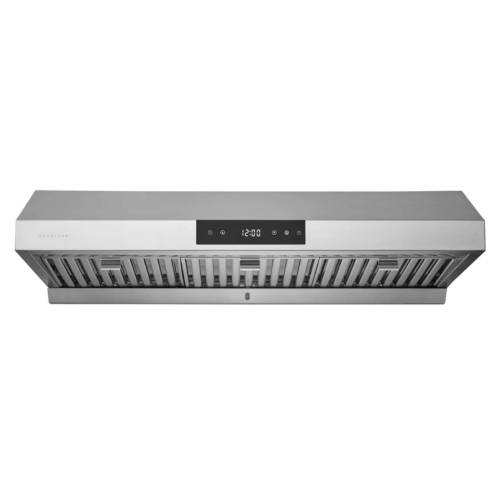 Your price for this item is $645.99
 -
 Your price for this item is $645.99
 -
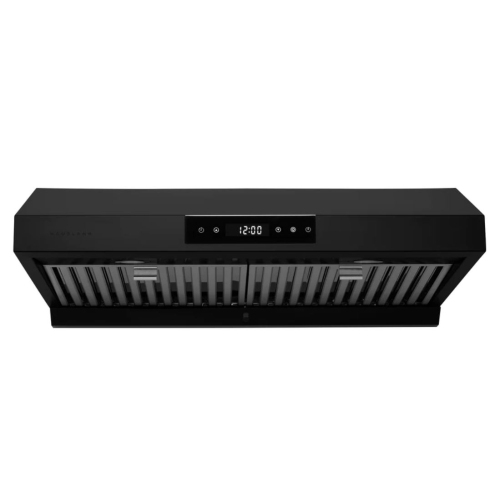 Your price for this item is $645.99
 -
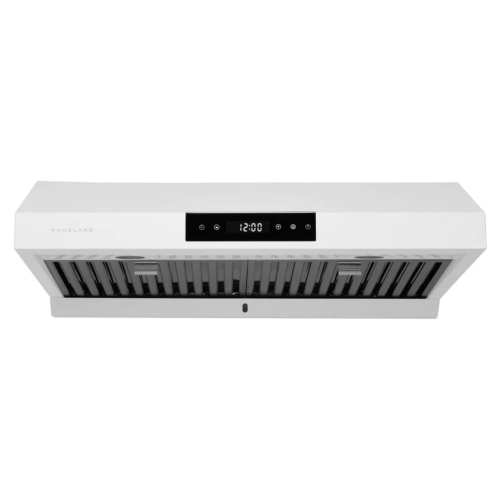 Your price for this item is $598.49
 -
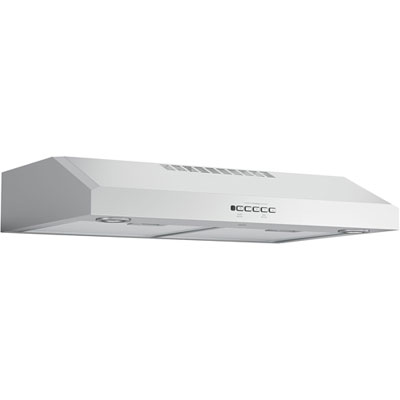 Your price for this item is $449.99
 -
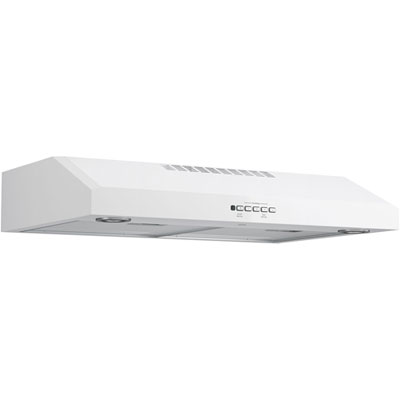 Your price for this item is $399.99
Discover more categories related to Matte White Range Hoods
Top Collections:
Pokemon Centers, Kindle Devices, Best Budget Office Chairs, Apple iPhones 16, Best Laptops for Writers, iPhone 15 Apple, Canon G7X Cameras, Refurbished Apple Laptops, Alarm Clock, Motorola Razr Phones
Some products may be subject to Environmental Handling Fees
(EHF) depending on your province.
Learn more about EHFs.