White Under Cabinet Range Hood
Enhance your kitchen's functionality and style with sleek and efficient white under-cabinet range hoods. Designed to seamlessly blend into your kitchen decor, these essential appliances not only remove smoke, odors, and grease from the air but also add a touch of elegance to your cooking space. Whether you're a passionate home chef or simply enjoy whipping up delicious meals for your family, a white under-cabinet range hood is the perfect addition to ensure a clean and fresh environment while cooking.
Sort
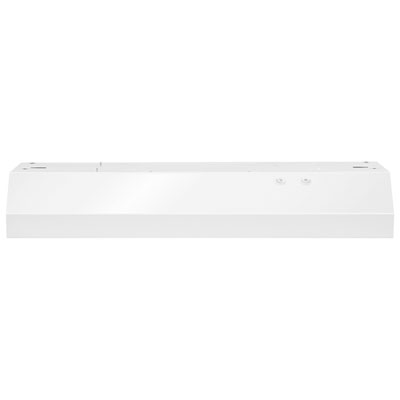
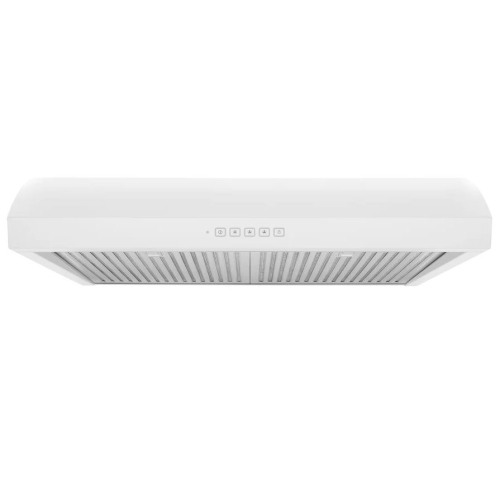
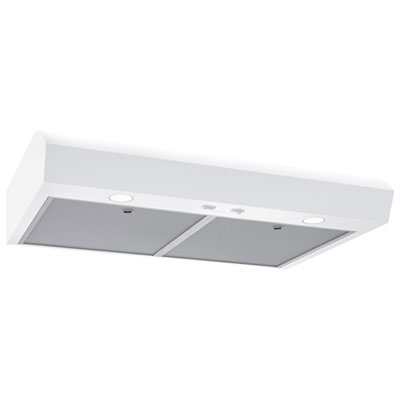
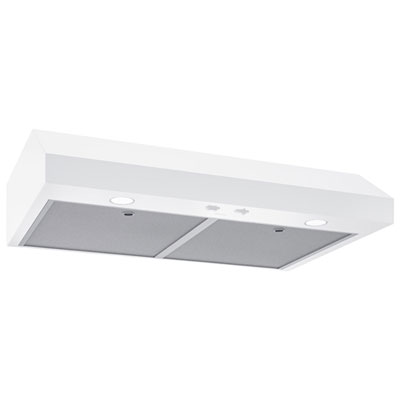
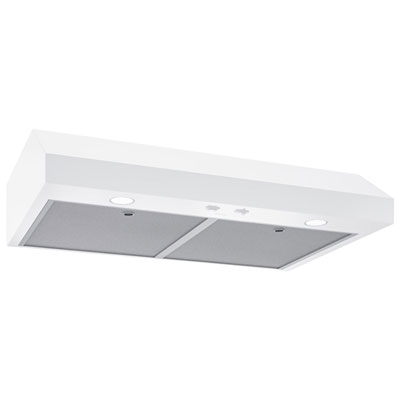
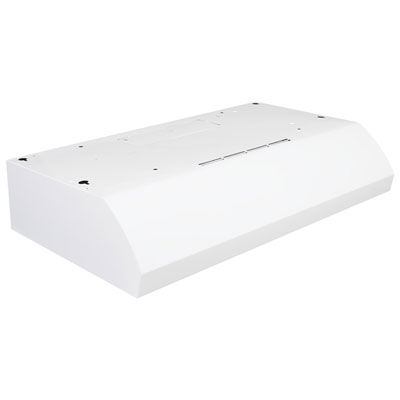
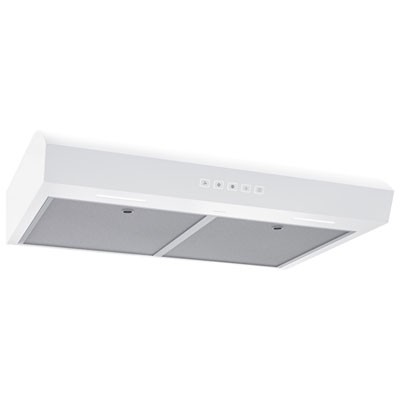
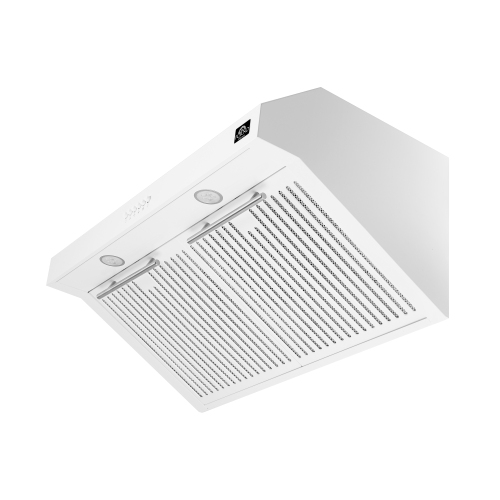
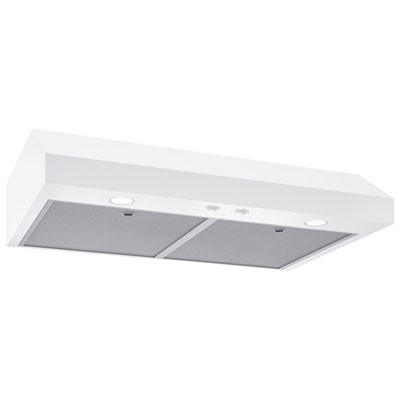
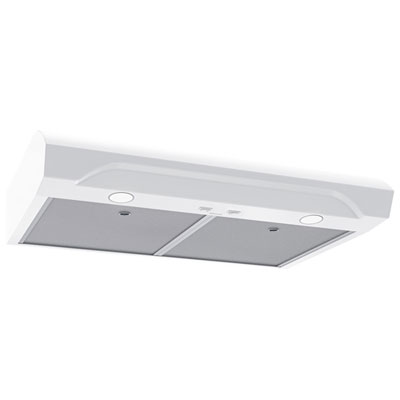
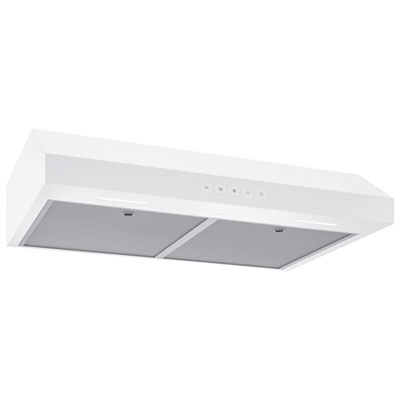
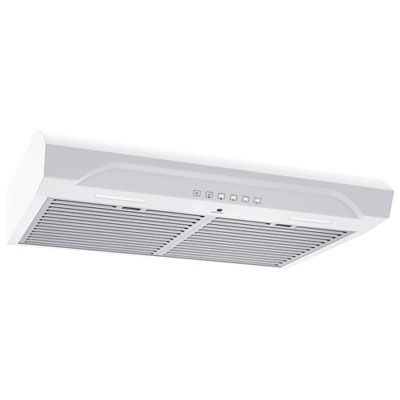
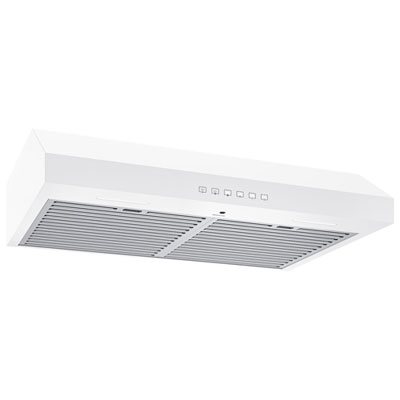
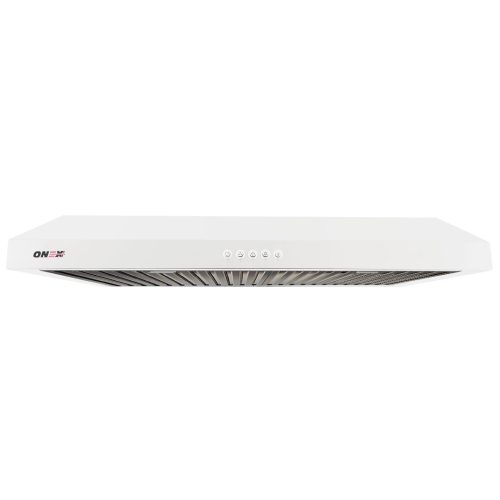
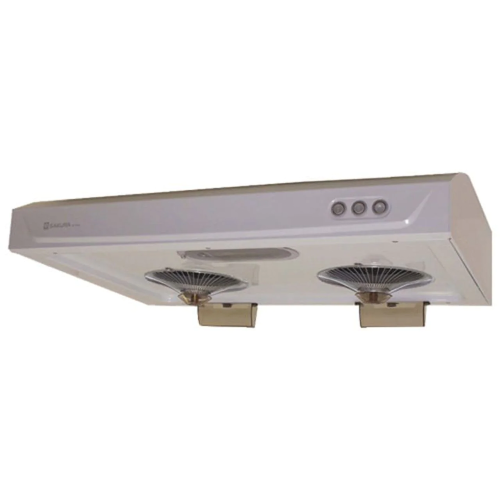
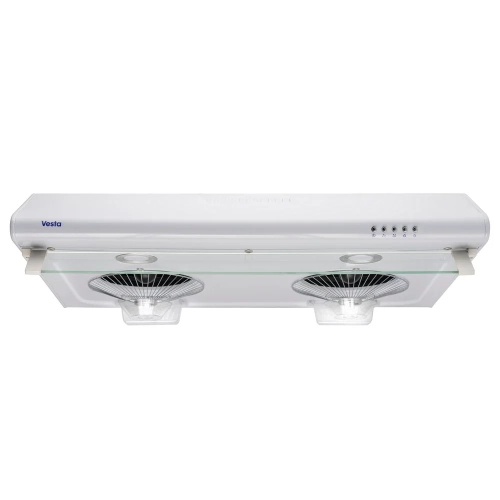
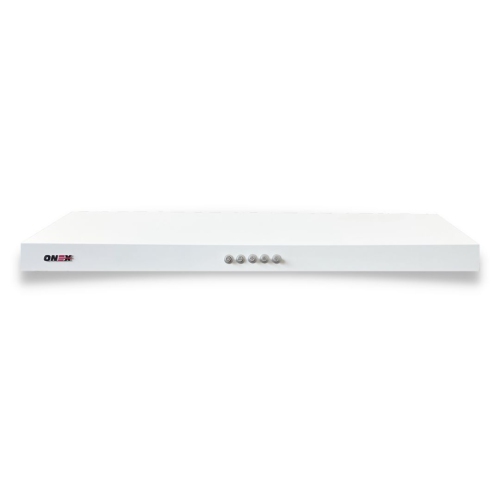
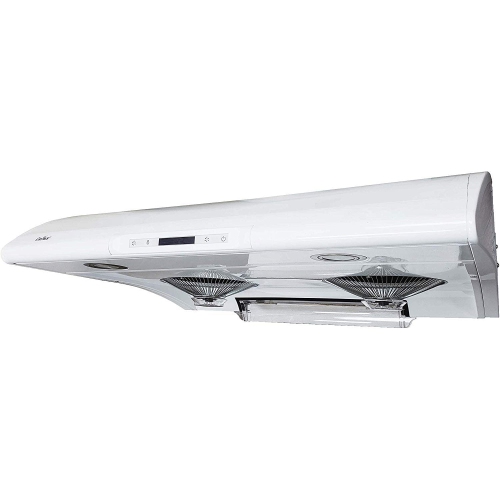
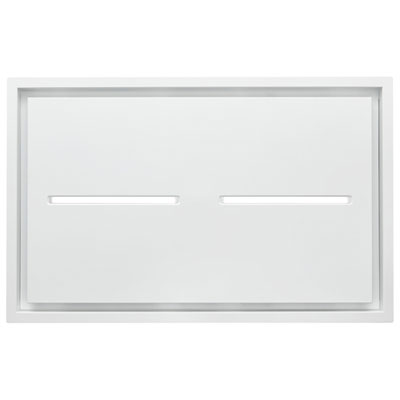
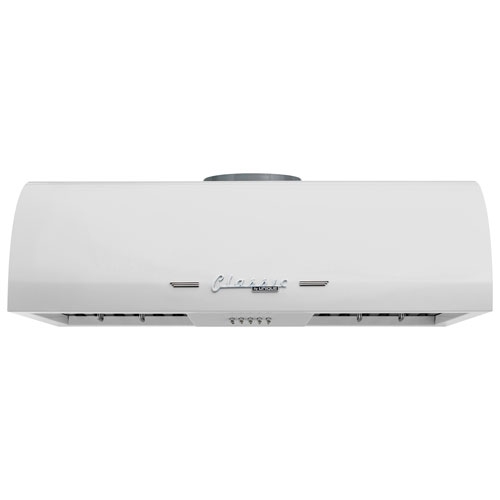
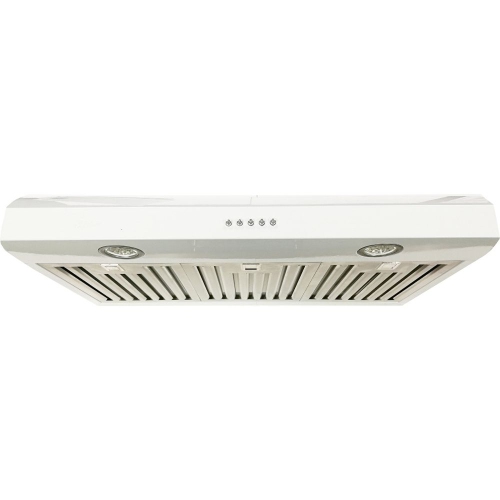
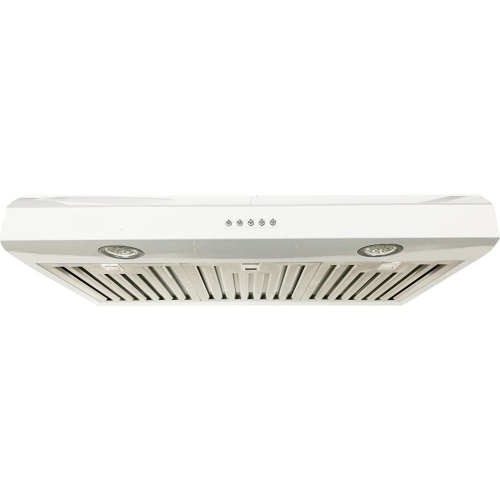
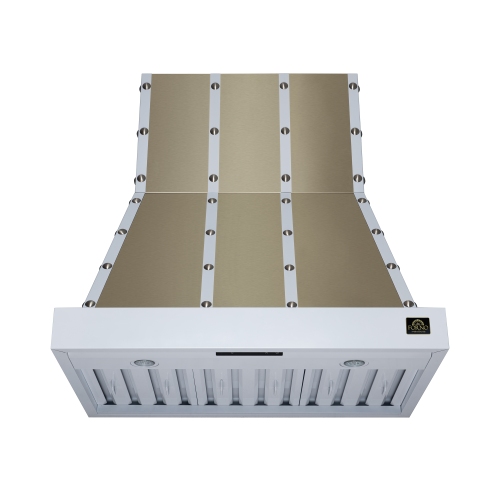
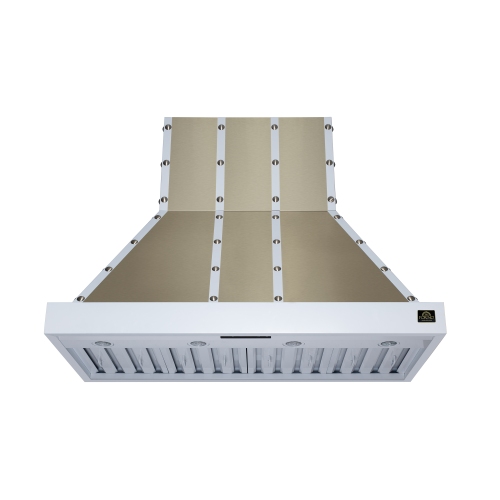
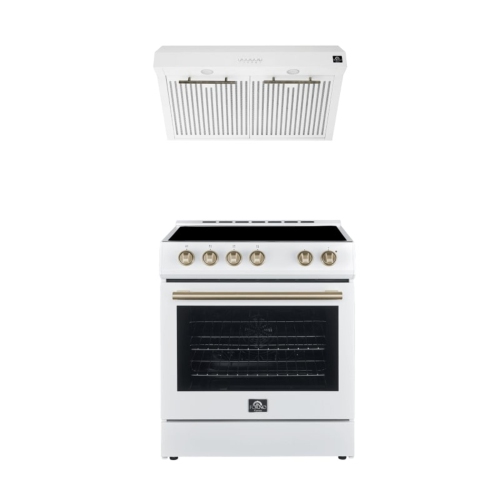
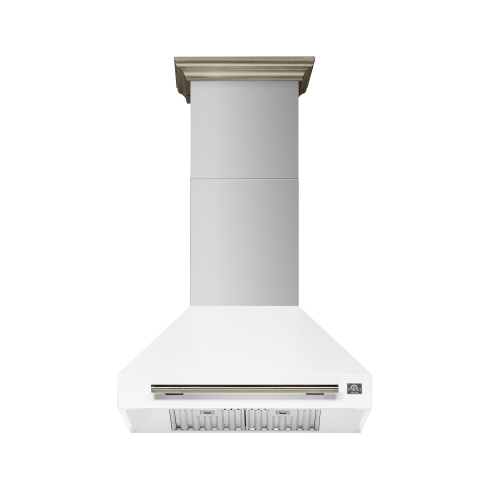
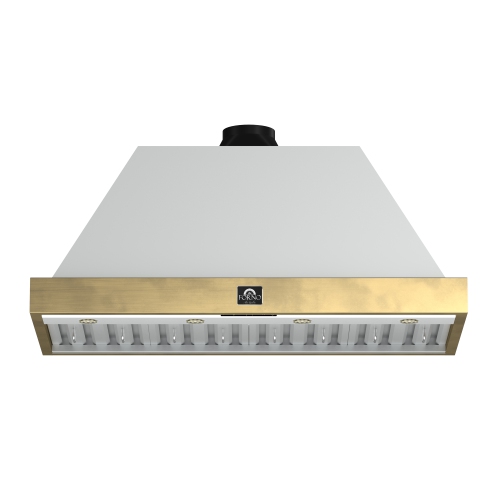
Discreet ventilation that works with your existing cabinetry
White under-cabinet range hoods combine kitchen ventilation with a finish that sits comfortably alongside white cupboards, pale backsplashes, and matching appliances. Mounted beneath an upper cabinet above the cooking surface, they use a fan and filters to capture grease particles and help manage cooking odours. Ducted models also carry cooking vapour outdoors, while recirculating models filter the air before returning it to the kitchen. Their compact placement makes them a practical fit for kitchens where the cabinetry continues above the range, rather than leaving room for a chimney-style hood. A white finish can make the appliance less visually prominent, keeping attention on the cabinetry or a patterned tile backsplash. It can also create a clean contrast with darker cupboards without introducing another metallic finish. For homeowners refreshing an established kitchen, a white under-cabinet range hood can suit the existing layout without requiring a complete change in appliance colours. Fit involves more than matching the opening between adjacent cabinets, however. Width, depth, height, and the position of the cooking surface all affect how well the hood integrates with the space. Common widths include 30-inch and 36-inch formats, but the appliance’s actual measurements matter more than its nominal size. A deeper canopy may extend farther over the front burners, while a slim profile leaves more visible space between the hood and the cooktop. Manufacturer-specified mounting clearances remain important, especially above gas cooking surfaces, and cabinet trim or a recessed cabinet bottom can affect installation. Existing duct openings, electrical connections, and the location of nearby cupboards also influence compatibility. Within the broader category of Under Cabinet Range Hoods, white designs offer a straightforward way to coordinate ventilation with the surrounding kitchen. The most suitable proportions balance adequate coverage over the cooking area with comfortable access to controls and enough room to work safely at the stove.
Ventilation performance depends on the cooking setup as well as the fan’s stated airflow. Airflow is commonly expressed in cubic feet per minute, or CFM, but a higher number alone does not guarantee better results in every kitchen. Hood coverage, mounting height, filter condition, and the duct route all affect how effectively cooking emissions are captured and removed. Someone who regularly sears meat, stir-fries vegetables, or cooks with several burners at once may place greater importance on stronger extraction and useful high-speed settings. For lighter cooking, a lower fan setting may provide a more comfortable balance between airflow and sound. Ducted installation sends extracted air outside through a compatible exhaust route and is generally better suited to removing moisture and heat from cooking. Recirculating installation can be useful where an exterior duct connection is not feasible, although it does not remove moisture in the same way. These configurations typically use a grease filter alongside an odour-reducing filter, often containing charcoal, and any required conversion components must match the hood. Some buildings also have restrictions on alterations to ventilation, making installation requirements particularly relevant for condominium owners. Duct size, outlet direction, and the number of bends matter because restrictive ductwork can reduce airflow and increase noise. Higher-output ventilation may also involve make-up air requirements under applicable building rules, so a qualified installer can help assess the complete setup. Sound ratings, when supplied in sones or decibels, are most useful when compared at equivalent operating speeds. A quiet low setting can make a noticeable difference in an open kitchen where conversation, television, or homework happens nearby. Lighting deserves similar attention: a well-positioned light helps illuminate a simmering sauce or the edge of a frying pan without relying entirely on overhead fixtures. Depending on the design, controls may include push buttons, sliders, or touch-sensitive surfaces. Clear speed settings and easily reached light controls make everyday operation simpler, particularly when several dishes need attention at once.
Materials and care play a large part in how a white range hood looks and functions over time. Many housings use metal with a painted or powder-coated finish, while filters, light covers, switches, and trim may use different materials. A smooth, intact coating is easier to wipe down than a surface with chipped edges or damaged seams, and white finishes can make grease marks visible before they become a stubborn layer. Regular cleaning with a soft cloth and a cleaner approved by the manufacturer helps preserve the appearance without scratching or dulling the surface. Abrasive pads and harsh chemicals can damage coatings, so the care instructions matter even when the housing seems sturdy. Grease filters need attention because a loaded filter can restrict airflow and allow residue to build up around the intake. Some metal mesh or baffle filters are washable, but dishwasher suitability varies; charcoal filters used for recirculation generally require replacement rather than washing unless expressly designed otherwise. Accessible filters and straightforward removal mechanisms can make that routine maintenance less awkward. Lighting maintenance is another consideration, since some hoods use replaceable lamps while others have integrated LED components with their own service requirements. Day-to-day durability also involves secure mounting, stable panels, and controls that remain easy to operate after repeated cleaning. A hood that vibrates against cabinetry may need an installation adjustment rather than a higher fan setting, and persistent changes in sound or airflow warrant attention. For a replacement project, the existing hood’s width is only one part of the match: exhaust alignment, cabinet construction, electrical requirements, and clearance above the cooking surface all need to work together. Renters may need permission before making changes, while homeowners planning new cabinetry can account for the hood earlier in the layout. Whether the kitchen supports quick breakfasts, shared family meals, or frequent cooking from scratch, white under-cabinet range hoods bring together practical ventilation, task lighting, and a familiar finish that can remain visually consistent with the rest of the room.
Top selling and popular products
-
 Your price for this item is $566.99
-
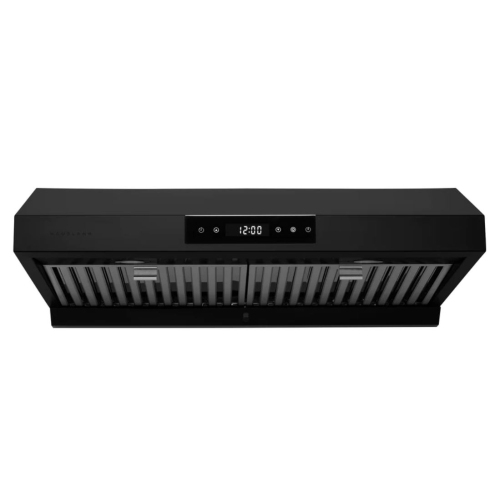 Your price for this item is $611.99
-
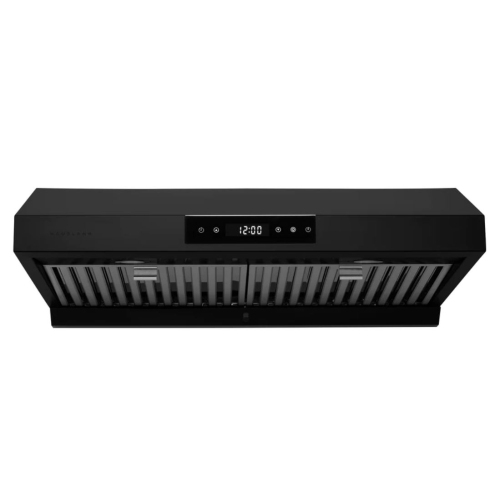 Your price for this item is $566.99
-
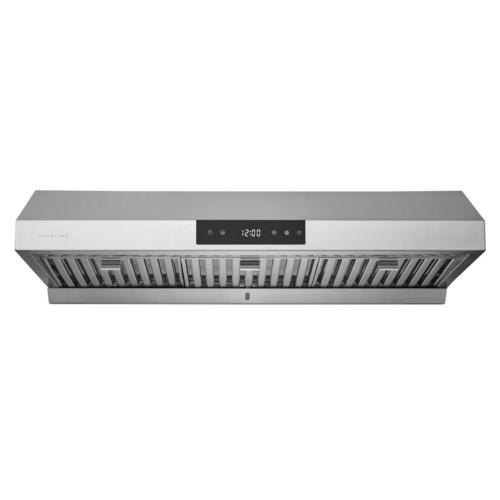 Your price for this item is $611.99
-
 Your price for this item is $611.99
-
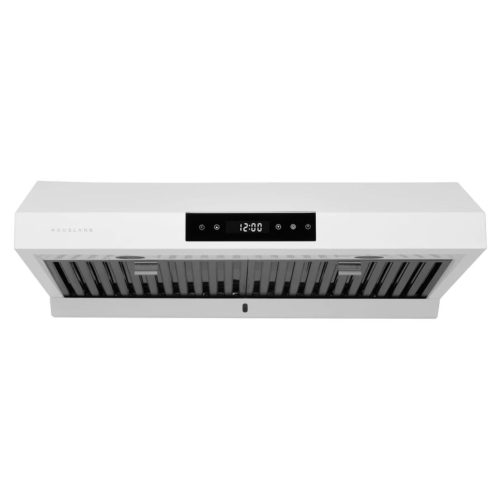 Your price for this item is $566.99
-
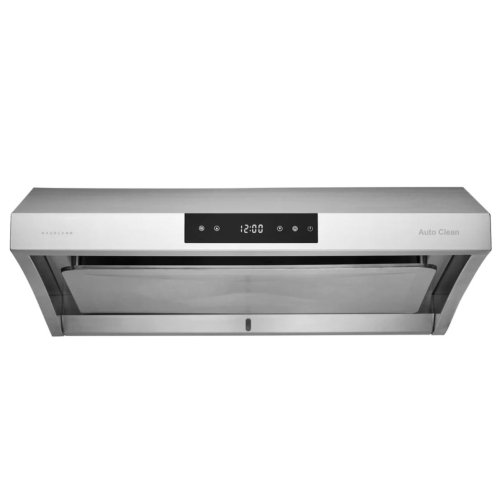 Your price for this item is $701.99
-
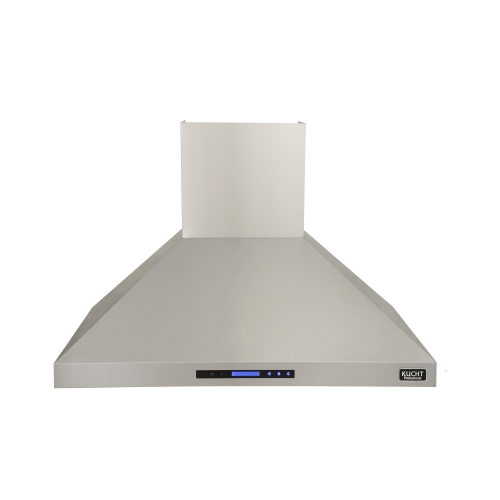 Your price for this item is $2455
Discover more categories related to White Under Cabinet Range Hood
Top Collections:
Best Black Friday Deals This Year, Best Black Friday Deals On Electronics, Kindle Devices, Pokemon Centers, Best Black Friday Deals On Apple Products, Best Cameras for Sports Photography, Dyson Airwrap, Pokémon 30th Celebration Cards, Apple iPhone 17 Pro, Canon G7X Cameras
Some products may be subject to Environmental Handling Fees
(EHF) depending on your province.
Learn more about EHFs.