Microwave Oven Sharp
Microwave Oven Sharp offers a convenient solution for quick and efficient meal preparation in any kitchen. Whether you're reheating leftovers, defrosting ingredients, or preparing snacks, these microwaves are designed to fit seamlessly into your daily routine. Explore a selection of models that combine modern design with reliable performance, making it easy to find the perfect addition to your home. Discover how Microwave Oven Sharp can enhance your cooking experience with ease and versatility.
Sort
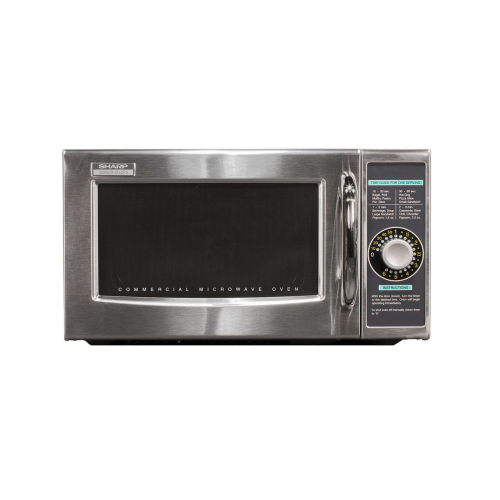
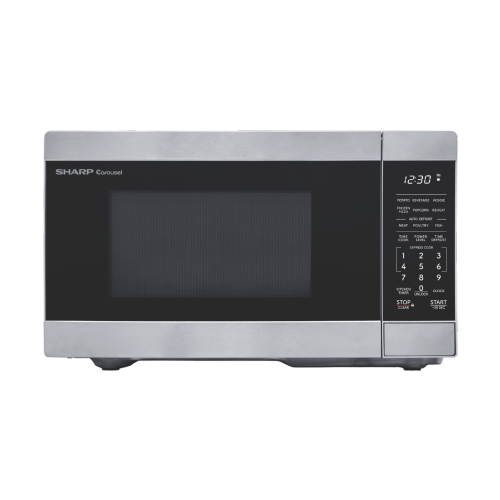
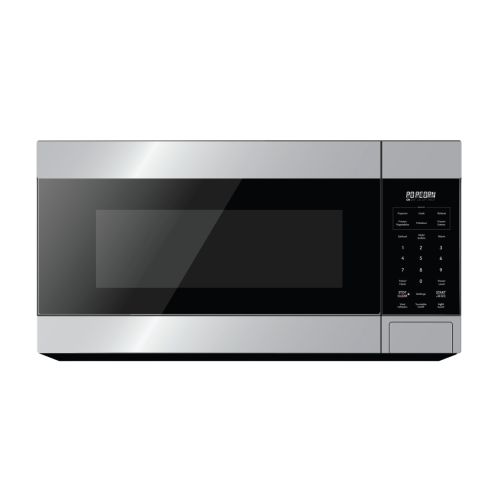
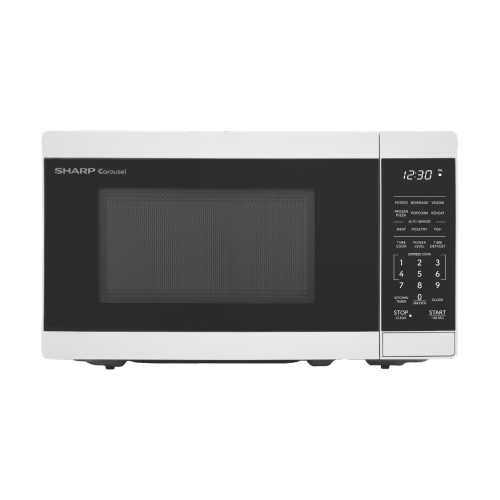
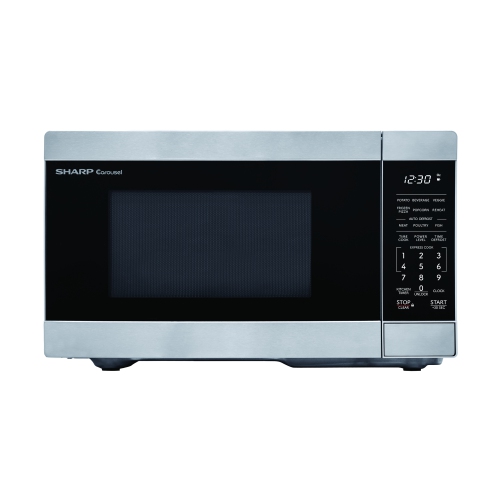
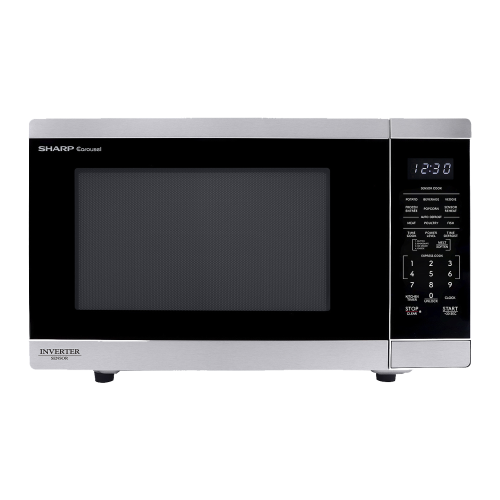
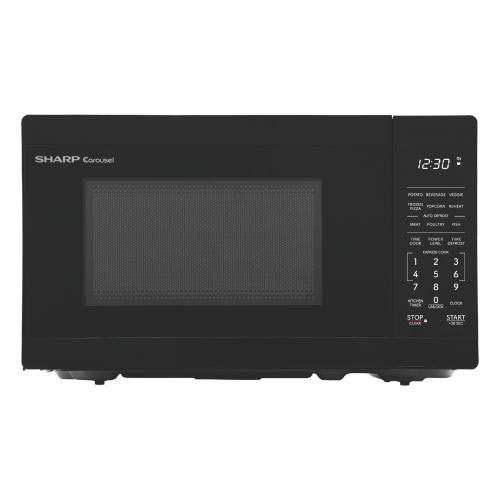
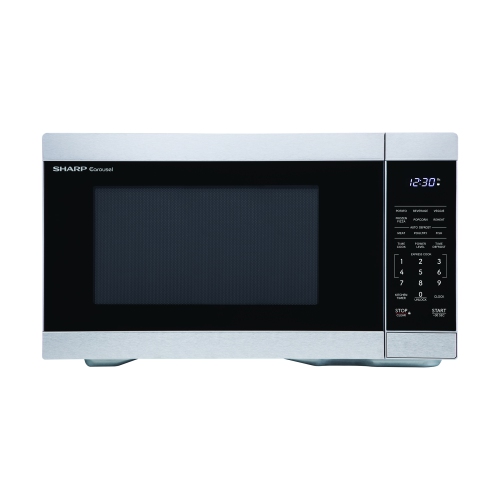

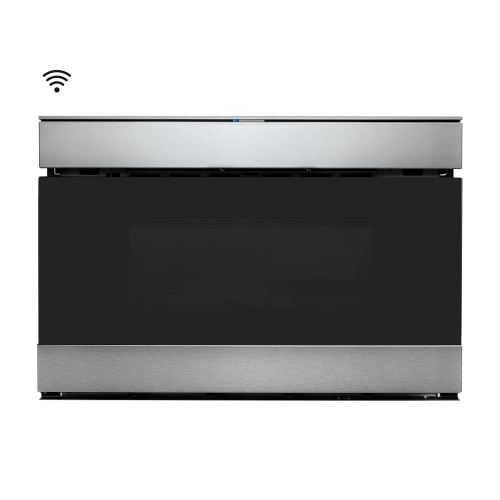
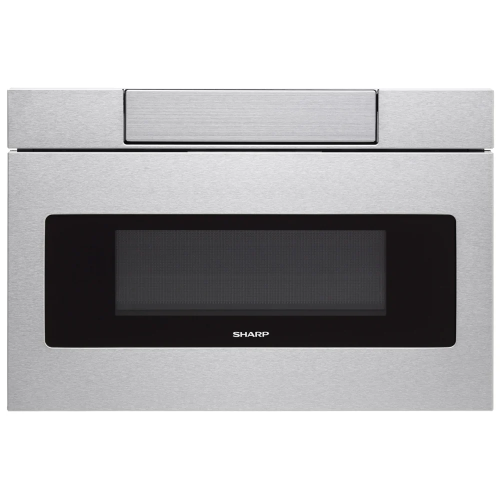
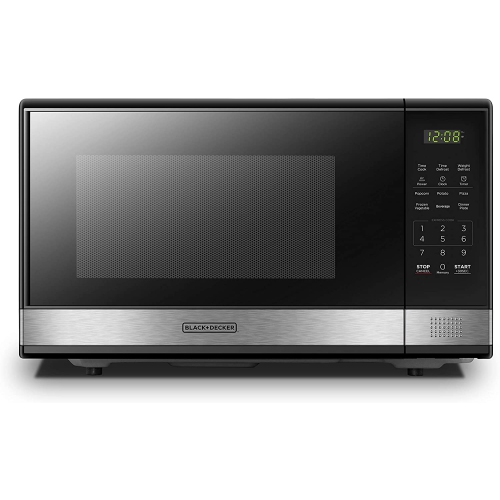
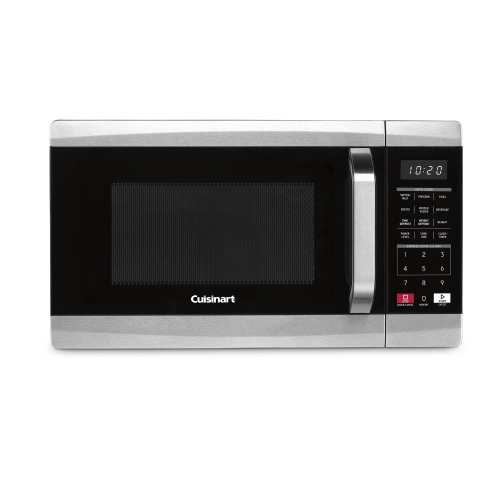

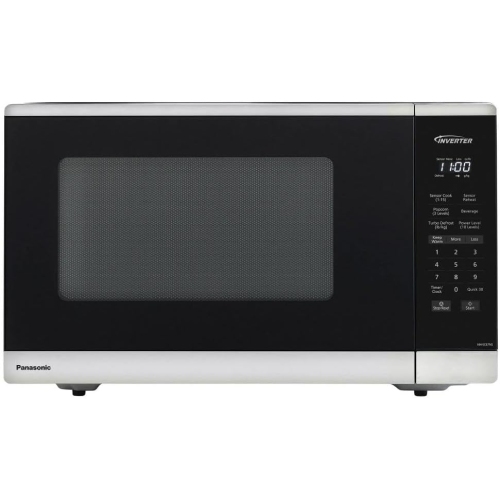
How microwave designs shape your everyday kitchen routine
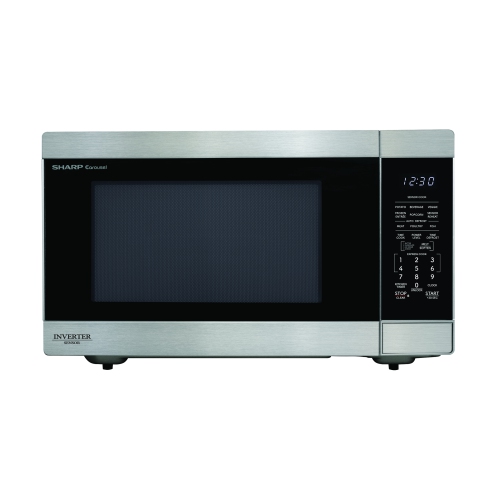
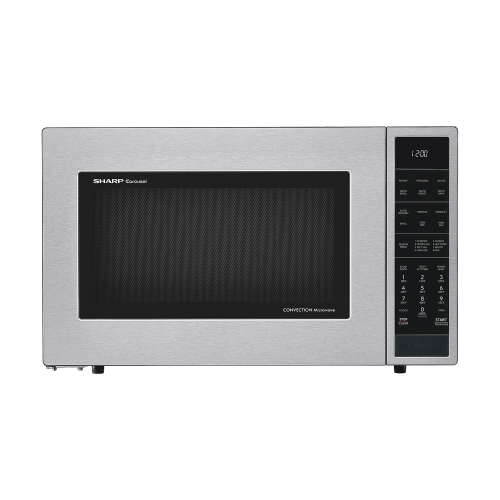
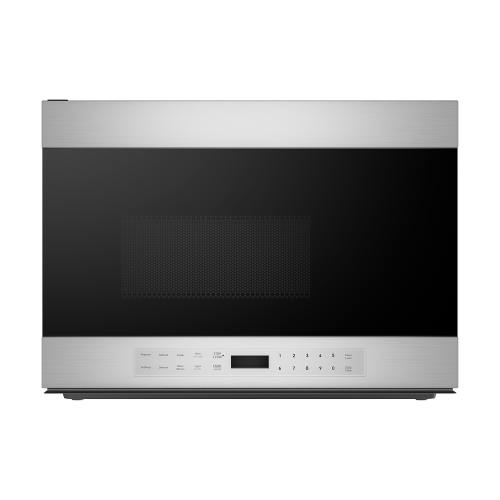
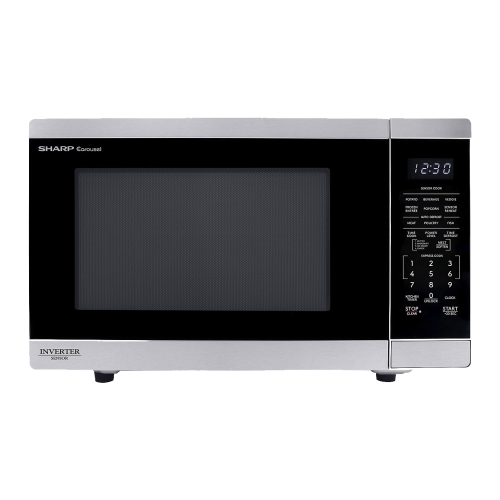
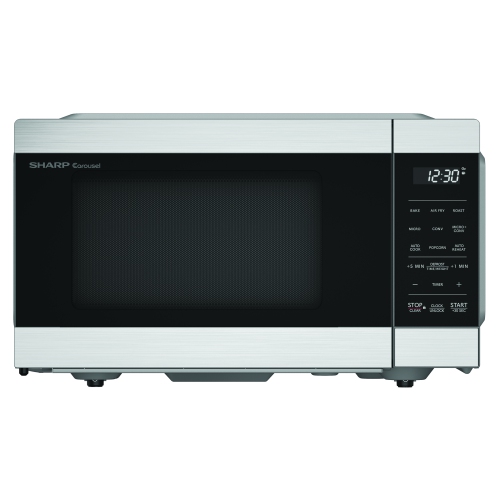
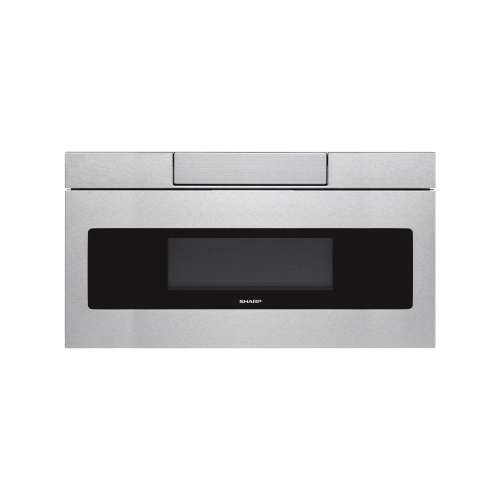
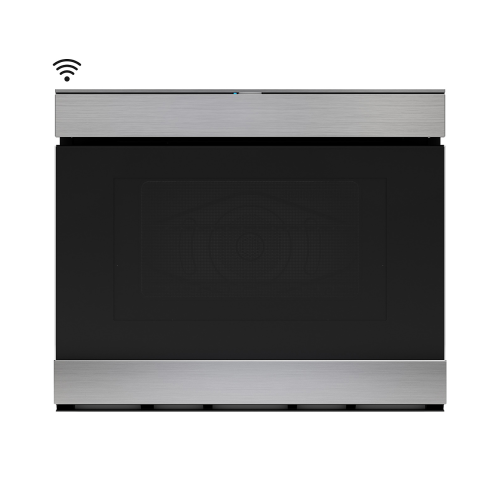
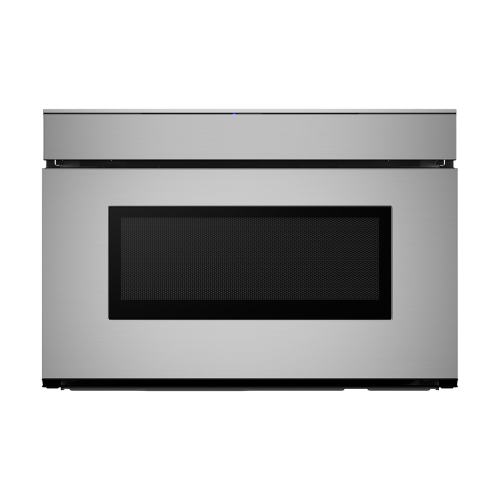
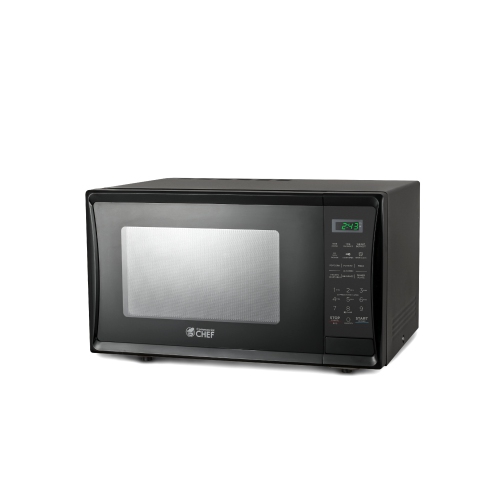
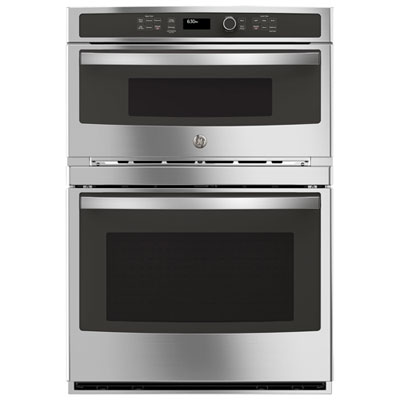
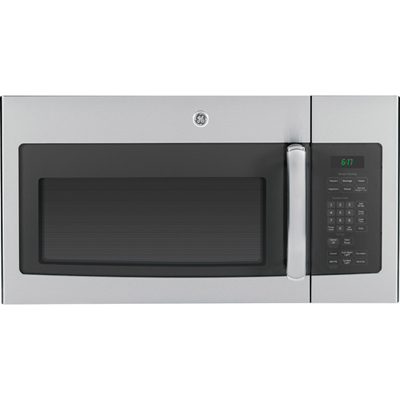
Microwave ovens are available in countertop, over-the-range, built-in, and drawer designs, with capacity, cooking power, and installation requirements shaping how each type fits into a kitchen. Their everyday appeal is straightforward: a bowl of porridge before work, leftovers warmed for lunch, or frozen vegetables prepared alongside dinner without occupying another stovetop burner. Countertop microwave ovens offer a relatively simple setup, provided there is a suitable electrical outlet and enough open space around the appliance for the ventilation clearances specified by the manufacturer. Compact designs can work well in smaller kitchens, while larger interiors accommodate wider dinner plates and serving dishes. Over-the-range microwave ovens combine cooking functions with a cooktop light and ventilation system, freeing counter space while requiring a compatible mounting location above the range. Depending on the design and installation, their ventilation systems may exhaust outdoors or recirculate filtered air. Built-in microwave ovens create a more integrated appearance within cabinetry, but the appliance and any required trim kit must be approved for that installation. Drawer microwave ovens open horizontally from below a counter, making it possible to lower a bowl into the cooking space rather than reach through a side-opening door. Each format changes the kitchen workflow: a countertop model keeps controls within easy view, an over-the-range design consolidates functions above the stove, and a drawer can keep the upper counter clear for food preparation. Fit involves more than the appliance’s exterior width. Door swing, handle projection, ventilation space, cabinet depth, and access to the outlet all matter, particularly in a narrow kitchen where an open door could interfere with a nearby cupboard or walkway. For households replacing an existing microwave oven, matching the old unit’s general size is only a starting point; mounting arrangements and clearance requirements can differ. These practical details help distinguish a microwave that simply fits a space from one that feels comfortable to use every day. A convenient location also leaves a nearby landing surface for setting down a hot mug, plate, or covered casserole.
Interior capacity and cooking power describe different aspects of a microwave oven’s performance. Capacity, commonly expressed in cubic feet, indicates the volume of the cooking cavity, while wattage describes cooking output. A larger interior does not automatically mean faster heating, and two ovens with similar exterior dimensions may accommodate dishes differently. The width of the opening, usable cavity height, and turntable diameter can matter as much as the stated capacity when a favourite dinner plate or tall bowl needs to fit. Turntable designs rotate food during operation to help distribute microwave exposure, and the dish needs enough clearance to turn without touching the walls. Flatbed designs, where offered, provide a stationary cooking surface that can be convenient for rectangular containers, although container dimensions and the appliance’s operating instructions still determine suitability. Models in the Microwave Oven 1000W category offer another way to compare cooking power, with interior size, installation style, and controls remaining important distinctions. Packaged-food instructions often assume a particular wattage, so cooking times may need adjustment when the appliance’s output differs. Sensor cooking, available on some microwave ovens, uses information such as moisture released during heating to adjust operation for supported settings; it does not replace checking that food is thoroughly heated. Inverter-equipped designs can provide controlled power delivery at lower settings rather than relying solely on repeated full-power cycling, which can be useful for gentle tasks such as softening butter or heating delicate sauces. Preset programmes, defrost functions, staged cooking, and quick-start controls serve different routines. Someone warming a single mug may value a clear start button and short time increments, while a household preparing several portions may appreciate room for a covered serving dish and controls that are easy to adjust between batches. Certain designs also include convection or grilling functions, but those capabilities should be distinguished from standard microwave cooking. Conventional microwave operation heats and reheats food efficiently but does not produce the same browning or crispness as a traditional oven or grill.
Materials, finishes, and maintenance contribute to how a microwave oven looks and feels after repeated use. Stainless steel, painted metal, glass, and plastic components appear in different combinations across doors, control panels, and cabinets. A stainless steel finish can coordinate with other kitchen appliances, while black or white finishes may blend more quietly into existing cabinetry. Surface texture and finish treatments influence how noticeable fingerprints and smudges become, but cleaning products should always be compatible with the particular surface. Inside the cavity, smooth walls and accessible corners make splashes easier to wipe away. A removable glass turntable adds a separate part to clean, whereas a flatbed surface eliminates that component without removing the need for regular cleaning. Food residue around the door and its contact surfaces deserves attention, and abrasive pads or harsh cleaners can damage finishes. Following the manufacturer’s care instructions helps protect the interior coating, controls, and door components. Microwave-safe dishes are equally important to everyday use: glass and ceramic containers labelled for microwave use are common choices, while plastics need their own microwave-safe designation. Metal cookware and foil are generally unsuitable unless the appliance instructions explicitly permit them for a specific function. A vented, microwave-safe cover can help contain splatters, and covered containers need a safe way for steam to escape. Stirring food, allowing the recommended standing time, and handling hot dishes with suitable protection remain important even when automatic settings are used. Usability details can be just as meaningful as advanced cooking features. A readable display, clearly marked buttons, an easy-to-grip handle, and a door that opens smoothly all affect frequent tasks, especially when hands are occupied with a plate or serving dish. Control locks may help limit unintended operation, but they do not replace supervision around children. For a first apartment, a shared household, or a family kitchen, a microwave oven’s lasting value comes from suitable dimensions, practical controls, straightforward care, and cooking functions that match the meals prepared most often.
Top selling and popular products
-
 Your price for this item is $79.97
-
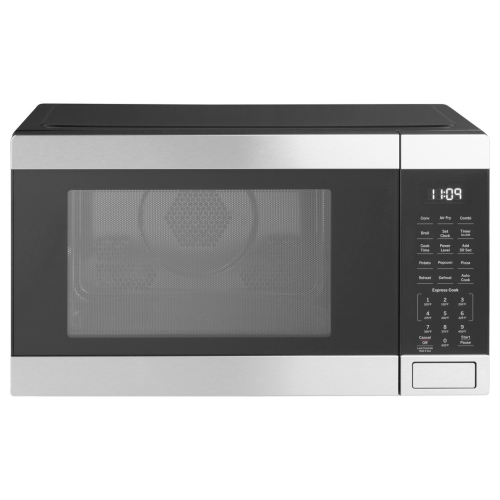 Your price for this item is $599.99
-
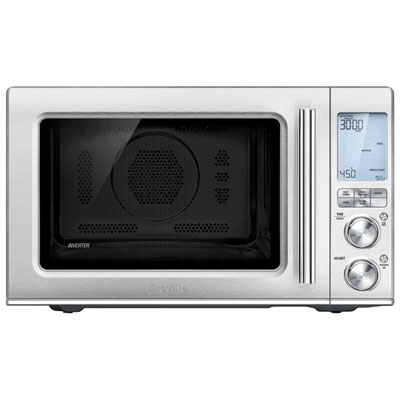 Your price for this item is $699.99
-
 Your price for this item is $95.49
-
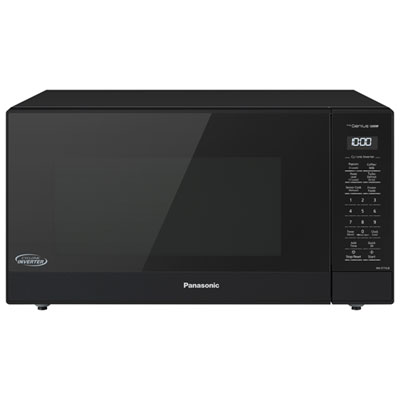 Your price for this item is $309.99
-
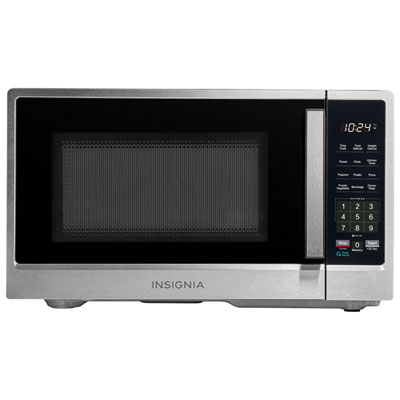 Your price for this item is $149.99
-
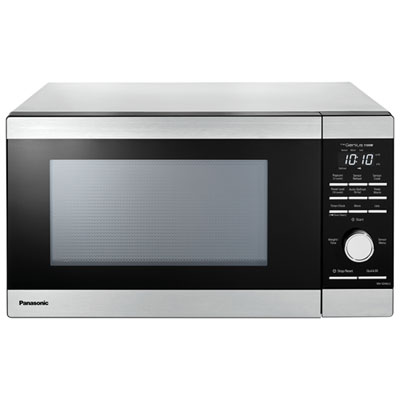 Your price for this item is $249.99
-
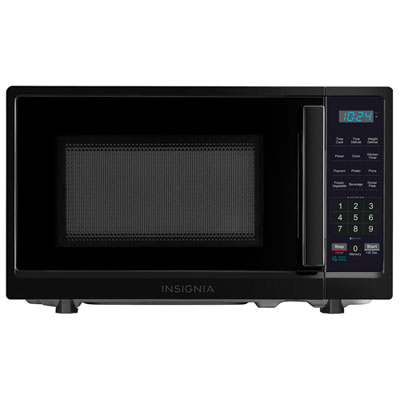 Your price for this item is $109.99
Discover more categories related to Microwave Oven Sharp
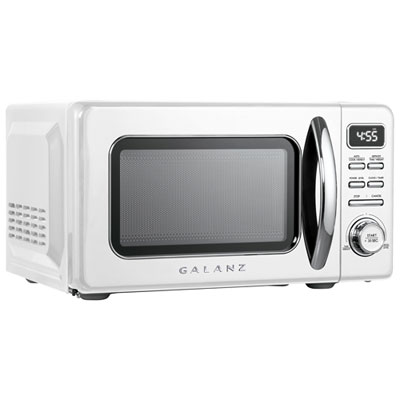
Top Collections:
Best Black Friday Deals This Year, Best Black Friday Deals On Electronics, Kindle Devices, Pokemon Centers, Best Black Friday Deals On Apple Products, Best Cameras for Sports Photography, Dyson Airwrap, Pokémon 30th Celebration Cards, Apple iPhone 17 Pro, Canon G7X Cameras
Some products may be subject to Environmental Handling Fees
(EHF) depending on your province.
Learn more about EHFs.