Microwave Oven Size
When it comes to choosing the right microwave oven for your kitchen, size plays a crucial role. Whether you have a spacious kitchen with ample countertop space or a compact area that requires careful planning, finding the perfect microwave oven size is essential. From small and compact models that fit seamlessly into tight spaces to larger options that can handle family-sized meals, Best Buy Canada offers a wide range of microwave sizes to suit every kitchen layout and cooking need. In this guide, we will explore the different sizes available and help you determine which one is best suited for your culinary adventures.
Sort
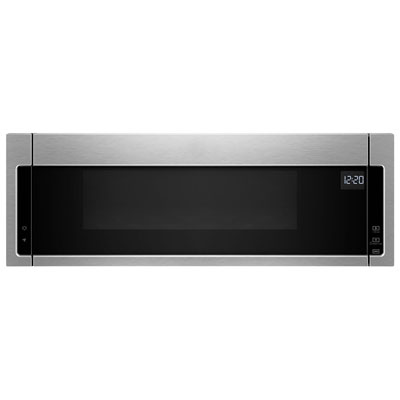
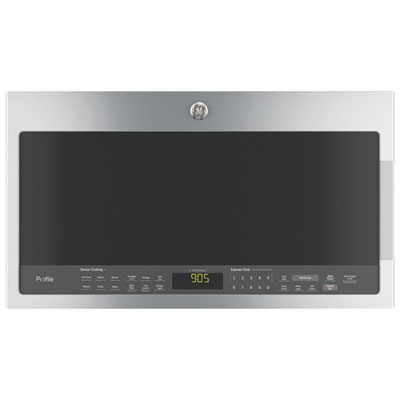
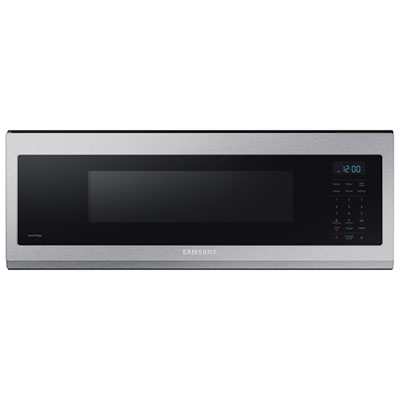
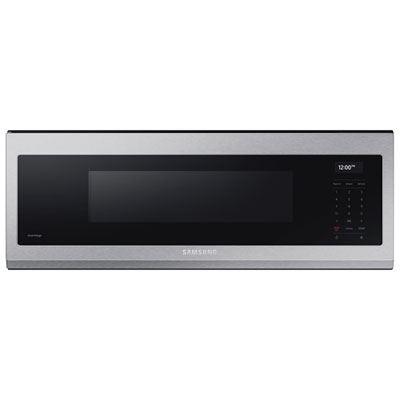
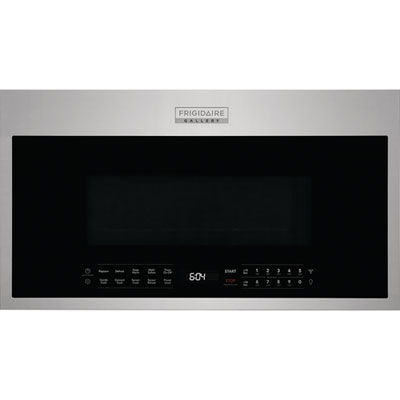
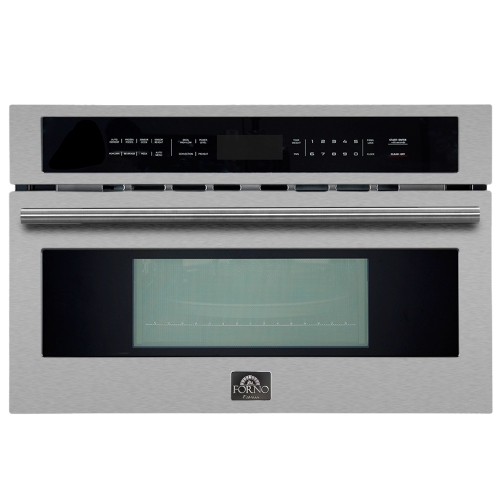
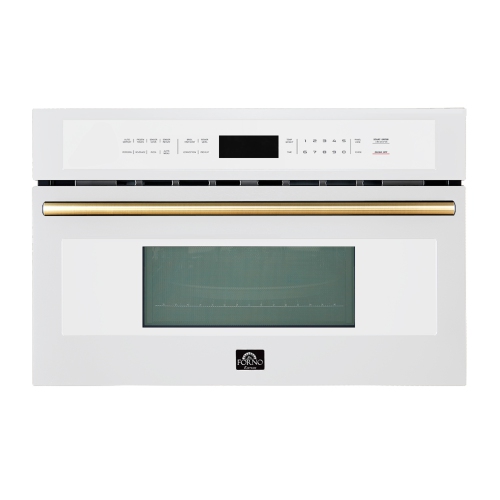

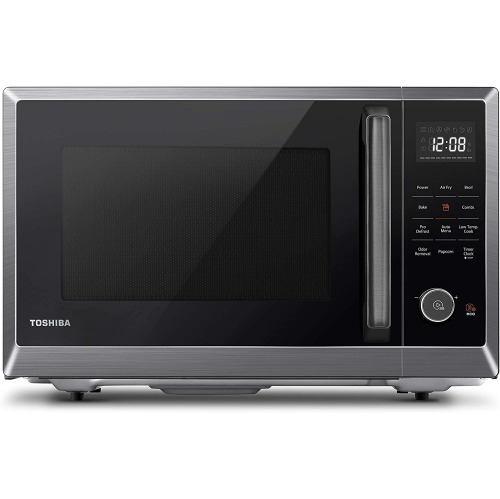
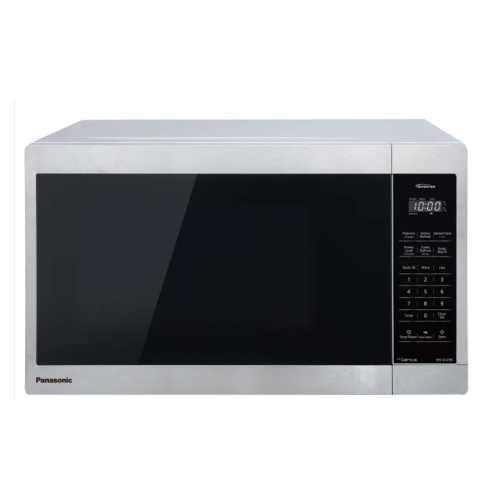
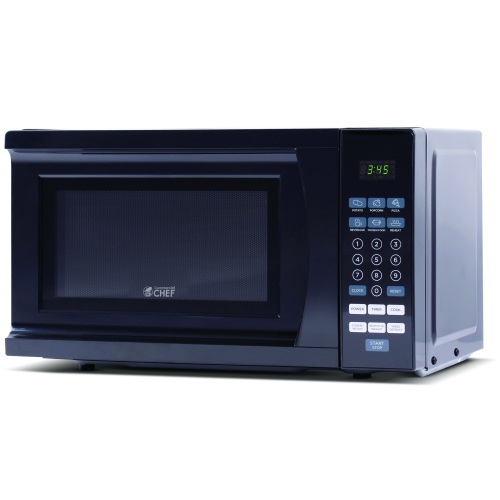
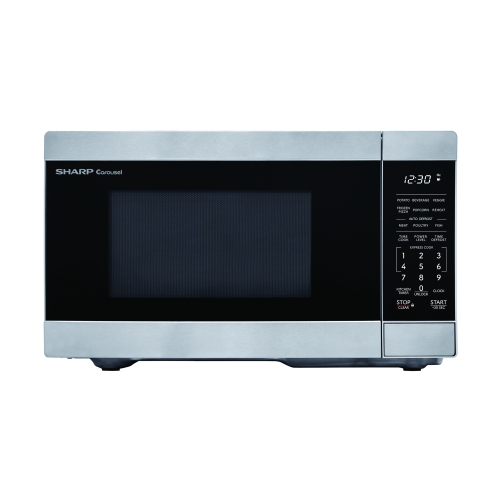
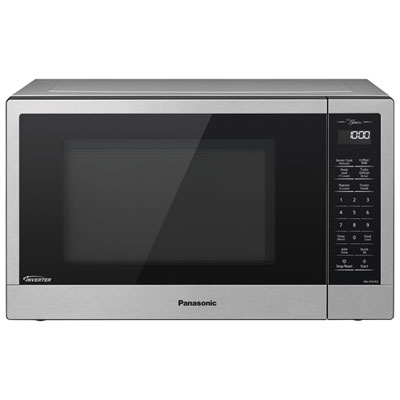
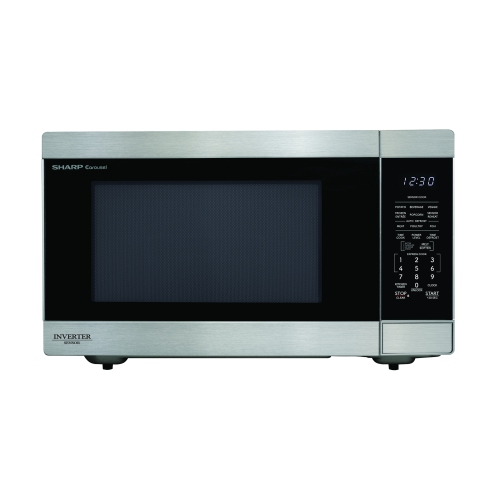
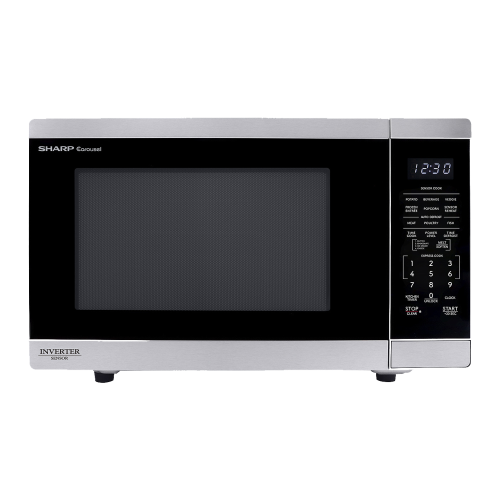
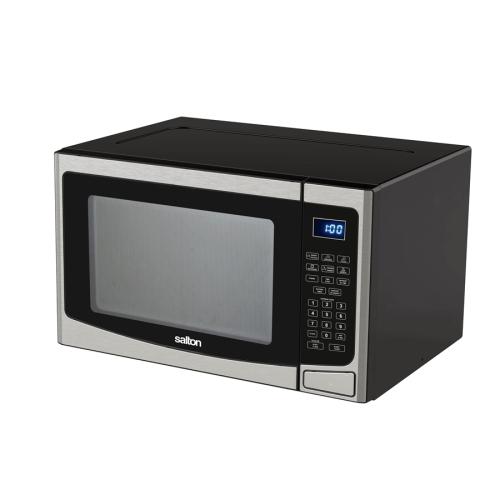



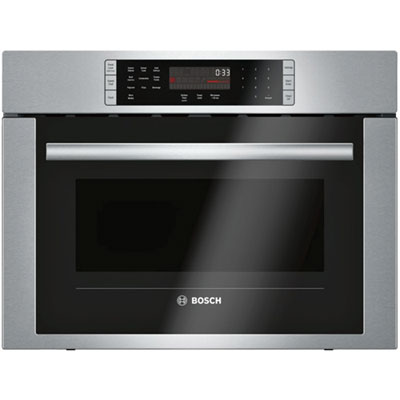
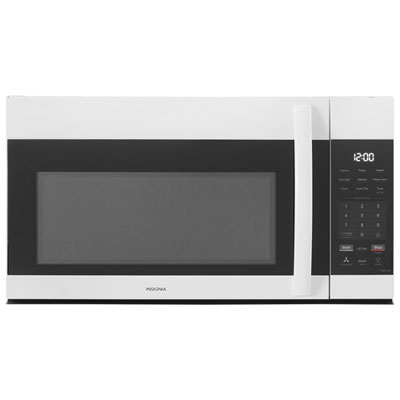
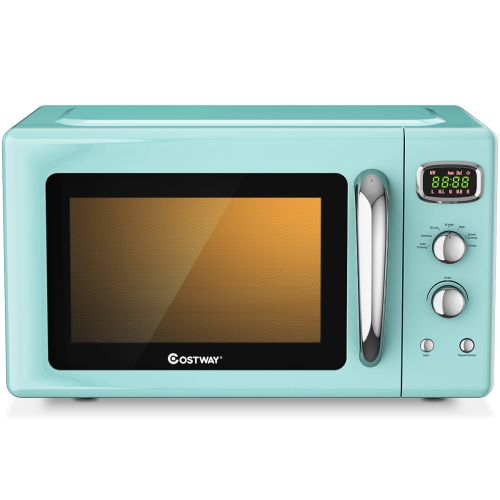
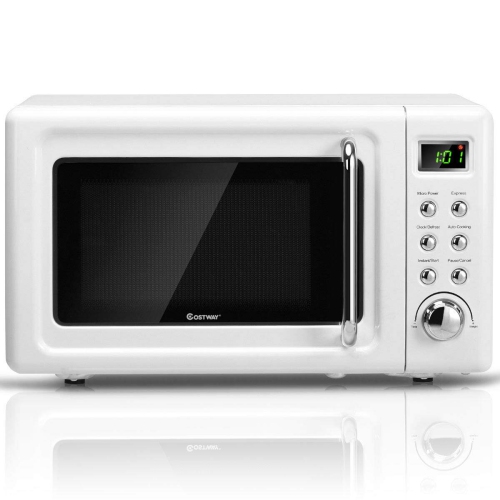


How dimensions shape capacity, placement, and everyday convenience
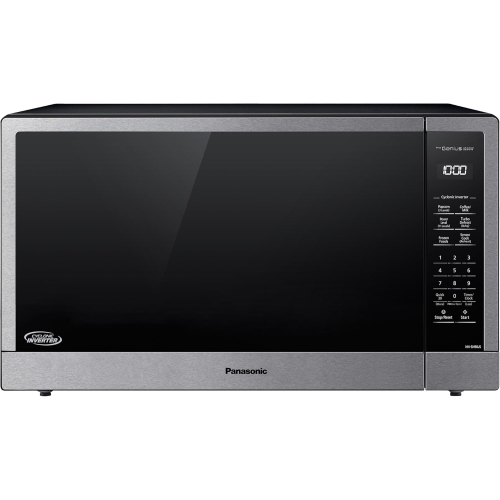
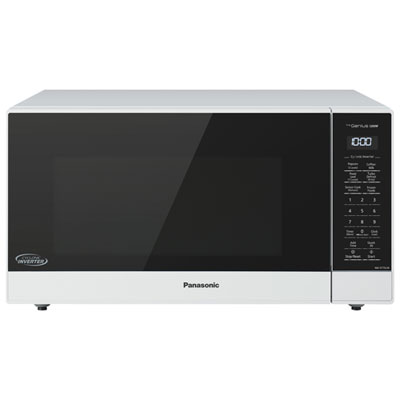
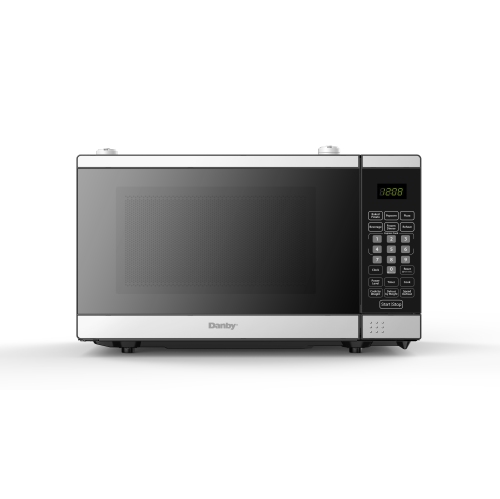
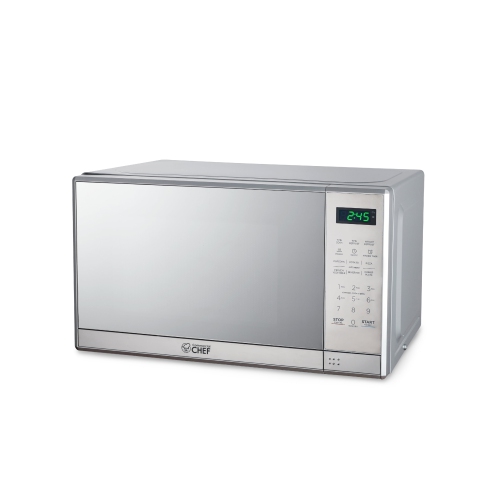
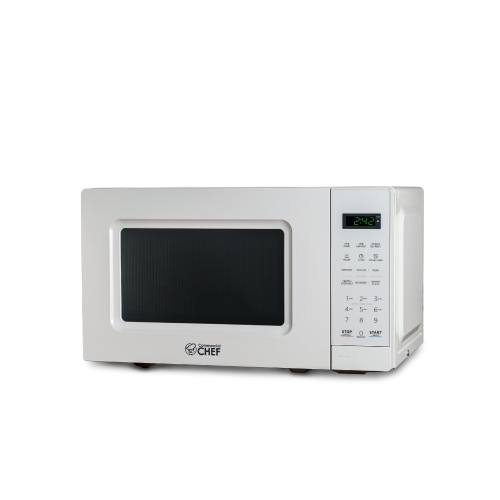
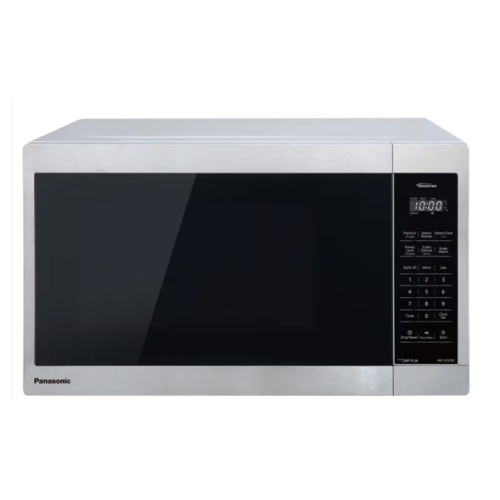
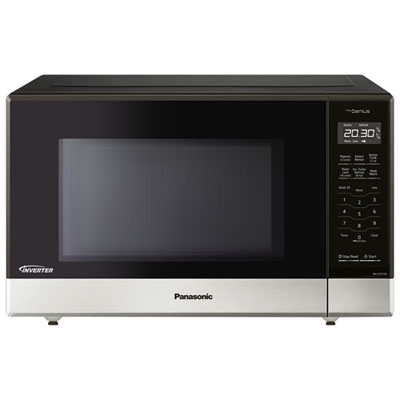
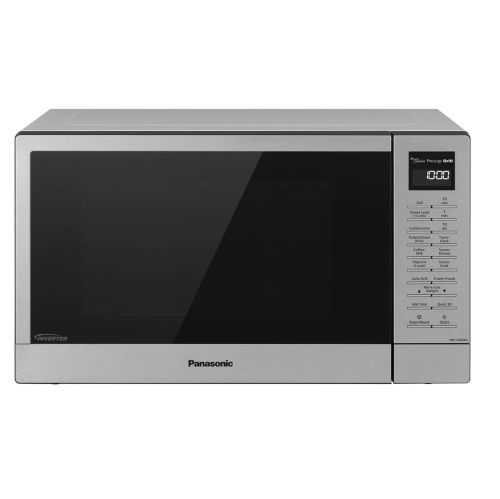
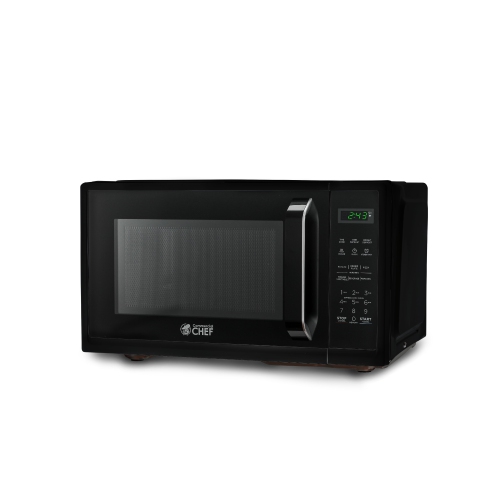
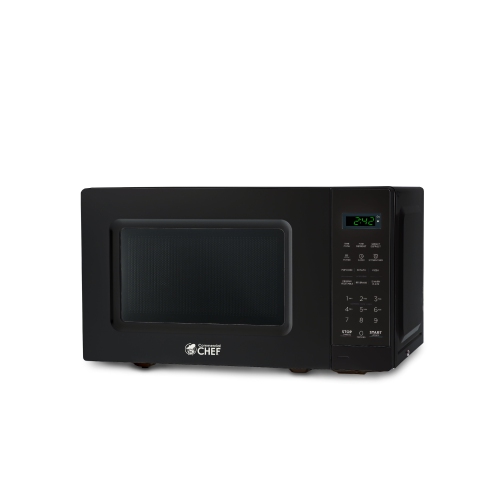
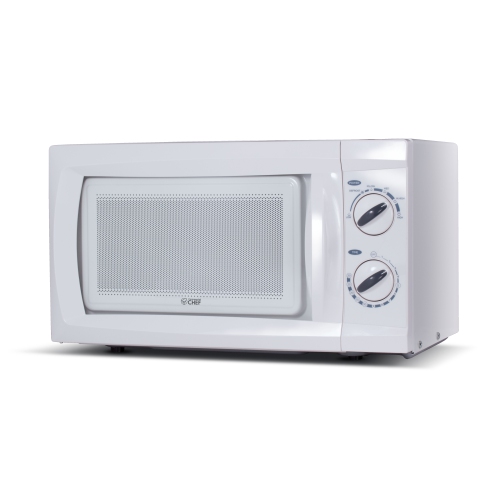
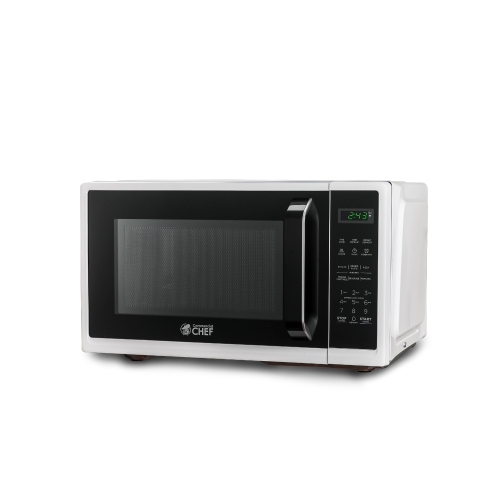
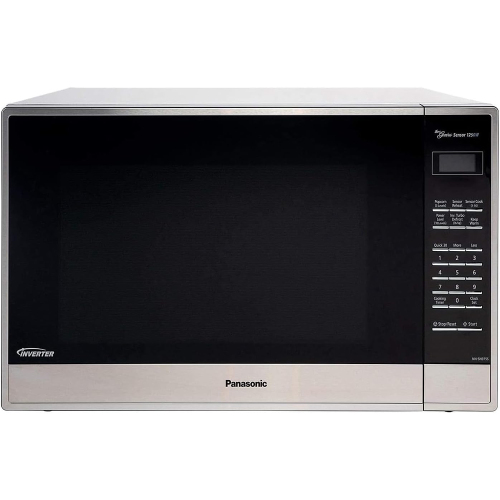
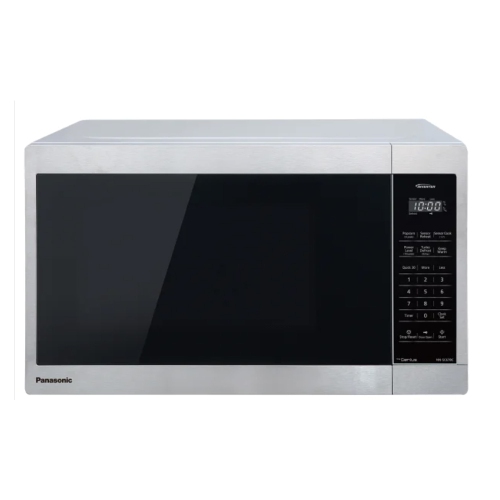
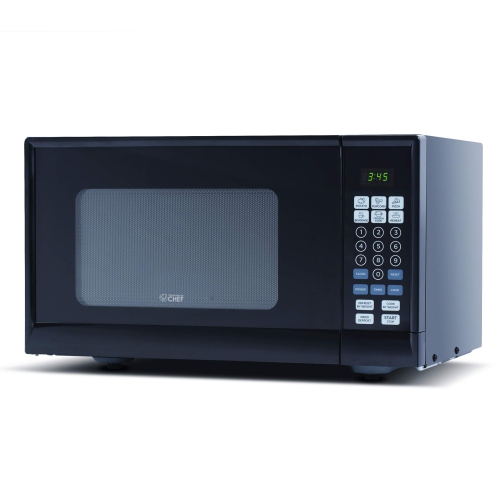
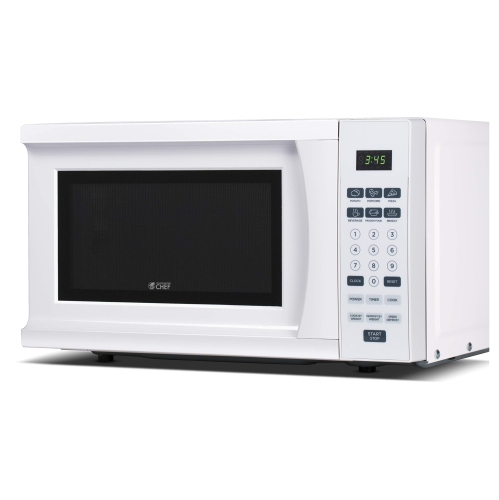
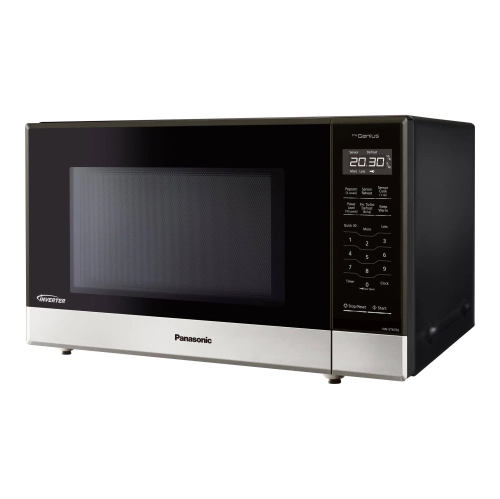
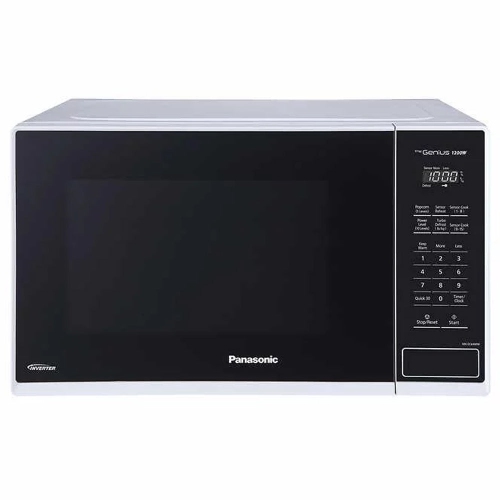
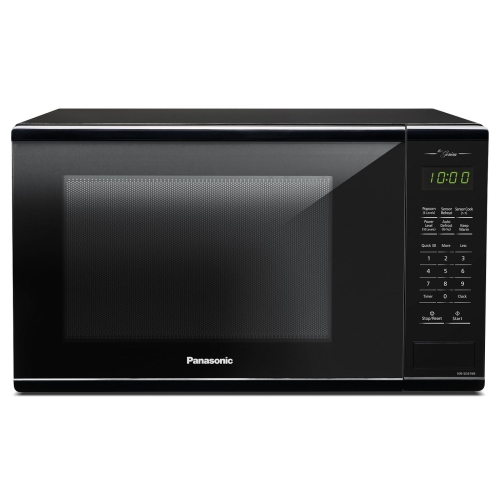
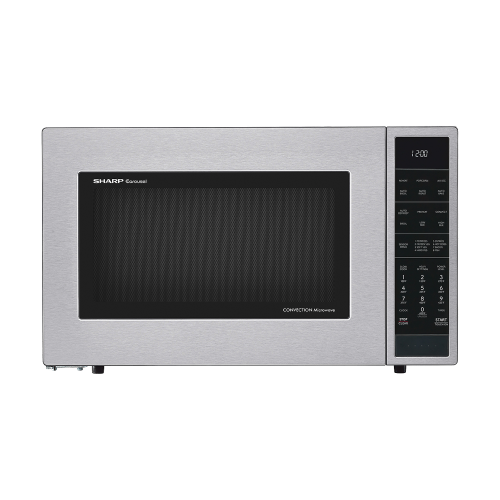
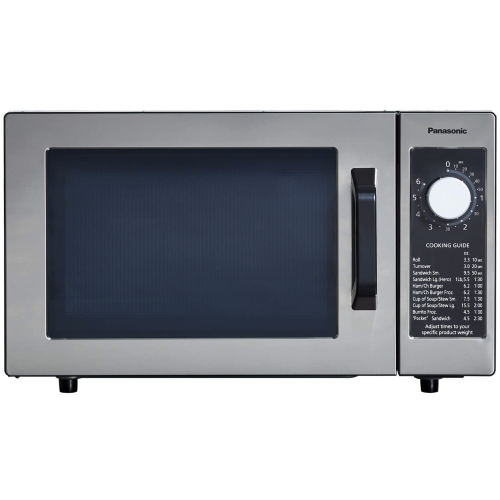
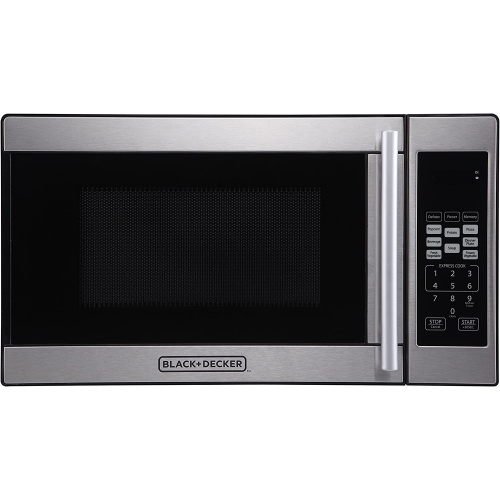
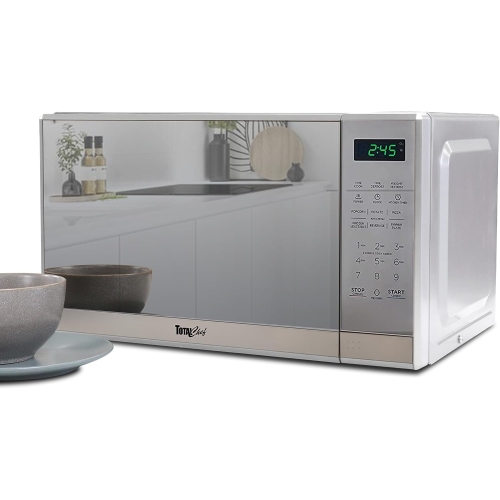
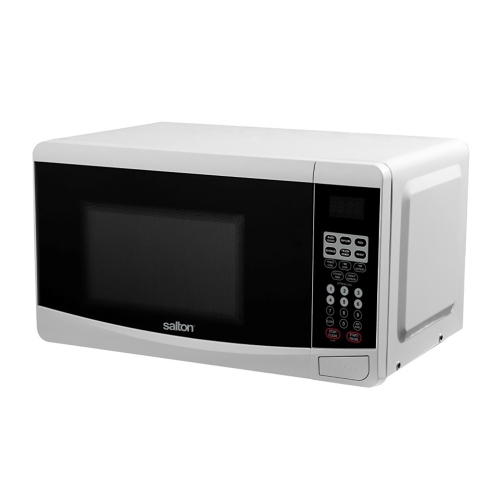
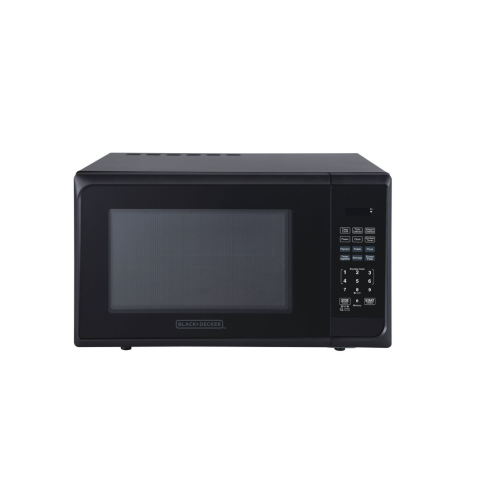
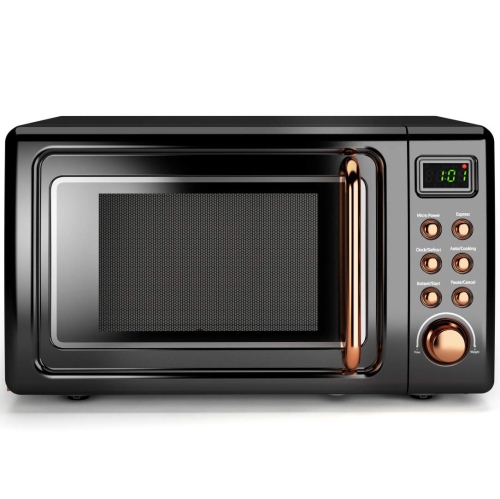
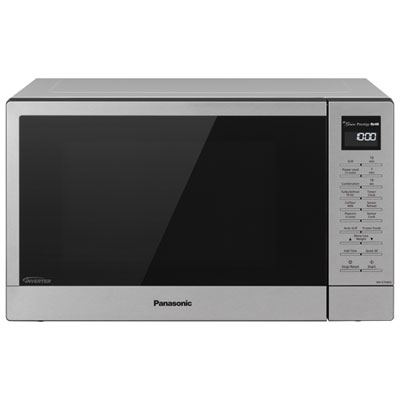
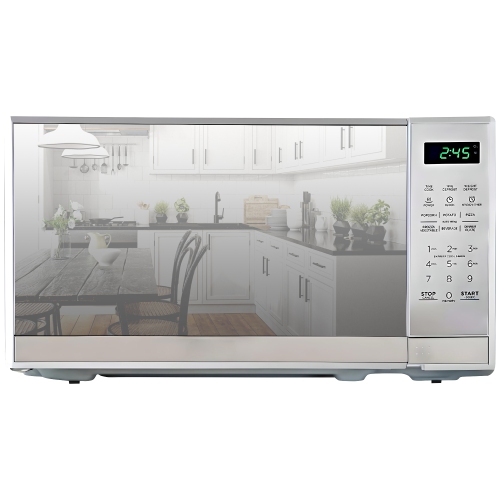
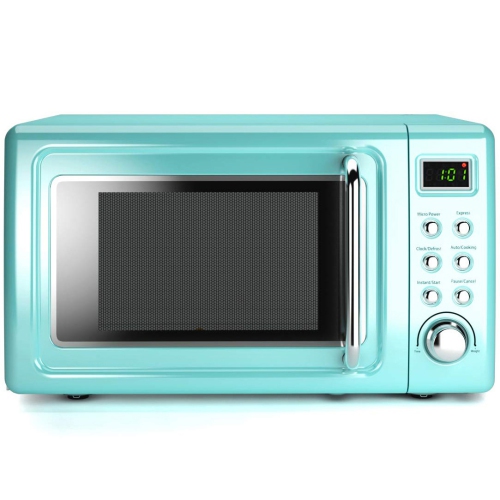
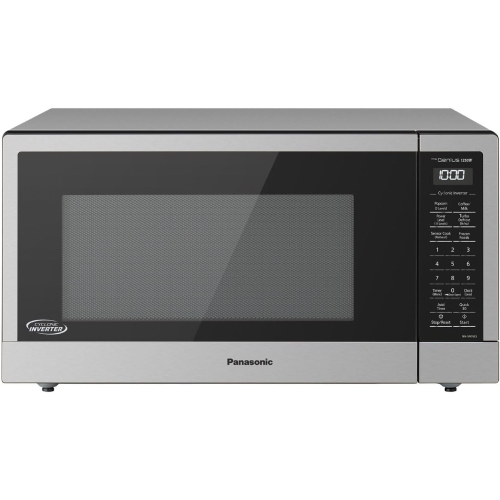
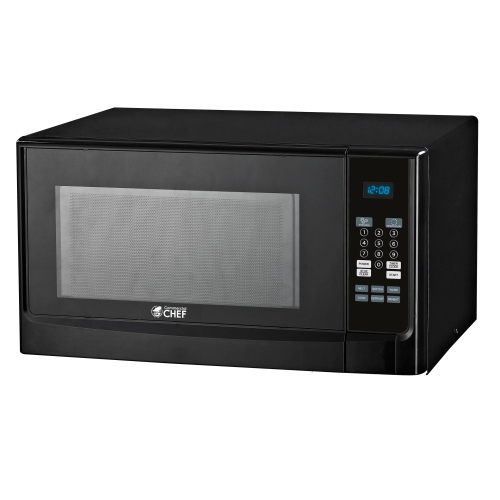
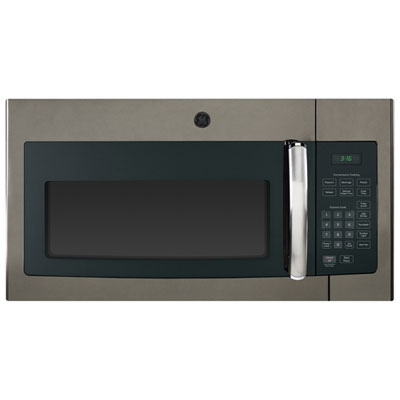
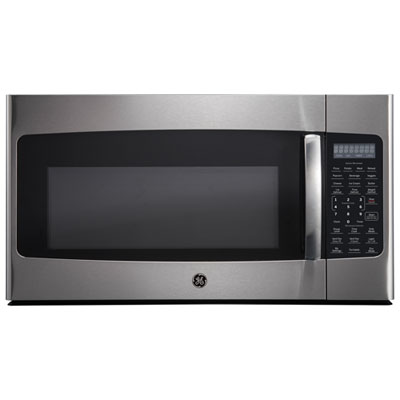
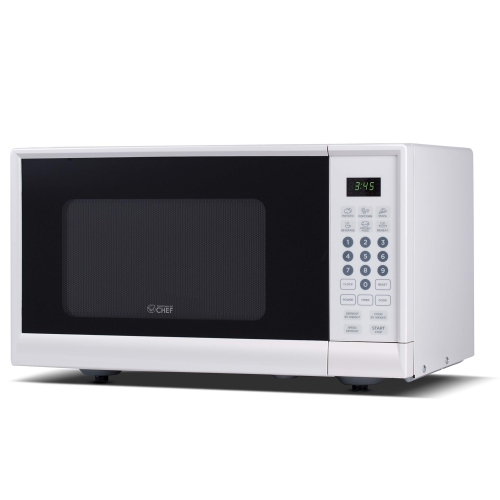
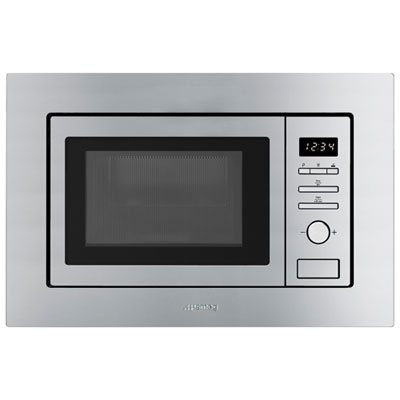
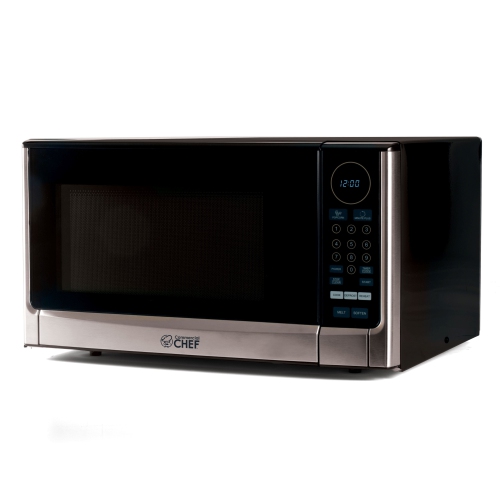
Microwave oven size affects far more than how much space an appliance occupies on a counter. It also determines the dishes you can use, the amount of food you can heat at once, and how naturally the microwave fits into your daily routine. Countertop models are often the simplest choice because they can be placed on a sturdy, level surface without cabinetry changes or professional installation. Compact microwaves generally offer around 0.5 to 0.9 cubic feet of interior capacity and are commonly about 18 to 24 inches wide, 10 to 14 inches high, and 14 to 20 inches deep, although dimensions vary by model. Their smaller footprint suits apartments, dorm rooms, office kitchens, basement suites, cottages, and compact kitchens where every inch of counter space matters. They are also useful for people who mainly reheat a mug, bowl, single serving, or small plate rather than preparing large family-sized portions. A compact microwave can be a practical gift for a student moving into a first home, a relative setting up a guest suite, or anyone furnishing a smaller living space. Before choosing one, measure the available area from side to side, front to back, and from the counter to any cupboards above it. Leave room for the door to open fully and for ventilation around the appliance, following the manufacturer’s clearance requirements. Depth deserves particular attention: a microwave may fit within the width of a counter but extend beyond its front edge, especially when the door handle or control panel adds extra reach. The turntable diameter is equally helpful to check, since a microwave with adequate cubic-foot capacity may still be unable to accommodate a large square casserole dish. Shoppers looking for a smaller footprint can compare 0.7 Cubic Feet Microwaves to find options suited to individual portions, quick reheating, and limited kitchen layouts.
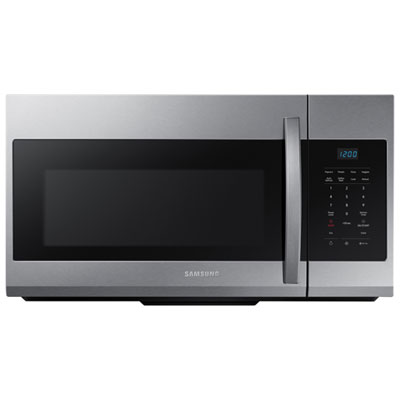
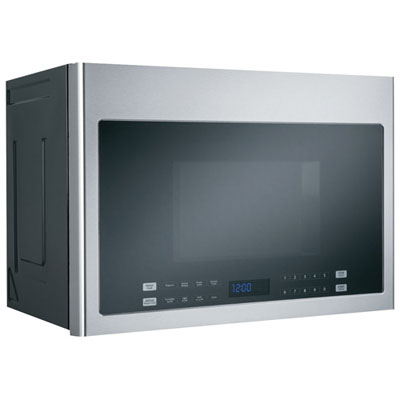
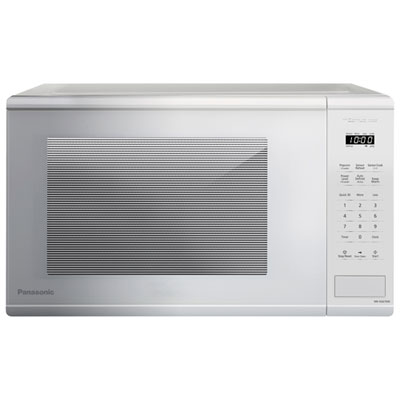
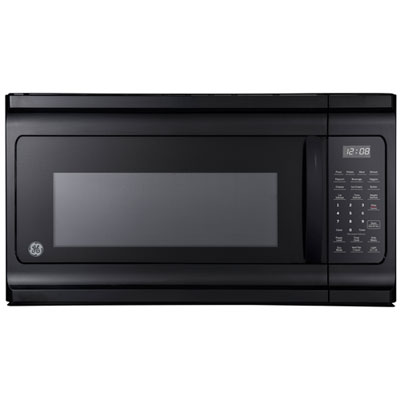
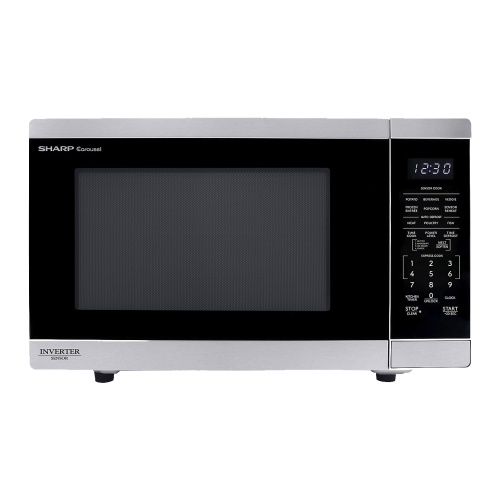
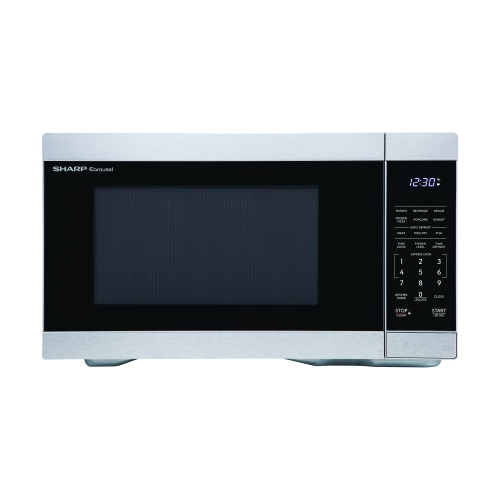
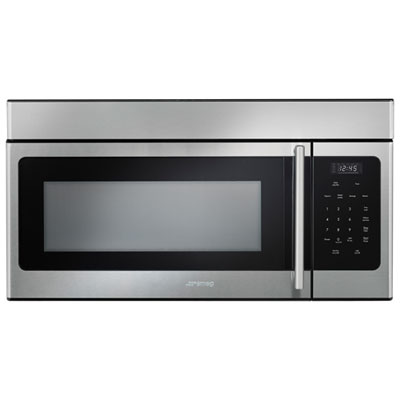
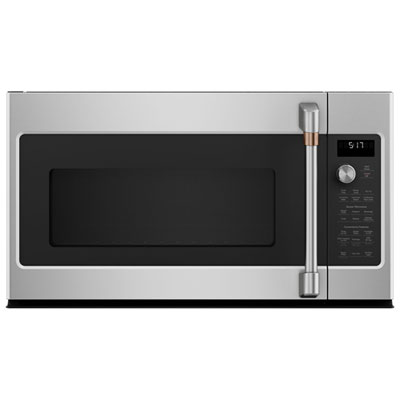
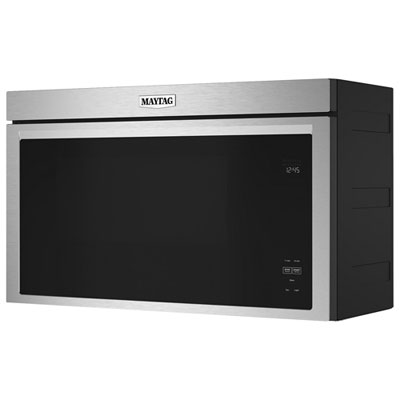
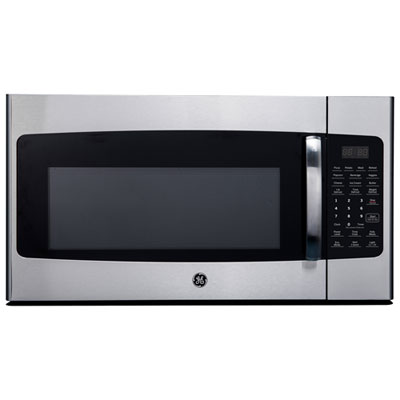
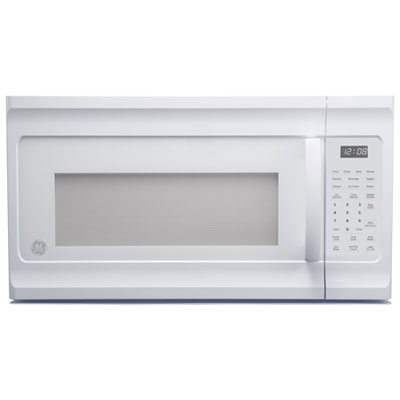
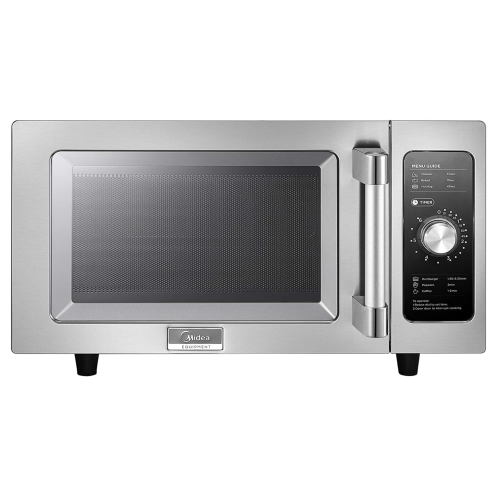
Mid-size microwaves, typically about 1.0 to 1.6 cubic feet, provide a useful balance between interior capacity and manageable exterior dimensions. They are often chosen by couples, families, shared households, and home cooks who want enough room for standard dinner plates, larger bowls, microwave-safe baking dishes, and several portions of leftovers. A plate that fits comfortably inside can make a noticeable difference during busy evenings: food can be reheated evenly without transferring it to a smaller dish, and a covered bowl of soup or a container of pasta can go directly from the refrigerator to the microwave. Larger countertop models may be around 24 to 30 inches wide, while their height and depth can vary considerably, so the listed measurements should be treated as essential rather than estimated. Capacity is measured in cubic feet, but that number does not describe every aspect of usable space; turntable size, interior height, and the shape of the cavity all influence what can actually fit. A tall mug or deep casserole may need more vertical clearance than a flat dinner plate, while a family-sized platter may require a wider turntable. Over-the-range microwaves are another important size category. These models are designed to sit above a cooktop and commonly measure about 30 inches wide, although narrower or wider configurations may be available for different kitchen layouts. They combine microwave functions with an exhaust fan and cooktop lighting, helping make use of the space above the stove. Because they must align with cabinetry and the cooking surface, shoppers should verify the cabinet opening, wall arrangement, power requirements, ventilation setup, and recommended installation height before purchasing. The surrounding cabinetry may be standard, but the available depth, trim, door swing, and venting path can affect compatibility. This placement can be especially helpful in a busy kitchen where counter space is needed for meal preparation, small appliances, or serving dishes. It may also appeal to homeowners refreshing a kitchen before the cooler months, when more meals are prepared indoors and an efficient layout becomes part of the everyday rhythm.
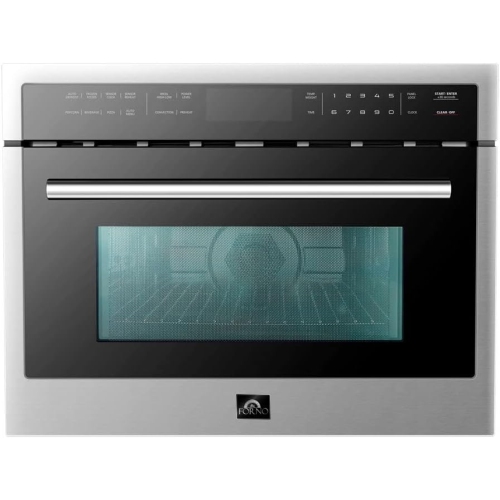
Built-in microwaves are intended to integrate with cabinetry for a more finished appearance and are commonly available in configurations suited to 24-, 27-, or 30-inch cabinet widths. Their capacities often range from roughly 1.2 to 2.2 cubic feet, making them suitable for households that regularly reheat family portions, prepare larger dishes, or want the microwave positioned at a convenient height rather than on the counter. Some built-in installations use trim kits to close the surrounding gaps and create a coordinated look, so the cutout dimensions, electrical location, ventilation requirements, and approved accessories must all be confirmed before installation. Unlike a countertop model, a built-in microwave is not simply placed into any open cabinet; the cabinet opening must match the appliance specifications to allow proper airflow and safe operation. Capacity and exterior size should therefore be considered together. A large interior can be valuable for serving several people at once, but a larger unit may be unnecessary for someone who mainly warms coffee, defrosts ingredients, or reheats individual meals. Features such as sensor cooking, defrost settings, multiple power levels, quick-start controls, interior lighting, child lock functions, and easy-to-clean surfaces can influence convenience, but the best feature set depends on how the microwave will be used. A household with young children may value straightforward controls and safety settings, while a frequent meal preparer may prioritize generous interior height and flexible cooking programmes. Someone setting up a first kitchen may prefer a compact countertop design that can move to a future home, whereas a homeowner completing a kitchen renovation may be considering an over-the-range or built-in format for a more permanent arrangement. During the warmer seasons, a microwave can help prepare quick breakfasts, warm leftovers after outdoor activities, or melt and soften ingredients without turning on the full oven. As the weather cools, it can handle reheating, defrosting, steaming, and late-evening snacks with less effort. Comparing width, height, depth, cubic-foot capacity, door clearance, turntable size, installation type, and the shape of the available space makes it easier to select a microwave oven size that feels practical every day rather than merely fitting on paper.
Mid-size microwaves, typically about 1.0 to 1.6 cubic feet, provide a useful balance between interior capacity and manageable exterior dimensions. They are often chosen by couples, families, shared households, and home cooks who want enough room for standard dinner plates, larger bowls, microwave-safe baking dishes, and several portions of leftovers. A plate that fits comfortably inside can make a noticeable difference during busy evenings: food can be reheated evenly without transferring it to a smaller dish, and a covered bowl of soup or a container of pasta can go directly from the refrigerator to the microwave. Larger countertop models may be around 24 to 30 inches wide, while their height and depth can vary considerably, so the listed measurements should be treated as essential rather than estimated. Capacity is measured in cubic feet, but that number does not describe every aspect of usable space; turntable size, interior height, and the shape of the cavity all influence what can actually fit. A tall mug or deep casserole may need more vertical clearance than a flat dinner plate, while a family-sized platter may require a wider turntable. Over-the-range microwaves are another important size category. These models are designed to sit above a cooktop and commonly measure about 30 inches wide, although narrower or wider configurations may be available for different kitchen layouts. They combine microwave functions with an exhaust fan and cooktop lighting, helping make use of the space above the stove. Because they must align with cabinetry and the cooking surface, shoppers should verify the cabinet opening, wall arrangement, power requirements, ventilation setup, and recommended installation height before purchasing. The surrounding cabinetry may be standard, but the available depth, trim, door swing, and venting path can affect compatibility. This placement can be especially helpful in a busy kitchen where counter space is needed for meal preparation, small appliances, or serving dishes. It may also appeal to homeowners refreshing a kitchen before the cooler months, when more meals are prepared indoors and an efficient layout becomes part of the everyday rhythm.
Built-in microwaves are intended to integrate with cabinetry for a more finished appearance and are commonly available in configurations suited to 24-, 27-, or 30-inch cabinet widths. Their capacities often range from roughly 1.2 to 2.2 cubic feet, making them suitable for households that regularly reheat family portions, prepare larger dishes, or want the microwave positioned at a convenient height rather than on the counter. Some built-in installations use trim kits to close the surrounding gaps and create a coordinated look, so the cutout dimensions, electrical location, ventilation requirements, and approved accessories must all be confirmed before installation. Unlike a countertop model, a built-in microwave is not simply placed into any open cabinet; the cabinet opening must match the appliance specifications to allow proper airflow and safe operation. Capacity and exterior size should therefore be considered together. A large interior can be valuable for serving several people at once, but a larger unit may be unnecessary for someone who mainly warms coffee, defrosts ingredients, or reheats individual meals. Features such as sensor cooking, defrost settings, multiple power levels, quick-start controls, interior lighting, child lock functions, and easy-to-clean surfaces can influence convenience, but the best feature set depends on how the microwave will be used. A household with young children may value straightforward controls and safety settings, while a frequent meal preparer may prioritize generous interior height and flexible cooking programmes. Someone setting up a first kitchen may prefer a compact countertop design that can move to a future home, whereas a homeowner completing a kitchen renovation may be considering an over-the-range or built-in format for a more permanent arrangement. During the warmer seasons, a microwave can help prepare quick breakfasts, warm leftovers after outdoor activities, or melt and soften ingredients without turning on the full oven. As the weather cools, it can handle reheating, defrosting, steaming, and late-evening snacks with less effort. Comparing width, height, depth, cubic-foot capacity, door clearance, turntable size, installation type, and the shape of the available space makes it easier to select a microwave oven size that feels practical every day rather than merely fitting on paper.
Top selling and popular products
-
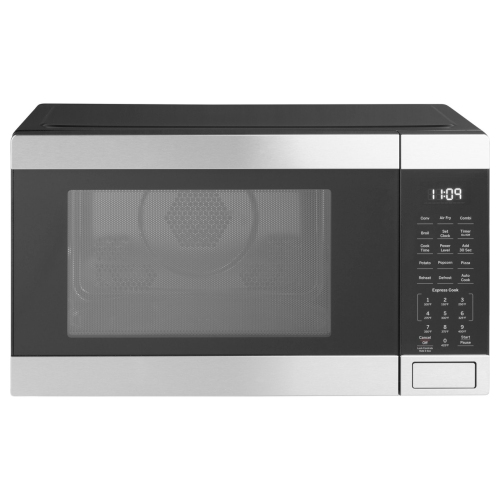 Your price for this item is $509.99
 -
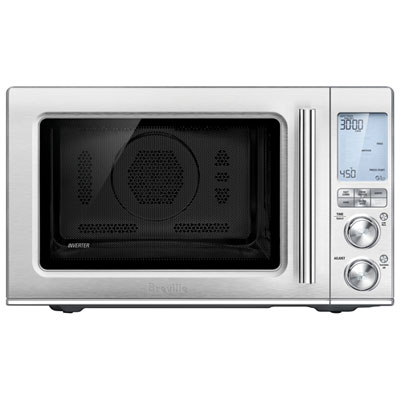 Your price for this item is $529.98
 -
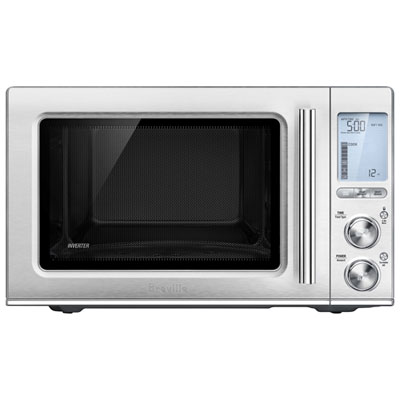 Your price for this item is $459.99
 -
 Your price for this item is $114.99
 -
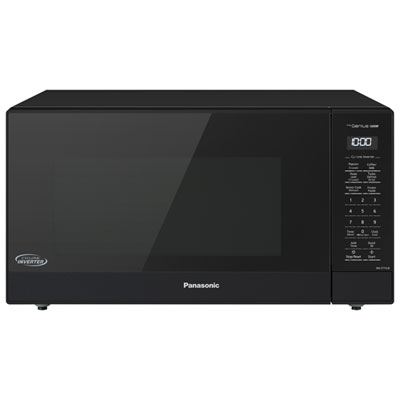 Your price for this item is $279.99
 -
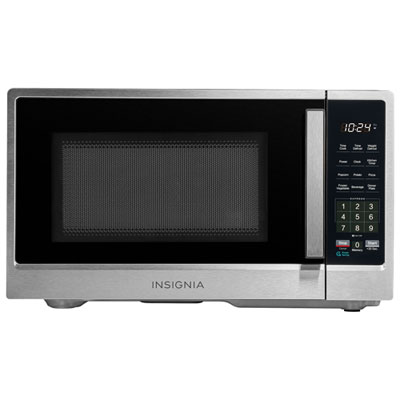 Your price for this item is $89.99
 -
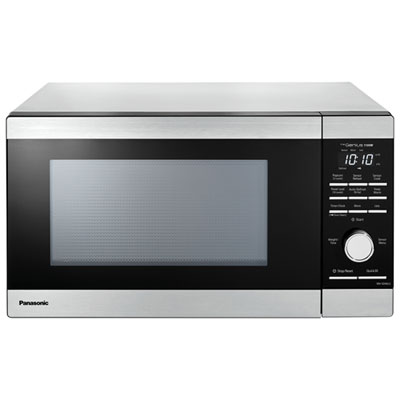 Your price for this item is $179.99
 -
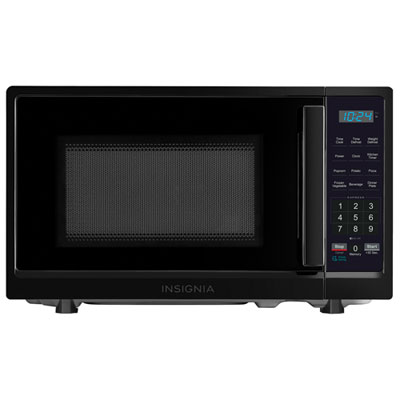 Your price for this item is $109.99
Discover more categories related to Microwave Oven Size
Top Collections:
Pokemon Centers, Kindle Devices, Best Budget Office Chairs, Apple iPhones 16, Best Laptops for Writers, iPhone 15 Apple, Canon G7X Cameras, Refurbished Apple Laptops, Alarm Clock, Motorola Razr Phones
Some products may be subject to Environmental Handling Fees
(EHF) depending on your province.
Learn more about EHFs.