Microwaves With Sensor Cooking
Upgrade your kitchen with a microwave equipped with sensor cooking technology. With the ability to detect moisture levels and adjust cooking times accordingly, these microwaves take the hassle out of meal preparation. Whether you're reheating leftovers or defrosting frozen food, sensor cooking ensures even cooking and eliminates the risk of overcooking or undercooking. Here are some of the best options available on the market today.
Sort
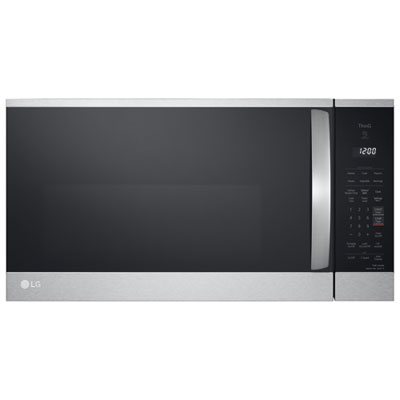
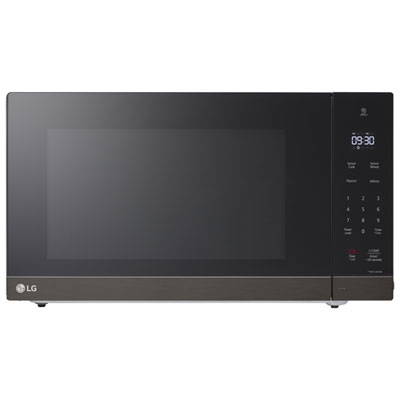
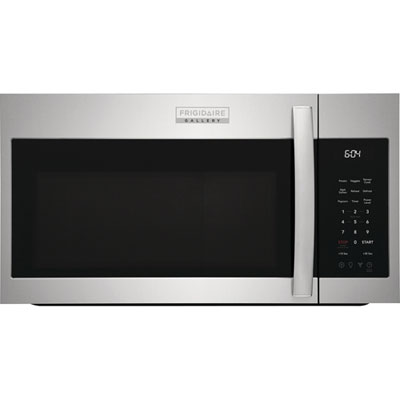
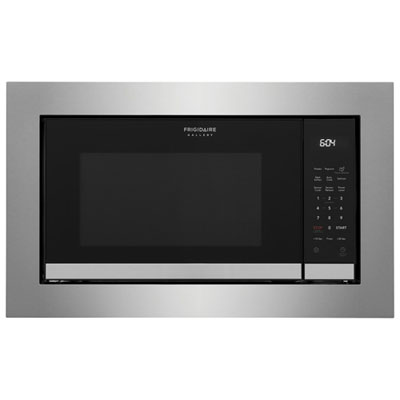
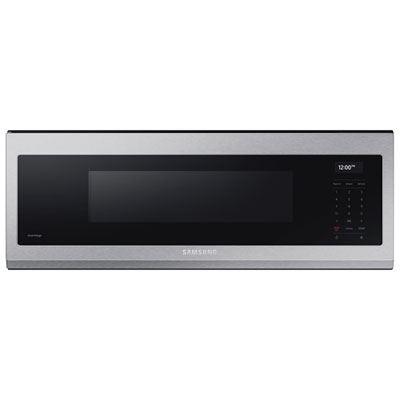
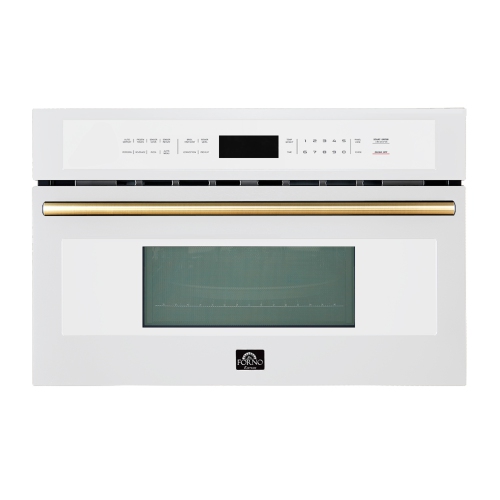
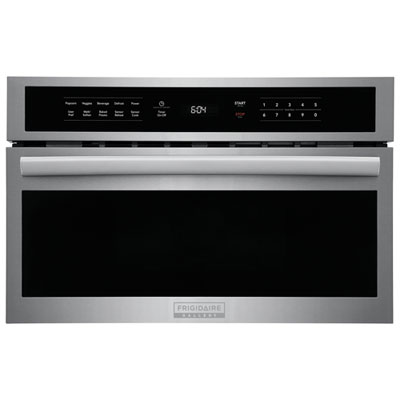
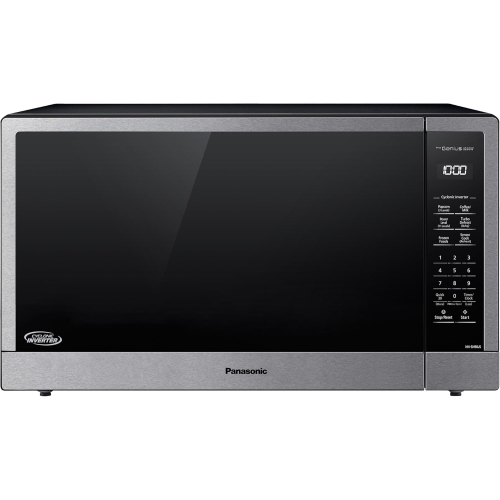


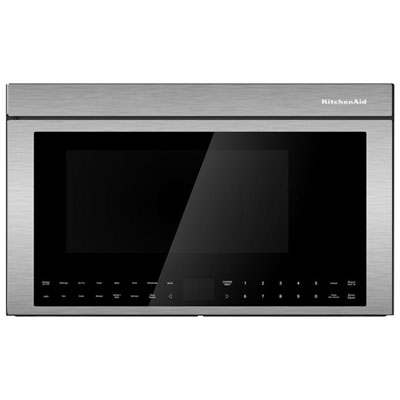
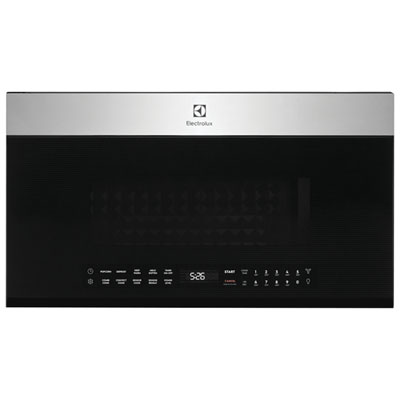
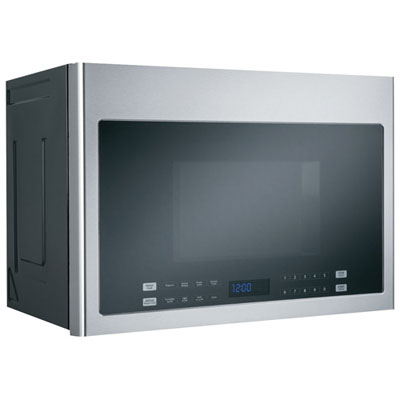
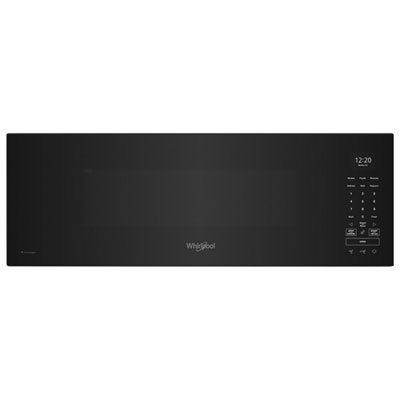
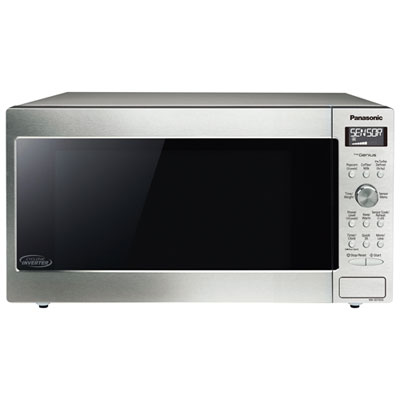
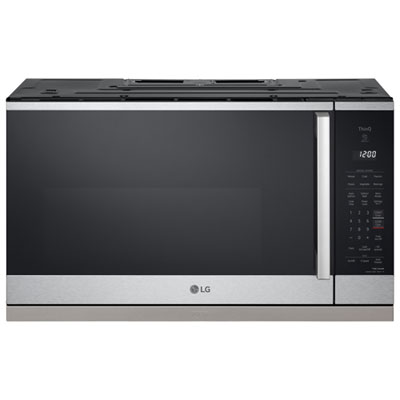
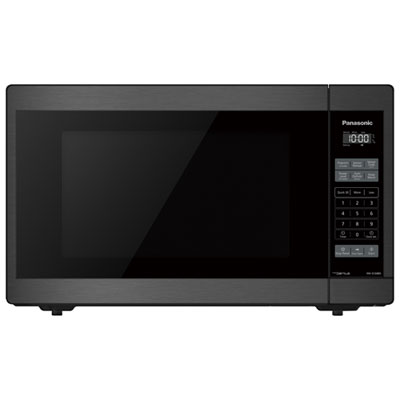
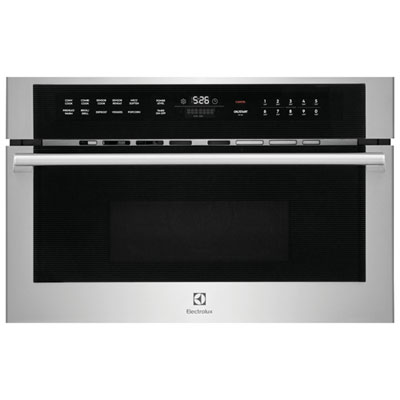
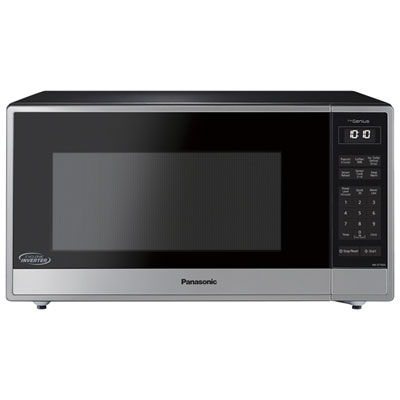
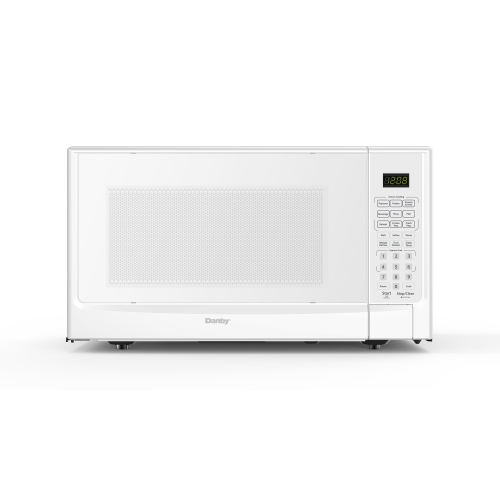
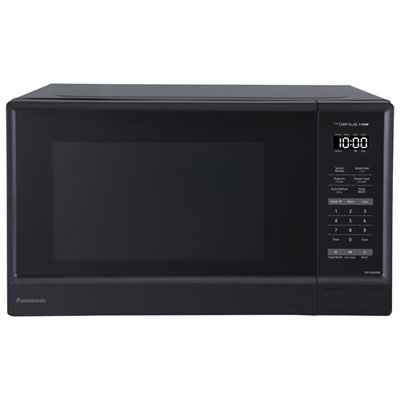
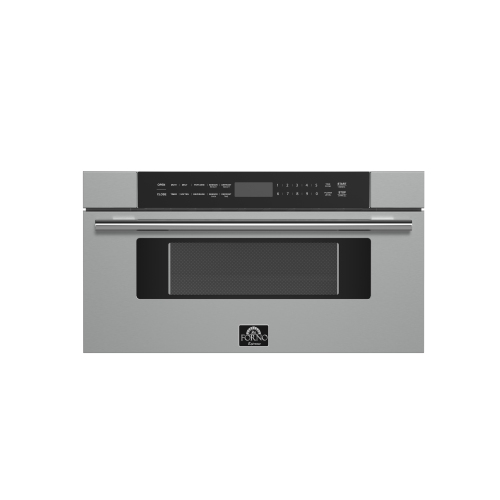
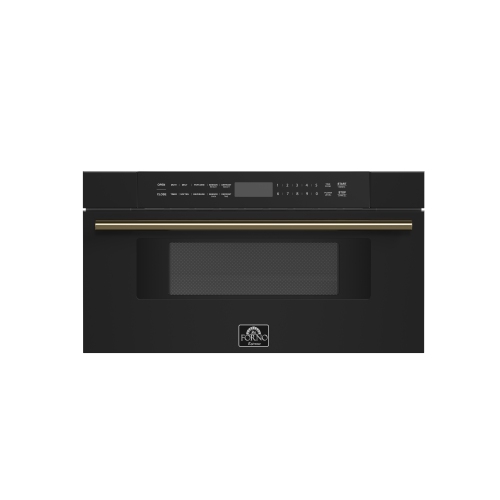
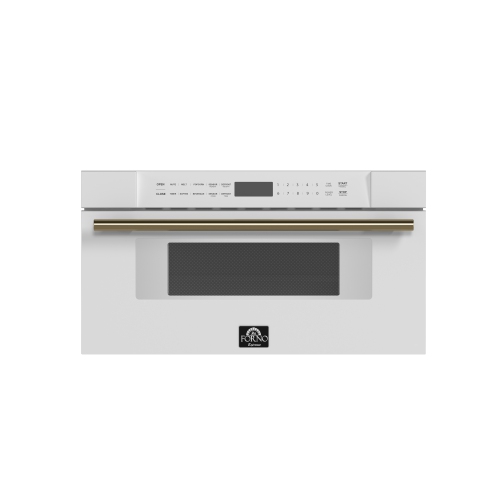

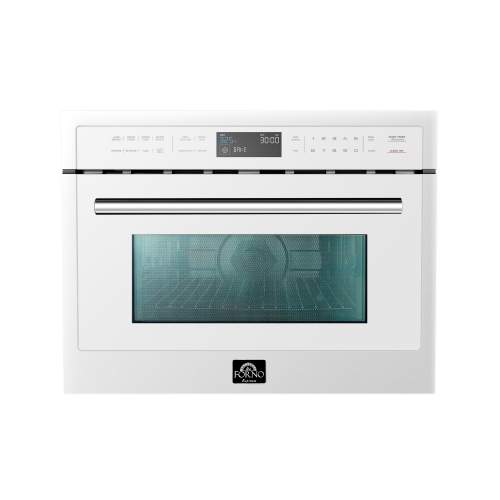

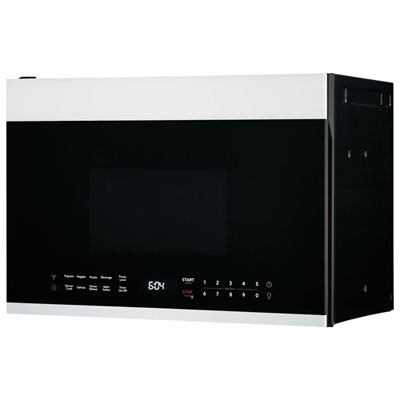
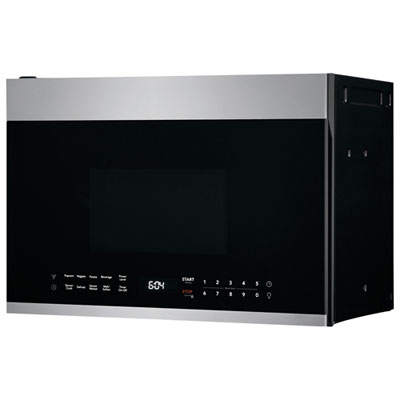
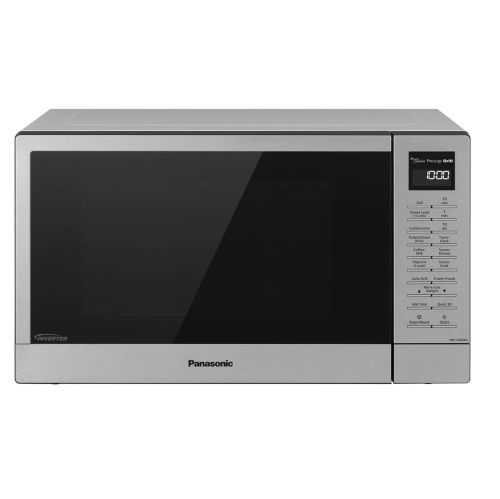
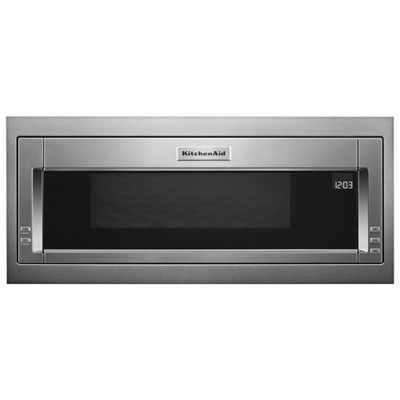

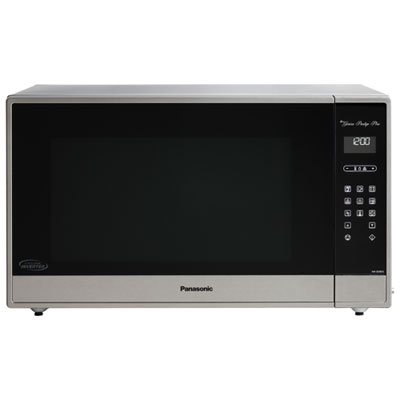
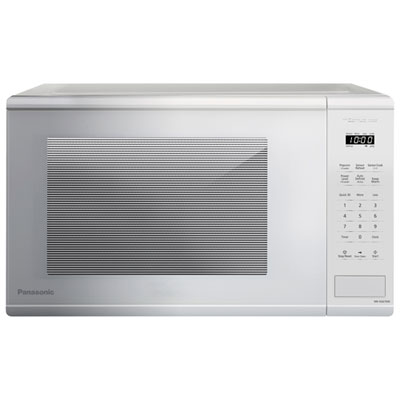
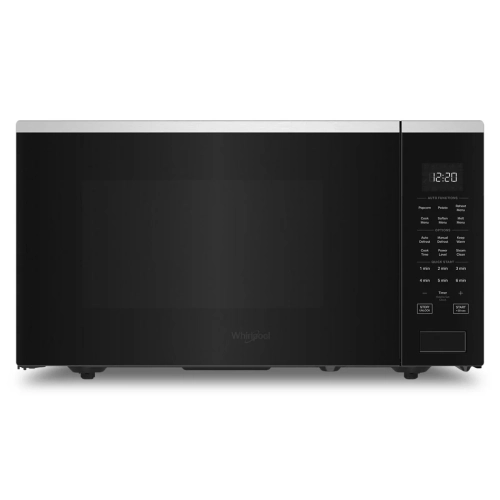
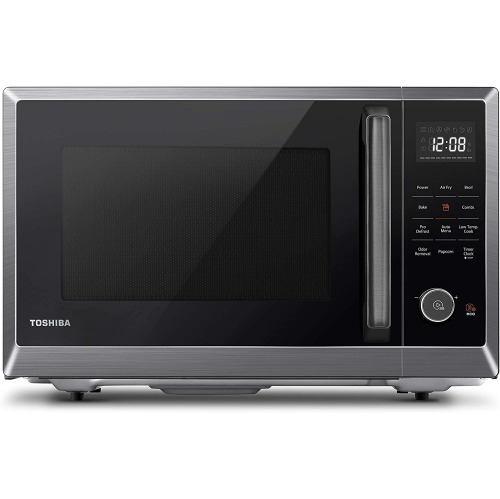
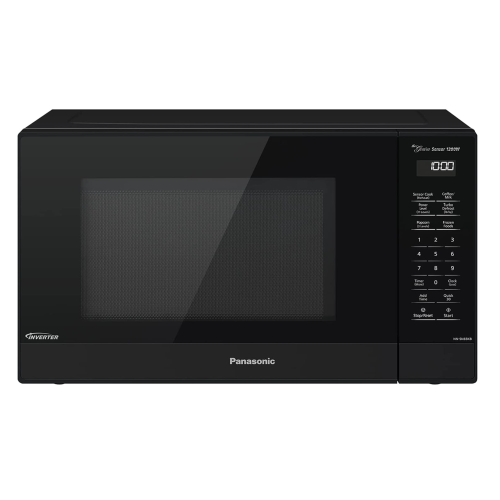
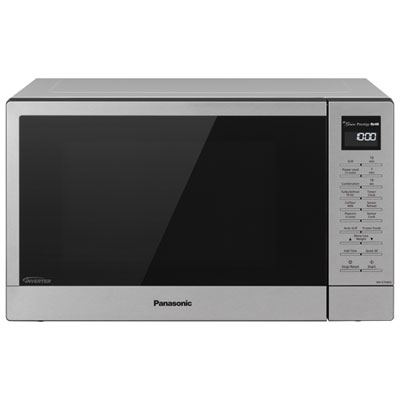
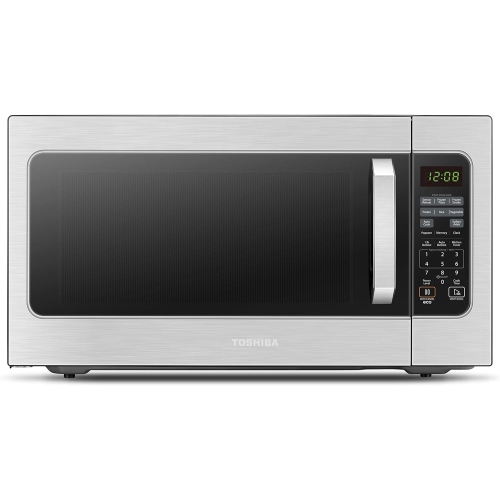

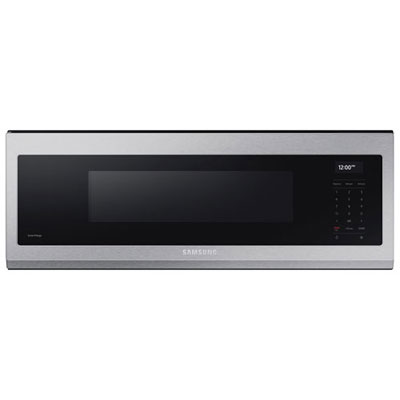
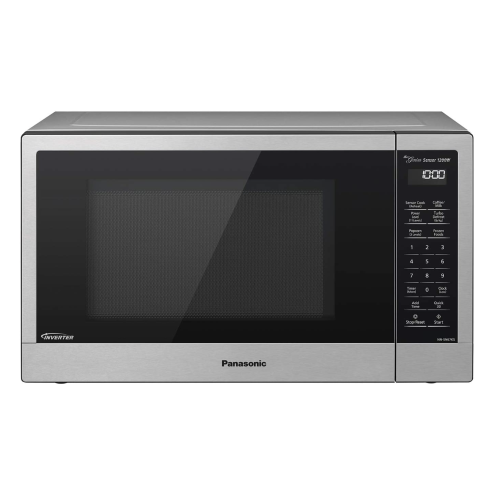
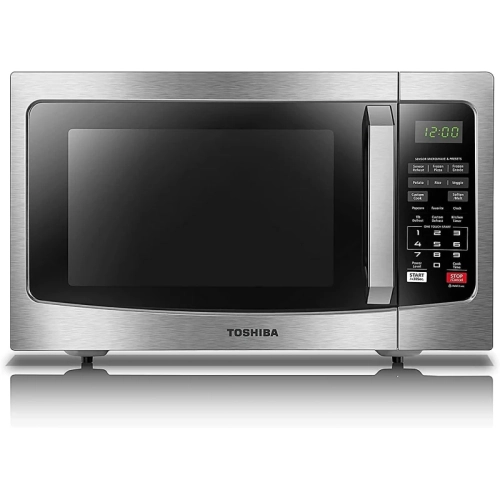
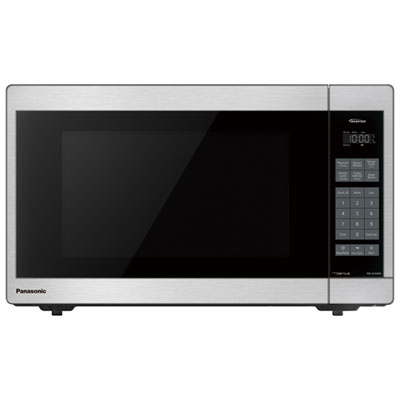
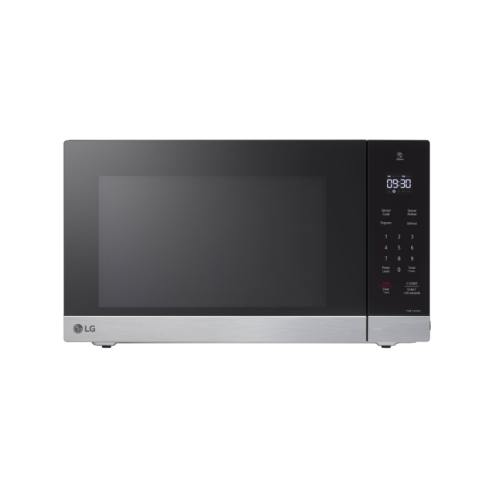
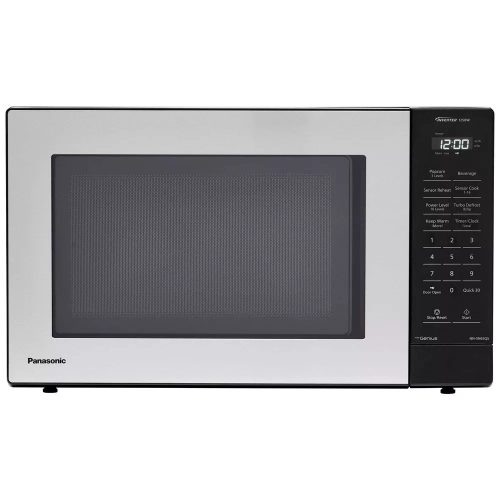
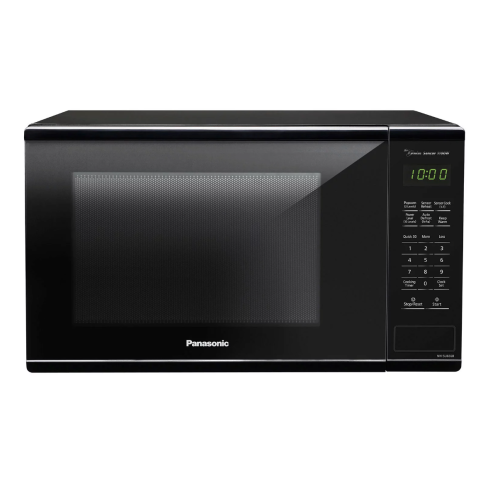
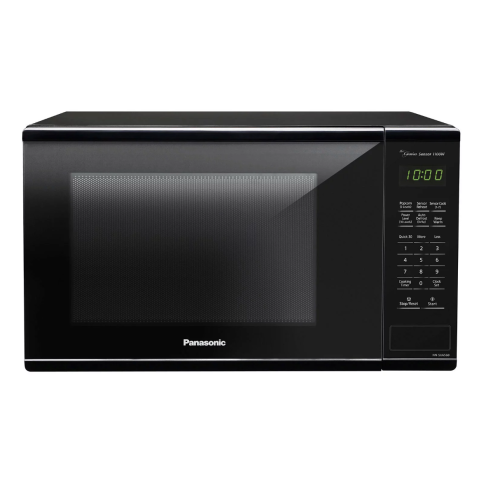
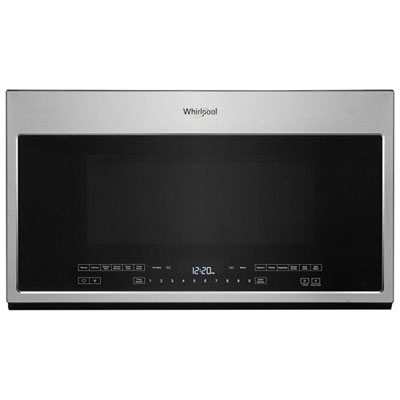
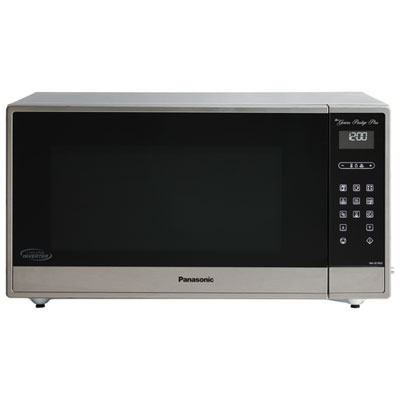
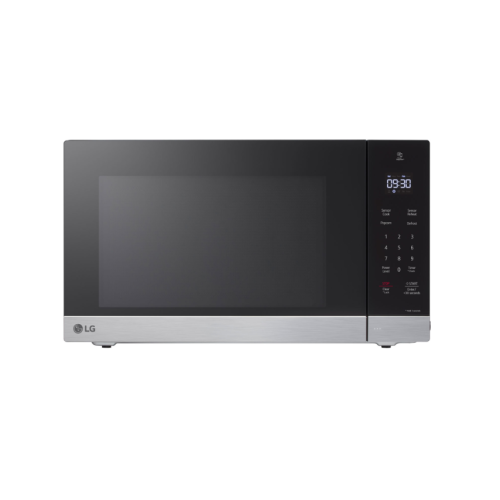
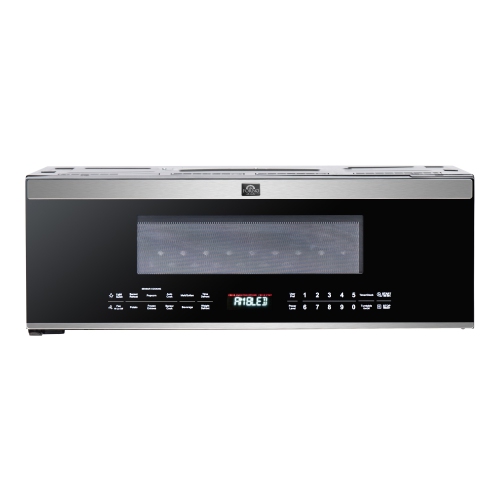
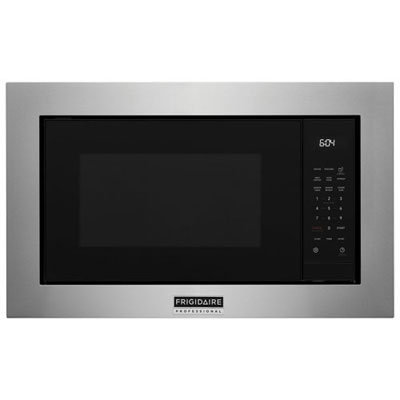
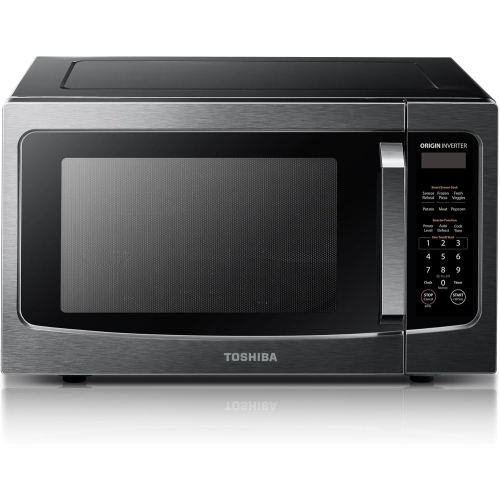
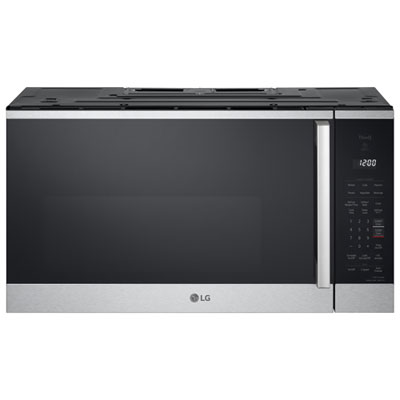
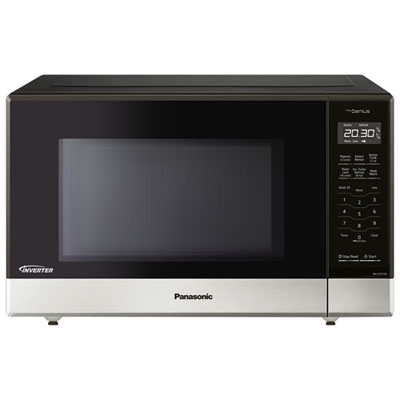
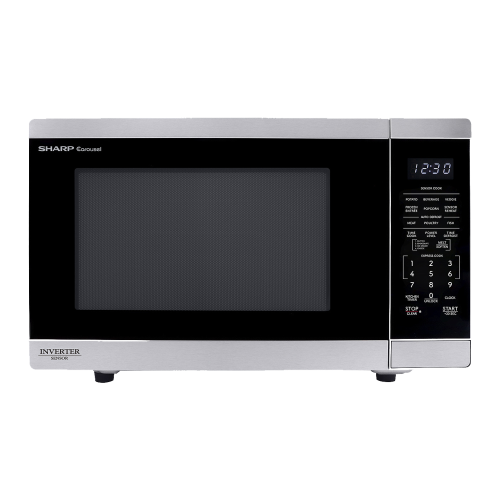
Automatic adjustments help meals heat more evenly with less guesswork
Microwaves with sensor cooking are designed to make everyday heating and cooking more automatic. Rather than relying only on a preset time, these appliances use built-in sensors to monitor the humidity, steam, or heat released by food as it warms inside the cooking cavity. The microwave can then adjust the cooking time or power level based on how the food is progressing, helping reduce the chance of a meal being overheated around the edges while remaining cool in the centre. Depending on the model, sensor settings may be available for items such as potatoes, rice, vegetables, frozen entrées, popcorn, or reheating leftovers. You select the food category, press start, and the microwave detects when the cooking process is nearing completion. A sensor cycle may stop automatically once the appliance determines that the food has reached the expected level of doneness, although results can vary with portion size, container shape, starting temperature, and the amount of moisture in the food. This makes sensor cooking especially useful in busy kitchens where meals are heated in between work, school, errands, and household routines. It can also be helpful for anyone who prefers straightforward controls, including first-time microwave users, older adults, students living in smaller spaces, and families preparing several dishes at once. A bowl of soup can be warmed while a lunch bag is being packed, vegetables can be prepared as a side dish during a full stovetop dinner, and a chilled plate of leftovers can be reheated with less guesswork than selecting a long fixed cooking time. During the cooler months, sensor cooking can make it convenient to prepare warm breakfasts, hot drinks, reheated casseroles, and quick evening meals without closely watching the microwave from start to finish.
When choosing a microwave with sensor cooking, consider how the appliance will fit into your kitchen and how you expect to use it. Countertop models can be moved or repositioned as your needs change, making them practical for apartments, rental homes, basement kitchens, dorm rooms, offices, and guest spaces. Over-the-range and built-in-style models can provide a more integrated appearance while making use of dedicated kitchen space, but they require careful attention to dimensions, ventilation, electrical requirements, and installation instructions. Check the internal capacity as well as the exterior measurements, since a compact-looking microwave may not accommodate the dinner plates, casserole dishes, or tall containers you use most often. A turntable or alternative rotating mechanism can help food heat more evenly, while removable components may make routine cleaning easier. Control layouts also deserve attention: clearly labelled sensor presets, one-touch reheating, express-start buttons, a kitchen timer, a mute function, and easy-to-read displays can all make a noticeable difference in daily use. Look for cooking modes that suit your habits rather than choosing a microwave based only on the number of buttons. Sensor cooking works best when the food category closely matches the preset, so review the available options and instructions before making a decision. Some models may also include conventional microwave settings, defrost programmes, multi-stage cooking, keep-warm functions, or grilling and convection features. If you are comparing appliances that combine microwave heating with additional cooking methods, you can also explore Microwaves With Combination Cooking for options that offer more versatility in one appliance. For households that frequently prepare single servings, a smaller cavity may be sufficient; for families, entertainers, or anyone reheating large portions, a larger interior and a higher cooking capacity may be more convenient. Think about the foods you actually prepare, the size of your everyday dishes, and the available counter or cabinet space before selecting a model.
Using the sensor function correctly can help you get more consistent results. Place food in a microwave-safe container and arrange it in an even layer when possible, leaving space between pieces so heat and steam can circulate. Cover many foods with a loose-fitting microwave-safe lid or vented microwave-safe wrap to retain moisture and direct steam toward the sensor, while allowing excess steam to escape safely. A cover can help prevent splattering when reheating sauces, soups, and stews, but it should not seal the container tightly. Keep the outside of the container and the inside of the microwave reasonably dry before starting, since excess moisture in the wrong place can affect operation and make cleaning more difficult. Avoid using metal cookware or containers with metallic trim unless the manufacturer specifically states that they are suitable. Foods with very little moisture may not work as expected with a sensor cycle, and dense or irregularly shaped portions may still need stirring, turning, standing time, or additional heating. After the cycle ends, let the food stand briefly when recommended so heat can continue moving through the centre, then check that it is hot throughout before serving. For larger portions, stir halfway through if the instructions call for it, and arrange thick pieces toward the outside of the container where they can receive more energy. Sensor cooking is a convenience feature rather than a replacement for sensible food handling, so follow the appliance instructions and use appropriate care with hot containers, steam, and foods that can heat unevenly. With the right setting and container, a microwave with sensor cooking can become a dependable part of a morning routine, a practical aid for packed lunches, and a welcome shortcut when a freshly prepared meal needs to be on the table with minimal supervision.
When choosing a microwave with sensor cooking, consider how the appliance will fit into your kitchen and how you expect to use it. Countertop models can be moved or repositioned as your needs change, making them practical for apartments, rental homes, basement kitchens, dorm rooms, offices, and guest spaces. Over-the-range and built-in-style models can provide a more integrated appearance while making use of dedicated kitchen space, but they require careful attention to dimensions, ventilation, electrical requirements, and installation instructions. Check the internal capacity as well as the exterior measurements, since a compact-looking microwave may not accommodate the dinner plates, casserole dishes, or tall containers you use most often. A turntable or alternative rotating mechanism can help food heat more evenly, while removable components may make routine cleaning easier. Control layouts also deserve attention: clearly labelled sensor presets, one-touch reheating, express-start buttons, a kitchen timer, a mute function, and easy-to-read displays can all make a noticeable difference in daily use. Look for cooking modes that suit your habits rather than choosing a microwave based only on the number of buttons. Sensor cooking works best when the food category closely matches the preset, so review the available options and instructions before making a decision. Some models may also include conventional microwave settings, defrost programmes, multi-stage cooking, keep-warm functions, or grilling and convection features. If you are comparing appliances that combine microwave heating with additional cooking methods, you can also explore Microwaves With Combination Cooking for options that offer more versatility in one appliance. For households that frequently prepare single servings, a smaller cavity may be sufficient; for families, entertainers, or anyone reheating large portions, a larger interior and a higher cooking capacity may be more convenient. Think about the foods you actually prepare, the size of your everyday dishes, and the available counter or cabinet space before selecting a model.
Using the sensor function correctly can help you get more consistent results. Place food in a microwave-safe container and arrange it in an even layer when possible, leaving space between pieces so heat and steam can circulate. Cover many foods with a loose-fitting microwave-safe lid or vented microwave-safe wrap to retain moisture and direct steam toward the sensor, while allowing excess steam to escape safely. A cover can help prevent splattering when reheating sauces, soups, and stews, but it should not seal the container tightly. Keep the outside of the container and the inside of the microwave reasonably dry before starting, since excess moisture in the wrong place can affect operation and make cleaning more difficult. Avoid using metal cookware or containers with metallic trim unless the manufacturer specifically states that they are suitable. Foods with very little moisture may not work as expected with a sensor cycle, and dense or irregularly shaped portions may still need stirring, turning, standing time, or additional heating. After the cycle ends, let the food stand briefly when recommended so heat can continue moving through the centre, then check that it is hot throughout before serving. For larger portions, stir halfway through if the instructions call for it, and arrange thick pieces toward the outside of the container where they can receive more energy. Sensor cooking is a convenience feature rather than a replacement for sensible food handling, so follow the appliance instructions and use appropriate care with hot containers, steam, and foods that can heat unevenly. With the right setting and container, a microwave with sensor cooking can become a dependable part of a morning routine, a practical aid for packed lunches, and a welcome shortcut when a freshly prepared meal needs to be on the table with minimal supervision.
Top selling and popular products
-
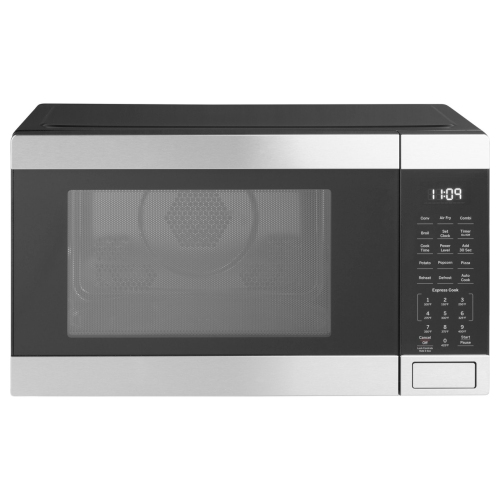 Your price for this item is $509.99
 -
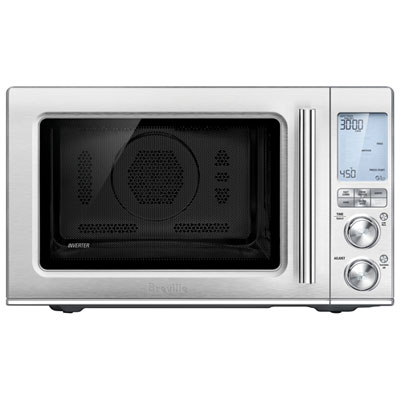 Your price for this item is $529.98
 -
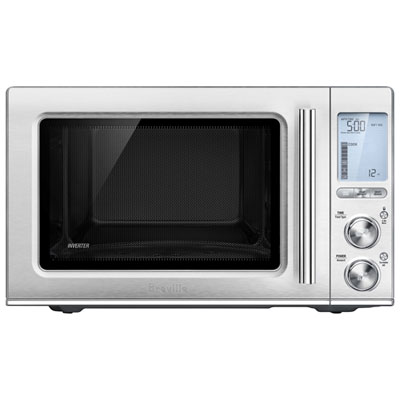 Your price for this item is $459.99
 -
 Your price for this item is $114.99
 -
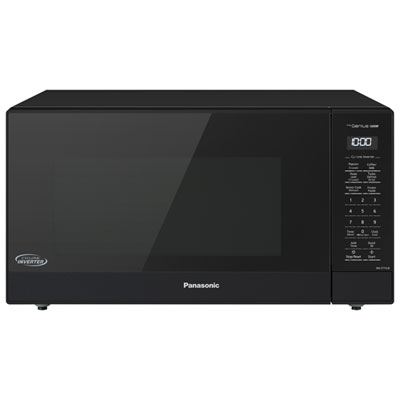 Your price for this item is $279.99
 -
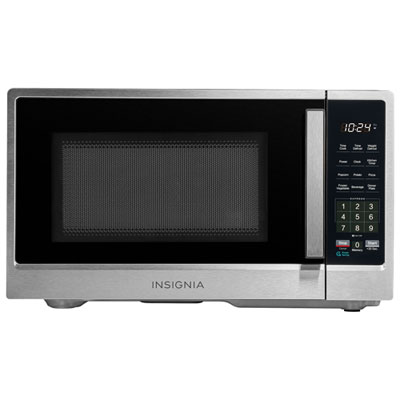 Your price for this item is $89.99
 -
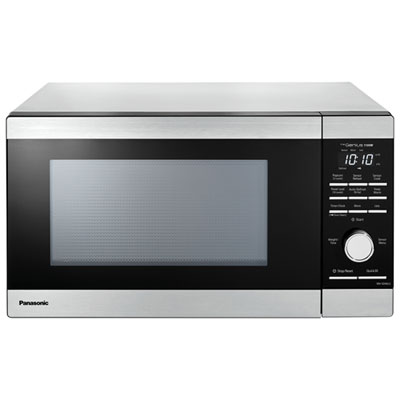 Your price for this item is $179.99
 -
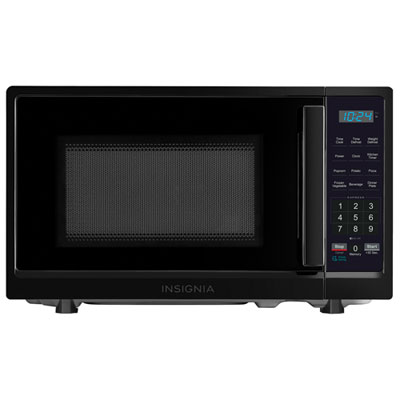 Your price for this item is $109.99
Discover more categories related to Microwaves With Sensor Cooking
Top Collections:
Pokemon Centers, Kindle Devices, Best Budget Office Chairs, Apple iPhones 16, Best Laptops for Writers, iPhone 15 Apple, Canon G7X Cameras, Refurbished Apple Laptops, Alarm Clock, Motorola Razr Phones
Some products may be subject to Environmental Handling Fees
(EHF) depending on your province.
Learn more about EHFs.