Microwaves With Inverter Technology
A microwave with inverter technology provides more even cooking and defrosting results by maintaining a consistent level of power. It also helps to preserve the texture and flavor of the food by cooking it gently. Here are some of the microwaves with inverter technology that we offer:
Sort
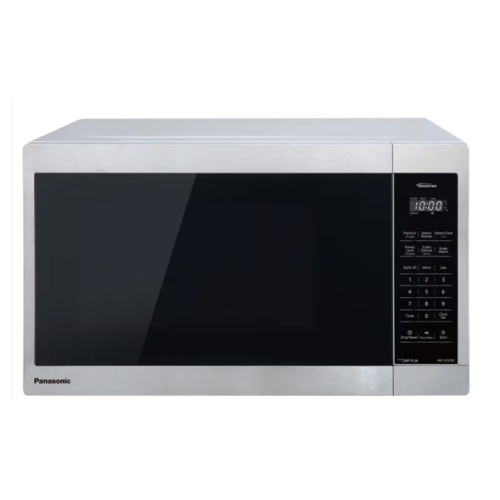
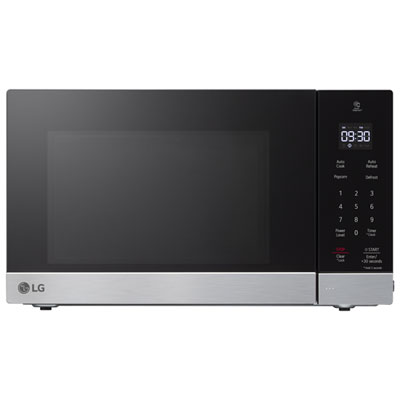
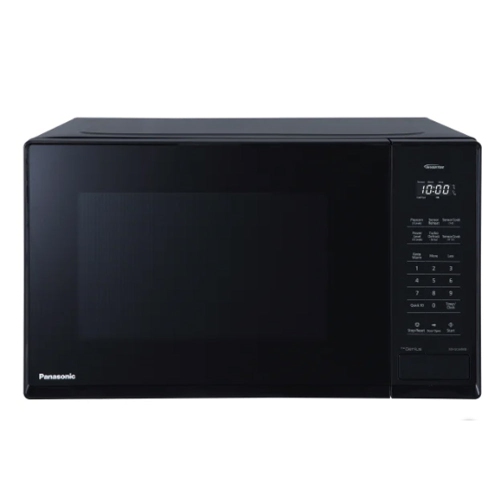
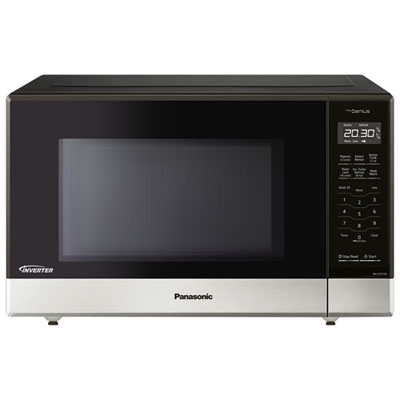
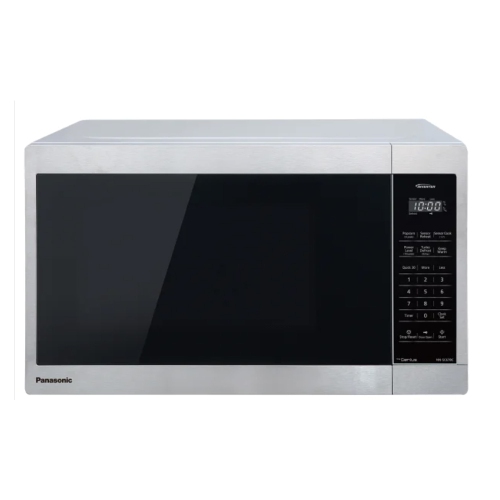
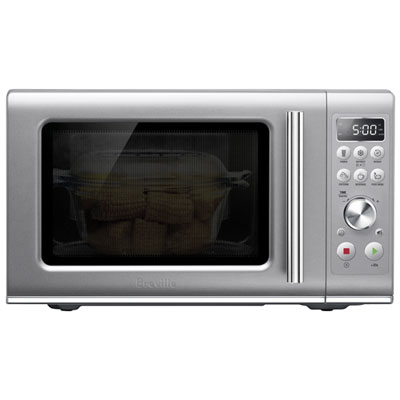
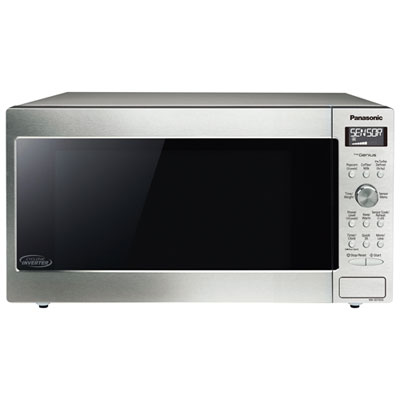
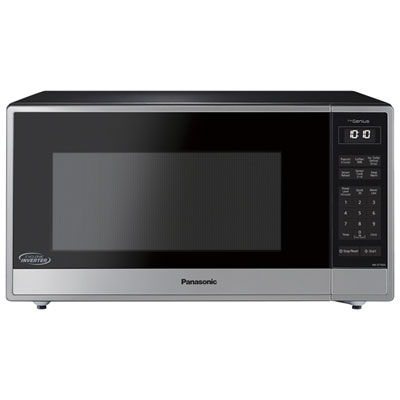
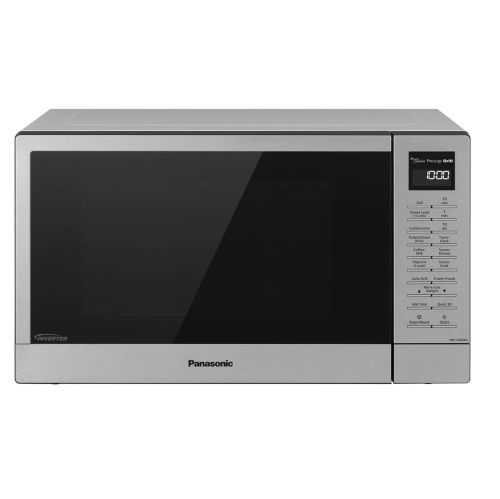
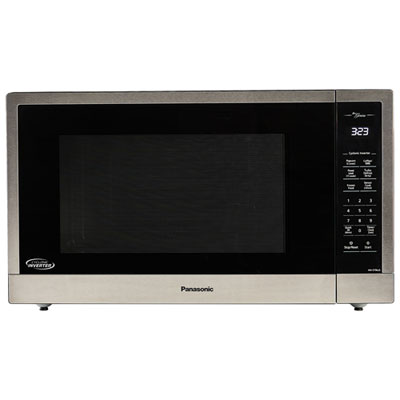
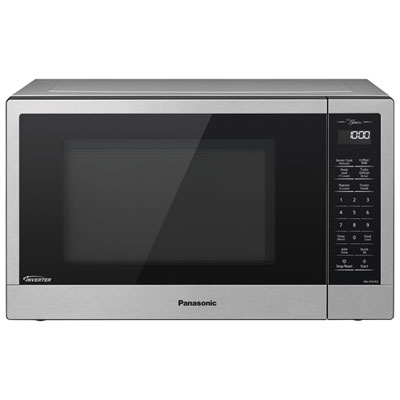
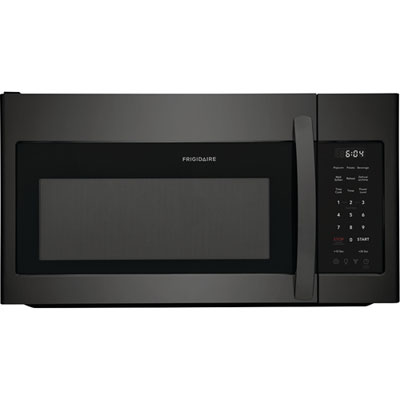
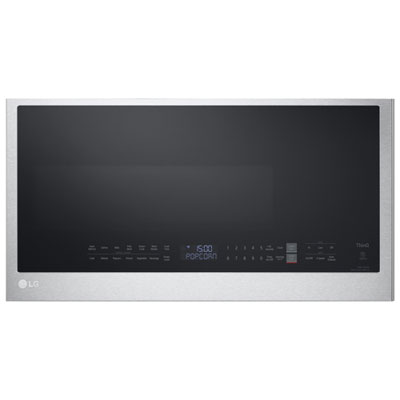
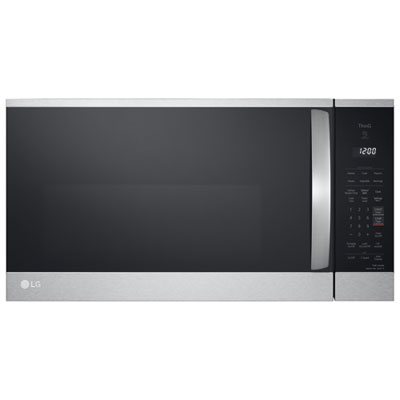
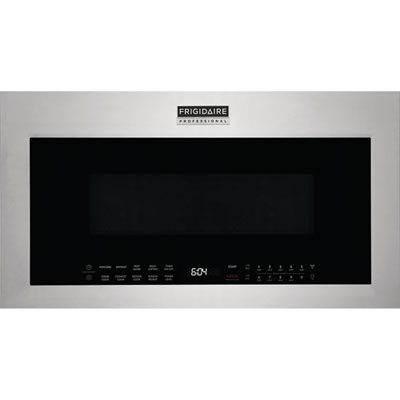

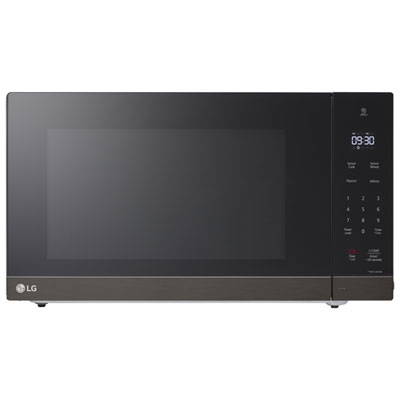
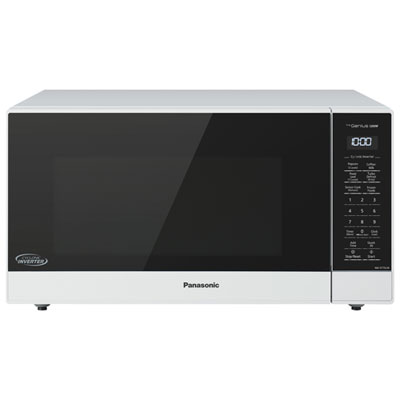
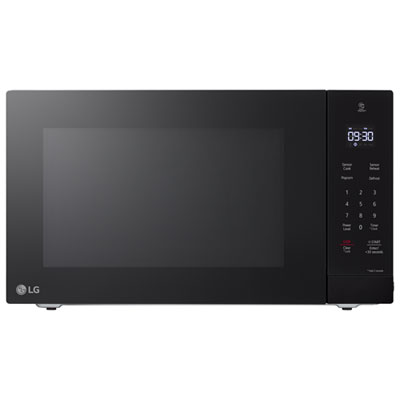
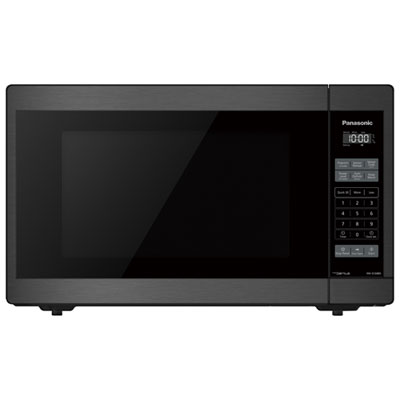
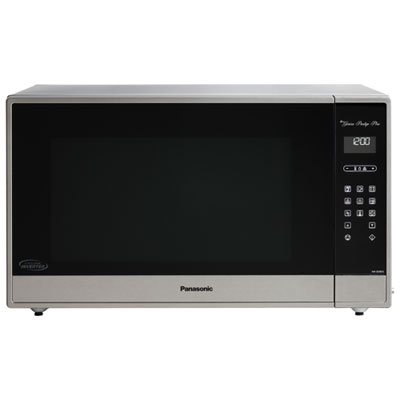
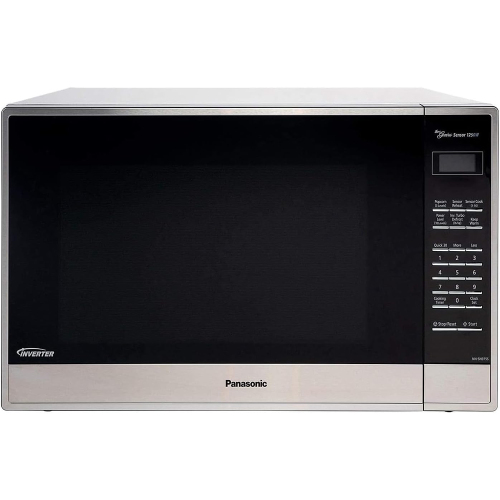
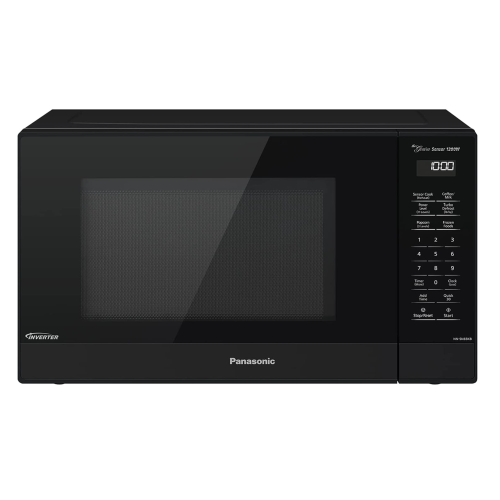
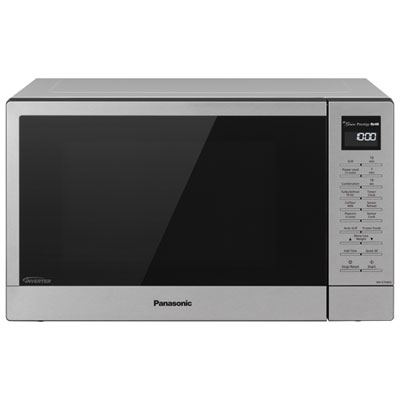
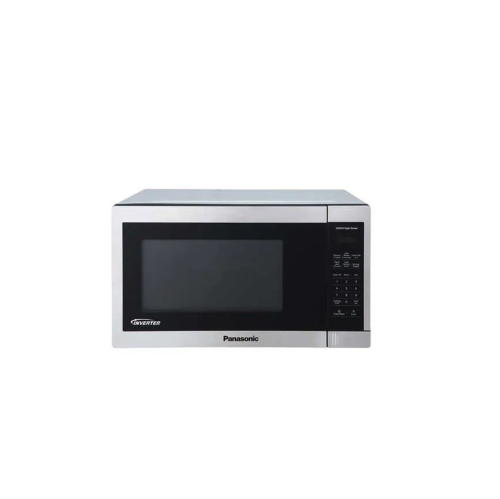
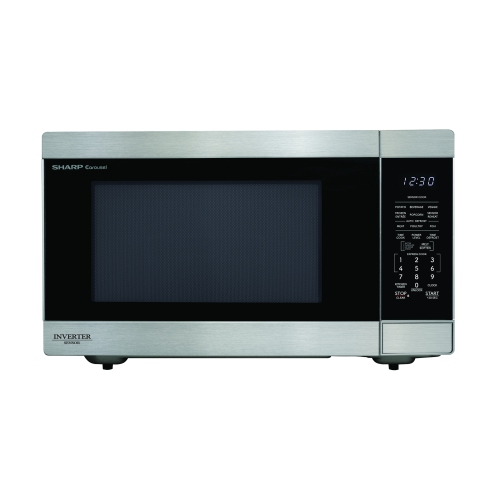
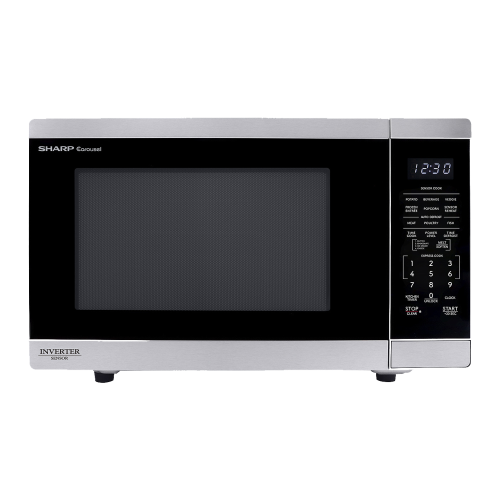
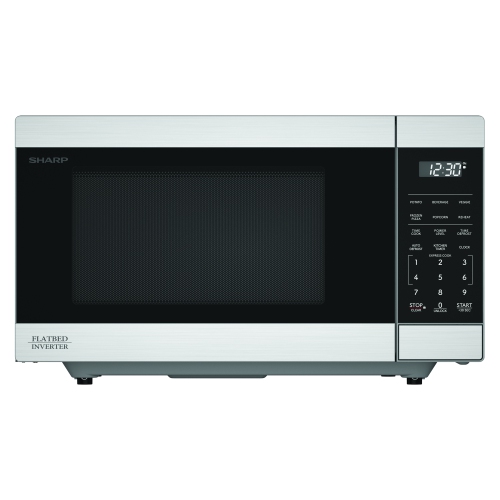
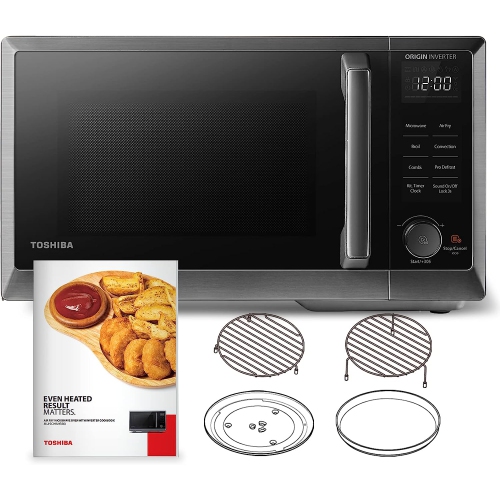
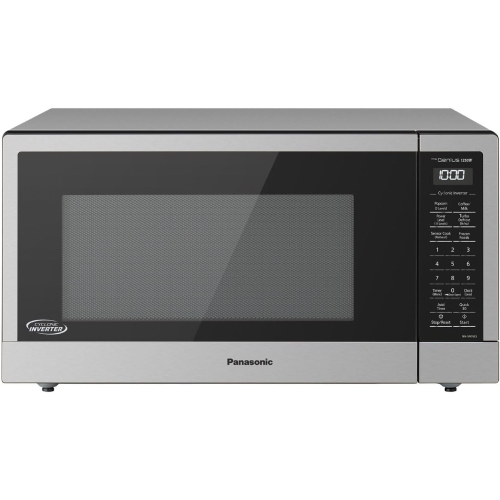
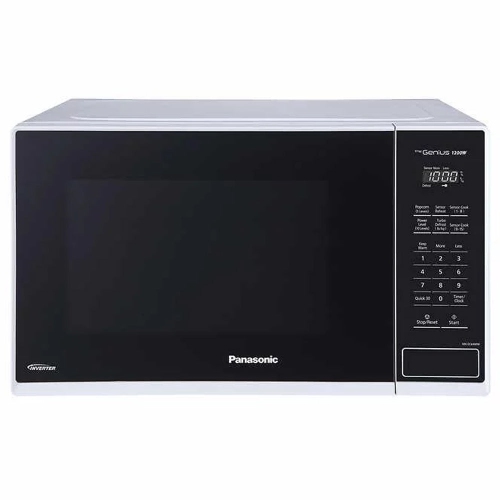
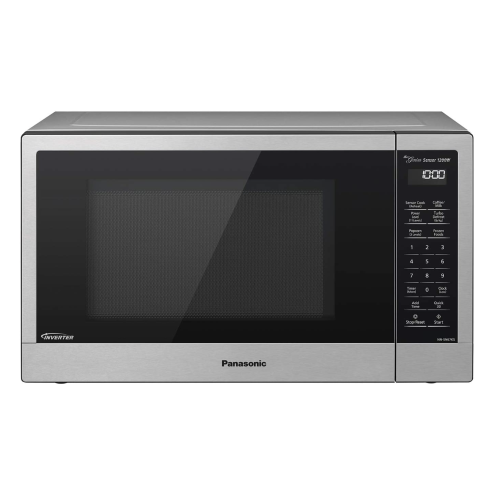
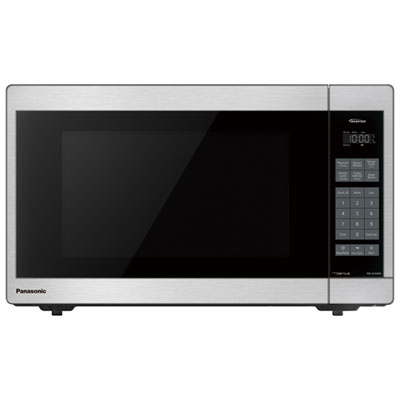
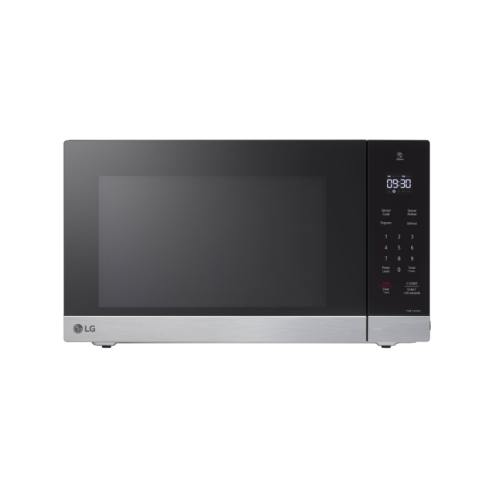
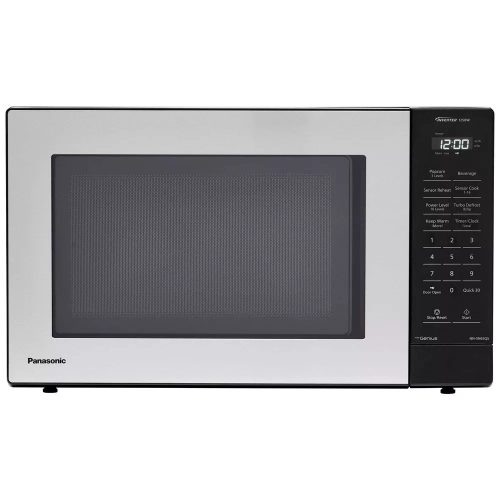
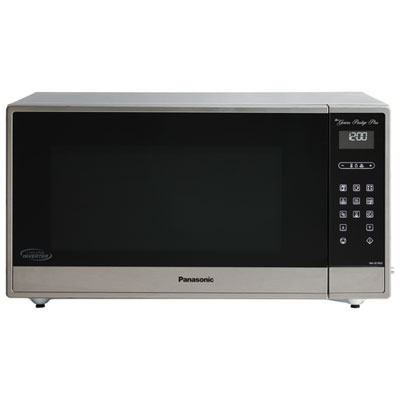
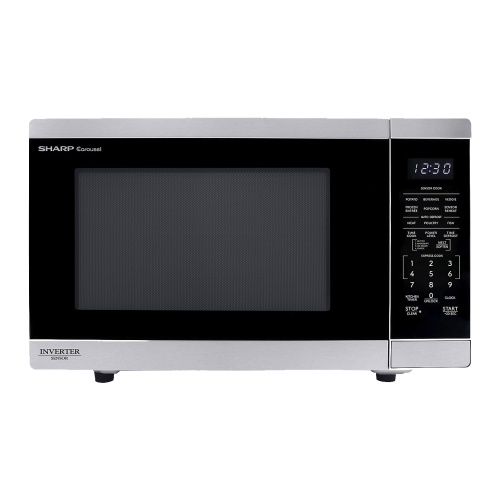
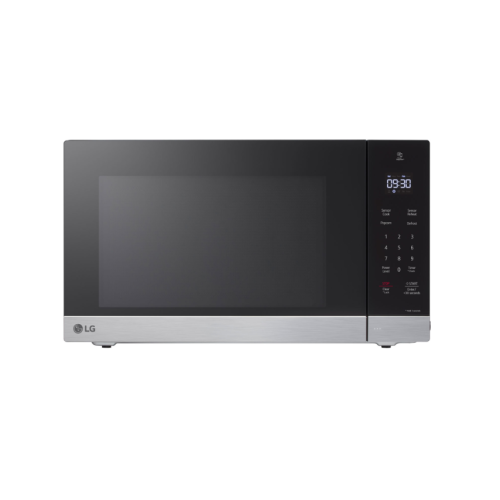
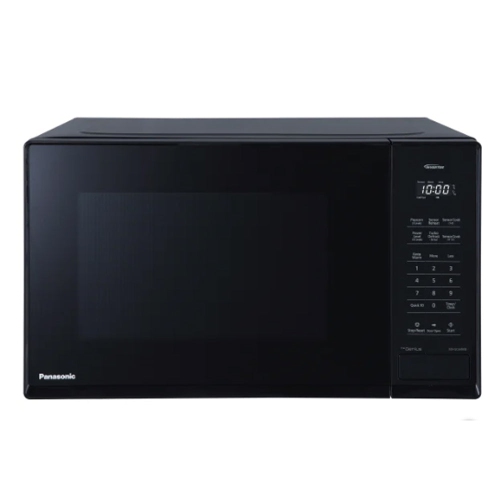
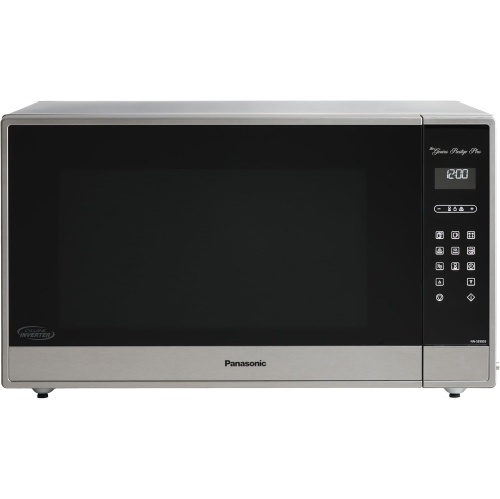
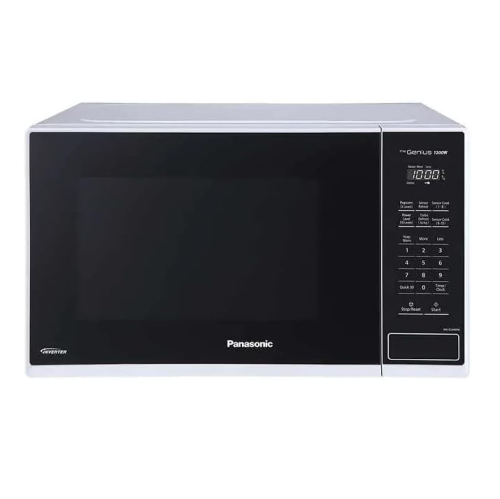
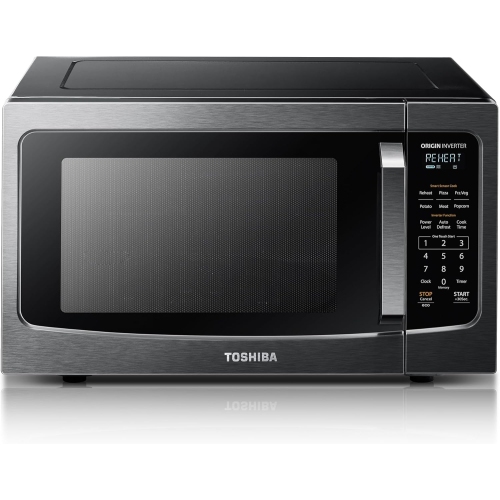
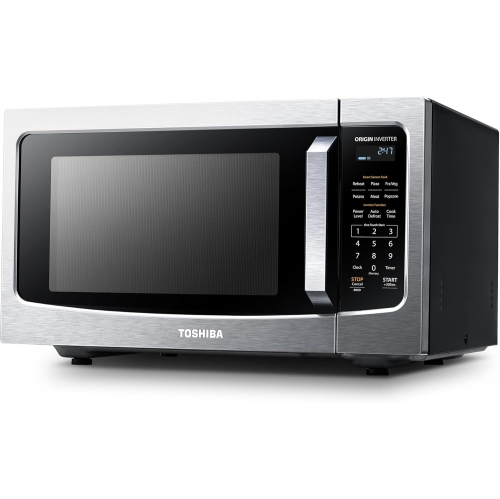
Steadier cooking power for more even everyday results
Microwaves with inverter technology are designed to deliver a steadier stream of cooking power than conventional microwaves, which typically alternate between full power and periods of no power when a lower setting is selected. That difference can make a noticeable impact when heating, cooking, or defrosting foods that need a gentler touch. Instead of repeatedly switching on and off, an inverter microwave can provide more consistent energy at reduced settings, helping food warm more evenly from edge to centre. It is especially useful for delicate ingredients such as butter, chocolate, eggs, sauces, oatmeal, and baby food, where intense bursts of heat can cause scorching, bubbling, or uneven textures. Inverter technology can also make defrosting more predictable. A roast, chicken breast, or package of ground meat is less likely to develop cooked edges while the middle remains frozen, giving you more flexibility when preparing dinner during a busy evening. The results still depend on food quantity, shape, starting temperature, and cooking time, but continuous power gives you greater control over how heat is applied. Browse Inverter Microwave Ovens to compare options intended for everyday reheating, cooking, and defrosting.
When choosing a microwave with inverter technology, start with the space available in your kitchen. Measure the width, depth, and height of the counter area, allowing room around the appliance as recommended by the manufacturer and checking that the door can open comfortably. Interior capacity matters as well: a compact model can suit a student residence, apartment, office lunchroom, or smaller household, while a larger family-size interior can accommodate broad dinner plates, casserole dishes, and serving bowls. Turntable diameter is another practical detail, particularly if you regularly reheat square containers or wide plates. Cooking power, listed in watts, influences how quickly the microwave heats food, although a higher wattage is not the only factor to consider. Preset programs and sensor cooking can help adjust time and power based on the food’s moisture and cooking progress, reducing the need to estimate settings for popcorn, potatoes, vegetables, leftovers, or frozen meals. Look for controls that are easy to read and operate, especially if the microwave will be used by several people. A clearly labelled keypad, one-touch controls, a kitchen timer, mute function, interior light, and a child lock can all add everyday convenience. An easy-clean interior and removable turntable are useful after soup splashes, sauce spills, or melted cheese meet the sides of the cavity. If counter space is limited, consider whether a countertop configuration is the right fit or whether another installation style better suits the kitchen layout, electrical access, and ventilation requirements.
Microwaves with inverter technology can be a practical addition for many households and a thoughtful gift for someone setting up a first kitchen, moving into a new home, furnishing a rental, or replacing an older appliance. They are useful beyond quick reheating: soften butter for baking, gently melt chocolate, steam vegetables, cook rice or porridge in suitable cookware, refresh bread, warm leftovers without drying them as quickly, and defrost ingredients before the main cooking begins. During the cooler months, a reliable microwave can make a warm bowl of soup, a mug of cocoa, or a reheated family meal feel effortless after a long day outdoors. Families may appreciate the combination of useful capacity and straightforward programs, while couples, students, and apartment dwellers may prefer a smaller footprint that still offers precise low-power cooking. When comparing models, consider the foods you prepare most often, the dishes you already own, and how many people will use the appliance each day. Follow the manufacturer’s guidance about microwave-safe materials, cookware size, ventilation, and cooking times, and remember that food can continue to heat after the cycle ends. Stirring or rotating food partway through, allowing a short standing time, and checking the centre before serving can improve results. With the right capacity, controls, and placement, an inverter microwave can become a dependable part of the kitchen routine, handling everything from careful defrosting in the morning to late-evening leftovers with steady, convenient performance.
When choosing a microwave with inverter technology, start with the space available in your kitchen. Measure the width, depth, and height of the counter area, allowing room around the appliance as recommended by the manufacturer and checking that the door can open comfortably. Interior capacity matters as well: a compact model can suit a student residence, apartment, office lunchroom, or smaller household, while a larger family-size interior can accommodate broad dinner plates, casserole dishes, and serving bowls. Turntable diameter is another practical detail, particularly if you regularly reheat square containers or wide plates. Cooking power, listed in watts, influences how quickly the microwave heats food, although a higher wattage is not the only factor to consider. Preset programs and sensor cooking can help adjust time and power based on the food’s moisture and cooking progress, reducing the need to estimate settings for popcorn, potatoes, vegetables, leftovers, or frozen meals. Look for controls that are easy to read and operate, especially if the microwave will be used by several people. A clearly labelled keypad, one-touch controls, a kitchen timer, mute function, interior light, and a child lock can all add everyday convenience. An easy-clean interior and removable turntable are useful after soup splashes, sauce spills, or melted cheese meet the sides of the cavity. If counter space is limited, consider whether a countertop configuration is the right fit or whether another installation style better suits the kitchen layout, electrical access, and ventilation requirements.
Microwaves with inverter technology can be a practical addition for many households and a thoughtful gift for someone setting up a first kitchen, moving into a new home, furnishing a rental, or replacing an older appliance. They are useful beyond quick reheating: soften butter for baking, gently melt chocolate, steam vegetables, cook rice or porridge in suitable cookware, refresh bread, warm leftovers without drying them as quickly, and defrost ingredients before the main cooking begins. During the cooler months, a reliable microwave can make a warm bowl of soup, a mug of cocoa, or a reheated family meal feel effortless after a long day outdoors. Families may appreciate the combination of useful capacity and straightforward programs, while couples, students, and apartment dwellers may prefer a smaller footprint that still offers precise low-power cooking. When comparing models, consider the foods you prepare most often, the dishes you already own, and how many people will use the appliance each day. Follow the manufacturer’s guidance about microwave-safe materials, cookware size, ventilation, and cooking times, and remember that food can continue to heat after the cycle ends. Stirring or rotating food partway through, allowing a short standing time, and checking the centre before serving can improve results. With the right capacity, controls, and placement, an inverter microwave can become a dependable part of the kitchen routine, handling everything from careful defrosting in the morning to late-evening leftovers with steady, convenient performance.
Top selling and popular products
-
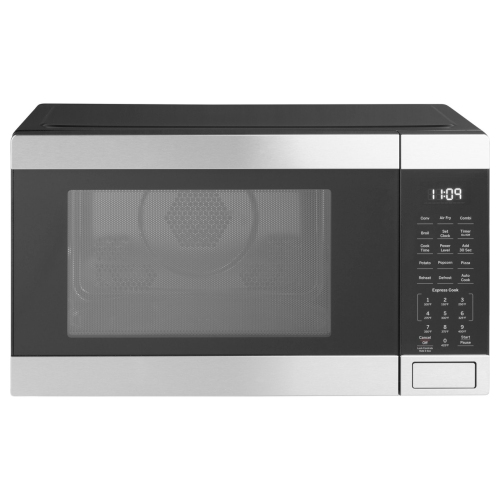 Your price for this item is $509.99
 -
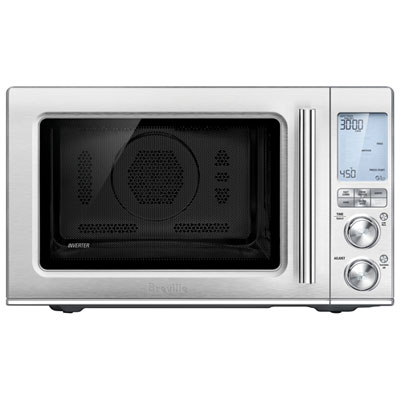 Your price for this item is $529.98
 -
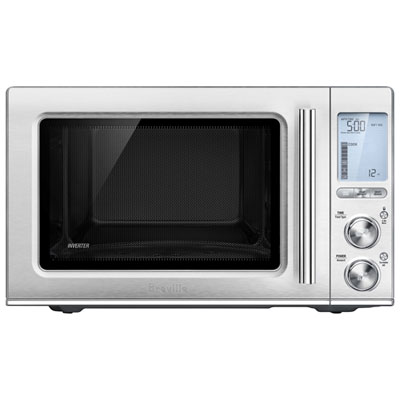 Your price for this item is $459.99
 -
 Your price for this item is $114.99
 -
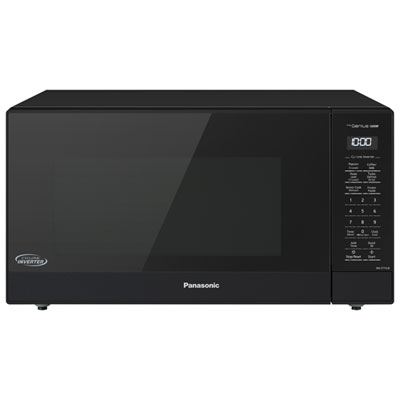 Your price for this item is $279.99
 -
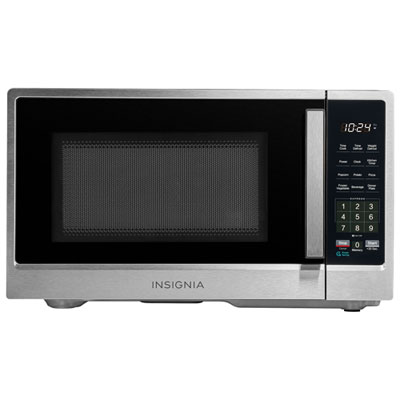 Your price for this item is $89.99
 -
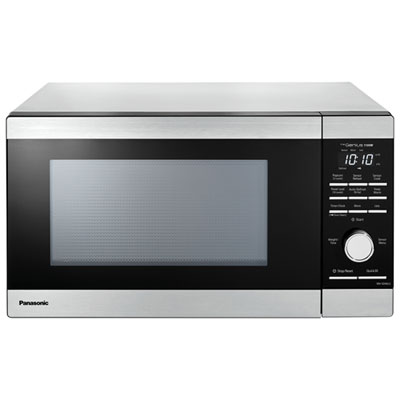 Your price for this item is $179.99
 -
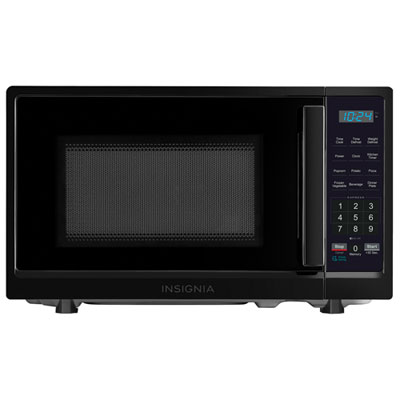 Your price for this item is $109.99
Discover more categories related to Microwaves With Inverter Technology
Top Collections:
Pokemon Centers, Kindle Devices, Best Budget Office Chairs, Apple iPhones 16, Best Laptops for Writers, iPhone 15 Apple, Canon G7X Cameras, Refurbished Apple Laptops, Alarm Clock, Motorola Razr Phones
Some products may be subject to Environmental Handling Fees
(EHF) depending on your province.
Learn more about EHFs.