Mini Ovens for Baking Cakes
Mini Oven for Baking Cakes is the perfect solution for those who love to whip up delicious homemade treats without needing a full-sized appliance. Compact and easy to fit in any kitchen, these ovens offer a convenient way to bake cakes, cupcakes, and other desserts. Whether you’re experimenting with new recipes or preparing your favorite classics, a mini oven for baking cakes helps you achieve tasty results in less time. Explore a range of options designed to make your baking experience simple and enjoyable.
Sort
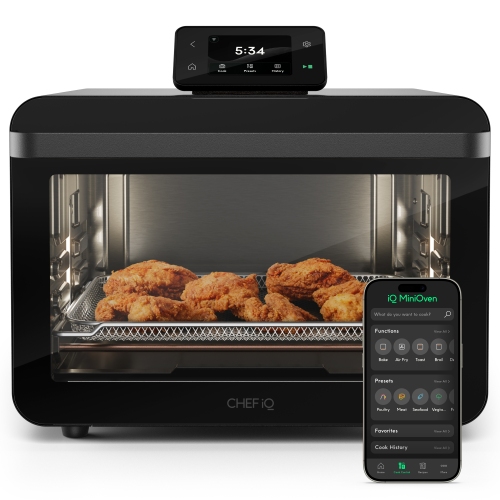
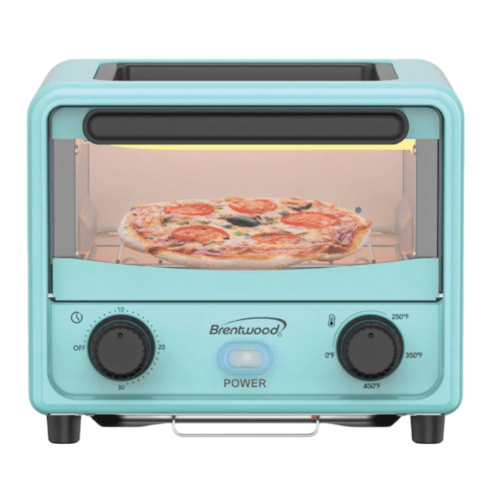

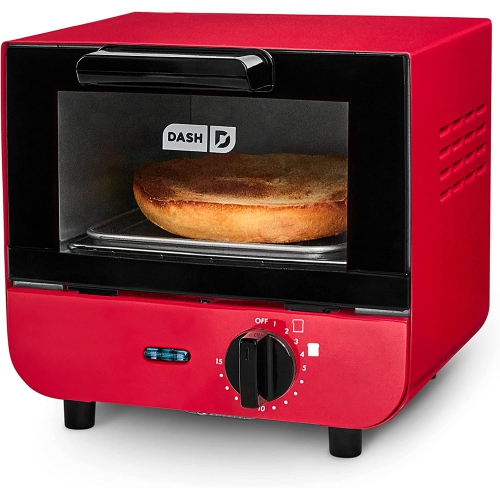

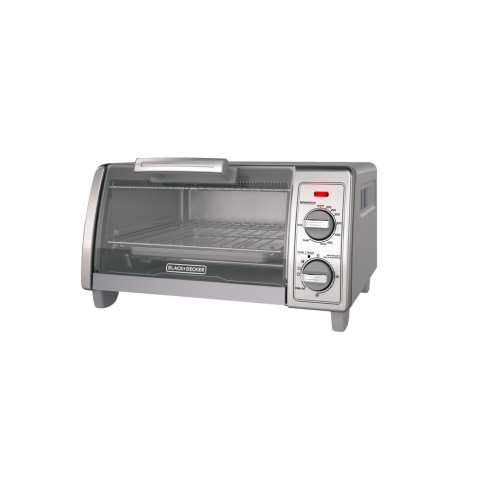
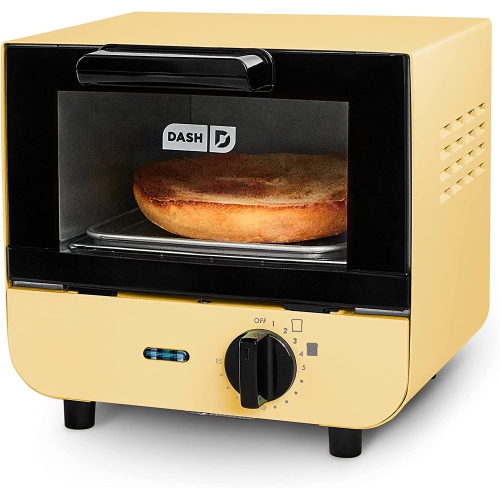
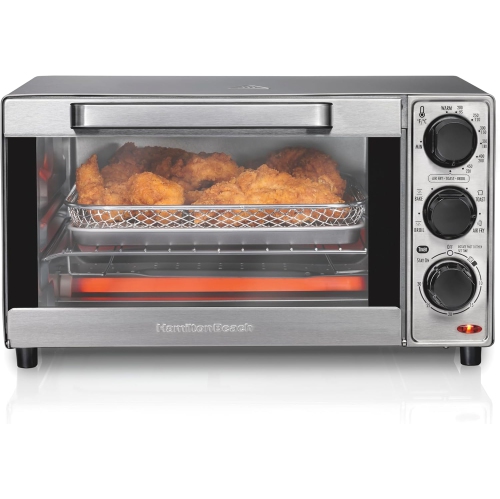
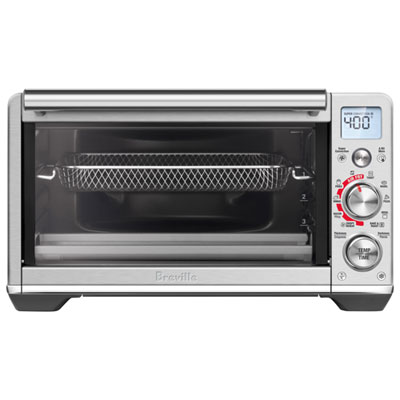
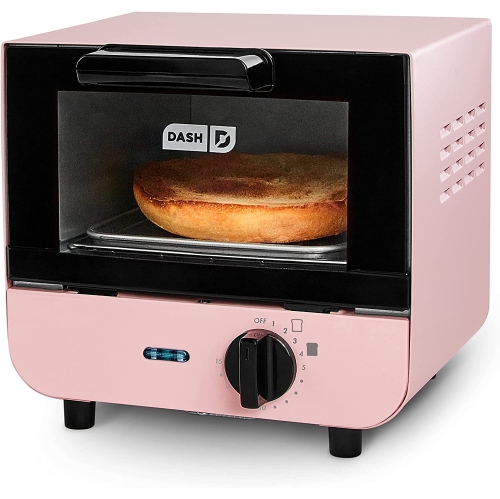
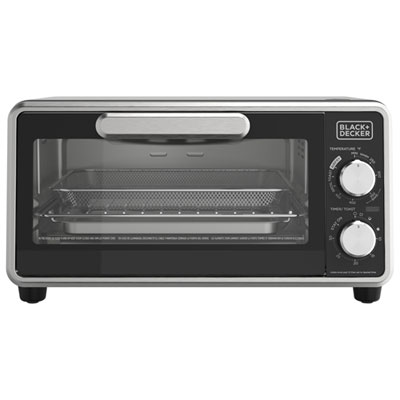
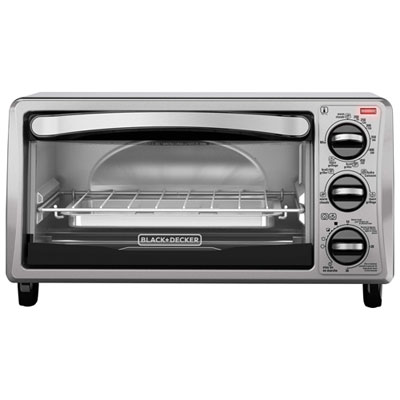
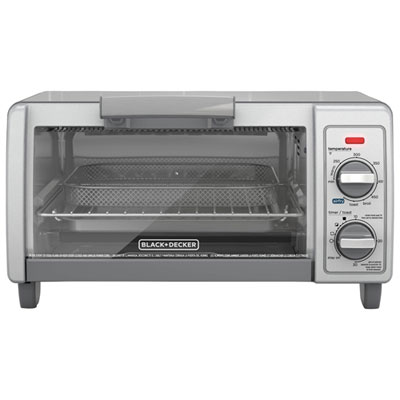
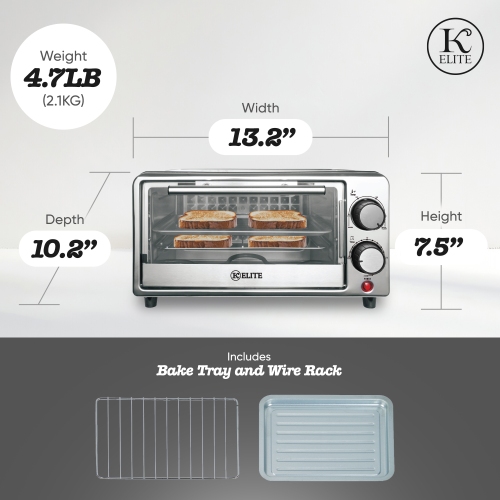

Even small cakes need room to rise
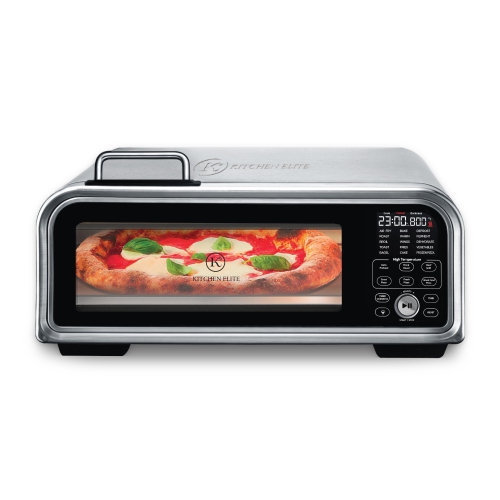
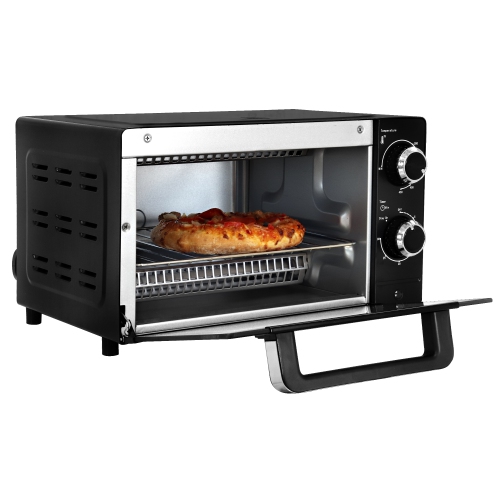
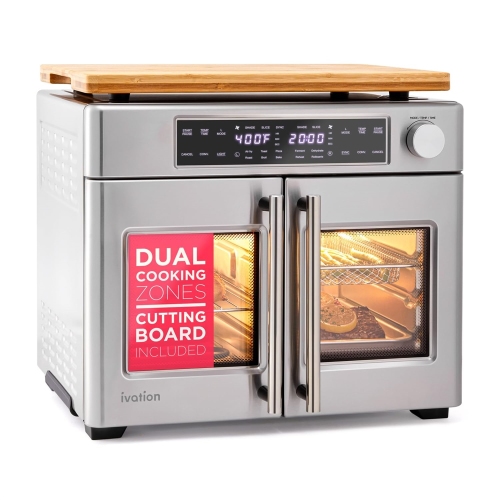
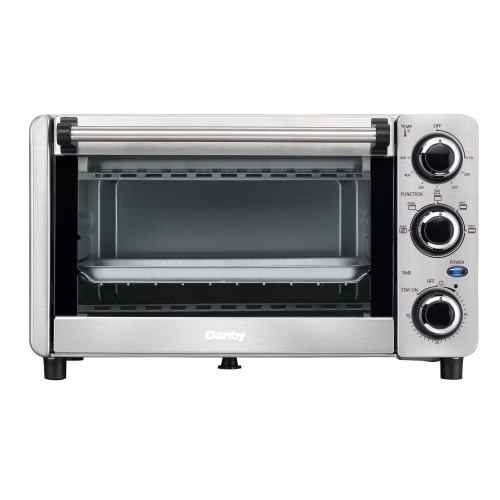
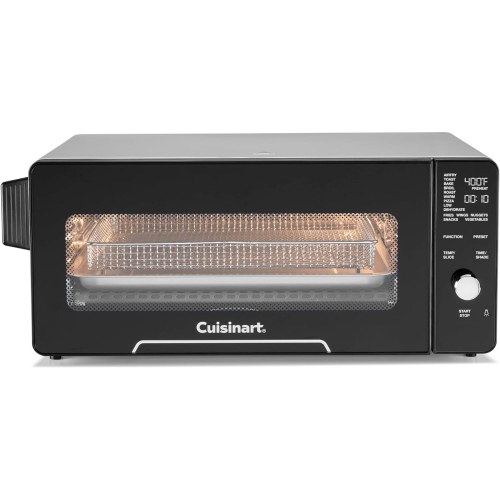
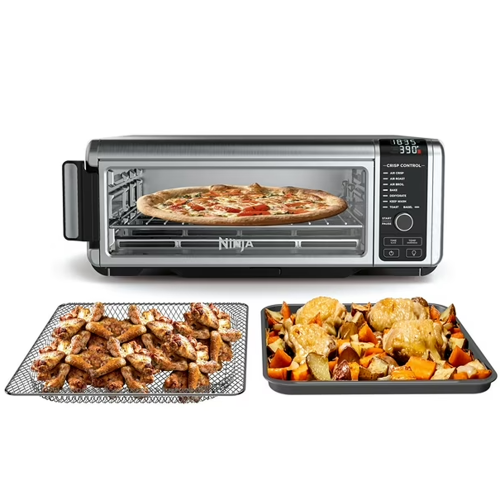
Mini ovens can bake cakes well when they hold a steady temperature and have enough room for heat to circulate around the pan. These compact countertop ovens are particularly well suited to small batches: a single cake layer to split and fill, a few cupcakes, or a lemon loaf to slice with coffee. The useful measure of capacity is not just the number of litres in the cavity, but what fits on the rack with the door fully closed. A 6-inch round pan is a practical starting point for many compact ovens, while a loaf pan or muffin tin may need more depth or width than expected. Rolled rims and handles count toward the pan’s footprint, and a tall cake needs room to rise without coming too close to the upper heating elements. An oven that fits one round pan comfortably may be just right for a baker who makes one layer at a time, but less convenient for someone who regularly bakes two layers together. Muffin tins are worth a closer look, too: two pans with the same number of cups can have different outer dimensions, depending on how much metal extends beyond the cups. Inside the oven, more than one usable rack position gives a shallow cake and a tall loaf different places to sit. Outside, the appliance needs space for the door to open fully and for the ventilation clearances specified by the manufacturer, especially on a countertop beneath upper cabinets. The way the door opens also affects how easily a hot pan can be lifted out with oven mitts. For bakers weighing the convenience of a compact countertop model against the space needed for larger pans or multiple layers, Ovens for Cake offers a broader look at oven formats.
For cake baking, a conventional bake setting and clear temperature controls can matter more than a long list of presets. Baking calls for different heat from toasting or broiling: the batter needs time to rise and set before the surface gets too dark. Models with a separate convection setting offer a choice between baking with or without a fan. When switching a conventional recipe to convection, a reduction of about 15°C (25°F) is a common starting point if the oven’s instructions call for it, but a mini oven does not automatically need a lower temperature just because it is small. A preheat indicator helps take some of the guesswork out of when to put the pan in. Rack position makes a difference as well. A middle or lower-middle position, where the oven design allows, gives the cake some distance from the upper elements without crowding the lower ones. In a shallow cavity, that extra clearance can be the difference between a lightly browned top and one that darkens while the centre is still wet. A window that gives a clear view of the pan makes it easier to watch the surface rise without letting heat out. If one side tends to brown faster, the pan can be turned once the cake has mostly set; opening the door or moving the pan too early can cause a delicate cake to sink. The early end of the recipe’s baking range is a useful time for the first check, rather than assuming every cake will bake faster in a smaller oven. For a plain sponge, a centre that springs back lightly and a tester that comes out without wet batter are better signs of doneness than a golden top alone.
Pan materials, ease of cleaning and the feel of the door and racks all shape how useful a mini oven is from one batch to the next. Light-coloured metal pans are a common choice for cakes because the sides generally brown less quickly than they do in darker pans. That difference can be noticeable with a buttery loaf, where the edges may be well browned before the thick centre is ready. Whatever the material, the pan should be rated for the appliance and fit without touching the cavity walls or heating elements. A recipe written for a smaller pan is often a better match than pouring a standard batch into a deeper, narrower pan. The extra depth puts more batter between the hot edges and the centre, so the middle can take longer to set even if the pan slides easily onto the rack. For regular use, a rack that stays steady when a filled pan goes in, a door that closes securely and controls that are easy to read are useful details. A removable crumb tray, where included, makes it easier to clear loose crumbs once the oven has cooled, while a smooth interior can make small batter splashes easier to wipe away using the manufacturer’s recommended method. These details suit the way a compact oven often gets used: a loaf one day, a few cupcakes another, perhaps a small layer cake when a full-size oven is already occupied. A mini oven can also be a practical gift for someone setting up a first kitchen or a keen baker who prefers making smaller batches, provided there is room to leave it on the countertop or store it between uses. The best fit for that baker is usually the one that accommodates the pan they reach for most and gives them enough control to bake the cakes they already enjoy making.
Top selling and popular products
-
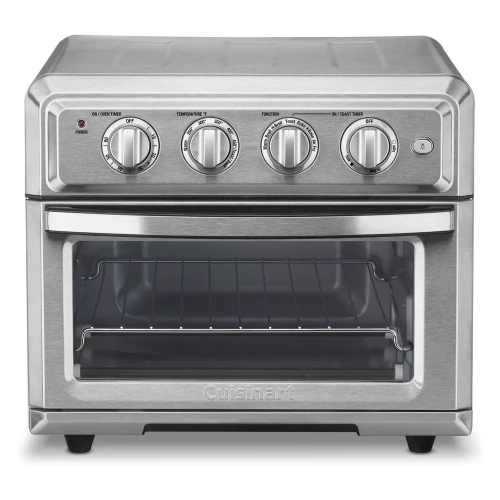 Your price for this item is $395.99
-
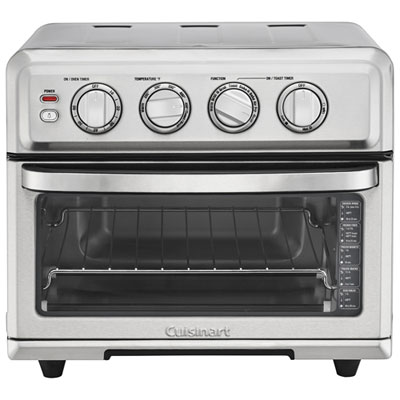 Your price for this item is $499.99
-
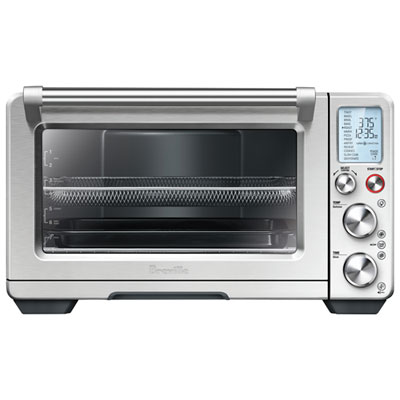 Your price for this item is $479.99
-
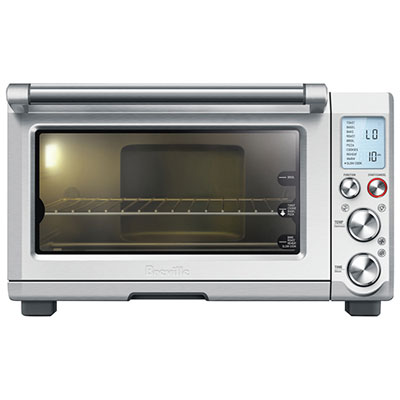 Your price for this item is $399.99
-
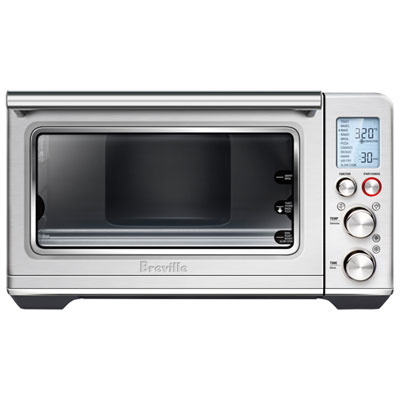 Your price for this item is $399.99
-
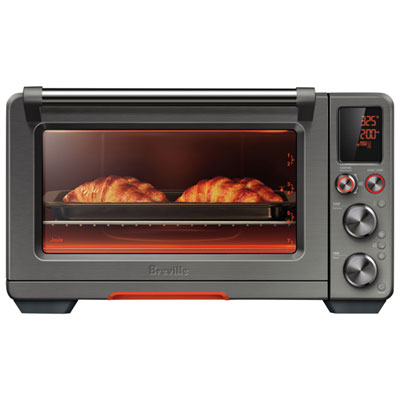 Your price for this item is $799.99
-
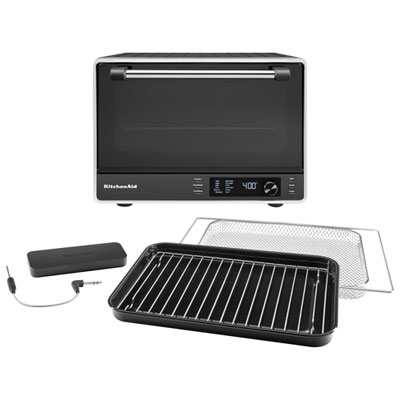 Your price for this item is $419.99
-
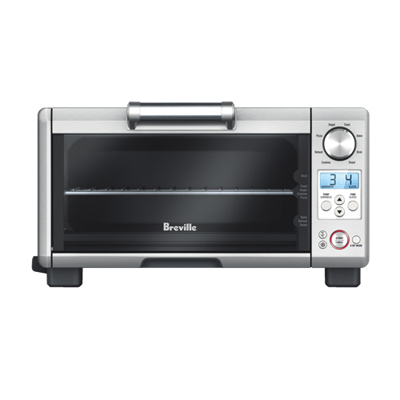 Your price for this item is $229.98
Discover more categories related to Mini Ovens for Baking Cakes

Top Collections:
Best Black Friday Deals This Year, Best Black Friday Deals On Electronics, Kindle Devices, Pokemon Centers, Best Black Friday Deals On Apple Products, Best Cameras for Sports Photography, Dyson Airwrap, Pokémon 30th Celebration Cards, Apple iPhone 17 Pro, Canon G7X Cameras
Some products may be subject to Environmental Handling Fees
(EHF) depending on your province.
Learn more about EHFs.