Ovens for Cake
An oven is one of the most used kitchen appliances. It's used to bake, roast, broil, and toast foods. It can also be used to make desserts like cakes and cookies. Here are some great options for ovens.
Sort

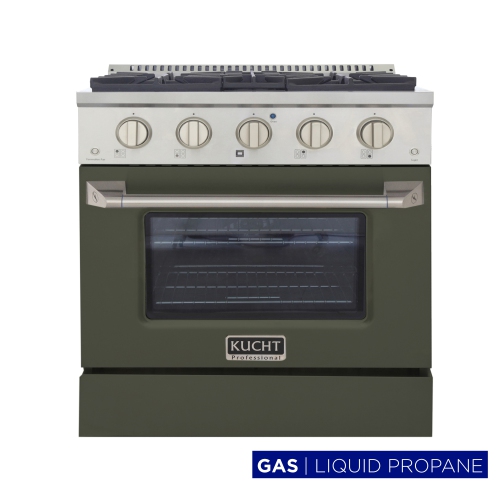
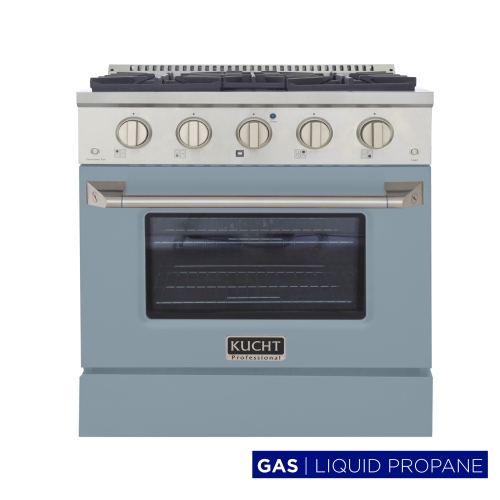
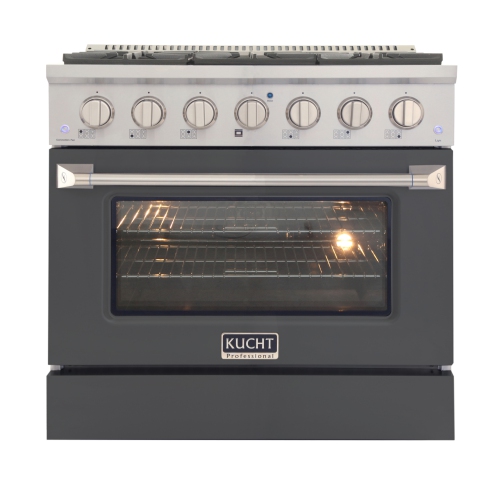
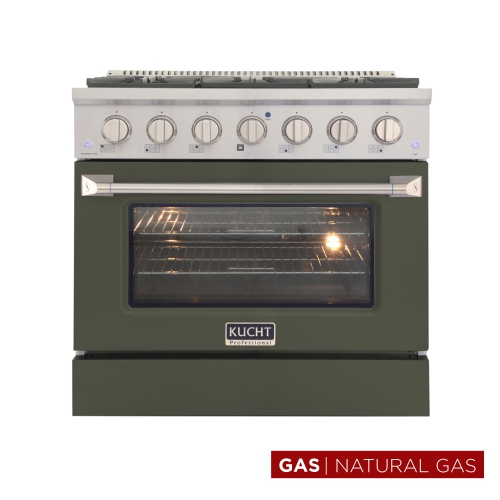

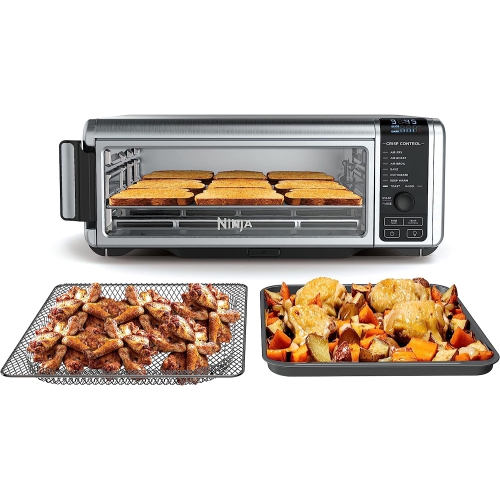
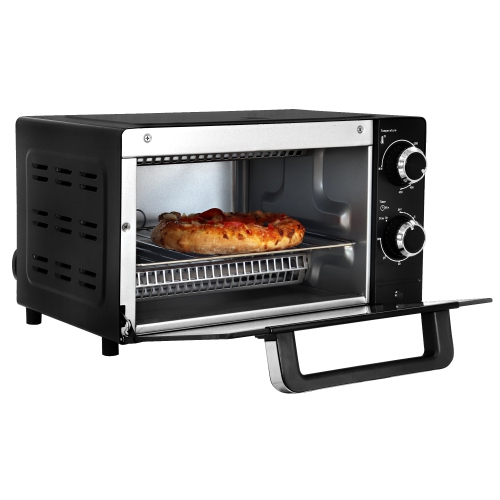
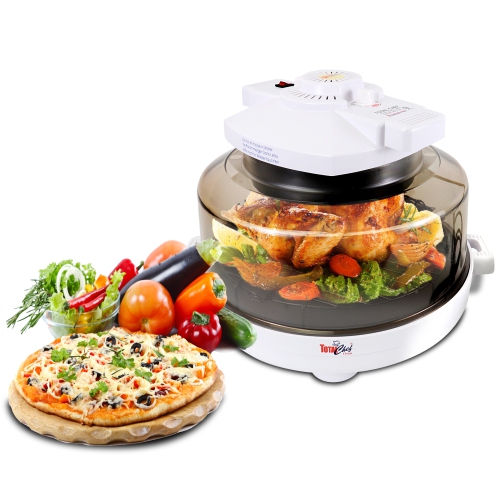
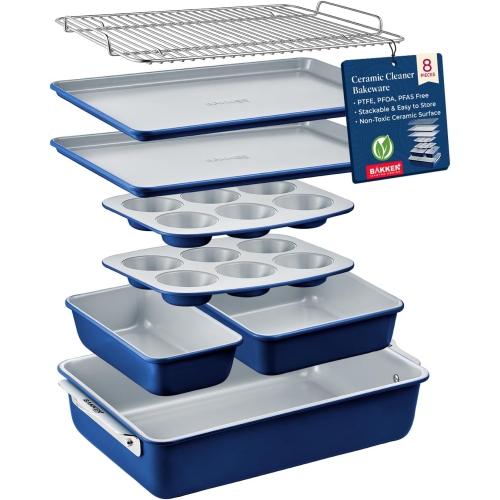
Why steady heat matters more than extra baking presets
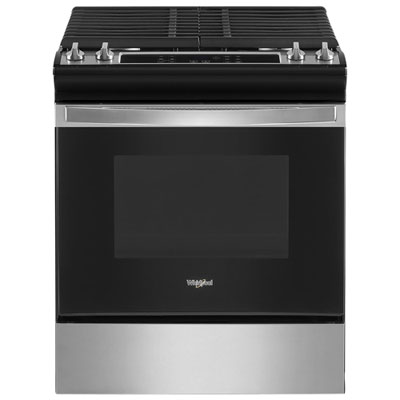
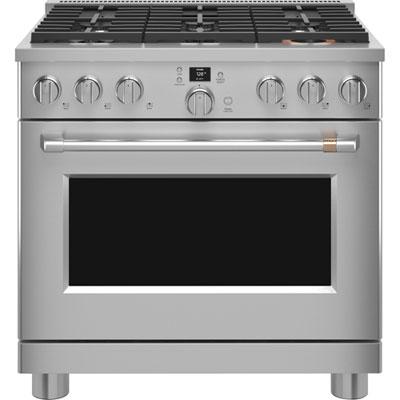
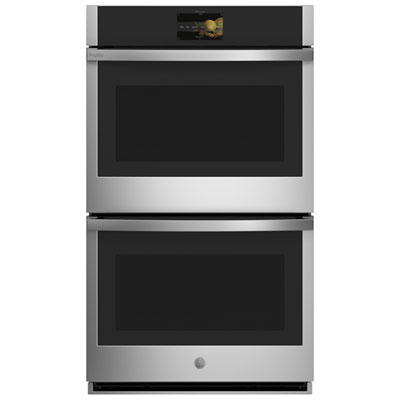
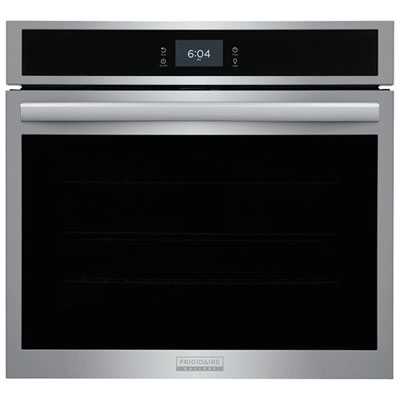
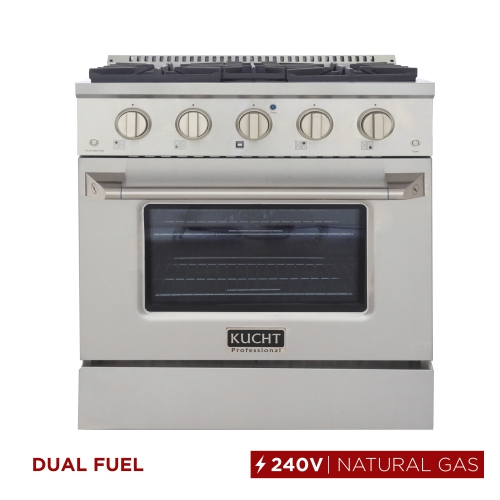
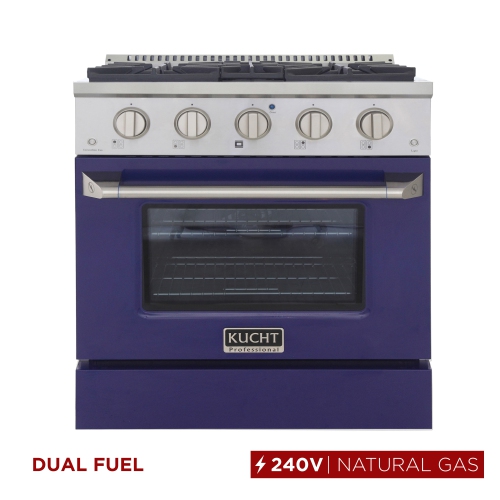
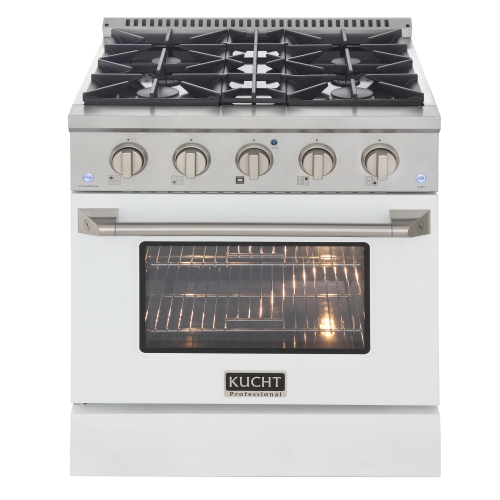
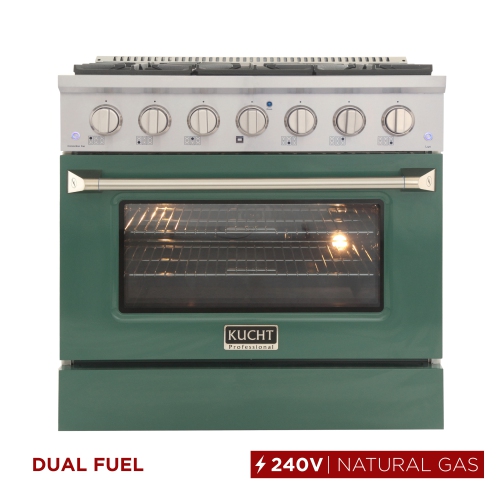
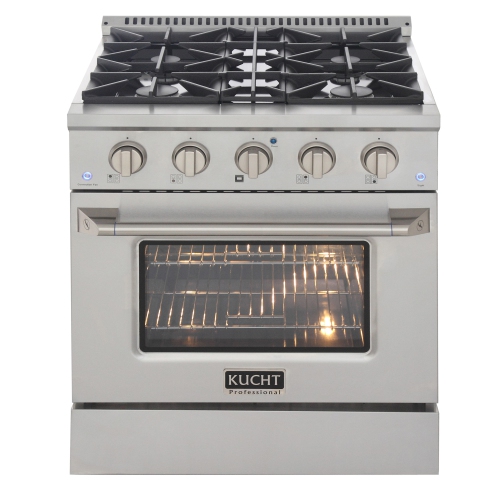
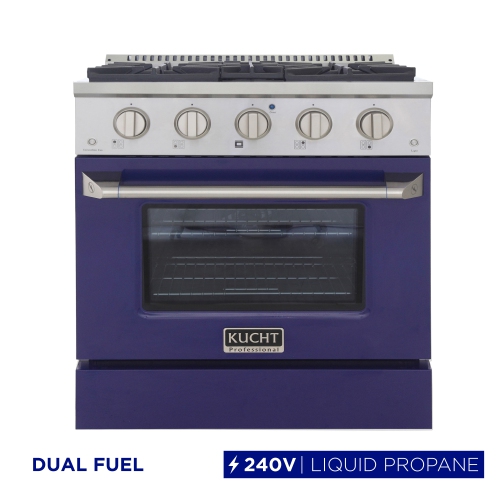
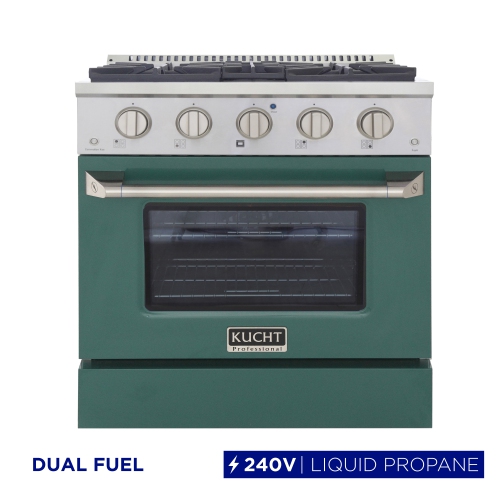
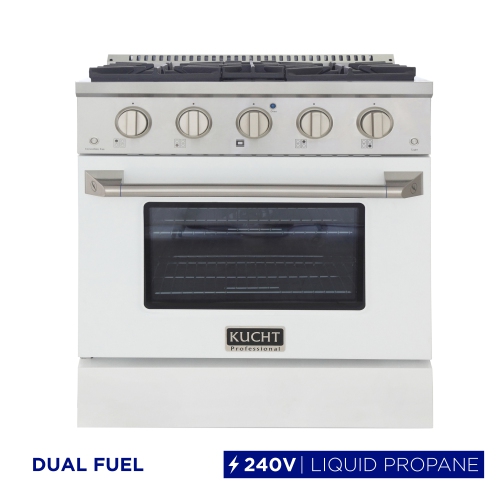
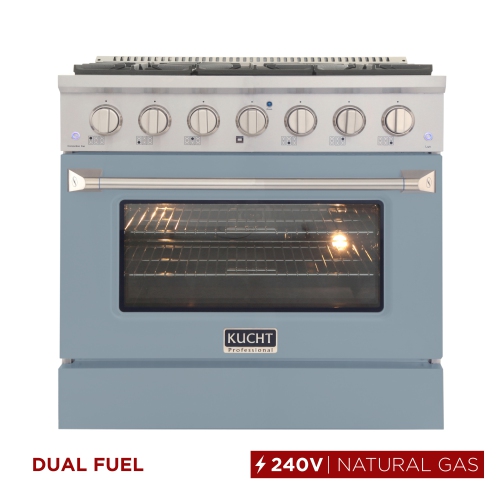
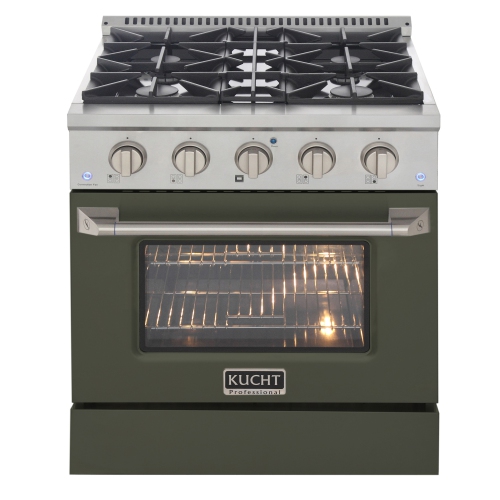
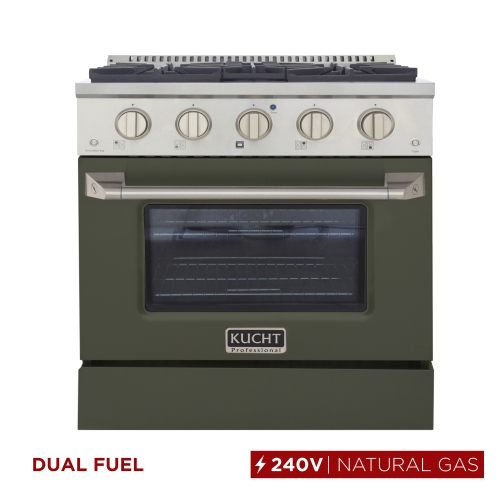
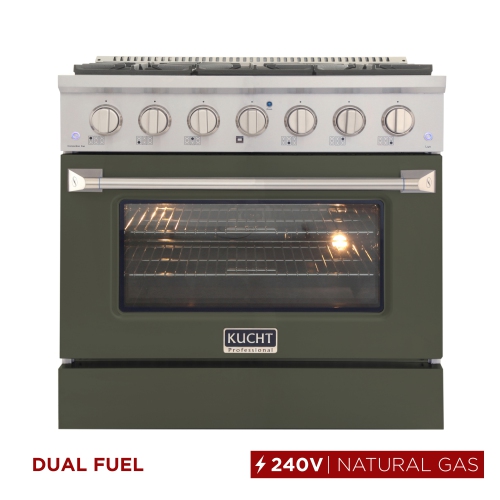
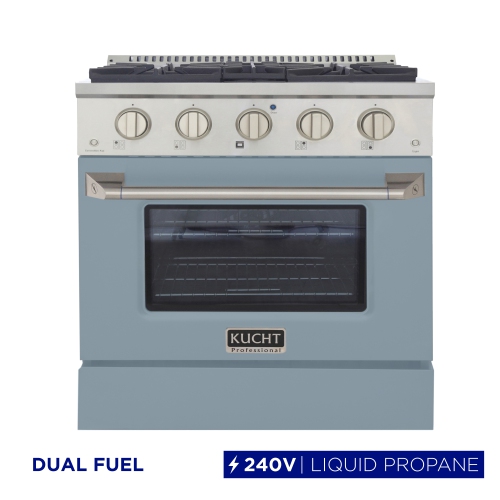
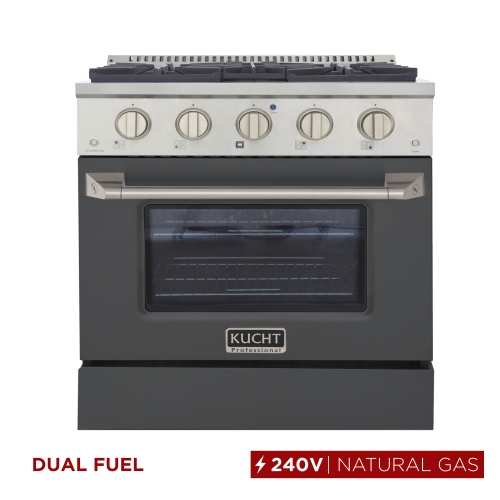
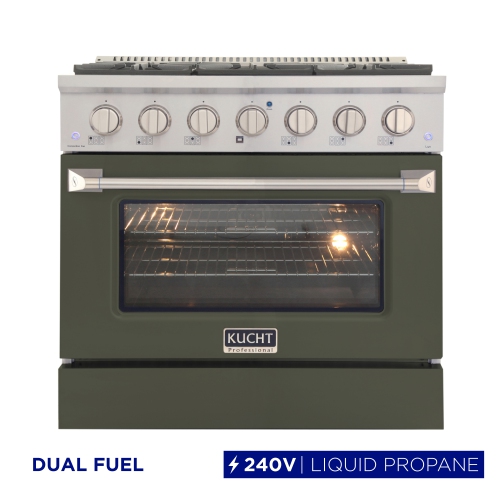
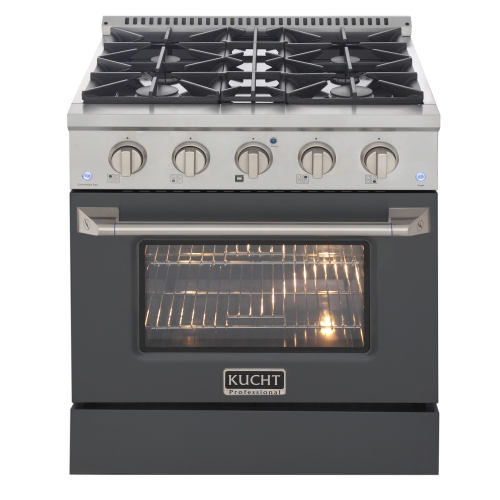
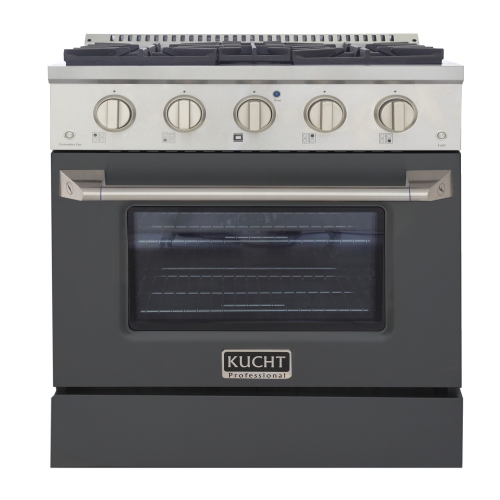
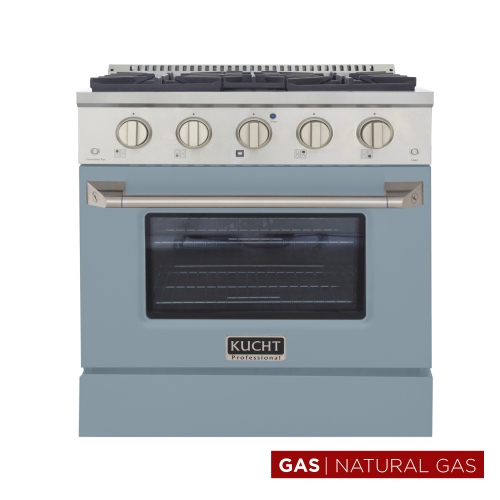
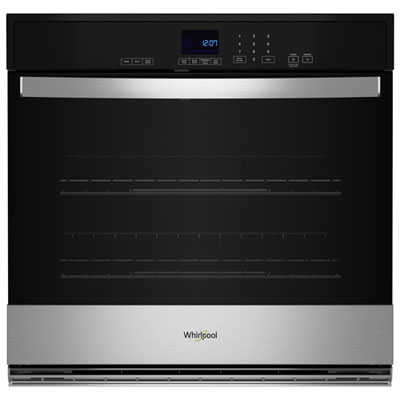
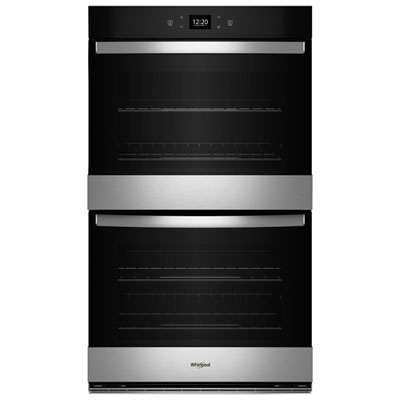
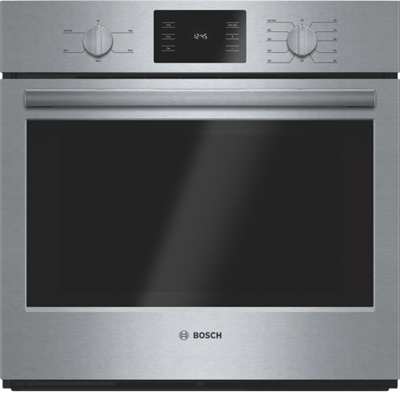
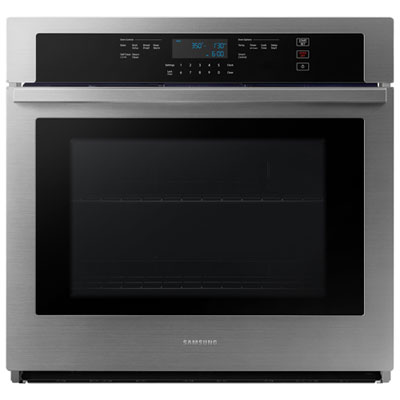
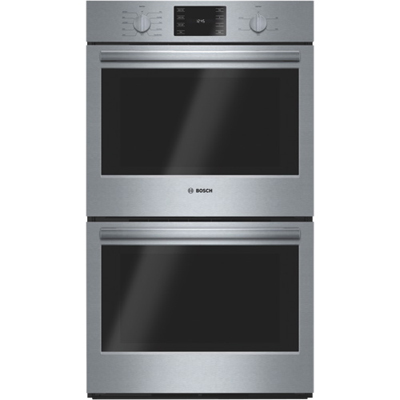
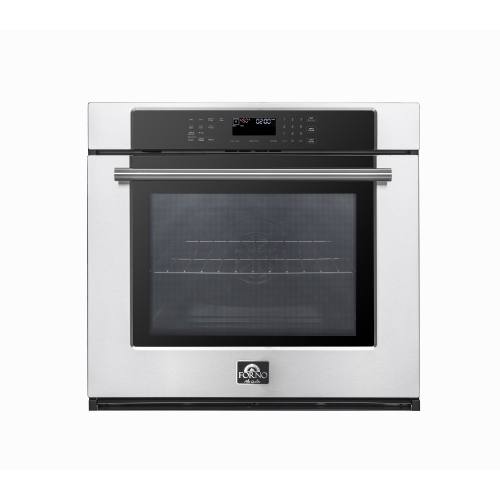
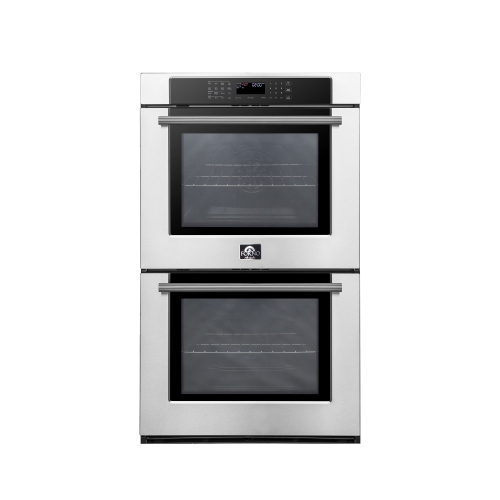
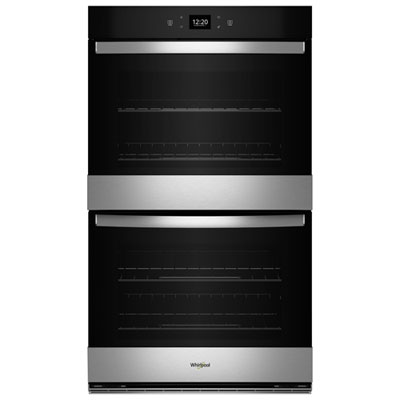
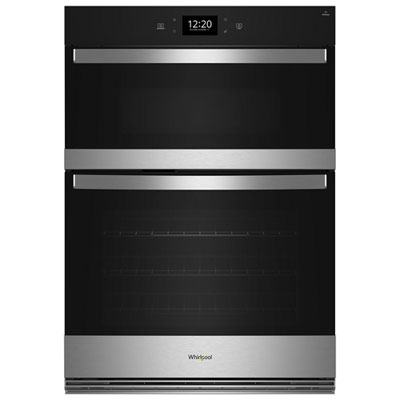
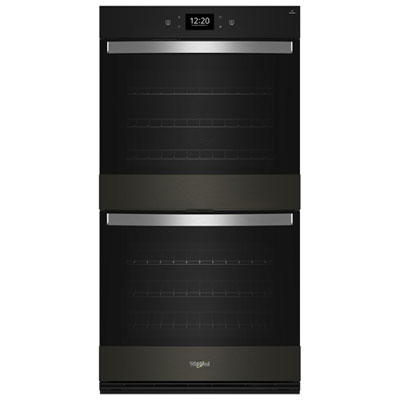
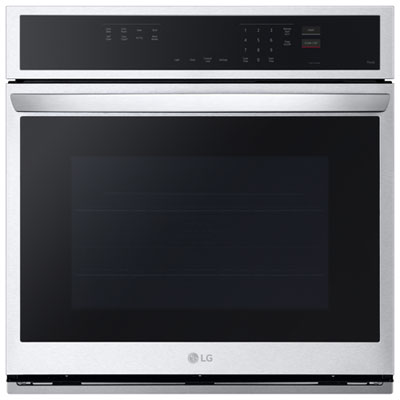
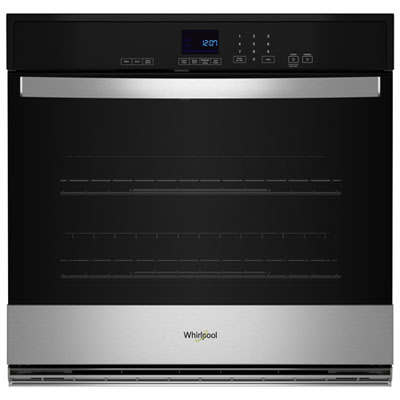
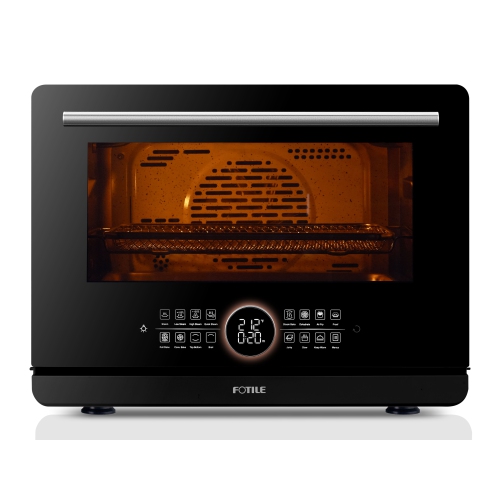
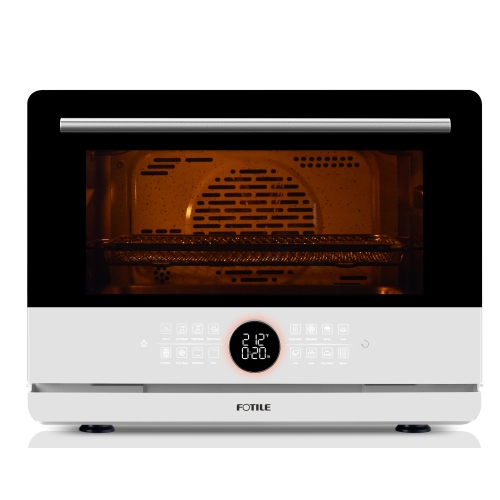
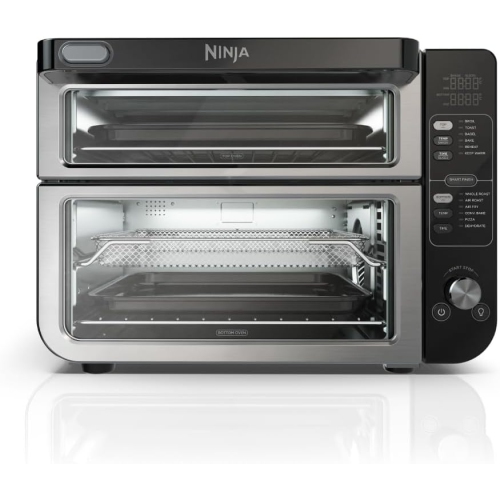
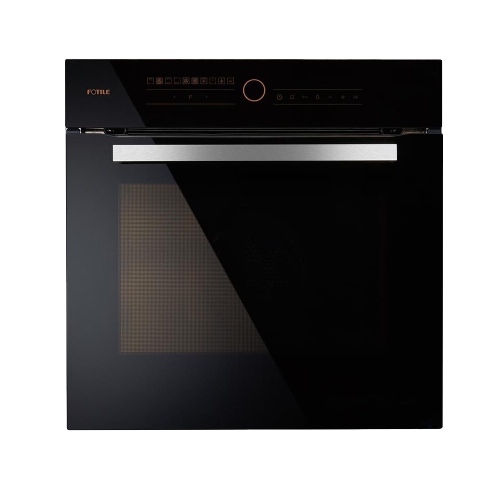
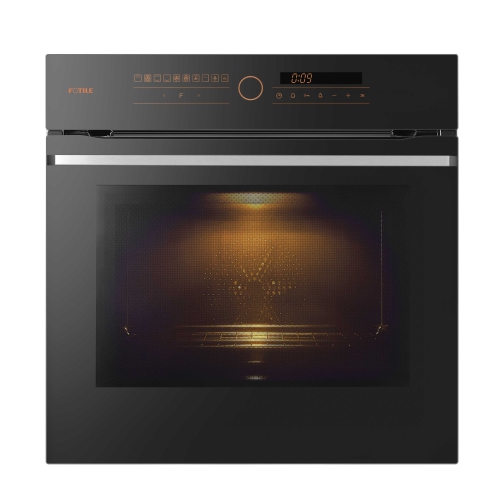
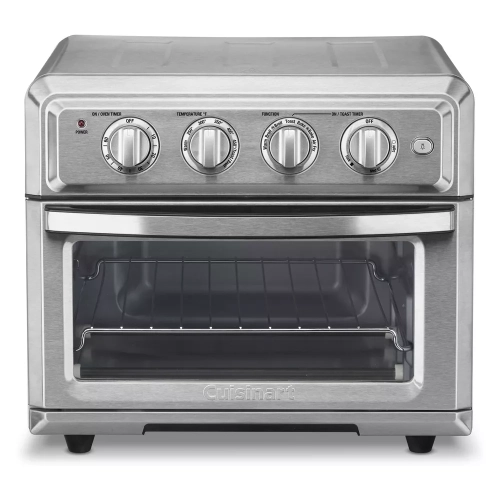
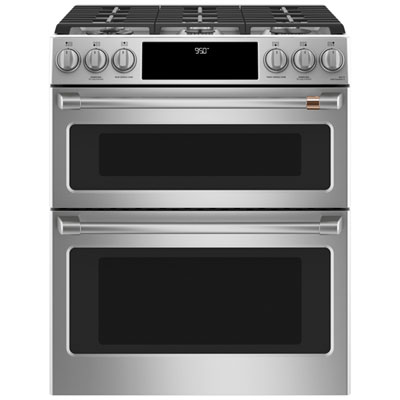
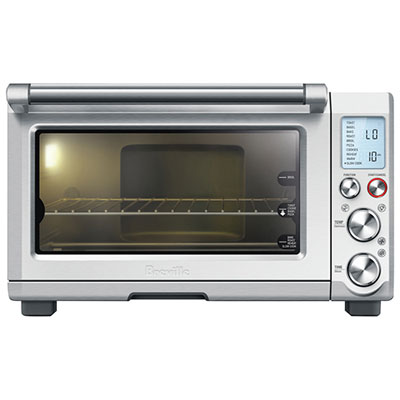
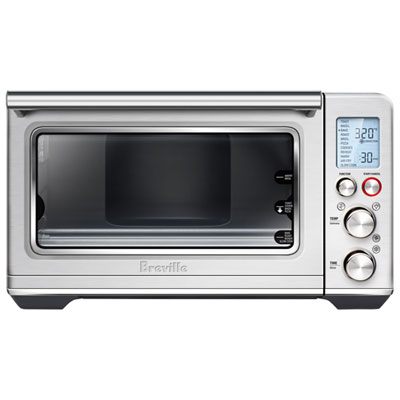
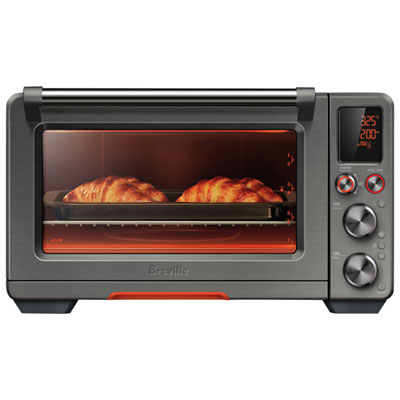
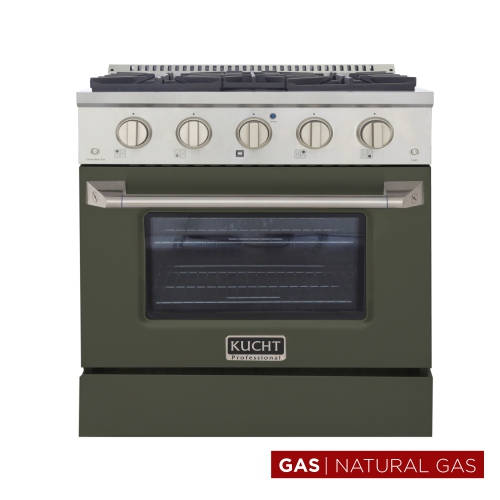
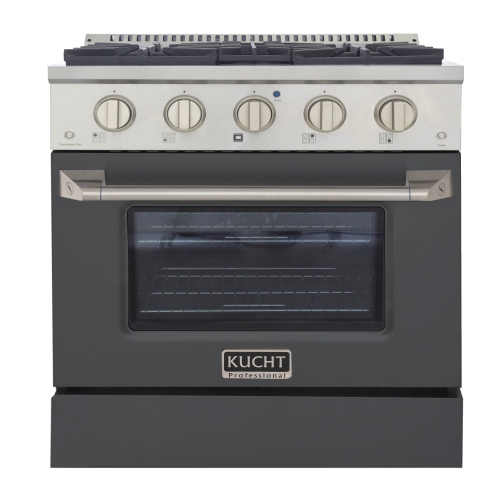
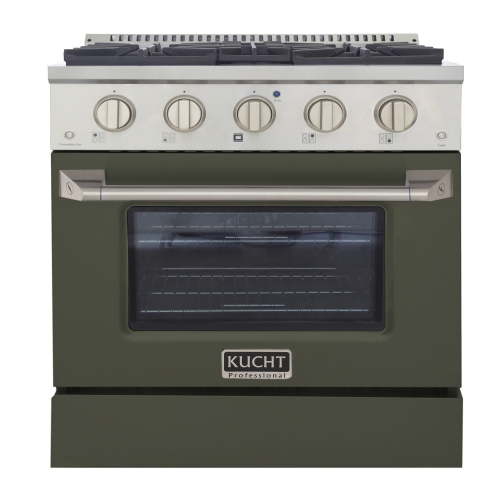
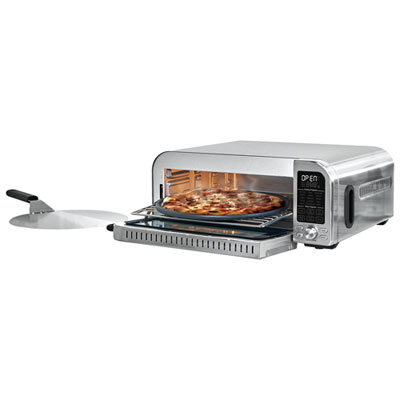
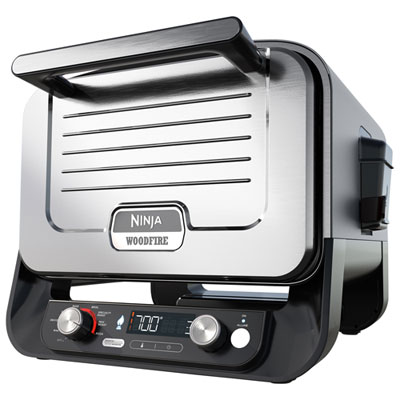
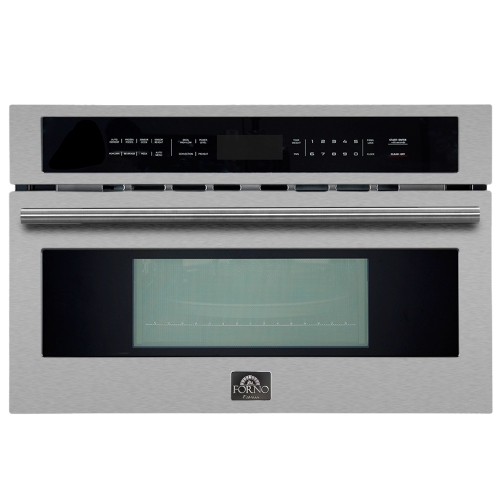
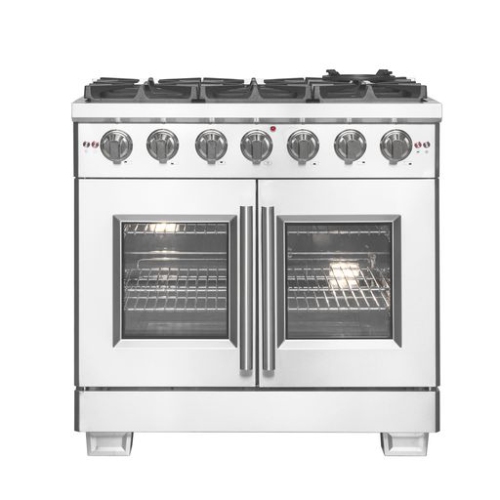
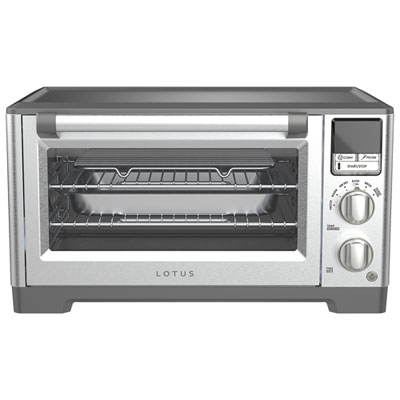
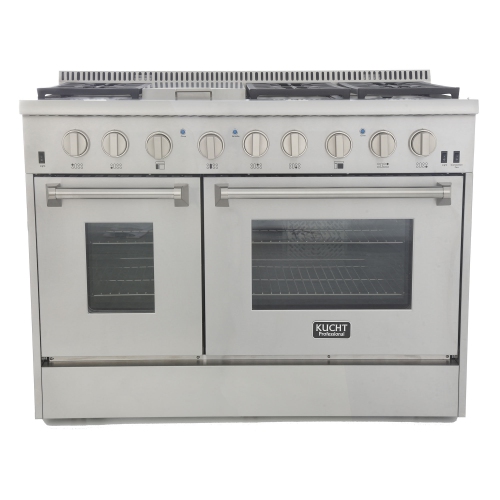
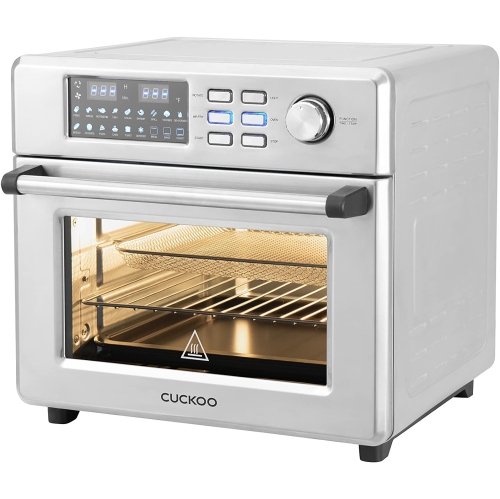
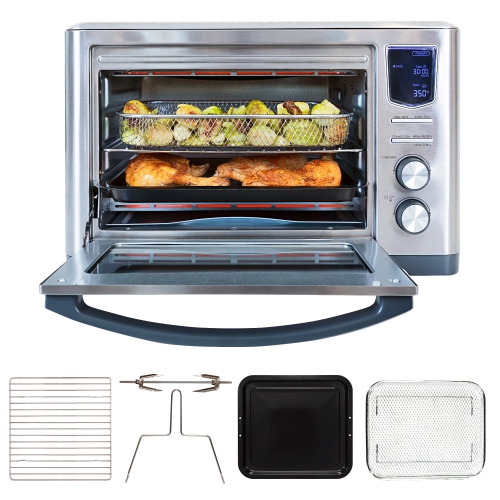
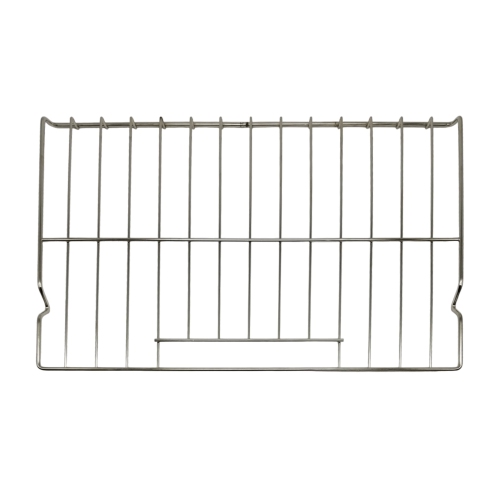
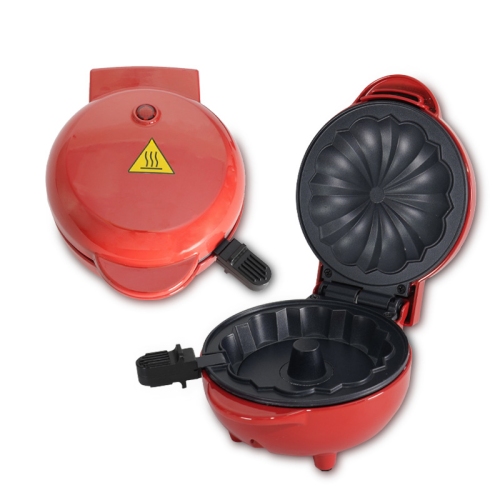
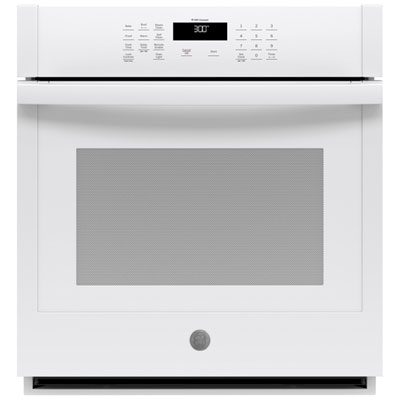
Ovens for cake baking are most useful when they combine steady temperature control, balanced heat distribution, and enough room for baking pans without crowding them against the cavity walls. An electric oven with a dependable conventional bake setting is a practical choice for many cake recipes, from a simple vanilla sponge to a deep chocolate celebration cake. Built-in wall ovens, ovens within freestanding or slide-in ranges, and countertop ovens can all suit cake baking; the right format depends on kitchen space, pan dimensions, and how much baking happens at once. A full-size oven offers room for larger tins and more flexibility around rack placement, while a countertop oven can be well suited to a small household or someone who usually bakes one layer at a time. Gas ovens can also produce good cakes, although heat patterns vary by appliance, so reliable controls and familiarity with the oven matter more than fuel type alone. For cakes, a conventional setting typically uses upper and lower heating elements without fan-driven airflow, giving delicate batters a gentler baking setting. Convection adds a fan to circulate hot air and can help distribute heat more evenly, but it is not automatically the best setting for every batter. Strong airflow may brown the surface sooner or affect the shape of a delicate sponge. Having both conventional and convection settings gives home bakers more flexibility than a fan-only appliance. When adapting a conventional recipe to convection, a common starting point is to reduce the temperature by about 25°F, or roughly 15°C, unless the oven adjusts it automatically; the recipe and appliance instructions take priority. Cakes may also finish sooner with convection. Precise controls, clear setting labels, and predictable preheating are therefore more relevant to cake baking than a long list of cooking presets. These features support the everyday details that matter: a soft crumb, a centre that sets properly, and edges that do not become dry before the middle finishes baking. They are equally useful for an occasional birthday cake and a regular weekend batch of cupcakes.
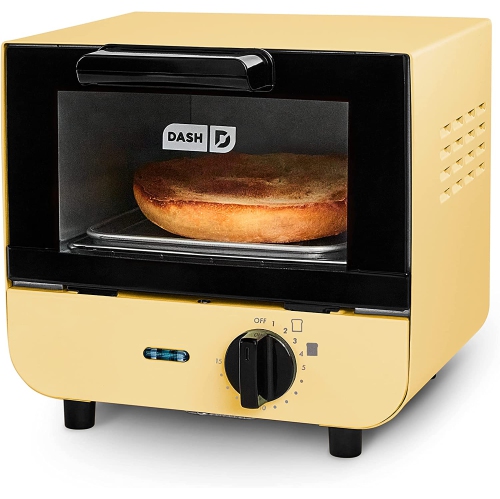
Capacity deserves a closer look than the exterior size or stated volume alone. A countertop oven may appear spacious yet have limited usable depth once the door closes, or too little height between a raised cake and the upper element. For a 9-inch round cake pan, the usable cavity needs to accommodate the pan’s full outside dimensions, including any rim or handles, with the clearance specified by the oven manufacturer. A cavity that is exactly 9 inches wide is not enough for a 9-inch pan. The same consideration applies to rectangular baking tins, loaf pans, and muffin trays, whose handles can make them considerably wider than their baking surface. Someone making two-layer cakes regularly may value space for two round pans on one rack with room around each for air circulation. A baker preparing taller cakes will benefit from adjustable rack positions and adequate vertical clearance. A middle rack position is generally a useful starting point for a single cake because it keeps the pan away from concentrated heat near the top or bottom, although individual recipes may call for another position. Multiple racks offer flexibility, but filling every level can change airflow and baking times, particularly with conventional heat. Kitchen fit matters just as much as pan fit. Built-in ovens require a suitable cabinet opening, the correct electrical connection, and installation that follows the manufacturer’s requirements. Ranges must fit their designated space and have the appropriate utility connections. Countertop ovens need a stable, heat-resistant surface, ventilation clearance, and a suitable outlet; their footprint includes the room required to open the door safely. A clear viewing window and an interior light make it easier to check whether a cake has risen and begun to colour without repeatedly opening the door. Readable displays, responsive controls, and timers that are easy to hear can make baking more comfortable for beginners and experienced bakers alike. These practical details are especially noticeable when lifting a full pan of batter into place or checking several layers intended for the same finished cake.
Materials, construction, and ease of care also shape how an oven fits into a baking routine over time. Smooth enamel interiors and accessible corners make it easier to remove crumbs and wipe up small spills once the appliance has cooled, while removable racks allow more thorough cleaning according to the manufacturer’s directions. Stainless steel exterior finishes can suit many kitchens, though care requirements vary and some surfaces show fingerprints more readily than others. A sturdy door, secure handle, well-supported racks, and an intact door seal are useful construction details to assess. Racks should slide smoothly and remain stable under the weight of bakeware. Cleaning features differ, and any high-heat cleaning cycle should be used only as directed, including removing accessories that are not approved to stay inside. Even with a capable oven, bakeware influences the finished cake. Light-coloured aluminum pans generally encourage more even browning, while dark finishes can absorb heat more readily and produce a darker crust. Glass and ceramic dishes behave differently from metal tins, so they are not always direct substitutes without recipe adjustments. Oven-safe markings and appliance compatibility matter, particularly in compact ovens where bakeware sits closer to the elements. An oven thermometer can help reveal a persistent difference between the selected temperature and the temperature near the baking position, though normal heating cycles mean readings fluctuate. For households that bake often, easy upkeep and consistent performance can be more valuable than specialised modes that rarely get used. A compact oven may suit a first apartment or someone who enjoys small-batch baking, while a full-size format better accommodates broad sheet cakes and larger family baking projects. As a gift for a keen baker, an oven calls for confirming the recipient’s space, electrical setup, and preferred pan sizes rather than choosing by appearance alone. The Best Ovens for Baking Cakes page offers another way to explore this baking-focused category. Whether the goal is a tender loaf cake or neatly matched layers ready for buttercream, useful oven features are those that support the baker’s actual recipes, kitchen layout, and preferred way of baking.
Capacity deserves a closer look than the exterior size or stated volume alone. A countertop oven may appear spacious yet have limited usable depth once the door closes, or too little height between a raised cake and the upper element. For a 9-inch round cake pan, the usable cavity needs to accommodate the pan’s full outside dimensions, including any rim or handles, with the clearance specified by the oven manufacturer. A cavity that is exactly 9 inches wide is not enough for a 9-inch pan. The same consideration applies to rectangular baking tins, loaf pans, and muffin trays, whose handles can make them considerably wider than their baking surface. Someone making two-layer cakes regularly may value space for two round pans on one rack with room around each for air circulation. A baker preparing taller cakes will benefit from adjustable rack positions and adequate vertical clearance. A middle rack position is generally a useful starting point for a single cake because it keeps the pan away from concentrated heat near the top or bottom, although individual recipes may call for another position. Multiple racks offer flexibility, but filling every level can change airflow and baking times, particularly with conventional heat. Kitchen fit matters just as much as pan fit. Built-in ovens require a suitable cabinet opening, the correct electrical connection, and installation that follows the manufacturer’s requirements. Ranges must fit their designated space and have the appropriate utility connections. Countertop ovens need a stable, heat-resistant surface, ventilation clearance, and a suitable outlet; their footprint includes the room required to open the door safely. A clear viewing window and an interior light make it easier to check whether a cake has risen and begun to colour without repeatedly opening the door. Readable displays, responsive controls, and timers that are easy to hear can make baking more comfortable for beginners and experienced bakers alike. These practical details are especially noticeable when lifting a full pan of batter into place or checking several layers intended for the same finished cake.
Materials, construction, and ease of care also shape how an oven fits into a baking routine over time. Smooth enamel interiors and accessible corners make it easier to remove crumbs and wipe up small spills once the appliance has cooled, while removable racks allow more thorough cleaning according to the manufacturer’s directions. Stainless steel exterior finishes can suit many kitchens, though care requirements vary and some surfaces show fingerprints more readily than others. A sturdy door, secure handle, well-supported racks, and an intact door seal are useful construction details to assess. Racks should slide smoothly and remain stable under the weight of bakeware. Cleaning features differ, and any high-heat cleaning cycle should be used only as directed, including removing accessories that are not approved to stay inside. Even with a capable oven, bakeware influences the finished cake. Light-coloured aluminum pans generally encourage more even browning, while dark finishes can absorb heat more readily and produce a darker crust. Glass and ceramic dishes behave differently from metal tins, so they are not always direct substitutes without recipe adjustments. Oven-safe markings and appliance compatibility matter, particularly in compact ovens where bakeware sits closer to the elements. An oven thermometer can help reveal a persistent difference between the selected temperature and the temperature near the baking position, though normal heating cycles mean readings fluctuate. For households that bake often, easy upkeep and consistent performance can be more valuable than specialised modes that rarely get used. A compact oven may suit a first apartment or someone who enjoys small-batch baking, while a full-size format better accommodates broad sheet cakes and larger family baking projects. As a gift for a keen baker, an oven calls for confirming the recipient’s space, electrical setup, and preferred pan sizes rather than choosing by appearance alone. The Best Ovens for Baking Cakes page offers another way to explore this baking-focused category. Whether the goal is a tender loaf cake or neatly matched layers ready for buttercream, useful oven features are those that support the baker’s actual recipes, kitchen layout, and preferred way of baking.
Top selling and popular products
-
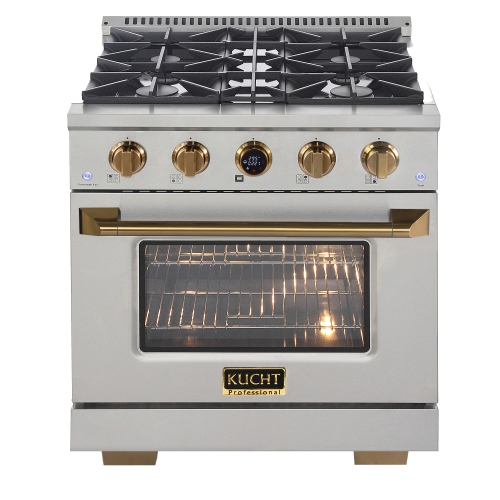 Your price for this item is $4695
 -
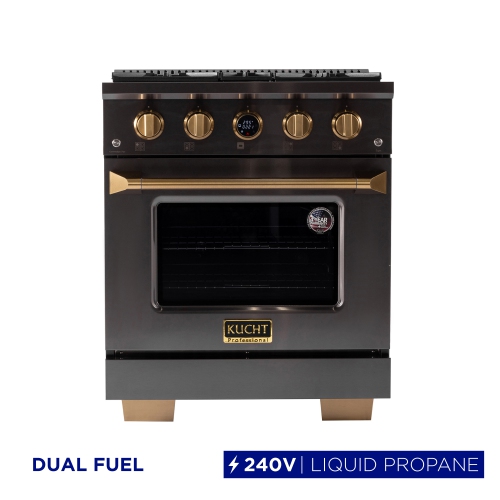 Your price for this item is $4995
 -
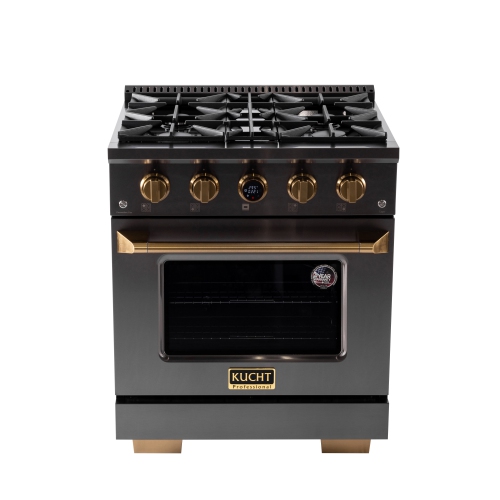 Your price for this item is $4895
 -
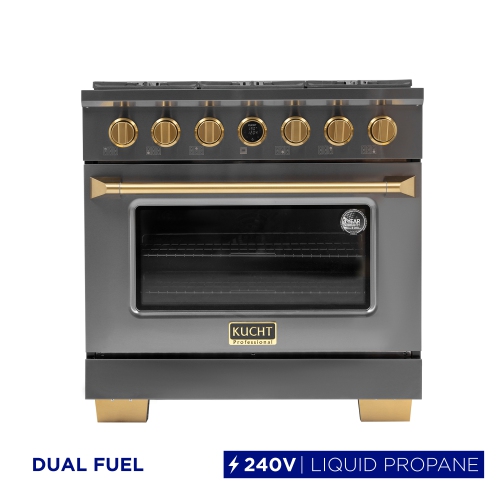 Your price for this item is $6195
 -
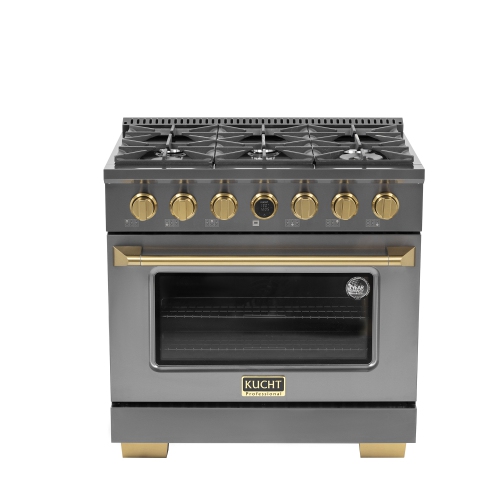 Your price for this item is $6095
 -
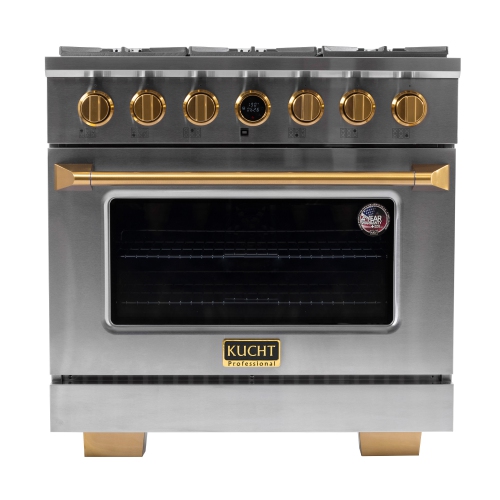 Your price for this item is $5010.75
 -
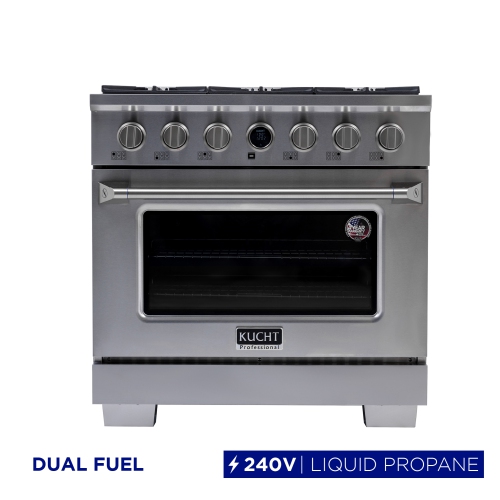 Your price for this item is $5995
 -
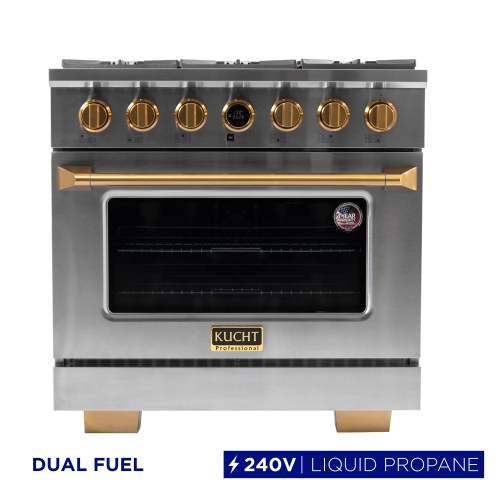 Your price for this item is $5095.75
Discover more categories related to Ovens for Cake
Top Collections:
Pokemon Centers, Kindle Devices, Best Budget Office Chairs, Apple iPhones 16, Best Laptops for Writers, iPhone 15 Apple, Canon G7X Cameras, Refurbished Apple Laptops, Alarm Clock, Motorola Razr Phones
Some products may be subject to Environmental Handling Fees
(EHF) depending on your province.
Learn more about EHFs.