Morento Air Purifier Filters
Keep your indoor air fresh and clean with the Morento Air Purifier Filter. Designed for reliable performance, this filter helps maintain optimal air quality in your home or office. Whether you're looking to replace an old filter or upgrade your current setup, the Morento Air Purifier Filter is an essential addition to your air purification system. Explore options that fit your needs and enjoy a more comfortable living environment.
Sort


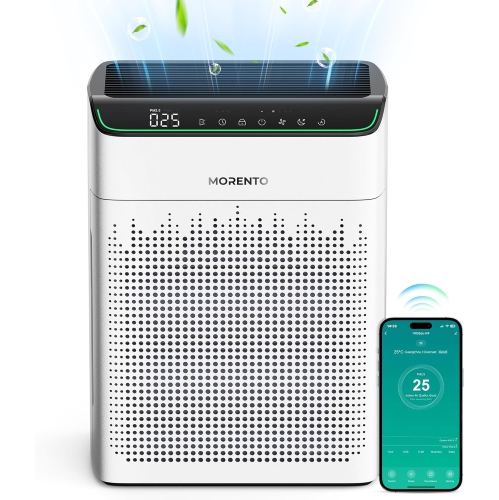
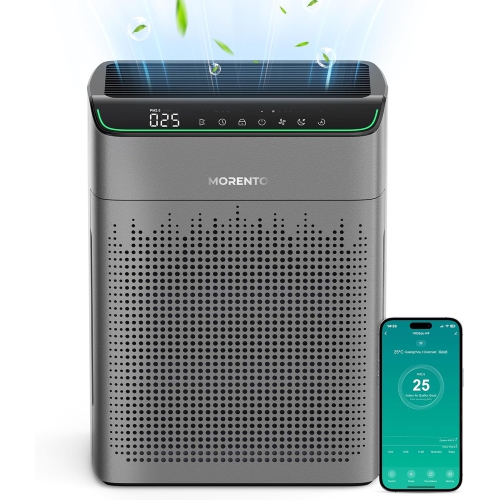
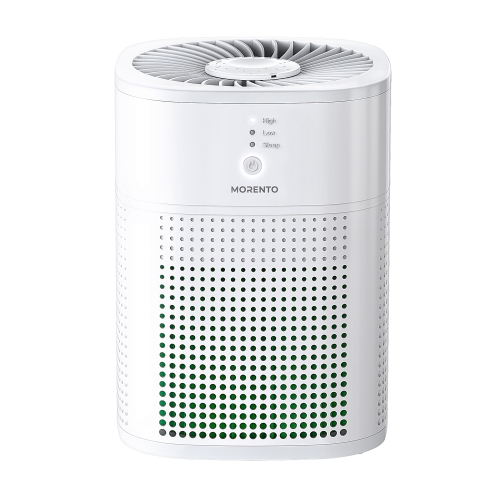
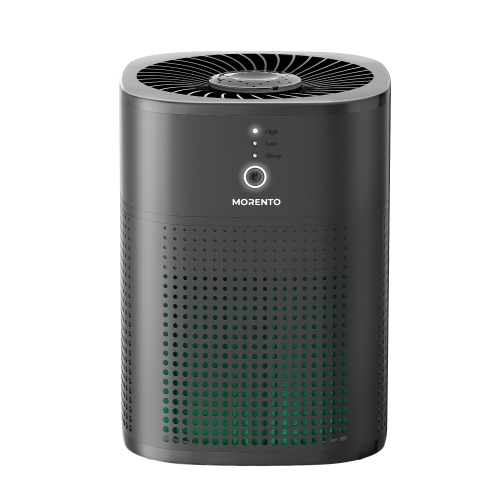
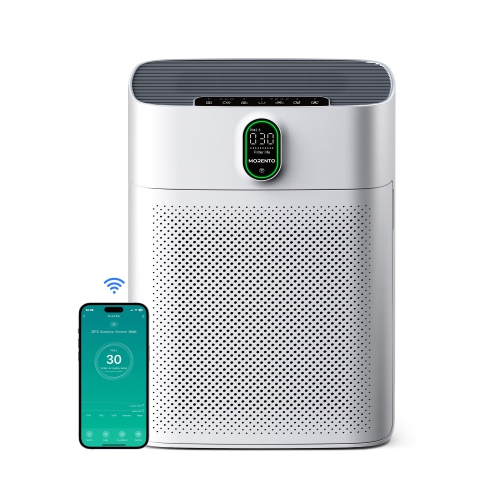
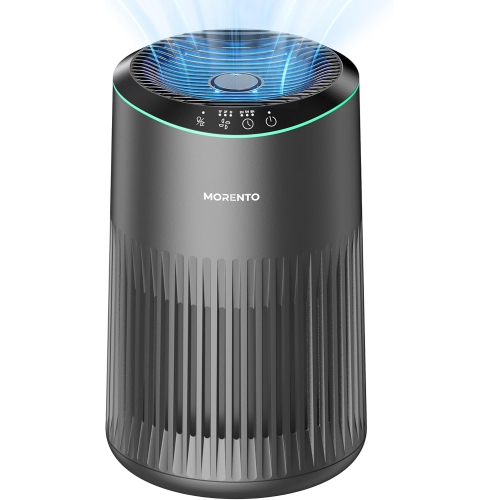
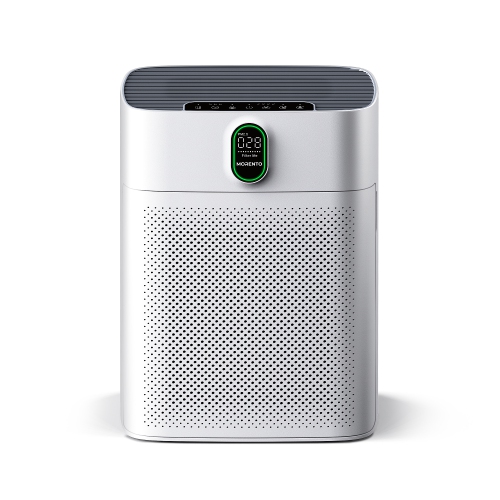
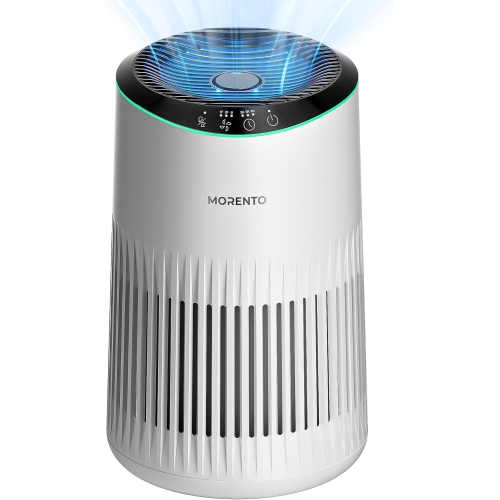


How filter layers and fit affect everyday performance
Replacement air purifier filters help an air purifier capture airborne particles and, when equipped with activated carbon, reduce certain household odours. Many designs combine several filtration stages in one assembly: an outer pre-filter for larger debris such as hair and lint, a fine-particle filter for smaller airborne material, and a carbon layer for certain odour-causing compounds. Each stage has a different job. The pre-filter helps keep larger particles from collecting directly on the finer material, while pleated filtration media provide a larger working surface within a compact frame. Depending on the filter’s specifications, the fine-particle layer may capture dust, pollen, pet dander, and particles associated with smoke. Activated carbon works differently, trapping certain gases and odour compounds on its porous surface rather than catching them in the same way as a particle filter. Its effectiveness depends on factors including the amount of carbon, the substances present, and how much air passes through it. A carbon layer can help with lingering cooking or pet odours, but it does not replace cleaning, ventilation, or removal of the odour source. Filtration claims also need context. A filter rated to capture 99.97% of particles measuring 0.3 microns describes tested filtration performance, not a promise that every particle in a room will disappear. The purifier’s airflow, operating time, room layout, and fit around the filter all affect everyday results. For someone sharing a living room with a shedding dog, the combination of a coarse outer layer and fine-particle filtration serves a different purpose from carbon intended to help with cooking odours drifting into an adjoining space. Layer counts alone do not tell the whole story: the materials, construction, and compatibility with the appliance matter more than whether a replacement is described as having three or four stages.
Compatibility is the starting point for choosing a replacement, because similar-looking air purifier filters are not necessarily interchangeable. The purifier’s model identification and the replacement filter’s stated compatibility provide a more reliable match than appearance alone. Height, width, depth, frame shape, and the position of tabs or seals can all affect installation. A filter that is slightly too small may leave gaps where air can bypass the filtration media, while one that is too large can prevent a cover from closing correctly or put pressure on the housing. Even within the same appliance family, different versions may use different filter assemblies. Flat panels, cylindrical cartridges, and paired filters are built around different airflow paths, so their shapes are functional rather than simply cosmetic. Some purifiers draw air through two separate filter positions; in those designs, a package containing two filters may supply one complete replacement rather than two replacement cycles. Package quantity and the number required by the appliance are therefore separate considerations. Construction details also matter over time. Evenly arranged pleats, an intact frame, and undamaged sealing edges help the filter sit as intended, while crushed sections or torn media can compromise its usefulness. For households with several purifiers, keeping replacements organized by appliance helps prevent a similar-looking cartridge from ending up beside the wrong unit. The same distinction applies when comparing Honeywell Air Purifiers Filters: each replacement still needs to match the purifier it was designed for. A spare filter can be a practical household purchase for someone who runs a purifier regularly in a bedroom, home office, or shared living area, provided the appliance details are known. When choosing one for another person, an exact compatibility match is more useful than assuming that a larger cartridge or an extra filtration layer will suit their purifier.
Filter care and replacement timing depend on the construction of the filter, the purifier’s operating schedule, and the amount of material passing through it. A unit running throughout the day near a pet’s favourite chair may collect debris differently from one used occasionally in a lightly occupied room. Replacement intervals stated by the manufacturer are a useful baseline, but they should be read alongside the appliance’s maintenance instructions. Some filter indicators track elapsed operating time rather than measuring how much dust or carbon capacity remains, so an illuminated reminder is not necessarily a direct reading of filter condition. Visible surface dust also tells only part of the story: fine particles can collect deeper in the media, and activated carbon can lose effectiveness without an obvious change in appearance. Care methods vary just as much. A removable, washable pre-filter does not mean the entire filter assembly can be rinsed. Water, cleaning sprays, brushing, or aggressive vacuuming can damage materials that were designed for replacement rather than washing. Any surface cleaning should follow the manufacturer’s directions, with particular care around delicate pleats and bonded layers. During installation, protective wrapping needs to be removed, airflow markings followed where provided, and the filter seated securely before the cover is closed. Resetting the replacement indicator, when required, keeps the next reminder tied to the new installation. Unused replacements are best kept in their original protective packaging in a clean, dry place where the frame will not be crushed. For everyday use, a purifier also needs space around its intake and outlet; curtains, furniture, or a tightly packed shelf can restrict airflow even when the filter is new. These practical details help a compatible replacement do its intended work. Air filtration remains one part of managing indoor air, alongside routine dust removal, suitable ventilation, and attention to sources such as cooking fumes. A particle or carbon filter is not a substitute for a carbon monoxide alarm, and it should not be treated as protection against every airborne substance.
Top selling and popular products
-
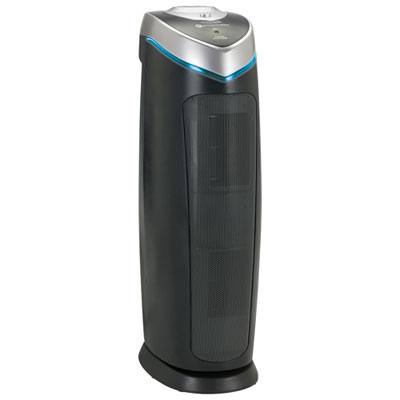 Your price for this item is $139.99
-
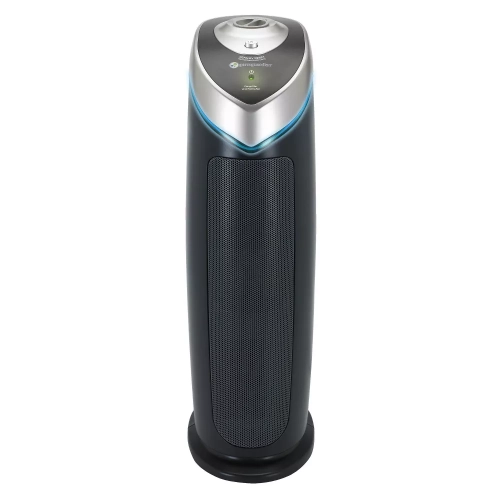 Your price for this item is $296.99
-
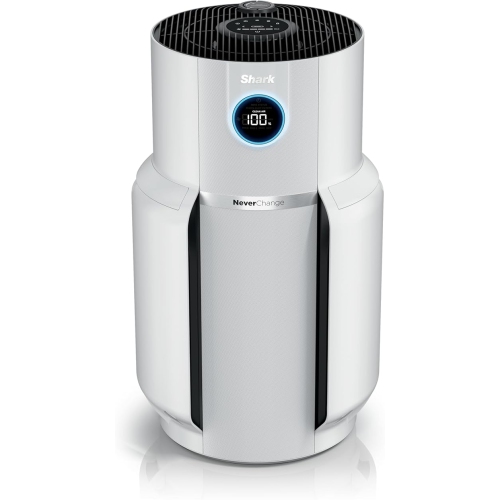 Your price for this item is $359.99
-
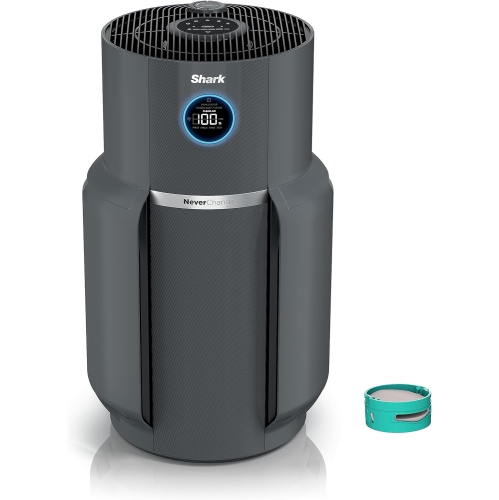 Your price for this item is $999.99
-
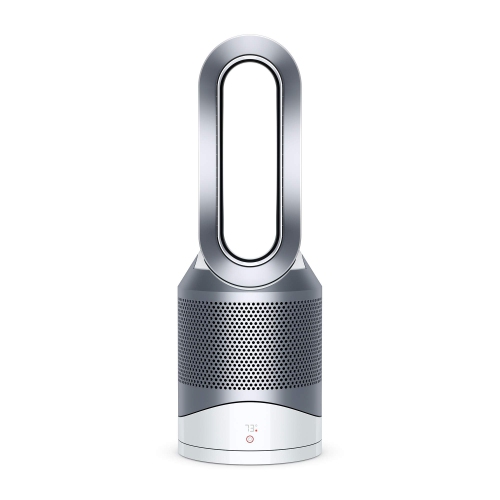 Your price for this item is $729.99
-
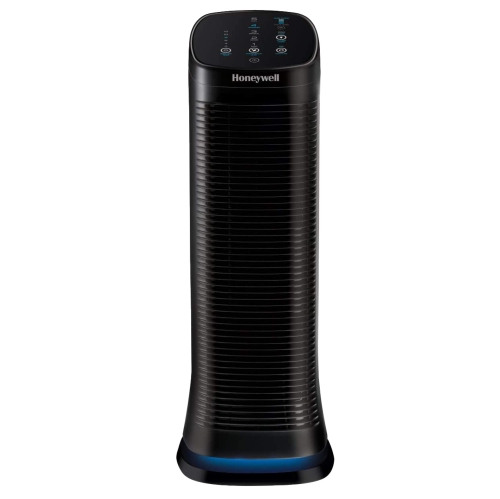 Your price for this item is $534.99
-
 Your price for this item is $659.99
-
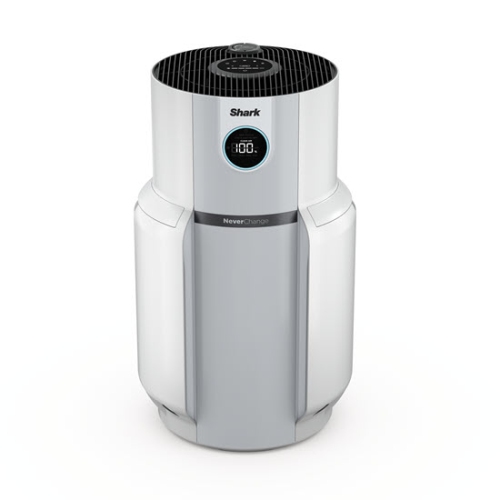 Your price for this item is $229.95
Discover more categories related to Morento Air Purifier Filters
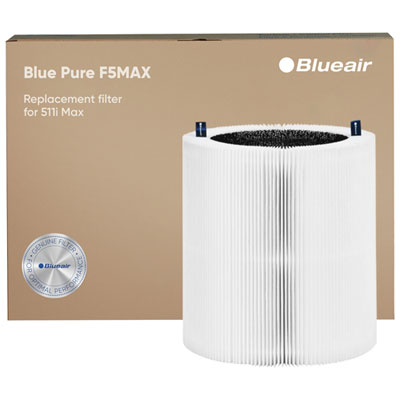
Top Collections:
Pokemon Centers, Best Black Friday Deals This Year, Best Black Friday Deals On Electronics, Kindle Devices, Best Budget Office Chairs, Best Black Friday Deals On Apple Products, Best Cameras for Sports Photography, Pokémon 30th Celebration Cards, Dyson Airwrap, Canon G7X Cameras
Some products may be subject to Environmental Handling Fees
(EHF) depending on your province.
Learn more about EHFs.