Ninja Foodi 2 Basket Air Fryers
Discover the convenience and versatility of the Ninja Foodi 2 Basket Air Fryer, designed to help you prepare delicious meals with ease. Perfect for busy households and food enthusiasts alike, this innovative kitchen appliance offers a seamless cooking experience. Whether you're whipping up snacks, sides, or main courses, the Ninja Foodi 2 Basket Air Fryer brings efficiency and flexibility to your countertop, making mealtime more enjoyable for everyone. Explore a range of options to find the perfect fit for your culinary needs.
Sort
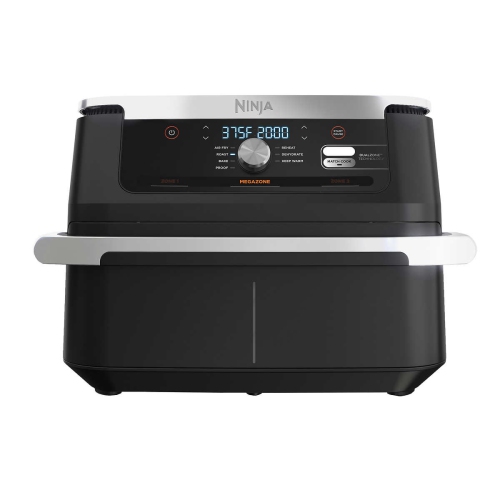
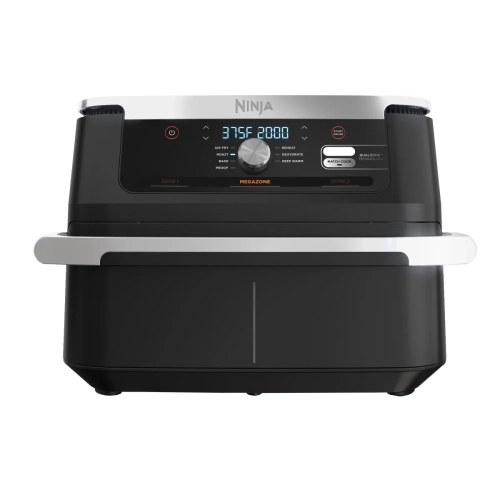
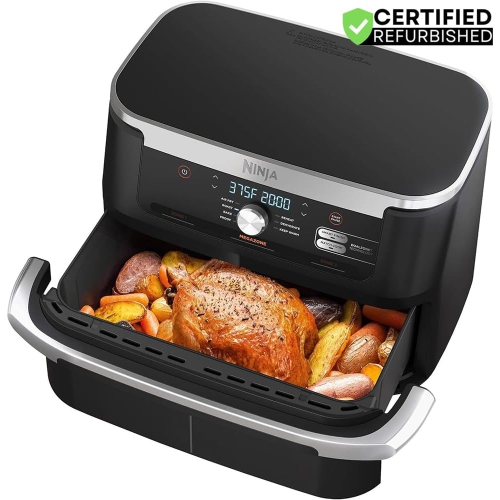
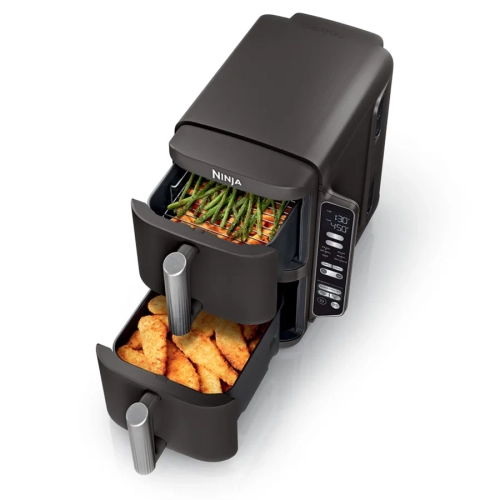
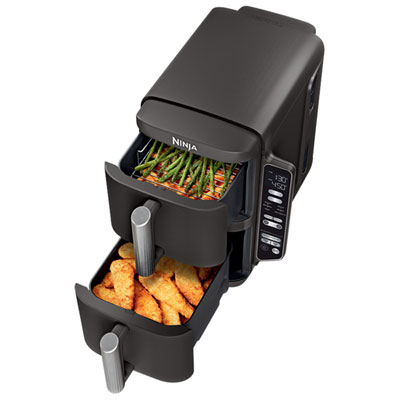
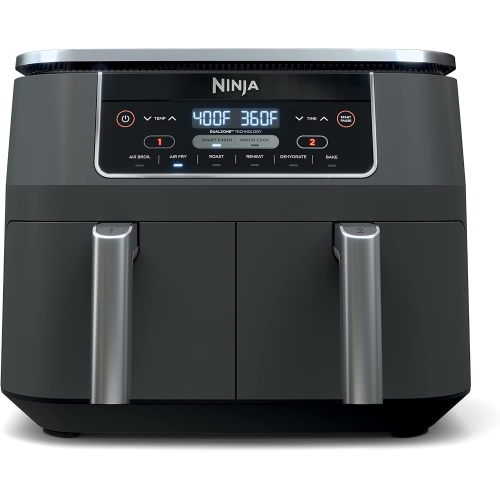
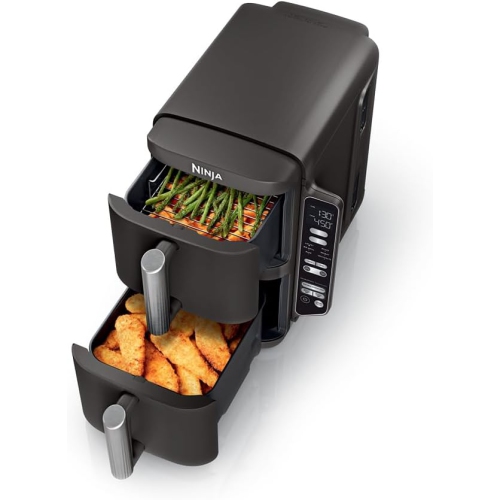
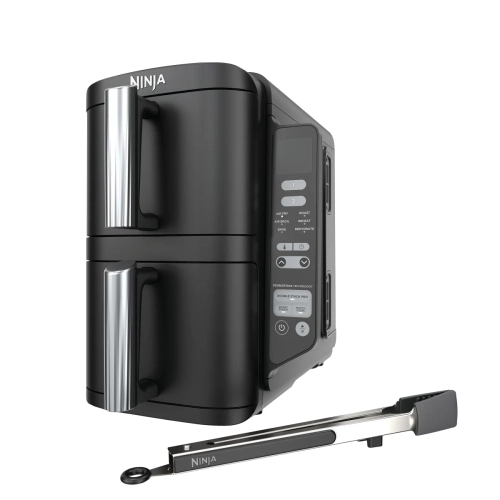
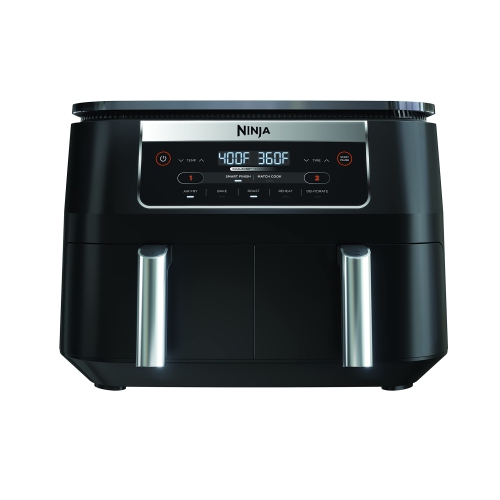
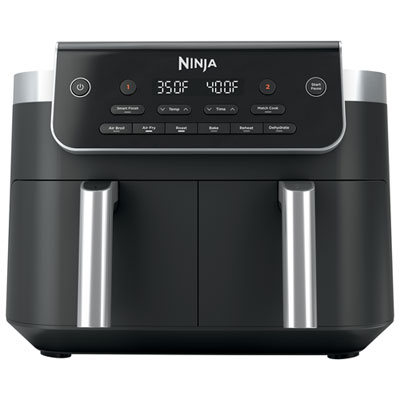
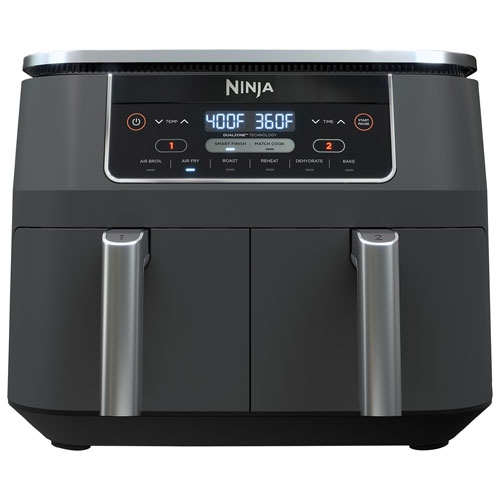
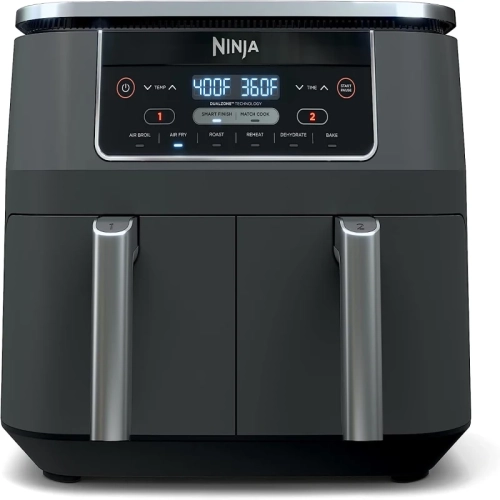
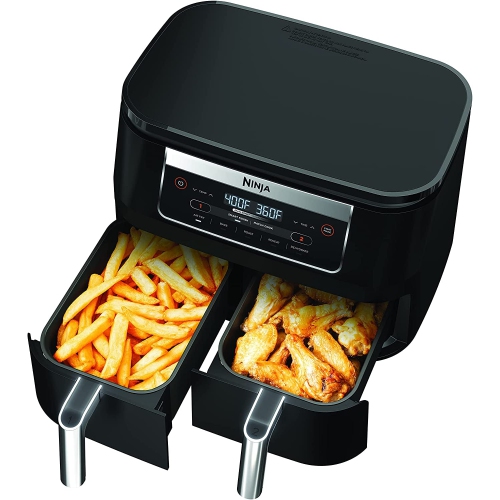
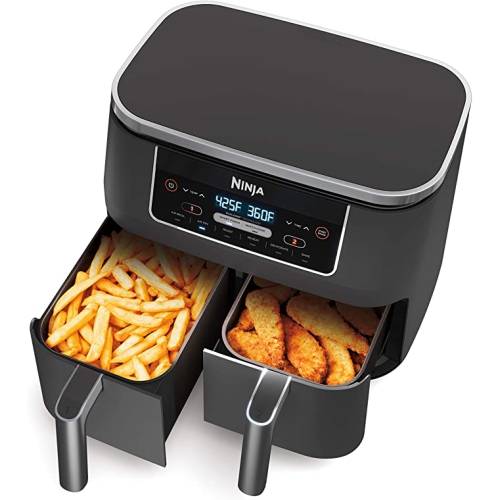
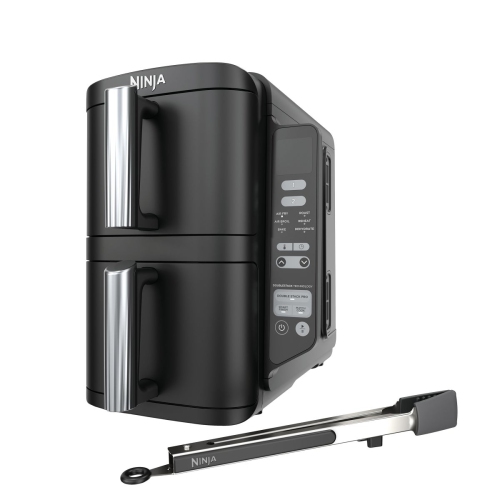
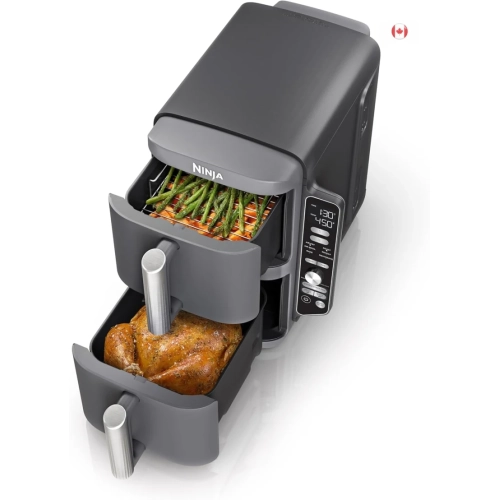
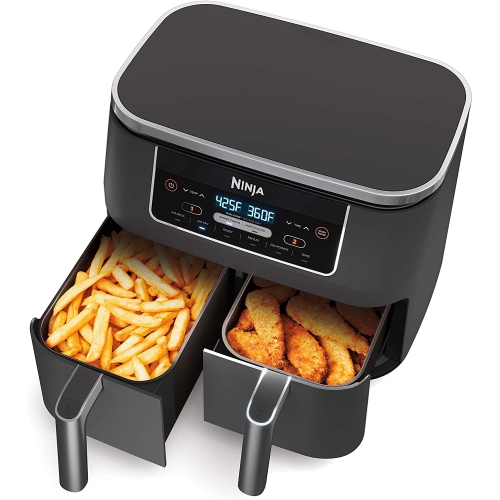
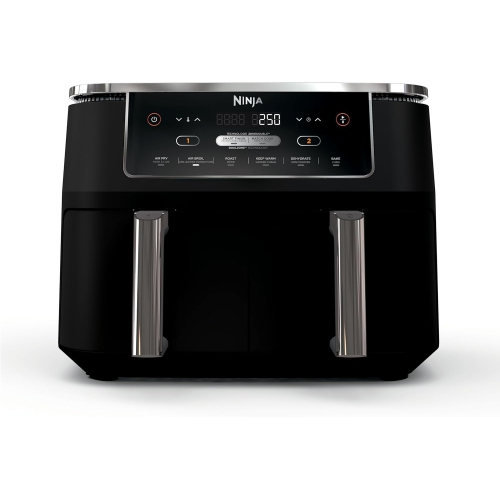
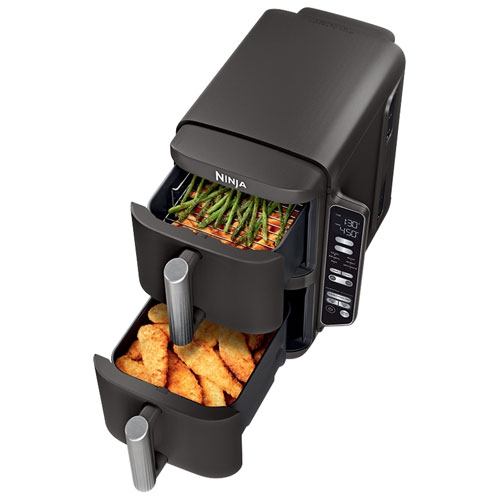
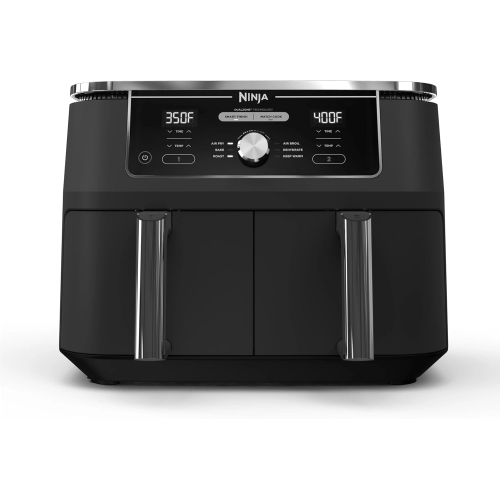
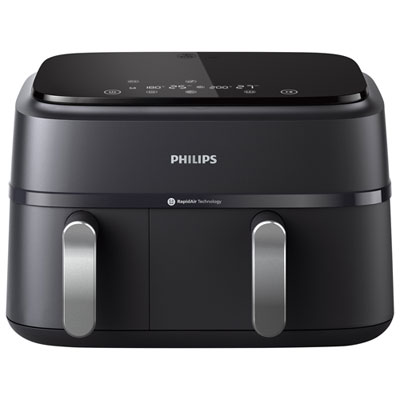
Separate baskets give mains and sides their own space
Two-basket air fryers bring separate cooking spaces into one countertop appliance, making it easier to prepare a main dish and a side without asking both foods to share the same cooking settings. Each basket holds its own ingredients, while independent controls on suitable models allow different cooking times and temperatures. That separation suits everyday combinations such as chicken pieces and potato wedges, salmon and green beans, or tofu and broccoli. Air frying uses circulating hot air to brown exposed surfaces, with a small amount of oil often helping fresh ingredients develop a crisp finish. The results depend on the food, its surface moisture, and how loosely it sits in the basket; a crowded pile of vegetables will cook differently from a shallow layer with room for air to circulate. A defining feature of many two-basket designs is a synchronized finishing function, which coordinates different cooking programmes so both baskets finish together. Matching functions serve another purpose, applying the same settings to both sides when preparing two batches of the same food. These features are distinct from simply having two drawers, so the control options matter as much as the layout. Depending on the appliance, additional functions may include roasting, baking, reheating, or dehydrating, extending its role beyond fries and breaded snacks. Reheating pizza slices or roasted potatoes can restore some surface crispness that other reheating methods may soften, while separate baskets let delicate ingredients stay apart from foods that need more vigorous heat. For a broader look at this appliance format, Dual Basket Air Fryers offer a useful point of comparison across capacities, basket shapes, and control layouts. The central appeal is flexibility: two cooking spaces can support a complete meal, separate portions, or a larger batch divided between baskets, depending on what is being prepared.
Capacity is most useful when considered alongside the size and shape of each basket. An advertised total capacity generally combines both compartments, rather than describing one continuous cooking space. That distinction matters for long fish fillets, wide pieces of flatbread, or larger cuts of meat that may not fit comfortably inside an individual drawer. Basket floor area also affects how much food can sit in a single layer, which is often more relevant to browning than the volume alone. A deeper basket may hold plenty of fries, but those fries can still need shaking during cooking to expose different surfaces to the airflow. Households preparing separate mains and sides may value evenly sized compartments, while someone cooking several portions of one recipe may place more importance on matching settings and easy access to both drawers. Countertop fit deserves equal attention. The appliance needs a stable, heat-resistant surface, the ventilation clearances specified by its manufacturer, and enough space in front for the baskets to pull out fully. Its footprint while cooking is therefore larger than the space occupied by the closed housing. Overhead cupboards, nearby outlets, and the route between the preparation area and the sink can all affect how comfortably it fits into a kitchen. A wide unit that stays on the counter may be convenient for frequent use, whereas a heavier appliance stored in a low cupboard can be awkward to lift out for every meal. Clear displays, readable markings, responsive controls, and handles that feel secure are practical details for anyone who cooks often or has limited hand strength. It is also worth distinguishing independent controls from completely separate appliances: both baskets share one unit, and cooking performance or timing can change when both sides are operating. Manufacturer instructions provide the clearest expectations for dual-basket use, electrical requirements, and appropriate placement.
Materials and care influence how well a two-basket air fryer fits into an everyday routine. These appliances commonly combine an outer housing with removable metal baskets and coated crisper plates, although construction and finishes vary. A non-stick cooking surface helps release food and makes residue easier to remove, but it still benefits from gentle handling. Silicone or wooden utensils, soft sponges, and cleaning methods approved by the manufacturer help protect the coating from scratches. Dishwasher suitability should be checked for each removable component rather than assumed for the entire drawer assembly; the main unit should never be immersed in water. Once the appliance has cooled, removing crumbs, grease, and food caught beneath the crisper plates helps prevent lingering odours and smoke during later use. Thorough drying before reassembly also keeps the baskets ready for the next meal. Durability depends partly on those habits, along with secure drawer alignment, careful handling of the plates, and keeping ventilation openings unobstructed. Liners and baking accessories need to be compatible with the basket dimensions and operating instructions, since loose or poorly fitted materials can interfere with airflow or contact a heating element. In use, the two compartments are particularly helpful for couples with different food preferences, families juggling a shared main and separate sides, and people preparing lunches in batches. Separate baskets can keep flavours and ingredients apart during cooking, but they do not establish an allergen-free setup; shared utensils, surfaces, and handling still require attention. Synchronized finishing also does not confirm that food is safely cooked, so meat, poultry, and other foods with specific safety requirements still need an appropriate doneness check with a food thermometer. As a gift for a housewarming or someone setting up a kitchen, this appliance format makes the most sense when countertop space, household portion sizes, and cooking habits are already understood. Its value lies in practical tasks repeated often: crisping a side while the main cooks, making different portions without combining them, and bringing two parts of dinner to the table together.
Capacity is most useful when considered alongside the size and shape of each basket. An advertised total capacity generally combines both compartments, rather than describing one continuous cooking space. That distinction matters for long fish fillets, wide pieces of flatbread, or larger cuts of meat that may not fit comfortably inside an individual drawer. Basket floor area also affects how much food can sit in a single layer, which is often more relevant to browning than the volume alone. A deeper basket may hold plenty of fries, but those fries can still need shaking during cooking to expose different surfaces to the airflow. Households preparing separate mains and sides may value evenly sized compartments, while someone cooking several portions of one recipe may place more importance on matching settings and easy access to both drawers. Countertop fit deserves equal attention. The appliance needs a stable, heat-resistant surface, the ventilation clearances specified by its manufacturer, and enough space in front for the baskets to pull out fully. Its footprint while cooking is therefore larger than the space occupied by the closed housing. Overhead cupboards, nearby outlets, and the route between the preparation area and the sink can all affect how comfortably it fits into a kitchen. A wide unit that stays on the counter may be convenient for frequent use, whereas a heavier appliance stored in a low cupboard can be awkward to lift out for every meal. Clear displays, readable markings, responsive controls, and handles that feel secure are practical details for anyone who cooks often or has limited hand strength. It is also worth distinguishing independent controls from completely separate appliances: both baskets share one unit, and cooking performance or timing can change when both sides are operating. Manufacturer instructions provide the clearest expectations for dual-basket use, electrical requirements, and appropriate placement.
Materials and care influence how well a two-basket air fryer fits into an everyday routine. These appliances commonly combine an outer housing with removable metal baskets and coated crisper plates, although construction and finishes vary. A non-stick cooking surface helps release food and makes residue easier to remove, but it still benefits from gentle handling. Silicone or wooden utensils, soft sponges, and cleaning methods approved by the manufacturer help protect the coating from scratches. Dishwasher suitability should be checked for each removable component rather than assumed for the entire drawer assembly; the main unit should never be immersed in water. Once the appliance has cooled, removing crumbs, grease, and food caught beneath the crisper plates helps prevent lingering odours and smoke during later use. Thorough drying before reassembly also keeps the baskets ready for the next meal. Durability depends partly on those habits, along with secure drawer alignment, careful handling of the plates, and keeping ventilation openings unobstructed. Liners and baking accessories need to be compatible with the basket dimensions and operating instructions, since loose or poorly fitted materials can interfere with airflow or contact a heating element. In use, the two compartments are particularly helpful for couples with different food preferences, families juggling a shared main and separate sides, and people preparing lunches in batches. Separate baskets can keep flavours and ingredients apart during cooking, but they do not establish an allergen-free setup; shared utensils, surfaces, and handling still require attention. Synchronized finishing also does not confirm that food is safely cooked, so meat, poultry, and other foods with specific safety requirements still need an appropriate doneness check with a food thermometer. As a gift for a housewarming or someone setting up a kitchen, this appliance format makes the most sense when countertop space, household portion sizes, and cooking habits are already understood. Its value lies in practical tasks repeated often: crisping a side while the main cooks, making different portions without combining them, and bringing two parts of dinner to the table together.
Top selling and popular products
-
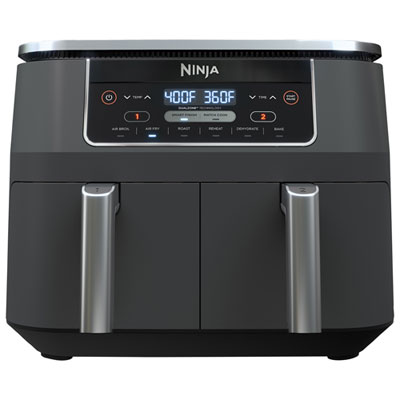 Your price for this item is $199.98
 -
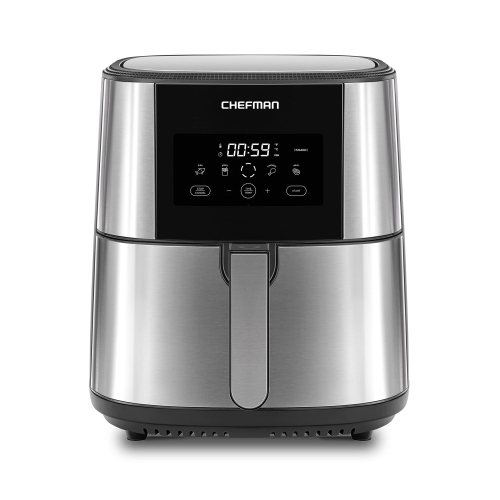 Your price for this item is $134.99
 -
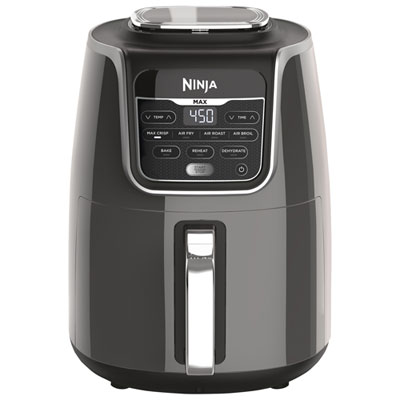 Your price for this item is $169.99
 -
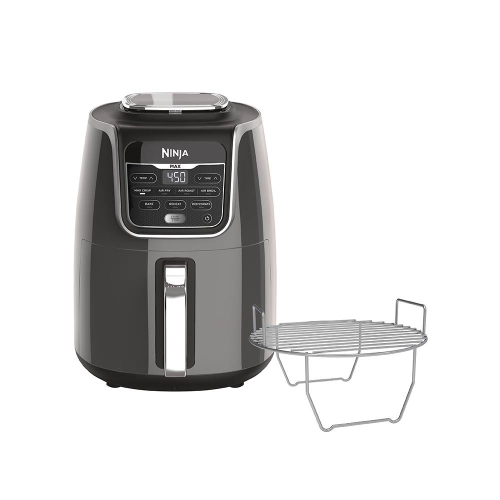 Your price for this item is $199
 -
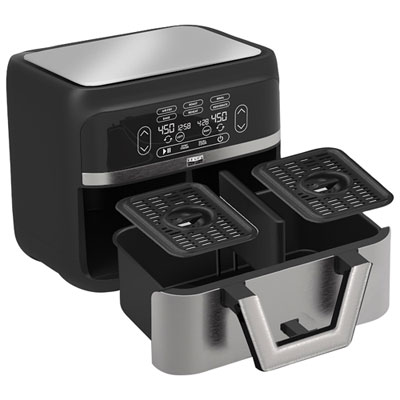 Your price for this item is $349.99
 -
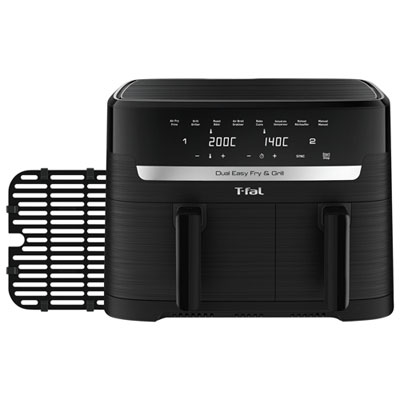 Your price for this item is $299.99
 -
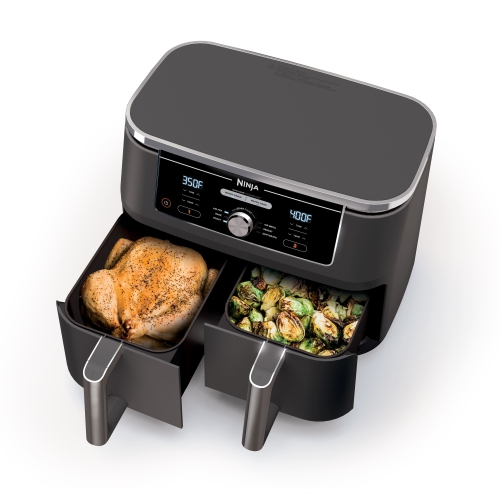 Your price for this item is $320
 -
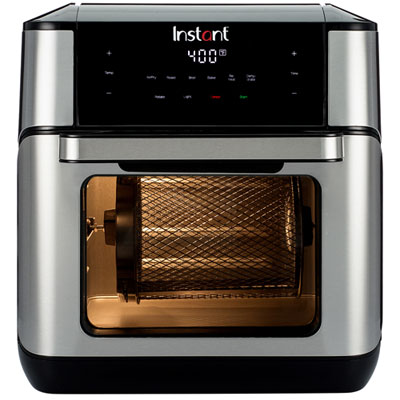 Your price for this item is $199.99
Discover more categories related to Ninja Foodi 2 Basket Air Fryers
Top Collections:
Pokemon Centers, Budget 4K TVs, Kindle Devices, Canon G7X Cameras, Apple iPhones 16, iPhone 15 Apple, Laptops for Business Work, Flip Phones, Xiaomi Phones, Refurbished Apple Laptops
Some products may be subject to Environmental Handling Fees
(EHF) depending on your province.
Learn more about EHFs.