Oven Parts
Oven Parts are essential for keeping your kitchen running smoothly and ensuring your cooking appliances perform at their best. Whether you need replacements for worn-out components or want to upgrade specific elements, finding the right oven parts helps maintain efficiency and reliability. Explore a wide selection designed to fit a variety of oven models, making it easy to find exactly what you need for repairs or enhancements. With the right oven parts, you can keep your favorite recipes coming out perfectly every time.
Sort
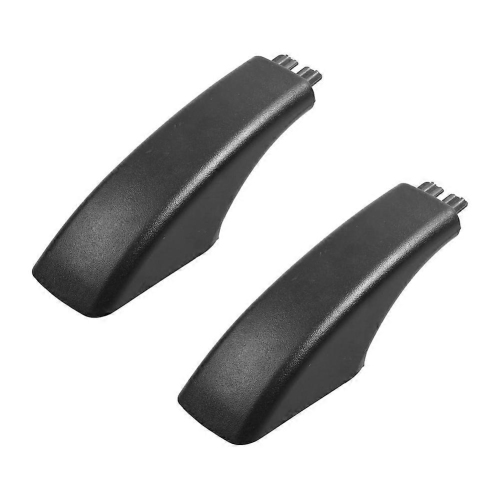
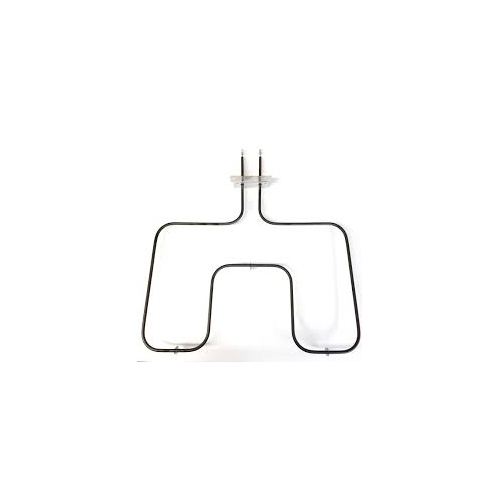
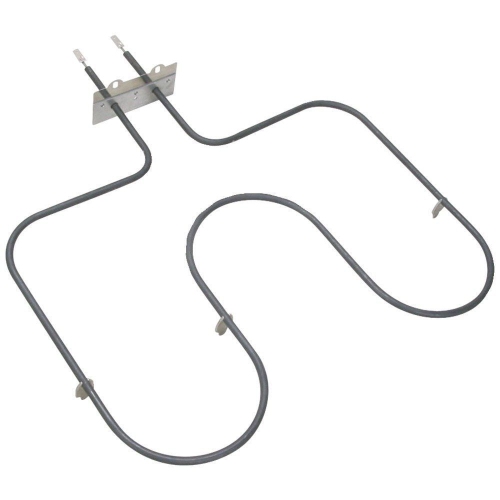
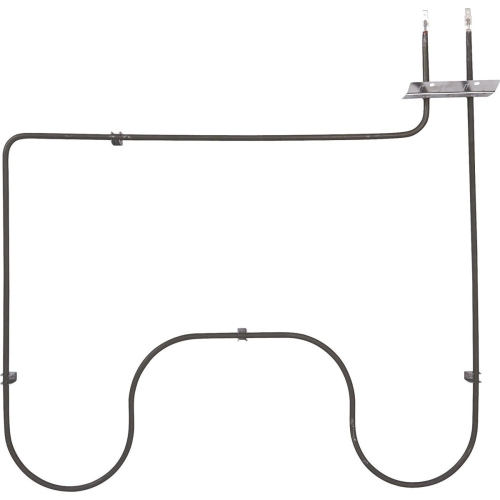








How oven components work together for dependable cooking
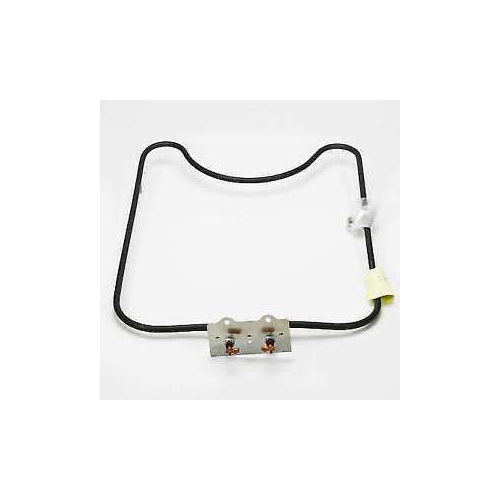
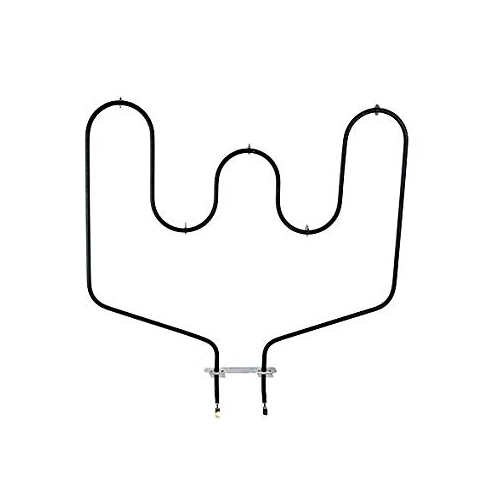
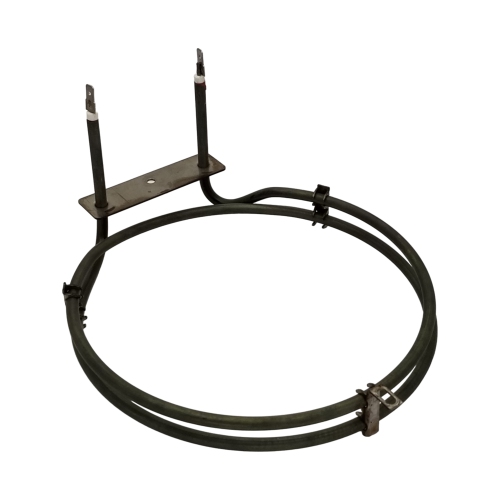
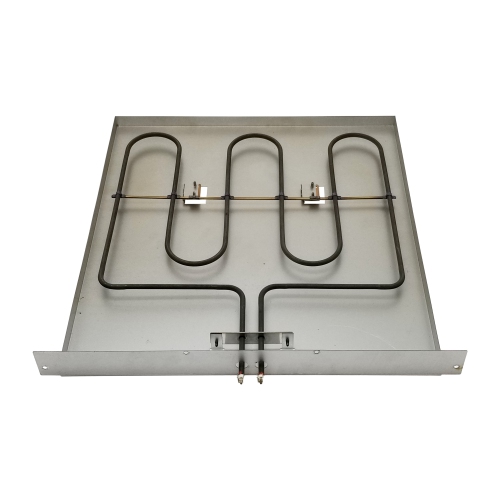
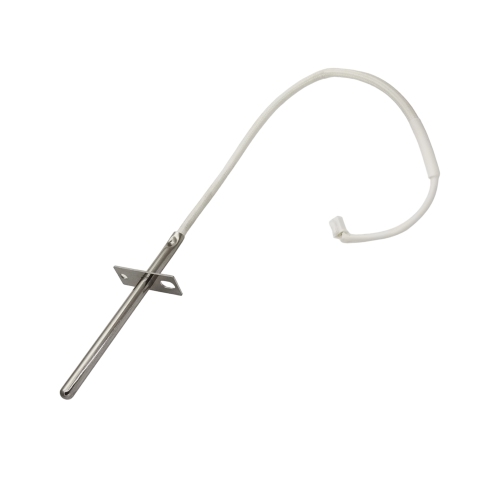
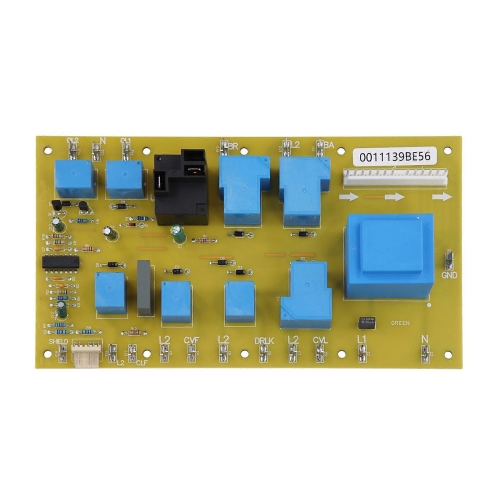
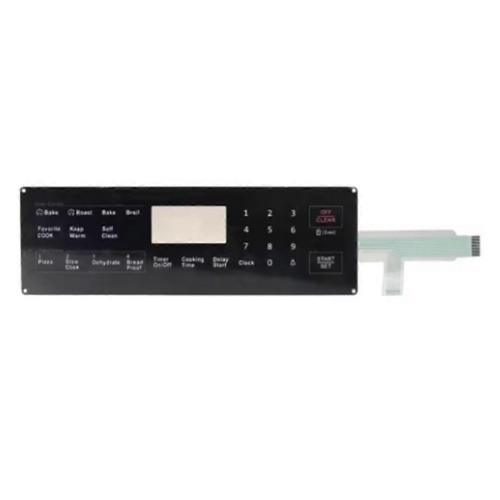
Oven parts support the heating, temperature control, airflow, and everyday operation that make an oven dependable for everything from a tray of muffins to a family roast. Common replacement oven parts include bake elements, broil elements, convection fans, gas igniters, temperature sensors, door gaskets, hinges, and racks. Each has a distinct role, and the components used depend on the appliance’s design. In many electric ovens, the bake element supplies heat from the bottom of the oven cavity, either exposed beneath the lowest rack or concealed under the oven floor. The broil element sits near the top and provides intense, direct heat for browning and broiling. A convection fan circulates heated air around the cavity, helping distribute heat more evenly; some convection systems also include a separate heating element around the fan. In many gas ovens, an igniter initiates burner ignition as part of the appliance’s heating system. Temperature sensors monitor heat inside the cavity and send information to the controls, which regulate heating to maintain the selected setting. Beyond these core functions, smaller components matter just as much to everyday use. A door gasket helps limit heat loss around the opening, while hinges support the door and help it close in the intended position. Racks and rack supports hold cookware at the appropriate height for baking, roasting, or broiling. Oven lights and protective lamp covers make it easier to check a rising cake or bubbling casserole without opening the door. Knobs, switches, and control assemblies provide the interface for setting cooking functions, although their construction varies widely between appliances. These categories cover both the parts people handle regularly and internal components typically assessed by a repair professional. Understanding their purposes gives replacement parts useful context: an oven is a coordinated system, and a change in cooking performance does not necessarily point to just one component. Uneven browning, for example, can involve rack position, cookware, airflow, or a heating fault rather than a single obvious cause.
Fit is the central consideration for replacement oven parts, whether the appliance is a freestanding range, a slide-in range, or a built-in wall oven. A part that looks similar may still have different electrical connections, mounting points, dimensions, or operating specifications. The complete model number, usually found on the appliance’s identification label, is a more dependable starting point than its exterior appearance or approximate age. Depending on the manufacturer, a serial number or production revision may also help distinguish between compatible components. Even within the same appliance family, a change in connector shape or bracket position can make parts non-interchangeable. Heating elements need the correct shape, mounting arrangement, and electrical rating; racks need the right width and depth as well as compatibility with the oven’s support system. Door hinges must match the intended door assembly, and gaskets require the correct profile, length, and attachment pattern. For gas components, fuel type and the manufacturer’s specifications are essential considerations, not details to infer from appearance. Materials also reflect the demands of the location where a component operates. Depending on the design, oven parts may use stainless steel, enamel-coated metal, heat-resistant glass, ceramic insulation, or high-temperature gasket fibres. These materials serve different purposes, from supporting heavy cookware to insulating electrical connections or tolerating repeated heating and cooling. A smooth rack finish can make repositioning easier, while a properly matched door seal allows the door to close without gaps or excessive pressure. Heat-resistant glass and lamp covers are made for defined operating conditions, so ordinary household alternatives are not appropriate substitutes. Exterior finishing components serve a different purpose from internal repair parts. For built-in installations, oven trims can help finish the surrounding opening when they are designed for the appliance and cabinetry configuration. Their dimensions, clearances, and ventilation requirements remain important even when the goal is a cleaner visual fit. Whether a component is visible or hidden, confirmed compatibility matters more than a close visual match.
Durability and care depend on both the component and how the oven is used. A household that bakes several times a week may handle racks and the door frequently, while a kitchen used for large roasting dishes places particular demands on rack support and smooth, stable movement. Replacement parts can be relevant to homeowners maintaining a familiar appliance, property managers coordinating repairs, and qualified technicians restoring normal operation. The aim is a correctly fitted component that performs its intended function, not a modification that changes the oven’s design. Everyday cleaning practices can affect parts over time: abrasive tools may damage certain finishes, excess liquid can reach electrical areas, and forceful scrubbing may harm a door gasket. Manufacturer care instructions help distinguish surfaces that tolerate routine wiping from assemblies that need more careful handling. Racks, especially those with sliding mechanisms, may have specific cleaning or removal requirements before a self-cleaning cycle. Likewise, an oven lamp needs the specified appliance-rated bulb rather than an ordinary bulb selected only because its base fits. Signs of wear can appear in different ways, including a rack that no longer sits securely, a visibly damaged gasket, or a door that fails to close properly. These observations are useful when describing a concern, but they are not a substitute for diagnosis. Heating problems and error messages can have several causes, and replacing a part without confirming the fault may leave the underlying issue unresolved. Internal electrical work, gas-system repairs, and adjustments involving heavy doors or spring-loaded hinges are best handled by a qualified professional. Any permitted user maintenance should follow the appliance manual, including its requirements for cooling and disconnecting power. With the right match and appropriate installation, replacement oven components can restore specific functions while preserving the appliance’s intended operation. That matters in practical terms: cookware rests securely, controls respond as designed, the door closes correctly, and the oven can return to the everyday cooking tasks it was built to handle.
Top selling and popular products
-
 Your price for this item is $492.99
-
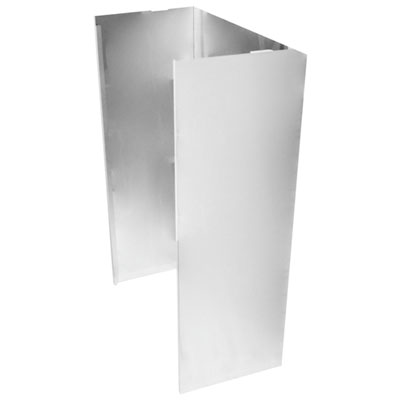 Your price for this item is $594.99
-
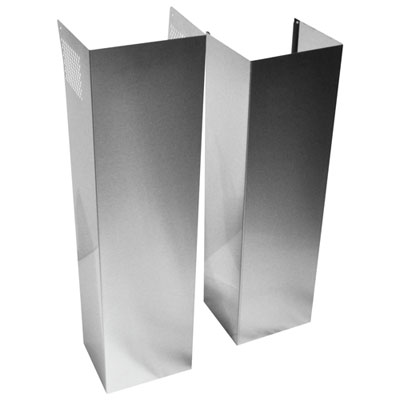 Your price for this item is $401.99
-
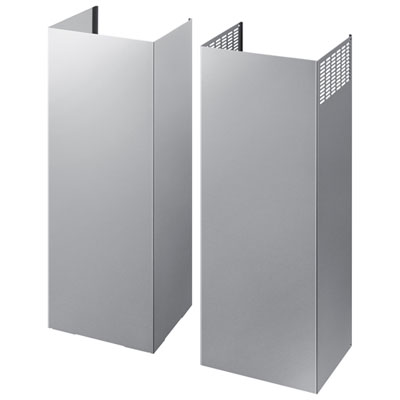 Your price for this item is $599.99
-
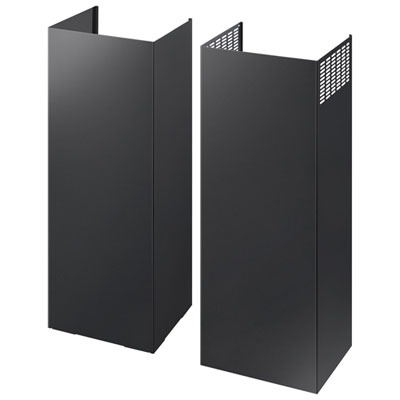 Your price for this item is $699.99
-
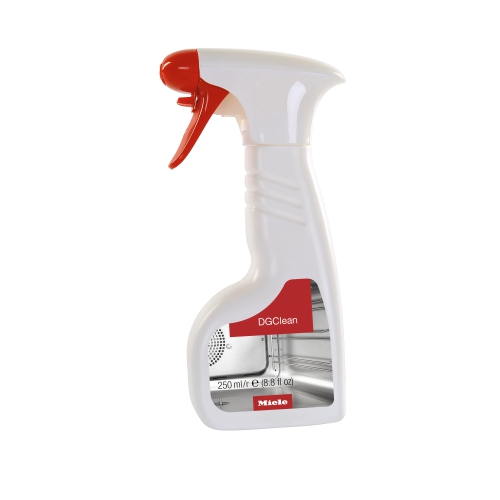 Your price for this item is $18.99
-
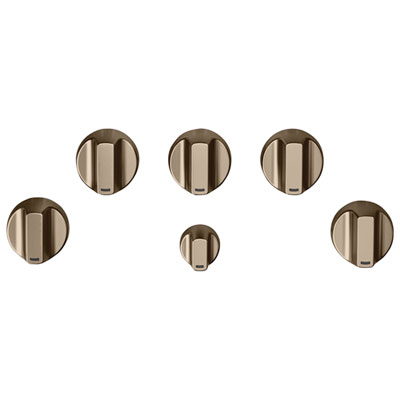 Your price for this item is $359.99
-
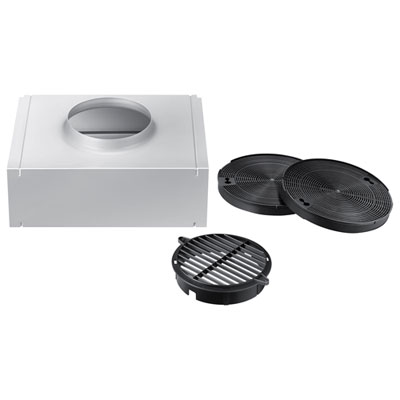 Your price for this item is $99.99
Discover more categories related to Oven Parts

Top Collections:
Pokemon Centers, Best Cameras for Sports Photography, Kindle Devices, Samsung Galaxy Phones, Canon G7X Cameras, Pokémon 30th Celebration Cards, Refurbished Apple Laptops, iPhone 15 Apple, Laptops for Students, Budget Smartphones
Some products may be subject to Environmental Handling Fees
(EHF) depending on your province.
Learn more about EHFs.