Ovens And Cooktops
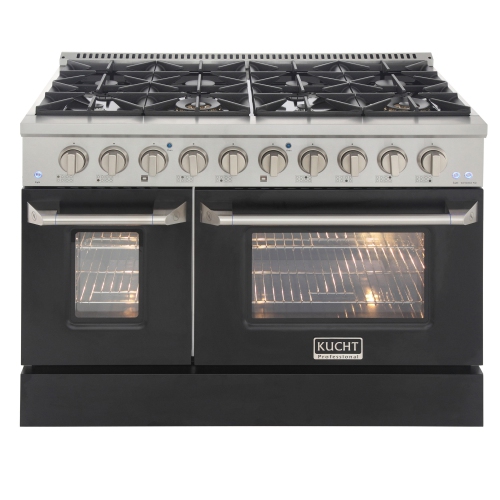
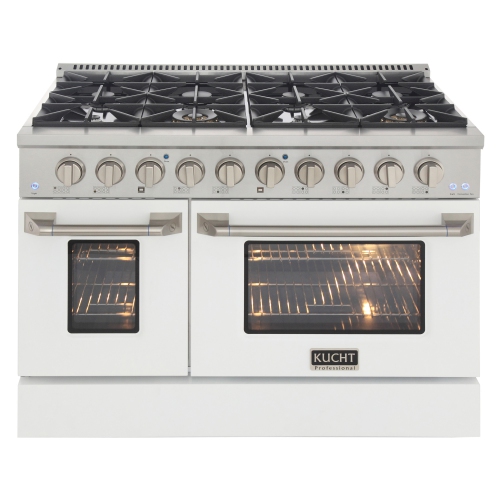
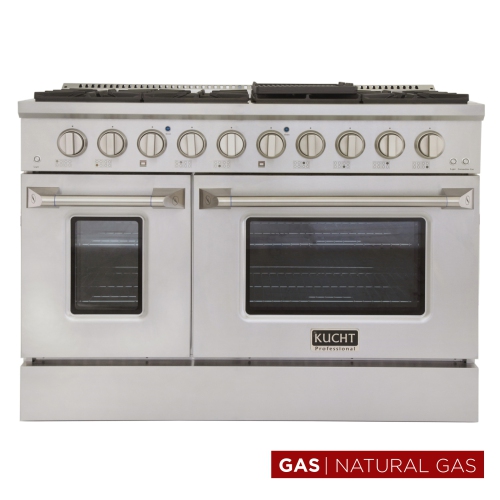
Find ovens and cooktops that fit your kitchen and cooking needs, whether you’re replacing an appliance or planning a renovation. Compare available models by dimensions, oven capacity, cooktop layout, and cooking features, then check installation requirements to make sure your choice works with your space and connections.


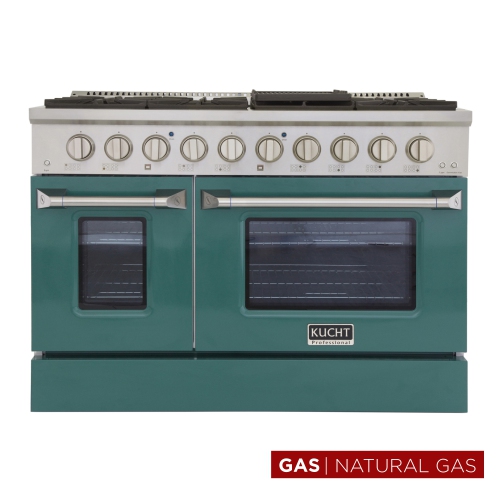
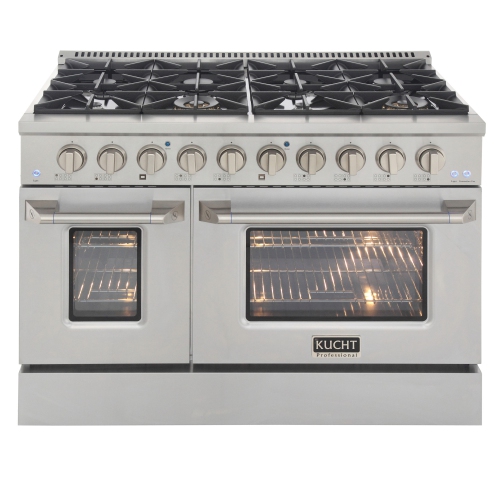
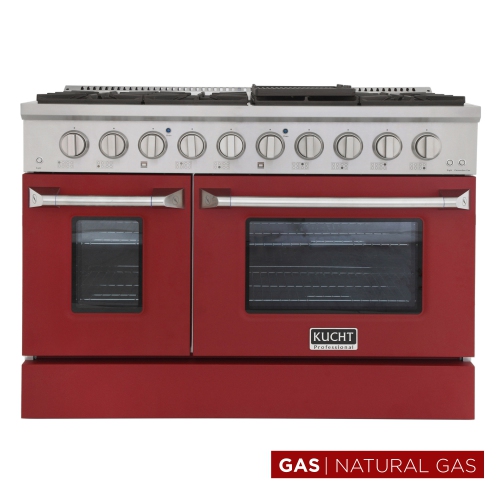
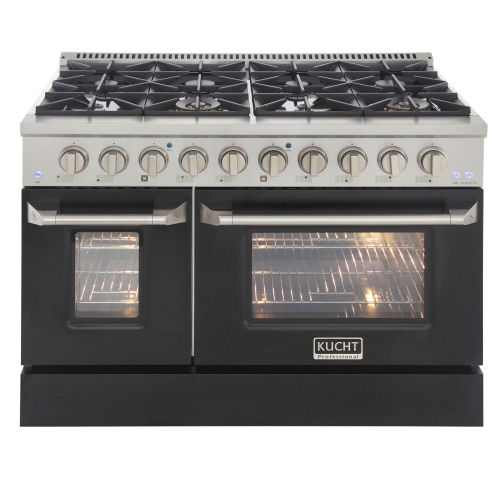
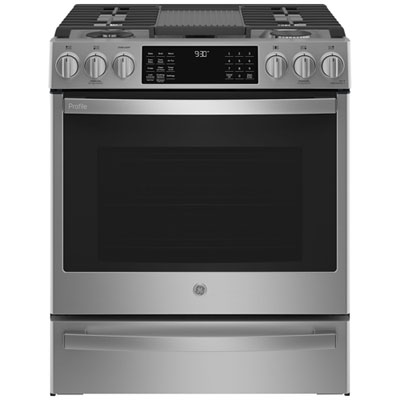
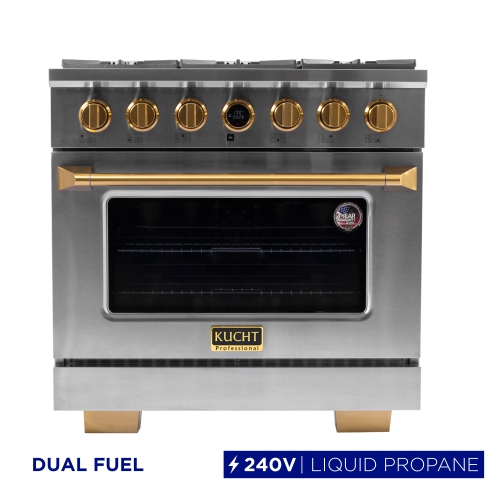
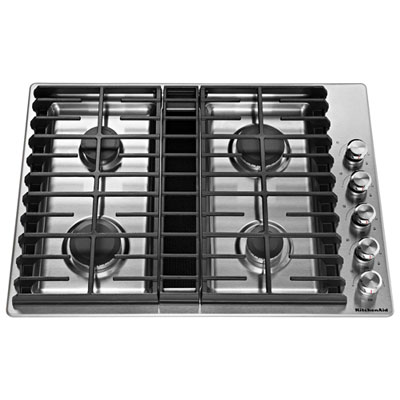
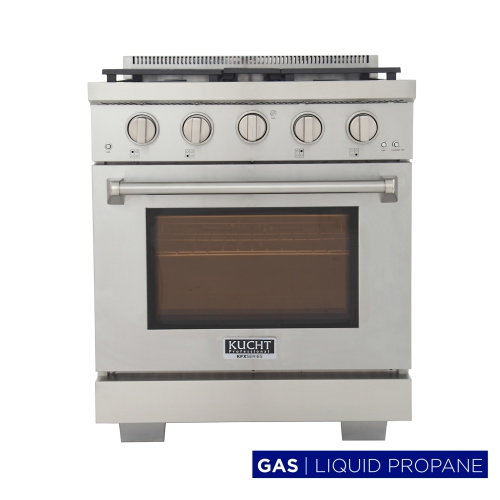









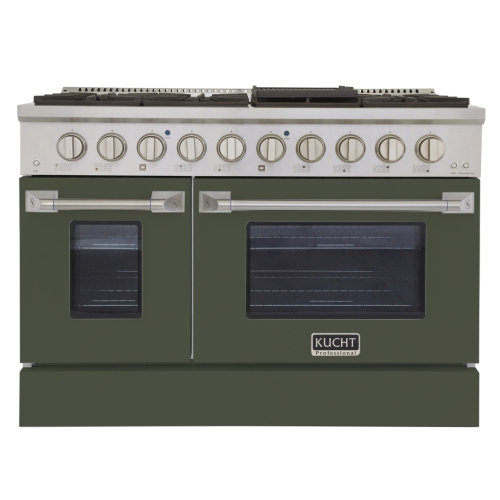
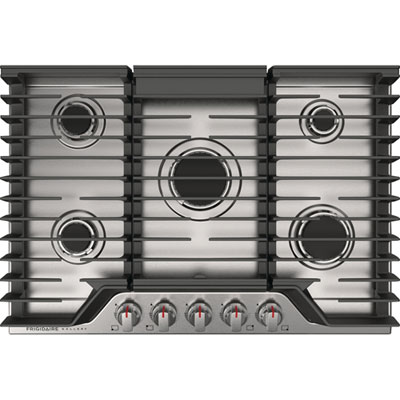
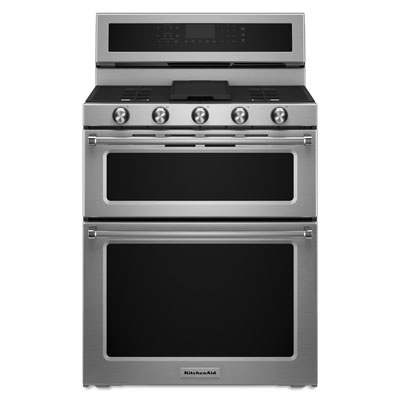
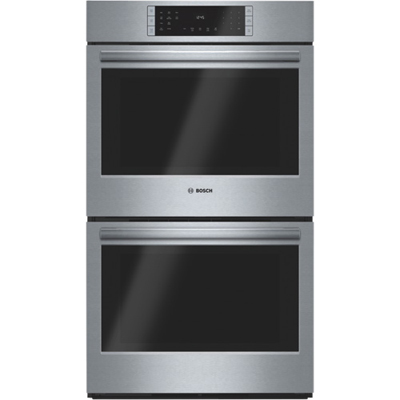

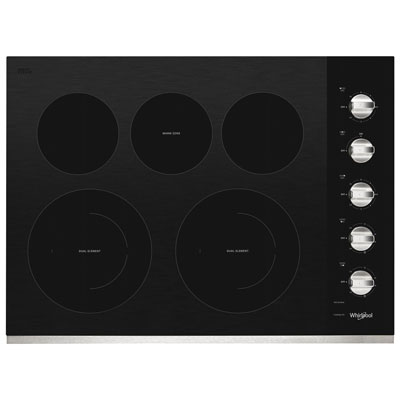
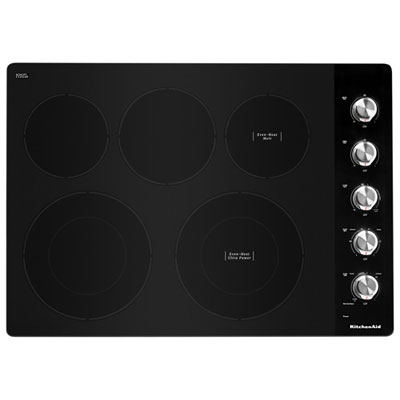
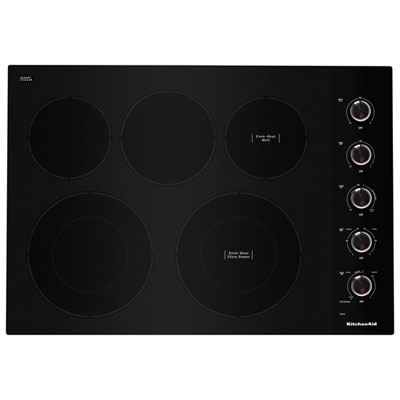
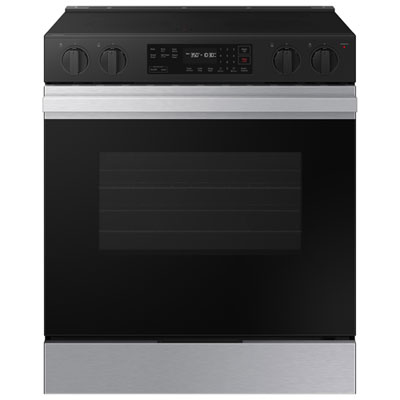

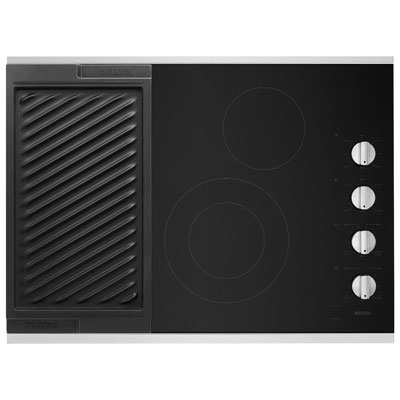
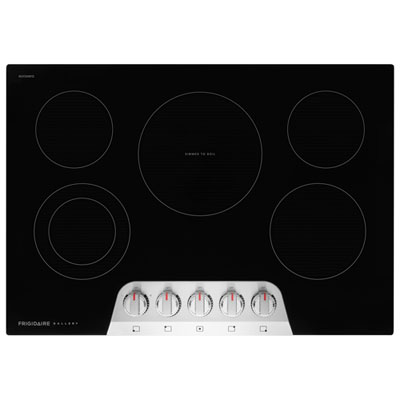
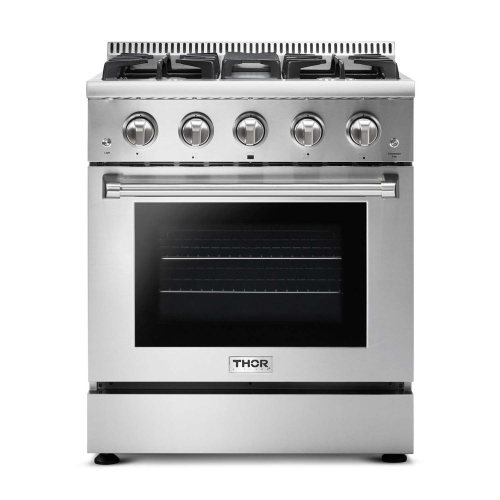
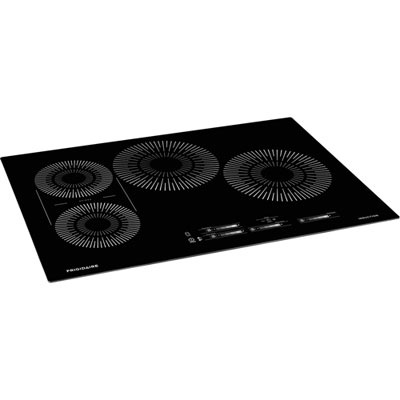










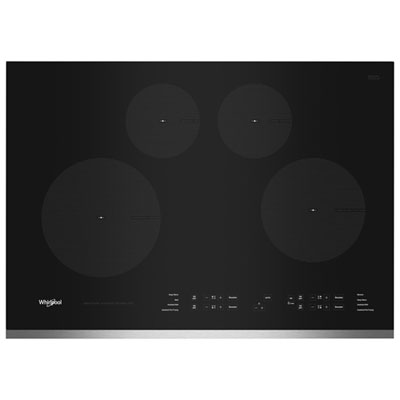
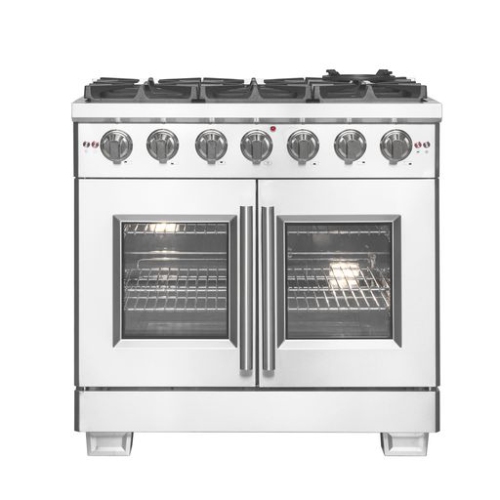
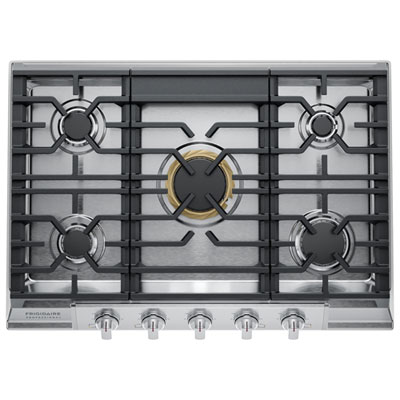
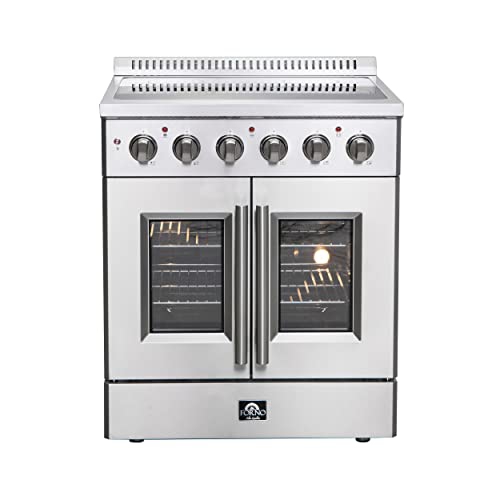
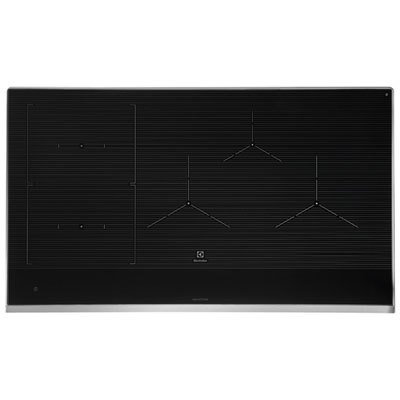
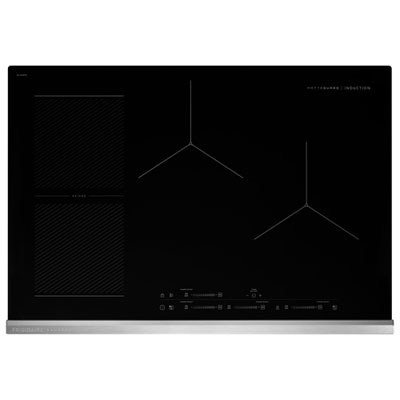
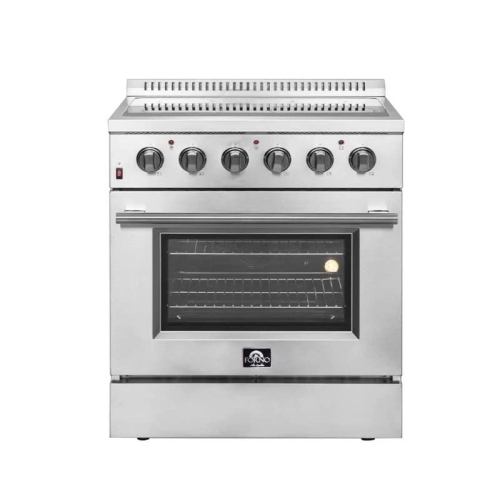
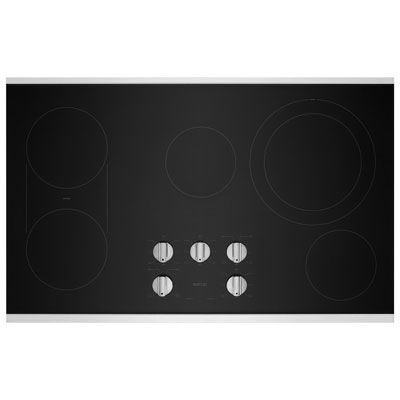
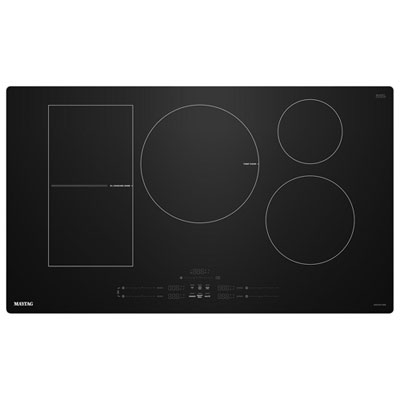
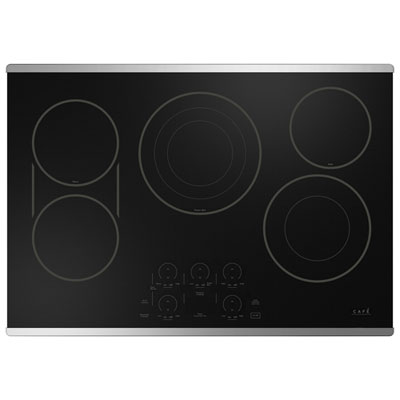

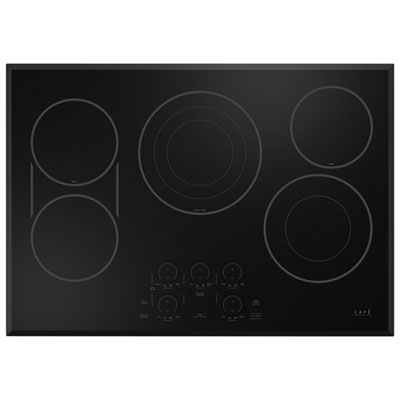
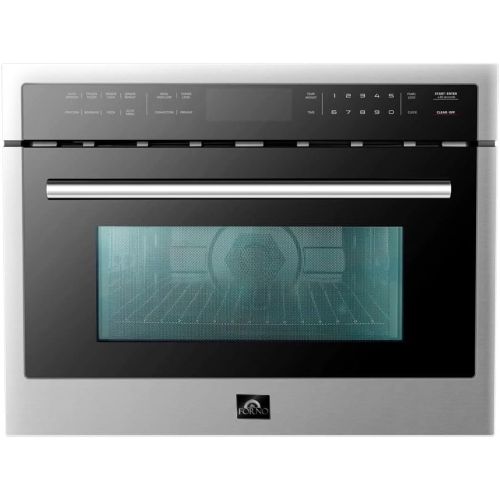

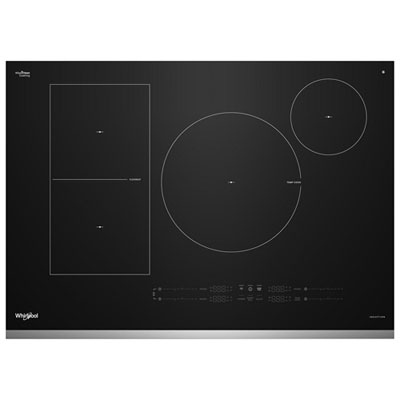

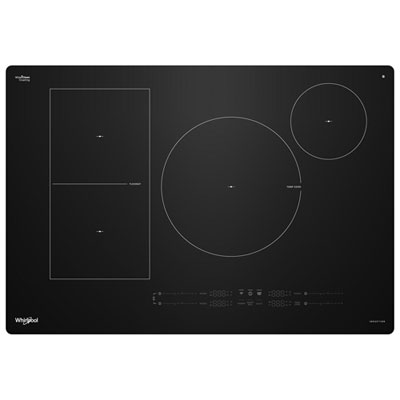
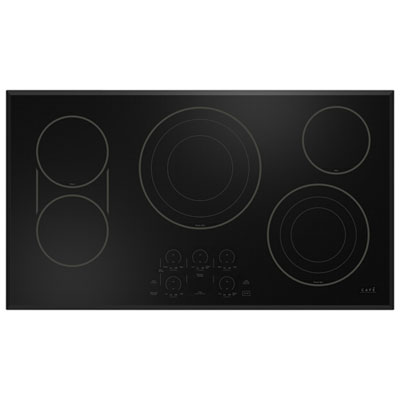
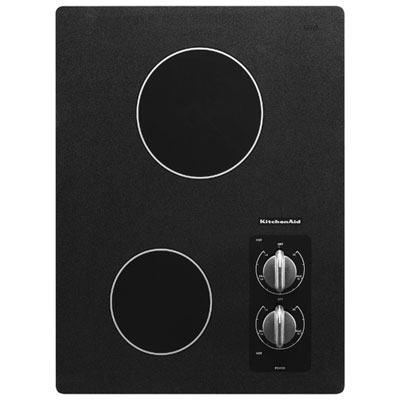


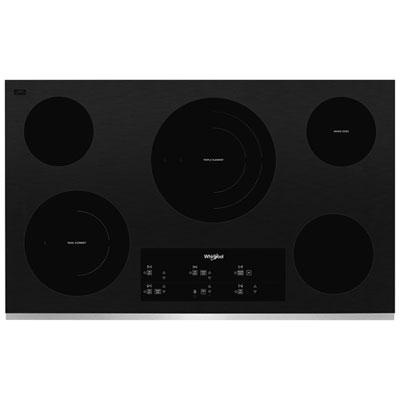


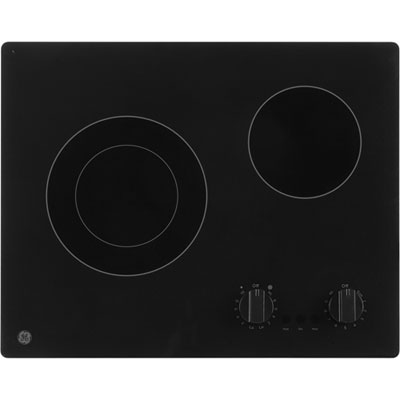
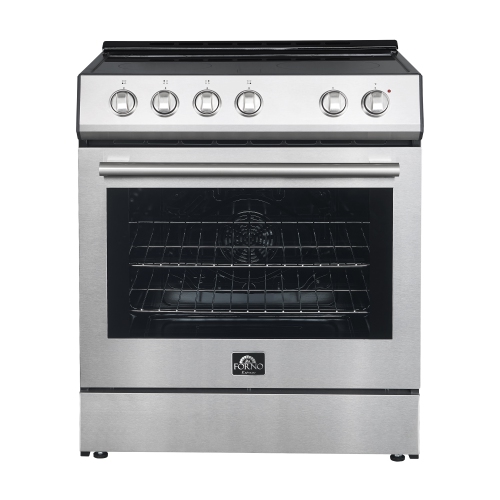


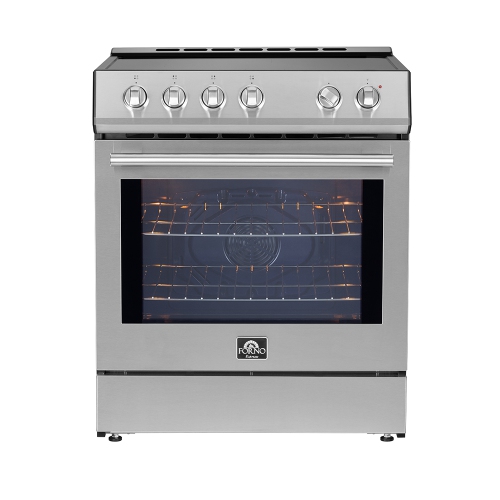




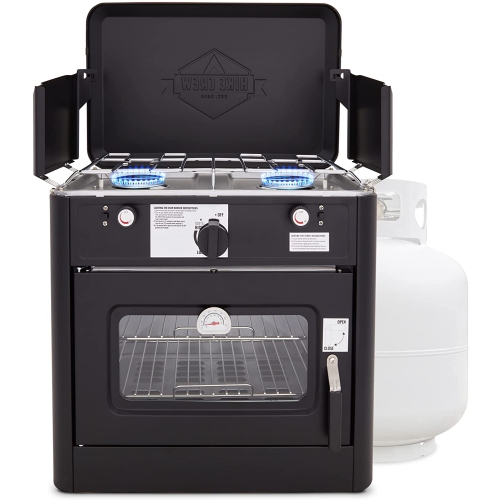
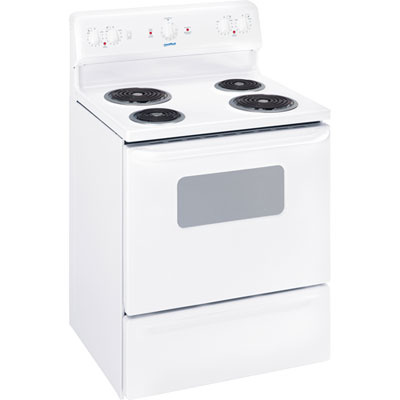
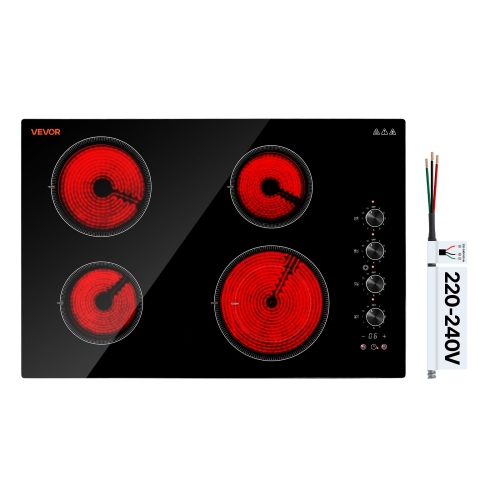

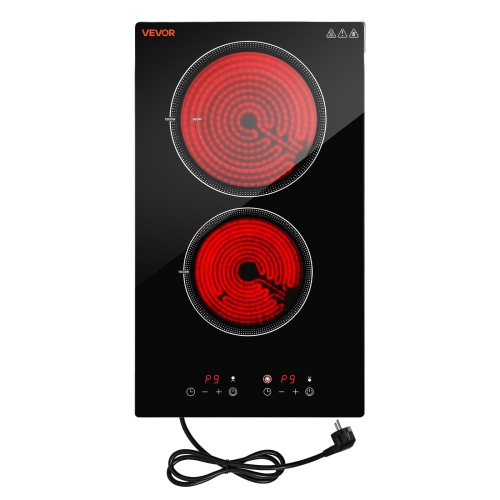
FAQ
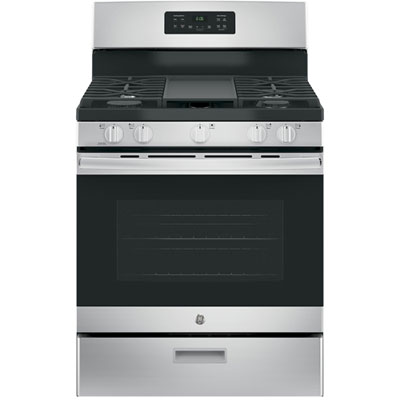
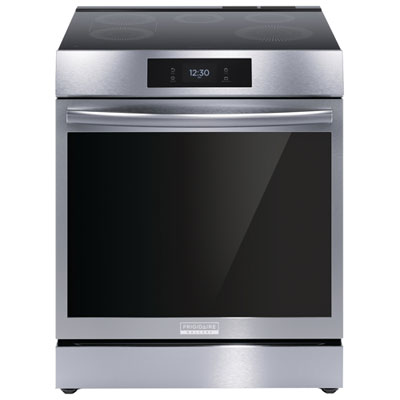
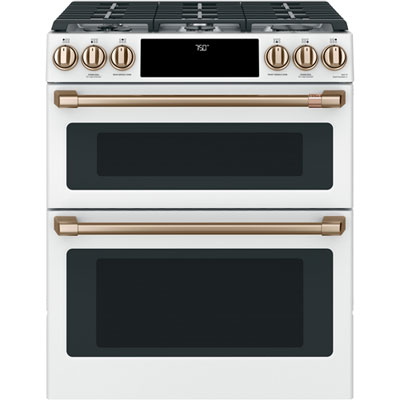
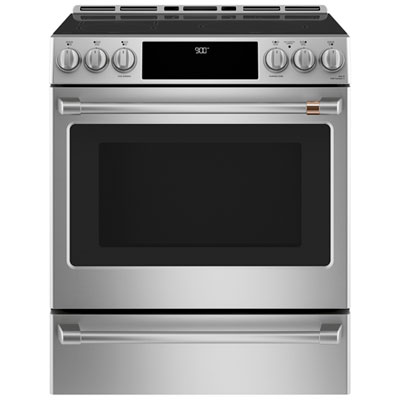
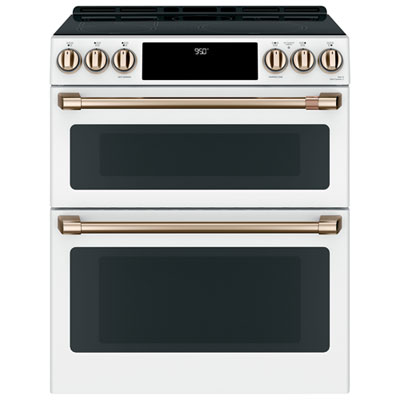
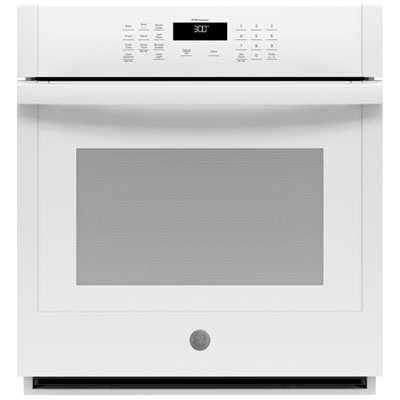
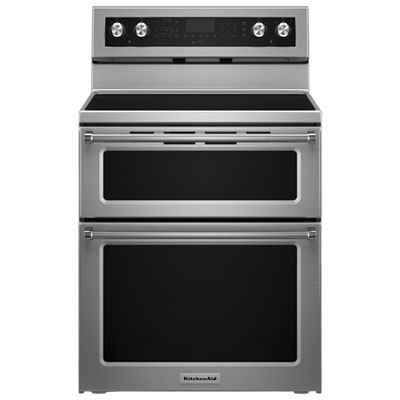
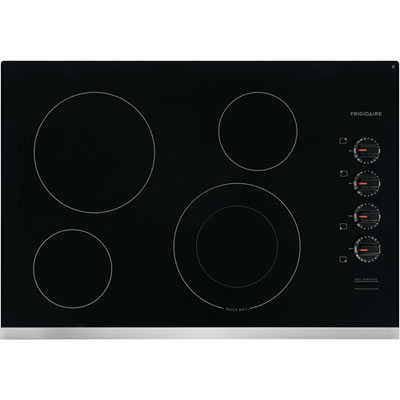
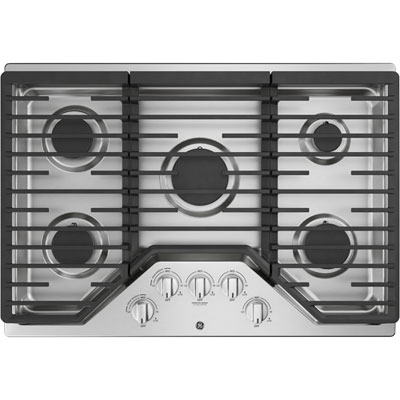
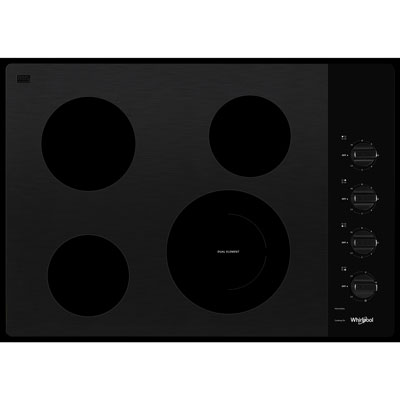
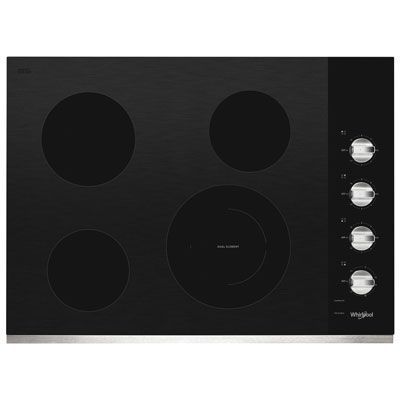
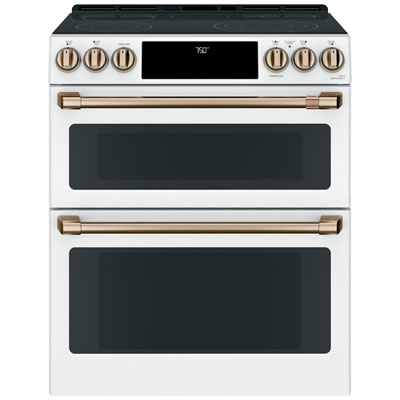
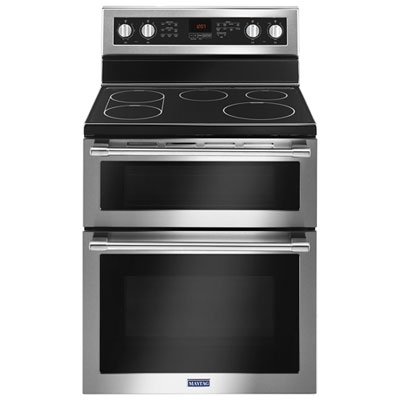
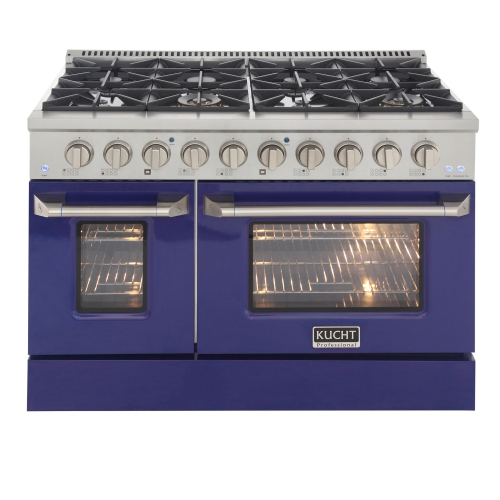
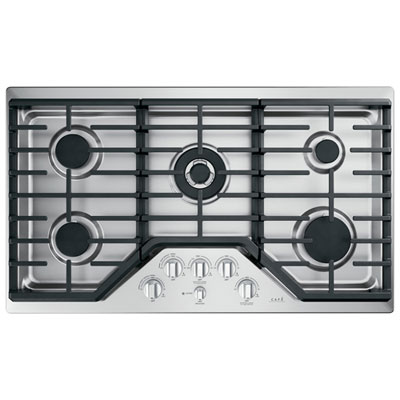
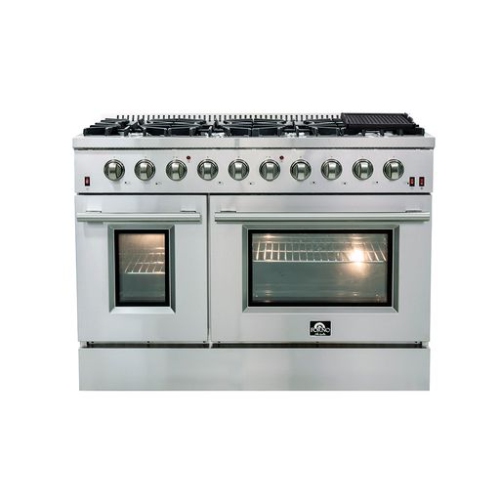
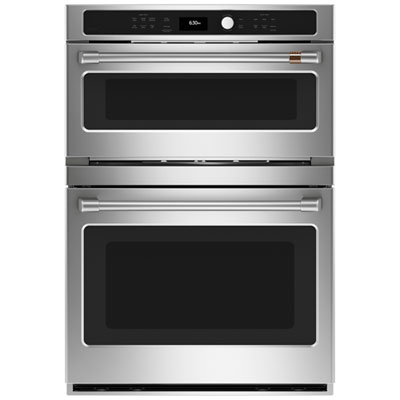
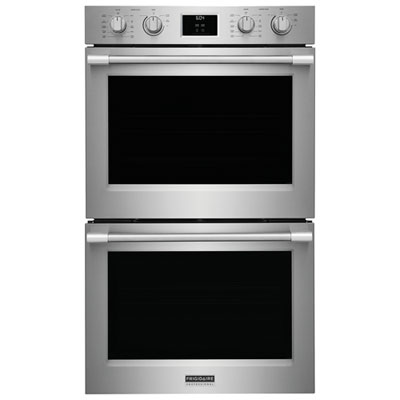
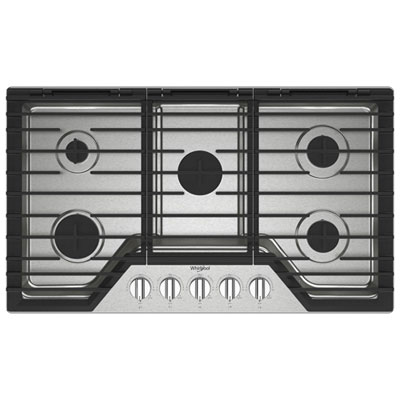
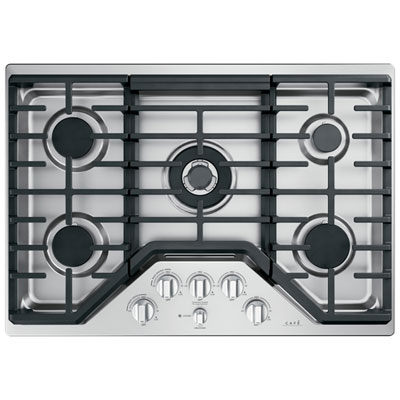
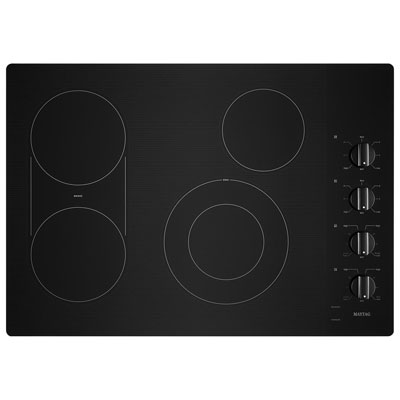
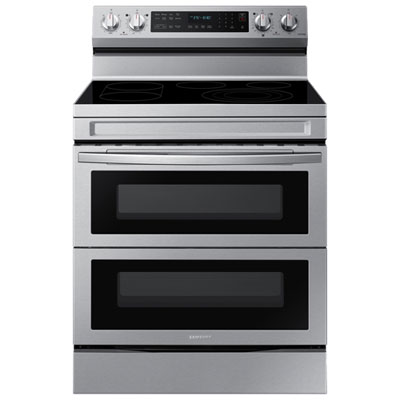
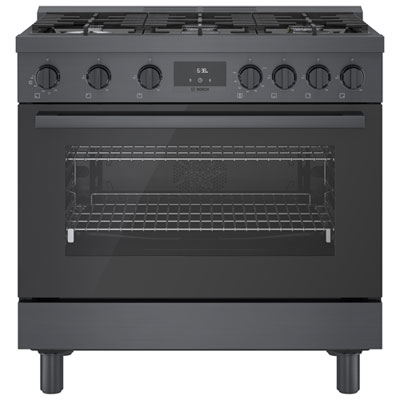
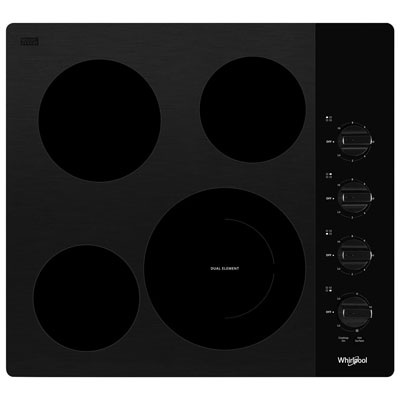
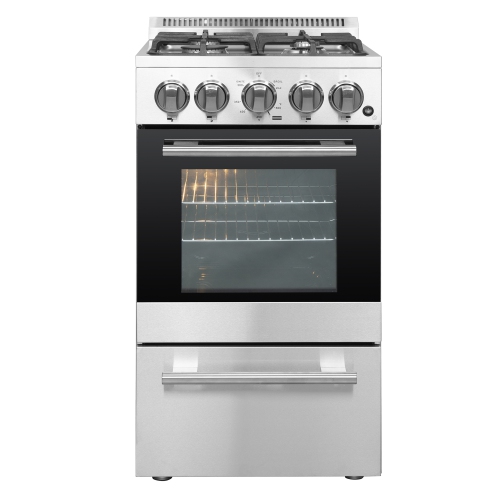
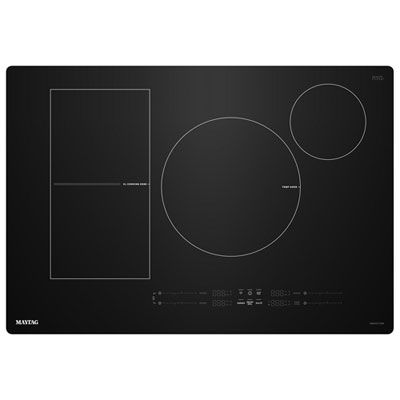
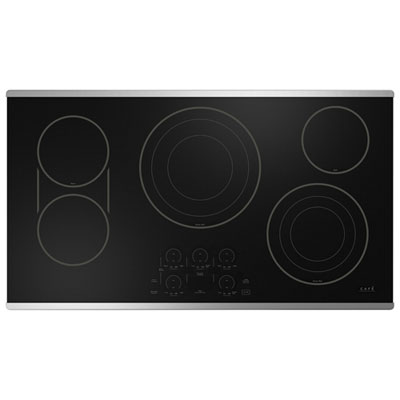
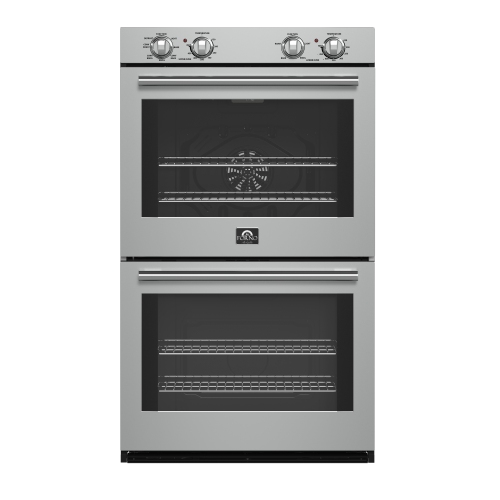
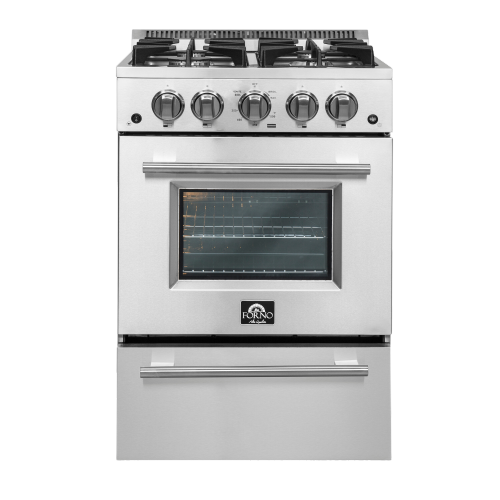
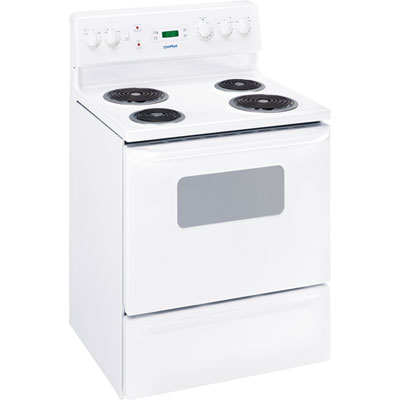
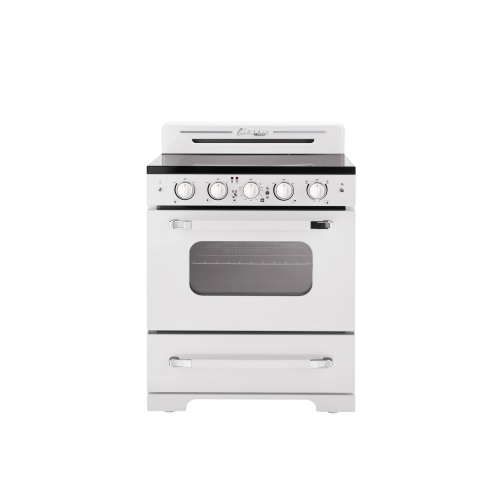
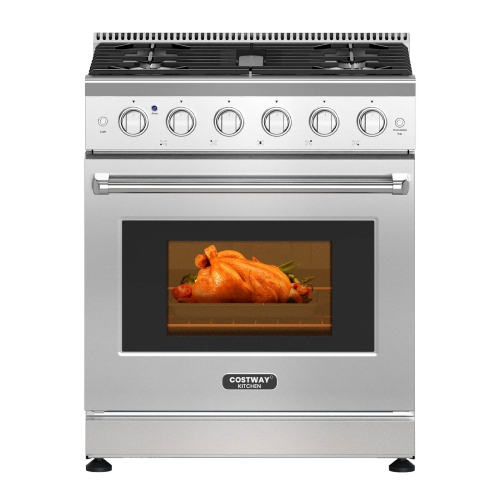
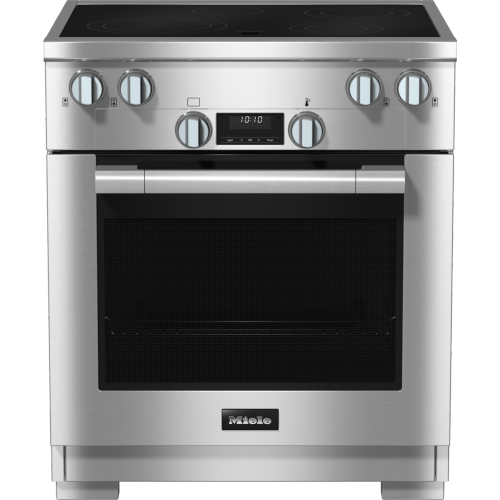
An oven is an enclosed compartment used for baking, roasting, and broiling. A cooktop provides burners or heating elements for cooking with pots and pans. A range combines an oven and a cooktop in one appliance.
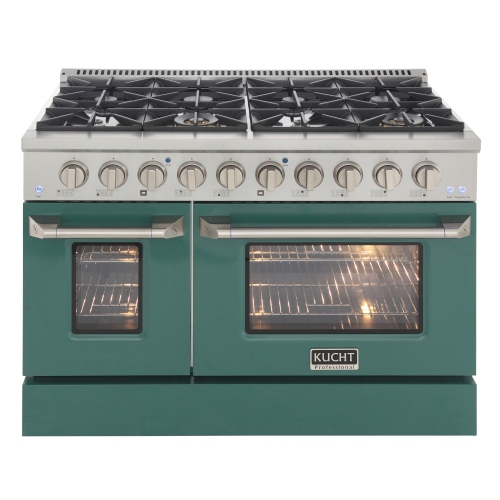
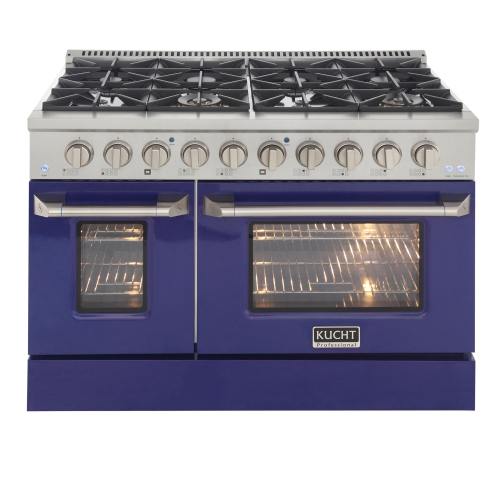
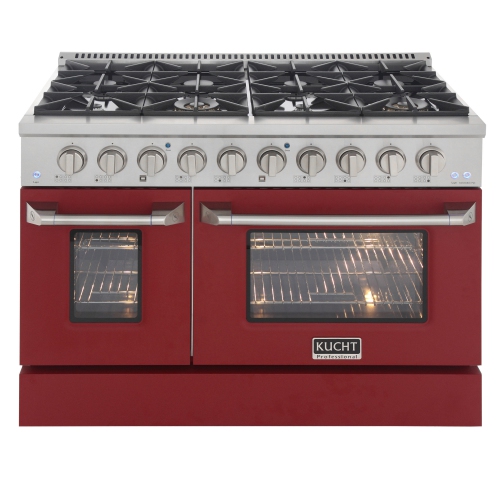
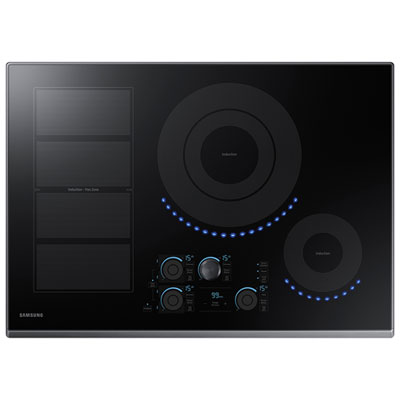
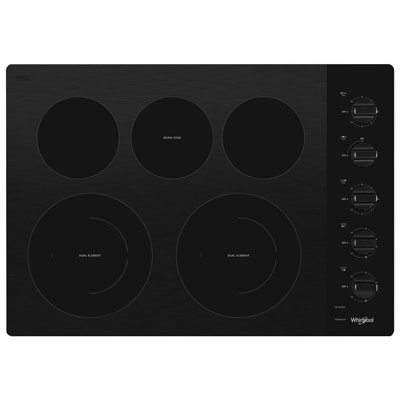
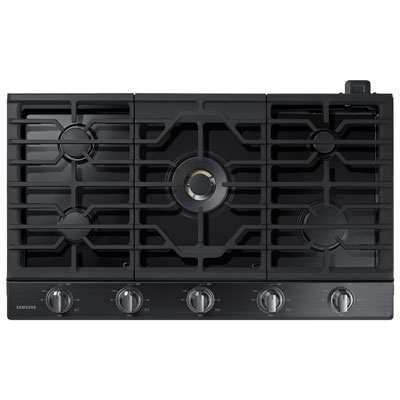
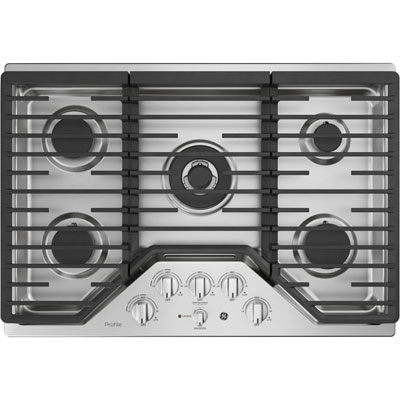
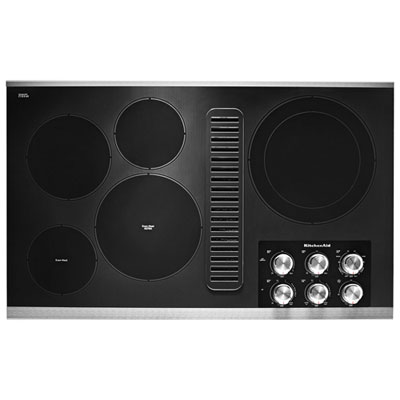
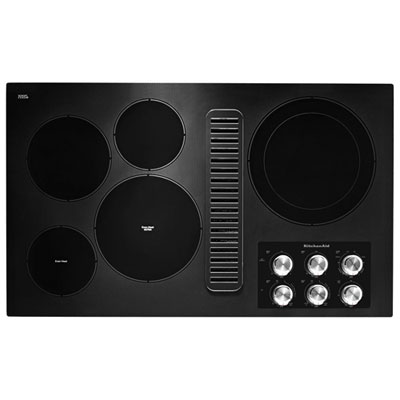
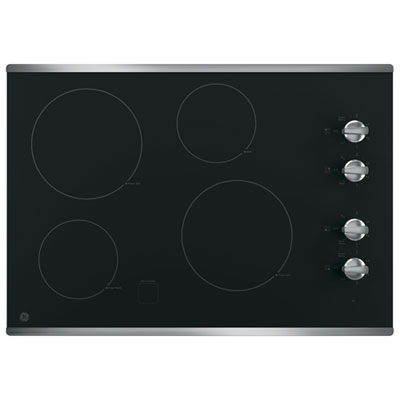
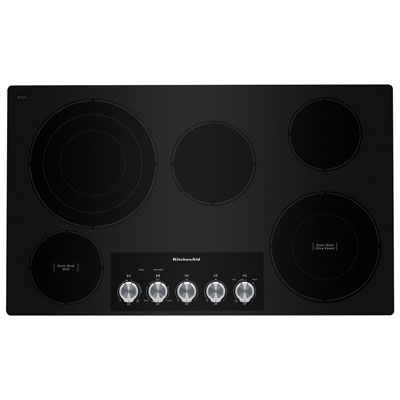
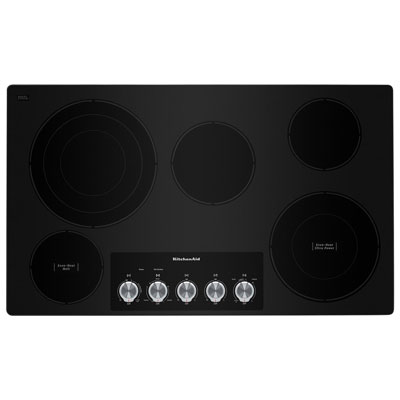
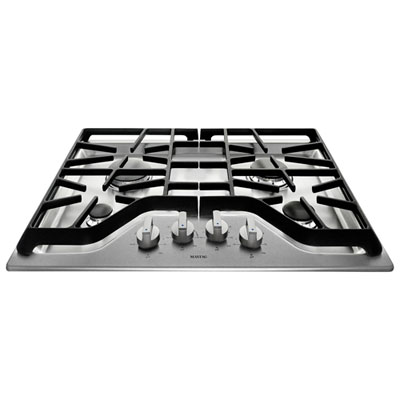
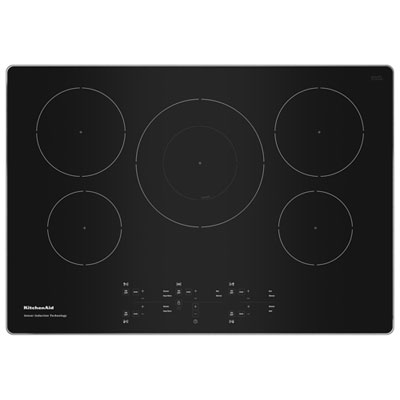
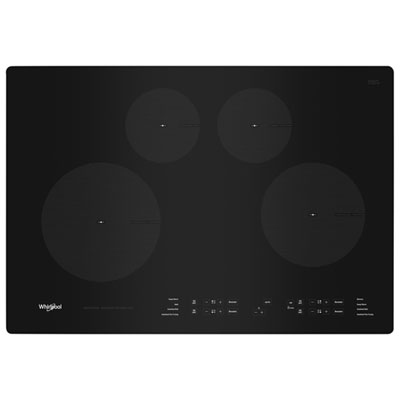
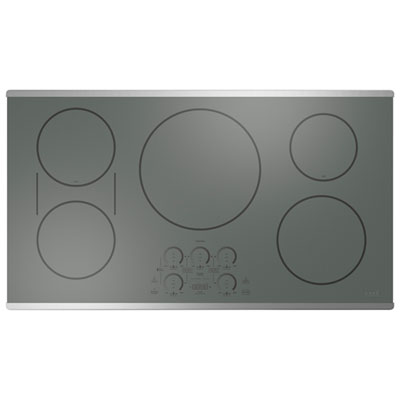
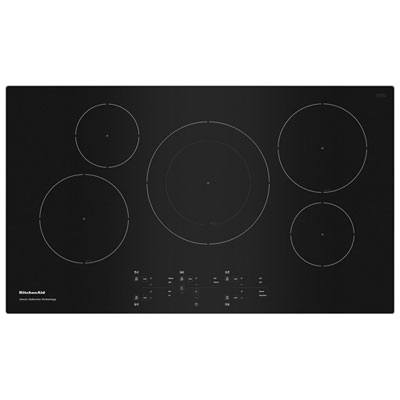
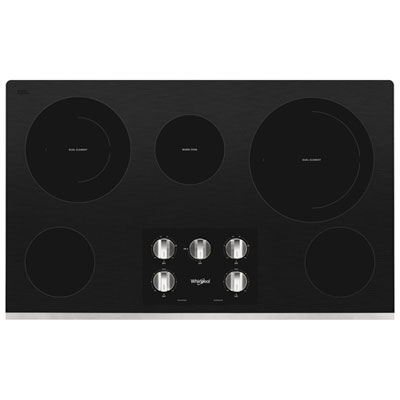
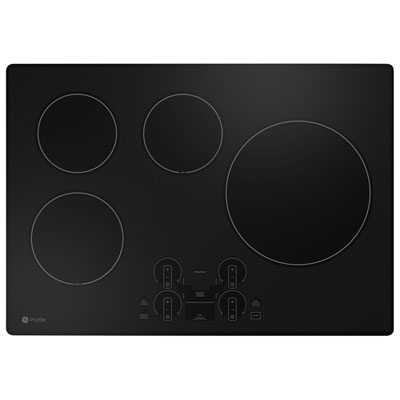
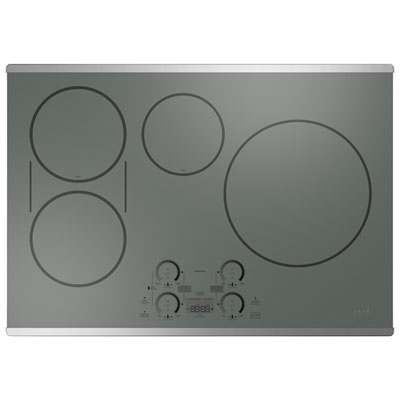
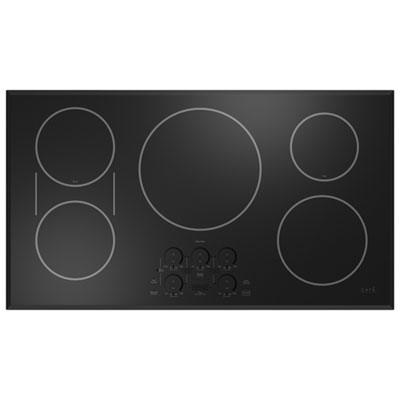
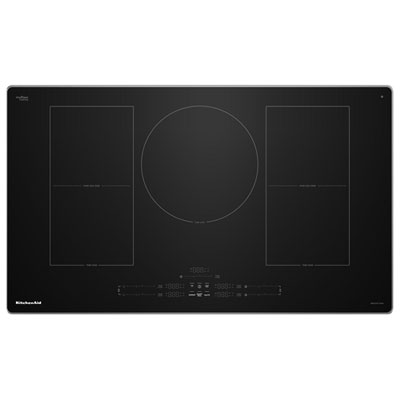
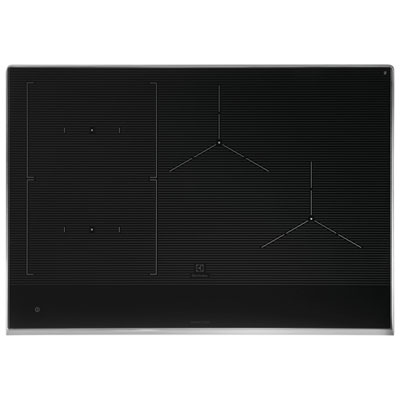
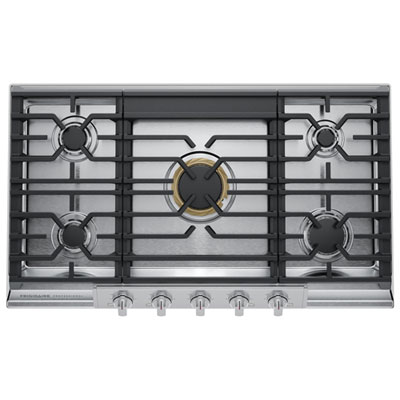
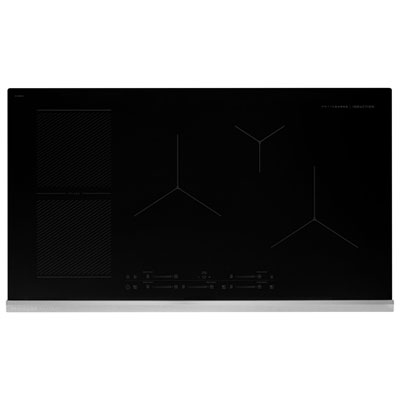
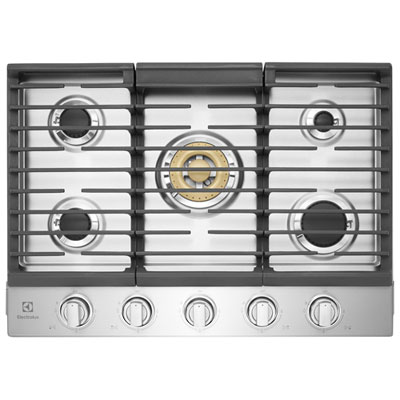
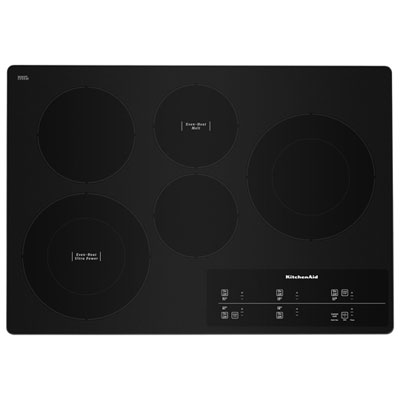
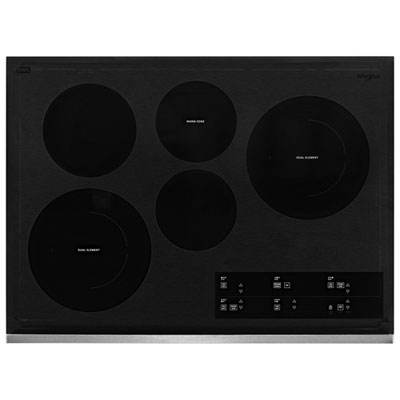
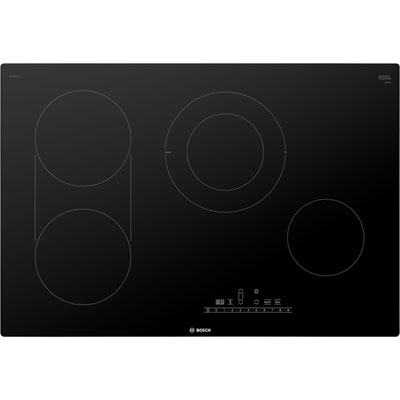
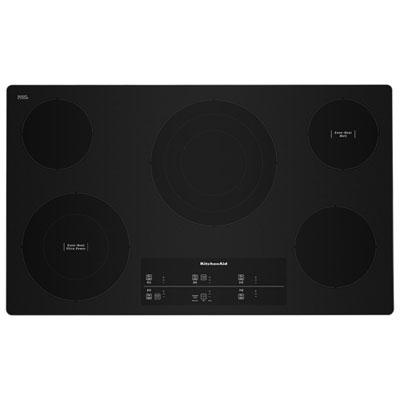
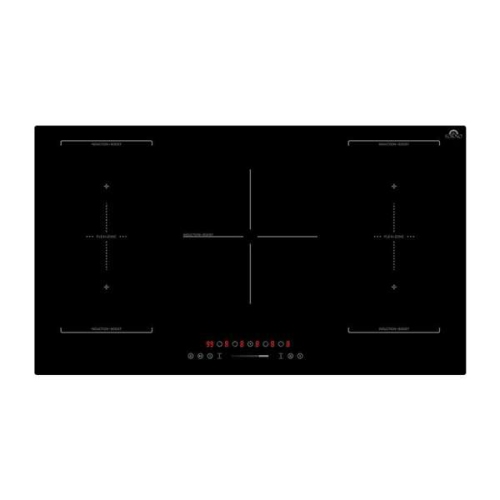
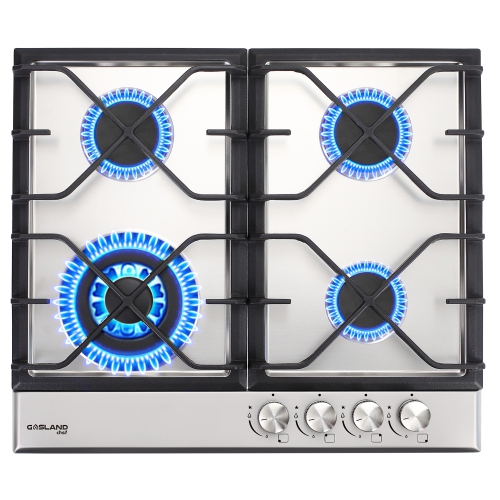
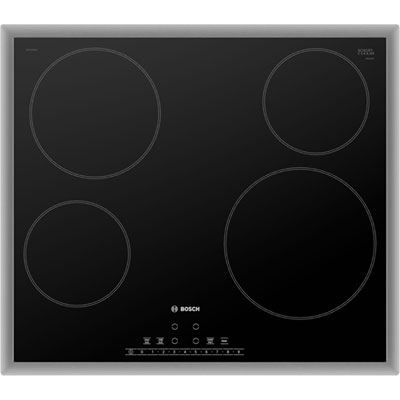
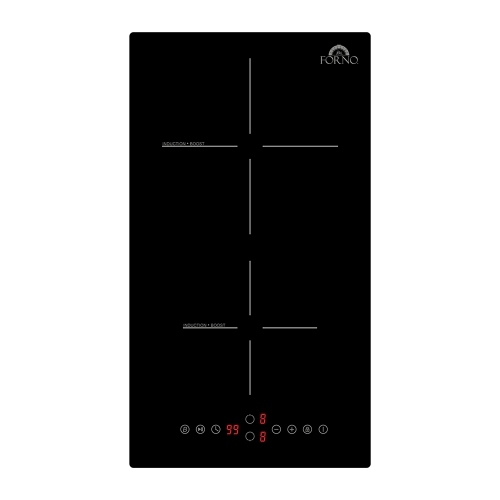
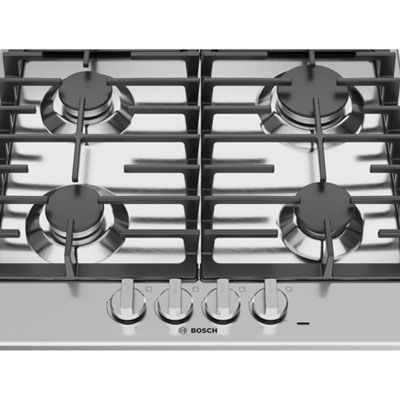
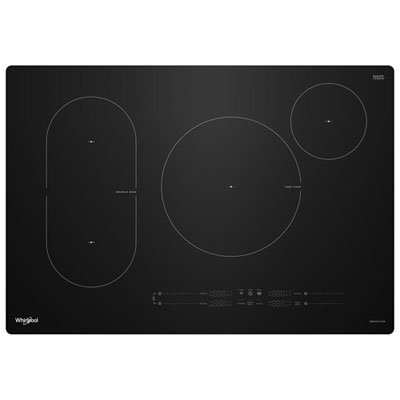
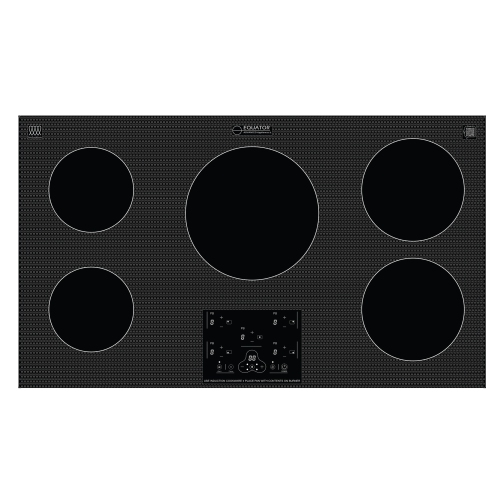
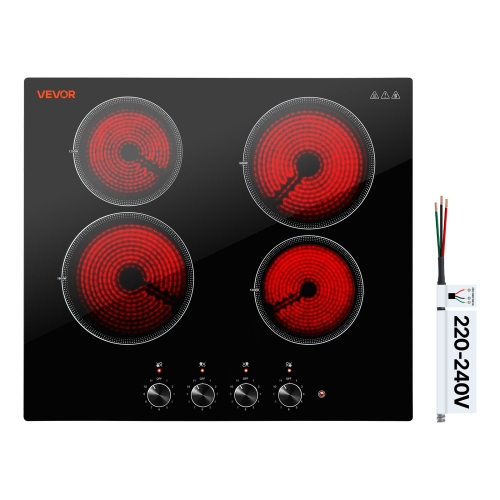
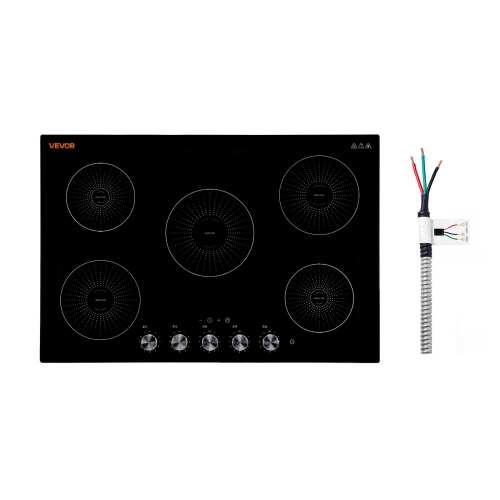
The main types are gas, electric, and induction. Gas cooktops use a flame, while electric cooktops use heating elements. Induction cooktops use a magnetic field to heat compatible cookware. Your choice depends on your preferred cooking style and your kitchen’s connections.
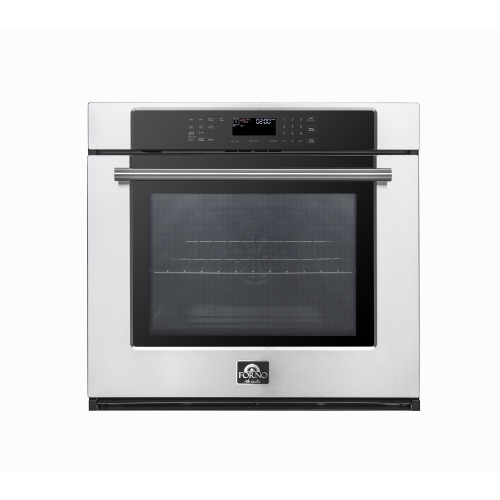
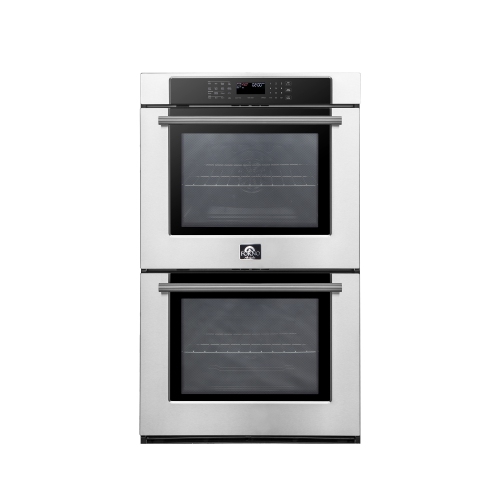
A convection oven uses a fan to circulate heated air inside the oven cavity. A conventional oven relies on heating elements without fan-assisted circulation. Some ovens offer both modes, letting you select the setting specified by your recipe.
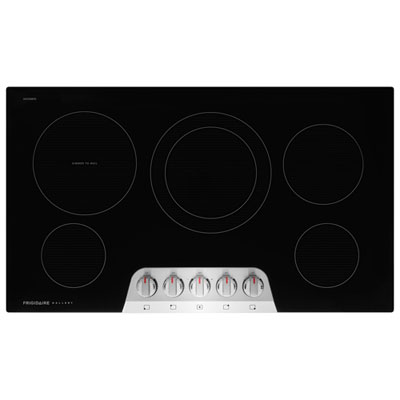
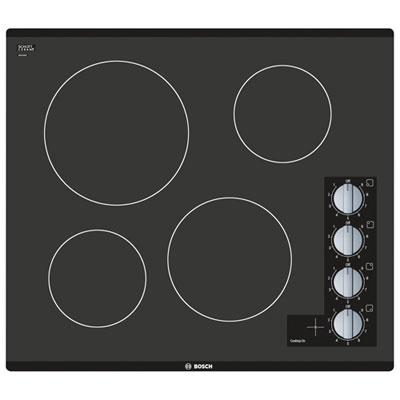
Common control styles include rotary knobs, push buttons, and touch controls. Digital displays may show oven temperatures, cooking modes, or timer settings. When comparing appliances, consider which control layout feels most intuitive for your cooking routine.
Consider cooking modes such as bake and broil, along with timers, interior lighting, and adjustable rack positions. Depending on the model, additional options may include convection settings or saved cooking preferences. Focus on features that match the meals you regularly prepare.
Top selling and popular products
Discover more categories related to Ovens And Cooktops
Some products may be subject to Environmental Handling Fees (EHF) depending on your province. Learn more about EHFs.