Ovens for Preparing Christmas Cookies And Pastries
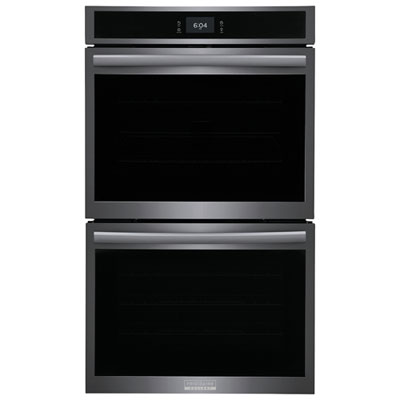
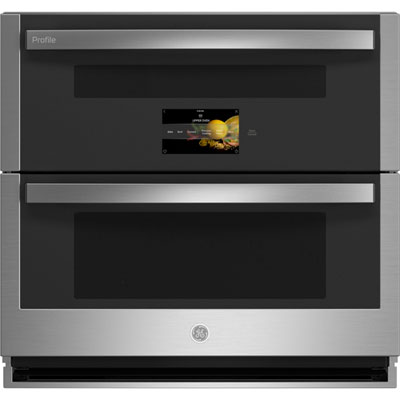
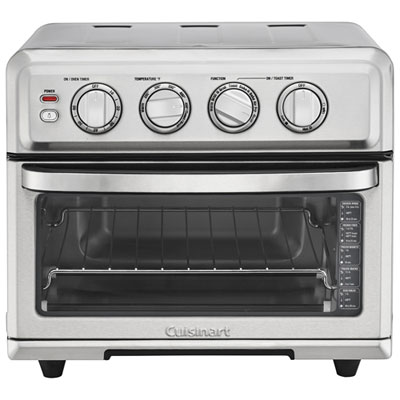
Find ovens for preparing Christmas cookies and pastries, and compare models by capacity, dimensions, and baking features. Consider how many trays you want to bake at once, whether your baking dishes will fit, and the space available in your kitchen to help narrow your selection for holiday baking.
Read More

Sort

Why steady heat matters for every holiday batch

Ovens for preparing Christmas cookies and pastries need to suit both the baking itself and the rhythm of a busy kitchen. A few trays of buttery shortbread call for a different amount of space than an afternoon spent making gingerbread, jam-filled biscuits, and flaky pastry parcels for several gatherings. Consistent heat, useful rack positions, and enough room around baking sheets are often more important than a long list of cooking modes. Convection ovens use a fan to move heated air through the cavity, helping heat reach food more evenly. True convection typically adds a dedicated heating element near the fan, which can be useful when baking on several racks. Neither system guarantees identical results on every tray: pan size, rack placement, dough temperature, and the oven’s particular heat pattern still affect browning. Some batches may benefit from rotating the trays, especially when the cavity is full. A conventional bake setting provides another option for recipes that respond better to gentler air movement, including certain custard-filled pastries and delicate cakes. Having both settings gives home bakers flexibility rather than tying every recipe to the same cooking method. Fan-assisted baking can also require a different temperature or baking time, so clear controls and straightforward temperature adjustment make a difference when moving between familiar recipes. For Christmas cookies with pale centres and lightly golden edges, a stable baking temperature helps keep the final minutes more predictable. An oven light and a clear viewing window make it easier to watch that colour develop without repeatedly opening the door and releasing heat. Reliable preheating is equally useful when chilled dough is ready to bake or laminated pastry needs a properly heated oven from the start. These details matter whether the kitchen belongs to an occasional holiday baker, a family sharing a favourite recipe, or an enthusiastic host filling tins for friends and neighbours. An oven that handles everyday meals comfortably can also become the centre of Christmas baking traditions.

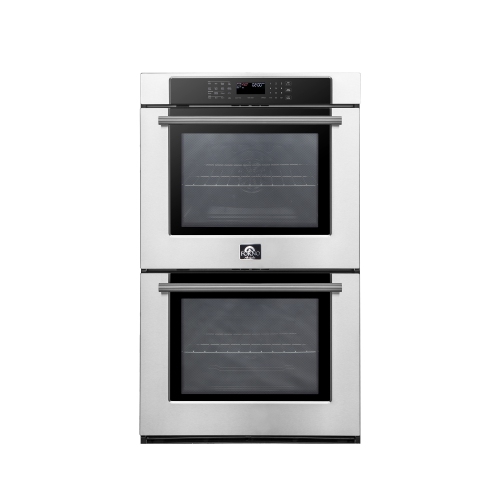
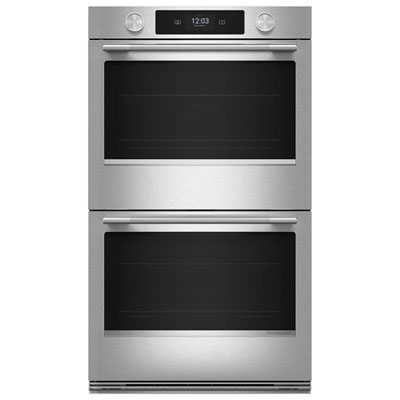
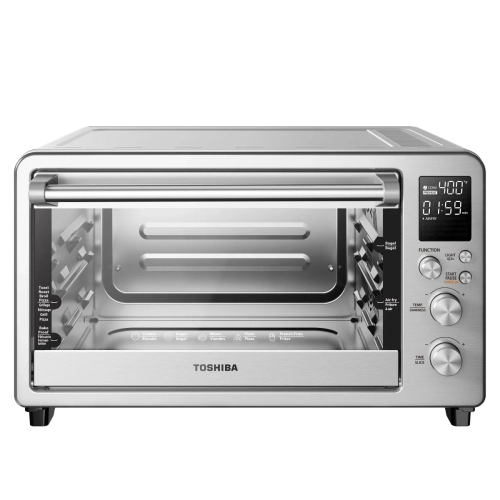
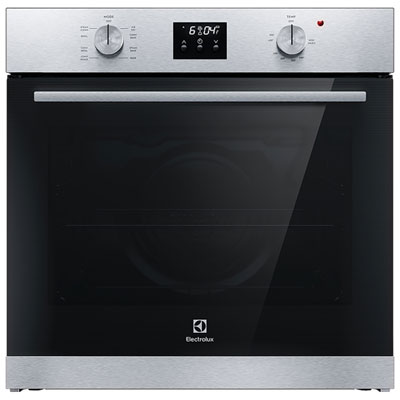
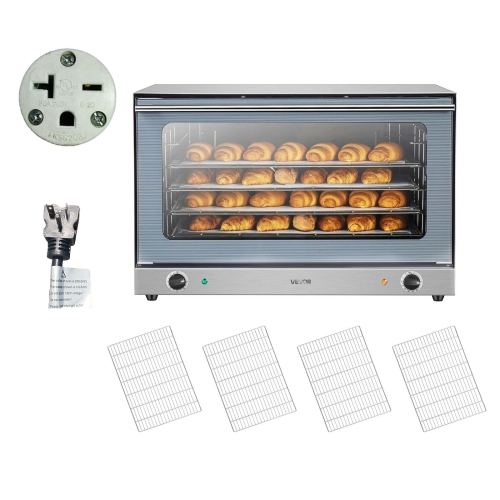
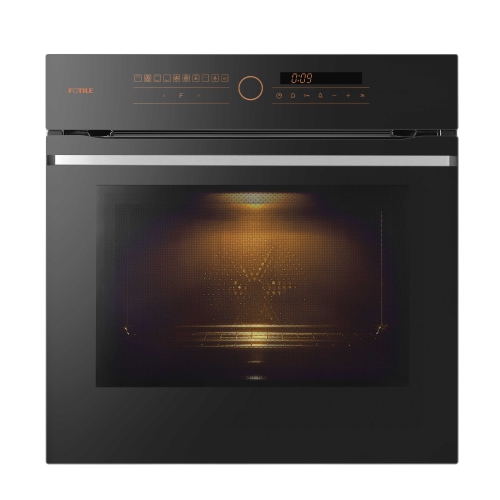
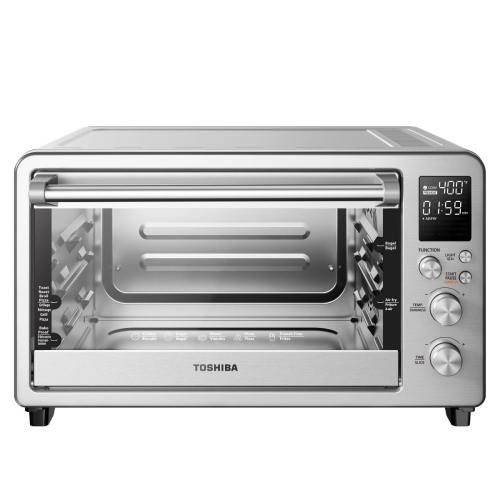
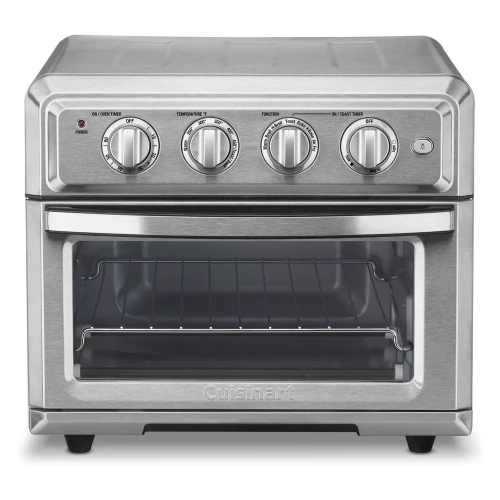
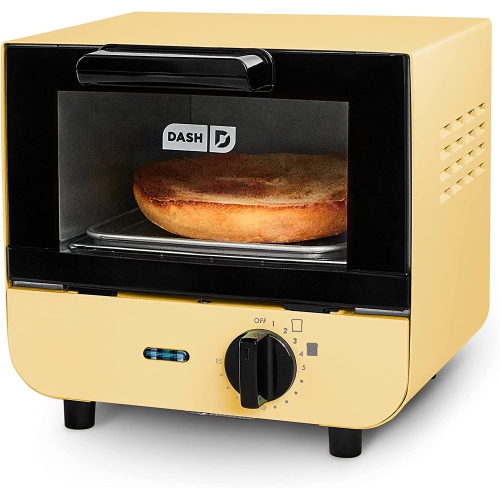
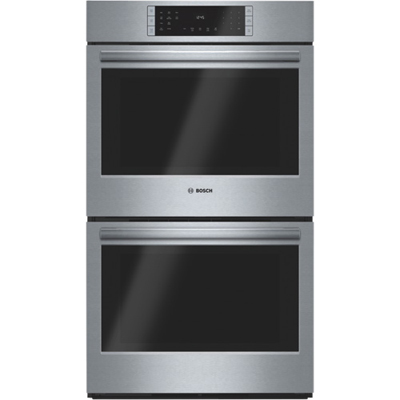
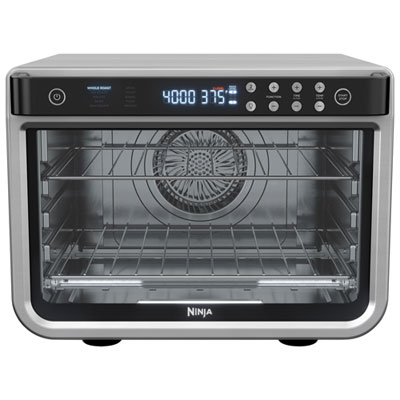
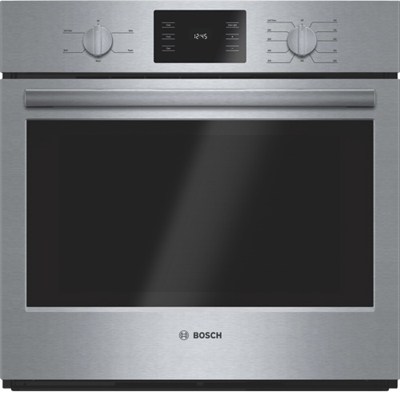
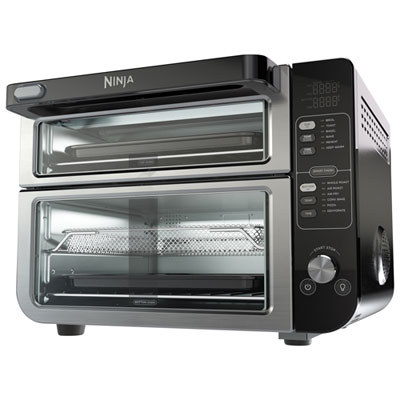
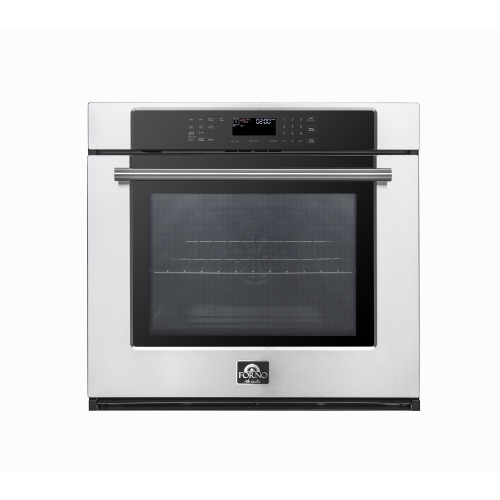
Oven format and usable capacity shape how comfortably that baking fits into the kitchen. A range combines the oven and cooktop in one appliance, making it a practical choice when cookie trays share the kitchen with simmering fillings or melted chocolate. A built-in wall oven separates baking from the cooking surface and can offer a more comfortable loading height when its placement suits the person using it. Double wall ovens provide two cavities with independent temperature controls, allowing one batch of biscuits to bake while another cavity handles pastries at a different setting. Their benefit is not simply more rack space; separate cavities can also reduce the need to interrupt one recipe for another. For households planning larger spreads, Large-Capacity Ovens for Holiday Cooking offer another way to explore appliances suited to several dishes or larger batches. Countertop ovens can serve smaller kitchens, modest batches, or households that want an additional baking space without replacing a full-size appliance. Their compact size makes the interior dimensions especially important, since a familiar baking sheet may not fit even when the stated capacity sounds generous. The most useful fit is the one that accommodates the pans actually used, with the clearance required for proper airflow. Rack spacing also matters for taller pastries, covered baking dishes, and trays with raised edges. Exterior measurements tell only part of the story: door-opening space, nearby cabinetry, countertop depth, and access to controls all affect daily use. Built-in ovens need the correct cabinet opening and installation clearances, while countertop models need a suitable surface and the ventilation space specified by the manufacturer. Electrical requirements must match the appliance and the home’s setup. For a kitchen shared by several people, the path between the oven, cooling racks, and preparation surface can be just as important as cavity size. Enough room to set down a hot tray helps keep a long baking session orderly, particularly when children are helping cut shapes or add icing at a separate work area.

Materials, controls, and care features influence how an oven feels to use long after the Christmas cookie tins have been filled. Stainless steel exteriors are common and can coordinate with other kitchen appliances, while coated finishes offer different looks and cleaning needs. A finish described as fingerprint-resistant may reduce visible marks, but it still needs cleaning with suitable products. Inside, smooth enamel surfaces can make ordinary spills easier to wipe away, and removable racks give better access to corners. Easy-clean or self-clean functions vary by appliance; the correct procedure, including whether racks must be removed, depends on the manufacturer’s instructions. Sugary fillings and butter drips are easier to manage before they become repeatedly baked-on residue, once the oven has cooled enough for safe cleaning. Durability also involves the parts handled most often: a comfortable door handle, stable racks, and controls that remain easy to read all contribute to everyday satisfaction. Sliding or telescopic racks, where included, can make it easier to reach a heavy tray without stretching deep into the cavity. Timers are useful for short baking intervals, while precise temperature controls help when a recipe needs a small adjustment between batches. Some ovens include automatic temperature conversion for convection cooking, although understanding whether that feature is active helps avoid adjusting a recipe twice. Baking results also depend on the pans: dark metal can brown cookie bases more quickly, while lighter-coloured sheets often produce a gentler finish. Oven-safe liners and bakeware need to stay within their stated temperature limits and must not block required airflow. For an enthusiastic baker receiving a countertop oven as a gift, usable tray space, available counter room, and familiar controls are more meaningful than an impressive mode count alone. The right oven supports the whole occasion, from testing a small batch of spice biscuits to baking enough pastry for a Christmas gathering, while remaining useful for meals and baking throughout the year.
Read More

FAQ

Some products may be subject to Environmental Handling Fees (EHF) depending on your province. Learn more about EHFs.