Pasta Rollers
Indulge in the art of homemade pasta with pasta rollers, essential tools for almost any culinary enthusiast. Elevate your pasta dishes to new heights as you explore a world of flavors and textures. Discover the joy of handmade pasta with our selection of pasta rollers, designed to make your cooking experience enjoyable and convenient.
Sort


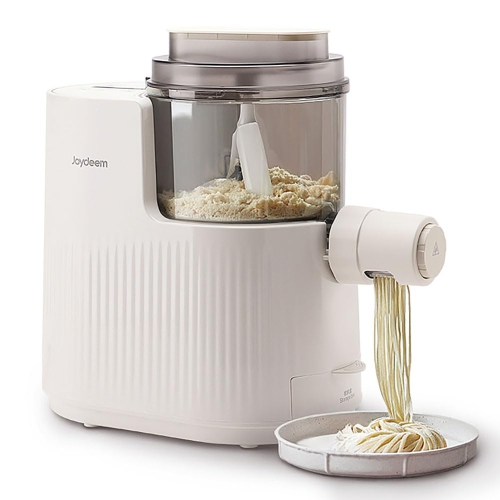
How adjustable rollers simplify fresh pasta from scratch
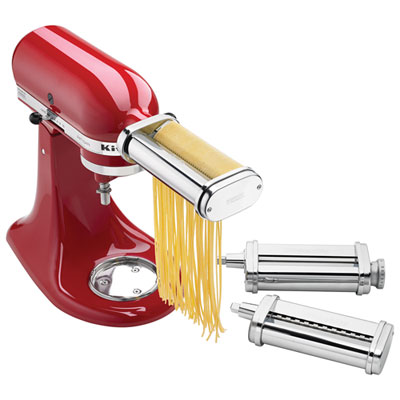
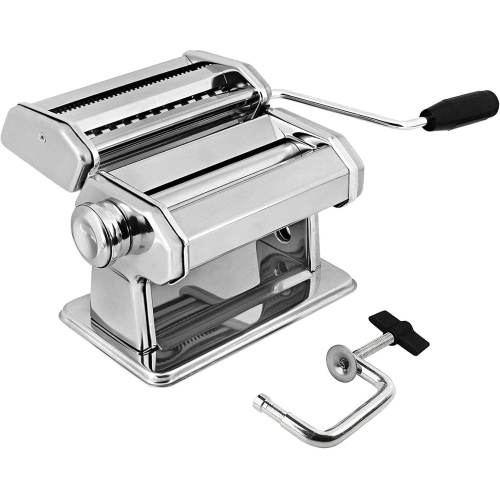
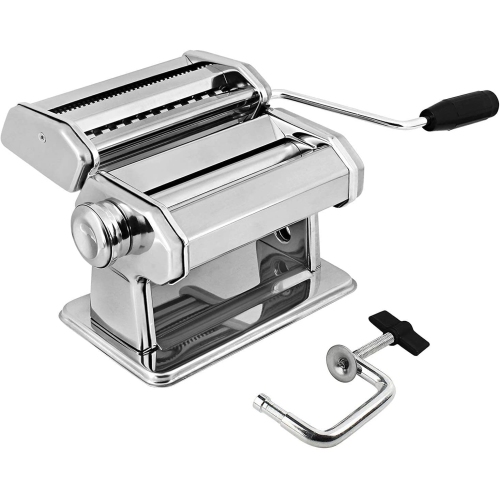
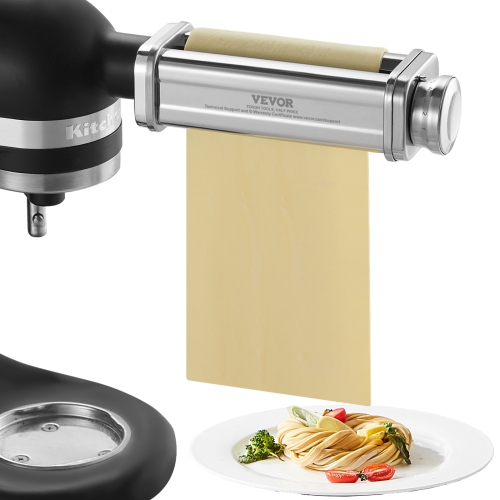
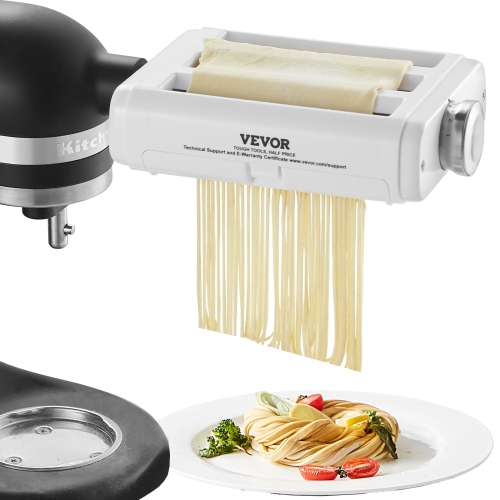
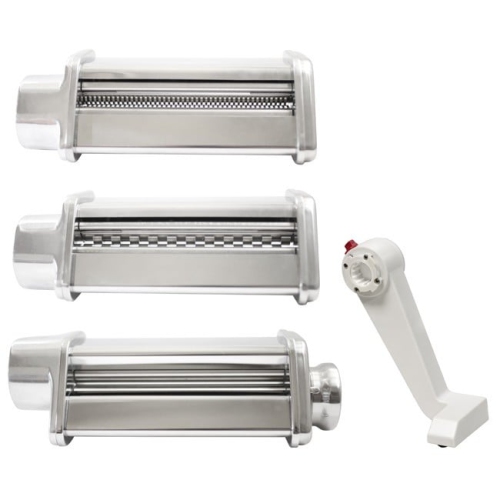
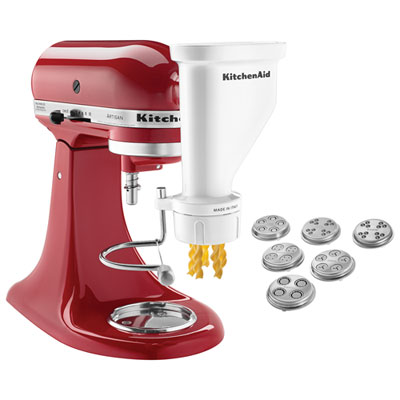
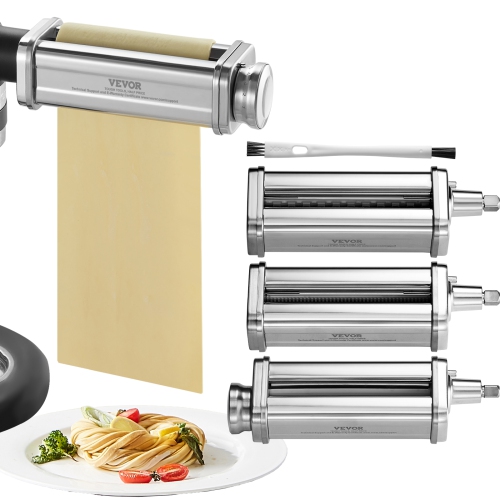
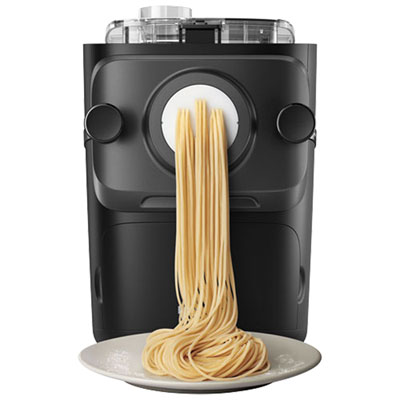
Pasta rollers make it easier to turn homemade dough into smooth, even sheets for lasagna, ravioli, tortellini, fettuccine, and other fresh pasta shapes. Rather than relying on a rolling pin and a good deal of arm strength, you can pass the dough through adjustable rollers that gradually flatten and stretch it to a consistent thickness. This uniformity helps pasta cook more evenly and gives filled pasta a neater finish, with sheets that are thin enough to fold but sturdy enough to hold a filling. Pasta rollers are a practical choice for cooks who enjoy making meals from scratch, families who like preparing food together, and anyone who appreciates the texture and flavour of fresh pasta. They can also make a thoughtful gift for a new homeowner, an enthusiastic baker expanding into savoury recipes, or a home cook who enjoys hosting during the cooler months. When choosing a pasta roller, consider the space available on your countertop, how often you expect to use it, and the type of pasta you want to prepare. Manual machines are typically secured to a countertop with a clamp and operated with a hand crank, so one hand guides the dough while the other turns the handle. They offer a hands-on experience and can be a good fit for smaller kitchens or cooks who want straightforward control. Stand mixer attachments connect to the hub of a compatible mixer and use its motor to move the rollers, leaving both hands free to guide and catch the dough. For cooks who prefer a more automated approach, Electric Pasta Machines may mix, knead, and shape dough with less manual effort. Checking compatibility, included cutters, roller width, storage needs, and cleaning instructions before purchasing can help you choose an option that suits your cooking routine.
For the best results, start with a firm, smooth dough made from ingredients that have been thoroughly combined and kneaded. Allowing the dough to rest before rolling gives the flour time to hydrate and the gluten time to relax, which can make the dough easier to handle. Divide it into manageable portions and keep the pieces you are not using covered so they do not dry out. Flatten one portion by hand, then begin with the widest roller setting, often marked as 0 or 1 depending on the machine. Feed the dough through while turning the crank or running the mixer, then fold the sheet into thirds, press it gently, and pass it through the widest setting again. Repeating this process a few times helps create a more elastic, even sheet. Once the dough looks smooth, move down one setting at a time, passing it through each level rather than jumping immediately to the thinnest option. A light dusting of flour can help prevent sticking, but too much flour may make the dough dry or cause finished pasta to lose its delicate texture. If the sheet becomes too long to manage, cut it into shorter sections before continuing. Different recipes call for different thicknesses: a sturdier sheet may be useful for lasagna or filled pasta, while a thinner setting can work well for delicate noodles. Follow the recipe’s guidance and adjust based on the flour, moisture, and shape you are preparing. Fresh sheets can be cut by hand or passed through compatible cutters, then separated and lightly dusted before cooking or drying. Keep your hands dry while feeding the dough, and work on a clear surface where the sheet can rest without folding onto itself.
A pasta roller can become a reliable part of a relaxed cooking routine, especially when the process is treated as a series of small, manageable steps. On a quiet afternoon, one person can prepare and portion the dough while another feeds the sheets through the rollers, creating an easy activity for family members, friends, or children who enjoy helping in the kitchen. Fresh pasta also gives familiar meals a personal touch: wide sheets can be layered with sauce and cheese, narrow strands can be tossed with butter and herbs, and sturdy squares can be filled with ricotta, roasted vegetables, or seasoned meat. When selecting among pasta rollers, look for clearly marked thickness settings, a stable base or secure clamp, comfortable controls, and materials that are suited to regular kitchen use. A wide roller can reduce the number of passes needed for larger sheets, while a compact design may be easier to store in a smaller cupboard. If you are considering a powered attachment, confirm that it fits your stand mixer and check whether the set includes the roller and cutter styles you are most likely to use. Care is usually simple: brush away loose flour and dough after use, avoid immersing components unless the instructions specifically allow it, and store the machine or attachment in a dry place. With the right setup, a pasta roller can help turn a few basic ingredients into supple sheets, neatly cut noodles, and memorable meals throughout the year.
For the best results, start with a firm, smooth dough made from ingredients that have been thoroughly combined and kneaded. Allowing the dough to rest before rolling gives the flour time to hydrate and the gluten time to relax, which can make the dough easier to handle. Divide it into manageable portions and keep the pieces you are not using covered so they do not dry out. Flatten one portion by hand, then begin with the widest roller setting, often marked as 0 or 1 depending on the machine. Feed the dough through while turning the crank or running the mixer, then fold the sheet into thirds, press it gently, and pass it through the widest setting again. Repeating this process a few times helps create a more elastic, even sheet. Once the dough looks smooth, move down one setting at a time, passing it through each level rather than jumping immediately to the thinnest option. A light dusting of flour can help prevent sticking, but too much flour may make the dough dry or cause finished pasta to lose its delicate texture. If the sheet becomes too long to manage, cut it into shorter sections before continuing. Different recipes call for different thicknesses: a sturdier sheet may be useful for lasagna or filled pasta, while a thinner setting can work well for delicate noodles. Follow the recipe’s guidance and adjust based on the flour, moisture, and shape you are preparing. Fresh sheets can be cut by hand or passed through compatible cutters, then separated and lightly dusted before cooking or drying. Keep your hands dry while feeding the dough, and work on a clear surface where the sheet can rest without folding onto itself.
A pasta roller can become a reliable part of a relaxed cooking routine, especially when the process is treated as a series of small, manageable steps. On a quiet afternoon, one person can prepare and portion the dough while another feeds the sheets through the rollers, creating an easy activity for family members, friends, or children who enjoy helping in the kitchen. Fresh pasta also gives familiar meals a personal touch: wide sheets can be layered with sauce and cheese, narrow strands can be tossed with butter and herbs, and sturdy squares can be filled with ricotta, roasted vegetables, or seasoned meat. When selecting among pasta rollers, look for clearly marked thickness settings, a stable base or secure clamp, comfortable controls, and materials that are suited to regular kitchen use. A wide roller can reduce the number of passes needed for larger sheets, while a compact design may be easier to store in a smaller cupboard. If you are considering a powered attachment, confirm that it fits your stand mixer and check whether the set includes the roller and cutter styles you are most likely to use. Care is usually simple: brush away loose flour and dough after use, avoid immersing components unless the instructions specifically allow it, and store the machine or attachment in a dry place. With the right setup, a pasta roller can help turn a few basic ingredients into supple sheets, neatly cut noodles, and memorable meals throughout the year.
Top selling and popular products
-
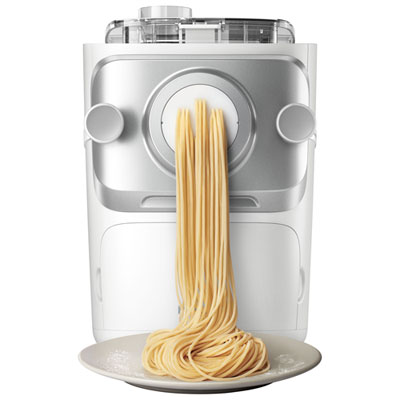 Your price for this item is $349.99
 -
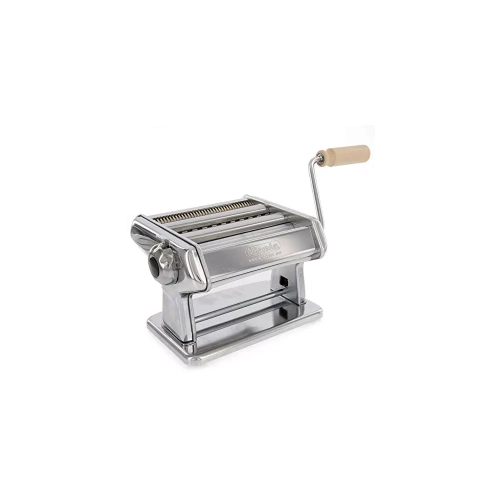 Your price for this item is $143.87
 -
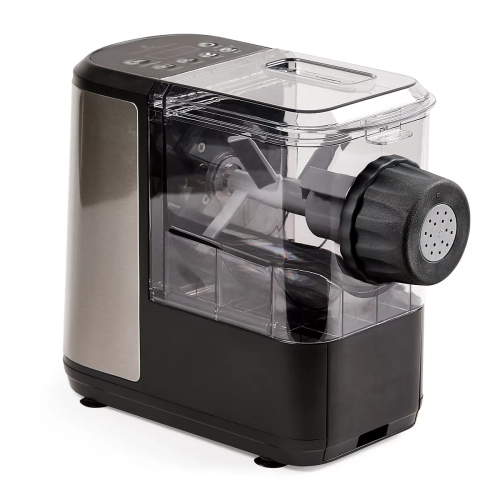 Your price for this item is $719.39
 -
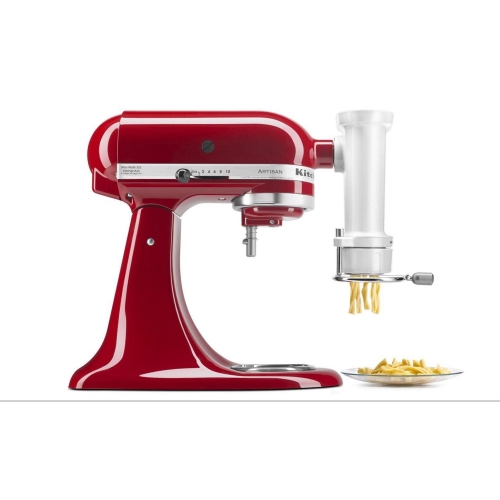 Your price for this item is $313.92
 -
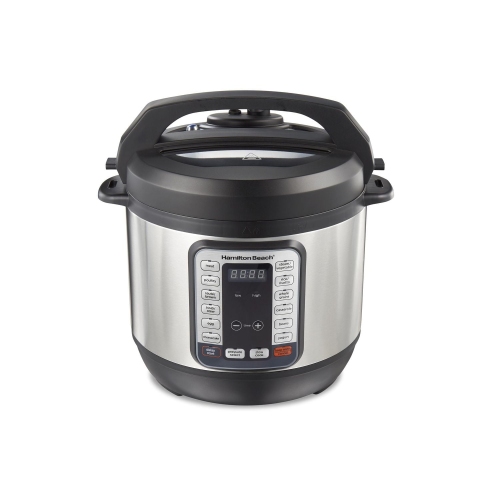 Your price for this item is $170.54
 -
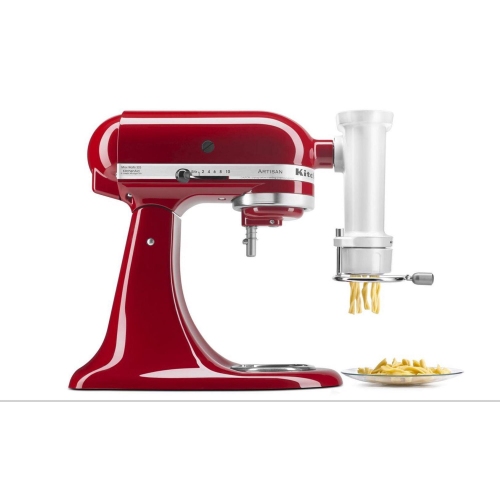 Your price for this item is $313.92
 -
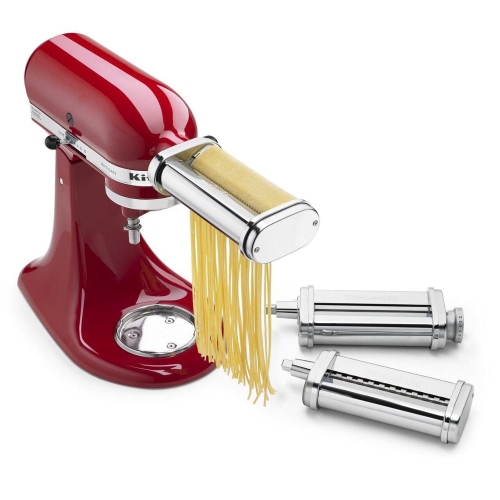 Your price for this item is $313.92
 -
 Your price for this item is $15.4
Discover more categories related to Pasta Rollers
Top Collections:
Pokemon Centers, Kindle Devices, Best Budget Office Chairs, Apple iPhones 16, Canon G7X Cameras, iPhone 15 Apple, Alarm Clock, Refurbished Apple Laptops, Flip Phones, Best Laptops for Writers
Some products may be subject to Environmental Handling Fees
(EHF) depending on your province.
Learn more about EHFs.