Pasta Cutter Sets
Looking to elevate your pasta-making skills? Look no further than our collection of Pasta Cutter Sets. These versatile kitchen tools are designed to effortlessly cut and shape your homemade pasta into various shapes and sizes, allowing you to create restaurant-quality dishes right in the comfort of your own home. With a wide range of options available, you can find the perfect Pasta Cutter Set to suit your culinary needs and take your pasta creations to new heights. Whether you're a seasoned chef or just starting out on your culinary journey, these sets are sure to become an essential addition to your kitchen arsenal. Discover the joy of homemade pasta with our Pasta Cutter Sets today!
Sort
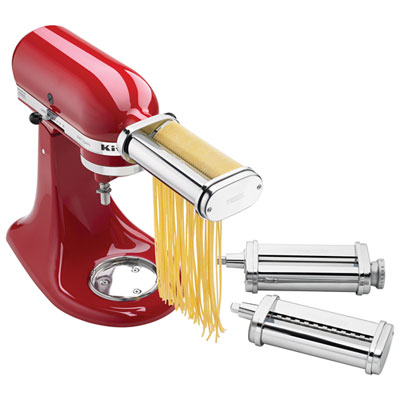
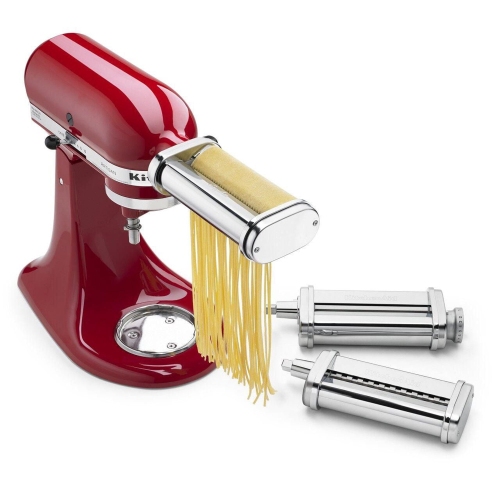
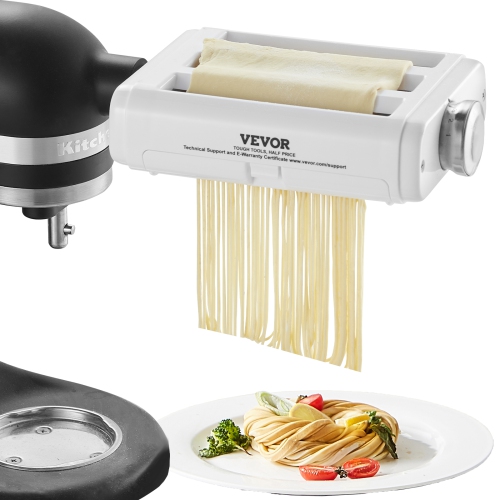

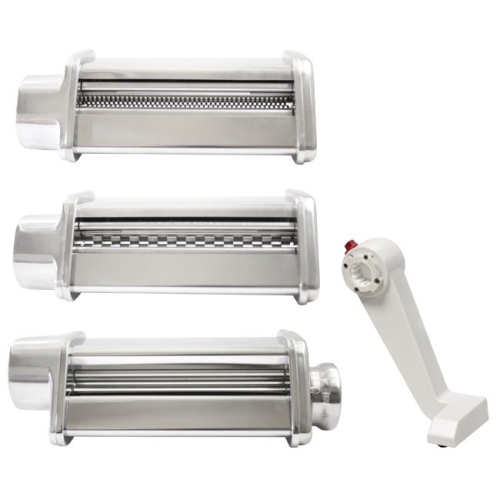
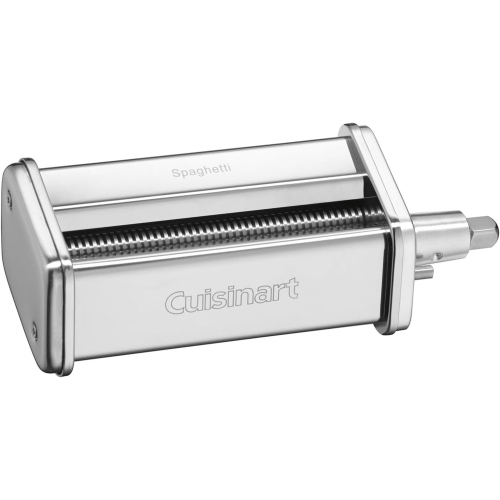
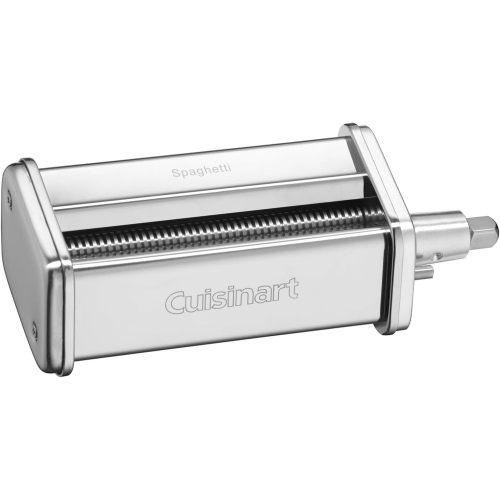

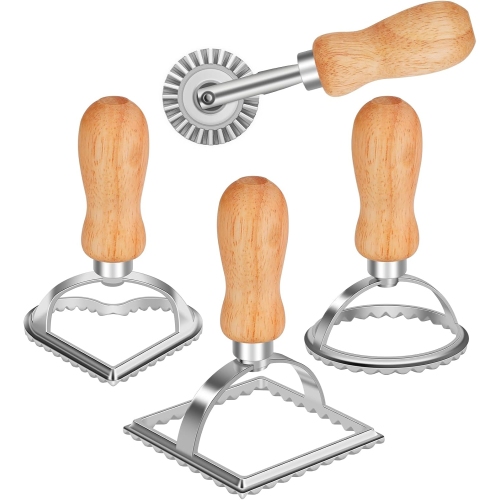
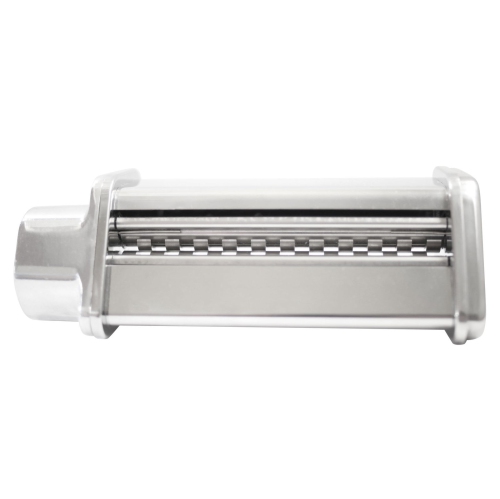
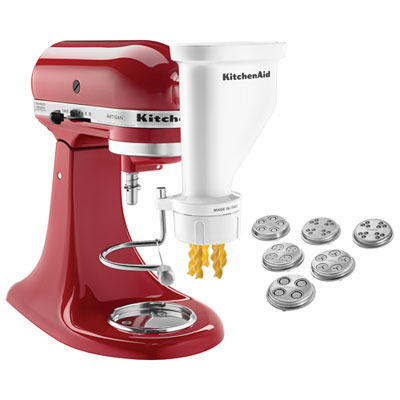
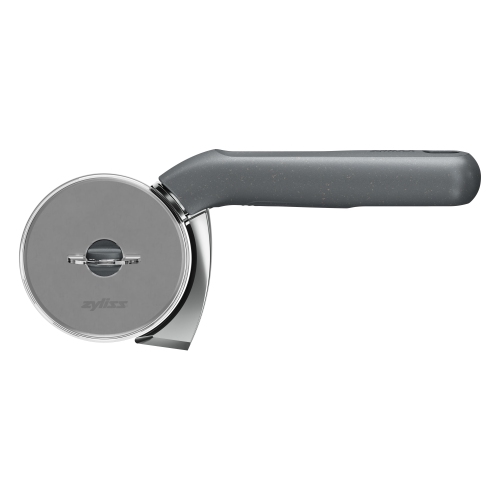
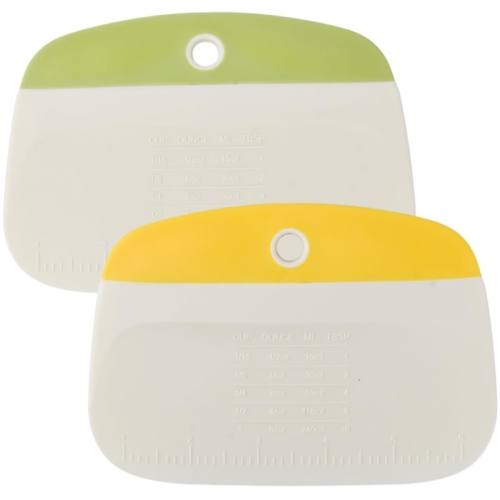


Different pasta shapes call for different cutting tools
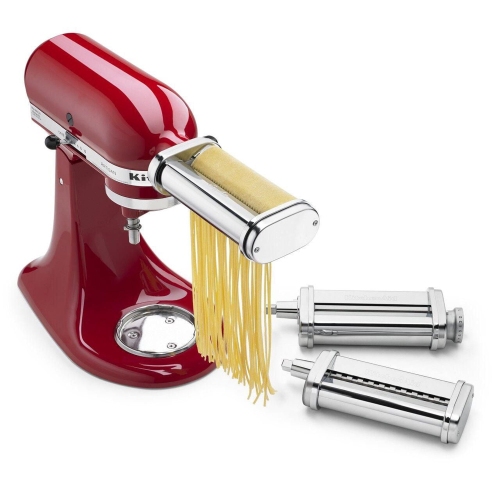
Pasta cutter sets are tools for turning sheets of fresh dough into noodles, ribbons, or filled pasta shapes. Depending on the set, they may include handheld cutting wheels, ravioli stamps, patterned rolling pins, interchangeable cutting heads, or attachments designed for a compatible pasta machine or stand mixer. Each format suits a different part of the process. A straight cutting wheel gives hand-rolled dough a clean edge and allows flexible ribbon widths, while a fluted wheel creates a decorative border on shapes such as ravioli and farfalle. Ravioli stamps define individual portions and help press the edges together, although a secure seal also depends on the dough and filling. Dedicated noodle cutters produce more consistent strands for familiar shapes such as spaghetti and fettuccine. A sheet roller, when included, prepares dough to an even thickness before cutting; a cutter-only set requires dough to be rolled separately. These distinctions matter because sets with similar names can serve quite different purposes. Someone who enjoys broad ribbons tossed with mushroom sauce may appreciate the freedom of a wheel or wide noodle cutter, while a cook making batches of filled pasta may find round and square stamps more useful. Kits that include shaping boards or small rolling rods can also support textured pasta such as garganelli, but these tools shape the dough rather than simply cutting it. The appeal of a well-matched set is the ability to repeat a favourite shape with less uneven trimming and more control over portion size. Fresh pasta can be part of an everyday family meal, a shared cooking project, or a dinner prepared for guests. A compact collection of frequently used tools often fits those routines better than a larger assortment of shapes that rarely leave the drawer. The most useful combination reflects the pasta a household actually enjoys making, whether that means long strands for a simple tomato sauce or generously filled parcels with clearly defined edges.
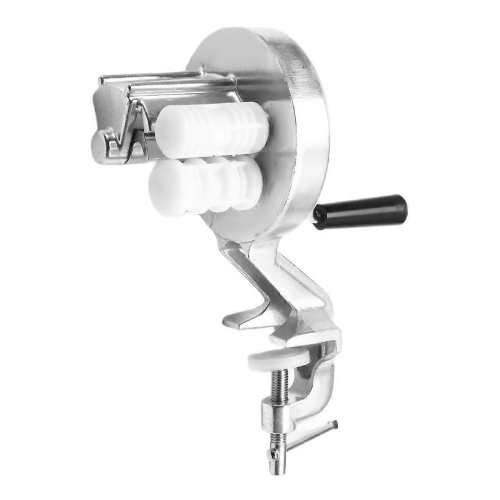
Materials and construction affect how pasta cutters feel in the hand, how reliably they cut, and how much attention they need after use. Stainless steel is common in cutting wheels, stamps, and machine attachments because it offers strength and corrosion resistance, though stainless steel components are not automatically dishwasher-safe. A smooth cutting edge can help separate dough cleanly without dragging, while a firmly mounted wheel is less likely to wobble along a straight line. Stamps benefit from sturdy handles and clearly formed rims that distribute pressure evenly. Wooden handles can offer a comfortable grip, particularly during repeated stamping, and wooden rolling tools have a familiar feel for cooks who enjoy working dough by hand. They also need care that protects them from prolonged moisture. Food-contact plastic components can keep tools lightweight, with durability depending on the construction, the quality of moving parts, and the pressure required during use. Handle shape deserves attention alongside blade material: a narrow handle, a broad palm grip, and a small stamp knob can feel quite different during a full batch of ravioli. For machine-based sets, fit is more specific than general size or appearance. Stand mixer attachments need to be approved for the relevant mixer model and connection, while cutting heads for hand-cranked machines must match the machine’s attachment system. Similar-looking parts are not necessarily interchangeable. Working width also affects how dough moves through a roller or cutter, especially when long sheets need support on either side. A hand-cranked setup may require a suitable counter edge for its clamp, whereas a mixer attachment needs room around the appliance for feeding and collecting dough. Handheld sets avoid those mounting requirements, making them practical for smaller kitchens or occasional use. Storage matters too: exposed cutting edges, bulky handles, and several loose attachments can take more space than expected. Protective covers, organized compartments, or a dedicated drawer section can help prevent tools from knocking against one another and keep the pieces easy to find.
Consistent results depend on the relationship between the cutter, the dough, and the intended shape. Dough that is too sticky may cling to a wheel or bunch inside a noodle cutter, while overly dry sheets can crack around a ravioli filling or resist a clean seal. Evenly rolled sheets give cutting tools a more uniform surface to work with, and a light dusting of flour can help separate strands without heavily coating them. Filled pasta introduces another consideration: the size of a stamp determines the space available for filling and the border needed for sealing. A large stamp is suited to a generous centre, while smaller shapes call for more restrained portions so the edges can meet without stretching. Noodle width and dough thickness also influence the finished texture, so a cutter’s shape is only one part of the result. Supporting tools can make the process more comfortable, from a bench scraper for dividing dough to a drying rack for holding cut strands apart before cooking. These complementary tools sit naturally alongside Pasta Making Accessories, particularly for households building a setup around an existing rolling pin or pasta machine. Care requirements remain important after the meal is prepared. Many mechanical cutters and roller attachments call for dough residue to dry before it is removed with a suitable brush, rather than being immersed in water. Handheld pieces may have different washing instructions, and wooden components generally need prompt drying without soaking. Manufacturer directions determine the appropriate method for each tool, especially where enclosed mechanisms or mixed materials are involved. Thorough drying before storage helps protect metal surfaces and wooden handles. For gifting, pasta cutter sets suit enthusiastic home cooks, people who enjoy hands-on kitchen projects, and households that like preparing meals together. A manual set can be a thoughtful choice without requiring an appliance, while an attachment set makes sense only when compatibility is confirmed. Familiar shapes, comfortable handling, and manageable care give these tools lasting usefulness beyond the first batch of fresh pasta.
Top selling and popular products
-
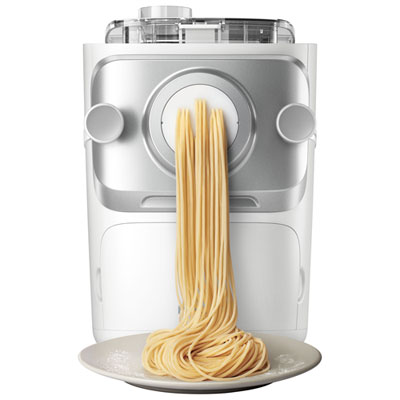 Your price for this item is $299.99
-
 Your price for this item is $44.95
-
 Your price for this item is $170.54
-
 Your price for this item is $81.84
-
 Your price for this item is $219
-
 Your price for this item is $62.99
-
 Your price for this item is $74.62
-
 Your price for this item is $270.59
Discover more categories related to Pasta Cutter Sets
Top Collections:
Best Black Friday Deals This Year, Best Black Friday Deals On Electronics, Kindle Devices, Dyson Airwrap, Best Cameras for Sports Photography, Best Budget Office Chairs, Canon G7X Cameras, PS5 Pro Consoles, Best Black Friday Deals On Apple Products, XBOX One S Consoles
Some products may be subject to Environmental Handling Fees
(EHF) depending on your province.
Learn more about EHFs.