Portable Dryers for Clothes
If you're looking for a portable dryer that can be used at home or on the go, there are several options available. Portable dryers are designed to be compact, so they can easily be transported from one place to another. They're also designed to be quick and easy to use, so you can get your clothes dried quickly without any hassle. Here are some great options.
Sort
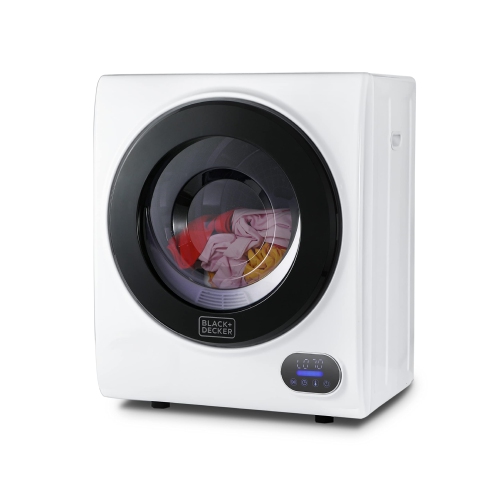
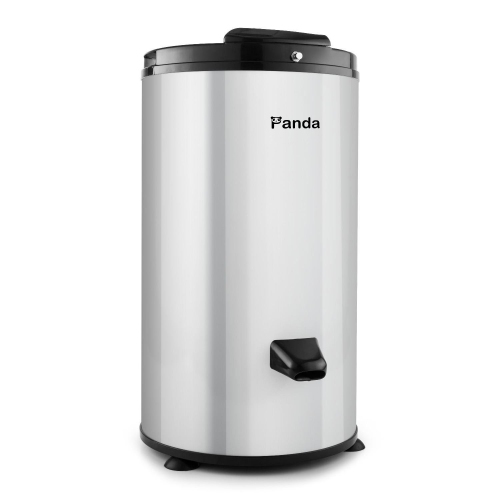
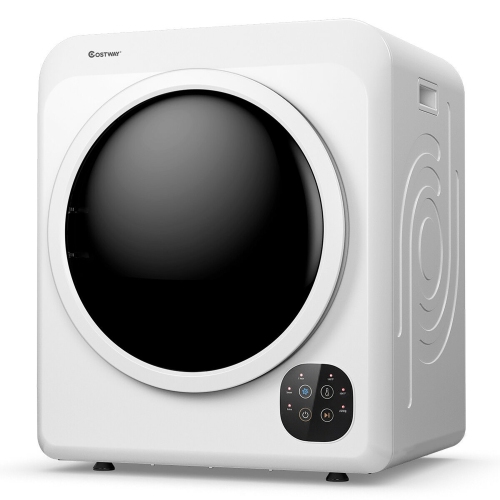
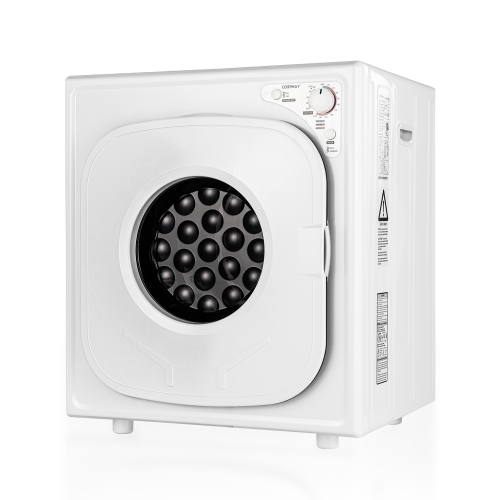
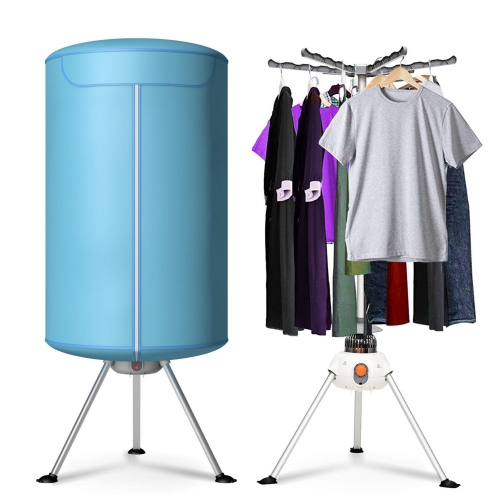
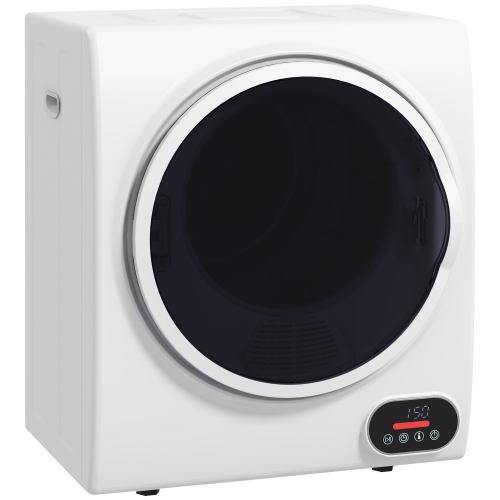
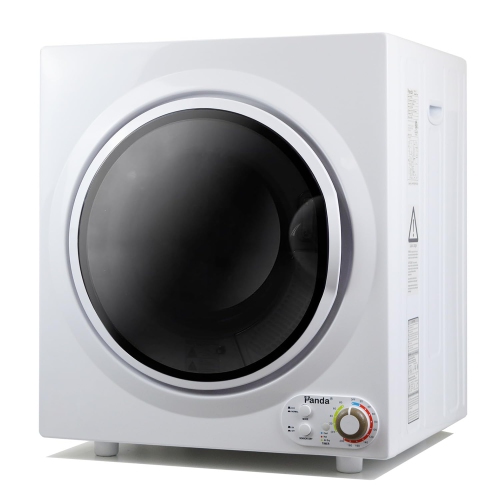
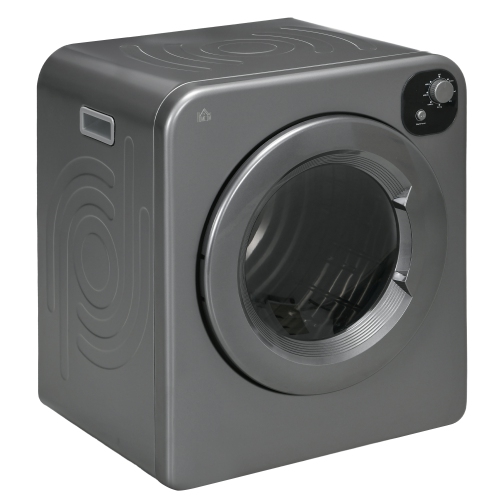
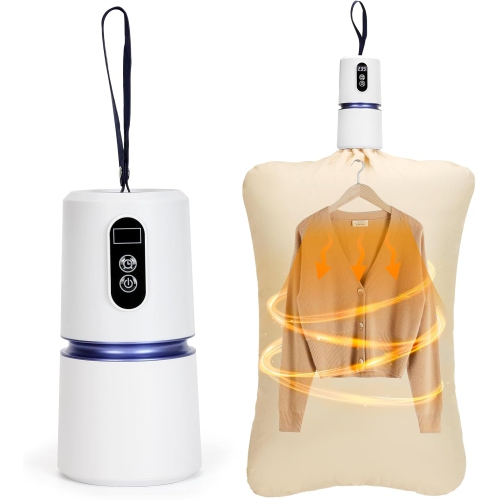
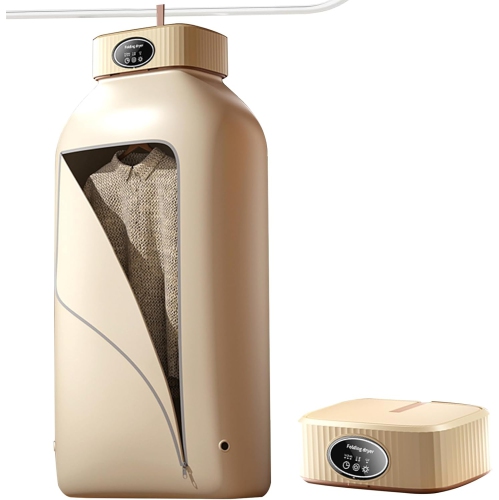
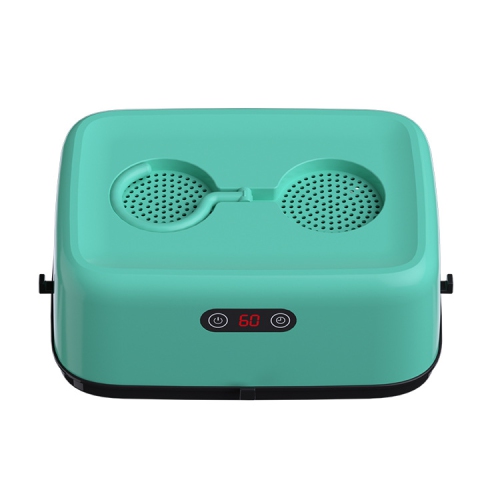
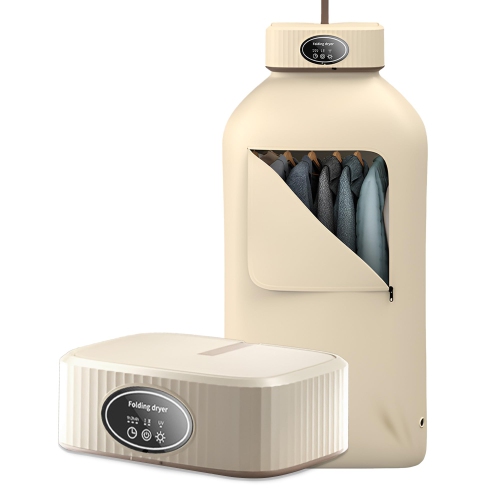
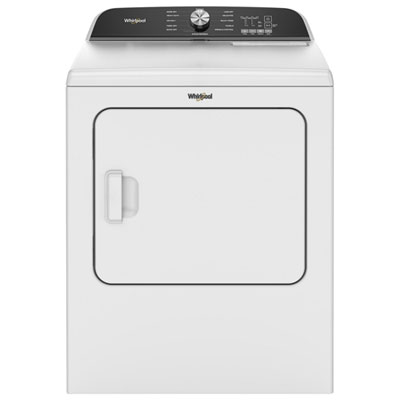
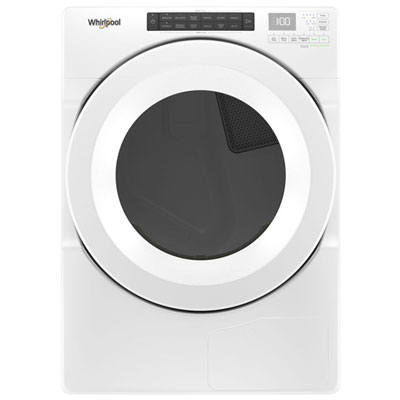
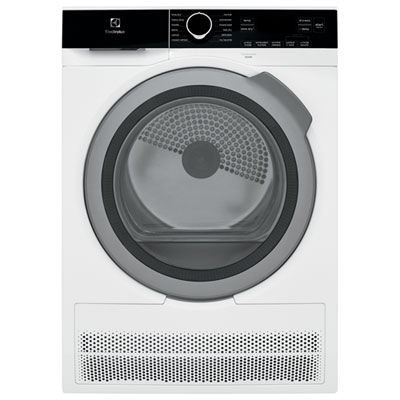
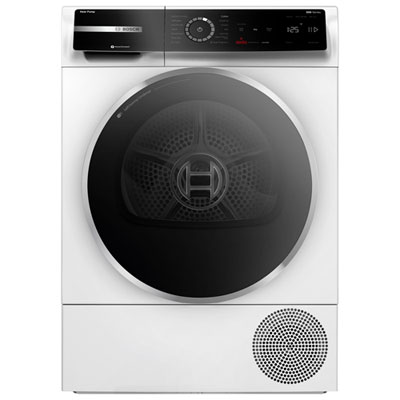
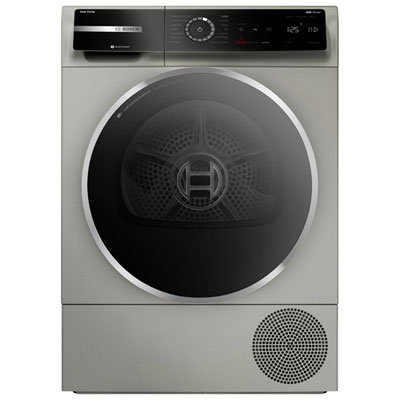
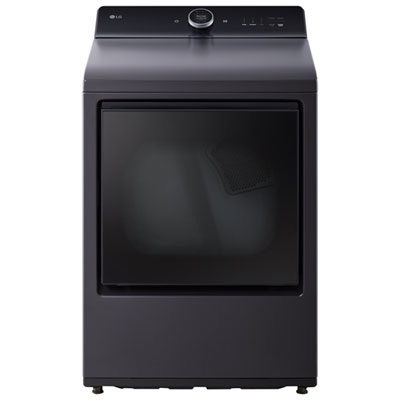
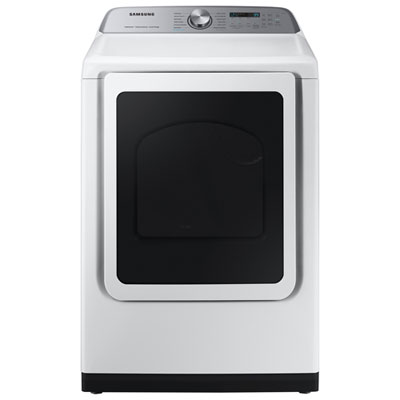
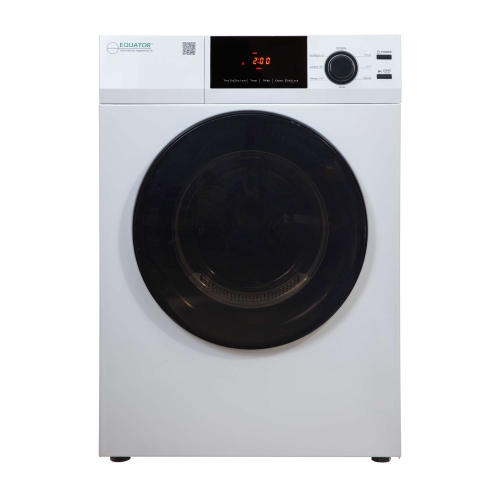
Compact drying solutions for smaller spaces and lighter loads
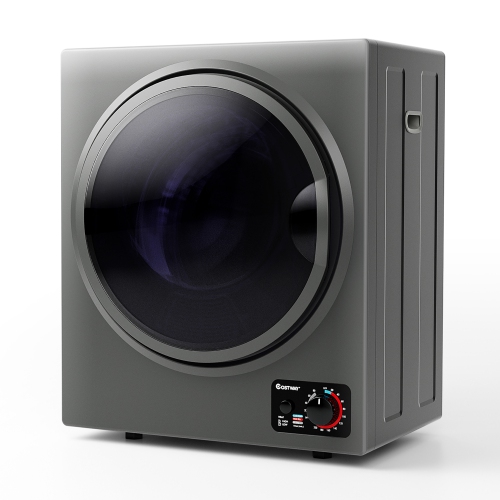
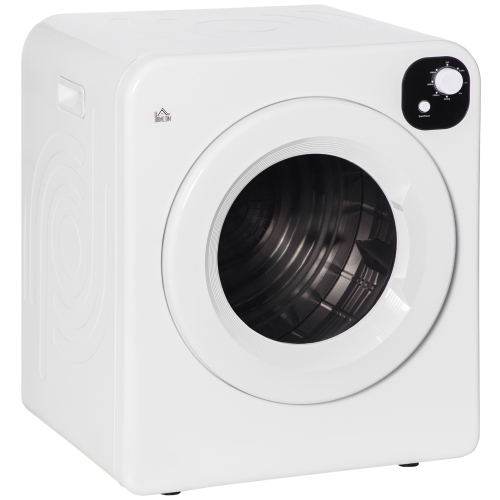
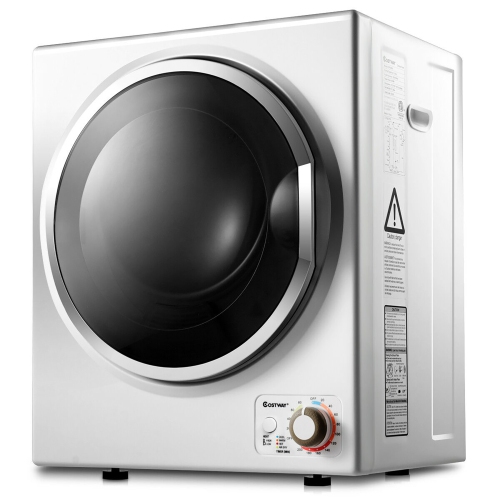
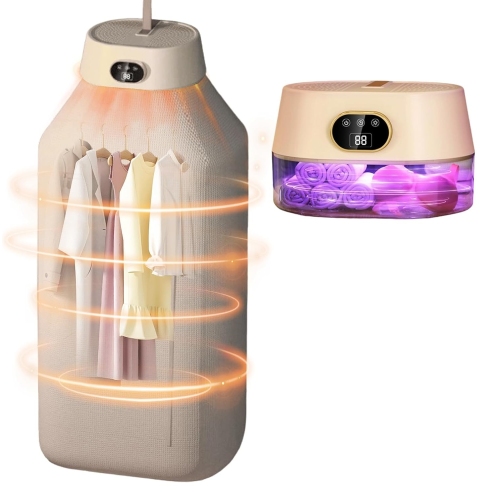
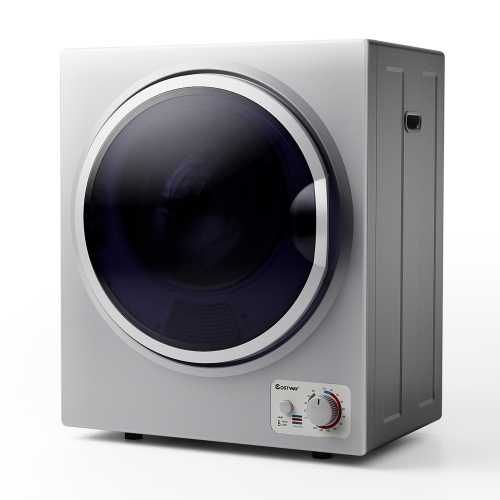
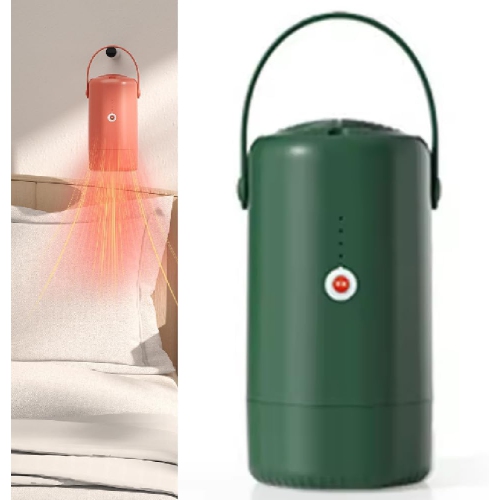
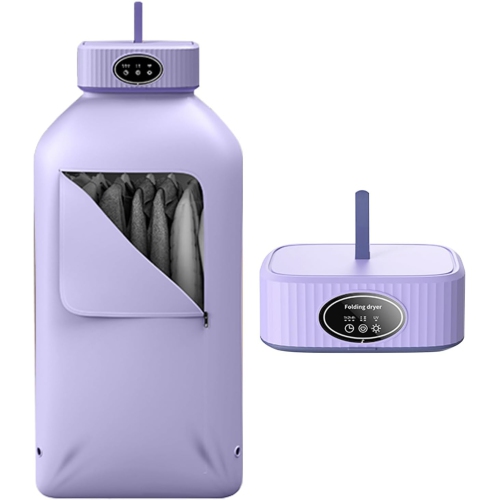
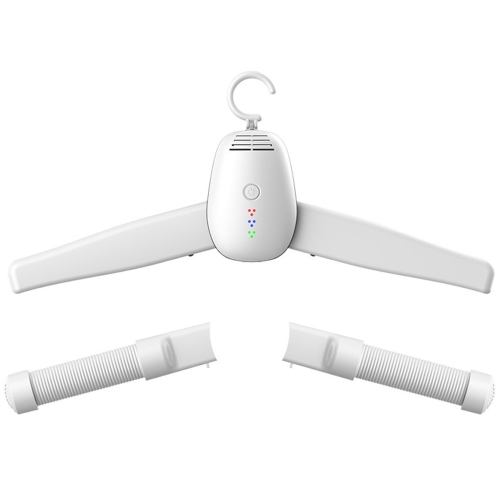
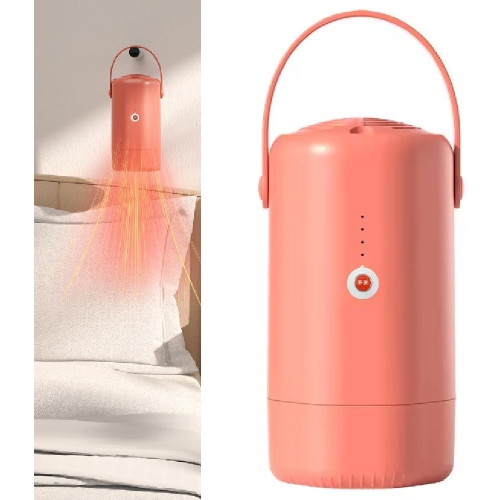
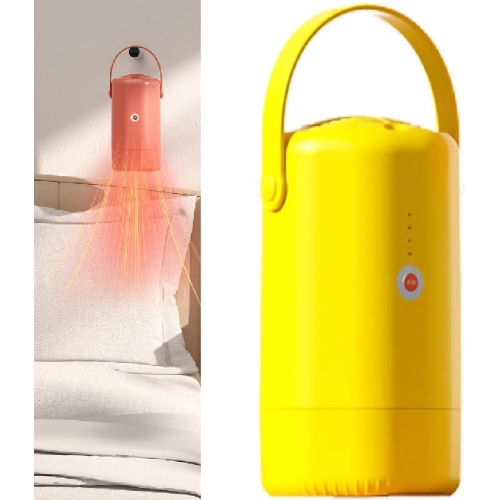
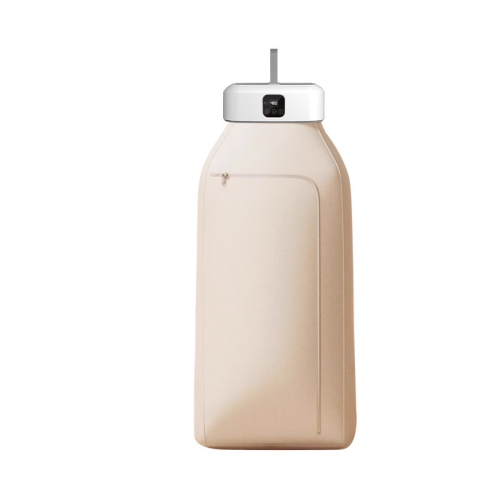
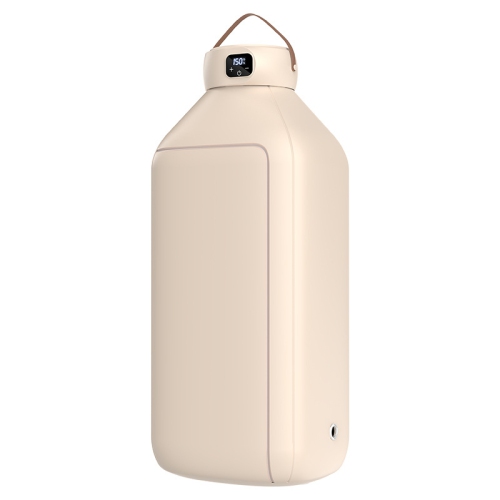
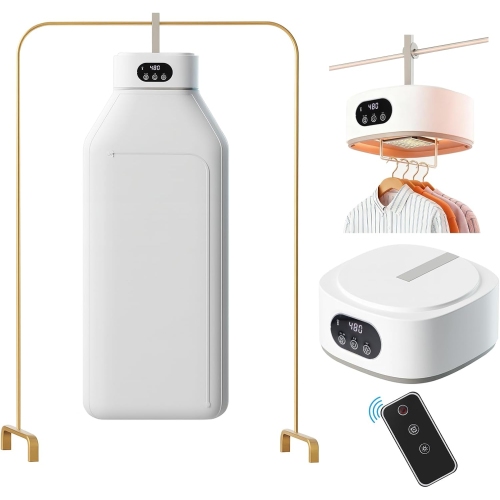
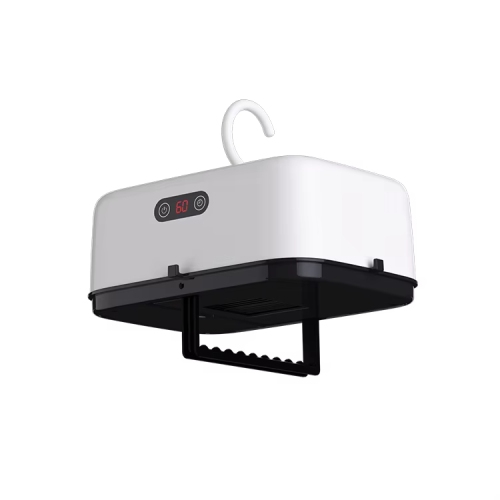
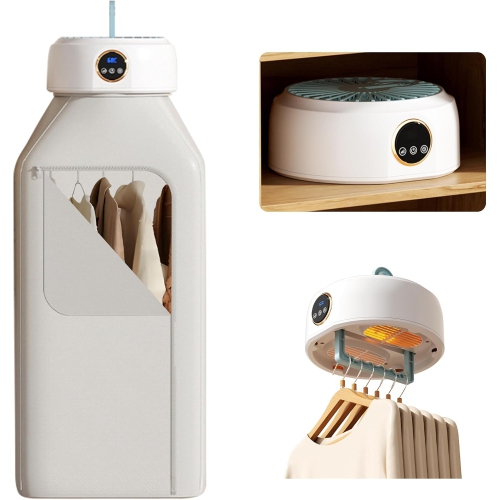
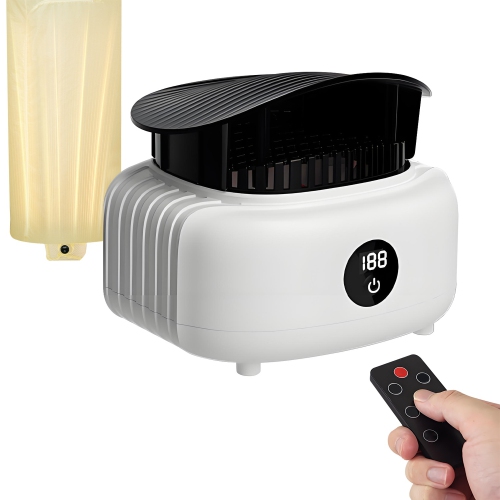
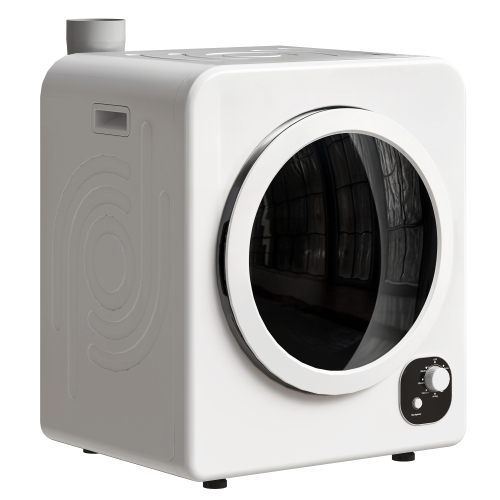
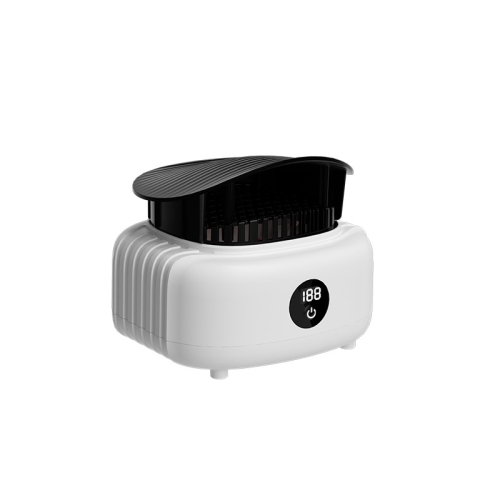
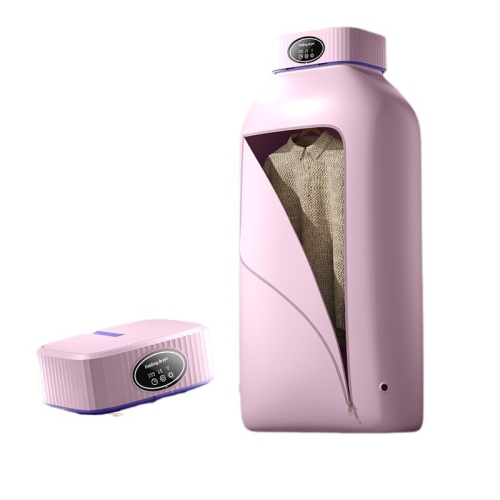
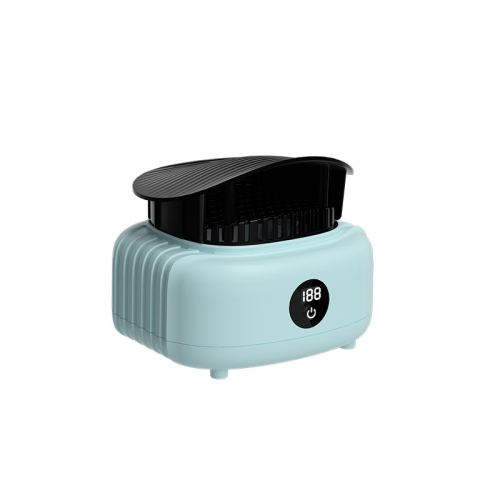
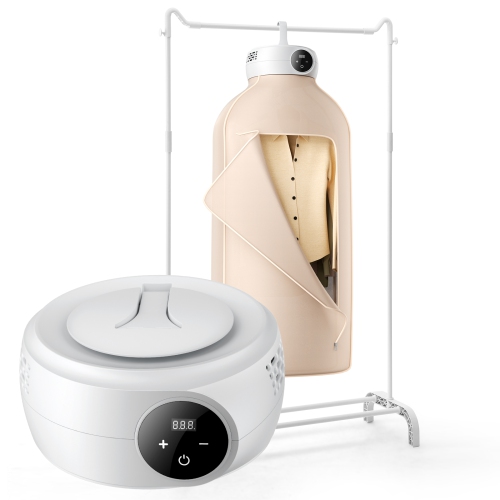
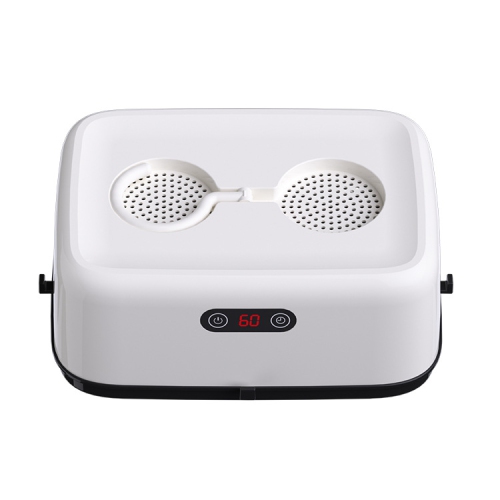
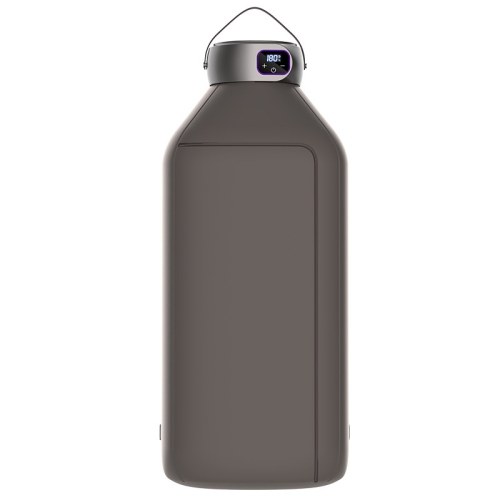
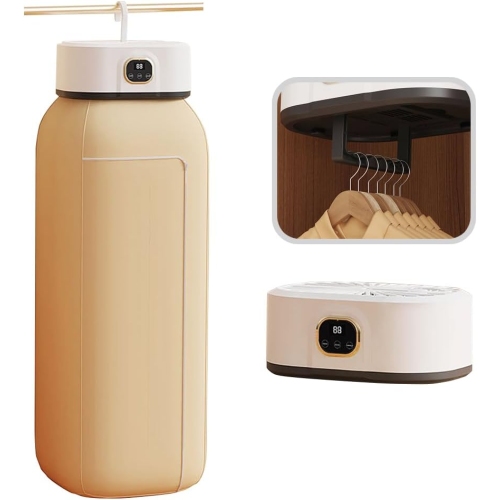
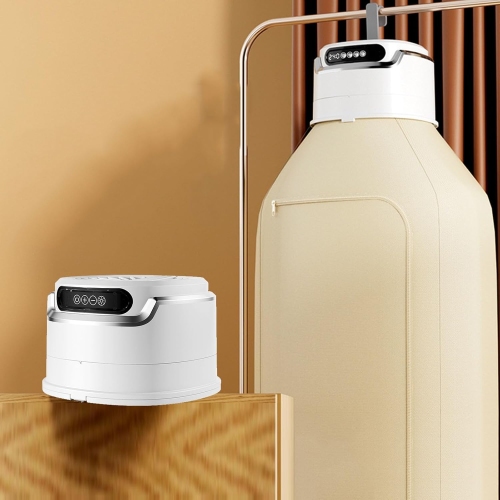
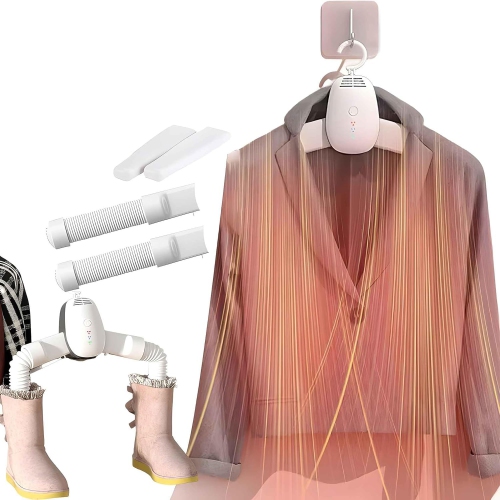
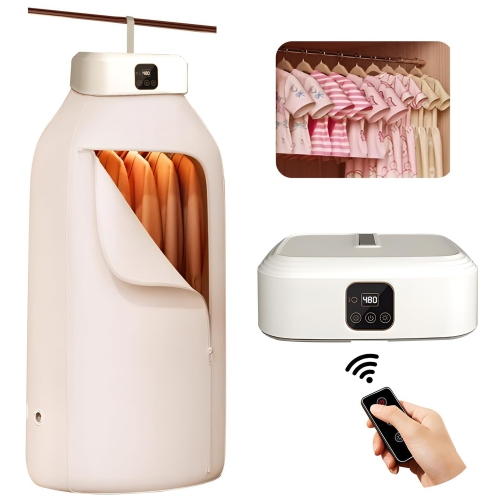
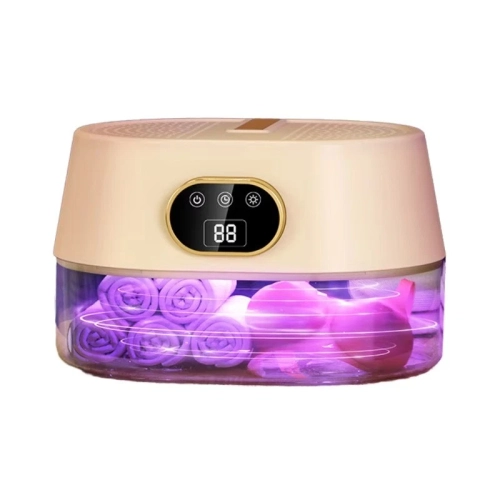
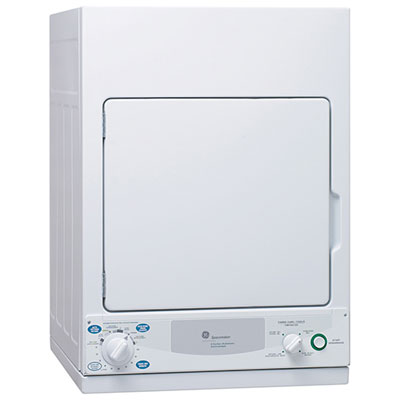
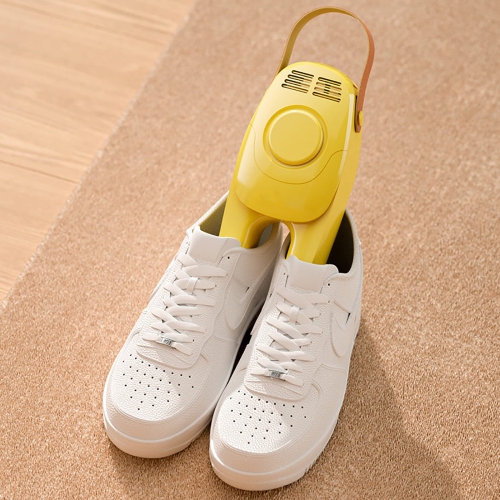
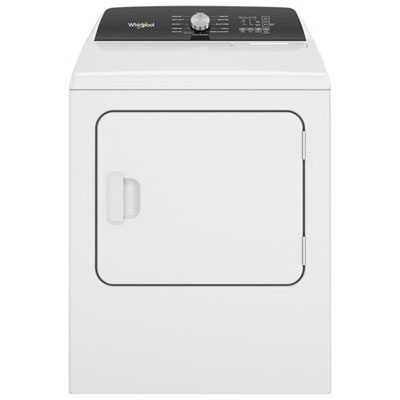
Portable dryers for clothes offer a practical way to handle laundry when a full-size dryer is not suitable for the space, electrical setup, or household routine. These compact appliances are designed for smaller loads and can be useful in apartments, condos, dorm rooms, RVs, seasonal cottages, laundry rooms with limited capacity, and homes where laundry needs to be done on a different floor from the main appliances. Browse the selection of Portable Dryers to compare compact options intended for everyday garments, towels, bedding pieces, and other light laundry. Depending on the design, a portable dryer may use a tumbling drum or a flexible hanging cabinet with warm-air circulation. Tumble-style models resemble small traditional dryers and can be a good fit for people who want familiar controls and a contained drum for socks, shirts, undergarments, and other small loads. Foldable or bag-style dryers are typically lighter and easier to store between uses, making them well suited to temporary living arrangements, shared spaces, travel, or households that need occasional drying support rather than a permanent laundry installation. They can also be helpful when indoor air is cool and damp, when outdoor drying is impractical, or when a busy household needs a few essentials ready before the next regular laundry cycle.
When choosing a portable clothes dryer, start by measuring the available floor, shelf, or storage area, allowing extra room for doors, controls, airflow, and safe access to the plug. Capacity matters as well. A compact drum can usually handle more than a hanging cabinet, while a foldable design may be easier to tuck away but better suited to lighter loads. Think about the clothing that most often needs drying: a person living alone may only need room for several daily outfits, while a family may value a larger interior for children’s clothing, towels, or a change of linens. It is important not to pack garments tightly, since warm air needs to circulate around the fabric. Longer items may also need extra attention in a hanging-style dryer, particularly around cuffs, hems, waistbands, and heavier seams. Checking the manufacturer’s instructions for recommended load sizes, cycle times, fabric types, and care labels can help protect both the appliance and the clothing. Before bringing one home, confirm the required voltage, plug type, wattage, and outlet location. Many compact dryers are intended for a standard household outlet, but electrical requirements can vary, so the product specifications should always be reviewed rather than assumed. Ventilation is another consideration: even compact appliances need appropriate clearance and a suitable environment to release heat and moisture safely. A stable, level surface helps reduce movement and noise, while keeping lint filters clean supports consistent airflow and drying performance. For a small room, a nearby door or window can help manage warmth and humidity, especially during repeated loads.
Portable dryers can be useful for a wide range of routines and can make a thoughtful gift for someone moving into a first apartment, setting up a dorm room, travelling in an RV, or managing laundry in a compact home. They may also suit older adults or anyone who prefers to avoid carrying damp clothing to a shared laundry room, as well as families who need a convenient way to finish a small load without running a large appliance. During the cooler months, having a compact drying option can be especially convenient when heavier sweaters, children’s outer layers, workout clothing, or towels take longer to dry indoors. The best choice depends on how often the dryer will be used, how much laundry it needs to handle, and whether easy storage is more important than drum capacity. Consider control options such as timed cycles, temperature settings, automatic shutoff, and lint-filter access, along with the noise level if the appliance will operate near a bedroom, office, or living area. Fabric care should remain part of the routine: separate delicate items, follow garment labels, and avoid drying materials that the appliance instructions exclude. With the right size, placement, and load habits, a portable dryer can provide a convenient finishing step for everyday laundry while fitting neatly into spaces where a full-size dryer cannot.
When choosing a portable clothes dryer, start by measuring the available floor, shelf, or storage area, allowing extra room for doors, controls, airflow, and safe access to the plug. Capacity matters as well. A compact drum can usually handle more than a hanging cabinet, while a foldable design may be easier to tuck away but better suited to lighter loads. Think about the clothing that most often needs drying: a person living alone may only need room for several daily outfits, while a family may value a larger interior for children’s clothing, towels, or a change of linens. It is important not to pack garments tightly, since warm air needs to circulate around the fabric. Longer items may also need extra attention in a hanging-style dryer, particularly around cuffs, hems, waistbands, and heavier seams. Checking the manufacturer’s instructions for recommended load sizes, cycle times, fabric types, and care labels can help protect both the appliance and the clothing. Before bringing one home, confirm the required voltage, plug type, wattage, and outlet location. Many compact dryers are intended for a standard household outlet, but electrical requirements can vary, so the product specifications should always be reviewed rather than assumed. Ventilation is another consideration: even compact appliances need appropriate clearance and a suitable environment to release heat and moisture safely. A stable, level surface helps reduce movement and noise, while keeping lint filters clean supports consistent airflow and drying performance. For a small room, a nearby door or window can help manage warmth and humidity, especially during repeated loads.
Portable dryers can be useful for a wide range of routines and can make a thoughtful gift for someone moving into a first apartment, setting up a dorm room, travelling in an RV, or managing laundry in a compact home. They may also suit older adults or anyone who prefers to avoid carrying damp clothing to a shared laundry room, as well as families who need a convenient way to finish a small load without running a large appliance. During the cooler months, having a compact drying option can be especially convenient when heavier sweaters, children’s outer layers, workout clothing, or towels take longer to dry indoors. The best choice depends on how often the dryer will be used, how much laundry it needs to handle, and whether easy storage is more important than drum capacity. Consider control options such as timed cycles, temperature settings, automatic shutoff, and lint-filter access, along with the noise level if the appliance will operate near a bedroom, office, or living area. Fabric care should remain part of the routine: separate delicate items, follow garment labels, and avoid drying materials that the appliance instructions exclude. With the right size, placement, and load habits, a portable dryer can provide a convenient finishing step for everyday laundry while fitting neatly into spaces where a full-size dryer cannot.
Top selling and popular products
-
 Your price for this item is $1999.99
 -
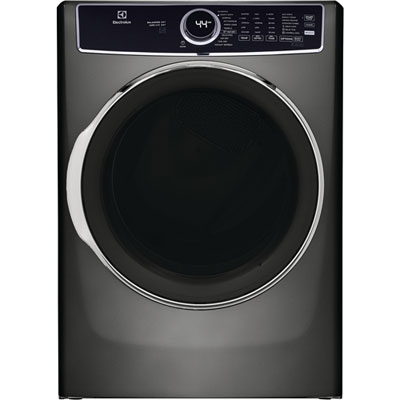 Your price for this item is $1169.99
 -
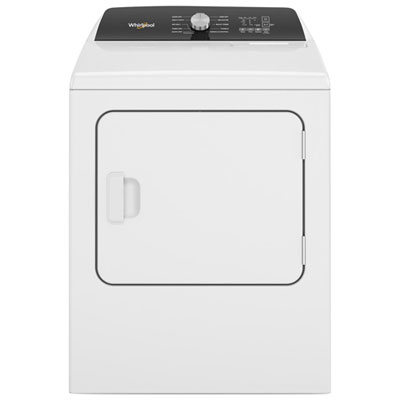 Your price for this item is $849.99
 -
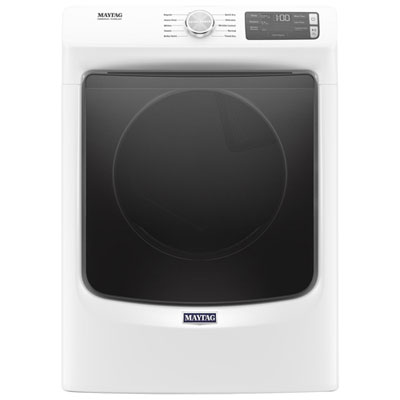 Your price for this item is $999.99
 -
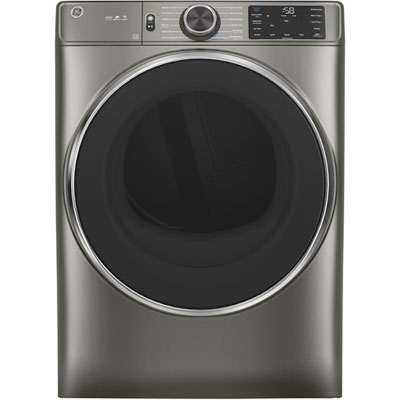 Your price for this item is $1949.99
 -
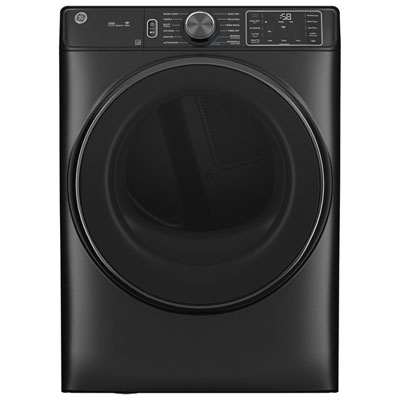 Your price for this item is $1199.99
 -
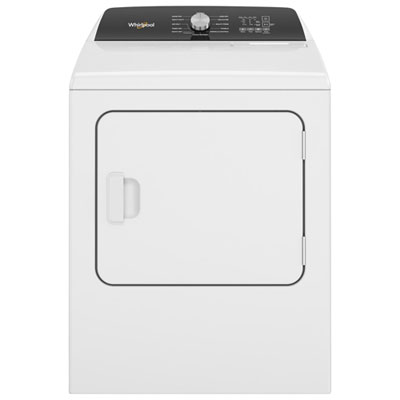 Your price for this item is $799.99
 -
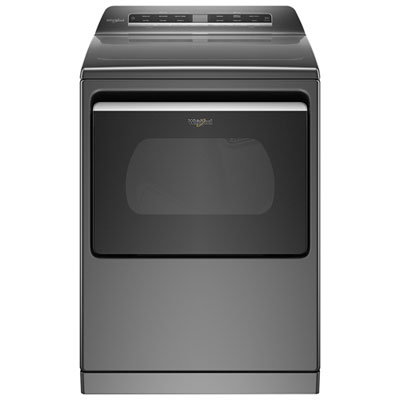 Your price for this item is $1149.97
Discover more categories related to Portable Dryers for Clothes
Top Collections:
Pokemon Centers, Kindle Devices, Best Budget Office Chairs, Apple iPhones 16, Best Laptops for Writers, iPhone 15 Apple, Canon G7X Cameras, Refurbished Apple Laptops, Alarm Clock, Motorola Razr Phones
Some products may be subject to Environmental Handling Fees
(EHF) depending on your province.
Learn more about EHFs.