Compact Dryers
A compact dryer is a type of dryer that is smaller in size. It is designed to fit in small spaces, such as a closet or a basement. These appliances can help you save space while doing your laundry. Here are some of our favorites.
Sort
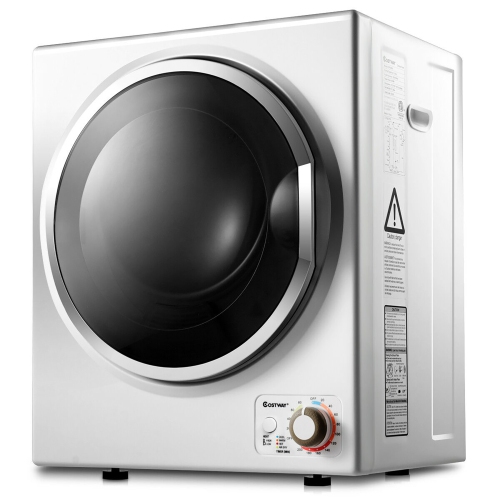
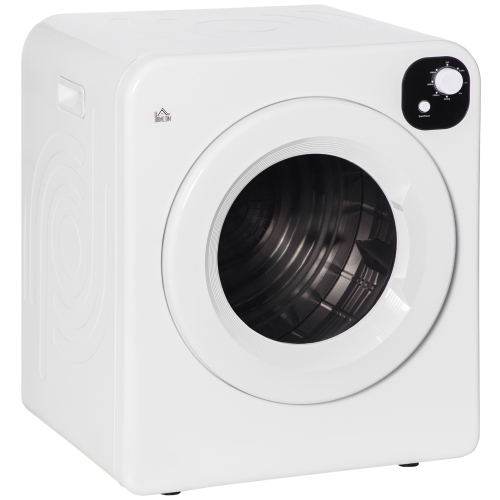
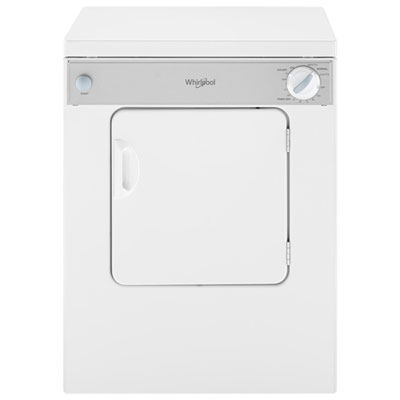
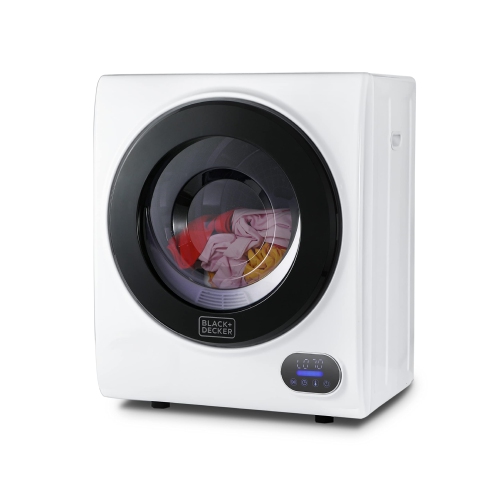
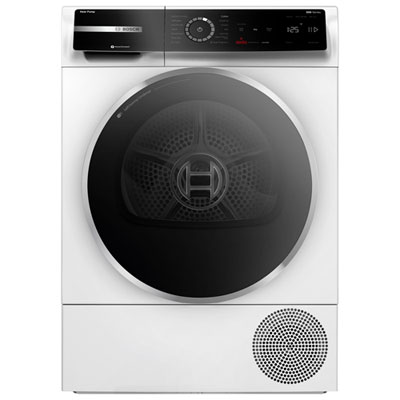
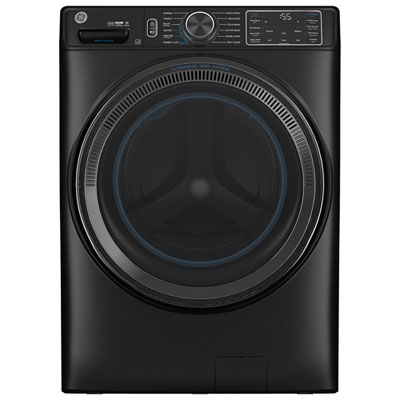
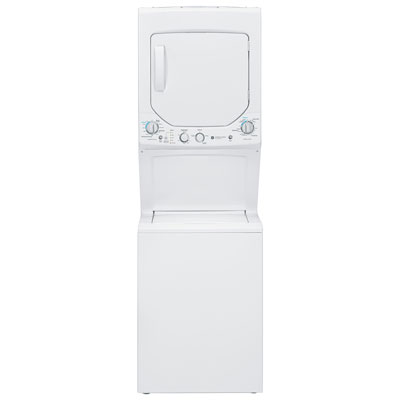
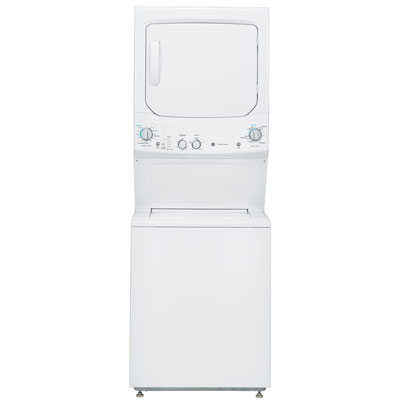
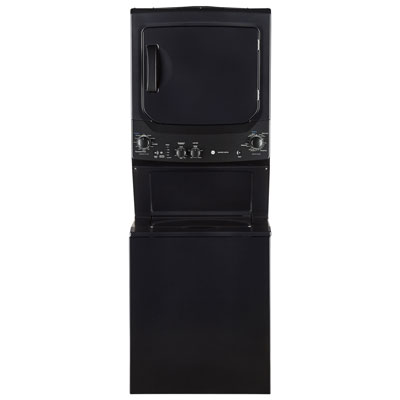
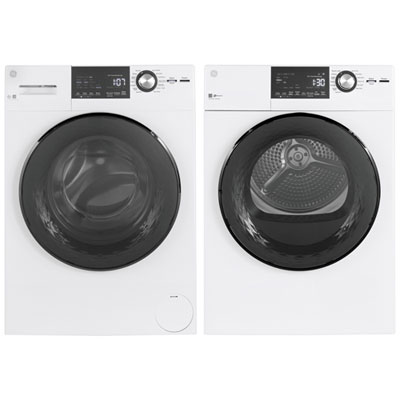
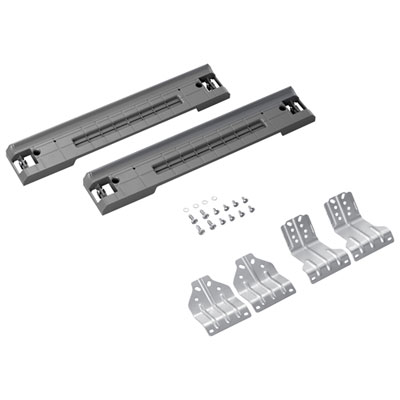
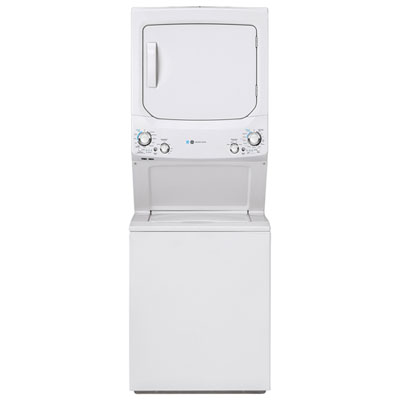

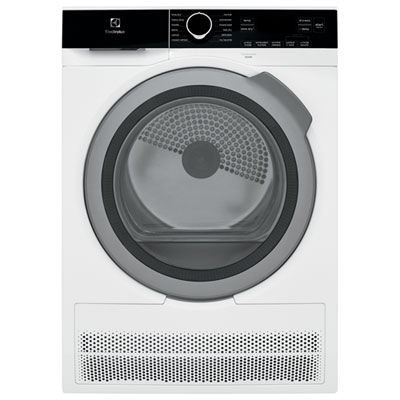
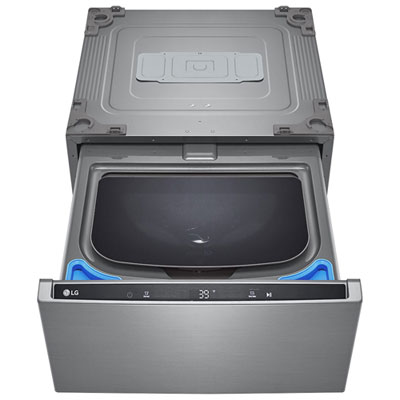
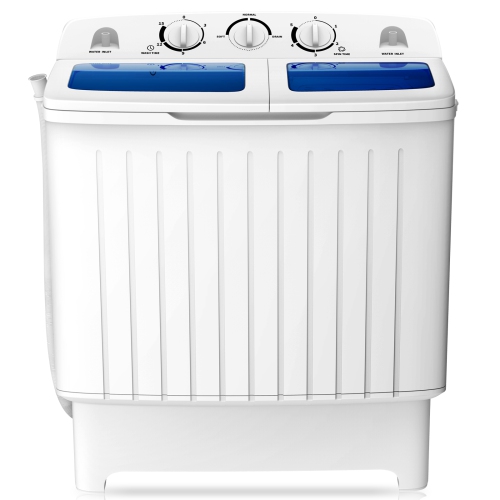
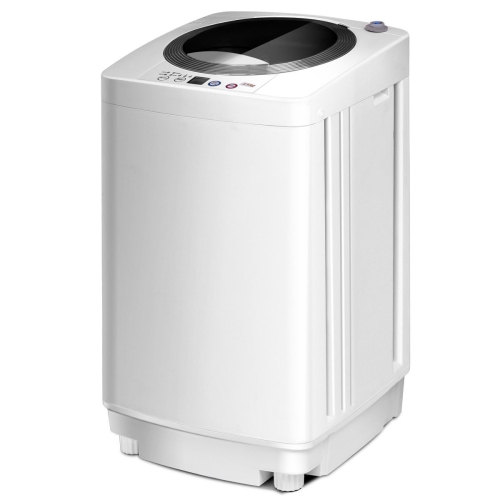
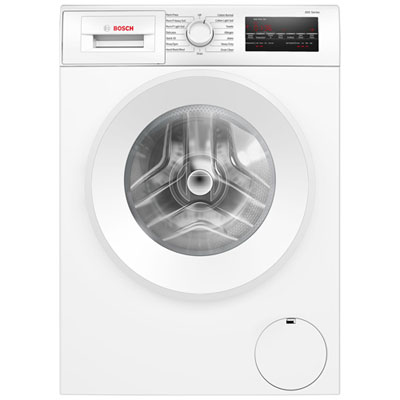
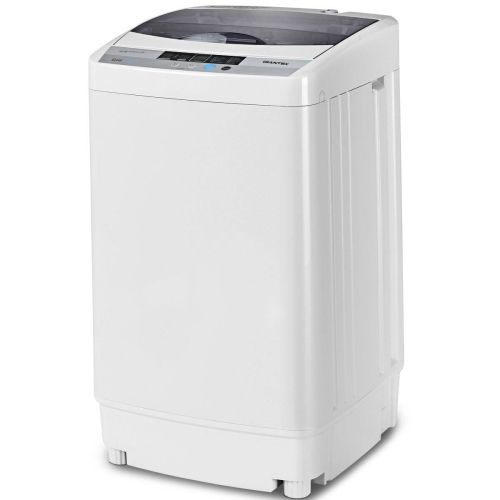
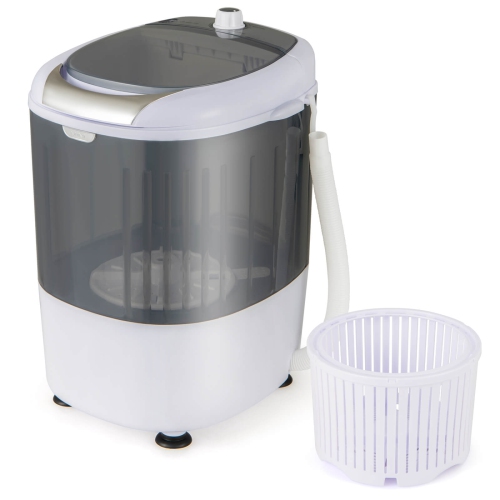
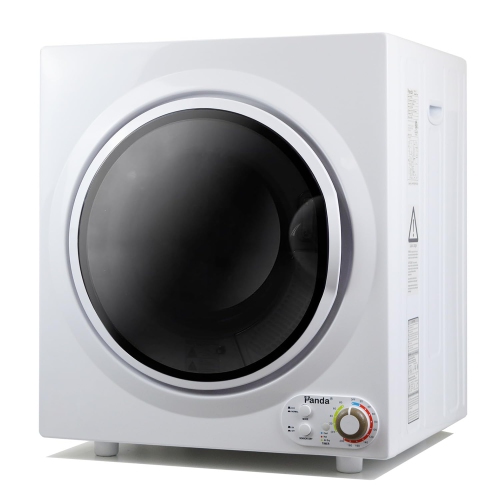
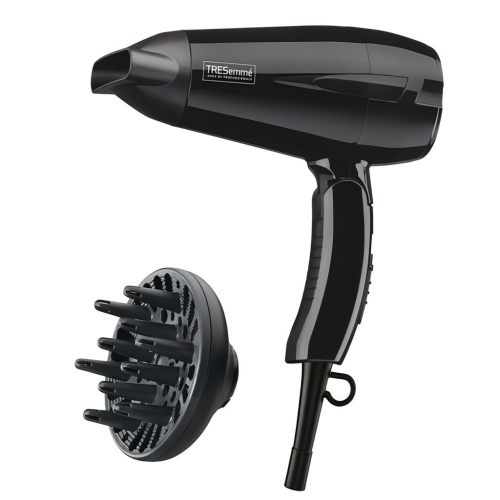
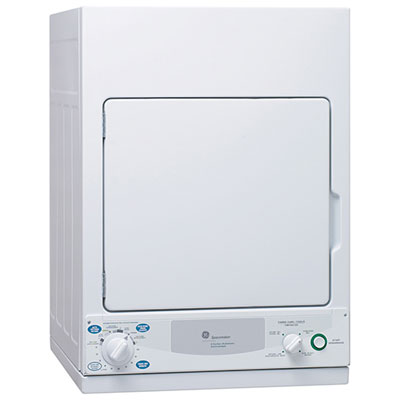
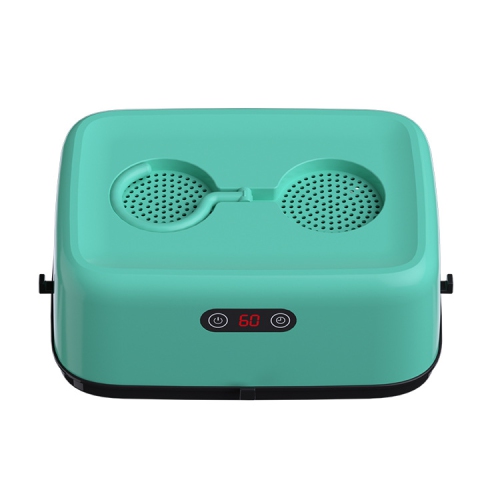
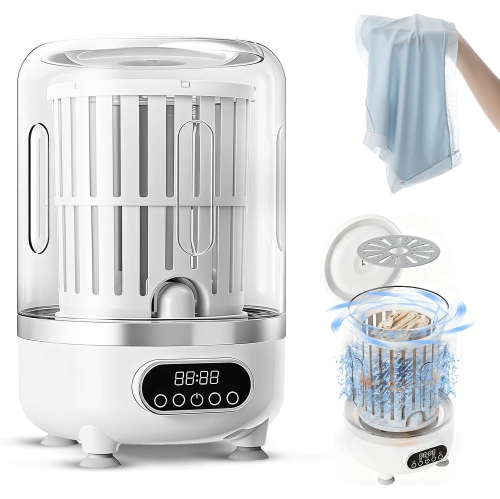
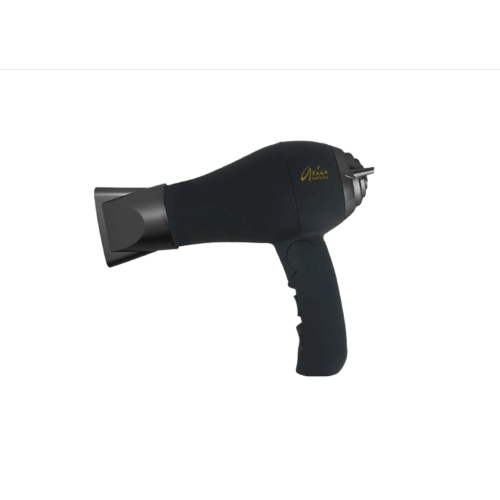
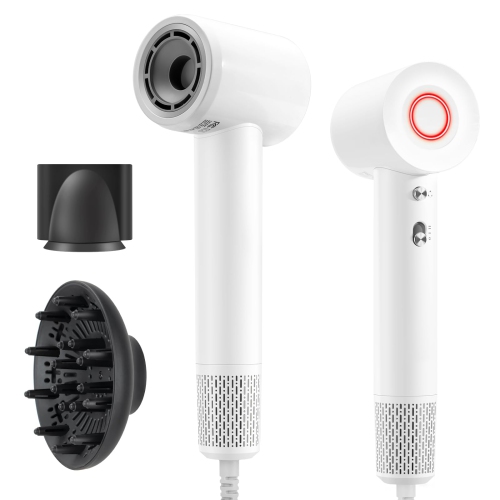
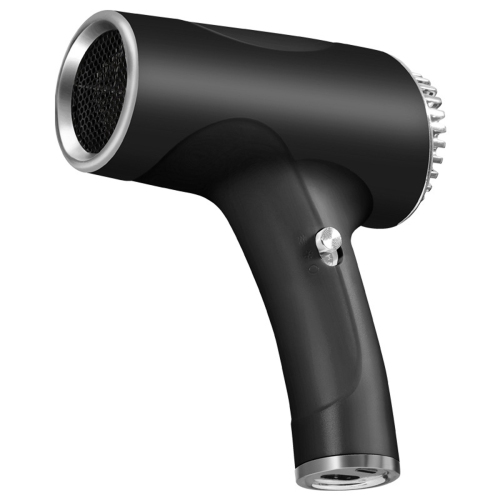
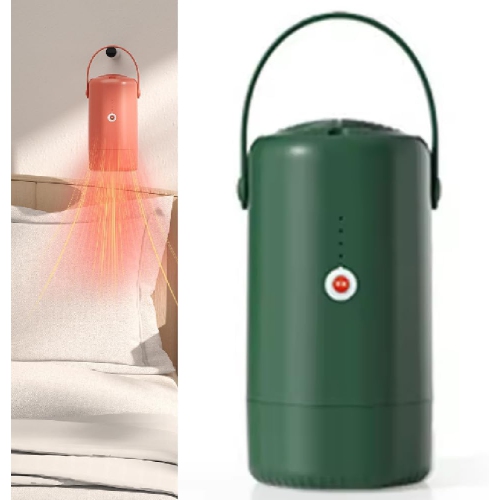
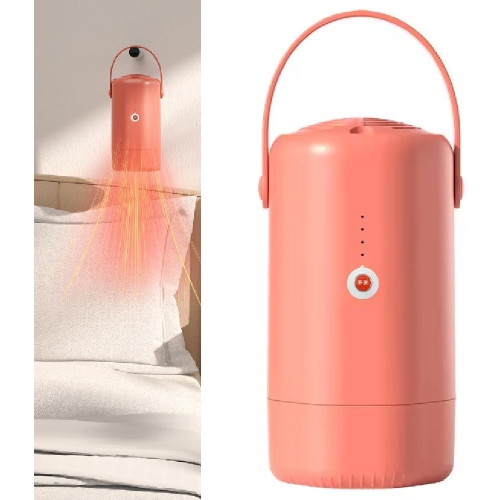
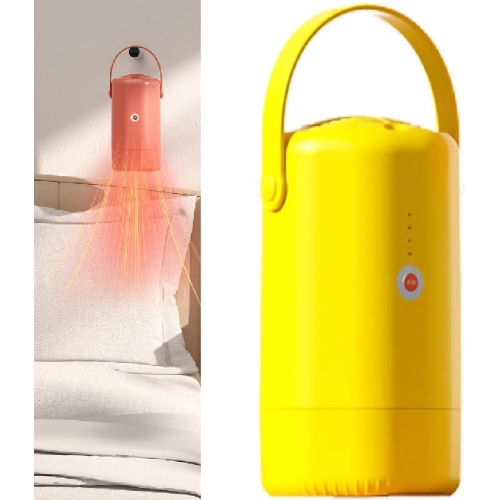
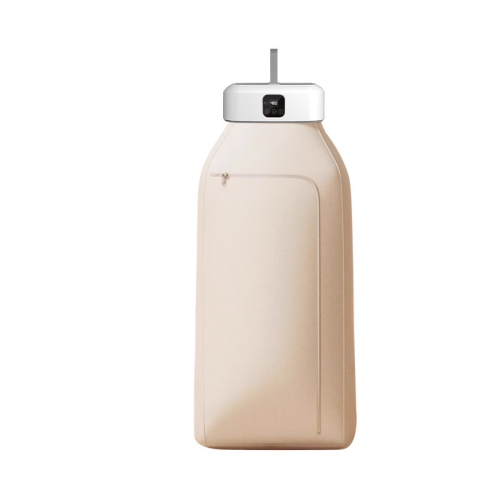
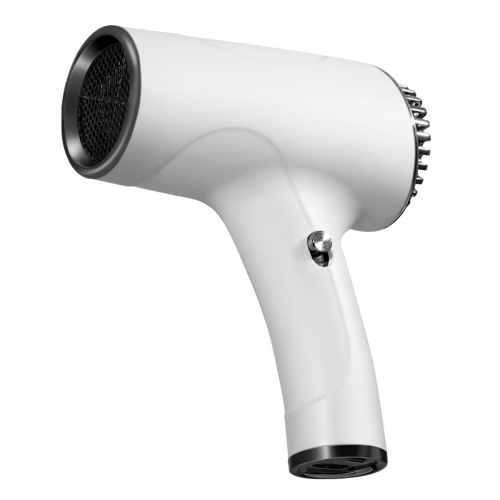
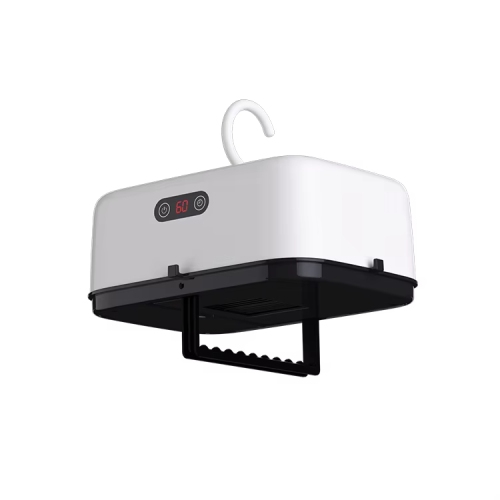
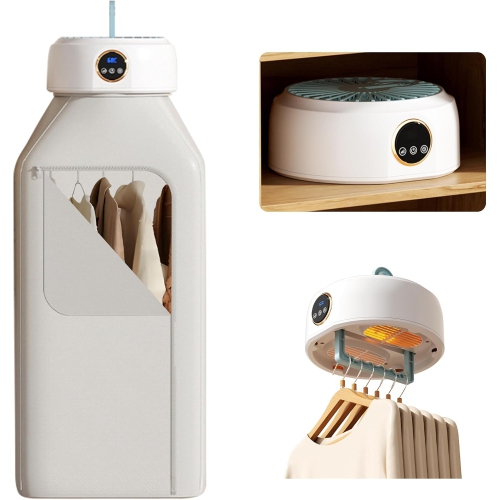
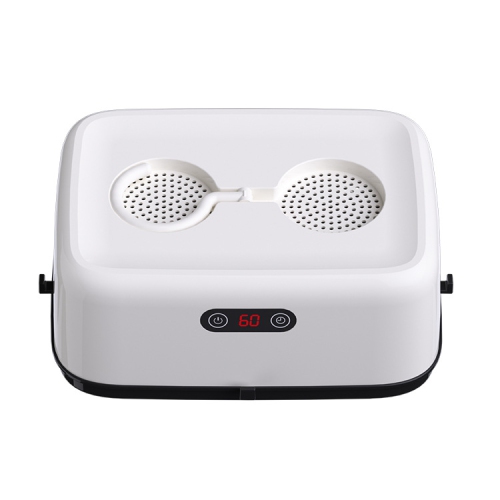
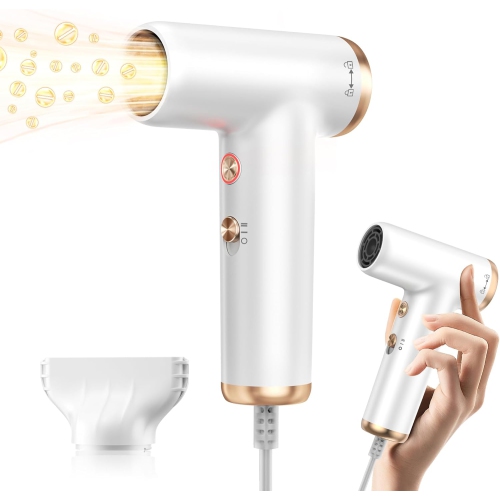
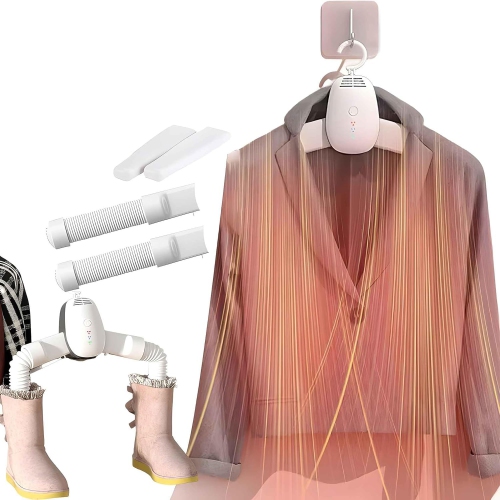
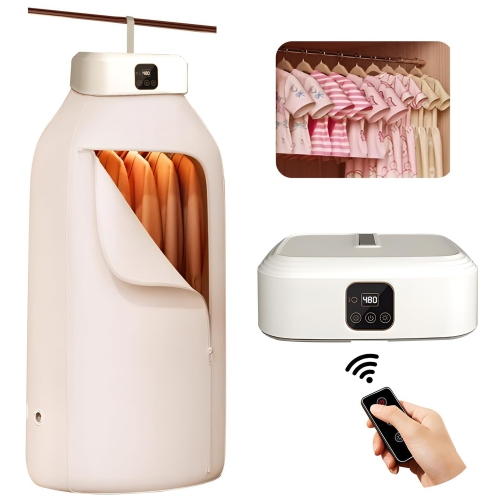
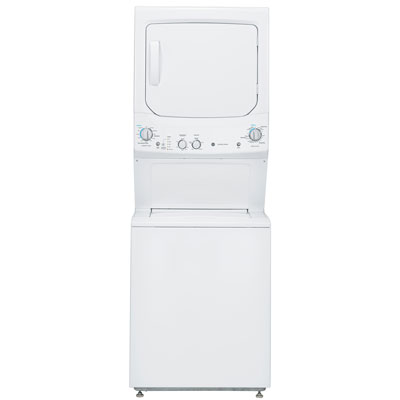
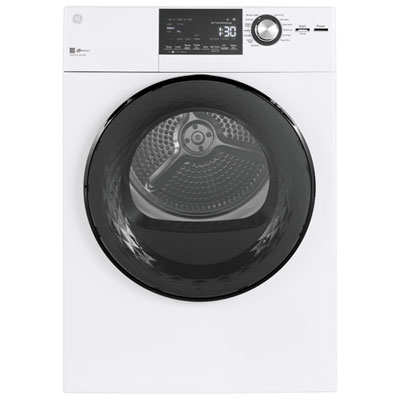
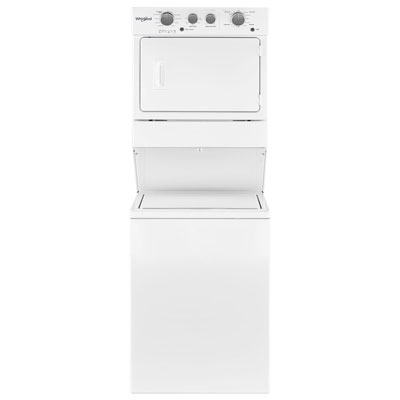
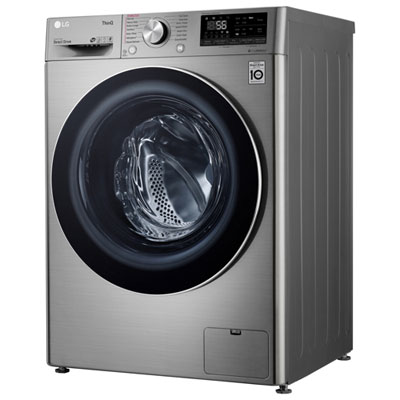
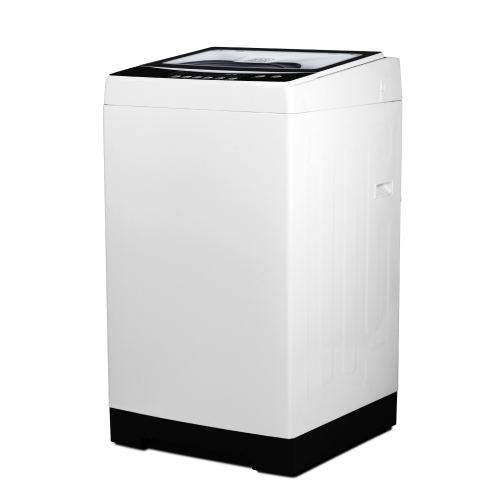

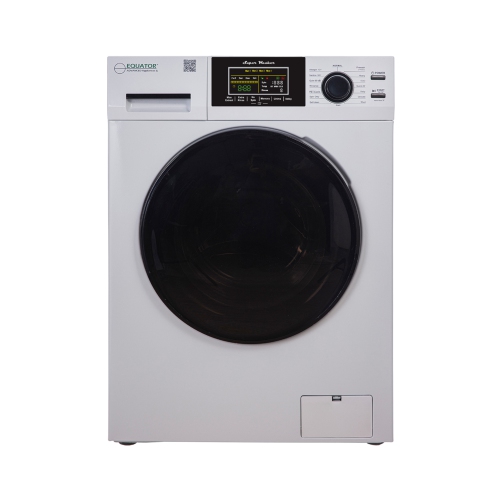
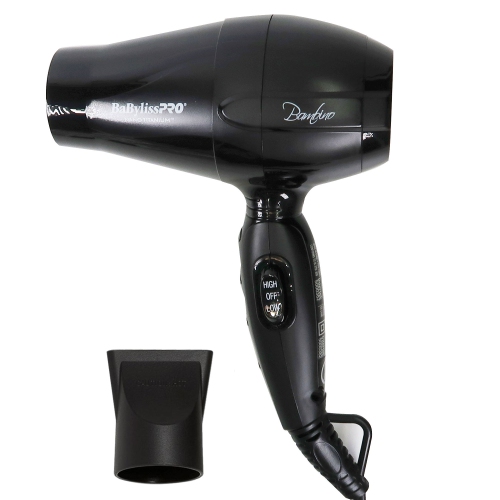
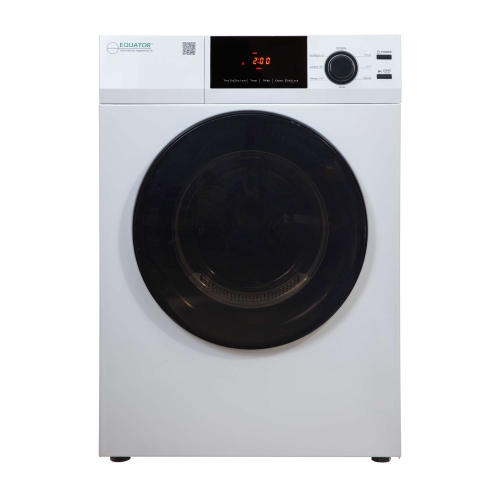
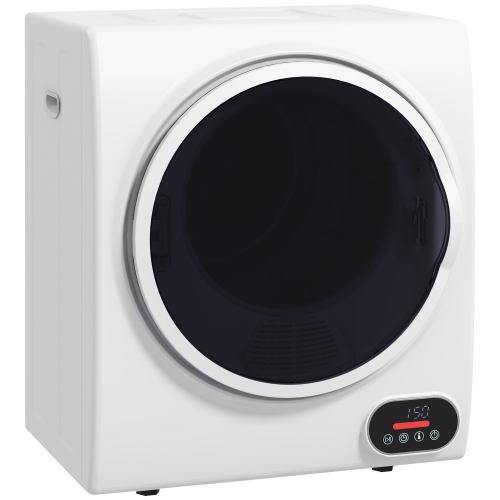
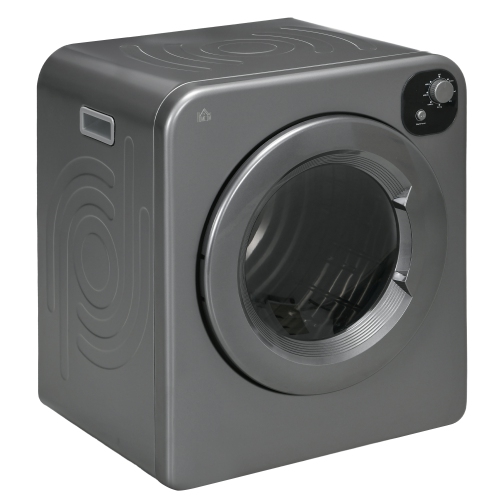

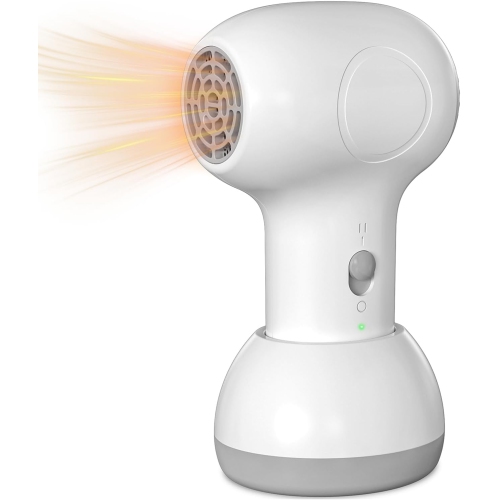
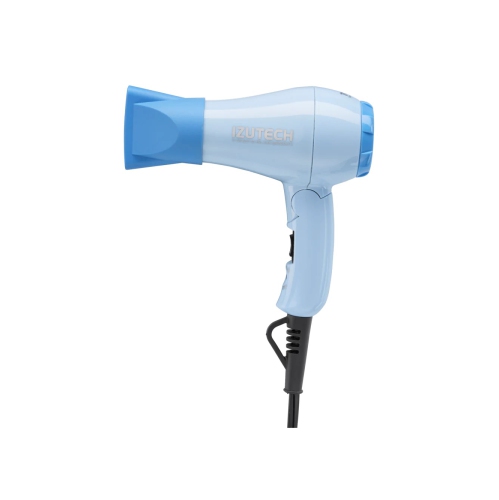
At-home drying that fits smaller spaces and everyday loads
Compact dryers bring the convenience of at-home laundry to apartments, condos, smaller houses, and other spaces where a full-sized appliance would take up too much room. Their smaller footprint makes them particularly useful for a laundry closet, a narrow utility room, or a carefully planned washer-and-dryer nook. Many compact dryers are approximately 24 inches wide, while mini and portable models can be smaller; exact height, width, depth, and installation clearances vary by model. Drum capacities often range from about 1.5 to 4.0 cubic feet, with some models offering more room. The smallest machines suit modest loads of everyday clothing, while larger compact models can better accommodate towels, sheets, and the regular laundry of one or two people. For someone who washes work shirts midweek or prefers keeping up with smaller loads rather than saving everything for the weekend, that balance can feel quite practical. Families may also find a compact dryer useful as a secondary appliance for small, frequent loads, provided its capacity suits the household’s needs. During the cooler months, having a dedicated place to dry washable clothing can free up the floor space otherwise occupied by a drying rack. Capacity still matters as much as the appliance’s outside dimensions: clothes need space to tumble, and a tightly packed drum can leave sleeves twisted together and thicker seams damp. A basket that fits comfortably into a washer may need to be split into smaller drying loads, particularly when pairing a mini dryer with a larger washing machine. Bulky duvets, heavy blankets, and oversized bedding may exceed a compact machine’s practical capacity even when they can physically fit through the door. When comparing sizes, consider the laundry that appears most often in your basket, not just the occasional large item. Everyday shirts, socks, pillowcases, and light towels create a different set of needs than frequent loads of thick bath sheets or bulky washable outerwear.
The main types of compact dryers are vented, condenser, and heat pump models, and the right fit depends partly on the connections available in your home. Vented compact dryers send warm, moisture-laden air outdoors through an exhaust duct, so they need an approved exterior venting route. Some mini or portable vented dryers use a standard 120V household outlet, but “portable” does not mean they can operate safely anywhere there is a socket. Electrical circuit requirements, exhaust arrangements, clearances, and placement must still meet the manufacturer’s instructions. Other compact dryers require a compatible 240V supply, making it important to check the voltage, outlet configuration, and circuit requirements before purchasing. Ventless condenser dryers collect moisture from the drying process rather than exhausting it through an exterior duct. Depending on the model and installation, that water is gathered in a container that needs emptying or sent directly to a suitable drain. Heat pump dryers are also ventless, but use a heat pump system to reuse heat within the drying process, typically consuming less electricity than conventional electric drying systems. Their drying temperatures are generally lower, which can be useful for suitable fabrics, although cycles may take longer. Ventless installation offers flexibility where an exterior exhaust connection is unavailable, but it does not remove the need for adequate space, suitable room conditions, and any specified ventilation around the appliance. A closet that looks generous with its doors open may not provide the required airflow once they are closed. Measure the intended location, the delivery route, and the space needed to open the dryer door fully, allowing for hoses, ducting, plugs, and other connections behind the machine. Stacking can help preserve floor space, but only compatible washers and dryers should be stacked using the approved kit. Wall mounting or countertop placement is suitable only for models explicitly designed for it, with the proper support and installation hardware. Renters and condo owners should also confirm any applicable installation restrictions before arranging delivery.
Once the size and installation requirements are settled, everyday usability often makes the biggest difference. Sensor drying can help by monitoring moisture and adjusting the cycle rather than relying solely on a fixed timer. Timed drying remains useful for finishing a slightly damp load, while selectable dryness levels offer more control over whether clothing comes out ready to put away or slightly damp for ironing. Lower-temperature settings may suit certain fabrics, but garment care labels should always determine whether an item belongs in the dryer. A wool jumper or a structured jacket does not become tumble-dryer safe simply because the machine has a delicate cycle. Wrinkle-reducing tumbling after a cycle can be handy when laundry finishes while dinner is on the stove, though prompt unloading still helps shirts and trousers keep a smoother appearance. For a machine beside a living area or near a bedroom, operating sound deserves attention alongside capacity and cycle options; Quiet Dryers may also be worth exploring when a less intrusive laundry routine is a priority. Compare published sound ratings where available, and remember that proper levelling and installation can help limit vibration. Door design, control placement, and lint-filter access are equally worth considering, especially in a tight closet or a stacked setup where reaching the controls may be less comfortable. Regular lint-filter cleaning supports airflow, while vented models also need their exhaust duct maintained; ventless machines may require additional filter, condenser, or heat-exchanger care according to their instructions. For the overall purchase cost, factor in delivery, installation, any electrical work, and required accessories such as a stacking kit or venting components. Running costs and typical cycle length matter too, particularly if the dryer will handle several loads each week. A compact dryer works best when its drum size, connections, and maintenance needs fit naturally into the household routine, whether that means a few carefully sorted loads between shifts or fresh towels without a trip to a shared laundry room.
The main types of compact dryers are vented, condenser, and heat pump models, and the right fit depends partly on the connections available in your home. Vented compact dryers send warm, moisture-laden air outdoors through an exhaust duct, so they need an approved exterior venting route. Some mini or portable vented dryers use a standard 120V household outlet, but “portable” does not mean they can operate safely anywhere there is a socket. Electrical circuit requirements, exhaust arrangements, clearances, and placement must still meet the manufacturer’s instructions. Other compact dryers require a compatible 240V supply, making it important to check the voltage, outlet configuration, and circuit requirements before purchasing. Ventless condenser dryers collect moisture from the drying process rather than exhausting it through an exterior duct. Depending on the model and installation, that water is gathered in a container that needs emptying or sent directly to a suitable drain. Heat pump dryers are also ventless, but use a heat pump system to reuse heat within the drying process, typically consuming less electricity than conventional electric drying systems. Their drying temperatures are generally lower, which can be useful for suitable fabrics, although cycles may take longer. Ventless installation offers flexibility where an exterior exhaust connection is unavailable, but it does not remove the need for adequate space, suitable room conditions, and any specified ventilation around the appliance. A closet that looks generous with its doors open may not provide the required airflow once they are closed. Measure the intended location, the delivery route, and the space needed to open the dryer door fully, allowing for hoses, ducting, plugs, and other connections behind the machine. Stacking can help preserve floor space, but only compatible washers and dryers should be stacked using the approved kit. Wall mounting or countertop placement is suitable only for models explicitly designed for it, with the proper support and installation hardware. Renters and condo owners should also confirm any applicable installation restrictions before arranging delivery.
Once the size and installation requirements are settled, everyday usability often makes the biggest difference. Sensor drying can help by monitoring moisture and adjusting the cycle rather than relying solely on a fixed timer. Timed drying remains useful for finishing a slightly damp load, while selectable dryness levels offer more control over whether clothing comes out ready to put away or slightly damp for ironing. Lower-temperature settings may suit certain fabrics, but garment care labels should always determine whether an item belongs in the dryer. A wool jumper or a structured jacket does not become tumble-dryer safe simply because the machine has a delicate cycle. Wrinkle-reducing tumbling after a cycle can be handy when laundry finishes while dinner is on the stove, though prompt unloading still helps shirts and trousers keep a smoother appearance. For a machine beside a living area or near a bedroom, operating sound deserves attention alongside capacity and cycle options; Quiet Dryers may also be worth exploring when a less intrusive laundry routine is a priority. Compare published sound ratings where available, and remember that proper levelling and installation can help limit vibration. Door design, control placement, and lint-filter access are equally worth considering, especially in a tight closet or a stacked setup where reaching the controls may be less comfortable. Regular lint-filter cleaning supports airflow, while vented models also need their exhaust duct maintained; ventless machines may require additional filter, condenser, or heat-exchanger care according to their instructions. For the overall purchase cost, factor in delivery, installation, any electrical work, and required accessories such as a stacking kit or venting components. Running costs and typical cycle length matter too, particularly if the dryer will handle several loads each week. A compact dryer works best when its drum size, connections, and maintenance needs fit naturally into the household routine, whether that means a few carefully sorted loads between shifts or fresh towels without a trip to a shared laundry room.
Top selling and popular products
-
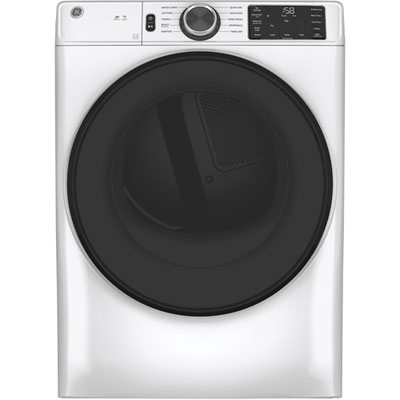 Your price for this item is $1999.99
 -
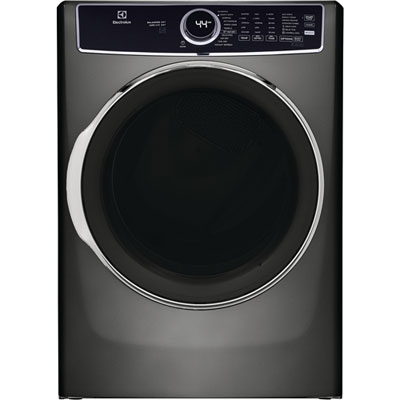 Your price for this item is $1169.99
 -
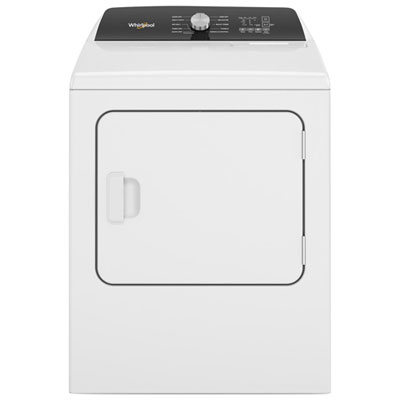 Your price for this item is $849.99
 -
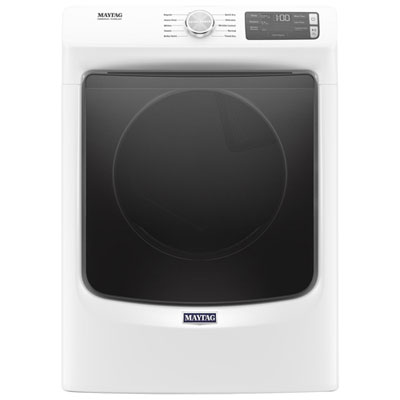 Your price for this item is $999.99
 -
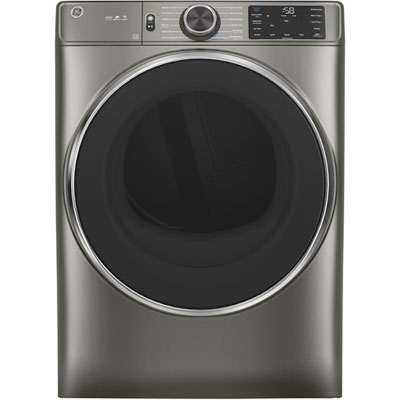 Your price for this item is $1949.99
 -
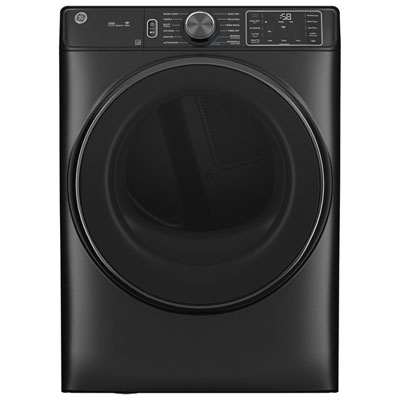 Your price for this item is $1199.99
 -
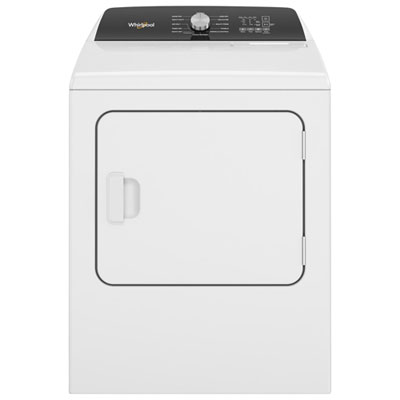 Your price for this item is $799.99
 -
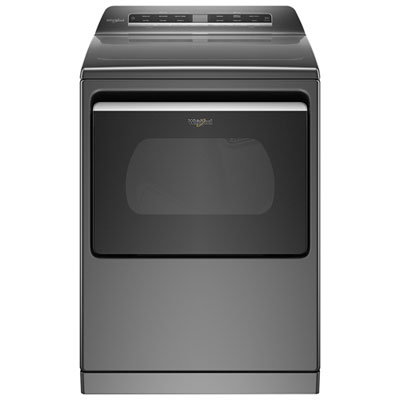 Your price for this item is $1149.97
Discover more categories related to Compact Dryers
Top Collections:
Pokemon Centers, Kindle Devices, Best Budget Office Chairs, Apple iPhones 16, Best Laptops for Writers, iPhone 15 Apple, Canon G7X Cameras, Refurbished Apple Laptops, Alarm Clock, Motorola Razr Phones
Some products may be subject to Environmental Handling Fees
(EHF) depending on your province.
Learn more about EHFs.