Portable Fan Heaters
Portable Fan Heaters offer a convenient solution for keeping any space warm and comfortable. Perfect for use in bedrooms, offices, or small living areas, these compact heaters are designed for easy transport and flexible placement. With a variety of designs to choose from, finding the ideal Portable Fan Heater to match your needs is simple. Explore options that provide reliable warmth and enjoy a cozy atmosphere wherever you need it most.
Sort
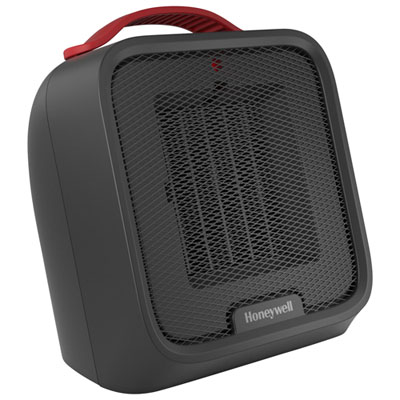
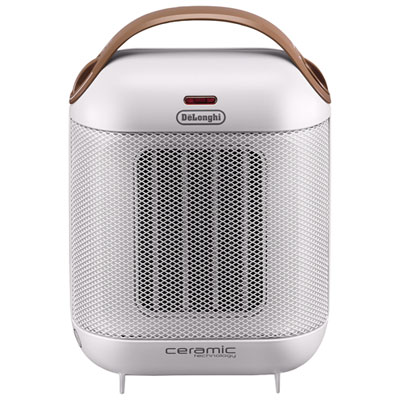
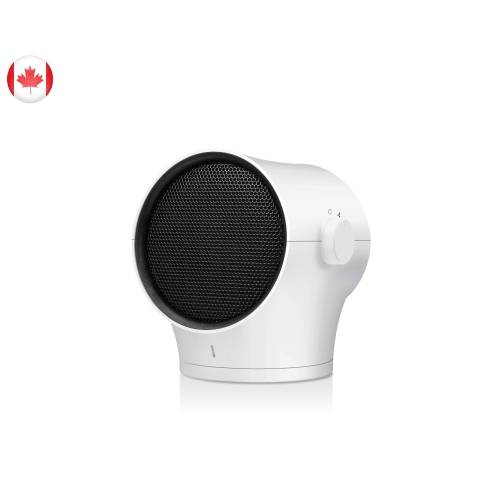
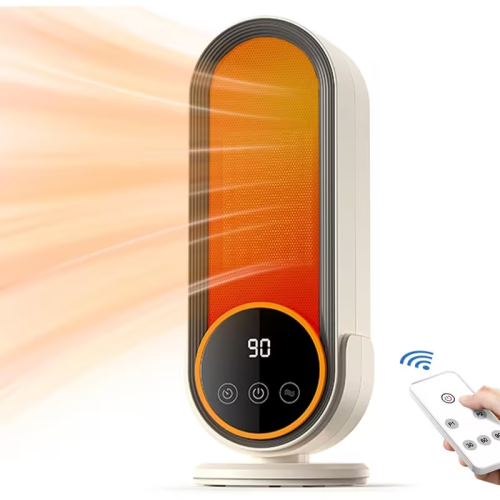
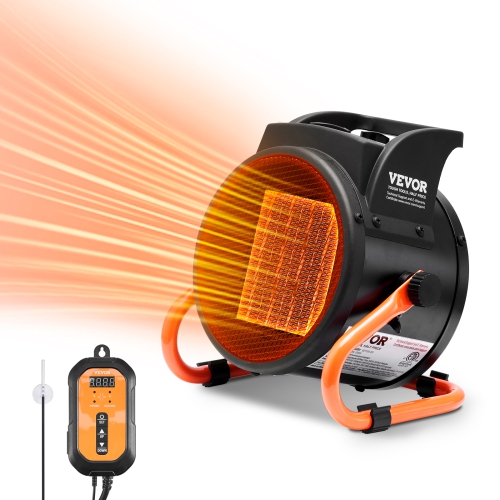
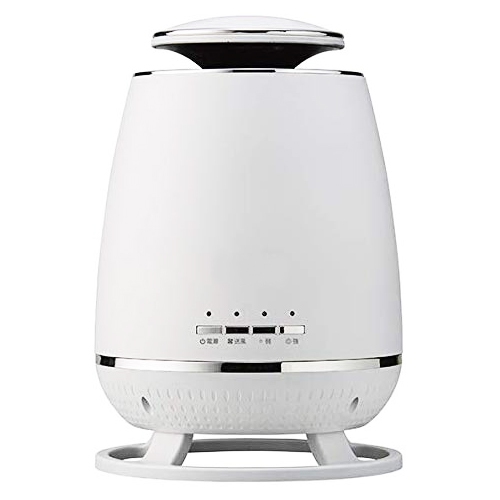
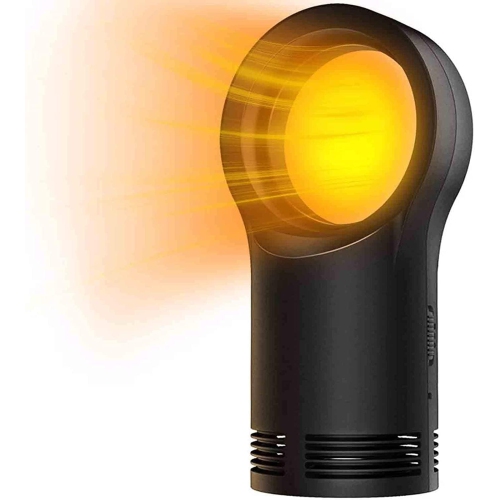
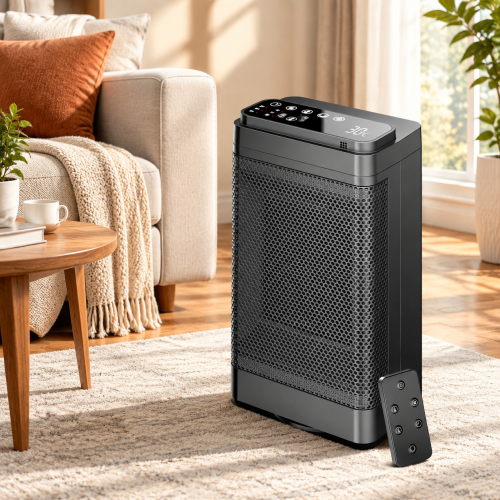
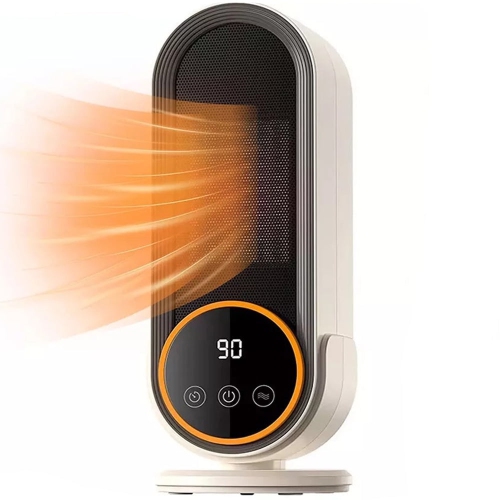

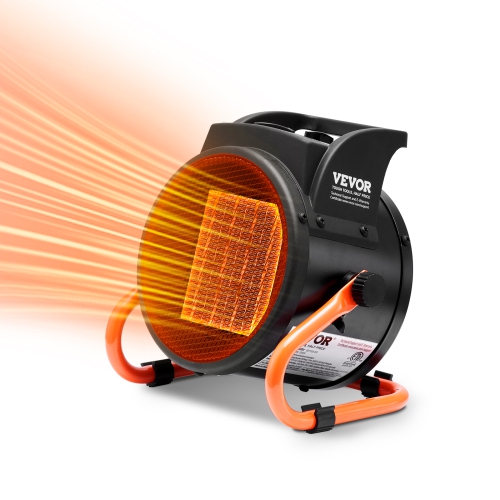
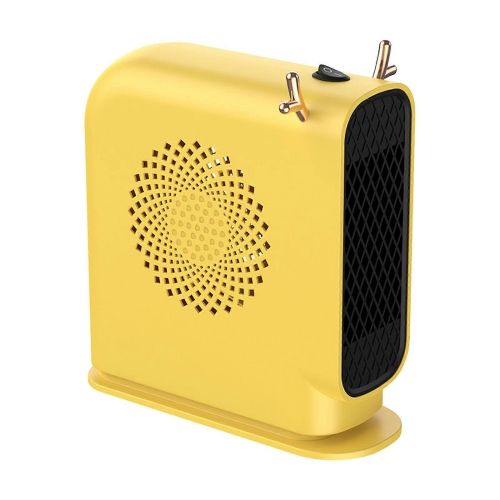
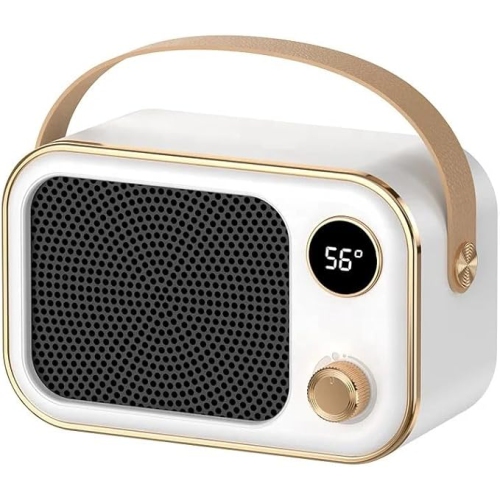
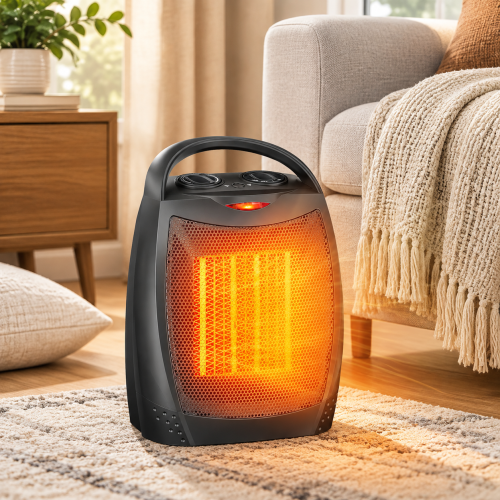
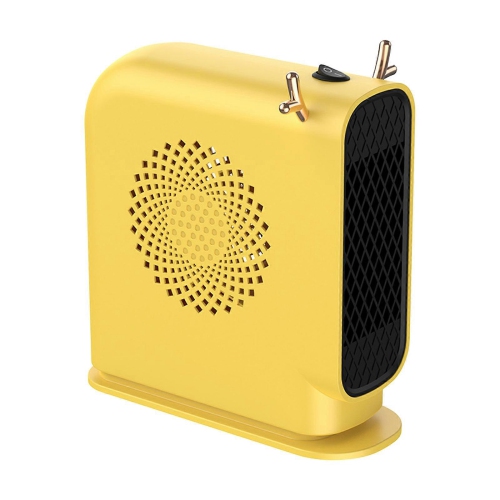
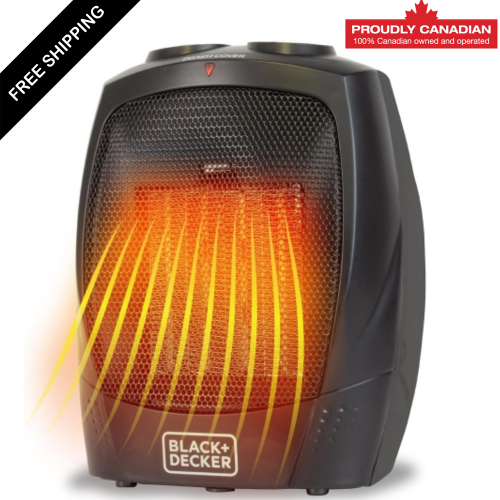
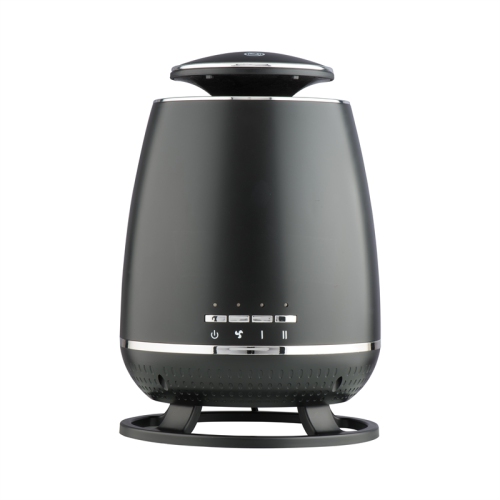
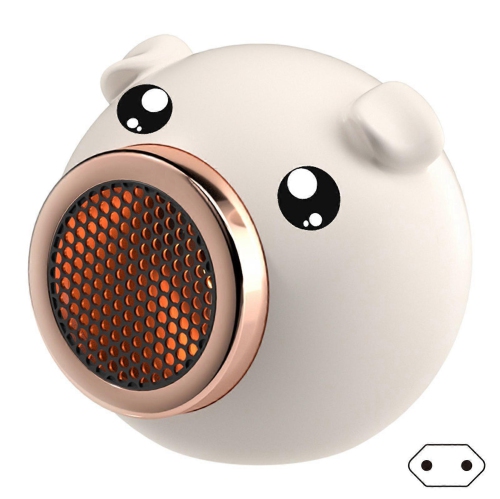
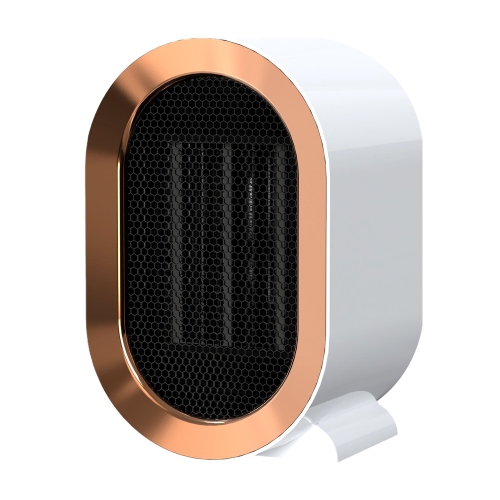
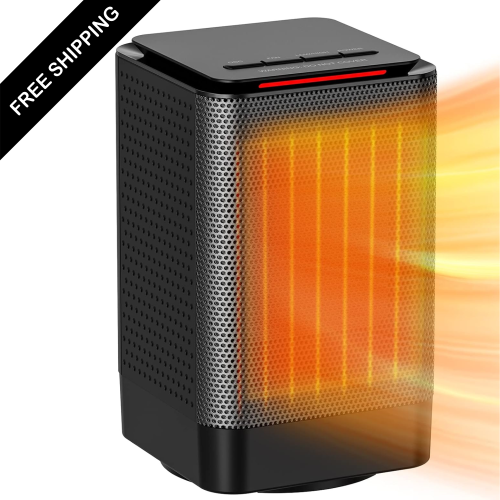
Extra warmth for your desk or reading corner
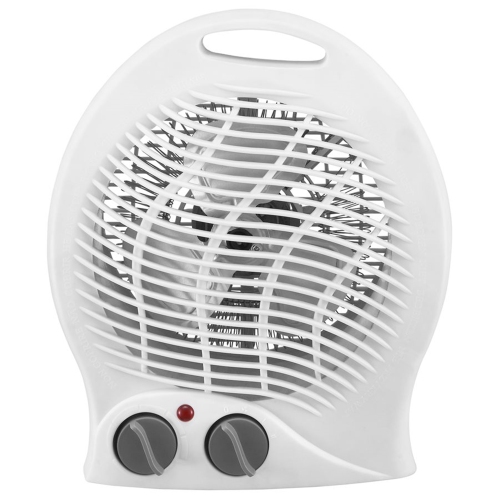
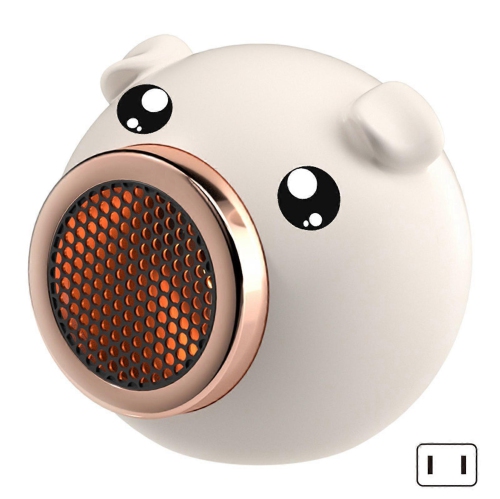
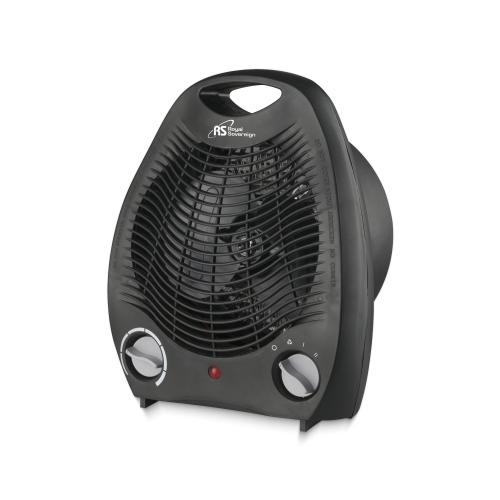
Portable fan heaters are compact electric heaters that use a fan to circulate air over a heating element, delivering fast, localized warmth in small indoor spaces. They are generally used to supplement a home’s main heating system rather than replace it, making them useful in a home office, bedroom or sitting area where a little extra warmth improves comfort. A person working at a desk may need heat around their seating area without changing the thermostat for everyone else, while a reading corner beside a draughty window can benefit from directed airflow. The fan helps move heated air beyond the unit, although the effect depends on the heater’s output, the room’s layout and how readily warm air escapes through open doors or poorly insulated surfaces. Ceramic fan heaters use a ceramic heating element, while other designs use metal resistance elements. The term ceramic describes the heating component, not necessarily the outer housing, and does not mean every exposed surface remains cool. Housings may combine moulded plastic, metal grilles and integrated handles, with proportions ranging from low, broad bodies to upright designs that take up less floor space. A smaller footprint can make Small Electric Fan Heaters a practical fit near a work surface or reading chair, provided the required clearances can be maintained. Physical size alone does not establish how much space a heater can warm. Wattage, insulation, ceiling height and airflow all influence the result, so room-size claims are best considered alongside the conditions in the intended space. A closed study presents a different heating task from an open living area connected to a hallway and kitchen. For students, renters and anyone moving between rooms, a comfortable carrying handle and manageable weight can matter as much as compact dimensions. The heater still needs a suitable location in each room; portability does not make every corner, shelf or tabletop appropriate. Floor-standing and desktop designs should be used only on the surfaces permitted by their instructions.
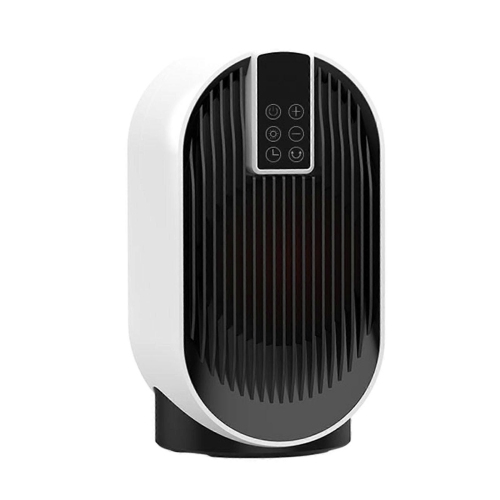
Comfort depends on how the heat is delivered and controlled, not simply on the highest setting. Multiple heat settings can provide flexibility between an initial burst of warmth and a gentler level once a small room feels comfortable. An adjustable thermostat cycles the heating function according to the temperature sensed near the unit, which may differ from the temperature across the room. A heater positioned beside a cold window or close to another heat source can therefore behave differently from one in a more representative location. Digital controls may offer a numerical temperature setting, while rotary dials provide a simpler way to adjust output; neither layout guarantees more even heating on its own. Clear markings, easy-to-reach buttons and a display that can be read from a seated position are useful everyday details. Oscillation moves the airflow from side to side and can spread warmth across a wider seating area, although it does not increase the heater’s rated heat output. Adjustable airflow direction can also help avoid a constant stream of warm air against someone’s legs. Because a fan is running, some operating sound is expected. Sound levels and the character of that sound vary, particularly between fan speeds, so a quiet study or a room used for video calls places different demands on a heater than a busy family room. A fan-only setting, where included, circulates air without activating the heating element, but it does not cool air like an air conditioner. Timers and remote controls can make adjustments more convenient, especially when the unit is positioned with its required clearance from furniture. These features do not make unattended operation appropriate. Many household portable fan heaters are designed for a standard 120-volt supply, but the rating label and instructions determine the electrical requirements. The cord must reach an appropriate wall outlet directly, without an extension cord or power bar, and the circuit must be suitable for the heater’s electrical load.
Safe placement and straightforward care are central to living with a portable fan heater. The unit needs a firm, level surface, unobstructed air openings and the separation from furniture and other materials specified by its manufacturer. A commonly recommended minimum is one metre from combustible materials such as curtains, bedding, clothing and paper, though the product’s instructions may require different clearances. A spot that looks open during the day can become unsuitable when a curtain is drawn or a blanket slips from a chair. Cords should remain visible and out of walking routes, never hidden beneath rugs or pinched by furniture. Tip-over shut-off and overheat protection are valuable safeguards, but they do not replace supervision or careful positioning. Heaters should be switched off when the room is unattended and before sleeping, and kept away from children and pets that could touch hot surfaces or knock the unit over. Bathrooms, laundry areas and other damp locations require particular caution; ordinary indoor heaters should not be assumed suitable for use near water. Durability involves more than the housing material. A stable base, firmly attached handle, secure grille and controls that operate consistently all contribute to dependable everyday use. Dust can collect around the intake and outlet, restricting airflow, so cleaning should follow the manufacturer’s directions with the heater unplugged and fully cooled. Accessible surfaces may allow gentle cleaning with a soft cloth or a vacuum brush, but liquids must not enter the housing, and the heater should never be covered while operating. A damaged cord, cracked casing, loose plug or unusually hot outlet is a reason to stop using the unit and have the issue assessed. Between uses, cool, dry storage and a loosely arranged cord help protect the heater from damage. These practical details support the purpose of a portable fan heater: adding controlled warmth to an occupied space without obstructing the routines, furniture layout or safe movement of the people using it.
Top selling and popular products
-
 Your price for this item is $549.99
-
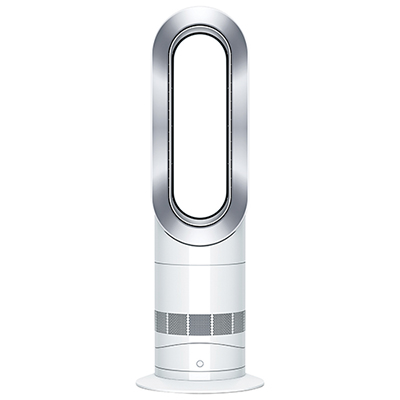 Your price for this item is $549.99
-
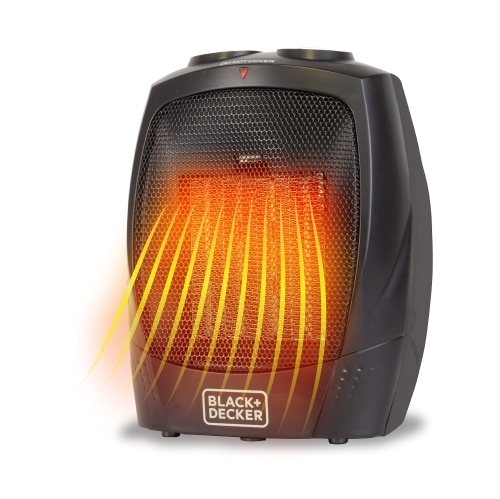 Your price for this item is $41.99
-
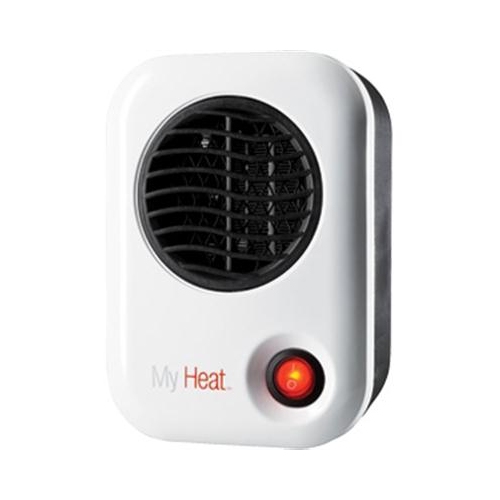 Your price for this item is $136.99
-
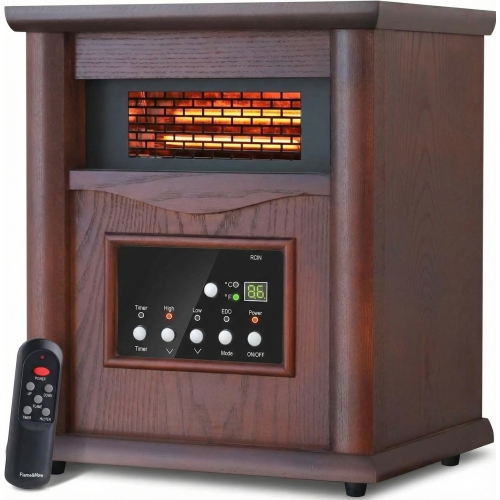 Your price for this item is $159.95
-
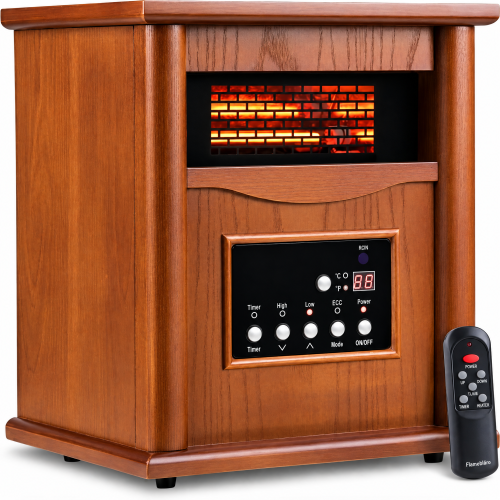 Your price for this item is $159.95
-
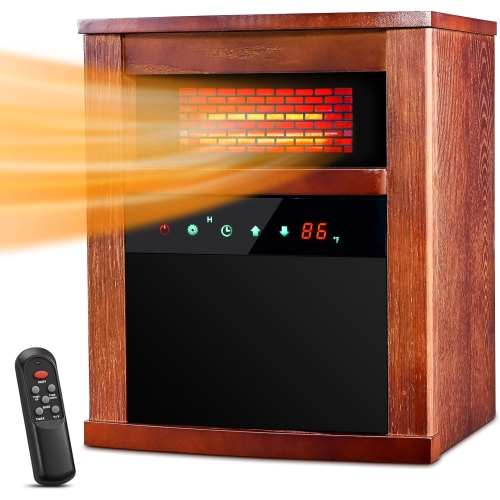 Your price for this item is $219.95
-
 Your price for this item is $159.95
Discover more categories related to Portable Fan Heaters
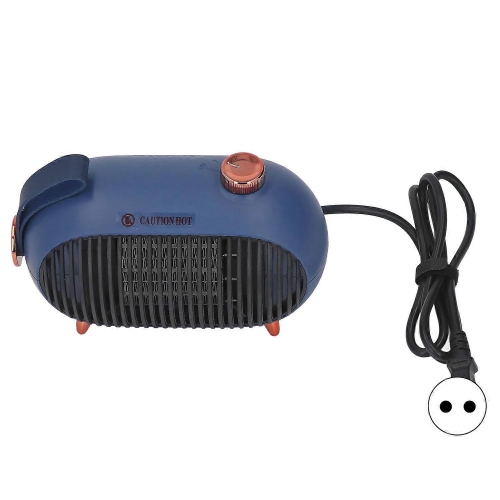
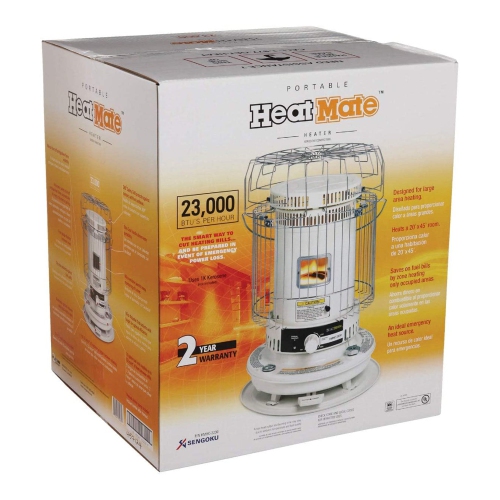
Top Collections:
Best Black Friday Deals This Year, Best Black Friday Deals On Electronics, Kindle Devices, Pokemon Centers, Best Black Friday Deals On Apple Products, Best Cameras for Sports Photography, Dyson Airwrap, Pokémon 30th Celebration Cards, Apple iPhone 17 Pro, Canon G7X Cameras
Some products may be subject to Environmental Handling Fees
(EHF) depending on your province.
Learn more about EHFs.