Small Fan Heaters
Small Fan Heaters offer a convenient way to add warmth and comfort to any space, whether you're looking to take the chill out of a bedroom, office, or dorm room. Compact and easy to move, these heaters are designed to fit seamlessly into smaller areas while delivering effective heating performance. Explore a variety of styles and options to find the perfect Small Fan Heater for your needs, making it simple to create a cozy environment whenever you need it most.
Sort
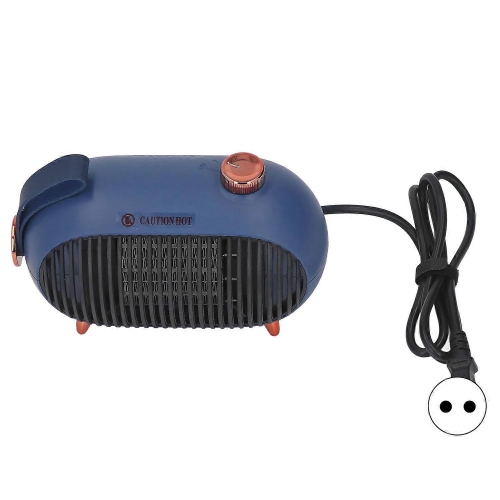
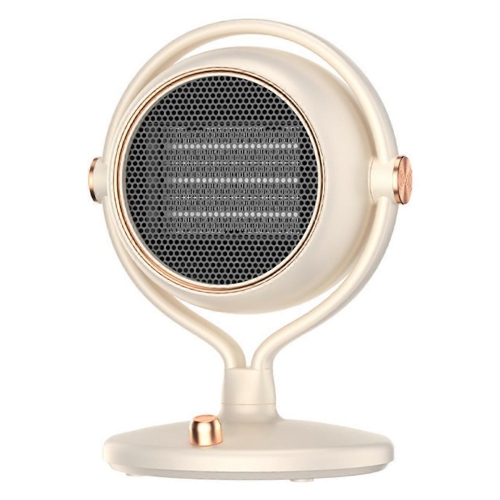
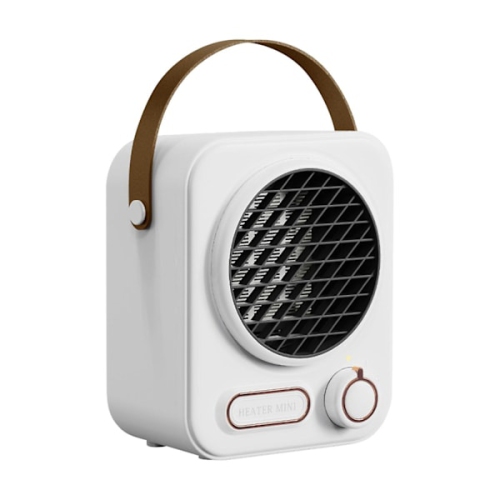
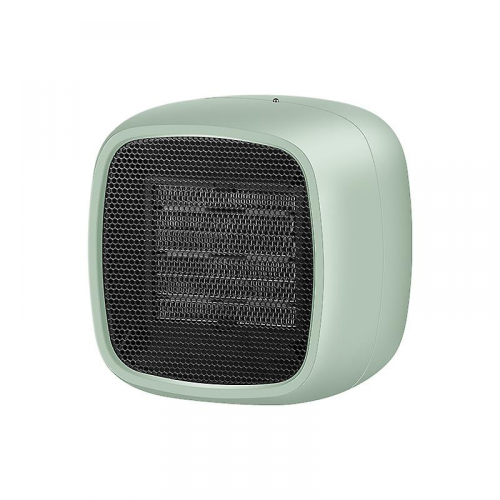
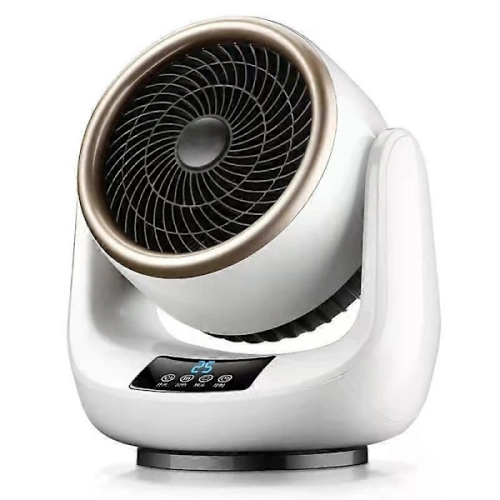
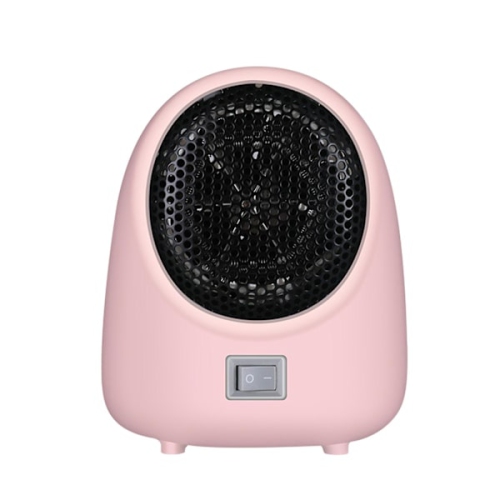
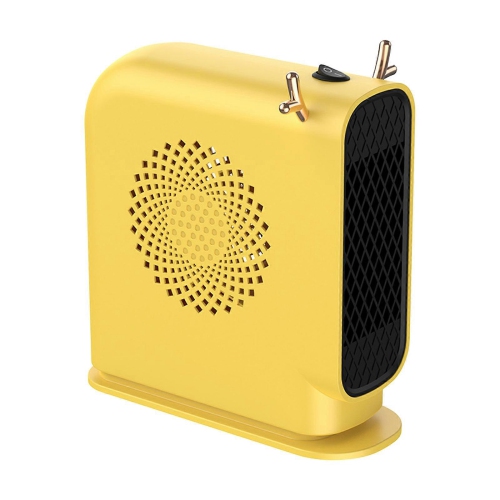
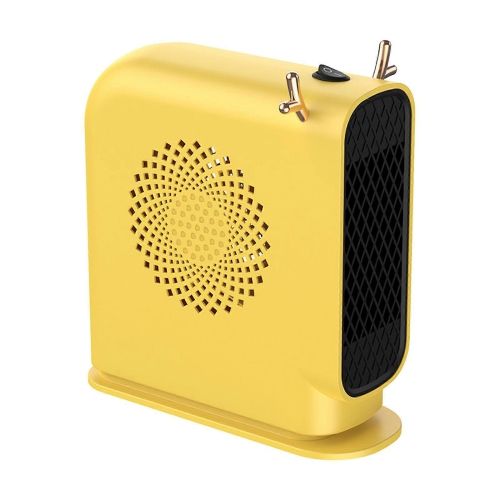
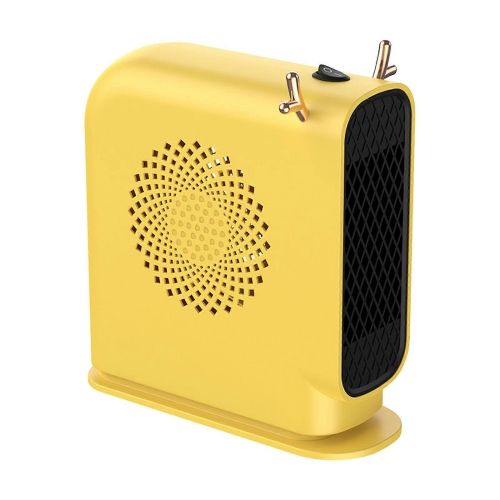
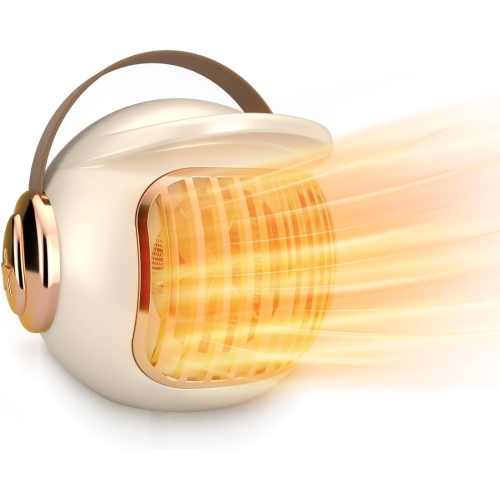
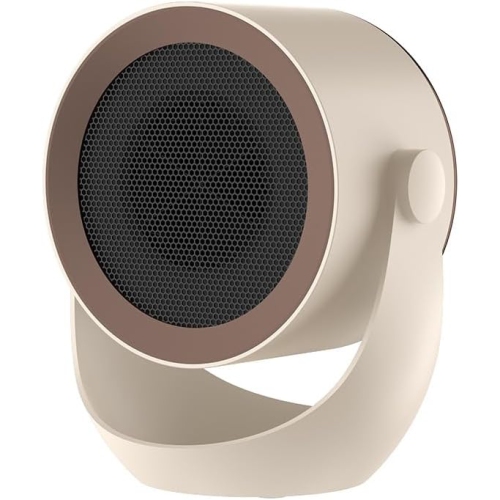
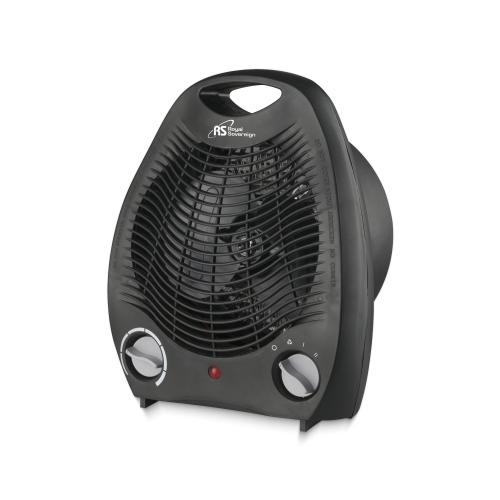
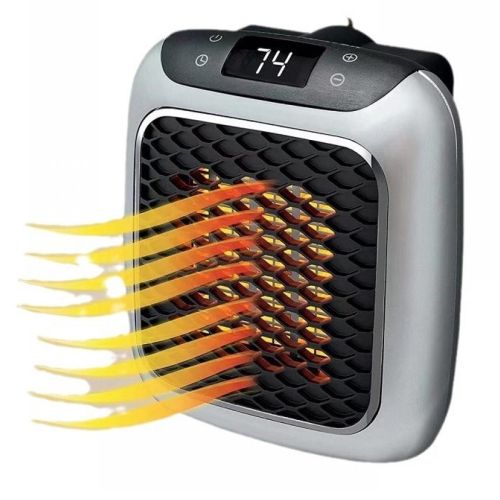
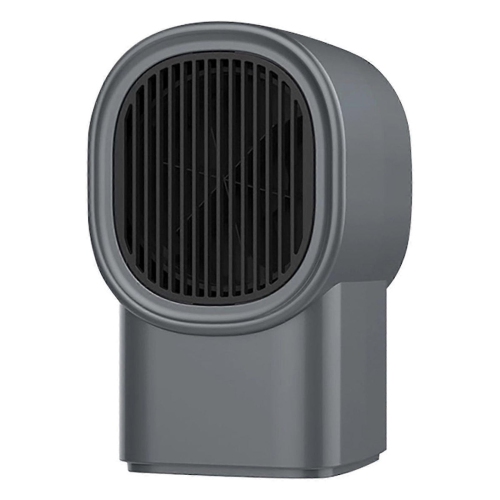
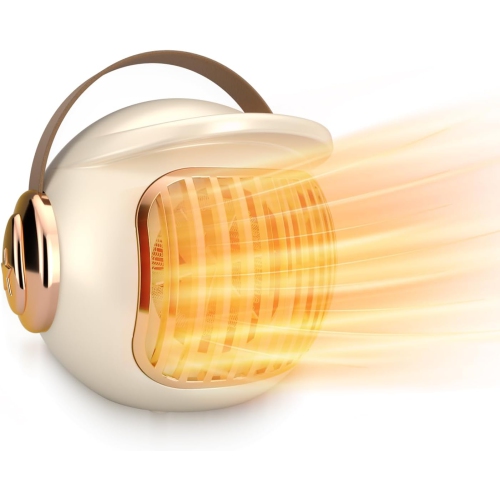
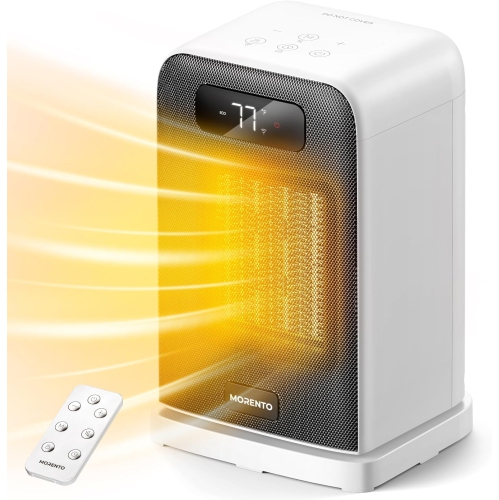
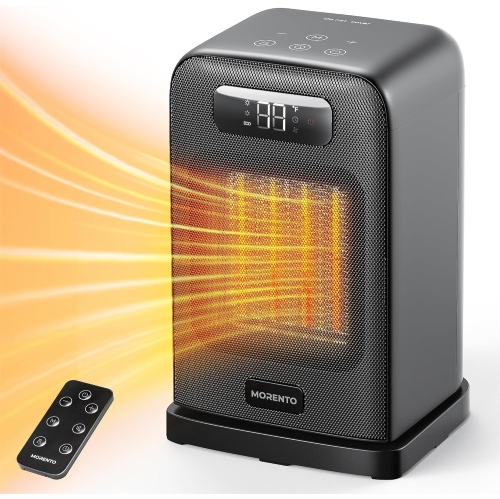
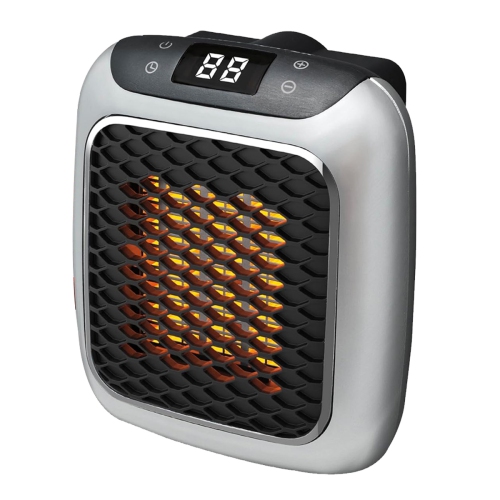
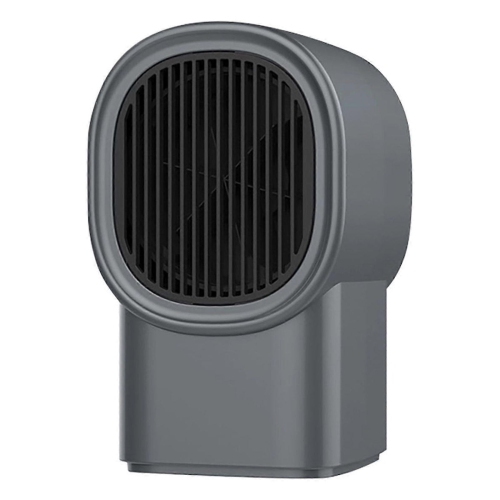
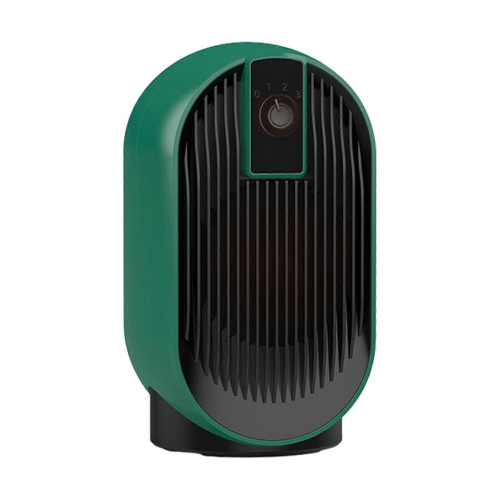
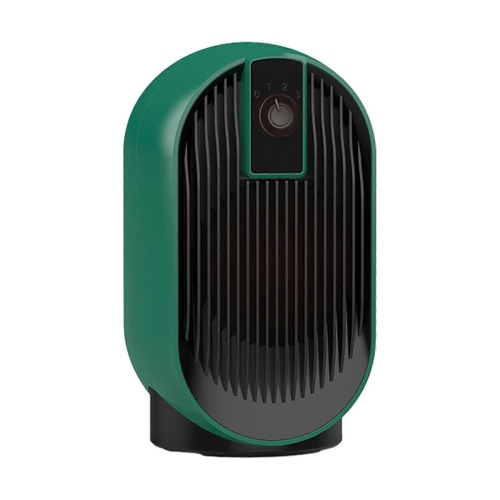
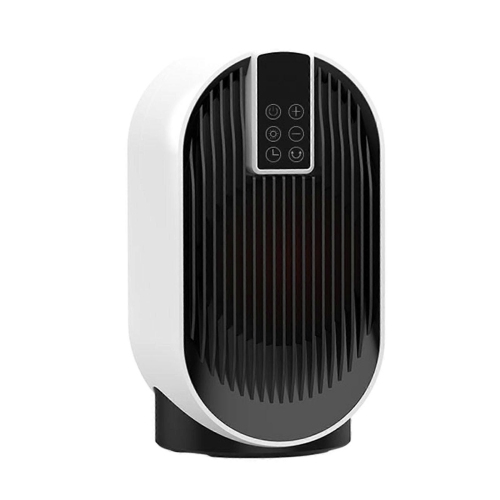
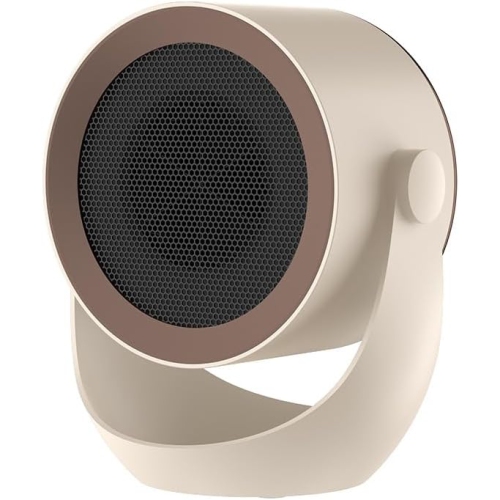
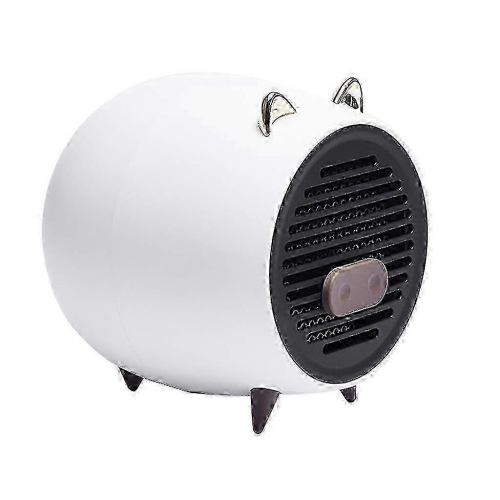
Targeted warmth without heating the whole room
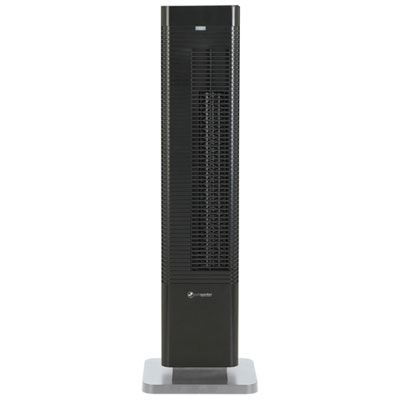
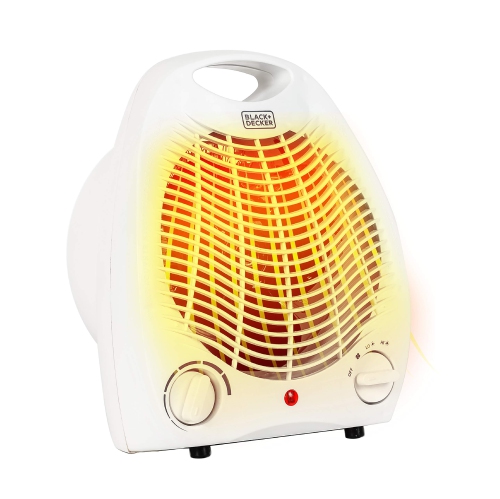
Small fan heaters provide quick, directed warmth in places where heating the whole room isn’t the goal. An internal fan draws in room air, moves it past a heating element and sends warm air out through a grille. That moving air is particularly noticeable at close range, such as beside a chair in a reading nook or near a workstation in a room that tends to feel cool. A small electric fan heater is better suited to taking the chill off an occupied area than to heating an entire open-plan space. The layout matters, too: warm air can spread in several directions from a heater with an oscillating outlet, while a fixed outlet keeps the airflow pointed at one spot. In a home office, that more focused airflow can be useful, but the heater needs a spot clear of loose papers, cords and furniture. A model designed for desktop use can bring warmth closer to seated height if there’s enough clear work surface to meet its placement requirements. A compact floor model can make more sense when the desktop is crowded, provided there’s an open, level spot out of the path of a rolling chair or passing feet. The case dimensions tell only part of the story. A wide base may need more floor space than the upright housing suggests, and the cord has to reach a wall outlet without crossing a walkway. Fan sound is another difference that becomes apparent in use. The steady hum that goes unnoticed in a busy room may be easier to hear beside a microphone or in a quiet study, and the click of a thermostat can stand out more than the fan itself.
Heat settings and safety features serve different purposes, even when the controls look much the same from one heater to another. A lower heat setting can be useful for steady personal warmth, while a higher setting puts out more heat when the area first feels chilly. A thermostat responds to the air temperature near the heater and cycles the heat as needed, so its reading may differ from a thermostat across the room. A timer, where fitted, shuts the unit off after a set interval rather than responding to temperature. Small dimensions don’t necessarily mean low power draw, so the wattage listed for each setting is a better indication of electrical demand than the size of the case. For household use in Canada, look for a certification mark recognized in Canada, such as CSA, cUL or cETL. Tip-over protection is designed to shut the heater off if it’s knocked out of its operating position, while automatic overheat shutoff responds to excessive heat inside the unit. Both are useful safeguards, but neither makes it safe to tuck a heater under a crowded desk or leave it running unattended. A portable heater belongs on a stable, level surface approved in its instructions, with at least one metre of clearance from things that can burn, such as curtains, bedding, paper and upholstered furniture. It should plug directly into a wall outlet rather than an extension cord or power bar. A heater in a family room also needs to be out of reach of children and pets, not just out of the way of adults. The front grille and the air coming through it can be hot even on a model with a housing designed to stay cooler to the touch. Small size alone doesn’t make a heater suitable for a bathroom or other damp area; that use needs to be expressly permitted by the manufacturer. Turn the heater off when leaving the room or going to sleep.
The heating element and housing can look quite different across compact designs. Ceramic fan heaters use a ceramic heating element, while other designs use a metal resistance element. The presence of either material doesn’t tell much on its own about fan noise, airflow or how warm the grille gets. Metal grilles and moulded plastic housings are common, and details such as a base that sits flat, clearly marked controls and a sturdy carry handle can matter more in day-to-day use than the finish. A handle is especially useful when the heater gets put away between uses or moved from a study area to a hobby room after it has been turned off and allowed to cool. Regular care is mostly about keeping air moving freely. With the heater unplugged and cool, dust can be removed from the outside of the intake and outlet as directed in the manual. In a room with a rug or shedding pets, lint and hair can collect around a low intake faster than the outer case gets visibly dusty. A dry storage spot and a loosely gathered cord help protect the housing and plug when the heater isn’t in use. A small fan heater can be a practical housewarming gift for someone setting up a home office or furnishing a reading corner, as long as there’s a suitable outlet and enough room to use it safely. The fit is less straightforward in a shared dorm room or workplace, where portable heaters may be restricted. For spaces where a little more floor room is available, Portable Fan Heaters covers a broader range of footprints and airflow patterns. A compact design is most useful when the warmth is needed in one spot and the heater can sit in the open, close enough to do its job without getting in the way.
Top selling and popular products
-
 Your price for this item is $549.99
-
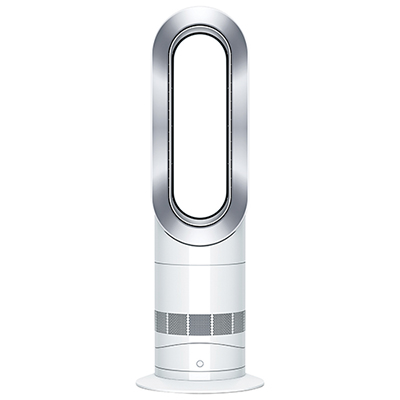 Your price for this item is $549.99
-
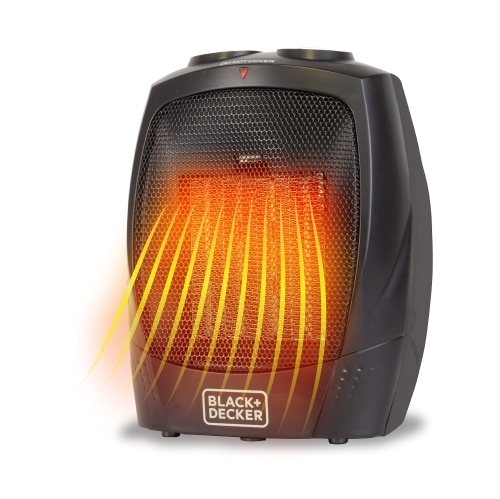 Your price for this item is $41.99
-
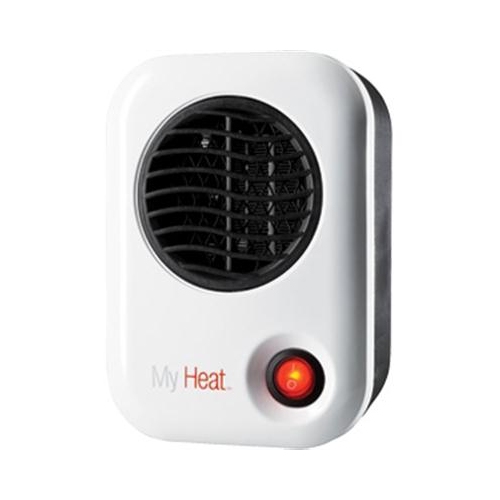 Your price for this item is $136.99
-
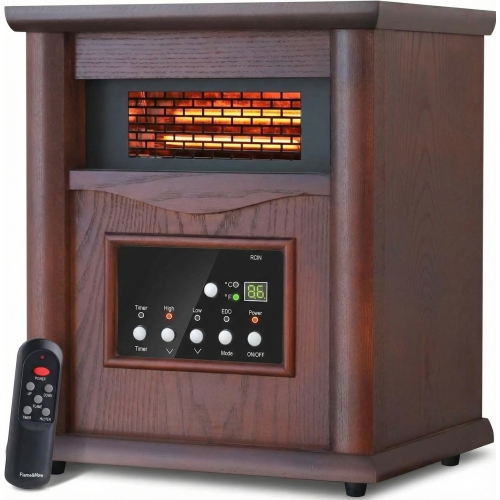 Your price for this item is $159.95
-
 Your price for this item is $159.95
-
 Your price for this item is $219.95
-
 Your price for this item is $159.95
Discover more categories related to Small Fan Heaters
Top Collections:
Best Black Friday Deals This Year, Best Black Friday Deals On Electronics, Kindle Devices, Pokemon Centers, Best Black Friday Deals On Apple Products, Best Cameras for Sports Photography, Dyson Airwrap, Pokémon 30th Celebration Cards, Apple iPhone 17 Pro, Canon G7X Cameras
Some products may be subject to Environmental Handling Fees
(EHF) depending on your province.
Learn more about EHFs.