Portable Mini Fridges
Portable mini fridges offer a convenient solution for keeping snacks, drinks, and other essentials cool in a variety of settings. Whether you need extra storage for your dorm room, office, or road trip, these compact appliances are designed to fit easily into smaller spaces while providing reliable cooling. Explore a wide selection of portable mini fridges to find the perfect option for your needs and enjoy added flexibility wherever you go.
Sort






Why fridge portability goes beyond a compact size
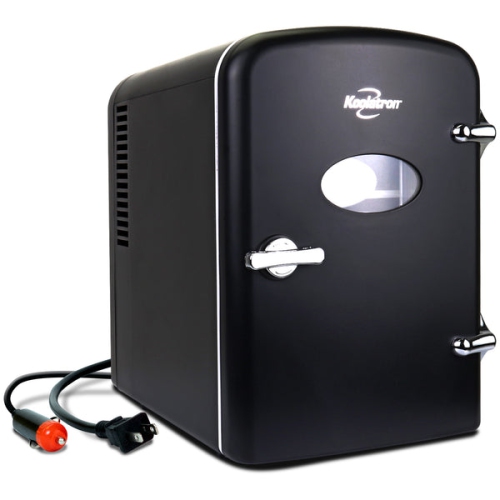
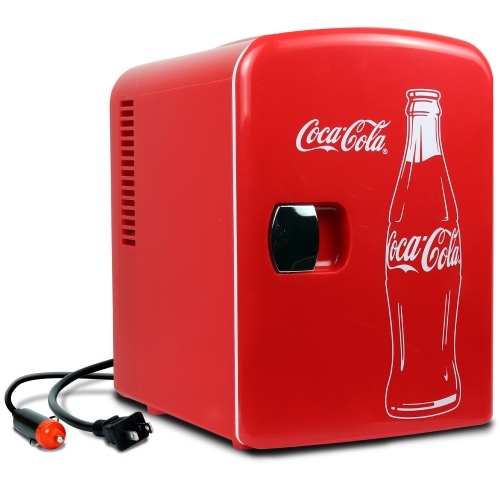
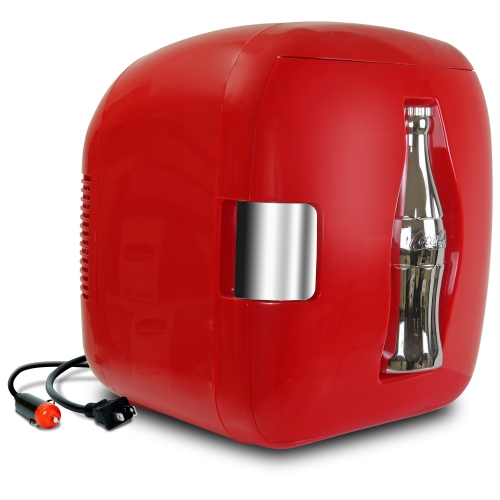
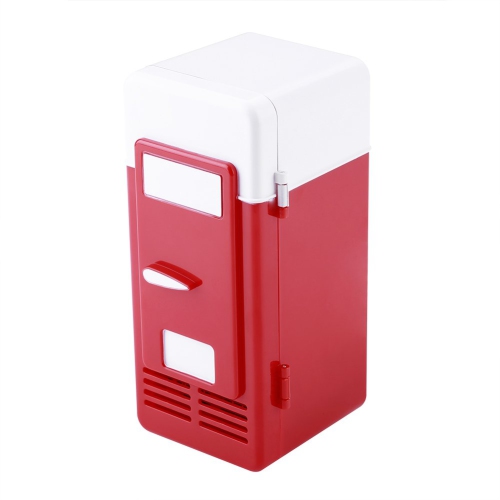
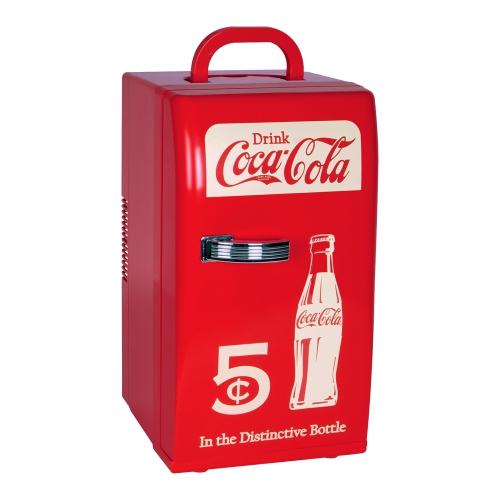
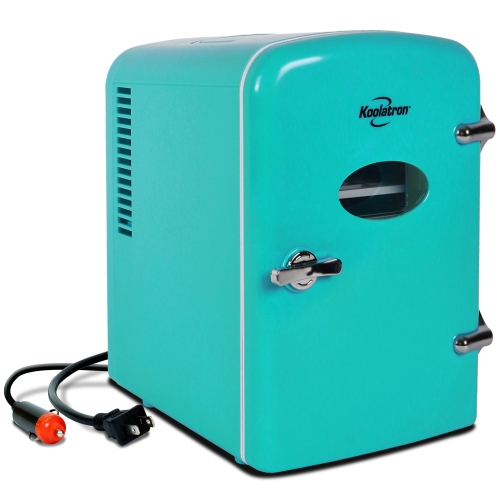
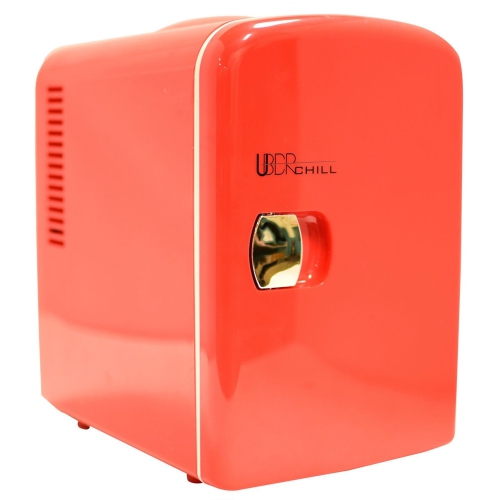
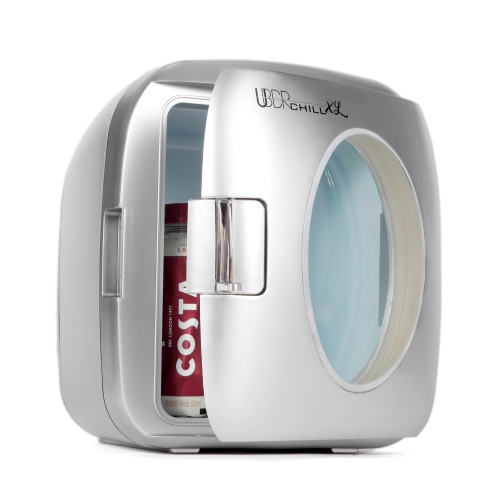
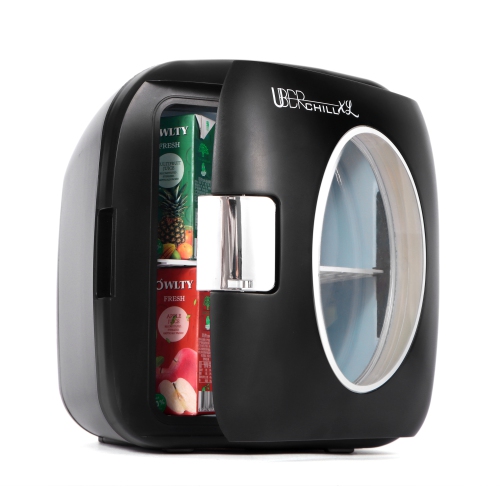
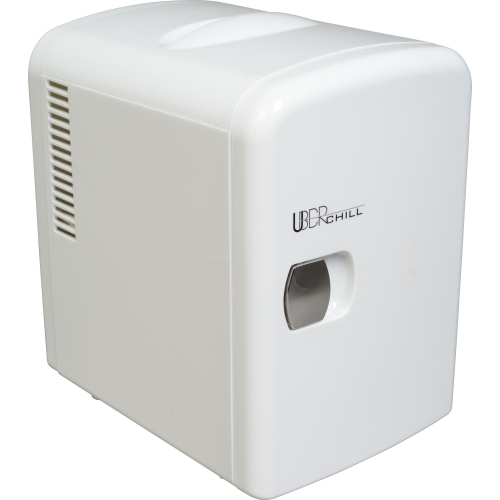
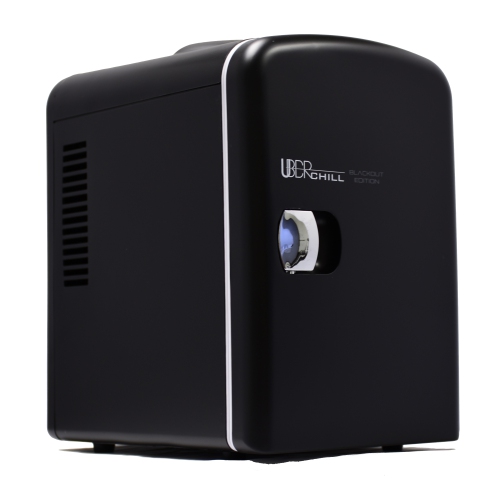
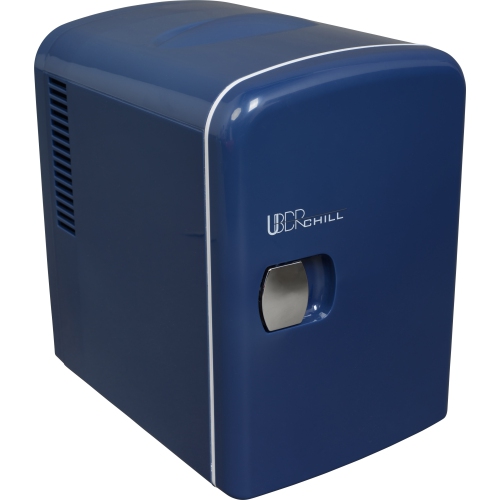
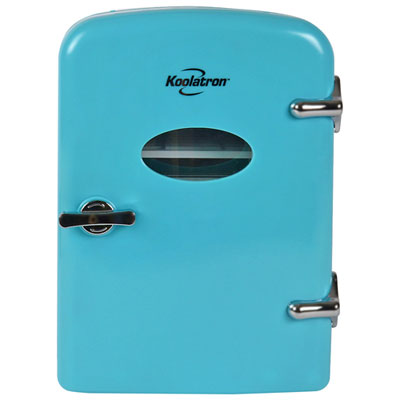
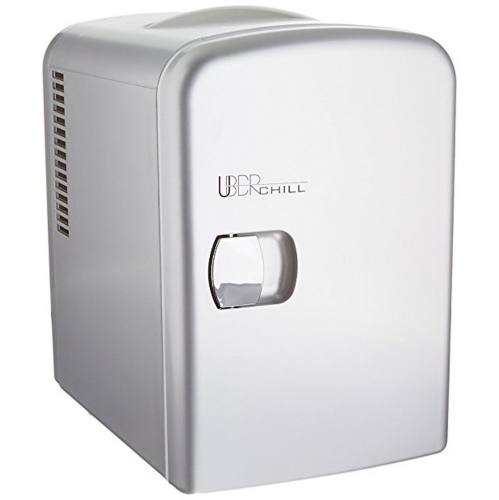
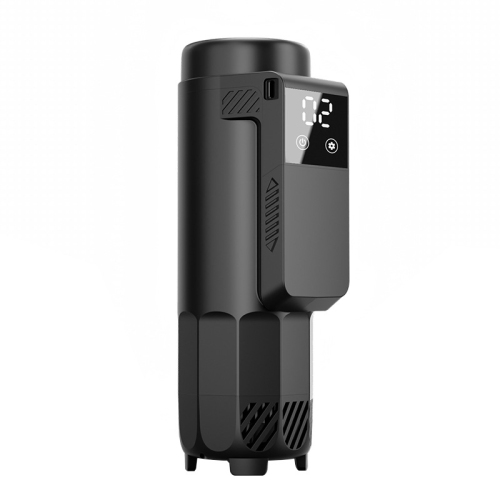
Portable mini fridges keep drinks, snacks and other suitable essentials close at hand without taking up the space of a full-size refrigerator. The category includes small personal coolers designed for a few cans or skincare containers, as well as larger compressor-powered units suited to packed meals, road trips and travel in recreational vehicles. Portability involves more than a compact shape: carrying handles, overall weight, power connections and the space needed for ventilation all affect where a fridge can comfortably go. Capacity is usually expressed in litres, but the interior layout matters just as much as the stated volume. A removable shelf can make room for a tall bottle, while a deeper compartment may better accommodate a lunch container laid flat. Can-count capacities are useful reference points, although bottles, food containers and cooling compartments can change how much actually fits. Cooling technology is another important distinction. Thermoelectric mini fridges typically cool by a specified amount below the surrounding air temperature, so they do not necessarily maintain the same internal temperature in every setting. Some also have a warming mode, which is a separate function rather than a sign of stronger refrigeration. Compressor portable fridges generally offer more precise temperature control, and models specifically rated for freezing can support frozen storage within their stated operating limits. A unit described as a cooler should not automatically be treated as a refrigerator or freezer. For perishable food, the appliance needs to maintain 4°C or below; frozen food generally requires −18°C or below. An appliance thermometer provides a useful check, particularly when the contents include dairy, prepared meals or other foods that require consistent refrigeration. A personal cooler intended mainly for beverages may suit a desk-side refreshment spot, while food storage calls for closer attention to the specified temperature range and the conditions in which that range can be maintained.
Power options help distinguish a portable mini fridge for occasional movement from one intended for regular travel. Household AC power suits a bedroom, study area or office, while compatible DC connections allow certain units to run from a vehicle’s accessory outlet. Support for 12V or 24V power varies, and the correct voltage, connector and adapter need to match the appliance. A carrying handle does not mean a fridge has a built-in battery, and a vehicle power cord does not mean it can run indefinitely while the engine is off. Where fitted, battery-protection settings can help limit vehicle battery drain, but they do not replace checking the vehicle’s requirements and the fridge’s operating instructions. For travel, a secure position, clear ventilation and protection from spills are as important as the power source. A fridge should not slide around the cargo area, and its vents need breathing room rather than being pressed against luggage or covered by a blanket. Physical fit also includes the space required to open the door or lid and reach the controls. A top-opening compartment can work well in a travel setup, provided there is enough clearance above it; a front-opening design may be more convenient beside a desk or beneath an open work surface. Empty weight is only part of the carrying load, since cans, bottles and food can add considerably to it. Recessed grips, folding handles and sturdy latches can make frequent moves easier, while smooth cabinet edges are helpful in tight spaces. Durable plastic housings can reduce carrying weight, and metal panels may provide a more rigid exterior, though construction quality matters more than appearance alone. For bedrooms and shared work areas, sound is another practical consideration. Thermoelectric units may have a continuously running fan, while compressor units can cycle on and off, so neither type should be assumed silent.
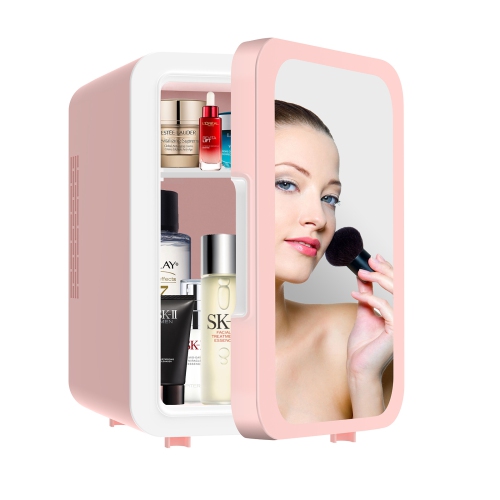
Day-to-day convenience often comes from simple details inside the cabinet. Removable shelves, baskets and door compartments can separate drinks from small containers, although each fitting takes up some usable space. An interior light makes contents easier to find, while readable controls help confirm the selected setting without opening the compartment repeatedly. For desk-side use, a fridge that holds a water bottle upright and keeps a lunch container level may be more useful than one with a larger advertised can capacity but an awkward layout. Dedicated workplace arrangements are also reflected in Compact Mini Fridges for Offices, where the focus is on refrigeration suited to office spaces. Students, commuters, frequent travellers and people setting up a personal workspace may appreciate portable refrigeration, and a suitably sized unit can make a practical gift when its intended location and power requirements are known. Skincare storage is a different use case from food storage: only products whose labels permit refrigeration should be chilled, and cold-sensitive formulas should remain within their recommended storage conditions. A personal mini fridge should not be assumed suitable for medication that requires controlled storage; those needs call for advice from a pharmacist and equipment appropriate to the medicine. Care is generally straightforward but important for dependable use. Spills should be cleaned promptly, removable fittings washed as directed, and interior surfaces wiped with a soft cloth and a mild cleaner approved for the appliance. Abrasive pads and harsh chemicals can damage liners, seals or finishes. Door gaskets need to remain clean and unobstructed so the door closes properly, and vents should be kept free of dust. Before transport, loose contents should be secured or removed and the appliance handled in its specified orientation. Following the manufacturer’s restart instructions after moving a compressor unit helps protect its operation. These practical details support a portable mini fridge that fits its intended space and remains convenient to use, carry and clean.
Top selling and popular products
-
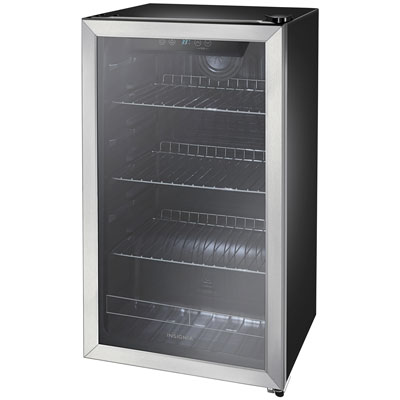 Your price for this item is $249.99
-
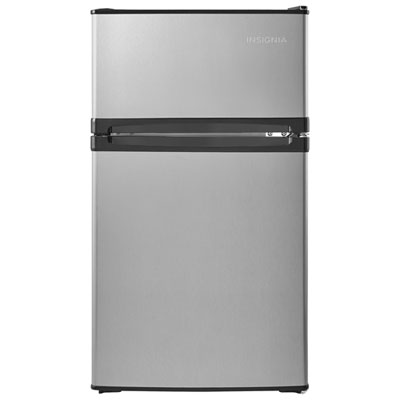 Your price for this item is $179.99
-
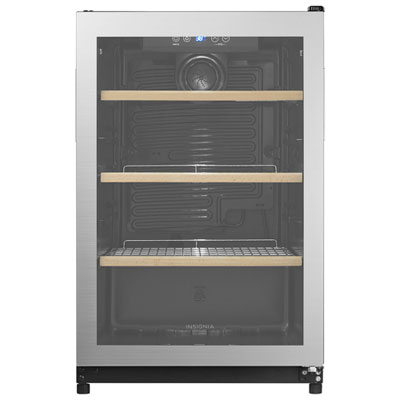 Your price for this item is $349.99
-
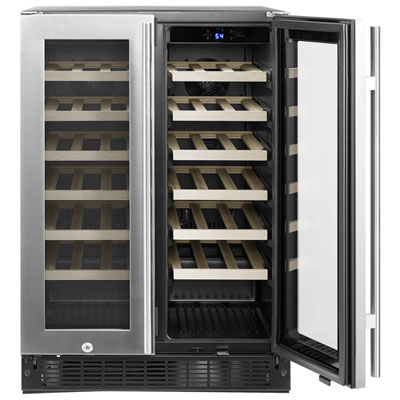 Your price for this item is $649.99
-
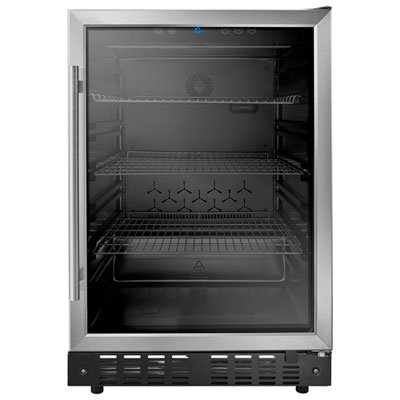 Your price for this item is $399.99
-
 Your price for this item is $699.99
-
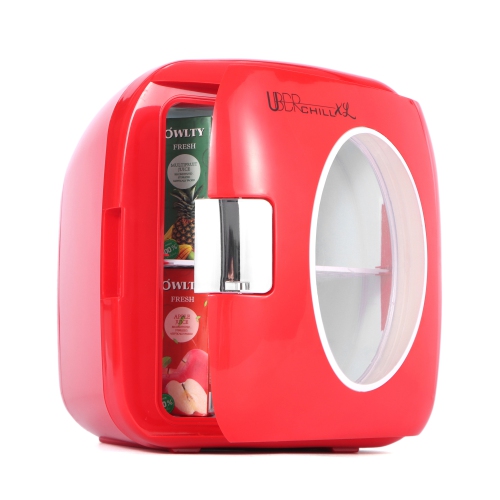 Your price for this item is $169.99
-
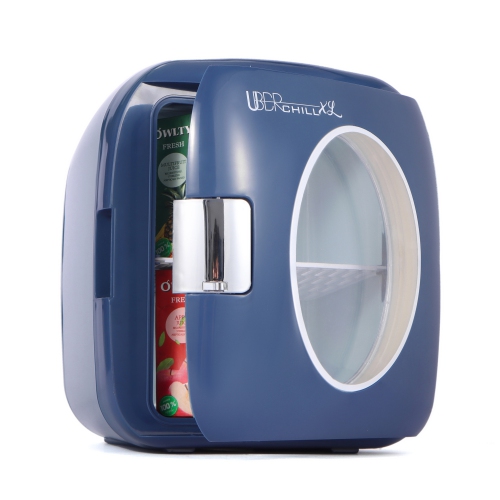 Your price for this item is $169.99
Discover more categories related to Portable Mini Fridges

Top Collections:
Best Black Friday Deals This Year, Best Black Friday Deals On Electronics, Kindle Devices, Pokemon Centers, Best Black Friday Deals On Apple Products, Best Cameras for Sports Photography, Dyson Airwrap, Pokémon 30th Celebration Cards, Apple iPhone 17 Pro, Canon G7X Cameras
Some products may be subject to Environmental Handling Fees
(EHF) depending on your province.
Learn more about EHFs.