Home Mini Fridges
A mini-fridge is a small refrigerator that is designed to fit in small spaces. They are used in dorm rooms, apartments, and homes where space is limited. Mini fridges are also used in offices and businesses because they can be placed in a corner of the room and do not take up much space. If you're looking for a fridge for your home that doesn't take up much space, here are some mini fridges for you.
Sort
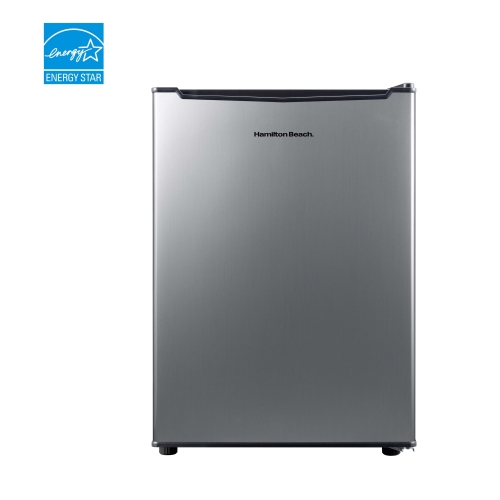
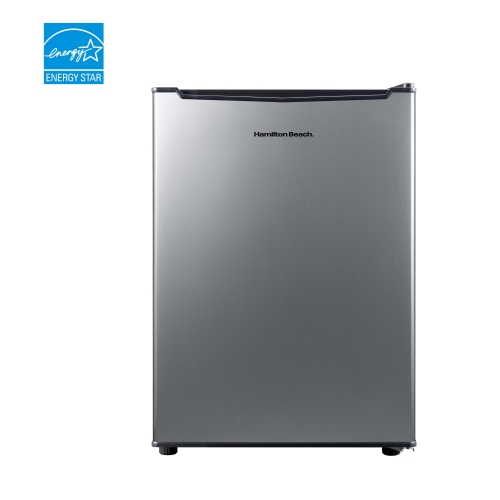
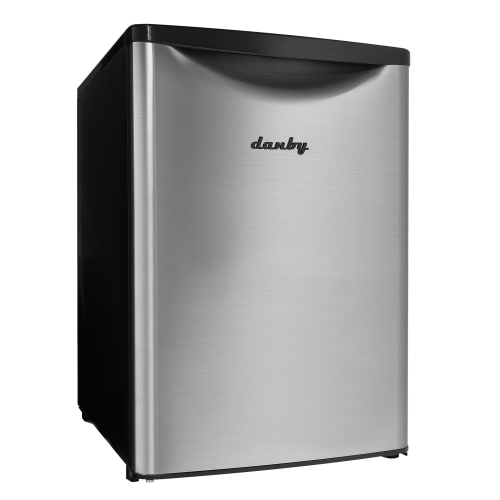
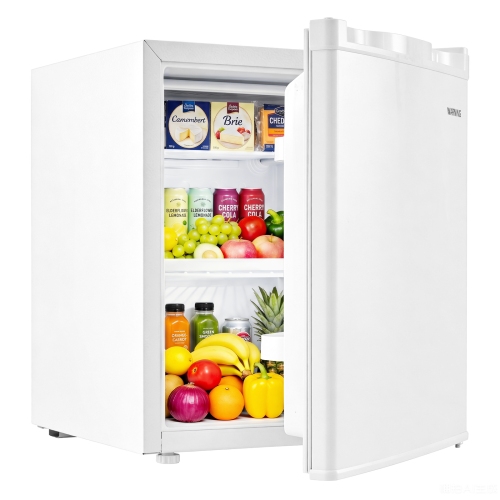
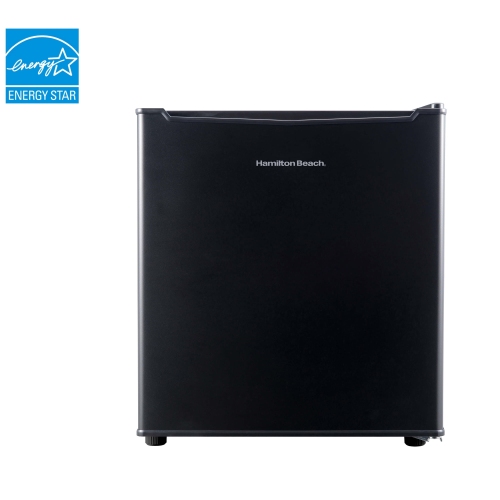
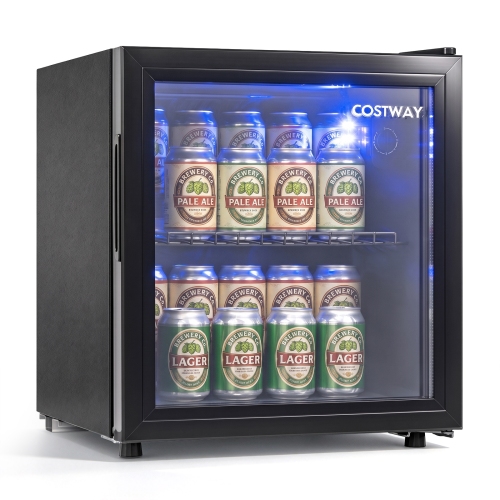
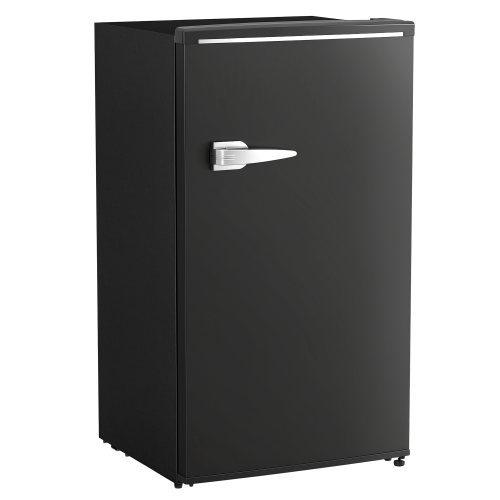
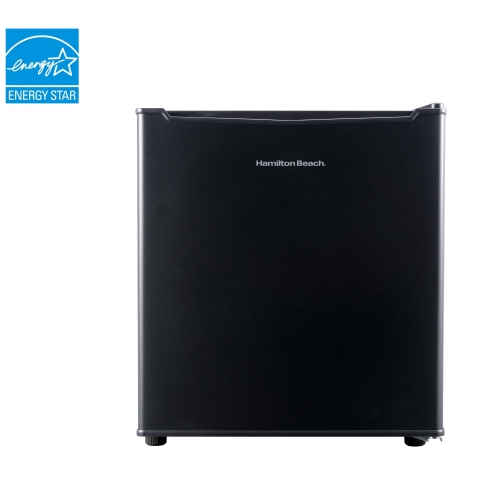
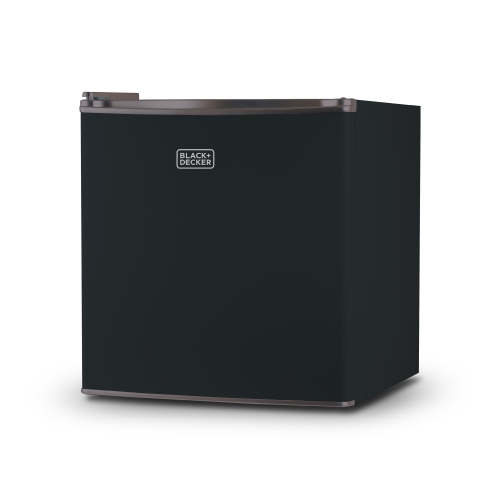
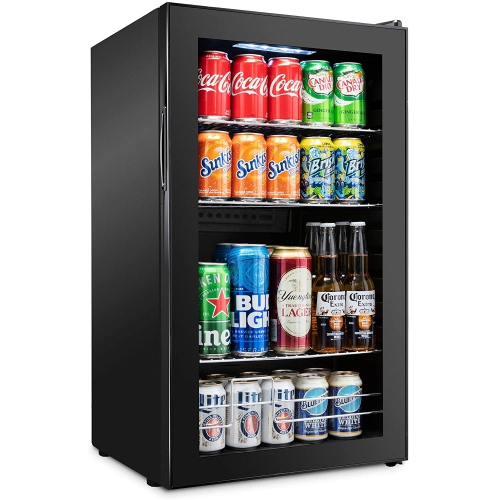
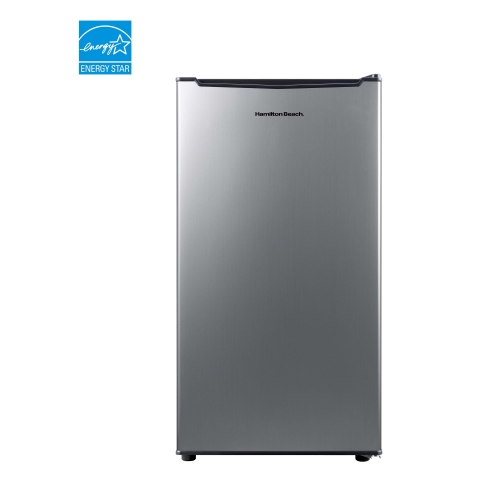
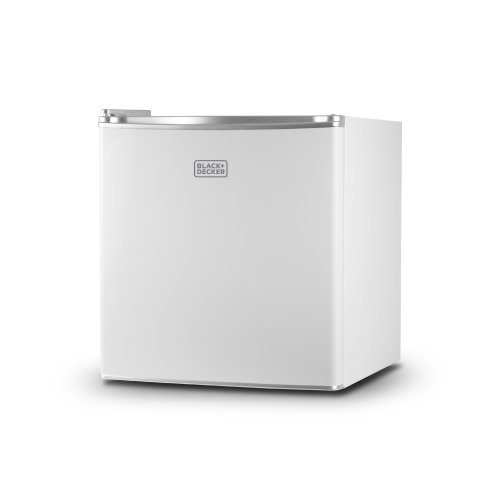
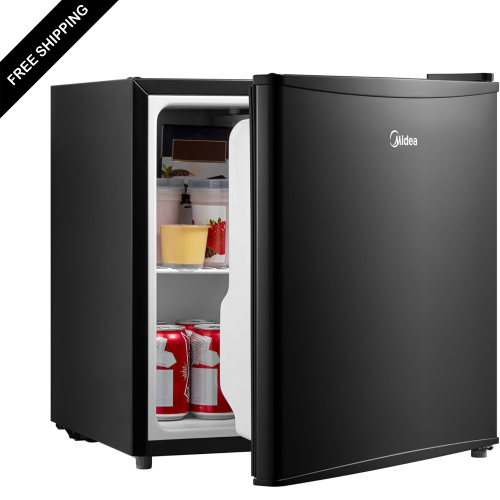

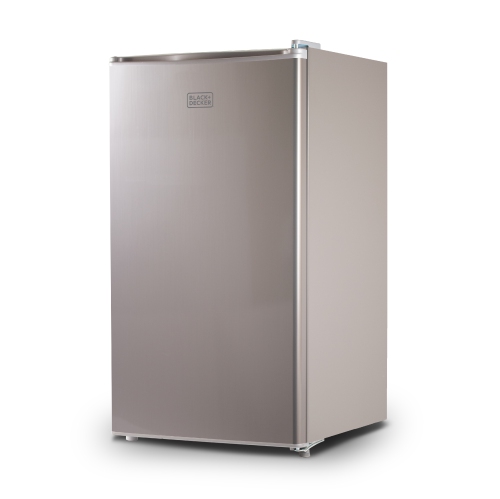
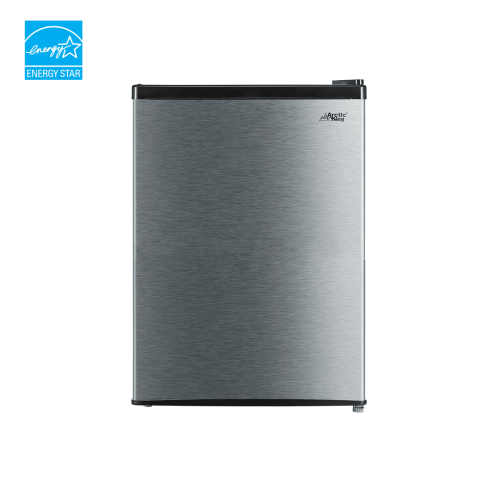

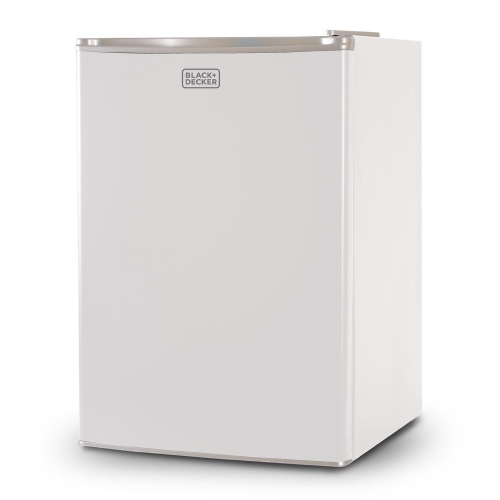
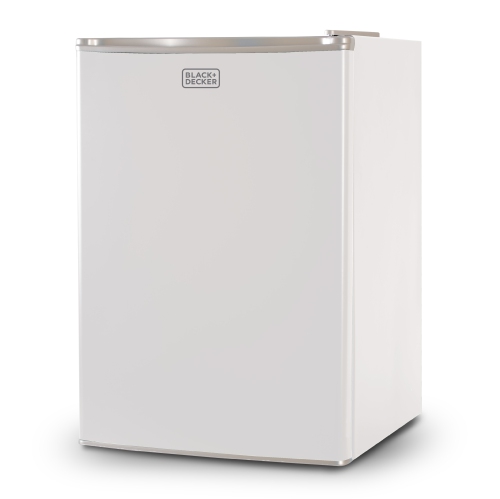
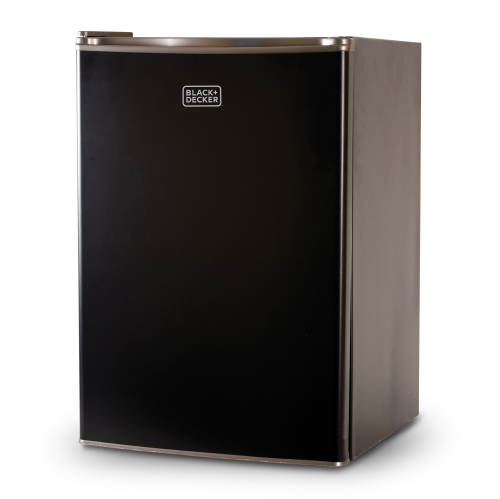

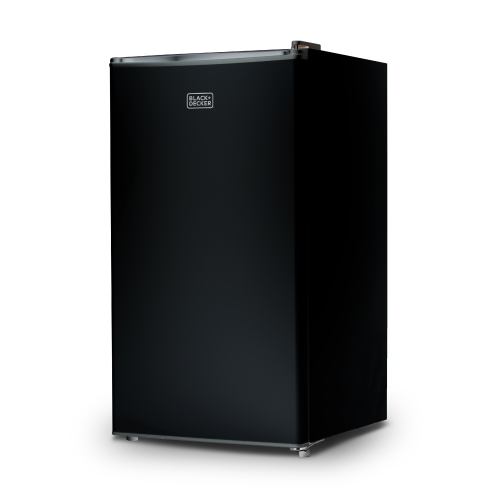
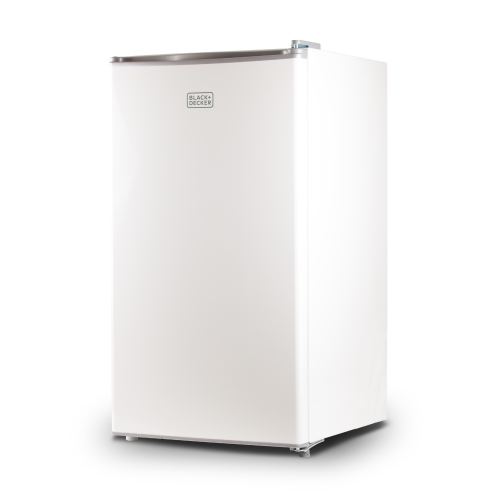
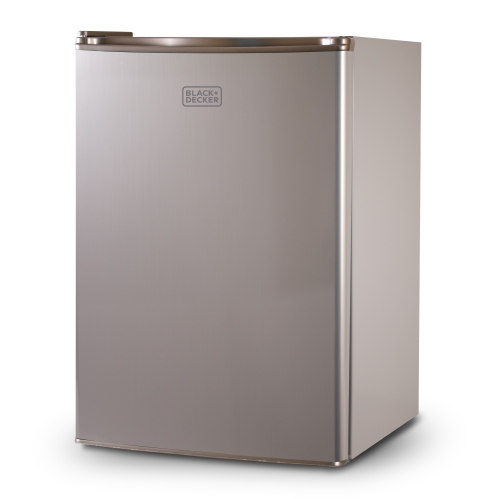
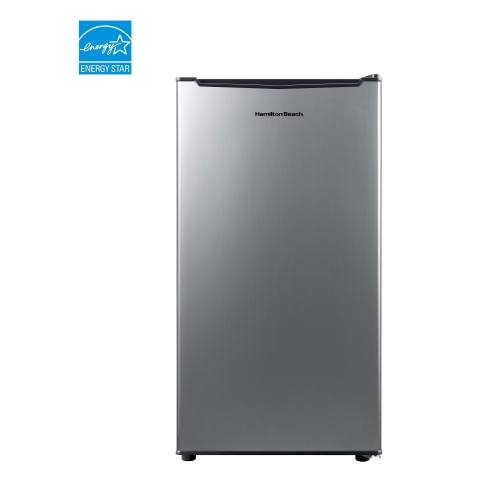
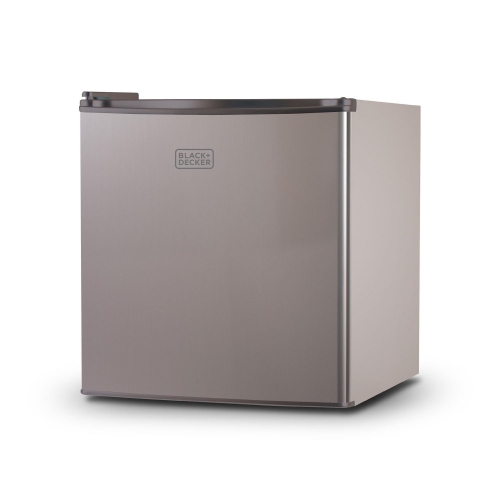
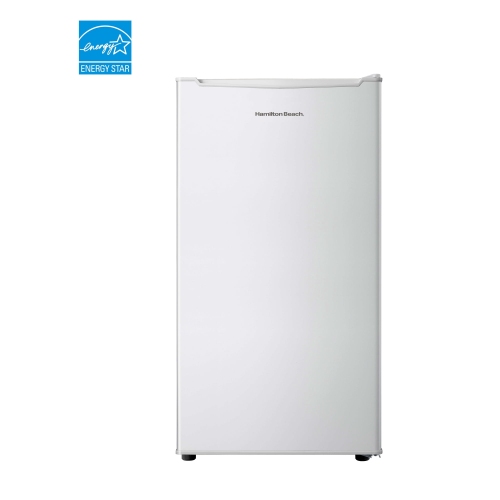
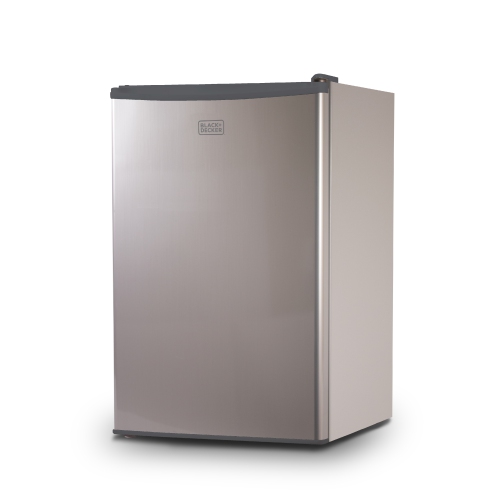
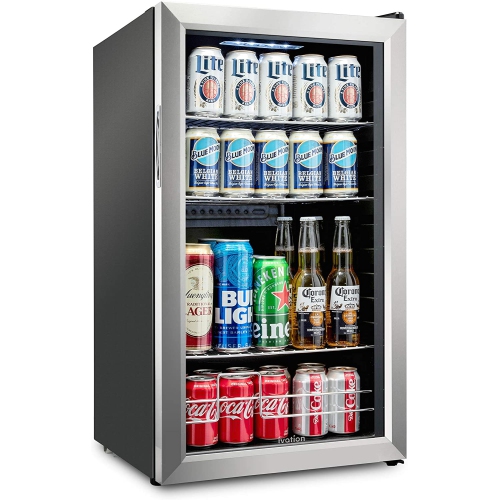
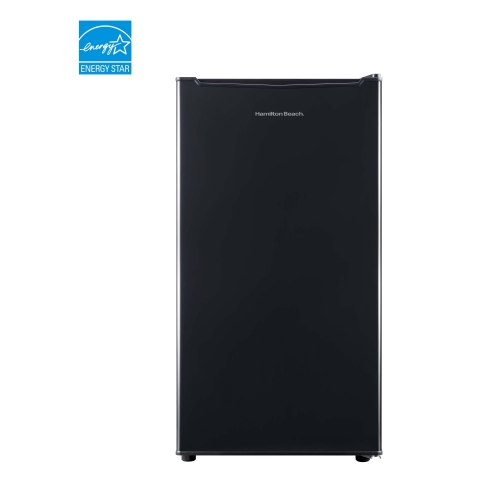
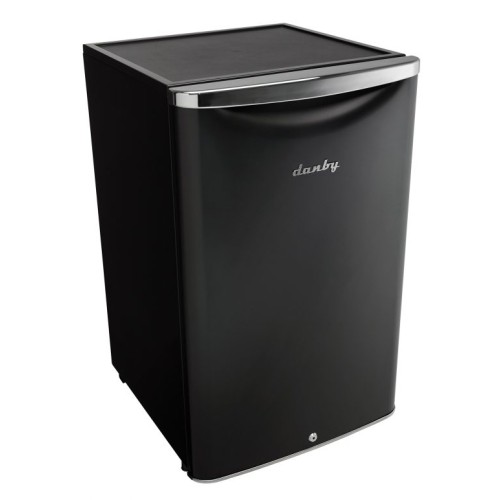
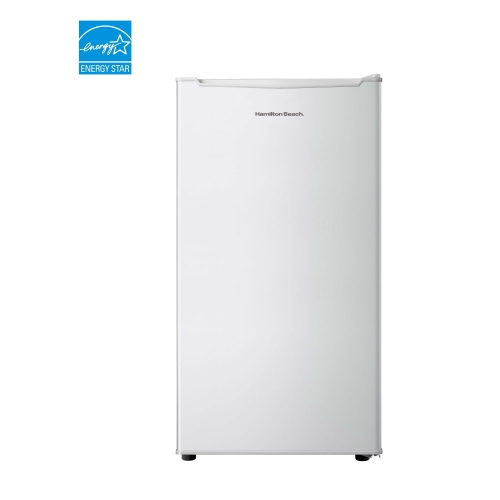
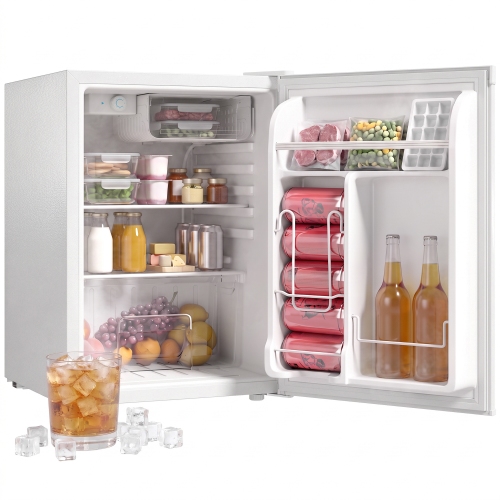
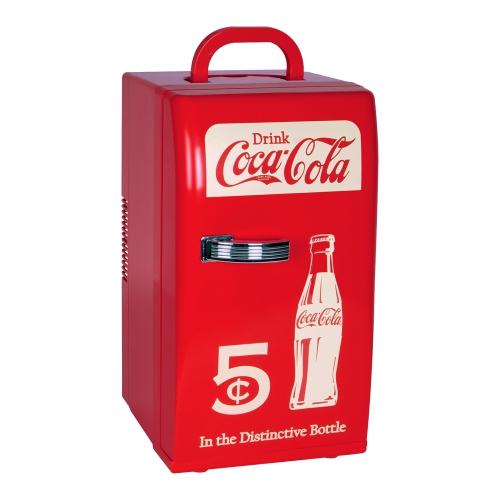
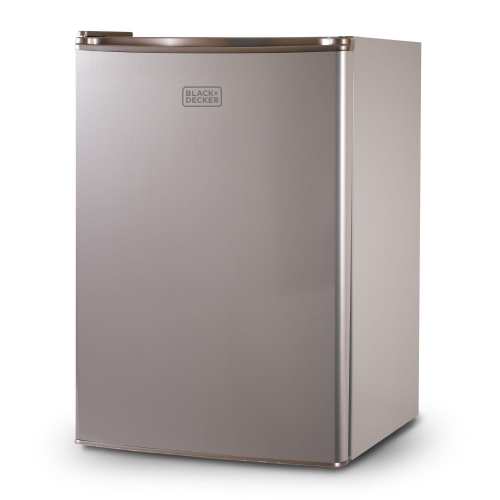
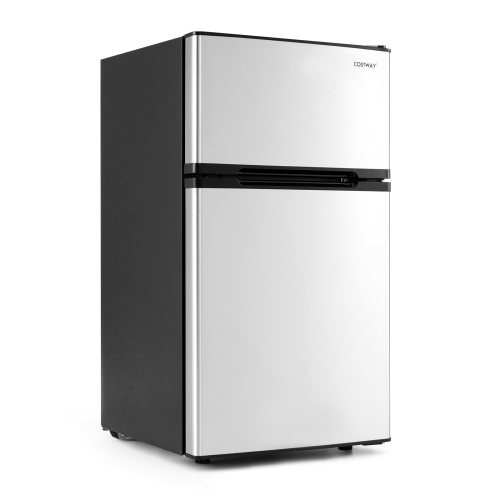
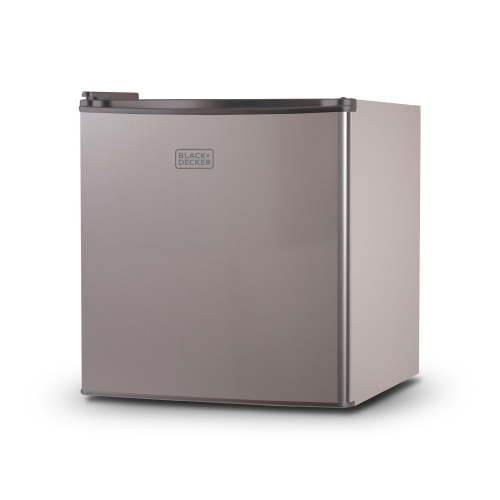
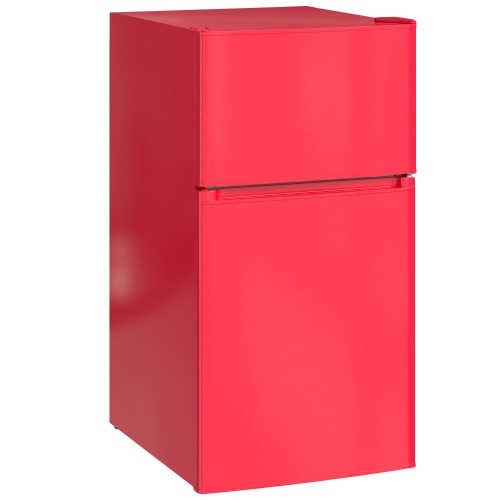
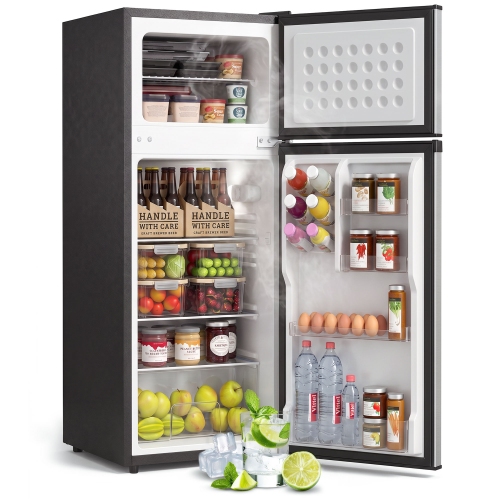
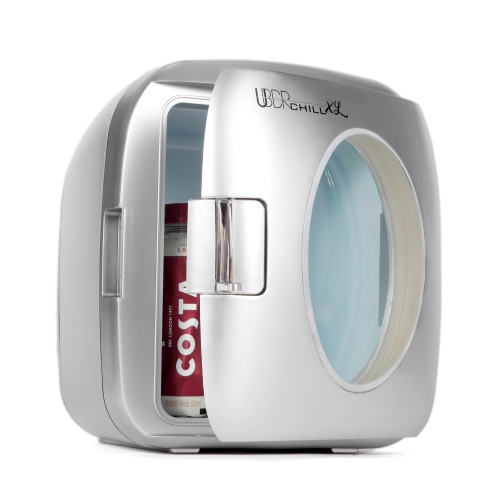
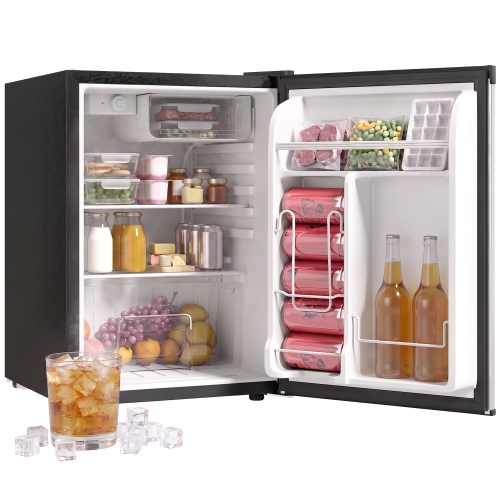

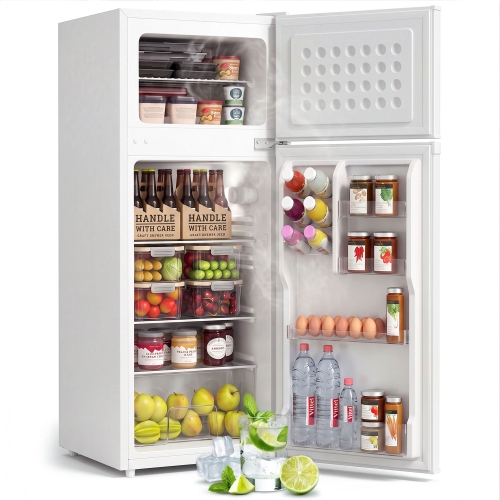
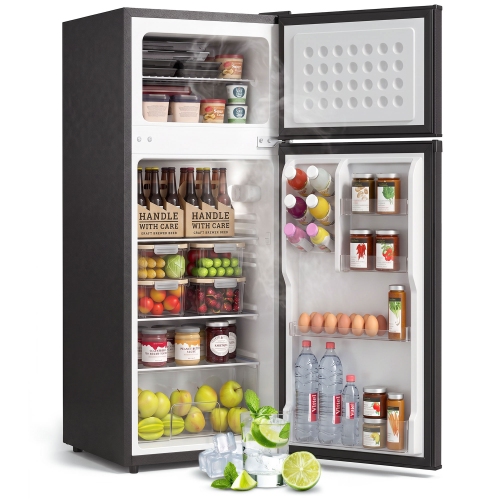
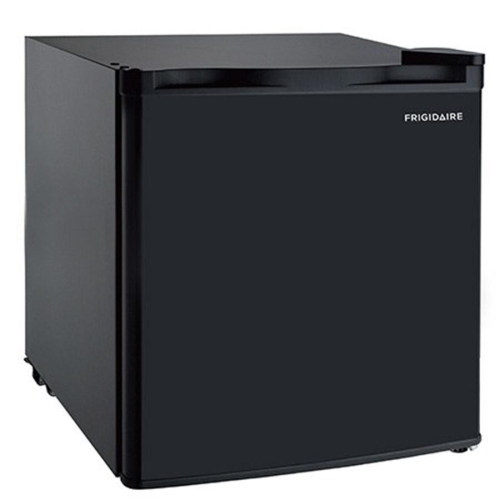
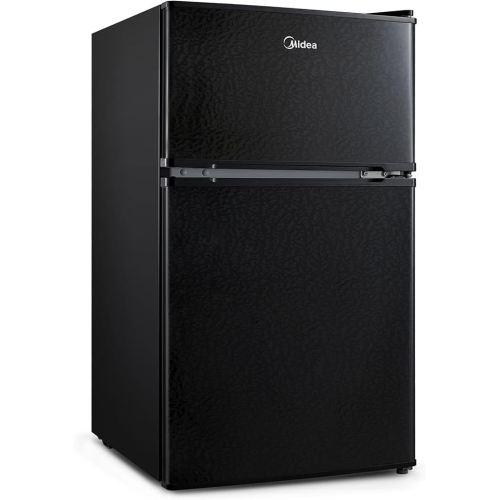
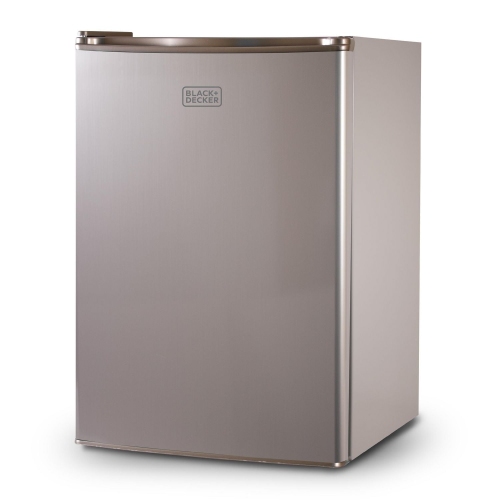
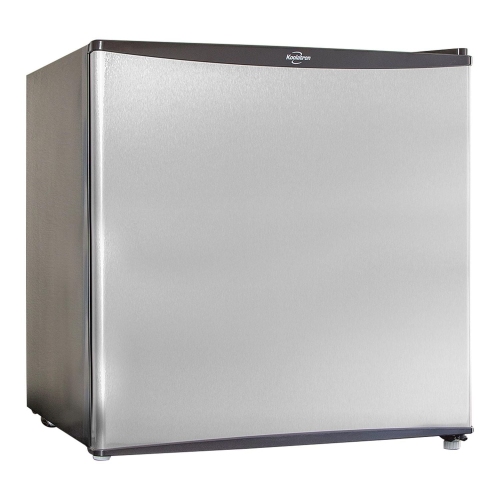

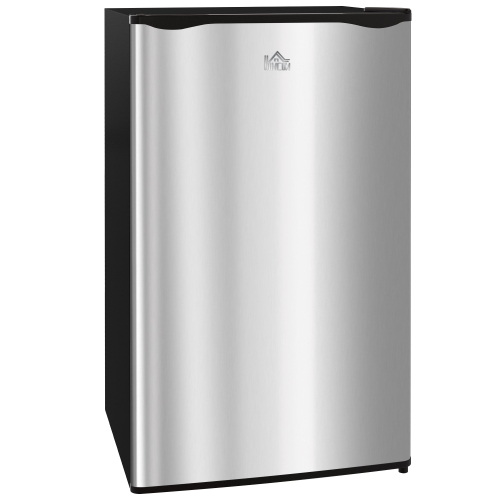
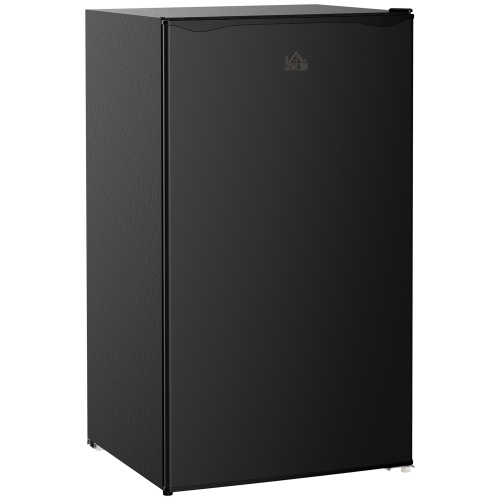
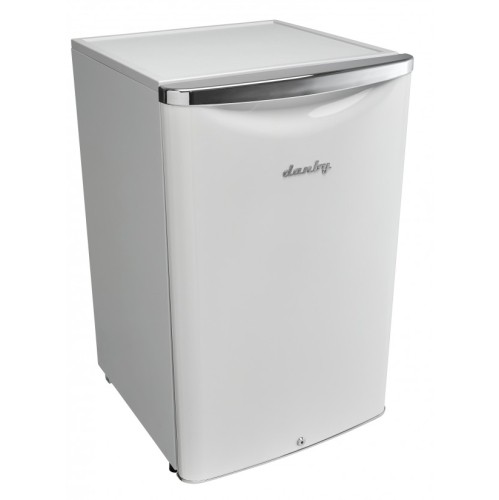
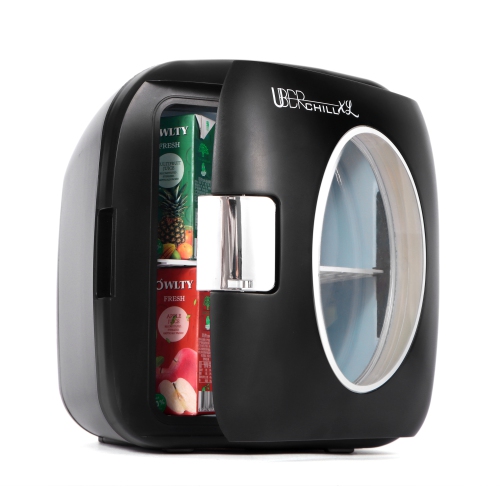
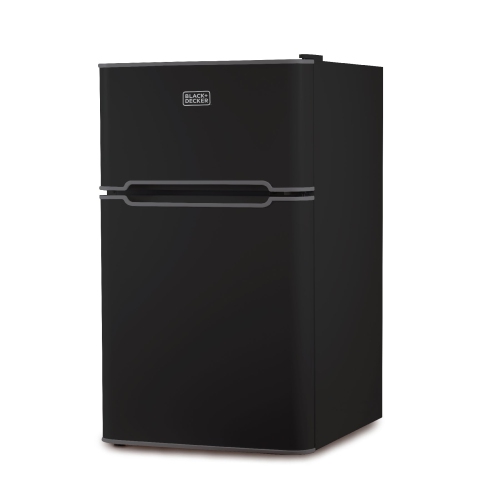
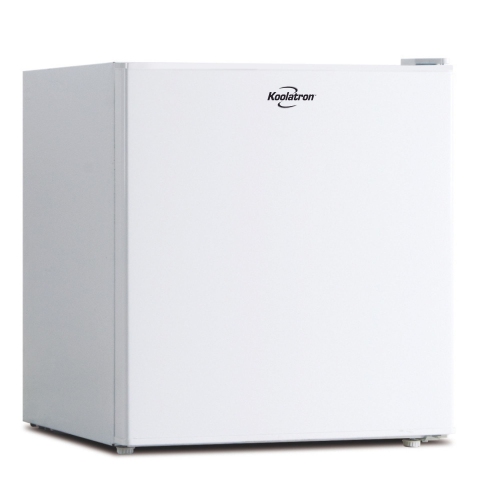
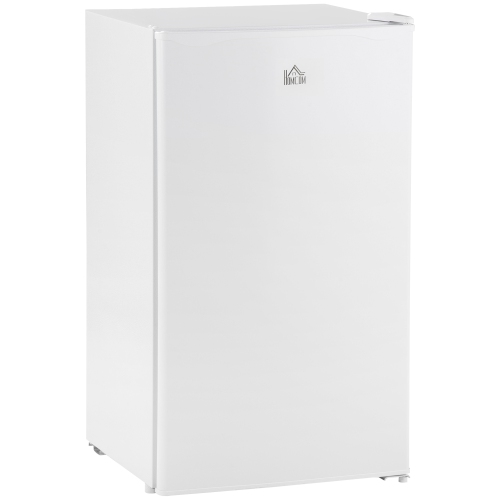
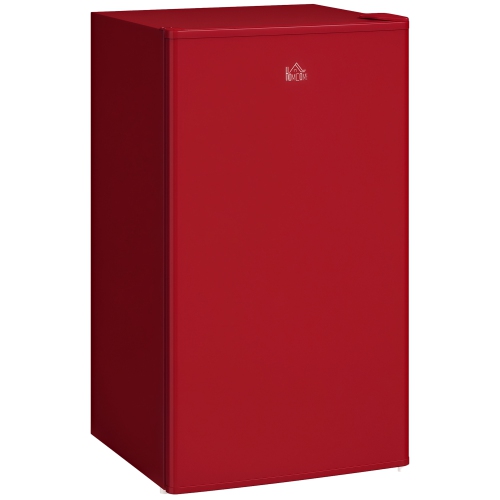
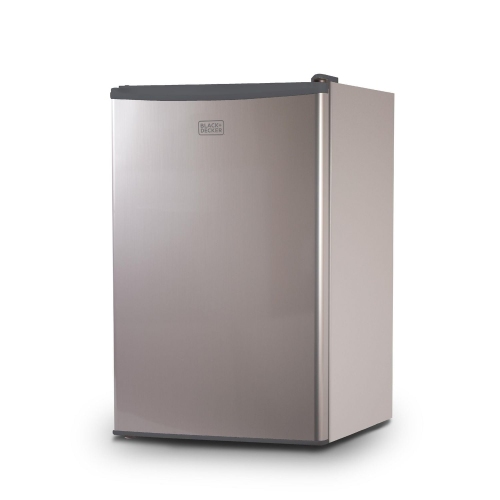
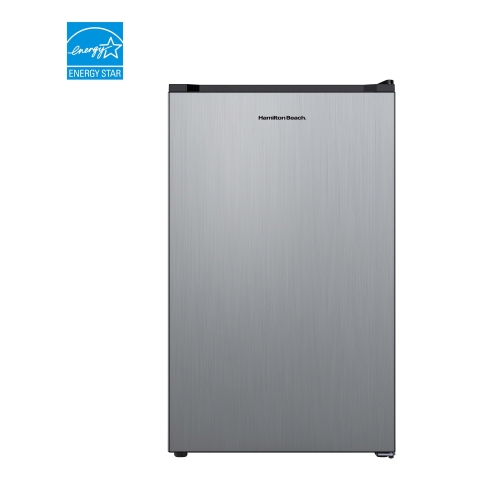
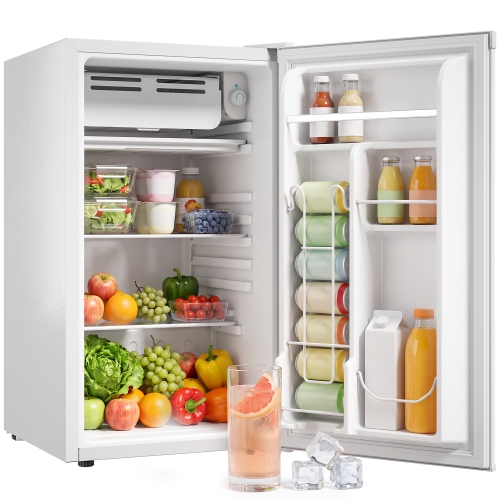
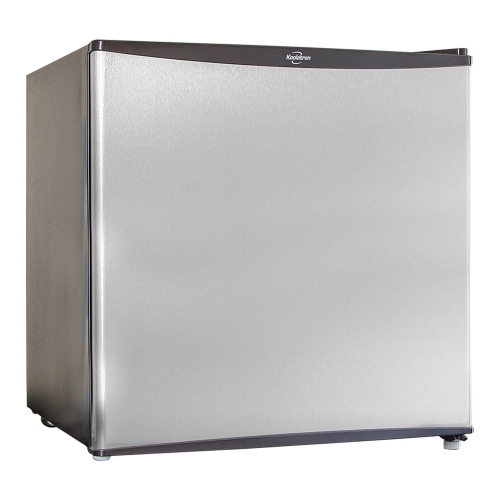

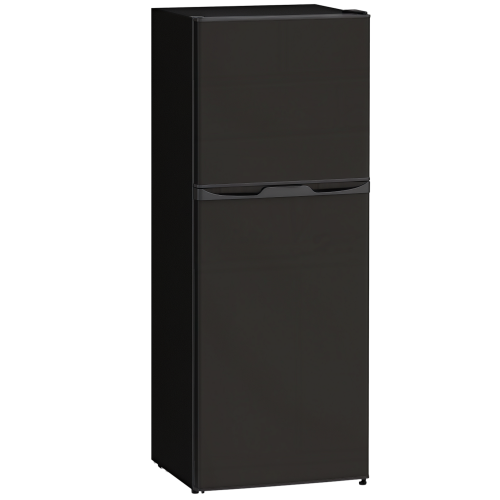
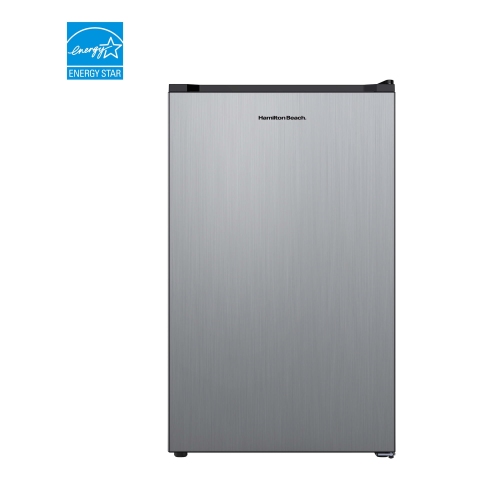
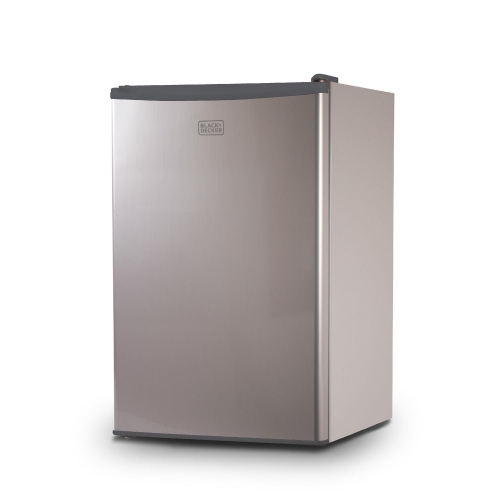
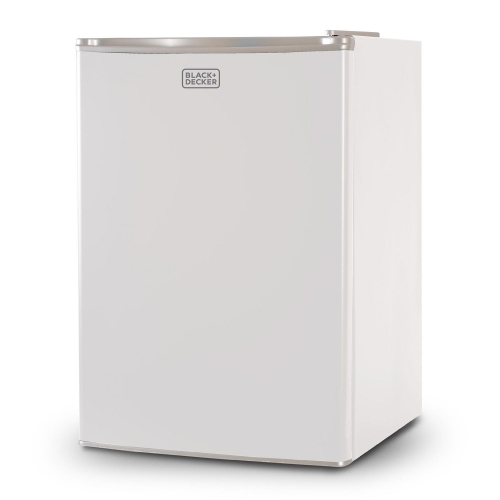
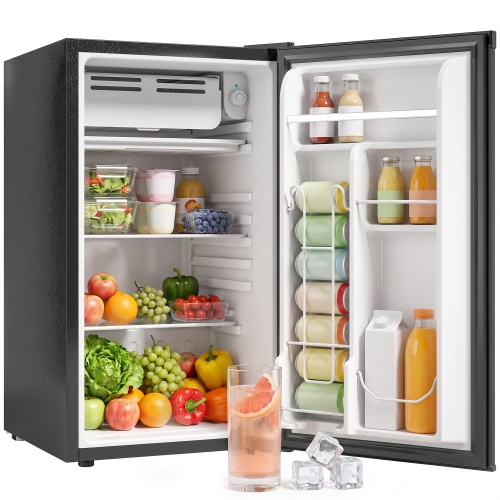
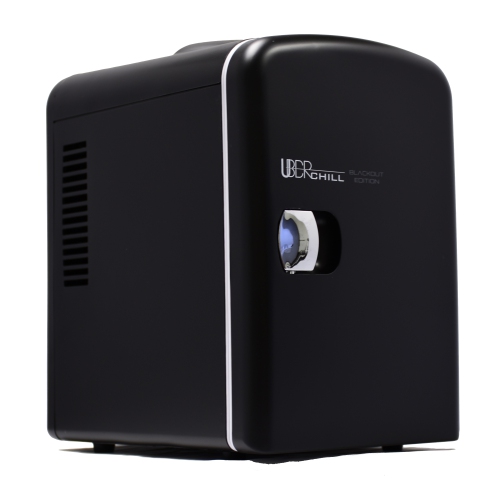
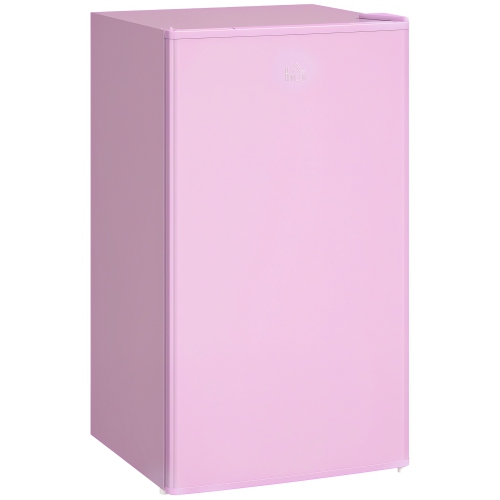
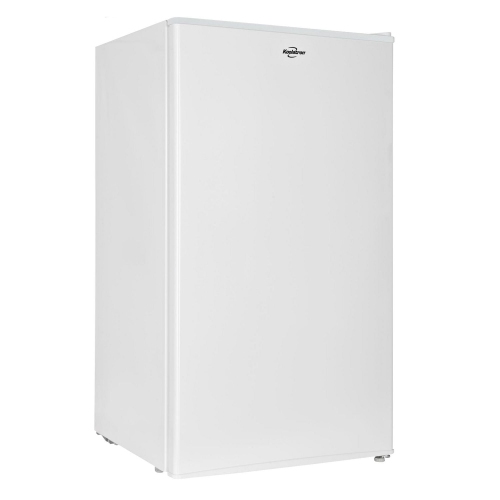
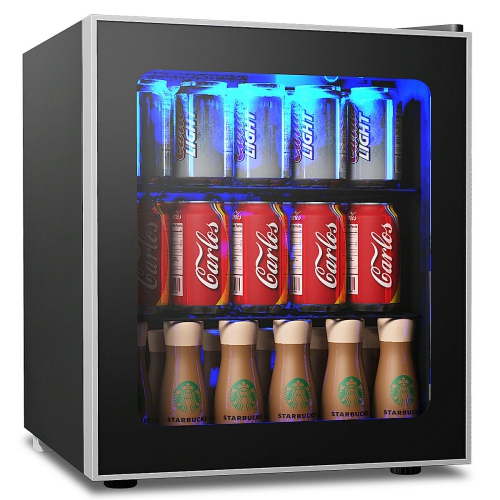
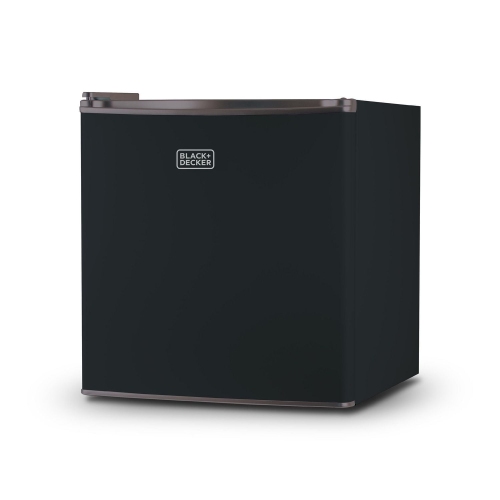
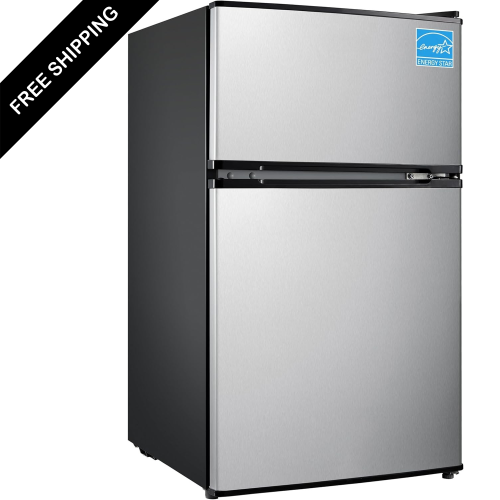
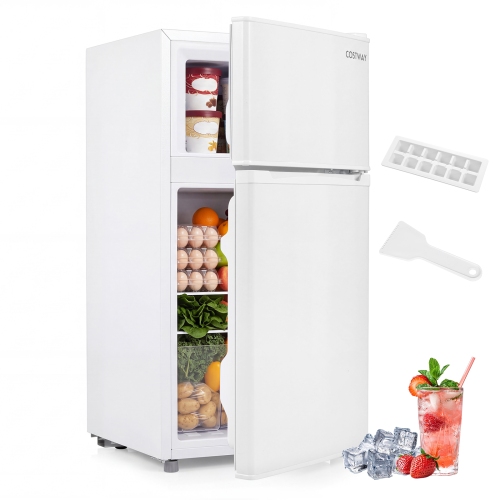
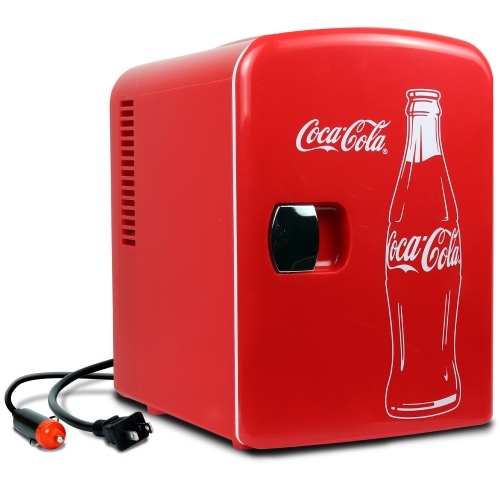
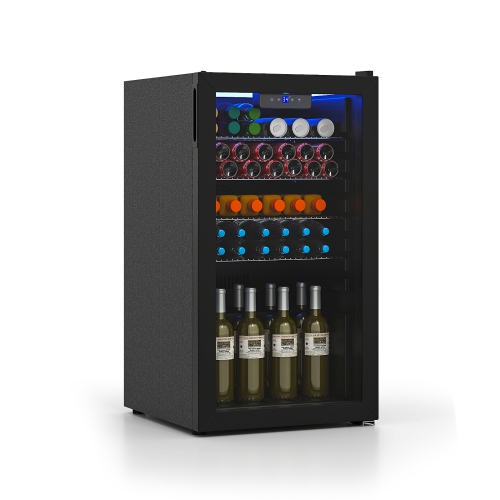
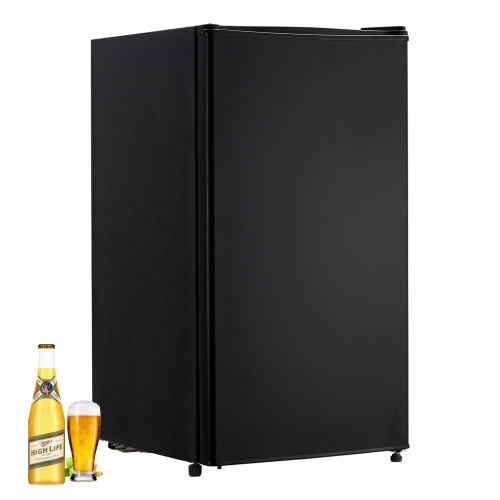
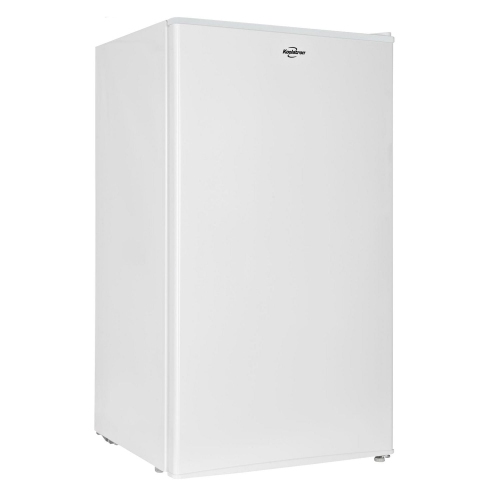
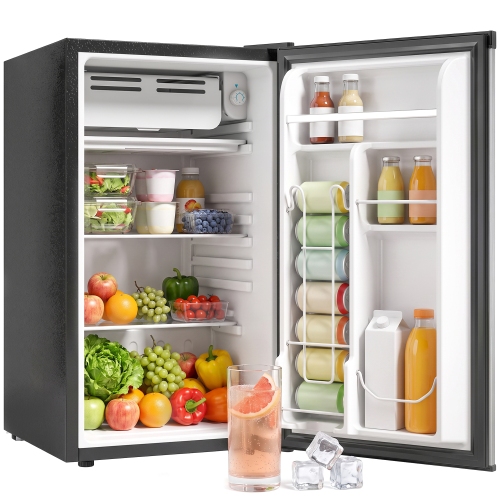
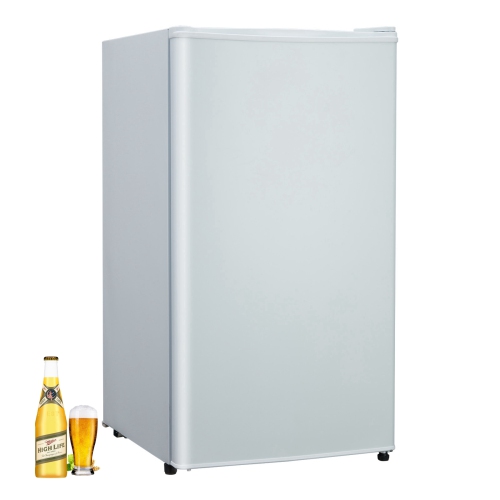
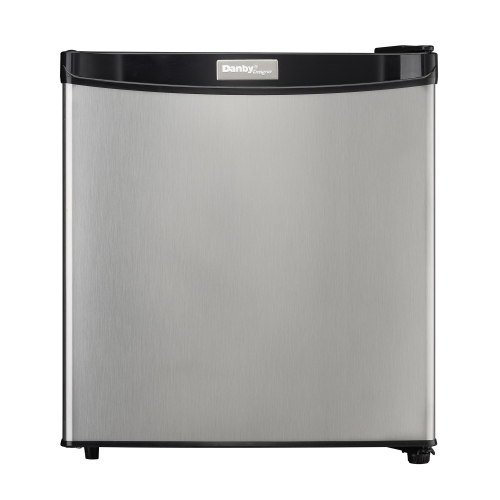
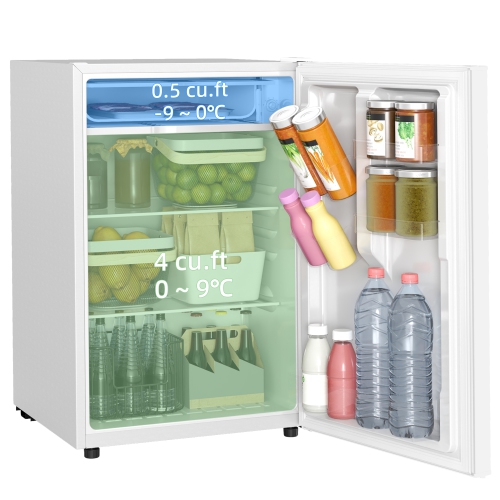
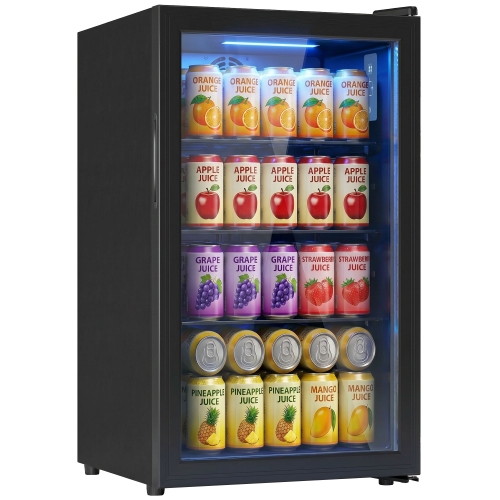
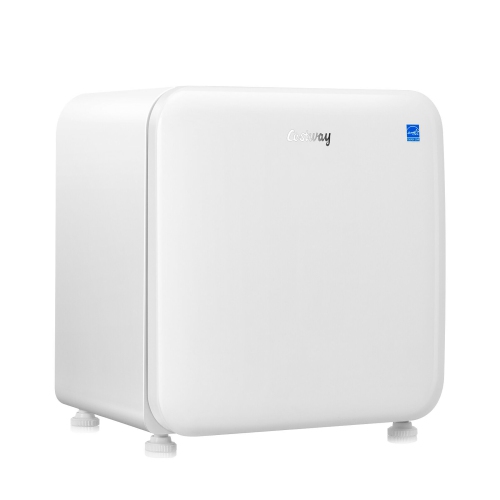
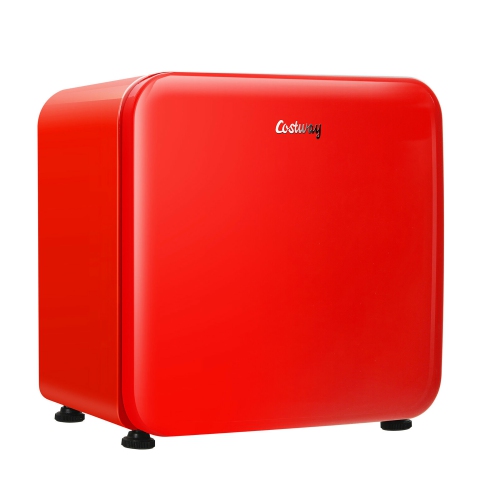
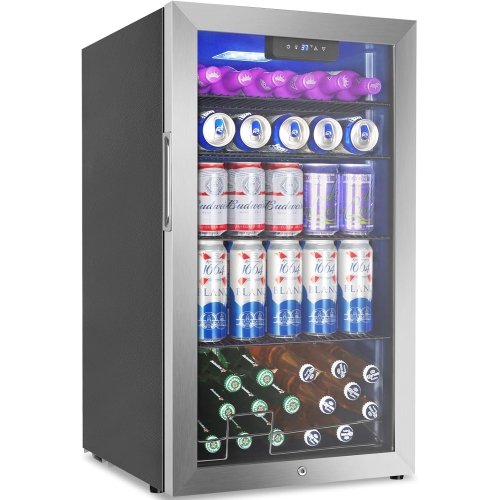

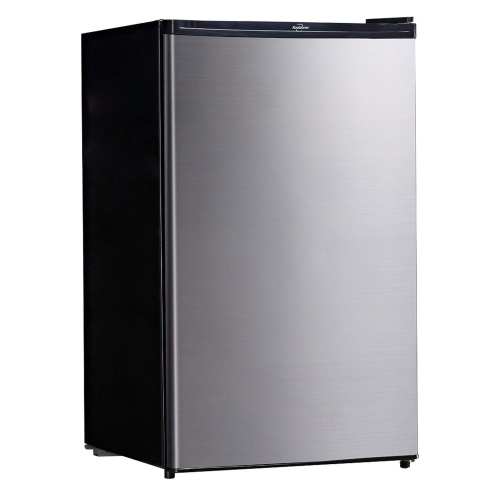
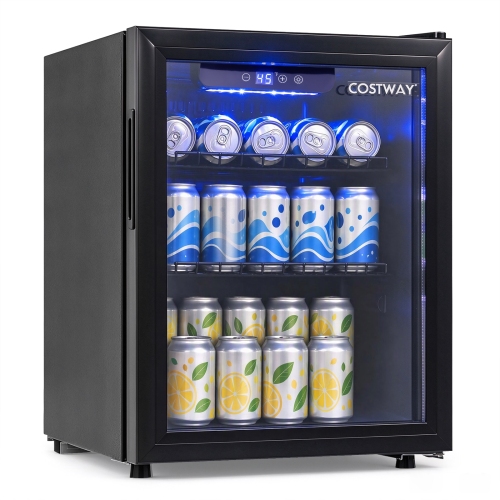
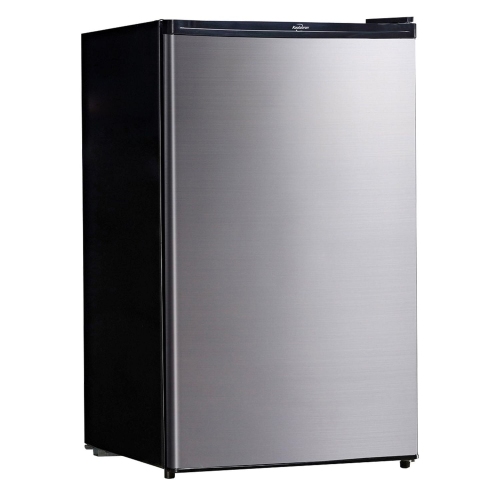
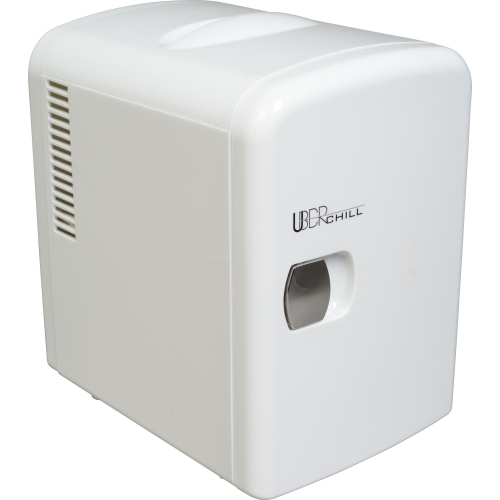
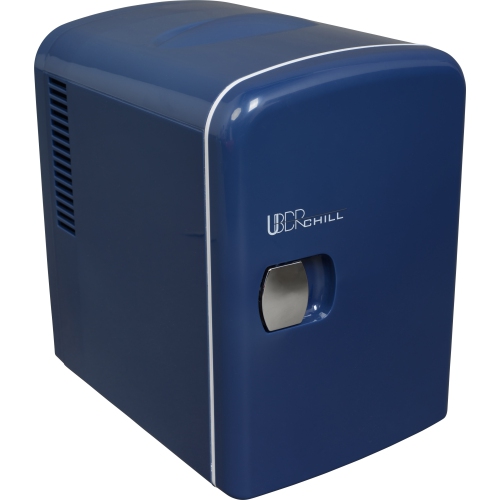
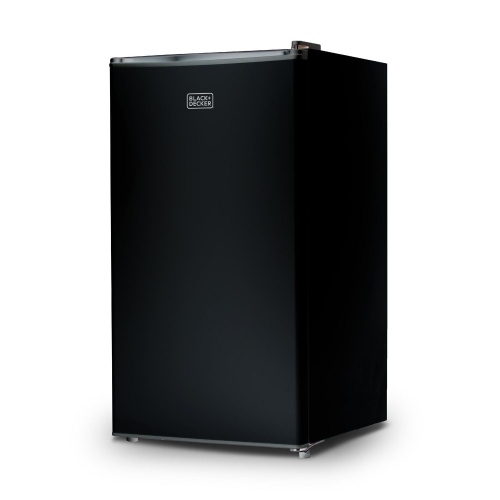
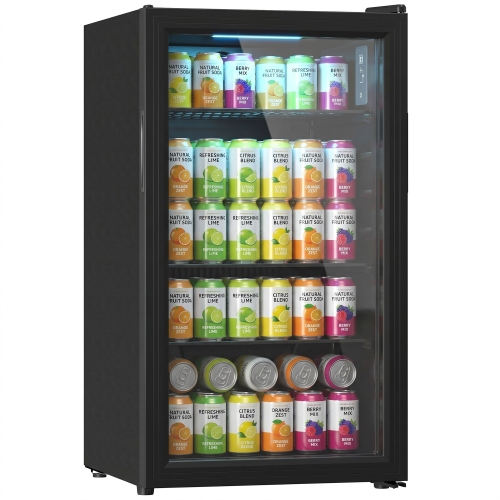
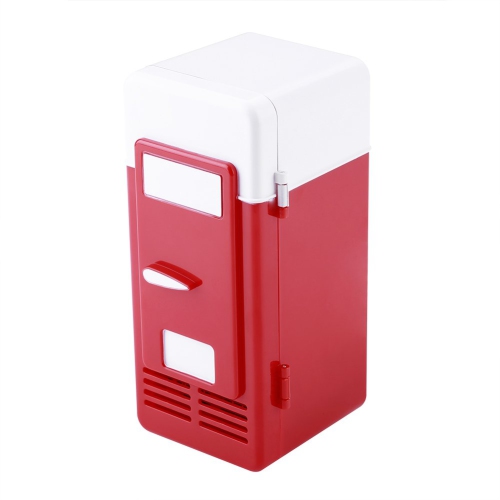
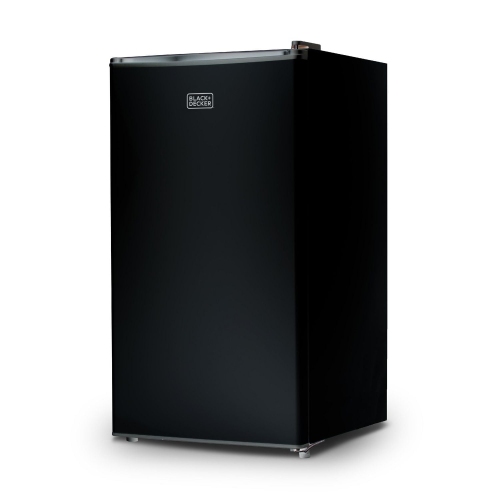
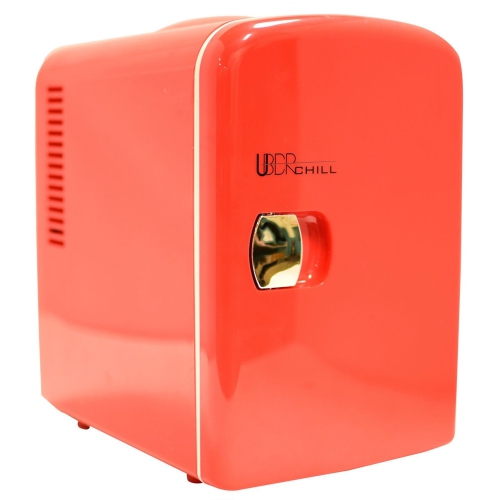
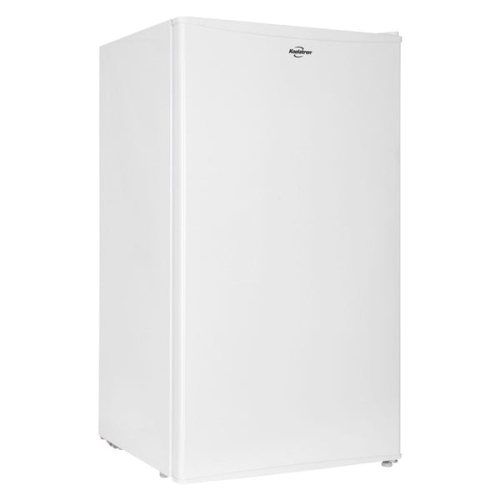

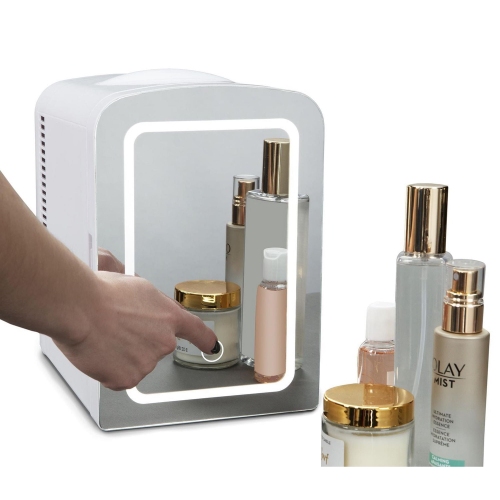

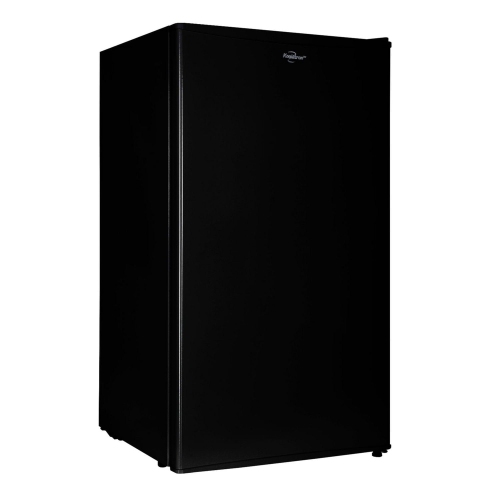
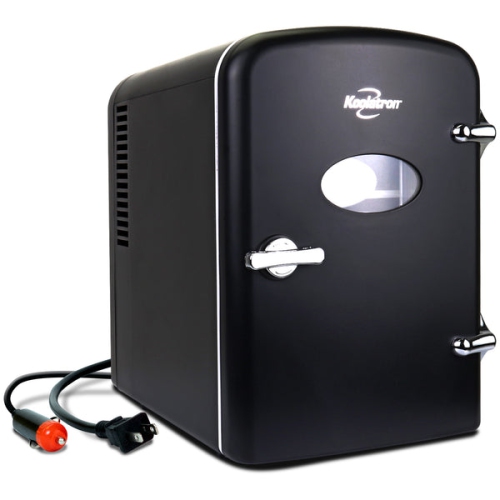

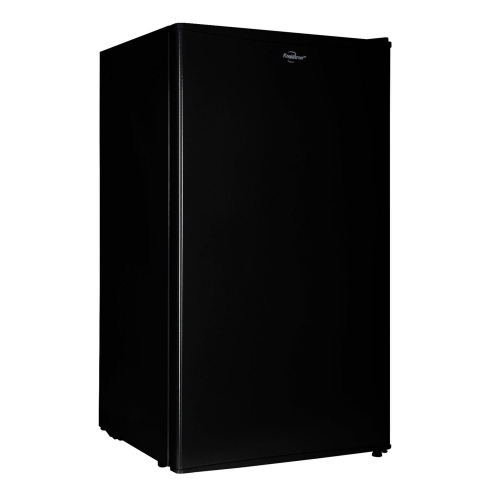
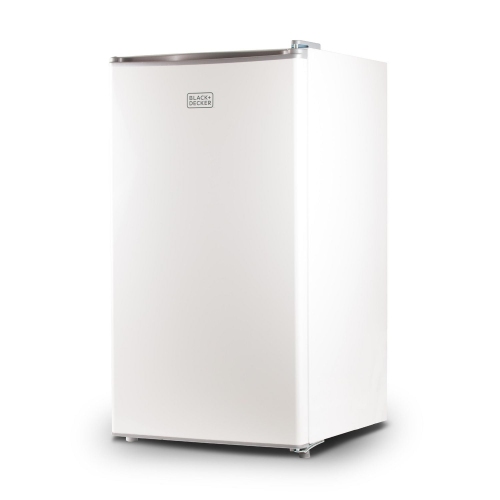
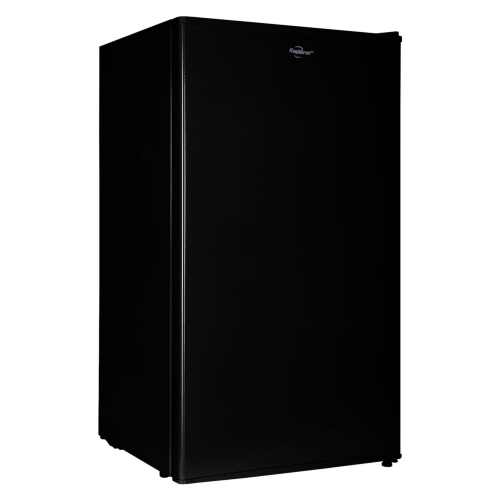
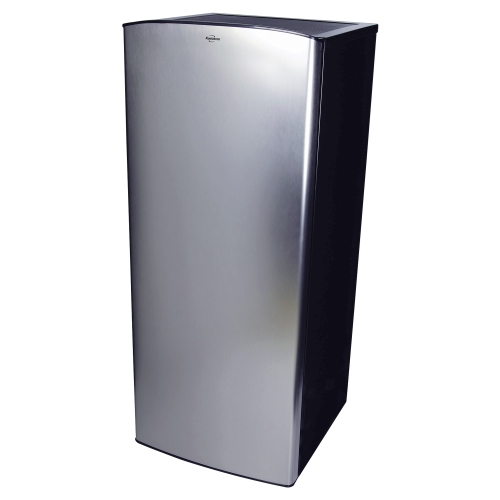
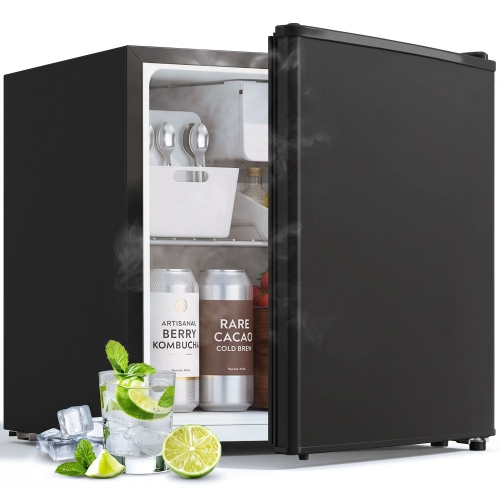
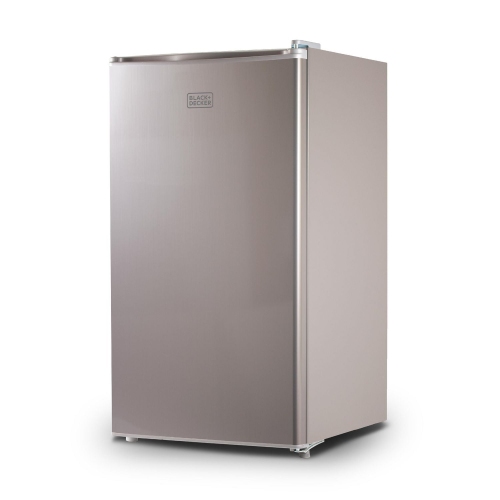
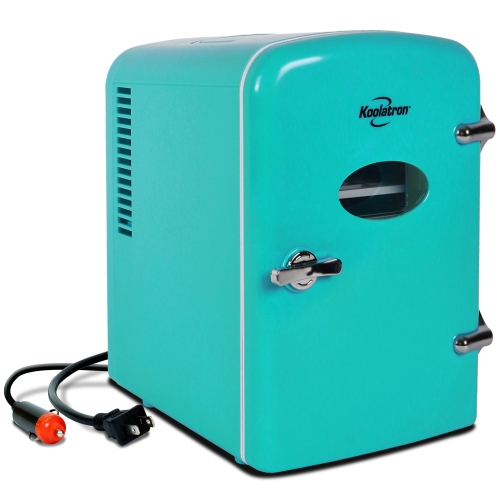
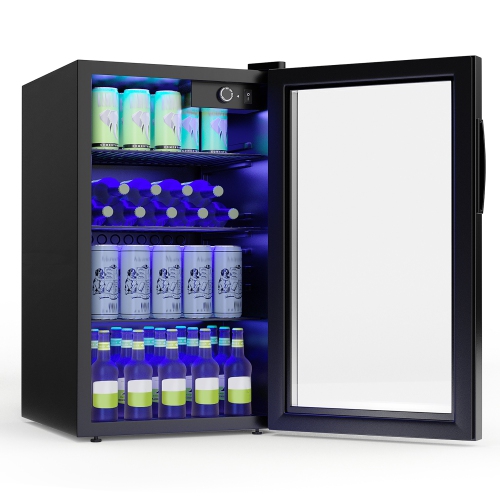
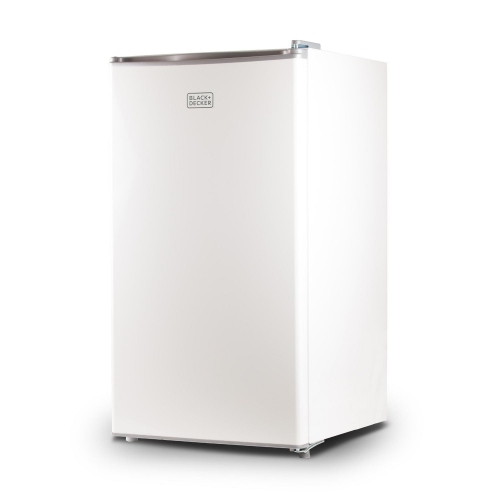
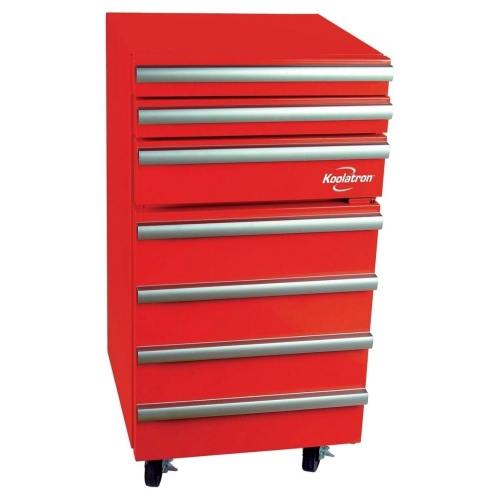
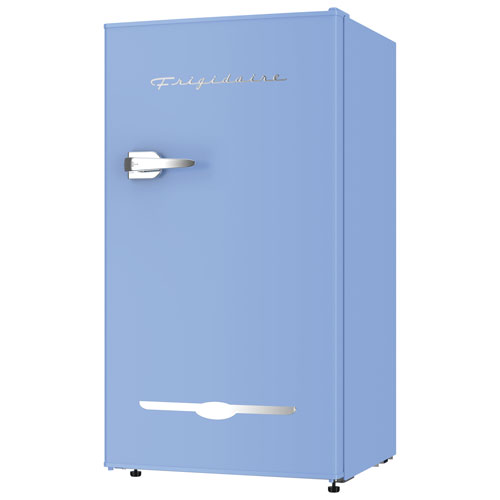
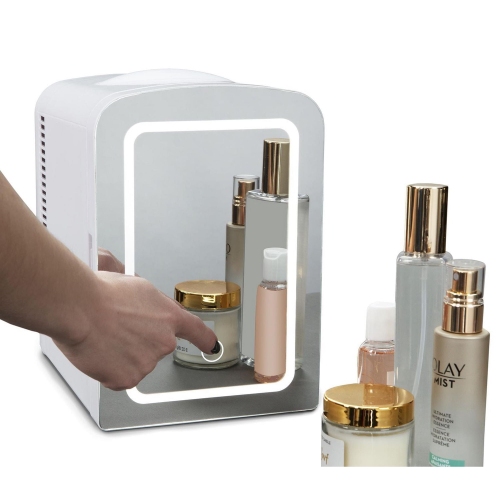
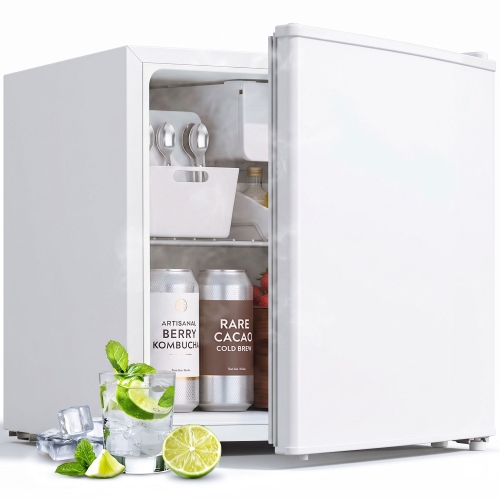
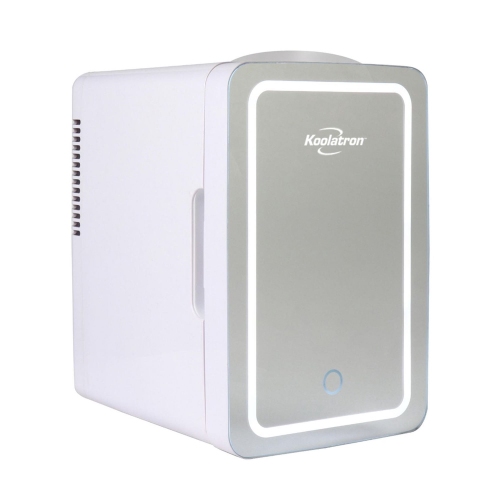
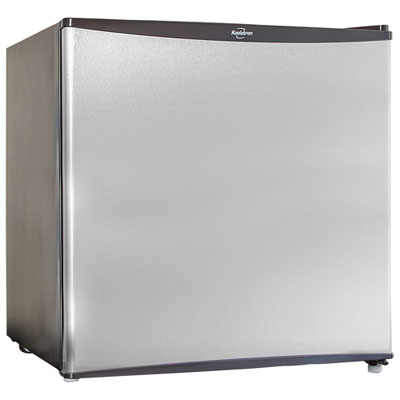
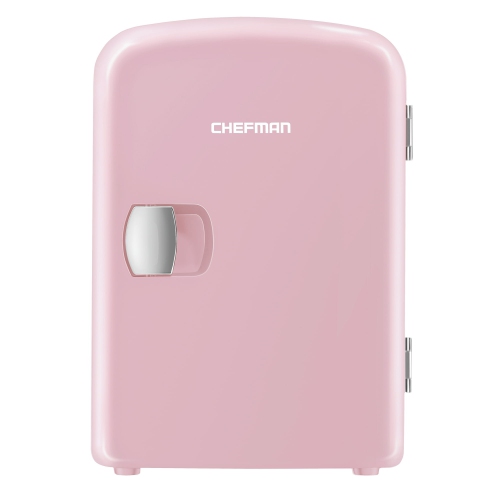
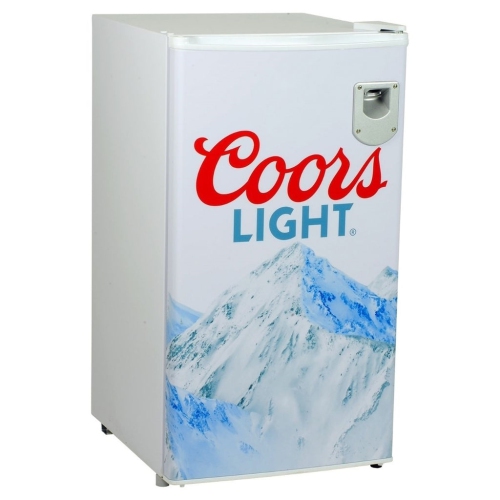
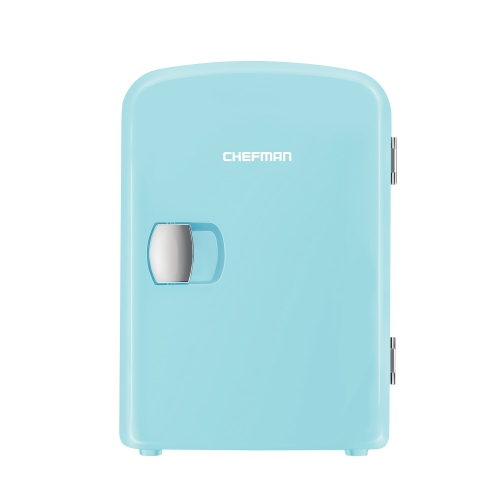
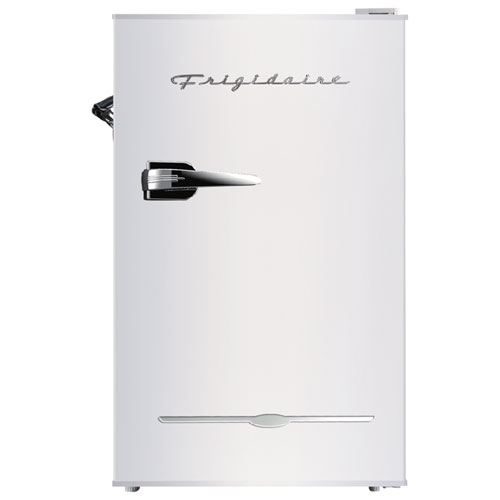
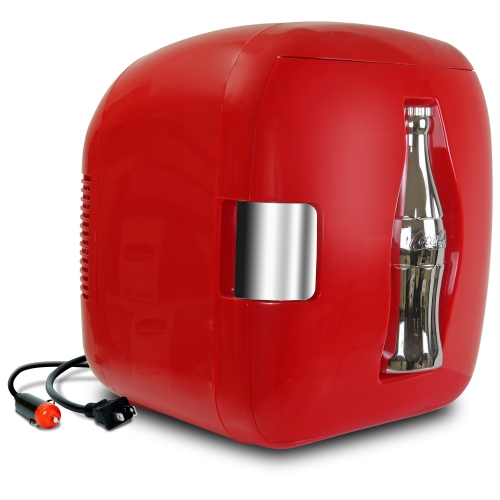
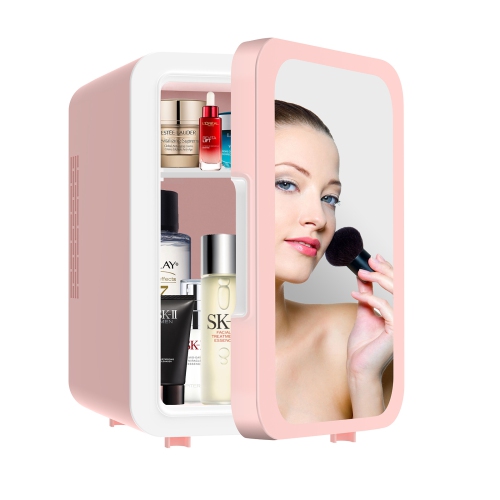
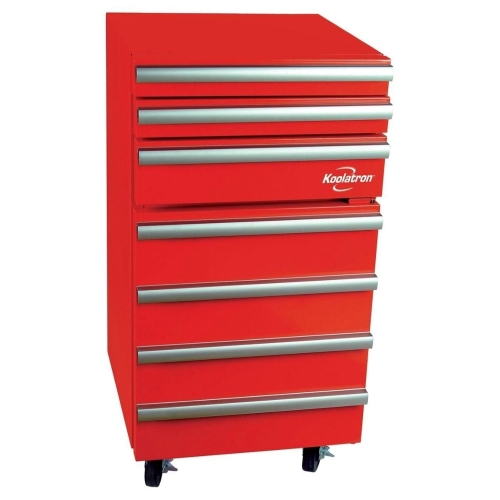
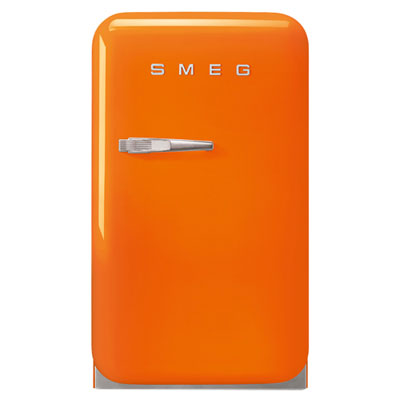
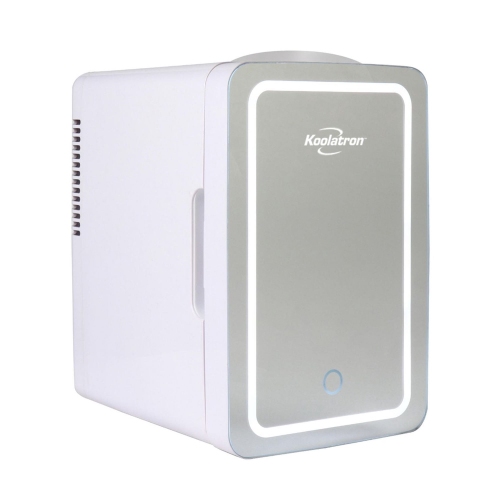
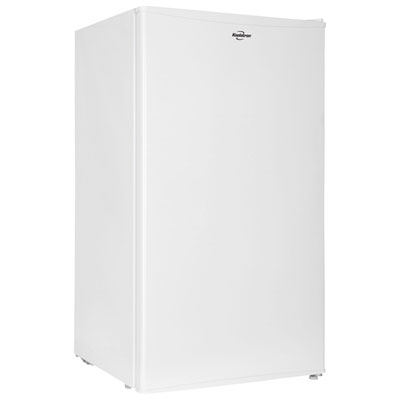
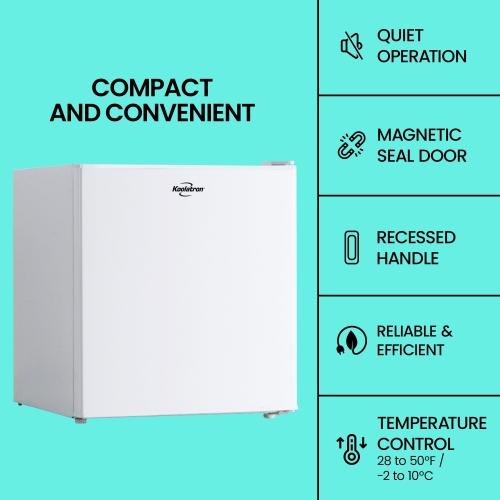
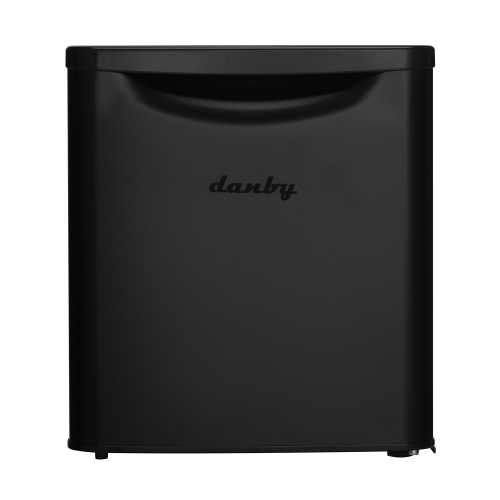
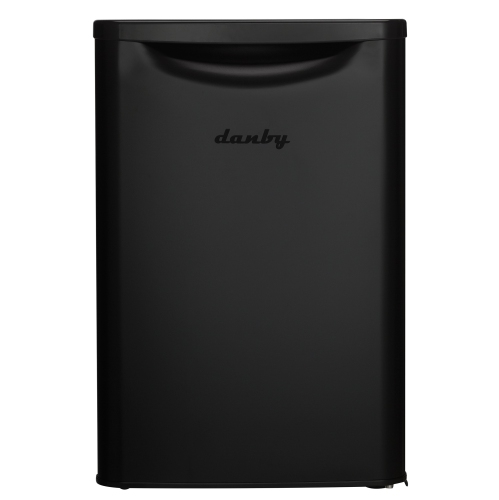

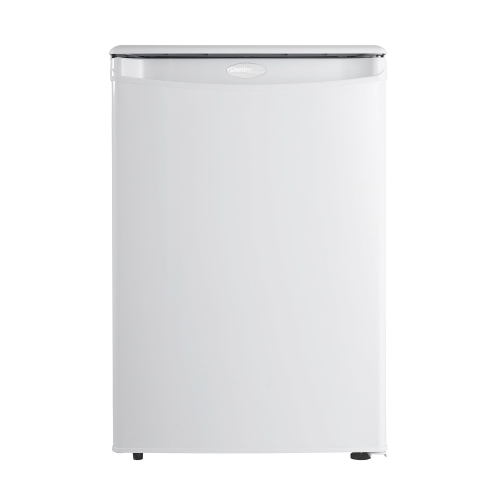
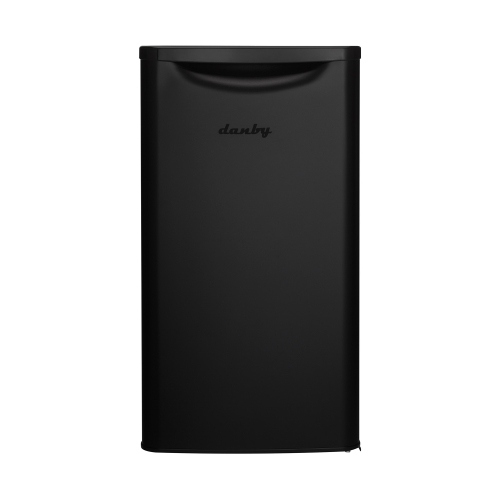
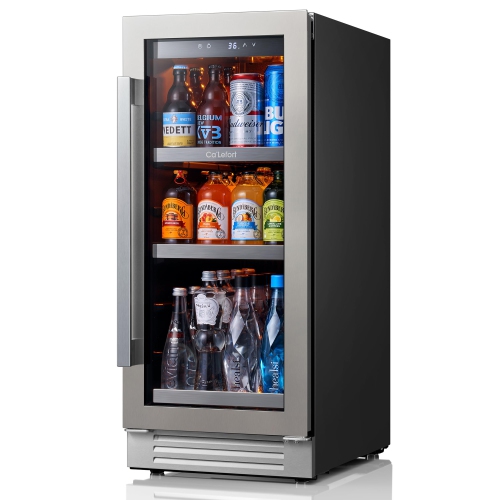

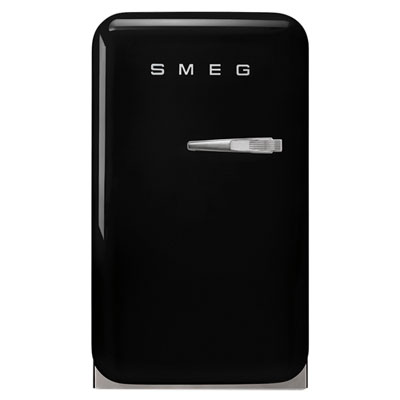

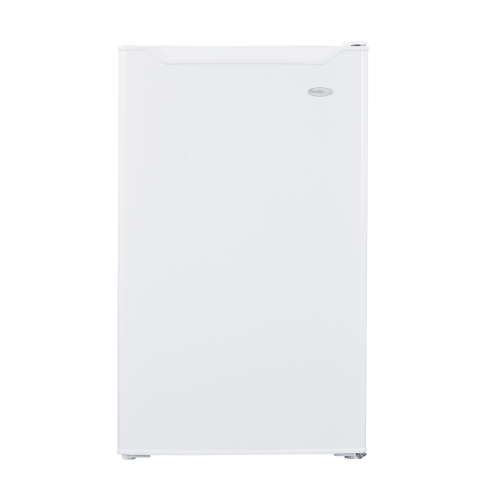


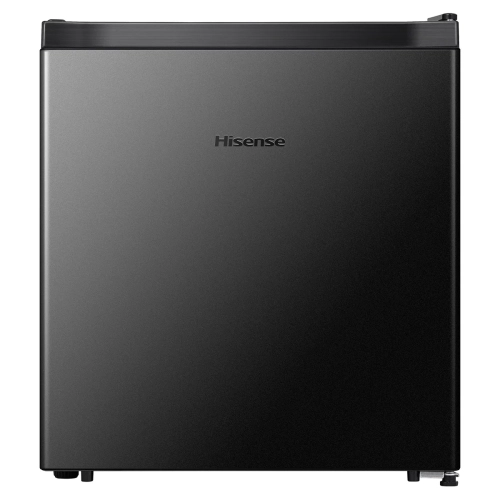


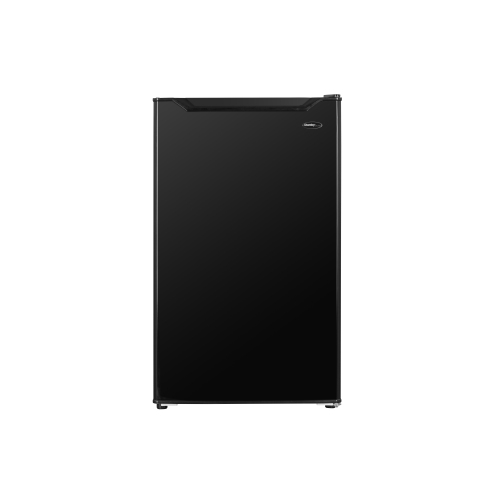

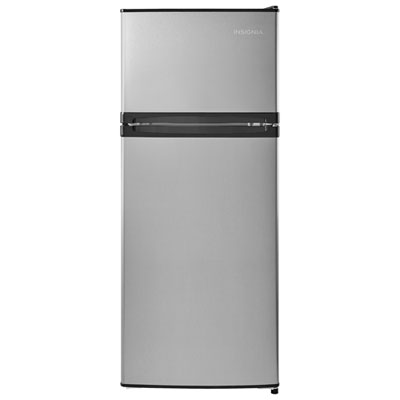
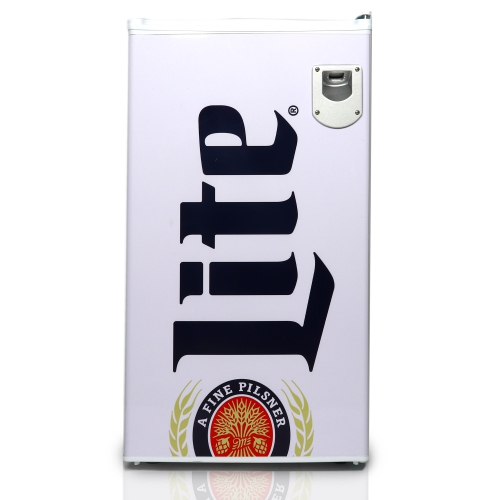
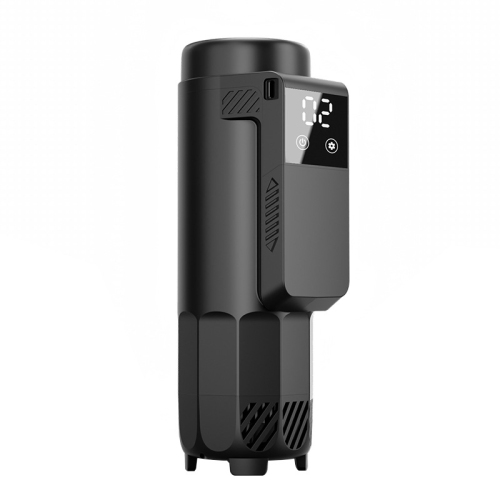
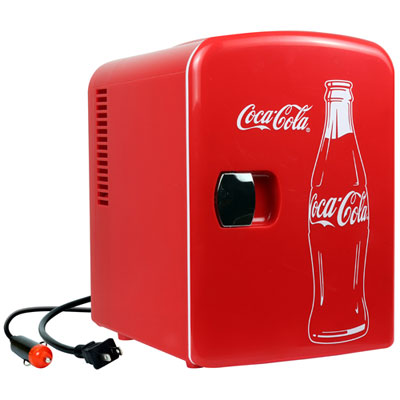
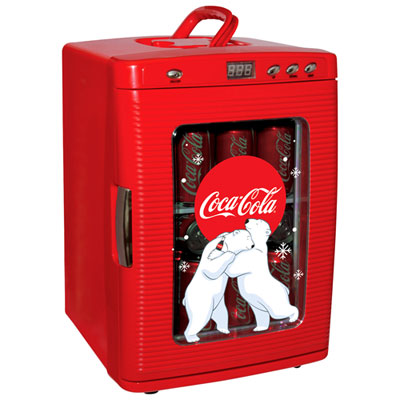
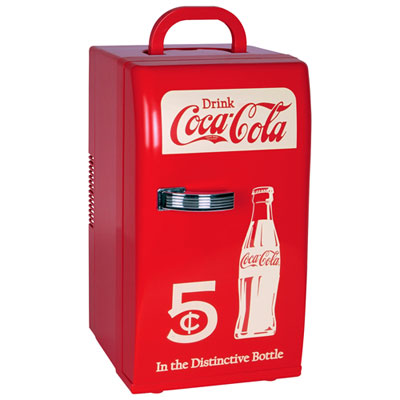
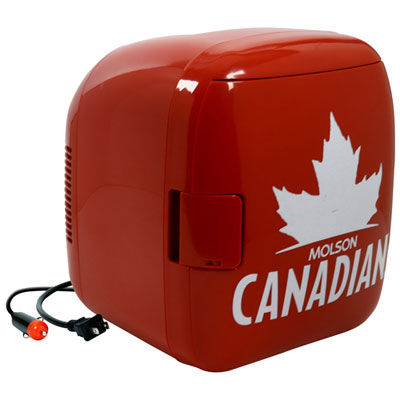
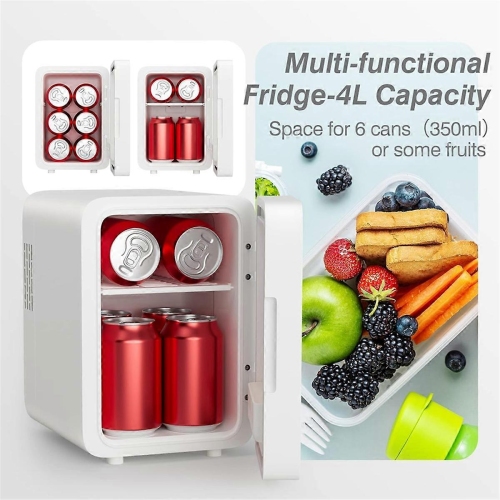
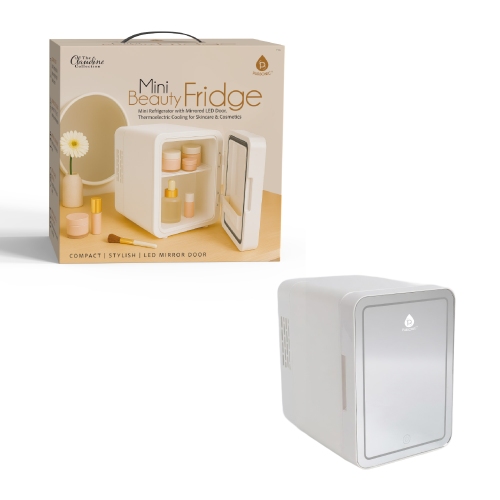
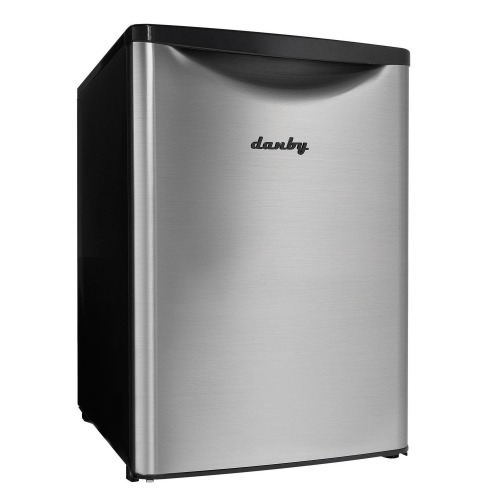
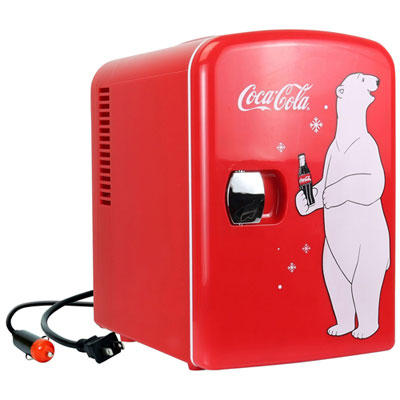
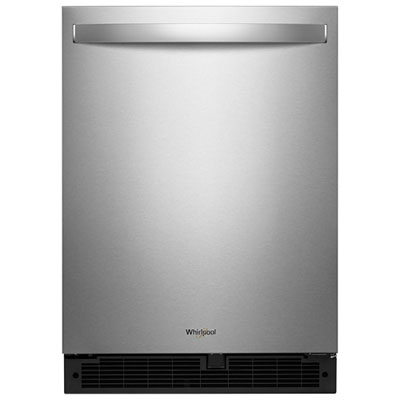

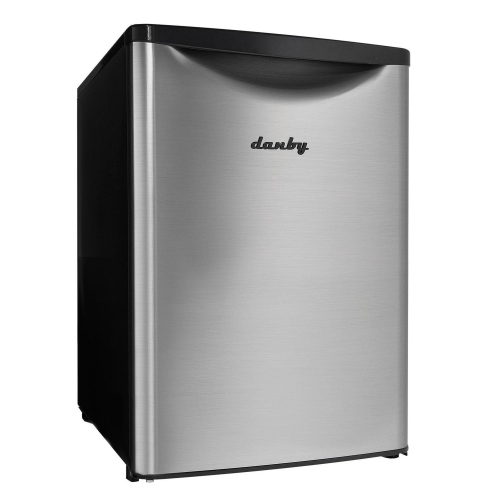

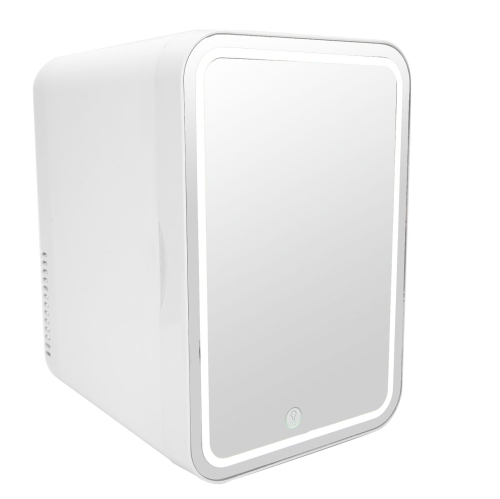
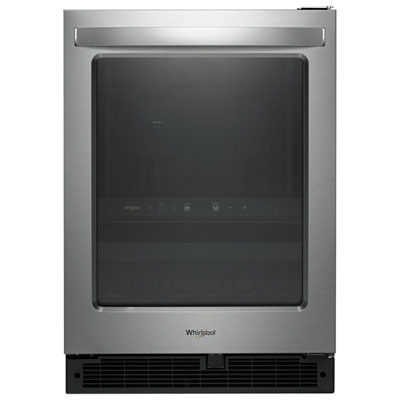
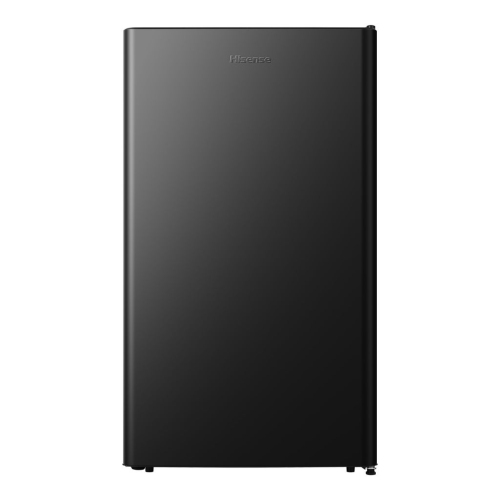
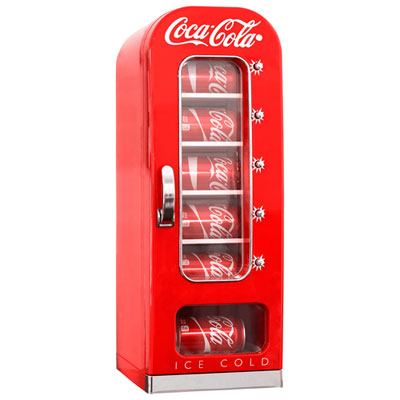
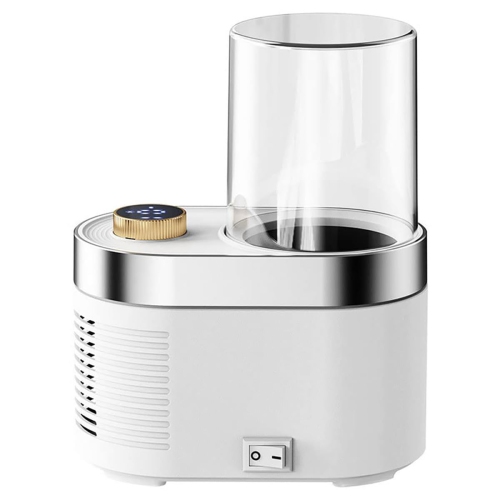

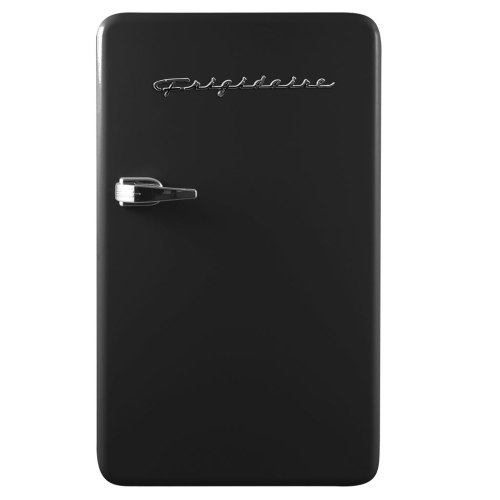
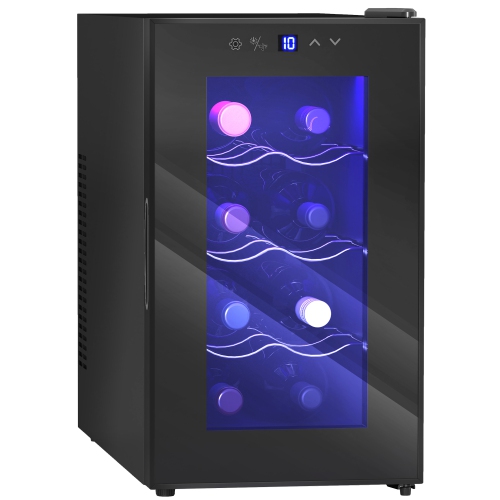
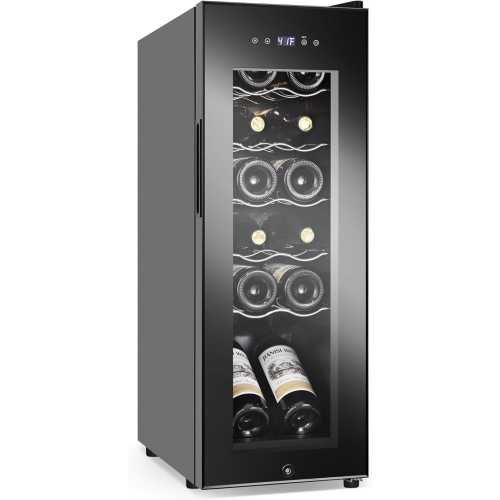
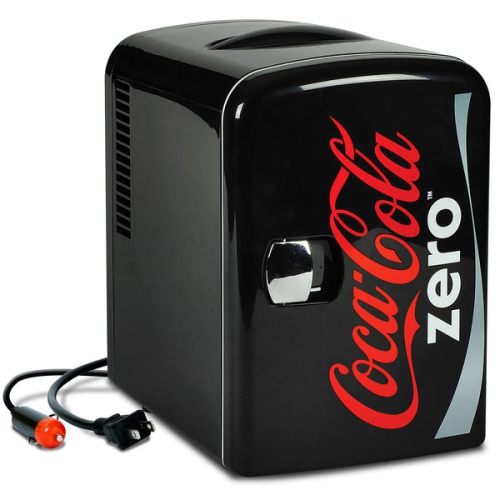

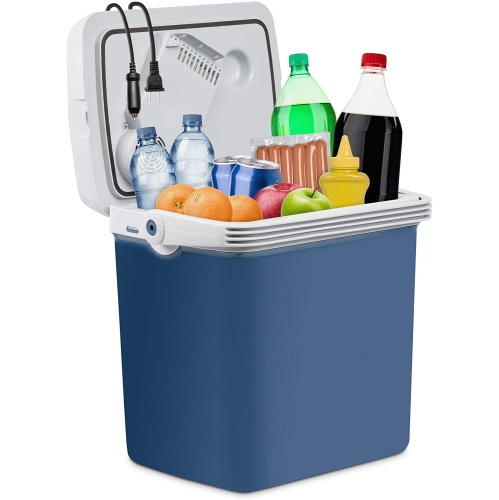
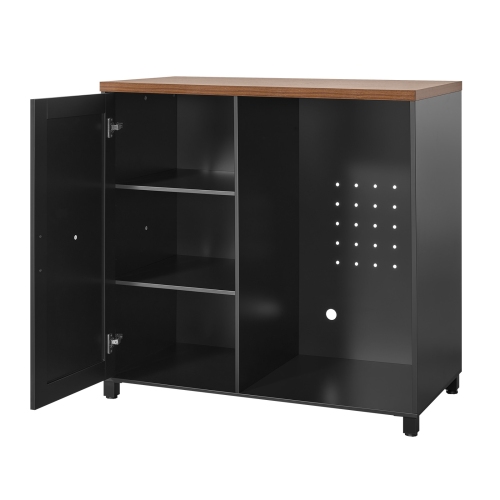
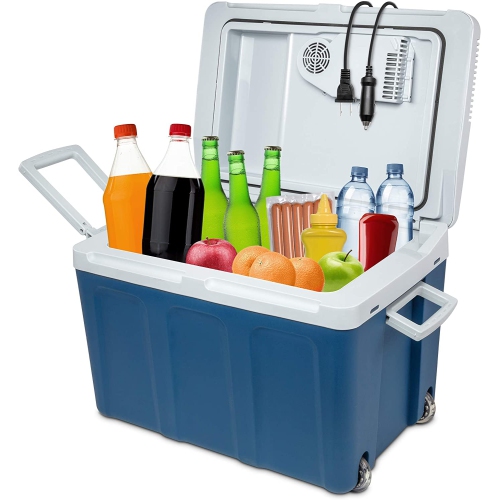
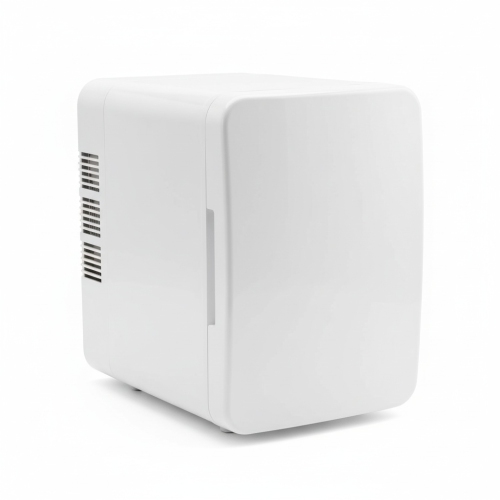
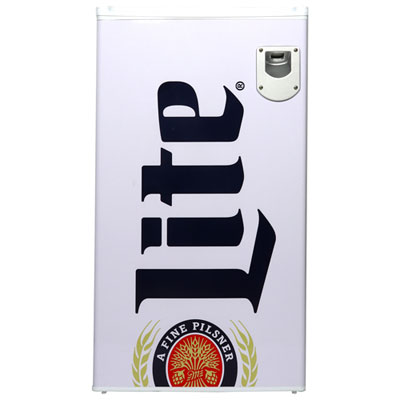
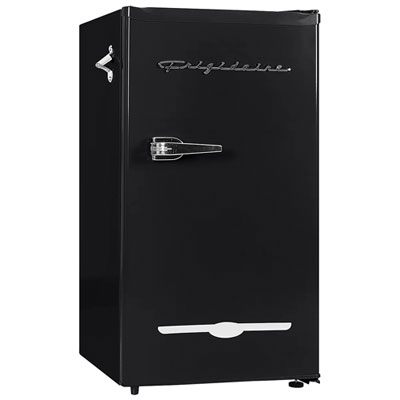
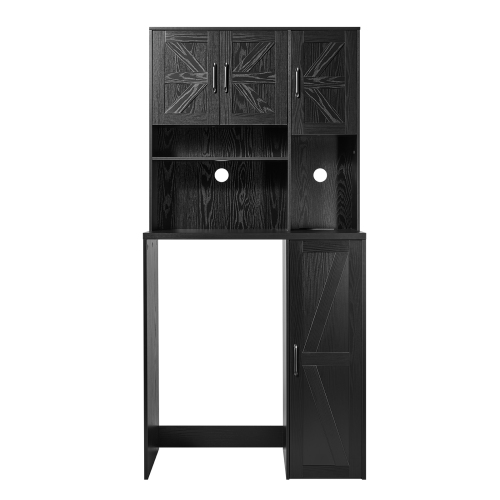

Chilled lunches and drinks without a full-size footprint
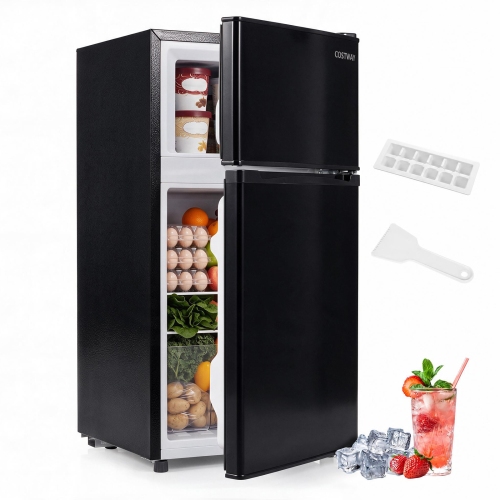
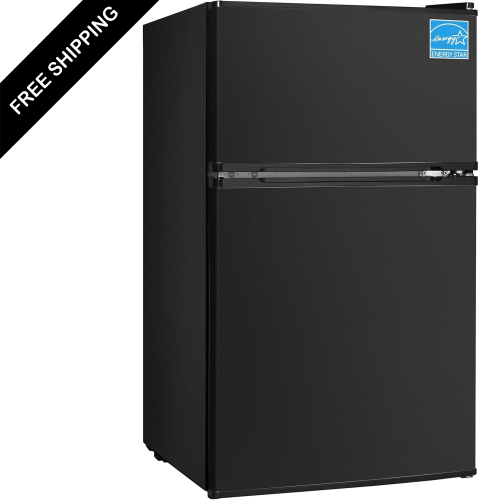
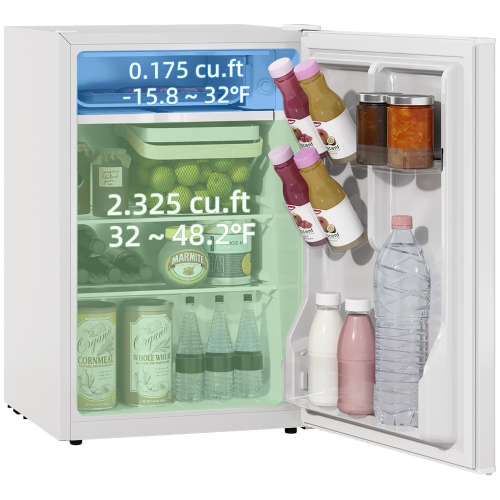
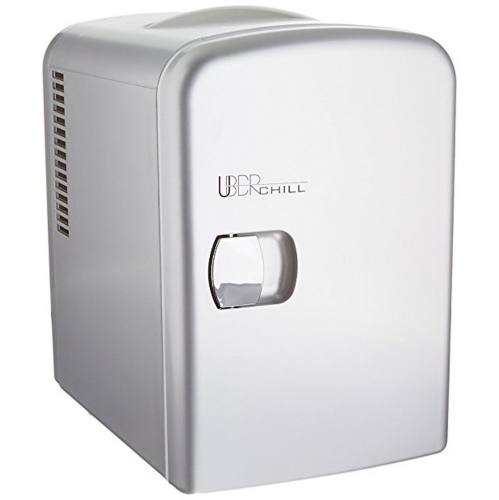
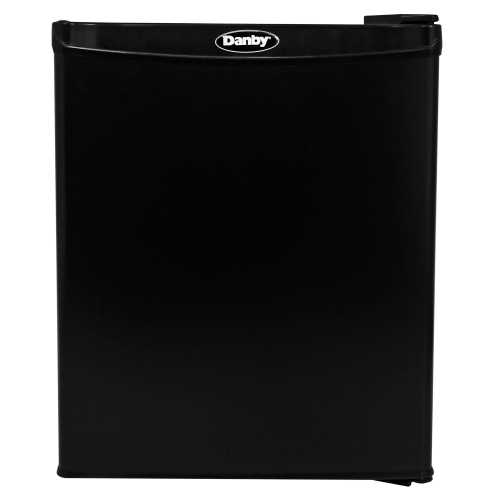
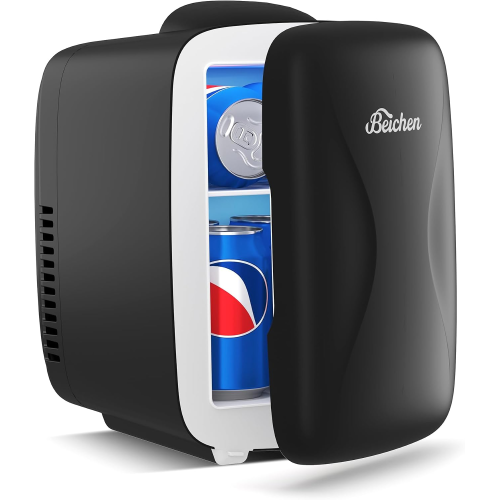
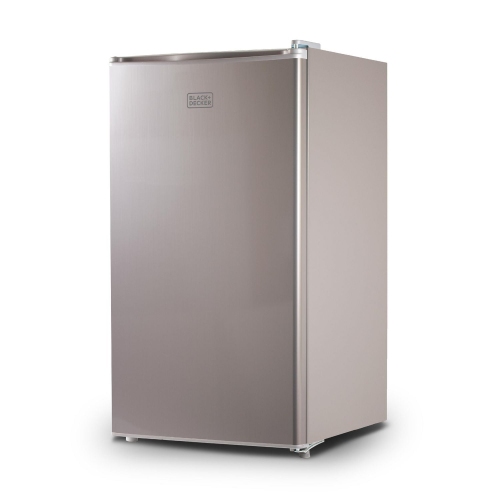
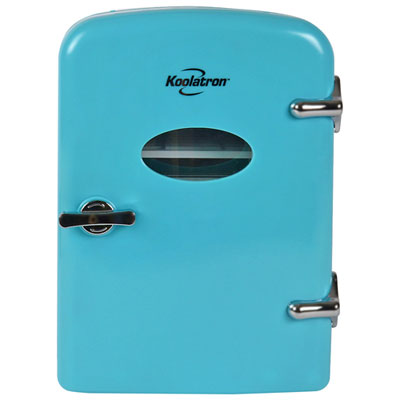
Home mini fridges provide compact chilled storage for kitchens, home offices, bedrooms, recreation rooms, and other spaces where a full-size refrigerator would take up too much room. The category spans small personal coolers with capacities of around 4 litres and refrigerator-style units offering several cubic feet of storage, sometimes with a freezer compartment. These formats serve different purposes: a personal cooler may hold a few drink cans, while a larger compact fridge can accommodate lunch containers, dairy products, fruit, and bottles. For someone working from a spare room, a mini fridge can keep lunch close without another trip downstairs; in a basement lounge, it can separate drinks and snacks from the household’s main grocery storage. The most useful capacity depends as much on the shape of the contents as their total volume. Tall bottles need upright clearance, wide meal containers need sufficient shelf depth, and a carton of milk may not fit in every door bin. Adjustable or removable shelves make the interior easier to arrange, although taking out a shelf creates height at the expense of another storage level. Door racks, can holders, and small drawers can help keep everyday contents organized, but their layouts vary. Capacity measurements alone do not show how comfortably a fridge will hold a particular mix of food and drinks. External dimensions matter just as much, especially beside a desk, beneath a counter, or in a narrow kitchenette. A compact footprint can leave more usable floor space, but the appliance still needs the clearances specified by its manufacturer. Dimensions should also account for the handle and the space needed to open the door far enough to reach shelves and drawers. A reversible door can be helpful where a nearby wall or cabinet limits access, provided the model supports changing the hinge position. For shared households, a mini fridge can also give one person a clearly defined place for their groceries without taking over the main kitchen.
Cooling performance is an important distinction between a personal cooler, a beverage fridge, and a compact refrigerator intended for food storage. Many very small personal coolers use thermoelectric technology, which can cool contents relative to the surrounding room rather than maintain the same conditions as a conventional refrigerator. They should not be assumed suitable for milk, leftovers, or other perishable foods unless the manufacturer explicitly confirms that use and the required storage conditions can be maintained. Compressor-based compact refrigerators are generally better suited to everyday grocery storage, though their specifications and intended uses still matter. Perishable food should be kept at 4°C or lower, and a separate appliance thermometer can help confirm the actual temperature inside. Frozen storage deserves similar attention: a small internal ice compartment is not necessarily equivalent to a separate freezer capable of maintaining −18°C. Someone who mainly wants chilled sparkling water has different needs from someone storing lunches and frozen meals. Interior arrangements influence daily convenience, too. A separate freezer door can make frozen contents easier to access without opening the refrigerator section, while a single-door layout may leave more room for fresh food within a compact exterior. Noise is another consideration in rooms used for sleeping, studying, or video calls. Compressor cycles, fan sounds, and occasional clicks may be noticeable in a quiet room, so published sound information can be useful where provided. Placement also affects how well the appliance works. A freestanding mini fridge needs the ventilation clearances stated in its installation instructions and should not be enclosed tightly in cabinetry unless it is specifically designed for that installation. Built-in models have different ventilation arrangements and are intended for suitable cabinet openings. A level, stable surface helps the door close properly, while space away from heat-producing appliances and direct sunlight supports reliable operation. Access to an appropriate electrical outlet also belongs in the layout, without depending on an extension cord or power bar contrary to the manufacturer’s instructions.
Materials and finishes shape both the appearance of a home mini fridge and the amount of attention it needs. Painted metal exteriors offer a straightforward look, while stainless steel and stainless-look finishes can coordinate with other appliances; the cleaning requirements differ, particularly where fingerprints are concerned. For a light, neutral finish that works with many kitchens and home office furnishings, White Mini Refrigerators offer a familiar alternative to darker finishes. Inside, smooth liners, removable shelves, and accessible door bins make spills easier to manage. Glass shelves provide a flat surface for smaller containers and can help contain minor drips, while wire shelves have gaps that may be less convenient for narrow jars or small packages. Shelf load limits still apply, especially when storing several bottles or cans together. Durability depends on more than the outer cabinet: sturdy hinges, well-supported shelves, and a door gasket that seals evenly all contribute to everyday use. Regular care is usually simple but should follow the appliance manual. Spills are easier to remove before they dry, and removable parts generally need gentle cleaning rather than abrasive scrubbing. Door seals benefit from being kept clean and free of crumbs so they can close against the cabinet properly. Models with manual defrosting also need periodic attention when ice builds up; sharp tools can damage interior surfaces or cooling components and should not be used to remove it. Keeping contents from blocking interior airflow helps maintain more consistent cooling, and leaving warm leftovers in large, tightly packed containers can make safe chilling harder. For a gift, a mini fridge is most useful when its size and purpose match the recipient’s space: a student may value room for groceries, while a home cinema enthusiast may prefer accessible drink storage. A compact fridge is ultimately a practical addition when its cooling capability, interior layout, finish, and installation needs suit the way the room is actually used.
Top selling and popular products
-
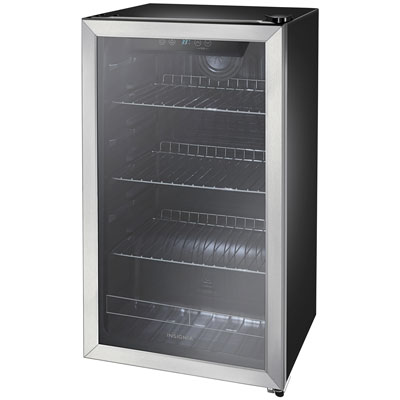 Your price for this item is $249.99
-
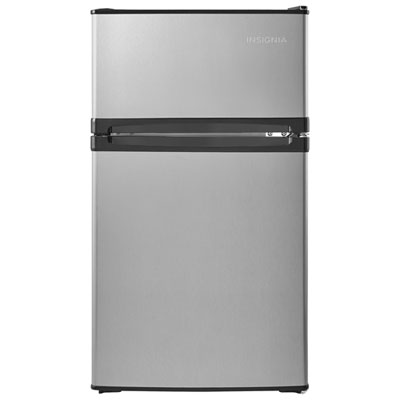 Your price for this item is $179.99
-
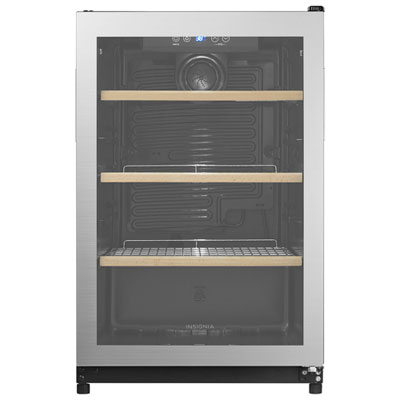 Your price for this item is $349.99
-
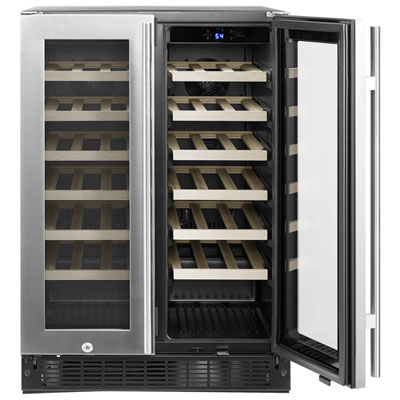 Your price for this item is $649.99
-
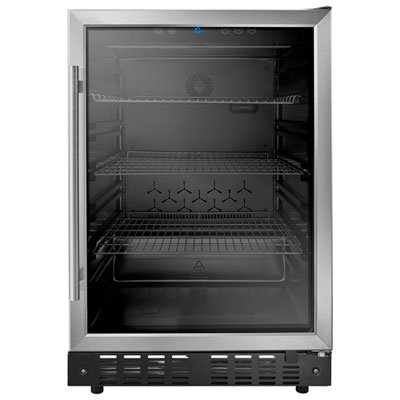 Your price for this item is $399.99
-
 Your price for this item is $699.99
-
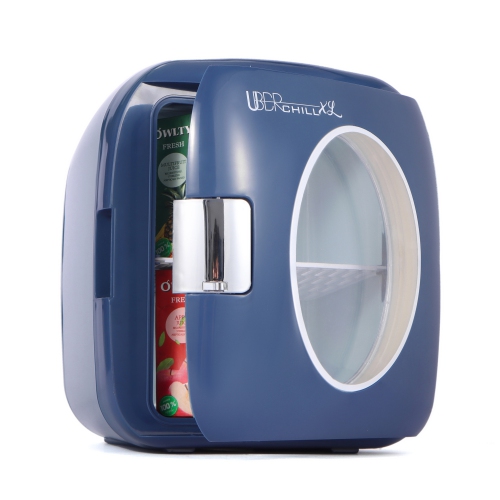 Your price for this item is $169.99
-
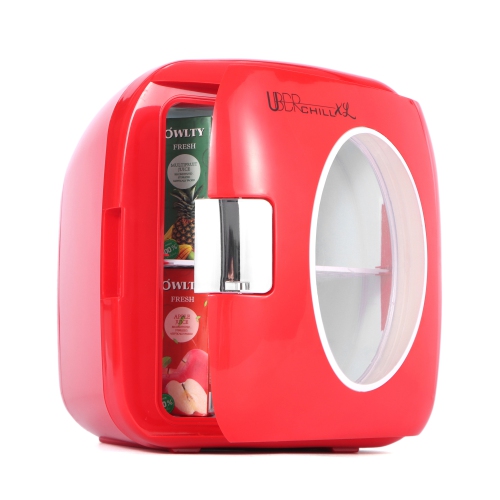 Your price for this item is $169.99
Discover more categories related to Home Mini Fridges
Top Collections:
Best Black Friday Deals This Year, Best Black Friday Deals On Electronics, Kindle Devices, Pokemon Centers, Best Black Friday Deals On Apple Products, Best Cameras for Sports Photography, Dyson Airwrap, Pokémon 30th Celebration Cards, Apple iPhone 17 Pro, Canon G7X Cameras
Some products may be subject to Environmental Handling Fees
(EHF) depending on your province.
Learn more about EHFs.